


Gusto vs. Workday: Vergleich & Expertenbewertungen für 2026


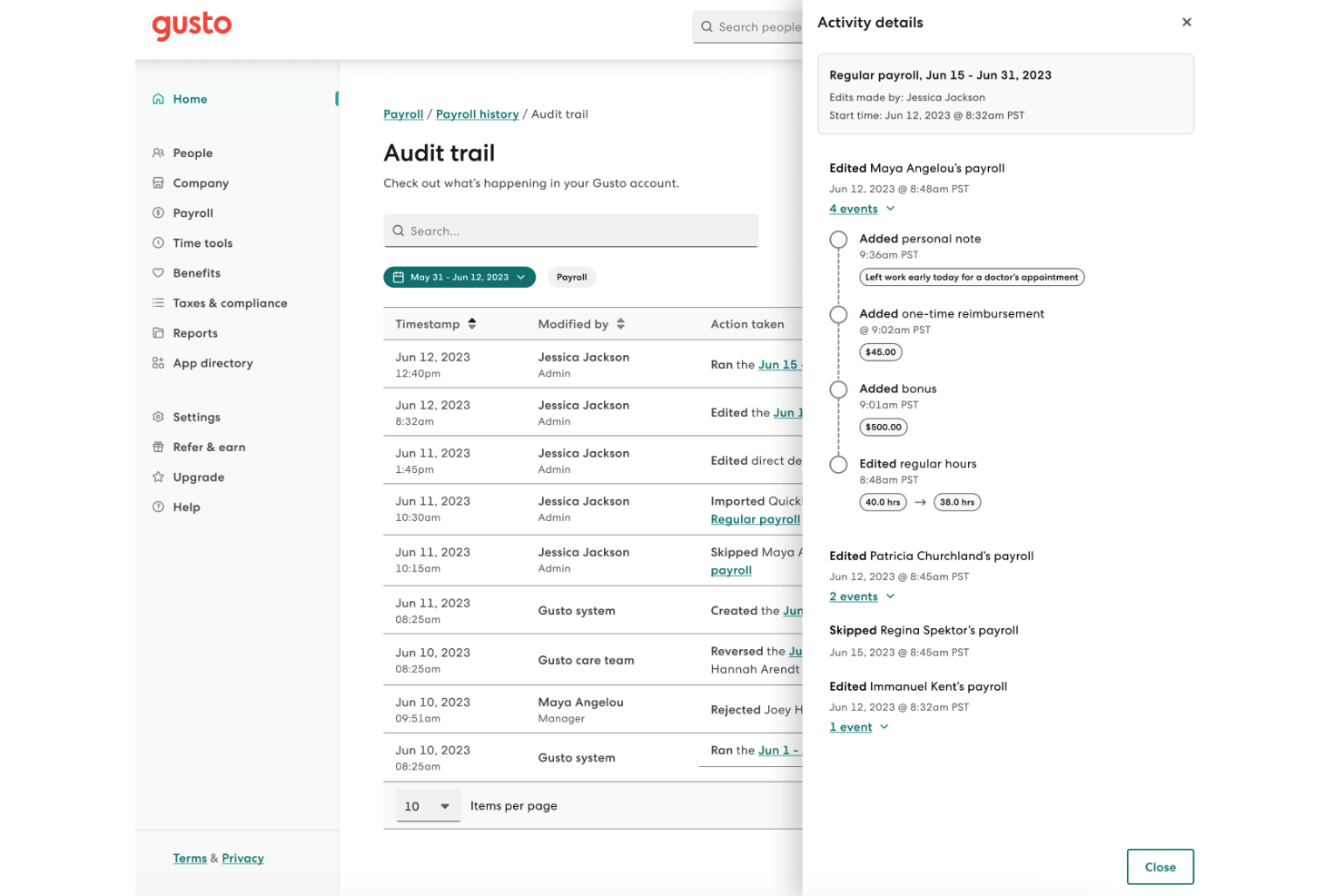
Gusto bietet einen benutzerfreundlichen Ansatz für die Lohn- und Gehaltsabrechnung und ist speziell auf kleine Unternehmen zugeschnitten, die ihre Personalaufgaben vereinfachen möchten.
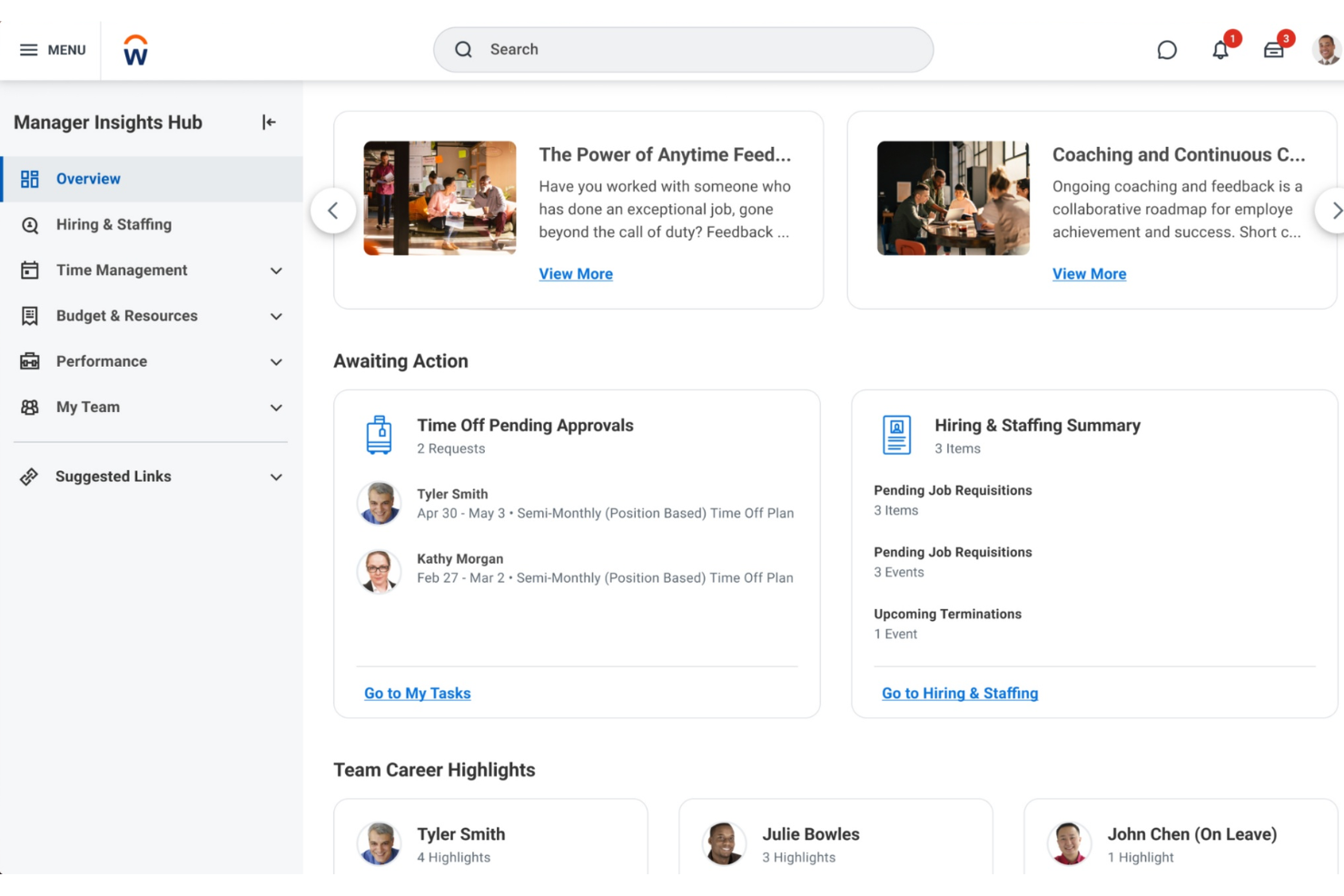
Workday hingegen stellt eine umfassende Suite für größere Organisationen zur Verfügung, die integrierte Lohn- und Gehaltsabrechnung sowie HR-Funktionen benötigen.
Während beide Plattformen in der Lohnverwaltung überzeugen, ist Gusto auf Benutzerfreundlichkeit und Erschwinglichkeit ausgelegt, während Workday den Schwerpunkt auf Skalierbarkeit und Integrationsmöglichkeiten legt.
In diesem Artikel finden Sie einen detaillierten Vergleich der Funktionen, Vor- und Nachteile sowie der Preise, um Sie bei Ihrer Auswahl zur Lohn- und Gehaltsverwaltung zu unterstützen.
Gusto vs. Workday: An Overview
Gusto
Workday


Warum Sie unseren Software-Bewertungen vertrauen können
Unser Team testet und bewertet Software seit 2012. Als HR-Experten wissen wir selbst, wie schwierig – und wichtig – es ist, die richtige Software auszuwählen.
Für diesen Leitfaden haben wir Tools mithilfe von praktischen Tests und unabhängiger Recherche bewertet und dabei unsere Bewertungskriterien angewendet. Zudem greifen wir auf Erkenntnisse von Branchenvordenkern und praktizierenden HR-Experten zurück.
Unsere Bewertungen spiegeln unser menschliches redaktionelles Urteilsvermögen wider, keine Verkaufsstrategie.
Expertenprüfer:
Gusto vs. Workday Pricing Comparison
| Gusto | Workday | |
|---|---|---|
| Free Trial | Free demo available | Free demo available |
| Pricing | From $49/month + $6/month/user | Pricing upon request |
Gusto vs. Workday Preise & versteckte Kosten
Gusto Preisgestaltung basiert auf einer monatlichen Abo-Gebühr pro Mitarbeiter, wobei für bestimmte Funktionen wie Gesundheitsleistungen und Steuererklärungsdienste zusätzliche Kosten anfallen.
Workday Preisgestaltung folgt einem individuellen Preismodell, das auf den spezifischen Anforderungen und der Größe Ihres Unternehmens basiert, was häufig zu zusätzlichen Kosten für Implementierung und Integration führt.
Um den richtigen Tarif für Ihre Bedürfnisse zu wählen, sollten Sie beide Plattformen daran bewerten, welche Funktionen für Sie essenziell sind, die Skalierbarkeit des Tools berücksichtigen und die Anbieter gezielt nach möglichen Zusatzkosten für Ihr wachsendes Team fragen.
Gusto vs. Workday Feature Comparison
Mit Gustos intuitiver Gehaltsabrechnungsautomatisierung können Sie die Abrechnung Ihres Teams einfach verwalten. Das ist ideal für kleine Unternehmen mit begrenzten HR-Ressourcen.
Workdays umfassende Analysetools sind optimal für große Unternehmen, die detaillierte Mitarbeiterdaten für strategische Entscheidungen benötigen. Während Gusto Lohnabrechnungsaufgaben für mehr Effizienz vereinfacht, bietet Workday umfassende Datenanalyse – beide erfüllen Ihre Anforderungen auf unterschiedliche Weise.
| Gusto | Workday | |
|---|---|---|
| API | ||
| Application Tracking | ||
| Attendance Tracking | ||
| Compliance Tracking | ||
| Dashboard | ||
| Data Export | ||
| Data Import | ||
| Data Visualization | ||
| Employee Database | ||
| Employee Incentive Management | ||
| Employee Onboarding | ||
| Expense Tracking | ||
| External Integrations | ||
| Feedback Management | ||
| Multi-User | ||
| Notifications | ||
| Payroll | ||
| Scheduling | ||
| Time Management | ||
| Timesheets | ||
| Travel Management | ||
| Vacation & Absence Calendar |
Gusto vs. Workday Integrationen
| Integration | Gusto | Workday |
| QuickBooks | ✅ | ❌ |
| Xero | ✅ | ❌ |
| Slack | ✅ | ✅ |
| Microsoft Teams | ❌ | ✅ |
| Google Workspace | ✅ | ✅ |
| DocuSign | ❌ | ✅ |
| Dropbox | ❌ | ✅ |
| Salesforce | ❌ | ✅ |
| API | ✅ | ✅ |
| Zapier | ✅ | ❌ |
Die Integration von Gusto mit QuickBooks ermöglicht es Ihnen, Lohn- und Buchhaltungsprozesse nahtlos zu verbinden, was besonders für kleine Unternehmen ideal ist, die ihre Finanzen strukturiert halten möchten.
Die Workday-Integration mit Salesforce eignet sich hervorragend für Unternehmen, die HR- und Vertriebsdaten zusammenführen möchten und dadurch wertvolle Einblicke für die Entscheidungsfindung erhalten.
Beide Plattformen bieten Integrationen, die auf unterschiedliche Geschäftsanforderungen zugeschnitten sind – so finden Sie die passende Lösung für Ihre Teamabläufe.
Gusto vs. Workday Sicherheit, Compliance & Zuverlässigkeit
| Faktor | Gusto | Workday |
| Datenverschlüsselung | Gusto verschlüsselt alle sensiblen Daten mit AES-256, um Gehaltsinformationen zu schützen. | Workday verwendet fortschrittliche Verschlüsselungsprotokolle, um Benutzerdaten im Ruhezustand und während der Übertragung zu sichern. |
| Regulatorische Compliance | Gusto bleibt durch die automatische Aktualisierung von Lohnsteuersätzen konform mit den IRS-Vorschriften. | Workday unterstützt weltweite Compliance mit Funktionen wie automatischen Steuerupdates für verschiedene Regionen. |
| Zugriffskontrollen | Gusto bietet rollenbasierte Zugriffskontrollen, um sicherzustellen, dass nur autorisiertes Personal Gehaltsdaten bearbeitet. | Workday bietet anpassbare Zugriffskontrollen, um zu steuern, wer sensible Informationen einsehen oder bearbeiten darf. |
| Betriebszeit / Zuverlässigkeit | Gusto garantiert eine Betriebszeit von 99,9 %, damit Gehaltsdienste stets verfügbar sind. | Workday bietet hohe Verfügbarkeit durch mehrere Rechenzentren für Redundanz und Zuverlässigkeit. |
Gusto bietet eine robuste und dennoch unkomplizierte Sicherheit, während Workday umfassende und skalierbare Compliance-Lösungen bereithält.
Um diese Plattformen zu bewerten, prüfen Sie die Sicherheitszertifikate der Anbieter, die Datenschutzrichtlinien und berücksichtigen Sie die Komplexität Ihrer Compliance-Anforderungen.
Gusto vs. Workday Benutzerfreundlichkeit
| Faktor | Gusto | Workday |
| Benutzeroberfläche | Gusto bietet ein übersichtliches, intuitives Dashboard, das besonders für Kleinunternehmer leicht zu bedienen ist. | Die Oberfläche von Workday ist funktionsreich, kann jedoch neue Nutzer zunächst überfordern. |
| Onboarding-Erfahrung | Gusto vereinfacht das Onboarding mit Schritt-für-Schritt-Anleitungen und Tutorials. | Workday bietet ein umfassendes Onboarding, das jedoch mehr Zeit zum Verständnis erfordert. |
| Einrichtung | Die Einrichtung bei Gusto ist schnell erledigt – in wenigen Minuten kann die Lohnabrechnung gestartet werden. | Die Einrichtung von Workday ist detailliert und kann Unterstützung für die vollständige Integration erfordern. |
| Support | Gusto bietet reaktionsschnellen Kundensupport per Chat und E-Mail. | Workday stellt umfangreiche Support-Ressourcen bereit, darunter eine Wissensdatenbank und Community-Foren. |
Gusto ist dank einfacher Einrichtung und intuitiver Bedienung besonders benutzerfreundlich – ideal für kleine Unternehmen. Workday hingegen ist umfangreich und leistungsstark, kann anfangs jedoch schwer zu bedienen sein; die umfangreichen Ressourcen unterstützen aber das Lernen und die spätere sichere Anwendung.
Gusto vs Workday: Pros & Cons
Gusto
- You can run payroll using guided steps, even without prior payroll experience.
- Employees can access pay stubs, tax forms, and update personal details without HR help.
- Health insurance premiums and 401(k) contributions are automatically deducted and synced with payroll.
- Support response times can be slower outside standard business hours.
- Costs can rise quickly as you add employees and features.
- May feel limiting if you need enterprise-level scalability and controls.
Workday
- Workday HCM is highly configurable, allowing you to tailor HR processes to fit your needs.
- It offers advanced talent management tools that enhance your team's capabilities.
- The user-friendly interface makes it easy for your team to navigate and manage HR tasks efficiently.
- The implementation process can be complex and may require full-time consultants.
- Its Applicant Tracking System and Payroll modules might not match specialized third-party solutions.
- Mid-market companies might find the premium pricing challenging due to high costs.
Best Use Cases for Gusto and Workday
Gusto
- Small Businesses Good fit if you want an easy way to run payroll, file taxes, and manage employee records without needing payroll expertise.
- Mid-Sized Business Works well for growing teams that need automated payroll, benefits management, and support for multiple pay schedules.
- Contractor Business Useful if you pay freelancers or contractors regularly and need simple 1099 generation and payment tracking.
- Accountants Helps accountants manage payroll for multiple clients from one system with automated tax filing and reporting.
- New Businesses Ideal if you want to set up payroll quickly, stay compliant from the start, and avoid manual payroll processing.
- One Employee Teams Suitable for solo employers who need to run compliant payroll and handle taxes without complex HR tools.
Workday
- Large Enterprises Workday HCM’s scalability and robust features support your complex HR needs across global locations.
- Healthcare Organizations The system’s compliance tools help you manage regulatory requirements in your HR processes.
- Finance Sector Workday HCM’s analytical tools can enhance your workforce planning and decision-making.
- Technology Companies Its talent management features can help you attract and retain top tech talent in a competitive market.
- Human Resources Departments The intuitive interface and comprehensive tools streamline HR tasks for your team.
- Multinational Corporations Workday HCM supports multi-currency and multi-language capabilities, crucial for your global operations.
Wer sollte Gusto nutzen und wer sollte Workday nutzen?
Meiner Meinung nach ist Gusto am besten für kleine Unternehmen und Startups geeignet, die eine erschwingliche, einfach zu bedienende Lohnabrechnungslösung mit gutem Kundenservice benötigen.
Es ist ideal für Teams, die Wert auf Einfachheit legen und keine umfangreichen HR-Funktionen benötigen. Workday hingegen passt besser zu größeren Unternehmen oder Organisationen mit komplexen HR-Anforderungen, da es umfassende Funktionen und Integrationen für Skalierbarkeit und detaillierte Analysen bietet.
Wenn Ihr Team eine leistungsstarke HR-Verwaltung zusammen mit der Lohnabrechnung benötigt, ist Workday vermutlich die passendere Lösung.
Differences Between Gusto and Workday
| Gusto | Workday | |
|---|---|---|
| Automation | Gusto automates payroll tasks like tax filing and benefits management. | Workday provides extensive automation for HR processes and analytics. |
| Integrations | Gusto integrates with tools like QuickBooks and Xero. | Workday offers integrations with platforms like Salesforce and Microsoft Teams. |
| Pricing | Gusto uses a simple subscription model with per-employee fees. | Workday offers custom pricing based on organizational needs and size. |
| Target Audience | Gusto is designed for small to medium-sized businesses. | Workday targets large enterprises with complex HR needs. |
| User Interface | Gusto has an intuitive, user-friendly interface ideal for small business owners. | Workday's interface is robust but may be complex for new users. |
| Visit GustoOpens new window | Read Workday ReviewOpens new window |
Similarities Between Gusto and Workday
| Compliance | Both platforms keep your business compliant with tax regulations, with Gusto updating payroll tax rates automatically and Workday providing global compliance tools. |
|---|---|
| Customization | Both allow customization to fit your business needs, with Gusto offering easy-to-use settings and Workday providing detailed configuration options for complex HR processes. |
| Payroll | Both Gusto and Workday streamline payroll processing, ensuring accurate and timely payments for your team. Gusto simplifies this for small businesses, while Workday offers scalable solutions for larger enterprises. |
| Security | Each platform prioritizes data security, using encryption to protect sensitive payroll information. Gusto uses AES-256 encryption, while Workday employs advanced protocols. |
| Support | Gusto and Workday both offer customer support, with Gusto providing chat and email assistance and Workday offering extensive resources including forums. |
| Visit GustoOpens new window Read Workday ReviewOpens new window | |