

How To Lead Through Times Of Change & Support Team Collaboration
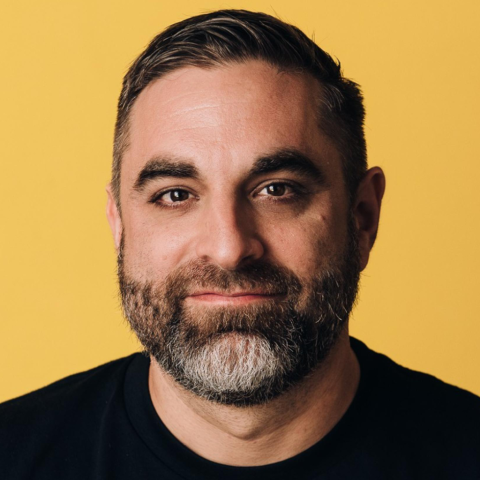

Liderzy nie są już tylko figurantami; są katalizatorami zmian, architektami rozwoju i orędownikami współpracy.
W tym odcinku prowadzący David Rice rozmawia z Julie Williamson — partnerką zarządzającą i dyrektor generalną Karrikins Group — która dzieli się swoimi cennymi spostrzeżeniami na temat tego, jak liderzy mogą poruszać się w złożonym świecie współczesnej dynamiki organizacyjnej.
Najważniejsze fragmenty wywiadu
- Poznaj Julie Williamson [00:53]
- Julie rozpoczęła karierę w branży komunikacyjnej w okresie pojawienia się telefonów komórkowych w latach 90., koncentrując się na łączeniu ludzi.
- Na początku XXI wieku przeszła do obszaru strategii i transformacji, nadal kładąc nacisk na budowanie relacji między ludźmi.
- Julie zdała sobie sprawę, że pomimo wiedzy biznesowej cele strategiczne nie były realizowane, ponieważ ludzie nie nawiązywali skutecznej współpracy.
- Wróciła na studia i uzyskała doktorat z nauk społecznych, przenosząc swoją uwagę z tradycyjnego biznesu na poszukiwanie sposobów pomagania organizacjom i ludziom w lepszej współpracy.
- Przez ostatnie 10-15 lat jej kariera koncentrowała się wokół pytania: „Jak pomóc ludziom robić więcej, lepiej i razem?”
- Julie szczególnie angażuje się w pomaganie liderom w inspirowaniu zespołów do osiągania lepszej współpracy.
- Luka w przywództwie związana z niepowodzeniami [02:12]
- „Luka związana z niepowodzeniami” pojawia się wtedy, gdy dobre pomysły nie zostają zrealizowane — to częste doświadczenie zarówno w życiu osobistym, jak i zawodowym.
- Wielu liderów naciska na pracę w biurze, aby zachęcać do współpracy, ale nie dostrzega swojej roli w tworzeniu środowiska sprzyjającego współdziałaniu.
- Liderzy często nie zmieniają własnych zachowań, aby inspirować do współpracy lub dawać jej przykład, co przyczynia się do powstawania tej luki.
- Julie podkreśla, że liderzy powinni zacząć od zmiany własnego sposobu przewodzenia, zanim będą oczekiwać zmiany od innych.
- Wskazany zostaje brak skutecznego przywództwa zarówno w biurze, jak i w środowisku zdalnym — liderzy nie potrafią stworzyć warunków wspierających współpracę.
- Liderzy powinni zadawać kluczowe pytania wspierające współpracę, na przykład analizować szersze skutki decyzji i dbać o komunikację w całej firmie.
Liderzy muszą zacząć od siebie. Najpierw powinni zrozumieć, jak muszą inaczej przewodzić, zanim zaczną oczekiwać zmiany od innych.
Julie Williamson
- Przywództwo podczas transformacyjnych zmian [04:26]
- Liderzy często chcą transformacji, ale wahają się przed poprowadzeniem jej lub szybko tracą impet.
- Prezesi nie mogą sobie pozwolić na wycofanie się podczas transformacyjnych zmian; muszą pozostać zaangażowani.
- Silni liderzy wiedzą, jak delegować zadania, ale w kluczowych momentach muszą również przewodzić własnym przykładem.
- Strategie często zawodzą, ponieważ liderzy są zajęci innymi ważnymi zadaniami i nie koncentrują się na wdrażaniu.
- Liderzy muszą w widoczny i częsty sposób łączyć się z transformacją lub strategią oraz aktywnie angażować innych w ten proces.
- Muszą konsekwentnie się angażować, używać odpowiedniego języka i demonstrować własne zmiany w przywództwie, gdy proszą innych o zmianę.
- Poruszanie się po polityce organizacyjnej [05:48]
- Polityka organizacyjna jest naturalnym zjawiskiem, gdy ludzie pracują razem.
- Ludzie często reagują negatywnie na termin “polityka organizacyjna” z powodu wcześniejszych negatywnych doświadczeń.
- Julie postrzega politykę organizacyjną po prostu jako “bycie ludźmi”, co jest nieuniknione w każdej grupie, niezależnie od jej wielkości.
- Podkreśla znaczenie pozytywnego wykorzystywania polityki do ukierunkowywania dobrowolnie angażowanej energii i czasu, zamiast pozwalania, by utrudniała postęp.
- Liderzy powinni zaakceptować rzeczywistość polityki, czyniąc ją przejrzystą i widoczną, zamiast próbować z nią walczyć.
- Dzięki temu liderzy mogą wykorzystywać politykę do przyspieszania zmian i zapewniania zgodności strategicznej w grupach przywódczych.
- Przywództwo zmianą a zarządzanie zmianą [07:40]
- Przywództwo zmianą i zarządzanie zmianą to odrębne, ale niezbędne umiejętności dobrego lidera.
- Bycie dobrym sponsorem zmiany (np. wysyłanie e-maili, organizowanie szkoleń) jest częścią zarządzania zmianą, a nie przywództwa zmianą.
- Przywództwo zmianą obejmuje rozpoczęcie od siebie, naukę nowych języków biznesowych, wskaźników i sposobów pracy.
- Liderzy muszą w widoczny sposób demonstrować swoje zaangażowanie w zmianę w przekształconym środowisku, zanim oczekiwać będą zmiany od innych.
- Skuteczne przywództwo zmianą może zakłócić istniejącą politykę organizacyjną, powodując przesunięcia w strukturach władzy.
- Liderzy muszą zaakceptować te przesunięcia i poruszać się w ich obrębie, demonstrując swoje przywództwo w nowym środowisku oraz koncentrując się na zmianie siebie, zanim zaczną wpływać na innych.
Zarządzanie zmianą koncentruje się na przeprowadzaniu innych przez zmianę, podczas gdy przywództwo zmianą dotyczy tego, jak ty, jako lider, zmieniasz siebie.
Julie Williamson
- Równowaga między szeroką perspektywą a szczegółami [09:32]
- Liderzy często mają trudności z równoważeniem spojrzenia z szerokiej perspektywy ze szczegółami, czasami gubiąc się w szerszym obrazie.
- Julie określa siebie jako osobę, która naturalnie koncentruje się na szerokiej perspektywie, ale dostrzega potrzebę przyjrzenia się szczegółom i szanowania osób, które doskonale radzą sobie z pracą wymagającą dbałości o szczegóły.
- Opowiada historię z początków swojej kariery w branży telefonii komórkowej, gdzie wdrożono nowy system operacyjny, który wymagał od pracowników obsługi klienta korzystania z myszy zamiast wyłącznie z klawiatury.
- Z perspektywy szerokiego obrazu aktualizacja systemu wydawała się pozytywna, ale stworzyła wyzwania dla pracowników obsługi klienta, którzy byli przyzwyczajeni do wydajnej pracy wyłącznie za pomocą klawiatury.
- Ta historia ilustruje, jak ważne jest, aby liderzy doceniali wpływ szczegółowych zmian na codzienne działania członków ich zespołów.
- Liderzy nie muszą rozwiązywać każdego szczegółu, ale muszą szanować i rozumieć realia, z którymi mierzą się ich zespoły, dbając o uwzględnienie zarówno szerokiej perspektywy, jak i szczegółów.
- Podejmowanie pewnych decyzji w warunkach niepewności [12:03]
- Liderzy często doświadczają “paraliżu analitycznego” podczas podejmowania ważnych decyzji strategicznych z powodu przytłaczającej ilości danych i chęci wyeliminowania wszelkiego ryzyka.
- Julie podkreśla, że same dane nie mogą zapewnić decyzji wolnej od ryzyka i że czasami intuicja jest niezbędna, gdy próbujesz poruszać się w warunkach niepewności.
- Syndrom oszusta, czyli lęk przed podejmowaniem ważnych decyzji, jest powszechny wśród liderów, ale Julie woli nie patologizować tego doświadczenia.
- Uważa, że odczuwanie niepokoju związanego z decyzjami jest normalne, zwłaszcza gdy stawka jest wysoka, a cele ambitne.
- Liderzy powinni zebrać rozsądną ilość danych, wysłuchać swojego zespołu, podjąć decyzję i zrobić kolejny krok, pamiętając, że nie jest to krok ostateczny.
- Odwaga jest niezbędna, aby liderzy mogli działać dalej, uczyć się i dostosowywać po drodze.
Poznaj naszego gościa
W coraz bardziej zdigitalizowanym świecie przywództwo staje się coraz bardziej ludzkie. Potężne połączenie wiedzy Julie z zakresu biznesu, technologii i nauk społecznych pozwala jej spojrzeć z wyjątkowej perspektywy na rozwiązywanie problemów, które pojawiają się w tej rzeczywistości. To właśnie dzięki temu połączeniu umiejętności Julie pomaga liderom i ich zespołom koncentrować się na pracy, która ma największe znaczenie dla współpracowników, klientów i społeczności.
Jako liderka zorientowana na rozwój Julie jest strategiem, technolożką i badaczką społeczną, która poświęca swoją energię współpracy z liderami na całym świecie, gdy mierzą się oni z największymi wyzwaniami w swoich branżach i organizacjach. W coraz bardziej
złożonym i wzajemnie powiązanym świecie Julie zna siłę zgodnie działających liderów, którzy realizują strategię i tworzą wartość. Dlatego koncentruje swój czas i energię na pomaganiu liderom wyższego szczebla we wspólnym realizowaniu pracy, która ma największe znaczenie.
Jako partnerka zarządzająca i współwłaścicielka Karrikins Group Julie doskonale rozumie wyzwania związane z rozwijaniem i pielęgnowaniem firmy. Wraz ze swoimi współpracownikami jest zaangażowana w działania na rzecz tego, by sposób działania miał znaczenie w świecie. W ramach tej pracy pomagają największym globalnym firmom, a także start-upom i średnim organizacjom, które mają ambitne cele.
Aby dowiedzieć się więcej o doświadczeniu, wykształceniu i publikacjach Julie, odwiedź jej stronę biograficzną tutaj.

Liderzy, którzy utknęli w cyklu ciągłego poszukiwania większej ilości danych, powinni zrobić kolejny krok. To nie jest ostatni krok — istnieje różnica między kolejnym krokiem a krokiem ostatnim. Podejmij więc decyzję, idź naprzód i zobacz, co się wydarzy. Musisz znaleźć w sobie odwagę, by to zrobić.
Julie Williamson
Powiązane linki:
- Dołącz do społeczności People Managing People
- Zapisz się do newslettera, aby otrzymywać nasze najnowsze artykuły i podcasty
- Połącz się z Julie na LinkedInie
- Sprawdź Karrikins Group
Powiązane artykuły i podcasty:
- Informacje o podcaście People Managing People
- Syndrom oszusta: jak go pokonać i odważnie przewodzić, czerpiąc siłę ze swoich atutów
- Przywództwo transformacyjne: jak inspirować innych do stawania się lepszymi
- Coaching przywódczy: jak stać się bardziej wszechstronnym liderem
- Programy rozwoju przywództwa: czym są i dlaczego potrzebujesz takiego programu?
- Zarządzanie zmianą w HR: jak skutecznie kierować zmianą jako specjalista HR
Read The Transcript:
We’re trying out transcribing our podcasts using a software program. Please forgive any typos as the bot isn’t correct 100% of the time.
Julie Williamson: Leaders need to start with self, they need to figure out how they need to lead differently before they try and get other people to do things differently. And collaboration is a great example of that. It's easy, accessible. A lot of organizations say we should collaborate more, but leaders don't change their behaviors in ways that inspire and model the way for others.
David Rice: Welcome to the People Managing People podcast. We're on a mission to build a better world of work and to help you create happy, healthy, and productive workplaces. I'm your host, David Rice.
My guest today is Julie Williamson. She is the Managing Partner & CEO at Karrikins Group and a renowned thought leader and speaker on leadership challenges. We're going to be talking about where leadership is falling short and how to better lead organizations and teams through periods of change.
Julie, welcome.
Julie Williamson: Thanks for having me, David.
David Rice: All right. So to get us started, tell us a little bit about you, how you got to where you are and what it is that sort of lights your fire in the morning to go out and talk about leadership?
Julie Williamson: Yeah, thanks. I always say I started my career in the communication industry with the emerging mobile phone industry in the nineties and it was about people talking to people, right?
Like, how do we connect people? And then I got into strategy and transformation in the early two thousands. That's also about connecting people and people talking to people. And then I had this epiphany where I thought, okay, like I've got an undergraduate degree in information systems. I've got an MBA in finance.
I like, I know how business works, right? But somehow business isn't working. People aren't connecting and they aren't doing what they need to do to deliver on strategic goals and strategic aspirations. And so I actually went back to school and I got my PhD in a social science. So I took a pivot from the traditional consulting kind of business background and really opened up my world to a whole new lexicon, a whole new set of questions about how do we help organizations and people to do more or better together? And that has been the enduring question of my career for the last 10 or 15 years. And I think it will be until, I ended my career in a few years here too.
So, that's what gets me up at night is answering that question. How do we help people to do more better together? And in particular, how do we help leaders to inspire that in their teams?
David Rice: Absolutely. That's kind of where I want to go next. Because, as you and I spoke for this week, we started with this idea of a failure gap for leadership, specifically the failure to support collaboration.
We've got countless leaders out there saying that we've got to get people back into offices so that we can get them collaborating. What we're not hearing is leaders recognizing that they have a role to play in creating the change necessary to cultivate collaborative environments. So talk to us about how you see this gap forming and what can be done to close it?
Julie Williamson: Yeah, we say the failure gap is where good ideas go to die. And by the way, every human being in the world has been in the failure gap, right? We've all said at some point, I don't know, I should eat more salad and less pizza. But we don't do it, right? So there's, it's a very common experience, but what happens at work is leaders will say, Oh, we should retool our products or we need to open up a new market or we need to diversify our revenue or whatever it might be.
And then they don't do the work that needs to be done to get there. And that's really dangerous for businesses in the failure gap. So we say that leaders need to start with self. They need to figure out how they need to lead differently before they try and get other people to do things differently. And collaboration is a great example of that. It's easy, accessible. A lot of organizations say we should collaborate more, but leaders don't change their behaviors in ways that inspire and model the way for others to start collaborating more. And you mentioned remote versus in office work. I think that's such a great example.
Leaders will come into the office and then they'll close their door because they don't want to be interrupted. And that's not exactly supporting collaboration in the office. On the other side, they're on remote, they're on virtual calls and they're showing up terribly. Like they haven't figured out their lighting or their sound or anything.
And it's 2024, by the way, we're four years into all of this virtual work. And they're still not showing up great in that environment in a way that really fosters and promotes collaboration. They're also not asking their team members questions like who else have you talked to about this?
What other impacts do we expect will happen as a result of this decision across the company? And how are we going to manage that? They're not asking those kinds of questions. So leaders, I think, need to take a hard look at themselves if they want to promote collaboration and get over the failure gap with it.
David Rice: Yeah. It seems like, what we're hearing here is that leaders want transformation, but they don't necessarily want to, like you said, lead through it or the energy is there at the start and then it fades quickly. And if I'm looking at a CEO, I'm kind of thinking that's not a luxury that you get to have, unfortunately.
How do you sort of challenge leaders to dig in and get their hands dirty during transformational change and not just delegate it? Because we know that a characteristic of a strong leader is the ability to delegate, but there comes a moment where you also have to be involved and you also have to kind of lead by example.
Julie Williamson: A hundred percent. I love that question, David, around how do leaders get into that space? And, we like to say strategies fail while leaders are busy doing very important things. Leaders will say, well, I'm a very important, I'm doing very important things.
And they don't attend to the strategies that they've put forward and said, this is what's most important to us as a company to do. I think leaders have to very visibly and frequently connect back to whatever the transformation or strategy happens to be and do that in a way that brings other people along with them.
They can't just assume that they've sent it out in a PowerPoint deck and so everybody knows how to do it. So they have to engage in that process themselves and kind of get their hands dirty, right? Like they have to be really consistent about showing up in that space, using the language, and showing how they're changing their own leadership as they ask other people to change what they're doing.
David Rice: One of the things I'm interested in, and I know that you've spoken about this previously is around organizational politics, right? It's just the reality of you get enough people together, this sort of thing is going to become part of it. But I think a lot of people, and I know that I'm guilty of this, you say organizational politics and they immediately have a negative reaction.
Because they think about some of the bad experiences that they have, right? That can be very scarring. That's not necessarily the case though, in every way. There are ways that org politics can drive positive change. Take me through that a little bit and how it can help strategic alignment within leadership groups.
Julie Williamson: Look, I like to say, David, that organizational politics are just people being people. So we're all human. I mean, Karrikins Group or a small company, we have politics, right? Like the positional power, all of those kinds of things come into play and how we make decisions, how we decide where to put our time, our energy, our discretionary time and energy and what we're working on as humans.
And that happens exponentially in a very large company. So the question becomes, how do you leverage politics? However you want to define that to help people to use that discretionary energy and investment in time that they have in the right ways and not use it in ways that either hold you back or keep you stuck in a rut or stuck in a space where you don't want to be.
So I really encourage leaders to embrace the reality that politics are going to happen because people are people. And how do you make it transparent? How do you make it visible? How do you work with that instead of trying to fight against it? And I think that then becomes almost the judo of leadership, right? Like, how do you accelerate change by leveraging the power that politics can provide?
David Rice: I think politics definitely enters the change conversation. You sort of get into these modes where it's like, Oh, so and so has too much power and that's why we're doing this. Or they have more sway.
Change leadership and change management. They're not the same thing. But they're both things that a good leader needs to be capable of. So what are some of the strengths that a leader needs to have to be good at both? And what advice do you have for leaders who want to build the muscle to be able to do either?
Julie Williamson: I love this question, David, because the idea that change leadership and change management are different is so important in the work that we do. And I think for a lot of your audience, it's a really important concept. By the way, being a good sponsor of change is insufficient. That's not change leadership, right?
That's actually change management. Sponsorship falls in the change management bucket. If you have to be a good sponsor, you need to send out the emails. You need to hit the bullet points in your town halls. You need to park some dollars for training for your people. You need to make sure that, people are doing what they need to do.
But for a leader to lead change, I'll go back to that idea of how do you start with self? How do you really lean into, as a leader, learning sometimes a new language of business? What are the new metrics? What are the new ways of working that are really important for leaders to be visibly demonstrating?
And by the way, that can shake up organizational politics. When people start to ask different questions and they start to engage in different ways, you start to see shifts in those power structures in the organization. And sometimes the organization can react very strongly to that and try and hold on to the existing power structures because people know how to work within that.
So as a leader, if you want to lead change, you need to embrace all of that and you need to be going after that and you need to be figuring out how you visibly demonstrate your leadership in the new transformed environment. And start with that before you start changing other people and trying to ask other people to do things differently.
That's change management is when you pointed outwards to other people. Change leadership is about how are you, as a leader, changing yourself.
David Rice: It's interesting because it feels probably counterintuitive to a lot of leaders, right?
To sort of, we were talking about getting your hands dirty, but that doesn't feel like sort of having that what we call, like, the 40,000 foot view and keeping the big picture and focus. And I saw that you put a post on LinkedIn recently, kind of talking about the differences between folks who are good at zooming in and focusing on the details, and then those who are really good at seeing the big picture. And you say that you're one of the latter, but you mentioned that you have to remember to zoom in and also respect and listen to the people who are naturally good at that.
And I think getting lost in the big picture view is sometimes something a lot of leaders struggle with. It's kind of hard, right? Because once you see the big picture, they can be all you see. So what advice do you have for helping them zoom in and to hear the people who have a better zoomed in view?
Julie Williamson: David, maybe I'll just share a really quick story with you, which is early in my career, I was working in the mobile phone industry.
And one of the things we did is rolled out a new operating system for a customer service organization, right? And these people in the customer service organization had been really good at having their hands on the keyboard, typing away. This was back in the nineties, right? So I'm a hundred years old.
Really, there weren't any, nobody used a mouse, but we all used a mouse in our development. And so we rolled out this new system and we were all excited because it was like totally different visually. It really changed the environment. What we thought for the better for the customer service reps, but they had to use a mouse to move from field to field.
That's a terrible idea. People who are in customer service roles, right there, they have their hands on the keyboard and they're like cranking through. They know their tab orders. They know all of that. That's the detail, right? But from a big picture view, it was like, Hey, this is cool. We're like updating this whole system, right?
From being an old fashioned name frame system to a super cool new system. That's the big picture view, right? So I don't need to know as a big picture view person, the details of how to, what happens when people have to move their hands from the keyboard to the mouse, right? But I do have to appreciate that at that level of detail in the design of the system, that creates havoc for a customer service rep, right?
Who's not used to having to take their hands off the keyboard. So that space between having the big picture view of here's all the great things that you get with the new system, and here's the hard realities of what it means for the people who have their hands on the keyboard, being able to navigate that space as a leader is really important.
You don't have to know how to solve for that. You don't have to know, like, what the time motion studies tell you about it necessarily, right? But you have to appreciate that is a reality that people struggle with. And I think as a leader, it's really important to understand and respect those details while not getting, you don't have to get necessarily sucked into them at a certain level.
David Rice: We talk about big decisions, and I heard you say recently, you're never going to find enough data to help you make big strategic decisions completely free of risk. I think that we sometimes, we get into analysis paralysis, and we want the data to tell us everything, and we're trying to see all these different views, the big picture, the zoom in, right?
It can become a lot. And what you realize as you do that is that in fact, sometimes the data just doesn't tell you the whole story. And this is actually a good thing, I think, because it means leadership is secure in its position, so to speak. But you have to understand the people, and you have to understand, you've got to follow your intuition a little bit.
At the same time, we know that imposter syndrome is so rampant these days, and that goes across many levels of leadership. So, my question is, what advice do you have for overcoming that and being able to make decisions that involve all this data and all these different views of the business? And it comes with a certain level of organizational risk. How do you do that with a bit of confidence?
Julie Williamson: Yeah, I love that question, David, about how do you overcome this anxiety that you have about making decisions that aren't sure things when there's a lot on the line. Look, some of these senior leaders that we work with, they have, billions of dollars in revenue that they're trying to generate or big product decisions that they're trying to make.
But I have this vivid memory as a strategist working with companies where they would say, Oh, we need like this shiny new object. And then you give them a shiny new object and they say, well, show me where it's worked three other places. Like, well, it's supposed to be new and innovative. So I can't do that.
You can't get that data. It doesn't exist. And I think this idea of imposter syndrome, first, I would just say, I don't particularly care for the term. I think it pathologizes a very normal human experience of having anxiety over making big decisions. So embrace the fact that you're going to be anxious about making big decisions.
It's okay. If it doesn't create some anxiety, it's probably not that ambitious, right? You're probably not pushing the envelope very far if you're not anxious about making the decision. So get the data that is available and that's reasonable. Understand what your people are saying about the direction that you want to go and then make the decision and go and know that you can learn and change along the way.
I always tell people, leaders who are stuck in this cycle of, I need more data, take a next step. It's not the last step. There's a difference between your next step and your last step. So let's take the next step. Make the decision, go down this road, see what happens. And you have to find in yourself the courage to do that.
David Rice: Awesome. That's good advice. I like that.
Well, before we go, there's a couple of things that we always like to do. The first is I want to give you a chance to tell people more about where they can connect with you and find out more about what you're doing?
Julie Williamson: Yeah. So we're out there on karrikinsgroup.com and we're also have a YouTube channel. Search for Karrikins, you'll find it or search for me and hit me up on LinkedIn. I'd love to say hello and check in and hear what people are doing, especially when it comes to aligning leaders to big strategic ambitions and goals. That's what we do best.
David Rice: Excellent. And the last thing that we always like to do before we sign off is I'll give you a chance to ask me a question. Anything that you want doesn't have to be connected to this, if you don't want.
Julie Williamson: David, I would love to know for you, what's the last piece of content that you paid for, whether it's music or a book or podcast or something like that? And why did you buy it?
David Rice: It was my Atlantic subscription. I love the writing in the Atlantic and that's really why I like the long form storytelling.
I like their ability to dig into something complex and make all these different media types. Like as a content person and a content creator myself, it's something that I have a great deal of respect for, their ability to tell a complicated story across a variety of different formats, and the written word is still very much respected.
You're never going to find something generated by ChatGPT in the Atlantic, you know what I mean? So, because it's very well thought out and carefully plotted, and I think it's a brilliant magazine, so. My athletic subscription is coming up next though. So that'll be like, I gotta have my Athletic subscription.
Julie Williamson: Yeah. I love that. Well, I think that respect for long form content, I share that. So I appreciate that very much.
David Rice: The detail on the level of reporting and just being able to go out and dig up insights is, it's incredible. So, that's actually all we have time for today. I appreciate you coming on and giving us a little bit of your insight and expertise.
Julie Williamson: Yeah, absolutely. Thank you so much for having me.
David Rice: All right listeners, if you haven't done so already do head on over to peoplemanagingpeople.com/subscribe, sign up for the newsletter. You can get the podcast, you'll get all of our latest articles, insights, trends reports, you name it - straight to your inbox. Can't beat it.
And until next time, get out of the summer heat, try to find some air conditioning because it's hot out there folks.

