

Tips For Navigating Leadership Challenges Of 2024 From A CPO
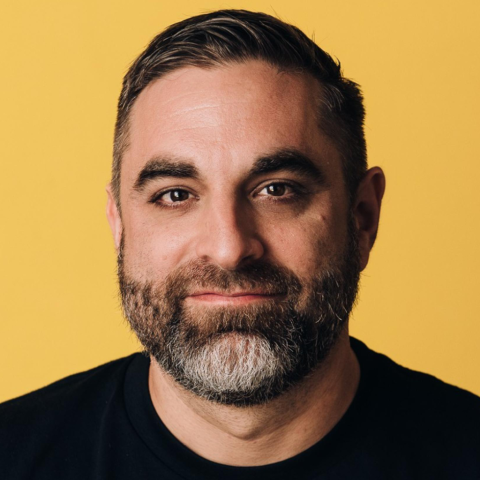

W tym nieustannie zmieniającym się świecie przywództwo i zarządzanie talentami stały się bardziej złożone niż kiedykolwiek wcześniej. Wpływ AI, zmieniające się wymagania dotyczące umiejętności oraz potrzeba opracowywania strategicznych planów zarządzania talentami to tylko niektóre z wyzwań, przed którymi stoją dziś liderzy.
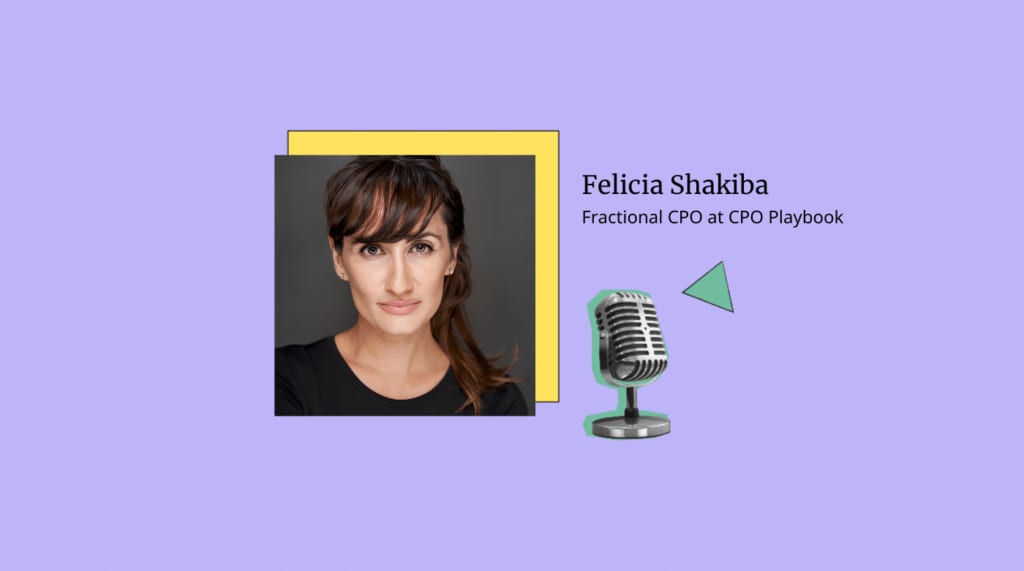
W tym odcinku do prowadzącego Davida Rice’a dołącza Felicia Shakiba — dyrektorka ds. personalnych w niepełnym wymiarze czasu pracy w CPO Playbook — aby omówić zmieniający się krajobraz przywództwa, zarządzania talentami oraz rolę AI w miejscu pracy.
Najważniejsze punkty wywiadu
- Powstanie podcastu CPO Playbook i jego wpływ [01:20]
- Felicia stworzyła podcast CPO Playbook, aby poruszać wyzwania biznesowe, z którymi mierzą się dyrektorzy CPO.
- Podcast wystartował w ubiegłym roku z celem udostępniania szerszej publiczności wartościowych dyskusji na temat HR.
- Jego celem jest odczarowanie funkcji HR poprzez prezentowanie rozmów z osobami pełniącymi różne role przywódcze, a nie tylko z ekspertami HR.
- Rola AI w miejscu pracy [04:01]
- Felicia omawia swój niedawny wywiad podcastowy z Mattem Lewisem, dyrektorem ds. AI w Inizio Medical, koncentrując się na wykorzystaniu AI do dekodowania złożonych treści medycznych i tworzenia wewnętrznej taksonomii umiejętności.
- Felicię intryguje fakt, że zakres odpowiedzialności dyrektora ds. AI wykracza poza optymalizację procesów i oferty produktowej, obejmując również mapowanie umiejętności i możliwości organizacji.
- Podkreśla, że ponieważ ludzie są największym kapitałem organizacji, wykorzystanie wiedzy specjalistycznej z zakresu AI do mapowania umiejętności może być niezwykle wartościowe.
- Felicia przewiduje, że rola dyrektora ds. AI może ewoluować w miarę jak firmy będą wdrażać AI, a jej konieczność może różnić się w zależności od stopnia, w jakim dana firma opiera się na AI.
- Przyznaje, że konkretne wyzwania i wymagania związane z tą rolą mogą różnić się w poszczególnych firmach w zależności od ich potrzeb i strategii dotyczących AI.
Stworzenie solidnej taksonomii umiejętności nie tylko pomaga ocenić obecne mocne strony i braki, lecz także zapewnia wyraźniejszy obraz ogólnych potrzeb organizacji.
Felicia Shakiba
- Rozwiązywanie problemów z niedoborem kompetencji [07:28]
- Felicia podkreśla znaczenie strategicznego podejścia do niedoboru kompetencji, rozpoczynając od stworzenia taksonomii kompetencji w celu oceny niezbędnych i przyszłych potrzeb w tym zakresie.
- Wyjaśnia, że taksonomia kompetencji powinna identyfikować zarówno istniejące kompetencje, jak i braki w całej organizacji.
- Felicia sugeruje strategie radzenia sobie z niedoborem kompetencji, w tym opracowanie planów uczenia się i rozwoju obejmujących zarówno podnoszenie kompetencji wewnątrz organizacji, jak i pozyskiwanie ich z zewnątrz.
- Programy ciągłego uczenia się i rozwoju, rozwój przywództwa, nauka międzyfunkcyjna oraz budowanie kultury podnoszenia kwalifikacji zostały wskazane jako kluczowe działania.
- Felicia podkreśla znaczenie zaangażowania z góry na dół w budowanie kultury ciągłego uczenia się oraz pozyskiwania informacji od pracowników i menedżerów w celu ustalenia priorytetów w zakresie potrzeb związanych z uczeniem się i rozwojem.
- Myślenie lateralne: nowe podejście do wyzwań związanych z talentami [10:32]
- Myślenie lateralne polega na wykorzystywaniu AI, takiej jak ChatGPT, nie tylko do generowania odpowiedzi, lecz także jako katalizatora innowacji, kreatywności i lepszego podejmowania decyzji.
- Sugeruje, aby liderzy współpracowali z platformami AI w celu pobudzania tworzenia pomysłów, ułatwiania burzy mózgów i przedstawiania różnorodnych perspektyw.
- Felicia zaleca projektowanie dopasowanych programów szkoleniowych koncentrujących się na konkretnych technikach rozwiązywania wyzwań związanych z talentami, charakterystycznych dla funkcji pełnionej przez każdy zespół.
- Opowiada się za praktycznymi metodami, takimi jak symulacje, ćwiczenia z rozwiązywania problemów i podejścia oparte na grywalizacji, wykorzystujące pomoc ChatGPT.
- Felicia zapowiada nadchodzący odcinek poświęcony tworzeniu OKR-ów z ChatGPT, podkreślając, że traktowanie ChatGPT jako członka zespołu, a nie tylko narzędzia, ułatwiło prowadzenie odkrywczych i innowacyjnych dyskusji.
- Dyskusja podkreśla wartość AI jako partnera do współpracy przy generowaniu pomysłów i usprawnianiu procesów podejmowania decyzji.
Zamiast postrzegać AI jako ostatecznego arbitra odpowiedzi, należy traktować je jako punkt wyjścia do generowania pomysłów i pobudzania niekonwencjonalnego myślenia.
Felicia Shakiba
- Rotacja pracowników i ich zatrzymanie [13:38]
- Felicia wskazuje brak możliwości rozwoju kariery jako główną przyczynę rotacji pracowników, podkreślając powszechne pragnienie rozwoju zawodowego i osobistego.
- Elastyczność w miejscu pracy, szczególnie w kontekście pracy zdalnej, została wskazana jako kluczowy czynnik zatrzymywania talentów, co stanowi wyzwanie, gdy firmy przechodzą na pracę stacjonarną lub hybrydową.
- Proces wdrażania znacząco wpływa na wskaźniki retencji pracowników — 38% pracowników odchodzi w ciągu pierwszego roku, prawdopodobnie z powodu oporu wobec zmian wśród pracowników z dłuższym stażem.
- Felicia sugeruje budowanie wśród pracowników z dłuższym stażem poczucia odpowiedzialności za wspieranie nowych pracowników i zapewnienie ich sukcesu w pierwszym roku pracy jako obiecującą strategię.
- Podkreśla wartość inwestowania wysiłku i dbałości w proces wdrażania, zauważając, że utrata pracownika wiąże się ze znacznymi kosztami.
- Fundusze kapitału prywatnego i strategie dotyczące talentów: czego szukają [17:14]
- Felicia omawia swój wywiad z Matteo Turim, dyrektorem finansowym zajmującym się fuzjami i przejęciami, podkreślając kluczową rolę zespołów przywódczych w udanych przejęciach lub inwestycjach.
- Matteo zwraca uwagę na równowagę przywódczą trzech stron, obejmującą koordynatora, osobę doprowadzającą zadania do końca oraz kreatywnego wizjonera, a Felicia dodaje znaczenie strategicznego lidera ds. pracowników jako czwartego członka kadry kierowniczej, niezbędnego dla równowagi zespołu.
- Felicia podkreśla potrzebę posiadania solidnych planów sukcesji i skutecznych strategii rozwoju talentów z perspektywy operacji personalnych — są to kluczowe punkty kontrolne dla funduszy kapitału prywatnego oceniających przedsiębiorstwa.
- Przyznaje, że startupy na wczesnym etapie rozwoju mogą nie mieć jeszcze w pełni rozwiniętych programów, ale podkreśla znaczenie uwzględniania konfliktów wśród liderów i planów awaryjnych.
- Felicia sugeruje rozważenie ról doradczych lub zatrudnienie członków kadry kierowniczej w celu zaspokojenia potrzeb przywódczych, zapewniając startupom warunki do odniesienia sukcesu i odporność na wyzwania w nadchodzących latach.
Poznaj naszego gościa
Felicia Shakiba jest założycielką, prowadzącą podcast i dyrektorką ds. produktu w niepełnym wymiarze w CPO PLAYBOOK — globalnej firmie konsultingowej zajmującej się przywództwem i HR, która oferuje najnowocześniejsze strategie zarządzania talentami dyrektorom generalnym, liderom ds. pracowników i firmom venture capital.
Mając niemal 20 lat doświadczenia w strategii personalnej i zarządzaniu talentami, Felicia może pochwalić się udokumentowanymi sukcesami w tworzeniu i skalowaniu działów zasobów ludzkich w różnych branżach, takich jak oprogramowanie SaaS dla przedsiębiorstw, technologie finansowe, technologie medyczne, technologie reklamowe, technologie wspierające pracowników, analityka danych, cyberbezpieczeństwo, nieruchomości i inne.
Kultywowanie kultury, która zachęca do ciągłego uczenia się, ma kluczowe znaczenie i jest niezbędne; w przeciwnym razie cała wykonywana praca staje się bez znaczenia.
Felicia Shakiba
Powiązane linki:
- Dołącz do społeczności People Managing People
- Zapisz się do newslettera, aby otrzymywać nasze najnowsze artykuły i podcasty
- Połącz się z Felicią na LinkedInie
- Sprawdź CPO Playbook
Powiązane artykuły i podcasty:
- O podcaście People Managing People
- Jak dobrze przewodzić, zachowując równowagę między ludźmi a zyskami
- 11 modeli przywództwa, które pomogą Ci stać się lepszym liderem
- Wskazówki dotyczące zarządzania ludźmi, z których mogą skorzystać wszyscy menedżerowie
- Zasady przywództwa adaptacyjnego i sposoby ich stosowania
- Jak rozwijać wyjątkowych menedżerów ds. zarządzania ludźmi w swojej firmie
- Odważne przywództwo dla początkujących
Read The Transcript:
We’re trying out transcribing our podcasts using a software program. Please forgive any typos as the bot isn’t correct 100% of the time.
David Rice: It's a confusing time to lead and to hire new people for your organization. AI is changing the skills you need, maybe even the talent you need. While the economy shows signs of improving, many leaders are not so optimistic. At a time when borrowing funds is incredibly expensive, optimizing talent strategies and mitigating the cost of turnover couldn't be more important for startups and small business. So how should leaders be thinking about these challenges and where they're headed in 2024?
Welcome to the People Managing People Podcast. We're on a mission to build a better world of work and to help you create happy, healthy and productive workplaces. I'm your host, David Rice.
My guest today is Felicia Shakiba, host of the CPO Playbook Podcast and Fractional Chief People Officer. We're going to be talking about some of the challenges leaders face today and the type of thinking that can help them overcome those challenges.
Felicia, welcome.
Felicia Shakiba: Thank you so much. It's wonderful to be here.
David Rice: So I want to start with a little bit about you. You've been in the talent optimization space for a long time. Recently started the CPO Playbook Podcast, I think last year, right? So that's where you aim to solve a business challenge that chief people officers face in every episode.
So my question is what led you toward doing the podcast and what have you been learning from it as you go?
Felicia Shakiba: Thanks, David. It's a great question.
Launching the CPO Playbook podcast was really driven by many ideas. Firstly, within the HR domain, many impactful discussions happened behind closed doors, as we all know, kind of away from the public eye. And so I wanted to bridge this gap by bringing these conversations to a broader audience. And the individuals I interview aren't just experts in HR.
They represent diverse leadership roles, including department heads and C-suite executives and CEOs. And so by showcasing these conversations, I wanted to demystify the HR function. Secondly, the chief people officer role is in a constant state of evolution. So through the podcast, I wanted to spotlight how CPOs address and solve critical problems within their respective organizations and in different contexts.
And then lastly, there was a personal growth aspect to this initiative and engaging with such incredible professionals provided an opportunity for my own professional development. And speaking with these experts allow me to gain knowledge and insights that ultimately enhance my ability to contribute meaningfully to my clients and the broader professional community.
As far as what I'm learned on the podcast, the spectrum of topics covered is really expansive, but all really focused on the art of cultivating and steering high performing organizations. And so organizational leadership in the face of change management has been a recurring topic. Another significant theme has been centered on crafting exceptional employee experiences, understanding how to curate environments that foster engagement and productivity has been a priority.
And finally, let's not forget that the impact of AI in the workforce has been a focal point. So the discussions have revolved around deciphering the implications of AI on businesses and talent, particularly in addressing the skill gaps and adapting to this new technological era.
David Rice: And I love that you said that you learned so much from your guests. That's one of my favorite parts of doing this is people I get to talk to, I always feel like I am a HR expert, sometimes. You know, like I've been practicing it for years, but I'm just absorbing knowledge from people who have been practicing it. But it's, it's fun. That's one of my favorite parts of it.
You mentioned something there, you're talking about AI in the workplace. And that's something that I think is obviously on all of our minds. Since 2023 was such a pivotal year for AI and in terms of how we work. And one of the big challenges we've seen a lot of leaders face is how to implement AI essentially.
So now we're hearing the term chief AI officer being thrown around, but it sounds confusing, like chief officer of AI in the workplace. What is this role? Who occupies it? What is its primary value to the business? Would you say?
Felicia Shakiba: So I did a recent interview on the podcast with Matt Lewis, the chief AI officer at Inizio Medical, and the discussion revolved around leveraging AI technology to decipher complex medical content. And their aim is to transform these studies into accessible, comprehensible, digestible information and thereby advancing the medical knowledge and strategies within the field. What struck me as particularly intriguing from our conversation was Matt shared with me that he's also exploring the use of AI internally to construct a skills taxonomy.
And it was surprising to hear that a chief AI officer was focused on a task like this, because traditionally one would think that the role of a chief AI officer would be to leverage AI for just optimizing processes or enhancing the product offerings. However, I found it compelling fundamentally an organization's greatest asset is the people, obviously.
And so if there's a chief AI officer positioned within the C-suite, why not harness that expertise to map out the diverse skills and capabilities within the organization, which is ultimately their most valuable assets, right? I think creating a robust skills taxonomy not only helps in evaluating the current strengths and gaps, but also provides a clearer perspective on the overall organizational needs.
And so I'm excited to see where his role takes him by the end of the year. But I think overall, the role of the chief AI officer is really up in the air. I can only really speak to my conversation with Matt so far, but I think we're going to see a lot of different challenges that this role is going to face.
And we're going to see if, or which companies actually need someone in the C-suite, or perhaps just under a C-suite member, depending on how critical AI is in for that business. Does that make sense?
David Rice: Yeah, absolutely. I mean, I think some businesses will be certainly impacted more than others. Knowledge economy jobs seem to be really where it's getting absorbed fast.
I think there's been some level of AI in other industries, but it just seems to be like this last year has been, it's caught fire really in the knowledge fields. Now we've been asking a lot of questions, right? We recently did a survey of HR practitioners and leaders about their biggest concerns in 2024.
And one of the things that came up, unsurprisingly, consistently came back, I should say, was skills shortages. And I think there's this conversation to be had around skills taxonomies, like you mentioned there, and how those get structured. In your kind of, fractional work what advice do you have for companies where skill shortages are a big concern?
Felicia Shakiba: I think when facing skills shortages, organizations should definitely try to adopt a more strategic approach. It begins with the building of a skills taxonomy, a lot like an inventory of skills, which really serves as the foundational assessment tool. So this involves thoroughly understanding the necessary and future skill needs for the organization's success, team effectiveness, individual roles.
At the organizational level, these skills might be better defined as values. At the team level, it could be how teams complement each other or common skills within a function. And then there is the level within the function also identified as specific position, more or less. It's crucial to identify both existing and lack of skills and evaluate the skill proficiency levels across the workforce.
After building that skills taxonomy, and there are many ways to tackle skills shortages, but here are a couple strategies. The first phase involves devising a learning and development plan. The plan should encompass both internal skill enhancement initiatives and potential external skill acquisitions.
So that's how do we promote within and how do we acquire and hire. By discerning what can be taught internally and what needs to be procured externally, organizations can really target those programs to address the specific skill deficiencies. And again, without that skills taxonomy, you just don't know where to start.
So that's an important first step. Then I would encourage companies to invest in a continuous learning and development program. And the programs in the form of leadership development, cross functional learning, mentoring, onboarding cohorts, and specific knowledge development within a domain expertise, like engineering or science or creative talent, for example.
Another very important step is to foster a culture of upskilling. Cultivating a culture where continuous learning is encouraged is crucial and very necessary. Otherwise, all the work that you're doing just doesn't matter. It doesn't, doesn't matter, but it's very unlikely that anything will really bloom in the future.
So this involves instilling a mindset where employees are motivated to continually enhance their skill sets. And a culture is, like I've always said, best driven from the top. And so ensuring that the entire C-suite actively participates in ongoing growth and development initiatives sets a very powerful precedent for the entire organization.
Listening to your high performers, gathering ongoing insights from employees and managers is critical to understanding how to prioritize learning and development needs and really fostering that continuous learning culture.
David Rice: One of the things that you and I were chatting about beforehand was this idea of lateral thinking as a competency for leaders.
We're talking about, training and development here a little bit. How do you advise leaders to approach lateral thinking in particular in how they think about talent challenges their workspace?
Felicia Shakiba: Let's first define lateral thinking for the sake of this conversation.
David Rice: Yeah, for the sake of the audience.
Felicia Shakiba: Right? I barely knew what it was, a month ago, but lateral thinking within the realm of AI integration, such as working alongside platforms like ChatGPT, extends beyond merely just using AI as an answer generating tool. It's about leveraging AI as a catalyst to foster innovation, stimulate creativity, and enhance decision making processes.
So in essence, lateral thinking involves collaborating with AI platforms, not to receive direct solutions, but to ignite ideation, facilitate brainstorming sessions, and present diverse perspectives. Instead of viewing AI as a final arbiter of answers, it should serve as a springboard for generating ideas and sparking unconventional thinking.
So when advising leaders on addressing talent challenges, my recommended approach would involve designing a tailored learning program for all team members by function or project. And this program should focus on leveraging specific techniques to tackle day to day talent challenges unique to the team's function, and perhaps engaging in practical methods like simulations, identifying effective techniques, and implementing gamified problem solving exercises that incorporate ChatGPT assistance.
In other words, get people in the habit of treating ChatGPT like a team member and not a cheat sheet. I think one episode that is going to launch fairly soon, and actually it's like a video interview on how to create OKRs with ChatGPT. And it's not what you think it would be, but we actually went through the process and it was so eye opening and fantastic and brought so many ideas to the table that I probably would have never thought of before.
And it was really more of like a third person in the room versus just a one-on-one conversation plus an AI bot. That makes sense?
David Rice: Yeah, absolutely. No, I love talking about it as a starting point because, we're going to talk about diverse perspectives, right? So when you put something in, like I can put the same question as one of my colleagues, but sir, you know, like I have a colleague who is from Nigeria.
It's just, it's obviously lived a different life than me. We're going to interpret what it spits out in two different ways, bringing that sort of interpretation to life and having that be visible in our products and in our, well, like the content that we create, I think is really important. So yeah, I liked that you said that.
Like I said before, I've been asking a lot of questions, turnover continues to be a big focus for a lot of companies. I'm curious, because you're talking to a lot of people too, as well, or you're talking to a lot of people as well, and there's the chief people officer angle to it.
What do you think will play the biggest factor in talent turnover and retention in 2024?
Felicia Shakiba: Employee turnover and retention has been a concern for companies for a long time, and rightfully so. It's a primary driver for employees leaving a company often centers on the absence of opportunities for career progression, and I've seen this over and over and over again.
And this is across generations, professional growth and career development stands as one of the top crucial desires for people. In addition, I think workplace flexibility has emerged as a pivotal factor, particularly in 2023. And as we transition into 2024, the shift to remote work, accustomed individuals to flexibility, which have continued to present challenges as companies really try to navigate and return the onsite or hybrid work settings.
And finally, the onboarding process significantly influences employee retention rates. If you think about it, and this is very interesting statistic, 38% of employees depart within their first initial year and a substantial percentage, that might be attributed to established employees feeling threatened by newcomers.
The resistance to change sometimes manifests in legacy employees and of undermining new hires. This hinders their success. And to solve for this, fostering a sense of responsibility among legacy employees in supporting and ensuring the success of new hires within their first year, I think is a strategy I've actually never seen in a company leverage before, but I think it seems promising and I'd be interested in hearing from a company that would want to deploy this type of strategy.
I think it's surprising that some leaders overlook the onboarding process, given the loss of an employee incurs costs amounting to about a third an employee's salary. It's often overlooked, but so valuable when you actually put a lot of effort and thoughtfulness into onboarding new hires.
David Rice: Absolutely. I've experienced both a good onboarding and a very bad one. Yeah. The difference is to say the least, game changing.
Felicia Shakiba: Yeah, it is a funny story. One of my first jobs as a teenager was I worked at Coffee Bean as a barista and I started there and I don't know, I think it was like a manager thing. And I was like, I'm going to go work at Starbucks.
And I ended up going and working at Starbucks after, and it was a night and day experience for me. They actually sat down with me and showed me what culture look like and what this means for the customer and all of these things. And I'm like, culture is important and that was that phenomenal moment that I had between working at Coffee Bean and then working at Starbucks where I felt like culture was so critical because it was the same business.
I was doing the same thing, the same role, and yet it was so different. And I ended up staying at Starbucks a little bit longer and then I went and bought the book on Starbucks culture and that's how I started, getting so curious about culture. So I think it's an interesting, funny story.
David Rice: That's really fascinating. It's funny how one little, experience can like shape your whole, you never know where it's going to come from, right? Like where your future is going to turn.
Felicia Shakiba: Sorry for all the Coffee Bean listeners out there, but that was my experience.
David Rice: Hey, as long as it doesn't impact the quality of the coffee, right?
Felicia Shakiba: Yeah, exactly.
David Rice: You know, I was reading something the other day, this kind of unrelated, but semi-related, and it was talking about how a lot of CEOs are very nervous about like financial outlook in the coming year. And the boards are feeling really good about the economy, but the CEOs don't share the same level of optimism.
And we talk a lot to startups in our written content on the podcast. Talent strategies play an important role in how private equity firms sort of view organizations. I'm curious, what are some of the areas they look at that you've seen and they wanna see your house in order basically before they're gonna invest?
Felicia Shakiba: I love this question because I get asked it a lot by founders. And I did a very interesting interview with a European entrepreneur, Matteo Turi, a seasoned CFO in mergers and acquisitions. And we also discussed the pivotal role of leadership team in the success of an acquisition or an investment, more or less.
Matteo highlighted a three party leadership balance comprising what he calls the coordinator, the finisher, and the creative visionary. The coordinator ensures seamless integration of every project or plan, while the finisher meticulously ensures nothing remains incomplete, and then the creative visionary ignites innovation and brings fresh perspectives to the table, challenging norms and bold ideas.
However, I emphasize the need for a strategic people lead as the fourth executive essential for a team member for maintaining this team's equilibrium. So in my view, this role is indispensable for ensuring sustainability and long term confidence, especially for private equity firms assessing the business.
And he was fully supportive of this role as the missing fourth executive team member. From a people ops perspective, I stress the importance of a robust succession plan and an effective performance philosophy or talent development plan. Because I think that these elements are crucial checkpoints, and I encourage private equity firms to consider when investing in startups, although very early stage startups may not have these fully baked out programs just yet, of course.
But I'd imagine that this could be why so many startups don't make it because they don't think about what if it doesn't work at the top, how are you going to fulfill this role or this, either coordinator, finisher or creative visionary, right? If there's a conflict amongst the leadership team, disagreement, or someone leaves or walks out, you really miss that crucial piece of the business, which is a very important piece, which is any one of those leaders.
Again, I just think about either someone in an advisory role for very early, early stage startups or bringing on and thinking through that for, executive team member in a startup to fulfill all of those needs, I think really gets startups set up for success and resiliency with all of the shenanigans that are going to come their way in the next few years.
David Rice: With every tech provider that's got the solution to your next scaling challenge, right?
Felicia Shakiba: Right, exactly.
David Rice: All right. So before we go, there's two things. One, I wanted to give you a chance to tell people more about where they can connect with you and find out more about what you're doing and listen to the show.
Felicia Shakiba: Of course. Yeah. I'm happy to hear from anyone on LinkedIn. So if you're listening, I'd love to hear from you on what problems you want to hear the podcast solve. And you can also listen to the CPO Playbook podcast on Spotify, iTunes, or anywhere you listen. All the transcripts are available along with services that we offer around performance and talent development for companies who are looking to build these programs at cpoplaybook.com.
David Rice: The second thing is, I've started a little tradition here on the podcast where you get to ask me a question, so I'll turn it over to you and you ask me something, anything you want.
Felicia Shakiba: Oh, how exciting. Yes, I do want to know. This is a very important, very serious question, David, so make sure you put your thinking cap on here, okay?
What is your after work binge worthy show you never miss?
David Rice: Well, when it's running What We Do in the Shadows. I love that show.
Felicia Shakiba: What We Do in the Shadows. What is this amazing show? I've never heard of, what is that?
David Rice: So it's basically, there's this group of vampires who have been living together for ages and they live in Staten Island in a house. And that's like...
Felicia Shakiba: Sounds like your kind of show.
David Rice: Yeah. It's just about shenanigans that they get into. There's a energy vampire. He's basically there to bore people, and that's how he feeds. He doesn't like drink blood or anything.
Felicia Shakiba: Sure he doesn't. Sure.
David Rice: And it's funny because he was involved in HR, I think, at a company for a while. Yeah.
Felicia Shakiba: No way. That's amazing.
David Rice: So it's it's just a really funny show. It's really ridiculous. And yeah, when that one's running, I just absolutely look forward to it every week. So, that would be my answer.
Felicia Shakiba: Oh, that's so cool. I was just watching Aquaman. I saw it last night. It was so cool. I was blown away. I think I'm going to have to see it again, but that's what keeps my mind off of HR. It's Aquaman, for now.
David Rice: Well, you got to have that, that you got to have that escape, you know.
Felicia Shakiba: Absolutely. Yeah.
David Rice: Awesome. Well, Felicia, thank you for joining us on the show today.
Felicia Shakiba: It was my pleasure, David. Thank you so much. Have a great rest of your week.
David Rice: Yeah. And listeners, if you want to keep up with all things people operations and HR, and you're not already subscribed to our newsletter, head on over to peoplemanagingpeople.com/subscribe and get signed up.
And until next time, enjoy some winter weather, throw a snowball.

