

AI på arbejdspladsen: Hvorfor virksomheder har brug for en ny drejebog
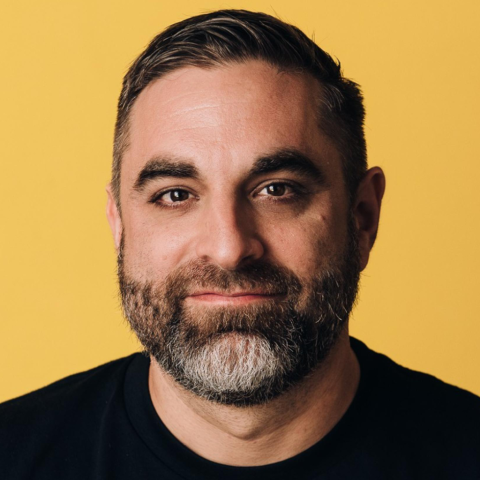

Steve Cadigan, talentrådgiver og tidligere CHRO hos LinkedIn, slutter sig til os for at diskutere udfordringerne og mulighederne ved at integrere AI på nutidens arbejdsplads. Vi undersøger, hvordan AI-revolutionen adskiller sig fra tidligere teknologiske skift på grund af dens uforudsigelighed og fortsatte udvikling, hvilket efterlader selv dens skabere både begejstrede og usikre på dens fremtid.
Vi dykker også ned i det centrale spørgsmål: Hvordan tager jeres organisation AI til sig? Fremmer I en kultur præget af eksperimentering og innovation, eller fokuserer I blot på omkostningsreduktion? Den måde, virksomheder griber AI an på, kan være forskellen mellem at udnytte den som en konkurrencefordel og at lade den passere som en forspildt mulighed.
Interviewets højdepunkter
- Udfordringer ved implementering af AI på arbejdspladsen [01:11]
- AI er ikke en fuldt udviklet “løsning”, men en teknologi i udvikling.
- I modsætning til traditionel teknologi er AI’s muligheder og resultater endnu ikke fuldt forstået.
- Implementering indebærer usikkerhed og eksperimentering, hvilket er et skift fra typiske forudsigelige teknologilanceringer.
- Der er potentiale for en betydelig konkurrencemæssig fordel, men det kræver en anderledes tankegang og tilgang.
- Selv AI-skabere er usikre på visse aspekter af teknologiens funktion og indvirkning.
- Opbygning af tillid og overvindelse af frygt for AI [02:47]
- Indførelsen af AI er ujævn på grund af manglende forståelse og tillid hos både brugere og ledere.
- Tillid til AI kræver en konsekvent og pålidelig ydeevne, som endnu ikke er etableret.
- Hurtige forandringer og uklare resultater skaber etiske og implementeringsmæssige bekymringer.
- Mediernes fortællinger om tab af arbejdspladser forstærker frygt for og modstand mod AI.
- AI erstatter nogle arbejdspladser (f.eks. juridisk research), samtidig med at den skaber nye roller.
- Ledere skal fungere som ansvarlige forvaltere af integrationen af AI for at sikre, at den skaber værdi og støtter medarbejderne.
- Der er stadig usikkerhed om, hvordan AI implementeres optimalt på arbejdspladsen.
- AI’s etiske konsekvenser og eksperimentering i uddannelse [05:20]
- I modsætning til tidligere teknologier rejser AI betydelige etiske bekymringer, herunder misinformation og indholdets nøjagtighed.
- Brugere kan ofte ikke forudsige AI’s output eller kontrollere dets pålidelighed uden en grundig efterprøvning.
- Personlige erfaringer viser, at AI kan generere overbevisende, men unøjagtigt eller fejlagtigt tilskrevet indhold.
- Inden for uddannelse står professorer over for udfordringer med at vurdere de studerendes selvstændige tænkning i en tid med udbredt brug af AI.
- Nogle undervisere tager AI til sig ved at opfordre studerende til at forfine AI-genereret arbejde og undersøger nye måder at evaluere kreativitet og kritisk tænkning på.
- Grænserne mellem AI-assistance og den individuelle indsats er stadig ved at blive fastlagt.
- Barrierer og tankesæt ved indførelse af AI [07:31]
- Virksomheder føler sig pressede til hurtigt at indføre AI for at forblive konkurrencedygtige, hvilket ofte fører til forhastede eller uklare implementeringer.
- Traditionelle modeller for teknologiadoption fungerer ikke godt for AI, som kræver eksperimentering og fleksibilitet.
- Walmarts AI-udrulning i stor skala fremhæver et skift mod læring gennem anvendelse i virkelige situationer.
- Organisationer, der fremmer eksperimentering, vil opnå en konkurrencemæssig fordel med AI.
- Ikke-teknologiske brancher har svært ved dette skift på grund af et fokus på forudsigelige resultater frem for eksperimentering.
- Frygt for tab af arbejdspladser og mistillid til AI er væsentlige barrierer for effektiv indførelse.
- Tidligere erfaringer med outsourcing afspejler den nuværende modstand mod AI, som skyldes bekymringer om jobsikkerhed.
- Fremtidens arbejde og AI’s rolle i talentledelse [10:27]
- Teknologi har traditionelt fokuseret på produktivitet, hastighed og omkostningsreduktion, hvilket ofte øger medarbejdernes stress.
- AI giver en ny mulighed for at styrke kreativitet, arbejdsglæde og meningsfuld indflydelse.
- Ledere bør gå videre end blot at bruge AI til at reducere omkostninger eller antallet af medarbejdere.
- I stedet bør AI bruges til at fremme udvikling, læring og karrierefremskridt.
- Den sande værdi ligger i at bruge AI til at udforske nye markeder, indtægtsstrømme og innovative måder at arbejde på.
- Den største barriere er forældet tænkning og traditionelle forretningsmodeller, der modsætter sig dette skift.
- DEI og AI er komplekse og følsomme emner, som mange har svært ved at forbinde på meningsfuld vis.
- Ledere har ofte svært ved at se eller formulere de forretningsmæssige fordele ved DEI-initiativer.
- Nogle ledere ser DEI som begrænsende snarere end styrkende, især i politisk betændte miljøer.
- Brug af eksempler fra virkelige virksomheder og succeshistorier kan bidrage til at ændre opfattelser.
- Politiseringen af DEI har gjort en åben og ærlig diskussion stadig vanskeligere.
- DEI-indsatser, der kun blev gennemført for at sætte et flueben, var aldrig virkelig strategiske.
- Virksomheder, der har DEI som en kerneværdi, såsom Costco og Delta, fortsætter deres indsats trods udefrakommende pres.
- AI kan være et stærkt værktøj til at undersøge og opbygge en stærk forretningsmæssig begrundelse for DEI.
- Ledere bør bruge AI til at indsamle indsigter og læring, der kan understøtte langsigtede DEI-strategier.
- AI’s potentiale inden for talent- og arbejdsstyrkeudvikling [15:31]
- AI’s potentiale til at forudsige evnen til at lære nye færdigheder er banebrydende for talentledelse.
- Ekstern rekruttering bliver vanskeligere og mindre effektiv; udvikling af interne talenter bliver stadig mere værdifuld.
- Uddannelse af interne medarbejdere styrker loyalitet og engagement.
- AI kan hjælpe med at identificere højtydende medarbejdere og analysere, hvilke egenskaber eller baggrunde der bidrager til succes.
- Et skift væk fra mavefornemmelse hen imod datadrevne talentbeslutninger kan reducere oversete muligheder.
- AI kan forhindre tab af talenter ved at afdække uudnyttede interne kompetencer og karriereveje.
- Opbygning af agilitet i en verden i hastig forandring [18:41]
- Traditionelle forretningsmodeller belønner stabilitet og forudsigelige resultater, hvilket er forældet i dagens hastigt foranderlige verden.
- Pandemien fremhævede behovet for, at virksomheder hurtigt tilpasser sig uforudsigelige begivenheder som nye konkurrenter, geopolitiske skift og markedsændringer.
- Ledere anerkender i stigende grad betydningen af tilpasningsevne og agilitet for at bevare en konkurrencemæssig fordel.
- Virksomheder fokuserer på at udvikle en arbejdsstyrke, der er i stand til at tilpasse sig, ved at flytte medarbejdere rundt og opbygge alsidige kompetencesæt.
- Tværgående oplæring af medarbejdere skaber kontinuitet og fungerer som en buffer mod høj personaleudskiftning.
- Der er et stadig større fokus på rekruttering, bemanding og oplæring for at styrke arbejdsstyrkens agilitet.
Lad os holde op med at tale om fastholdelse og i stedet begynde at fokusere på værdiskabelse i en mere dynamisk verden. Lad os fokusere på at bevare relationerne til mennesker – ikke blot ved at tage os af dem, mens de arbejder for os, men ved fortsat at bekymre os om dem, selv når vi ved, at de vil forlade vores organisation.
Steve Cadigan
- Betydningen af sprog i forbindelse med AI-implementering [20:37]
- Det sprog, der bruges om AI og digital transformation, skræmmer ofte medarbejderne, især med begreber som “transformation” og “forstyrrelse”.
- Begrebet “digital transformation” kan opfattes som en kode for tab af arbejdspladser, hvilket skaber frygt frem for begejstring.
- I stedet for at fokusere på transformation er det bedre at tale om “karriereberigelse” og om at bruge AI til at styrke medarbejdernes kompetencer og indflydelse.
- Virksomheder bør holde op med at fokusere på fastholdelse, da medarbejdere er mindre tilbøjelige til at blive på lang sigt på grund af nye karriereveje og muligheder.
- Fokuser på værdiskabelse og på at vedligeholde relationerne til medarbejderne, selv efter at de har forladt organisationen.
- I brancher med dynamiske arbejdsstyrker (f.eks. Silicon Valley) trives kreativitet og innovation på trods af korte ansættelsesforhold.
- Traditionelle modeller, der fokuserer på lange ansættelsesforhold, skal tilpasses et hurtigere og mere dynamisk arbejdsmiljø.
- Det nuværende tempo for forandring og eksperimentering er en udfordring for mange ledere, der er vant til en langsommere og mere forudsigelig forretningsmodel.
Den gamle arbejdsmodel, der blev skabt til en periode med langsommere forandringer, er en af grundene til, at AI-revolutionen er så udfordrende for os. Vi er ganske enkelt ikke vant til at eksperimentere.
Steve Cadigan
Mød vores gæst
Steve Cadigan er en globalt anerkendt talentstrateg og rådgiver, der er kendt for sin ekspertise i at forme organisationskultur og navigere i fremtidens arbejdsliv. Som grundlægger af Cadigan Talent Ventures, et Silicon Valley-baseret konsulentfirma, rådgiver han en bred vifte af organisationer – herunder teknologigiganter, finansielle institutioner og sportshold – om udvikling af innovative talentstrategier. Som LinkedIns første øverste HR-chef spillede Steve en afgørende rolle i at skalere virksomheden fra 400 til 4.000 medarbejdere på blot 3,5 år og i at skabe den anerkendte virksomhedskultur, som blev et casestudie på Stanford University. Med over 30 års erfaring med at lede talent- og kulturinitiativer i Fortune 500-virksomheder sidder han nu i flere bestyrelser og er en eftertragtet hovedtaler, der giver indsigt i talentstrategi og organisationsudvikling i den digitale tidsalder.

Vores styrke ligger i den måde, vi tilpasser os det uventede på – det uforudsigelige, nye konkurrenter, ændringer i geopolitisk dynamik, toldsatser eller krige. Den hastighed, hvormed vi kan gøre dette, er en stadig større konkurrencefordel.
Steve Cadigan
Relaterede links:
- Bliv en del af People Managing People-fællesskabet
- Tilmeld dig nyhedsbrevet for at få vores seneste artikler og podcasts
- Se sponsoren for dette afsnit: Oyster HR, Inc.
- Få kontakt med Steve på LinkedIn
- Se Cadigan Talent Ventures
Relaterede artikler og podcasts:
- Om People Managing People-podcasten
- Afhjælper AI HR-udfordringer eller spilder det tiden?
- Bekvemmelighedens kognitive omkostning: AI vil påvirke vores hjerner
- AIs rolle inden for talent, tillid og fremtidens medarbejderoplevelse
- Udnyt AI-pionerer til at transformere virksomhedens L&D
- Hvordan vil AI påvirke HR?
- Hvordan AI transformerer medarbejdernes præstationsevalueringer
Read The Transcript:
We're trying out transcribing our podcasts using a software program. Please forgive any typos as the bot isn't correct 100% of the time.
Steve Cadigan: If your first implementation of AI is to cut head count, isn't that awesome? I don't know who's measuring awesome. Your future employees, how awesome do they think that is? And I think what I would like to see organizations in the challenge I have is, how about some implementations that show enormous growth in learning through the implementation of AI and hence greater career impact, greater compensation trajectory?
How about we prove to our people that we're as interested, if not more interested in that? Then we are the traditional paradigm of do more, more widgets, cut head count, and so forth, and save money.
David Rice: Welcome to the People Managing People podcast. We're on a mission to build a better world of work and to help you create happy, healthy, and productive workplaces. I'm your host, David Rice.
My guest today is Steve Cadigan. He's a talent advisor and the former CHRO of LinkedIn. We're gonna be talking about reconciling AI in the current work environment and how businesses can better approach this technology.
Steve, welcome!
Steve Cadigan: Hey, good to be here.
David Rice: We were chatting before this, we were talking about the unique challenge of implementing AI as a solution in the workplace compared to other technologies that we've used in the past. In your eyes, take me through why we can't just apply the same type of thinking around this technology that we applied to previous tools that we've purchased and implemented?
Steve Cadigan: Yeah, great starting point. And first off to call it a solution is a bit of a misnomer. This is a work in progress of epic proportions, right? The cake hasn't been fully baked. It's an evolving technology. The creators of artificial intelligence products are as concerned and nervous as they are excited about the prospects.
And it's not always clear how some of these outputs are produced. We sit set this really interesting point in time where we've got something really powerful, but unlike any other technology that we've seen before, what we're used to seeing with technology implementations is here's technology.
We're gonna be able to do something faster, quicker, with lower costs and let's implement it. And right now, we don't even know a lot of what AI is capable of doing and we're still learning that, which makes it a bit of a challenge because it's requires some experimentation and that's not something we're typically used to seeing, right?
We're used to being pretty clear on how this is gonna apply and now it's wow, the possibilities are really, haven't fully been explored yet, but we are pretty certain there's competitive advantage here. So here we go. And that's part of the challenge of where we sit right now.
David Rice: Yeah, it's not like you're a software solution. They just show up and do a demo, right?
Steve Cadigan: That's right.
David Rice: Like you mentioned there, it's not a complete product yet. Very few of us actually know how it works, like on a technical level, and as a result, people aren't using it in a uniform way either across the board. And like when I think about that, it's a culture of experimentation companies that are gonna be doing the best with this. So how do you stand that up with the technology that people, in many cases, some people don't trust it, like the end user doesn't trust it and leaders maybe don't understand.
Steve Cadigan: I know, I don't think we've ever seen an enigma quite like this in the world of work where something that's governing so much thought and concern and yet there is so much fear around and distrust for.
For you to have trust, you gotta build a body of consistent, reliable performance. And we just don't have that quite yet. And yeah, it is really weird and it's unlike anything we've ever seen before. You mentioned a really key word here in this whole discussion about artificial intelligence, particularly for people managing people, is you ask anyone, how do you deliver great performance?
Will you create an environment of trust? And when things are changing fast, when you don't know the outcome of what you're using, you don't know if you're gonna unintentionally stumble across some ethical barrier in the application and implementation of this. That's raising a level of concern. And we also have a massive narrative in the world of media right now, which is artificial intelligence is gonna replace you, it's gonna take your job away.
We've seen already massive penetration in things like, legal assistance, like the amount of legal research that can be achieved through artificial intelligence. It requires the, less reliance on that profession, if you will. So we know that's gonna happen. We just don't know to what extent, but we're also seeing new jobs being created while there's a massive number of jobs being taken away.
And so that level of fear and distrust is, I think going to create some speed bumps around the implementation of artificial intelligence in organizations. And that's why I was so excited to come on the show because People Managing People, we all have to see ourselves now as custodians around how are we going to bring in this AI and have it touch the jobs and career paths and work of all of our employees in a way that's gonna create more value and produce a better output.
Right now, I don't know that we have a lot of assurance on how that could be done optimally just yet.
David Rice: Yeah, no, I would agree.
I can't remember the last time you brought up the ethical point there, and I can't remember the last time I used a technology or even any kind of platform that I thought. There could be an ethical implication to this, right?
Like even social media is still like dependent on, as long as I don't put anything crazy out there, whereas with this, I just, sometimes I don't know what it's going to, what I'm gonna get, or if I put that out there and I haven't done my proper vetting with whatever it is that it's generated.
It may have spread misinformation or it's even right there, the terms and conditions.
Steve Cadigan: Yeah. A great test for anyone to do, any listener to do is to ask it to do something that you know really well. Write me a history of my company or write me a profile of me, like I've had it, write a profile of me and it's misquoted me.
It said things I didn't say. It sounded really cool, but I never said that. And we're a really interesting point. And I've got a few kids in college right now and to see university professors in the last two years have to confront, you know what I'm measuring is your original thinking.
Okay? Let's just say in a high, in an over generalized view of what a professor in college is doing, I need to measure the quality of your original thought. You have unlimited resources as a student right now, and so do you fully bar it? Can I confirm that you haven't touched a Claude or a ChatGPT or a Gemini in producing this work?
I don't know. And so what we're starting to see, one of my kids is starting to see hey, all the professors is go all in on ChatGPT hammer it out, use it. And some professors are doing interesting experiments. Okay, here's the topic. I want you to write a paper with ChatGPT. Then I want you to give me your edited version.
You're personally made that better on your own. So I can see how you took, a body of work and made it better. And that's just phenomenally interesting. Like where's the, where are the boundaries of creativity and individual, you original thinking and as I apply to work or school, it's a really new domain for us.
David Rice: I couldn't agree more.
There's this feeling with this technology, like a lot of others, that if you're pursuing new things you're pushing your people to use it, you're doing great. But if you're not, you're gonna fall behind. But this leads to a strange logic around AI and a haphazard use of it, I think.
Because it's only just got here, right? So do you think a lot of that sort of need to keep up with the Jones' mentality, so to speak, is clouding how a lot of companies are using the technology?
Steve Cadigan: I think the biggest barrier right now is first off the answer to your question is yes, I do.
I think the barriers of implementation are driven by our paradigms of how we implement technology from the past, like you mentioned earlier, like off the shelf software, plug it in, we get trained, here's how you use it. And now we're seeing companies like Walmart, the biggest retailer in the country.
Giving a hundred thousand of their associates, Hey, here's this generative AI tool. We don't know what you can use it for, but we know what we need to experiment around. So go and see if you can lead your team better, whether you can manage your inventories better, whether you can create a more amazing customer experience with it, and then you share those and we'll see if this is worthy.
And you've never would've seen that before. And I feel like when you've got one of the largest retailers in the country that's not necessarily known for leading edge creativity saying We're gonna do a master experiment here. That's a moment. That's what gets me excited. And the companies that are gonna have an advantage here, David, are gonna be the companies that have an environment of experimentation.
That's hard to do if you're not in the world of technology, which is always about experimenting because you are in the business of reliable, consistent, predictable outcomes. You're not in the business of experiments. I'm in an operating room. I don't wanna be doing a bunch of experiments in here. The lives are on the line.
I need to have a predictable outcome and yet to really fully learn what this is capable of. I think we're, it's gonna require some experimentation, but there are a lot of barriers. The trust barrier, there's the paradigm of what technology can and should do. And then I also think the human threat of my job is on the line because of AI may make me disinclined to wanna really pepper it in because it's gonna make me vulnerable potentially.
I remember earlier in my career when outsourced everything to India was the vogue. So we're gonna save money because we can pay those people a lot less. And then all these North American teams like, Hey, can you go over to Bangalore and train that team? And they're like, why would I do that? Why would I train them to take my job? No, I'm gonna massively resist and going to grin and tell you sure I'm gonna do it, and then I'm gonna go mess those people up so they're never gonna take my job.
David Rice: Yeah.
Steve Cadigan: It's tough.
David Rice: Trend of the last 20 years. And then it's now we're seeing this and it's maybe gonna at least slow that down. Speeding everything else up, but it'll slow that down.
The narrative around technology has always been that it will make people more productive. But when we're talking before this, you were pointing out that means people do more work, they get more stressed out. You see a different opportunity there. Take me into how we need to adapt our thinking on this just to make sure that we're exploring new ways to work, new markets, all, new opportunities.
Steve Cadigan: Yeah. Such a great insight and a great question, David. Listen, I think we've been on this train of technology's about doing more, going faster, getting more done, cutting costs, right?
And I think now we've got this creature that can allow us to be more creative, to have our jobs be more interesting, to make a greater impact. And that's being met with some friction of how we've thought about this. And that's the opportunity that I'd like to, suggest that people leaders really consider here is if your first implementation of AI is to cut head count.
Okay, we're gonna do this and we're gonna, get rid of 300 customer service jobs. Isn't that awesome? I don't know who's measuring awesome. Your shareholders, they're probably thinking it's awesome. Your employees, your future employees, how awesome do they think that is?
And I think what I would like to see organizations in the challenge I have is how about some implementations that show enormous growth and learning through the implementation of AI and hence greater career impact, greater compensation trajectory. How about we prove to our people that we're as interested, if not more interested in that?
Then we are the traditional paradigm of do more, more widgets, cut headcount and so forth, and save money. That's really, I think, and again, I'm not a technologist and and I clearly have a bias in this conversation, but I think that, cutting costs is about 5% of what AI can deliver.
Creating new streams of revenue, helping you rethink ways that you can make an impact and create value in, in new markets, that's the real opportunity. But, that's not how we've structured business traditionally, right? So we're in our own way when we think about how we wanna apply this. And that's, our only challenge again, is cliche, but our only challenge is our ourself and are thinking about this. Which is a big new way of thinking about work.
David Rice: Imagine having access to the world's best talent. Whether it's that engineer in São Paulo, that head of sales in Dublin, or that incredible designer in Cape Town. Your next great hire could be anywhere in the world. With Oyster, they don't have to be the one that got away. Oyster helps companies hire talent globally, run accurate and on-time payroll, and stay compliant every step of the way. Build your dream team and grow with confidence, because the world truly is your oyster.
Yeah, no, and you bring up a great point there about the perspective, I think, not to get all sidetracked, I think the same thing about DEI right now, like I'm sure some folks there are and there's a small group of people who might think that's a great idea to cut that.
And then what about your employees as a whole? I don't know if they all agree with you. You know what I mean? It's all perspective, and it is, like you said, it might be great to the shareholders to cut head count, but ultimately the greater business opportunity lies elsewhere.
Steve Cadigan: Thinking of DEI and AI is AI for most people is AI, it's really tricky.
Hey, can you help me articulate some real upsides for my DEI strategy? Can you help me? I've got a real doubter on my leadership team, or my CXO is really feels like this is limiting their choices because they're a white male. How can I provide some examples, some insights and fill it with your own company examples and stories like, Hey, let's show how we can make more money and make a greater impact with a DEI emphasis.
That whole topic right now has been weaponized in the political universe and I think it's just, it's quicksand that people are really even uncomfortable talking about honestly, right now.
David Rice: Yeah. Yeah. I've been having a lot of conversations about it. I'm getting asked a lot about this, the future of it, and it's almost as unpredictable as AI right now yeah.
Steve Cadigan: Yeah. I think, and I was interviewed by the Financial Times the other day and they're like, Hey, no one wants to talk about this.
Will you talk to us? I go, heck yeah, I'll talk to you about it. I said, listen, Here's how I feel about it. If you were doing DEI to check a box because you felt it was, you had to do it, then it was never core to your strategy. But if it was core to your strategy and you're sticking to your guns, Costco, Delta Airlines, then you're gonna keep doing it wasn't just a program.
That's pretty cool. If you're wanting to build a business case for your leadership team, go use AI to do a bunch of research for you, to help you equip yourself with some of those lessons.
David Rice: Yeah. Absolutely.
I'm curious 'cause you speak at a lot of conferences and you're hearing so many ideas for AI, it's cool 'cause you're talking about using it to articulate DEI strategy and I've never heard, I don't think I've heard anybody talk about that. You're hearing all these other ideas, strategies that can drive. What are some of the things that have you most excited about this technology coming into the workplace?
Steve Cadigan: The biggest area, I call it the holy grail of talent.
That gets me excited about what was, could be and may soon be possible with AI is predicting the capacity to learn new skills. Here's the biggest problem most of my clients have around the world. I can't hire the people that I want as fast as I used to be able to. I can't find qualified people and when I do, they don't stay.
That way of thinking is from a traditional model of business as well, someone left, I need to go hire someone new versus who else can do this internally or who might be close to being able to do this. That will take me less time and resources to develop than going out in the open market. And by the way, training people, I think makes them a lot more loyal and a lot more full of energy.
I think what we're going to, the future work for the last probably five years. A lot of the circles that I'm running in, a lot of people are saying it's all about the anatomy of skills. And I think AI is presenting us a capacity to see, for example, let's go say, Hey, who are our top 10% performers in the company?
What can we learn from everything we know about those people? Is it something about who they work for? Is it something about where they came from? Is it something about, maybe they're from multilingual, bilingual households. Schools, they went to other company cultures. They worked within, like what can we learn because we can crunch so much data now that we get out of this gut instinct.
Gut instinct to me is like one of the worst reasons you should make a decision 'cause of your gut instinct is something you feel, but you don't have evidence for yet, so now this AI can give us evidence. That's the one area where I'm seeing enormous possibility, not only for assessing people in the recruitment process.
For really looking at your portfolio of talent, because I tell you, every company I've ever worked for, I promise you, we had people leave because we weren't aware. They could have done something else in the company and they weren't aware they could have applied their skills in a different way. And that's like a self-inflicted wound that I think we're gonna see diminish in the future.
And that gets me really excited.
David Rice: Yeah, I agree. The, not just the power of analysis, but the power to make connections between things that we didn't maybe think were connected before. That I think is gonna be really interesting. Like some things that maybe aren't just intuitive, you wanna measure this to tell this.
Maybe you don't, maybe you wanna measure something completely different and this is gonna actually get you, show us that in the future. I think that's a very interesting. Like you said, it can just analyze so much, it would blind a human being.
Steve Cadigan: I know. Exactly. And tomorrow it'll be even bigger than what it can analyze today.
David Rice: I know. Every iteration is crazier than the last one.
Steve Cadigan: It is.
David Rice: So I've seen you talk quite a bit about agility. Right now, I think it's safe to say for a variety of reasons that stability is pretty much an illusion. What are some of the key points companies miss when it comes to their thinking around becoming adaptable or more agile, and to be able to handle shifts in the market when they come thick and fast like it feels like they are right now?
Steve Cadigan: Yeah. We've built a model of business for a slower pace of change. For example, a CEO is rewarded for reliable, predictable, consistent outcomes. And that's not the world we're living in right now.
And the pandemic was a crash course in that for all of us. It's, our muscle is gonna be how we can adapt to the unexpected, the unpredictable, a new competitor, a new change in geopolitical dynamics, tariffs, like wars. And so how quickly we can do that is increasingly a competitive advantage.
And I think we're starting to see, I don't think it's new for leaders to appreciate or put high value on adaptability and agility. Like we've been talking about this for a long time. The conversation's heading to a really interesting place, which is what's the anatomy in my workforce that raises my confidence that we can do that?
Some of the things we're starting to see more happen, more moving people around, more now, we always knew that was a good strategy from giving people more peripheral experience and building greater networks with inside organization. But it's also a great insurance policy and a higher turnover world of work where more people are leaving.
If I've got more people who've been in this job, when someone else leaves, I got someone else who knows how to do it. And so the continuity is improving and it's like a buffer, like I said, an in insurance policy, if you will. Those are some of the changes that I'm starting to see relative to this space is more intentionality around hiring and staffing and training people to raise that agility muscle that you're talking about.
David Rice: There's a very utopian view of AI so that some folks have, and it's a nice thought, but it's not always very much in line with the reality, especially where we are right now 'cause it's still early days. It reminds me like when people talk about going skills based, right?
You mentioned that before. It sounds nice, people tend to like structures, right? But here's the thing. With AI, one of the things I'm finding more and more interesting is the language that we use around it. And there's a set of like overused words that I saw you highlight on one of your LinkedIn posts instead, you were proposing some different ways of talking about it that won't maybe freak people out so much.
Take me through why you feel that's important and what some of that language is.
Steve Cadigan: I feel like the future work is the one of the worst marketing campaigns in history. We are fundamentally scaring the workforce and in a sort of a somewhat humorous way, but in a very real way. The words digital transformation that we've been using, which most management consulting firms have been making billions of dollars of revenue, like digitally transforming organizations, is code for, I'm probably gonna be out of a job because my company's probably not gonna train me.
They're probably gonna want to go faster, younger, whatever, and I can't do it. And we are not doing ourselves a service by using that language. Instead of saying, Hey, we're gonna go through a digital transformation. I just hate that word, transformation. It just like triggers me. And just adaptability and agility oh God, there's a disruption.
All these things. Let's talk about career enrichment. We're gonna digitally transform, we're gonna have all these new tools, but it really is to enrich you and to enrich your impact. Whether it's here or somewhere else, because we know you're probably not gonna stay here forever, but that's okay.
We're gonna make you better because if we make you better and you leave, you're gonna be an angel sending us great talent and recommendations in the future, or bringing new business and new deals to us. So I think that, and things like another one that sort of triggers me is retention. Let's retain people.
Who thinks people are gonna stay in organizations longer in the future? Nobody, 'cause we have more new industries, we have more new career paths, we have more transparency to opportunity than any time in history. So let's stop talking about retention and start talking about value creation in a more fluid world.
And let's talk about retaining the relationship with people and not just caring about them when they work for us, but caring about them even when they, and we know they will leave our organization. So in the United States right now between the ages of 20 and 35, the median tenure is a little over two years.
The median tenure is a little over two years. That means half the numbers less, and in Silicon Valley, a bunch of folks in that part of the universe. I live in Silicon Valley, like software engineers, like a year and a half, and that's five years. And yet it's still one of the most creative, innovative parts of the world.
So what's going on that we've got all this fluidity, but enormous creativity and innovation and value creation. Maybe they've learned that cultures that can adapt and move can really build disproportionate value. And I think that's the challenge for a lot of industries that have not had the fluidity that they're facing today in the past.
They're having to learn, wow, all my rewards are all about keeping people here a long time. All my recognition and everything's about, long tenure. I need to revisit that kind of thinking. That same old model of work built for a slower period of change is one of the reasons why this whole AI revolution evolution is so hard for us, 'cause we're just not used to experimenting. We're not used to the pace of change and all these things hitting us at once is making it a big, stomach ache for a lot of leaders today.
David Rice: Yeah. I couldn't agree more like the language, when you hear about like automation and like you said digital transformation and it does just lead you to believe so do I not have a place in this?
And so, I do think that yeah, the language is very important 'cause people can't understand it any other way.
Steve Cadigan: Yeah. And let's recognize that we're polarizing our workforce when we start using words like that, that are robotic and not human.
David Rice: It's been great having you. I always love talking to you.
Before we go, there's a couple things I always like to do. First is I wanna give you a chance to tell people, where they can connect with you, find out more about what you have going on.
Steve Cadigan: Yeah, sure. You can connect with me on LinkedIn. You could find me on my website, stevecadigan.com.
You could follow me on TikTok as long as it's still up. I have a fair amount of threads there around true stories from corporate America, which is good for a laugh. And then I also have a book out, which I would love for you to check out called Workquake. Leveraging the aftershocks of COVID-19 to build a better future work.
David Rice: And the last thing is, we have a little tradition here on the podcast where you get to ask me a question, so turn it over to you. Ask me anything you want.
Steve Cadigan: Let's talk about AI. What do you think, from your perspective, HR is getting right about AI so far? What do you see that's giving you encouragement?
David Rice: I think HR's response to it has been fairly measured and it's always in line with company culture. Like some people are very keen to put in guardrails and that might be good for their organization. They may not have the sort of training or infrastructure in which they've said where they can feel good about what they get out of it.
Depending on, what your leadership is like, because some people have this impression like, I'm gonna be looked at as lazy if I'm using it right. And if that's the culture around there, maybe HR should justifiably have a more of a measured approach with it. But if you are open to experimentation, there's been a lot of HR people who are like we're letting people run wild a little bit and seeing what happens.
I think it is a little bit more in the tech and SaaS space, you're more likely to find that kind of mentality, but at the same time, what you're getting is, I think we're finally getting to a place where that sort of freedom that HR has allowed people to have with it and actually not even just allowed them, I shouldn't say that, has encouraged people to have with it is now getting to a place where we're actually starting to see some useful things come outta it.
In the beginning, I think, the early versions of it, what it was capable of. It wasn't that it was useless, but it was more like a jumping off point for a lot of things. Whereas I think now it's getting to where like you're starting from a pretty refined place and that will only get better. So it'll be interesting to see.
But I think a lot of HR has handled it pretty well. I don't think they've been too strict or anything like that. And I also think a lot of them recognize that it's one of those things, like you can say, you can put guidelines in place and you can try to have rules, but enforcing that or actually like finding a way to crack down on it would be almost impossible. So what would be the point? You know what I mean?
Steve Cadigan: I agree with what you're saying and I think some of the forward thinking folks in this space know a lot more than I do are putting AI advisory councils together, and AI ethics groups and they're slapping like AI nutrition labels on projects.
Hey, is this good? Does this align with our values? Is it enriching jobs or is it, is there gonna be a morale hit if this thing comes out? Which I think is a really smart way of thinking about it.
David Rice: I like that idea. AI nutrition labels. I hadn't heard that one before.
Steve Cadigan: Yeah. Yeah. Yeah.
David Rice: Steve, thanks for coming on. I really appreciate it.
Steve Cadigan: Yeah, thanks for having me.
David Rice: Alright listeners, if you haven't done so, as always, head on over to peoplemanagingpeople.com/subscribe. Sign up for the newsletter. And until next time, work on your AI nutrition labels. Find out what it is you want from it.

