

10 migliori piattaforme per la salute mentale sul posto di lavoro nel 2026

Elenco delle migliori piattaforme per la salute mentale sul lavoro


Le piattaforme per la salute mentale sul lavoro sono strumenti e servizi digitali progettati per sostenere il benessere dei dipendenti, la salute mentale e la resilienza emotiva. Se cerchi metodi comprovati per affrontare lo stress, il burnout o il coinvolgimento del tuo team, queste piattaforme offrono un accesso semplice a consulenza, coaching, mindfulness e risorse per la salute comportamentale.
Poiché le aspettative nei confronti dei datori di lavoro affinché diano priorità alla salute mentale sono in aumento, sapere quali piattaforme offrono un supporto pratico e basato su prove può fare la differenza in termini di fidelizzazione, produttività e conformità. Questo elenco ti aiuterà a confrontare opzioni affidabili per trovare quella più adatta alle esigenze specifiche della tua organizzazione.
Perché fidarsi delle nostre recensioni sui software
Il nostro team testa e recensisce software dal 2012. In quanto esperti HR noi stessi, sappiamo quanto sia difficile — e importante — scegliere il software giusto.
Per questa guida, abbiamo valutato gli strumenti attraverso test pratici e ricerche indipendenti, assegnando un punteggio agli strumenti in base ai nostri criteri di selezione. Ci basiamo inoltre sulle competenze di leader di pensiero del settore e di professionisti HR attivi.
Le nostre recensioni riflettono il nostro giudizio editoriale umano, non un discorso di vendita.
Revisori esperti:
Tabella comparativa: piattaforme per la salute mentale sul lavoro
Questa tabella comparativa riassume i dettagli sui prezzi delle mie principali scelte di piattaforme per la salute mentale sul lavoro.
| Tool | Best For | Trial Info | Price | ||
|---|---|---|---|---|---|
| 1 | Ideale per strumenti di mindfulness per aziende | Demo gratuita disponibile | Prezzo su richiesta | Website | |
| 2 | Coaching personalizzato per la crescita professionale | Demo gratuita disponibile | Prezzo su richiesta | Website | |
| 3 | Ideale per programmi autogestiti per costruire resilienza mentale | Demo gratuita disponibile | Prezzo su richiesta | Website | |
| 4 | Ideale per risorse sulla gestione dello stress | Demo gratuita disponibile | Prezzo su richiesta | Website | |
| 5 | Ideale per sessioni di terapia su richiesta | Demo gratuita disponibile | Prezzo su richiesta | Website | |
| 6 | Ideale per un’assistenza globale completa ai dipendenti | Demo gratuita disponibile | Prezzi su richiesta | Website | |
| 7 | Ideale per cure virtuali strutturate con risultati misurabili | Demo gratuita disponibile | Prezzo su richiesta | Website | |
| 8 | Ideale per contenuti multilingue per team globali | Demo gratuita disponibile | A partire da $3.5/utente/mese | Website | |
| 9 | Ideale per programmi di cambiamento comportamentale basati sulla scienza | Not available | Website | ||
| 10 | Ideale per scelte di assistenza flessibili | Not available | Website |
Recensioni delle migliori piattaforme per la salute mentale sul lavoro
Di seguito trovi i miei riepiloghi dettagliati delle migliori piattaforme per la salute mentale sul lavoro incluse nel mio elenco. Le mie recensioni offrono uno sguardo approfondito sulle funzionalità, sui migliori casi d’uso e sui prezzi di ciascuna piattaforma, per aiutarti a trovare quella più adatta a te.

Basato su un approccio che pone la mindfulness al primo posto per il benessere mentale, Headspace for Work offre ai dipendenti l'accesso a meditazioni guidate, contenuti per il sonno, coaching per la salute mentale, terapia e psichiatria in un'unica app.
Per chi è più indicato Headspace?
Headspace for Work è una soluzione ideale per i team HR di aziende di grandi dimensioni che vogliono andare oltre un programma di assistenza ai dipendenti (EAP) e offrire ai dipendenti l'opportunità di creare un'abitudine quotidiana di benessere mentale.
Perché ho scelto Headspace
Headspace si guadagna un posto nella mia lista perché nessun'altra piattaforma di salute mentale per il lavoro ha integrato la mindfulness così profondamente nel prodotto. Apprezzo il fatto che includa musica per la concentrazione, sessioni di movimento consapevole e programmi dedicati alla resilienza accanto alla sua libreria di meditazioni.
Ci sono anche contenuti specifici per i manager, che permettono ai responsabili di squadra di fungere da esempio di abitudini sane e di condurre sessioni di gruppo direttamente tramite l'app.
Caratteristiche principali di Headspace
- Terapia e psichiatria on-demand: I dipendenti possono prenotare sessioni con terapisti o psichiatri autorizzati direttamente tramite l'app.
- Compagno AI Ebb: Uno strumento di chat AI con base clinica che offre ai dipendenti uno spazio privato e senza giudizi per gestire lo stress tra una sessione e l'altra.
- Libreria di contenuti per il sonno: Sleepcast dedicati, esercizi di rilassamento e meditazioni per il sonno aiutano i dipendenti a risolvere problematiche legate al riposo.
- Dashboard di reportistica per amministratori: I team HR possono monitorare i dati di coinvolgimento e di utilizzo a livello aziendale senza accedere alle attività dei singoli membri.
Integrazioni di Headspace
Headspace si integra con Microsoft Viva Insights (tramite Microsoft Teams) e supporta SSO tramite Okta, Azure, Personify Health e Cigna Healthcare.
È disponibile anche un'integrazione con Castlight Health per lo scambio di dati dei piani sanitari, ma non è chiaramente documentata un'API pubblica per integrazioni personalizzate.
Pros and Cons
Pros:
- Ampia libreria di meditazioni guidate e sleepcast
- Comprende terapia, coaching e psichiatria
- Contenuti di mindfulness validati clinicamente
Cons:
- Il coaching testuale può risultare impersonale
- I servizi di psichiatria sono disponibili solo negli Stati Uniti


BetterUp è una piattaforma di coaching e sviluppo della forza lavoro che abbina i dipendenti di ogni livello a coaching individuale personalizzato, supporto guidato dall'AI e analisi delle prestazioni per sviluppare leadership, resilienza e crescita professionale.
Per chi è più adatto BetterUp?
BetterUp è particolarmente adatto alle aziende di medie e grandi dimensioni che desiderano estendere il coaching oltre i dirigenti di vertice, includendo manager e singoli collaboratori in tutta l'organizzazione.
Perché ho scelto BetterUp
Ho incluso BetterUp tra le mie scelte principali perché il suo modello di coaching è uno dei più strutturati che abbia visto per scalare la crescita personalizzata all'interno di un'intera forza lavoro. Mi piace il fatto che non si rivolga solo ai dirigenti: BetterUp Lead, Manage, Grow e Ready offrono ciascuno coaching a un diverso livello dell'organizzazione, dai leader senior fino ai singoli collaboratori.
Il coaching AI sempre disponibile supporta i dipendenti nel momento del bisogno, direttamente nelle app che già utilizzano, mentre le sessioni dal vivo con coach umani gestiscono lo sviluppo comportamentale più approfondito.
Funzionalità principali di BetterUp
- Valutazione del modello della persona nella sua interezza: Uno strumento di misurazione proprietario che rileva la forma mentale, la connessione sociale e il senso di uno scopo per stabilire una base di riferimento e monitorare il benessere dei dipendenti.
- Oltre 100 esperienze di coaching AI: Simulazioni di ruolo, esercitazioni sul feedback e attività sui valori fondamentali disponibili 24 ore su 24, 7 giorni su 7, in formato testuale e vocale in oltre 200 lingue.
- Sincronizzazione del coaching umano + AI: Trascrizioni automatiche delle sessioni, condivisione del contesto tra coach AI e coach umani e informazioni successive alla sessione per garantire continuità tra i diversi momenti di coaching.
- Dashboard di analisi delle prestazioni: Dati organizzativi in tempo reale che monitorano su larga scala il cambiamento comportamentale, l'allineamento strategico e gli indicatori dello stato di salute della forza lavoro.
Integrazioni di BetterUp
BetterUp offre integrazioni native con Microsoft Teams, Slack, Workday, SAP SuccessFactors, Salesforce, Microsoft Viva e Degreed, oltre a supportare qualsiasi sistema HCM in grado di connettersi tramite SFTP. È disponibile un'API per le integrazioni personalizzate.
Pros and Cons
Pros:
- Coach verificati con qualifiche avanzate
- Combina momenti di coaching con AI e coach umani
- Monitora il benessere insieme agli indicatori delle prestazioni
Cons:
- Il costo elevato limita la flessibilità del budget
- Valore limitato per le organizzazioni più piccole

Unmind è una piattaforma per la salute mentale sul posto di lavoro, progettata attorno a programmi autogestiti, supporto potenziato dall'IA, accesso a terapia e coaching, strumenti per manager e capacità di valutazione clinica.
Per chi è più adatto Unmind?
Unmind è particolarmente indicato per team HR e delle risorse umane in grandi organizzazioni che desiderano offrire un supporto continuo alla salute mentale senza affidarsi esclusivamente alle segnalazioni dei manager o a programmi in presenza.
Perché ho scelto Unmind
Unmind merita il suo posto nella mia lista perché è stato costruito con cura attorno alla resilienza mentale autodiretta. Mi piace che la libreria di contenuti copra sei aree tematiche, da 'Superare', che affronta ansia, stress finanziario e grandi cambiamenti di vita, a 'Crescere', che include serie sulla resilienza e lavoro sulla consapevolezza di sé.
I corsi sono disponibili in oltre 90 lingue e i 'Shorts' da due minuti permettono ai dipendenti di partecipare secondo i propri tempi, senza bisogno dell'intervento dell'HR.
Funzionalità principali di Unmind
- Accesso a terapia e coaching: Collega i dipendenti a una rete globale di oltre 90.000 terapeuti e coach qualificati, abbinati alle loro esigenze e posizione.
- Linea di assistenza globale 24/7: Supporto immediato, gestito da personale qualificato, disponibile a qualsiasi ora, indipendentemente dal fuso orario o dalla geografia.
- Copertura per risposte rapide a incidenti critici: Assistenza guidata da esperti attivata quando i dipendenti vivono eventi gravi o inattesi sul lavoro.
- Matching tra praticante e dipendente: Tecnologia intelligente che abbina i dipendenti al terapeuta o coach giusto secondo la loro situazione specifica e le loro preferenze.
Integrazioni Unmind
Unmind si integra con Sage, ADP, Rippling, Deel, Gusto, Keka, Lano, PayPal, OnPay e altri.
Pros and Cons
Pros:
- Contenuti realizzati da clinici disponibili in oltre 60 lingue
- Valutazioni del benessere integrate monitorano le tendenze dei dipendenti
- La formazione per i manager è inclusa insieme agli strumenti per i dipendenti
Cons:
- Non è disponibile l'accesso ai contenuti offline
- Risorse di lettura basate su testo limitate
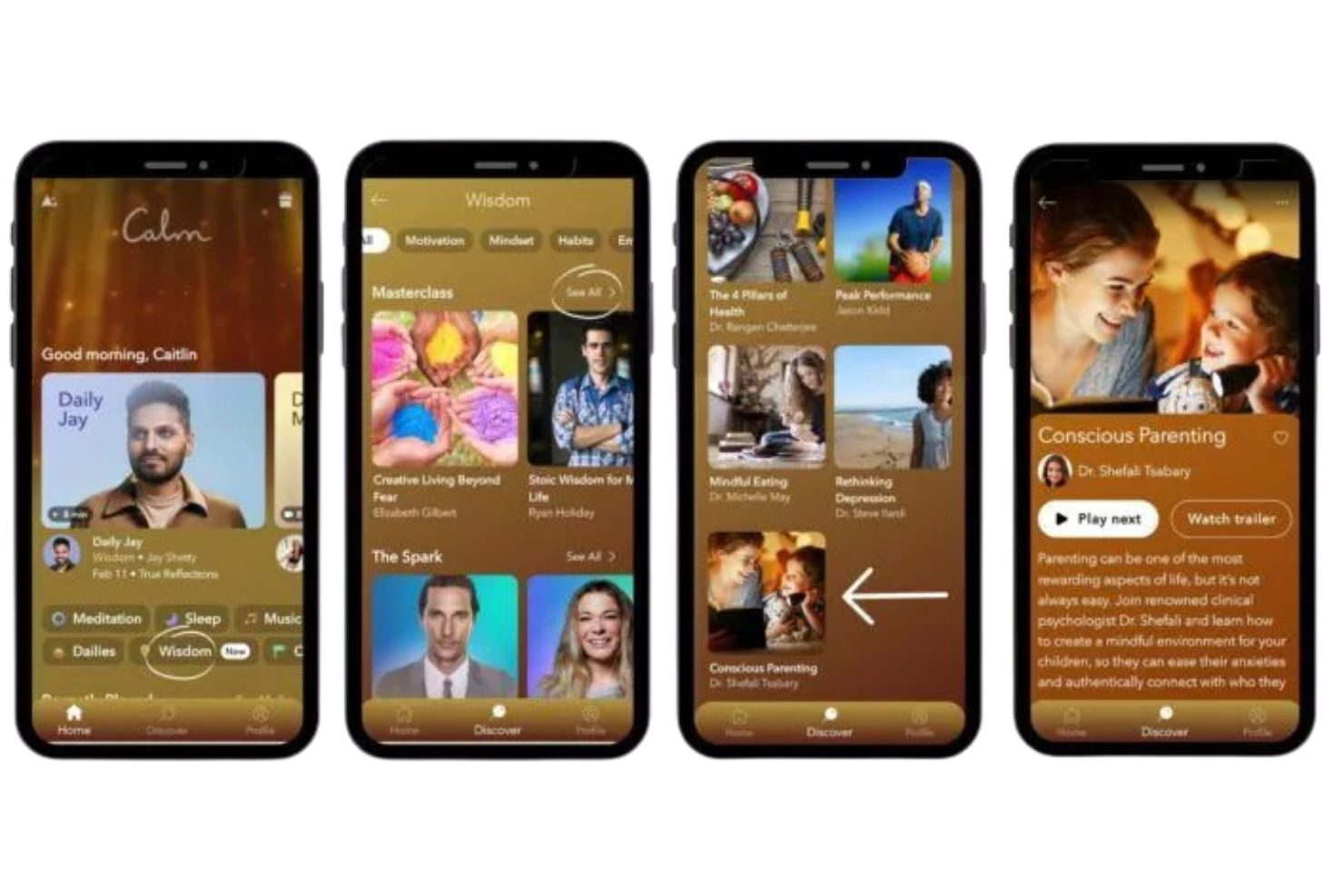
Basato sulla piattaforma consumer di Calm, Calm Health è una soluzione per la salute mentale sul posto di lavoro che offre meditazioni guidate, programmi per il sonno e screening clinici della salute mentale dedicati alle popolazioni aziendali.
Per chi è ideale Calm Health?
Calm Health è particolarmente adatto ai team HR e ai responsabili dei benefit di settori ad alto stress come sanità, finanza e tecnologia, che considerano il benessere mentale una priorità fondamentale per i dipendenti.
Perché ho scelto Calm Health
Calm Health si guadagna un posto nella mia lista perché la sua libreria di contenuti sulla gestione dello stress è davvero una delle più sviluppate che abbia mai visto. Uso personalmente gli esercizi guidati di respirazione e le sessioni 'Daily Calm' per affrontare lo stress acuto in tempo reale, non solo come semplice contenuto di benessere di sottofondo.
I programmi specifici per il sonno sono un tratto distintivo, poiché sonno insufficiente e stress lavorativo sono strettamente correlati, mentre la maggior parte delle piattaforme non li tratta insieme.
Funzionalità principali di Calm Health
- Dashboard di reportistica per amministratori: consente ai team HR di monitorare il coinvolgimento e i dati aggregati sull'utilizzo della piattaforma, senza accedere alle informazioni dei singoli dipendenti.
- Risorse specifiche per manager: mette a disposizione dei responsabili contenuti e strumenti dedicati per guidare i team attraverso lo stress e i cambiamenti organizzativi.
- Musica e paesaggi sonori per la concentrazione: offre brani audio curati pensati per favorire la concentrazione durante il lavoro intenso o in situazioni di alta pressione.
- Contenuti di movimento consapevole: include sessioni guidate di stretching e movimento leggero a cui i dipendenti possono accedere durante o tra le ore di lavoro.
Integrazioni di Calm Health
Calm Health offre un piccolo set di integrazioni con strumenti aziendali, tra cui Zoom Meetings e Microsoft Teams. È inoltre compatibile con Amazon Kindle e supporta il Partner SSO.
Pros and Cons
Pros:
- La forte notorietà del brand favorisce l’adozione da parte dei dipendenti
- Ampia gamma di contenuti per sonno e meditazione
- Include strumenti di screening della salute mentale validati
Cons:
- Manca coaching umano diretto 1:1
- Nessuna sessione di terapia o consulenza dal vivo

Talkspace for Employers è una piattaforma di salute mentale in ambito lavorativo che offre ai dipendenti accesso a terapisti abilitati, assistenza psichiatrica e programmi di benessere autoguidati, tramite videochiamate in diretta, messaggistica asincrona e un'app dedicata.
A chi è più indicato Talkspace?
Talkspace è particolarmente adatto ai team HR di aziende di medie e grandi dimensioni che desiderano offrire ai dipendenti un supporto clinico alla salute mentale come parte di un pacchetto di benefit più ampio.
Perché ho scelto Talkspace
Talkspace si è guadagnato un posto nella mia selezione perché copre l'intero spettro clinico in un'unica piattaforma: benessere autoguidato, terapia con professionisti abilitati e psichiatria con prescrizione. Quello che mi piace particolarmente è che la terapia può iniziare nel giro di pochi giorni tramite messaggistica di testo, audio e video asincrona, così i dipendenti non devono aspettare settimane per il primo appuntamento.
L'app Talkspace Go aggiunge inoltre oltre 70 programmi creati da clinici e lezioni dal vivo tenute da terapisti, ideale per chi non si sente ancora pronto alle sessioni individuali.
Caratteristiche principali di Talkspace
- Portale Talkspace Engage: Una dashboard dedicata ai datori di lavoro che fornisce metriche sulla salute mentale della forza lavoro e supporto marketing per aiutare i team HR a monitorare le performance del programma.
- Abbinamento al terapista: Talkspace abbina i dipendenti con terapisti abilitati in base alle loro esigenze e preferenze individuali prima che inizi la prima sessione.
- Supporto per figli adolescenti: I figli adolescenti dei dipendenti possono accedere a sessioni individuali di terapia e alla Teenspace Community, uno spazio virtuale di supporto tra pari moderato da terapisti.
- Assistenza psichiatrica con prescrizione: I dipendenti possono entrare in contatto con un medico abilitato tramite video in diretta entro due settimane per diagnosi, piano di trattamento e gestione farmacologica.
Integrazioni di Talkspace
Talkspace non offre le classiche integrazioni software. Invece si collega agli ecosistemi di benefit aziendali tramite partnership con Deel, Espresa, ThrivePass, Wellbeing at Work, FitOn Health e Wheel.
Pros and Cons
Pros:
- Sessioni di terapia disponibili nel giro di pochi giorni dalla registrazione
- La messaggistica asincrona garantisce supporto anche tra una sessione e l'altra
- Copre terapia, psichiatria e supporto a figli adolescenti
Cons:
- Le sessioni sono limitate a soli 30 minuti
- Possibili ritardi nelle risposte tramite messaggio di testo


ComPsych è una piattaforma per la salute mentale sul posto di lavoro e servizi EAP che copre la consulenza ai dipendenti, programmi di salute mentale, supporto all’equilibrio tra lavoro e vita privata e gestione delle assenze tramite una rete globale di fornitori clinici.
Per chi è più indicato ComPsych?
ComPsych è particolarmente adatto a grandi datori di lavoro multinazionali che necessitano di un unico fornitore EAP con copertura clinica costante in diversi paesi e regioni.
Perché ho scelto ComPsych
Ho incluso ComPsych tra le mie scelte migliori perché il suo raggio d’azione globale è davvero difficile da eguagliare per team HR che gestiscono dipendenti in più nazioni. Il programma GuidanceResources offre salute mentale, servizi di work-life e orientamento sanitario su un’unica piattaforma, con una connessione media con i clinici di 12 secondi e tempi di presa in carico inferiori a tre giorni.
Apprezzo inoltre la presenza di strumenti per la resilienza organizzativa integrati, che aiutano i manager ad affrontare le sfide a livello di team, non solo individuale.
Funzionalità principali di ComPsych
- Linea di consulenza per manager: Una risorsa dedicata in cui i manager possono ricevere assistenza in tempo reale su come gestire situazioni delicate con i dipendenti.
- Risposta agli incidenti critici: Supporto per crisi, in loco o virtuale, fornito dopo eventi traumatici sul lavoro come incidenti o lutti.
- Strumenti CBT digitali: Moduli di terapia cognitivo comportamentale autogestiti che i dipendenti possono seguire secondo i propri tempi.
- Dashboard di reportistica sull’utilizzo: Un portale per le risorse umane che monitora l’uso del programma, le tendenze dei casi e i dati sullo stato di salute del personale.
Integrazioni di ComPsych
ComPsych si integra con Paycor attraverso il Paycor Marketplace.
Pros and Cons
Pros:
- Disponibile in oltre 40 lingue in più di 200 territori
- La rete comprende oltre 120.000 clinici a livello globale
- Includi servizi legali, finanziari e familiari
Cons:
- Applicazione mobile difficile da navigare
- Controllo limitato sulla scelta del terapeuta da parte dei dipendenti

Basata su un'assistenza sanitaria comportamentale strutturata, AbleTo è una piattaforma virtuale per la salute mentale che offre terapia basata sulla CBT, coaching e programmi specifici per determinate condizioni a dipendenti che gestiscono ansia, depressione e stress.
Per chi è più indicata AbleTo?
AbleTo è una scelta adatta per i team HR e i responsabili dei benefit di aziende autoassicurate che necessitano di una soluzione di salute mentale di livello clinico integrabile con le infrastrutture del piano sanitario esistente.
Perché ho scelto AbleTo
AbleTo merita un posto nella mia selezione perché il suo modello di assistenza virtuale strutturato va oltre la semplice terapia on-demand. Apprezzo il fatto che offra programmi specifici per varie condizioni, come il percorso di salute mentale perioperatoria per i dipendenti che devono affrontare un intervento chirurgico, che abbina la cura clinica a un reale momento di bisogno.
La piattaforma offre inoltre ai team benefit report a livello di popolazione sul coinvolgimento nei programmi e sugli esiti clinici, permettendo non solo di offrire un beneficio ma anche di monitorarne l'impatto.
Funzionalità principali di AbleTo
- Abbinamento clinico per specialità e lingua: I dipendenti vengono abbinati a terapisti in base alla loro condizione specifica, preferenza linguistica e contesto culturale.
- Integrazione con EAP e piani sanitari: AbleTo si collega alle infrastrutture per i benefit già esistenti nell'azienda per coordinare l'accesso alle cure senza duplicare la copertura.
- Percorso di gestione delle crisi: La piattaforma include protocolli strutturati per indirizzare i membri in stato di acuta difficoltà verso il livello di assistenza più adeguato.
- Portale di reportistica per aziende: I team benefit possono accedere a dati aggregati sull'utilizzo e sul coinvolgimento tramite una dashboard amministrativa dedicata.
Integrazioni AbleTo
Le integrazioni native non sono pubblicamente dichiarate.
Pros and Cons
Pros:
- Dati clinici pubblicati e sottoposti a revisione tra pari
- Modello con abbinamento di terapista e coach
- Programmi specifici per condizione per un supporto mirato
Cons:
- I servizi prevedono i normali ticket assicurativi
- Le estensioni dei programmi richiedono approvazione assicurativa


Ideale per programmi di cambiamento comportamentale basati sulla scienza
Altre piattaforme per la salute mentale sul lavoro
Ecco alcune piattaforme aggiuntive per la salute mentale sul lavoro che non sono state incluse nel mio elenco, ma che vale comunque la pena esaminare:
- Oliva Health
Ideale per una terapia personalizzata abbinata alla cultura aziendale
- Nilo Health
Ideale per sessioni guidate da esperti per il benessere
- Spill
Ideale per l'integrazione con Slack per il supporto alla salute mentale


Come Valuto le Piattaforme di Salute Mentale sul Lavoro
Quando i team HR cercano qualcosa oltre a un semplice EAP per una vera assistenza clinica, suddivido la mia valutazione in due livelli: la base che ogni piattaforma deve soddisfare e i fattori che differenziano una dall'altra.
Funzionalità di Base (Requisiti Fondamentali per Questa Lista)
Quando seleziono gli strumenti per la mia lista, valuto ciascuno su una scala da 0 (non offre la funzionalità) a 5 (eccelle in questa area) per ogni funzionalità di base elencata di seguito. Poi calcolo il punteggio totale dello strumento in percentuale. Ogni piattaforma deve raggiungere un punteggio totale minimo del 65% per essere presa in considerazione.
- Accesso a Cura Clinica Autorizzata: Verifico se la piattaforma mette in contatto direttamente i dipendenti con terapisti o psichiatri autorizzati e se supporta diversi formati di sessione come video, chat e telefono.
- Contenuti di Benessere Autogestiti: La libreria di contenuti deve andare oltre gli articoli generici e includere programmi strutturati come esercizi CBT, corsi sul sonno e percorsi di mindfulness che i dipendenti possono seguire autonomamente.
- Riservatezza e Conformità HIPAA: Cerco almeno la conformità HIPAA, insieme a report anonimi che garantiscano che i datori di lavoro vedano solo dati aggregati e mai le attività dei singoli dipendenti.
- Analisi Aggregate e Reporting: I team HR hanno bisogno di dashboard che mostrino i tassi di utilizzo, le tendenze di coinvolgimento e i punteggi di benessere, così da poter presentare il valore del programma alla leadership durante le revisioni di budget.
- Supporto in Situazioni di Crisi e Rischio: Valuto se la piattaforma offre percorsi di crisi attivi 24/7, poiché un dipendente in grave difficoltà a mezzanotte ha bisogno di assistenza immediata, non di una richiamata negli orari d’ufficio.
- Integrazione con Benefit e HRIS: Le piattaforme dovrebbero collegarsi con gli strumenti HRIS e SSO già in uso, così da mantenere aggiornata l’ammissibilità dei dipendenti senza caricamenti manuali dei file a ogni ciclo di paga.
Una volta che ho una lista di strumenti che soddisfano i criteri, considero ciò che distingue ogni piattaforma.
Fattori Differenzianti (Cosa Distingue i Fornitori)
Ecco come confronto e metto a paragone i diversi fornitori:
Caratteristiche Distintive
La copertura per familiari e dipendenti a carico è un elemento molto differenziante. Quando i dipendenti possono estendere l’accesso alla terapia a un coniuge o a un figlio adolescente, il tasso di utilizzo tende a salire e il beneficio viene percepito come più significativo. Valuto anche la diversità dei professionisti: se la rete include terapisti abbinati per lingua, background culturale o identità LGBTQ+, un aspetto importante per i responsabili DEI che sostengono una forza lavoro eterogenea. La formazione per i manager completa la mia valutazione, poiché un leader che sa riconoscere i primi segnali di burnout e indirizzare qualcuno verso l’assistenza crea una reale prima linea di supporto prima dell’intervento clinico.
Oltre le Caratteristiche
La qualità clinica è fondamentale. Cerco fornitori che misurano i risultati con strumenti validati come PHQ-9 e GAD-7, e idealmente pubblicano ricerche sottoposte a revisione paritaria che supportano il loro approccio. Anche la struttura dei prezzi è un fattore chiave. Se un fornitore addebita per utente al mese o in base all'utilizzo cambia l’equazione in base alla dimensione della forza lavoro e all’adozione prevista. Conta anche il supporto all’implementazione: verifico se i fornitori offrono campagne di lancio e kit di strumenti per il coinvolgimento. Anche la piattaforma migliore ha poco effetto se i dipendenti non sanno che esiste.
Come scegliere le piattaforme per la salute mentale sul lavoro
È facile perdersi tra lunghi elenchi di funzionalità e strutture tariffarie complesse. Per aiutarti a rimanere concentrato mentre affronti il processo di selezione del software più adatto alle tue esigenze, ecco un elenco dei fattori da tenere a mente:
| Fattore | Cosa considerare |
|---|---|
| Scalabilità | La soluzione può crescere insieme al tuo team? Verifica la flessibilità delle licenze, i limiti sul numero di utenti e l'adattamento a nuove sedi o acquisizioni. |
| Integrazioni | Si collega al tuo sistema informativo delle risorse umane, alla intranet o agli strumenti di comunicazione? Dai priorità alle piattaforme con opzioni comprovate di integrazione con i sistemi HR e i benefit. |
| Personalizzazione | I flussi di lavoro, i report o le strategie di coinvolgimento possono essere adattati alle esigenze della tua forza lavoro o alle politiche locali sulla privacy? |
| Facilità d'uso | I dipendenti e gli amministratori lo utilizzeranno davvero? Richiedi una demo e testa la configurazione iniziale, la pianificazione delle sessioni e la navigazione nella dashboard. |
| Implementazione e configurazione iniziale | Qual è il processo del fornitore dall'avvio al lancio? Chiedi tempistiche chiare, materiali di formazione, supporto al lancio da parte del cliente e progetti di riferimento. |
| Costo | Ci sono costi nascosti oltre alle licenze per utente? Chiarisci i costi totali, le spese di configurazione e gli impegni contrattuali minimi prima di firmare. |
| Misure di sicurezza | La piattaforma soddisfa gli standard interni, legali e di settore per la sicurezza dei dati? Verifica certificazioni come HIPAA, SOC 2 o GDPR. |
| Disponibilità dell'assistenza | Il supporto in tempo reale, le risorse del centro assistenza e la copertura locale sono sufficienti per gli orari e le esigenze di supporto del tuo team? |
Cosa sono le piattaforme per la salute mentale sul lavoro?
Le piattaforme per la salute mentale sul posto di lavoro sono strumenti digitali che aiutano le organizzazioni a sostenere il benessere mentale dei dipendenti attraverso consulenza professionale, risorse autoguidate e monitoraggio dei progressi. Queste soluzioni offrono ai team delle risorse umane un modo sicuro e centralizzato per fornire supporto alla salute mentale, promuovere una cultura lavorativa più sana e affrontare le esigenze di salute mentale in modo proattivo e riservato.
Funzionalità
Quando selezioni piattaforme per la salute mentale sul posto di lavoro, presta attenzione alle seguenti funzionalità chiave:
- Accesso alla consulenza virtuale: Metti in contatto i dipendenti con professionisti della salute mentale abilitati tramite opzioni sicure di video, telefono o chat per ricevere supporto riservato.
- Risorse autoguidate: Offri tecniche di gestione dello stress, esercizi di consapevolezza e contenuti educativi che i dipendenti possano utilizzare secondo i propri ritmi.
- Valutazioni riservate: Fornisci screening anonimi della salute mentale per aiutare i dipendenti a comprendere le proprie esigenze e a entrare in contatto con le risorse pertinenti.
- Strumenti di monitoraggio dei progressi: Consenti ai team delle risorse umane di monitorare i dati aggregati sull'utilizzo e le tendenze del coinvolgimento, proteggendo al contempo la privacy individuale.
- Supporto per gli interventi in caso di crisi: Assicurati che i dipendenti abbiano accesso ad assistenza o indicazioni urgenti durante situazioni acute di salute mentale.
- Risorse per i manager: Fornisci ai leader kit di strumenti, formazione e consigli pratici per sostenere il benessere del team e riconoscere i segnali di disagio.
- Report personalizzati: Genera report aggregati e personalizzati sull'utilizzo, sull'impatto e sul coinvolgimento per orientare le strategie delle risorse umane e la reportistica per i dirigenti.
- Supporto multilingue: Rispondi alle esigenze di team globali o diversificati offrendo risorse, consulenza e comunicazioni in più lingue.
Funzionalità comuni dell'AI nelle piattaforme per la salute mentale sul posto di lavoro
Oltre alle funzionalità standard delle piattaforme per la salute mentale sul posto di lavoro elencate sopra, molte di queste soluzioni stanno integrando l'AI con funzionalità come:
- Screening dei rischi basato sull'AI: Analizza i modelli di coinvolgimento e le risposte dei dipendenti per identificare i primi segnali di problemi di salute mentale, favorendo contatti o raccomandazioni di supporto proattivi.
- Chatbot conversazionali: Offri supporto in tempo reale basato sull'AI che indirizzi i dipendenti verso le risorse pertinenti, risponda alle domande sulla salute mentale e fornisca tecniche di gestione di base, disponibile 24 ore su 24.
- Suggerimenti di contenuti personalizzati: Proponi articoli di autoaiuto, esercizi o video adattati alle esigenze e ai comportamenti dei singoli dipendenti utilizzando raccomandazioni basate sull'AI.
- Analisi del sentiment: Utilizza l'AI per interpretare i feedback scritti o i dati dei sondaggi, rilevando i cambiamenti nel sentiment della forza lavoro e mettendo in evidenza le tendenze a livello organizzativo.
- Motori di triage intelligenti: Abbina i dipendenti agli specialisti o ai percorsi assistenziali più appropriati sulla base dei dati delle valutazioni e delle interazioni osservate, migliorando la pertinenza e l'efficacia del supporto.
Vantaggi
L'implementazione di piattaforme per la salute mentale sul posto di lavoro offre diversi vantaggi al tuo team e alla tua azienda. Ecco alcuni dei benefici che puoi aspettarti:
- Miglioramento del benessere dei dipendenti: I dipendenti ottengono accesso alla terapia, a risorse autoguidate e a valutazioni che sostengono direttamente la loro salute mentale.
- Identificazione precoce dei problemi: Gli screening riservati e gli strumenti di reportistica aiutano i team delle risorse umane a individuare le difficoltà legate alla salute mentale prima che si aggravino.
- Maggiore coinvolgimento e produttività: Il facile accesso al supporto e ai contenuti per la cura di sé può ridurre l'assenteismo e aumentare le prestazioni complessive sul posto di lavoro.
- Supporto riservato e privacy: Le sessioni di consulenza sicure e le valutazioni anonime garantiscono che i dipendenti si sentano al sicuro quando chiedono aiuto.
- Leader e manager più preparati: I kit di strumenti e i materiali formativi per i manager offrono indicazioni pratiche per sostenere il benessere del team.
- Supporto scalabile per team diversificati: Le risorse multilingue e i flussi di lavoro flessibili facilitano la risposta alle esigenze di forze lavoro globali o da remoto.
- Informazioni utili per le risorse umane: La reportistica aggregata e il monitoraggio dei progressi forniscono ai professionisti delle risorse umane i dati necessari per perfezionare le strategie e dimostrare l'impatto del programma.
Costi e prezzi
La scelta di piattaforme per la salute mentale sul posto di lavoro richiede la comprensione dei vari modelli e piani tariffari disponibili. I costi variano in base alle funzionalità, alle dimensioni del team, ai componenti aggiuntivi e ad altri fattori. La tabella seguente riassume i piani più comuni, i relativi prezzi medi e le funzionalità tipicamente incluse nelle piattaforme per la salute mentale sul posto di lavoro:
Tabella di confronto dei piani per le piattaforme per la salute mentale sul posto di lavoro
| Tipo di piano | Prezzo medio | Caratteristiche comuni |
|---|---|---|
| Piano gratuito | $0 | Risorse di base autoguidate, valutazioni limitate, supporto della community ristretto e accesso alle FAQ. |
| Piano personale | $5-$15/utente/mese | Contenuti autoguidati ampliati, valutazioni riservate, prenotazione di sessioni e supporto standard via e-mail. |
| Piano aziendale | $20-$40/utente/mese | Sessioni di consulenza virtuale, cruscotti per le risorse umane, laboratori di gruppo, monitoraggio dell'utilizzo e controlli per gli amministratori. |
| Piano per grandi aziende | $40-$80/utente/mese | Reportistica avanzata, supporto multilingue, percorsi di assistenza personalizzati, integrazioni personalizzate e supporto prioritario. |
FAQ sulle piattaforme per la salute mentale sul luogo di lavoro
Ecco alcune risposte alle domande comuni sulle piattaforme per la salute mentale sul luogo di lavoro:
In che modo le piattaforme per la salute mentale sul luogo di lavoro differiscono dai tradizionali programmi di assistenza ai dipendenti?
Le piattaforme per la salute mentale sul luogo di lavoro offrono accesso digitale e sempre disponibile a risorse, consulenza e contenuti autoguidati, a differenza dei tradizionali programmi di assistenza ai dipendenti, che possono basarsi principalmente su invii telefonici o appuntamenti programmati.
I dipendenti da remoto o internazionali possono utilizzare le piattaforme per la salute mentale sul luogo di lavoro?
Sì, la maggior parte delle piattaforme supporta i gruppi internazionali con risorse multilingue, consulenza virtuale e strumenti accessibili ovunque sia disponibile una connessione Internet.
Quale avvio o formazione è richiesto per i gruppi delle risorse umane?
La maggior parte dei fornitori offre avvio, formazione per gli amministratori e risorse per i gruppi delle risorse umane, affinché possano lanciare la piattaforma, informare i dipendenti e utilizzare efficacemente gli strumenti di reportistica.
In che modo le piattaforme gestiscono le emergenze o le situazioni di crisi?
Queste soluzioni includono in genere funzionalità di supporto alle crisi in tempo reale, come linee telefoniche attive 24 ore su 24, 7 giorni su 7, o collegamenti diretti all’assistenza urgente, per garantire che i dipendenti possano ricevere aiuto quando ne hanno più bisogno.
Le piattaforme per la salute mentale sul luogo di lavoro offrono supporto a responsabili e dirigenti?
Sì, molte piattaforme includono moduli di formazione, kit di strumenti e consulenza di esperti per aiutare i responsabili a riconoscere i segnali di disagio e promuovere il benessere mentale nei propri gruppi.