

I 10 migliori software per la gestione dei benefit basati sull’IA recensiti nel 2026

10 Elenco dei migliori software AI per i benefit


I migliori software AI per i benefit dei dipendenti aiutano i team HR a semplificare l'iscrizione, ottimizzare i costi e offrire un'esperienza più personalizzata nella gestione dei benefit, così i dipendenti si sentono supportati e le organizzazioni rimangono conformi alle normative.
Gestire manualmente i benefit richiede molto tempo ed è soggetto a errori, soprattutto in presenza di normative complesse e di esigenze diversificate della forza lavoro.
Le piattaforme basate sull'intelligenza artificiale semplificano il processo automatizzando i controlli di conformità, analizzando i modelli di utilizzo e suggerendo pacchetti di benefit personalizzati che migliorano la soddisfazione e la fidelizzazione dei dipendenti.
Grazie ad anni di test nel campo delle tecnologie HR, ho selezionato le migliori soluzioni AI per i benefit: intuitive, convenienti e progettate per ridurre il lavoro amministrativo migliorando al contempo l'esperienza dei dipendenti.
In questa guida troverai strumenti che utilizzano l'automazione intelligente e l'analisi predittiva per rendere la gestione dei benefit più intelligente, rapida e semplice.
Perché fidarsi delle nostre recensioni sui software
Il nostro team testa e recensisce software dal 2012. In quanto esperti HR noi stessi, sappiamo quanto sia difficile — e importante — scegliere il software giusto.
Per questa guida, abbiamo valutato gli strumenti attraverso test pratici e ricerche indipendenti, assegnando un punteggio agli strumenti in base ai nostri criteri di selezione. Ci basiamo inoltre sulle competenze di leader di pensiero del settore e di professionisti HR attivi.
Le nostre recensioni riflettono il nostro giudizio editoriale umano, non un discorso di vendita.
Revisori esperti:
Tabella comparativa dei software AI per i benefit
Questa tabella comparativa riassume i dettagli sui prezzi delle mie migliori selezioni di software AI per i benefit:
| Tool | Best For | Trial Info | Price | ||
|---|---|---|---|---|---|
| 1 | Ideale per i benefit basati sull'AI in team globali | Demo gratuita disponibile | A partire da $5/dipendente/mese | Website | |
| 2 | Ideale per budget sanitari definiti dal datore di lavoro | Dimostrazione gratuita disponibile | A partire da $45/utente/mese | Website | |
| 3 | Ideale per la guida personalizzata sui benefit | Demo gratuita disponibile | Prezzo su richiesta | Website | |
| 4 | Ideale per aziende di medie dimensioni | Demo gratuita disponibile | Prezzo su richiesta | Website | |
| 5 | Ideale per soluzioni scalabili | Contattare per una call informativa | Prezzo su richiesta | Website | |
| 6 | Ideale per la gestione globale dei benefit | Demo gratuita disponibile | Prezzo su richiesta | Website | |
| 7 | Ideale per soluzioni aziendali di grandi dimensioni | È disponibile una consulenza gratuita | Prezzo su richiesta | Website | |
| 8 | Ideale per l’accesso tramite app mobile | Demo gratuita disponibile | Prezzo su richiesta | Website | |
| 9 | Ideale per focalizzarsi sull’esperienza dei dipendenti | Demo gratuita disponibile | Prezzo su richiesta | Website | |
| 10 | Ideale per la compilazione automatica delle richieste di rimborso | Demo gratuita disponibile | Prezzo su richiesta | Website |
Recensione dei migliori software AI per i benefit
Di seguito trovi le mie sintesi dettagliate dei migliori software AI per i benefit entrati nella mia selezione. Le mie recensioni offrono una panoramica dettagliata delle funzionalità principali, dei pro & contro, delle integrazioni e dei casi d’uso ideali di ogni strumento, per aiutarti a trovare quello più adatto a te.

Deel HR
Ideale per i benefit basati sull'AI in team globali

Deel è una piattaforma di gestione delle risorse umane e dei pagamenti alimentata dall'intelligenza artificiale che semplifica l'assunzione, la gestione e il pagamento di team globali. Permette alle organizzazioni di gestire dipendenti e collaboratori internazionali assicurando la conformità alle normative locali. Come soluzione AI per i benefit, Deel combina automazione, analisi e monitoraggio della conformità per ottimizzare le operazioni HR in oltre 150 paesi.
Perché ho scelto Deel: Ho scelto Deel perché la sua automazione dei pagamenti salariali basata sull'intelligenza artificiale ti aiuta a gestire pagamenti internazionali senza lo stress delle operazioni manuali. Puoi pagare dipendenti e collaboratori in più valute, assicurando il rispetto fiscale e legale in ogni paese. Apprezzo anche il modo in cui gli strumenti di gestione della conformità di Deel si adattano automaticamente alle leggi regionali, rendendo le risorse umane globali più semplici e meno rischiose. Per i team che si espandono oltre confine, Deel può essere il tuo sistema HR globale tutto-in-uno.
Caratteristiche principali e integrazioni:
Caratteristiche includono l'elaborazione automatizzata delle buste paga che garantisce pagamenti puntuali e conformi a dipendenti e collaboratori in tutto il mondo, insieme a strumenti di conformità basati su AI che rilevano potenziali problemi prima che causino complicazioni. Deel offre inoltre contratti localizzati conformi alle leggi sul lavoro di ciascun paese, riducendo il rischio di non conformità.
Integrazioni includono SAP SuccessFactors, NetSuite, Slack, Google Workspace, Zoom, QuickBooks, BambooHR, Gusto, ADP Workforce Now, Microsoft Teams, Salesforce e HubSpot.
Pros and Cons
Pros:
- Piattaforma HR globale facile da usare
- Solidi strumenti di gestione della conformità
- Elaborazione affidabile e automatizzata dei pagamenti
Cons:
- Opzioni di personalizzazione dei benefit limitate
- Lievi ritardi nella generazione dei report
New Product Updates from Deel HR

Deel Expands Stablecoin Wallet to 80+ Countries
Deel expands its Stablecoin Wallet to 80+ countries with dollar-backed balances and optional rewards. This gives eligible contractors more ways to hold and manage earnings inside Deel. For more information, visit Deel’s official site.
 .
.
Thatch
Ideale per budget sanitari definiti dal datore di lavoro
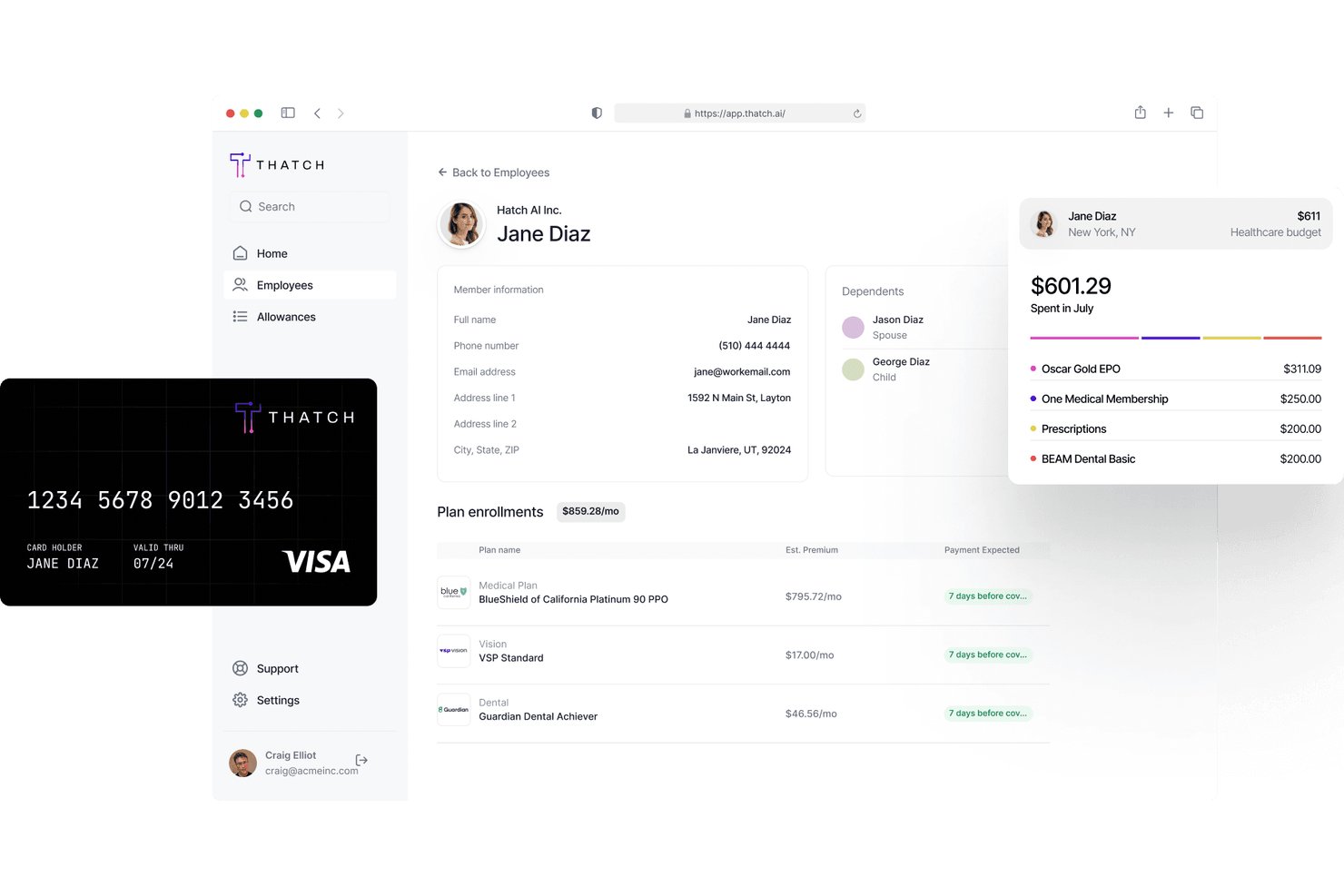
Thatch è una piattaforma per l'amministrazione dell'ICHRA che consente ai datori di lavoro di stabilire budget sanitari definiti, che i dipendenti utilizzano per scegliere i propri piani di assicurazione sanitaria individuale, con supporto all'iscrizione assistito dall'IA e automazione della conformità integrati.
Per chi è più adatto Thatch?
Thatch è una soluzione particolarmente adatta alle aziende di piccole e medie dimensioni pronte ad abbandonare l'assicurazione sanitaria collettiva tradizionale per adottare un modello di benefit a contribuzione definita.
Perché ho scelto Thatch
Ho scelto Thatch come una delle migliori soluzioni perché il modello basato sul budget definito dal datore di lavoro cambia concretamente il modo in cui penso alla progettazione dei benefit sanitari. Invece di vincolare l'azienda a un unico piano collettivo, imposto un'indennità mensile per ciascuna categoria di dipendenti e Ask Thatch, l'assistente IA integrato, gestisce ininterrottamente le domande dei dipendenti e i controlli di conformità delle foto delle ricevute. La funzionalità delle categorie di budget consente di generare automaticamente indennità diverse in base alla sede del dipendente, un aspetto che non ho visto gestito in modo altrettanto chiaro in altre piattaforme per i benefit.
Funzionalità principali di Thatch
- Abbinamento dei piani guidato dall'IA: Thatch abbina un budget sanitario personale a un abbinamento dei piani guidato dall'IA, così ogni dipendente può trovare una copertura adatta ai propri medici, farmaci e budget.
- Mercato selezionato dei benefit: I dipendenti possono accedere direttamente dalla piattaforma a servizi sanitari e di benessere come Hims, Prenuvo MRI e BetterHelp.
- API pubblica per i partner: Offre API e componenti incorporabili per integrare l'amministrazione dell'ICHRA in piattaforme esterne.
- Documentazione automatizzata HIPAA e di conformità: Gestisce la documentazione e le procedure di conformità senza l'inserimento manuale da parte dei team delle risorse umane.
Integrazioni di Thatch
Thatch offre integrazioni native con fornitori di benefit come Kaiser, Blue Cross Blue Shield, Anthem, Aetna, Oscar, Cigna e UnitedHealthcare, nonché con sistemi paghe tra cui ADP e Paychex. È disponibile un'API per le integrazioni personalizzate.
Pros and Cons
Pros:
- Piena possibilità di scelta tra i piani sanitari individuali
- L'assistente IA gestisce continuamente le domande dei dipendenti sui benefit
- Le categorie di budget vengono generate automaticamente in base alla sede del dipendente
Cons:
- L'attenzione esclusiva sull'ICHRA limita l'amministrazione più ampia dei benefit
- L'analisi predittiva è meno sviluppata rispetto alle piattaforme più ampie
Healthee
Ideale per la guida personalizzata sui benefit
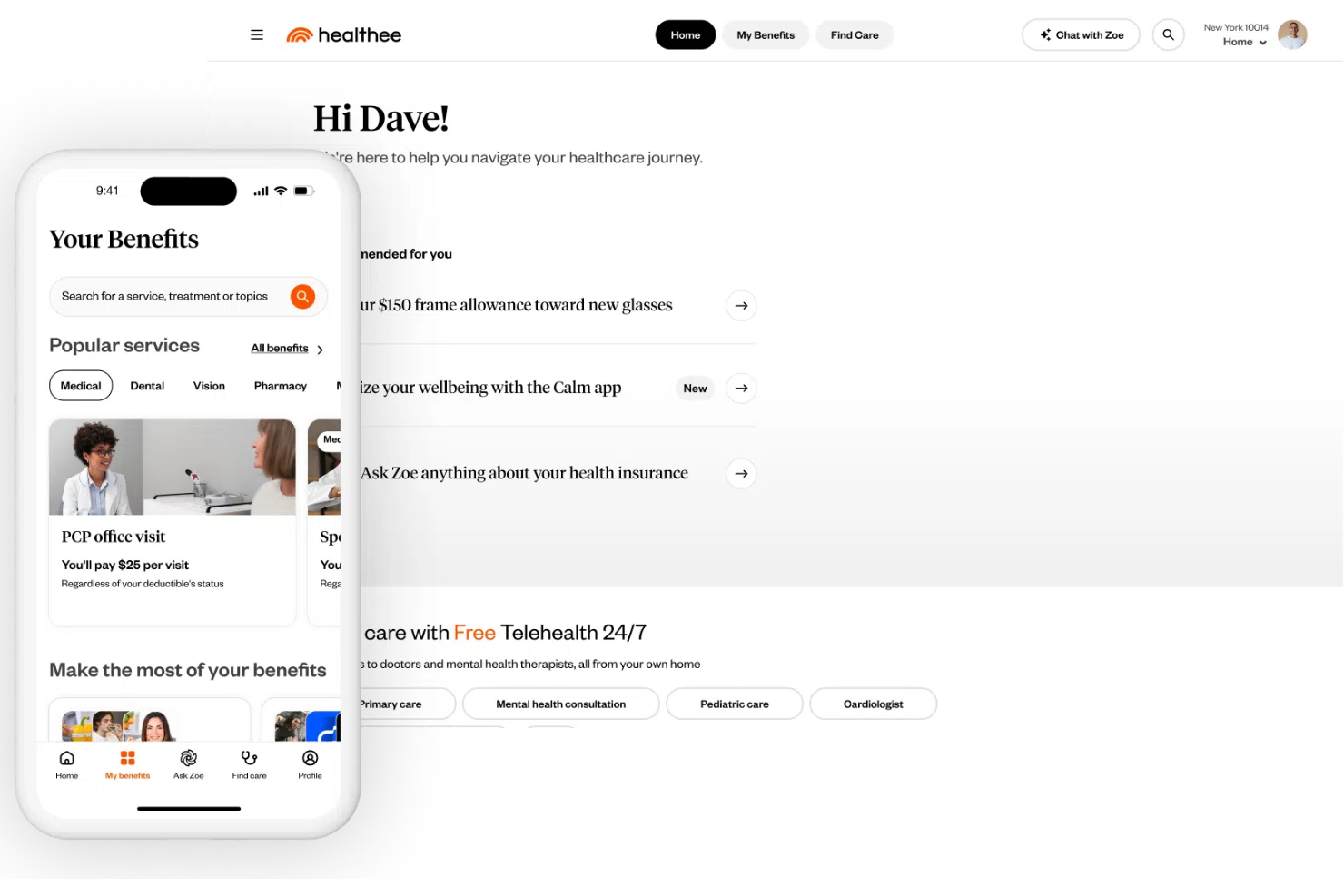
Healthee porta chiarezza nel complesso mondo dei benefit sanitari aziendali combinando supporto decisionale basato sull'intelligenza artificiale con una guida in tempo reale che aiuta il tuo team a comprendere la copertura, confrontare i piani e accedere alle cure con maggiore sicurezza. Progettato per responsabili delle risorse umane, broker di benefit, team finanziari e dipendenti, il supporto personalizzato di Healthee rende più semplice la navigazione dei piani sanitari e la scelta di cure economicamente vantaggiose durante tutto l'anno.
Perché ho scelto Healthee
Ho scelto Healthee per il suo eccezionale strumento di confronto dei piani basato sull’IA, che semplifica il difficile compito di scegliere il piano sanitario migliore. Questo strumento integra un algoritmo di raccomandazione che personalizza i suggerimenti in base ai fattori sanitari individuali, garantendo che i dipendenti prendano decisioni informate. Inoltre, l’assistente virtuale di Healthee, Zoe, offre supporto 24/7, fornendo risposte immediate a domande relative ai benefit e riducendo il carico di lavoro dell’HR. Queste funzionalità migliorano complessivamente il processo decisionale durante l'open enrollment e aumentano il coinvolgimento dei dipendenti.
Funzionalità principali di Healthee
Oltre all’impressionante strumento di confronto dei piani, Healthee offre altre funzionalità degne di nota:
- Trasparenza dei costi: Fornisce una visione chiara dei costi dei servizi sanitari, aiutando i dipendenti a comprendere le proprie responsabilità finanziarie.
- Accesso alla telemedicina: Garantisce accesso 24/7 a professionisti sanitari, assicurando supporto immediato senza necessità di visite in presenza.
- Strumenti di rilevamento frodi: Include strumenti di analisi per rilevare e prevenire richieste fraudolente, proteggendo sia i dipendenti che i datori di lavoro da perdite finanziarie.
- Gestione della farmacia: Offre strumenti per la gestione dei benefit farmaceutici, garantendo che i dipendenti abbiano accesso ai farmaci necessari al costo ottimale.
Integrazioni di Healthee
Le integrazioni native non sono attualmente elencate da Healthee, ma la piattaforma offre un'API flessibile e widget UI integrabili che consentono di incorporare la funzionalità personalizzata per i benefit direttamente nell’infrastruttura HR tecnologica già esistente.
Pros and Cons
Pros:
- L’assistente virtuale IA Zoe migliora l’efficienza nella navigazione dei benefit.
- Strumenti di trasparenza dei costi aiutano gli utenti a prendere decisioni consapevoli.
- Accesso alla telemedicina 24/7 per consulti medici immediati.
Cons:
- I vantaggi limitati a determinati fornitori possono restringere le opzioni.
- Alcuni utenti desidererebbero il supporto per benefit non medici per un sistema più completo.

bswift
Ideale per aziende di medie dimensioni
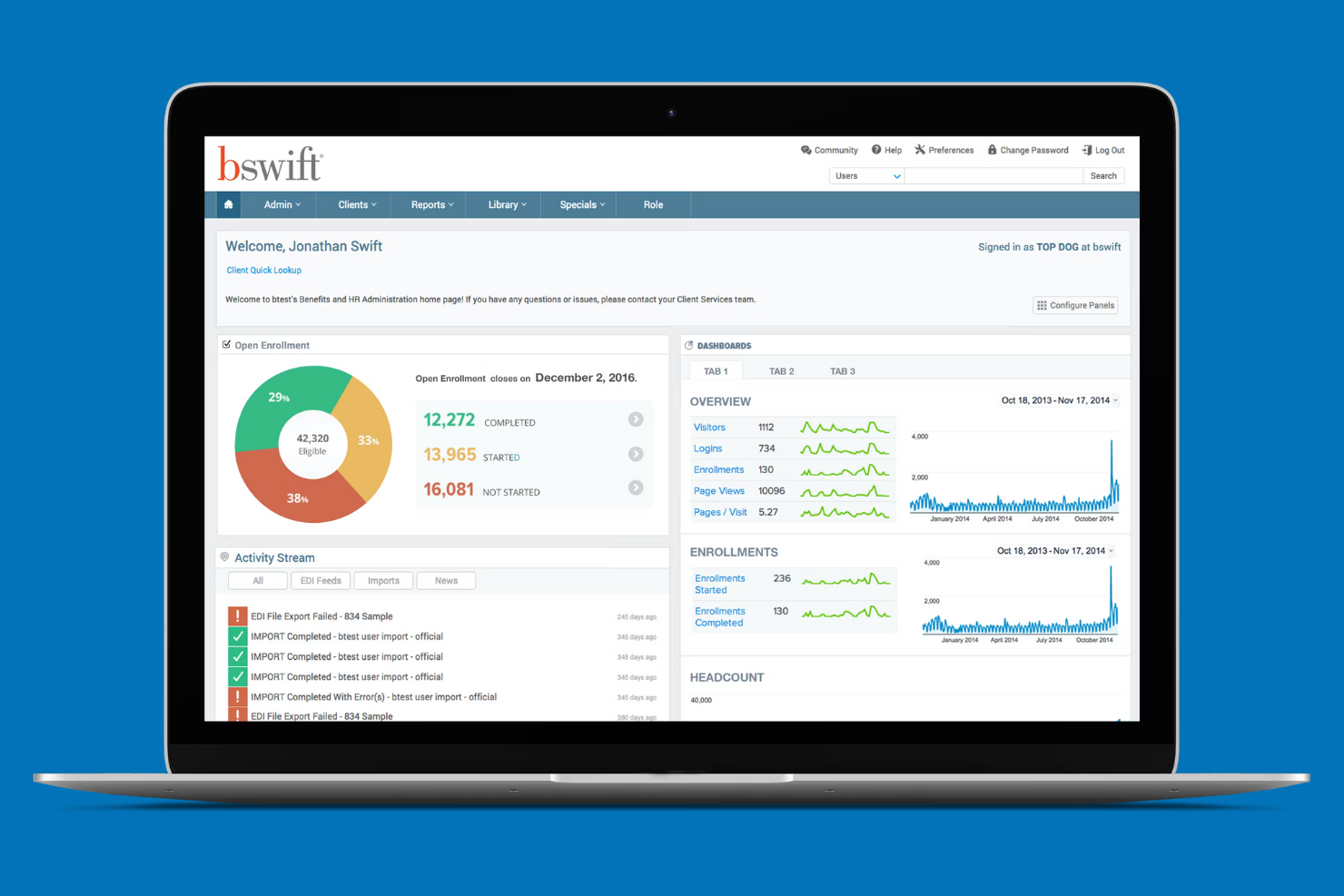
bswift è una piattaforma di amministrazione dei benefit pensata per le aziende di medie dimensioni che desiderano semplificare i processi HR. Si concentra sull’offrire soluzioni complete per la gestione dei benefit, migliorando efficienza e coinvolgimento dei dipendenti.
Perché ho scelto bswift: bswift sfrutta l’Intelligenza Artificiale per semplificare e scalare l’amministrazione dei benefit, rendendolo una scelta solida per le aziende di medie dimensioni. La sua automazione intelligente snellisce iscrizioni, conformità e comunicazione, riducendo la complessità amministrativa e garantendo accuratezza.
Offrendo esperienze personalizzate nella gestione dei benefit, bswift consente alle aziende in crescita di gestire i programmi in modo efficace senza aumentare l’onere amministrativo.
Caratteristiche distintive & integrazioni:
Funzionalità includono strumenti di iscrizione ai benefit basati sull’IA che guidano i dipendenti con scelte personalizzate, migliorando le decisioni e la soddisfazione. La gestione della conformità è potenziata con automazione intelligente per adattarsi alle normative in evoluzione e ridurre il rischio. Gli strumenti di comunicazione guidati dall’IA forniscono messaggi tempestivi e mirati, che migliorano il coinvolgimento, mentre analisi avanzate consentono di individuare tendenze nell’utilizzo e nei costi dei benefit.
Le integrazioni includono ADP, Workday, Kronos, Oracle, SAP SuccessFactors e Ceridian.
Pros and Cons
Pros:
- Scalabile per aziende di medie dimensioni
- Gestione della conformità efficace
- Strumenti di comunicazione versatili
Cons:
- Può richiedere formazione per nuovi utenti
- Dipendenza da internet

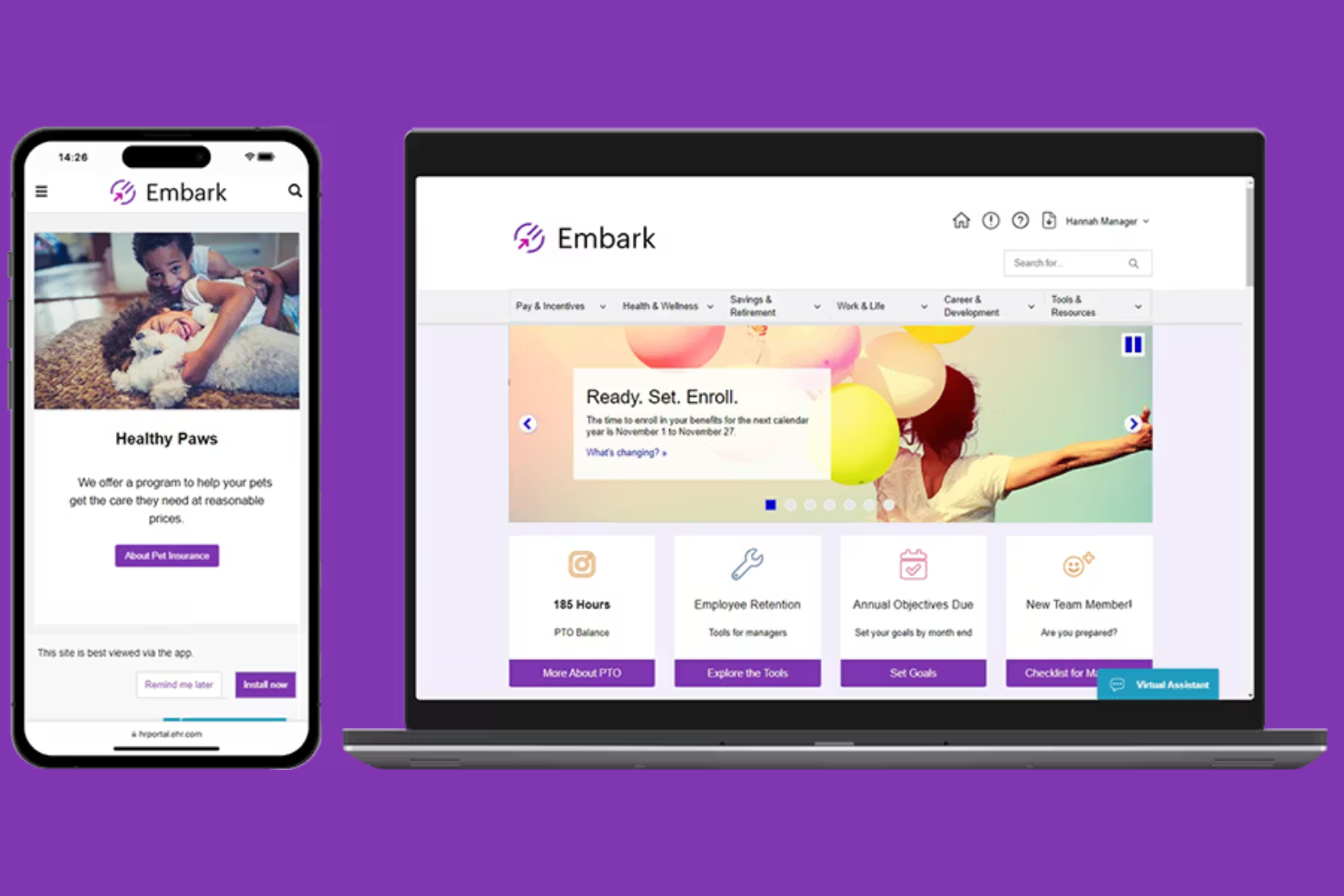
WTW Embark è una piattaforma di employee experience progettata per le organizzazioni che desiderano migliorare il coinvolgimento e la gestione della forza lavoro. Serve aziende di diversi settori offrendo amministrazione dei benefit, strumenti per l’engagement dei dipendenti e supporto alle iniziative di diversità.
Perché ho scelto Willis Towers Watson (WTW): La piattaforma Embark di WTW combina la scalabilità con l’intelligenza artificiale per offrire esperienze personalizzate ai dipendenti. Il suo assistente virtuale alimentato da AI guida i dipendenti nelle scelte di carriera, benefit e decisioni finanziarie, assicurando supporto in ogni momento.
Con strumenti dedicati alla crescita, al benessere e all’inclusione, Embark aiuta le organizzazioni ad adattarsi alle diverse esigenze, aumentando il coinvolgimento e la fidelizzazione a lungo termine.
Caratteristiche principali ed integrazioni:
Caratteristiche includono una chatbot basata su intelligenza artificiale che fornisce assistenza personalizzata e in tempo reale per richieste HR e sui benefit. Le risorse per lo sviluppo professionale sono potenziate dall’AI per raccomandare opportunità di apprendimento e crescita su misura, mentre gli strumenti di pianificazione finanziaria sfruttano previsioni per consigliare le migliori decisioni. La piattaforma integra anche iniziative di diversità e inclusione, aiutando le organizzazioni a promuovere esperienze eque per tutti i dipendenti.
Integrazioni disponibili con Benefits Access, Spending Accounts, Workday, SAP SuccessFactors, Oracle e ADP.
Pros and Cons
Pros:
- Grande attenzione al coinvolgimento dei dipendenti
- Consegna di informazioni personalizzate
- Supporta iniziative di diversità
Cons:
- Possibilità di costi di implementazione elevati
- Potrebbe necessitare di supporto tecnico

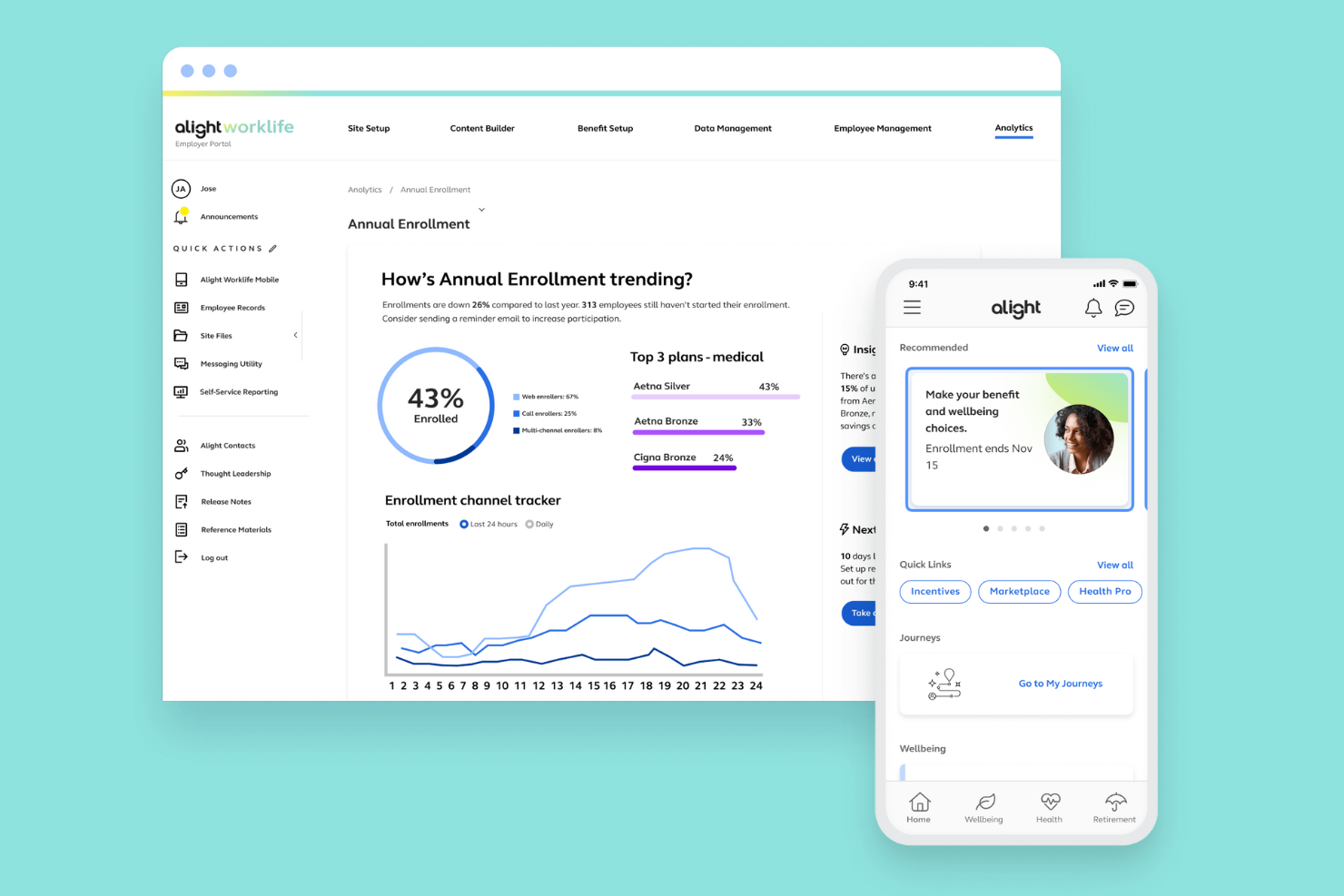
Alight è una piattaforma di gestione dei benefit destinata a grandi organizzazioni che necessitano di soluzioni HR globali. Migliora la soddisfazione dei dipendenti e l'efficienza aziendale attraverso l'amministrazione dei benefit sanitari, l'onboarding dei dipendenti e servizi di coinvolgimento.
Perché ho scelto Alight: Alight sfrutta la propria tecnologia proprietaria LumenAI per trasformare la gestione globale dei benefit e le operazioni HR. Personalizzando e automatizzando i benefit per i dipendenti, Alight offre esperienze su misura che si adattano alle esigenze di una forza lavoro diversificata.
Il suo approccio basato sull'intelligenza artificiale lo rende particolarmente potente per le organizzazioni multinazionali che desiderano semplificare soluzioni di salute, pensione e benessere su larga scala.
Funzionalità e integrazioni di spicco:
Funzionalità includono l'amministrazione intelligente dei benefit di LumenAI, che offre raccomandazioni personalizzate per programmi di salute, pensione e benessere. L'automazione basata su IA semplifica l'onboarding, la gestione delle assenze e la conformità nelle operazioni globali. Le analisi predittive aiutano a identificare i trend della forza lavoro e guidano la pianificazione strategica delle risorse umane, mentre gli insight in tempo reale migliorano il processo decisionale.
Integrazioni con Workday, Oracle, SAP, SuccessFactors e ADP.
Pros and Cons
Pros:
- Soluzioni HR globali
- Esperienza dei benefit personalizzata
- Gestione completa dei benefit
Cons:
- Configurazione iniziale complessa
- Può richiedere formazione approfondita
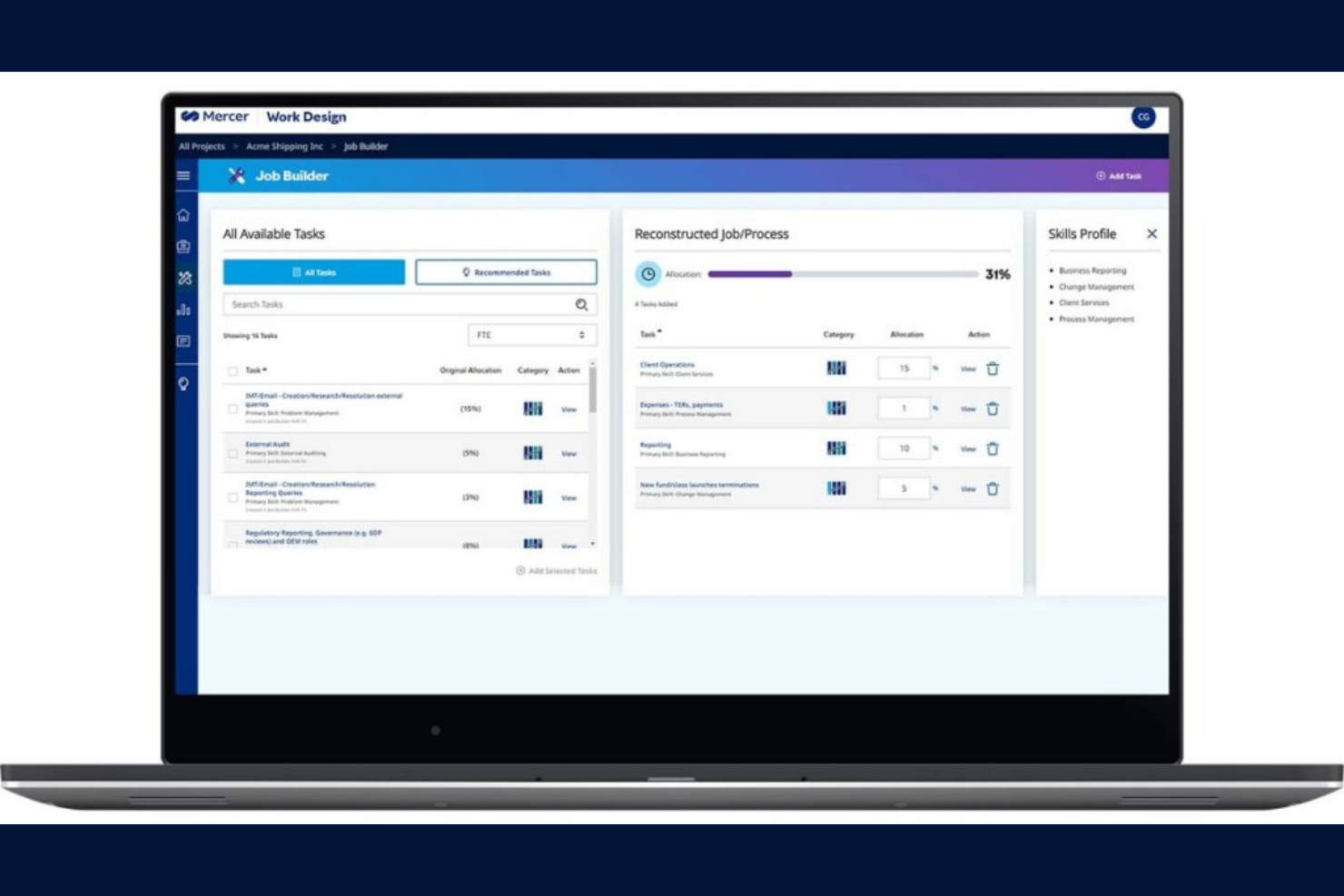
Mercer offre una piattaforma software per la gestione dei benefit pensata per le grandi imprese che desiderano gestire in modo efficiente i benefit dei dipendenti. L'obiettivo è quello di aumentare il coinvolgimento dei dipendenti e semplificare l'amministrazione dei benefit in organizzazioni di grandi dimensioni.
Perché ho scelto Mercer: La piattaforma Darwin di Mercer utilizza l'intelligenza artificiale per semplificare e ottimizzare la gestione di strutture di benefit complesse e su larga scala. Progettata per aziende con una forza lavoro globale e diversificata, Darwin sfrutta l'AI per personalizzare i benefit, migliorare la comunicazione e mettere in evidenza dati che supportano decisioni più intelligenti.
La sua scalabilità e flessibilità la rendono una scelta solida per le organizzazioni che necessitano di adattare i programmi di benefit durante la crescita.
Funzionalità e integrazioni principali:
Funzionalità comprendono la personalizzazione dei benefit basata sull'AI, che adatta le opzioni alle esigenze dei dipendenti aiutando allo stesso tempo le aziende a controllare i costi. I suoi strumenti avanzati di analisi e reportistica, potenziati dall'AI, rivelano i pattern di utilizzo dei benefit e identificano opportunità di ottimizzazione.
L'automazione intelligente semplifica la gestione dei benefit in molteplici aree geografiche, mentre la comunicazione guidata dall'AI garantisce che i dipendenti ricevano aggiornamenti tempestivi e pertinenti. Grazie a queste caratteristiche, Mercer consente alle aziende di offrire programmi di benefit efficienti, scalabili e coinvolgenti a livello globale.
Integrazioni disponibili con Workday, SAP SuccessFactors, Oracle, ADP e PeopleSoft.
Pros and Cons
Pros:
- Opzioni personalizzabili
- Supporta una forza lavoro diversificata
- Analitiche dettagliate
Cons:
- Curva di apprendimento ripida
- Configurazione iniziale complessa


Benify è una piattaforma di gestione dei benefit progettata per le organizzazioni che desiderano aumentare il coinvolgimento dei dipendenti attraverso un'amministrazione dei benefit accessibile. Serve le aziende offrendo strumenti che semplificano la gestione dei benefit e migliorano la soddisfazione dei dipendenti.
Perché ho scelto Benify: Benify introduce una personalizzazione basata sull’intelligenza artificiale ai benefit dei dipendenti, rendendoli più accessibili e coinvolgenti. Il suo approccio mobile-first, insieme a un portale intelligente per i benefit, assicura che i dipendenti possano esplorare, scegliere e gestire i propri benefit ovunque e in qualsiasi momento.
Con l’AI a guidare raccomandazioni e comunicazioni, Benify rende semplici anche i benefit più complessi, personalizzandoli per ogni dipendente.
Funzionalità principali & integrazioni:
Funzionalità che includono un portale per i benefit alimentato dall’AI che si adatta alle esigenze di ciascun dipendente, offrendo raccomandazioni personalizzate e aggiornamenti in tempo reale. Le notifiche intelligenti assicurano che i dipendenti non perdano mai opportunità importanti legate ai benefit, mentre le analisi aiutano l’HR a ottimizzare l’offerta e monitorare l’adozione.
Integrazioni includono SAP SuccessFactors, Oracle, Microsoft Dynamics, Workday e ADP.
Pros and Cons
Pros:
- Portale dei benefit personalizzato
- Mantiene i dipendenti informati
- Favorisce decisioni consapevoli
Cons:
- Possibile curva di apprendimento
- Costi aggiuntivi per funzionalità avanzate

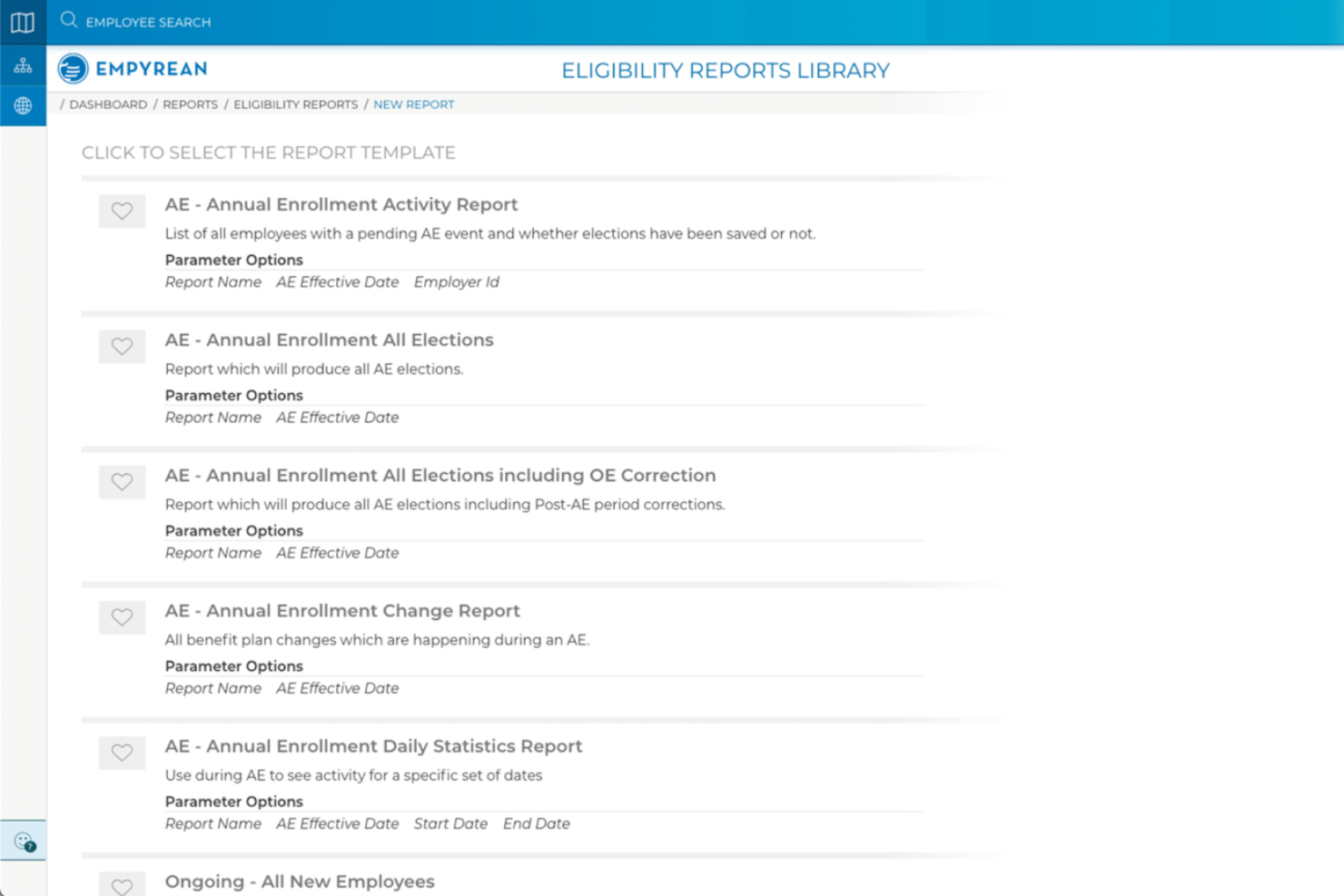
Empyrean è una piattaforma per la gestione dei benefit progettata per le organizzazioni che danno priorità all’engagement e alla soddisfazione dei dipendenti. Supporta i team HR migliorando l’esperienza dei dipendenti attraverso una gestione personalizzata dei benefit.
Perché ho scelto Empyrean: Empyrean integra l’intelligenza artificiale per personalizzare l’amministrazione dei benefit e migliorare l’esperienza complessiva dei dipendenti. Adattando le raccomandazioni e il supporto sui benefit alle esigenze individuali, aiuta le organizzazioni ad aumentare l’engagement e la soddisfazione. I suoi strumenti basati sull’IA forniscono chiarezza e orientamento, assicurando che i dipendenti sfruttino al meglio i loro benefit, mentre i team HR ottengono dati utili per perfezionare i programmi.
Funzionalità e integrazioni principali:
Funzionalità includono personalizzazione dei benefit guidata dall’IA, con indicazioni e risorse su misura per i dipendenti. Dashboard intuitive, alimentate dall’intelligenza artificiale, semplificano le informazioni sui benefit e migliorano il processo decisionale sia per i dipendenti che per i responsabili HR. Analisi dettagliate rilevano tendenze nell'utilizzo e nell’engagement dei benefit, aiutando le organizzazioni a ottimizzare i propri programmi.
Integrazioni includono ADP, Workday, Oracle, SAP SuccessFactors e Kronos.
Pros and Cons
Pros:
- Focus sulla soddisfazione dei dipendenti
- Supporto personalizzato per i benefit
- Dashboard intuitive
Cons:
- Opzioni di personalizzazione limitate
- Richiede formazione iniziale

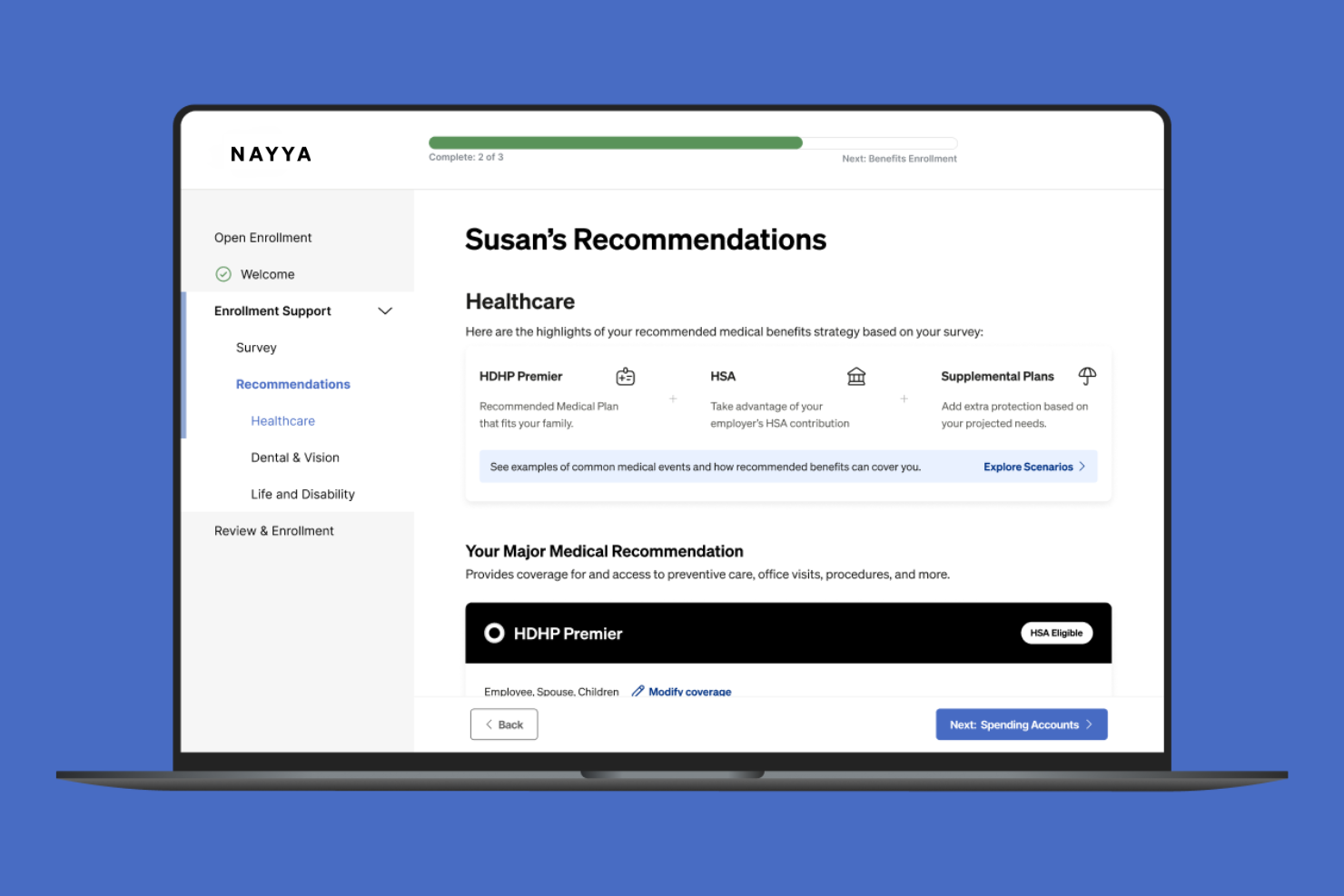
Nayya è un software per la gestione dei benefit ideato per le organizzazioni che desiderano migliorare le decisioni dei dipendenti in ambito salute e patrimonio. Serve principalmente i team delle Risorse Umane offrendo una guida personalizzata per ottimizzare la scelta dei benefit.
Perché ho scelto Nayya: Nayya si distingue offrendo una guida personalizzata sui benefit, aiutando il tuo team a prendere decisioni più intelligenti. La sua AI agentica non si limita a consigliare; agisce, semplificando la gestione dei benefit.
Grazie a funzionalità come la compilazione automatica delle richieste di rimborso e le raccomandazioni su misura, propone un approccio unico alla gestione dei benefit per salute e patrimonio. Risulta ideale per chi ha bisogno di approfondimenti personalizzati e consigli pratici.
Funzionalità e integrazioni principali:
Funzionalità includono guida personalizzata ai benefit, compilazione automatica delle richieste di rimborso e supporto decisionale in tempo reale. Queste funzionalità aiutano te e il tuo team a orientarsi con facilità tra le opzioni complesse di benefit. Grazie alla sua interfaccia intuitiva, Nayya garantisce il massimo valore dal tuo pacchetto di benefit.
Integrazioni includono Slack, Microsoft Teams, iMessage e altre ancora.
Pros and Cons
Pros:
- Guida personalizzata
- Compilazione automatica delle richieste di rimborso
- Supporto decisionale in tempo reale
Cons:
- Accesso offline limitato
- Richiede la connessione a Internet
Altri software AI per i benefit
Ecco alcune altre opzioni di software AI per i benefit che non sono entrate nella mia selezione, ma che vale comunque la pena prendere in considerazione:
- ApexBenefits
Ideale per la conformità alle normative sui dati
- Happl
Ideale per le piccole imprese
- Pasito
Ideale per un'interfaccia intuitiva
- helpmechoosebenefits
Ideale per il supporto alle decisioni


Come Valuto i Software di Benefici con Intelligenza Artificiale
Includo solo strumenti in cui l’IA offre un reale valore aggiunto, come guidare verso scelte di piano più intelligenti o far emergere schemi di spesa che i team HR altrimenti non noterebbero. La mia valutazione si articola su due livelli: la funzionalità di base necessaria per qualificare uno strumento e i fattori differenzianti che distinguono le migliori opzioni.
Funzionalità di Base (Requisiti Fondamentali per Questa Lista)
Quando seleziono gli strumenti per la mia lista, valuto ciascuno su una scala da 0 (non offre la funzionalità) a 5 (eccelle in quest’area) per ogni funzionalità di base elencata qui sotto. Poi, trasformo il punteggio totale dello strumento in una percentuale. Ogni strumento deve raggiungere un punteggio totale minimo del 65% per essere preso in considerazione.
- Raccomandazioni sui benefici guidate dall’IA: Ricerco piattaforme che vadano oltre semplici confronti statici dei piani, offrendo suggerimenti personalizzati in base ai dati dei dipendenti come età, familiari a carico ed eventi della vita.
- Flussi di iscrizione automatizzati: Ogni strumento dovrebbe gestire aperture iscrizioni, nuove assunzioni ed eventi di vita con ammissibilità validata dall’IA, evitando il lavoro amministrativo manuale.
- IA conversazionale per i dipendenti: Valuto se il chatbot o assistente virtuale sappia rispondere a domande reali sui benefici, come spiegare differenze di franchigia o guidare un utente in un cambio di piano.
- Analytics predittiva dei benefici: I dashboard devono proporre previsioni generate dall’IA su tendenze di utilizzo e fattori di costo, non solo riferire su quanto già accaduto nel trimestre precedente.
- Automazione della compliance: Verifico che la piattaforma automatizzi la reportistica e il monitoraggio normativo per quadri regolatori come ACA, ERISA e COBRA, invece di dipendere da controllo manuale.
- Integrazione con carrier e HRIS: Lo strumento dovrebbe sincronizzarsi bidirezionalmente con piattaforme paghe, HRIS e compagnie assicurative affinché i dati sui benefici restino precisi tra i sistemi.
Una volta che ho una lista di strumenti che soddisfano questi criteri, considero cosa distingue ciascuna piattaforma.
Fattori Differenzianti (Cosa Distingue i Fornitori)
Ecco come confronto e metto a confronto i diversi fornitori:
Funzionalità Distintive
La modellazione per supporto decisionale è un grande fattore di differenziazione. Cerco strumenti che permettano ai dipendenti di confrontare scenari di piano fianco a fianco, basati sull’uso previsto e sui bisogni familiari, non solo sul costo dei premi. Le informazioni su sinistri e costi si distinguono inoltre quando l’IA identifica motivi di spesa e segnala schemi prima delle negoziazioni di rinnovo. Valuto molto anche la visualizzazione dei premi totali, dove i dipendenti vedono una ripartizione personalizzata dell’intero pacchetto retributivo oltre lo stipendio base.
Oltre le Funzionalità
La trasparenza dell’IA è molto importante in questo campo. Verifico che la piattaforma spieghi perché ha consigliato un determinato piano a un dipendente, poiché i team HR devono fidarsi e poter difendere quei suggerimenti. Il supporto all’implementazione è un altro parametro che considero, soprattutto durante l’open enrollment, quando ritardi o errori di configurazione possono coinvolgere migliaia di dipendenti simultaneamente. Valuto anche la scalabilità, analizzando se lo strumento gestisce configurazioni multi-entità e regole complesse di ammissibilità tra diverse classificazioni di lavoratori.
Come scegliere un software AI per i benefit
È facile perdersi tra lunghi elenchi di funzionalità e strutture di prezzo complesse. Per aiutarti a rimanere concentrato mentre affronti il tuo processo unico di selezione del software, ecco un elenco dei fattori da tenere a mente:
| Fattore | Cosa considerare |
|---|---|
| Scalabilità | Il software crescerà insieme alla tua azienda? Verifica se è in grado di gestire un numero crescente di utenti o dati senza problemi di prestazioni. Cerca strumenti che offrano opzioni di scalabilità flessibili. |
| Integrazioni | Si integra con i sistemi già in uso, come quelli per le risorse umane e le paghe? Verifica la compatibilità per evitare silos di dati e garantire flussi di lavoro fluidi. |
| Personalizzazione | Puoi adattare il software alle tue esigenze? Cerca opzioni per personalizzare dashboard, report e autorizzazioni degli utenti in base ai tuoi processi. |
| Semplicità d'uso | L'interfaccia è intuitiva? Considera il feedback dei potenziali utenti e verifica se il software è facile da usare e richiede una formazione minima. |
| Implementazione e avvio | Quanto tempo servirà per configurare il software e formare il tuo team? Valuta le risorse necessarie per una transizione fluida e verifica la disponibilità di assistenza durante il processo. |
| Costo | Il prezzo è in linea con il tuo budget? Valuta il costo totale di proprietà, comprese le commissioni nascoste, per assicurarti che rientri nel tuo piano finanziario. |
| Misure di sicurezza | Quanto sono sicuri i tuoi dati? Cerca funzionalità di crittografia, controlli di sicurezza regolari e conformità agli standard pertinenti per proteggere le informazioni sensibili. |
| Requisiti di conformità | Il software rispetta le normative del settore? Assicurati che supporti la conformità alle leggi e agli standard pertinenti per la tua attività, come HIPAA o GDPR. |
Che cos'è un software AI per i benefit?
Un software AI per i benefit è uno strumento che automatizza e ottimizza la gestione dei benefit dei dipendenti utilizzando l'intelligenza artificiale. I professionisti HR e gli amministratori dei benefit utilizzano solitamente questi strumenti per semplificare l'iscrizione, migliorare il processo decisionale e aumentare la soddisfazione dei dipendenti.
Funzionalità come l’analisi dei dati, i consigli personalizzati e il monitoraggio della conformità aiutano a gestire efficacemente i benefit e a prendere decisioni informate. Nel complesso, questi strumenti fanno risparmiare tempo e riducono gli oneri amministrativi.
Funzionalità del software per la gestione dei benefit con IA
Quando selezioni un software per la gestione dei benefit con IA, presta attenzione alle seguenti funzionalità chiave:
- Analisi dei dati: Fornisce informazioni dettagliate sull’utilizzo e sulle tendenze relative ai benefit, aiutandoti a prendere decisioni informate.
- Consigli personalizzati: Offre suggerimenti sui benefit adattati alle preferenze e alle esigenze dei dipendenti.
- Monitoraggio della conformità: Garantisce il rispetto delle normative di settore, come HIPAA e GDPR, per ridurre i rischi legali.
- Gestione delle iscrizioni ai benefit: Semplifica il processo di iscrizione dei dipendenti ai piani di benefit.
- Funzionalità di integrazione: Si collega ai sistemi esistenti per la gestione delle risorse umane e delle buste paga, garantendo un flusso di dati uniforme.
- Dashboard personalizzabili: Ti consentono di adattare visualizzazioni e report ai requisiti della tua azienda.
- Accesso tramite app mobile: Consente ai dipendenti di gestire i propri benefit ovunque si trovino, aumentando il coinvolgimento.
- Analisi predittiva: Anticipa le tendenze e le esigenze future, supportando la pianificazione strategica.
- Aggiornamenti in tempo reale: Mantengono i dipendenti informati sulle informazioni più recenti relative ai benefit, migliorando la comunicazione.
Vantaggi del software per la gestione dei benefit con IA
L’implementazione di un software per la gestione dei benefit con IA offre diversi vantaggi al tuo team e alla tua azienda. Ecco alcuni dei benefici che puoi aspettarti:
- Migliore processo decisionale: Le informazioni dettagliate e i consigli basati sull’IA aiutano il tuo team a scegliere le migliori opzioni di benefit per i dipendenti.
- Maggiore conformità: Il monitoraggio automatizzato della conformità garantisce il rispetto delle normative, riducendo il rischio di problemi legali.
- Risparmio di tempo: I processi semplificati di iscrizione e gestione liberano tempo per i professionisti delle risorse umane, che possono concentrarsi su altre attività.
- Maggiore soddisfazione dei dipendenti: Le offerte di benefit personalizzate e gli aggiornamenti in tempo reale mantengono i dipendenti informati e coinvolti.
- Efficienza dei costi: L’analisi dei dati e le informazioni predittive aiutano a ottimizzare la spesa per i benefit e a ridurre i costi superflui.
- Comunicazione migliore: L’integrazione con i sistemi esistenti e l’accesso mobile migliorano il flusso di informazioni tra i dipendenti e i team delle risorse umane.
Costi e prezzi del software per la gestione dei benefit con IA
La scelta di un software per la gestione dei benefit con IA richiede la comprensione dei vari modelli di prezzo e dei piani disponibili. I costi variano in base alle funzionalità, alle dimensioni del team, ai componenti aggiuntivi e ad altri fattori. La tabella seguente riassume i piani più comuni, i relativi prezzi medi e le funzionalità tipicamente incluse nelle soluzioni software per la gestione dei benefit con IA:
Tabella di confronto dei piani per il software per la gestione dei benefit con IA
| Tipo di piano | Prezzo medio | Funzionalità comuni |
|---|---|---|
| Piano gratuito | $0 | Iscrizione di base ai benefit, assistenza limitata e report standard. |
| Piano personale | $5-$25/utente/mese | Report avanzati, accesso mobile e consigli personalizzati. |
| Piano aziendale | $30-$75/utente/mese | Monitoraggio della conformità, analisi dei dati e integrazione con i sistemi delle risorse umane. |
| Piano aziendale avanzato | $80-$150/utente/mese | Analisi avanzate, dashboard personalizzate, assistenza dedicata e personalizzazione completa. |
Domande frequenti sul software per i benefit basato sull'AI
Ecco alcune risposte alle domande comuni sul software per i benefit basato sull’AI:
Come funziona il software per i benefit basato sull'AI?
Il software per i benefit basato sull’AI semplifica la gestione dei benefit automatizzando attività di routine come l’iscrizione e l’analisi dei dati. Aiuta il tuo team a prendere decisioni informate fornendo insight da set di dati complessi. Questa tecnologia migliora l’efficienza e riduce gli errori, rendendola uno strumento prezioso per i reparti HR.
Cosa devo considerare quando scelgo un software per i benefit basato sull'AI?
Considera fattori come scalabilità, capacità di integrazione e facilità d’uso. Assicurati che il software sia in linea con le dimensioni e le esigenze della tua azienda. Cerca funzionalità che supportino la conformità normativa e la sicurezza dei dati. Valuta le opzioni di assistenza e formazione offerte dal fornitore per garantire un processo di implementazione senza problemi.
In che modo gli strumenti per i benefit basati sull'AI migliorano il processo decisionale?
Questi strumenti utilizzano l’analisi dei dati e la modellazione predittiva per fornire insight sulle esigenze e sulle tendenze relative ai dipendenti. Aiutano il tuo team a personalizzare l’offerta di benefit per migliorare la soddisfazione e la fidelizzazione. Analizzando i dati storici, il software per i benefit basato sull’AI può prevedere le esigenze future, supportando la pianificazione strategica.
Il software per i benefit basato sull'AI include funzionalità specifiche per la conformità normativa?
Sì, molti strumenti per i benefit basati sull’AI includono il monitoraggio della conformità per garantire il rispetto di normative come HIPAA o GDPR. Automatizzano la reportistica e segnalano potenziali problemi di conformità. Questo aiuta il tuo team a evitare rischi legali e a mantenere l’integrità dei dati durante la gestione dei benefit dei dipendenti.
Il software per i benefit basato sull'AI può integrarsi con i sistemi HR esistenti?
La maggior parte delle soluzioni per i benefit basate sull’AI offre funzionalità di integrazione con piattaforme HR diffuse come Workday o ADP. Questo garantisce un flusso di dati continuo e riduce l’inserimento manuale dei dati. Verifica la compatibilità con i sistemi attuali per assicurarti che il software si integri nei flussi di lavoro esistenti.
Quali sono i costi tipici associati al software per i benefit basato sull'AI?
I costi variano in base alle funzionalità, al numero di utenti e alle esigenze di personalizzazione. I modelli di prezzo possono includere tariffe per utente o costi fissi. Considera il costo totale di proprietà, comprese le spese di configurazione e formazione. Valuta il valore offerto dal software rispetto al suo costo per assicurarti che rientri nel tuo budget.