
Best Employee Recognition Software Tools in 2026
Looking for the best employee recognition software in 2026?
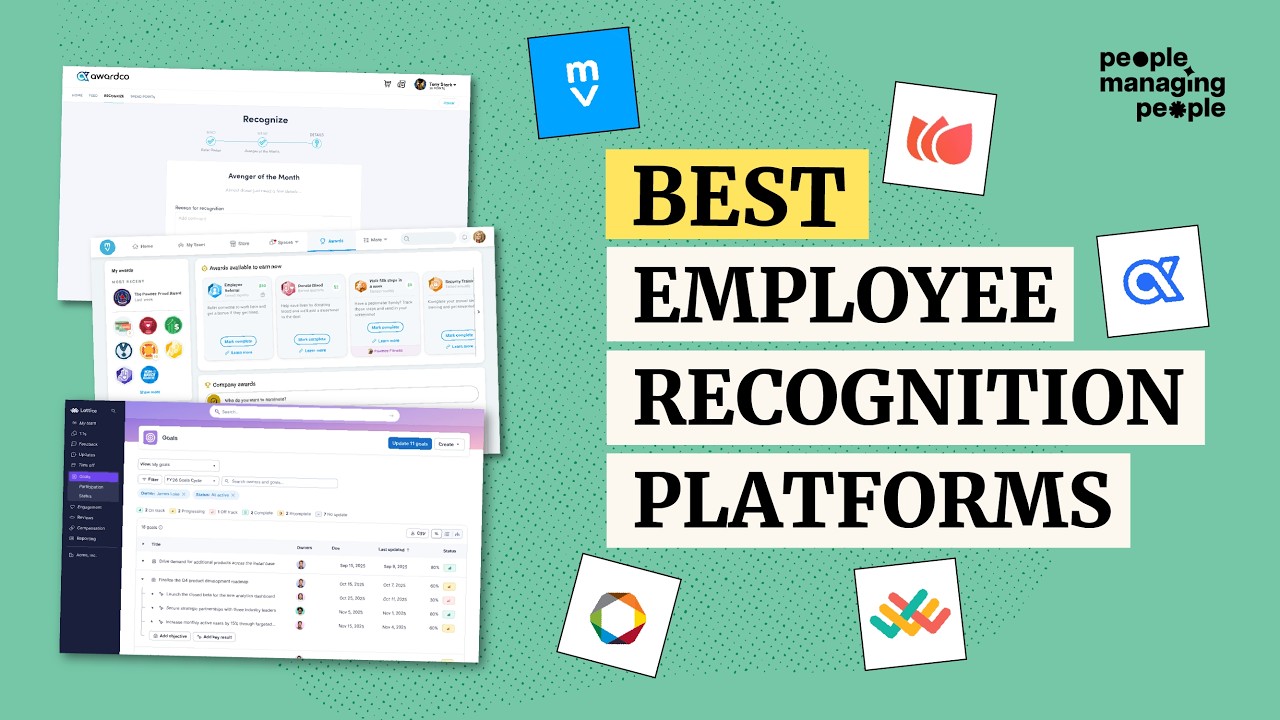
In this video, we compare five of the top employee recognition platforms, breaking down how they help teams build a culture of appreciation, improve engagement, and make recognition more meaningful—plus what each tool is best for, where AI features show up, and pricing at a glance.
Employee recognition platforms covered in this video:
0:22 – Motivosity
1:37 – Nectar
2:57 – Awardco
4:39 – Lattice
6:16 – Cooleaf
Whether you’re trying to boost morale, reinforce company values, or make recognition feel more authentic, this comparison will help you choose the right platform to support your team.
For a deeper comparison, check out our full employee recognition software guide.
You’re tired of recognition programs that feel forced, and employees can tell when it’s not authentic. That’s where the right tool comes in.
In this video, I’ll walk you through five of the best employee recognition platforms in 2026, breaking down who each tool is best for, standout features, where AI shows up, and pricing at a glance. Let’s get into it.
First up is Motivosity. This one is great if you want a people-first platform that brings recognition, rewards, engagement, and culture together so your team feels genuinely valued, not just checked off a list. You can set up peer-to-peer recognition so employees can thank each other in real time, making appreciation visible across the company.
Built-in rewards catalogs let your team choose meaningful gifts, which helps recognition feel personal and motivating. And with detailed analytics, you can spot trends in engagement and address areas where recognition might be falling short. As for AI features, Motivosity provides insights into the tone and trends behind employee feedback and recognition activity, helping you spot shifts in morale or engagement early.
It also highlights recognition patterns across teams so you can better understand where additional support or appreciation may be needed. Where Motivosity really shines is in its ability to connect recognition with manager development, helping leaders build stronger, more supportive teams through guided feedback and coaching tools.
That being said, one potential drawback is that Motivosity’s interface can feel overwhelming at first, which may slow down adoption for teams that prefer a simpler setup. Motivosity does not have a free plan, and pricing is quote-based.
Next up is Nectar. This one is great if you want a flexible way for employees to recognize each other and reinforce your company values, especially when you’re focused on building engagement across distributed or hybrid teams.
You can customize recognition programs to align with your unique company values, making every shout-out more meaningful and relevant. The platform’s rewards marketplace offers a wide range of options, so employees can choose incentives that actually matter to them. Plus, integration with tools like Slack and Microsoft Teams means recognition happens right where your team already communicates, keeping engagement visible and top of mind.
When it comes to automation, Nectar helps you keep recognition consistent by automatically handling things like employee birthdays and service anniversaries, so no important milestone gets missed. It also sends reminders to encourage ongoing participation across your team. A standout feature of Nectar is its ability to let you set custom recognition budgets for different teams or departments, making it easier to manage costs while still encouraging frequent appreciation across the organization.
One thing to be aware of, though, is that Nectar’s reporting and analytics options are somewhat limited, which can make it harder for HR teams to track long-term trends or measure the full impact of recognition programs. Nectar does not have a free plan, and pricing is quote-based.
Next up is Awardco. This one is great if you want to give employees a wide range of reward choices through direct Amazon integration.
Making it easy to recognize achievements in a way that feels personal and meaningful. You can set up automated recognition programs for milestones like work anniversaries or birthdays, so no important moment slips through the cracks. The platform’s global rewards catalog lets employees choose from a huge variety of options, supporting teams in different countries without extra administrative work.
And integration with HRIS systems means you can sync employee data and keep recognition timely and accurate, even as your organization grows. As for AI features, Awardco Intelligence provides insights into recognition activity and engagement patterns, helping you identify trends across teams. This makes it easier to see where participation is strong or where recognition may be lacking, so you can adjust your programs in real time.
In practice, this means you can spot gaps and celebrate wins across your organization without digging through raw data manually. One great thing about Awardco is its flexible points-based system, which lets you tailor recognition programs to fit different teams, budgets, and reward preferences across your organization.
On the other hand, a potential downside is that Awardco’s interface can feel overwhelming at first, which may require extra onboarding time for both HR teams and employees. Awardco does not have a free plan, and pricing is quote-based.
At this point, you can start to see how these tools differ in how they approach recognition and engagement. If you want a closer side-by-side breakdown, check out our full employee recognition platforms guide below. Now let’s look at more options.
Next up is Lattice. This one is great if you want to connect performance management with employee engagement, making it easier to align feedback, goals, and development conversations in one place.
You can set up customizable review cycles that fit your organization’s cadence, whether you run quarterly, biannual, or project-based reviews. Built-in goal tracking links individual and team objectives to company priorities so everyone can see how their work contributes to broader outcomes. Plus, real-time feedback tools make it easy for managers and peers to share recognition or coaching moments as they happen, supporting a culture of continuous improvement.
In terms of AI features, Lattice provides insights into employee feedback and engagement data, helping you quickly spot patterns or areas of concern across teams. The platform also surfaces suggested actions for managers based on these insights, making it easier to address issues before they escalate.
This means you can respond to employee needs proactively rather than waiting for problems to surface in formal reviews. A standout feature of Lattice is its ability to automate reminders and nudges for managers and employees, which helps keep performance conversations and goal updates on track without manual follow-up.
One thing to be aware of, though, is that Lattice’s reporting and analytics can feel limited if you need highly customized or granular data views for complex organizations. Lattice does not have a free plan, and paid plans start around $11 per user per month, with higher tiers unlocking engagement surveys, advanced analytics, and compensation management features.
And last but not least is Cooleaf. This one is great if you want to boost employee engagement through recognition and rewards, making it easier to celebrate achievements and reinforce positive behaviors across your organization. You can create custom recognition programs that let peers and managers acknowledge contributions in real time, helping to build a culture of appreciation.
The platform’s rewards marketplace offers a wide range of options so employees can choose incentives that actually matter to them, and detailed engagement analytics give you insight into participation trends and highlight which teams or departments may need extra support. As for AI features, Cooleaf provides insights into employee feedback and engagement data, helping you identify trends and spot shifts in participation across your organization.
It also highlights opportunities for recognition or engagement activities so you can focus your efforts where they’re most needed. This helps you take a more proactive approach to supporting your team. One great thing about Cooleaf is its ability to integrate with popular workplace tools like Slack and Microsoft Teams, making it easy for employees to give recognition and participate in engagement activities without leaving their daily workflow.
On the other hand, a potential downside is that Cooleaf’s customization options for branding and program design can be limited, which may make it harder to fully align the platform with your organization’s unique culture or visual identity. Cooleaf does not have a free plan, and pricing is quote-based.
So which of the tools we’ve covered today actually makes the most sense for you?
Choose Motivosity if you want a people-first platform with strong peer recognition and manager development tools.
Go with Nectar if you need flexible rewards and easy integrations for a hybrid or remote workforce.
Awardco fits best for organizations seeking a wide rewards catalog and global recognition options.
Lattice is ideal for HR teams focused on connecting recognition with performance management and growth.
Pick Cooleaf if you want engagement analytics and real-time recognition within your existing workplace tools.
And if you’d like a deeper comparison, we’ve linked our full employee recognition platform guide below.
Thanks for watching.

