

Kyan Health vs. CuraLinc: Comparison and Expert Reviews for 2026



Workplace mental health programs have evolved far beyond basic employee assistance hotlines, which makes choosing the right platform more complicated than ever. Kyan Health and CuraLinc both position themselves as modern alternatives to traditional EAPs, but they differ significantly in how they approach care navigation, clinician support, employee engagement, and organizational strategy.
If your HR team is balancing burnout concerns, global workforce complexity, rising mental health expectations, and budget pressure all at once, those differences matter. In this comparison, I’ll walk through how Kyan Health and CuraLinc compare across care models, features, onboarding, analytics, pricing, usability, and best-fit use cases so you can make a more confident decision for your organization.
Kyan Health vs. CuraLinc: An Overview
Kyan Health
CuraLinc
Why Trust Our Software Recommendations
Our team has been testing and reviewing software since 2012. As HR experts ourselves, we know how difficult—and important—it is to choose the right software.
For this guide, we evaluated tools using hands-on testing and independent research, scoring tools using our selection criteria. We also draw on insights from industry thought leaders and practicing HR experts.
Our reviews reflect our human editorial judgment, not a sales pitch.
Expert reviewers:
Kyan Health vs. CuraLinc Pricing Comparison
| Kyan Health | CuraLinc | |
|---|---|---|
| Free Trial | Free demo available | Free demo available |
| Pricing | Pricing upon request | Pricing upon request |
Kyan Health vs. CuraLinc Pricing & Hidden Costs
Both Kyan Health and CuraLinc use custom quote-based pricing rather than transparent self-serve plans, so you’ll need to contact each vendor directly for detailed pricing. Kyan Health tailors pricing based on workforce size, geographic coverage, service scope, and rollout needs, while CuraLinc also customizes pricing around organizational size, selected programs, and implementation requirements. Neither platform publicly publishes standard per-user pricing, packaged tiers, or detailed module costs.
Because both vendors offer broad service ecosystems, I think it’s important to look carefully at what’s included in the base agreement versus what may be treated as an add-on. Features like advanced analytics, specialized care programs, integrations, onsite services, manager training, rollout support, or expanded clinical offerings may vary depending on the contract structure. I’d also recommend clarifying implementation support, renewal terms, reporting capabilities, and any usage-related limitations upfront so you can accurately compare long-term value rather than just the initial proposal.
Kyan Health vs. CuraLinc Feature Comparison
Both Kyan Health and CuraLinc provide the core capabilities most organizations expect from a modern employee assistance program and workplace mental/behavioral health platform, including virtual counseling, coaching, self-guided wellness tools, crisis support, organizational reporting, and confidential employee assistance services. Each platform also combines digital resources with human care, giving employees multiple ways to access support based on their needs and preferences.
Kyan Health stands out for its AI-guided care navigation, preventative well-being focus, multilingual support, and globally scalable “living EAP” model designed for multinational organizations. It also maintains a network of more than 11,000 providers across all 50 US states and delivers HIPAA-compliant care, which strengthens its appeal for US-based employers balancing domestic coverage with global workforce support.
CuraLinc differentiates itself through its clinician-led approach, 24/7 live clinical response, broad continuum of care, and specialized programs for higher-acuity needs like substance use support, rapid-access psychiatry, and crisis intervention. Overall, the he better fit depends largely on whether your organization prioritizes proactive global well-being engagement or high-touch clinical support and crisis responsiveness.
| Kyan Health | CuraLinc | |
|---|---|---|
| API | ||
| Batch Permissions & Access | ||
| Behavioral Tracking | ||
| Budgeting | ||
| Calendar Management | ||
| Compliance Tracking | ||
| Custom Data Forms | ||
| Custom Reports | ||
| Dashboard | ||
| Data Export | ||
| Data Import | ||
| Data Visualization | ||
| Employee Database | ||
| Employee Engagement | ||
| Employee Incentive Management | ||
| Employee Training | ||
| Expense Tracking | ||
| External Integrations | ||
| Feedback Management | ||
| Health Management | ||
| Multi-User | ||
| Notifications | ||
| Online Surveys | ||
| Risk Assessment | ||
| Safety Management | ||
| Social-Media Integration | ||
| Vacation & Absence Calendar | ||
| Workflow Management |
Kyan Health vs. CuraLinc Integrations
| Integration | Kyan Health | CuraLinc |
|---|---|---|
| Microsoft Teams | ✅ | ✅ |
| Slack | ✅ | ❌ |
| Google Workspace | ✅ | ✅ |
| Microsoft Outlook | ✅ | ✅ |
| Zoom | ❌ | ✅ |
| Apple Calendar | ❌ | ✅ |
| Single Sign-On (SSO) | ✅ | ✅ |
| HRIS Integrations | ✅ | ✅ |
| Public API Documentation | ❌ | ❌ |
Kyan Health and CuraLinc both support core enterprise integrations, especially around SSO, Microsoft ecosystems, and employee access workflows. Kyan Health appears somewhat stronger for HR and workplace communication integrations, while CuraLinc offers more direct integrations tied to virtual well-being sessions through Zoom and calendar tools. Neither vendor publicly provides extensive API documentation or a large open integration marketplace, so organizations with complex integration needs should confirm technical capabilities during procurement.
Kyan Health vs. CuraLinc Security, Compliance & Reliability
| Factor | Kyan Health | CuraLinc |
|---|---|---|
| Data Privacy | GDPR-native platform with EU-hosted infrastructure and confidential employee data handling. | Uses encrypted systems and outlines safeguards aligned with HIPAA, GDPR, HITECH, and regional privacy laws. |
| Regulatory Compliance | Supports HIPAA compliance, GDPR, Swiss FADP, and EU AI Act-aligned privacy practices. | Compliance with HIPAA, GDPR, HITECH, and other applicable privacy regulations. |
| Access Controls | Supports role-based access controls and enterprise SSO integrations. | Supports SSO and limits employer visibility into employee communications. |
| Security Measures | Uses AES-256 encryption and end-to-end encrypted counseling communications. | Uses industry-standard encryption and administrative, technical, and physical safeguards. |
| Transparency | Publicly emphasizes EU privacy protections and confidentiality standards. | Provides detailed privacy policies, though public trust-center documentation is limited. |
| Reliability & Support | Focuses on proactive care delivery and enterprise rollout support. | Provides 24/7 clinician access and live clinical response for employees. |
Both Kyan Health and CuraLinc place a strong emphasis on employee confidentiality, secure access, and regulatory compliance, but they approach security from slightly different angles. Kyan Health leans more heavily into GDPR-native privacy protections and EU-based data governance, while also supporting HIPAA-compliant care delivery and maintaining a provider network spanning all 50 US states. On the other hand, CuraLinc focuses more on HIPAA-aligned clinical support and U.S.-focused healthcare privacy standards.
Neither vendor publicly provides extensive trust-center documentation like uptime guarantees or public SOC 2 reports, so larger enterprises may want additional technical validation during procurement. It's also worth noting that Kyan Health's ongoing SOC 2 and ISO 27001 readiness work is something to consider for organizations prioritizing long-term security and compliance capabilities.
Kyan Health vs. CuraLinc Ease of Use
| Factor | Kyan Health | CuraLinc |
|---|---|---|
| User Interface | Modern interface with multilingual navigation and centralized well-being tools. | Guided interface focused on quick access to care and support resources. |
| Onboarding | Guided enterprise onboarding with rollout support and launch resources. | Consultative onboarding with implementation support and relationship managers. |
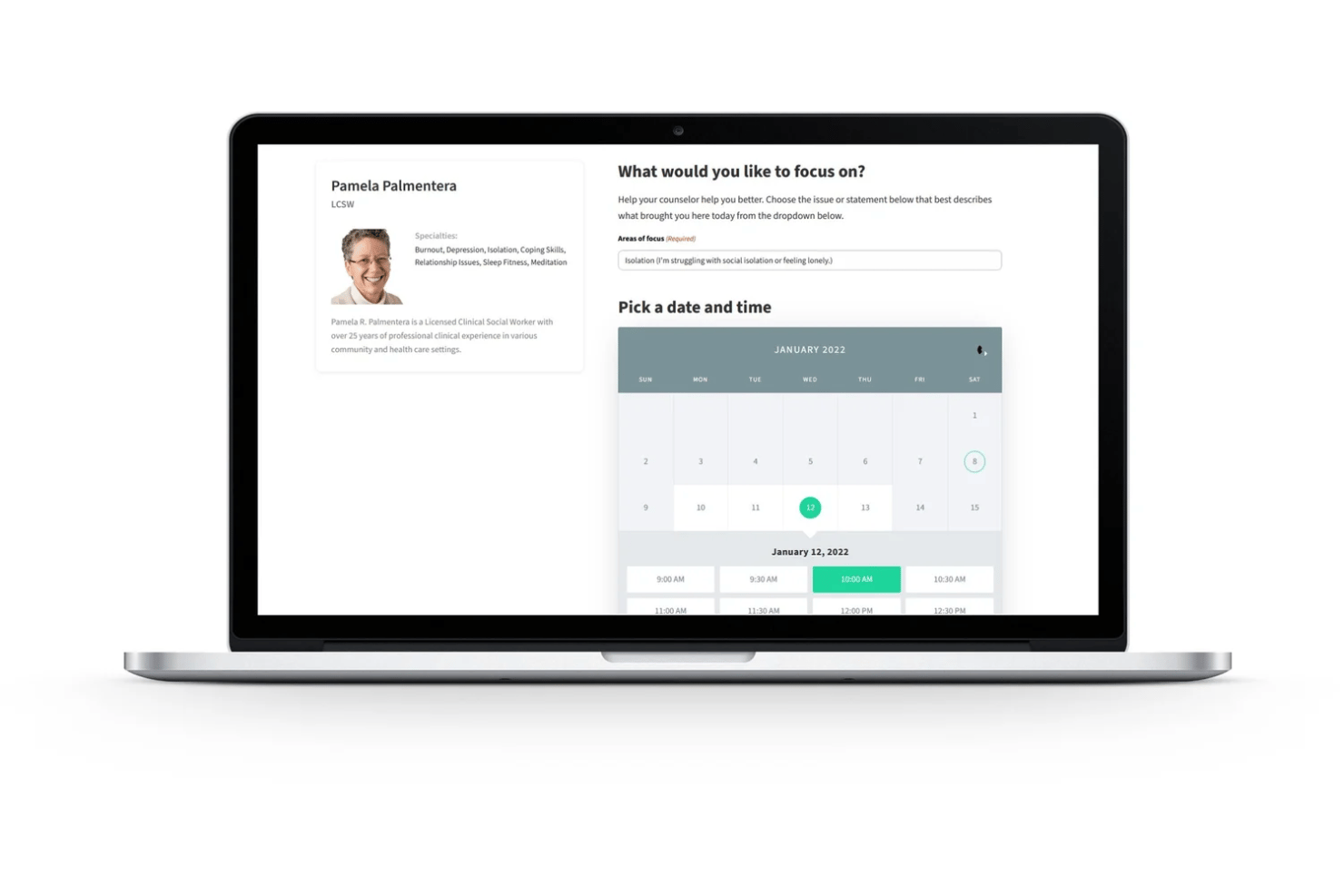
| Day-to-Day Use | Employees can book care, access resources, and navigate support from one platform. | Employees can access counseling, coaching, and digital tools through multiple care pathways. |
| Support Access | Offers enterprise onboarding support, multilingual employee access, and a 24/7 emergency crisis helpline. | Provides 24/7 clinician-led phone support and ongoing client relationship management. |
| Mobile Experience | Mobile apps and web access designed for global employee accessibility. | Mobile app experience varies somewhat across legacy and newer platform environments. |
Kyan Health generally feels more modern, globally oriented, and unified from a user-experience perspective, especially for multilingual and distributed teams. CuraLinc focuses more on fast access to human support and guided care navigation, though the experience can feel less consistent because of its broader mix of legacy and newer platforms. I think Kyan Health is the stronger option for organizations prioritizing streamlined global usability, while CuraLinc stands out more for clinically led accessibility and hands-on support.
Kyan Health vs CuraLinc: Pros & Cons
Kyan Health
- AI-guided care pathways improve personalized employee support and accessibility.
- Global multilingual clinician network supports culturally relevant employee care.
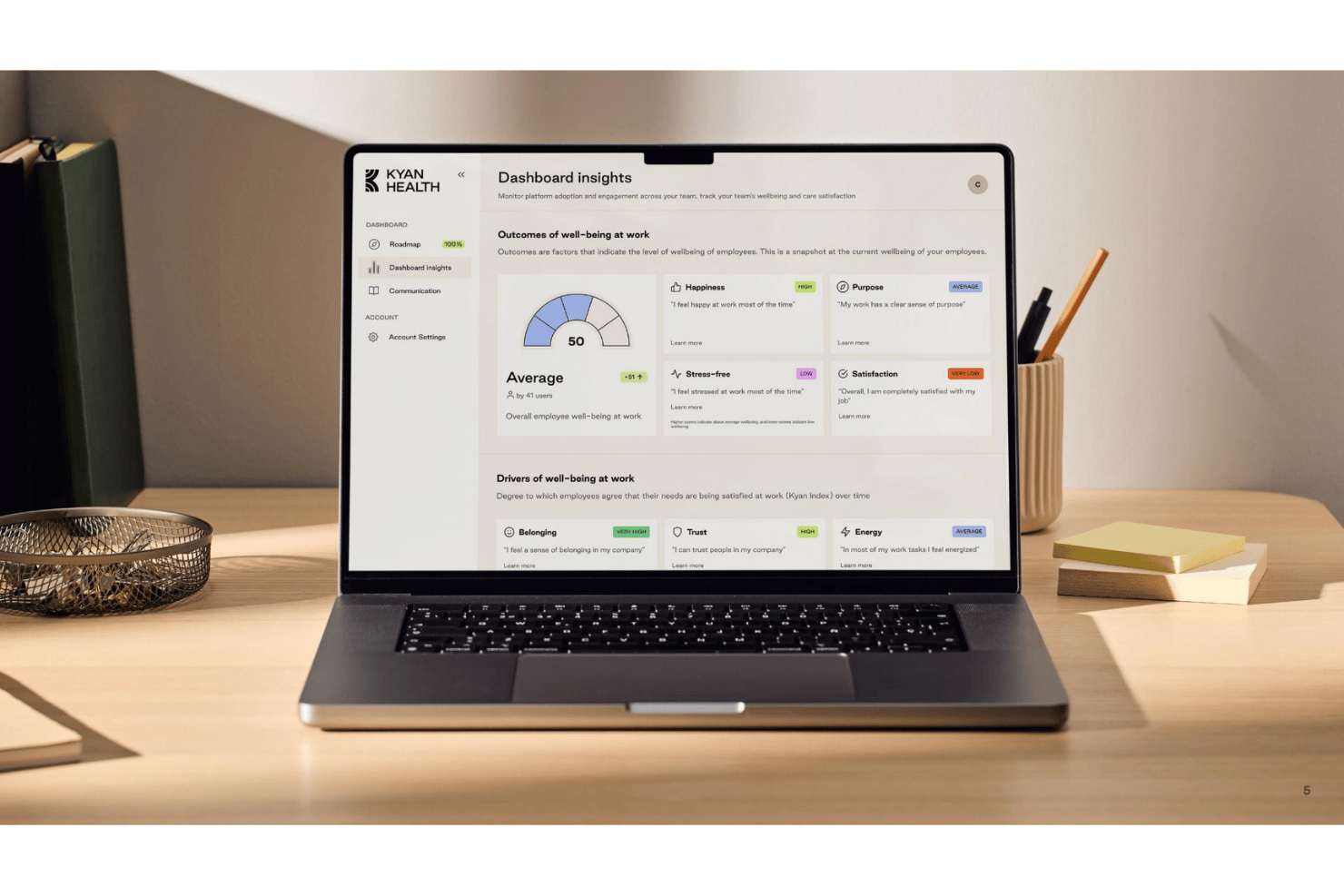
- Integrated well-being analytics help HR teams track workforce well-being trends.
- The breadth of the platform can feel overwhelming at first.
- Strong adoption depends on active HR-led rollout and employee communication.
- Initial platform setup involves more decisions than simpler traditional EAPs.
CuraLinc
- 24/7 clinician-led support with rapid response times.
- Broad care continuum beyond traditional employee assistance programs.
- Strong provider matching and personalized mental health support.
- Mental health reporting features are limited compared to others.
- Product ecosystem can feel fragmented across multiple platforms.
- Mobile app experience receives mixed user satisfaction reviews.
Best Use Cases for Kyan Health and CuraLinc
Kyan Health
- Organizations Replacing Traditional EAPs Companies frustrated with low-utilization EAPs and disconnected well-being vendors seeking continuous engagement and broad work-life support.
- Multinational Enterprises Global organizations operating across multiple regions and cultures needing a multilingual, GDPR- and HIPAA-compliant platform with localized care across 200+ countries and territories.
- High-Stress Industries Industries such as healthcare, manufacturing, logistics, finance, or professional services that benefit from preventative well-being tools and quick counseling access.
- Hybrid and Remote Workforces Distributed teams needing digital-first, virtual counseling, self-guided resources, and AI care navigation across time zones.
- Large HR and People Operations Teams HR leaders requiring insight into workforce well-being trends, aggregated analytics, and manager enablement tools.
- Companies Focused on Burnout Prevention Organizations seeking to proactively address stress, absenteeism, and presenteeism with preventative care and continuous resources.
CuraLinc
- Manufacturing & Logistics CuraLinc’s 24/7 clinical support and crisis counseling give shift workers reliable mental health resources regardless of their hours.
- Large Enterprises Enterprise-scale reporting, custom add-ons, and wide-reaching employee support make CuraLinc a match for complex organizational structures.
- Higher Education Colleges and universities can use CuraLinc’s counseling, digital wellbeing tools, coaching, and multicultural support to serve diverse faculty, staff, and student-worker populations.
- Safety-Sensitive Industries Organizations in transportation, manufacturing, public safety, or other high-risk environments can benefit from CuraLinc’s crisis intervention, specialized care pathways, and proactive support resources.
- Healthcare Organizations Healthcare employers can use CuraLinc’s counseling, manager consultations, substance use support, and rapid-access psychiatry services to address burnout and higher-acuity mental health concerns.
- Human Resources Teams HR gets anonymous utilization reporting, live manager training, and dedicated implementation support for rolling out programs organization-wide.
Who Should Use Kyan Health, and Who Should Use CuraLinc?
From my perspective, Kyan Health is a strong fit for multinational organizations that want a proactive, globally scalable approach to employee well-being. I think it works especially well for companies prioritizing burnout prevention, AI-guided care navigation, multilingual support, and holistic well-being services that go beyond traditional counseling (including coaching, childcare and eldercare support, financial guidance, legal resources, and preventative self-care tools). HR teams managing distributed workforces or looking to consolidate well-being services, analytics, and preventative care into one platform will likely get the most value from Kyan’s engagement-focused model.
CuraLinc is better suited for organizations that want a more clinically intensive, high-touch employee assistance program centered around rapid access to human support. Its strengths stand out most in higher-stress or operationally complex environments where counseling access, crisis response, care navigation, and specialized support programs are critical. I think it’s an especially strong fit for employers in industries like healthcare, manufacturing, transportation, or public safety, where employees may require faster intervention and broader clinical support options.
Differences Between Kyan Health and CuraLinc
| Kyan Health | CuraLinc | |
|---|---|---|
| AI Capabilities | Uses KAI, an AI-powered Care Navigator for personalized support and early risk detection. | Uses AI primarily to reinforce engagement and support ongoing care progression. |
| Care Approach | Emphasizes AI-guided care navigation and proactive well-being support. | Prioritizes direct clinician access and clinically guided interventions. |
| EAP Model | Modern “living EAP” focused on preventative well-being and continuous engagement. | Clinician-led EAP model centered on rapid access and high-touch support. |
| Global Support | Strong multilingual (120+ languages) and culturally localized support across 200+ countries and territories. | Supports multilingual care, but focuses more heavily on North American enterprise delivery. |
| Visit Kyan HealthOpens new window | Read CuraLinc ReviewOpens new window | |
| Platform Ecosystem | Designed as a centralized and consolidated well-being platform. | Operates across multiple branded apps and support environments. |
| Work-Life Services | Integrates childcare, eldercare, legal, and financial well-being services. | Focuses more heavily on counseling, coaching, and clinical care coordination. |
| Visit Kyan HealthOpens new window | Read CuraLinc ReviewOpens new window |
Similarities Between Kyan Health and CuraLinc
| 24/7 Assistance | Both platforms offer around-the-clock, real-time support access for urgent or crisis-related situations. |
|---|---|
| Guided Care Navigation | Employees are directed toward appropriate support options based on their needs and circumstances. |
| Reporting Dashboards | Data-driven HR teams receive aggregated reporting and well-being insights to help monitor engagement and workforce trends. |
| Virtual Access | Employees can access high-quality counseling, coaching, and other mental health support through web and mobile-enabled platforms. |
| Well-being Resources | Each platform includes self-guided mental well-being content, exercises, and educational mental health care resources. |
| Visit Kyan HealthOpens new window Read CuraLinc ReviewOpens new window | |