
Sådan kan ledere skabe tillid i usikre tider
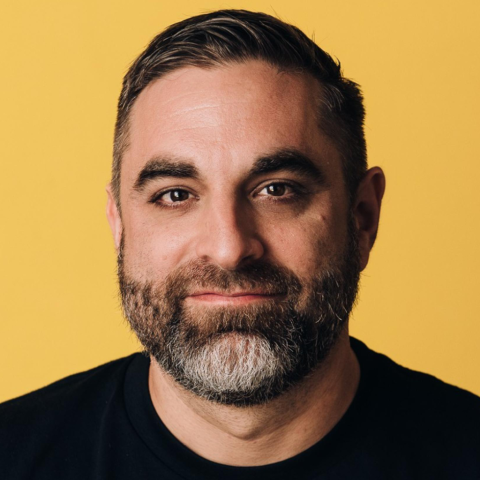
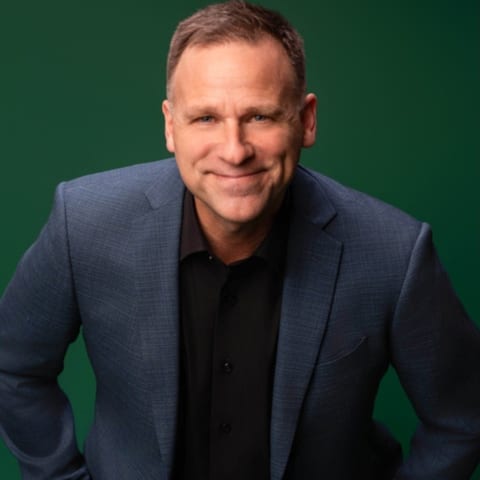
Tillid er fundamentet for en arbejdsplads i trivsel, men hvordan opbygger og fastholder man den i usikre tider? I denne episode taler værten David Rice med Greg Hawks, ledelsestræner og skaberen af ejerskabstankegangen, for at udforske praktiske strategier til at fremme tillid og ansvarlighed på arbejdspladsen.
Greg deler sin ramme for “Måske-tankegangen” til at navigere i usikkerhed og afslører, hvordan ledere kan skabe en ejerskabskultur ved hjælp af sin model med “ejere, lejere og vandaler”. Lyt med for at lære, hvordan man holder medarbejderne engagerede, ændrer tankegange og forhindrer, at tilliden på arbejdspladsen udhules.
Højdepunkter fra interviewet
- Den aktuelle tillidstilstand i organisationer [00:49]
- Tilliden i de fleste organisationer er anstrengt.
- Der er ustabilitet, men det er ikke udelukkende lederens skyld.
- Mange eksterne faktorer bidrager til den manglende tillid.
- Medarbejderne har ikke nødvendigvis mistillid til enkeltpersoner, men de er påvirket af usikkerhed.
- Det ukendte og de igangværende forandringer skaber spændinger på arbejdspladsen.
- At mindske frygt og opbygge tillid gennem kommunikation [01:49]
- Usikkerheden på arbejdsmarkedet får medarbejderne til at frygte afskedigelser eller automatisering.
- De seneste reduktioner i arbejdsstyrken understreger denne ustabilitet.
- Kommunikation er afgørende for at opretholde tilliden under afskedigelser og omstruktureringer.
- Ledere bør være åbne om forandringer, selv hvis de ikke har alle svarene.
- Medarbejderne bebrejder ikke lederne det ukendte, men forventer ærlighed, når der er information tilgængelig.
- Den bedste måde at mindske frygt på er at forpligte sig til åben kommunikation.
- Måske-tankegangen: At omfavne usikkerhed [04:15]
- ”Måske-tankegangen” stammer fra en gammel kinesisk lignelse om ikke at skynde sig med at bedømme begivenheder som gode eller dårlige.
- Situationer, der virker fantastiske eller forfærdelige i øjeblikket, kan ændre sig over tid.
- At praktisere pausen hjælper med at håndtere følelser og forventninger.
- Karrieremæssige tilbageslag som at miste jobbet kan føre til uventede nye muligheder.
- At undgå ekstreme reaktioner skaber et mere afbalanceret perspektiv.
- Taknemmelighed og fortolkning former den måde, vi oplever begivenheder på.
- Tankegangen giver optimisme uden urealistiske forventninger.
- Den måde, vi fortolker og indarbejder begivenheder på, påvirker vores beslutningstagning.
- Jobtab og uventede forandringer er måske ikke så dårlige, som de ser ud til.
- Folk bliver ofte oprørte på andres vegne, men de berørte kan tilpasse sig godt.
- Mange, der oplever uventede karriereskift, formår at skifte retning med succes.
- Påskønnelsen vokser, efter at man har overvundet uventede udfordringer.
- ”Måske-tankegangen” hjælper folk med at finde tilfredsstillelse i nye muligheder.
- At navigere i reduktioner af arbejdsstyrken og bevare tilliden [10:48]
- Reduktioner i arbejdsstyrken tvinger teamene til at påtage sig ekstra arbejde, hvilket kan føles uretfærdigt.
- Ledere skal kommunikere åbent om den midlertidige belastning og behovet for innovation.
- Prioritering er afgørende – alt arbejde kan ikke absorberes, så fokusér på det, der betyder mest.
- Medarbejdere har tillid til ledere, der er åbne, oprigtige og engagerede i at opnå fremragende resultater.
- Startupvirksomheder oplever naturligt op- og nedture, og det at fremstille afskedigelser som en del af rejsen hjælper med at bevare moralen.
- Virksomheder bør innovere, gentage processer og justere arbejdsbelastningen for at undgå udbrændthed.
- Hvis det håndteres godt, forbliver medarbejderne engagerede og dedikerede trods udfordringerne.
- Ejere, lejere og vandaler: Tankegange på arbejdspladsen [14:59]
- Tre tankegange på arbejdspladsen: Ejere (engagerede), lejere (uengagerede) og vandaler (aktivt uengagerede).
- Ejere bringer passion, færdigheder og omsorg ind i deres arbejde, mens lejere udfører deres opgaver uden følelsesmæssig involvering.
- Vandaler saboterer organisationen gennem sladder, modstand mod forandringer og negativ indflydelse.
- Medarbejdere begynder ofte som ejere, men mister tilliden og trækker sig over tid på grund af dårlig ledelse eller en giftig kultur.
- Organisationer tolererer vandaler af årsager som anciennitet, indtjening eller personlige forbindelser, hvilket skader tilliden.
- Fjernelse af vandaler kan øge engagementet blandt lejere og få dem til at bevæge sig tilbage mod ejerskab.
- Ledere bør tilbyde lejere muligheder for at ”købe sig ind igen” og genengagere sig i meningsfuldt arbejde.
- Gennemsigtighedens rolle i opbygningen af tillid [21:16]
- Tillid har ”tykke” og ”tynde” kvaliteter – tyk tillid giver plads til overbærenhed og tilgivelse, mens tynd tillid undgår vanskelige samtaler og er skrøbelig.
- Tillid opbygges gennem omsorg, kompetence og engagement – ledere skal demonstrere disse egenskaber for at vinde tillid.
- Gennemsigtighed styrker tilliden ved at vise ledernes ydmyghed, fremme åbne drøftelser om fejl og mindske frygten for at begå fejl.
- Reguleret gennemsigtighed er afgørende – ledere bør dele arbejdsrelaterede udfordringer, ikke personlige problemer, for at bevare professionaliteten.
- Frygt for at fejle driver modstand mod forandringer – folk frygter ikke selve forandringen, men snarere risikoen for at fejle i et nyt miljø.
- Ansvarlighed kræver tillid – folk skal føle sig trygge ved at indrømme vanskeligheder og søge hjælp for at opnå fremragende resultater.
Når tilliden er begrænset, har vi en tendens til at undgå vanskelige samtaler og ignorere problemer, der skal håndteres, hvilket gør tilliden skrøbelig. Det, jeg har erfaret, er, at tillid opbygges gennem gennemsigtighed ved hjælp af filtrene omsorg, kompetence og engagement.
Greg Hawks
- Daglige øvelser til at styrke tilliden [28:16]
- Kommunikér visionen regelmæssigt – hjælp medarbejderne med at forstå deres rolle i at nå virksomhedens mål for at opbygge tillid og partnerskab.
- Tilskynd til feedback, og udfordr tankegangen – brug “omvendt aktiv lytning” ved at invitere medarbejderne til at kritisere idéer, identificere blinde vinkler og dele bekymringer.
- Tilpas dig de foretrukne kommunikationsstile – ligesom med kærlighedssprog styrker det tillid og samhørighed at forstå, hvordan medarbejderne foretrækker at kommunikere (sms, opkald, ansigt til ansigt).
Hvis du vil styrke tilliden, skal du først lære den anden persons foretrukne kommunikationsstil at kende. Hvis du kan, så tænk på det som et kærlighedssprog – ligesom den måde, du kommunikerer med en person, du holder af.
Greg Hawks
Mød vores gæst
Greg Hawks er specialist i virksomhedskultur, hovedtaler og grundlægger af Hawks Agency, der er kendt for sin ekspertise i at fremme ejerskabstænkning i organisationer. Med en lederkarriere, der spænder over tre årtier inden for ejendomme, nonprofitorganisationer, små virksomheder og rådgivning, hjælper Greg ledere og teams med at frigøre hverdagsmæssig storhed ved at forvandle uengagerede arbejdspladser til blomstrende økosystemer præget af tillid og bevidst handling. Hans dynamiske, verbalt billedskabende hovedtaler udfordrer status quo, engagerer publikum og leverer indsigter, der straks kan omsættes til handling. Kunder som Coca-Cola, Paycom, COX og SHRM har tillid til, at Greg gør deres medarbejdere bedre rustet, hvilket resulterer i målbare forbedringer inden for fastholdelse, tilfredshed og præstation.
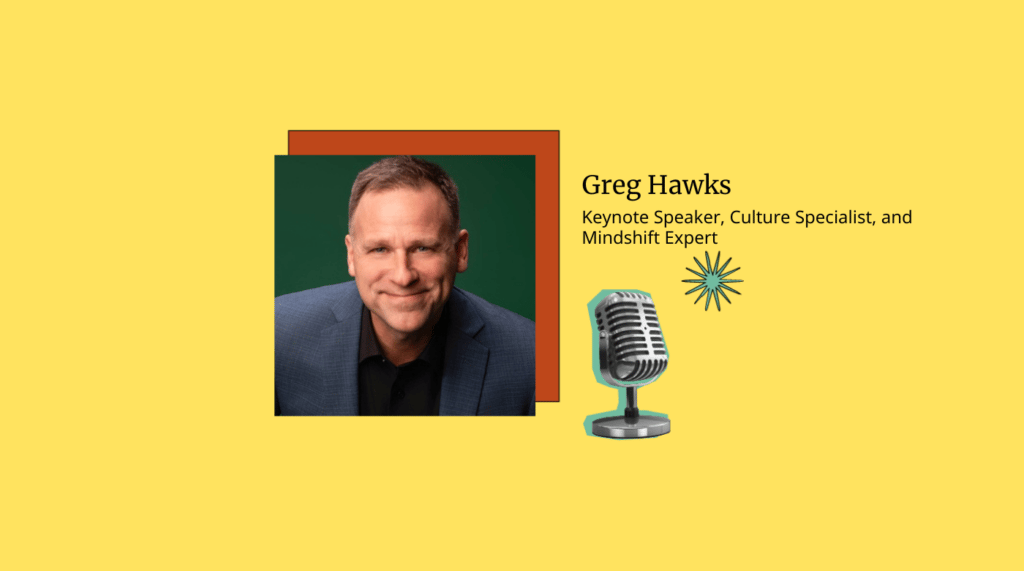
Hele formålet med gennemsigtighed er at fjerne frygt, eftersom frygt findes på alle niveauer i en organisation.
Greg Hawks
Relaterede links:
- Bliv en del af People Managing People-fællesskabet
- Tilmeld dig nyhedsbrevet for at få vores seneste artikler og podcasts
- Kom i kontakt med Greg på LinkedIn og Instagram
- Se Hawks Agency
Relaterede artikler og podcasts:
Read The Transcript:
We're trying out transcribing our podcasts using a software program. Please forgive any typos as the bot isn't correct 100% of the time.
Greg Hawks: The way trust occurs is, I use the filters of care, competency, and commitment. Trust isn't like a feeling. I just don't intuit whether I trust you or not. There are reasons we do. And so if you have thin trust with somebody, you as a leader can thicken it up. You can look at through those three filters; ascertain, why, and what's happening.
David Rice: Welcome to the People Managing People podcast. We're on a mission to build a better world of work and to help you create happy, healthy, and productive workplaces. I'm your host, David Rice.
My guest today is Greg Hawks. He's a longtime speaker, trainer, and teacher of the Ownership Mindset. We're going to be talking about trust, how to build it, maintain it, and cultivate a workplace where your people can better take ownership of their mindset.
Greg, welcome.
Greg Hawks: Hey, it's so good to be here. Thank you so much. I appreciate it.
David Rice: So as we chatted before this, we were talking about trust, and I'm curious, right off the bat, if you had to describe the current state of trust at most organizations in one word, what would it be?
Greg Hawks: One word, I would probably say strained.
It would be strained. There's a definite instability. But it's not always just like the direct leader's fault, right? There's a lot of reasons why what's happening in work today is happening. And so it's not that they just don't trust the person beside them or above them, or even if they're leading, it's just that there's so many factors.
And so it puts a strain on us. Knowing just because there's the unknown that could happen in any moment that has been happening. So strained is my word.
David Rice: That's a good one. I would, yeah, I thought it was going to be tenuous, but yeah, uncertainty is like everywhere right now, right? The world outside of work provides enough distractions most days to give any of us, a panic attack, it feels
Uncertainty around the job market has a lot of people staying where they are at the moment, but in many cases, people aren't necessarily trusting that they aren't going to be part of the next layoff or have their roles more heavily automated. That sort of, am I next kind of fear is present in people's minds and I don't think you can get rid of this completely, but how can you mitigate the damage of what this does to trust?
Greg Hawks: Here's what's amazing, David, the last two folks that I've worked with that I've just did events for. Both of them had reductions. Like within weeks that I was there for a, one was a team gathering and they'd had a 10 percent reduction just across her whole entire company, about 4, 000 people. So 400 people gone.
And in this meeting that I was in, they were impacted pretty significantly by it and then shifting of people. And so prior year, we had 75 at the event. This year we had 25 at the event. And then the other group I was with first time they've ever had a reduction in their workforce. It was a small handful, but it was also like shocking when it comes to these things that happen and it's just like communication, the one company, they were, they're resizing and reshaping their workforce.
They're going overseas and be hiring some people. So it wasn't necessarily a, an economy issue. This, the other one was a total economy and why things were going, they just had to reduce and they were working with it. How leaders navigate that is communicate why, communicate what's happening next and be transparent.
If it's unknown in the first company that the 4, 000 people, there was still going to be more changes happening. And so the leader that I work with, they're very transparent with her folks and I don't know what's happening next. And we'll all find out together. So that transparency of at least I'll keep you informed when I know something that I can communicate is pretty significant for people because people don't hold you responsible for what you don't know.
If you do know something and at the appropriate time, you can share it. So for me, that how you mitigate some of the fear is just saying, you can trust. I'm going to communicate with you. As soon as I know something that I'm able to communicate, I will. And that's the best you can do at this moment.
David Rice: Yeah. It's hard to know what you don't know at this point.
Greg Hawks: And it's changing pretty regularly.
David Rice: Every day, it feels like.
You're a big mindset guy and change is really hard for a lot of people. We already mentioned the uncertainty piece and it's easy for the average person's mindset to spiral if they aren't careful. Talk to me about this idea of the maybe mindset and how we can keep that at the forefront of our thoughts when we face uncertainty.
Greg Hawks: I love it, right? It's an old from an old Chinese parable. So you can find it on YouTube. It's a two minute story about the Chinese farmer. The story goes, one day the farmer's horse runs away and his neighbors come over and say, Oh, that's so sad.
I'm so sorry that your horse ran away. And he's maybe the next day the horse brings back seven horses with him. And the neighbors come over and they're like, Oh my goodness. How awesome is that? And the Chinese farmer's Maybe. And the next day, the son goes out to break these new horses in, and lo and behold, he breaks his legs.
Ugh. And the neighbors come over, Oh, we're so sorry and so sad about your son. Such a terrible thing. Chinese farmer's Maybe. The next day, the army comes through and they're in a war and they're recruiting young men and that young man can't go because his leg's broken. And the neighbors come over and rejoice, they're like, it's so amazing because, he was spared.
The giant sparrow was a maybe. And it just has that idea of the things we define so narrowly in this is awesome or this sucks, this is the best there, this is the worst there, this is the best thing, it's the worst thing. When you give time space and it transforms this one event that you thought maybe was so amazing, couldn't turn out to be really wretched.
And the thing that you thought, this is the worst thing ever given time, it can evolve into something amazing. And so one of the things is the pause, the power of the pause to go, this thing I'm feeling so dreadful about this is the worst thing ever. I literally just asked people to go, maybe. What if maybe it's not, what if maybe there's something that will come from this, that could have never possibly happened again, when we have workforce reductions and people leaving, it's so treacherous and yet I'm sure people, I know people that it created a career change.
It's like it forced me to go back to school. It forced me this dream I had. I thought why not give it a shot now and go for it. And now they're doing something they love. That they would have never done if they'd stayed in that place. And there are people who didn't, haven't lost their jobs and they're like, thank goodness.
And yet the things that are in their heart, the things that are starting in them, they may never attempt to do because it's such a risky move. And so when something good or bad happens, labeling something in the moment is our natural tendency. It's this thing, because then it helps us. Put ourselves in that place where this was good for us, bad for us, relationally, career wise, financially, all those things.
And they all feel very accurate. It's you know what? I just lost money. I know that's a bad thing. I made an investment and I lost money. I know that's really bad. And yet also it's maybe you could learn a lesson and maybe in the future, when you're investing, you are more wise and more thoughtful and more careful, and maybe you approach it differently that you wouldn't have the conviction to do if you really hadn't lost something at some point in that, how you approach things in the future.
You're like, I took from that lesson and it really has benefited my life. You just don't know the maybe mindset it lets us. Not have these gaping extremes in our life from very high to very low. It's you know what? This might turn out to be something fantastic, or you don't want this thing to seem so awesome, it might not be that great anyhow.
So I'm going to keep my expectations maybe compressed a little. Not too dynamic and just remain grateful for the whole thing. For me, part of the maybe mindset is gratitude. Part of it is an interpreter, inside each one of us, we have our own personal interpreter and the way that we interpret what someone says to us, how someone says something to us, how we interpret an event that's happening around us.
We're sitting in a meeting, how we interpret what's happening. All of those, that internal interpreter is a safeguard for us. And it gives us a way to view ourselves and the maybe mindset gives us a little reprieve from that to say, maybe that defining of this moment, this situation, this interaction, this experience, this thing that's happened to me, this consequence isn't as good or as bad as like my initial instincts are for it.
It infuses a little bit of optimism for some people who aren't naturally optimistic. And even for those of us who are naturally optimistic, it lets us go, maybe this thing that we're just so excited about, it might not play out. So let's just be grateful for what it is right now because it could change tomorrow.
David Rice: I love that. That's like a fable. Everybody should tell their kids,
Greg Hawks: totally. It's from that, the old parable. And so it's really used. I use it. I've used it in the marketplace because in these exact situations, like literally the one company I was with, it had the reduction. It's like, how are you interpreting all of this?
And how are you internalizing all of it? And how are you letting it affect how your willingness to make decisions? And what if it's not the worst thing in the world? And what if, because what can also happen is, people can get offended for somebody else. So and so got let go. I can't believe they were here 20 years.
And I can't believe that happened. I can't believe they were the one. And they get all themselves all caught up. And that person. It's maybe surprised and it's not expected, but able also able to move into a new season of life. They wouldn't have been afforded otherwise. And I have enough friends that life hasn't turned out like they expected the career path they were on the life path they were on Oh, this didn't, it didn't go like I thought it would, and they've pivoted just fine.
They have figured out new ways of doing life, doing relationships, doing business. And on many accounts, it's been more fulfilling because they have that appreciation, that sense of, Oh gosh, this was the unexpected and I've been able to make something from it. So now I have a greater sense of appreciation.
I'm much more aware of how fortunate and blessed I am right now because of what's happening. And so it definitely is useful.
David Rice: You mentioned there the company that you were working when they had gone through it for the first time. I think they're going to be joined by some companies this year and doing the same thing, right?
Like having that same experience for the first time as they go through that reduction in force. And there's a lot of concern around how it will impact their employees and the perception of the company. We talked to a lot of startups. This is happening. What advice do you have for firms that are going through this for the first time to mitigate the loss of trust, the dips in productivity and that uncertainty that it's going to create?
Greg Hawks: It's two sided. One of the sides is it's okay for everybody to verbalize, Hey, listen, we used to have 30 people here on our small startup team, and now we have 20. Those 10 people's work still is going to be needed to get done. It's going to be distributed a little bit like for a season. Here's what's going to happen.
We're all going to feel a little pressed. And then in the midst of that, we're all going to innovate and we're all going to find ways to do things with less hours, less manpower, less effort and better results. That's really what comes from one of the reductions is innovation is a key integrator for how we keep doing more with less and to be able to verbalize that, because what people don't want to feel like is, all right, you just thought got rid of 10 people.
And now I'm doing one and a half person's job or one and three quarter person job, and it's not fair. And so it doesn't feel right. And so on one hand, they're like I still have a job. So I'm happy for that. I'm going to step up and do what I can. So I'm grateful to be here on the flip side.
It's I can't do all of it. The critical thing besides the communication is the prioritization. How do we prioritize for our people to have a sense of this is what's most important. We need to absorb it, but we can't absorb it all. And we can't absorb it all and do it well. So in my job and the job now that I'm doing with somebody else's that used to be here, what's most important for me to execute effectively.
Engender's trust is also, Hey, we've had this, like none of us wanted this, but we still committed to excellence. So we're not just going to burn everybody out. We're not just going to run everybody ragged. We are going to have a bump in a season of press. And through that press, we're going to innovate.
We're going to prioritize and we're going to navigate through really what the distribution of responsibilities, how they play out, go, and we're going to just, we're going to keep iterating and communicating as we go. And for the trust. It's if the people that are leading are being sincere.
They're not tricking us. They're not manipulating us. They're being sincere and they're being open about what we're attempting to do. Generally, people are like, I want this thing still to work like in startup world. There are ups and downs and ups and downs before you find some stabilization. So if there is this, Oh, this is just on course for the direction we're going.
We hate that it happened. Let's rally together. Let's shed some things that just aren't as important. We're just not going to be doing some of those things that we were. They're not as important for us. And so if a leader will communicate, prioritize, innovate, and keep being up front about how it's iterating into what the work looks like, people want to be a part of something that's aggressive, progressive, and they feel like, Hey, this was a bump in the road, but it's not the end of the journey.
So stick with us, hold on, here's what we're going to do. And it's fun to be a part. And when you're in startup world, it always has a little, undercurrent of it's exciting that we're doing this and to see our friends not be able to make it on this journey stinks, but who knows come six months later, we might get an infusion of cash that you knows what comes around and those folks could come back in a year, you just don't know.
And so leaders who prioritize communication, priority, innovation, and the communication of iteration. If you just go, everybody's going to take up everybody else's slack and there's no commitment to excellence. It's just we're all going to just slog through and do mediocre work because we're all now doing too much.
Then that's where trust is broken even more, but if there's a communicated and then actual effort made to keep excellence, a priority, people will stay with you.
David Rice: You've got this analogy that you often use. I've seen it in some of your other materials, but you talk about owners, renters and vandals and the mindsets of those kind of characters, right?
I'm going to ask you to outline that for us a little bit, but I'm also curious based on my understanding of it, which is not as in depth as I think, you're probably going to go, but. How the ownership mentality differs from the other two, when it comes to trust, because to me, it seems like when you have that mentality, your need for trust is maybe a little bit less pronounced and your actions are more likely to just cultivate it anyway.
And I'm wondering if you'd say that's true.
Greg Hawks: Yeah, I think that's a great assessment. It comes, I've owned single family homes for about 25 years. I've owned investment properties. And so I've had tenants and I've had a handful of properties over the years and I still do. And so I noticed this mindset of renting, those who were renting, just acted differently.
And I was leading an organization that had a team, I had volunteers, ran a lot of people, led a lot of people in different layers. And I saw a similar mindset play out. Then I attached when I got into the consulting business. I recognize Gallup's engagement numbers. I'm like, you know what this is?
This is an owner's mindset, a renter's mindset of vandals. It's engaged, disengaged, actively disengaged. And so it aligns with that. And so that idea of and the way I do shorthand is that an owner, those owner's mindset bring their heart, head and hands, they show up with imagination. They care, they bring passion.
And they have skills through the job, folks with a renting mindset, which to me is the disengaged and man, the workforce is always consumed with the disengaged. And I'm like, folks, Gallup's been doing this for 30, 40 years, and it's always around 50%. It's one out of every two people, every other person in the workforce is disengaged and has been for like 40 years, let it go.
They are still the driving force of the economy. Those are the renting mindset. They show up with their hands. They have skills. They have ability. They show up, they do a good job. They just don't care anymore. They just come to a place where they've realized it's not worth caring and it's not worth investing.
So I have a philosophy that everyone shows up. With an owner's mindset on day one, they want to prove their worth. They want to contribute. They want to make it. And over the course of time, the organization's culture crushes that out of them and turns them into this renting mindset. And then the organization's man, we need you to buy in.
And they're like, it's just not worth it, right? Because all of us are investing our lives daily. Every day we show up to work, we're making an investment. And when I buy a house, I invest in it because I want to return on the investment. And when you go to work. You want to return on the investment. And if you learn things not going to pay out, then what you do is you say at least it's still paying my bills.
I'm going to take care of my family. I'm going to do my hobbies. I'm going to do other things that fill my heart, fill my mind, and I'll just show up to work and do my job. The disengaged get a pretty bad rap. It's to me, and I don't know if you're a Malcolm Gladwell fan, Malcolm just had this book, The Revenge of the Tipping Point, just came out like 25 years later after The Tipping Point, which was a huge, and he has this idea that super spreaders are a very small portion, and in this new book, Revenge of the Tipping Point, he talks about how just a percentage point makes a difference.
And my philosophy is that the vandals, those that are actively disengaged, They're the ones causing all the problems. If you would target, if people would target the actively disengaged and remove them, it would cause the disengaged to become more engaged. Those are running mindset to become more owners, because what happens is people see that certain people are getting away with things like we're accepting and tolerating those that are self centered and but they're like revenue generators, they're related to somebody.
And so people go, forget it. I'm, why am I going to invest if they just tolerate that? And so there's a lack of trust that happens with the leaders. When people enable people, the vandals mindset to stay. And I found really, there's four reasons, the revenue generators. They've been there a really long time and it's awkward to get rid of them.
Now they're related to somebody in authority, or weirdly, the last one is they are the C suites or the owners of the company, and they just been there forever and they're like, this is our place. We did it before you, we do it after you. So they can use their words to create vision because vandals are silent saboteurs.
They actively resist forward vision and they're gossipers and they just create divisiveness throughout so that they break the trust of all the others because they're tolerated and they're really hard to get rid of if any of those four reasons exist. If you're a revenue generator and people are really frustrated with you, they're just like, listen, I pay your salary, buddy, so deal with it.
And it's not an easy call for a leader to say, Oh, we're just going to get rid of that person because they're toxic to our culture. They're not a team player. Yeah. They also bring in a truckload of cash. So it's hard to work through some of that. And so that was what breaches trust when you see that disproportionate toleration.
Of behaviors that aren't congruent with the culture that is supposed to be here and they're outside of it. And so that's how that owner's renting mindset, vandals mindset all comes into play. And really, I love working with organizations around that because it's sticky language, everybody gets it, and it's not an either or proposition.
You're not one or the other. It's amazing. So in my ownership mindset, I talk about five attributes. We're just talking about, maybe in certain seasons of life, you three of the five, you're really bringing an owner's mindset to it. And the other is you're in a renting season. And people rent for a reason.
It's like a seasonal, I rent because I can't afford something because, I made a transition. I've had in my homes, I had a family rent for four years because the mom was going to dentist school. I had another rent for nine years. Because they just liked it better than owning. And I was like, I don't get it, but everybody has a reason for why they want to invest or not invest.
And it's really up to leadership to understand that. And my end with it is how do we create lease purchase options? How do we give people the renting mindset, the opportunity to buy back in to say, it's worth you caring again, it's worth you bringing your mind and your imagination and your thoughts to us.
And how do we shift their minds that way? And it will always probably be in light of how vandals are tolerated in the organization.
David Rice: That is a great way to think about it.
When we talk about trust, we often end up talking about transparency. Like the two seem to be locked together in a lot of senses. And it's one of the things that we know that we need, but leadership, it's not always good at it. I've seen this play out in organizations that I've been a part of, they struggle to trust people that their people can handle full transparency. Or they become so transparent and leave people wishing that they'd keep some of this to themselves.
Greg Hawks: Yeah.
David Rice: I guess what's your advice for walking that line?
Greg Hawks: When I talk about trust, I talk about trust in thick and thin terms. I believe in a thickness when we cultivate thick trust, it has an absorptive quality. Grace can be given. There's forgiveness in that. We don't talk a lot about that at work, but that's some of the inherent qualities of having thick trust is we just give each other grace.
When thin trust is there, like we avoid difficult conversations, we don't talk about things that need to be talked about and it's just brittle. And so that idea of transparency, what I find is the way trust occurs is I use the filters of care, competency, and commitment. So what's interesting is like the old school philosophy, cause trust isn't like a feeling.
I just don't intuit whether I trust you or not. There are reasons we do. And so if you have thin trust with somebody. You as a leader can thicken it up. You can look at the through those three filters, ascertain why and what's happening. So with transparency in the old version of leadership, there was no transparency because.
If you were transparent, then it requires you to share foibles, mistakes, things that didn't go well. And there's the risk of, Oh my gosh, my leader's incompetent because they made a mistake. And so competency affects our willingness to trust someone. You can care about me. You can be highly committed, but if I think you're incompetent and I don't think you're really good at your job, it's going to give me a little pause for that.
So now in this era of transparency, we're like, everybody bring your authentic self and all that business. It's so people are more open and sharing and one thing it does is it sets a tone that says we openly talk about our mistakes. And so that gives space for people who are following the leader.
If they fail, then there's a space created. So the upside for leaders to lean into transparency and why it's a thickening of trust. It's because it lets people know, okay, they don't know everything. They're not right about everything. They're willing to have, they have a little bit of humility. That's an attractive quality of a human.
And also then if I have a failing, I'm not alone in that. When I work with leadership teams and we're working around trust, one of the requirements that I do, particularly when we're doing values and we're doing culture identification and values discovery, the work that I do around culture. Is that a leader, one of the team leader has to share the struggle they're having with living out the value that they've discovered it, what it is.
I'm trying to live out this. Innovation value on a weekly basis. And here's the trouble I'm having. So that type of transparency then enables others to go, I'm wrestling with it too, and we can talk about it. So I am pro a regulated transparency that says. Here's where I failed. Here's where I'm having issues in this thing that we're trying to do together.
I don't want my leader to come in and say, I'm failing in my marriage. I don't need to know that. I don't need to know about what's happening in your personal life. I need to keep it here. Like I'm looking for a transparency around business. I don't want to know about all the other things that you're failing in life or succeeding in life outside of the workplace, unless we forming that relationship.
And so that idea of transparency with trust, what really communicates is that. I'm not a superior human, I too have failings, and if I'm willing to share those, it means the level of retribution to you if you fail also, you don't have to fear that, right? The whole point of transparency is to remove fear, because fear just is around at any level of an organization.
If I mess something up, and then someone's going to think I'm an idiot, then someone's going to think I'm incompetent, then someone's going to think I shouldn't have this job, and so I don't want to share these things. And so transparency around challenges really is an enabling force for people to solve problems quicker.
Because you've probably seen this play out, people don't want to talk about their mistakes. Generally speaking, it's I'm a professional, like I've got education in this and I've got experience in this. I don't want to talk about where I'm incapable or I keep struggling with it. And that's why change is so hard.
That's why when new technologies come on board or new strategies, people that once succeeded, resisted change. I always say people love change. They just don't like failing. So if I were to say, I'm going to change your salary to twice as much as what it is, people be like, bring on the change. Hey, I'm going to change where you live to Hawaii.
Bring on the change. People don't like change. People love change. What people don't like is the possibility that they'll fail in the new setting. And if they're succeeding in this setting, the resistance to change, isn't the change. It's the possibility that I won't succeed in this new version of what our work looks like.
And I don't want that to be true of me. And so having the transparency, be able to have those conversations around what I'm having difficulty with, where my struggles are, what's hard for me. I talk about the same thing with accountability. The reason you can't institute accountability is because at the crux of accountability, people have to say, I need help.
There's something I'm struggling with. I want you to help me. I want you to hold me to a standard. I just can't hold myself to, I want to be this person. I want to act this way. I'm just not doing it on my own. And so I have to be able to offer that before accountability even is available to me. And I'm a believer of, you can't have sustained excellence without accountability.
And so trust is foundational for all that. I've got to trust you enough to say I'm struggling in an area. I'd like to be this kind of person and I haven't been able to do it on my own. So will you keep me to this standard? Can we talk about it? Follow through on those sorts of things. So that kind of transparency is really useful because it enables me to be better and enables our team to be better.
David Rice: I find like with leaders, I think if you are transparent in that way, you are, you are vulnerable. You can admit what you don't know, or you're not certain. And maybe this isn't going to work guys. And you have that, you are transparent in that. I think it's a little bit easier for folks to have that maybe mindset that we talked about of if he's willing to do it or she's willing to do it, then why shouldn't I go? Yeah, exactly.
Greg Hawks: And maybe if it doesn't turn out, maybe that's not the worst thing in the world.
David Rice: Yeah.
Greg Hawks: Maybe it's not the end of my life. When you're young, you think every like misstep is it's over. Huge. I just, Oh my gosh, I can't believe it. So you're young people. Everything feels like life and death moments.
You get a little bit older and you're like, Eh, it's just one more thing,
David Rice: it's just another turn.
So this last question, forgive the corny analogy, but it's just how I was thinking about it. But ultimately trust is built on consistency, like what's in any relationship, right? If company trust were a muscle, I'm curious, what are some of the sort of like daily workouts organizations need to be doing to keep it strong?
Greg Hawks: That's good. Daily workouts. Definitely communicate vision. I do an exercise with a mousetrap around trust and it's crazy good. But one of the big takeaways is that people, when they trust someone are at an immediate disadvantage.
If I trust you, then I'm at your mercy. And one of the things vision does, because leaders will have conversations here and they'll come back out and they'll give tactics and strategies and tasks, but there's not necessarily this. I know the end goal or even know my place in it. And so a vision of here's where I see your role.
It elevates this sense of we're partners now and achieving moving forward, constantly sharing vision of how that person's role moves us to where we're trying to go. Huge trust builder. Another thing that happens. Is listening back. And when I do this exercise, the people who are having to trust the person they're leading around, their eyes are closed.
It's very funny. They don't ever speak up. It's a strange sensation that happens. If I trust you, there's this inherent feeling. Then if I push back, it's almost like I distrust you. So for a leadership, I call it reverse active listening. When you share some with somebody, you talk to somebody, you require them to share with you, ask questions from you.
So like pulling questions or challenges, like what about that? Do you think it's a bad idea? How do you think this could fail if you were to be a critique or we were doing a post mortem on this thing? Why do you think this thing wouldn't take off and invite them? So you're inviting them once again for their voice to matter for you to actually be listening and at the pace of work and life That's difficult to do but like it's a workout.
It's hey, listen, I don't need an hour meeting with you But for five minutes you stop by and say hey, work on this project Where do you think we're, where's the blind spot? Where do you think I have a blind spot on that thing? Where do you think something that I'm just not thinking about right now, but maybe the way you think about why you're thinking about you do those kinds of things, man, it increases and thickens up trust quickly, the way communication transpires, there are barriers.
So one of the things that happens, Dave, as some people have text messages, some people have phone calls, some people have in person, if you want to thicken up trust. Learn the preferred communication style the first, and if you can, it's like a love language, right? It's like love languages with somebody you care about that idea of being able to say, Hey man, I know you love a good text, so I won't call you.
I won't show up at your office. I won't even DM you like you as a leader. If you learn those preferred styles and you do those again, it has something that to a person. It's this is exactly how I like to do it. And it's like that whole idea of being seen that caused people to go, they get me, man.
They get me. Those are three quick things.
David Rice: Love it. Love it.
Before we go, a couple of things we always like to do. First, give you a chance to tell people more about where they can connect with you, learn about what are you speaking next, what you're doing, what you got going on.
Greg Hawks: Just around the 1st of March, so whenever this comes out, my new website, greghawks.com will be live. So I'm very excited about that. My business is Hawks Agency. I have a pool of some speakers there that we all speak around culture and do work around leadership, culture, communication, those kinds of things. Trust falls into all that.
Then LinkedIn, of course, I love LinkedIn. So just Greg Hawks on LinkedIn. And that's about it. Those are the places to find me. I'm supposed to Instagram. Also, you've got people who love the Instagram and it's just @greghawks. You can find me there.
David Rice: All right. And the last thing is at the end of every show, I give our guests the chance to ask me a question. So I'll turn it over to you. Ask me anything you want.
Greg Hawks: Oh, I got a stumper for you. This is the one that I'm here to stump you on our subject because it's so contrary. And I'll try to give you a little setup for it. But I ask people this in my, when we talk about trust. So I ask them this question. I'll ask you this question.
What's a reason someone wouldn't trust you?
David Rice: Oh, gosh. I have a really bad memory.
Greg Hawks: Oh, that's great. I gotta be honest. That's a, I'm gonna use that one. I have the same. I have a really bad memory. I can't tell you anything. You won't remember it anyhow.
David Rice: I get dinged all the time. Are you coming to this meeting?
I'm like, Oh, we were meeting where I don't, so I think like sometimes, I always think to myself you gotta write that down. You gotta put that somewhere. You're going to see it because if you don't show up to this, or if you are late, or if you do this it's going to put them on the back foot or they're not going to trust you.
They're going to feel like. You're not doing, pulling your weight or doing your part. And so I feel like I'm always having to try to mitigate for that.
Greg Hawks: That's so good. At least you're self aware, when it goes to care, commitment and competency, like that falls into all of it. All three of those are like, he doesn't care enough to show up on time.
David Rice: No, and it's definitely something where I've been burned before and gone, Oh man, I like, I sold this whole thing short before we even got started because I couldn't remember some basic thing.
Greg Hawks: That's funny. Our minds are pretty good at telling us why we're trustworthy. That's why it's usually a tricky question.
You're right on it. It's we can validate. I promise you, I'm so trustworthy. And everybody does that. It's like, why wouldn't someone trust me? Good that you have a top of mind. You're like, I'm very aware of this scenario.
David Rice: I'm always reminded everybody, every woman I've ever dated likes to remind me.
Greg Hawks: Sticky notes everywhere, man. Sticky notes everywhere.
David Rice: I've got one on the wall right now because it's the day for, if you're listening to this, it's the day before Valentine's day and it's like flowers before the end of the day.
Greg Hawks: Get on it, my friend, get on it.
David Rice: Thank you, Greg, for coming on. This was great. I really enjoyed this conversation.
Listeners, as always, keep an eye out for the People Managing People newsletter. If you're not already subscribed, peoplemanagingpeople.com/subscribe, just get signed up. You'll get all of our podcasts. We've got a lot of cool upcoming events, everything straight to your inbox. Definitely check us out on LinkedIn.
And until next time, apply that maybe mindset where you can and write notes if you have a bad one, do some memory exercises.

