

Los 10 mejores programas de mercado de talento impulsados por IA en 2026

10 Software de mercado de talento impulsado por IA: selección


El software de mercado de talento impulsado por IA utiliza inteligencia artificial para conectar a las personas con oportunidades según sus habilidades, experiencia y objetivos. Estas plataformas apoyan la adquisición de talento al ayudar a los reclutadores y a los equipos de RR. HH. a mejorar los procesos de búsqueda y contratación mediante coincidencias más precisas y basadas en datos. A menudo incluyen un agente de IA para agilizar la toma de decisiones y conectar el talento con puestos que se ajusten a los objetivos empresariales. Además de la contratación, también apoyan la movilidad interna y el crecimiento profesional al recomendar proyectos, puestos y rutas de desarrollo para los empleados. En esta guía encontrarás el mejor software de mercado de talento impulsado por IA, para que puedas comparar sus funciones y elegir la opción que mejor se adapte a las necesidades de tu equipo.
Por qué confiar en nuestras reseñas de software
Nuestro equipo lleva probando y evaluando software desde 2012. Como expertos en RR. HH., sabemos lo difícil —y lo importante— que es elegir el software adecuado.
Para esta guía, evaluamos las herramientas mediante pruebas prácticas e investigación independiente, puntuando las herramientas según nuestros criterios de selección. También nos basamos en la experiencia de líderes de opinión del sector y de profesionales de RR. HH. en activo.
Nuestras reseñas reflejan nuestro criterio editorial humano, no un discurso de ventas.
Revisores expertos:
Tabla comparativa del software de mercado de talento impulsado por IA
Esta tabla comparativa resume los detalles de precios de mis principales selecciones de software de mercado de talento impulsado por IA:
| Tool | Best For | Trial Info | Price | ||
|---|---|---|---|---|---|
| 1 | Mejor para la búsqueda de oportunidades impulsada por habilidades | Demostración gratuita disponible | Precio bajo petición | Website | |
| 2 | Mejor para movilidad de talento empresarial | Demostración gratuita disponible | Precio bajo solicitud | Website | |
| 3 | Mejor para plataformas unificadas de movilidad de talento | Demostración gratuita disponible | Precio a consultar | Website | |
| 4 | Ideal para movilidad profesional personalizada | Demo gratuita disponible | Precio a consultar | Website | |
| 5 | Mejor para inteligencia de talento con IA | Demostración gratuita disponible | Precios bajo solicitud | Website | |
| 6 | Ideal para la asignación de talento basada en proyectos | Demostración gratuita disponible | Precio a consultar | Website | |
| 7 | Ideal para mercados de talento integrados | Prueba gratuita de 30 días disponible | Precio a consultar | Website | |
| 8 | Mejor para mercados internos de talento con IA | Demo gratuita disponible | Precios bajo consulta | Website | |
| 9 | Mejor para mercados de talento predictivos | Demo gratuita disponible | Precio a consultar | Website | |
| 10 | Ideal para movilidad basada en habilidades impulsada por IA | Demostración gratuita disponible | Precio bajo consulta | Website |
Reseñas del software de mercado de talento impulsado por IA
A continuación se presentan mis resúmenes detallados del software de mercado de talento impulsado por IA que se incluyó en mi selección. Mis reseñas ofrecen un análisis detallado de las funciones, los casos de uso más adecuados y las integraciones de cada plataforma para ayudarte a encontrar la mejor opción para ti.

Nestor
Mejor para la búsqueda de oportunidades impulsada por habilidades
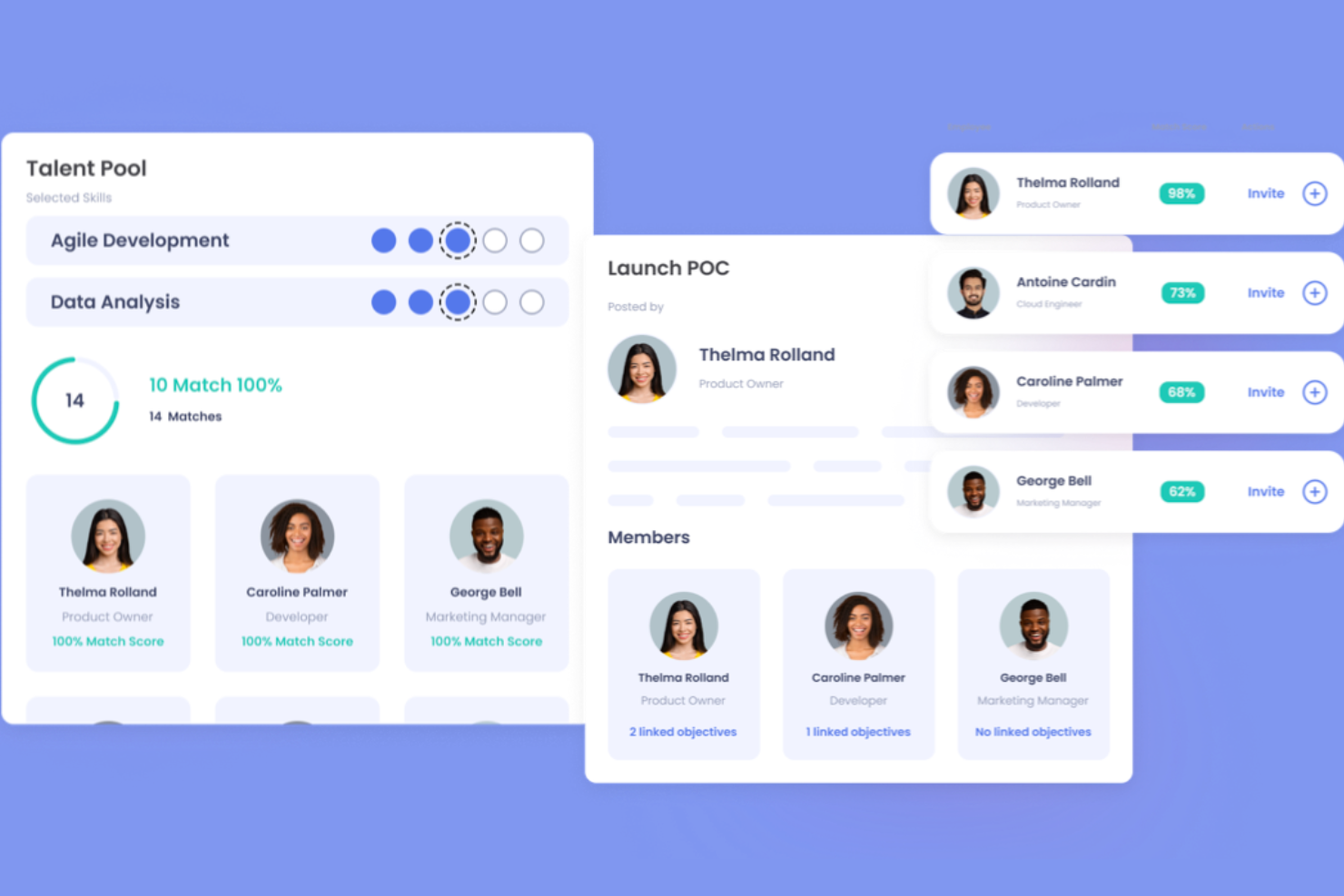
Nestor es una plataforma de mercado de talento impulsada por IA para equipos de RR. HH. que combina el mapeo de habilidades, la búsqueda de oportunidades, la movilidad interna y el análisis de la fuerza laboral en un solo sistema.
¿Para quién es mejor Nestor?
Líderes de RR. HH. de organizaciones medianas y grandes centrados en la movilidad interna y el desarrollo del talento basados en habilidades.
Por qué elegí Nestor
Elegí Nestor como una de las mejores opciones porque su mercado de talento impulsado por IA está diseñado para la movilidad interna basada en habilidades. Me gusta cómo mi equipo puede mapear las habilidades de la fuerza laboral, asignar empleados a proyectos y mostrar oportunidades de crecimiento personalizadas. Los análisis de la plataforma nos ayudan a realizar un seguimiento de las tendencias de movilidad e identificar brechas de habilidades en toda la organización.
Características principales de Nestor
- Creador de marcos de competencias: Permite definir y gestionar modelos de competencias personalizados para tu organización.
- Herramientas de comentarios y reconocimiento: Permiten los comentarios entre compañeros y el reconocimiento público dentro de la plataforma.
- Integración de contenidos de aprendizaje: Se conecta con plataformas de aprendizaje para recomendar cursos relevantes.
- Análisis de redes organizacionales: Visualiza las relaciones y los patrones de colaboración entre equipos.
Integraciones de Nestor
Nestor ofrece integraciones nativas con ADP, Bob, Deel, Namely, Oyster, Justworks y más. Hay una API disponible para integraciones personalizadas.
Pros and Cons
Pros:
- Combina el mercado de talento con la gestión del desempeño
- Recomendaciones personalizadas de oportunidades para los empleados
- Paneles visuales para realizar un seguimiento de la movilidad del talento
Cons:
- Funcionalidad limitada para asignaciones basadas en proyectos
- Algunos usuarios informan de tiempos de carga lentos en los paneles
Workday
Mejor para movilidad de talento empresarial
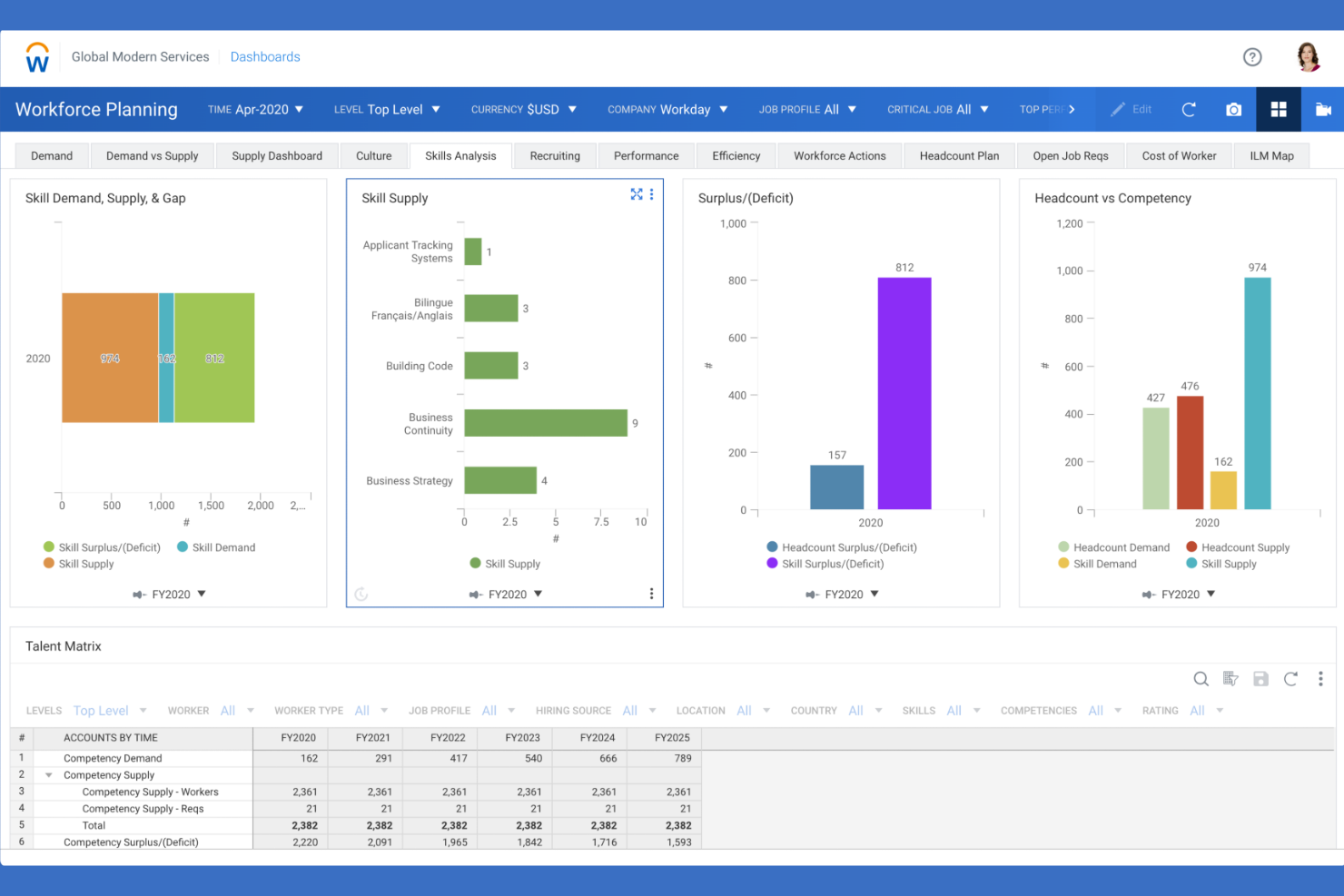
Workday es una plataforma de marketplace de talento impulsada por IA que conecta a los empleados con empleos internos, proyectos temporales, oportunidades de aprendizaje y desarrollo profesional utilizando inteligencia de habilidades y aprendizaje automático.
¿Para quién es mejor Workday?
Grandes empresas y organizaciones globales que buscan gestionar la movilidad interna de talento y el desarrollo de habilidades a gran escala.
Por qué elegí Workday
Elegí Workday como uno de los mejores porque sus herramientas de movilidad de talento impulsadas por IA permiten a mi equipo emparejar empleados con trabajos internos, proyectos y asignaciones en función de datos de habilidades en tiempo real. Me gusta cómo el motor de inteligencia de habilidades de Workday actualiza automáticamente los perfiles de los empleados y recomienda oportunidades de crecimiento personalizadas. El enfoque unificado de la plataforma para talento, aprendizaje y desarrollo profesional nos ayuda a gestionar la movilidad de una fuerza laboral a gran escala con confianza.
Características clave de Workday
- Mercado de oportunidades: Permite a los empleados explorar y postularse a proyectos y asignaciones internas.
- Emparejamiento con mentores: Conecta a los empleados con mentores según sus habilidades e intereses.
- Panel de analítica de talento: Visualiza datos de movilidad y participación de la fuerza laboral.
- Recomendaciones personalizadas de aprendizaje: Sugiere cursos y contenidos adaptados al perfil de cada usuario.
Integraciones de Workday
Actualmente no se enumeran integraciones nativas. Se ofrece una API para integraciones personalizadas.
Pros and Cons
Pros:
- Plataforma unificada de RR.HH. y movilidad de talento
- Emparejamiento de habilidades y oportunidades con IA
- Información y analítica de la fuerza laboral en tiempo real
Cons:
- La configuración inicial puede ser compleja para IT
- Menos opciones de personalización para los visuales de trayectorias profesionales

Phenom
Mejor para plataformas unificadas de movilidad de talento

Phenom es una plataforma de mercado de talento impulsada por IA que reúne la movilidad interna, proyectos temporales, mentoría, inteligencia de habilidades y trayectorias profesionales para los equipos de RR. HH. de grandes empresas.
¿Para quién es mejor Phenom?
Equipos de RR. HH. en grandes empresas que buscan impulsar la movilidad interna y la agilidad de la fuerza laboral.
Por qué elegí Phenom
Elegí Phenom como uno de los mejores porque su mercado de talento con IA permite a mi equipo asignar empleados a proyectos, trabajos temporales y roles internos según habilidades e intereses. Me gusta cómo la plataforma fomenta la agilidad laboral con trayectorías profesionales dinámicas y funciones de mentoría. El motor de inteligencia de habilidades nos ayuda a identificar oportunidades de mejora y conectar personas con contenido de aprendizaje relevante.
Funciones clave de Phenom
- Panel del mercado de oportunidades: Te permite ver y gestionar todas las vacantes, proyectos y roles en un solo lugar.
- Inventario de habilidades con IA: Cataloga y actualiza automáticamente las habilidades de los empleados en toda la organización.
- Perfiles de empleados personalizados: Almacena historial laboral, habilidades, intereses y aspiraciones profesionales para cada usuario.
- Analítica de movilidad interna: Realiza el seguimiento de movimientos, participación e involucramiento en actividades del mercado de talento.
Integraciones de Phenom
No se indican integraciones nativas actualmente. Hay una API disponible para integraciones personalizadas.
Pros and Cons
Pros:
- Recomendaciones de oportunidades impulsadas por IA para empleados
- Analítica en tiempo real sobre las tendencias de movimiento de la fuerza laboral
- Admite trabajos temporales, proyectos y roles de tiempo completo
Cons:
- Algunos usuarios reportan despliegues lentos de nuevas funciones
- Ocasionales inconsistencias en el mapeo de datos de habilidades

Fuel50
Ideal para movilidad profesional personalizada

Fuel50 es una plataforma de mercado de talento impulsada por IA que ofrece mapeo de habilidades, planificación de carrera, coincidencia de proyectos y análisis de la fuerza laboral para organizaciones que buscan soluciones avanzadas de movilidad interna.
¿Para quién es mejor Fuel50?
Equipos de RR. HH. en grandes empresas enfocados en el desarrollo ágil del talento y la movilidad interna.
Por qué elegí Fuel50
Elegí Fuel50 como uno de los mejores porque su marketplace de talento impulsado por IA está diseñado para el desarrollo ágil de la fuerza laboral. Me gusta cómo Fuel50 utiliza el mapeo de habilidades y la planificación de carrera para ayudar a los empleados a descubrir nuevas oportunidades. Mi equipo puede asignar personas a proyectos y tareas según datos de habilidades en tiempo real, lo cual apoya la movilidad interna a gran escala.
Características clave de Fuel50
- Panel de marketplace de oportunidades: Permite a los empleados explorar y postularse a tareas, proyectos y puestos abiertos.
- Coincidencia de mentoría: Conecta empleados con mentores en función de habilidades e intereses.
- Suite de análisis de la fuerza laboral: Ofrece información en tiempo real sobre movilidad y compromiso del talento.
- Marcos de competencia personalizados: Permiten que las organizaciones definan y gestionen sus propios modelos de habilidades y competencias.
Integraciones de Fuel50
Actualmente no se enumeran integraciones nativas. Hay una API disponible para integraciones personalizadas.
Pros and Cons
Pros:
- Compatible con organizaciones globales y opciones multilingües
- El panel de análisis rastrea las tendencias de movilidad del talento
- Marketplace de oportunidades personalizable para roles internos
Cons:
- La configuración inicial puede requerir muchos recursos para RR. HH.
- Coincidencia limitada para tareas o proyectos
Mejor para inteligencia de talento con IA
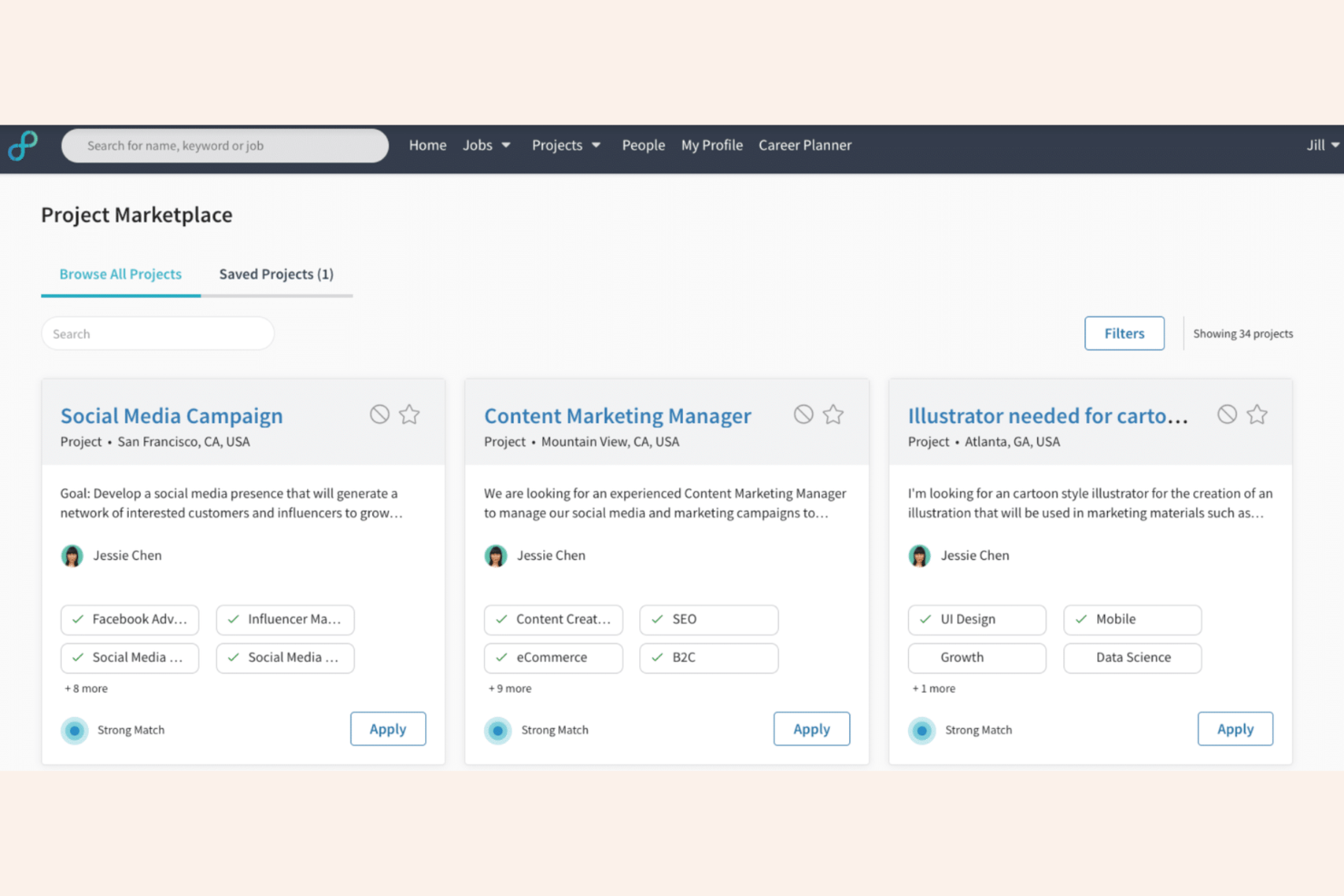
Eightfold AI es una plataforma de mercado de talento impulsada por inteligencia artificial que combina inteligencia de habilidades, emparejamiento de talento, rutas de carrera y planificación de la fuerza laboral para equipos de recursos humanos empresariales.
¿Para quién es mejor Eightfold AI?
Grandes equipos de RRHH de empresas enfocados en la agilidad y retención de la fuerza laboral.
Por qué elegí Eightfold AI
Elegí Eightfold AI como uno de los mejores porque su motor de inteligencia de talento de aprendizaje profundo permite a mi equipo emparejar empleados con proyectos, tareas y roles según sus habilidades y potencial. Me gusta cómo las herramientas de rutas de carrera y planificación de la fuerza laboral de la plataforma nos ayudan a visualizar la movilidad interna. Las recomendaciones impulsadas por IA para mejorar y readaptar habilidades son especialmente útiles para fomentar la agilidad y la retención de la fuerza laboral.
Características clave de Eightfold AI
- Panel de análisis de diversidad: Realiza seguimiento y visualización de métricas de diversidad de la fuerza laboral.
- Creación automatizada de canal de talento: Construye y actualiza grupos de talento utilizando IA.
- Automatización de flujos de trabajo configurable: Permite diseñar y automatizar procesos de gestión de talento.
- Controles de acceso basados en roles: Restringe el acceso a la plataforma según roles de usuario y permisos.
Integraciones de Eightfold AI
Actualmente no se enumeran integraciones nativas. Eightfold AI ofrece una API para integraciones personalizadas.
Pros and Cons
Pros:
- Aprendizaje profundo para coincidencia precisa de habilidades
- Información global de talento con análisis de diversidad
- Soporta grandes empresas con alta escalabilidad
Cons:
- Algunos usuarios reportan pasos de configuración complejos
- Transparencia limitada en la toma de decisiones de la IA

Ideal para la asignación de talento basada en proyectos
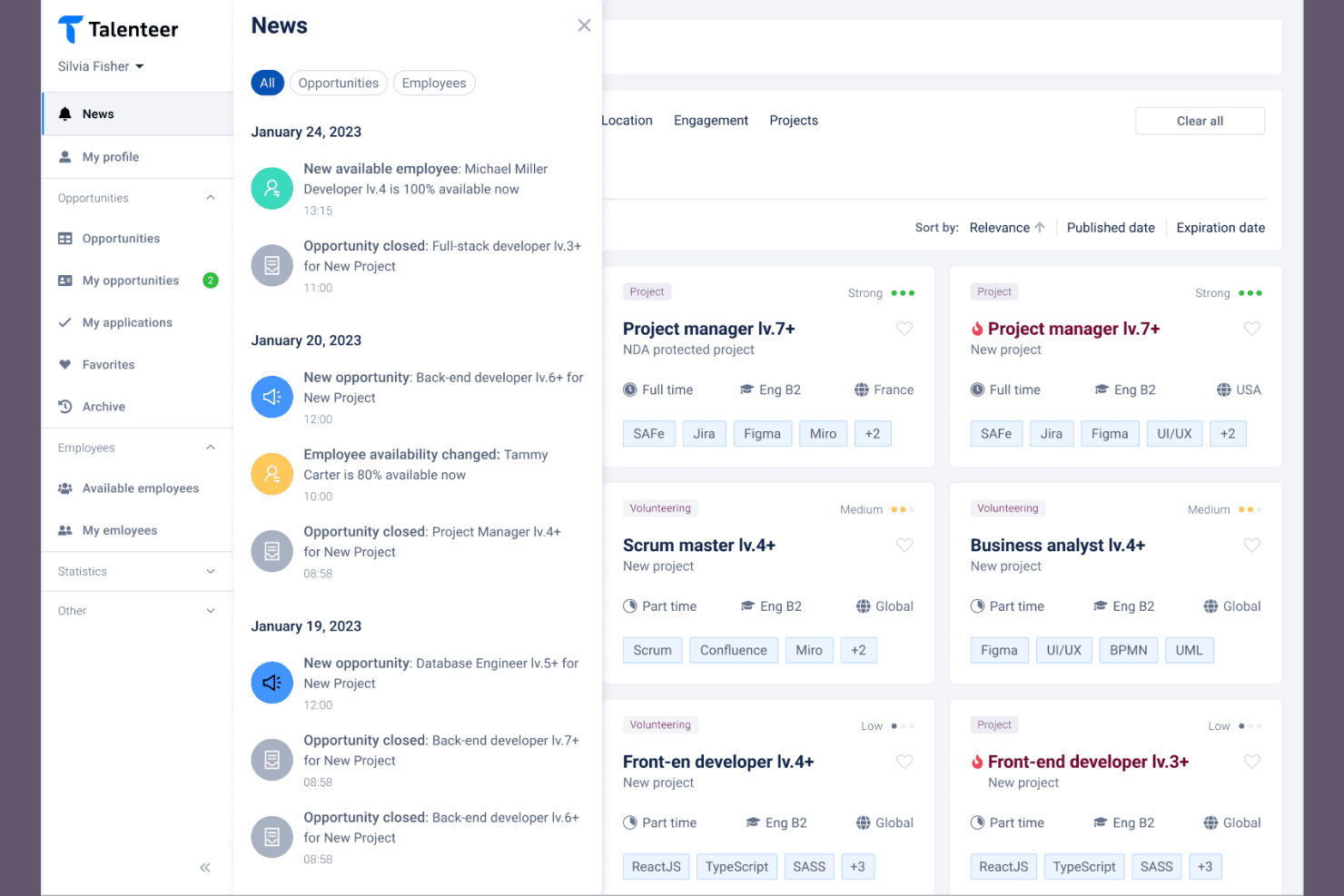
Talenteer es una plataforma de mercado de talento impulsada por IA que ayuda a las organizaciones a gestionar la movilidad interna, la asignación de personal a proyectos, el mapeo de habilidades y la planificación de la fuerza laboral en un sistema unificado.
¿Para quién es ideal Talenteer?
Equipos de RR. HH. de grandes empresas que gestionan la movilidad interna global y la asignación de personal basada en proyectos.
Por qué elegí Talenteer
Elegí Talenteer como uno de los mejores porque su mercado de talento potenciado por IA está diseñado específicamente para la movilidad interna y la asignación de personal a proyectos. Me gusta cómo mi equipo puede emparejar empleados a proyectos según habilidades, disponibilidad e intereses. Los flujos de trabajo configurables de la plataforma nos permiten gestionar asignaciones de proyectos y pools de talento en tiempo real.
Funciones clave de Talenteer
- Gestión del inventario de habilidades: Cataloga y actualiza las habilidades de los empleados en toda la organización.
- Panel de análisis de talento: Visualiza los datos de la fuerza laboral y las tendencias de movilidad.
- Controles de acceso basados en roles: Restringe el acceso a la plataforma según el rol y los permisos del usuario.
- Herramientas de informes automatizados: Genera informes sobre pools de talento y asignaciones de proyectos.
Integraciones de Talenteer
Actualmente no se listan integraciones nativas. La herramienta permite integraciones vía API para conexiones personalizadas.
Pros and Cons
Pros:
- Fuertes funciones de emparejamiento de oportunidades basadas en proyectos
- Despliegue ágil de la fuerza laboral para equipos dinámicos
- Permite equipos transversales y globales
Cons:
- Sin módulos integrados de aprendizaje o desarrollo
- Algunos usuarios mencionan soporte de idiomas limitado
Ideal para mercados de talento integrados
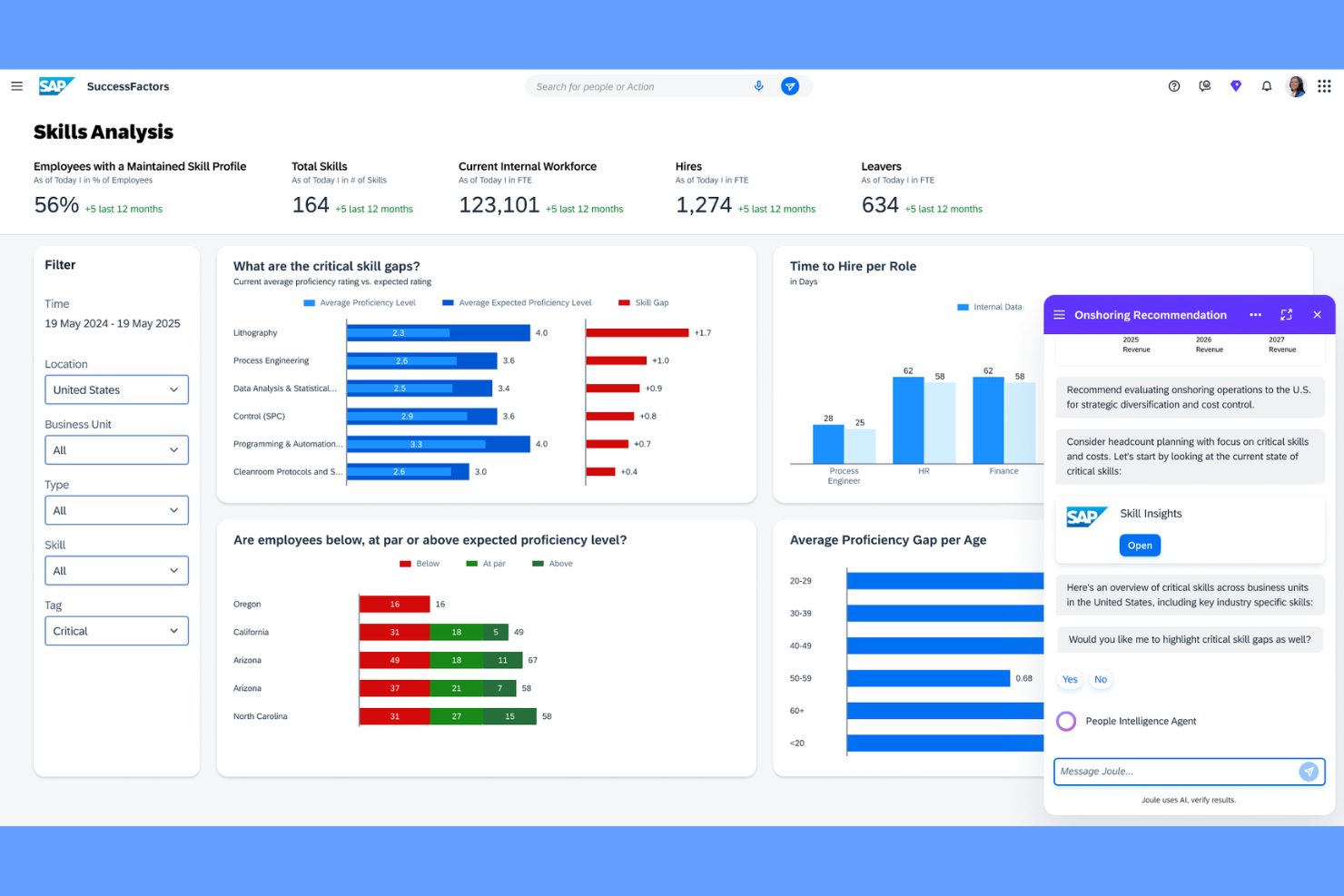
SAP SuccessFactors es una plataforma de mercado de talento impulsada por IA que combina la gestión de competencias, movilidad interna, planificación de sucesión y aprendizaje personalizado en una solución unificada basada en la nube.
¿Para quién es mejor SAP SuccessFactors?
Empresas globales y equipos de RRHH que gestionan grandes fuerzas laborales distribuidas en varias regiones.
Por qué elegí SAP SuccessFactors
Elegí SAP SuccessFactors porque sus herramientas de mercado de talento y gestión de competencias impulsadas por IA me permiten mapear competencias de la fuerza laboral, emparejar empleados con oportunidades internas y automatizar la planificación de sucesión. Me gusta cómo la plataforma usa la IA para recomendar rutas de aprendizaje y movimientos de carrera basados en datos de competencias en tiempo real. Mi equipo puede gestionar grupos de talento a nivel global y rastrear brechas de competencias entre regiones desde un único panel de control.
Características clave de SAP SuccessFactors
- Paneles de revisión de talento: Visualiza datos de talento y nivel de preparación en los equipos.
- Herramientas de gestión de objetivos: Define, haz seguimiento y alinea los objetivos de los empleados con los objetivos empresariales.
- Calibración de desempeño: Estandariza las valoraciones de desempeño entre gerentes y departamentos.
- Módulo de planificación de compensaciones: Administra salarios, bonificaciones y programas de acciones en un solo lugar.
Integraciones de SAP SuccessFactors
SAP SuccessFactors ofrece integraciones nativas con SAP S/4HANA, SAP Fieldglass, SAP Concur, Microsoft 365 y DocuSign, y proporciona una API para integraciones personalizadas.
Pros and Cons
Pros:
- La planificación de sucesión se integra con los datos de desempeño
- Recomendaciones personalizadas de aprendizaje para empleados
- Funciones de cumplimiento integradas para equipos multinacionales
Cons:
- Las integraciones nativas son limitadas fuera del ecosistema SAP
- La interfaz de usuario puede resultar compleja para nuevos administradores

Gloat es una plataforma de mercado de talento impulsada por IA, diseñada para organizaciones que desean emparejar a los empleados con proyectos, trabajos temporales y roles según sus habilidades, experiencia e intereses.
¿Para quién es mejor Gloat?
Grandes empresas y equipos de RR. HH. que buscan impulsar la agilidad de la fuerza laboral mediante la movilidad interna de talento.
Por qué elegí Gloat
Elegí Gloat como uno de los mejores porque su mercado interno de talento impulsado por IA está diseñado para la agilidad de la fuerza laboral. Me gusta cómo Gloat utiliza el mapeo dinámico de habilidades y la coincidencia de oportunidades en tiempo real para conectar empleados con proyectos, trabajos temporales y roles. Mi equipo puede aprovechar las recomendaciones impulsadas por IA para identificar rápidamente el talento interno ante necesidades críticas del negocio.
Funciones clave de Gloat
- Planificación de carrera impulsada por IA: Sugiere trayectorias de carrera personalizadas en función de las habilidades y aspiraciones de los empleados.
- Panel del mercado de oportunidades: Centraliza los proyectos, trabajos temporales y roles abiertos para facilitar su exploración.
- Emparejamiento de mentoría: Conecta a empleados con mentores mediante un análisis de compatibilidad impulsado por IA.
- Suite de análisis y reportes: Rastrea tendencias de movilidad de talento y métricas de compromiso laboral.
Integraciones de Gloat
Gloat ofrece integraciones nativas con Slack, SAP, Oracle, Workday y más. Hay una API disponible para integraciones personalizadas.
Pros and Cons
Pros:
- La IA empareja empleados con proyectos y trabajos temporales
- El mapeo dinámico de habilidades se actualiza en tiempo real
- Admite mentoría y planificación de carrera
Cons:
- Puede requerir una gestión de cambio significativa
- Información pública limitada sobre las capacidades de la API

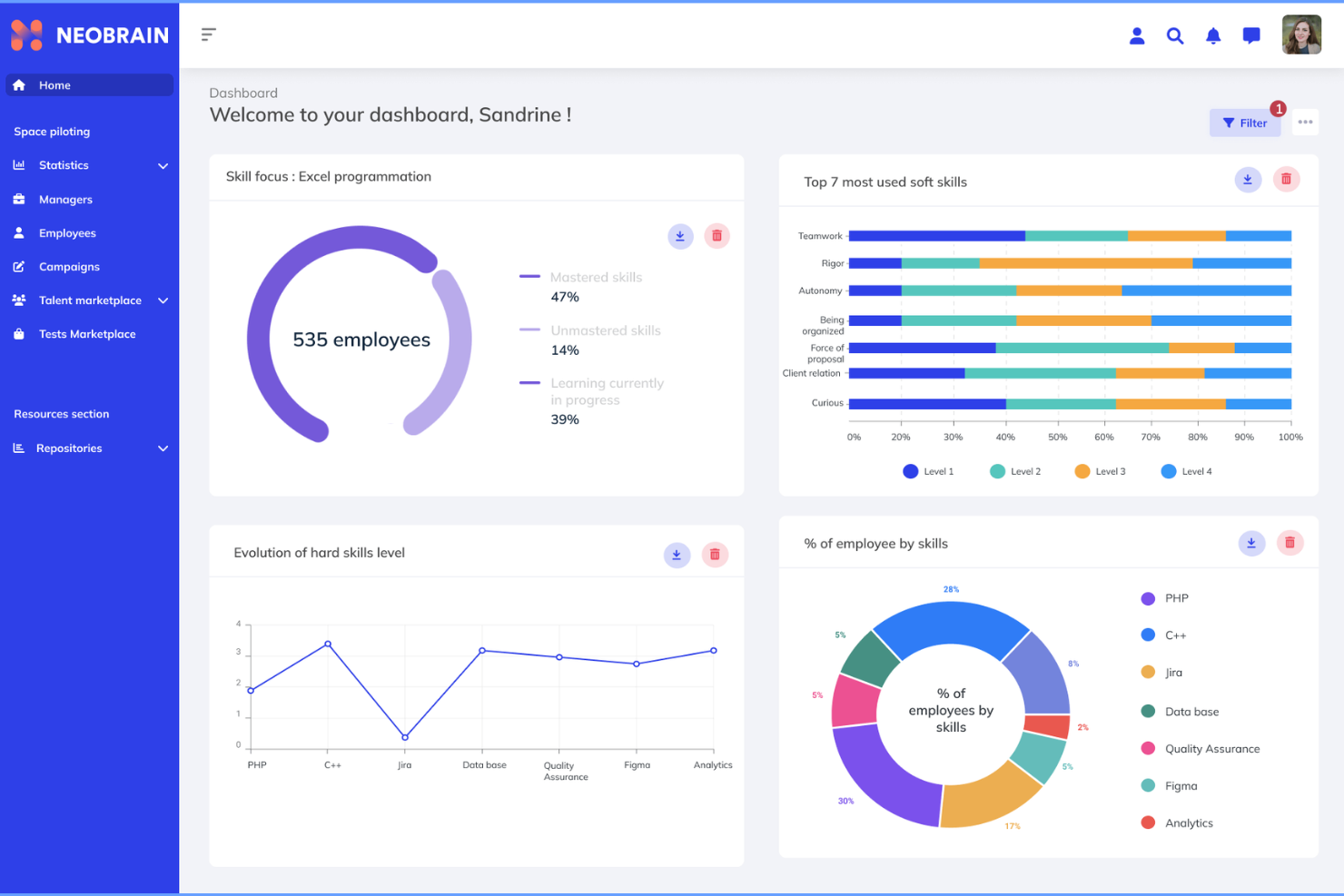
Neobrain es una plataforma de mercado de talento impulsada por IA que ayuda a las organizaciones a gestionar las habilidades de la fuerza laboral, emparejar empleados con oportunidades internas y apoyar la movilidad profesional con análisis avanzados y flujos de trabajo configurables.
¿Para quién es mejor Neobrain?
Líderes de RRHH en empresas globales que buscan transformación de la fuerza laboral y movilidad interna impulsadas por IA.
Por qué elegí Neobrain
Elegí Neobrain como uno de los mejores porque su mercado de talento impulsado por IA está diseñado para la transformación completa de la fuerza laboral. Ayuda a los equipos de recursos humanos a conectar empleados con oportunidades de desarrollo, mejorando el compromiso y apoyando iniciativas clave de talento. Me gusta cómo utiliza un mapeo avanzado de habilidades y análisis predictivos para emparejar a los empleados con roles internos y proyectos, mientras permite a los equipos gestionar la movilidad, el desarrollo de habilidades y la planificación de sucesión en una sola plataforma.
Funciones clave de Neobrain
- Taxonomía de habilidades personalizada: Te permite definir y gestionar marcos de habilidades específicos de la organización.
- Panel de análisis de RRHH: Visualiza datos de la fuerza laboral y tendencias de talento en tiempo real.
- Herramientas de generación de informes automatizados: Genera informes detallados sobre habilidades, movilidad y brechas en la fuerza laboral.
- Soporte multilingüe: Ofrece acceso a la plataforma en varios idiomas para equipos globales.
Integraciones de Neobrain
Neobrain ofrece integraciones nativas con ADP, Workday, Oracle y más. Hay una API disponible para integraciones personalizadas.
Pros and Cons
Pros:
- Análisis predictivos para necesidades futuras de habilidades
- Sugerencias de trayectorias profesionales personalizadas impulsadas por IA
- Sólida movilidad interna y emparejamiento de proyectos
Cons:
- Algunos usuarios reportan rendimiento lento de la plataforma
- Opciones limitadas de autoservicio para empleados

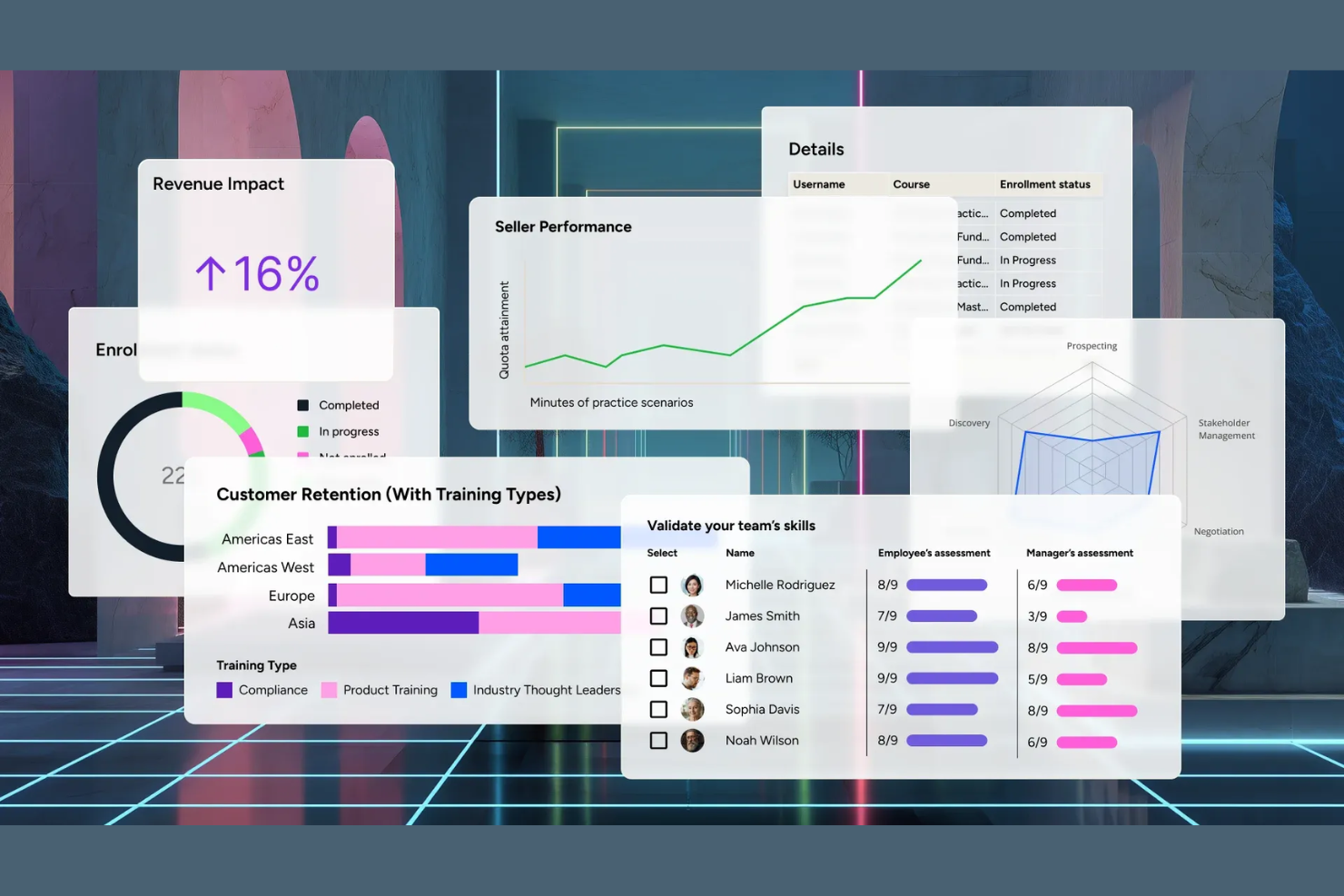
365Talents es una plataforma de mercado de talento impulsada por IA que utiliza detección de habilidades, perfiles dinámicos y emparejamiento automatizado de oportunidades para ayudar a las organizaciones a gestionar la agilidad de la fuerza laboral y la movilidad interna.
¿Para quién es mejor 365Talents?
Equipos de RRHH en grandes empresas que buscan gestión de habilidades y movilidad interna impulsadas por IA.
Por qué elegí 365Talents
Elegí 365Talents como uno de los mejores porque su mercado de talento impulsado por IA está diseñado para la agilidad de la fuerza laboral basada en habilidades. Me gusta cómo detecta automáticamente las habilidades de los empleados y actualiza los perfiles dinámicos, facilitando el emparejamiento de personas con nuevos proyectos o roles. Mi equipo puede usar su emparejamiento automatizado de oportunidades para respaldar la movilidad interna y la recapacitación a gran escala.
Características clave de 365Talents
- Taxonomía de habilidades personalizada: Te permite definir y gestionar marcos de habilidades específicos para tu organización.
- Panel de análisis de RRHH: Visualiza datos de la fuerza laboral y tendencias de talento en tiempo real.
- Herramientas de informes automatizadas: Genera informes detallados sobre habilidades, movilidad y brechas en la fuerza laboral.
- Soporte multilingüe: Ofrece acceso a la plataforma en varios idiomas para equipos globales.
Integraciones de 365Talents
Actualmente no se listan integraciones nativas. La herramienta permite integraciones mediante API para conexiones personalizadas.
Pros and Cons
Pros:
- La IA detecta y actualiza automáticamente las habilidades de los empleados
- Fuerte enfoque en la movilidad profesional guiada por el empleado
- Marcos de habilidades personalizables para diferentes industrias
Cons:
- Algunos usuarios reportan que la navegación del panel es compleja
- No incluye recomendaciones integradas de contenido de aprendizaje
Otro software de mercado de talento impulsado por IA
Estas son algunas opciones adicionales de software de mercado de talento impulsado por IA que no se incluyeron en mi selección, pero que aun así vale la pena considerar:
- TalentGuard
Mejor para movilidad de talento basada en competencias
- Cornerstone Elevate
Mejor para movilidad interna impulsada por IA
- Prismforce
Ideal para inteligencia de habilidades en equipos técnicos


Cómo evalúo el software de mercado de talento impulsado por IA
Busco plataformas donde la IA haga más que igualar palabras clave; debe inferir habilidades, mostrar oportunidades relevantes y guiar a los empleados hacia movimientos profesionales realistas. A partir de ahí, divido mi evaluación en la funcionalidad principal que toda herramienta debe ofrecer y los factores diferenciadores que separan a un proveedor de otro.
Funcionalidad principal (Requisitos básicos para esta lista)
Cuando selecciono herramientas para mi lista, califico cada una en una escala de 0 (no ofrece la funcionalidad) a 5 (sobresale en esta área) por cada funcionalidad principal que detallo a continuación. Luego, calculo el puntaje total de la herramienta como porcentaje. Cada herramienta debe alcanzar un puntaje total mínimo de 65% para ser considerada para su inclusión.
- Inferencia de habilidades impulsada por IA: Reviso si la plataforma construye perfiles de habilidades de los empleados automáticamente a partir de currículums, historial de proyectos y registros de aprendizaje, en lugar de depender de la autoentrada manual.
- Asignación inteligente de talento: Cada herramienta debe asignar personas a roles, proyectos u oportunidades utilizando IA que valore habilidades, aspiraciones y experiencia, no solo palabras clave del título del puesto.
- Centro de oportunidades del mercado laboral: Busco un centro centralizado donde los empleados puedan explorar y postularse a empleos internos, asignaciones especiales, proyectos y mentorías en un solo lugar.
- Trayectoria profesional personalizada: La plataforma debe recomendar siguientes roles y pasos de aprendizaje basados en las habilidades actuales del empleado y sus metas de carrera declaradas.
- Taxonomía y ontología de habilidades: Valoro más una taxonomía dinámica mantenida por IA que normaliza títulos de empleo y mapea relaciones de habilidades, que una lista desplegable estática.
- Análisis e insights de la fuerza laboral: Evalúo si los paneles muestran datos accionables como brechas de habilidades, tendencias de movilidad y adopción del mercado laboral en las unidades de negocio.
Una vez tengo una lista de herramientas que cumplen con los criterios, considero qué distingue a cada plataforma.
Factores diferenciadores (lo que distingue a los proveedores)
Así es como comparo y contrasto diferentes proveedores:
Características destacadas
Controles de mitigación de sesgos son muy importantes para mí: busco plataformas que anonimicen los perfiles y auditen los algoritmos de emparejamiento para asegurar la equidad, de manera que la movilidad interna no reproduzca los mismos patrones de contratación. La comparación de habilidades con datos del mercado laboral externo es otro factor diferenciador, ayudando a los planificadores de la fuerza laboral a detectar brechas emergentes antes de que sean urgentes. También evalúo si una plataforma se extiende más allá de los empleados actuales para incluir exalumnos y contratistas, dando a los equipos un grupo de talento más amplio para proyectos a corto plazo.
Más allá de las características
La profundidad de integración es una de las primeras cosas que reviso. Un mercado de talento solo funciona si se sincroniza con tu HRIS, LMS y ATS; de lo contrario, te quedarás con perfiles desactualizados y entrada de datos duplicada. La privacidad de datos y el cumplimiento de la IA también tienen un peso considerable, especialmente a medida que evolucionan las regulaciones globales sobre decisiones automatizadas de empleo. Finalmente, evalúo los resultados de negocio medibles analizando si un proveedor puede demostrar mejoras documentadas en tasas de cobertura interna, retención y reducción del tiempo de contratación para organizaciones de tamaño e industria similares.
Cómo elegir software de mercado de talento impulsado por IA
Es fácil perderse entre largas listas de funciones y estructuras de precios complejas. Para ayudarte a mantener la concentración mientras avanzas en tu proceso único de selección de software, aquí tienes una lista de factores que debes tener en cuenta:
| Factor | Qué debes considerar |
|---|---|
| Escalabilidad | ¿La plataforma admitirá el tamaño actual de tu plantilla y su crecimiento futuro, incluida la expansión internacional o las fusiones? |
| Integraciones | ¿El software se conecta de forma nativa con tus herramientas de HRIS, nóminas, aprendizaje y colaboración? |
| Personalización | ¿Puedes adaptar los flujos de trabajo, los campos de datos y los informes para que coincidan con los procesos únicos de tu organización? |
| Facilidad de uso | ¿Los equipos de RR. HH. y los empleados adoptarán rápidamente la herramienta o una navegación compleja ralentizará la participación? |
| Implementación e incorporación | ¿Cuánto tiempo lleva la configuración y qué recursos o asistencia proporciona el proveedor durante la implementación? |
| Coste | ¿Los niveles de precios son transparentes y se ajustan a tu presupuesto y a las funciones necesarias? |
| Medidas de seguridad | ¿La plataforma cumple con los estándares de privacidad de datos, cifrado y control de acceso de tu organización? |
| Disponibilidad del soporte | ¿Hay ayuda disponible cuando la necesitas, incluso fuera del horario laboral o en varios idiomas para equipos internacionales? |
¿Qué es el software de mercado de talento impulsado por IA?
El software de mercado de talento impulsado por IA es una plataforma digital que utiliza inteligencia artificial para conectar a los empleados con oportunidades laborales internas, proyectos o rutas de aprendizaje según sus habilidades, experiencia y objetivos profesionales. Estas herramientas ayudan a los equipos de RR. HH. a gestionar la movilidad de la plantilla, identificar brechas de habilidades y apoyar el desarrollo de los empleados en toda la organización.
Características del software de mercado de talento impulsado por IA
Al seleccionar un software de mercado de talento impulsado por IA, presta atención a las siguientes características clave:
- Emparejamiento impulsado por IA: Utiliza algoritmos para conectar a los empleados con puestos, proyectos o trabajos internos que se ajusten a sus habilidades e intereses.
- Gestión del inventario de habilidades: Permite realizar un seguimiento, actualizar y analizar las habilidades de la plantilla en tiempo real en toda la organización.
- Herramientas de movilidad interna: Permiten a los empleados descubrir y solicitar nuevos puestos o proyectos dentro de la empresa.
- Recomendaciones de aprendizaje personalizadas: Sugieren cursos o itinerarios de desarrollo relevantes en función de las carencias de habilidades y los objetivos profesionales individuales.
- Módulos de planificación de la sucesión: Ayudan a los equipos de RR. HH. a identificar y preparar a los futuros líderes mediante el mapeo de las canteras de talento y su nivel de preparación.
- Análisis e informes: Proporcionan paneles e información sobre el movimiento del talento, las carencias de habilidades y las tendencias de la plantilla.
- Capacidades de integración: Se conectan con sistemas de información de recursos humanos, nóminas, herramientas de gestión del aprendizaje y herramientas de colaboración para un flujo de datos unificado.
- Perfiles de empleados: Centralizan la experiencia, las habilidades, las certificaciones y las aspiraciones de los empleados en un formato que permite realizar búsquedas.
- Controles de cumplimiento y privacidad de datos: Garantizan que los datos confidenciales de los empleados se gestionen de acuerdo con las normas regulatorias y organizativas.
Beneficios del software de mercado de talento impulsado por IA
La implementación de un software de mercado de talento impulsado por IA ofrece varios beneficios para tu equipo y tu empresa. Estos son algunos de los que puedes esperar:
- Mayor rapidez en la movilidad interna: Los empleados pueden encontrar rápidamente y pasar a nuevos puestos o proyectos que coincidan con sus habilidades e intereses.
- Mayor visibilidad de las habilidades: RR. HH. y los líderes obtienen una visión clara y en tiempo real de las capacidades y carencias de la plantilla mediante inventarios de habilidades centralizados.
- Desarrollo personalizado de los empleados: Las recomendaciones impulsadas por IA ayudan a los empleados a acceder a oportunidades de aprendizaje y crecimiento adaptadas a sus objetivos profesionales.
- Planificación de la sucesión más sólida: Los módulos de sucesión identifican y preparan a los futuros líderes mediante el mapeo de su nivel de preparación y potencial en los distintos equipos.
- Mejor retención del talento: Es más probable que los empleados permanezcan en la empresa cuando ven vías claras de crecimiento y oportunidades internas.
- Decisiones sobre la plantilla basadas en datos: Las funciones de análisis e informes respaldan la planificación estratégica al destacar las tendencias en el movimiento del talento y las necesidades de habilidades.
- Mayor cumplimiento y privacidad: Los controles integrados ayudan a garantizar que los datos confidenciales de los empleados se gestionen de acuerdo con las normas regulatorias y organizativas.
Costes y precios del software de mercado de talento impulsado por IA
Seleccionar un software de mercado de talento impulsado por IA requiere comprender los diversos modelos de precios y planes disponibles. Los costes varían en función de las características, el tamaño del equipo, los complementos y otros factores. La siguiente tabla resume los planes habituales, sus precios medios y las características que suelen incluir las soluciones de software de mercado de talento impulsado por IA:
Tabla comparativa de planes de software de mercado de talento impulsado por IA
| Tipo de plan | Precio medio | Características habituales |
|---|---|---|
| Plan gratuito | $0 | Emparejamiento básico mediante IA, perfiles de empleados limitados y análisis sencillos. |
| Plan personal | $5-$15/usuario/mes | Emparejamiento mediante IA, inventario de habilidades, perfiles de empleados e informes básicos. |
| Plan empresarial | $20-$40/usuario/mes | Análisis avanzados, herramientas de movilidad interna, integraciones y recomendaciones de aprendizaje personalizadas. |
| Plan corporativo | $50-$100/usuario/mes | Flujos de trabajo personalizados, planificación de la sucesión, controles de cumplimiento, asistencia exclusiva y opciones avanzadas de integración. |
Preguntas frecuentes sobre el software de mercado de talento impulsado por IA
Estas son algunas respuestas a preguntas frecuentes sobre el software de mercado de talento impulsado por IA:
¿Cómo asigna el software de mercado de talento impulsado por IA a los empleados las oportunidades?
El software de mercado de talento impulsado por IA utiliza algoritmos para analizar las habilidades, la experiencia y las preferencias de los empleados, y luego los asigna a puestos, proyectos o trabajos disponibles que se ajustan a sus perfiles. Esto ayuda a los equipos de Recursos Humanos a identificar rápidamente y de forma justa a los candidatos más adecuados para las oportunidades internas.
¿Pueden estas plataformas integrarse con los sistemas de Recursos Humanos existentes?
Sí, la mayoría de los programas de mercado de talento impulsados por IA pueden integrarse con sistemas de información de Recursos Humanos (HRIS), nóminas, gestión del aprendizaje y herramientas de colaboración. La integración garantiza que los datos fluyan correctamente entre los sistemas, reduce la introducción manual de datos y mantiene actualizados los perfiles de los empleados.
¿Qué aspectos de privacidad de datos debo tener en cuenta?
Debe asegurarse de que la plataforma cumpla con los estándares de privacidad de datos de su organización, incluidos el cifrado, los controles de acceso y el cumplimiento de normativas como el RGPD. Revise siempre la documentación de seguridad del proveedor y pregunte sobre su enfoque para gestionar datos confidenciales de los empleados.
¿Cuánto tiempo lleva implementar el software de mercado de talento impulsado por IA?
Los plazos de implementación varían, pero la mayoría de las plataformas pueden configurarse en un periodo de entre unas semanas y unos meses. Factores como la migración de datos, la complejidad de la integración y la formación de los usuarios pueden afectar a la rapidez con la que su equipo empieza a utilizar la plataforma.
¿Quién suele gestionar la plataforma después del lanzamiento?
Los equipos de Recursos Humanos suelen gestionar la plataforma, aunque el departamento de TI puede participar en las integraciones y la seguridad. Algunas organizaciones también asignan administradores o promotores de la plataforma para fomentar su adopción y gestionar las actualizaciones continuas.