

Los 10 Mejores Software de Planificación Estratégica con IA Analizados en 2026

10 Mejor Software de Planificación Estratégica con IA - Lista Seleccionada


Navegar por las complejidades de la planificación estratégica puede ser una tarea abrumadora. Como profesional de RRHH, sabes lo importante que es alinear los objetivos de tu equipo con la estrategia general del negocio. Aquí es donde el software de planificación estratégica con IA entra en juego, facilitando tu trabajo gracias a funciones como la analítica predictiva y la automatización de tareas.
Según mi experiencia, estas herramientas pueden mejorar significativamente tu proceso de toma de decisiones. Te ayudan a identificar tendencias y anticipar desafíos futuros. Como alguien que prueba y revisa software de forma independiente, he recopilado información sobre las mejores soluciones de IA para la planificación estratégica.
En este artículo, compartiré mis principales recomendaciones, enfocándome en sus capacidades de IA. Encontrarás reseñas imparciales y bien investigadas para ayudarte a elegir la mejor opción para tu equipo.
Por qué confiar en nuestras reseñas de software
Nuestro equipo lleva probando y evaluando software desde 2012. Como expertos en RR. HH., sabemos lo difícil —y lo importante— que es elegir el software adecuado.
Para esta guía, evaluamos las herramientas mediante pruebas prácticas e investigación independiente, puntuando las herramientas según nuestros criterios de selección. También nos basamos en la experiencia de líderes de opinión del sector y de profesionales de RR. HH. en activo.
Nuestras reseñas reflejan nuestro criterio editorial humano, no un discurso de ventas.
Revisores expertos:
Resumen del Mejor Software de Planificación Estratégica con IA
Este cuadro comparativo resume los detalles de precios de mis principales selecciones de software de planificación estratégica con IA para ayudarte a encontrar el mejor para tu presupuesto y necesidades empresariales.
| Tool | Best For | Trial Info | Price | ||
|---|---|---|---|---|---|
| 1 | Best for customizable AI workflows | Free plan available; 14-day free trial | From $9/user/month (billed annually) | Website | |
| 2 | Best for complex modeling | Free demo available | Pricing upon request | Website | |
| 3 | Best for budget forecasts | Free demo available | Pricing upon request | Website | |
| 4 | Best for large enterprises | Free demo available | Pricing upon request | Website | |
| 5 | Best for financial planning | Free demo available | Pricing upon request | Website | |
| 6 | Best for product managers | 30-day free trial + free demo available | From $59/user/month (billed annually) | Website | |
| 7 | Best for predictive analytics | Free demo available | Pricing upon request | Website | |
| 8 | Best for visual dashboards | 30-day free trial + free demo available | Pricing upon request | Website | |
| 9 | Best for public sector planning | Free demo available | Pricing upon request | Website | |
| 10 | Best for board-level strategy execution | Free demo available | Pricing upon request | Website |

Análisis del Mejor Software de Planificación Estratégica con IA
A continuación están mis resúmenes detallados del mejor software de planificación estratégica con IA que incluye mi lista seleccionada. Mis reseñas ofrecen un análisis detallado de sus principales características, pros y contras, integraciones y casos de uso ideal de cada herramienta para ayudarte a encontrar la mejor para ti.

Best for customizable AI workflows
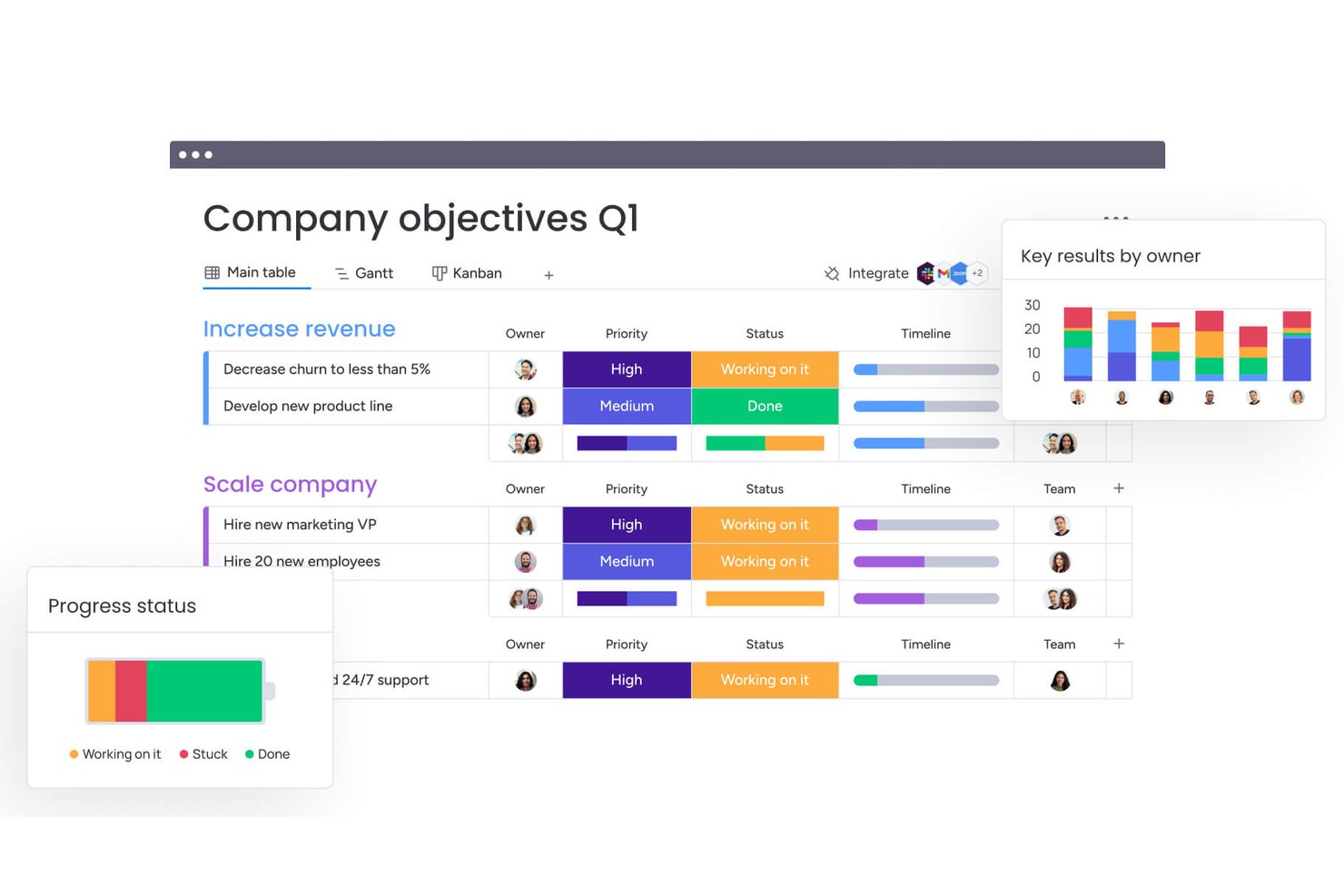
monday AI Workspace is a configurable work management platform that combines AI-powered project planning, workflow automation, portfolio tracking, and cross-team collaboration tools.
Who Is monday AI Workspace Best For?
It's a strong fit for mid-sized to enterprise teams that manage work across multiple departments and need flexible, AI-assisted planning without being locked into a rigid tool structure.
Why I Picked monday AI Workspace
monday AI Workspace earns its spot on my shortlist because no other planning tool gives me this level of control over how AI actually runs. The AI workflow builder lets me orchestrate agents around how my team tracks strategic initiatives, not the other way around. I also use AI columns to embed repeatable AI logic directly into boards, so updates, summaries, and risk flags surface automatically as work moves forward.
monday AI Workspace Key Features
- Portfolio management dashboards: Track project health, risks, and progress across multiple initiatives in one visual interface.
- Role-based permissions: Control who can view, edit, or manage sensitive workspaces and project boards.
- Resource allocation tools: Assign, monitor, and adjust team workloads across complex projects using built-in resource management.
- Template library: Access dozens of customizable templates for project planning, tracking, and reporting use cases.
monday AI Workspace Integrations
monday AI Workspace offers native integrations with Slack, Zoom, Google Workspace, Microsoft Teams, Outlook, Gmail, and GitHub. It also supports Zapier and provides an API for custom integrations.
Pros and Cons
Pros:
- Visual project and portfolio dashboards
- Embedded AI columns for task automation
- Customizable AI workflow builder for planning
Cons:
- Missing predictive analytics for HR data
- No native workforce scenario modeling
New Product Updates from monday AI Workspace
monday AI Workspace Adds Human Approval Routing
monday AI Workspace adds a human-in-the-loop approval block to AI Workflows, sending approval requests and routing workflow paths based on responses. For more information, visit monday AI Workspace's official site.

Anaplan
Best for complex modeling

Anaplan is a cloud-based planning and performance management platform designed for large enterprises. It offers advanced modeling capabilities to help you make data-driven decisions and optimize business performance.
Why I picked Anaplan: Anaplan is ideal for organizations that require complex modeling capabilities. Its AI features include predictive analytics and scenario planning, which allow your team to anticipate and adapt to changes.
The software’s flexibility enables you to customize models to meet your specific business needs. Its real-time data integration facilitates up-to-date insights for strategy planning.
Standout features & integrations:
Features include scenario planning, which helps you explore different business outcomes. The platform's real-time data integration keeps your models current and accurate. It also offers collaborative planning tools, enabling your team to work together with fewer workflow bottlenecks.
Integrations include Salesforce, Microsoft Excel, Workday HCM, Google Sheets, Tableau, Slack, Snowflake, and Docusign.
Pros and Cons
Pros:
- Built-in collaboration tools
- Advanced scenario planning with prescriptive and predictive AI
- Supports complex and customizable models
Cons:
- Requires internal model-building expertise
- Resource-intensive implementation

Prophix
Best for budget forecasts

Prophix is a corporate performance management software tailored for finance professionals seeking to enhance budgeting and forecasting processes. It leverages AI to provide insights into financial data, helping you optimize budget forecasts and make informed decisions.
Why I picked Prophix: Prophix's focus on budget forecasts is supported by AI-driven insights that enhance financial accuracy. It offers predictive analytics to anticipate financial trends and improve planning.
With features like automated reporting, your team can reduce manual tasks and focus on strategic analysis. This makes Prophix a wise choice for finance teams looking to refine their budgeting processes.
Standout features & integrations:
Features include automated financial reporting, which reduces manual work and errors. The platform offers dashboard visualization to give you a clear view of financial data. It also supports what-if analysis, allowing you to explore different financial scenarios.
Integrations include QuickBooks, Microsoft Dynamics 365, Sage, Oracle, NetSuite, SAP, Workday HCM, Salesforce, HubSpot, UKG Pro, ADP, and Xero.
Pros and Cons
Pros:
- Flexible budgeting methodologies
- Automated reporting reduces manual tasks and errors
- AI-accelerated budget cycle
Cons:
- Intricate reporting capabilities likely require training
- Technical setup expertise

Best for large enterprises

Workday Adaptive Planning is a sophisticated platform designed for financial and workforce planning, primarily serving large enterprises. It utilizes AI capabilities, such as predictive analytics, to forecast trends and support agile planning.
Why I picked Workday Adaptive Planning: Workday Adaptive Planning stands out for its suitability for large enterprises due to its predictive analytics, which aid in anticipating future trends and making informed decisions. It offers a user-friendly interface for creating dynamic models and scenarios, enhancing agility in planning.
The platform also emphasizes ethical AI practices, ensuring responsible use of technology. These features make it a valuable tool for large-scale strategic planning.
Standout features & integrations:
Features include an intuitive interface that simplifies the creation of dynamic models and scenarios. Its responsive planning allows you to adjust plans as circumstances evolve. The platform also promotes ethical technology use by incorporating responsible AI practices.
Integrations include Salesforce, NetSuite, Workday HCM, Microsoft Excel, Oracle, SAP, Slack, and Adaptive Insights.
Pros and Cons
Pros:
- Supports ethical AI practices
- User-friendly interface for agile planning
- Predictive analytics improve forecasting
Cons:
- Performance issues with large data volumes
- Time-consuming implementation

Planful
Best for financial planning

Planful is a financial planning and analysis software designed for finance teams and business planners. It provides AI-driven financial modeling and forecasting to help you make informed budgeting decisions.
Why I picked Planful: Planful excels in financial planning with its AI-powered modeling and forecasting capabilities. It offers scenario analysis to explore different financial outcomes and make informed decisions.
The platform’s AI tools provide insights into budgeting trends, helping your team optimize financial plans. This makes Planful a valuable tool for finance teams focused on strategic financial management.
Standout features & integrations:
Features include budgeting and forecasting tools that help you create accurate financial plans. The platform offers scenario analysis, allowing you to explore various financial outcomes. It also provides real-time financial reporting to keep your team updated on key metrics.
Integrations include NetSuite, QuickBooks, Salesforce, Microsoft Dynamics, Google Workspace, Oracle, SAP, Workday, Paylocity, and Sage Intacct.
Pros and Cons
Pros:
- Bias-reducing what-if projection forecasts
- Collaborative variance investigation
- Centralized source for all financial data
Cons:
- Requires frequent updates to align with regulatory landscape
- Dated user interface

Best for product managers

Aha Roadmaps is a strategic product management tool designed for product managers and teams to plan and execute product strategies effectively. It offers AI-driven features that help you prioritize tasks and align product goals with business objectives.
Why I picked Aha Roadmaps: Aha Roadmaps is tailored for product managers who need to define and manage product strategies. Its AI features help prioritize tasks based on strategic goals for effective product management.
The tool's roadmap visualization helps your team see the big picture and make better decisions. It also provides insights into market trends, aiding in strategic planning and execution.
Standout features & integrations:
Features include roadmap visualization, which gives you a clear view of your product's development path. The tool offers goal tracking to ensure your team's efforts align with strategic objectives. It also provides market insights, helping you stay informed about industry trends.
Integrations include Jira, Salesforce, Slack, Azure DevOps, Confluence, Trello, GitHub, Google Workspace, Microsoft Teams, and Zendesk.
Pros and Cons
Pros:
- 100+ built-in AI documentation templates
- Visual and interactive roadmapping
- Tailored for product management
Cons:
- Requires clear internal processes
- Interface can be overwhelming


Quantive StrategyAI is an AI-driven strategy management platform designed for executives and strategy leaders. It connects strategic plans to daily execution, utilizing predictive analytics and real-time insights to keep your team aligned with broader business goals.
Why I picked Quantive StrategyAI: Quantive StrategyAI excels in predictive analytics, setting it apart from other tools. It offers data-driven insights that allow you to anticipate future challenges and make informed decisions.
The platform's AI capabilities include real-time visibility and strategic agility, which are essential for effective decision-making. With these features, your team can manage Objectives and Key Results (OKRs) and Key Performance Indicators (KPIs) more efficiently.
Standout features & integrations:
Features include strategic planning tools that help you set clear objectives and track progress in a single platform. The tool provides real-time reporting, offering insights into your strategic initiatives. Its adaptability features allow you to adjust plans as market conditions change.
Integrations include Microsoft Teams, Slack, Jira, Trello, Asana, Salesforce, Google Workspace, Microsoft 365, HubSpot, and Zendesk.
Pros and Cons
Pros:
- OKRs and KPIs to business metrics
- Advanced scenario modeling Ability to link
- AI-powered strategy execution
Cons:
- Manual data entry for some functions
- Lack of multilingual support


Spider Strategies is a performance management software aimed at organizations seeking to enhance strategic execution through visual dashboards. It serves managers and executives by providing tools for tracking performance metrics and aligning them with strategic goals.
Why I picked Spider Strategies: Spider Strategies’ visual dashboards are a key feature, offering intuitive data representation to help you track performance metrics. Its AI capabilities provide insights into trends and patterns that aid strategic decision-making.
The software's focus on visual data enables your team to grasp complex information. This makes it ideal for organizations that prioritize clear, visual performance tracking.
Standout features & integrations:
Features include customizable dashboards that tailor data views to your needs. The platform supports real-time performance tracking, keeping you updated on key metrics. It also offers goal alignment tools to ensure your team stays focused on strategic objectives.
Integrations include Microsoft Excel, Power BI, Tableau, Google Sheets, and Salesforce.
Pros and Cons
Pros:
- Trend and pattern recognition and insights
- High level of customization for data visualization
- Intuitive visual dashboard design
Cons:
- Manual steps for complex calculations
- Lacks granular performance measures


Envisio is a strategy execution and performance management platform designed for public sector organizations. It helps you align strategic plans with operational activities, using AI to track performance metrics and ensure accountability.
Why I picked Envisio: Envisio is tailored for public sector planning, offering AI tools that enhance transparency and accountability. It provides automated performance tracking, which allows your team to monitor progress against strategic goals.
The platform's reporting features make it easy to communicate results to stakeholders. This focus on public sector needs makes Envisio a go-to solution for government agencies and similar organizations.
Standout features & integrations:
Features include strategic plan alignment to help your operations match your goals. The platform offers automated performance reports that keep your stakeholders informed. It also generates dashboards to give you a clear view of your progress.
Integrations include Microsoft Teams, Microsoft Power BI, Questica, Polco Track, Microsoft Excel, and Google Workspace.
Pros and Cons
Pros:
- Intuitive stakeholder reporting features
- Automated performance tracking enhances accountability
- Tailored for public sector organizations
Cons:
- Complexity for infrequent users
- Limited customization for private sector needs

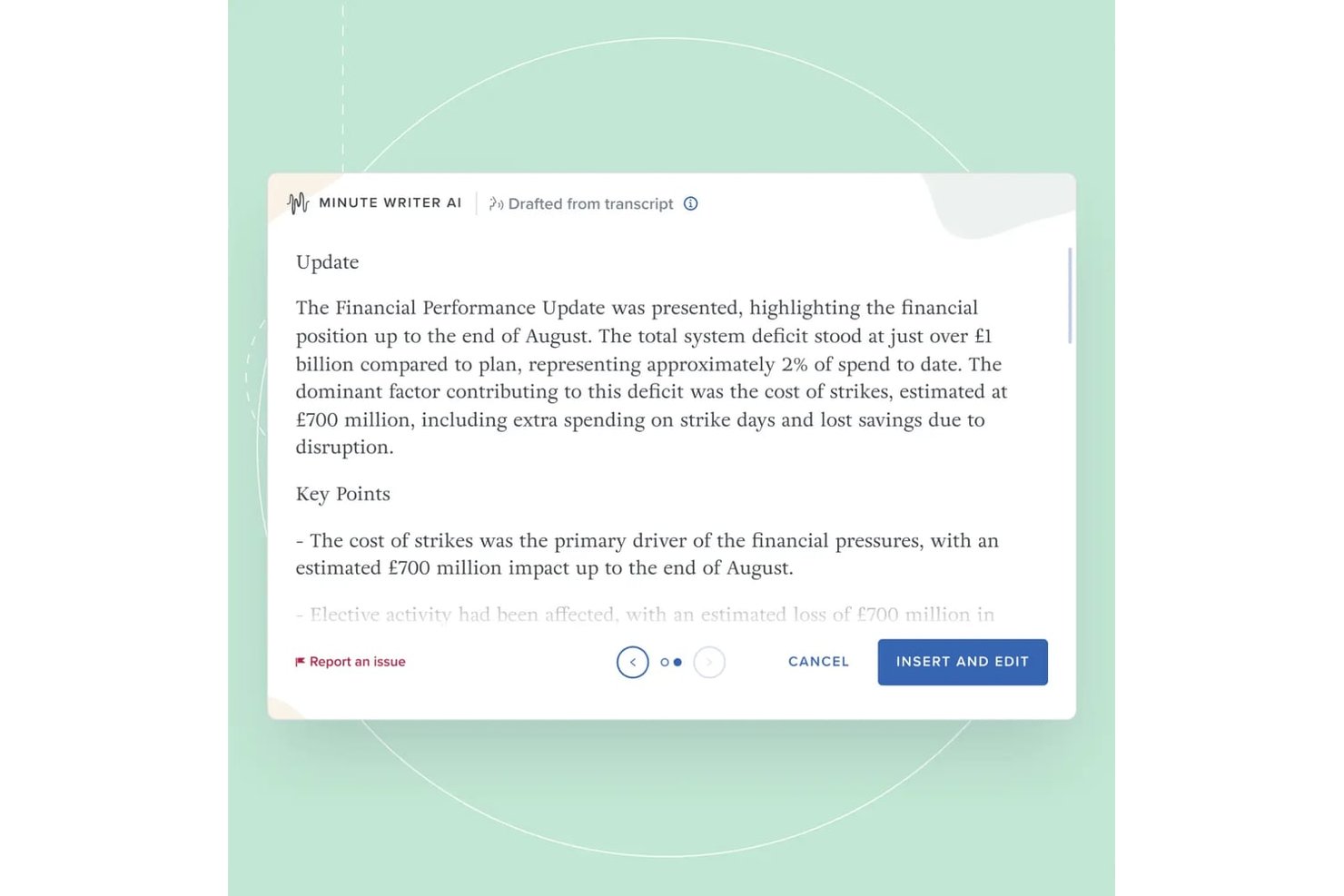
Board Intelligence is a board governance platform that uses AI to help executives and directors plan agendas, draft board papers, manage meetings, and track strategic decisions across the full board cycle.
Who Is Board Intelligence Best For?
It's a strong fit for large, regulated enterprises where executives and board directors need to align governance processes with strategic priorities.
Why I Picked Board Intelligence
Board Intelligence earns its spot on my shortlist because of how its AI is built around a real governance methodology. The IQ Experts feature draws on intelligence across 130+ board domains, anchored to your organization's strategy and pack history, so board conversations are grounded in context rather than generic analysis. I also like the Agenda Planner, which directly maps board meetings to strategic priorities rather than leaving that alignment to chance.
Board Intelligence Key Features
- Report Writer AI: Create board-ready documents within Microsoft Word using AI-powered drafting tools.
- Minute Writer AI: Draft meeting minutes quickly from recordings, transcripts, or your own notes.
- Action Tracker: Capture and monitor progress on board and committee action items from a single dashboard.
- Board Surveys: Use expert-designed board evaluation surveys to collect and analyze board performance data.
Board Intelligence Integrations
Board Intelligence offers native integration with Microsoft 365, including Microsoft Word. Native integrations beyond the Microsoft ecosystem are not clearly documented.
Pros and Cons
Pros:
- Strong document drafting within Microsoft Word
- AI offers governance best practice insights
- Sets agendas directly to strategic priorities
Cons:
- Advanced features require extensive setup
- Limited beyond board and executive use
Otros Software de Planificación Estratégica con IA
Aquí tienes algunas alternativas adicionales de software de planificación estratégica con IA que no llegaron a mi lista seleccionada, pero que aún vale la pena revisar:
- Elate
For strategic alignment
- Deel HR
For global workforce strategies
- Wrike
For task automation
- Adobe Workfront
For creative project management
- AchieveIt
For cross-team alignment
- Miro
For interactive brainstorming
- monday CRM
For small team collaboration
- Lightcast
For labor market analytics
- Phocas
For data visualization
- Knovos Cascade
For government institutions
- Board
For integrated business planning


How I Evaluate AI Strategic Planning Software
I look for tools where AI does more than label dashboards—it should model workforce scenarios, forecast talent risks, and surface recommendations an HR leader can act on. From there, I split my evaluation into core functionality every tool needs to qualify and differentiating factors that separate the best fit for specific teams.
Core Functionality (Table Stakes For This List)
When I'm selecting tools for my list, I rank each one on a scale from 0 (does not offer the functionality) to 5 (excels in this area) for each core functionality listed below. Then, I calculate the tool's total score into a percentage. Each tool needs to achieve a minimum total score of 65% to be considered for inclusion.
- AI-Powered Scenario Modeling: I evaluate whether the tool can build and compare multiple workforce scenarios—like modeling the impact of a hiring freeze versus accelerated recruiting—using AI rather than manual inputs alone.
- Predictive Workforce Analytics: Strong tools use ML to forecast metrics like attrition risk or future skills demand, so I check for predictions that go beyond basic trendlines and include confidence indicators.
- Strategic Goal Alignment: I look for the ability to define HR objectives and have the platform map them to broader business goals, tracking whether initiatives like a new retention program are moving the right KPIs.
- AI-Generated Insights & Recommendations: Rather than static charts, the tool should surface actionable findings on its own—flagging an emerging flight risk in a key department, for example, and suggesting a response.
- HR Data Integration: Connecting to HRIS, ATS, HCM, and financial systems is essential, so I check for native connectors to platforms like Workday, SAP SuccessFactors, and Oracle HCM alongside open API access.
- Strategic Planning Workflows: The platform should offer purpose-built planning features such as initiative prioritization, roadmap building, and executive reporting—not just repurposed project management templates.
Once I have a list of tools that meet the criteria, I consider what sets each platform apart.
Differentiating Factors (What Sets Vendors Apart)
Here's how I compare and contrast different vendors:
Standout Features
A skills intelligence engine adds real value by mapping current workforce capabilities and recommending reskilling paths before gaps slow a strategic initiative. Financial impact modeling matters just as much—connecting a headcount scenario directly to P&L and budget projections gives HR leaders the language finance teams need to approve plans. I also evaluate whether a tool pulls in external labor market data, so internal forecasts reflect real talent supply and compensation benchmarks.
Beyond Features
AI transparency matters when your tool is predicting attrition or flagging flight risks—I check whether the vendor explains how its models reach conclusions and offers audit trails HR can share with leadership. Data security is closely tied; handling sensitive people data means I look for SOC 2 Type II compliance, role-based access controls, and regional data residency options. I also consider time-to-value, specifically whether a platform provides pre-built HR planning templates and dedicated onboarding support so teams aren't spending months before seeing results.
Cómo elegir un software de planificación estratégica con IA
Es fácil perderse en largas listas de funciones y complejas estructuras de precios. Para ayudarte a mantenerte enfocado durante tu proceso único de selección de software, aquí tienes una lista de factores a tener en cuenta:
| Factor | Qué considerar |
|---|---|
| Escalabilidad | ¿Puede el software crecer con tu organización? Considera si gestiona el aumento de datos y usuarios sin comprometer el rendimiento. Busca infraestructura escalable. |
| Integraciones | ¿Funciona con tus herramientas actuales? Verifica la compatibilidad con sistemas esenciales como CRM, ERP y plataformas de análisis de datos. Evita cuellos de botella en la integración. |
| Personalización | ¿Puedes adaptarlo a tus flujos de trabajo? Asegúrate de que permita modificaciones para ajustarse a tus procesos únicos. Cuidado con los sistemas rígidos que limitan la flexibilidad. |
| Facilidad de uso | ¿La interfaz es intuitiva? Considera opiniones de usuarios y experiencias en demostraciones. Evita herramientas con curvas de aprendizaje pronunciadas que dificulten la adopción. |
| Implementación y puesta en marcha | ¿Qué tan rápida es la configuración? Evalúa el soporte para el despliegue inicial y la formación de usuarios. Busca amplios recursos de incorporación para minimizar interrupciones. |
| Costo | ¿Se ajusta a tu presupuesto? Compara modelos de precios y costos ocultos. Busca valor en las funciones frente al coste. Ten precaución con opciones baratas de capacidades limitadas. |
| Protección de seguridad | ¿Tus datos están protegidos? Verifica estándares de cifrado, protocolos para brechas de datos y cumplimiento con regulaciones como GDPR. Prioriza proveedores con sólidas medidas de seguridad. |
¿Qué es un software de planificación estratégica con IA?
El software de planificación estratégica con IA es una herramienta que utiliza inteligencia artificial para ayudar en el desarrollo y la ejecución de planes estratégicos empresariales. Estas herramientas suelen ser utilizadas por ejecutivos, gerentes y profesionales de la estrategia para mejorar la toma de decisiones y alinear los objetivos del equipo con las metas generales del negocio. El análisis predictivo, la planificación de escenarios y el análisis de datos en tiempo real ayudan a anticipar tendencias, evaluar diferentes estrategias y asegurar una toma de decisiones informada. En general, estas herramientas ofrecen un valor significativo al mejorar la eficiencia y la eficacia de los procesos de planificación estratégica.
Características
Al seleccionar un software de planificación estratégica con IA, busca las siguientes características clave:
- Análisis predictivo: Analiza datos históricos para predecir tendencias futuras y permite tomar decisiones de manera proactiva.
- Planificación de escenarios: Permite a los usuarios evaluar diferentes opciones estratégicas y sus posibles resultados.
- Análisis de datos en tiempo real: Ofrece información actualizada que ayuda a tomar decisiones informadas y oportunas.
- Reportes automatizados: Genera informes de forma automática para reducir el trabajo manual y mejorar la precisión.
- Herramientas de alineación de objetivos: Asegura que los objetivos del equipo estén en sintonía con la estrategia empresarial general.
- Paneles personalizables: Ofrece vistas adaptadas de métricas y datos clave según las necesidades de cada usuario.
- Seguimiento del rendimiento: Monitorea el progreso respecto a los objetivos estratégicos y aporta retroalimentación sobre las áreas a mejorar.
- Visualización de datos: Transforma conjuntos de datos complejos en formatos visuales fáciles de entender.
- Capacidad de integración: Se conecta sin problemas con las herramientas empresariales existentes, como sistemas CRM y ERP.
- Información basada en IA: Ofrece recomendaciones inteligentes para realizar ajustes y mejoras estratégicas.
Beneficios
Implementar software de planificación estratégica con IA aporta varios beneficios a tu equipo y a tu empresa. A continuación, algunos de los que puedes esperar:
- Mejor toma de decisiones: El análisis predictivo te ayuda a anticipar tendencias y tomar decisiones informadas.
- Mayor eficiencia: Los reportes automatizados reducen las tareas manuales, permitiendo dedicar más tiempo a actividades estratégicas.
- Mejor alineación de objetivos: Las herramientas de alineación aseguran que los esfuerzos del equipo estén en sintonía con los objetivos empresariales.
- Mayor capacidad de adaptación: La planificación de escenarios te permite evaluar y ajustar estrategias rápidamente según sea necesario.
- Información en tiempo real: El análisis de datos en tiempo real proporciona información actualizada para tomar decisiones oportunas.
- Comunicación clara: La visualización de datos hace que la información compleja sea fácil de entender y compartir.
- Recomendaciones estratégicas: Las ideas basadas en IA ofrecen sugerencias inteligentes para optimizar las estrategias.
Costos y Precios
Seleccionar un software de planificación estratégica con IA requiere comprender los distintos modelos y planes de precios disponibles. Los costos varían según las características, el tamaño del equipo, los complementos y más. La siguiente tabla resume los planes más comunes, sus precios promedio y las características típicas incluidas en las soluciones de software de planificación estratégica con IA:
Tabla comparativa de planes para software de planificación estratégica con IA
| Tipo de plan | Precio promedio | Características comunes |
|---|---|---|
| Plan gratuito | $0 | Seguimiento básico del rendimiento, análisis de datos limitado y soporte comunitario. |
| Plan personal | $5-$25/usuario/mes | Paneles personalizables, análisis predictivo y soporte por correo electrónico. |
| Plan empresarial | $30-$60/usuario/mes | Planificación de escenarios, integración de datos en tiempo real, herramientas de alineación de objetivos y soporte telefónico. |
| Plan corporativo | $70-$150/usuario/mes | Información avanzada basada en IA, amplia visualización de datos, gestor de cuentas dedicado y soporte 24/7. |
Preguntas frecuentes sobre software de planificación estratégica con IA
Aquí tienes algunas respuestas a preguntas comunes sobre el software de planificación estratégica con IA:
¿Qué fuentes de datos de RRHH puede analizar el software de planificación estratégica con IA?
El software de planificación estratégica con IA puede analizar una amplia gama de datos de RRHH, incluidos registros de empleados, nóminas, beneficios, evaluaciones de desempeño y datos demográficos de la fuerza laboral. Normalmente puedes conectar el software de estrategia con tu HRIS, ATS y otras plataformas de RRHH. Esto te ayuda a obtener una visión más profunda de las tendencias, brechas y oportunidades para el desarrollo del talento.
¿Puede el software de planificación estratégica con IA ayudar con la previsión a largo plazo?
Sí, el software de planificación estratégica con IA puede ayudar con la previsión a largo plazo. Utiliza análisis predictivo para analizar datos históricos y proyectar tendencias futuras. Esto ayuda a tu equipo a tomar decisiones informadas sobre la asignación de recursos e iniciativas estratégicas. Utiliza las funciones de planificación de escenarios para explorar diferentes resultados y ajustar tus planes en consecuencia. Actualiza regularmente los datos de entrada para garantizar que las previsiones sigan siendo precisas y relevantes.
¿El software de planificación estratégica con IA ayuda a cumplir con las leyes laborales y regulaciones?
Sí, muchas herramientas de planificación estratégica con IA incluyen funciones que ayudan a monitorear el cumplimiento de leyes laborales, rastrear cambios en políticas y señalar riesgos potenciales. Esto puede apoyar tus esfuerzos para cumplir con los requisitos de documentación y reportes. Sin embargo, utilízalo junto con el asesoramiento de tu equipo legal o de cumplimiento.
¿Cuánto conocimiento técnico necesito para usar el software de planificación estratégica con IA?
La mayoría del software de planificación estratégica con IA está diseñado para ser fácil de usar por equipos de RRHH, con interfaces intuitivas y soporte de incorporación. Puede que necesites una familiaridad básica con el análisis de datos o integraciones, pero normalmente no son necesarios conocimientos técnicos avanzados. Muchas plataformas ofrecen recursos de capacitación para ayudarte a comenzar.
¿Qué sigue?
Si te encuentras investigando software de planificación estratégica con IA, conéctate con un asesor de SoftwareSelect para recibir recomendaciones gratuitas.
Solo tienes que completar un formulario y mantener una breve charla donde conocerán los detalles específicos de tus necesidades. Luego recibirás una lista corta de opciones de software para revisar. Incluso te acompañarán durante todo el proceso de compra, incluyendo la negociación de precios.