

10 concorrenti di Workday Adaptive Planning per FP&A nel 2026

Elenco dei migliori concorrenti di Workday Adaptive Planning


Se il tuo attuale strumento di gestione delle prestazioni aziendali ti sembra complicato, non sei il solo. Strumenti come Workday Adaptive Planning potrebbero non soddisfare le tue esigenze specifiche, lasciando il tuo team alle prese con inefficienze. Potresti essere alla ricerca di una soluzione che fornisca KPI chiari, si connetta ai sistemi ERP, CRM e HR, supporti la pianificazione di scenari, la definizione del budget e le previsioni, oppure includa funzionalità progettate per il tuo settore.
In base alla mia esperienza, trovare lo strumento giusto può trasformare il flusso di lavoro del tuo team. Ecco perché ho testato e recensito in modo indipendente diversi concorrenti di Workday Adaptive Planning per individuare le migliori alternative per esigenze aziendali differenti.
In questo articolo ti guiderò alla scoperta dei principali concorrenti di Workday Adaptive Planning, analizzandone i punti di forza in aree come la pianificazione e l'analisi finanziaria, la facilità d'uso e la flessibilità della pianificazione. Troviamo la soluzione giusta per affrontare le tue sfide aziendali e migliorare le prestazioni del tuo team.
Che cos'è Workday Adaptive Planning?
Workday Adaptive Planning è uno strumento di gestione delle prestazioni aziendali basato su SaaS, progettato per aiutare le aziende con la definizione del budget, le previsioni e la reportistica. Viene comunemente utilizzato da professionisti della finanza, responsabili delle risorse umane e analisti aziendali che necessitano di informazioni finanziarie accurate e tempestive. I dati forniti da questi prodotti possono aiutare te e il tuo team a valutare efficacemente i risultati utilizzando modelli ipotetici e di scenario.
La collaborazione in tempo reale, la modellazione flessibile e i cruscotti intuitivi contribuiscono a semplificare i processi e migliorare la trasparenza finanziaria. Le API e i connettori consentono alle organizzazioni di integrare i dati di pianificazione con altri sistemi, favorendo la coerenza nella reportistica e nel processo di chiusura finanziaria. Nel complesso, Workday Adaptive Planning offre gli strumenti necessari per migliorare le prestazioni aziendali e allineare il team agli obiettivi strategici.
Riepilogo dei migliori concorrenti di Workday Adaptive Planning
Questa tabella comparativa riassume i dettagli dei prezzi dei principali concorrenti di Workday Adaptive Planning per aiutarti a trovare quello più adatto al tuo budget e alle esigenze della tua azienda.
| Tool | Best For | Trial Info | Price | ||
|---|---|---|---|---|---|
| 1 | Ideale per la pianificazione di scenari basata sull'intelligenza artificiale | Demo gratuita disponibile | Prezzi su richiesta | Website | |
| 2 | Ideale per flussi di lavoro FP&A automatizzati | Demo gratuita disponibile | Prezzi su richiesta | Website | |
| 3 | Ideale per la collaborazione a livello aziendale | Demo gratuita disponibile | Prezzi su richiesta | Website | |
| 4 | Ideale per analisi adattabili basate sull'intelligenza artificiale | Demo gratuita disponibile | Prezzi su richiesta | Website | |
| 5 | Ideale per ottenere informazioni finanziarie basate sull'intelligenza artificiale | Demo gratuita disponibile | Prezzi su richiesta | Website | |
| 6 | Ideale per la gestione della liquidità e della tesoreria | Demo gratuita disponibile | Prezzo su richiesta | Website | |
| 7 | Ideale per la pianificazione finanziaria senza codice | Demo gratuita disponibile | Prezzi disponibili su richiesta | Website | |
| 8 | Ideale per eliminare la dipendenza dai fogli di calcolo | Prova gratuita + demo gratuita disponibili | Prezzi su richiesta | Website | |
| 9 | Ideale per grossisti e produttori | Demo gratuita disponibile | Informazioni sui prezzi non disponibili | Website | |
| 10 | Ideale per la pianificazione integrata basata sull'IA | Demo gratuita disponibile | Prezzi su richiesta | Website |
Perché fidarsi delle nostre recensioni sui software
Il nostro team testa e recensisce software dal 2012. In quanto esperti HR noi stessi, sappiamo quanto sia difficile — e importante — scegliere il software giusto.
Per questa guida, abbiamo valutato gli strumenti attraverso test pratici e ricerche indipendenti, assegnando un punteggio agli strumenti in base ai nostri criteri di selezione. Ci basiamo inoltre sulle competenze di leader di pensiero del settore e di professionisti HR attivi.
Le nostre recensioni riflettono il nostro giudizio editoriale umano, non un discorso di vendita.
Revisori esperti:
Recensioni dei migliori concorrenti di Workday Adaptive Planning
Di seguito trovi i miei riepiloghi dettagliati dei migliori concorrenti di Workday Adaptive Planning inclusi nel mio elenco. Le mie recensioni offrono uno sguardo approfondito alle funzionalità principali, ai pro e contro, alle integrazioni e ai casi d’uso ideali di ogni strumento, per aiutarti a trovare quello più adatto a te e al tuo team.

Anaplan
Ideale per la pianificazione di scenari basata sull'intelligenza artificiale
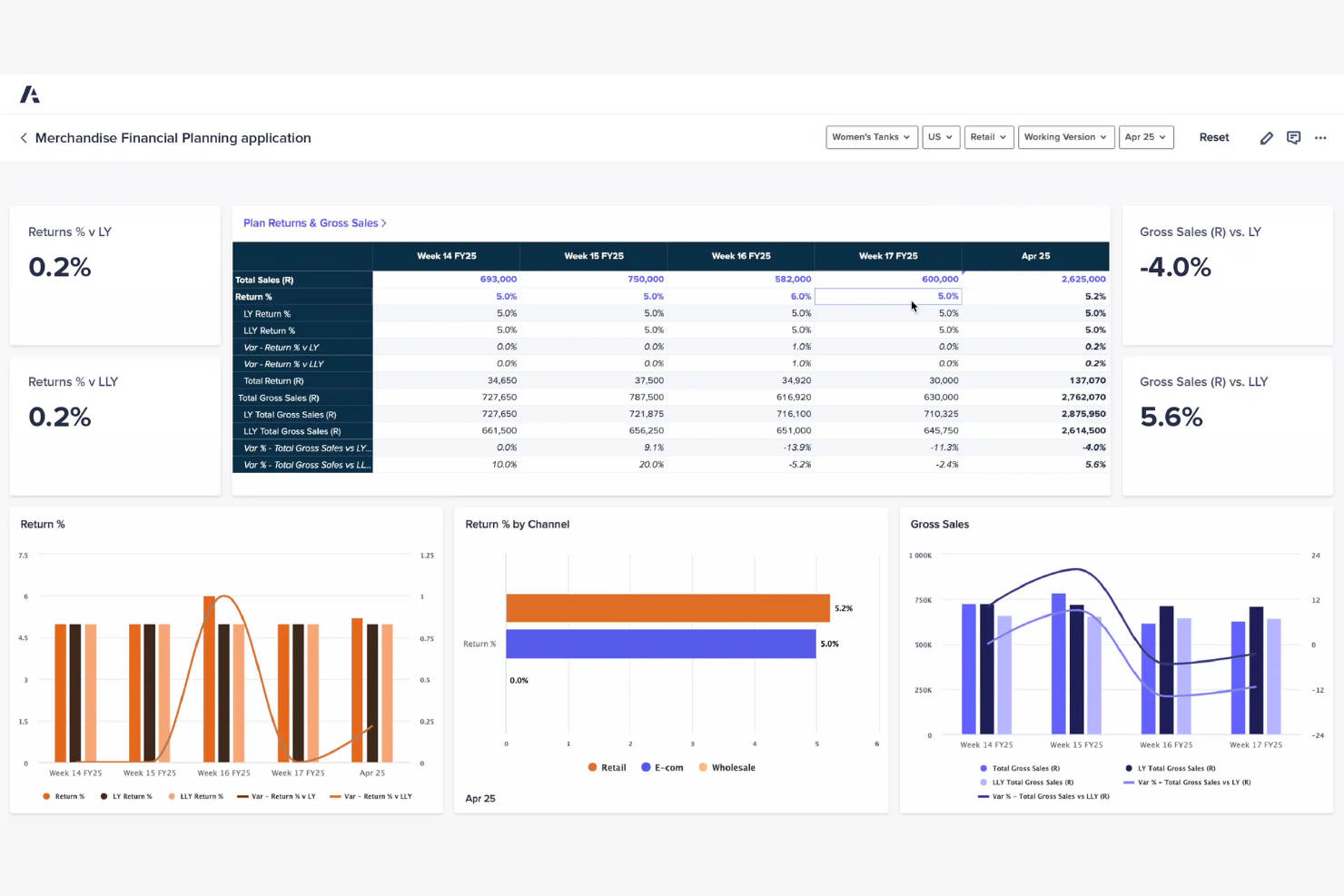
Anaplan è uno strumento di gestione delle prestazioni aziendali basato sul cloud, destinato ai team finanziari e operativi. Si concentra sulla pianificazione, sul budgeting e sulle previsioni per migliorare le decisioni aziendali strategiche.
Perché è un valido concorrente di Workday Adaptive Planning: Anaplan offre la pianificazione di scenari basata sull'intelligenza artificiale, che consente di simulare diversi risultati aziendali per orientare il processo decisionale. Le sue funzionalità di analisi predittiva e modellazione avanzata forniscono informazioni che Workday Adaptive Planning potrebbe non offrire. Inoltre, Anaplan è in grado di gestire set di dati complessi e fornire tempestivamente informazioni analitiche. Queste caratteristiche lo rendono una scelta ottimale per le aziende che necessitano di soluzioni di pianificazione avanzate.
Funzionalità e integrazioni principali:
Le funzionalità includono la pianificazione collaborativa, l'analisi predittiva e la modellazione avanzata. È possibile coinvolgere più stakeholder nel processo di pianificazione, assicurandosi che tutti i partecipanti al progetto siano allineati. La piattaforma di Anaplan consente aggiornamenti dei dati in tempo reale, così avrai sempre a portata di mano le informazioni più recenti.
Le integrazioni includono Salesforce, Workday, Microsoft Excel, Google Sheets, Oracle, Slack, Adobe e altro ancora.
Pros and Cons
Pros:
- Gestisce set di dati complessi
- Pianificazione multiutente con accesso basato sui ruoli
- Propagazione istantanea delle modifiche alla pianificazione tra i modelli
Cons:
- Requisiti di modellazione elevati per la personalizzazione avanzata
- Interfaccia utente complessa

Ideale per flussi di lavoro FP&A automatizzati
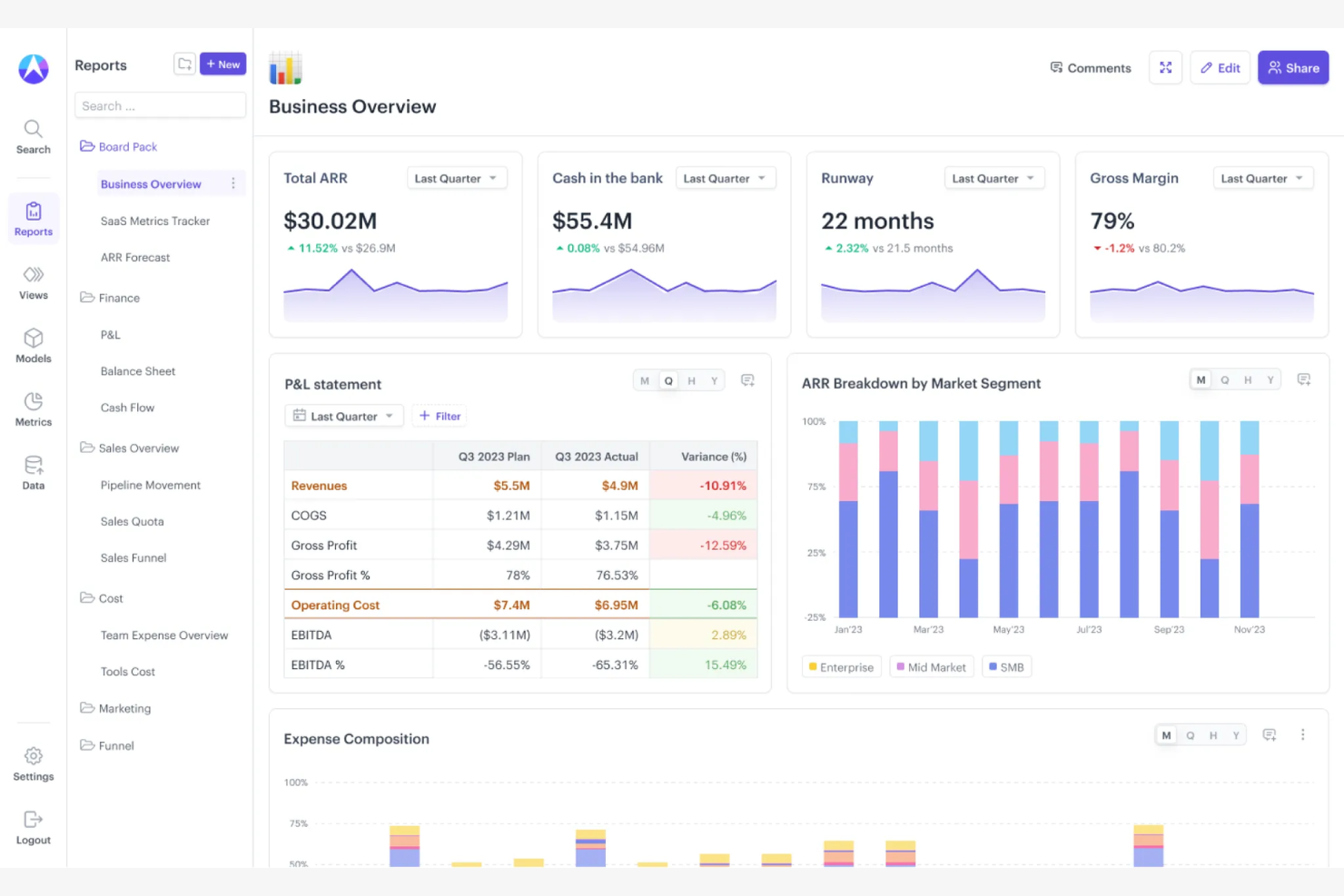
Drivetrain è una piattaforma di pianificazione e analisi finanziaria progettata per aiutare i team finanziari ad automatizzare e ottimizzare i processi di pianificazione. Si concentra su budgeting, previsioni e analisi finanziaria in tempo reale.
Perché è una valida alternativa a Workday Adaptive Planning: Drivetrain offre un'integrazione autonoma di FP&A, che automatizza molte delle attività manuali nella pianificazione finanziaria. I suoi strumenti di analisi e previsione in tempo reale garantiscono al tuo team la possibilità di prendere rapidamente decisioni informate. La capacità della piattaforma di collegare dati provenienti da diverse fonti ti aiuta a mantenere una visione approfondita della tua situazione finanziaria. L'interfaccia intuitiva di Drivetrain facilita l'adattamento del tuo team e l'utilizzo delle sue funzionalità.
Funzionalità e integrazioni principali:
Le funzionalità includono previsioni automatizzate, analisi in tempo reale e consolidamento dei dati. Puoi automatizzare le attività finanziarie ripetitive, risparmiando tempo e riducendo gli errori. Le analisi in tempo reale di Drivetrain ti aiutano a monitorare costantemente le tendenze finanziarie e a prendere decisioni proattive.
Le integrazioni includono Salesforce, QuickBooks, Xero, Sage Intacct, Oracle, SAP, Workday, Google Sheets e altro ancora.
Pros and Cons
Pros:
- Automatizza le attività di pianificazione finanziaria
- Visibilità in tempo reale su ARR, flusso di cassa e variazioni delle previsioni
- Facile consolidamento dei dati
Cons:
- Richiede formazione per un utilizzo completo
- Ancora in fase di sviluppo rispetto agli strumenti FP&A aziendali tradizionali

Board
Ideale per la collaborazione a livello aziendale
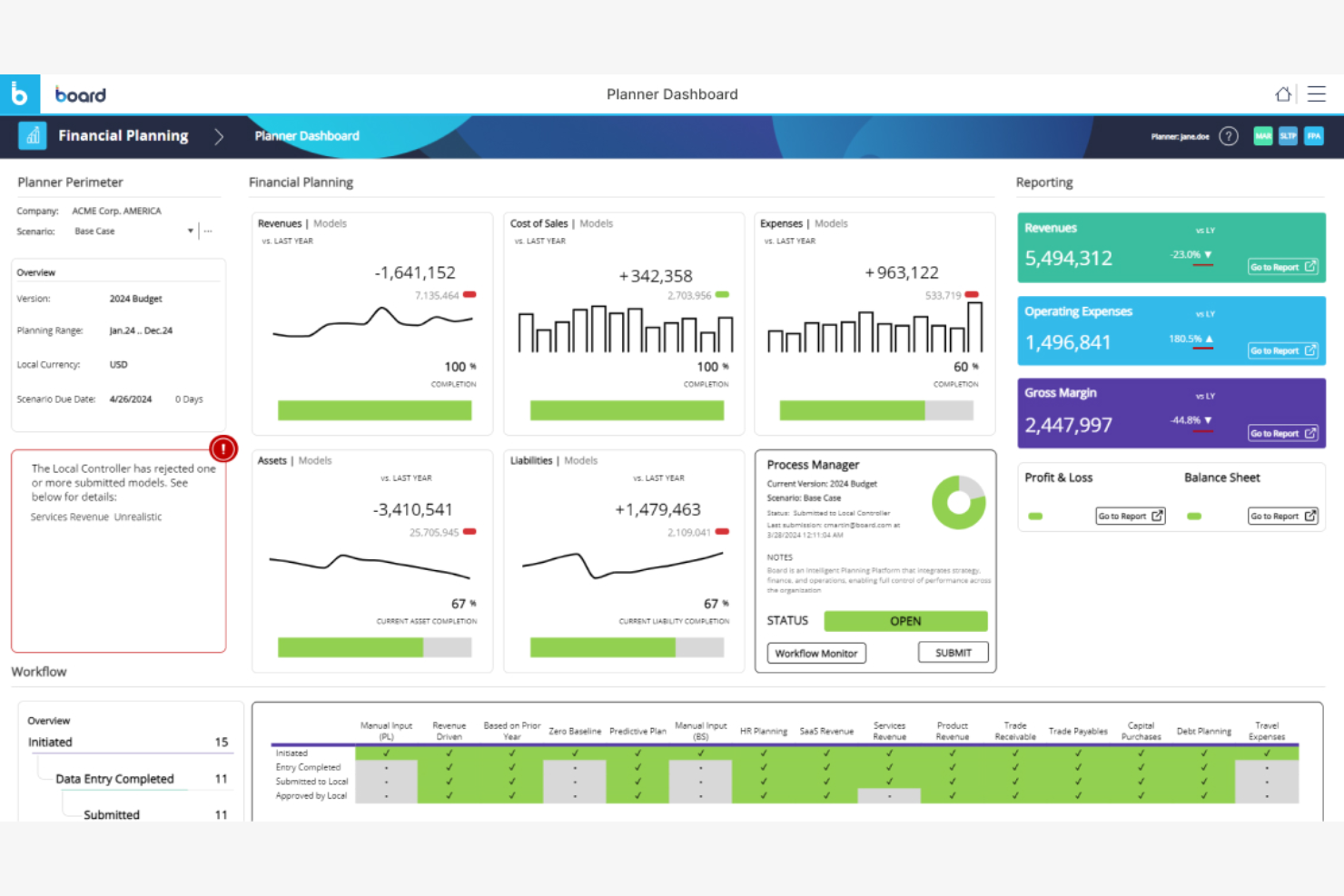
Board è una piattaforma decisionale completa che supporta i team finanziari e operativi. Riunisce la pianificazione aziendale integrata, la gestione delle performance e l'analisi predittiva.
Perché è un valido concorrente di Workday Adaptive Planning: Board eccelle nella collaborazione a livello aziendale, consentendo a più reparti di lavorare insieme su una piattaforma condivisa. La sua interfaccia intuitiva e la funzionalità di trascinamento rendono semplice creare e condividere report tra i team. I potenti strumenti di visualizzazione dei dati forniscono rapidamente informazioni utili per prendere decisioni consapevoli, mentre le connessioni dati flessibili offrono una visione più ampia della tua attività.
Caratteristiche distintive e integrazioni:
Le funzionalità includono dashboard interattive, creazione di report tramite trascinamento e analisi predittiva che possono aiutarti ad anticipare le tendenze e prendere decisioni proattive. Le dashboard personalizzabili di questo strumento rendono questo prodotto adatto a un'ampia gamma di team.
Le integrazioni includono Microsoft Office, SAP, Google Analytics, Tableau, Power BI e altro.
Pros and Cons
Pros:
- Dashboard personalizzabili e interfaccia intuitiva con funzionalità di trascinamento
- Supporta la collaborazione a livello aziendale
- Potenti strumenti di visualizzazione dei dati
Cons:
- Potrebbe essere necessario il supporto IT per l'integrazione
- È necessaria una formazione per sfruttare appieno le funzionalità di modellazione

Jedox
Ideale per analisi adattabili basate sull'intelligenza artificiale
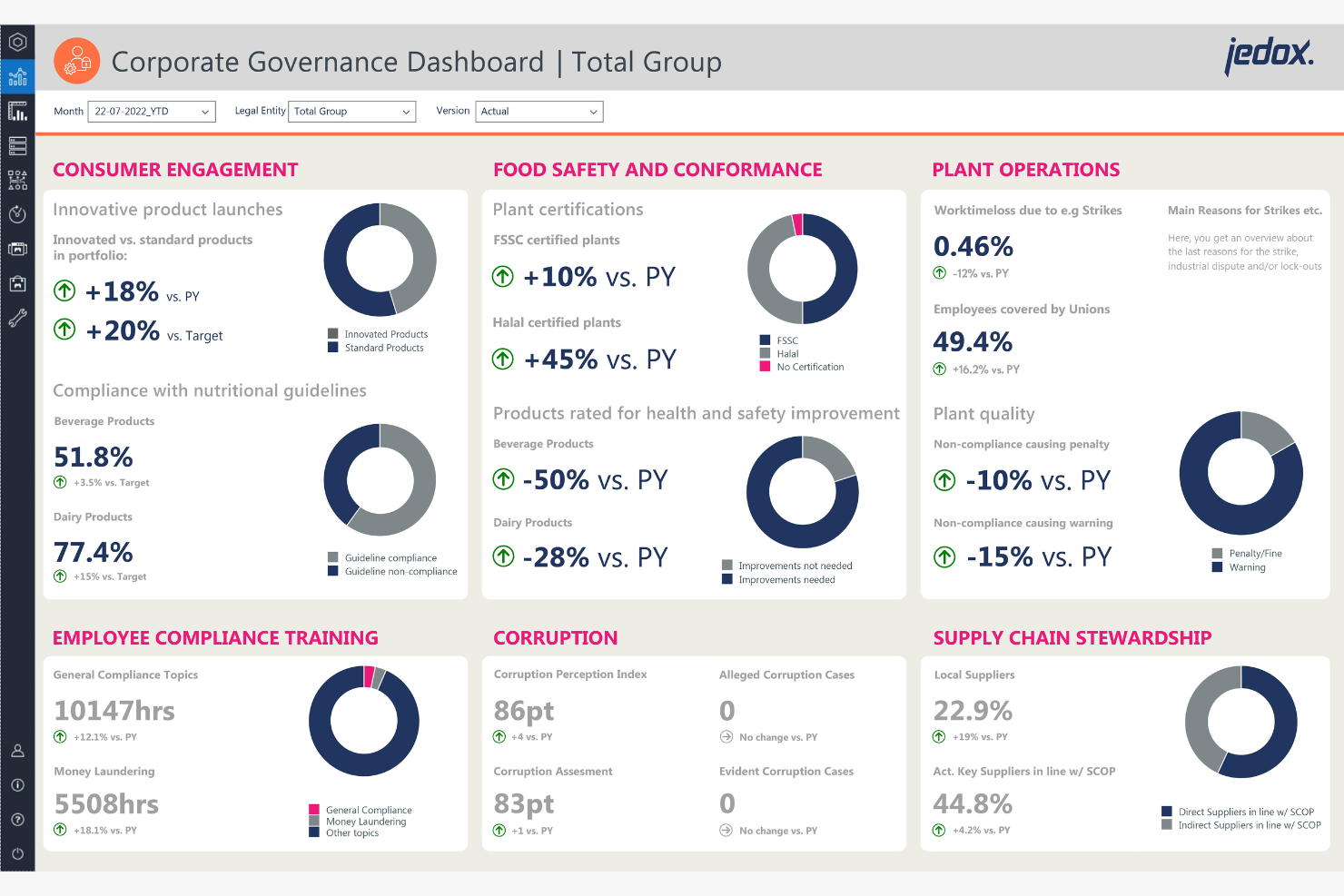
Jedox è una piattaforma di gestione delle prestazioni destinata ai professionisti della finanza, incentrata su budgeting, pianificazione e previsione. Fornisce strumenti per consolidare i processi finanziari e migliorare il processo decisionale.
Perché è una valida alternativa a Workday Adaptive Planning: Jedox offre analisi adattabili basate sull'intelligenza artificiale, rendendola adatta alle aziende alla ricerca di insight avanzati sui dati. La sua funzionalità di previsione predittiva utilizza l'intelligenza artificiale per consentire al tuo team di anticipare le tendenze e adeguare di conseguenza le proprie strategie. La flessibilità della piattaforma consente di personalizzare le soluzioni in base alle esigenze della tua azienda. Jedox combina un'interfaccia intuitiva con dashboard personalizzabili per offrire ai team una visione chiara dei dati finanziari e un'esperienza utente più fluida.
Funzionalità e integrazioni principali:
Le funzionalità includono dashboard personalizzabili, flussi di lavoro automatizzati e reportistica avanzata. Puoi configurare flussi di lavoro automatizzati per ridurre il lavoro manuale e aumentare l'efficienza. Gli strumenti avanzati di reportistica di Jedox possono migliorare l'analisi dei dati del tuo team.
Le integrazioni includono Microsoft Excel, SAP, Salesforce, Tableau, Power BI, Google Analytics, Oracle e altro.
Pros and Cons
Pros:
- Analisi adattabili basate sull'intelligenza artificiale
- Offre previsioni predittive
- Flussi di lavoro flessibili per la modellazione e la previsione
Cons:
- Piuttosto impegnativo per i nuovi utenti
- Opzioni di visualizzazione di base

Planful
Ideale per ottenere informazioni finanziarie basate sull'intelligenza artificiale
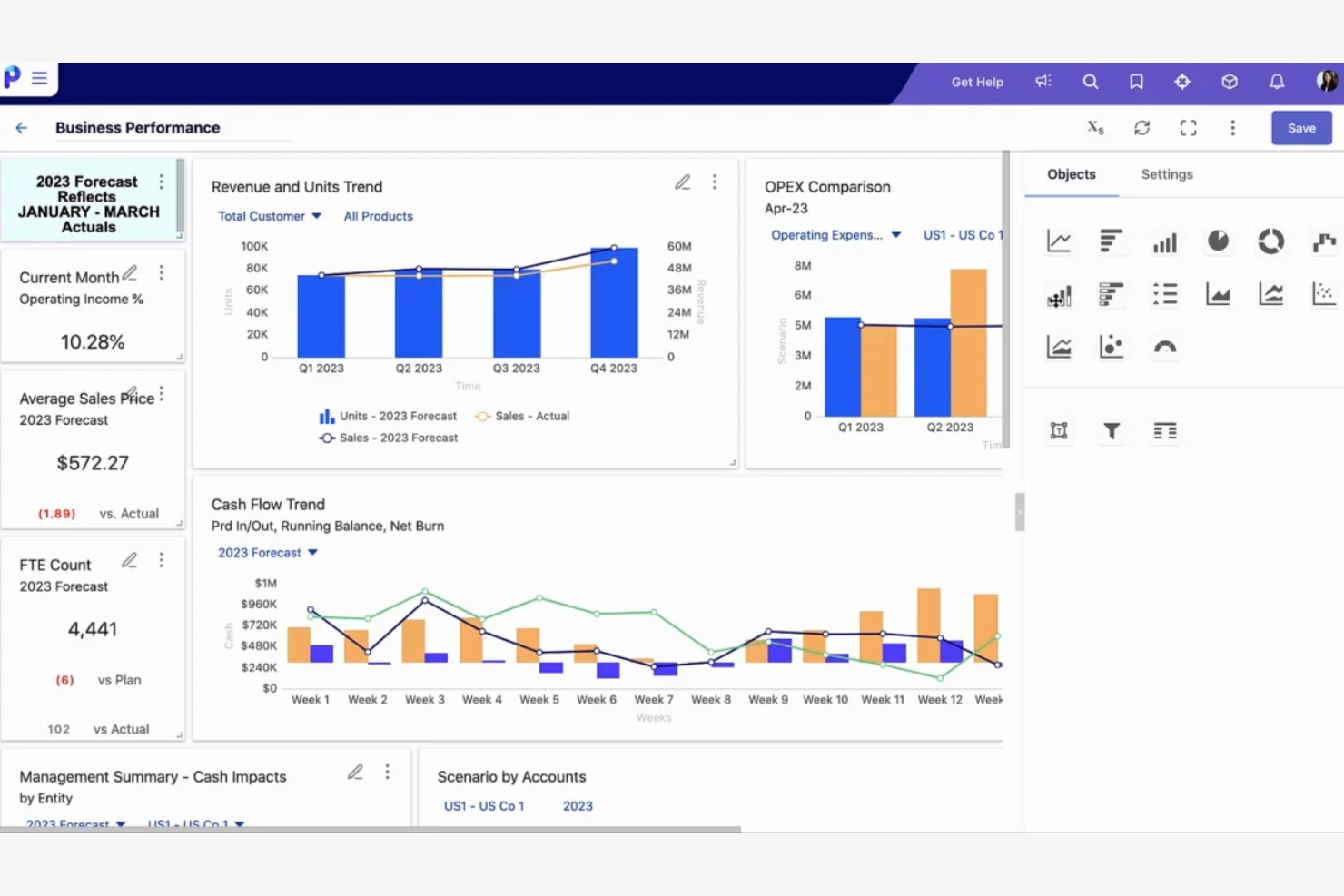
Planful è una piattaforma di pianificazione e analisi finanziaria rivolta ai team finanziari. Le sue funzionalità di definizione del budget, previsione e reportistica supportano decisioni basate sui dati.
Perché è una valida alternativa a Workday Adaptive Planning: Planful offre informazioni finanziarie basate sull'intelligenza artificiale, consentendo al tuo team di sfruttare l'analisi basata sui dati per una pianificazione più efficace. La sua interfaccia intuitiva semplifica il processo di definizione del budget e ti aiuta a elaborare previsioni con maggiore precisione. Gli strumenti di reportistica della piattaforma offrono informazioni preziose per orientare la tua strategia. L'attenzione di Planful all'automazione riduce le attività manuali, permettendo al tuo team di concentrarsi su attività ad alto impatto.
Funzionalità e integrazioni principali:
Le funzionalità includono reportistica automatizzata, cruscotti personalizzabili e analisi predittiva. Puoi automatizzare le attività ripetitive, liberando tempo per la pianificazione strategica. L'analisi predittiva di Planful offre informazioni che aiutano ad anticipare le tendenze e a prendere decisioni proattive.
Le integrazioni includono NetSuite, Salesforce, Microsoft Dynamics 365, SAP, Oracle, QuickBooks, Xero, Workday, Google Sheets, Slack e altro ancora.
Pros and Cons
Pros:
- Analisi automatizzata degli scostamenti
- Strumenti semplificati per la definizione del budget
- Modelli di previsione configurabili
Cons:
- L'impegno richiesto per la configurazione aumenta con la complessità della pianificazione
- Più adatto a team finanziari di medie e grandi dimensioni

Kyriba
Ideale per la gestione della liquidità e della tesoreria
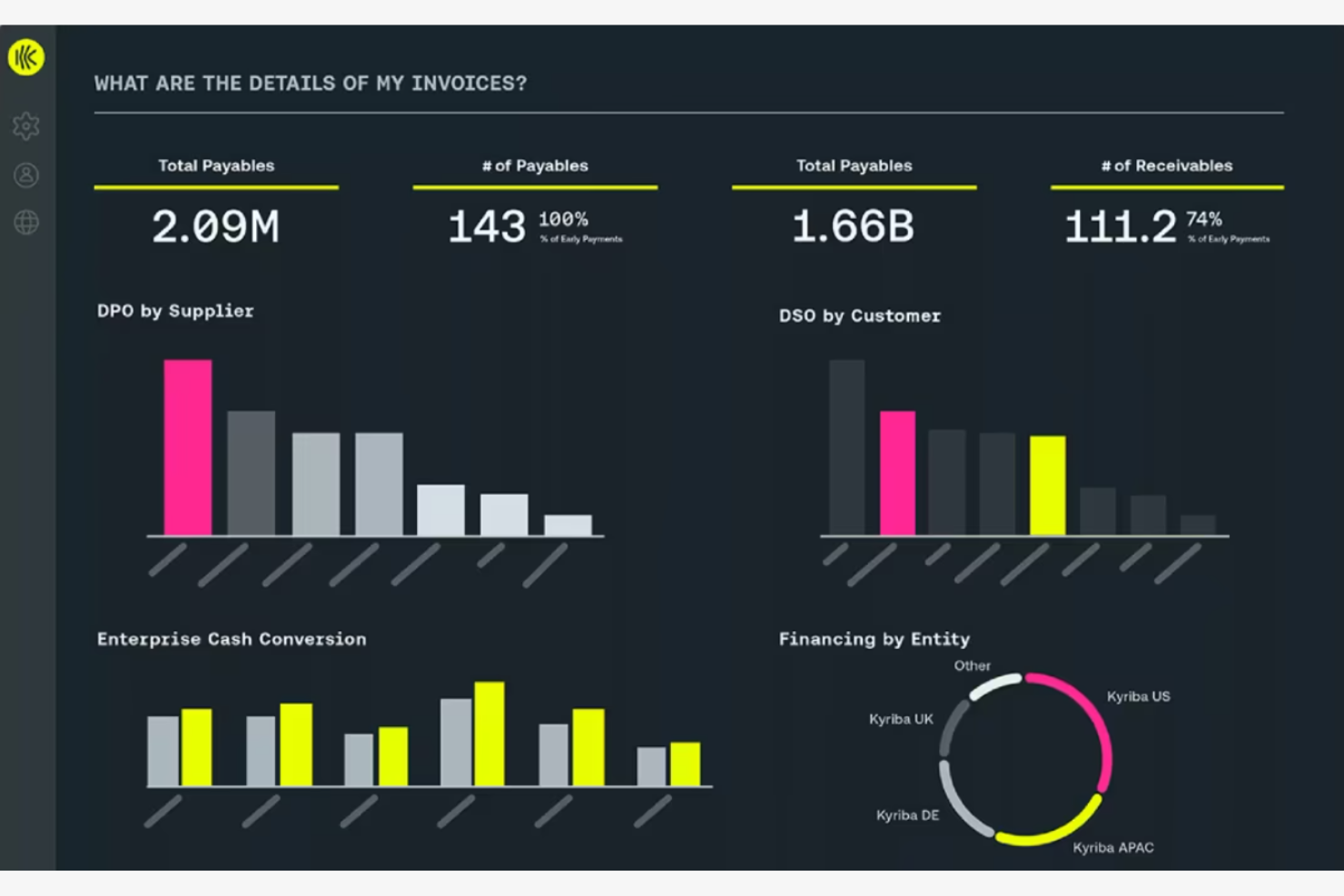
Kyriba è una piattaforma cloud per la gestione della tesoreria e delle finanze, progettata per i team finanziari. Si concentra sulla gestione della liquidità, sulla gestione dei rischi e sulle soluzioni di pagamento per supportare le operazioni fiscali.
Perché è una valida alternativa a Workday Adaptive Planning: Kyriba eccelle nella gestione della liquidità e della tesoreria, offrendo strumenti che migliorano la visibilità sulla liquidità e le previsioni. Le sue funzionalità di gestione della liquidità in tempo reale aiutano il team a prendere rapidamente decisioni informate. Le funzionalità di gestione dei rischi di Kyriba proteggono l'azienda dalle minacce finanziarie e garantiscono la conformità normativa. Le soluzioni di pagamento della piattaforma offrono processi intuitivi e funzionalità di sicurezza efficaci, rendendola una scelta ottimale per le organizzazioni con esigenze finanziarie complesse.
Funzionalità e integrazioni principali:
Le funzionalità includono la previsione della liquidità, la gestione dei rischi e l'automazione dei pagamenti. La chiara visibilità sulla liquidità offerta da questo strumento lo rende particolarmente adatto ad aiutare il team a prendere decisioni finanziarie. L'automazione dei pagamenti di Kyriba riduce gli errori manuali e aumenta l'efficienza nelle operazioni finanziarie.
Le integrazioni includono Microsoft Dynamics 365, NetSuite, QuickBooks, Salesforce, Sage Intacct, Google Workspace e altro ancora.
Pros and Cons
Pros:
- Strumenti avanzati per la gestione della liquidità
- Gestione della liquidità in tempo reale
- Ampie funzionalità di gestione dei rischi
Cons:
- I costi e la configurazione potrebbero superare le esigenze dei team di piccole dimensioni
- Potrebbe essere necessario il supporto IT per la personalizzazione

Cube
Ideale per la pianificazione finanziaria senza codice
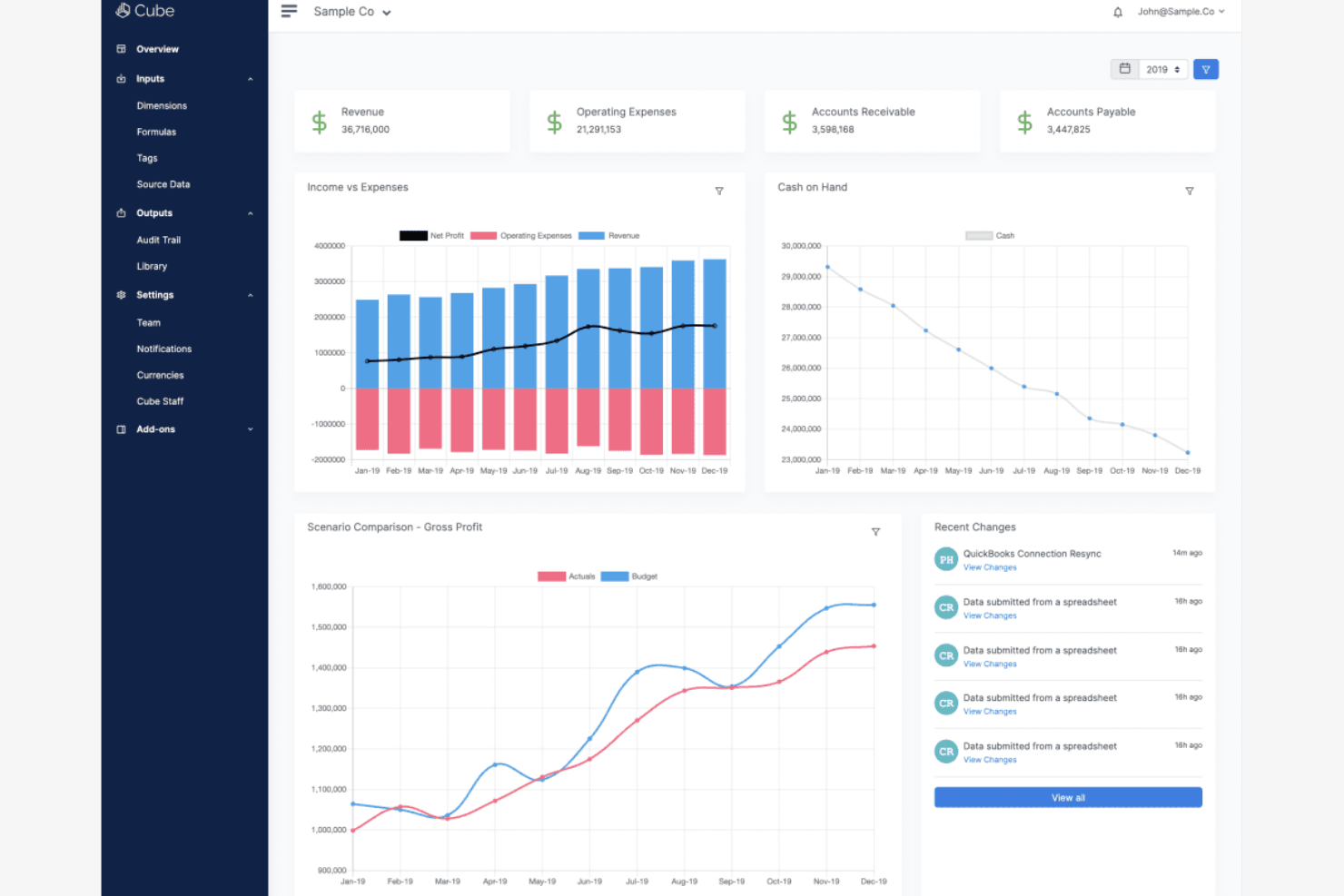
Cube è una piattaforma di pianificazione e analisi finanziaria progettata per i team finanziari. Aiuta nella definizione del budget, nelle previsioni e nella reportistica senza richiedere una conoscenza approfondita della programmazione.
Perché è una valida alternativa a Workday Adaptive Planning: Cube offre una soluzione di pianificazione finanziaria senza codice che semplifica le attività finanziarie complesse. La sua interfaccia intuitiva consente al tuo team di creare modelli e report senza competenze tecniche. Gli aggiornamenti dei dati in tempo reale garantiscono che tu disponga sempre delle informazioni finanziarie più recenti. La flessibilità di Cube lo rende adatto alle esigenze di diverse aziende, il che lo rende un'ottima scelta per chi desidera gestire i propri processi finanziari in modo più efficiente.
Caratteristiche principali e integrazioni:
Le caratteristiche includono la reportistica automatizzata, dashboard personalizzabili e aggiornamenti dei dati in tempo reale. Cube può automatizzare le attività ripetitive, lasciandoti più tempo per la pianificazione strategica. Le dashboard personalizzabili di questo strumento ti consentono di adattare la piattaforma alle tue esigenze specifiche.
Le integrazioni includono QuickBooks, Xero, Sage Intacct, Microsoft Dynamics 365, Salesforce, Google Sheets e altro.
Pros and Cons
Pros:
- Non è richiesta alcuna programmazione
- Sincronizzazione continua dei dati tra gli strumenti collegati
- Sostituisce i flussi di lavoro di pianificazione basati su più fogli
Cons:
- Analisi avanzate limitate
- Non è adatto alle aziende molto grandi

Ideale per eliminare la dipendenza dai fogli di calcolo
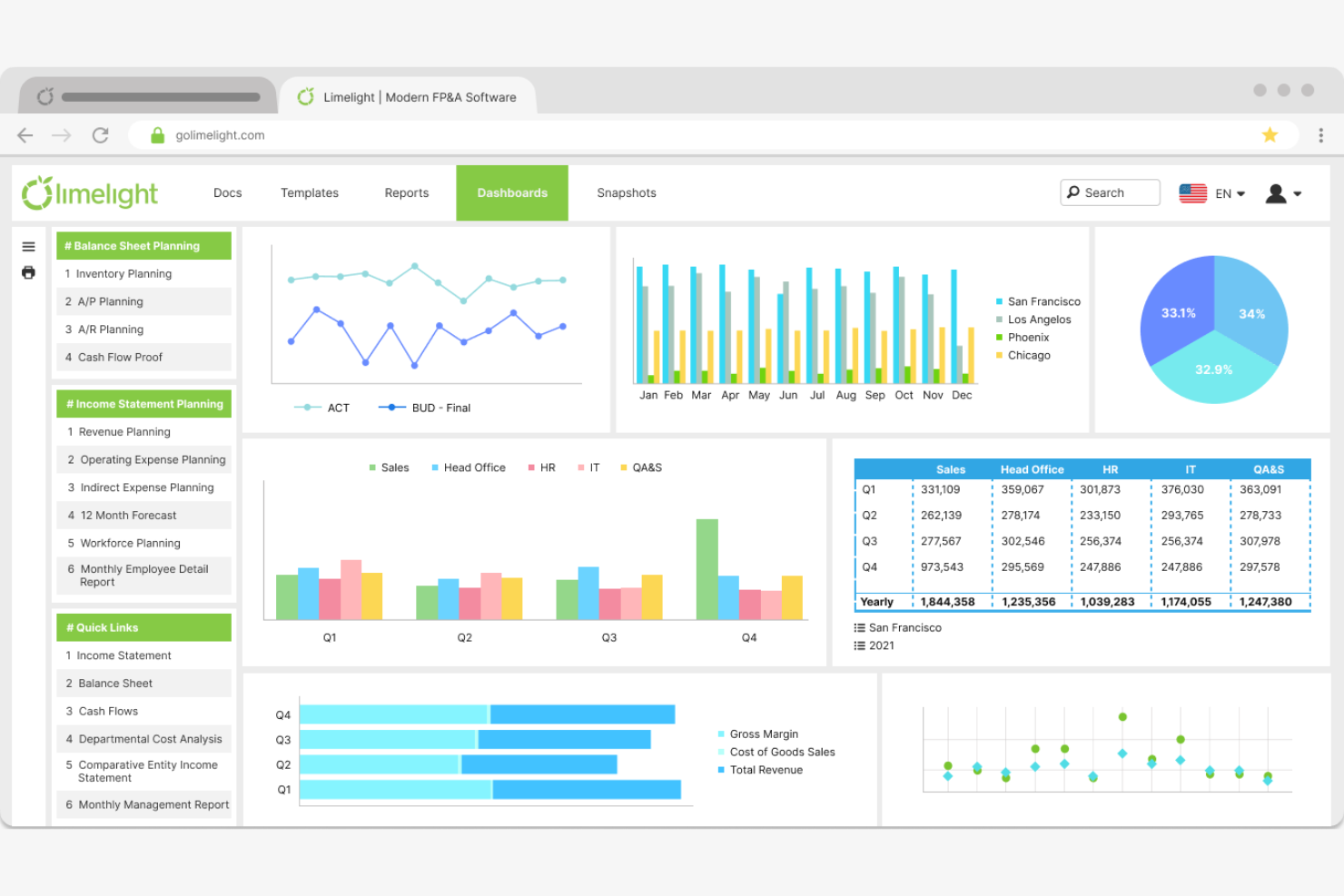
Limelight è una piattaforma di pianificazione e analisi finanziaria progettata per i team finanziari. Aiuta ad automatizzare la definizione del budget, le previsioni e la reportistica, riducendo la necessità di utilizzare fogli di calcolo.
Perché è una valida alternativa a Workday Adaptive Planning: Limelight elimina la dipendenza dai fogli di calcolo offrendo processi finanziari automatizzati. I suoi aggiornamenti dei dati in tempo reale consentono al team di prendere decisioni informate senza aggiornamenti manuali dei fogli di calcolo. L'interfaccia intuitiva della piattaforma permette una facile collaborazione tra i reparti, garantendo che tutti siano sulla stessa lunghezza d'onda. L'attenzione di Limelight all'automazione contribuisce a semplificare le operazioni finanziarie.
Funzionalità e integrazioni principali:
Le funzionalità includono l'automazione dei flussi di lavoro e gli aggiornamenti dei dati in tempo reale. Questo prodotto offre opzioni per automatizzare le attività ripetitive, aiutandoti a risparmiare tempo e ridurre gli errori. Inoltre, la reportistica dinamica di Limelight fornisce informazioni utili per prendere decisioni informate.
Le integrazioni includono NetSuite, QuickBooks, Xero, Microsoft Dynamics, SAP, Oracle, Salesforce, Google Sheets, Workday, Sage Intacct e altro ancora.
Pros and Cons
Pros:
- Elimina la dipendenza dai fogli di calcolo
- Aggiornamento automatico dei modelli dai sistemi di origine
- Supporta la collaborazione tra reparti
Cons:
- La configurazione iniziale può richiedere molto tempo
- Curva di apprendimento leggermente ripida per gli utenti non finanziari

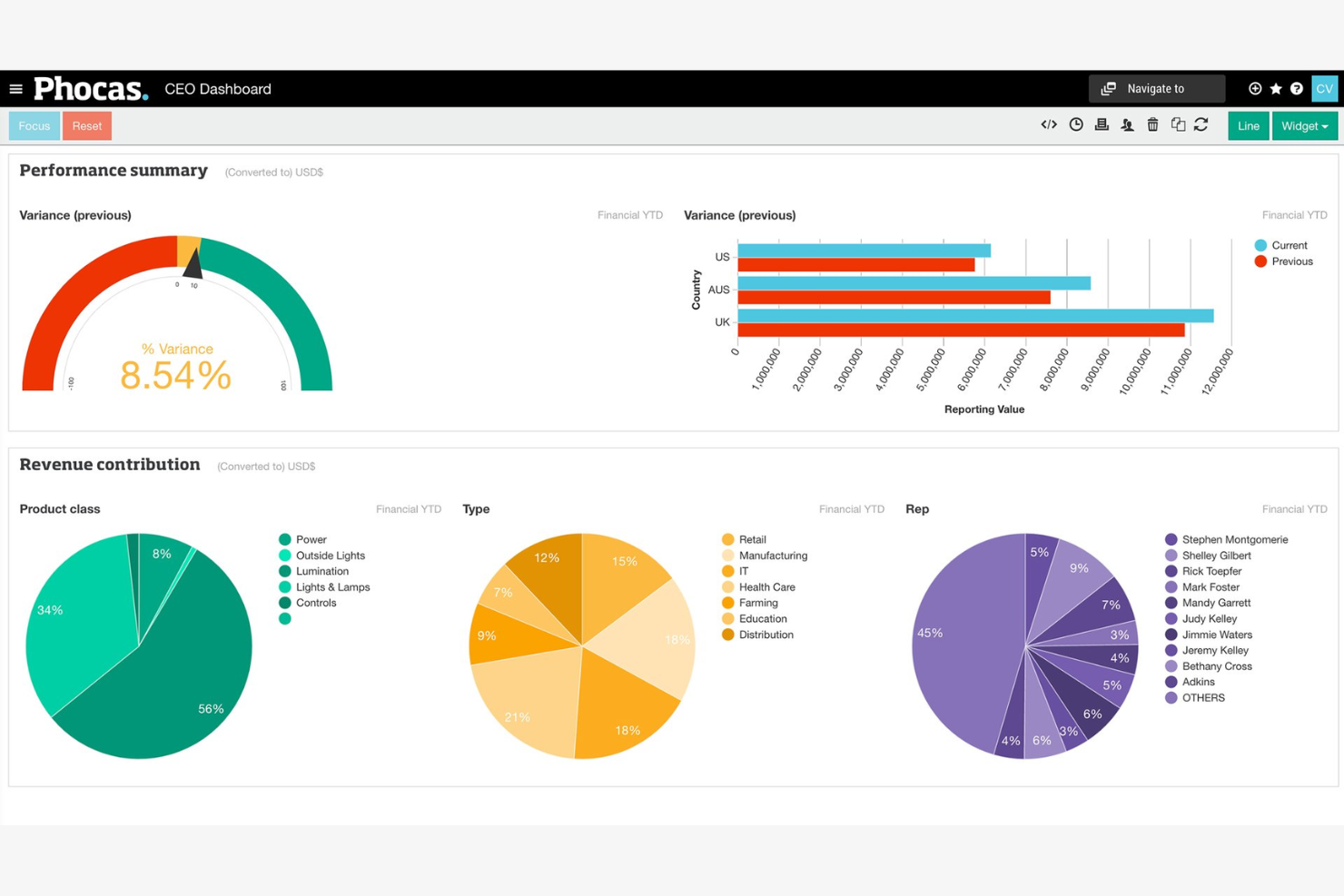
Phocas è una piattaforma di intelligence aziendale e analisi dei dati pensata per grossisti e produttori. Aiuta queste aziende ad analizzare i dati relativi a vendite, inventario e finanze per migliorare il processo decisionale.
Perché è una valida alternativa a Workday Adaptive Planning: Phocas è pensata per i settori della distribuzione all'ingrosso e della produzione e offre informazioni specifiche sulla gestione delle vendite e dell'inventario. I suoi pannelli di controllo intuitivi consentono al team di visualizzare i dati e individuare le tendenze. Gli strumenti di reportistica della piattaforma aiutano ad analizzare i dati in profondità. La capacità di Phocas di gestire grandi insiemi di dati la rende una scelta eccellente per le aziende con esigenze di dati complesse.
Funzionalità e integrazioni principali:
Le funzionalità includono pannelli di controllo personalizzabili, report dettagliati e visualizzazione dei dati. È possibile creare pannelli di controllo che rispondano alle esigenze specifiche del team. Gli strumenti di reportistica dettagliata di Phocas consentono di analizzare i dati in modo approfondito durante la definizione della strategia aziendale.
Le integrazioni includono SAP, Microsoft Dynamics, NetSuite, diversi ERP Sage, Infor, Epicor, MYOB, Pronto ERP, SYSPRO ERP, QuickBooks e altro ancora.
Pros and Cons
Pros:
- Pensato per settori specifici
- Gestisce grandi insiemi di dati
- Strumenti di reportistica dettagliata
Cons:
- Le funzionalità avanzate di reportistica richiedono un inserimento iniziale
- Richiede formazione continua degli utenti


Pigment è una piattaforma di pianificazione e previsione aziendale pensata per i team finanziari e operativi. Fornisce strumenti per la definizione del budget, l'analisi degli scenari e la visualizzazione dei dati, contribuendo al processo decisionale strategico.
Perché è una valida alternativa a Workday Adaptive Planning: Pigment offre una pianificazione integrata basata sull'IA, consentendo al tuo team di sfruttare analisi avanzate per prendere decisioni migliori. I suoi strumenti di analisi degli scenari aiutano a esplorare diversi risultati aziendali e ad adeguare le strategie di conseguenza. L'interfaccia intuitiva di Pigment semplifica i processi di pianificazione e offre opzioni per la collaborazione. L'attenzione della piattaforma di pianificazione alla visualizzazione dei dati è pensata per facilitarne l'uso e presentare chiaramente gli approfondimenti.
Funzionalità e integrazioni distintive:
Le funzionalità includono la modellazione degli scenari, la collaborazione in tempo reale e i cruscotti interattivi. Puoi coinvolgere il tuo team nella pianificazione collaborativa e adattarti rapidamente ai cambiamenti. I cruscotti interattivi di Pigment semplificano la visualizzazione dei dati e la condivisione degli approfondimenti.
Le integrazioni includono Salesforce, NetSuite, Google Sheets, Microsoft Excel, QuickBooks, Xero, Workday, Oracle, SAP, Slack e altro.
Pros and Cons
Pros:
- Pianificazione integrata basata sull'IA
- Supporta l'analisi degli scenari
- Potenti strumenti di visualizzazione dei dati
Cons:
- Curva di apprendimento per i modelli complessi
- Meno estensioni di terze parti rispetto alle piattaforme legacy
Altri concorrenti di Workday Adaptive Planning
Ecco alcuni altri concorrenti di Workday Adaptive Planning che non sono entrati nel mio elenco, ma che vale comunque la pena prendere in considerazione:
- Prophix One
Ideale per processi finanziari basati sull'IA
- IBM Planning Analytics
Ideale per la pianificazione potenziata dall'IA
- Microsoft Power BI
Ideale per la visualizzazione dei dati insieme agli strumenti di pianificazione


Come valuto i concorrenti di Workday Adaptive Planning
Valuto questi strumenti su due livelli: le funzionalità fondamentali che uno strumento deve avere, come la modellazione dell'organico e la pianificazione del budget per i compensi, e gli elementi distintivi che differenziano una piattaforma dall'altra.
Funzionalità fondamentali (requisiti imprescindibili per questo elenco)
Quando seleziono gli strumenti per il mio elenco, assegno a ciascuno un punteggio su una scala da 0 (non offre la funzionalità) a 5 (eccelle in quest'area) per ogni funzionalità fondamentale elencata di seguito. Quindi, converto il punteggio totale dello strumento in una percentuale. Ogni strumento deve raggiungere un punteggio totale minimo del 65% per essere preso in considerazione.
- Pianificazione dell'organico: cerco previsioni dell'organico a livello di posizione con supporto a scenari per più dipartimenti, come la modellazione della crescita delle assunzioni di un nuovo team di prodotto nell'arco di quattro trimestri.
- Modellazione finanziaria: ogni strumento dovrebbe offrire una modellazione basata sui driver e su più scenari, che colleghi i piani relativi alle persone ai prospetti di conto economico e flussi di cassa, oltre i modelli statici.
- Pianificazione di compensi e premi: valuto il livello di granularità con cui ogni piattaforma gestisce la pianificazione di stipendi, bonus e cicli di aumenti meritocratici, fino al livello del singolo dipendente e non solo dei centri di costo.
- Integrazioni con HRIS e sistemi paghe: in questo ambito sono importanti i connettori preconfigurati per piattaforme come BambooHR, ADP, SAP SuccessFactors e UKG, insieme alle funzionalità di sincronizzazione con ERP e contabilità generale.
- Budgeting e previsioni: le previsioni a scorrimento con analisi degli scostamenti e flussi di lavoro collaborativi hanno la precedenza sugli strumenti che supportano un solo ciclo annuale di budget.
- Report e dashboard: verifico la presenza di dashboard configurabili e in tempo reale, con possibilità di analisi dettagliata dei costi del lavoro e degli indicatori chiave relativi alle persone, invece di semplici esportazioni di report statici e preconfigurati.
Una volta ottenuto un elenco di strumenti che soddisfano questi criteri, considero ciò che distingue ciascuna piattaforma.
Fattori distintivi (ciò che differenzia i fornitori)
Ecco come confronto i diversi fornitori:
Funzionalità di spicco
Le previsioni basate sull'intelligenza artificiale sono un importante elemento distintivo: gli strumenti che utilizzano i dati storici sul turnover e sulle assunzioni per prevedere il futuro tasso di abbandono fanno risparmiare ai team HR settimane di analisi manuale. Cerco anche un ambiente isolato dedicato alla pianificazione degli scenari, in cui sia possibile modellare una ristrutturazione o un RIF senza intervenire sui dati in tempo reale. Sono importanti anche i dati di benchmarking integrati, poiché i benchmark incorporati sui compensi e sui rapporti relativi all'organico riducono il numero di esportazioni di fogli di calcolo da indagini di terze parti.
Oltre le funzionalità
I tempi di implementazione variano notevolmente in questo settore, quindi verifico se un fornitore offre modelli preconfigurati per la pianificazione HR che accelerano l'avvio del sistema, invece di richiedere mesi di creazione personalizzata dei modelli. Anche il costo totale di proprietà riceve particolare attenzione: alcune piattaforme sembrano convenienti inizialmente, ma richiedono consulenti per ogni modifica ai modelli. La sicurezza è importante quando si gestiscono dati sensibili sui compensi, quindi valuto la conformità SOC 2 Type II e i controlli di accesso basati sui ruoli che limitano la visibilità degli stipendi in base al ruolo.
Perché cercare concorrenti di Workday Adaptive Planning?
Sebbene Workday Adaptive Planning sia una buona scelta per la gestione delle prestazioni aziendali, ci sono diversi motivi per cui alcuni utenti cercano altre piattaforme di pianificazione per le loro aziende. Potresti essere alla ricerca di un'alternativa perché…
- Hai bisogno di più opzioni di personalizzazione.
- Il tuo team richiede interfacce utente più semplici.
- Stai cercando migliori capacità di integrazione.
- Hai bisogno di piani tariffari più convenienti.
- La tua azienda richiede una maggiore scalabilità.
- Hai bisogno di strumenti di visualizzazione dei dati più avanzati.
Se ti riconosci in una di queste situazioni, sei nel posto giusto. Il mio elenco contiene diverse opzioni di gestione delle performance aziendali più adatte ai team che stanno cercando un nuovo prodotto per la gestione delle performance in risposta a queste sfide.
Funzionalità principali di Workday Adaptive Planning
Ecco alcune delle funzionalità principali di Workday Adaptive Planning, per aiutarti a confrontare ciò che offrono le soluzioni alternative:
- Pianificazione finanziaria: migliora la gestione finanziaria e la reportistica, aiutando il tuo team a gestire efficacemente i budget.
- Pianificazione della forza lavoro: supporta la gestione della forza lavoro e l'allocazione delle risorse per favorire l'efficienza.
- Pianificazione operativa: supporta l'efficienza operativa e la pianificazione strategica, aiutandoti ad allineare le operazioni agli obiettivi.
- Pianificazione degli scenari: consente di esplorare diversi risultati aziendali, agevolando il processo decisionale strategico.
- Chiusura e consolidamento: facilita i processi di chiusura finanziaria e il consolidamento dei dati.
- Insight basati sull'intelligenza artificiale: fornisce analisi dei dati in tempo reale per supportare il processo decisionale del tuo team.
Quali sono i prossimi passi:
Se stai svolgendo una ricerca sulla gestione delle performance aziendali, contatta gratuitamente un consulente di SoftwareSelect per ricevere consigli.
Compili un modulo e svolgi una breve conversazione durante la quale verranno analizzate nel dettaglio le tue esigenze. In seguito riceverai una selezione ristretta di software da esaminare. Ti supporteranno inoltre durante l'intero processo di acquisto, comprese le trattative sul prezzo.