

I 10 migliori software di intelligenza artificiale per il benessere dei dipendenti nel 2026

Selezione di software AI per il benessere dei dipendenti


I software AI per il benessere dei dipendenti utilizzano l'intelligenza artificiale per personalizzare, automatizzare e migliorare i programmi di salute e benessere sul posto di lavoro. Se stai cercando modi per sostenere la salute mentale, fisica ed emotiva del tuo team, risparmiando tempo nella gestione manuale dei programmi, questi strumenti possono aiutarti a offrire esperienze di benessere mirate e basate sui dati su larga scala.
In questo elenco troverai piattaforme AI affidabili per il benessere dei dipendenti, che affrontano il coinvolgimento, la salute mentale, il monitoraggio dell'attività e altro ancora, così potrai scegliere la soluzione più adatta alle esigenze specifiche della tua organizzazione.
Perché fidarsi delle nostre recensioni sui software
Il nostro team testa e recensisce software dal 2012. In quanto esperti HR noi stessi, sappiamo quanto sia difficile — e importante — scegliere il software giusto.
Per questa guida, abbiamo valutato gli strumenti attraverso test pratici e ricerche indipendenti, assegnando un punteggio agli strumenti in base ai nostri criteri di selezione. Ci basiamo inoltre sulle competenze di leader di pensiero del settore e di professionisti HR attivi.
Le nostre recensioni riflettono il nostro giudizio editoriale umano, non un discorso di vendita.
Revisori esperti:
Tabella comparativa dei software AI per il benessere dei dipendenti
Questa tabella comparativa riassume i dettagli sui prezzi delle mie principali selezioni di software AI per il benessere dei dipendenti:
| Tool | Best For | Trial Info | Price | ||
|---|---|---|---|---|---|
| 1 | Ideale per competizioni di benessere basate sulle squadre | Demo gratuita disponibile | Da $800/mese per 25 utenti | Website | |
| 2 | Ideale per la gestione di programmi di benessere globale | Demo gratuita disponibile | Prezzo su richiesta | Website | |
| 3 | Ideale per contenuti di mindfulness supportati dalla scienza | Demo gratuita disponibile | Prezzo su richiesta | Website | |
| 4 | Ideale per l'accesso a cure di salute mentale cliniche | Demo gratuita disponibile | Prezzo su richiesta | Website | |
| 5 | Ideale per le analisi di coinvolgimento in tempo reale | Prova gratuita disponibile | Prezzo su richiesta | Website | |
| 6 | Ideale per valutazioni della salute personalizzate | Demo gratuita disponibile | Prezzo su richiesta | Website | |
| 7 | Ideale per il supporto conversazionale della salute mentale | Demo gratuita disponibile | Prezzo su richiesta | Website | |
| 8 | Ideale per la varietà di sessioni di respirazione guidata | Piano gratuito disponibile | Prezzo su richiesta | Website | |
| 9 | Ideale per raccomandazioni di benessere guidate dall'IA | Demo gratuita disponibile | Prezzi su richiesta | Website | |
| 10 | Ideale per risorse di meditazione multilingue | Demo gratuita disponibile | Da $3.5/utente/mese | Website |
Recensioni dei software AI per il benessere dei dipendenti
Di seguito sono riportati i miei riepiloghi dettagliati dei migliori software AI per il benessere dei dipendenti inclusi nella mia selezione. Le mie recensioni offrono uno sguardo approfondito alle funzionalità, ai casi d’uso migliori e alle integrazioni di ogni piattaforma, per aiutarti a trovare quella più adatta alle tue esigenze.

YuMuuv
Ideale per competizioni di benessere basate sulle squadre

YuMuuv offre una piattaforma digitale per il benessere pensata per le organizzazioni che vogliono aumentare il coinvolgimento dei dipendenti tramite sfide basate sull’attività fisica. È particolarmente adatta ai team delle risorse umane e ai leader aziendali che desiderano promuovere una sana competizione e la connessione sociale in ufficio. La piattaforma aiuta ad affrontare problemi di bassa partecipazione e scarsa motivazione nei programmi di benessere aziendale.
Per chi è più indicato YuMuuv?
YuMuuv è ideale per i team HR che vogliono ridurre l’assenteismo attraverso sfide di benessere collaborative e basate sul lavoro di squadra.
Perché ho scelto YuMuuv
Ciò che mi colpisce di YuMuuv è che è stato sviluppato appositamente per competizioni di benessere tra squadre, rendendo facile organizzare sfide di gruppo che incentivano la partecipazione. La piattaforma permette di impostare obiettivi di squadra personalizzati, monitorare i progressi collettivi e mostrare classifiche in tempo reale per mantenere alta la motivazione. Mi piace anche che YuMuuv supporti una varietà di tipi di sfide, dal conteggio dei passi alle attività di mindfulness, affinché le squadre possano competere secondo i loro interessi. Questo approccio orientato al coinvolgimento di gruppo aiuta le organizzazioni a creare una cultura del benessere più sociale e solidale.
Funzionalità principali di YuMuuv
Altre funzionalità che rendono YuMuuv un'opzione versatile per i programmi di benessere aziendale includono:
- Monitoraggio automatico dell’attività: Si sincronizza con dispositivi e app per il fitness popolari per registrare automaticamente i dati relativi all’attività dei partecipanti.
- Strumenti di comunicazione personalizzabili: Permette di inviare annunci, promemoria e messaggi motivazionali direttamente attraverso la piattaforma.
- Impostazione di obiettivi personali: Consente agli individui di fissare e monitorare i propri obiettivi di benessere insieme alle sfide di squadra.
- Esportazione dati e reportistica: Fornisce report scaricabili su partecipazione, tendenze dell’attività e risultati delle sfide per analisi HR.
Integrazioni YuMuuv
Le integrazioni includono Apple Health, Google Fit, Garmin, Fitbit, Polar, Suunto e altri ancora.
Pros and Cons
Pros:
- Sistemi di punteggio automatizzati basati sulle squadre
- Supporto nativo per 47 lingue
- Chat sociale integrata con condivisione di immagini
Cons:
- Obiettivi uniformi indipendentemente dal BMI dell’utente
- Necessario aggiornamento manuale per la sincronizzazione dei dati
Espresa
Ideale per la gestione di programmi di benessere globale

Espresa offre una piattaforma progettata per aiutare i team HR a gestire e scalare programmi di benessere dei dipendenti in diverse sedi. È particolarmente utile per le organizzazioni con una forza lavoro globale che devono coordinare iniziative di benessere e monitorare la partecipazione. Lo strumento riunisce sfide di benessere, premi e strumenti di coinvolgimento per supportare le esigenze diversificate dei dipendenti.
Per chi è ideale Espresa?
Espresa è adatta a organizzazioni multinazionali e team HR che gestiscono programmi di benessere in diversi paesi o regioni.
Perché ho scelto Espresa
Ciò che mi ha colpito di Espresa è la sua capacità di centralizzare e gestire i programmi di benessere per organizzazioni con presenza globale. La piattaforma supporta funzionalità multilingue e multicurrency, rendendo più facile per i team HR lanciare e monitorare sfide di benessere in regioni diverse. Apprezzo anche che Espresa offra premi e riconoscimenti configurabili, consentendo alle aziende di adattare gli incentivi alle culture e preferenze locali. Queste funzionalità rendono Espresa particolarmente utile per le aziende che devono coordinare iniziative di benessere su larga scala rispettando le differenze regionali.
Caratteristiche principali di Espresa
Altre caratteristiche che rendono Espresa interessante per i team HR e le organizzazioni globali includono:
- Creazione automatizzata di sfide di benessere: i team HR possono impostare e lanciare rapidamente nuove sfide di benessere utilizzando modelli predefiniti e strumenti di automazione.
- Analisi in tempo reale della partecipazione: la piattaforma fornisce dashboard che monitorano il coinvolgimento e la partecipazione dei dipendenti ai programmi di benessere in tempo reale.
- Portale dipendenti mobile-friendly: i dipendenti possono accedere alle sfide di benessere, monitorare i progressi e riscattare premi da qualsiasi dispositivo.
- Marketplace di fornitori terzi: Espresa collega gli utenti a un marketplace selezionato di fornitori e servizi di benessere per opzioni di programma ampliate.
Integrazioni Espresa
Le integrazioni includono ADP, BambooHR, Namely, Paychex, Workday, Outlook e altro ancora.
Pros and Cons
Pros:
- Distribuzione integrata di fondi LSA
- Offre premi configurabili per team globali
- Dispone di un marketplace di fornitori terzi
Cons:
- Prestazioni lente durante i picchi di traffico dell'app
- Procedura di rimborso solo per singolo elemento

Headspace for Organizations porta risorse di meditazione e mindfulness nei luoghi di lavoro tramite una piattaforma digitale. È una soluzione ideale per i responsabili HR e i team delle risorse umane che desiderano affrontare stress, burnout e difficoltà di concentrazione con strumenti per la salute mentale basati su evidenze scientifiche. La piattaforma aiuta le organizzazioni a offrire un supporto accessibile e guidato dalla scienza per il benessere dei dipendenti.
Per chi è ideale Headspace?
Headspace è adatto a team HR e responsabili delle persone in organizzazioni di qualsiasi dimensione che desiderano offrire risorse di mindfulness accessibili e basate sulla scienza per sostenere la salute mentale dei dipendenti.
Perché ho scelto Headspace
Ciò che mi ha colpito di Headspace è il suo impegno nel fornire contenuti di mindfulness fondati sulla ricerca scientifica e validati clinicamente. La piattaforma offre meditazioni guidate, supporto per il sonno ed esercizi per la gestione dello stress sviluppati con il contributo di esperti di salute mentale. Ritengo particolarmente preziosa questa caratteristica per le organizzazioni che desiderano fornire ai dipendenti strumenti basati su evidenze e non semplici contenuti di benessere generico. L'attenzione di Headspace alle pratiche supportate dalla scienza permette ai team HR di sentirsi sicuri di offrire risorse che possono realmente supportare la salute mentale dei dipendenti.
Caratteristiche principali di Headspace
Altre funzionalità che rendono Headspace una scelta versatile per i programmi di benessere aziendale includono:
- Dashboard di analisi per amministratori: permette ai team HR di monitorare l'engagement e le tendenze di utilizzo dei dipendenti in tutta l'organizzazione.
- Raccomandazioni personalizzate per i contenuti: utilizza l'IA per suggerire esercizi di meditazione e mindfulness su misura per le esigenze individuali degli utenti.
- Supporto multilingue: offre contenuti guidati in diverse lingue per supportare i team globali.
- Centro risorse per i dipendenti: fornisce una libreria centralizzata di articoli, video e strumenti di mindfulness per l'apprendimento continuo.
Integrazioni di Headspace
Attualmente non sono elencate integrazioni native.
Pros and Cons
Pros:
- Include programmi guidati per stress e burnout
- Fornisce una dashboard di analytics per i team HR
- Offre contenuti di mindfulness validati clinicamente
Cons:
- Non dispone di funzionalità social integrate per i dipendenti
- Non offre il monitoraggio della salute fisica
Ideale per l'accesso a cure di salute mentale cliniche

Lyra Health collega i dipendenti a cure di salute mentale basate su evidenze attraverso una piattaforma digitale progettata per l'uso in ambito lavorativo. È una scelta solida per responsabili HR e manager dei benefit in organizzazioni che desiderano offrire supporto clinico insieme a risorse digitali per il benessere. La piattaforma aiuta a rispondere a esigenze complesse di salute mentale rendendo più semplice l'accesso a terapia, coaching e strumenti di autocura in un unico luogo.
Per chi è ideale Lyra Health?
Lyra Health è adatta a medie e grandi aziende che cercano di fornire alla propria forza lavoro cure di salute mentale clinicamente validate.
Perché ho scelto Lyra Health
Ciò che mi ha colpito di Lyra Health è l'accesso diretto a cure cliniche per la salute mentale, che va ben oltre le risorse autogestite disponibili in molte piattaforme di benessere. Lyra Health collega i dipendenti a terapisti, consulenti e coach autorizzati, permettendo di affrontare un'ampia gamma di bisogni di salute mentale tramite un'unica piattaforma. Apprezzo inoltre che la piattaforma utilizzi percorsi di cura basati su evidenze e valutazioni digitali per abbinare i dipendenti al livello di supporto più appropriato. Questo focus sull'accesso alla cura clinica rende Lyra Health particolarmente preziosa per le organizzazioni che desiderano offrire più dei soli strumenti di benessere superficiali.
Funzionalità chiave di Lyra Health
Oltre all'accesso alle cure cliniche, Lyra Health offre diverse funzionalità che supportano un approccio olistico al benessere dei dipendenti:
- Programmi digitali di benessere autoguidati: I dipendenti possono accedere a moduli interattivi su temi come stress, sonno e resilienza con i propri tempi.
- Risorse per la formazione dei manager: La piattaforma fornisce materiali formativi e workshop per aiutare i manager a supportare la salute mentale dei dipendenti.
- Analisi in tempo reale sull'utilizzo: I team HR possono visualizzare dati anonimizzati sull'impegno e sulle tendenze di utilizzo tramite una dashboard dedicata.
- Rete globale di provider: Lyra Health collega gli utenti a una vasta rete di professionisti della salute mentale in diversi paesi.
Integrazioni Lyra Health
Le integrazioni native non sono attualmente elencate.
Pros and Cons
Pros:
- Consente l'accesso a professionisti autorizzati della salute mentale
- Offre risorse formative per la salute mentale dei manager
- Fornisce analisi in tempo reale sull'utilizzo dei programmi
Cons:
- Personalizzazione limitata negli strumenti di autocura
- Alcuni utenti segnalano ritardi nell'abbinamento con i provider
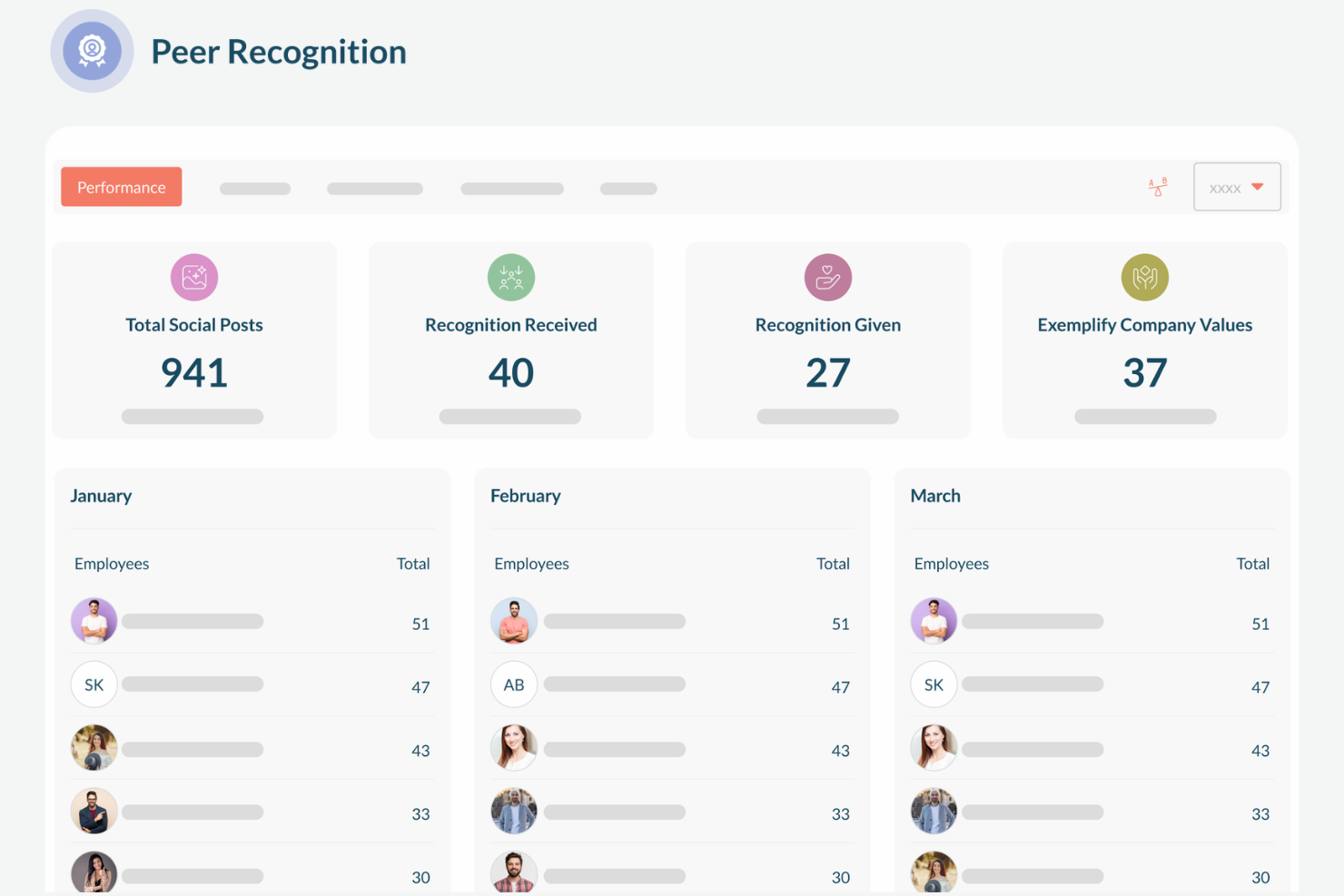
Woliba offre una piattaforma digitale progettata per aiutare i team HR e i leader aziendali a misurare e migliorare il benessere e il coinvolgimento dei dipendenti. Lo strumento è indicato per le organizzazioni che vogliono raccogliere feedback dai dipendenti e ottenere informazioni utili sullo stato di benessere della forza lavoro. Il suo focus sui dati in tempo reale aiuta le aziende a individuare e affrontare rapidamente le sfide legate all’engagement.
A Chi Si Rivolge Woliba?
Woliba è ideale per aziende di medie e grandi dimensioni che vogliono monitorare e migliorare il coinvolgimento dei dipendenti attraverso analisi in tempo reale.
Perché Ho Scelto Woliba
Ciò che mi ha colpito di Woliba è l’attenzione alle analisi di coinvolgimento in tempo reale, particolarmente preziose per i team HR che desiderano prendere decisioni informate sul benessere dei dipendenti. La piattaforma offre dashboard live e reportistica istantanea sulla partecipazione ai programmi di benessere, consentendo di individuare rapidamente le tendenze e affrontare le criticità non appena emergono. Apprezzo anche che Woliba permetta la creazione di sondaggi e rilevazioni personalizzabili, così le aziende possono raccogliere feedback immediato e misurare l’impatto delle iniziative di benessere. Queste funzionalità facilitano l’adattamento dei programmi e la dimostrazione del ROI alla leadership.
Funzionalità Principali di Woliba
Altre funzionalità che rendono Woliba utile per i team HR e i responsabili delle persone includono:
- Sistema di riconoscimento e premi: I dipendenti possono riconoscere i colleghi e guadagnare punti riscattabili in premi.
- Sfide benessere: La piattaforma consente di creare e gestire sfide di benessere su scala aziendale per incrementare la partecipazione.
- Libreria risorse: Woliba offre accesso a una libreria selezionata di articoli, video e consigli sul benessere.
- Strumenti di gestione eventi: Gli organizzatori possono pianificare, promuovere e tracciare la partecipazione agli eventi legati al benessere direttamente sulla piattaforma.
Integrazioni di Woliba
Le integrazioni includono ADP, BambooHR, Workday, Salesforce, SAP SuccessFactors, Paylocity, Gusto e altri.
Pros and Cons
Pros:
- Sfide personalizzate in base agli interessi degli utenti
- Funzionalità di riconoscimento tra pari e premi
- Sondaggi e rilevazioni personalizzabili
Cons:
- Limite di una sola sfida attiva per gruppo utente
- I dati storici delle attività richiedono l’inserimento manuale


Navigate offre una piattaforma digitale progettata per aiutare le organizzazioni a supportare la salute e il benessere dei dipendenti attraverso approfondimenti basati sui dati. È una soluzione ideale per i team HR e i responsabili dei benefit che desiderano affrontare i rischi per la salute e favorire il coinvolgimento tramite programmi di benessere personalizzati. La piattaforma aiuta le aziende a identificare le tendenze in ambito salute nel personale e a fornire risorse mirate per migliorare il benessere complessivo dei dipendenti.
Per chi è più indicato Navigate?
Navigate è adatto ai team HR che cercano di massimizzare i vantaggi sanitari tramite valutazioni dei dipendenti e programmi di benessere su misura.
Perché ho scelto Navigate
Ciò che mi colpisce di Navigate è la sua attenzione nella fornitura di valutazioni della salute personalizzate che vanno oltre i sondaggi generici sul benessere. La piattaforma utilizza strumenti basati sui dati per valutare i rischi per la salute individuali e di gruppo, aiutando così i team HR a progettare iniziative di benessere mirate. Apprezzo che Navigate offra valutazioni e report personalizzabili, facilitando l'individuazione delle esigenze specifiche della forza lavoro. Questo approccio supporta le organizzazioni che desiderano passare da programmi standardizzati a soluzioni di benessere più mirate ed efficaci.
Funzionalità principali di Navigate
Oltre alle valutazioni personalizzate della salute, Navigate offre varie funzionalità che supportano i programmi di benessere dei dipendenti:
- Strumenti di gestione degli incentivi: Permettono ai team HR di impostare, monitorare e premiare la partecipazione alle attività di benessere.
- Piattaforma di sfide di benessere: Offre sfide personalizzabili di squadra e individuali per incentivare comportamenti salutari.
- Libreria di risorse: Fornisce ai dipendenti l'accesso ad articoli, video e strumenti su una varietà di temi legati alla salute.
- Dashboard di reportistica: Fornisce analisi in tempo reale sulla partecipazione e sulle tendenze di coinvolgimento nei programmi.
Integrazioni di Navigate
Le integrazioni includono All Digital Rewards, Catapult Health, eHealthScreenings, Edamam, Fringe, Homethrive, Les Mills, movr e altri.
Pros and Cons
Pros:
- Comprende la gestione degli incentivi
- Include una libreria per l'apprendimento autonomo
- Offre analisi in tempo reale sul coinvolgimento
Cons:
- Nessuna app mobile per l'accesso in mobilità
- Le opzioni di branding personalizzato sono limitate

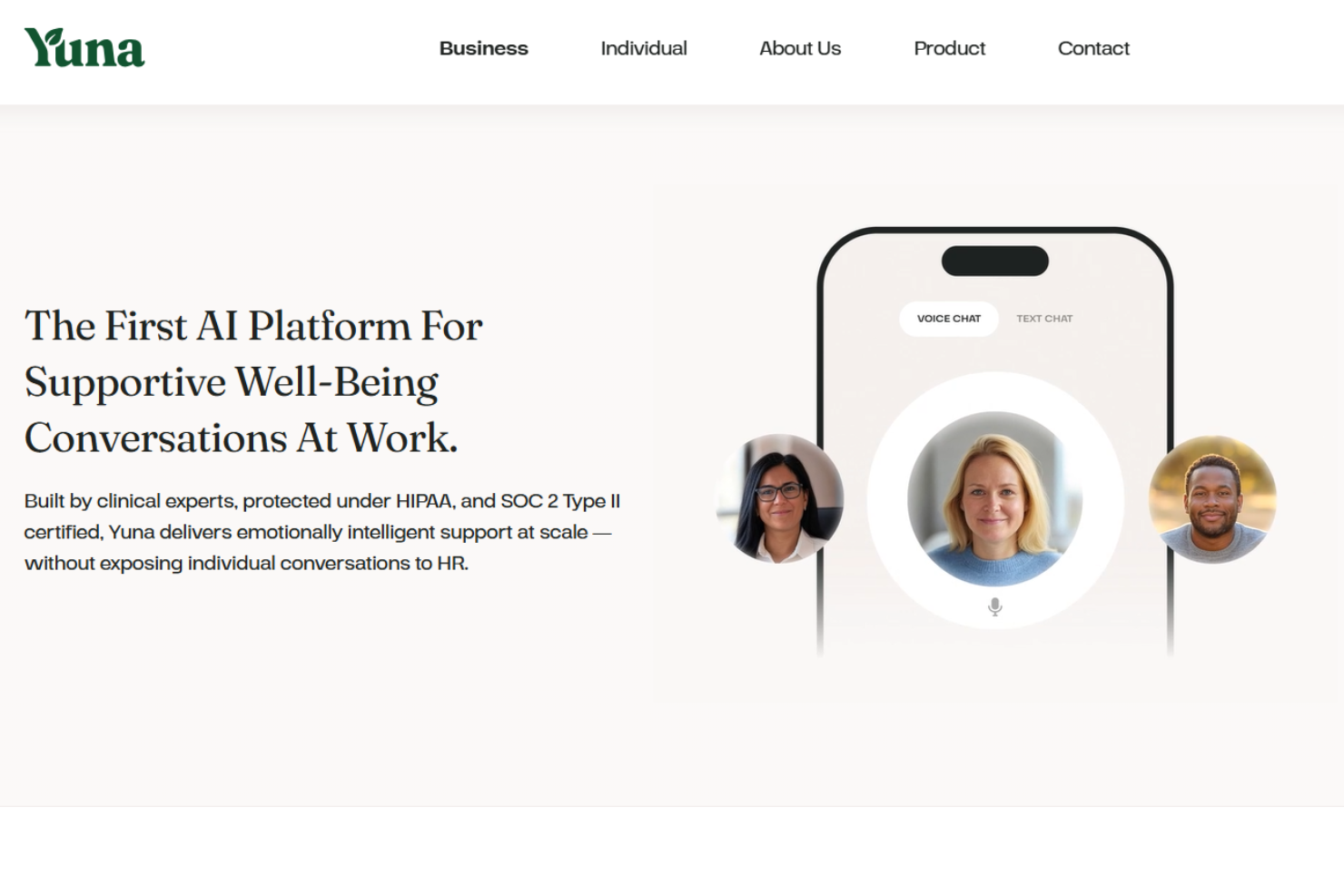
Yuna AI offre una piattaforma alimentata dall'intelligenza artificiale progettata per supportare la salute mentale dei dipendenti attraverso la tecnologia conversazionale. È una scelta ideale per i team HR e le organizzazioni che desiderano fornire supporto per la salute mentale accessibile e disponibile su richiesta, senza affidarsi esclusivamente alla consulenza tradizionale. Lo strumento aiuta a colmare le lacune nel benessere dei dipendenti rendendo le risorse per la salute mentale disponibili in qualsiasi momento esse siano necessarie.
Per chi è più indicata Yuna AI?
Yuna AI è particolarmente adatta per i team HR di organizzazioni di medie e grandi dimensioni che desiderano offrire un supporto scalabile e conversazionale per la salute mentale dei dipendenti.
Perché ho scelto Yuna AI
Ciò che mi ha colpito di Yuna AI è il suo focus sul supporto conversazionale per la salute mentale, che la distingue dalle piattaforme di benessere più tradizionali. Lo strumento utilizza una tecnologia di chat alimentata dall'IA per offrire ai dipendenti conversazioni immediate e riservate sul loro benessere mentale.
Apprezzo che Yuna AI possa fornire indicazioni e risorse personalizzate in base alle esigenze di ogni utente, rendendo il supporto più accessibile e meno clinico. Questo approccio è particolarmente prezioso per le organizzazioni che vogliono abbattere le barriere all'assistenza per la salute mentale e offrire un supporto disponibile in qualsiasi momento, non solo durante l'orario d'ufficio.
Funzionalità principali di Yuna AI
Alcune altre funzionalità che rendono Yuna AI una validissima opzione per i team HR includono:
- Supporto multilingue: la piattaforma può interagire con gli utenti in più lingue per accogliere una forza lavoro eterogenea.
- Modalità di utilizzo anonima: i dipendenti possono accedere al supporto senza condividere dettagli personali, incoraggiando conversazioni più aperte.
- Flussi di conversazione personalizzabili: i team HR possono personalizzare le risposte e gli argomenti dell'IA per allinearsi alla cultura e alle politiche aziendali.
- Cruscotto di analisi: fornisce agli HR approfondimenti aggregati sulle tendenze d'uso e i temi ricorrenti del benessere, mantenendo la privacy degli utenti.
Integrazioni di Yuna AI
Le integrazioni includono Nvidia, Hume, ElevenLabs, HCI Active e altre.
Pros and Cons
Pros:
- Dialogo empatico AI da voce a voce
- Cruscotti aggregati sulle tendenze di burnout della forza lavoro
- Monitoraggio in tempo reale di crisi e traumi
Cons:
- Richiede una connessione Internet attiva per funzionare
- Manca l'escalation a un consulente umano dal vivo


Breathhh offre una piattaforma digitale focalizzata su esercizi di respirazione guidata progettati per programmi di benessere aziendale. È una soluzione ideale per i team delle risorse umane e le organizzazioni che desiderano supportare la gestione dello stress dei dipendenti tramite sessioni di respirazione accessibili e strutturate. Questo strumento aiuta ad affrontare la tensione quotidiana sul luogo di lavoro rendendo le tecniche di respirazione basate sull’evidenza facili da utilizzare e accessibili a tutti.
Per chi è indicato Breathhh?
Breathhh è ideale per i team HR di aziende di medie dimensioni che desiderano offrire esercizi di respirazione strutturati e accessibili per il benessere dei dipendenti.
Perché ho scelto Breathhh
Ciò che mi colpisce di Breathhh è l’ampia gamma di sessioni guidate di respirazione, che va oltre gli esercizi di base presenti in molte app di benessere. Ho scelto questo strumento perché offre diversi tipi e durate di sessione, permettendo ai team HR di adattare gli esercizi di respirazione a varie esigenze lavorative e a diversi livelli di stress. Breathhh propone anche una guida strutturata e segnali visivi, rendendo semplice per i dipendenti seguire le sessioni sia alla scrivania sia durante una pausa. Questa varietà e flessibilità lo rendono una scelta solida per le organizzazioni che vogliono offrire più di semplici contenuti di benessere generici.
Funzionalità chiave di Breathhh
Altre funzionalità che ho notato e che aiutano Breathhh a distinguersi includono:
- Pianificazione delle sessioni: i team HR possono programmare in anticipo le sessioni di respirazione per gruppi o singoli.
- Monitoraggio dei progressi: i dipendenti possono visualizzare la cronologia delle sessioni e monitorare la propria partecipazione nel tempo.
- Promemoria personalizzabili: la piattaforma permette agli utenti di impostare notifiche per pause respiratorie regolari nell’arco della giornata lavorativa.
- Dashboard amministrativa: gli amministratori HR hanno accesso a una dashboard per monitorare il coinvolgimento generale e l’andamento dell’utilizzo.
Integrazioni di Breathhh
Attualmente non sono elencate integrazioni native.
Pros and Cons
Pros:
- Ampia gamma di tipologie di sessioni di respirazione guidata
- Segnali visivi e audio per seguire le sessioni
- Monitoraggio dei progressi per il coinvolgimento dei dipendenti
Cons:
- Monitoraggio continuo in background della cronologia del browser
- Pensato principalmente per desktop con parità limitata su mobile
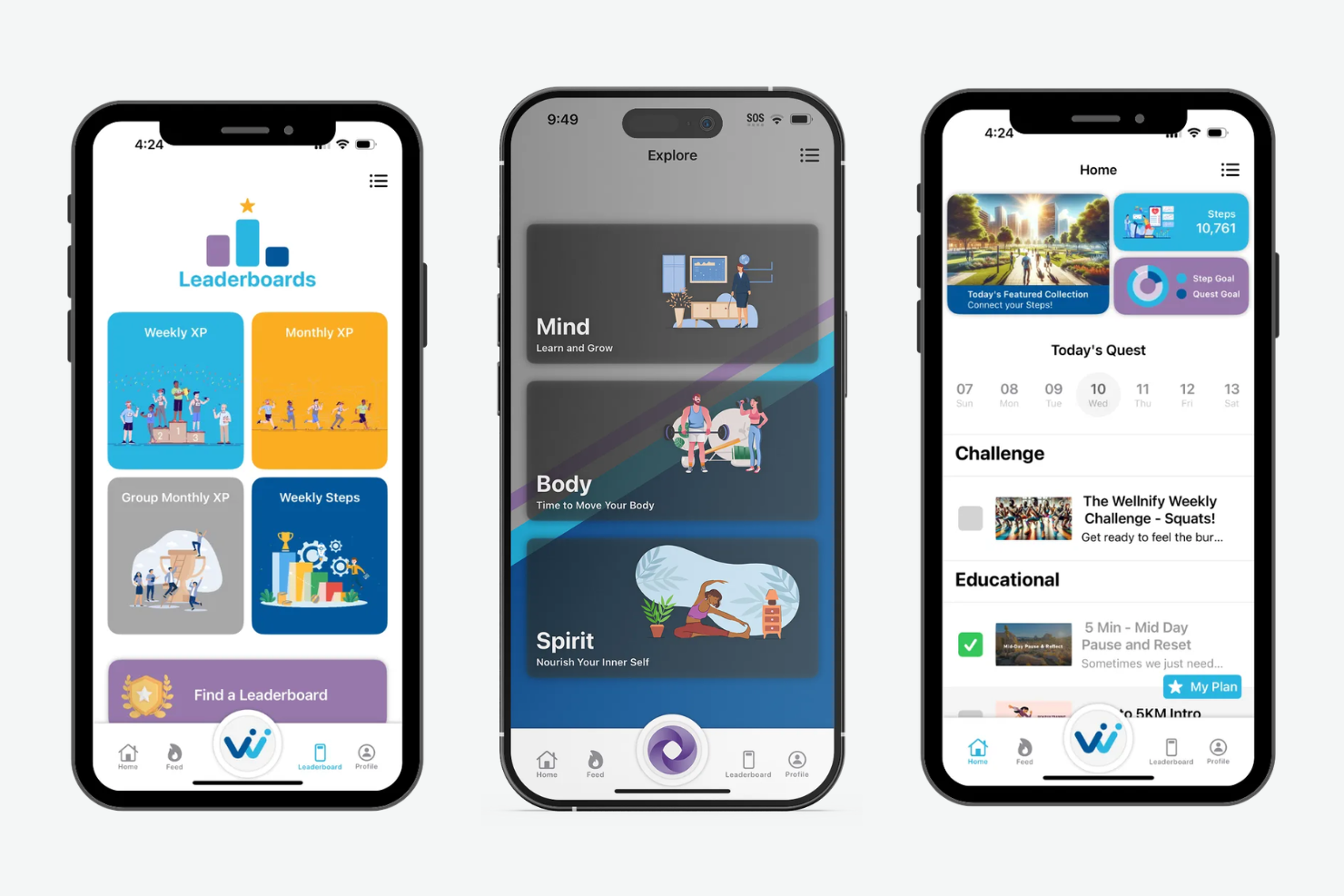
Wellnify.ai utilizza l'IA per offrire raccomandazioni di benessere personalizzate ai dipendenti, basandosi sui loro dati e abitudini uniche. Questa piattaforma è progettata per i team HR e i leader aziendali che desiderano offrire un supporto benessere su misura su larga scala. Aiuta le organizzazioni a rispondere alle diverse esigenze dei dipendenti adattando in tempo reale i contenuti e i suggerimenti di benessere.
Per chi è più indicato Wellnify.ai?
Wellnify.ai è ideale per aziende di medie e grandi dimensioni che cercano programmi di benessere personalizzati e guidati dall'IA per i propri dipendenti.
Perché ho scelto Wellnify.ai
Ciò che mi colpisce di Wellnify.ai è il suo focus nel fornire raccomandazioni di benessere generate dall'IA e adattate alle esigenze di ogni dipendente. La piattaforma analizza i dati e i modelli di coinvolgimento degli utenti per suggerire attività fisiche, risorse e contenuti personalizzati. Apprezzo il fatto che utilizzi l'apprendimento automatico per perfezionare continuamente queste raccomandazioni, aiutando le risorse umane a offrire supporto sempre più pertinente nel tempo. Questo approccio rende Wellnify.ai particolarmente utile per le organizzazioni che vogliono superare i programmi di benessere generici e fornire indicazioni mirate e basate sui dati al proprio personale.
Caratteristiche principali di Wellnify.ai
Altre funzionalità che rendono Wellnify.ai interessante per i team HR e i leader aziendali includono:
- Check-in di benessere automatizzati: La piattaforma invia regolari check-in alimentati dall'IA ai dipendenti per monitorare umore e livelli di stress.
- Sfide di benessere personalizzabili: I team HR possono creare e lanciare sfide di benessere aziendali o di team direttamente dalla dashboard.
- Integrazione con biblioteca di risorse: Wellnify.ai collega gli utenti a una raccolta selezionata di articoli, video e contenuti di esperti su temi legati alla salute e al benessere.
- Dashboard per il monitoraggio dei progressi: Sia i dipendenti che gli amministratori possono visualizzare l'engagement e i progressi legati al benessere tramite dashboard visive in tempo reale.
Integrazioni di Wellnify.ai
Le integrazioni native al momento non sono elencate.
Pros and Cons
Pros:
- L'IA adatta i contenuti di benessere a ciascun utente
- Check-in automatici monitorano le tendenze
- Offre materiali di benessere selezionati
Cons:
- Requisiti di sistema elevati per funzionalità AR
- Nessuna sincronizzazione diretta dei passi da iPhone a Fitbit

Meditopia offre una piattaforma di meditazione e benessere mentale progettata per le organizzazioni che desiderano supportare team diversificati e globali. I professionisti delle risorse umane che cercano di affrontare stress, burnout e salute emotiva attraverso lingue e culture differenti possono trovarlo particolarmente rilevante. La piattaforma mette a disposizione meditazioni guidate, esercizi di mindfulness e risorse per la salute mentale adattate all'ambiente lavorativo.
Per chi è più indicato Meditopia?
Meditopia è adatto ai team HR che supportano una forza lavoro multinazionale o multilingue alla ricerca di risorse accessibili di meditazione e benessere mentale.
Perché ho scelto Meditopia
Ciò che mi colpisce di Meditopia è il suo impegno a rendere la meditazione e le risorse per la salute mentale accessibili in più lingue. Questo è particolarmente importante per le organizzazioni con team globali, dove le barriere linguistiche possono limitare l'accesso ai programmi di benessere. Meditopia offre meditazioni guidate, esercizi di mindfulness e contenuti sulla salute mentale in oltre 10 lingue, consentendo ai team HR di supportare i dipendenti ovunque si trovino e indipendentemente dalla loro lingua madre. Apprezzo anche il fatto che la piattaforma curi contenuti culturalmente rilevanti, contribuendo a far sì che le risorse di benessere siano sentite e utili per gruppi di dipendenti diversi.
Funzionalità principali di Meditopia
Oltre ai contenuti di meditazione multilingue, Meditopia offre diverse altre funzionalità a supporto delle iniziative di benessere dei dipendenti:
- Raccomandazioni personalizzate di meditazione: La piattaforma utilizza input e preferenze degli utenti per suggerire esercizi di meditazione e mindfulness rilevanti.
- Cruscotto per il monitoraggio dei progressi: Dipendenti e team HR possono monitorare la frequenza e il coinvolgimento nella meditazione tramite analisi integrate.
- Portale amministratore per aziende: I professionisti HR possono gestire l'accesso dei dipendenti, visualizzare report d'uso e personalizzare i programmi di benessere da una dashboard centralizzata.
- Accesso tramite app mobile: I dipendenti possono utilizzare tutte le risorse di Meditopia su dispositivi iOS e Android per un supporto sempre disponibile.
Integrazioni Meditopia
Le integrazioni includono SAP, Salesforce, BambooHR e altre ancora.
Pros and Cons
Pros:
- Propone contenuti di meditazione in più di 12 lingue
- Include programmi guidati per lo stress sul lavoro
- Offre raccomandazioni personalizzate di meditazione
Cons:
- Nessuna sincronizzazione diretta con Apple Health
- Le sfide si azzerano completamente alla prima giornata saltata
Altri software AI per il benessere dei dipendenti
Ecco alcune ulteriori opzioni di software AI per il benessere dei dipendenti che non sono entrate nella mia selezione, ma che vale comunque la pena prendere in considerazione:
- Wellable
Ottimale con opzioni integrate di monitoraggio delle attività
- Vantage Fit
Ideale per sfide wellness personalizzabili
- Earkick
Ideale per monitorare all'istante l'umore tramite chat


Come Valuto il Software di Benessere dei Dipendenti con Intelligenza Artificiale
Analizzo queste piattaforme su due livelli: le capacità fondamentali di benessere supportate dall'IA che un tool deve possedere per poter essere incluso, e i fattori differenzianti—come il rilevamento del burnout e l'escalation clinica—che distinguono i migliori.
Funzionalità Fondamentali (Requisiti Minimi per Questa Lista)
Queste capacità essenziali costituiscono i criteri di ammissione per l'inclusione nella mia lista di software di benessere dei dipendenti con IA:
- Analisi del Benessere Guidate dall'IA: Valuto se la piattaforma utilizza modelli ML reali per individuare tendenze di burnout e coinvolgimento—non solo grafici statici presentati come "IA".
- Raccomandazioni di Benessere Personalizzate: Ogni tool dovrebbe abbinare i dipendenti alle risorse pertinenti basandosi sui loro dati, e non solo offrire una libreria di contenuti generici per tutti.
- Sondaggi a Impulso & Analisi del Sentimento: Esamino la presenza di analisi basate su NLP delle risposte aperte e dei check-in ricorrenti, non solo sondaggi a scelta multipla con semplici medie di punteggio.
- Gestione dei Programmi di Benessere: Valuto come i team HR creano e monitorano iniziative come sfide di passi o campagne di mindfulness, inclusa la segmentazione e i report di partecipazione.
- Rilevamento Predittivo del Rischio & Burnout: La piattaforma dovrebbe segnalare precocemente team o individui a rischio grazie a segnali comportamentali, non solo riportare i problemi dopo che si sono già manifestati.
- Integrazioni con HRIS & Ambiente Lavorativo: Sono importanti le connessioni native con sistemi come Workday, BambooHR, Slack e Microsoft Teams—verifico la sincronizzazione bidirezionale dei dati, non solo importazioni da file CSV.
Attribuisco a ciascun fornitore un punteggio da 0 (non offre la funzionalità) a 5 (eccelle in quest'area) per ogni criterio.
I fornitori devono raggiungere un punteggio medio minimo per essere presi in considerazione per l'inclusione nella mia lista. Da lì, considero ciò che distingue ciascuna piattaforma.
Fattori Differenzianti (Cosa Distingue i Fornitori)
Dopo aver curato la mia lista, ecco come confronto i diversi fornitori di software di benessere dei dipendenti con IA:
Caratteristiche Distintive
Ricerco piattaforme che offrano chatbot di benessere AI o coach digitali, consentendo supporto conversazionale in tempo reale per i dipendenti ovunque e in qualsiasi momento. Anche le informazioni di supporto ai manager sono importanti—queste dashboard aiutano i leader a individuare rischi per il benessere e affrontare proattivamente il burnout nelle loro squadre. Quando uno strumento include percorsi di escalation clinica o EAP gestiti da rischi rilevati dall'IA, aggiunge reale valore mentre i team HR tentano di intervenire prima che i problemi peggiorino. Una copertura del benessere multidimensionale è un altro fattore chiave, con alcuni fornitori che integrano supporto mentale, fisico, finanziario e sociale in un'unica piattaforma invece di focalizzarsi solo su una singola area.
Oltre le Caratteristiche
La privacy dei dati è il primo aspetto che valuto oltre alle caratteristiche. I dipendenti non utilizzeranno una piattaforma di benessere che non reputano affidabile, quindi verifico soglie di anonimizzazione, conformità HIPAA e GDPR, e politiche trasparenti sull'uso dei dati da parte dell'IA. Considero anche quanto un fornitore aiuti l'HR a dimostrare il ROI—collegando l'engagement con il benessere a risultati come la riduzione dell'assenteismo o del turnover tramite report integrati. Per i team globali, contenuti multilingue e reti di fornitori localizzate regionalmente sono decisivi per l'adozione tra uffici in diversi paesi.
Come scegliere un software AI per il benessere dei dipendenti
È facile perdersi in lunghi elenchi di funzionalità e strutture tariffarie complesse. Per aiutarti a rimanere concentrato mentre affronti il processo di selezione del software più adatto alle esigenze specifiche della tua organizzazione, ecco un elenco di fattori da tenere presenti:
| Fattore | Cosa considerare |
|---|---|
| Scalabilità | Il software supporterà il numero attuale e futuro di dipendenti, compresi i team remoti o distribuiti a livello globale? |
| Integrazioni | Si collega nativamente al tuo sistema HRIS, agli strumenti per le paghe o a quelli di comunicazione, evitando il lavoro manuale? |
| Personalizzazione | Puoi adattare i programmi di benessere, i sondaggi e i pannelli di controllo alla cultura della tua organizzazione? |
| Facilità d'uso | I dipendenti e gli amministratori troveranno l'interfaccia intuitiva o dovrai investire in una formazione aggiuntiva? |
| Implementazione e inserimento | Quanto tempo richiede la configurazione e quali risorse o forme di assistenza fornisce il fornitore durante l'implementazione? |
| Costo | I livelli di prezzo sono chiari e in linea con il tuo budget e l'utilizzo previsto? Fai attenzione ai componenti aggiuntivi. |
| Misure di sicurezza | Il fornitore soddisfa i tuoi standard di privacy e sicurezza dei dati, soprattutto per quanto riguarda i dati sanitari sensibili? |
| Disponibilità dell'assistenza | Quali canali di assistenza sono disponibili e sono accessibili durante il tuo orario di lavoro e nelle tue aree geografiche? |
Cos'è un software AI per il benessere dei dipendenti?
Un software AI per il benessere dei dipendenti è una piattaforma digitale che utilizza l'intelligenza artificiale per monitorare, sostenere e migliorare il benessere dei dipendenti sotto il profilo fisico, mentale ed emotivo. Questi strumenti analizzano i dati sul coinvolgimento, forniscono consigli personalizzati sul benessere e automatizzano le attività di routine legate al benessere.
I team delle risorse umane li utilizzano per monitorare la partecipazione, raccogliere feedback e adattare i programmi di benessere in tempo reale, aiutando le organizzazioni a creare ambienti di lavoro più sani e inclusivi.
Caratteristiche
Quando selezioni un software per il benessere dei dipendenti basato sull'IA, presta attenzione alle seguenti caratteristiche principali:
- Raccomandazioni personalizzate per il benessere: utilizza l'IA per suggerire attività, risorse o contenuti adattati agli obiettivi di salute e ai modelli di coinvolgimento di ciascun dipendente.
- Analisi del coinvolgimento in tempo reale: monitora la partecipazione e il coinvolgimento nei programmi di benessere, fornendo dashboard aggiornate e informazioni utili per i team delle risorse umane.
- Sondaggi e rilevazioni automatizzati: invia sondaggi regolari e personalizzabili per raccogliere feedback sul benessere dei dipendenti e sull'efficacia del programma.
- Sistema di riconoscimenti e ricompense: consente il riconoscimento tra colleghi e permette ai dipendenti di guadagnare punti o ricompense partecipando alle attività di benessere.
- Gestione delle sfide di benessere: permette di creare, avviare e monitorare sfide di benessere aziendali o basate sui team per aumentare la motivazione e la partecipazione.
- Accesso alla libreria di risorse: offre ai dipendenti una raccolta curata di articoli, video e strumenti incentrati sulla salute fisica, mentale ed emotiva.
- Integrazione con i sistemi delle risorse umane: si connette direttamente ai sistemi HRIS, alle piattaforme per le buste paga e agli strumenti di comunicazione per sincronizzare i dati dei dipendenti e automatizzare i flussi di lavoro.
- Controlli di riservatezza e sicurezza dei dati: garantisce la protezione dei dati sensibili relativi alla salute e al coinvolgimento tramite misure di privacy e sicurezza.
- Accessibilità da dispositivi mobili: offre un'interfaccia ottimizzata per i dispositivi mobili o un'app dedicata, così che i dipendenti possano accedere alle risorse per il benessere e partecipare da qualsiasi luogo.
Vantaggi
L'implementazione di un software per il benessere dei dipendenti basato sull'IA offre numerosi vantaggi al tuo team e alla tua azienda. Eccone alcuni:
- Supporto personalizzato per ogni dipendente: le raccomandazioni e le risorse basate sull'IA aiutano a soddisfare le esigenze e le preferenze individuali relative al benessere.
- Informazioni in tempo reale per i team delle risorse umane: le analisi del coinvolgimento e la reportistica automatizzata semplificano il monitoraggio della partecipazione e l'adattamento rapido dei programmi.
- Maggiore partecipazione alle iniziative di benessere: le sfide con elementi di gioco, i sistemi di riconoscimento e le ricompense motivano i dipendenti a partecipare e a mantenere alto il coinvolgimento.
- Gestione dei programmi di benessere: i sondaggi automatizzati, la gestione delle sfide e le integrazioni con i sistemi HRIS riducono il lavoro manuale per i team delle risorse umane.
- Maggiore sicurezza e riservatezza dei dati: i controlli della privacy integrati e la gestione sicura dei dati proteggono le informazioni sanitarie sensibili dei dipendenti.
- Risorse per il benessere accessibili ovunque: le piattaforme ottimizzate per i dispositivi mobili garantiscono che i dipendenti possano accedere al supporto e partecipare ai programmi da qualsiasi luogo.
- Misurazione più efficace dell'impatto del programma: il feedback continuo e le analisi aiutano i team delle risorse umane a dimostrare il valore e l'efficacia delle iniziative di benessere.
Costi e prezzi
La scelta di un software per il benessere dei dipendenti basato sull'IA richiede una comprensione dei vari modelli e piani tariffari disponibili. I costi variano in base alle funzionalità, alle dimensioni del team, agli extra e ad altri fattori. La tabella seguente riassume i piani più comuni, i relativi prezzi medi e le funzionalità generalmente incluse nelle soluzioni software per il benessere dei dipendenti basate sull'IA:
Tabella di confronto dei piani per il software di benessere dei dipendenti basato sull'IA
| Tipo di piano | Prezzo medio | Funzionalità comuni |
|---|---|---|
| Piano gratuito | $0 | Monitoraggio di base del benessere, sfide limitate, accesso a una piccola libreria di risorse e reportistica di base. |
| Piano personale | $5-$10/utente/mese | Raccomandazioni personalizzate, attività di benessere autoguidate, accesso da dispositivi mobili e analisi limitate. |
| Piano aziendale | $10-$25/utente/mese | Sfide per i team, analisi del coinvolgimento, integrazioni con i sistemi HRIS, strumenti di riconoscimento e sondaggi personalizzabili. |
| Piano aziendale avanzato | $25-$50/utente/mese | Analisi avanzate, assistenza dedicata, integrazioni personalizzate, sicurezza avanzata e onboarding su misura. |
Domande frequenti sul software di benessere dei dipendenti basato sull'intelligenza artificiale
Ecco alcune risposte alle domande comuni sul software di benessere dei dipendenti basato sull’intelligenza artificiale:
In che modo l'intelligenza artificiale migliora i programmi di benessere dei dipendenti?
L’intelligenza artificiale migliora i programmi di benessere dei dipendenti analizzando i dati sul coinvolgimento, identificando le tendenze e fornendo raccomandazioni personalizzate. Questo aiuta i team delle risorse umane ad adattare i programmi in tempo reale e garantisce che i dipendenti ricevano un supporto pertinente in base alle loro esigenze uniche e ai loro modelli di partecipazione.
Il software di benessere dei dipendenti basato sull'intelligenza artificiale può proteggere i dati sanitari sensibili?
Sì, la maggior parte dei software di benessere dei dipendenti basati sull’intelligenza artificiale include solidi controlli di sicurezza e privacy dei dati. Queste piattaforme utilizzano la crittografia, restrizioni di accesso e la conformità a normative come il GDPR o l’HIPAA per salvaguardare le informazioni sanitarie dei dipendenti.
Quali tipi di attività di benessere possono essere gestiti con questi strumenti?
È possibile gestire attività come sfide di fitness, sessioni di consapevolezza, monitoraggio dell’alimentazione, controlli sul benessere mentale e workshop formativi. Molte piattaforme supportano inoltre attività personalizzate, adattate agli obiettivi di benessere aziendale.
Quanto tempo occorre per implementare un software di benessere dei dipendenti basato sull'intelligenza artificiale?
I tempi di implementazione variano, ma la maggior parte delle piattaforme offre assistenza per l’avvio, risorse formative e modelli per aiutarti a iniziare in pochi giorni o nell’arco di alcune settimane. Le tempistiche dipendono dalle dimensioni dell’organizzazione, dalle esigenze di integrazione e dai requisiti di personalizzazione.
Queste piattaforme si integrano con i sistemi HR esistenti?
Sì, molte soluzioni software di benessere dei dipendenti basate sull’intelligenza artificiale si integrano con strumenti per la gestione delle risorse umane, delle buste paga e della comunicazione. Ciò consente la sincronizzazione automatica dei dati dei dipendenti, una gestione più semplice dei programmi e report più accurati.