

I 10 migliori software per la gestione delle competenze per le aziende nel 2026

Migliori software di gestione delle competenze per le aziende: selezione


Il software di gestione delle competenze per le aziende ti aiuta a monitorare, analizzare e sviluppare le capacità di cui la tua forza lavoro ha bisogno per rimanere competitiva su larga scala. Se cerchi un modo chiaro per comprendere le lacune, abbinare i talenti alle esigenze aziendali o supportare la riqualificazione, la piattaforma giusta può fare la differenza. I responsabili HR che devono gestire una crescita elevata, la carenza di talenti o una pianificazione complessa della forza lavoro possono utilizzare questi strumenti per prendere decisioni migliori e offrire un'esperienza più positiva ai dipendenti. In questa guida troverai le migliori opzioni per aiutare la tua organizzazione a mappare le competenze, colmare le lacune e rendere la tua strategia dei talenti a prova di futuro.
Perché fidarsi delle nostre recensioni sui software
Il nostro team testa e recensisce software dal 2012. In quanto esperti HR noi stessi, sappiamo quanto sia difficile — e importante — scegliere il software giusto.
Per questa guida, abbiamo valutato gli strumenti attraverso test pratici e ricerche indipendenti, assegnando un punteggio agli strumenti in base ai nostri criteri di selezione. Ci basiamo inoltre sulle competenze di leader di pensiero del settore e di professionisti HR attivi.
Le nostre recensioni riflettono il nostro giudizio editoriale umano, non un discorso di vendita.
Revisori esperti:
Tabella comparativa dei software di gestione delle competenze per le aziende
Questa tabella comparativa riassume i dettagli sui prezzi delle mie migliori selezioni di software di gestione delle competenze per le aziende:
| Tool | Best For | Trial Info | Price | ||
|---|---|---|---|---|---|
| 1 | Ideale per percorsi di apprendimento personalizzati | Demo gratuita disponibile | Prezzo su richiesta | Website | |
| 2 | Ideale per la pianificazione agile della forza lavoro | Demo gratuita disponibile | Prezzo su richiesta | Website | |
| 3 | Ideale per la chiusura mirata dei gap di competenze | Dimostrazione gratuita disponibile | Prezzi su richiesta | Website | |
| 4 | Ideale per approfondimenti predittivi sulla forza lavoro | Demo gratuita disponibile | Prezzi su richiesta | Website | |
| 5 | Ideale per la mappatura automatica delle competenze | Demo gratuita disponibile | Prezzo su richiesta | Website | |
| 6 | Ideale per valutazioni delle competenze basate sui ruoli | Prova gratuita di 7 giorni + demo gratuita disponibile | Prezzo su richiesta | Website | |
| 7 | Ideale per il matching della forza lavoro potenziato dall'IA | Demo gratuita disponibile | Prezzi su richiesta | Website | |
| 8 | Ideale per strumenti di conformità di livello enterprise | Prova gratuita di 30 giorni disponibile | Prezzi su richiesta | Website | |
| 9 | Ideale per insight sulla mobilità interna dei talenti | Demo gratuita disponibile | Prezzi su richiesta | Website | |
| 10 | Ideale per tassonomie di competenze dinamiche | Demo gratuita disponibile | Prezzo su richiesta | Website |
Recensioni dei migliori software di gestione delle competenze per le aziende
Di seguito trovi le mie sintesi dettagliate dei migliori software di gestione delle competenze per le aziende inclusi nella mia selezione. Le mie recensioni offrono uno sguardo approfondito sulle funzionalità, sui casi d’uso e sulle integrazioni di ciascuna piattaforma, per aiutarti a trovare quella più adatta alle tue esigenze.
Ideale per percorsi di apprendimento personalizzati
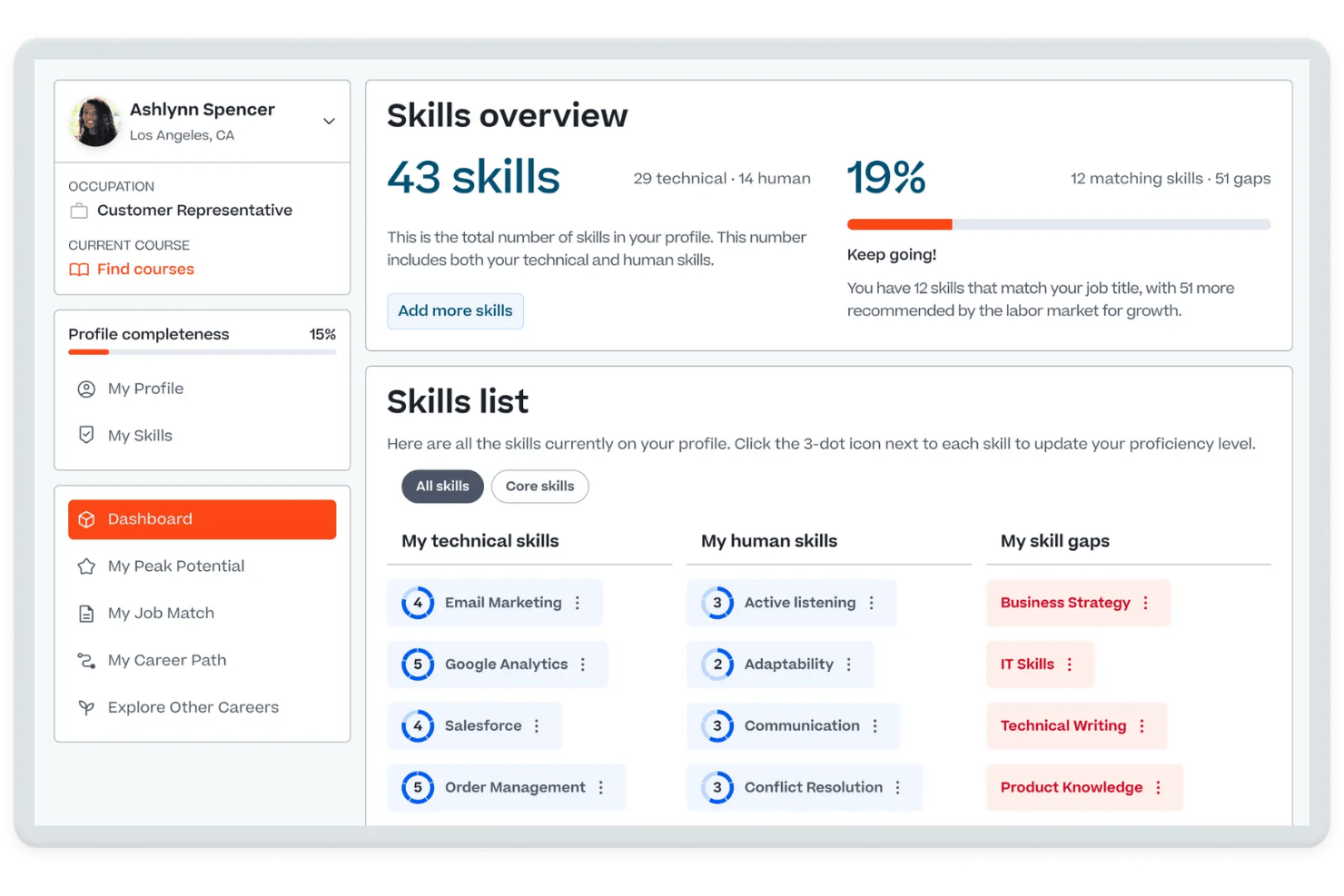
Cornerstone OnDemand è una piattaforma di esperienza dei talenti alimentata dall’IA che combina un motore di ontologia delle competenze, analisi dei gap di competenze, gestione dell’apprendimento, gestione delle performance e pianificazione della forza lavoro in un unico sistema aziendale.
Per chi è consigliato Cornerstone OnDemand?
È particolarmente adatto a grandi organizzazioni distribuite a livello globale che devono gestire lo sviluppo delle competenze, la formazione obbligatoria e la pianificazione della forza lavoro su larga scala.
Perché ho scelto Cornerstone OnDemand
Ho scelto Cornerstone OnDemand tra i migliori per il modo in cui il suo Skills Engine si collega ai percorsi di apprendimento individuali. Quando emerge un gap di competenze a livello di dipendente, Embark Navigator costruisce automaticamente una guida di sviluppo personalizzata che combina formazione formale, mentoring e pratica sul campo. Mi piace che questi percorsi non siano checklist statiche: si aggiornano continuamente mentre l’IA rileva nuovi segnali di competenze dai sistemi aziendali collegati.
Funzionalità principali di Cornerstone OnDemand
- Skills Architect: Consente di costruire e mantenere dettagliate architetture professionali e profili di competenze su più livelli organizzativi.
- People Graph: Aggrega dati sulle competenze e sulla forza lavoro da HRIS, ATS, LMS e altri sistemi aziendali per fornire insight in tempo reale.
- Strumenti per la pianificazione della successione: Supporta talent pool, matrici a 9 box e modelli di scenario per rafforzare la struttura organizzativa.
- Extend integration marketplace: Offre connettori preconfigurati, API e webhook per integrare sistemi HR, produttività e piattaforme di apprendimento.
Integrazioni di Cornerstone OnDemand
Cornerstone OnDemand offre integrazioni native con Workday, Salesforce, Slack, Microsoft Copilot, LinkedIn e AWS. Sono disponibili API e webhook per integrazioni personalizzate, e il suo marketplace Extend fornisce ulteriori connettori preconfigurati.
Pros and Cons
Pros:
- Ontologia e mappatura delle competenze potenziate dall’IA
- Analisi dinamica dei gap di competenze su larga scala
- Strumenti completi per la pianificazione della successione e del talento
Cons:
- Personalizzazione limitata di reportistica e analytics
- L’inferenza delle competenze può essere incoerente tra le regioni

Fuel50
Ideale per la pianificazione agile della forza lavoro
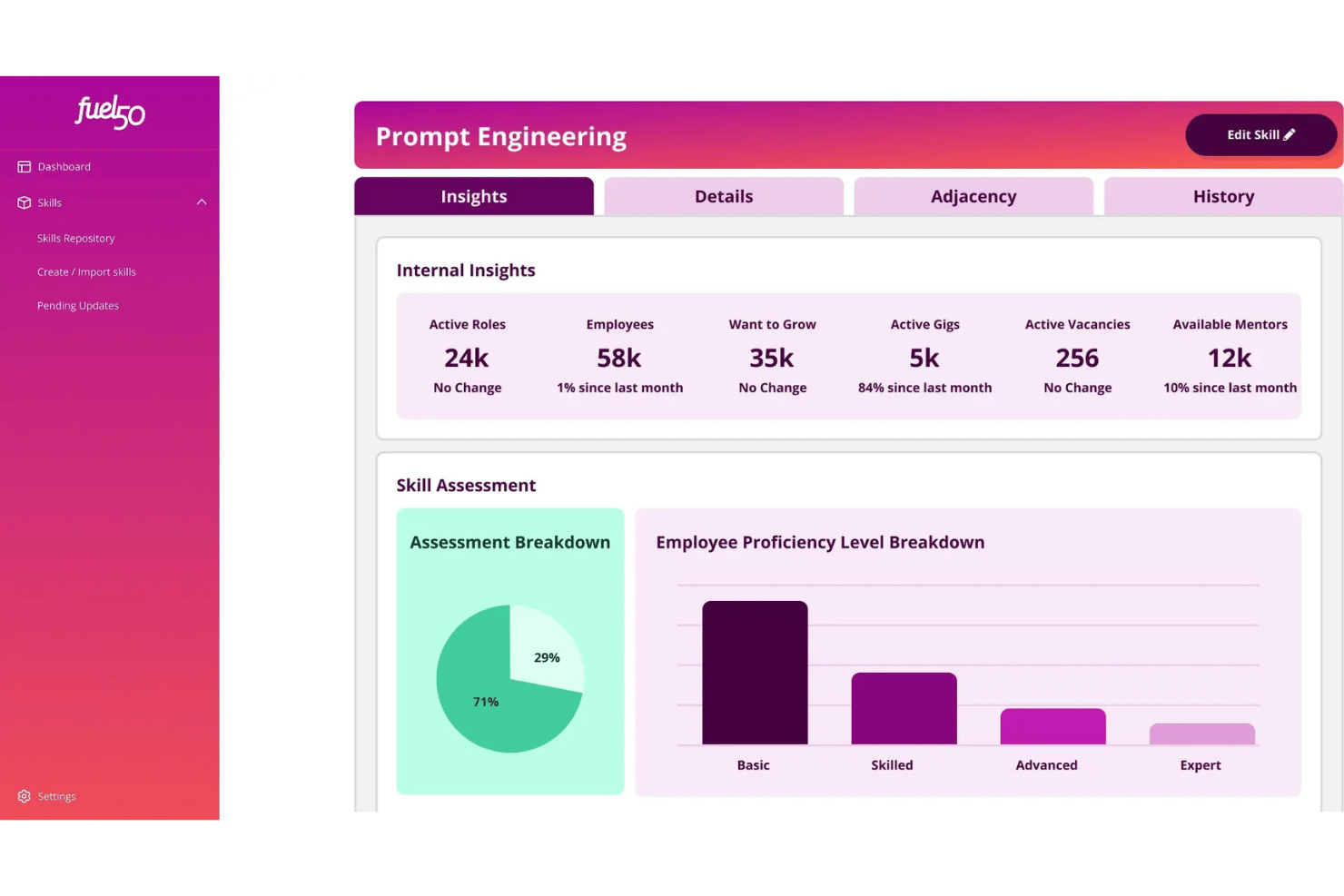
Fuel50 è una piattaforma di talent intelligence basata sull'IA che combina un'ontologia di oltre 5.500 competenze, inventario delle competenze, analisi delle lacune e un marketplace interno per la mobilità e lo sviluppo di carriera.
Per chi è ideale Fuel50?
Fuel50 è particolarmente adatto per grandi aziende con un'architettura dei ruoli consolidata che necessitano di uno strato dedicato di intelligence sulle competenze all'interno del proprio ecosistema HR.
Perché ho scelto Fuel50
Ho scelto Fuel50 tra i migliori perché il suo modulo Strategic Insights evidenzia segnali esterni del mercato del lavoro come tendenze nelle offerte di lavoro, crescita prevista delle competenze e benchmark salariali. In questo modo posso individuare quali competenze stanno acquisendo o perdendo valore di mercato prima che si creino lacune. Apprezzo anche che l'inventario delle competenze sia aggiornato in tempo reale, offrendo ai responsabili della pianificazione delle risorse una visione attuale di domanda e offerta di competenze invece di un resoconto trimestrale.
Caratteristiche principali di Fuel50
- Ontologia delle competenze: Accedi a una libreria costantemente aggiornata di oltre 5.500 competenze, curate da esperti e personalizzabili per la gestione del personale aziendale.
- Architettura delle competenze: Mappa le competenze su ruoli, famiglie di lavoro e funzioni su larga scala tramite mappatura AI-assistita da competenza a ruolo.
- Moduli del talent marketplace: Favorisci la mobilità interna, incarichi a breve termine, connessioni di mentoring e percorsi di sviluppo—tutto in un'unica piattaforma.
- Integrazioni HR aziendali: Collega Workday, SAP SuccessFactors, Oracle HCM e le principali piattaforme LMS/LXP per dati unificati sulle competenze tra i sistemi.
Integrazioni di Fuel50
Fuel50 offre integrazioni native con Workday, SAP SuccessFactors, Oracle HCM e altre piattaforme, e mette a disposizione un API per integrazioni personalizzate.
Pros and Cons
Pros:
- Marketplace interno per incarichi e mobilità alimentato dall’IA
- Ontologia delle competenze elaborata da psicologi
- Inventario delle competenze sempre aggiornato e analisi a livello aziendale
Cons:
- Il processo di autovalutazione può risultare gravoso
- Il tempo di implementazione è superiore alla media
Beamery
Ideale per la chiusura mirata dei gap di competenze
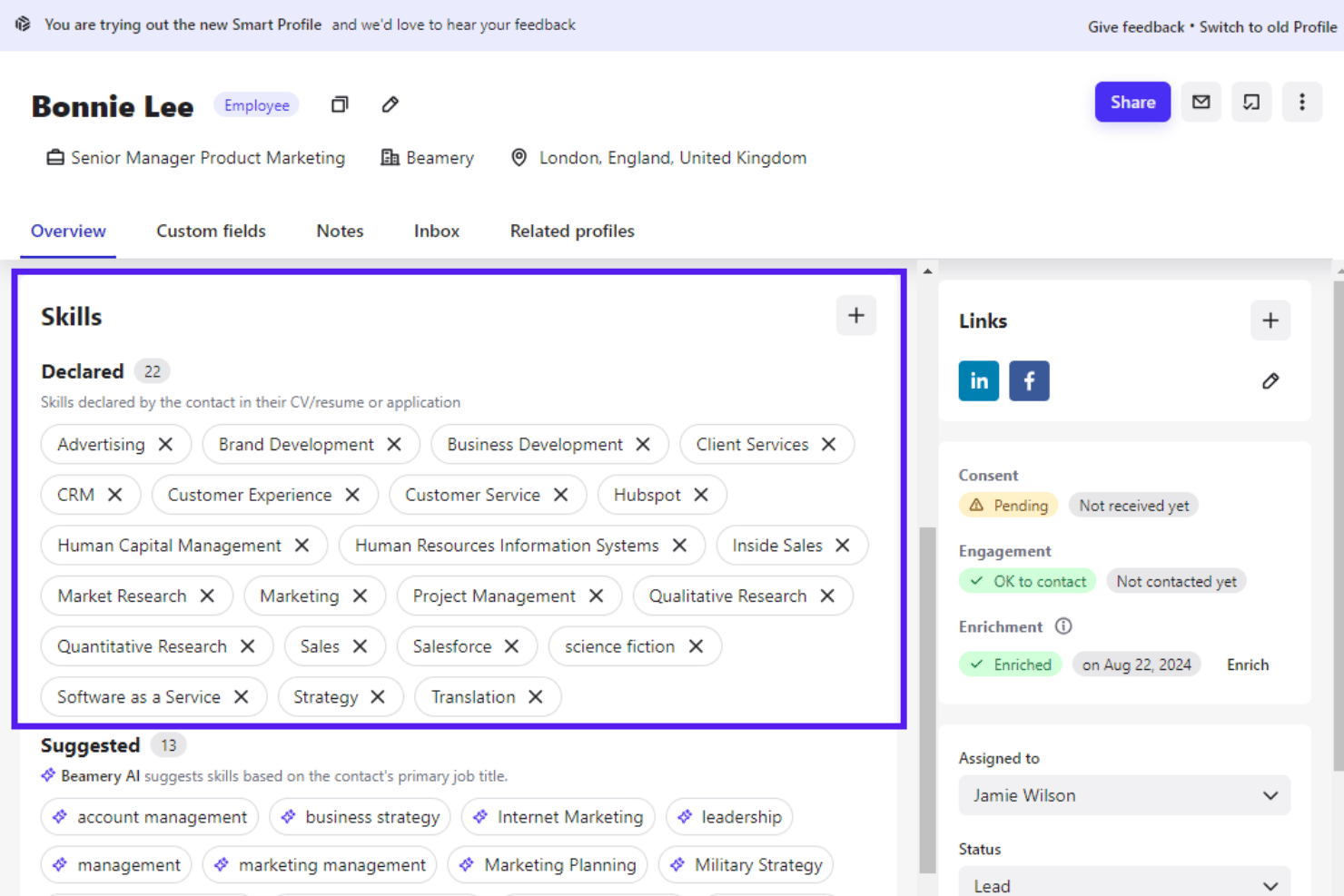
Beamery è una piattaforma di workforce intelligence alimentata da IA che unisce la gestione della tassonomia delle competenze, l’analisi dei gap di competenze, la pianificazione della forza lavoro basata su scenari e il matching dei talenti per grandi imprese.
Per chi è ideale Beamery?
Beamery è adatto a CHRO e responsabili della pianificazione del personale in grandi aziende globali che devono affrontare trasformazioni complesse della forza lavoro, come fusioni e acquisizioni, rapida crescita o l’adozione della GenAI.
Perché ho scelto Beamery
Ho scelto Beamery come uno dei migliori per la sua capacità di identificare con precisione i gap di competenze su scala aziendale. La sua Workforce Intelligence Suite consente di modellare scenari di cambiamento e anticipare la carenza di competenze prima che diventino un rischio critico per la forza lavoro. Apprezzo anche come Ray, l’AI Talent Advisor, converte i dati dipendenti non strutturati in una struttura di competenze organizzata e personalizzata, che è stato esattamente ciò di cui Flex aveva bisogno per standardizzare le competenze tra 140.000 dipendenti a livello globale.
Funzionalità chiave di Beamery
- Talent CRM: Crea e gestisci pool di talenti segmentati per la ricerca strategica e il nurturing della pipeline.
- Progettazione e calibrazione delle posizioni: Crea, modifica e mantieni profili di ruolo personalizzati collegati ai framework delle posizioni.
- Campagne di relazione candidato: Automatizza i flussi di contatto e coinvolgimento con contenuti personalizzati per ogni segmento.
- Integrazioni HRIS bidirezionali: Sincronizza automaticamente le competenze e i dati forza lavoro con SAP SuccessFactors, Workday e le principali piattaforme ATS.
Integrazioni Beamery
Beamery offre integrazioni native con Workday, SAP SuccessFactors, Greenhouse, Jobvite, Oracle Taleo, SmartRecruiters, ADP, Infinite BrassRing, LinkedIn CRM Connect e HireEZ. È disponibile anche una API per integrazioni personalizzate.
Pros and Cons
Pros:
- Ontologia delle competenze personalizzabile per grandi organizzazioni
- Intelligenza avanzata della forza lavoro e modellazione di scenari
- Estrazione automatica delle competenze da più fonti dati
Cons:
- Nessuna valutazione nativa della competenza delle skill
- Funzionalità limitate di talent marketplace

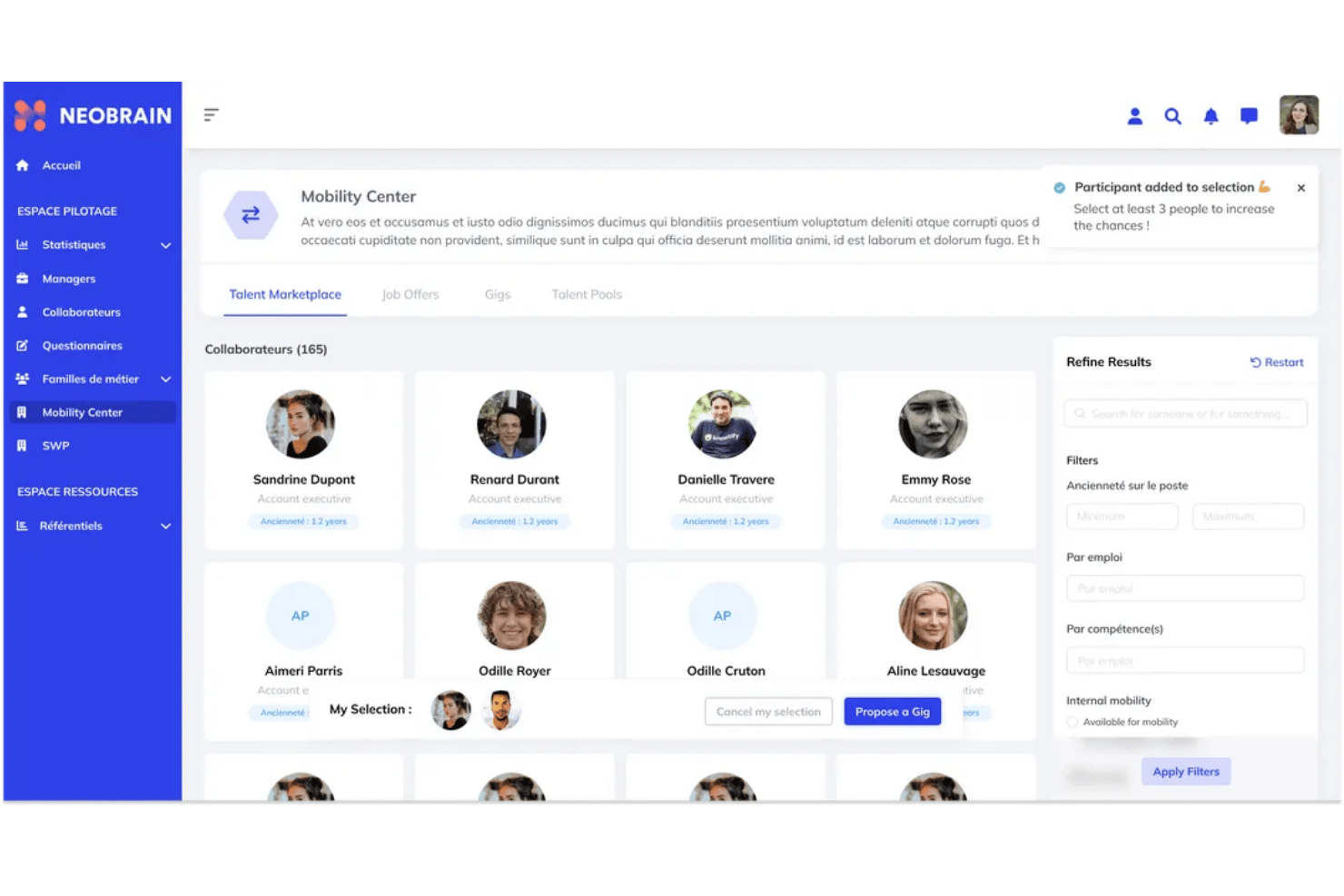
Neobrain è una piattaforma di gestione delle competenze alimentata dall'intelligenza artificiale, progettata per le grandi aziende. Combina mappatura dinamica delle competenze, valutazioni a 360°, un marketplace interno dei talenti e strumenti di pianificazione strategica della forza lavoro in un'unica suite.
Per Chi è Neobrain?
Neobrain è progettato specificamente per i team HR e di pianificazione della forza lavoro di grandi aziende con oltre 5.000 dipendenti che gestiscono popolazioni di talento complesse e distribuite.
Perché Ho Scelto Neobrain
Neobrain si guadagna un posto nella mia lista perché il suo modulo di Pianificazione Strategica della Forza Lavoro gestisce molto bene l'analisi predittiva. Mi piace che vada oltre i cruscotti statici, permettendo al mio team di modellare scenari ipotetici per prevedere carenze di competenze prima che diventino problemi di assunzione. Il motore Lexi AI è particolarmente impressionante, facendo emergere fino al 40% delle competenze dei dipendenti che altrimenti rimarrebbero invisibili in una forza lavoro di queste dimensioni.
Caratteristiche Principali di Neobrain
- Mappatura dinamica delle competenze: Visualizza le competenze della forza lavoro in tempo reale con una piattaforma che si aggiorna continuamente.
- Marketplace interno dei talenti: Abbina i dipendenti a posizioni lavorative, incarichi, progetti e opportunità di mentoring all'interno dell'organizzazione.
- Valutazione delle competenze a 360°: Esegui valutazioni da parte di sé stessi, colleghi e manager utilizzando metodi solidi e valutazioni di competenza.
- Estese integrazioni HR: Connettiti con i principali HRIS, LMS, ATS e sistemi di valutazione utilizzando connettori preconfigurati e accesso API.
Integrazioni di Neobrain
Neobrain offre integrazioni native con Workday, SAP SuccessFactors, Oracle Cloud HCM, Personio, Cornerstone OnDemand, 360Learning, LinkedIn Learning, SmartRecruiters e Teamtailor. È disponibile un'API aperta per integrazioni personalizzate.
Pros and Cons
Pros:
- Approfondimenti predittivi sulla forza lavoro grazie all'IA
- Individua automaticamente le competenze dei dipendenti
- La mappatura delle competenze è aggiornata in tempo reale
Cons:
- L'interfaccia a volte può risultare opprimente per gli utenti
- La flessibilità della tassonomia delle competenze può essere limitata

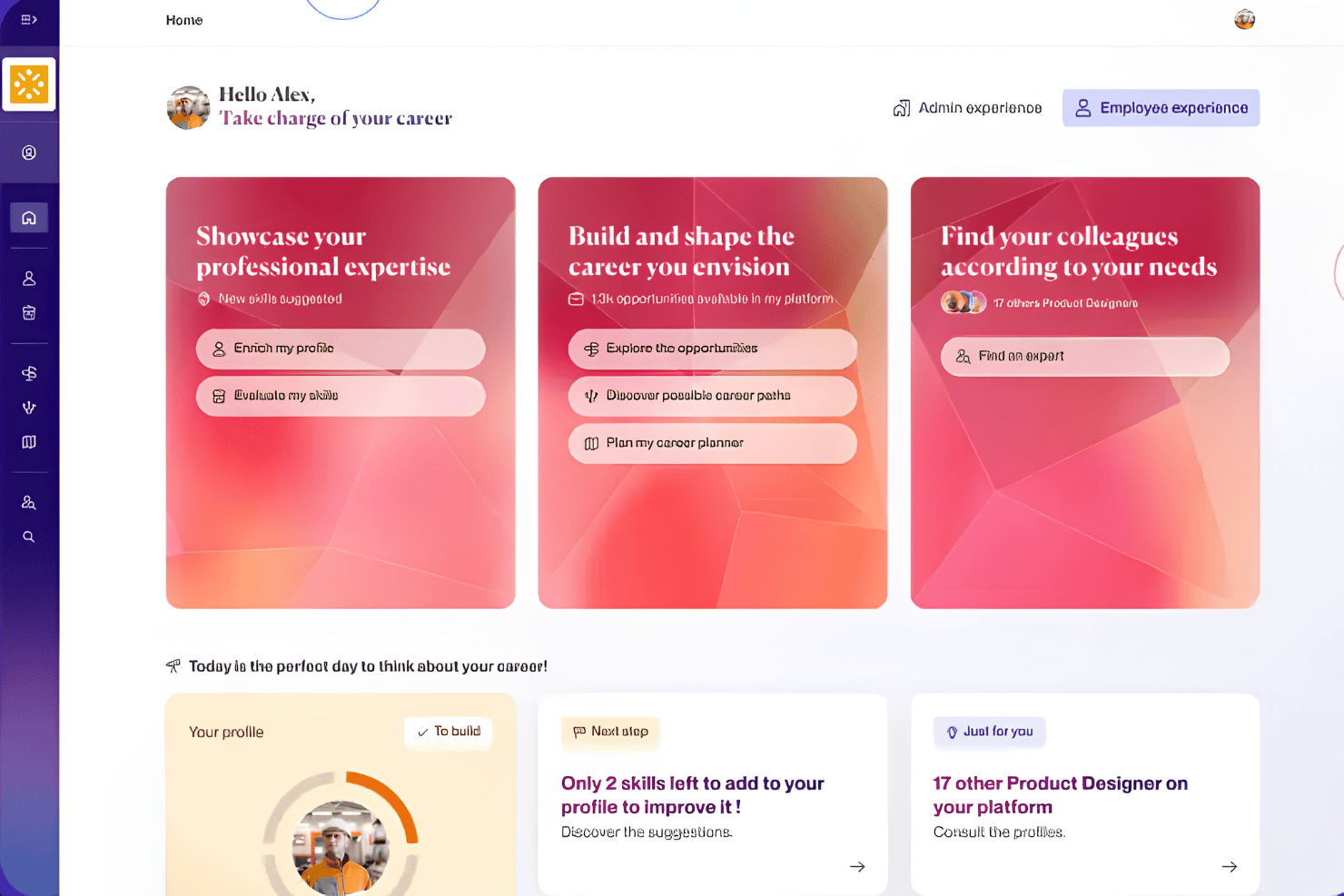
365Talents è una piattaforma di intelligence delle competenze basata su AI che mappa le competenze della forza lavoro, supporta la mobilità interna dei talenti e collega i dati sulle competenze alla pianificazione strategica della forza lavoro nelle grandi organizzazioni distribuite.
Per chi è più adatto 365Talents?
È particolarmente indicato per grandi aziende che gestiscono forze lavoro complesse e multilingue e che necessitano di un'intelligence delle competenze su larga scala attraverso team globali.
Perché ho scelto 365Talents
365Talents si guadagna un posto nella mia shortlist perché il suo motore di Skills Intelligence rileva competenze dai dati di lavoro reali, estratti da CV e autovalutazioni dei dipendenti, così l'HR non deve gestire manualmente una tassonomia. Apprezzo particolarmente il livello di validazione human-in-the-loop, che segnala le competenze dedotte dall'AI per essere confermate prima che vengano considerate come fatto. I framework dinamici delle competenze si auto-aggiornano anche al variare delle architetture dei ruoli, mantenendo la mappa aggiornata senza sforzi manuali.
Caratteristiche principali di 365Talents
- Cruscotti per la pianificazione strategica della forza lavoro: Visualizzano l'offerta e la domanda di competenze tra i dipartimenti per una modellazione a livello aziendale.
- Percorsi di carriera personalizzati: Suggerisce opzioni di sviluppo professionale su misura legate alle competenze e alle aspirazioni.
- Marketplace interno dei talenti: Abbina i dipendenti a opportunità di lavoro interne, progetti e mentori sulla base delle loro competenze attuali.
- Integrazioni HR aziendali: Si connette con oltre 100 sistemi HRIS, LMS, ATS e core HR per sincronizzare i dati sulle competenze su più piattaforme.
Integrazioni di 365Talents
365Talents offre integrazioni native con Docebo, Workday, SAP SuccessFactors e Oracle, oltre a fornire un'API per integrazioni personalizzate.
Pros and Cons
Pros:
- L'AI rileva le competenze da più fonti di dati
- Tassonomia delle competenze multilingue per team globali
- Supporta framework dinamici di ruoli e competenze
Cons:
- La personalizzazione dei report può essere limitata
- La precisione dell'abbinamento delle competenze può richiedere una revisione manuale

iMocha
Ideale per valutazioni delle competenze basate sui ruoli
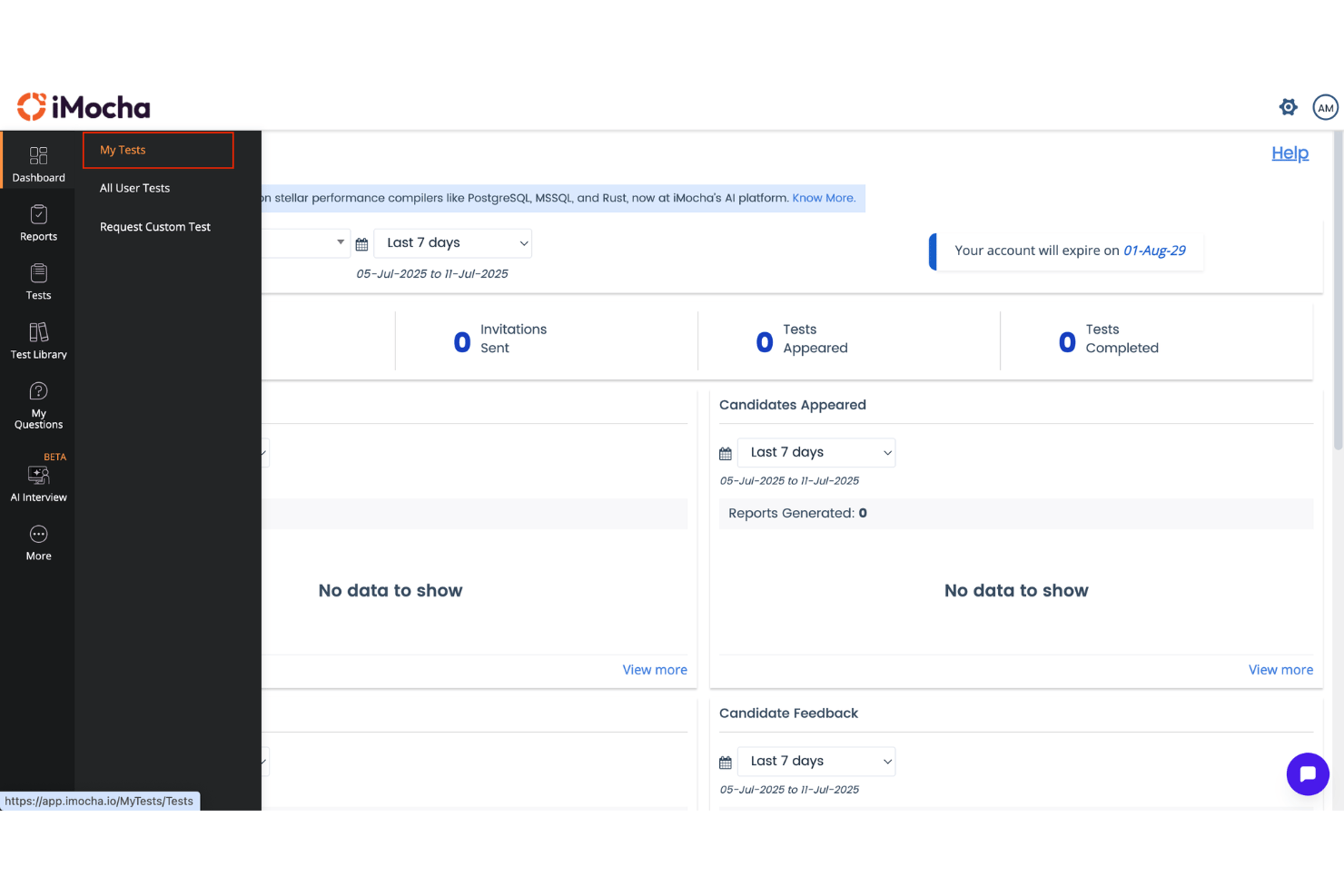
iMocha è una piattaforma di intelligence delle competenze che riunisce la gestione della tassonomia delle competenze, valutazioni guidate dall’IA, analisi dei gap e analisi della forza lavoro, con integrazioni tra i sistemi HRIS, LMS e ATS aziendali.
Per chi è ideale iMocha?
iMocha è particolarmente adatto a grandi aziende che utilizzano Workday, SAP SuccessFactors o Oracle HCM e che necessitano di valutare e gestire le competenze tecniche su larga scala nella forza lavoro.
Perché ho scelto iMocha
Ho incluso iMocha nella mia selezione per la precisione con cui abbina le posizioni lavorative ai requisiti di competenze prima che inizi qualsiasi valutazione. Mi piace in particolare AI-SkillsMatch, che trasforma una richiesta di assunzione in un’architettura di competenze specifica per il ruolo e poi valuta direttamente i candidati o i dipendenti rispetto a essa. La libreria di oltre 10.000 competenze, organizzata nei domini tecnici, funzionali e comportamentali, consente di creare valutazioni per ruoli di nicchia senza dover partire da zero.
Caratteristiche principali di iMocha
- Colloquio AI conversazionale Tara: Conduce colloqui adattivi e guidati dall’IA per valutare competenze tecniche e trasversali su ampia scala.
- Dashboard per l’analisi dei gap nelle competenze: Visualizza inventario delle competenze, lacune e bacini di talento per dipartimento, sede o team.
- Proctoring di livello enterprise: Utilizza video intelligente, verifica dell’identità e blocco del browser per garantire integrità e conformità dei test.
- Validazione delle competenze da più fonti: Supporta l’autovalutazione, la validazione da parte dei manager e la valutazione 360 insieme alle valutazioni automatizzate.
Integrazioni di iMocha
iMocha offre integrazioni native con SAP SuccessFactors, Workday, Oracle Cloud HCM, Greenhouse, iCIMS, Lever, SmartRecruiters, BambooHR, Cornerstone OnDemand, Degreed e Microsoft Teams. Si collega anche a Zapier e offre un’API per integrazioni personalizzate.
Pros and Cons
Pros:
- Approfondita valutazione delle competenze tecniche, tra le migliori del settore
- Validazione delle competenze da più fonti, incluso feedback a 360 gradi
- Tassonomia delle competenze dinamica e personalizzabile per aziende
Cons:
- Funzionalità limitate di internal talent marketplace
- I report possono risultare complessi per i nuovi amministratori

Ideale per il matching della forza lavoro potenziato dall'IA
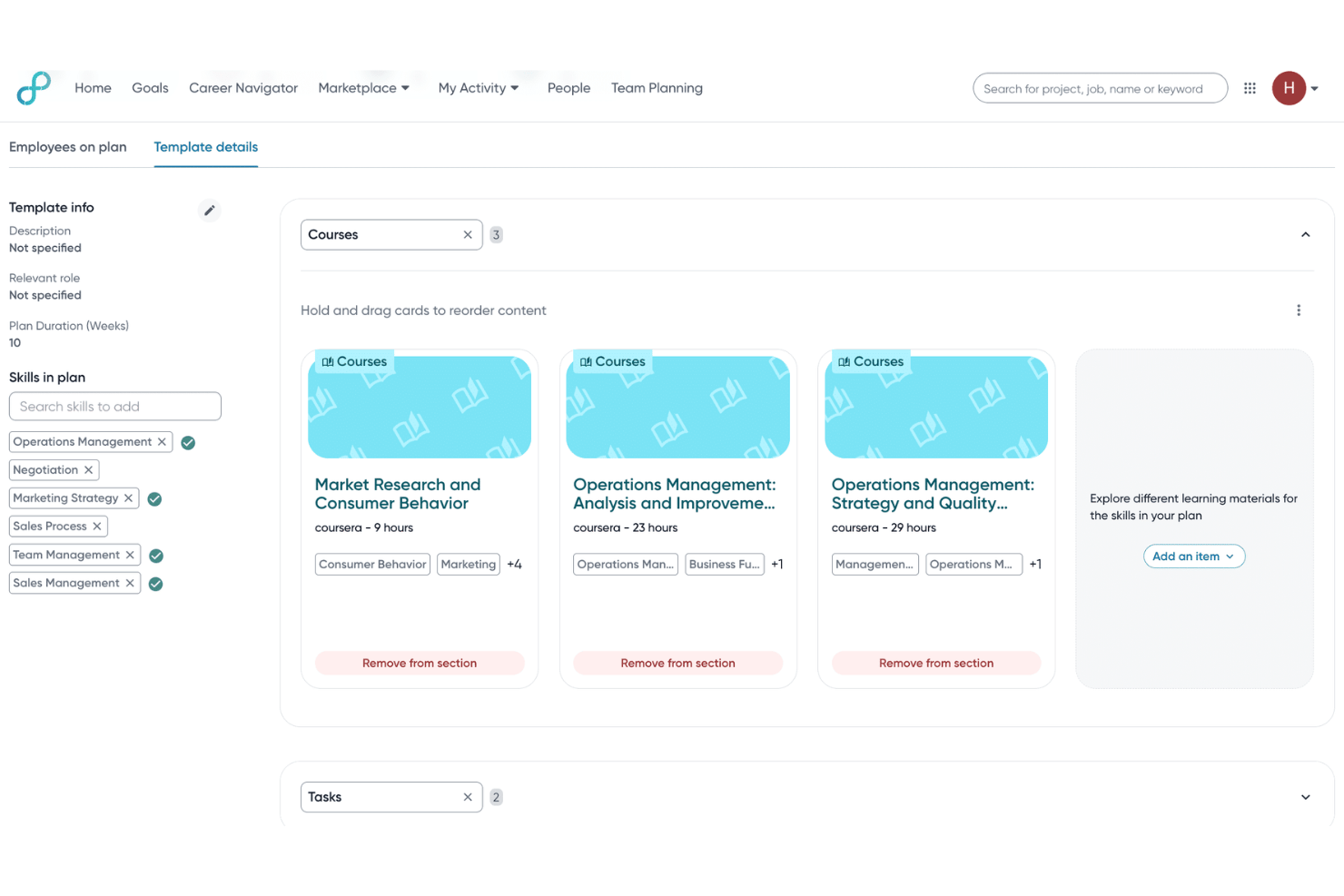
Eightfold AI è una piattaforma di talent intelligence che utilizza il deep learning per mappare, dedurre e analizzare le competenze della forza lavoro attraverso le fasi di assunzione, mobilità interna, sviluppo di carriera e pianificazione del personale.
Per chi è ideale Eightfold AI?
Eightfold AI è pensato per i team HR delle grandi aziende—tipicamente organizzazioni con oltre 10.000 dipendenti—che gestiscono intelligence sulle competenze e pianificazione della forza lavoro complesse e su larga scala.
Perché ho scelto Eightfold AI
Eightfold AI ha guadagnato il suo posto nella mia shortlist perché il suo motore di matching va ben oltre la semplice corrispondenza delle parole chiave. Deduce le competenze dai curriculum, dalle esperienze lavorative e dai sistemi HR integrati, quindi valuta i candidati e i dipendenti rispetto ai requisiti dei ruoli utilizzando un'ontologia proprietaria di 1,6 milioni di competenze. Mi piace particolarmente il fatto che lo stesso motore alimenti la mobilità interna, individuando dipendenti con competenze affini per posizioni aperte prima ancora che il team prenda in considerazione assunzioni esterne.
Funzionalità principali di Eightfold AI
- Marketplace del talento: Propone lavori, incarichi e programmi di mentoring all'interno dell'organizzazione in base ai profili di competenze dei dipendenti.
- Dashboard per la pianificazione della forza lavoro: Visualizza l'offerta e la domanda di competenze a livello di team, dipartimento e organizzazione.
- Controlli per riduzione di diversità e bias: Configura screening anonimizzati e audit dei bias per ridurre l'affidamento su indicatori non legati alle competenze.
- Integrazioni HR aziendali: Si connette bidirezionalmente con piattaforme come Workday, SAP, Greenhouse e Oracle Cloud.
Integrazioni di Eightfold AI
Eightfold AI offre integrazioni native con Workday, SAP SuccessFactors, Oracle HCM Cloud, Greenhouse, iCIMS, Lever, ADP, SmartRecruiters, Taleo e altri ancora. È disponibile anche un'API per integrazioni personalizzate.
Pros and Cons
Pros:
- Motore di inferenza delle competenze leader del settore
- Strumenti avanzati per la pianificazione della forza lavoro
- Raccomandazioni di percorsi di carriera guidate dall'IA
Cons:
- Le dashboard analitiche possono risultare limitate
- Occasionali errori nella deduzione delle competenze
Ideale per strumenti di conformità di livello enterprise
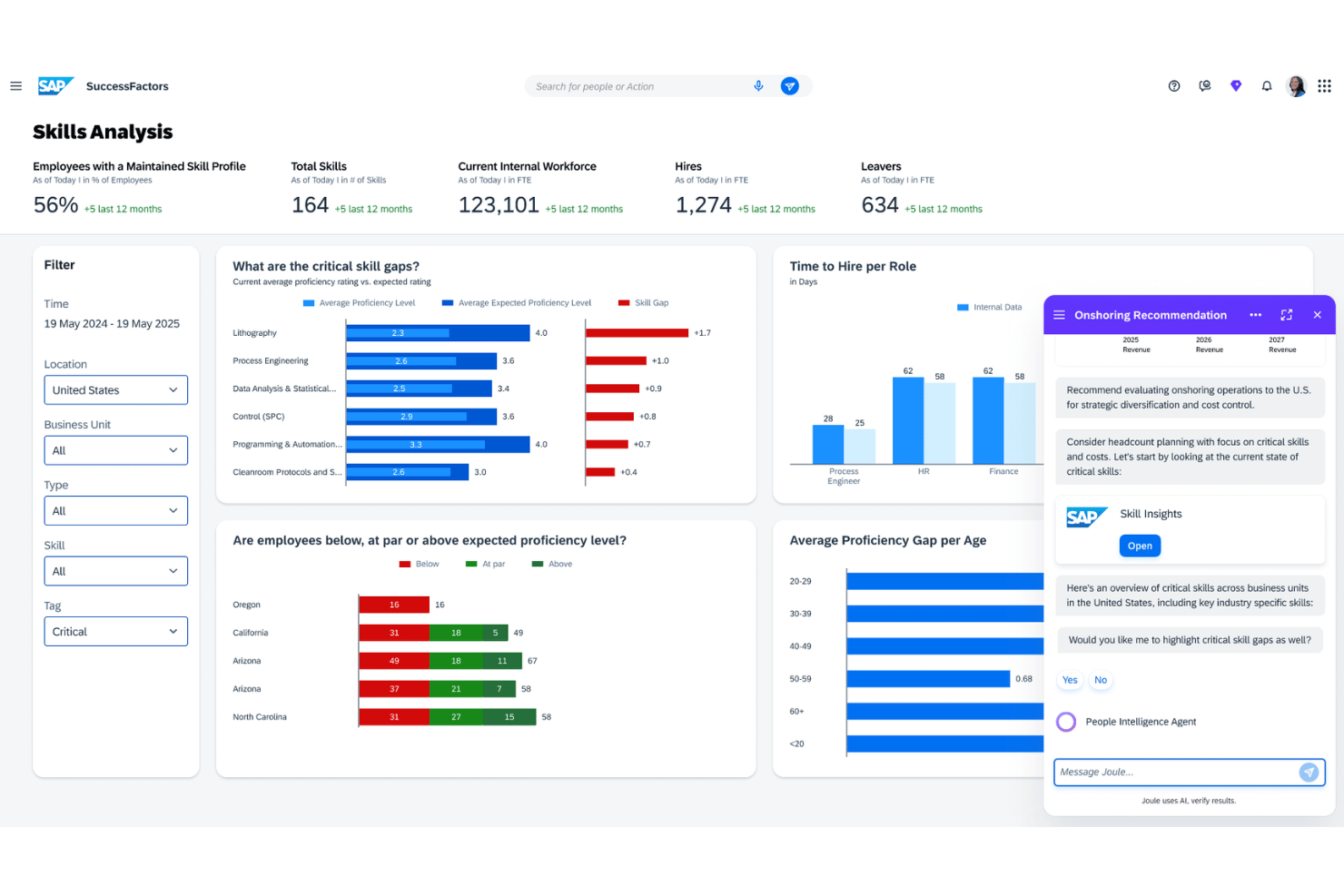
SAP SuccessFactors è una suite HCM basata su cloud che combina una tassonomia delle competenze alimentata dall'IA, un hub di talent intelligence, gestione dell'apprendimento, strumenti per le performance e funzionalità di pianificazione della forza lavoro in un ecosistema HR aziendale globale e localizzato.
Per chi è consigliato SAP SuccessFactors?
SAP SuccessFactors è pensato per grandi imprese multinazionali che necessitano di una piattaforma unificata di gestione HR e competenze in contesti di forza lavoro complessi e distribuiti.
Perché ho scelto SAP SuccessFactors
Ho scelto SAP SuccessFactors perché il suo motore di conformità integrato va ben oltre la semplice formazione di base. SuccessFactors Learning assegna e traccia automaticamente i corsi obbligatori di conformità in base a ruolo, regione e requisiti normativi. Insieme al Talent Intelligence Hub, posso mappare quali dipendenti possiedono certificazioni o competenze legate a specifici obblighi di conformità in oltre 100 giurisdizioni localizzate.
Funzionalità chiave di SAP SuccessFactors
- Talent Intelligence Hub: Centralizza i dati sulle competenze e li connette ai processi HR.
- Strumenti di successione e sviluppo: Supporta la canalizzazione per la mobilità interna e ruoli di leadership.
- Raccomandazioni di apprendimento guidate dall’IA: Propone suggerimenti di apprendimento personalizzati utilizzando dati su competenze e talenti.
- Modulo performance e obiettivi: Consente la definizione di obiettivi e la valutazione delle prestazioni basati sulle competenze su larga scala.
Integrazioni di SAP SuccessFactors
SAP SuccessFactors offre integrazioni native con SAP S/4HANA, ADP, Kronos, Skillsoft e SAP Cloud Platform Integration. È disponibile un’API per integrazioni personalizzate.
Pros and Cons
Pros:
- Supporta più di 100 normative di conformità specifiche per paese
- Tassonomia delle competenze scalabile per grandi imprese
- Ampia localizzazione per workforce globali
Cons:
- Richiede significative risorse IT per la distribuzione
- Processo di configurazione delle competenze complesso
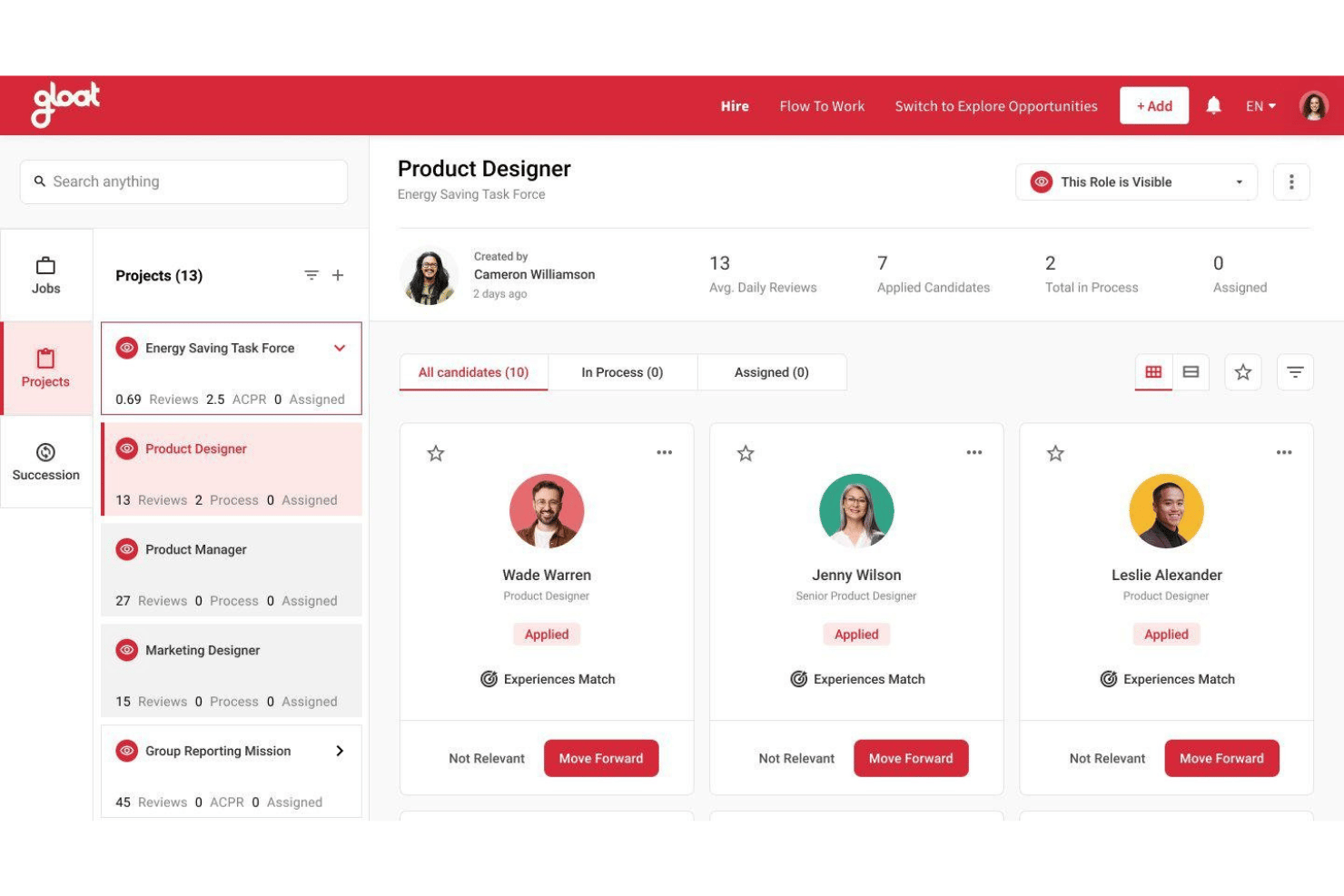
Gloat è una piattaforma di talent marketplace basata sull'intelligenza artificiale che combina l'inferenza delle competenze, il matching per la mobilità interna, la pianificazione delle carriere e l'analisi della pianificazione della forza lavoro per grandi aziende.
Per chi è ideale Gloat?
Gloat è particolarmente indicato per grandi aziende distribuite a livello globale, dove i CHRO e i team di workforce planning devono gestire competenze e mobilità interna su larga scala.
Perché ho scelto Gloat
Ho scelto Gloat tra i migliori perché il suo talent marketplace guidato dall’intelligenza artificiale va oltre il semplice job board interno. Il motore contestuale Loomra™ costruisce un grafico vivo delle competenze per ogni dipendente, così quando si apre un nuovo progetto, Gloat lo abbina alle competenze inferite dalla cronologia lavorativa anziché a quanto inserito manualmente nel profilo. Mi affido anche al Retention Risk Analyzer per individuare i rischi di abbandono prima che diventino posti vacanti, evidenziando i dipendenti che non hanno visibilità sui percorsi di crescita interna.
Caratteristiche principali di Gloat
- Template di agenti preimpostati: Scegli tra modelli come Career Development Advisor e Retention Risk Analyzer per scenari HR specifici.
- Motore di governance: Imposta i flussi di approvazione, le regole di eligibilità e i controlli di accesso basati sui ruoli per le opportunità interne.
- Integrazioni HRIS bidirezionali: Sincronizza dati su dipendenti e competenze tra Workday, SAP SuccessFactors e Oracle HCM Cloud.
- Distribuzione in-app su Teams e Slack: I dipendenti accedono a Gloat direttamente da Microsoft Teams, Slack o Google Chat.
Integrazioni di Gloat
Gloat offre integrazioni native con SAP SuccessFactors, Workday HCM, Oracle HCM Cloud, Microsoft Teams, Slack, Google Chat e Microsoft Copilot. È disponibile un'API per integrazioni personalizzate.
Pros and Cons
Pros:
- Suggerimenti su carriere e competenze basati sull'intelligenza artificiale
- Ontologia delle competenze dinamica aggiornata per ogni ruolo
- Marketplace di talenti integrato per la mobilità interna
Cons:
- La configurazione e la mappatura dei dati possono essere complesse
- Alcune funzionalità di reportistica mancano di opzioni di personalizzazione
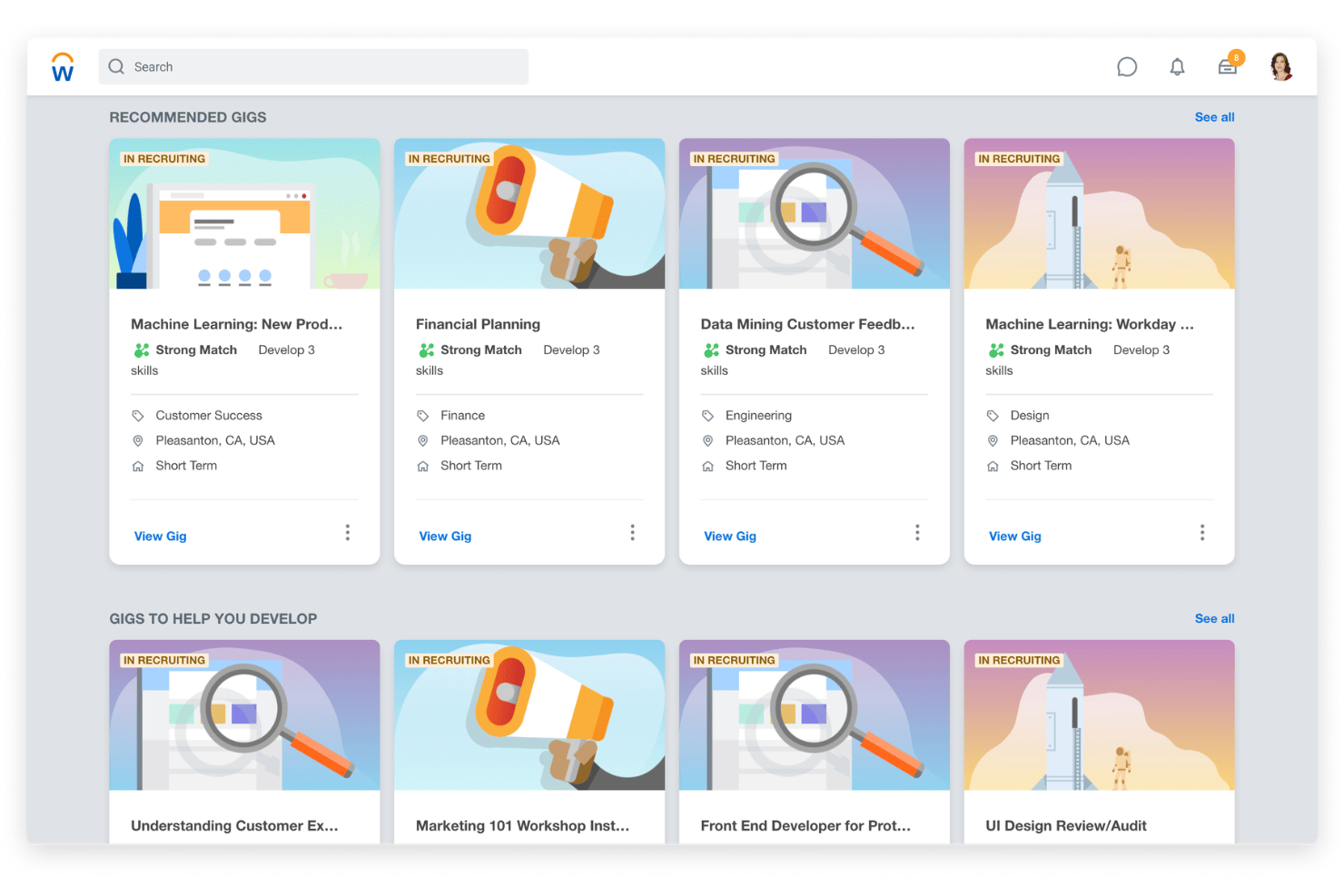
Workday Skills Cloud è una piattaforma di gestione delle competenze basata sull'IA integrata in Workday HCM che deduce, organizza e aggiorna continuamente i dati sulle competenze della forza lavoro in ambito recruiting, formazione, sviluppo di carriera e pianificazione del personale.
Per chi è ideale Workday Skills Cloud?
Workday Skills Cloud è particolarmente indicato per le grandi aziende che già utilizzano Workday HCM e desiderano adottare una strategia di talent management basata sulle competenze all’interno di una forza lavoro complessa e distribuita.
Perché ho scelto Workday Skills Cloud
Ho incluso Workday Skills Cloud tra le soluzioni consigliate grazie al modo in cui la sua tassonomia evolve realmente. Alimentata da Workday Illuminate™, rileva e aggiorna costantemente le competenze dei dipendenti a partire dalle attività lavorative reali, non solo dai CV o dalle auto-valutazioni. L’ontologia mappa le relazioni tra le competenze, rilevando sinonimi e competenze vicine che una libreria statica non individuerebbe. Apprezzo inoltre che raccolga segnali da strumenti come Salesforce e Jira, facendo emergere capacità che i dipendenti non hanno elencato esplicitamente.
Caratteristiche principali di Workday Skills Cloud
- Hub delle carriere e talent marketplace: Collega i dipendenti a offerte di lavoro, incarichi, progetti e opportunità di mentoring sulla base di dati verificati sulle competenze.
- Integrazione con Prism Analytics: Combina fonti interne ed esterne per un’analisi approfondita dei gap di competenze e del benchmarking della forza lavoro.
- Raccomandazioni di apprendimento personalizzate: Suggerisce automaticamente contenuti formativi in linea con i profili di competenze e i piani di sviluppo individuali.
- Hub di insight per i manager: Fornisce ai manager dashboard e raccomandazioni guidate dall’IA per la pianificazione e lo sviluppo delle competenze della forza lavoro.
Integrazioni Workday Skills Cloud
Workday Skills Cloud dispone di integrazioni native in tutta la suite Workday, compresi i moduli HCM, Formazione e Recruiting, e offre integrazioni certificate con TechWolf e altri. È disponibile un’API per integrazioni personalizzate.
Pros and Cons
Pros:
- L’inferenza delle competenze tramite IA è molto accurata
- Strumenti dinamici per la visualizzazione delle competenze
- Gestione dettagliata dell'ontologia delle competenze
Cons:
- Disponibile solo per i clienti Workday HCM
- La mappatura delle competenze può essere impegnativa in termini di risorse
Altri software di gestione delle competenze per le aziende
Ecco alcune ulteriori opzioni di software di gestione delle competenze per le aziende che non sono entrate nella mia selezione, ma che vale comunque la pena prendere in considerazione:
- Degreed Skills+
Ideale per analytics sulle competenze azionabili
- Reejig
Ideale per decisioni etiche sui talenti
- Phenom
Ideale per analisi unificate sull'esperienza dei talenti
- Skillsoft
Ideale per librerie di contenuti di apprendimento integrato
- Pluralsight
Ideale per la valutazione delle competenze nei ruoli tecnici
- SeekOut
Ideale per approfondimenti sui talenti esterni
- TalentGuard
Ideale per la modellazione personalizzata dei percorsi di carriera
- AG5
Ideale per dashboard sulle carenze di competenze in tempo reale
- Kahuna
Ideale per il monitoraggio delle competenze della forza lavoro in prima linea
- Lightcast Skills Taxonomy
Ideale per framework open-source di dati sulle competenze


Hoe ik software voor vaardighedenbeheer voor ondernemingen beoordeel
Wanneer een CHRO vaardigheden in kaart moet brengen voor 50.000 medewerkers, splits ik mijn beoordeling op in essentiële functionaliteit en onderscheidende kenmerken die goede platforms onderscheiden van echt strategische oplossingen.
Kernfunctionaliteit (basisvereisten voor deze lijst)
Bij het selecteren van tools voor mijn lijst beoordeel ik elke tool op een schaal van 0 (biedt de functionaliteit niet) tot 5 (blink hierin uit) voor elke onderstaande kernfunctionaliteit. Vervolgens bereken ik de totaalscore van de tool als percentage. Elke tool moet een minimale totaalscore van 65% behalen om in aanmerking te komen voor opname.
- Vaardighedentaxonomie & ontologie: Ik beoordeel of het platform een vooraf samengestelde, aanpasbare vaardighedenbibliotheek biedt met synoniemen, vaardigheidsniveaus en rolkoppelingen die kunnen worden opgeschaald over bedrijfsonderdelen heen.
- Afleiding & beoordeling van vaardigheden: Een sterke tool haalt vaardighedendata uit cv's, projectgeschiedenissen en gekoppelde systemen, in plaats van uitsluitend te vertrouwen op handmatige zelfbeoordelingen.
- Analyse van vaardighedentekorten: Ik zoek naar overzichten op individueel, team- en organisatieniveau, zodat een manager voor personeelsplanning precies kan bepalen waar bijscholing de grootste impact heeft.
- Inzichten voor personeelsplanning: Dashboards die het beschikbare aanbod aan vaardigheden afzetten tegen de vraag, helpen talentleiders bij het voorspellen van wervings- en L&D-behoeften die aansluiten op de bedrijfsstrategie.
- Talentmarktplaats & mobiliteit: Ik controleer of het platform vaardigheidsprofielen koppelt aan tijdelijke opdrachten, mentorschappen en openstaande functies om interne loopbaanontwikkeling te ondersteunen.
- Integraties met HR-systemen voor ondernemingen: Bidirectionele gegevenssynchronisatie met kernsystemen zoals HRIS, LMS, ATS en prestatieplatforms houdt vaardighedendata accuraat binnen de volledige technologiesuite.
Zodra ik een lijst heb met tools die aan de criteria voldoen, kijk ik naar wat elk platform onderscheidt.
Onderscheidende factoren (waarmee leveranciers zich onderscheiden)
Zo vergelijk ik verschillende leveranciers met elkaar:
Opvallende functies
Het afleiden van vaardigheden met AI is een belangrijk onderscheidend kenmerk. Ik zoek naar platforms die vaardigheden uit projectdata en gekoppelde tools halen, in plaats van erop te vertrouwen dat medewerkers zichzelf labelen. Personeelsplanning op basis van vaardigheden is minstens zo belangrijk, vooral wanneer deze scenariomodellering omvat waarmee talentleiders kunnen visualiseren hoe een reorganisatie of productlancering de vraag naar vaardigheden zal veranderen. Ik beoordeel ook of de interne talentmarktplaats van een platform verder gaat dan het koppelen van functies en ook tijdelijke opdrachten, mentorschappen en uitdagende opdrachten onder de aandacht brengt op basis van aanverwante vaardigheden.
Meer dan functies
Schaalbaarheid voor ondernemingen is het eerste wat ik controleer. Een platform moet honderdduizenden medewerkersprofielen in verschillende regio's kunnen verwerken zonder dat rapportages of gegevenssynchronisaties vertraging oplopen. Gegevensbeveiliging is minstens zo belangrijk. Ik zoek naar SOC 2 Type II-certificering, opties voor regionale gegevensopslag en op rollen gebaseerde toegangscontroles die HR-beheerders gedetailleerde machtigingsinstellingen bieden. Ondersteuning bij de implementatie is een andere factor die leveranciers van elkaar onderscheidt. Een vaardighedenplatform uitrollen naar een wereldwijd personeelsbestand vereist toegewijde consultants en middelen voor verandermanagement, niet alleen een helpcentrum.
Come scegliere un software di gestione delle competenze per le aziende
È facile perdersi in lunghi elenchi di funzionalità e strutture tariffarie complesse. Per aiutarti a rimanere concentrato mentre affronti il tuo specifico processo di selezione del software, ecco una checklist dei fattori da tenere a mente:
| Fattore | Cosa considerare |
| Scalabilità | Il sistema sarà in grado di gestire le dimensioni attuali della forza lavoro e la sua crescita futura, attraverso più aree geografiche, marchi o unità aziendali? Esamina i riferimenti dei clienti relativi a organizzazioni di dimensioni simili. |
| Integrazioni | Su quali strumenti HRIS, LMS, ATS e di collaborazione fai affidamento? Mappa le esigenze di integrazione e verifica attentamente la disponibilità di connettori preconfigurati, invece di affidarti allo sviluppo di API personalizzate. |
| Personalizzazione | Puoi adattare i cataloghi delle competenze, le autorizzazioni degli utenti e le strutture dei report per riflettere il tuo organigramma e la tua lingua? Fai attenzione a una personalizzazione eccessiva, che può ritardare il raggiungimento dei risultati o complicare le implementazioni. |
| Semplicità d'uso | La piattaforma è intuitiva per amministratori e utenti finali? Organizza dimostrazioni con il personale HR e i partner aziendali per convalidare i flussi di lavoro e il potenziale di adozione, non soltanto la navigazione superficiale. |
| Implementazione e onboarding | Quanta capacità interna hai per l'implementazione, la formazione degli stakeholder e la gestione del cambiamento? Richiedi un piano di implementazione, non soltanto una tempistica generica o un elenco di risultati da consegnare. |
| Costi | Il prezzo varia in modo equo in base al numero di dipendenti e ai modelli di utilizzo? Esamina il costo totale di proprietà, che comprende licenze, configurazione, consulenza e assistenza successiva al lancio, non soltanto il prezzo di listino. |
| Misure di sicurezza | Quali framework e certificazioni per la protezione dei dati soddisfa il fornitore? Informati sulla localizzazione dei dati, sulla gestione delle autorizzazioni e sulle modalità di accesso e conservazione dei dati dei dipendenti durante l'utilizzo. |
| Requisiti di conformità | Hai requisiti specifici relativi alle leggi regionali sulla privacy o alla supervisione sindacale? Verifica che il sistema sia in grado di gestire scenari come il GDPR, la localizzazione dei dati specifica per paese e i registri di audit. |
Cosa sono i software per la gestione delle competenze per le aziende?
I software per la gestione delle competenze per le aziende sono piattaforme specializzate che aiutano le grandi organizzazioni a mappare, valutare e analizzare le competenze dei dipendenti su larga scala. Questi sistemi supportano la gestione dei talenti fornendo una matrice delle competenze, monitorando i livelli di competenza e individuando opportunità per colmare le lacune nelle competenze tra reparti e ruoli.
Supportano inoltre la gestione delle competenze, lo sviluppo dei talenti e i programmi di formazione, aiutando le organizzazioni a ottimizzare le capacità della forza lavoro e ad allineare le iniziative di apprendimento agli obiettivi aziendali. Sostituendo i fogli di calcolo manuali con dati centralizzati sulle competenze, le aziende possono prendere decisioni più informate sulla forza lavoro.
Funzionalità
Quando scegli un software per la gestione delle competenze per le aziende, presta attenzione alle seguenti funzionalità chiave:
- Tassonomia e ontologia delle competenze: offre una libreria strutturata e personalizzabile di competenze, con relazioni, sinonimi e livelli di padronanza, per standardizzare il modo in cui le capacità vengono monitorate e analizzate all'interno dell'organizzazione. Supporta i framework delle competenze per allineare le competenze ai ruoli e agli obiettivi aziendali.
- Inferenza delle competenze basata sull'IA: rileva e aggiorna automaticamente i profili delle competenze dei dipendenti acquisendo dati da curriculum, attività di progetto e strumenti integrati, riducendo al minimo la dipendenza dalle autovalutazioni manuali.
- Valutazione delle competenze da più fonti: supporta le valutazioni personali, dei manager e dei colleghi, con scale di padronanza configurabili, in modo che i team HR possano convalidare le capacità da più prospettive e individuare le competenze critiche.
- Analisi delle lacune nelle competenze: confronta le competenze attuali dei dipendenti con i requisiti dei ruoli o dei progetti e con gli obiettivi organizzativi, facilitando l'individuazione delle esigenze formative, dei requisiti futuri in termini di competenze e delle priorità di sviluppo della forza lavoro.
- Dashboard per la pianificazione della forza lavoro: visualizza la distribuzione, le lacune e le eccedenze di competenze tra team, famiglie professionali o unità aziendali, per aiutare i responsabili HR nella pianificazione degli scenari e nel processo decisionale strategico.
- Mercato interno dei talenti: collega le competenze dei dipendenti a opportunità occasionali, di progetto e a tempo pieno all'interno dell'azienda, promuovendo la mobilità interna, la fidelizzazione, la crescita professionale e nuove opportunità di crescita.
- Consigli personalizzati per l'apprendimento: suggerisce corsi mirati, certificazioni o incarichi stimolanti in base alle lacune nelle competenze individuate, integrandosi spesso con l'LMS aziendale o con le piattaforme di apprendimento.
- Integrazioni con i sistemi aziendali: sincronizza i dati sulle competenze con piattaforme HRIS, LMS, ATS e di collaborazione, garantendo la coerenza e riducendo l'inserimento amministrativo dei dati nell'intero ecosistema tecnologico aziendale.
- Controlli di conformità e sicurezza: fornisce registri di audit, impostazioni delle autorizzazioni e funzionalità di protezione dei dati per salvaguardare le informazioni sensibili dei dipendenti e supportare i requisiti regionali in materia di privacy.
- Globalizzazione e localizzazione: supporta più lingue, valute e impostazioni regionali per consentire un'implementazione coerente nelle organizzazioni internazionali o distribuite in più sedi.
Vantaggi
L'implementazione di un software per la gestione delle competenze per le aziende offre diversi vantaggi al tuo team e alla tua azienda. Eccone alcuni:
- Visibilità centralizzata delle competenze: Ottieni una panoramica delle capacità dei dipendenti a livello aziendale, semplificando l'identificazione dei talenti, la gestione della successione e la comprensione dei punti di forza della forza lavoro.
- Apprendimento e sviluppo mirati: Utilizza l'analisi delle lacune nelle competenze e i suggerimenti formativi per offrire la formazione giusta ai dipendenti giusti, accelerando gli sforzi di miglioramento e riqualificazione delle competenze.
- Pianificazione strategica della forza lavoro: Sfrutta dati sulle competenze e pannelli di controllo in tempo reale per prevedere le esigenze di talenti, sostenere la crescita organizzativa e adattarti all'evoluzione delle esigenze aziendali.
- Maggiore mobilità interna: Abbina i dipendenti a progetti, incarichi temporanei o posizioni aperte pertinenti in base alle loro competenze e aspirazioni, promuovendo la crescita professionale e la fidelizzazione.
- Gestione automatizzata dei dati sulle competenze: Affidati all'inferenza delle competenze basata sull'IA e alle integrazioni di sistema per mantenere aggiornati i profili delle competenze senza inserimento manuale dei dati o colli di bottiglia dovuti all'autodichiarazione.
- Conformità e protezione dei dati: Mantieni la privacy dei dati e soddisfa i requisiti normativi regionali attraverso solidi controlli di sicurezza, registri di controllo e gestione degli accessi configurabile.
- Coerenza globale: Supporta le esigenze multilingue e regionali, consentendo un monitoraggio standardizzato delle competenze e la mobilità in tutte le sedi internazionali.
Costi e prezzi
La scelta di un software per la gestione delle competenze per le aziende richiede la comprensione dei vari modelli di prezzo e dei piani disponibili. I costi variano in base alle funzionalità, alle dimensioni della squadra, ai componenti aggiuntivi e ad altri fattori. La tabella seguente riassume i piani più comuni, i relativi prezzi medi e le funzionalità tipicamente incluse nelle soluzioni software per la gestione delle competenze per le aziende:
Tabella di confronto dei piani per i software per la gestione delle competenze per le aziende
| Tipo di piano | Prezzo medio | Funzionalità comuni |
|---|---|---|
| Piano gratuito | $0 | Monitoraggio di base delle competenze, numero limitato di utenti, reportistica minima e assistenza della comunità. |
| Piano personale | $5-$25/utente/mese | Profili individuali, strumenti di autovalutazione, accesso ai cataloghi delle competenze e integrazioni standard. |
| Piano aziendale | $30-$60/utente/mese | Pannelli di controllo della squadra, valutazioni da più fonti, più integrazioni, tassonomie personalizzabili e controlli di sicurezza standard. |
| Piano per grandi aziende | $70-$150/utente/mese | Inferenza avanzata delle competenze basata sull'IA, integrazioni aziendali, pannelli di controllo per la pianificazione della forza lavoro, assistenza dedicata all'implementazione e funzionalità di conformità. |
Domande frequenti sul software di gestione delle competenze per le aziende
Ecco alcune risposte alle domande più comuni sul software di gestione delle competenze per le aziende:
In che modo il software di gestione delle competenze supporta la pianificazione della forza lavoro?
Il software di gestione delle competenze fornisce ai responsabili delle risorse umane dati in tempo reale sulle competenze dei dipendenti in tutta l’organizzazione. Ciò facilita la previsione delle esigenze di personale, l’identificazione delle lacune e l’adozione di decisioni informate in materia di assunzioni, formazione e pianificazione della successione.
Il software di gestione delle competenze può integrarsi con i sistemi HR esistenti?
Sì, la maggior parte delle soluzioni offre integrazioni preconfigurate con le principali piattaforme HRIS, LMS e ATS. Ciò aiuta a mantenere aggiornati i profili delle competenze e riduce l’inserimento dei dati e i processi manuali nell’intero ecosistema tecnologico HR.
Che cos'è l'inferenza delle competenze tramite l'IA e perché è importante?
L’inferenza delle competenze tramite l’IA aggiorna automaticamente i profili dei dipendenti analizzando i dati dei progetti, i curriculum e gli strumenti collegati. Questo elimina l’onere dell’autodichiarazione manuale, garantisce che i profili siano aggiornati e porta alla luce i talenti nascosti all’interno dell’organizzazione.
È possibile gestire le competenze a livello globale con questo software?
Sì, le piattaforme leader supportano più lingue, valute ed esigenze di conformità, rendendo possibile monitorare e analizzare le competenze in modo coerente tra team e sedi distribuiti a livello globale.
Quanto sono sicuri i dati dei dipendenti nel software di gestione delle competenze?
I fornitori offrono generalmente solide misure di sicurezza, tra cui accesso basato sui ruoli, registri di controllo, crittografia dei dati e conformità a framework come SOC 2 e GDPR. Verificate sempre le certificazioni del fornitore e le opzioni di residenza dei dati nell’ambito della vostra valutazione. Se è importante avere un maggiore controllo sul proprio ambiente dati, le piattaforme a codice aperto per la gestione delle competenze possono offrire maggiore flessibilità per quanto riguarda l’hosting e la configurazione.