In the landscape of modern work environments, the rise of digital nomads represents a significant evolution in how careers and workplaces are perceived and operated. This shift has led to a new blend of workforce, mixing traditional office-bound employees with those who choose to work remotely from anywhere in the world.
In this episode, host David Rice is joined by Audra Nichols—Chief Operating Officer at MBO Partners—to discuss the future of work for digital nomads and the policies that can support this unique segment of the workforce.
Interview Highlights
- Audra Nichols: A Journey from PwC to MBO Partners [01:14]
- Audra has a background in professional services, spending nearly 19 years at PwC before moving to a smaller legal consulting business.
- At PwC, she utilized independent consultants through MBO Partners and recognized the need for a flexible workforce model.
- Audra later became the client and executive sponsor at UnitedLex, where she continued to work with MBO Partners.
- Miles, the CEO of MBO Partners, convinced Audra to join as the Chief Operating Officer due to her extensive experience and perspective as both a user and client.
- Audra's role involves passionately growing MBO Partners and leveraging her firsthand experiences to have a positive impact on organizations and workers.
- Understanding the Digital Nomad Phenomenon [03:46]
- MBO Partners has been studying the rise of digital nomads for about five years.
- Contrary to common stereotypes, the average age of a digital nomad is 39 years old.
- In 2023, there were 17.3 million digital nomads, marking a 131% increase since 2019.
- Historically, digital nomads were primarily independent contractors, but the COVID-19 pandemic saw a significant increase in full-time employees adopting this lifestyle.
- However, after COVID-19 restrictions eased and organizations began implementing return-to-office policies, the number of full-time employee digital nomads decreased by 4% in 2023.
- Digital nomads are not just young individuals; 21% of them are Gen Z, and 37% are millennials, indicating a diverse age range among this group.
- Factors such as children growing up, mortgage payments being completed, and career advancement contribute to older individuals opting for flexible work arrangements.
- "Tethered nomads" refer to individuals who now have to be in a specific location for work, typically due to return-to-office requirements.
- Approximately 80% of the U.S. workforce has returned to some form of in-office work, though not necessarily full-time.
- This shift has affected the choices of digital nomads, leading many to spend more time closer to home to accommodate in-office requirements.
- The baseline expectations for both workers and organizations have changed, necessitating a shift in leadership skills to effectively manage a diverse workforce with varying work arrangements.
- Leaders today need to be more intentional in bringing together different worker personas to effectively deliver results to clients, especially as remote and hybrid work become more prevalent.
The concept of nomads, independence, and optimizing your workforce requires a set of leadership skills today that are more intentional than they were in years past, to bring all those pieces together effectively.
Audra Nichols
- Navigating the Challenges of Digital Nomad Policies [09:03]
- Employers need to consider tax laws and jurisdictional labor laws when creating digital nomad policies.
- Safety considerations include tracking employees' whereabouts for accountability and addressing potential issues like illness or emergencies.
- Policies should empower workers to be productive while establishing boundaries and guidelines for compliance without overburdening them.
- Trust between leaders and workers is crucial for effective remote work, especially in crisis situations like conflicts or emergencies.
- Engagement and trust-building require leaders to be compassionate yet direct and to establish clear expectations regarding availability and communication.
- Maintaining team culture and collaboration is essential, including encouraging the use of video during virtual meetings to build relationships and trust.
- IT departments need to be proactive in monitoring and updating software to mitigate security risks associated with remote work and digital nomadism.
We aim to avoid micromanaging our workers, as they perform best when empowered to utilize their skills in environments that maximize productivity. However, it's essential to establish clear boundaries and guidelines for engagement with the workforce, ensuring compliance without overwhelming them.
Audra Nichols
- Building Remote Teams and Cultivating Culture [17:29]
- Building relationships and creating connections between remote employees and co-located team members is essential for fostering a strong company culture.
- Encouraging collaboration beyond day-to-day work tasks and understanding team members' personalities and preferences, such as through tools like Myers-Briggs assessments, can facilitate a deeper understanding and appreciation within the team.
- Personal interactions, such as meeting in person or sharing meals, are crucial for building trust and rapport among team members, even in a remote work environment.
- Understanding and accommodating individual preferences and needs, such as the desire for in-person office work, can contribute to employee satisfaction and retention.
- Moments of connection and human interaction help break down barriers between remote team members and foster a sense of camaraderie and unity within the team.
- Optimizing the Workforce with a Blend of Remote and In-Office Employees [23:03]
- Assess the client base and industry needs to determine the optimal mix of remote, hybrid, and in-office work environments.
- Consider the employee experience and career paths for both remote and in-person workers, ensuring equitable opportunities for growth and advancement.
- Prioritize workforce optimization by balancing profitability, flexibility, and carrying costs, leveraging a combination of employee skills and independent contractors.
- Embrace skills-based staffing or competency-based staffing to enhance organizational agility and adaptability in serving diverse client needs.
- Invest in leadership development to equip leaders with the necessary skills, personas, authenticity, and compassion required for leading in the evolving landscape of work.
Meet Our Guest
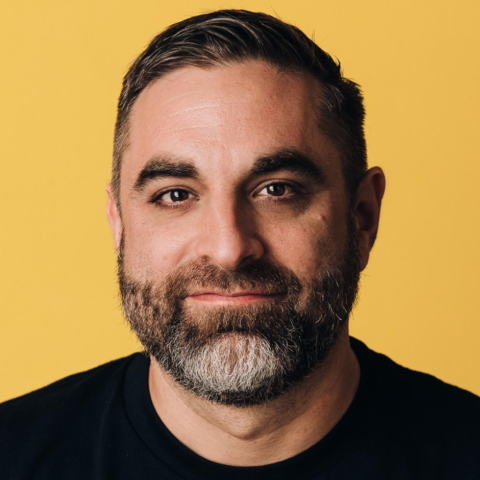
Audra Nichols is a proven senior leader dedicated to achieving measurable business results for growth and market differentiation in the US and globally. She has 25 years of professional services experience leading large-scale transformational change efforts that drive a competitive operating model, building and leading high performing teams, and running the operations to realize long term impact.

You must evaluate your leaders to ensure they are equipped to lead in the future, not just based on past practices. Today's leaders require distinct personas, skill sets, authenticity, and compassion compared to those in previous years.
Audra Nichols
Related Links:
- Join the People Managing People Community
- Subscribe to the newsletter to get our latest articles and podcasts
- Connect with Audra on LinkedIn
- Check out MBO Partners
Related articles and podcasts:
- About the People Managing People podcast
- How To Get Out Of The Weeds Of Micro-Managing & Build Team Trust
- 9 Hybrid Workforce Best Practices: Leveraging The Best Of Both Worlds
- How To Build Strong Relationships Working Remotely
- The Benefits of Remote Teams: For Employers and Employees
- Workforce Planning: A Complete Practical Guide
Read The Transcript:
We’re trying out transcribing our podcasts using a software program. Please forgive any typos as the bot isn’t correct 100% of the time.
David Rice: In the space of a few years, digital nomads have gone from a relatively small group of professionals to becoming a normal occurrence in the workforce. More than 17 million Americans now call themselves digital nomads as they navigate remote working environments. Many companies are now realizing that a blend of nomads and traditional employees working in office or hybrid is a good mix to have. But how do you go about creating policies that ensure nomads have a good experience, are an active part of the company culture and serve the company like any other employee?
Welcome to the People Managing People podcast. We’re on a mission to build a better world of work and to help you create happy, healthy, and productive workplaces. I’m your host, David Rice.
My guest today is Audra Nichols. She’s the Chief Operating Officer of MBO Partners. We’re going to be talking about digital nomad policies, welcoming the digital nomad into a blended workforce, and how to support nomads in your organization.
Audra, welcome.
Audra Nichols: Thank you. Delighted to be here, David.
David Rice: Well, first, you know, tell us a little bit about yourself, your work with MBO Partners. What led you to working with them and supporting that vision for the future of work?
Audra Nichols: Absolutely. Well, I’ve spent the majority of my career in professional services. That’s what I call home. So most recently about 18 and a half years with PwC. And at PwC, I had an awesome career is definitely my home. It’s, I had the best job ever and I grew the consulting practice, established the global delivery model, managed all the acquisitions for consulting. Interestingly, about almost 19 years in, I had an opportunity to do something different with a smaller business.
So I’ve always been a part of really, really big businesses. You know, I’m somebody of like, no regret. So I said, you know, I think I should give this a try. So I went to a smaller legal consulting business. And the very first part I brought in to that business was MBO Partners. And the reason I did it is because I recognized the growth of legal consulting, my global model.
I really needed a flexible kind of workforce model that we didn’t necessarily have. So when I was at PwC, I’ll add to that. I was, I would say, I, very strong leader user of independent consultants through MBO Partners. So, I’ve been a power user that I went to UnitedLex and I became the client, the executive sponsor, but for a business. And, you know, Miles, our CEO and I were talking when I was running the business as later UnitedLex.
And we’re talking about, you know, how it was going and thinks that we could improve in the really the impact kind of on the worker and the organization, which I’m truly passionate about because I had experienced it both ways. And somehow along the way in those conversations, he convinced me that would be an awesome choice to go to MBO and be the chief operating officer and really kind of passionately grow this because I, for the lack of a better term, I had a 360 degree view.
I had been a power user. I had brought independent contractors onto my engagements. I was a sponsor and a key client. And now as the chief operating officer of MBO, I have the opportunity to bring those to real life perspectives together to really grow our business and have an impact on organization.
David Rice: It’s never a straight line, right?
Audra Nichols: It is never a straight line, but great decision, and I really do enjoy it.
David Rice: So as we chatted before this, you know, one of the things that came up was the rise of the digital nomads, so to speak, and we’ve seen this proliferation of digital nomads in recent years. And I know you all have a great report on the topic on your site.
Tell us a little bit about what came out of that report and what it says about the state of the workforce.
Audra Nichols: Sure. So we’ve done that for about five years, this August 2023, we published our last version of it, meaning the most recent version. And you know, it’s interesting because I’m, I really am passionate about workforce optimization in large organizations. Until I came here I’d never thought a lot about what a digital nomad is. In fact, I had this picture in my head that it’s like a dude, you know, in a van with a laptop wearing a hoodie, like truly. And did you know that actually the average age of a digital nomad is 39 years of like, I really did not appreciate this. What’s truly interesting is that in 2023, we have 17.3 million digital nomad.
That David is an increase over 2019, and we can all attribute a lot of changes to when we went into Covid. But from 2019 to 2023, that is a 131% increase. Now, it started, I would say, if you actually look at it on a chart, we’ve got a picture of that in the paper that is on the site. But if you look at it on a chart, you would see historically, it’s more of the independent workers.
It’s more of those independent contractors who are self employed, who choose to work where they want to, the way they want to, with whom they want to. But what is really cool is that with COVID, you saw that increase for full time employees become exponential. Right? And so that’s really where it took off is in 2020 to get to that 17.3 million. So in 2023, from that point, the independent contractors really increased another 14%. But then when you hit 2023, you saw the full time employees go down 4%. So, why is that? That’s because after COVID ended, and we started these policies of get back to the office back to work and we’re seeing organizations struggle with that.
And so, if you’re a nomad, or the historic or traditional definition of a nomad, who is working out of a Starbucks in Amsterdam on some days, and maybe, you know, their flat in London or their apartment in New York, going back to the office for the employees has really kind of changed that game. But that trajectory is quite interesting.
So that’s what a digital nomad is. Believe it or not, 21% of them are Gen Z’s and 37% are millennials. So you’re actually seeing the shift in the age groups. Which also makes sense, right? If you were to think about it, you think of the young guys, and now we’ve proven the hypothesis that it’s not just the youngins.
It’s not a dude in a van. And if you think about folks whose kids have grown, they no longer have childcare issues, they, their mortgages are paid. They’re at the top of their game, and they’ve got that flexibility more and more. That is the profile of the people who are choosing to be a bit more flexible in terms of when and where they work.
David Rice: So this push for return to offices, you know, it’s something that we’ve seen in the last year. It’s kind of an interesting term that’s come out of it. That’s the tethered nomads. Can you sort of define that for us and tell us a little bit about how that is influencing worker behaviors?
Audra Nichols: Yeah, the tethered nomad means somebody who now has to be somewhere for a period of time. So 80% of the U.S. workforce right now has gone back to some type of in office requirement. There are not all 5 days in the office, even if you think of most of your colleagues, there are a number of folks who have to be in the office 2 to 3 days.
So, what that’s done is it’s really changed kind of the choices that a nomad has because they want to be a part of that, and they need to be a part of that. So for example, and just in our report, there is less and less who will spend more time overseas if they’re U.S. based. They tend to be choosing to spend more time close to home so that they can do those, you know, the in office visits, which more and more people are recognizing as valuable and enjoying.
But I think the baseline of expectations has changed. And when that baseline of expectations changes, it doesn’t just change it for the worker, it also changes it for the organization. And I contend, you know, this whole thing around nomads and independence and optimizing your workforce requires a set of leadership skills today, really to bring all those pieces together that are more intentional than they were in years past.
Where it was a lot easier because your folks were all in front of you, right? As we went through COVID, as a leader today, we need to have different skills and be more intentional about how we bring these different personas, a worker together, to actually deliver to our clients.
David Rice: From a policy perspective, embracing digital nomads has some considerations that come along with it, you know, things like tax laws, jurisdictions for labor laws come to mind.
So what sort of considerations do employers need to keep in mind around these things as they write a digital nomad policy?
Audra Nichols: Yeah, I would say I’m neither a lawyer nor I am an accountant. I’ve been around both for a very long time, as I say that, right? It’s funny because I came from professional services, which is a county based company.
And then went to a legal services firm and worked with lawyers. But I think there’s a couple of things that you need to think about and you really do need to consult the professionals. If you just let it be and are not intentional about understanding of those regulations, the tax implications to bear, as an organization you can end up in the wrong place because there are tax laws.
They’re not even tax laws of somebody traveling to other countries from, like, a global mobility perspective. But if you are working for a period of time in a particular state, or a particular county, or sometimes even a particular city, their tax laws are different. Right? So you need somebody who actually knows that.
You know, what’s interesting is it’s something like 17% of folks who reported this being digital nomads actually say they don’t let their manager know. That could become quite problematic. Problematic not only from a compliance perspective, but also from a safety perspective. 14% of them do let their managers know, but they don’t know if they necessarily have a policy.
So, I’ll take it from two lenses. As an organization, you really need a partner, like MBO Partners, who understands the compliance associated with that. Because it changes how you pay people, it changes if they’re W-2s or they’re 1099s, it changes where they work and how they work. So that’s number one. From a safety perspective, if you think about it, you don’t want to just find out one day that one of your workers, whether they be an employee or an independent contractor, is working out of Turkey.
And you don’t know what happens if they get sick, what happens if there’s a problem. They’re on your watch, it’s your accountability. So, good, big organizations track that, right? I know when I worked in professional services, wherever I was, I was tracked. And I always knew that if there was a problem, I had an approach to handle that.
So, there are multiple things to consider kind of how you use technology. We can talk about that if you want. That’s also another thing to consider as people are out working. Like, do you think about it, David, when you want to go to a Starbucks and sit and work? Are you trained? Do you naturally turn your VPN on?
And do you understand the risks that are being taken when you’re sitting there at Starbucks and you don’t have your VPN on and you might have, you happen to be working on a client spreadsheet. So, all of these things should be in a policy. I would say how that policy is built and applied to your organization is something you as leaders need to determine with those professionals.
You really don’t want to over pit it, right? We don’t want to micromanage our workers. We get the best of our workers when they’re empowered to deliver their skills in the environment that makes them most productive. But you do need to kind of draw lines and boundaries and then have a very pragmatic way that you’re going to engage your workforce to understand and comply with them without feeling like they’re being overburdened.
David Rice: Yeah, absolutely. That’s interesting because recently we put an article on the website about, you know, sort of business continuity across international lines. And there was a scenario that the author had painted that I thought might be very real right now where a conflict happens.
So something like Israel, right? How do you get your people across borders and handle that situation? And when you said that the percentage of folks that aren’t telling their manager, wow, that’s actually very dangerous.
Audra Nichols: And it actually speaks to what I said earlier about the requirements of a leader in terms of connecting with your workers, whether they’re employees or their contractors.
And really creating an environment of trust, I think I really do believe it’s far more critical today than it certainly was years ago. I will say to my people, like, I don’t care if you work on the noon, but you need to be available in this time. You need to get your work done. We would always, always talk about it and I would understand what I needed to put in place.
You know, if you’ve worked globally, different time zones, I’ve worked globally for a very, very long time and trying to get from somebody from Sydney, Australia and the Pacific time zone and London and Indiana phone is impossible. So you set your alarm for 2 o’clock in the morning and you get up and you do it.
Right? So, that engagement of your workers, no matter what it is, and that trust that you have to build so that they can perform at their best, I think requires former instinctive and compassionate yet very direct skills from a leader today than we have seen in years past.
David Rice: Absolutely. And you mentioned there the technology piece, you know, so I am curious, you know, what are some of the challenges presented by digital nomads?
It seems, you know, pretty much everything you need would be commonplace at this point after we’ve been doing work for home, you know, through the years of the pandemic. But as things are changing with tech all the time, I guess I’m curious if there are factors companies need to sort of take into consideration that you might not think of right away.
Audra Nichols: So I agree with you. It should be commonplace. I actually have two perspectives on this. So perspective number one is around risk, right? So we mentioned like the VPN. The other thing is, is if you’ve got people using their own PCs, so let’s say they’re, you’re engaging, somebody who’s going to work with you, they’re not an employee for a period of time.
There’s a lot of things that need to be considered with that because you could download something onto your personal PC, whether you’re using a virtual desktop or not. Now, you’ve got that on your PC. That’s something that your IT and tech department needs to handle single sign on. All those things, they do seem commonplace, but my perspective is that the training and kind of the auditing of the knowledge of that training is more important today than it was. And I’m not sure everybody does that as consistently, like once a year thing ain’t going to cut it, right? You’ve got people coming and going all the time. From an engagement perspective, I would say, how do you create a team?
How do you create a culture? To this day, I am surprised at the number of calls that I get on, whether it be with partners outside MBO sometimes clients, or people don’t have their cameras on. So, when I work with my team, I want your camera on. It’s just like we’re in a room together. That’s how you build relationships.
Now, there may be cases where, like, today I have to have a no camera day, or maybe you make Fridays no camera day. But it’s these basics that I think bear discussion and often are not discussed and people will default to be in their isolation without their camera on or without the need to speak if they’re on a call and to just listen.
And I think it’s so much harder to build a team of trust and to encourage that collaboration without actually speaking those basics. The other thing back to the, like, the technology components that I would mention is that, you know, your IT department today has got to be more in their game than they ever needed to be before.
So if you’re traveling around in your software, you’re not connected to the VPN and therefore your software isn’t updating. Right? If you don’t have your software updated, that creates greater risk. So, the importance of your IT department today and what they should be constantly monitoring is probably greater than it was certainly before COVID.
And I think they learned that route. So it’s a combination of kind of the soft skills, the components and that the intention of speaking, this is how I want us to engage as a team, no matter where you are. As well as the value of having tech policies, training, checks and balances constantly in play so that you can inadvertently, without recognizing it, put your organization at risk.
David Rice: You know, we’ve talked a little bit about different sort of policy pieces, but I think from a cultural perspective, you think about what companies wanting to build relationships, you know, between the employer and these employees who aren’t there in person, create connections between nomads and key figures that are maybe co-located.
What advice do you have for doing that and essentially, you know, making these people feel really at home?
Audra Nichols: This is one that I think is easier today than it was before because that kind of remote environment we were thrown into it and it is somewhat more accepted. So, I mean, think about it like even five years ago, David, whatever you were doing five years ago, if somebody said, Hey, I’m going to go work out of, you know, my college roommate’s place in, you know, California, even, and I’m New York based for the next two months.
Those of us in New York would say, you’re going to what? You can’t do that. Right? That would be our immediate reaction. So today I think it’s a little bit easier. So those expectations have changed a bit. But culturally, I think it’s as simple as encouraging that collaboration, but beyond just how you work on a day to day basis.
So for example, as a leader, do you know the Myers Briggs of each of your people on your team? Because you can see that when you break bread, and I’m a big fan of, there should be reasons you should be in person. I can work with you, David, for the next 3 months and still when we meet and then have dinner, that connection is wildly different.
Right? So I call that, you know, that’s like the final connection when you’re breaking bread. So, I still believe that you need to do that. But do you know the Myers Briggs? Do you know if people are truly introverts or extroverts? Because they have to show up on a video one way. And then maybe there’s the rest of the people in the room, which makes it quite difficult.
So, I think there’s a component from a guidance perspective, where culturally we want to feed into our people a level of awareness of the rest of the team, whether they’re in person or remote and who they are and what makes them tick and how they think and what their strengths are, et cetera. I’ll give you an example.
I’ll give you a little story. I had a woman just out of college start working for me kind of as my chief of staff right at the beginning of COVID. So she had just graduated from college. She had never been in an office her life. She’s a tremendous professional. But a year into it, she said, I do not want to work remotely anymore.
I need to be in an office. She lived in Chicago. She said, Audra, you’ve had that for, you know, 15 years of your life. I’ve never had that. I need that. I need to go work in an office and where I was working at the time, we no longer had offices. So, I supported her and her desire to find a role where she could take the train to her office 2 to 3 days a week.
She didn’t want to work 5. She had just gotten a puppy. 2 to 3 days a week where she was in an office working with people and breaking bread. If we didn’t have that relationship, she would have just resigned and left. Instead, she said, this is what I need, and I worked with her. I’m feeling very comfortable and understanding where she was in her career, how her career may change.
And it was so appreciative of her willingness to be forthright with me that I could actually participate with her to help her find that next opportunity and to help her grow.
David Rice: I do agree with you. It’s just different sometimes when you’ve actually met, you know, like I’ve been doing remote jobs for the last four years, like a lot of people.
And it’s interesting, like, as I came here, you know, I was here for like a month and we all went into a big to a summit in Mexico. And meeting everybody there, going out to eat like you said, you know, you have that interaction. When you get back on the remote calls, you show up a little bit differently, you know, because like now I’m a whole person.
Audra Nichols: Yeah, you’re a little more relaxed. There’s a little more humor. I’m a big believer in here in terms of how you work. So, I think, I mean, I think this digital nomad concept that we’ve been talking about for years is in terms of not being in the same location, the last couple of years has helped us with that. And it’s actually helped us recognize kind of that, that interplay that is required to build that holistic team.
David Rice: Yeah, I think it’s just important that like, I think you can have fully remote teams. It works. But there has to be moments for them to sort of tear down the wall and to really become human to each other. That way, when you do get back in that setting, it’s like the wall doesn’t even exist anymore.
Audra Nichols: Exactly. And you know, you don’t even have to do that through work. It’s so think about it. I’ve done this just recently. A woman who worked with me, who was an independent contractor, but worked remotely a couple of years ago, who tends to travel. I get a phone call that says, Hey, I’m going to be in Florida. How about I stop by?
So these are people I haven’t worked with for years, but because they’ve got that ability to move around, still working wherever they are, then that connection, she came and we had dinner and we had lunch and this is somebody who I haven’t worked with for four years, who is willing to do that. So it makes a difference.
David Rice: I think at this point, a lot of companies are kind of, and you know, you kind of tell me if I’m misreading it. But it feels like they’re realizing that they kind of need or want is to create a mix of folks who are working remotely and those who can adopt either hybrid or in office working environments.
I guess what advice would you give for folks who are looking to create that mix of talent working in different ways and how that plugs into strategies for optimizing the workforce?
Audra Nichols: I think there’s a couple of things. I think the very first thing you need to really assess is your client base, right?
Are you in a service industry serving your clients, right? So I come out of consulting. And while we accepted it during the period of time where we couldn’t travel, if you’re truly consulting in very strategic matters, you need to be there with the client. That doesn’t mean 5 days a week, but you actually need to be there with the client.
So, first assess the industry you’re in and the clients that you’re providing service or product for and what their needs are because that client experience is critical. Then, when you look at the employee experience, don’t overlook that mix of remote, in person, whether it be employees or independent contractors, and what that does to the mixture of how you shape your teams, right?
So, you may not want a fully remote team. If you’re a consultant, you can’t necessarily have that. You’re bringing together multiple components, but you really also need to think about the career path. And I’m not sure there’s one answer, right? But if I’m Audra and I choose never to go into an office, do I have the same career path as the dude who’s getting on a plane every day?
I don’t know. I mean, that’s a decision that needs to be made from an HR policy career path perspective. And I know multiple organizations that have made multiple different decisions as it relates to that. But I’d start with the client or whatever clients or service you’re providing. Then I would look at kind of how you’re going to grow your people.
Remember the goal is to get the best people doing their best work, whatever that looks like, right? And your career paths may change based on that. And then I’ll go back to, from a true workforce optimization perspective, you have to think about things like your profitability, your flexibility, your carrying costs.
And that is, I mean, that’s a much longer conversation, David, but that’s a mixture of your employees and their skills. It’s the workers who are employees who you’re going to grow and are going to move up and maybe become CEO or partner someday. But it’s also your independent contractors, which allow you to manage the flexibility of how many employees with what skill set you have.
I’m really passionate about skills based staffing or competency based staffing and the agility that gives an organization in terms of the ebbs and flows of the market and their ability to serve varying client bases, right? So I would say those are the three key components to consider when you’re optimizing your workforce.
And then finally, I would say you really need to look at your leaders and really make sure your leaders are up to the task of leading in the future versus leading in the past. And I believe those are different leaders with different personas and different skill sets and different levels of authenticity and compassion than years ago.
David Rice: So before we go, you know, I want to give you a chance to tell people more about where they can connect with you and find out more about what you’re doing.
Audra Nichols: Okay. All right. So we’ll start with LinkedIn. That’s pretty obvious. So I am on LinkedIn. I’ll tell you I was not a social media person. I did not have Instagram until this year.
I’m just going to put that out there. And now I’m a bit of a LinkedIn junkie and I’m really, really committed to it. So I am on LinkedIn and a couple of things that I do there that I think are interesting for many is I post a quote every Wednesday. My quote is from all different people, famous people. You know, one was from Finding Nemo.
I quoted Dr. Seuss last week and their things, they’re very short quotes that are important to me. And then I write a little blurb that I write personally. I don’t outsource it. I don’t have a ghostwriter. And no, I do not use ChatGPT. I write it based on what is meaningful to me. So if you want to get to know me, if you were to just read the last two months or five, you know, weeks of my quotes, I think you’d have an understanding of who I am.
So I do that every Wednesday. I also write an article about once every four to six weeks, typically on leadership. And I try to embed in there, like, my personal experiences. I do that as well. I am a member of Chief. And I will tell you, so I’ve been a member of Chief for a little maybe a year and a half now, and I’m a member of the C-suite part of Chief.
We meet monthly. I have to tell you that those executive women from all different organizations who I’ve never met before in my life and only met virtually feed my soul and they make me better every day. So, if you’re in Chief, I am active in that. And then finally, I would say, I really have the honor, this happened just this fall, to be on the advisory board for Consulting Magazine. And Consulting Magazine does some awesome things in the consulting business and professional services. Oh, I’m trying to remember the date. It’s maybe April 11. There’s a rising stars awards dinner. I think it’s in Chicago.
So I’ll be there. And we’re going to do a session on future proof seeing your professional career. I’ve offered to be considered to speak at that. I think that’s really cool. And then there’s a consulting leaders and technology awards program in maybe Dallas. I think in May, that’s another cool place. So I try to show up at those things being on the board.
It like, it feeds my soul to be a part of consulting because that is my home. And I particularly like these because I’ve been in this business now for 25 years. So when I interact with those who’ve been in the business for 10 years, I truly believe I get more from them than they get from me. Those are just a couple of the couple of places to find me.
David Rice: All right. Well, the last part is we have a little tradition here on the podcast where I give you an opportunity to ask me a question. So I’ll turn it over to you, ask me anything.
Audra Nichols: Only one or do I get two?
David Rice: We’ll start with one.
Audra Nichols: I know you’re from the Tampa area. I think you went to USF. I live in Sarasota, Florida, just south of that. These are both on the Gulf Coast of Mexico. So do you miss the Gulf of Mexico? Do you miss the water? Do you miss the ocean? Do you miss the hurricane?
David Rice: No for user context, I now live in Atlanta, Georgia, or listener context, I should say. I now live in Atlanta, Georgia. No, I tell people all the time I was hot for 34 years.
I’m good. Now I get it to be hot, you know, a couple of months out of the year, our summers here are almost as hot as Florida, but although this morning I woke up and I had left a spigot for my hose dripping and there was a icicle about a foot and a half long running down to the ground. Yeah. And so I thought that was pretty funny, but it’s different.
I don’t miss it. I have my time with the beach and the sun and the warm weather and I don’t miss it too much. Especially the summertime, the golf is like bathwater, you know, it’s like 90 degrees now. So it wasn’t even refreshing at times.
Audra Nichols: It’s unlivable. Actually, my father came down for an event in July this year. I was raised in upstate New York and he loves the snow in upstate New York. And when he landed, he texted me. And his words were, this place is not meant to be inhabited by humans this time of year. It’s impressive. Okay. I’ll ask you a business one. You’ve been a journalist, a writer all your life. Has there ever been a time when like writing is hard for you?
Like I consider myself a pretty good writer, but I look at people who’ve gone into it as their career. We have to like, almost like write on demand. Is there a way that you’re able to just do that and you always have, or do you have like some little idiosyncrasy that gets you into the mode of the moment and you need to be in it?
David Rice: Well, if you’re writing on a deadline, I would say this, strip it back to the basics and get to the point. So that’s the easiest thing to do, right? It’s like where people overthink it when they’re writing on, especially if you’re up against a deadline is sort of trying to be prosy or, you know, like really, you know, great with your language.
If it’s on a deadline, get the facts down and you can build the rest later, but get what you got, the story that you have to tell down. And that’s an easy way to kind of deal with, because once you’re writing and you get start getting something on paper and you can see it start to come to life. I mean, paper, but you know, digital paper. But once you can start to see it come to life, then you kind of know the direction that you want to go in.
Now, do I have trouble writing? Sure. Sometimes. Yeah, especially when it isn’t a lot of pressure. It’s actually easier when there’s pressure on you to get going. When you kind of have a loose deadline and you know, you’re exploring something that’s really deep and rich, it can be hard. You know, I guess my advice there is to just remember that if it wasn’t hard, it wouldn’t be totally worth doing. Because like how you grow as a writer is you have to write about more complicated things.
You have to try to express complex ideas in ways that more and more people can understand. Or, you know, make it, make something complex, simple. And so like that does take time and you just have to be patient with yourself and let it flow and get the ideas you can down on paper and then edit from there.
Audra Nichols: Great advice. I will take that because I will tell you the article that I write for LinkedIn on leadership, sometimes it’s real easy for me. This time, I probably should have published this week. And it’ll probably be next week and I’ve let it go. So I’ll stay focused on the facts. I know what I want to talk about and I’ll bet you, I get it done in short order this weekend.
So thank you.
David Rice: It can be easy to wander and sort of like, you know, want to cover a million different things, but you always have to come back to your focus area and like, you know, maybe another day I can talk about this other thing, you know. Like I, I did this big piece on AI and I actually just wanted to write a whole nother article on just what happens to you when you go down the AI research rabbit hole. Because I couldn’t believe everything that I found, you know, like it’s crazy and yeah, it can be a little bit shocking, but you know, that’s a whole different piece. I had to stay focused on where I set my target originally. So that’s sometimes the hard part.
All right. Well, Audra, thank you for coming on today. I really appreciate it. And thanks for the good questions.
Audra Nichols: Thank you. I enjoyed it.
David Rice: All right, listeners, if you want to keep up with more things, everything HR, digital nomads, return to office, whatever it is, head on over to peoplemanagingpeople.com/subscribe and sign up for our newsletter.
And until next time, read one of Audra’s inspiring quotes, post something positive on LinkedIn. See you next time.