

10 beste programvarer for administrasjon av insentivbasert kompensasjon i 2026

10 Beste programvare for administrasjon av insentivbasert kompensasjon – kortliste


Administrasjon av insentivbasert kompensasjon kan være en skikkelig hodepine, særlig når du må håndtere regneark og samtidig prøve å holde alle fornøyde. Du ønsker en løsning som tar stresset ut av administrasjonen av bonuser og belønninger, slik at du kan fokusere på det som virkelig betyr noe – teamets resultater.
Etter min erfaring med å vurdere HR-programvare har jeg funnet ut at riktig verktøy for administrasjon av insentivbasert kompensasjon (ICM) kan utgjøre hele forskjellen. Det hjelper deg med å administrere komplekse kompensasjonsplaner på en enkel måte og sikrer nøyaktighet og rettferdighet.
I denne artikkelen deler jeg mine beste anbefalinger for programvare for administrasjon av insentivbasert kompensasjon. Du får en upartisk og grundig gjennomgang som hjelper deg med å finne det beste alternativet for teamet ditt. La oss se nærmere på løsningene og finne den som dekker behovene dine.
Why Trust Our Software Recommendations
Our team has been testing and reviewing software since 2012. As HR experts ourselves, we know how difficult—and important—it is to choose the right software.
For this guide, we evaluated tools using hands-on testing and independent research, scoring tools using our selection criteria. We also draw on insights from industry thought leaders and practicing HR experts.
Our reviews reflect our human editorial judgment, not a sales pitch.
Expert reviewers:
Sammenligningstabell for programvare for administrasjon av insentivbasert kompensasjon
Denne sammenligningstabellen oppsummerer prisdetaljene for mine beste utvalgte programmer for administrasjon av insentivbasert kompensasjon:
| Tool | Best For | Trial Info | Price | ||
|---|---|---|---|---|---|
| 1 | Best for global incentive management | Free demo available | From $5/user/month | Website | |
| 2 | Best for complex pay structures | Free demo available | From $30/user/month | Website | |
| 3 | Best for sales compensation visibility | Free demo available | Pricing upon request | Website | |
| 4 | Best for real-time market data | Free demo available | Pricing upon request | Website | |
| 5 | Best for AI-driven insights | Free demo available | Pricing upon request | Website | |
| 6 | Best for complex modeling and scenario analysis | Free demo available | Pricing upon request | Website | |
| 7 | Best for sales teams | Free demo available | Pricing upon request | Website | |
| 8 | Best for AI-driven contact center orchestration and agent performance | Free demo available | From $110/agent/month | Website | |
| 9 | Best for custom reporting | Free demo available | Pricing upon request | Website | |
| 10 | Best for no-code automation | Free demo available | Pricing upon request | Website |
Gjennomgang av den beste programvaren for administrasjon av insentivbasert kompensasjon
Nedenfor finner du mine detaljerte sammendrag av den beste programvaren for administrasjon av insentivbasert kompensasjon som kom med på kortlisten. I gjennomgangene mine ser jeg nærmere på de viktigste funksjonene, fordeler og ulemper, integrasjoner og ideelle bruksområder for hvert verktøy, slik at du kan finne det beste alternativet for deg.
Deel HR
Best for global incentive management
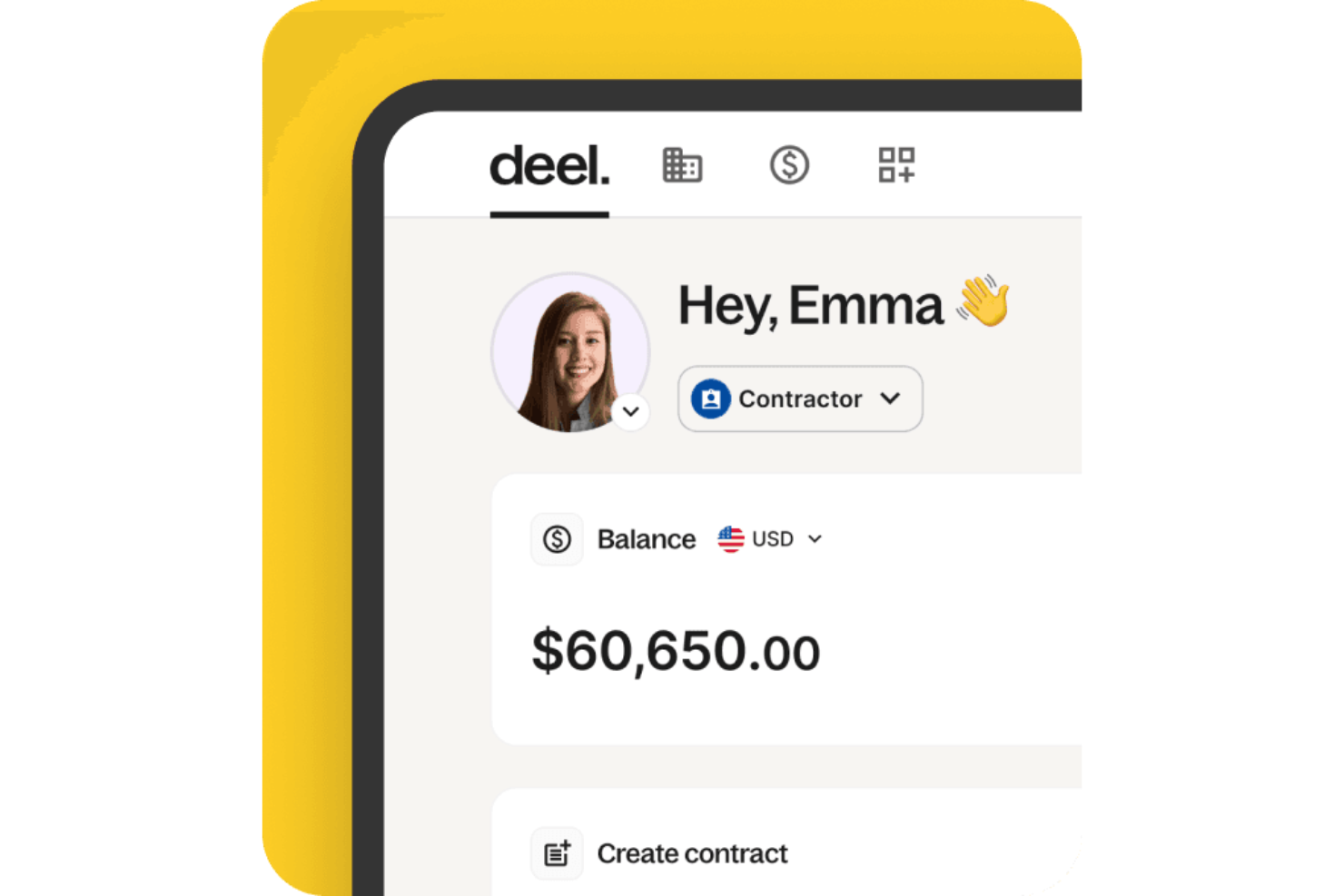
Deel offers a specialized solution for managing incentive compensation across global teams. It’s well suited for HR leaders and organizations that need to handle complex pay structures across multiple countries. By centralizing compensation data, review cycles, and compliance with pay transparency regulations, Deel helps you make consistent, informed pay decisions across diverse markets.
Why I Picked Deel
I picked Deel because it gives you structured control over global incentive compensation without adding administrative complexity. You can build and manage compensation bands to support variable pay models across regions, while automated budget tracking helps you monitor spend in real time. I also like that it provides visibility into compensation trends and equity indicators, which can help you align pay decisions with market benchmarks and transparency requirements.
Deel Key Features
In addition to its compensation management capabilities, I also found other features that can enhance your experience with Deel:
- Global Salary Insights: Access to detailed salary benchmarks across various roles and regions helps you stay competitive.
- Compliance Tracking: Ensure your compensation strategies are compliant with local labor laws and pay transparency regulations.
- Structured Review Cycles: Conduct regular compensation reviews with integrated data to support fair pay decisions.
- Compensation Trends Analysis: Gain insights into industry trends and equity indicators to guide strategic compensation planning.
Deel Integrations
Integrations include Workday, SAP, BambooHR, Personio, Microsoft Teams, Slack, Rydoo, Lever, Workable, and NetSuite.
Pros and Cons
Pros:
- Integrates with major HR systems
- Built-in compliance and contract management
- Global payroll across 150 countries
Cons:
- Limited directory customization options
- Reporting features lack advanced filtering
New Product Updates from Deel HR

Deel Expands Stablecoin Wallet to 80+ Countries
Deel expands its Stablecoin Wallet to 80+ countries with dollar-backed balances and optional rewards. This gives eligible contractors more ways to hold and manage earnings inside Deel. For more information, visit Deel’s official site.
 .
EasyComp
Best for complex pay structures
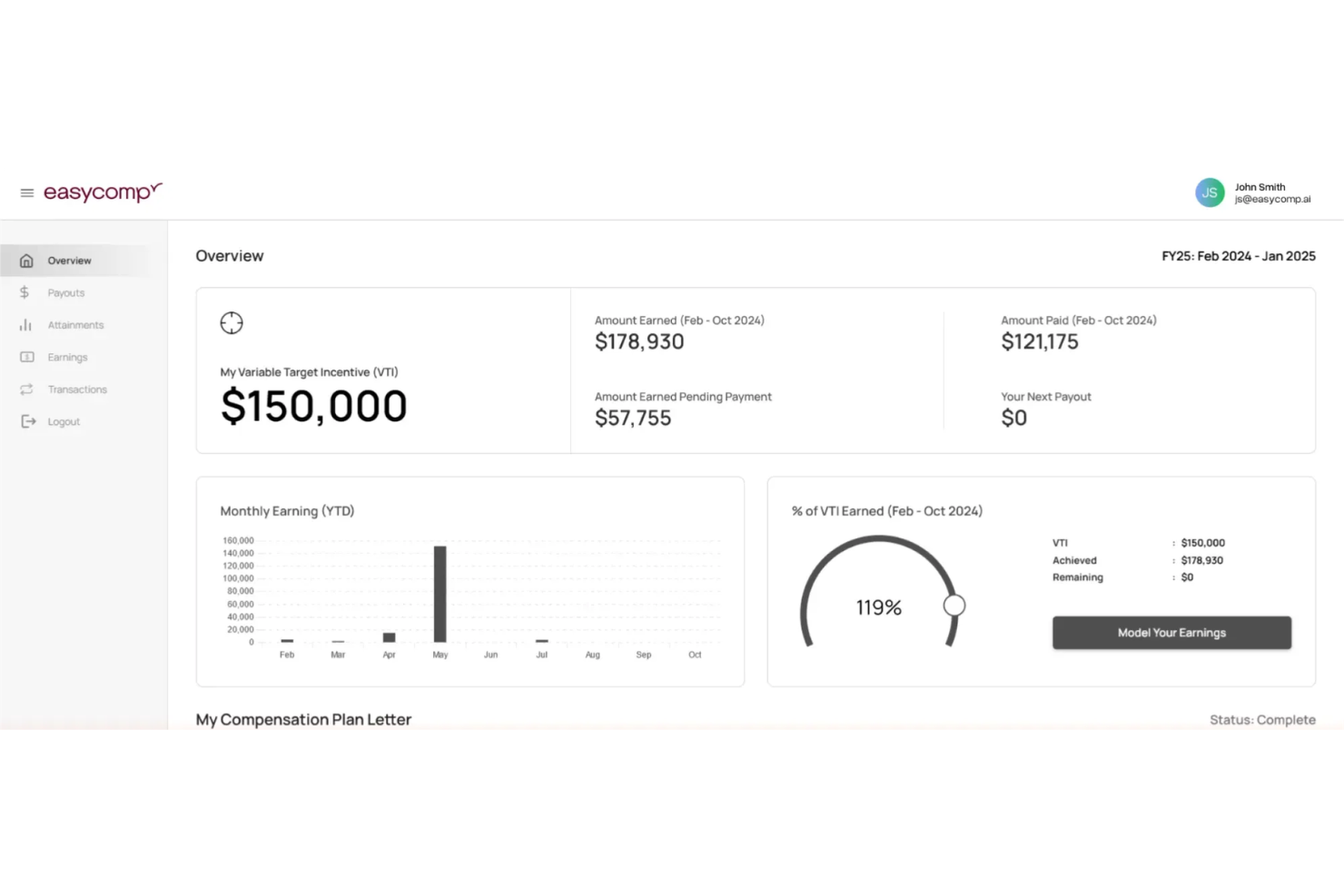
EasyComp is a sales performance management platform designed to streamline compensation processes and enhance revenue impact. It is well-suited for organizations managing complex pay structures, supporting detailed commission logic and structured incentive plans. By reducing administrative tasks and providing transparency in commission calculations, EasyComp helps improve team morale and motivation.
Why I Picked EasyComp
I picked EasyComp for its support of complex pay structures, allowing teams to manage detailed commission rules and multi-layered incentive plans in one system. The platform handles varied compensation logic without relying heavily on IT support, making it easier to adapt plans as targets or structures change. It also provides real-time visibility into earnings and performance, helping managers monitor progress and maintain accurate incentive calculations.
EasyComp Key Features
In addition to complex pay structures, EasyComp offers:
- Customizable Dashboards: Allows you to tailor the platform to your specific business needs, ensuring that relevant data is always at your fingertips.
- Incentive Program Management: Facilitates the launching and management of various incentive programs, helping to keep your team motivated and aligned with business goals.
- Seamless CRM Integration: Integrates easily with popular CRM systems, simplifying the process of managing sales data and compensation.
- User-Friendly Interface: Designed to be intuitive, reducing the need for extensive training and allowing your team to quickly adapt to the platform.
EasyComp Integrations
Integrations include Salesforce, HubSpot, and other popular CRM systems, with the option to build custom integrations via an API.
Pros and Cons
Pros:
- Quick onboarding process for compensation administrators
- Smooth integration with existing sales and finance systems
- Fast implementation with minimal setup time required
Cons:
- Limited functionality compared to more mature platforms
- Some advanced features still under development

Visdum
Best for sales compensation visibility
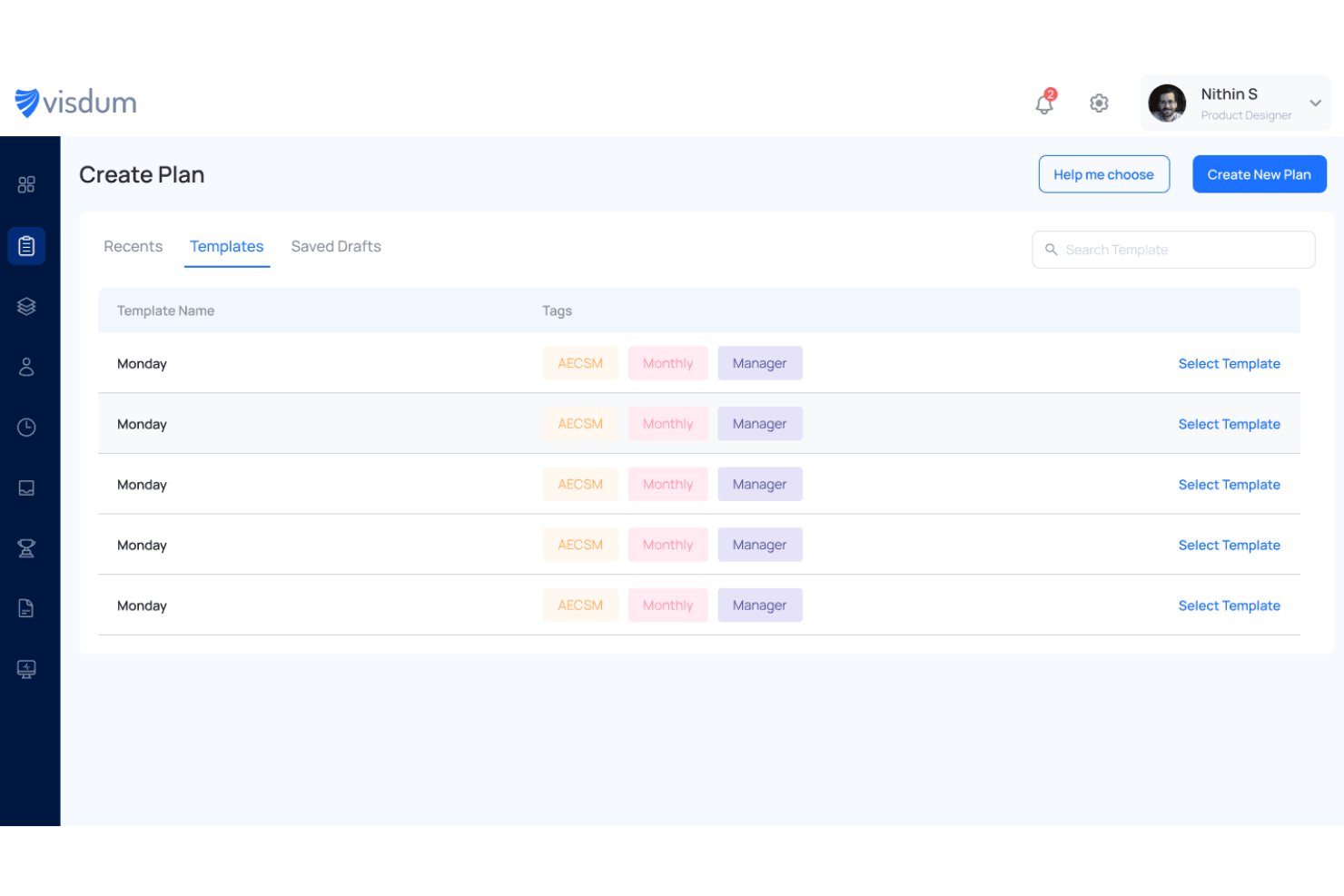
Visdum helps sales, finance, and revenue operations teams automate complex commission calculations and reduce the manual work of managing incentive plans. It stands out for its AI-assisted plan modeling, real-time visibility into earnings, and integrations with CRM, ERP, and HR systems that help keep compensation accurate and audit-ready.
Who Is Visdum Best For?
Sales operations and finance teams at mid-sized to large organizations who need to manage complex commission structures across multiple systems.
Why I Picked Visdum
I picked Visdum because it gives your team clear sales compensation visibility through real-time commission tracking, earnings statements, and performance reports. I like that reps and managers can see quotas, payouts, and plan details in one place, which makes it easier to understand how earnings are calculated. Your team can also use its dashboards and forecasting tools to monitor progress and spot payout trends before payroll runs. Visdum also supports complex commission plans, including splits, overrides, and clawbacks, so you can keep compensation tracking accurate as plans evolve.
Visdum Key Features
Some other features in Visdum support accurate, transparent, and scalable incentive compensation management:
- Custom approval workflows: Set up multi-level approval processes for commission adjustments and exceptions.
- Audit-ready reporting: Generate detailed audit trails and compliance reports for compensation transactions.
- Role-based access controls: Manage permissions and data visibility for different users across your organization.
- Real-time earnings visibility: Give reps and managers up-to-date views of commissions, payouts, and performance.
Visdum Integrations
Integrations include Salesforce, HubSpot, Microsoft Dynamics, QuickBooks, Sage Intacct, Workday, HiBob, ADP, DocuSign, and Okta.
Pros and Cons
Pros:
- Connects natively with CRM, ERP, payroll, and e-sign tools
- Provides real-time dashboards for earnings, quota progress, and payouts
- Automates complex commission plans with splits, overrides, and adjustments
Cons:
- New users may face a learning curve initially
- Visualization options could be more flexible for deeper reporting needs

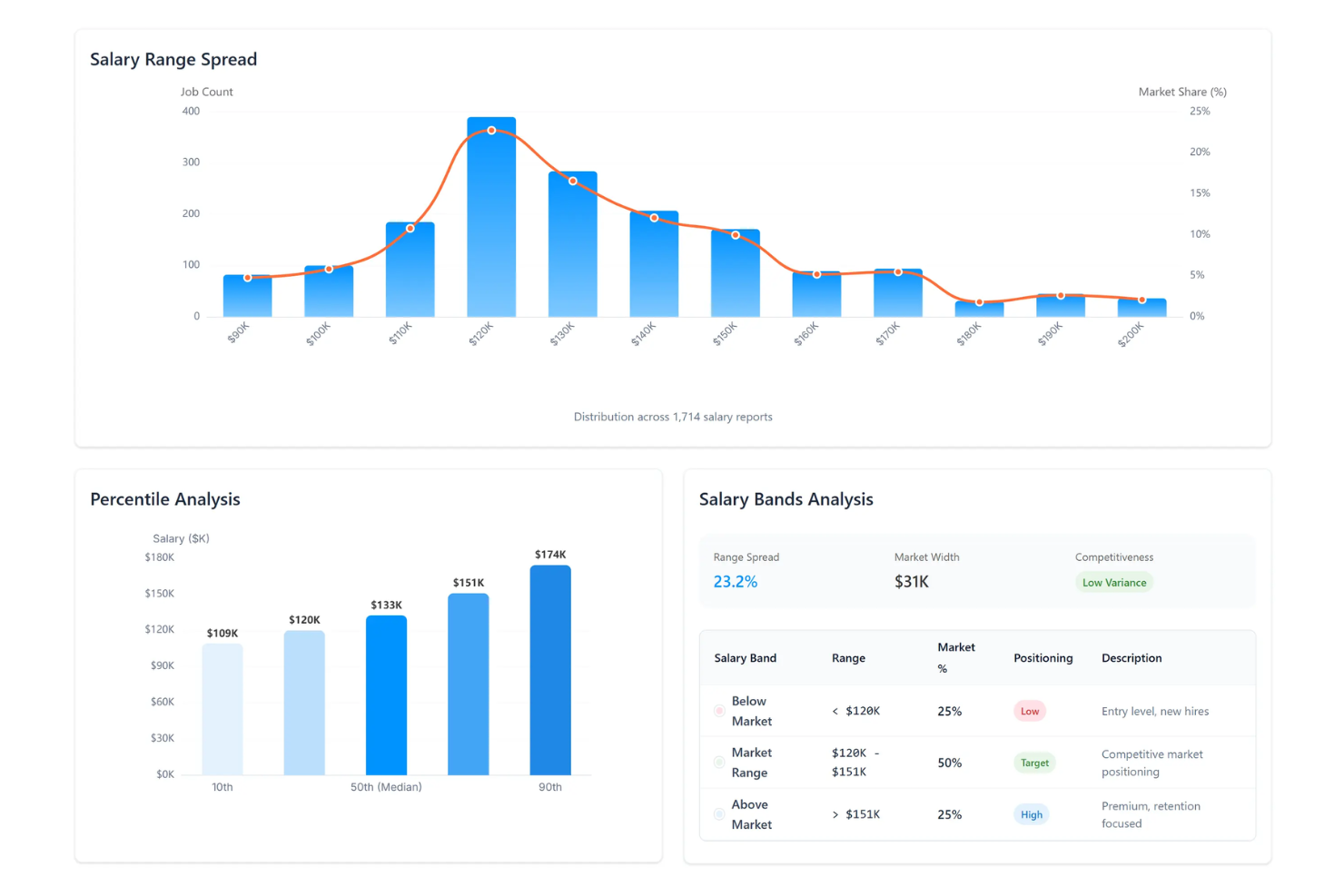
For organizations looking to build structured, data-informed incentive programs, SalaryCube offers a compensation management platform grounded in daily market data. It supports HR and compensation teams, especially in sectors like tech and healthcare, where salary movement and pay transparency regulations can shift quickly. By combining benchmarking, compliance tools, and compensation design support, SalaryCube helps ensure your incentive strategy remains competitive while aligned with internal equity and evolving legal requirements.
Why I Picked SalaryCube
I picked SalaryCube because it gives you access to daily market benchmarks, which can make a meaningful difference when designing or adjusting incentive compensation plans. Tools like DataDive Pro allow you to validate pay decisions against current market conditions instead of relying on outdated surveys. I also like that the platform connects compensation design to job architecture and compliance support, so you can structure incentive programs that are competitive, equitable, and aligned with your broader business goals.
SalaryCube Key Features
In addition to its real-time data capabilities, I also found these features useful:
- Job Architecture: Establishes consistent incentive applications across your organization with clear job level definitions.
- Pay Equity Analysis: Offers tools to ensure compliance with pay transparency laws by analyzing compensation across different demographics.
- FLSA Audit Tool: Provides support for ensuring compliance with labor laws regarding pay classifications.
- Manager Enablement: Supplies training resources to help managers effectively communicate incentive plans to employees.
SalaryCube Integrations
Native integrations are not currently listed by SalaryCube.
Pros and Cons
Pros:
- Includes FLSA audit support tools
- Supports pay equity analysis tools
- Provides daily real time benchmarks
Cons:
- Pricing details not publicly available
- No native integrations listed

Forma.ai
Best for AI-driven insights
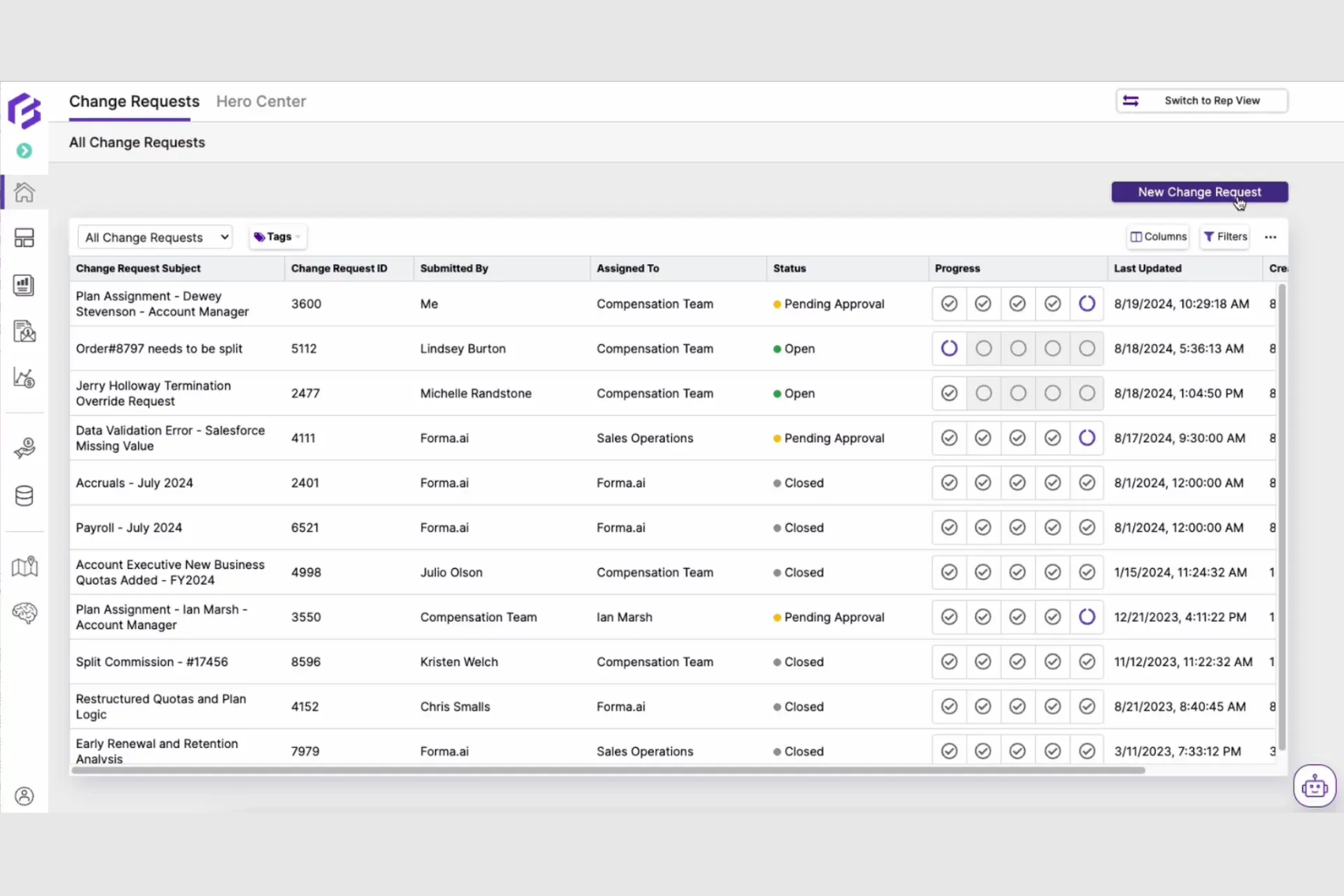
Forma.ai is an incentive compensation management platform designed for sales teams that need advanced data analysis to optimize their compensation strategies. It offers AI-driven insights that help businesses make data-informed decisions.
Why I picked Forma.ai: Forma.ai leverages AI to provide insightful data analysis, making it ideal for sales teams looking to optimize their compensation strategies. Its adaptive modeling engine adjusts to complex compensation structures, ensuring accuracy and efficiency. With its focus on data-driven decision-making, Forma.ai helps you fine-tune your compensation plans for maximum effectiveness.
Standout features and integrations:
Features include adaptive modeling that caters to complex compensation structures. Real-time analytics provide up-to-date insights, helping you make informed decisions. The platform's data visualization tools make it easy to understand and interpret compensation data.
Integrations include Salesforce, Microsoft Dynamics, Workday, NetSuite, and more.
Pros and Cons
Pros:
- Supports data-driven decisions
- Data visualization tools
- Adapts to complex structures
Cons:
- Primarily sales-focused
- May require initial customization

Anaplan
Best for complex modeling and scenario analysis
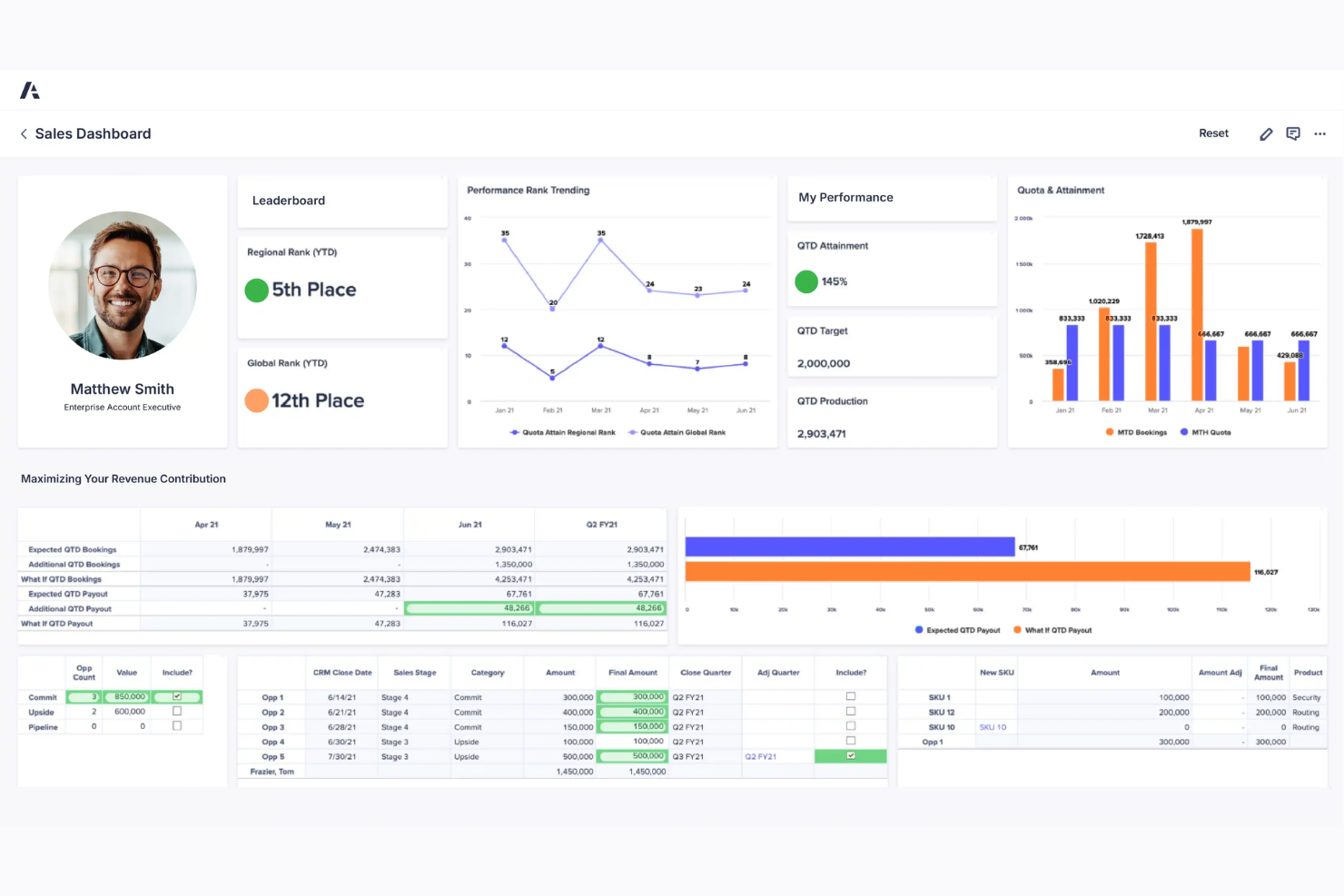
Anaplan provides a cloud-based incentive compensation management solution designed for organizations with complex sales compensation structures. It enables finance and sales operations teams to design, model, and optimize incentive plans while maintaining alignment with overall financial goals.
Why I picked Anaplan: Anaplan excels at modeling complex incentive compensation scenarios, making it easier to evaluate the impact of changes to quotas, commission rates, accelerators, and crediting rules before plans go live. Its AI-driven scenario modeling allows teams to compare multiple payout outcomes and understand how each scenario affects total compensation spend and sales behavior.
Real-time data updates ensure stakeholders are working from the most current performance and payout projections, supporting confident, data-driven plan decisions.
Standout features & integrations: Features include flexible compensation modeling that supports multi-role plans, variable pay structures, and complex crediting logic. Interactive dashboards provide visibility into attainment, payout forecasts, and incentive costs, while collaborative workflows help finance, sales ops, and leadership align on plan design and approvals. The platform’s adaptability allows compensation models to evolve as business priorities change.
Integrations include Salesforce, Workday, Microsoft Dynamics 365, Oracle, SAP, Google Workspace, Slack, Tableau, Qlik, and AWS.
Pros and Cons
Pros:
- Flexible modeling capabilities
- Real-time data updates
- Handles complex planning scenarios
Cons:
- Can be resource-intensive
- Limited offline functionality

Best for sales teams
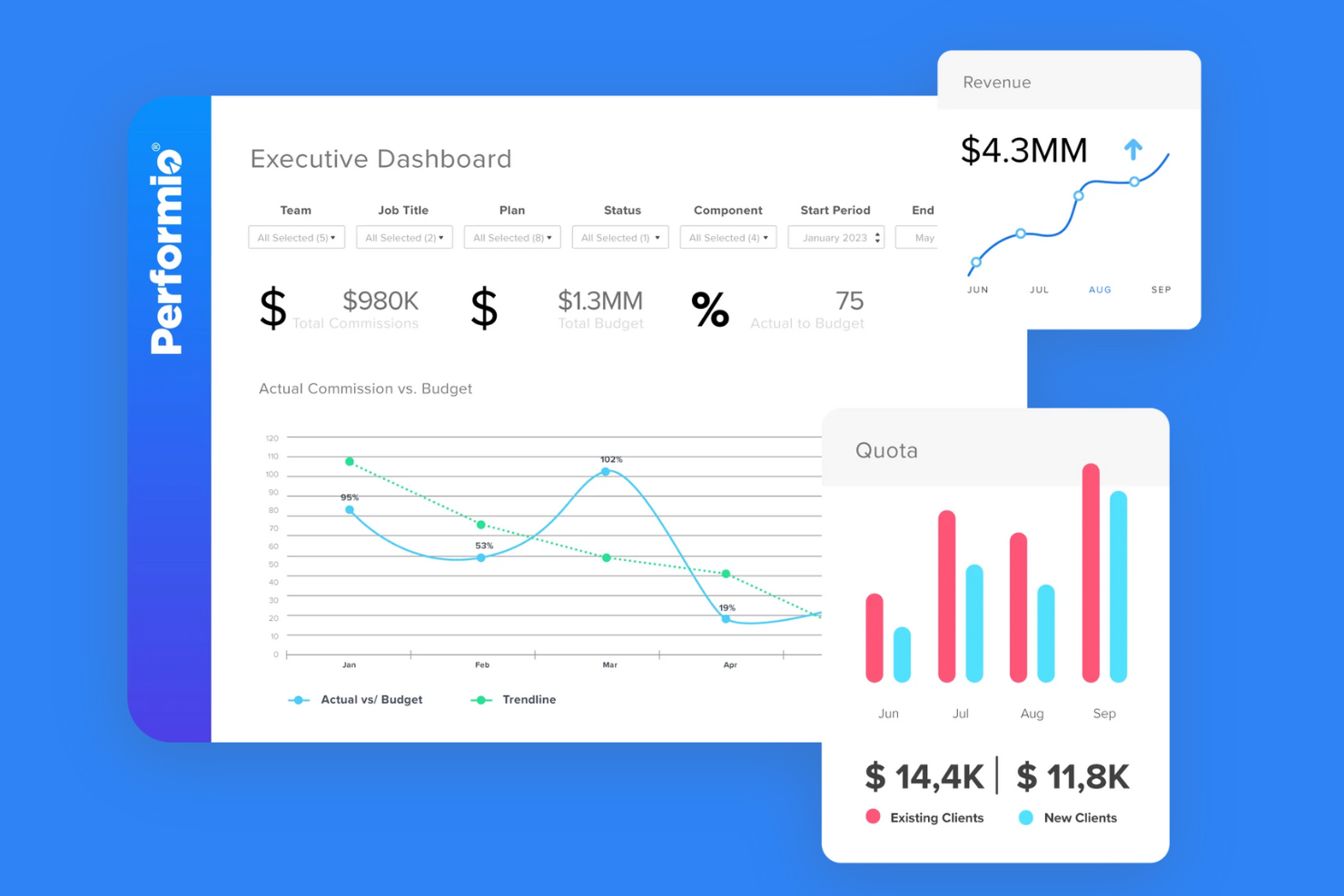
Performio is a performance management software tailored for sales teams looking to efficiently manage their incentive compensation plans. It helps businesses automate commission calculations and provides insights into quota attainment to drive motivation and results.
Why I picked Performio: Performio offers automated commission calculations that reduce manual errors and save time. Its performance dashboards provide clear visibility into sales metrics, helping your sales reps stay informed and motivated. With real-time reporting, you can track progress and make data-driven decisions. The platform's focus on sales performance makes it a valuable tool for businesses looking to enhance their sales operations.
Standout features and integrations:
Features include real-time reporting that keeps you updated on sales performance. Automated commission calculations reduce overpayments, even with complex plans. Quota management dashboards offer a clear view of sales metrics, helping your salespeople stay motivated.
Integrations include Salesforce, SAP, Microsoft Dynamics CRM, HubSpot, NetSuite, Xero, QuickBooks, Workday, ADP, and more.
Pros and Cons
Pros:
- Reduces manual errors
- Performance dashboards
- Real-time reporting
Cons:
- Primarily for larger sales teams
- Limited to sales-focused features

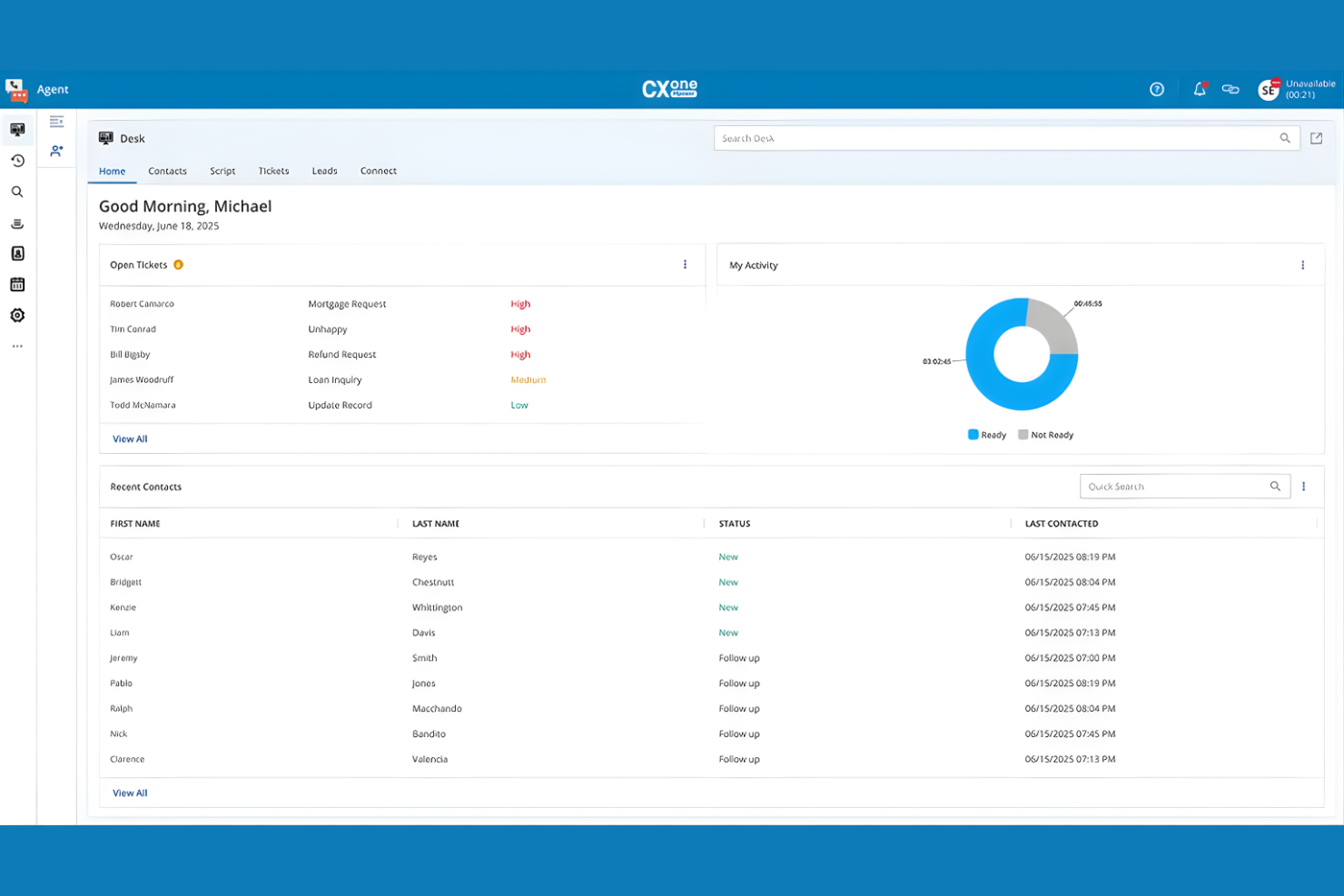
NICE provides a cloud-based contact center platform designed to help organizations manage, optimize, and scale customer service operations across digital and voice channels. It supports contact centers that need real-time visibility, intelligent automation, and consistent service delivery at scale.
Why I picked NICE: NICE stands out for its AI-driven approach to contact center orchestration and agent enablement. The platform uses real-time analytics and automation to guide agents during live interactions, helping them respond more effectively and consistently. Its workflow orchestration ensures customer journeys continue seamlessly across channels, while AI-powered tools automate routine tasks, surface next-best actions, and reduce agent workload.
These capabilities make NICE especially well-suited for large or complex contact centers focused on improving customer experience, agent productivity, and operational efficiency.
Standout features & integrations:
Features include omnichannel workflow orchestration that maintains context across customer interactions, real-time agent assistance powered by AI, and performance management tools that provide insight into agent behavior and service outcomes. Advanced analytics and automation help contact centers identify inefficiencies, improve compliance, and continuously optimize service delivery.
Integrations include Salesforce, Microsoft Dynamics, Oracle, SAP, ServiceNow, Amazon Connect, Genesys, RingCentral, Cisco, and Avaya.
Pros and Cons
Pros:
- Enhances customer interactions
- Scalable for large operations
- Strong workflow orchestration
Cons:
- Primarily contact center focused
- Requires ongoing training

Best for custom reporting

CaptivateIQ is an incentive compensation management software that caters to businesses that need flexible and customizable sales plan reporting. It helps teams automate commission calculations and provides detailed insights into comp plans and performance.
Why I picked CaptivateIQ: CaptivateIQ offers exceptional custom reporting capabilities, allowing you to tailor reports to fit your specific needs. Its flexible calculation engine handles complex commission structures, reducing manual errors and saving time. The software's intuitive interface makes it easy for your team to add new plans.
Standout features and integrations:
Features include a flexible calculation engine that adapts to various commission plan designs. Real-time data visibility ensures you have up-to-date insights into compensation performance. The intuitive interface allows for easy navigation.
Integrations include Salesforce, NetSuite, QuickBooks, Xero, Microsoft Dynamics CRM, HubSpot, Snowflake, and more.
Pros and Cons
Pros:
- Real-time data visibility
- Supports complex commission structures
- Customizable reporting features
Cons:
- Requires ongoing training
- Initial setup can be time-consuming

Optymyze
Best for no-code automation

Optymyze is a no-code platform designed for businesses looking to automate sales performance management, finance, and other key functions. It's ideal for companies that need to develop custom applications without requiring technical expertise.
Why I picked Optymyze: Optymyze differentiates itself with its no-code approach, allowing your team to automate complex business processes effortlessly. It offers cloud data warehousing and data process automation, ensuring you can handle large datasets efficiently. The platform's analytic modeling drives performance insights.
Standout features and integrations:
Features include cloud data warehousing, which provides scalable storage solutions. Data process automation simplifies repetitive tasks, saving you time. Analytic modeling allows for detailed analysis and insights into your operations.
Integrations include Salesforce, Oracle, Microsoft Dynamics, Veeva, and more.
Pros and Cons
Pros:
- Scalable data warehousing
- Strong data governance
- No-code development platform
Cons:
- Primarily enterprise-focused
- May require initial setup time
Annen programvare for administrasjon av insentivbasert kompensasjon
Her er noen flere alternativer for programvare for administrasjon av insentivbasert kompensasjon som ikke kom med på kortlisten min, men som likevel er verdt å se nærmere på:
- Salesforce Spiff
For Salesforce users
- SAP SuccessFactors Incentive Management
For global enterprises
- Iconixx
For mid-sized businesses
- Incentivate
For easy integration
- Qobra
For plan simulation and forecasting
- Xactly
For comp plans built on 20+ years of pay data
- Compport
For compensation analytics
- Core Commissions
For custom commission plans
- QuotaPath
For small sales teams
- Everstage
For performance tracking
- beqom
For total compensation management
- ElevateHQ
For startup scalability


How I Evaluate Incentive Compensation Management Software
I look at each tool on two levels: the non-negotiables like automated calculation and payee dashboards, and the differentiators that determine whether comp teams can actually trust and scale it.
Core Functionality (Table Stakes For This List)
When I'm selecting tools for my list, I rank each one on a scale from 0 (does not offer the functionality) to 5 (excels in this area) for each core functionality listed below. Then, I calculate the tool's total score into a percentage. Each tool needs to achieve a minimum total score of 65% to be considered for inclusion.
- Incentive Plan Configuration: I look for flexible plan builders that let comp teams set up tiered commissions, SPIFs, and bonus structures without relying on engineering resources.
- Automated Payout Calculations: The engine should handle split credits, accelerators, clawbacks, and retroactive adjustments—not just flat-rate or single-tier payouts.
- Quota & Territory Management: I evaluate how each tool assigns quotas and maps territories, especially mid-period changes like rep transfers or territory realignments.
- Payee-Facing Dashboards: Reps and managers should be able to view earnings breakdowns and quota attainment on their own, reducing shadow accounting in spreadsheets.
- Approval & Dispute Workflows: I check for multi-step approval chains with audit trails—helpful when finance and sales ops both need sign-off before payouts go out.
- HRIS, Payroll & CRM Connectivity: Each tool's integration depth with platforms like Salesforce, Workday, and SAP matters for syncing performance data and pushing payouts to payroll.
Once I have a list of tools that meet this criteria, I consider what sets each platform apart.
Differentiating Factors (What Sets Vendors Apart)
Here's how I compare and contrast different vendors:
Standout Features
What-if scenario modeling is a big differentiator—I look for tools that let comp teams stress-test plan changes against past performance before committing to a new fiscal period. Embedded analytics also matter because comp leaders need visibility into payout trends and cost-of-sales metrics without exporting to separate BI tools. AI-powered anomaly detection takes this further, flagging overpayments or crediting errors that manual reviews often miss.
Beyond Features
Compliance and audit readiness weigh heavily in my evaluation—I check for SOC 2 Type II certification and SOX-grade controls, since comp data often falls under financial audit scope. Implementation timelines also matter. Migrating complex plans from spreadsheets or a legacy system mid-fiscal-year can derail payouts if the vendor lacks dedicated onboarding support. I also consider scalability, particularly whether a platform's pricing and architecture can grow from a 50-person sales team to a global workforce with multi-currency needs.
Slik velger du programvare for administrasjon av insentivbasert kompensasjon
Det er lett å gå seg vill i lange funksjonslister og kompliserte prismodeller. For å hjelpe deg med å holde fokus mens du går gjennom den unike prosessen med å velge programvare, får du her en sjekkliste over faktorer du bør ha i tankene:
| Faktor | Hva bør du vurdere? |
|---|---|
| Skalerbarhet | Kan programvaren vokse sammen med virksomheten din? Vurder om den kan håndtere et økende antall brukere og datamengder uten ytelsesproblemer. |
| Integrasjoner | Kan den kobles til de eksisterende systemene dine? Kontroller at den er kompatibel med CRM-, ERP- og andre viktige verktøy som teamet ditt bruker daglig. |
| Tilpasningsmuligheter | Kan du tilpasse programvaren etter behovene dine? Se etter alternativer som lar deg justere innstillinger, instrumentpaneler og arbeidsflyter slik at de samsvarer med prosessene dine. |
| Brukervennlighet | Er programvaren intuitiv for teamet ditt? Test grensesnittet for å sikre at nye brukere enkelt kan navigere i det uten omfattende opplæring. |
| Implementering og introduksjon | Hvor raskt kan du komme i gang? Vurder tiden og ressursene som kreves til oppsett og opplæring. Se etter verktøy som tilbyr god støtte under introduksjonen. |
| Kostnad | Hvordan samsvarer prisen med budsjettet ditt? Sammenlign de totale eierkostnadene, inkludert lisenser, oppstartsgebyrer og løpende støtte, for å sikre at løsningen passer den økonomiske planen din. |
| Sikkerhetstiltak | Beskytter løsningen dataene dine? Kontroller at programvaren overholder personvern- og databeskyttelsesforskrifter og tilbyr kryptering og andre sikkerhetstiltak. |
Hva er programvare for administrasjon av insentivbasert kompensasjon?
Programvare for administrasjon av insentivbasert avlønning er et verktøy som automatiserer og administrerer kompensasjonsplaner for ansatte, særlig for salgsteam. HR-medarbeidere, salgsledere og økonomiteam bruker vanligvis disse verktøyene for å sikre nøyaktige provisjonsberegninger og motivere ansatte. Automatiserte beregninger, resultatsporing og integrasjonsmuligheter bidrar til å redusere feil, spare tid og samkjøre insentiver med virksomhetens mål. Samlet sett forbedrer disse verktøyene effektiviteten og nøyaktigheten i administrasjonen av avlønning.
Funksjoner
Her er de viktigste funksjonene all god programvare for administrasjon av insentivbasert avlønning bør ha:
- Automatiserte beregninger: Beregn provisjoner og bonuser automatisk for å redusere feil og spare tid for teamet.
- Resultatsporing: Følg med på individuelle resultater og teamresultater for å samkjøre avlønningen med virksomhetens mål og øke motivasjonen.
- Tilpassbare instrumentpaneler: Tilpass instrumentpanelene slik at de viser måltallene og rapportene som er viktigst for organisasjonen.
- Sanntidsanalyse: Få tilgang til oppdaterte data for å ta velinformerte beslutninger raskt og effektivt.
- Integrasjonsmuligheter: Koble til eksisterende CRM-, ERP- og andre viktige verktøy for en helhetlig arbeidsflyt.
- Overholdelsesstyring: Sørg for at kompensasjonsplanene følger bransjeregler og -standarder.
- Skalerbarhet: Tilpass deg virksomhetens vekst ved å håndtere flere brukere og større datamengder uten problemer.
- Mobiltilgang: Gi teammedlemmene tilgang til kompensasjonsinformasjon på farten via mobile enheter.
- Sikkerhetstiltak: Beskytt sensitive data med kryptering og andre sikkerhetstiltak.
- Tilpassbare rapporter: Generer detaljerte rapporter som er tilpasset dine spesifikke behov for kompensasjonsanalyse.
Fordeler
Implementering av programvare for administrasjon av insentivbasert avlønning gir flere fordeler for teamet og virksomheten. Her er noen av fordelene du kan se frem til:
- Økt nøyaktighet: Automatiserte beregninger reduserer manuelle feil og sikrer nøyaktige provisjonsutbetalinger.
- Tidsbesparelser: Automatisering av utbetalingsprosesser og generering av rapporter sparer teamet for verdifull tid.
- Bedre motivasjon: Resultatsporing samkjører insentiver med virksomhetens mål og øker de ansattes motivasjon.
- Bedre beslutningstaking: Sanntidsanalyse gir innsikt som hjelper deg med å ta velinformerte beslutninger raskt.
- Bedre overholdelse: Overholdelsesstyring sikrer at kompensasjonsplanene oppfyller bransjestandardene.
- Skalerbar vekst: Skalerbarhetsfunksjoner gjør at systemet kan vokse i takt med virksomhetens behov.
- Datasikkerhet: Sikkerhetstiltak beskytter sensitive kompensasjonsdata mot uautorisert tilgang.
Kostnader og priser
Ved valg av programvare for administrasjon av insentivbasert avlønning er det nødvendig å forstå de ulike prismodellene og abonnementene som er tilgjengelige. Kostnadene varierer basert på funksjoner, teamstørrelse, tillegg og mer. Tabellen nedenfor oppsummerer vanlige abonnementer, gjennomsnittsprisene deres og typiske funksjoner som er inkludert i programvareløsninger for administrasjon av insentivbasert avlønning:
Sammenligningstabell for abonnementer for programvare for administrasjon av insentivbasert avlønning
| Abonnementstype | Gjennomsnittspris | Vanlige funksjoner |
|---|---|---|
| Gratis abonnement | $0 | Grunnleggende provisjonssporing, begrenset rapportering og grunnleggende integrasjonsalternativer. |
| Personlig abonnement | $10-$30/bruker/måned | Automatiserte beregninger, tilpassbare instrumentpaneler og kundestøtte via e-post. |
| Bedriftsabonnement | $30-$60/bruker/måned | Resultatsporing, sanntidsanalyse, overholdelsesstyring og API-tilgang. |
| Enterprise-abonnement | $60-$100/bruker/måned | Avansert tilpasning, støtte for flere valutaer, dedikert kundeansvarlig og forbedrede sikkerhetsfunksjoner. |
Vanlige spørsmål
Her er noen svar på vanlige spørsmål om programvare for håndtering av insentivbasert kompensasjon:
Hvor lang tid tar det vanligvis å implementere programvare for håndtering av insentivbasert kompensasjon?
Den vanlige implementeringstiden varierer avhengig av hvor komplekse behovene dine er, og av selve programvaren. Generelt kan det ta alt fra noen uker til flere måneder. For å fremskynde prosessen bør du sørge for at du har en tydelig plan, dedikerte ressurser og god kommunikasjon med leverandøren. Det kan også være lurt å starte med et pilotprogram for å teste systemet med en mindre gruppe før full utrulling.
Kan programvare for håndtering av insentivbasert kompensasjon håndtere flere valutaer?
Ja, mange løsninger for programvare for håndtering av insentivbasert kompensasjon støtter funksjonalitet for flere valutaer. Dette er spesielt nyttig for globale selskaper. Sørg for at programvaren du velger, kan håndtere valutaomregning og vise kompensasjon i riktig valuta for hver region. Undersøk om programvaren oppdaterer valutakursene automatisk, slik at du unngår avvik.
Kreves det opplæring for å bruke programvare for håndtering av insentivbasert kompensasjon?
Ja, det kreves ofte opplæring, særlig hvis programvaren er ny for teamet ditt. De fleste leverandører tilbyr opplæringsøkter, webinarer eller veiledninger som hjelper brukerne med å komme i gang. Det er lurt å benytte seg av disse ressursene for å sikre at teamet ditt kan bruke programvaren effektivt. Vurder løpende opplæring for å holde tritt med oppdateringer eller nye funksjoner.
Hvor sikker er programvare for håndtering av insentivbasert kompensasjon?
Programvare for håndtering av insentivbasert kompensasjon er vanligvis sikker, men det er avgjørende å kontrollere hvilke sikkerhetstiltak som er på plass. Se etter programvare som tilbyr datakryptering, regelmessige sikkerhetsrevisjoner og samsvar med bransjestandarder som GDPR eller CCPA. Spør alltid leverandøren om sikkerhetsprotokollene deres og hvordan de beskytter sensitive kompensasjonsdata.
Kan programvare for håndtering av insentivbasert kompensasjon integreres med CRM- eller ERP-systemer?
Ja, mange løsninger kan integreres med populære CRM- og ERP-plattformer for å sikre nøyaktig dataflyt. Dette bidrar til å effektivisere beregningen av provisjoner ved å hente salgs- og resultatdata direkte fra systemene du allerede bruker. Før du velger et verktøy, bør du bekrefte at det støtter integrasjon med plattformene teamet ditt er avhengig av.
Støtter programvare for håndtering av insentivbasert kompensasjon tilpassede kompensasjonsplaner?
De fleste moderne løsninger lar deg utforme og administrere tilpassede kompensasjonsstrukturer som samsvarer med selskapets retningslinjer. Denne fleksibiliteten hjelper team med å lage planer for ulike roller, territorier eller resultatmålinger. Sørg for at programvaren gjør det enkelt å oppdatere kompensasjonsreglene etter hvert som virksomheten utvikler seg.