



elia mod Microsoft Places: Sammenligning og ekspertanmeldelser for 2026



Hybrid workplace coordination can quickly turn messy without the right tools. Employees need to know when to come in, where to sit, which spaces are available, and how office resources are being used.
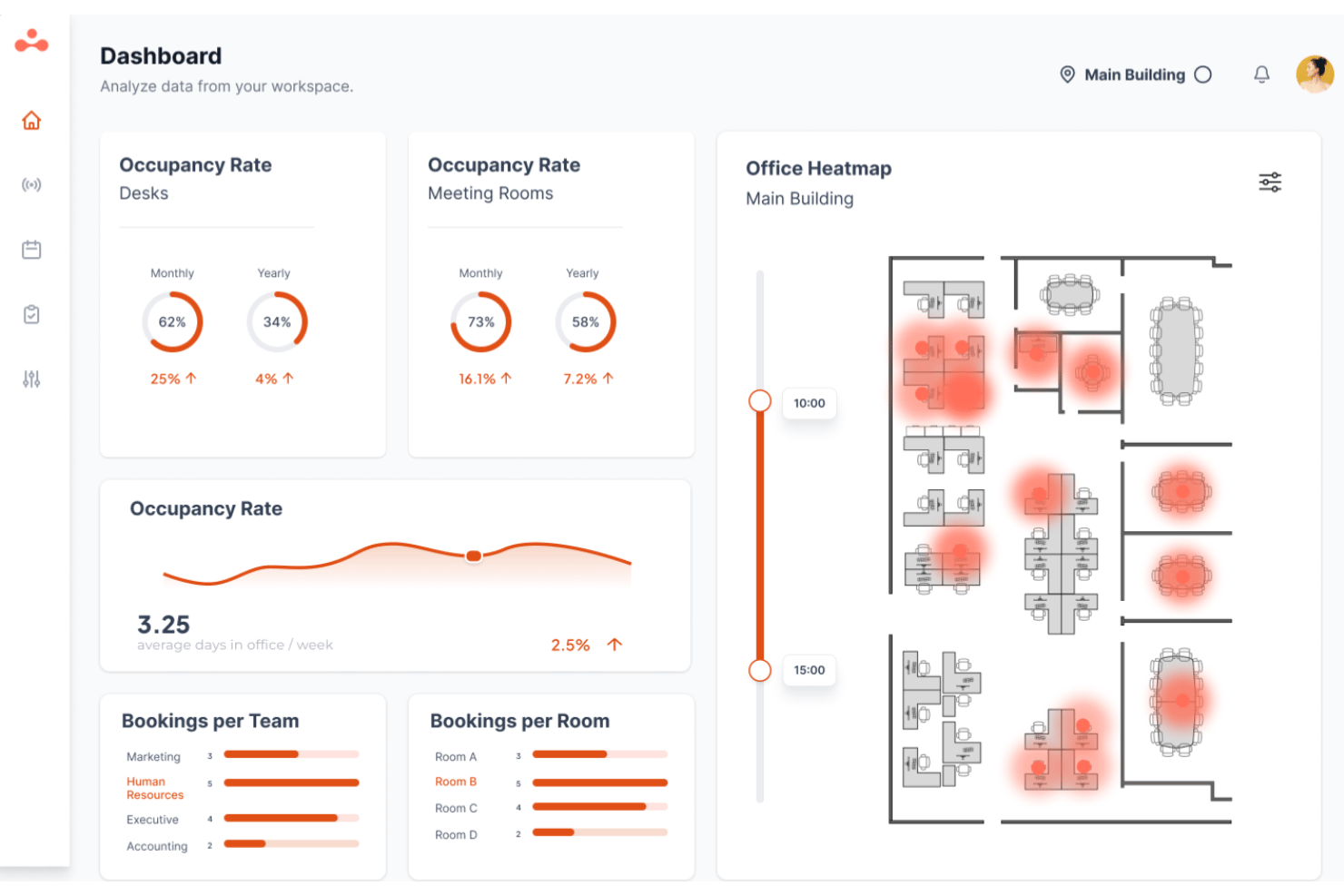
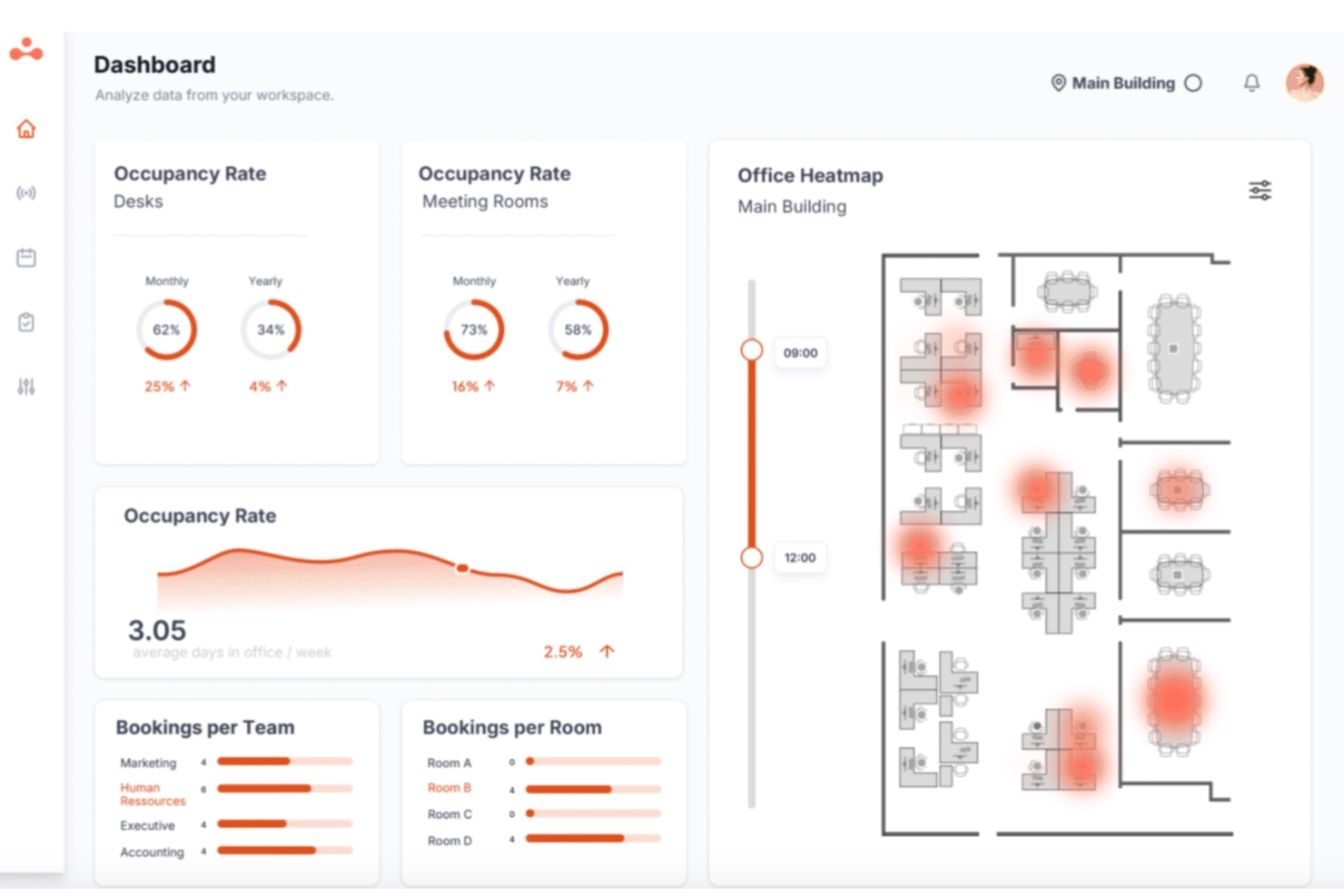
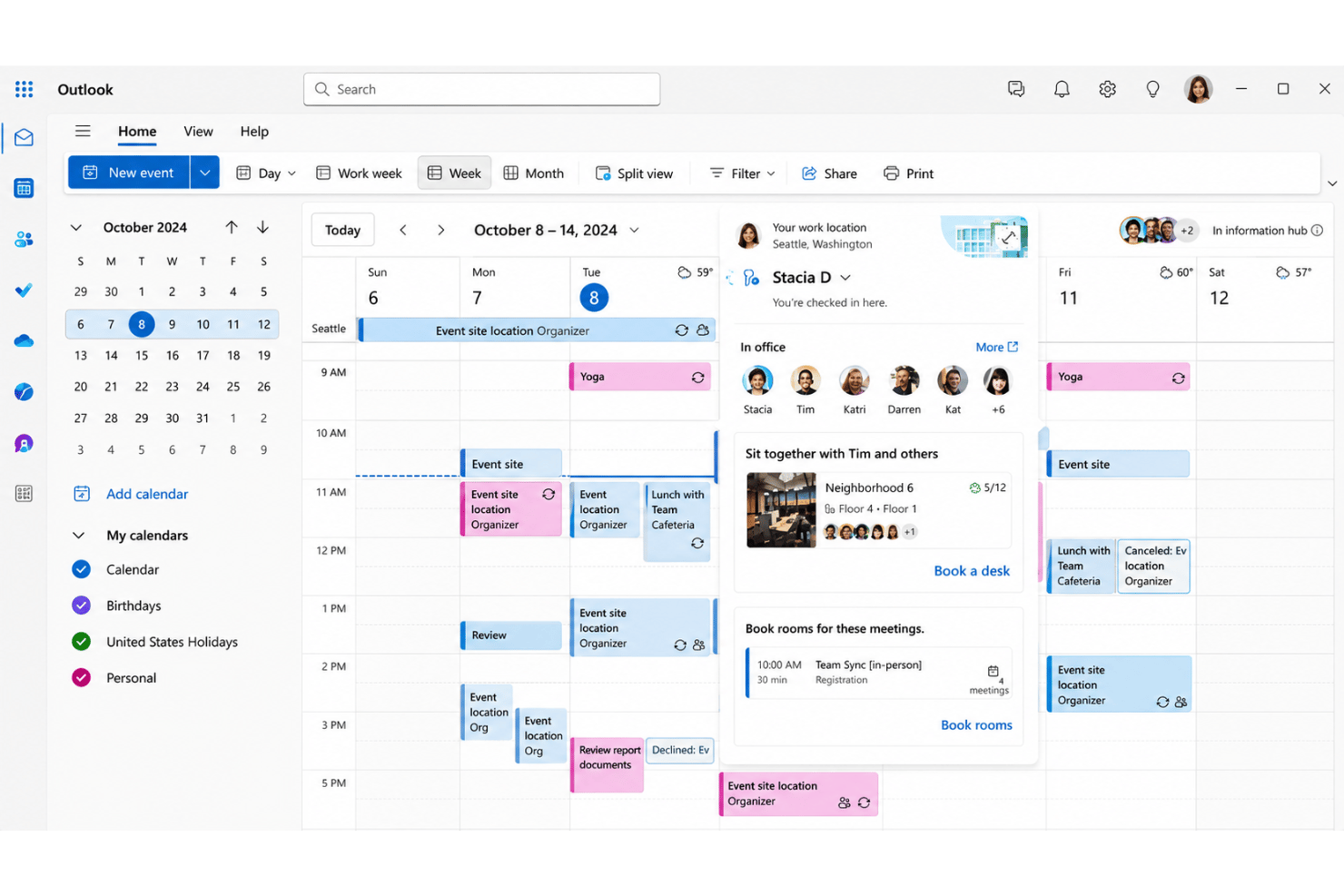
elia and Microsoft Places are both workplace management software platforms for coordinating hybrid work, workplace resources, and office usage. elia takes a dedicated workplace operations approach, bringing desk booking, room booking, visitor management, service requests, occupancy insights, automation, and optional hardware into one platform. Microsoft Places takes a Microsoft-native approach, using AI across Teams and Outlook to help employees plan office days, book spaces, coordinate in-person work, and understand space utilization.
In this comparison, I’ll break down elia and Microsoft Places across features, pricing, usability, security, and best-fit use cases to help you decide which platform makes the most sense for your workplace.
elia vs. Microsoft Places: An Overview
elia

Microsoft Places
Why Trust Our Software Recommendations
Our team has been testing and reviewing software since 2012. As HR experts ourselves, we know how difficult—and important—it is to choose the right software.
For this guide, we evaluated tools using hands-on testing and independent research, scoring tools using our selection criteria. We also draw on insights from industry thought leaders and practicing HR experts.
Our reviews reflect our human editorial judgment, not a sales pitch.
Expert reviewers:
elia vs. Microsoft Places Pricing Comparison
| elia | Microsoft Places | |
|---|---|---|
| Free Trial | Free plan + free demo available | Free demo available |
| Pricing | From $500/month | From $8.55/license/month (billed annually) |
elia kontra Microsoft Places: Priser og skjulte omkostninger
elia bruger offentligt tilgængelige, plandifferentierede priser baseret på antal steder, og alle abonnementer inkluderer ubegrænsede brugere. Omkostningerne kan stadig stige, hvis du har brug for flere steder, avanceret rapportering, styring, API-adgang, brugerdefinerede integrationer, SLA'er eller højere grænser for automatisering og AI-kreditter. Den primære skjulte omkostning er hardware, eftersom belægningssensorer, rumskærme, kiosker, IoT-gateways og intelligente låse prises separat fra softwaren.
elia vs. Microsoft Places Feature Comparison
| elia | Microsoft Places | |
|---|---|---|
| API | ||
| Batch Permissions & Access | ||
| Dashboard | ||
| Data Export | ||
| Data Import | ||
| Data Visualization | ||
| External Integrations | ||
| Multi-User | ||
| Notifications | ||
| Scheduling |
elia vs. Microsoft Places-integrationer
| Integration | elia | Microsoft Places |
|---|---|---|
| Google Workspace | ✅ | ❌ |
| Microsoft Outlook | ✅ | ✅ |
| Slack | ✅ | ❌ |
| Microsoft Teams | ✅ | ✅ |
| Appspace | ❌ | ✅ |
| Microsoft 365 | ✅ | ✅ |
| ServiceNow | ❌ | ✅ |
| Haltian | ❌ | ✅ |
| VergeSense | ❌ | ✅ |
| API | ✅ | ✅ |
elia dækker centrale arbejdspladsintegrationer som kalendere, samarbejdsværktøjer, SSO, API-adgang og brugerdefinerede IoT- eller softwareforbindelser på abonnementer på højere niveauer, selvom biblioteket af forudbyggede tredjepartsintegrationer er mere begrænset. Microsoft Places er heller ikke en bred, generel integrationsmarkedsplads; løsningen er i stedet stærkest inden for Microsoft-økosystemet med udvalgte partnere til plantegninger, belægningssignaler og arbejdspladstjenester. Samlet set egner elia sig bedre til teams, der har brug for integrationer knyttet til en dedikeret opsætning til arbejdspladsdrift, mens Microsoft Places passer til teams, der ønsker workflows til arbejdspladsadministration forbundet med Microsoft 365 og et fokuseret økosystem af arbejdspladspartnere.
elia vs. Microsoft Places Sikkerhed, overholdelse & pålidelighed
| Faktor | elia | Microsoft Places |
|---|---|---|
| Databeskyttelse | GDPR-kompatibel med data hostet i Canada på AWS Canada Central-1. | Indbygget i Microsoft 365 med beskyttelse af virksomhedsdata og regionale muligheder for datahåndtering. |
| Certificeringer og test | ISO 27001:2022-certificeret og ISO 9001:2015-certificeret med årlige penetrationstests udført af tredjeparter. | Understøttes af Microsofts sikkerheds- og overholdelsesprogram for virksomheders cloudmiljøer. |
| Adgangskontroller | SSO er tilgængelig fra Basic, mens Business tilføjer brugerprovisionering og brugerdefinerede roller. Enterprise tilføjer RBAC med brugergrupper. | Bruger Microsofts identitets- og administrationskontroller til adgang, tilladelser og håndhævelse af politikker. |
| Revisionsspor | Enterprise omfatter revisions- og aktivitetslogge, API-adgang og brugerdefinerede integrationsmuligheder til teams med omfattende styringsbehov. | Understøtter revisions- og overholdelsesarbejdsgange gennem det bredere Microsoft 365-miljø. |
| Pålidelighed | Cloudbaseret og hostet på AWS Canada Central-1 med SLA'er tilgængelige på Enterprise. | Kører på Microsofts cloudinfrastruktur med Microsoft 365's praksis for tjenesteadministration. |
Både elia og Microsoft Places tilbyder et stærkt sikkerhedsgrundlag til administration af arbejdspladsen. elia fokuserer på selvstændig styring af arbejdspladsen med canadisk datahosting, GDPR-overholdelse, ISO 27001:2022- og ISO 9001:2015-certificeringer, årlige penetrationstests, SSO, provisionering, RBAC, revisionslogge og Enterprise-SLA'er. Microsoft Places baserer sig derimod på det bredere Microsoft 365-sikkerhedsøkosystem, hvilket gør løsningen velegnet til teams, der allerede bruger Microsofts identitets-, administrations- og overholdelsesværktøjer. Overordnet hælder elia mod tydelig, arbejdspladsspecifik styring, mens Microsoft Places tilpasser sikkerheden på arbejdspladsen til de kontroller, organisationer allerede administrerer i Microsoft 365.
elia vs. Microsoft Places Brugervenlighed
| Faktor | elia | Microsoft Places |
|---|---|---|
| Brugergrænseflade | Bruger visuelle plantegninger, bookingforløb, dashboards og kort over arbejdspladsen til at hjælpe teams med at administrere skriveborde, lokaler, besøgende, anmodninger og pladsudnyttelse. | Føles velkendt for Microsoft-brugere, fordi planlægning og booking af arbejdspladsen samt koordinering foregår via Teams, Outlook og Microsoft 365. |
| Implementering | Opsætningen skalerer efter abonnementet, fra selvbetjent implementering til guidet oplæring og nøglefærdig implementering. De fleste udrulninger fokuserer på plantegninger, bookingregler og konfiguration af arbejdspladsen. | Opsætningen afhænger af det eksisterende Microsoft 365-miljø, hvor konfigurationen er knyttet til Teams, Outlook, brugeradgang og delte arbejdspladsressourcer. |
| Konfiguration | Mere konfigurerbar for teams, der administrerer automatisering, belægningsdata, besøgsforløb, serviceanmodninger, hardware og styringsbehov. | Nemmere for Microsoft-baserede teams, men konfigurationen er tættere knyttet til Microsofts administrationsindstillinger, politikker og eksisterende arbejdsgange. |
| Support | Free omfatter adgang til hjælpecenteret, Basic tilføjer e-mail- og chatsupport, Business tilføjer onboarding og en dedikeret kundeansvarlig, og Enterprise omfatter nøglefærdig implementering. | Supporten leveres gennem Microsofts bredere dokumentation, administrationsressourcer og supportkanaler til virksomheder. |
Set ud fra brugervenlighed lægger Microsoft Places vægt på genkendelighed for teams, der allerede bruger Microsoft 365, med planlægning og booking af arbejdspladsen indbygget i værktøjer som Teams og Outlook. elia tilbyder derimod en mere formålsbygget oplevelse til driften af arbejdspladsen med visuelle plantegninger, modulær opsætning, bookingforløb, dashboards og konfigurationsmuligheder for besøgende, anmodninger, belægningsdata, automatisering og hardware. Overordnet kan Microsoft Places føles enklere for organisationer, der primært bruger Microsoft, mens elia sandsynligvis giver mere struktur og fleksibilitet til teams, der har brug for et dedikeret system til administration af fysiske arbejdspladsaktiviteter.
elia vs Microsoft Places: Pros & Cons
elia
- Modular tools for managing desks, rooms, visitors, service requests, and workplace space
- Optional sensors, kiosks, screens, and smart lockers for stronger office usage data
- Dashboards and heatmaps combine bookings and real usage for better space planning
- Hardware costs extra beyond the software plan
- Fewer prebuilt integrations than larger workplace management platforms
- Cloud only, with no self-hosted or on-premise option
Microsoft Places
- Native meeting room and desk booking streamlines hybrid schedules
- Automatic location awareness helps coordinate in-office attendance
- Real-time space utilization analytics inform office planning
- No built-in time tracking or attendance enforcement tools
- Features depend heavily on Microsoft 365 subscriptions
- Limited mobile functionality for non-desk-based workers
Best Use Cases for elia and Microsoft Places
elia
- Mid-Sized and Enterprise Organizations elia supports growing and large organizations that need more structure for shared desks, meeting rooms, visitors, workplace resources, and space usage across one or more offices.
- Professional Services and Legal Firms elia helps office-based firms manage hybrid schedules, client visits, meeting rooms, and shared workplace resources.
- Insurance and Financial Services elia supports teams that need structured workplace access, visitor logs, space visibility, and office coordination.
- Manufacturing and Engineering Offices Corporate and office-based teams can use elia to manage desks, rooms, requests, lockers, and occupancy data.
- Public Sector, Healthcare, Education, and Nonprofits elia fits organizations that need workplace management, audit-ready records, health and safety tools, and English/French support.
- Media and Telecommunications Companies elia works for organizations with shared offices, distributed teams, changing occupancy needs, and workplace resource planning.
Microsoft Places
- Hybrid Tech Companies Tech firms with flexible or hybrid office policies benefit from easy workspace booking and automated attendance coordination.
- Corporate Headquarters Large office environments leverage Places for desk and room booking, workspace analytics, and real estate planning decisions.
- HR Departments HR teams appreciate the clear scheduling tools which help support employee well-being and office experience.
- Facilities Management Facilities teams use real-time space and occupancy data for optimizing office layouts and maintenance resources.
- Financial Services Firms Professional workforces with fluctuating office needs use Places for better resource planning and schedule visibility.
- Distributed Project Teams Groups with rotating office attendance or cross-city collaboration rely on Places to align in-person meetings and reduce scheduling friction.
Hvem bør bruge elia, og hvem bør bruge Microsoft Places?
Hvis du har brug for software til administration af arbejdspladsen med mere omfattende funktioner til driften af arbejdspladsen, er elia sandsynligvis det bedste valg. Løsningen fungerer godt for mellemstore og store organisationer, hvor HR-, facilitets-, IT- og kontorteams har brug for at administrere skrivebordsbooking, lokale-booking, besøgsadministration, serviceanmodninger, indsigt i belægning, sundhed og sikkerhed, automatisering og valgfri hardware til arbejdspladsen.
Hvis du har brug for software til arbejdspladsstyring, der fungerer i dit eksisterende Microsoft 365-miljø, er Microsoft Places sandsynligvis det bedste valg. Det er velegnet til organisationer, der allerede bruger Microsoft 365 og ønsker AI-assisteret koordinering af hybridt arbejde, intelligent booking af skriveborde, reservation af mødelokaler, fælles arbejdsplaner, indsigt i pladsudnyttelse og planlægning af arbejdspladsen via Teams og Outlook. Når det er sagt, kan de to værktøjer også fungere sammen for nogle Microsoft 365-teams, hvor Places håndterer Microsoft-baseret koordinering, mens elia dækker mere omfattende arbejdspladsdrift såsom besøgende, sensorer, serviceanmodninger, skabe, sundhed og sikkerhed samt automatisering.
Differences Between elia and Microsoft Places
| elia | Microsoft Places | |
|---|---|---|
| Data and Hosting Focus | Hosts data in Canada and supports English and French, which can matter for Canadian and Quebec buyers. | Runs through the Microsoft 365 ecosystem, making it a natural fit for organizations already using Microsoft identity, admin, and compliance tools. |
| Platform Approach | Dedicated workplace management software for workplace operations, covering desks, rooms, visitors, requests, occupancy, safety, automation, and hardware, with a native Microsoft Teams app for booking desks and rooms inside Teams. | Microsoft-native workplace management software focused on hybrid work coordination, space booking, office presence, and workplace planning inside Microsoft 365. |
| Pricing Model | Uses public pricing by managed places, with unlimited users included and hardware priced separately. | Uses Microsoft licensing, including Teams Shared Space licenses and possible add-ons tied to Microsoft 365 setup, devices, and configuration. |
| Visitor and Request Management | Includes visitor management and workplace service requests tied to bookings, such as AV, catering, setup, and facilities support. | Focuses more on employee office planning, desk booking, room reservations, shared work plans, and wayfinding. |
| Workplace Hardware | Supports optional occupancy sensors, kiosks, room screens, IoT gateways, smart locks, and lockers. | Connects more through Microsoft-supported workplace partners and compatible shared-space devices. |
| Visit eliaOpens new window | Read Microsoft Places ReviewOpens new window |
Similarities Between elia and Microsoft Places
| Desk Booking | Both support desk reservations for flexible and hybrid work environments. |
|---|---|
| Hybrid Work Coordination | Both support teams that need better visibility into when employees come in and how office space is used. |
| Meeting Room Booking | Both help employees find and reserve meeting rooms with availability visibility. |
| Space Utilization | Both provide workplace usage data to help teams understand demand and optimize office space. |
| Workplace Management Focus | Both help organizations coordinate how employees use physical workplaces, shared spaces, and office resources. |
| Visit eliaOpens new window Read Microsoft Places ReviewOpens new window | |