

I 10 migliori strumenti di IA per la fidelizzazione dei dipendenti recensiti nel 2026

10 I migliori strumenti di IA per la fidelizzazione dei dipendenti: selezione


Mantenere il proprio team coinvolto e soddisfatto è una sfida. Gli strumenti di IA per la fidelizzazione dei dipendenti possono aiutarti ad affrontarla sfruttando l'IA per comprendere e soddisfare le esigenze del tuo team.
Questi strumenti offrono funzionalità come l'analisi predittiva e il feedback personalizzato, aiutandoti a identificare i potenziali problemi prima che diventino difficoltà importanti. Possono inoltre fornire informazioni sulla soddisfazione dei dipendenti e sulle opportunità di crescita professionale.
Avendo testato e recensito software in modo indipendente, il mio obiettivo è offrirti una panoramica imparziale dei migliori strumenti disponibili. In questo articolo troverai una selezione dei migliori strumenti di IA per la fidelizzazione dei dipendenti, che possono contribuire a migliorare il morale e la produttività del tuo team.
Perché fidarsi delle nostre recensioni sui software
Il nostro team testa e recensisce software dal 2012. In quanto esperti HR noi stessi, sappiamo quanto sia difficile — e importante — scegliere il software giusto.
Per questa guida, abbiamo valutato gli strumenti attraverso test pratici e ricerche indipendenti, assegnando un punteggio agli strumenti in base ai nostri criteri di selezione. Ci basiamo inoltre sulle competenze di leader di pensiero del settore e di professionisti HR attivi.
Le nostre recensioni riflettono il nostro giudizio editoriale umano, non un discorso di vendita.
Revisori esperti:
Tabella di confronto degli strumenti di IA per la fidelizzazione dei dipendenti
Questa tabella di confronto riepiloga i dettagli sui prezzi della mia selezione dei migliori strumenti di IA per la fidelizzazione dei dipendenti:
| Tool | Best For | Trial Info | Price | ||
|---|---|---|---|---|---|
| 1 | Ideale per revisioni delle prestazioni | Demo gratuita disponibile | Da $11/postazione/mese | Website | |
| 2 | Ottimo per la gestione del capitale umano | Demo gratuita disponibile | Prezzi su richiesta | Website | |
| 3 | Ideale per il supporto HR alimentato da AI | Demo gratuita disponibile | Prezzo su richiesta | Website | |
| 4 | Ideale per la definizione di percorsi di carriera | Demo gratuita disponibile | Prezzo su richiesta | Website | |
| 5 | Ideale per la pianificazione della forza lavoro | Demo gratuita disponibile | Prezzo su richiesta | Website | |
| 6 | Ideale per analisi della comunicazione | Demo gratuita disponibile | Da $799/mese | Website | |
| 7 | Ideale per il feedback dei dipendenti | Demo gratuita disponibile | Prezzo su richiesta | Website | |
| 8 | Ideale per prevedere la retention nei team globali | Demo gratuita disponibile | Da $5/dipendente/mese | Website | |
| 9 | Ideale per il riconoscimento dei dipendenti | Demo gratuita disponibile | Prezzo su richiesta | Website | |
| 10 | Ideale per approfondimenti sulla leadership | Demo gratuita disponibile | Da $7/utente/mese | Website |

Recensioni dei migliori strumenti di IA per la fidelizzazione dei dipendenti
Di seguito trovi i miei riepiloghi dettagliati dei migliori strumenti di IA per la fidelizzazione dei dipendenti inclusi nella mia selezione. Le mie recensioni offrono un’analisi dettagliata delle funzionalità principali, dei pro \u0026 contro, delle integrazioni e dei casi d’uso ideali di ogni strumento, per aiutarti a trovare quello più adatto a te.
Lattice
Ideale per revisioni delle prestazioni
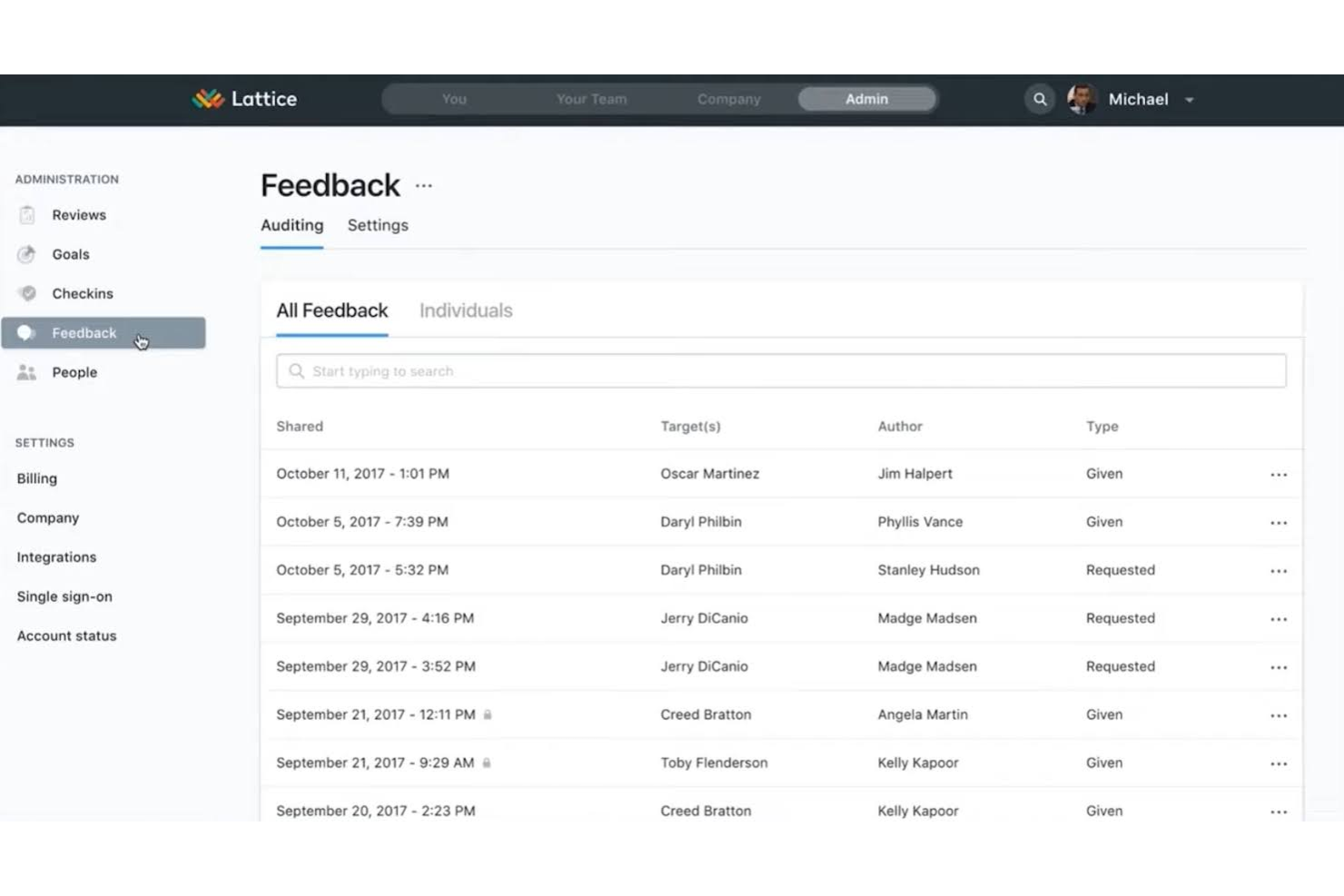
Lattice è una piattaforma di gestione delle prestazioni pensata per i team HR e i manager che vogliono aumentare il coinvolgimento e lo sviluppo dei dipendenti. Offre strumenti per le revisioni delle prestazioni, la definizione degli obiettivi e il feedback in tempo reale a supporto della crescita dei dipendenti.
Perché ho scelto Lattice: È ideale per revisioni delle prestazioni strutturate e per la pianificazione delle successioni, offrendo funzionalità AI che rendono le valutazioni più eque ed efficienti. Lattice fornisce anche approfondimenti pratici per sostenere lo sviluppo e il coinvolgimento dei dipendenti. Ad esempio, è presente Pulse per monitorare il coinvolgimento e sondaggi per raccogliere feedback dai dipendenti. Inoltre, permette di impostare obiettivi personalizzati e a cascata per il team e monitorare i progressi in tempo reale.
Caratteristiche e integrazioni principali:
Caratteristiche includono modelli e workflow personalizzabili, oltre a riepiloghi di feedback tra pari guidati dall'AI che rendono più semplici le revisioni delle prestazioni sia per l'HR che per i dipendenti. Lattice offre anche sondaggi di coinvolgimento dei dipendenti e analisi delle prestazioni per individuare aree da migliorare.
Integrazioni includono Slack, Microsoft Teams, Google Workspace, BambooHR, Workday, ADP, Okta, Outlook, Salesforce e Jira.
Pros and Cons
Pros:
- Definizione e monitoraggio degli obiettivi
- Feedback sulle prestazioni in tempo reale
- Analisi dettagliata delle prestazioni
Cons:
- Curva di apprendimento per i nuovi utenti
- Opzioni di personalizzazione limitate
New Product Updates from Lattice

Lattice Introduces MCP Connector for AI Chat Tools
Lattice introduced Lattice MCP, a new connector that brings talent data into Claude, ChatGPT, and other LLM tools. The connector helps teams access performance context from reviews, 1:1 notes, feedback, goals, and updates within AI chat workflows. For more information, visit Lattice’s official site.
 .
.
Workday
Ottimo per la gestione del capitale umano

Workday è una piattaforma cloud per la gestione del capitale umano progettata per le aziende che mirano a ottimizzare la pianificazione della forza lavoro e la gestione dei talenti. Punta anche sull’esperienza dei dipendenti concentrandosi su una produttività che mette le persone al primo posto.
Perché ho scelto Workday: La piattaforma è ideale per dare potere alle squadre ad alte prestazioni, offrendo strumenti di intelligenza artificiale dedicati alla gestione dei dati dei dipendenti e alla produttività. Le sue capacità di IA includono analisi predittive che aiutano a prevedere tendenze e opportunità nella forza lavoro e a pianificare di conseguenza. Workday offre anche funzionalità di ottimizzazione dei talenti che permettono al tuo team di individuare le carenze di competenze e di svilupparne il potenziale. Dispone inoltre di un sistema di gestione dell’apprendimento, così che i membri del personale possano avviare autonomamente la propria crescita professionale.
Funzionalità principali & integrazioni:
Funzionalità includono pianificazione della forza lavoro, gestione dei talenti ed elaborazione delle retribuzioni. Riunendo queste funzioni in un unico sistema di IA, i team delle risorse umane possono lavorare in modo più efficiente. Viene inoltre garantita la precisione e la facile accessibilità dei dati dei dipendenti. Questo approccio integrato crea anche un’esperienza più fluida e affidabile per i dipendenti, dalla busta paga allo sviluppo di carriera. Inoltre, una pianificazione efficace della forza lavoro aiuta a garantire un buon equilibrio tra lavoro e vita privata per il personale.
Integrazioni includono Salesforce, Slack, Microsoft Teams, ServiceNow, Okta, Adobe Sign, Docusign, SAP, Oracle e Google Workspace.
Pros and Cons
Pros:
- Potenzia i dipendenti con percorsi di auto-servizio e apprendimento
- Supporta l’ottimizzazione dei talenti
- Offre pianificazione predittiva della forza lavoro
Cons:
- Curva di apprendimento significativa e complessità nell’implementazione
- I dettagli sui prezzi non sono trasparenti

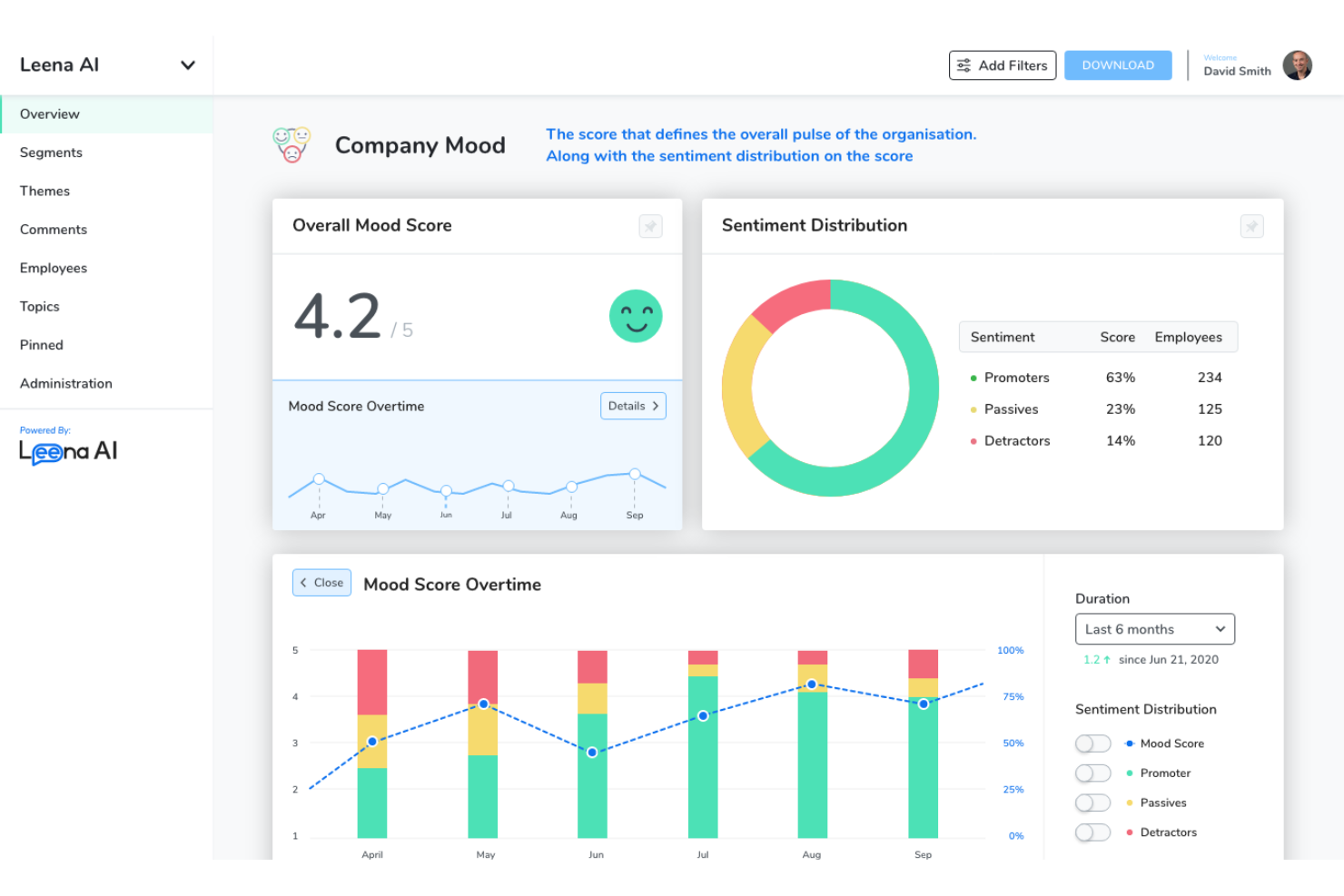
Leena AI è uno strumento basato sull'intelligenza artificiale progettato per i team HR e i manager che desiderano automatizzare le attività ripetitive e migliorare il coinvolgimento dei dipendenti. Dispone di agenti AI preconfigurati che rappresentano diversi dipartimenti, come Risorse Umane, IT, Finanza e Approvvigionamenti.
Perché ho scelto Leena AI: La piattaforma eccelle nel supporto HR guidato dall’intelligenza artificiale. Puoi sfruttare i chatbot AI per gestire con efficienza le richieste dei dipendenti, liberando il tuo team affinché possa concentrarsi su iniziative più strategiche che migliorano l’esperienza complessiva dei dipendenti. Leena AI offre anche l'automazione del processo di onboarding per semplificare l'inserimento dei nuovi assunti. I suoi strumenti di raccolta dei feedback forniscono preziose informazioni sulle necessità e la soddisfazione lavorativa dei dipendenti, aiutandoti a prendere decisioni più consapevoli.
Funzionalità e integrazioni principali:
Funzionalità includono la gestione delle richieste dei dipendenti, l'automazione dell’onboarding e la raccolta dei feedback, che possono aumentare il coinvolgimento del personale. Leena AI dispone anche di KnowledgeGPT per mantenere aggiornata la knowledge base, garantendo che i dipendenti possano sempre trovare informazioni accurate e aggiornate quando ne hanno bisogno.
Integrazioni includono Slack, Microsoft, Workday, BambooHR, SAP Ariba, HubSpot, ADP, Oracle, Google Workspace, Salesforce e Outlook.
Pros and Cons
Pros:
- Automatizza le attività HR di routine
- Gestione efficiente delle richieste
- Supporta l'automazione dell’onboarding
Cons:
- I dettagli sui prezzi non sono trasparenti
- Integrazioni limitate predefinite
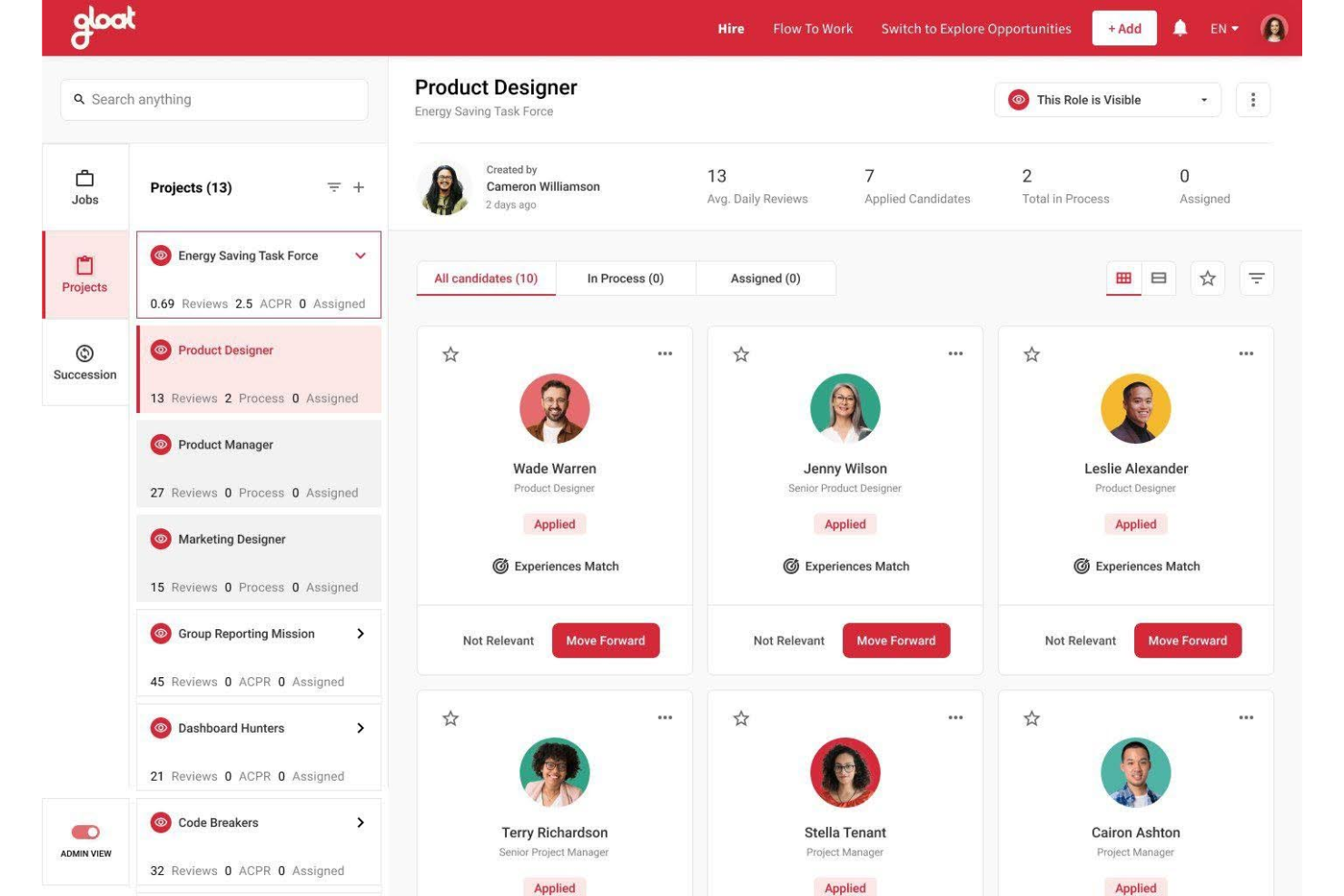
Gloat è una piattaforma marketplace del talento progettata per grandi aziende che vogliono potenziare lo sviluppo della carriera dei dipendenti. Mette in contatto i dipendenti con opportunità interne, aiutandoli a crescere all'interno dell'azienda e migliorando i tassi di retention.
Perché ho scelto Gloat: La piattaforma eccelle nel delineare i percorsi di carriera grazie all’uso dell’IA, che allinea le competenze dei dipendenti alle necessità dell’azienda. Il matching guidato dall’intelligenza artificiale aiuta a individuare opportunità per i dipendenti di sviluppare nuove competenze. Questa funzione supporta la mobilità interna, offrendo al tuo team un percorso chiaro di crescita. Inoltre, i dati di Gloat aiutano i manager a comprendere le carenze di competenze e a pianificare le esigenze di talento future.
Per i dipendenti, la piattaforma supporta lo sviluppo della carriera dietro le quinte. Fornisce suggerimenti personalizzati per corsi e formazione basati sull’intelligenza artificiale, tutti in base alle loro competenze attuali, ai loro interessi e agli obiettivi professionali. Ciò li aiuta a visualizzare dove vogliono crescere e come raggiungere quei risultati.
Funzionalità distintive e integrazioni:
Funzionalità includono il matching delle competenze, percorsi di carriera personalizzati e monitoraggio della mobilità interna. Questi strumenti aiutano a identificare le giuste opportunità di crescita per i dipendenti. Inoltre, la possibilità di integrare la piattaforma con LXP e LMS aziendali permette uno sviluppo continuo delle competenze. Infine, Gloat aiuta i dipendenti a individuare autonomamente i propri gap di competenze e a trovare e connettersi facilmente con i mentor più adatti al loro percorso.
Integrazioni includono Workday, SAP SuccessFactors, Oracle, Microsoft Teams, Slack, LinkedIn, Cornerstone e ServiceNow.
Pros and Cons
Pros:
- Mobilità interna nella carriera
- Analisi della forza lavoro in tempo reale
- Individuazione dei gap di competenze
Cons:
- Meno adatto per grandi aziende
- Personalizzazione necessaria per team più piccoli

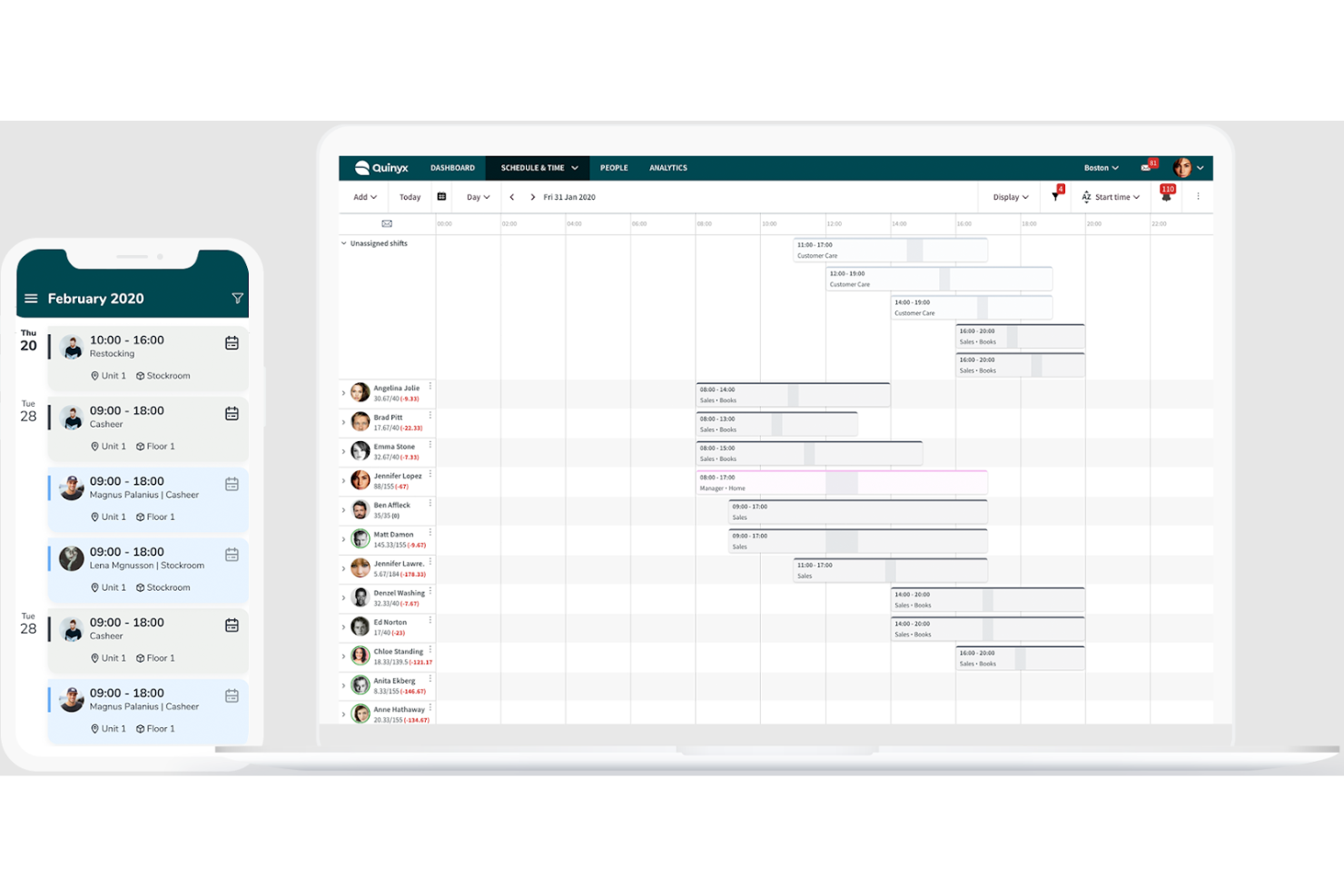
Quinyx è una piattaforma di gestione della forza lavoro progettata per le aziende che desiderano ottimizzare la pianificazione dei turni, la rilevazione delle presenze e la gestione dei costi del lavoro. Questo strumento di intelligenza artificiale completamente integrato per la fidelizzazione dei dipendenti aiuta i manager a prendere decisioni basate sui dati riguardo alla gestione del personale.
Perché ho scelto Quinyx: La piattaforma è progettata per supportare la pianificazione della forza lavoro utilizzando l'intelligenza artificiale per prevedere la domanda. Traduce poi queste previsioni in precisi fabbisogni di organico. La programmazione predittiva prevede l'uso dell'IA per integrare le preferenze dei dipendenti con le esigenze aziendali e le regole di conformità.
Funzionalità e integrazioni principali:
Funzionalità includono la gestione dei turni, pianificazione/assegnazione automatica e un portale self-service per i dipendenti. Questi strumenti semplificano la pianificazione dei turni e aiutano a controllare i costi del lavoro, favorendo un ambiente di lavoro equo e trasparente. Riducendo i conflitti di pianificazione e il sovraccarico di lavoro, questi strumenti aiutano anche a prevenire il burnout dei dipendenti e a promuovere il benessere generale. Quinyx offre inoltre il tracciamento della conformità per garantire il rispetto delle normative sul lavoro.
Integrazioni includono ADP, SAP SuccessFactors, Oracle, HR+ by Visma e Personio.
Pros and Cons
Pros:
- Fornisce programmazione predittiva
- Offre previsioni sui costi del lavoro
- Supporta il tracciamento della conformità
Cons:
- Nessuna prova gratuita disponibile
- Integrazioni limitate rispetto ai concorrenti

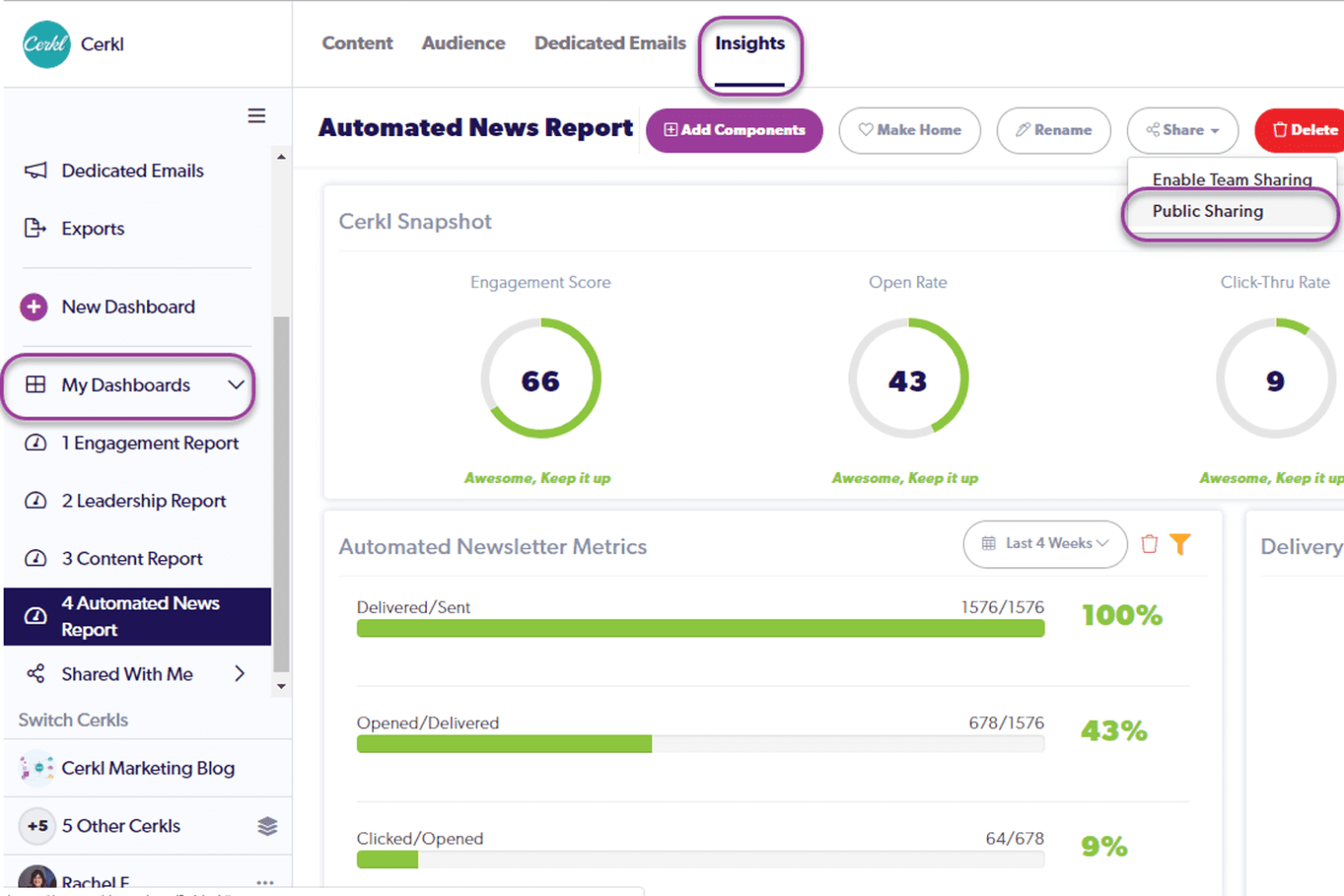
Cerkl è una piattaforma di comunicazione interna rivolta alle organizzazioni che desiderano migliorare la comunicazione e il coinvolgimento dei dipendenti. Utilizza l'IA per offrire approfondimenti su vari tipi di contenuti, dall'onboarding alla formazione o comunicazioni strategiche, al fine di ottenere risultati.
Perché ho scelto Cerkl: La piattaforma si distingue per l'analisi della comunicazione, offrendo report e informazioni basati sull'IA per ottimizzare i messaggi interni. Le analisi guidate dall'intelligenza artificiale mostrano quali messaggi raggiungono davvero il tuo team, consentendoti di perfezionare la comunicazione. Fornisce metriche dettagliate sulle prestazioni come livelli di coinvolgimento e tassi di apertura per misurare l'impatto. Migliorando il modo in cui i dipendenti rimangono informati e connessi, la piattaforma contribuisce a rafforzare sia il coinvolgimento che la fidelizzazione.
Caratteristiche e integrazioni principali:
Funzionalità includono la distribuzione personalizzata dei contenuti, la segmentazione del pubblico e il monitoraggio del coinvolgimento. Questi strumenti aiutano a veicolare il messaggio giusto ai giusti gruppi di dipendenti. Inoltre, Cerkl permette di progettare le email direttamente dall'applicazione. Offre un builder intuitivo e una libreria di contenuti per creare materiali di comunicazione a marchio aziendale.
Integrazioni disponibili con Microsoft Teams, Slack, SharePoint, Outlook, Google Workspace, Salesforce, HubSpot, Zoom, Mailchimp e WordPress.
Pros and Cons
Pros:
- Analisi dettagliata della comunicazione
- Distribuzione personalizzata dei contenuti
- Segmentazione avanzata del pubblico
Cons:
- Funzionalità avanzate limitate per piccoli team
- Prezzi elevati rispetto ai concorrenti
Ideale per il feedback dei dipendenti
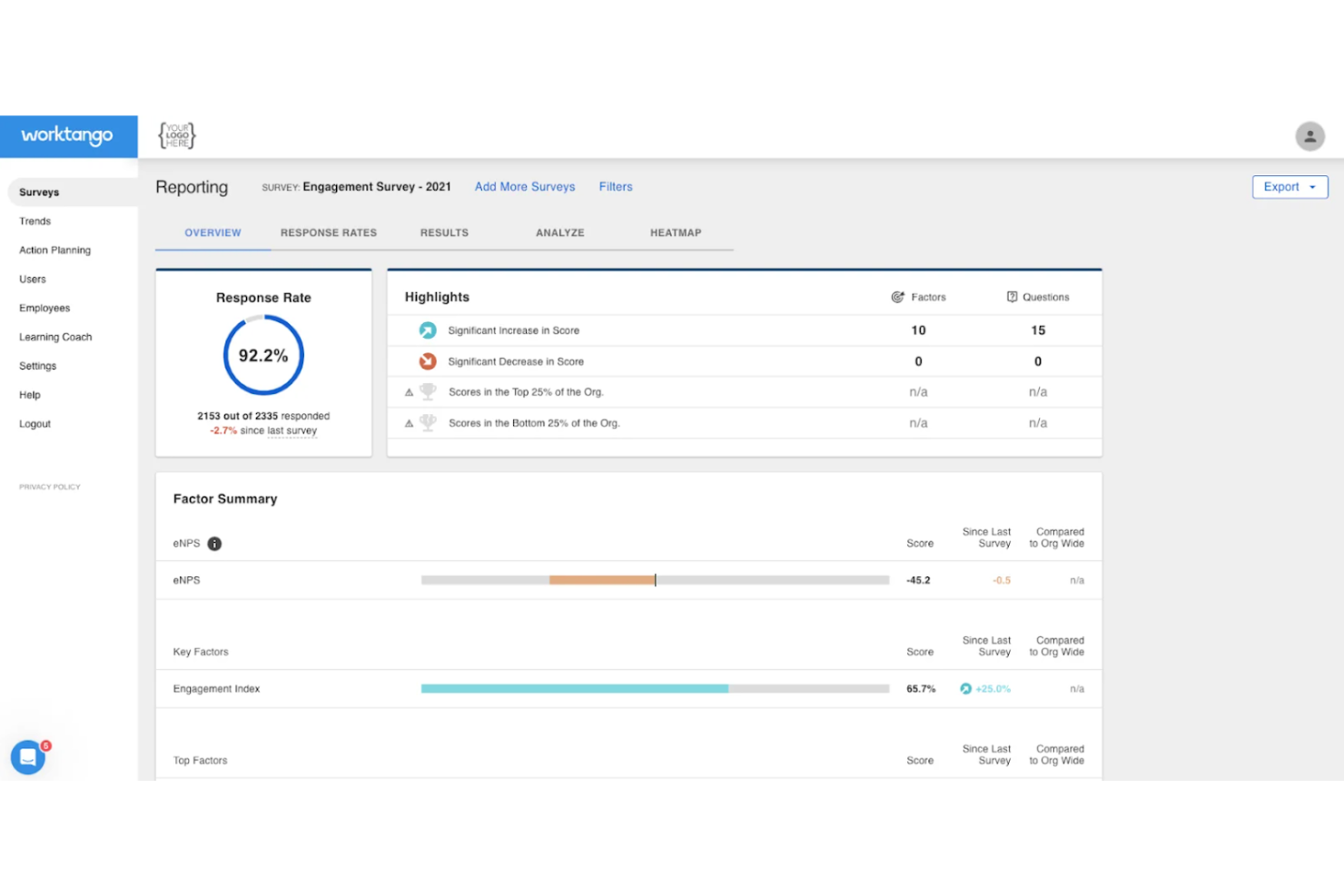
WorkTango è una piattaforma di coinvolgimento dei dipendenti progettata per professionisti HR e responsabili che desiderano raccogliere e analizzare il feedback dei dipendenti. Esamina il sentimento del team e i livelli di coinvolgimento per aiutare i team HR a implementare interventi mirati, premiazioni o opportunità di sviluppo.
Perché ho scelto WorkTango: La piattaforma eccelle nell'ascolto dei dipendenti. Le sue capacità di intelligenza artificiale includono l'analisi del sentimento che può rivelare schemi nelle dinamiche di squadra, nei livelli di coinvolgimento e nella cultura organizzativa. WorkTango offre raccolta di feedback e reportistica in tempo reale per tenerti aggiornato sulle preoccupazioni dei dipendenti e sul morale del team. Queste funzionalità ti aiutano ad agire rapidamente per migliorare la soddisfazione sul luogo di lavoro.
Funzionalità e integrazioni principali:
Funzionalità includono sondaggi sul ciclo di vita dei dipendenti, analisi dei temi del feedback qualitativo e una dashboard intuitiva. Questi strumenti ti aiutano a monitorare costantemente il sentimento e il coinvolgimento dei dipendenti. WorkTango fornisce anche ai responsabili informazioni sui traguardi e i successi dei propri dipendenti e li aiuta a gestire nomine e premi specifici del team.
Integrazioni includono Slack, Microsoft Teams, Google Workspace, BambooHR, Workday, ADP, Okta, Outlook e Jira.
Pros and Cons
Pros:
- Feedback in tempo reale
- Sondaggi pulse personalizzabili
- Punteggi di coinvolgimento
Cons:
- Ulteriori requisiti di configurazione per team numerosi
- Funzionalità di analisi avanzate limitate
Deel HR
Ideale per prevedere la retention nei team globali
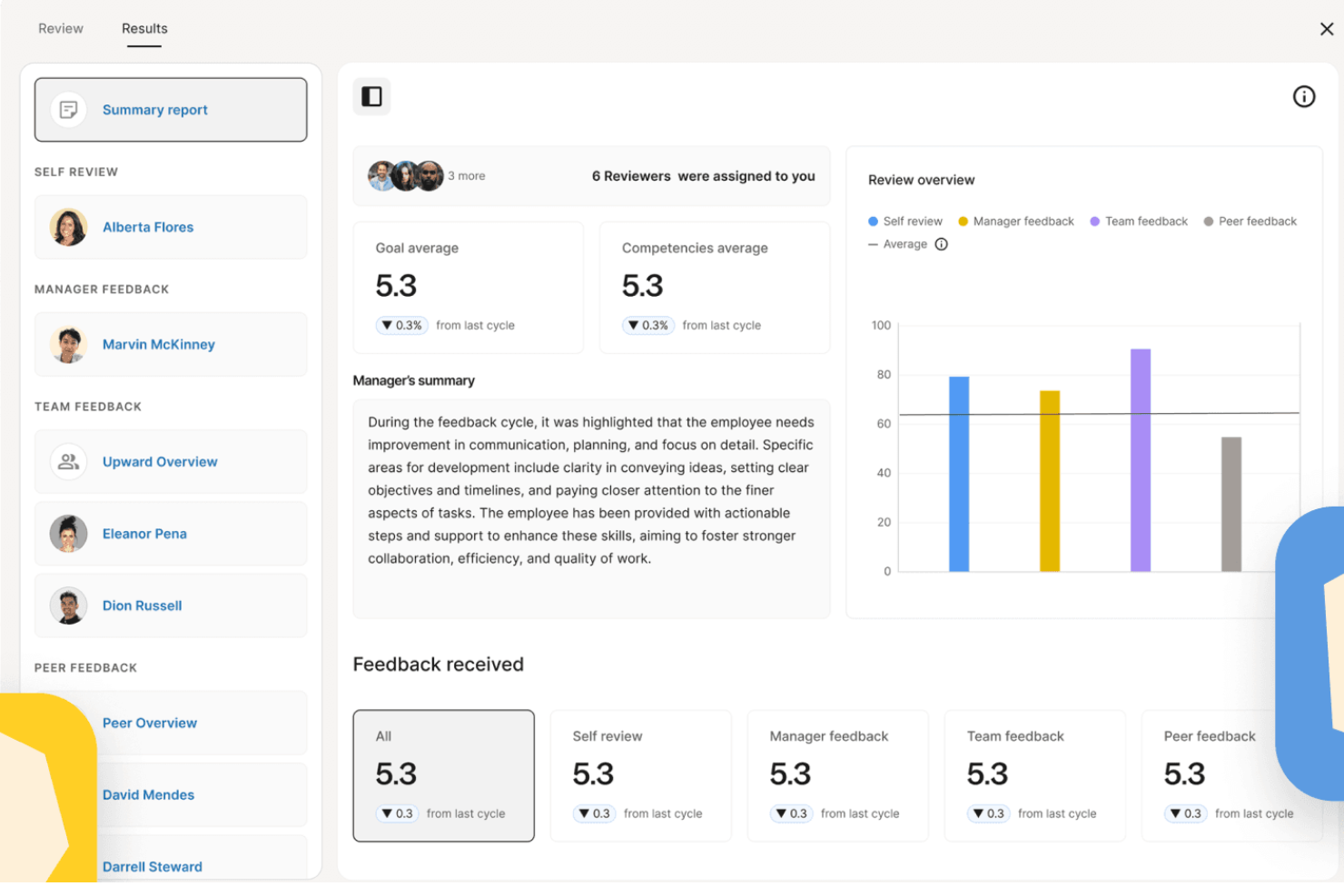
I tuoi sforzi per trattenere i migliori talenti ricevono un vero impulso quando l’IA ti aiuta a capire di cosa hanno bisogno i tuoi team, dove possono incontrare difficoltà e come supportare la loro crescita a lungo termine. Gli strumenti HR e talenti potenziati dall’IA di Deel offrono insight immediati su performance, sviluppo, retribuzione e domande quotidiane che danno forma all’esperienza dei dipendenti per il tuo team distribuito a livello internazionale.
Perché ho scelto Deel
Ho scelto Deel perché porta l’IA direttamente nei principali fattori della retention: feedback sulle performance, sviluppo, chiarezza retributiva e supporto quotidiano. Con strumenti che creano piani di carriera, programmi formativi e cicli di valutazione per te, il team può concentrarsi maggiormente sul coaching reale anziché sul lavoro amministrativo. Mi piace anche come l’IA evidenzi insight dai dati sulle persone per mettere in luce modelli che influenzano coinvolgimento e soddisfazione, soprattutto per i team globali. Insieme, queste capacità ti aiutano a creare un ambiente di lavoro globale in cui i dipendenti si sentono riconosciuti, supportati e retribuiti in modo equo.
Funzionalità principali di Deel
Oltre alle funzionalità orientate alla retention che ho evidenziato sopra, troverai utili questi aspetti nella valutazione degli strumenti AI per la fidelizzazione dei dipendenti:
- Percorsi di carriera e programmi formativi generati dall’IA: Crea rapidamente materiali di sviluppo personalizzati che aiutano i dipendenti a vedere opportunità di crescita chiare.
- Feedback a 360° e cicli di performance personalizzati: Supporta valutazioni strutturate ed eque che riducono i pregiudizi e rafforzano la fiducia nelle valutazioni.
- Insight sulla retribuzione collegati ai dati di performance: Collega le decisioni retributive ai risultati delle valutazioni per promuovere la trasparenza e premiare i migliori talenti.
- Intelligence sui salari globali: Utilizza dati provenienti da oltre 150 paesi per aiutarti a mantenere fasce retributive competitive ed eque che favoriscono la fidelizzazione a lungo termine.
Integrazioni Deel
Le integrazioni includono Workday, BambooHR, Greenhouse, Lever, Xero, QuickBooks, Slack, Microsoft Teams, Google Workspace e SAP SuccessFactors.
Pros and Cons
Pros:
- L’IA crea percorsi di carriera e programmi formativi per supportare la crescita
- Le valutazioni a 360° rafforzano l’equità nelle valutazioni delle performance
- Collega retribuzione e performance per aumentare la trasparenza salariale
Cons:
- L’IA non può sostituire conversazioni significative tra manager e dipendente
- Le insight globali possono risultare superflue per team di un solo paese
New Product Updates from Deel HR

Deel Expands Stablecoin Wallet to 80+ Countries
Deel expands its Stablecoin Wallet to 80+ countries with dollar-backed balances and optional rewards. This gives eligible contractors more ways to hold and manage earnings inside Deel. For more information, visit Deel’s official site.
 .
.
Ideale per il riconoscimento dei dipendenti

Achievers è una piattaforma di riconoscimento e premi progettata per le aziende che desiderano aumentare il coinvolgimento e il morale dei dipendenti. Dispone di un marketplace globale di premi che personalizza gli sforzi di riconoscimento e favorisce interazioni significative all'interno dei team.
Perché ho scelto Achievers: La piattaforma intuitiva consente ai leader e ai team HR di fornire riconoscimenti ai migliori dipendenti, sia che lavorino in sede sia da remoto. Con l'aiuto dell'IA, puoi anche individuare i momenti chiave che contano per i dipendenti e personalizzare di conseguenza i premi. Achievers facilita diversi programmi di riconoscimento, inclusi sia premi monetari che apprezzamenti tra pari. Rende più semplice creare un ambiente di lavoro coinvolgente.
Funzionalità principali & integrazioni:
Funzionalità includono premi personalizzabili, riconoscimento sociale e un sistema basato su punti. Questi strumenti permettono ai migliori talenti di scegliere i premi che sono importanti per loro. Achievers offre anche analisi per misurare l'impatto dei programmi di riconoscimento sul coinvolgimento.
Integrazioni includono Workday, ADP, Microsoft Teams, Slack, SAP SuccessFactors, LinkedIn e Google Workspace.
Pros and Cons
Pros:
- Programmi di riconoscimento personalizzati
- Funzionalità di riconoscimento sociale
- Analisi per il monitoraggio del coinvolgimento
Cons:
- Curva di apprendimento per i nuovi utenti
- Personalizzazione limitata per le piccole imprese
Peoplebox.ai
Ideale per approfondimenti sulla leadership
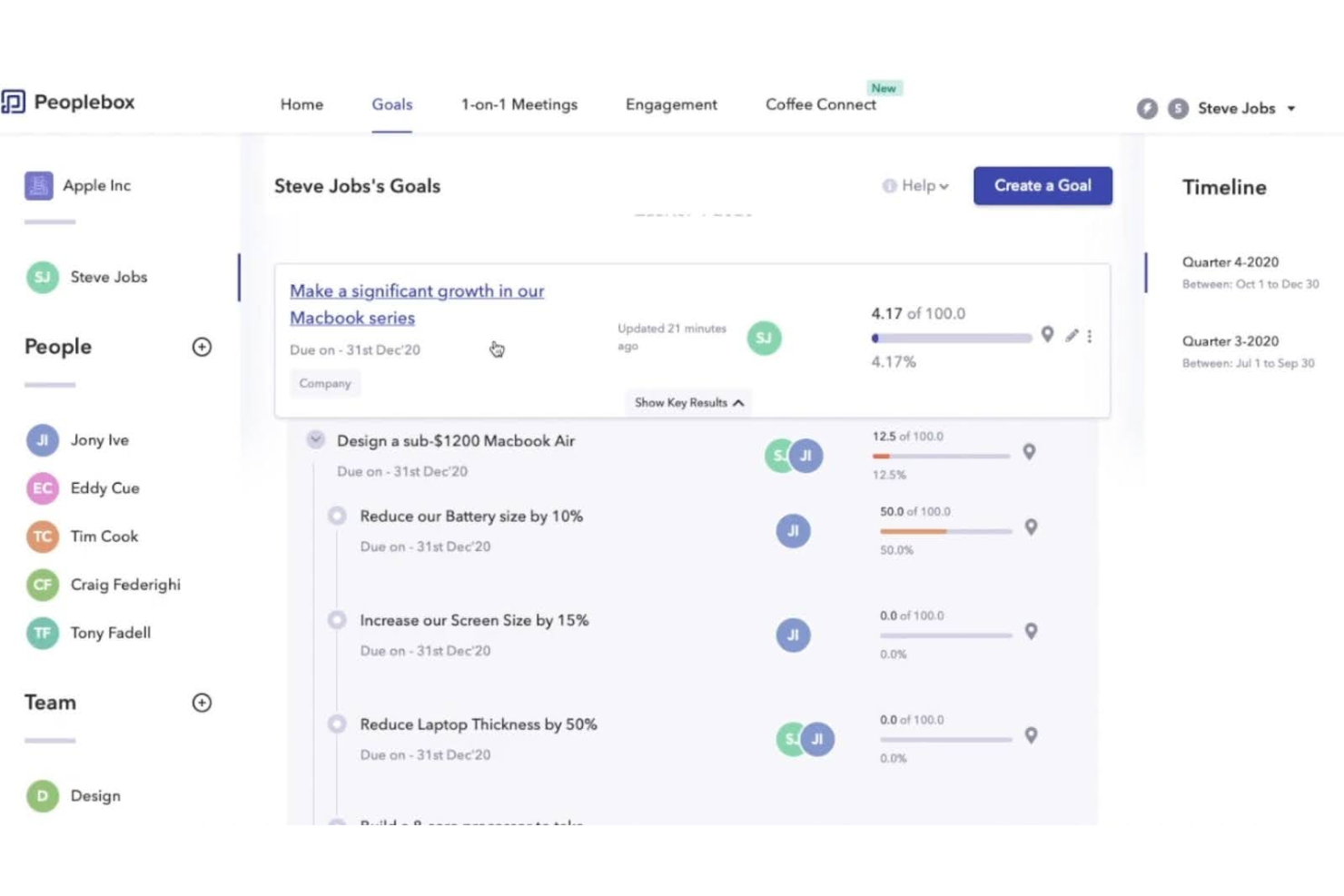
Peoplebox.ai è una piattaforma di gestione dei talenti basata sull'IA progettata per i team HR e i manager. Automatizza l'allineamento degli obiettivi, la gestione delle persone e le funzionalità di talento per supportare lo sviluppo dei dipendenti. Questo consente ai leader di individuare i dipendenti ad alto potenziale e guidare la loro crescita, coinvolgimento e progressione di carriera.
Perché ho scelto Peoplebox.ai: L'attenzione della piattaforma per le informazioni sulla leadership la distingue dalle altre. Offre funzionalità di IA, inclusa una partner AI per i talenti chiamata Nova, che assiste nelle assunzioni e nello sviluppo. Le analisi predittive forniscono preziose informazioni sulle prestazioni e sul potenziale dei dipendenti. Questo rende più facile per il tuo team prendere decisioni informate e allineare gli obiettivi di leadership.
Funzionalità e integrazioni principali:
Funzionalità includono software di colloqui basati su IA, screening dei curriculum e analisi predittive. Tutte queste aiutano i recruiter a trovare corrispondenze migliori tra candidati, individuando persone che si allineano con la cultura e i valori aziendali. Nova supporta lo sviluppo continuo dei dipendenti aiutando gli individui a suddividere gli obiettivi in compiti concreti e ottenendo feedback reali su come migliorare.
Integrazioni includono Slack, Microsoft Teams, Google Workspace, Jira, Asana, Notion e BambooHR.
Pros and Cons
Pros:
- Gestione dei talenti basata sull'IA
- Strumenti di allineamento alla leadership come la gestione OKR (a partire da $8/mese)
- Analisi predittive per informazioni approfondite
Cons:
- Nessun piano gratuito
- Nessuna app mobile
Altri strumenti di IA per la fidelizzazione dei dipendenti
Ecco alcune ulteriori opzioni di strumenti di IA per la fidelizzazione dei dipendenti che non sono entrate nella mia selezione, ma che vale comunque la pena valutare:
- 15Five
Ideale per feedback e riconoscimenti continui
- Leapsome
Ideale per le prestazioni e i cicli di apprendimento
- Culture Amp
Ideale per coaching di leadership con l'IA e feedback


Come valuto gli strumenti di retention dei dipendenti con l'AI
Cerco strumenti in cui l'IA va oltre i semplici dashboard—individuando i rischi di fuga prima che le dimissioni arrivino sulla scrivania o rivelando le vere cause dell'abbandono in un team specifico. Suddivido la mia valutazione in funzionalità di base che ogni strumento deve avere e fattori differenzianti che separano una buona scelta da un'eccellente scelta.
Funzionalità di base (requisiti essenziali per questa lista)
Quando seleziono gli strumenti per la mia lista, valuto ciascuno su una scala da 0 (non offre la funzionalità) a 5 (eccelle in quest’area) per ogni funzionalità di base elencata di seguito. Poi, calcolo il punteggio totale dello strumento in percentuale. Ogni strumento deve raggiungere un punteggio totale minimo del 65% per essere considerato per l’inclusione.
- Predizione del rischio di abbandono: Verifico se lo strumento utilizza modelli ML per generare veri punteggi di rischio—come segnalare un ingegnere senior i cui schemi di collaborazione sono cambiati—invece di limitarsi a riportare i turnover passati.
- Analisi del sentimento e del coinvolgimento: Lo strumento dovrebbe applicare il NLP su diversi canali di feedback (sondaggi rapidi, commenti aperti, dati recensione) per rilevare problemi emergenti di morale prima che diventino gravi.
- Analytics su fattori e cause principali: Valuto quanto bene la piattaforma classifica le reali cause dell’abbandono in specifici segmenti, che si tratti di gap retributivi in un team o qualità gestionale in un altro.
- Raccomandazioni AI per la fidelizzazione: Oltre a segnalare i rischi, cerco strumenti che prescrivano azioni mirate—come suggerire un colloquio sullo sviluppo di carriera per un high performer che mostra segnali di stagnazione.
- Integrazione con dati HRIS e workforce: Connettori affidabili a piattaforme come Workday, BambooHR o SAP SuccessFactors sono fondamentali, perché i modelli di retention sono validi solo quanto i dati disponibili.
- Dashboard e reportistica sulla fidelizzazione: Valuto se leader HR e manager possano accedere a viste appropriate al loro ruolo, con la possibilità di approfondire tendenze a livello di team e tracciare gli esiti nel tempo.
Una volta stilata la lista degli strumenti che soddisfano i criteri, considero cosa distingue ciascuna piattaforma.
Fattori di differenziazione (cosa distingue i fornitori)
Ecco come metto a confronto i vari fornitori:
Funzionalità distintive
Gli strumenti a supporto dei manager sono un vero elemento differenziante—cerco piattaforme che inviano suggerimenti IA o promemoria di coaching direttamente ai manager prima dei one-to-one con i membri a rischio. Si distinguono anche i segnali di ascolto passivo, dove uno strumento analizza il carico di lavoro da calendario o i pattern collaborativi per individuare segnali di burnout senza aggiungere un altro sondaggio. Valuto inoltre se una piattaforma tiene traccia dei risultati delle azioni intraprese, collegando interventi specifici ai cambiamenti reali di abbandono nel tempo.
Oltre le funzionalità
L’etica dell’IA e la mitigazione dei bias sono molto rilevanti qui perché questi strumenti valutano persone reali. Verifico se il fornitore offre spiegabilità del modello e audit dei bias sulle classi protette prima che le HR agiscano su una segnalazione. La privacy dei dati è strettamente correlata—le piattaforme di retention trattano dati sensibili dei lavoratori, quindi valuto certificazioni come SOC 2 Type II e conformità GDPR insieme a controlli di accesso basati sul ruolo. Anche la velocità con cui si ottengono risultati influenza la mia valutazione. Preferisco piattaforme con modelli di retention preconfigurati che forniscono insight utili in poche settimane rispetto a quelle che richiedono mesi di lavoro di data science.
Come scegliere gli strumenti di IA per la fidelizzazione dei dipendenti
È facile perdersi in lunghi elenchi di funzionalità e strutture di prezzo complesse. Per aiutarti a rimanere concentrato mentre porti avanti il tuo processo di selezione del software, ecco una checklist dei fattori da tenere a mente:
| Fattore | Cosa considerare |
|---|---|
| Scalabilità | Lo strumento può crescere insieme alla tua azienda? Valuta se è in grado di gestire un aumento degli utenti o dei dati senza perdere prestazioni. Cerca segnali di scalabilità fluida, come l'assenza di tempi di inattività durante la crescita. |
| Integrazioni | Funziona con i sistemi che già utilizzi? Verifica la compatibilità con gli strumenti e le piattaforme HR attuali. La mancanza di integrazioni può causare dati isolati e inefficienze. |
| Personalizzazione | Puoi adattarlo alle tue esigenze? Verifica se lo strumento consente di modificare impostazioni e flussi di lavoro affinché si adattino ai tuoi processi specifici. I sistemi rigidi potrebbero non soddisfare requisiti aziendali unici. |
| Facilità d'uso | È intuitivo per il tuo team? Valuta se l'interfaccia è intuitiva e facile da navigare. Una curva di apprendimento ripida può rallentare l'adozione e ridurre l'efficacia. |
| Implementazione e avvio | Quanto velocemente puoi iniziare? Valuta il tempo e le risorse necessari per l'implementazione e l'avvio. Cerca strumenti con guide chiare, assistenza e una procedura di configurazione rapida. |
| Costo | Rientra nel tuo budget? Confronta la struttura dei prezzi con il tuo budget. Assicurati che non ci siano costi nascosti e che il costo sia in linea con il valore offerto. |
| Misure di sicurezza | Protegge i tuoi dati? Verifica le misure di sicurezza dello strumento, come la crittografia e i controlli degli accessi, per proteggere le informazioni sensibili sui dipendenti. |
| Disponibilità dell'assistenza | Puoi ricevere aiuto quando ne hai bisogno? Verifica se il fornitore offre assistenza 24 ore su 24, 7 giorni su 7, e diversi canali di supporto. Opzioni di assistenza limitate possono causare tempi di inattività prolungati o problemi irrisolti. |
Cosa sono gli strumenti di IA per la fidelizzazione dei dipendenti?
Gli strumenti di intelligenza artificiale per la fidelizzazione dei dipendenti sono soluzioni software che utilizzano l'intelligenza artificiale per aiutare le aziende a comprendere e migliorare la soddisfazione dei dipendenti e a ridurre il turnover. I professionisti delle risorse umane e i manager utilizzano generalmente questi strumenti per ottenere informazioni sulle strategie di fidelizzazione dei dipendenti e valutare il livello di coinvolgimento. Le funzionalità di analisi predittiva, analisi del sentiment e feedback personalizzato aiutano a identificare i potenziali rischi di turnover e a migliorare il coinvolgimento dei dipendenti. Nel complesso, questi strumenti forniscono informazioni e strategie preziose per mantenere una forza lavoro stabile e motivata.
Funzionalità
Quando selezioni gli strumenti di intelligenza artificiale per la fidelizzazione dei dipendenti, presta attenzione alle seguenti funzionalità chiave:
- Analisi predittiva: utilizza l'intelligenza artificiale per prevedere il potenziale turnover dei dipendenti, le tendenze delle prestazioni e la disponibilità per una promozione.
- Analisi del sentiment: analizza il feedback dei dipendenti per valutare il morale e la soddisfazione, fornendo informazioni sulle dinamiche del team.
- Feedback personalizzato: offre ai dipendenti feedback sulle prestazioni su misura per migliorare i loro piani di sviluppo.
- Analisi delle lacune nelle competenze: identifica le aree in cui i dipendenti potrebbero migliorare, orientando le attività di formazione e sviluppo.
- Monitoraggio del coinvolgimento: monitora i livelli di coinvolgimento nel tempo per tenere traccia delle iniziative di fidelizzazione.
- Pianificazione del percorso professionale: traccia i potenziali percorsi di carriera dei dipendenti, motivandoli con chiare opportunità di crescita.
- Sondaggi automatizzati: invia sondaggi periodici per raccogliere il feedback dei dipendenti senza intervento manuale.
- Report con informazioni in tempo reale: fornisce dati aggiornati all'ultimo minuto sulle metriche di fidelizzazione, sui livelli di coinvolgimento e sulle prestazioni della forza lavoro, consentendo di prendere decisioni e apportare modifiche rapidamente.
- Raccomandazioni basate sull'intelligenza artificiale: suggerisce azioni e strategie basate sull'analisi dei dati per migliorare la fidelizzazione e la soddisfazione dei dipendenti.
Vantaggi
L'implementazione di strumenti di intelligenza artificiale per la fidelizzazione dei dipendenti offre diversi vantaggi al tuo team e alla tua azienda. Ecco alcuni dei vantaggi che puoi aspettarti:
- Riduzione del turnover: l'analisi predittiva consente di identificare i dipendenti a rischio e attuare strategie proattive per fidelizzarli.
- Maggiore coinvolgimento: l'analisi del sentiment offre informazioni sul morale dei dipendenti, consentendo di affrontare le problematiche e aumentare il coinvolgimento.
- Sviluppo mirato delle competenze: il feedback personalizzato supporta piani di crescita su misura per favorire lo sviluppo e la soddisfazione dei dipendenti.
- Allocazione efficiente delle risorse: l'analisi delle lacune nelle competenze garantisce che le attività di formazione siano indirizzate dove sono più necessarie, per massimizzare l'utilizzo delle risorse.
- Processo decisionale strategico: i report in tempo reale forniscono informazioni aggiornate, favorendo decisioni rapide e consapevoli.
- Forza lavoro motivata: una chiara pianificazione del percorso professionale aiuta i dipendenti a immaginare il proprio futuro in azienda.
- Risparmio di tempo: i sondaggi automatizzati e le raccomandazioni basate sull'intelligenza artificiale consentono al tuo team di dedicarsi ad attività strategiche.
Costi & Prezzi
La selezione degli strumenti di intelligenza artificiale per la fidelizzazione dei dipendenti richiede la comprensione dei vari modelli e piani tariffari disponibili. I costi variano in base alle funzionalità, alle dimensioni del team, ai componenti aggiuntivi e ad altri fattori. La tabella seguente riassume i piani comuni, i relativi prezzi medi e le funzionalità generalmente incluse nelle soluzioni di strumenti di intelligenza artificiale per la fidelizzazione dei dipendenti:
Tabella comparativa dei piani per gli strumenti di intelligenza artificiale per la fidelizzazione dei dipendenti
| Tipo di piano | Prezzo medio | Funzionalità comuni |
|---|---|---|
| Piano gratuito | $0 | Accesso ad analisi di base, account utente limitati e report di base. |
| Piano personale | $5-$25/utente/mese | Analisi avanzate, funzionalità di feedback personalizzato e analisi delle lacune nelle competenze. |
| Piano aziendale | $30-$60/utente/mese | Analisi avanzate, informazioni predittive, integrazione con i sistemi delle risorse umane e sondaggi automatizzati. |
| Piano per aziende | $65-$100/utente/mese | Report completi, opzioni di personalizzazione totale, raccomandazioni basate sull'intelligenza artificiale e assistenza dedicata. |
Domande frequenti sugli strumenti di IA per la fidelizzazione dei dipendenti
Ecco alcune risposte alle domande comuni sugli strumenti di IA per la fidelizzazione dei dipendenti:
Come misuro il ROI degli strumenti di IA per la fidelizzazione dei dipendenti?
Per misurare il ROI, confronta i costi di implementazione dello strumento con i risparmi derivanti dalla riduzione del turnover e dall’aumento della produttività. Monitora metriche come il tasso di turnover e il coinvolgimento dei dipendenti prima e dopo l’utilizzo dello strumento. Considera fattori come la riduzione dei costi di reclutamento e il miglioramento delle prestazioni dei dipendenti. Potresti anche collegare direttamente specifici miglioramenti nelle dinamiche del team e nella soddisfazione alle informazioni ottenute dallo strumento di IA.
Gli strumenti di IA per la fidelizzazione dei dipendenti possono integrarsi con i sistemi HR esistenti?
Sì, la maggior parte degli strumenti di IA per la fidelizzazione dei dipendenti offre funzionalità di integrazione con i sistemi HR più comuni. Verifica se lo strumento supporta le API o dispone di connettori integrati per sistemi come Workday o BambooHR. Assicurati che il tuo team o il reparto IT disponga delle competenze tecniche necessarie per configurare e gestire queste integrazioni. Valuta la possibilità di consultare il reparto IT per un processo di integrazione fluido, assicurandoti che tutti i sistemi funzionino armoniosamente insieme.
Come garantisco la privacy dei dati con gli strumenti di IA per la fidelizzazione dei dipendenti?
Per garantire la privacy dei dati, scegli strumenti dotati di solide misure di sicurezza, come la crittografia e i controlli degli accessi. Verifica che il fornitore sia conforme alle normative pertinenti, come il GDPR o il CCPA. Dovresti inoltre stabilire politiche interne per l’accesso e la gestione dei dati. Sottoponi regolarmente a verifica le pratiche di sicurezza dei dati dello strumento e aggiornale secondo necessità. Comunica con il fornitore per comprendere le sue politiche sulla privacy e assicurarti che siano in linea con gli standard della tua organizzazione.