What Is a Performance Management System? + Examples


Definition & Purpose: The article explains what a performance management system is and how it streamlines goal tracking, feedback, and review processes.
Key Features: It details must-have features like goal management, continuous feedback, reviews, analytics, and workflow controls for consistent performance management.
Benefits & Risks: Readers learn the business benefits of centralized performance tools and the risks of poor implementation, privacy issues, or administrative burden.
Real-World Examples: Case studies from Fossil Group and Udemy show measurable gains in participation, alignment, and manager oversight after adopting performance management software.
Choosing the Right Tool: The article offers practical guidance on evaluating different types of performance management systems and aligning software choices with your team’s needs.
A performance management system is the combination of processes and tools organizations use to set goals, monitor progress, provide feedback, and evaluate employee performance.
In my experience, the real cost of doing this manually isn't just wasted time; it's the misaligned goals, delayed feedback, and retention risks that quietly compound.
In this guide I’ll cover how performance management software works, the features that matter, common workflows, and real examples of how organizations use it.

What Is a Performance Management System?
A performance management system provides a structured way to manage employee goals, feedback, reviews, and development over time.
In practice, many organizations use performance management software to support that system by centralizing records, automating review cycles, tracking goals, and giving managers and HR teams shared visibility into employee performance.
Examples Of Performance Management Software
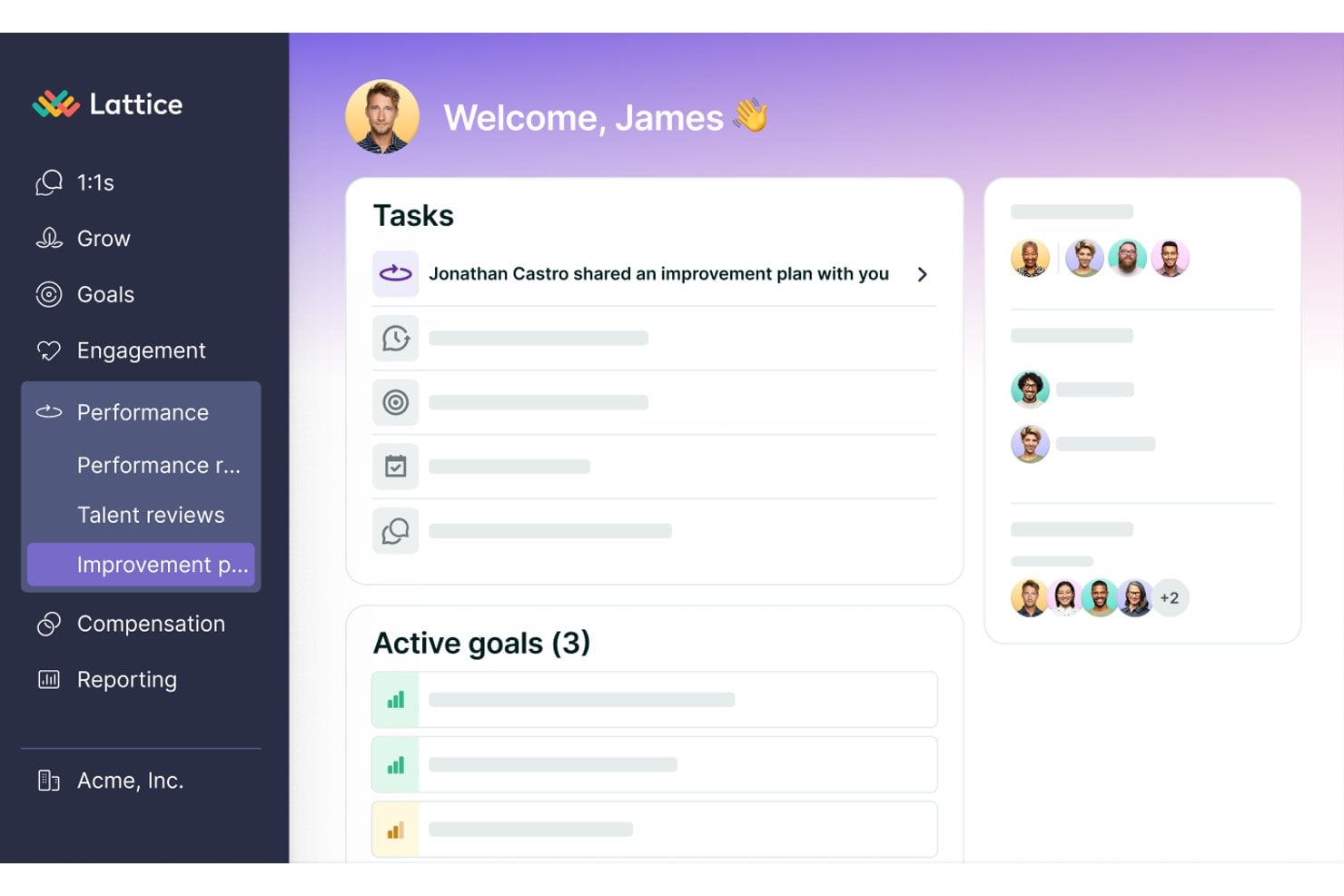
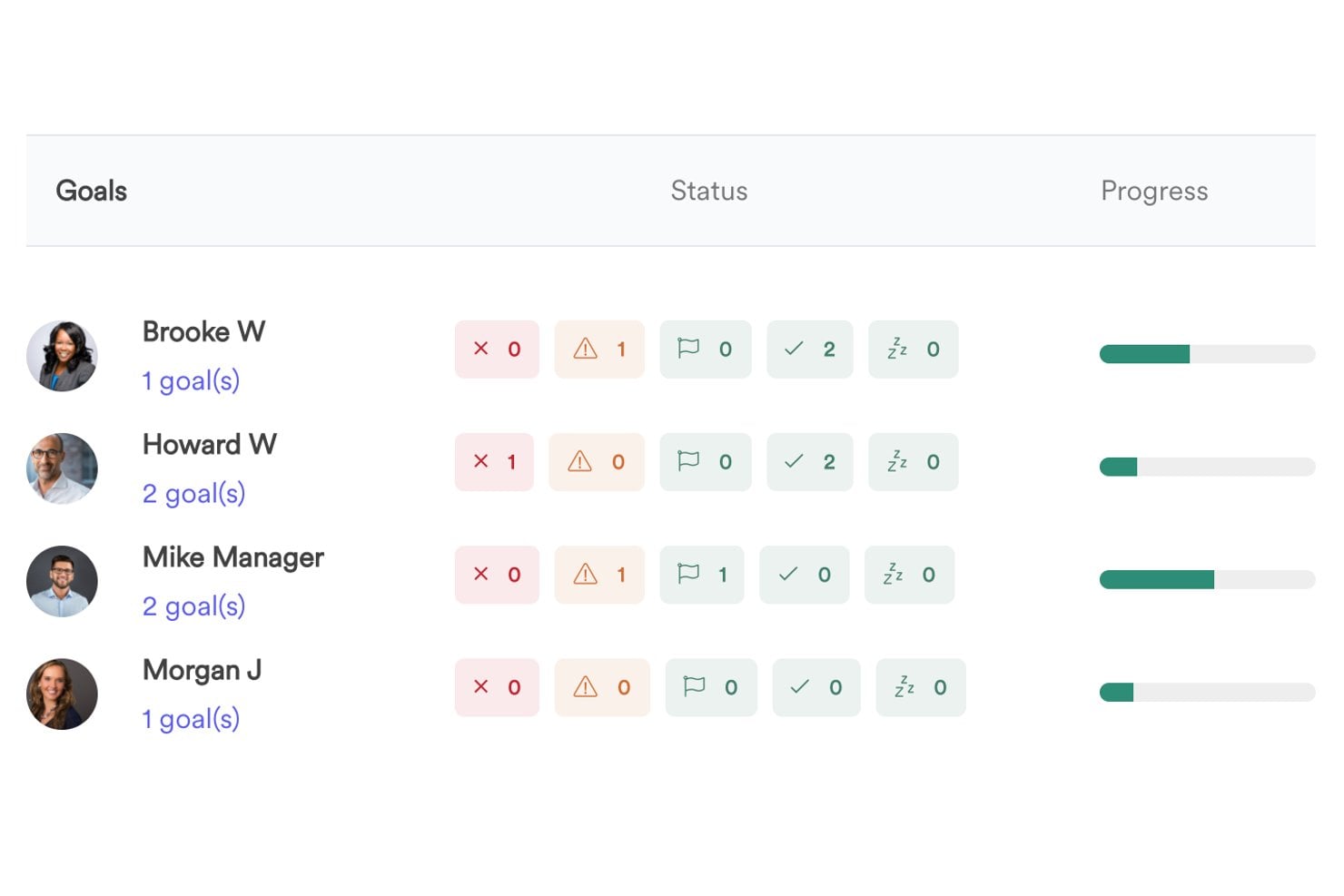
Here are three examples of performance management software interfaces and the features they typically display:
Top Performance Management Software To Consider
Here's my shortlist of the best performance management software solutions:
Clicks on the links below may earn a commission, which supports our independent testing and review of software and services. Learn more about how we stay transparent.


Who Uses Performance Management Software?
These teams and organizations typically need performance management software to coordinate goals, feedback, reviews, and development:
- HR and People Operations Teams: Own review cycles, performance records, calibration, and reporting across the organization.
- Growing Organizations: Need consistent performance processes as more employees, managers, and reporting layers are added.
- Distributed and Hybrid Teams: Use shared goals, written check-ins, and scheduled feedback to support employees across locations.
- Regulated Organizations: Maintain documented expectations, review decisions, and development records for roles with formal accountability requirements.
- Professional Services Firms: Connect employee goals and evaluations with client delivery, project outcomes, utilization, and skill development.
Key Performance Management Software Benefits And Business Impacts
Performance management software centralizes goals, feedback, reviews, and records, supporting consistent processes, lower administrative costs, reduced documentation risk, and better-informed workforce decisions.
It requires ongoing software, implementation, and training costs, while poor configuration or biased evaluations can create privacy, compliance, and employee trust risks.
Review this table to weigh the organizational value and implementation risks of performance management software:
| Benefits | Risks |
|---|---|
| Centralized goals, reviews, feedback, and employee records | Poor data protection can expose sensitive employee information |
| Goal alignment tools that connect individual objectives with business priorities | Poorly configured goals can reinforce unrealistic or conflicting expectations |
| Structured review templates that support more consistent evaluations | Biased ratings can become easier to reproduce across review cycles |
| Check-in reminders that encourage regular manager-employee conversations | Excessive reminders and required forms can create administrative fatigue |
| Reporting dashboards that help HR identify talent, development, and retention trends | Incomplete or inaccurate data can lead to unreliable workforce decisions |
| Documented development plans that support succession and internal mobility | Weak implementation, training, or adoption can make the software an expensive recordkeeping tool |
Performance Management Software Case Studies
These case studies show how organizations moved from manual or outgrown performance processes to more structured goals, feedback, and review cycles. Each example highlights the process before implementation and the changes reported afterward:
Case Study: Fossil Group's Implementation of Quantum Workplace
Fossil Group, a global retailer with 15,000 employees, replaced a fully paper-based performance review process with Quantum Workplace's digital performance management tools.
The team redesigned their process around three structured annual touchpoints, ongoing employee-initiated check-ins, and 1-on-1 conversation templates that managers could customize by team or role.
Here are the results of Fossil Group's implementation of performance management software:
- 92% participation rate: Employees actively completed goal-setting reviews following the transition to digital performance tools.
- 6 goals per employee: Teams averaged six documented goals each, giving managers a consistent baseline for performance conversations.
- 140 weekly recognition stories: Peer-to-peer recognition activity reached 140 stories per week through the platform's built-in recognition features.
- Higher platform adoption: Integrated tools across goals, reviews, and recognition reduced user friction and increased adoption across the organization.
Case Study: Udemy's Implementation of Betterworks
Udemy, an online learning platform with over 1,100 employees, moved from a separate tool it had outgrown to Betterworks after six months of evaluation. The People team enabled OKR alignment, transparent goal-setting, and a twice-yearly feedback and conversation cycle to connect individual objectives to company-wide priorities.
Here are the results of Udemy's implementation of performance management software:
- 92–93% feedback cycle participation: Response rates climbed from a previous 65–70%, reflecting higher employee engagement with the review process.
- 85% OKR completion rate: The majority of team and individual goals were met and completed in full following implementation.
- Full goal visibility: All employees gained access to company goals from the CEO level down to individual contributors, replacing a system where cross-team alignment had been difficult to track.
- Greater manager visibility: Managers gained real-time visibility into who was updating OKRs, requesting feedback, and following through on goals.
Core Features & Capabilities of Performance Management Software
A strong performance management system should give HR leaders the tools to monitor employee performance throughout the performance management cycle, from goal setting and ongoing feedback to formal reviews and development.
The following capabilities support a continuous performance management approach while giving HR useful performance metrics and consistent records:
- Goal Management: Create individual, team, and organizational goals using frameworks such as SMART goals, OKRs, and KPIs. Owners, deadlines, progress updates, and alignment links help HR connect employee performance with broader business priorities.
- Performance Reviews: Build review cycles with configurable templates, rating scales, competency frameworks, and approval steps. Standardized formats give managers a shared structure for evaluating performance.
- Continuous Check-Ins: Schedule recurring one-on-ones, capture discussion notes, and track follow-up actions. Regular check-ins give managers a place to address progress and concerns before formal reviews.
- Feedback Collection: Gather real-time feedback from managers, peers, direct reports, and project stakeholders, including structured 360-degree feedback when appropriate. Multiple perspectives can give managers better context for coaching and performance discussions.
- Development Planning: Connect performance discussions with career development, skill gaps, learning activities, and development milestones. HR can use these records to support internal mobility, succession planning, and stronger employee engagement.
- Calibration Tools: Compare ratings, review evidence, and department-level patterns during calibration discussions. This gives HR a structured way to examine inconsistent scoring and potential rating bias.
- Performance Analytics: Report on goal completion, review participation, rating distributions, development activity, and trends across teams. Clear dashboards help HR identify areas that require follow-up.
- Workflow Controls: Configure permissions, reminders, approval paths, review deadlines, and audit histories. These controls help protect sensitive records and keep performance cycles consistent across locations and teams.
Performance Management Software Use Cases: Typical Processes & Workflows
Performance management software provides the technology layer that helps organizations run their broader performance management system.
It supports recurring processes such as goal setting, check-ins, feedback, reviews, calibration, and development planning by giving HR and managers shared workflows, records, reminders, and reporting tools.
Use this table to review the HR processes that performance management software can support:
| Process | Description | How Software Helps |
|---|---|---|
| Goal Alignment | Translate organizational priorities into team and individual goals. Track ownership, deadlines, progress, and changes throughout the performance cycle. | Goal management connects individual objectives to department and company priorities. HR executives can review progress dashboards and identify goals that are incomplete, conflicting, or misaligned. |
| Performance Review Cycles | Plan recurring reviews with consistent criteria, timelines, ratings, and approval steps. Ensure managers and employees complete required evaluations. | Review templates, automated reminders, permissions, and approval workflows organize each review cycle. HR can monitor participation and maintain a searchable record of completed evaluations. |
| Continuous Feedback And Check-Ins | Support regular conversations about progress, expectations, recognition, and performance concerns. Record follow-up actions before issues become part of an annual review surprise. | Check-in schedules, one-on-one templates, feedback requests, and conversation notes give managers a shared process. HR can track completion and review documented follow-up across teams. |
| Calibration And Fairness Review | Compare ratings and supporting evidence across teams before final decisions. Identify inconsistent scoring patterns and discuss potential bias in evaluation practices. | Calibration tools place ratings, comments, competencies, and department-level patterns in one workspace. HR can compare results, document decisions, and retain an audit history for the cycle. |
| Development And Succession Planning | Connect performance discussions with skill gaps, career goals, learning activities, and future roles. Use documented evidence to inform internal mobility and succession decisions. | Development plans record milestones, competencies, training, and manager follow-up. Analytics help HR identify recurring skill gaps and employees with documented readiness for expanded responsibilities. |
Types of Performance Management Software & Similar Tools
Performance management software sits within a broader ecosystem of HR tools, and the boundaries between categories aren't always obvious. Here's how the most common types and adjacent tools compare:
| Type | Differentiator |
|---|---|
| OKR software | Focused on setting and tracking objectives and key results; doesn't manage review cycles, feedback collection, or calibration |
| 360-degree feedback software | Collects structured multi-rater feedback only; doesn't connect to goal management, development plans, or review workflows |
| Employee engagement software | Measures employee sentiment, satisfaction, and engagement signals; doesn't manage performance expectations or formal evaluations |
| Learning management systems (LMS) | Delivers and tracks training, courses, and certifications; development planning is separate from performance evaluation |
| Talent management software | Covers a broader scope that includes recruiting, onboarding, performance, and succession in a single platform |
Ready to Find the Right Fit for Your Team?
Understanding what performance management software does is only half the equation—knowing how to evaluate and select the right one for your organization is where it gets practical.
If you're ready to move from research to a decision, our guide on how to choose performance management software walks you through a five-step selection framework, from identifying your needs to building a business case and managing rollout.