In today's fast-paced corporate environment, the role of managers has become more challenging than ever before. With workforces becoming increasingly dispersed, many managers find themselves constantly juggling competing demands.
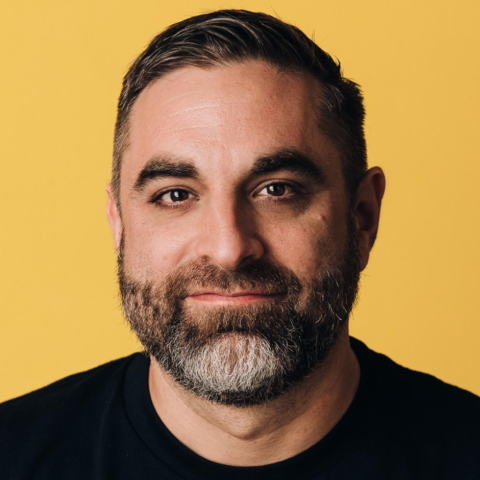
In this episode, host David Rice is joined by Elena Agaragimova—Talent Acquisition & Development Manager at Horizon Industries, Limited—to delve into how organizations can empower managers through wellbeing, training, and a supportive community.
Interview Highlights
- Meet Elena Agaragimova [00:49]
- Elena has over 14 years of experience in talent development, starting in higher education and moving into corporate learning.
- She has started and ended several businesses focused on performance and wellbeing, gaining global experience in people development.
- Elena created SHFT! as a response to the growing issues in talent development, such as busyness, anxiety, and declining health, despite improved access to healthcare.
- She observed that engagement numbers are decreasing, and managers are still struggling, prompting her to rethink talent development approaches.
- SHFT! focuses on taking a holistic approach to talent development, particularly for managers.
- Elena also hosts a podcast called "Shift with Elena Agar" where she discusses these topics.
- Challenges Faced by Modern Managers [02:37]
- Managers have faced significant challenges with dispersed workforces and changing dynamics in recent years.
- There is often a lack of training and mentorship for managers, with around 60% not properly trained to manage effectively.
- Many companies provide limited training, focusing on task-oriented aspects of management rather than people management.
- Managers transitioning from being peers to supervisors need support to avoid conflicts and to rebrand themselves in their new roles.
- Processes and systems should be reset to define management roles and expectations, with an emphasis on delegating tasks.
- Managers are often overwhelmed with meetings, leaving little time for strategic thinking and people development.
- Leadership needs to provide clear strategies and expectations for managers to motivate them and ensure organizational growth.
- Middle managers often face pressure from all sides but lack clear direction from leadership on company goals, especially with evolving trends like AI.
We expect managers to be strategic thinkers, inspirational leaders, and motivators for their teams, yet we schedule them in meetings for five to six hours every day. This makes it difficult for them to have the mental capacity to focus on the tasks where their time is most valuable.
Elena Agaragimova
- The Five Pillars of Wellbeing [09:34]
- Managers face high burnout levels due to demanding roles and lack of support.
- The five pillars for integrating individual wellbeing into talent management are:
- Physical Movement: Essential for mental clarity, decision-making, and creativity. Focus on sleep and daily movement.
- Mental Resilience: Building a growth mindset and focusing on solutions rather than problems.
- Career Fulfillment: Ensuring managers are in roles they genuinely want, as many don’t naturally want to manage people.
- Social Connections: Creating a support network or “board of directors” to avoid isolation and share resources.
- Nutritional Education: Focusing on healthy eating habits and gut health to improve energy, decision-making, and overall wellbeing.
- Many managers are promoted without wanting to manage people, leading to burnout.
- Social connections help managers avoid isolation and learn from others' experiences.
- Nutrition plays a vital role in energy levels, decision-making, and overall health, particularly in high-stress roles.
- Building a Managerial Community [17:08]
- Managers often lack support systems, which can lead to burnout.
- Organizations should ask: “What are you doing to retain your top managers?”
- Peer groups can provide managers a space to share challenges, wins, and struggles.
- Peer learning environments, such as working groups, help foster creativity and team optimization.
- In-person meetings boost creativity more effectively than remote work environments.
- Some companies hold senior manager gatherings for brainstorming and team growth.
- Executive coaching or group coaching sessions can also be beneficial.
- Organizations need to create systems that allow managers to participate in these groups without feeling overwhelmed.
- Clear calendars or dedicated time slots can help managers engage in peer learning.
- Encourage participation by asking managers what they need to step away from their role temporarily without added stress.
- Leveraging Behavioral Data [20:32]
- Behavioral data can help inform manager development.
- Key data points include turnover and retention rates under specific managers.
- Exit interviews provide valuable insights about manager effectiveness.
- Team performance metrics, such as progression and promotions, indicate managerial investment.
- Lack of team growth or missed KPIs may show a manager isn't investing enough time in their team.
- Companies should ensure managers have time to support and develop their teams.
- High burnout rates or frequent sick leave under a particular manager are warning signs.
- Teams with unusually low PTO usage may indicate unhealthy work conditions.
- Aligning Talent Development with Organizational Goals [22:04]
- Businesses often fall short by treating learning and development (L&D) as reactive rather than proactive.
- L&D professionals should act as consultants, not just service providers.
- Instead of just fulfilling training requests, professionals should ask about the purpose, objectives, and challenges behind the request.
- Organizations often focus on immediate tasks and fail to plan for long-term talent development, leading to a reactive culture.
- L&D should focus on succession planning, employee promotions, retention, and long-term performance challenges.
- Stakeholder management is crucial, and L&D should provide data on the financial impact of absenteeism, presenteeism, and burnout.
- Millions of dollars are lost annually due to preventable issues, affecting company brand, innovation, and growth.
- Long-term organizational success depends on proactive talent development, maintaining relevance, and attracting top talent.
- The Founder Mode Dilemma [25:05]
- Founder mode can undermine managers and alienate them by putting pressure on employees not used to interacting with executives.
- Some founders may not change their behavior due to generational factors or resistance to feedback.
- Founder mode hurts the company and can cause top performers to leave due to lack of fulfillment and job satisfaction.
- Founder-driven disruptions, such as interrupting projects, can lead to burnout and discourage team members.
- Founders may not be aware of the negative impact they're causing, but it's essential to bring awareness and educate them.
- Highlighting the ripple effects of disruptions, like lost clients or derailed projects, can help founders understand the damage caused.
- Founder mode can destroy the relationship between managers and their teams, leading to confusion and loss of respect for managers.
If you are in founder mode, it's important to accept that your actions may be hurting your company and your teams, causing the best talent to leave. Top performers want to execute, create, and build. If they are unable to do so or face constant obstacles, it becomes very discouraging.
Elena Agaragimova
Meet Our Guest
Elena Agaragimova exemplifies resilience in her journey from academia to leading roles in global corporations. Passionate about human potential, she crafts transformative talent development programs and talent pipelines. With her unique blend of empowerment and empathy, Elena drives growth in individuals and organizations within the competitive business world.
In her high-impact role at a tech consulting firm, Elena brings belief in the untapped capabilities of the human mind, integrating neuroscience to maximize effectiveness. She's also a sought-after speaker delivering messages that resonate with audiences from New York to Dubai.
An entrepreneur at heart, Elena co-founded Bloom Youth and launched Bessern, both tech solutions aimed at enhancing skills and wellbeing. She's the author of two books: Shift and The Rough Guide to Awesome Leadership and hosts two podcasts: Shift with Elena Agar and Confessions of a Career Coach. Beyond her professional life, Elena dedicates time to mentor young professionals and assist military veterans in transitioning to corporate roles.

As a manager, your job is to ensure that the people under you are growing and, eventually, hopefully taking over your role so that you can move up, and everyone climbs the career ladder.
Elena Agaragimova
Related Links:
- Join the People Managing People Community
- Subscribe to the newsletter to get our latest articles and podcasts
- Connect with Elena on LinkedIn
- Check out Horizon Industries, Limited
Related Articles And Podcasts:
- About the People Managing People podcast
- Want A Happier, Healthier Team? Start with Yourself
- 5 Methods To Help Put Employees In The Driver’s Seat Of Their Career Development
- 6 Workplace Wellness Trends To Consider For Healthier, Happier Employees
- What Is ‘A Wellness Action Plan’ And How Can It Benefit Employee Mental Health?
- Career Lattice: Breaking The Mold Of Traditional Career Advancement
Read The Transcript:
We’re trying out transcribing our podcasts using a software program. Please forgive any typos as the bot isn’t correct 100% of the time.
Elena Agaragimova: At least 60% of managers who are in management roles today do not have the experience or the resources to manage effectively. And there are many companies that once a person gets promoted from being an individual contributor to being a people manager, there’s very little training that is provided.
David Rice: Welcome to the People Managing People podcast. We’re on a mission to build a better world of work and to help you create happy, healthy, and productive workplaces. I’m your host, David Rice.
My guest today is Elena Agaragimova. She is a talent development leader and founder of SHFT!, a professional coaching consultancy. We’re going to be talking about the experience managers are having in the workplace right now and how we can empower them through wellbeing and talent development.
Elena, welcome.
Elena Agaragimova: Thank you. I’m always good to chat with you.
David Rice: Always.
So first, tell us a little bit about you. You’ve been on a few of our sessions, like our panel discussions and all that, but tell the podcast audience a little bit about you and how do you got to where you are and sort of what led you to create SHFT!?
Elena Agaragimova: Sure. So I’ve been in a talent development field for over 14 years now, really wearing different hats and I’ve started in higher education, then moved into corporate learning, started a couple of businesses around performance and wellbeing.
Kind of started things, ended things, so really did a lot of experimentation in talent development work. I’ve done this in different countries around the world as well. So I’ve got to see what people development looks like in different parts of the world, which is always interesting. And I think that kind of led me to create SHFT!, which is around really just looking at talent development, particularly as we were looking at managers from a holistic point of view.
And I know holistic is like a big word these days in general, and I feel like it has been. But really just like remembering, going back to the base of who we are as human beings and what do we need to be at our top performance, which is some of the pillars that we’re going to talk about today in this discussion.
So I’ll save it for that. But essentially just this came out of the fact that we are busier than ever before. We are more anxious than ever before, right? Some generations are more anxious than others. We are more unhealthy than ever before. Although we have access to healthcare and a lot of things that we didn’t in previous centuries and years as humans.
So it brought me to this idea is well, maybe we’re doing something wrong. And maybe we need to just take a different approach to talent development. Right? And engagement numbers are pretty much going down across board and organizations. Managers are struggling still. So it’s like all these things are happening that it seems like we should be getting better, but we’re not.
And so hence SHFT! and the approach that we have with SHFT!. And of course, I’m also a podcaster, I love talking about these topics. So Shift with Elena Agar is my podcast and talking to people like you is always fun.
David Rice: Let’s start by talking about this idea of empowering managers and how we can do it. It’s been a tough couple of years for managers. I think many of them had to really change the way they’re doing things as workforces has become more dispersed, right? So some have been hamstrung by leadership, I would say above them, this is all to say nothing of their own struggles and struggles as human beings with lives of their own.
So I guess the question becomes what do managers need right now?
Elena Agaragimova: Sure. And that’s a great question. I think we forget to ask that question to begin with. So, we expect managers to start acting as these inspirational leaders and strategic thinkers, and we want them to do their jobs. And then we want them to then motivate team members.
And at the same time, we also want them to drive the business forward and make sure that they’re not getting burnt out. And so we’re asking them to juggle all of these competing demands. And they simply just don’t have the time to take a step back and really think about strategy for the business, strategy for the team, strategy for them and their careers.
So some of the things that they need in particular is there’s 3 things I would put into this bucket. So number one is training and mentorship. So a lot of managers recent statistics I read is around 60% of managers are not really, they don’t really know how to manage like they’re in their positions of some percentage even higher in some reports, but essentially it’s like at least 60% of managers who are in management roles today do not have the experience or the resources to manage effectively.
And there are many companies that once a person gets promoted from being an individual contributor to being a people manager, there’s very little training that is provided, right? And sometimes it’s often it’s they’ll do a little, they’ll give you like a little recorded video. Like now that you’re a manager and usually those kind of recorded videos that they would have of some of their HR systems or whatever.
And it would just be like really around the systems okay, now that you’re a manager, you need to, this is how you do performance reviews. And this is where you put that information in. And this is how you do performance improvement plans. So it’s a very the task-oriented part of management versus the actual people management piece.
And so very few managers actually go into positions and get that proper training, coaching and mentoring. So for people who are listening, a) if you’re a manager in that position, ask your HR, your leaders for support and resources and see what’s available, even if that hasn’t been brought to your attention.
And if you are HR or leader in an organization who, has managers reporting to them, asking yourself, have they been given the proper reintroduction? Have they been given a proper onboarding in this new role? Because it is almost like, it’s a new role, even if it’s the same company, the same team.
Right? So I think that’s important. And another important piece here is there are a lot of managers who went from being peers with their colleagues to now having their colleagues report to them. And that’s a huge area for potential conflict. So helping them and mentoring them through that transition and helping them rebrand themselves within the organization is very important. That’s, I think, number one is the training and mentorship.
The other part is the processes and systems. So really resetting the role. So one of the things here that I think is important is as a new manager, or even as a leader who’s managing other managers, understanding that you need to reset expectations.
So understanding what is this manager’s role look like now, because no longer are you an individual contributor, what are you actually being evaluated by? A lot of companies do it by that you are valued as a manager by the performance of your team members. So if your team members are progressing and getting promoted, you’re getting good reviews.
If they’re not, that’s hurting you. If you don’t know that going into a management role, it’s going to be very disheartening for you when it’s time, end of the year performs you coming around and you are being evaluated on things that you had no idea about. So I think that’s part of it. It’s just like resetting that.
I think also in the processes and systems going back to this idea that we expect managers to be these, strategic thinkers, inspirational leaders, motivators for their teams, yet we’re putting them in meetings from five to six hours every day, which makes it very difficult for them to then have the brain power to actually do all these things where their time was most valued at.
So you want your managers to spend time on developing other people. You want your manager to spend time thinking bigger, strategic alignments and so on. And if they’re too busy doing the day-to-day because you did not have a system set up where you’re able to have those tasks being delegated, where you did not train your manager to learn how to delegate, right?
Hence the training and mentorship in part one, I think that becomes a hurdle and now it’s just the person is in a role. They’re meeting getting paid more potentially, right? Hopefully they’re having bigger title, but your organization is not moving forward. And you’re basically underutilizing your talent that you put in the management position who you know is supposed to be there because of they’ve proved themselves and climbed the ladder, but you’re not utilizing their skill set to where they can potentially grow. You’re just paying more for a different title of the same person. That’s the second one.
And the last one is the strategy from leadership. One of the things that I see at least in organizations is managers that are in this really interesting position because they’re right in the middle, they’re managing down, managing up, managing sideways. And so what happens is they are usually the ones that are getting lots of questions and concerns from their peers that kind of report to them. And so if the strategy is not there from the leadership in terms of, again, like those expectations, where’s the company growing to? What does that mean for that manager?
Because ideally you want to put the manager in a position where they’re like, okay, I’m a manager today, but tomorrow, next year, two years, I’m going to be senior manager and then maybe I’m a director and I’m going to grow. What will happen is that will ultimately motivate them to say, okay, great.
So I need to make sure that people working under me are prepared to take my role. So at least there’s a strategy for growth, for the business, for the particular roles and so on, because that’s what we’re trying to do. As a manager, your job is to make sure that people under you are growing and eventually hopefully taking over your role so that you can move up and it’s and everybody moves up, right?
Everybody climbs that career ladder. But if there’s no strategy from leadership about way forward and managers get asked these questions all the time about projects and clients, and they’re not always able to answer because they don’t even know what the company is going, like what is the longterm strategy for this company?
Where are we trying to go? What areas are we trying to evolve in, especially now with artificial intelligence and a lot of things that are happening within that, people have a lot of questions and middle management is stuck in the middle because they get asked all the questions, but they don’t have all the answers.
And so this is where that strategy from leadership really needs to also be there.
David Rice: Yeah, I know what you mean. I’ve seen this in organizations where people become a manager, they get promoted because they were they’ve been doing great work and they’re due for a promotion.
So they become this manager, but then there’s so little guidance provided that they almost just try to mimic the managers that they’ve had. But if those managers weren’t particularly effective, then that can be a disaster.
Elena Agaragimova: Yeah.
David Rice: You’ve outlined the five pillars to integrate individual wellbeing into talent management. They’re a mix of things. I think most of us know but we struggle to balance them, especially when you’re in a demanding role, like a manager or a leader. Take us through these five things and how you approach coaching people and how to focus on improvement in these areas.
Elena Agaragimova: We know that research shows us that managers are the most burnt out job level across organizations. That’s just pretty standard because of some of the challenges we just discussed. And so the five pillars that we focus on, and again, that’s whereas I saw this gap, I was like, where I think if we can fill the gaps and all these five areas, at some point in a person’s career, I think this is going to really position them well for success and anything they do essentially.
But the first one is physical movement, mental resilience, career fulfillment, social connections and nutritional education. And nutritional is always like people raise their eyebrows on that, but I promise it’s going to make sense in just a moment. So the physical health, right? And this is more on the managers.
There are certain things that HR can take away from this conversation as well, in terms of what benefits and offerings that they can offer their managers in order to take care of their health and wellbeing and so on. But ultimately, this is really about the manager and making sure that they are being coached in these five areas.
So physical health are straightforward, right? In order for us to be at our best performance, in order for us to be at our full brain capacity, in terms of being creative, productive, being able to make decisions, so and so on, we have to be in great physical shape. This is not about a great physical shape from a body image perspective.
Great physical shape is making sure that you’re getting your proper sleep, that you are managing your stress levels, that you are doing things that you enjoy throughout the day. So just taking care of your health and being more proactive around your health versus reactive, which is very much how our healthcare system operates today, is being very reactive versus proactive.
So taking accountability for your own health is essential here. And for people, if they want to choose one, I would just I did one thing, or actually two things. One, how well are you sleeping? And two, how much are you moving throughout the day? So sleep wise, you need to be, there’s different numbers associated with it, but sleep has been shown to be a significant impact on performance, on health, long term longevity in the long run, and so on.
The other part is the mental resilience. And it goes hand in hand, right? Because when you’re feeling better physically, you’re, you will probably make better decisions and so on. So really this is around creating a mindset for growth. So it’s very easy in this day and age to get into a very negative mindset and a mindset of a victim in an anxious mindset, but instead looking at just being mindful of your thoughts of your thought process, building up that resilience, looking at a solutions to problems versus focusing just on a problem.
So I think that’s pretty straightforward and just essentially having that growth mindset. The other one is the career fulfillment. So really making sure that, hopefully, if you’re promoted in that management role, it’s because you want to be there, but there are a lot of managers out there who simply don’t want to be there.
They only got promoted because they did good, but they don’t really want to be there. And so what’s happening? I’ve had this happen, actually, with one of the managers I work with is he was really great with people. He was really great with people, really good with clients. So naturally, he got promoted in from a technical person to a more people manageable, and he ended up leaving the company.
Because after a while he got burned out because as much as he was good at it, it’s not something that he wanted to do. And so the career fulfillment for him wasn’t there. It was actually in a technical arena and he just wanted to be technical. He didn’t want to deal with all the conflicts that people management kind of requires.
He didn’t want to deal with clients and so on. He wanted to be technical. He was brilliant at it. So he ended up leaving. And I think that’s also being mindful that not everybody wants to be a manager, not everybody needs to be a manager. And I think it was a Gallup report recently that said only 10% of people actually have the skills to be managers.
Meaning that most of us need training in that, most of us it doesn’t come naturally to us. And many of us simply don’t want to do it. Even if we can be good at it, we don’t want to do it. So I think that’s important to recognize. And so as you’re being promoted, or if you’re an HR person or hiring manager, so on, or a leader organization, as you promote people, make sure it’s what they actually want.
And they understand that there’s a whole other game that they have to play. It’s no longer individual contributors, very much about managing other people. The last two is the social connection and nutritional education. Social connection is really important for managers. And I know we’re going to touch base on this in a bit, but really just making sure they have that support, that network, that community. The reason that we’ll, there’s a saying that the higher you climb up on the career ladder, the more lonely it becomes, but why? It doesn’t have to. So it doesn’t have to.
So I think at that middle manager level is when you start the need to start creating this almost like a board of directors for yourself, almost like a community connections with other managers, whether internal or external, maybe mentors, maybe coaches, people that are able to help you in this new role, that community that can understand what you’re going through and be there to support and share resources and so on.
And same thing with just anybody who’s just non manager. We need that support in our careers. And making sure that we don’t feel alone and isolated and making sure that we have somebody we can go to for as a resource, because we don’t know what we don’t know. And every new situation and people management is something that’s, we’re going to have to learn something new about and get advice perhaps on and so on.
You don’t just learn people management and then you’re like, Oh, I’m great. I don’t need to know anymore. I’m a great manager. It never stops because every single person you mentor, manage, and oversee is going to have a very different approach because people are complex. And the final piece here is the nutritional education.
And this is something I’ve recently decided to add to the five pillars because make sure getting my certification and certified nutrition is done right now. And as in my work with as a trainer as well, I see a huge impact in terms of our energy levels and what we eat. And that’s been known obviously for many people and across many years.
Unfortunately, for better for worse, our food systems is not the best. So we don’t have the best choices. And so you have to be mindful. We have the choices. Let me rephrase that. We do have the choices, but I think sometimes we forget that we have the choice to make a better choice for our health. And I think just making sure that you’re eating, whole foods, making sure you’re spending hopefully a little bit more time cooking at home, getting that protein.
And we know this is very important, especially as you age, making sure that you’re getting that protein. There’s been a lot of studies around your overall performance and how well you operate, how your decision making is done by the amount of nutrition that you’re getting, right? No matter which dietary thing you follow, what kind of what’s your preferences, you’re just getting the proper nutrition is very important.
There’s also been a lot of studies around the cortisol levels and how much caffeine and all these, how many people do you know that start their day with two, three cups of coffee and then finish the evening with, a glass of wine or some kind of drink. It’s so we need all that energy to wake up and then we need something to also bring us down at the end of the day.
That is not normal. And so a lot of it has to do with that nutrition piece and understanding how all of these substances impact your gut health, your energy, your overall health, and a lot of our illnesses come from the gut. So from our stomachs, from all that whole system that’s inside of us. And so I think all of that is really impactful because it’s very difficult for us to be at our best if we are struggling with digestive issues, if we’re struggling with hypertension, if we’re struggling with just different kind of challenges that arise due to sedentary lifestyle that we have, like working remotely and sitting at our desks all day.
And then on top of that, all these things that we’re putting in our body that are simply not good and our bodies cannot process. So it’s really just related to that overall health and performance. So these are the five pillars.
David Rice: You mentioned something there, I think you talked a little bit about the community for managers.
We talk all the time about the manager’s relationship with their team, but this connection between managers is something I want to stay with for a sec. How do we drive that and create a support system where these individuals can learn from one another, teach future managers, derive the benefits of community but within their specific role. What’s sort of the mechanisms that we need to put in place?
Elena Agaragimova: So the first question I would ask for anybody who’s listening is what are you doing to retain your top managers? And what are you not doing that you know you should be doing? And that community piece could be very much one of it.
So meaning that are they getting the proper support and resources needed for them to be successful in their role? Managers tend to be so busy that sometimes they don’t realize they need that until it’s too late. They hit burnout and then they leave your organization because you did not check in with them.
You did not ask them what they need by going back to the first questions like, what do managers need? And sometimes we don’t know what we need. So this is where L&D professional comes in as a consultant. Right? And this is where they can experiment. So one of the things that I know it worked quite well, it’s just like peer groups where managers get together like a new organization and just share challenges they might be having on their teams on the project.
So one kind of some wins, some struggles and just having that peer learning environment, like a working group, maybe every five to six weeks, maybe it’s once a quarter. Maybe what you want to, if you’re in a remote environment, maybe you want to fly everybody in and look at how can you help people optimize their teams, get them out of their work day to day and get them to be in together in the room and creativity to flow.
And we know even with the remote work, that creativity does not flow as much unless you’re in the room with the people. So remotely doesn’t work. So maybe even getting people together, that’s what a lot of companies do is they get their senior managers together, once or twice a year, and they just really brainstorm and create some traction forward for the business, for their teams and for themselves as individuals.
So I think that’s a part of it. You can also, of course, have them join different communities and groups outsourced to executive coaches. You can do group coaching session for managers. It depends on your organization, what you need and what you have internal as a resource. But most importantly, going back to the systems and processes piece is creating space where they can do that, where it doesn’t feel like punishment.
I mean, how often do you have people taking PTO and saying, Oh my God, I need to do, this many days of work. I need to work over the weekend just so I can take that PTO. Or people don’t take PTO because they don’t want to come back to a hundreds of emails and a bunch of problems because the system is not set up in a way that’s supportive of that.
Same thing with any training, any kind of working groups. Encouraging them to actually creating the system in place that will help them create that space and whether that means that you just clear up their calendars for certain amount of hours or days out of the year where they can allocate time to do that, you reward them actually being there versus just looking at it as a lot of managers sees Oh, that’s just another thing I have to do.
That’s on my plate. So it’s not meant to be pushed. It’s meant to be encouraged. So looking at how can you actually get people excited to be a part of that? And what would work for them? So again, I think asking them if we are to do this two, three times a year, what do you need from us in order for you to feel like you can step away from your role for a day or two, or maybe a week to be part of this group and to do X, Y, and Z.
David Rice: Something I’m interested in here is, I think about behavioral data, right? We have a ton of it now with all the technology that we’re using in our workplaces. Is there some data that we’re sort of sitting on that can maybe help inform our approach to manager development and sort of identify what their needs are?
Elena Agaragimova: Yeah, just to evaluate how managers operate. I think some of the data that’s pretty handy is just looking at turnover or retention under specific managers. Exit interviews are really great for that. Another thing is how many people actually meeting their performance reviews, whether it’s quarterly, twice a year or yearly, how many of the team members actually progressing, how many of the team members are actually continuing to develop, et cetera, how many team members get promoted.
I think these are essential because if the team members are not being promoted, which means, or they’re not growing and so on, they’re not meeting their KPIs, for example, then it’s an indicator that perhaps that manager is not investing that time, which means that, you need to ask yourself the question, are we providing time for this person to actually invest in their team members?
Right? Because ultimately it hurts the company. People don’t leave companies, they leave managers. Or if your team members are burnt out on a particular project under a particular manager, that’s another indicator. Are people taking sick leave? Are people taking too much time off or not enough time off, from a particular team?
Right? Because that’s also not healthy. If people from a particular team, they just, it’s the, let’s say, it’s the lowest number of PTO hours that has been taken on this particular team. That’s also a problem, right? I think these are some things that are pretty quick wins that you can look at that can provide a lot of insight.
David Rice: You’ve got this talk coming up and you’re going to be examining the alignment of talent development efforts with organizational goals. I’m curious, where are most businesses falling short on this in your opinion and sort of what’s the key to changing it?
Elena Agaragimova: Yeah, so I think from if you are a learning development professional, HR professional, I think shifting the mindset from being a customer service person to a consultant. And what I mean by that right now, traditionally, what happens in organizations, they’ll say to us and say, David, I need you to train five of our team members on topic of time management. And then David goes and he creates a program and he trains them and nothing really happens and so on.
So we’re more of just customer service. We’re just responding to requests versus saying, David, hold on a second. What is the purpose? What’s the objective? What are you trying to achieve? What are the pain points you’re feeling that led you to think about actually doing time management? So really acting as a consultant versus just executing on what people need.
So pushing back when needed and actually educating the stakeholders, other managers, perhaps leaders of organization, heads of departments around what do you think this is going to solve you? So I think putting on a consultant role versus just executor role, I think, is essential. And that will also help us reframe our organizations from being reactive to being proactive.
And I think that’s a disease in a lot of organizations is we’re very reactive because we just need to get things done now, and we need to just get through this one project or this one season, and then we’re going to think about these things, and it never happens. And it’s a cycle, and now it’s the company culture where we’re just reacting versus being proactive and thinking ahead of what our teams might need, what kind of development they may need, what performance challenges we need to look ahead.
How do we make sure there’s succession planning in the company? How do we make sure that people are getting promoted? How do we make sure we retaining our people? And so on. So I think that’s a part of it. And in terms of the other part is just like stakeholder management, right? It’s again acting as a consultant who provides real data. So some of the data we talked about earlier and how much it’s costing the organization because L&D seen as a nice to have. But actually, some of these things cost a lot of money to organizations.
An example would be absenteeism, presentism, health care costs because due to burnout. So actually, there’s a lot of real numbers associated where organizations are spending millions and millions of dollars every year on things that are completely preventable if you were just to take a proactive approach. And I’ve had actually people push back and say, you know what, honestly, these millions of dollars don’t mean nothing to our organization.
And I would like to push back because it’s millions of dollars a year that add up and it gets worse and worse. And on top of that, it’s also just affecting your company brand. It’s affecting your ability to innovate. It’s affecting your ability to grow, to expand. So I think that in order for you to actually sustain your business and grow and create a space where people want to work and you get the best talent, you have to look at these numbers.
So it’s also a longevity thing. It’s not just how much you’re losing today as a business, but also your ability to stay relevant and be a company where people want to work 5, 10, 15, 20 years from now.
David Rice: One of the things I’ve been asked about recently, this is a little bit off topic, but I want to get your take on it.
There’s this, a lot of this chat around this idea of founder mode recently, and I’m curious because on the surface it strikes me as a kind of a recipe for undercutting your managers and maybe alienating them a little bit, putting a lot of pressure on people who probably aren’t used to interacting with execs.
Okay, what are your thoughts on this sort of idea of founder mode?
Elena Agaragimova: You’re referring basically to this idea where a founder will just come in or the head of the company will just come in and undercut anything you might have planned as a manager and just interrupt the flow of whatever you were doing?
David Rice: Yeah. And go to your people who you’re managing directly, almost like a skip level, but not just on a skip level. It’s more regular. It’s sort of directing your direct reports.
Elena Agaragimova: Yeah, so I’ve come across as individuals quite a bit, and the sad reality is you either just accepted or as a manager, either just accepted or you change. Because the reality is that depending, of course, which generation they come from and how open they are to change and feedback and send 360 assessments and all of that.
Right? I think some people, it just won’t change. That’s just the reality. And you just have to make a decision whether you want to continue as that. I think if you are in the founder mode yourself, I think accepting the fact that you are actually hurting your company, you’re hurting your teams and the best people will leave.
The top performers will leave because if you’re a top performer, you just, you want to execute, you want to create, you want to build. And if you’re not able to do that, or if you keep getting sticks in your wheels, when you try to do that, it becomes very discouraging. And career fulfillment, as we talked about, is very essential for most people.
Eventually people burn out. Eventually people lose that fulfillment and they will leave. So it might not, it might for some people, it’ll be a year for other people, five years. But ultimately it’s not sustainable. It’s not how we operate as humans. It’s exhausting mentally for people to be in positions where they don’t feel fulfillment.
So I think if you’re a founder, it’s a thing you either have to accept or make a change, right? Hire an executive coach, do an assessment, have yourself a reality check and so on. I think if you are in this position and that is happening, as I mentioned, sometimes it’s just what it is and you have to learn how to manage that person.
But I’ve been in situations where there’s no managing those kind of people. Like it’s just what it is. And, to be fair to the founders mindset, like I don’t think it’s ill meaning, I don’t think they do it on purpose. I just think they don’t know and we don’t know what we don’t know. And unless you bring awareness to it, the best thing you can do is to again, bring awareness to that person and maybe educate about them around the process you have with your teams and the impact that person had on the interruption on the disruption that this person has caused on the team.
What were the ripple effects and what would, for example, if you, let’s say you start, let’s say the person comes and they’ll disrupt your team, they’re working on a project and they say, stop what you’re doing. Can you help me with this? You can also show them by doing this is what it caused us to happen with the client. Or we lost the client as a result of this because you came to the team members and they listened to you because obviously you’re the boss man or the boss woman, right?
And so you’ve derailed the process, which hurt the rest of the company, and eventually also not only the manager, but the team members themselves will actually end up leaving because it’s not a sustainable work environment if that happens when you pulled in different directions and also they lose respect for the manager because now they no longer know who did the answer to.
And so it’s completely destroys the relationship between the manager and their team members.
David Rice: Yeah, I agree. I think it causes a lot of chaos. And, maybe it’s fine when you’re 15 employees and you’re very involved in everything. But as you grow and there’s team dynamics to consider, it just creates, I think, a lot of problems.
So, before we go, there’s a couple of things I want to do. First, I want to give you a chance to tell people more about where they can connect with you, what you’re up to and find out more about, you and you’re what you’re doing. I know you’re giving this talk at a ATD, so I don’t know if you want to plug that or?
Elena Agaragimova: Yeah, sure. So I’m going to be in Houston next Thursday doing a talk on ATD Houston. And it’s going to be around this sort of topic, how can we empower managers to drive our businesses forward while maintaining their wellbeing? So it’s going to be awesome. Speaking at a couple of other events as well in November in DC area, which is exciting.
I mainly hang out on LinkedIn. That’s my, where my favorite platform is LinkedIn. I post a lot of content, me and some of the people I’m working with on SHFT!. Like we give us so much free stuff and like just knowledge and resources. So definitely follow the company page, follow me. And it’s and of course, just feel free to reach out if you have any questions.
David Rice: Yeah, definitely give the SHFT! podcast a listen. I’m not just saying that because I’ve been a guest because I think it’s a good show. The other thing is we started a little tradition here on the podcast. You get to ask me a question, so I’m going to turn it over to you. Ask me anything you want.
Elena Agaragimova: What do most people don’t know about you?
David Rice: That’s a good question. I mean, I guess it depends on the context in which you know me. At work, most people don’t know that I’m really a huge soccer fan and fanatical about Liverpool I see. It’s really ridiculous the money I’ve spent, the time I’ve stocked into this, but it’s…
Elena Agaragimova: Liverpool is your team?
David Rice: Liverpool FC. It’s,
Elena Agaragimova: oh, Liverpool FC.
David Rice: Yeah. It’s been, I can’t believe it’s been 20 years now, but 20 years. And I’ve built like my built it into my social life and yeah, it’s a big part of who I am. When I moved to cities, I immediately found another Liverpool group and just made a whole bunch of new friends and it’s just like this part, a big part of my social life. But it’s sort of this central component that I, I don’t talk about it at work. Cause like I said, I could get a little bit fanatical about it. So I just leave it on the table. Like it’s for after hours.
Elena Agaragimova: No, it’s awesome. I did not. We’ve had several conversations and I did not know that about you. I know something new.
David Rice: I spare most people cause I’m, like I said, I’m a little nuts about it and I recognize that it’s not normal. So this is not normal behavior.
Elena Agaragimova: Thank you for sharing that with us.
David Rice: Alright, thanks for coming on the podcast. I really appreciate it. And so it was good talking to you today as always.
Elena Agaragimova: Likewise.
David Rice: Alright listeners, if you haven’t done so already, head on over to peoplemanagingpeople.com/subscribe, subscribe to the newsletter. You’ll get all the latest insights, reports, things that we’re working on here, events that we’ve got coming up, podcast episodes, you name it. We’ll all come straight to your inbox. Definitely sign up for that.
And until next time, I can’t tell you enough, get those pumpkin spice lattes out. It’s fall. Summer’s over. I live in the South, so I’m ready for it to be.