
How to Manage People Based on Who They Are, Not Just What They Do
We’ve all taken a workplace personality assessment that tells us something vaguely accurate about ourselves. We read the report, nod along, and promptly forget about it. So why do organizations keep investing in self-awareness tools that rarely change how people actually work?
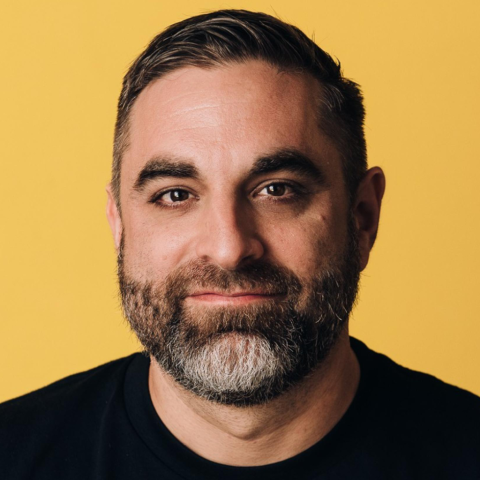
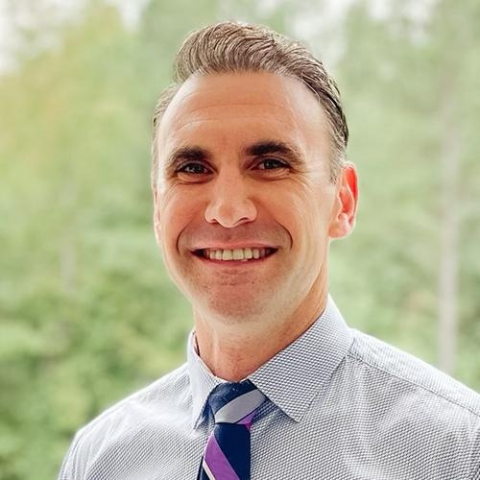
In this episode of People Managing People, host David Rice sits down with Dr. Jay Harrison, Co-Founder and Director of Behavioral Intelligence at Align, to explore the gap between behavioral insight and meaningful change. They discuss why treating everyone the same isn’t necessarily fair, how managers can better understand the people they lead, and how behavioral intelligence can help teams anticipate friction before it becomes a problem. They also confront an important question: When does understanding someone’s behavior help them grow, and when does it become another label that limits their potential?
What You’ll Learn
- Why traditional personality assessments often fail to produce lasting behavioral change.
- How behavioral intelligence can help managers understand how people work, not just what they accomplish.
- Why fairness in leadership means recognizing individual differences rather than applying identical management approaches.
- How behavioral awareness can reveal team strengths, blind spots, and potential collaboration challenges.
- What it takes to make personalized development and coaching accessible across an organization.
- Where managers should draw the line between using behavioral insights to support employees and using them to restrict opportunities.
Key Takeaways
- Self-awareness only matters when it changes behavior. Recognizing your tendencies is a starting point, not an outcome. The real value comes from identifying patterns, understanding their purpose, and deliberately choosing different responses when necessary.
- Fairness doesn’t mean treating everyone identically. Employees respond differently to feedback, autonomy, and conflict. Managers need consistent expectations, but the approach to helping each person meet them should reflect how that individual works best.
- Build teams around behavioral compatibility, not just skills. Two highly creative thinkers might generate brilliant ideas while overlooking execution details. Understanding collective behavioral strengths and gaps helps managers put the right support in place before those weaknesses become expensive problems.
- Managers need to understand their own biases first. Behavioral intelligence isn’t just about analyzing employees. Leaders must recognize how their own communication preferences, decision-making styles, and motivations shape the way they interpret and manage others.
- Personalized development shouldn’t be reserved for executives. Behavioral intelligence tools can help organizations bring more individualized guidance into everyday management, making it easier to recognize strengths, tailor feedback, and support employee growth at scale.
- Use behavioral data as a guide, never a verdict. An assessment can reveal tendencies, but it cannot fully account for experience, development, or individual choice. Behavioral insights should inform conversations and decisions, never become the sole basis for determining someone’s capabilities or future.
Chapters
- 00:00 — The Assessment Problem
- 02:04 — The Behavioral Data Gap
- 04:11 — David’s Behavioral Profile
- 08:15 — From Insight to Action
- 11:52 — Understanding Work Styles
- 16:00 — Building Better Relationships
- 19:35 — Awareness Creates Choice
- 20:47 — Rethinking Fairness
- 23:15 — Authentic Leadership
- 24:49 — Team Behavioral Dynamics
- 27:12 — Managing Your Own Biases
- 28:57 — Scaling Personalized Coaching
- 32:19 — Ethical Boundaries
- 36:20 — Beyond Behavioral Labels
- 37:40 — Closing Thoughts
Meet Our Guest

Dr. Jay Harrison is the Co-Founder and Director of Behavioral Intelligence at Align, where he helps organizations understand the human behaviors that shape leadership, collaboration, and performance. A former professional athlete with 15 years of experience in elite sports, he specializes in performance psychology, mental wellness, and behavioral development in high-pressure environments. He is also the Founder of Work In Consulting & Counseling, where he works with professional athletes, business leaders, and military organizations to strengthen resilience, self-awareness, and performance. Drawing on his background in clinical and performance psychology, Jay helps individuals and teams recognize behavioral patterns, improve decision-making, and unlock their full potential.
Related Links:
- Join the People Managing People Community
- Subscribe to the newsletter to get our latest articles and podcasts
- Check out this episode’s sponsor: Align
Related articles and podcasts:
David Rice: Every talent or personality assessment eventually ends up in the same drawer. You take it, you read the report, and you nod along thinking, "Yeah, that's me," and then nothing changes. My guest today calls this assessment apathy, and it's not really about the assessment. It's that insight about yourself rarely translates into any actual behavior change.
On today's show, I'm talking with Dr. Jay Harrison, Co-Founder and Director of Behavioral Intelligence at Align, about why that gap exists and what closes it. I took their behavioral intelligence assessment before this conversation, and it did something most of these tools haven't done for me before. It didn't just describe me, it surfaced things that I'd been circling around for years, and that's the distinction that Jay draws.
Companies know more about people's skills and performance history than ever before, but almost nothing about how someone actually behaves when they're trying to get something done with another human being. The deeper argument here is about fairness in management. We've treated consistency as fairness.
Treat everyone the same way. But if two people respond completely differently to feedback, conflict, or autonomy, Jay thinks the only consistency a manager owes anyone is treating them as individuals. That reframes what personalized management could look like at scale, not just in one-on-one, but across the team, a department, an entire org.
So today we're covering why insight about ourselves so rarely produces lasting behavioral change, what it means to manage people as individuals instead of applying one consistent playbook, how behavioral visibility changes team composition before problems surface, and where the line sits between helpful self-awareness and something that limits people instead.
I'm David Rice. This is People Managing People, and if you've ever taken an assessment that told you something true but changed nothing for you, this conversation gets into why and what might actually work instead. Let's go.
Well, Jay, welcome to the show.
Dr. Jay Harrison: Thank you, David. It's great to be with you. I'm really excited.
David Rice: Yeah. Yeah, no, I'm looking forward to this conversation 'cause, well, listeners, I took the assessment that Jay's company Align offers, and it's fantastic. It was very revealing and hit home in some places. I was like, "Huh, that's interesting." So, well, we'll get into that. I wanted to start with, you know, companies have more people data now than they've ever had.
We know somebody's skills, their performance history, their engagement scores. Maybe how frequently they use technology, right? Like AI, something like that. But how much do we actually know about how that person behaves when they're trying to get something done, especially with another human being?
Dr. Jay Harrison: Yeah, it's always the great gap and the great divide that we've consistently had a difficult time solving for, and usually to this point, it usually requires those with an orientation, strong training, and experience to help people get alongside each other, if you will.
It's been, you know, one of the biggest challenges, and I think one of the, the greatest opportunities that exist in the workplace. As you said, we're getting really good at the what, but we still lag somewhat behind in understanding the how, and specifically, what do we do with that understanding in order to put people in positions to succeed.
And really, that's what I've, you know, largely built my career around, and ultimately, what Aligned Behavioral Intelligence is designed to do is to be a tool in the toolbox of that people manager, and even if the person themselves, the manager of oneself, right? To get a greater self-awareness and understanding of how we do what we do, to use a nice Brian Kaste yoga phrase.
I didn't think I'd come out yoga right off the top, but there we go. And how you do what you do and then gain greater awareness because through that awareness, we gain greater choice and freedom and ultimately mastery of what we're capable of doing, regardless of how we are naturally built to engage that task, whether it's something that flows naturally or something that may not be as comfortable for us with an awareness of our orientation towards that in a relationship with it.
We can choose to develop it, cultivate it, and ultimately become far more dexterous with it.
David Rice: I took the assessment before this, like I said, and looking at my results, I'm curious what's the first thing you would tell someone who's about to manage me?
Dr. Jay Harrison: I would certainly start to think as David as a man who contains multitudes.
I would be very, very reluctant or hesitant to try to put David into a box. And one of the things that I think is really, really unique about your profile is that you have this enormous intellectual potential, right? There's a high imaginative quality, a synthesizing. You're a very conceptual person, and that ultimately builds into a nature to desire to communicate.
Now, how that communication usually manifests is more of a measured, written base, let me really think about that and communicate it, not in that you would think of a traditional expressive way. There may be a meeting go by where David actually didn't say very much, right? But that didn't mean you weren't going a thousand miles an hour with your ideas, right?
And actually probably refining what was said at the front of the room three different ways that everyone in the room would have benefited from hearing. Right? So there's an enormous intellectual potential and creative synthesis there where you love to talk about things and see the connection, you know, like probably why you study people, you know, managing people.
But there's also a self-reliance into how David works. There's a strong orientation more to be independently focused, a high sense of initiative, self-reliance. You know, perhaps not necessarily reluctance to trust people, but to trust people with your work, right? Having your own area and ability to do your process at your time and your pace.
Sometimes that's much faster than others, and other times that might be a little bit slower. But being responsible and accountable to your specific process, I think is something that I would want to communicate and ensure I created space for in managing that. And then, of course, you know, how the external system operates and then how the internal system operates might be very different as well, and I would start to really begin to encourage you to stretch that potential and what you think you're capable of.
I'll leave it at that, but I have a feeling that at some point, someone told you that maybe aiming lower wasn't right. So I would want to further affirm that there's really great evidence for you to be highly capable and a very, very skilled and talented and confident person within there to stretch those ideas 'cause a lot of people don't see them.
David Rice: A lot of that hits home, I would say like-
Dr. Jay Harrison: Okay. That was my, my first on-air analysis. Boom. Right to cancel.
David Rice: No, and, and it's funny because a lot of... Well, what struck me about this test was I've taken, you know, I don't know how many different assessments over the years, and they all kinda come around to the same type things.
I felt like this one saw me as a person In a different way, in a more complete way than I've had any of the previous ones that I've taken. And I, you know, I've done it several different workplaces now, and my reaction usually is always kind of like, "Well, yeah, you know, okay, sure. That's true sometimes," or, "Well, that could be true of anybody," that kind of thing, you know?
And that's why I think in the past when people would say corporate astrology, you know, I'd go, "Well, I c- I could see how you arrived at that." This was different. I was actually sat there for the next two days going, "That's something I gotta work on, I think. That's something I, I gotta change about how I present myself in the workplace a little bit," because I have a tendency to maybe, maybe want a little less resistance or people please or those...
you know, doing all these different things and it got me thinking about what sort of created that. What in my experience would then lead me to believe that that was the way to go? And so I, I've been, like, going down this rabbit hole in my mind since I took it about what it all sort of means for me.
You know, you said something in our first conversation that I really liked, and this is what's kind of where I was segueing to here is everybody's kind of equally unhappy with the assessment experience. Like I said, I- I'd sit there and go like, "Well, I guess that could be true," you know? It's not that satisfying a l- a lot of times.
We take the test, we read the report, and you're like, "Yeah, that's me," and then you put it in a drawer. But, like, why is so much insight about ourselves translated into so little behavioral change? And then-- 'Cause I could feel like this is different, but I'm not exactly sure how.
Dr. Jay Harrison: Yeah, I do often say that and, you know, I have this, you know, in my imaginary corporate office, you know, one of our values is there's the word assessment with a gigantic line through it, right?
We don't like the idea because like I said, everyone has assessment apathy partially because they are this, you know, oftentimes this, you know, spark and flash and then they go away very, very quickly. Unless you, you know, have a, you know, a lot of resources and can go very deep with skilled practitioners and skilled tools and spend an enormous amount of resources getting to some meaningful, actionable outcomes from a tool That's where I sometimes say you know, if we're, we're talking about assessments, I'm, I'm talking about the value and beauty of what twenty-threeandme can create for you, and all you're thinking about is the cheek swab or the nose swab that, that you have to do.
So that's where, you know, I think the power and, and the gap and opportunity has existed for the longest time is: How do we actually translate behavioral insight into behavioral action, and how do we create that in real time for as many people as possible? And that's really what Align is at the precipice.
We're not an assessment company. We collect great proprietary behavioral data, as you've attested to. But the power and gift and opportunity that exists through Align's behavioral intelligence and workforce intelligence platform is to effectively bring that into the context of the decisions you're making, the people you're managing, the development outcomes you're trying to generate with your people.
How do we use that data across our individual company managerial life cycle in a way that informs us to make better decisions, faster decisions, get alongside people quicker? That's what I often say, you know, from my, you know, my counseling background is, you know, if we're both going at it this way, there's very little that can happen in a zero-sum game.
But if I can breed understanding as to where some of these behaviors might come from, I can work alongside that and actually work with them very, very well. So if I can give a manager an opportunity to have more behavioral insight into who they're managing, a managee, someone who's being managed, if I can give them greater tools to do some self-exploration and understand, you know, where are some outcomes that I can generate.
And then even more broadly as an organization, how are the behaviors distributed across our company? What behavioral measuring stick are we using around our values and our culture? So how are they distributed in our company? What do we need to be investing dollars to see in what we have as aspirational qualities, and what do we have in spades?
And then what does that mean for how we grow our company, whether we're upscaling or whether we're downscaling? The Align platform, you know, specifically our tool GI, you know, is designed to give you that practitioner experience and that capability to scale that individual level of insight that normally is reserved for C-suite, who can invest the dollars, whether it's executive coaching or high-end assessment, learning, and development.
You know, no longer do we want good data to sit in a drawer. We want it to come to life and be regularly utilized by all aspects for the individual and organization's benefit.
David Rice: There's a lot to unpack there, and there's so much that I think I mean, obviously that a manager can take from it, but then when we think about, yeah, the overall sort of, like you mentioned, the s-- what are the things that we have in spades, like the overall talent profile of the organization.
I think one of the things that occurred to me as well was like, you could take my assessment. You know that I tend to, like you said, okay, I, I-- David goes deep on ideas and he, he may not say a whole lot, but he's got a lot going on in the background and he's figuring out what he's gonna do with it And that's interesting on its own, but then you can also start to look at, you know, what happens when you put David with somebody whose tendencies run almost directly against his, and what's the re- end result there?
And so I think that's really fascinating.
Dr. Jay Harrison: That's actually, yes, the next level of this. So there's the individual insights which can be incredibly helpful, whether that's a self-development perspective in my own awareness and putting things that I wanna work on, you know, as an individual or in that dyad relationship, you know, David is managing Jay, right?
But then also now I'm managing Jay and David, and I'm actually putting them out into the field for a while. What don't I know about this dyad that, you know, may potentially derail this group? Or what are they working with, and how do I orient them to be most successful? How we start managing groups of people, you know, starts to change.
So that's really where the tool not becomes, you know, reinforcing on a number of levels. Not only is it supporting the individual, but it's helping a manager manage and really becomes that tool. So you know, like for example, managing you, I believe I I wanted to ask it a couple questions about you, so I was asking our system, Jai, which is our, you know, our professional coach in your pocket and, you know, for those, you know, AI, what does that mean?
Within the Aligned system, we've built a really cool feature. I was told a long time ago I have an entrepreneurial spirit and, you know, I was talking to people about growing business, and they said, "Well, that's great, Jay, but there's only one of you, so you're not an investable business. You're a private service, you know, you're a professional service company."
I'm like, "Oh, that's true." I'm like, well, AI changed the game, and I just threw a J in front of it, and it's, you know, a, a really great, you know, Sanskrit word. Jai is, you know, you know, victory, and Jairus is a great Bible character as well and seeing the best and wanting the best and advocating for people, so it does have some, you know, non-narcissistic just naming my AI after me.
But you know, it's designed to be a closed system that uses our underlying theory and methodology and how we would look at this behavioral dynamic work with a boutique client. If I was working with you as a C-suite one-on-one or a professional athlete or a SEAL team operator, the people that I work with, this is the same behavioral data I work with, and Jai has been created a layer to use the same intellectual styles that I use and how I would look at a profile and work with a profile to help an individual do that.
So you know, one of the things that, you know, comes out of your profile is that there's probably some really great things about you that you don't give yourself credit for. Right? So things that you probably just walk past without noticing, but, you know, I started to really see these, these resilience behaviors, right?
How you manage ambiguity, right? Is such a, an empowering thing. You conceptually and intuitively see things, right? A lot of people don't have the capacity to figure things out as they come. They need more data. They need more certainty. They have fear with that. You have this ability to do that. You also bring an enormous emotional accuracy, right?
There's a really, really high sensitivity. We specifically measure things like empathy and tolerance. So you're very, very mindful of what's going. You may not necessarily always communicate that directly back or express in like kind, but that emotional attunement and intimacy, I imagine, allows you in difficult times to connect with people in ways that you may not necessarily give you credit for You're also an incredibly endurant person, right?
You're an initiative-seeking person. You don't need someone to tell you to start. So if I'm managing you, I said, "David, I'm putting you in a tough spot, and I want you to go do and follow your intuition. I want you to take initiative and build this project the way I need you to do it based on these four things," right?
"I know this might be challenging, but I know you like a little bit of self-sufficiency as well, so we're gonna lean into that. Call me on Friday."
David Rice: It's interesting 'cause there's a lot of things in it that, you know, I don't want to say it surprised me 'cause I'm like, "Well, those are things I, I'm aware of about myself
But it surprised me that it was able to surface that. And I'm curious because we're, we're talking about managers, and I've had great managers that changed my career, you know? But it took time. We developed a relationship, you working for this person for years before it really beared fruit. You liked each other, you understood each other, but over time, something special can happen when they really understand your abilities and your skills and how you work and all that stuff.
This, though, what I think is fascinating is this can surface something a manager won't discover just by working with me for a short period of time. It's almost like you can advance the relationship very quickly with what you get out of this, which I think is really cool.
Dr. Jay Harrison: Well, that's a little bit of my philosophy as well, and I've realized is that if I have a good model and a good understanding and, you know, some good indicators to suggest what I'm working with, I can work with anything, right?
People ask me "Well, what's a good combination of people together?" I'm like, "Well, any people who know each other well enough to understand their tendencies they don't like about each other." We can work with that. There's no perfect combination of people. Certainly, there's complementarity that exists, but usually lack of complementarity is a product of lack of awareness or rejection or misunderstanding or unwillingness to accept our differences.
So this, again, yeah, can surface that really quick. I spoke with a people manager, a VP of HR at a company who's doing, you know, reviews every week across the company, you know, that are happening and, you know, how can we surface things for development, things, you know, that we can recognize as a strengths-based approach?
What is this person working with that's going to help them get X, Y, and Z accomplished, right? It really becomes a very powerful creative tool that saves time for those who have to interact and form relationship and rapport and express that understanding very quickly at scale. And I will preface this as well is that a lot of things that you're saying make people uncomfortable.
I don't want people like, "Wow, David is freaking me out because he's freaked out. I don't want people to know that about me," right? And one of the things that I will say that is very unique about our particular approach, my particular philosophy, is that it's my job to make you feel absolutely amazing about who you are without lying to you.
That doesn't mean I won't expose tensions that exist in your profile. Right? So, tell me how, you know, being, you know, very communicative and also having a low self-expression works for you, David. That's probably a conflict. You have a lot to say, but generally don't say it, you know? So tensions will-- you know, we'll observe them, and we'll come around them, and we'll gain understanding, but understanding gives us the freedom to develop and lean into them and understand how they work for us.
So a lot of people say, "Well, I don't want that because it's gonna expose..." I guarantee you that our system will describe you better than you do and advocate for you better than you can without losing any accuracy to how you're naturally built, where your talents lie, where your characteristics really work for you and for an organization.
That's something that I think is critically important as well when we start thinking about systems that have insight into us. One of the things of our system is that everyone has something very unique to offer, and we want to align them as much as possible with those tasks and how they do those tasks.
David Rice: I think it could be a little bit uncomfortable, but if you're really trying to advance down this field of professional growth and what's possible for you. I mean, these conversations are inevitable. You have to have them at some point, right? You have to discover your limitations and figure out how you're going to navigate them.
I didn't feel like it was uncomfortable. Like you said, the goal is to make me feel amazing about who I am. Well, what I found interesting about it was I didn't feel like the things that it highlighted that I was like, "Wow, that was real," I didn't feel uncomfortable about it. I felt like it was highlighting it to say, "Here's an area where this is maybe causing you some problems."
And if I-- I got the sense this if I navigate these specific areas differently, some of my tensions will just fall away. That's a really cool thing to have insight into and to start thinking about and to start thinking about in my professional development, how am I going to start changing a little bit and just don't use my old playbook that I've had my whole career.
Do a few things differently, see what's possible. Sometimes you might surprise yourself, right? So..
Dr. Jay Harrison: Yeah. Through awareness, patterns become choices. Choices represent our freedom. Not all choices are easy, and some things will always be challenging for us. Certain people, you know, may never get fully comfortable with asserting themselves or be comfortable with confrontation.
But with time and space and energy and focus, we can develop the capacity to be more representative of one's position. That doesn't happen if we're not necessarily a-aware of that and understand the underlying purpose as well. Where does our, you know, more passivity come from? And you talked a little bit about that as well.
That self-reflection is, is such an important part in understanding the how, because all behavior is purposeful. Even the most counterintuitive or seemingly destructive behaviors, you know, understanding where they come from take away any of the judgment. We're not here to judge or diagnose any of that.
We're just simply looking for orientations and patterns, and then maybe you can help explain to me where those come from. Then together, we collaboratively consider where you want to go and determine whether that particular orientation is going to help you or potentially be an impediment, and then what can we do about that in order to make that outcome a reality for you?
David Rice: And going back to the manager piece a little bit, like we talk a lot about fairness in management, right? And this is something that we've been aiming for for years. But I think, say, people sometimes interpret fairness as consistency specifically. The question then is, if two people respond very differently to feedback or conflict or autonomy or some of the other things that we've talked about, is treating them the same actually a good thing?
Like they are different, so we need to treat them differently, right?
Dr. Jay Harrison: Right. The only consistency I want from you is to treat people as individuals. And it doesn't mean we don't, you know, have a collective expectations or aspirations or qualities, but recognizing that each of us will go about manifesting or pursuing those goals, ideals, aspirations, characteristics in a somewhat different way.
Right. That I think is critically important. Oftentimes, we see that in, you know, especially in industries like, you know, in military or pro sports, you know, where you tend to get a, a very, you know, similar type of, "This is how we do it, and it works for everyone. If it doesn't work for you, then you don't work for us," you know, mentality.
And, oftentimes, we end up losing a lot of talent or a lot of opportunity or people who have a lot to contribute simply because, you know, they have a unique fit. And it wasn't that they weren't right, it's that you lack the capacity to understand and extract the talent from those people. And so, you know, I've often spoke of that, and, and that's also another great gift of this is wh-when you start thinking of, you know, looking at yourself through this behavioral lens and understanding behavior and coming with some empowerment around how you're built, you can then advocate for yourself, right?
When you recognize, "This is how I go about, you know, solving problems, productivity, my interrelational effectiveness, my leadership looks like this. This is how I feel, you know, strongest when I can lead in these ways," you know, that's all information that can be very, very helpful in putting a manager in a position to be successful in leading you as well.
David Rice: Yeah. Well, it's interesting, too. We talk about personalization in the employee experience. We've been talking about this for years, right? I often feel, and I don't know if you feel the same way, it's like we've prevented management itself, though, from becoming genuinely personalized because of the sort of tactics and machinery of management, like how we approach it.
Yeah, you might do that during a one-on-one or during a, a performance review, but the rest of the time, it's often sort of prescribed in this very blanketed fashion, especially if you've got a larger team. I think this is an interesting way to maybe combat that a bit.
Dr. Jay Harrison: Well, yeah. Now it's, it's the leader managing themselves in a lot of ways, right?
I-- Miyamoto Musashi, the great samurai, said, "Today, I conquer myself. Tomorrow, I conquer lesser men," right? The idea of self-leadership is the most challenging and even, you know, we see a lot of companies where those at the highest levels will say, "Do as I say," but then they don't participate in things that they say are incredibly important for everyone else to participate in.
I think probably everyone listening has a story of that, and I mean, there are reasons for that, of course. But, you know, the idea of leading authentically, right? If you're just trying to lead as somebody else has led or using a bunch of leadership hacks it's not gonna register. There's a-- the human element, you know, of managing people, and I think that's important to recognize is that I need you to lead in your own authentic way.
I need you to recognize where your leadership strengths are, and I want you to use those every day. And they may not look like mine. You know, while there may be, again, as I've said, certain things we need to do that may not necessarily align with how you like to behave, I might be a little bit verbose and over tactful.
I think people could benefit from me being a little bit more direct. Depending on the environment, and I need to tell myself that sometimes, right? And that is just a leadership strategy that would make me more effective in getting through to my clients in those environments. My natural tendency is to not, I wanna soften it.
So, you know, it doesn't necessarily mean, well, because this is how you like to do it, it's the only way to do it. But recognizing you have these patterns can make that flexibility far more accessible. So I think that's a great way to think about, you know, leading the leader as well.
David Rice: That's good stuff. Now, in most organizations, right, you assemble teams kind of primarily around skills, availability.
You know, there's your reporting structures And we just kind of hope that human chemistry works. And I'm curious as we're building teams, right, like we're looking for results, we're trying to get work stood up, there's a lot going on, but is there a moment where we can kind of understand team performance differently before we put these people together?
And how do we sort of make the space for that?
Dr. Jay Harrison: Yeah, that's where I think the great opportunity lies and where we saw as, as we built out the align platform is, what does it look like when we start having collective groups together? How are their, you know, natural behavioral orientations aligned? Where are there potential gaps, and how do I get some foresight into getting in front of those as a manager?
You know, we talked about, a little bit before we came online, that you and I have very similar operating styles, right? We, you know, we're a lot of conceptual insight, a lot of communication, you know, a lot of like lateral thinking. Let's all go the other way. And, you know, before you know it, you and I have been working on a, on an idea for three weeks, and we do not have a structured plan.
We don't have, have any outcomes aligned. We don't have any evidence from the market that suggests that that's a good idea that-- 'cause we're just so excited about talking about it, right? So, you know, very quickly when we, you know, we look at, you know, Jay and David as a team, you know, we start to see we have a heavy reliance on holistic intuition, and we underweight the granular detail and sequential planning.
So if I'm gonna put, you know, David and Jay out there, I may wanna consider either reminding them frequently that I need to see the plan that you're putting together alongside all the amazing imagination you guys are using, or I put someone in that group that can keep Jay and David more on task as far as putting a deliverable outcome, right?
So certainly the lack of, you know, the analytical or structure that might exist, we may underestimate the implementation and complexities of timelines and deliverables and things like that. So, you know, that's like a real-time example of that. We can have that insight literally in two seconds flat when we're starting to build different dyads, triads, and multiple groups.
We even have, you know, large organizations with multiple teams with very different outcomes and different managers that now we're able to position leaders of those groups to see those people in those unique ways and bring those blind spots to surface and then build strategies around them before they become problems.
David Rice: I'm curious 'cause if you were to give a manager like a, a behavioral intelligence on every person in their team, right? What do they need to understand about their own judgment, their own ways of interpreting this information that's gonna make them more effective?
Dr. Jay Harrison: That's an important part of the platform as well.
We never look at just your people in isolation. We have the ability to look at ourselves relative to them, right? I'm managing these people. I'm managing this individual. How do our styles intersect in that way? So again, that self-awareness becomes very, very powerful. You know, a natural, intuitive recruiter, hirer, CEO, real heavy intuition, high risk-taking.
They're like, "I don't need anyone to tell me what I already know." So, you know, very mindful on that. And we-- Then I say use this data to affirm what you already feel and have some data for those people who are less risk-taking, who are more structural and analytical and require more evidence, right, in order to come to a decision.
So, you know, how does this particular tool align with my behavioral style? That's the first question for GI for a manager. Based on my profile, how do I use you best, right? And it will naturally look at how you solve problems, how your productivity works, how you're more intrinsically, extrinsically motivated, your interpersonal factors, right?
So we may find someone who is very, very influencing and low on the more affiliative or social factors, be like, "You're going to use GI to soften your messages all day long," right? Or soften your approach to individuals. Whereas, you know, a more logical or deductive person is like, "You're going to find more evidence to support your decision-making processes here."
That's always a, a masterful great way to start for any people manager out there is to set your own how to use the platform themselves, and that could be incredibly intuitive and then guide, you know, how you prompt the system.
David Rice: Executive coaching, it's become very popular, right? Like I've, I've seen a ton of executive coaches reaching out to me on LinkedIn, but it works partly because somebody understands me well enough to make advice specific to me, right?
Historically speaking, we couldn't provide that level of attention to five, ten thousand employees. But this sort of maybe changes that math a little bit. And if I'm in an organization where we are starting to create this more holistic picture of the people that are there inside our organization and what they're-- how they're able to approach what they do differently, what starts to happen in that organization?
I'm curious. Like, how does it fundamentally change the way we work, the way people feel about work? I mean, all of it, right?
Dr. Jay Harrison: Yeah. I mean, I think the number is twenty-five billion work hours are lost to ineffective collaboration across Fortune five hundred companies, right? What, what if we move that one percent You know, and I like to often ask companies, I'm like, "How much is your company contributing to that drag?"
Right? You know, it's always an, a kind of a nice little way to start. Well, where's-- where is the pain point? 'Cause I bet there's a behavioral visibility piece contributing to wherever you're experiencing that pain, whether it's a culture or hiring challenge, whether it's a manager position, whether it's, you know, that interpersonal effectiveness, whether it's succession planning, right?
There is a behavioral visibility piece where workforce intelligence and, you know, our tool has the ability to contribute to that solution in mitigating that. I think, you know, it's important that we talk about, yes, our goal is to increase the access to available information, not only to people, but also to coaches to manage more people, right?
We wanna be able to create, you know, effective learning and development for people across the organization. So how do we up that? Not only do we wanna-- We're not talking about replacing people, but how do we empower people to manage more people, to get more individual things back to those who could benefit the most?
And I think when you start to think about, well, what's, you know, what's the return on, on that? What's the return on a workplace who knows, you know, who I am and has put me in a position to succeed? What's the return on a manager who actually understand and has bought into my development, right?
You know, what's the return on a manager who, let's use re-- more real numbers, that instead of, you know, taking ten hours to do performance reviews this month, can do it in one, right? What is the cost of, you know, behavioral friction decreasing? What's the cost of a bad hire or a misfit 'cause you completely missed on the behavioral visibility 'cause this person interviewed so damn well 'cause they're so charismatic and had the qualifications, but they came into your company, and they're a cancer, and three people left because they were so awful, right?
You know, if we get ahead of one of those a quarter, a year, you know, we're starting to put ten, twelve, twenty X on the relative investment of a tool like this.
David Rice: Yeah. The math, I think it would present itself, but I-- Yeah, the ROI would be significant, I would imagine. People always ask, right? Well, yeah. I mean, it's the natural question they ask.
Dr. Jay Harrison: And you need to do that. And, and that's actually, you know, the weakness in, you know, in my profile and my development as I move into someone who represents a company. You know, I'm a, "You're too important to worry about how much it costs." It's too important for me, right? But recognizing that these are questions that organizations have to answer for and be able to communicate that and demonstrate that value in a way that isn't always in a holistic way, but it's more in a analytical profit mind or even an achievement-driven way where we can actually demonstrate those ROIs over time is critically important.
David Rice: Earlier, you mentioned, you know, some people are gonna-- they kinda go like, "Oh, I don't want everybody to know that about me," right? And I think the more useful this sort of intelligence becomes, maybe the more sensitive it potentially becomes, I would imagine. So there's a big difference between giving me sorta insight about myself, which I think a lot of people are, you know, that's why everybody takes these online quizzes or whatever, but-- And then my employer using that insight to decide whether I should leave the team or what I should be doing.
Where do you sort of find the boundary for what it's great for and maybe what it's-- you shouldn't use it for? Are there decisions that you might s- advise people don't use this information?
Dr. Jay Harrison: Well, yeah, you raise a good point, and we have to be very mindful of I would never use this information to make a decision on a person as, as a sole source.
This is a tool to enhance and sharpen your capability as a people manager, as a decision maker. It represents a piece of the collective development and performance pie, right? You know, oftentimes it was working in Major League Baseball, and we would talk about the development pie. How much of is each sliver of the pie when we think of the things that are important to fulfilling someone's potential?
Obviously, you have their talents and their capabilities. It's a big part of the pie. In baseball, how sharp their eyes are is-- the genetics of their vision is a really important predictor. The learning and development piece, the people you put in charge of their development, is going to determine how much you get out of that pie.
And then, of course, there's gonna be a piece of their behavioral makeup, their underlying behavioral orientation to engage what I'm asking them to do every day. And the position is: How do I get the most out of this individual? Where within our organization, what opportunities, what tasks, what roles, what teams play to this individual's strengths, so I can get them being themselves every day?
Because my motto is, the more you can be yourself every day, the more I'm gonna get out of what talent you have. Now, we are incredibly complex people that predicting humans has been, you know, like that's technically what psychology has been, and we're particularly not very good at it. Humans are incredibly unpredictable.
That's, you know, the great part of our nature, right? So the idea that any of this data does not necessarily require any degree of let me dig in on that further, let me corroborate, you know, maybe this dynamic, help me understand these things, I think is really, really important. Because as we've talked about, while I h- may have an underlying behavioral orientation, my life experience and insight into that may completely change how I interact and show that behavior in real time.
And sometimes the example I like to use for that, and it's a more of a, a biological example, it's not a perfect analogy because it-- you know, obviously biology is a, you know, a little bit more definitive than, you know, behavioral data we're getting from an assessment in the workplace. But I, I may find out at a young age I have a genetic propensity to diabetes.
However, with that information, I can live a healthy lifestyle, I can exercise. No one would ever know, right? So kind of like, you know, the, the workplace equivalent of that is I may have really, really low tolerance for people who don't get on my page really, really fast. We see this a lot of high-performing C-suite people.
They have very little tolerance for people that can't keep up with their blistering pace, right? But with knowledge and experience and early-- learning that early in my career, I may develop a number of strategies that may help me position myself in a way that doesn't necessarily go with my preference.
Surely, my first reaction would always want to be, I want to be dismissive and move on because you're too slow. However, I've learned over time that that may not always be the best strategy to get the most out of my people and not alienate me from everyone. I sometimes use that as a, as an example as well.
We want this type of behavioral intelligence and workforce intelligence to be a tool in the toolbox of the people and the experts in their own company and in their own people. Our job is to make you better at what you do, and that's the question I often give to people in these roles is: How good is your behavioral visibility?
How good is your behavioral intelligence right now? How much better does it make you at your job?
David Rice: That resonates because, you know, I started to wonder like, how does a, an insight designed to help people understand me, could it become a label that sort of limits what they think I'm capable of? And I think that's what you're talking about is you know, you-- there's a line you don't want to cross there, and I think that's important.
Dr. Jay Harrison: Yes. I've, Very rarely Occupy a position of telling people what they can't do. In fact, very fascinating professional athlete story for you. Working with a lot of, of athletes, one of the things I would say all athletes have in common, professional athletes especially, and this might actually be surprising, they've all been told very early in their life that they can't do it.
And never underestimate how powerful being told what you can't do can be for someone who is incredibly extrinsically motivated and highly competitive and driven and self-realizing. So I would only ever use it very slightly with a client that I knew very, very well, and that they would take it as a bit of a reverse psychology.
"I don't think you can do it," 'cause then it would be a recipe to do it. But generally speaking, you know, they're not in the business of telling people what they can't do. I'm interested in what people can do and what they can become, and how they use their unique gifts and insights to contribute to the best version of themselves.
Not interested in telling people what they can't do or why they won't work here.
David Rice: Well, Jay, this has been a fascinating conversation. I really enjoyed it. Really enjoyed you letting me do the assessment. That was great. Yeah, thanks for coming on the show.
Dr. Jay Harrison: Oh, it was my privilege. I really appreciate the conversation, David. Thank you so much.
David Rice: Well, listeners, until next time, you know, gotta learn more about your people. Consider a product like Align. And if you haven't done so already, get on over to peoplemanagingpeople.com/subscribe. Get signed up for the newsletter. You'll get this podcast, along with a lot of the other content that we create here, straight to your inbox, and we'll see you next time.

