

Los 10 mejores programas de gestión del talento con IA analizados en 2026


El software de gestión del talento con IA ayuda a las organizaciones a identificar, desarrollar y retener a los empleados con mejor rendimiento mediante la automatización de procesos como la contratación, el seguimiento del rendimiento y el desarrollo profesional. Sin él, los equipos de RR. HH. tienen dificultades para alinear el crecimiento de los empleados con los objetivos de la empresa, lo que genera ineficiencias y una mayor rotación.
He probado varias plataformas de gestión del talento basadas en IA para comprobar cómo gestionan el análisis predictivo, el mapeo de competencias y la planificación de la sucesión. Las mejores herramientas van más allá de la simple recopilación de datos y ofrecen información práctica que mejora la planificación y la implicación de la plantilla.
Estas son mis principales recomendaciones de software de gestión del talento con IA. Cada una se ha revisado y probado cuidadosamente en cuanto a usabilidad, capacidades de integración y eficacia para respaldar decisiones estratégicas de RR. HH. mediante la automatización y la inteligencia basada en datos.
Por qué confiar en nuestras reseñas de software
Nuestro equipo lleva probando y evaluando software desde 2012. Como expertos en RR. HH., sabemos lo difícil —y lo importante— que es elegir el software adecuado.
Para esta guía, evaluamos las herramientas mediante pruebas prácticas e investigación independiente, puntuando las herramientas según nuestros criterios de selección. También nos basamos en la experiencia de líderes de opinión del sector y de profesionales de RR. HH. en activo.
Nuestras reseñas reflejan nuestro criterio editorial humano, no un discurso de ventas.
Revisores expertos:
Tabla comparativa del software de gestión del talento con IA
\u003cspan style=\u0022font-weight: 400;\u0022\u003eEsta tabla comparativa resume los detalles de precios de mis principales selecciones de software de gestión del talento con IA:\u003c/span\u003e
| Tool | Best For | Trial Info | Price | ||
|---|---|---|---|---|---|
| 1 | Ideal para perspectivas contextuales del talento | Demo gratuita disponible | Desde $599/empleado/mes | Website | |
| 2 | Lo mejor para gamificación automática para el desarrollo | Demo gratuita disponible | Desde $2/usuario/mes (facturado anualmente) | Website | |
| 3 | Ideal para el mapeo predictivo del potencial de liderazgo | Demo gratuita disponible | Precio a consultar | Website | |
| 4 | Ideal para marketing de reclutamiento | Demostración gratuita disponible | Precio bajo consulta | Website | |
| 5 | Ideal para emparejamiento de talento impulsado por IA | Demostración gratuita disponible | Precio bajo solicitud | Website | |
| 6 | Mejor para la gestión global de la fuerza laboral | Prueba gratuita de 30 días disponible | Precio a consultar | Website | |
| 7 | Ideal para una suite integral de RR. HH. | Demostración gratuita disponible | Precios bajo solicitud | Website | |
| 8 | Ideal para el desarrollo del liderazgo | Consulta gratuita disponible | Precios a consultar | Website | |
| 9 | Mejor para medianas y grandes empresas | Prueba gratuita de 30 días | Precios a consultar | Website | |
| 10 | Mejor para evaluaciones de desempeño | Demostración gratuita disponible | Desde $4/empleado/mes | Website |
Reseñas del mejor software de gestión del talento con IA
\u003cspan style=\u0022font-weight: 400\u0022\u003eA continuación se muestran mis resúmenes detallados del mejor software de gestión del talento con IA que llegó a mi lista de opciones seleccionadas. Mis reseñas ofrecen un análisis detallado de las funciones principales, las ventajas y desventajas, las integraciones y los casos de uso ideales de cada herramienta para ayudarte a encontrar la mejor opción para ti.\u003c/span\u003e
Ideal para perspectivas contextuales del talento
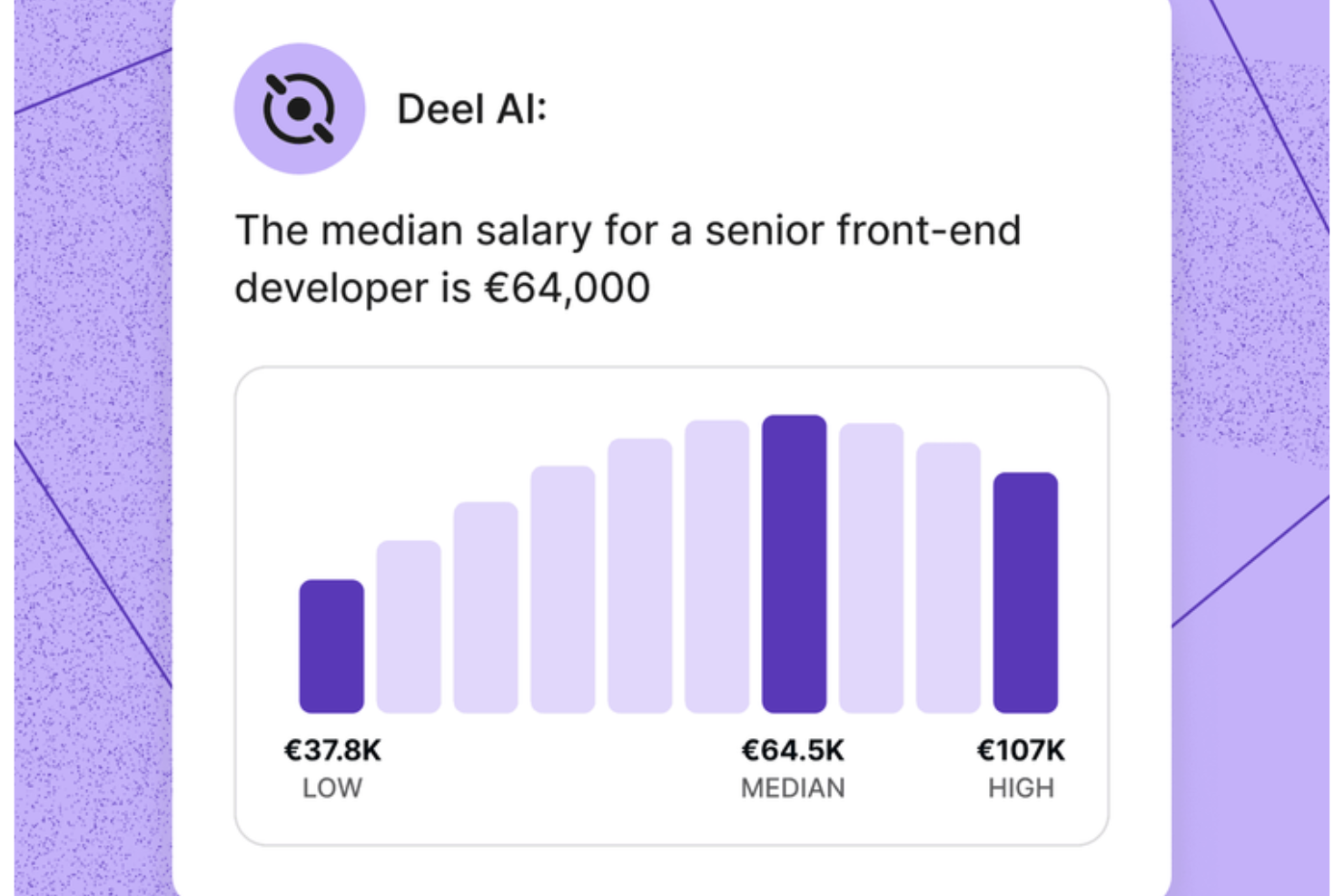
Deel es una solución dinámica para empresas que buscan aprovechar la IA en la gestión del talento. Está diseñada para compañías con equipos globales, proporcionando herramientas esenciales para el cumplimiento normativo, la nómina y el desarrollo del talento. Al incorporar la IA, Deel simplifica las complejidades de gestionar una fuerza laboral diversa, garantizando el cumplimiento y mejorando las funciones de recursos humanos.
Por qué elegí Deel
Elegí Deel porque su asistente de IA actúa como un asesor de talento integrado que analiza los datos de la fuerza laboral y las reglas de empleo globales para orientar tus decisiones. Obtienes funciones como información contextual que resume lo que ves en tu pantalla, resalta datos clave sobre tu equipo y muestra consideraciones de cumplimiento en tiempo real. También valoro que Deel IA puede responder preguntas detalladas sobre roles, políticas o compensaciones, recurriendo a datos creados por expertos en más de 150 países.
Funciones clave de Deel
Además de sus funciones impulsadas por IA, Deel ofrece:
- Gestión global de nómina: La plataforma admite el procesamiento de nómina en más de 150 monedas, garantizando pagos puntuales y precisos para equipos internacionales.
- Incorporación de contratistas: Deel proporciona flujos de incorporación personalizables, agilizando el proceso de contratación y garantizando el cumplimiento de las regulaciones locales.
- Herramientas para la interacción del talento: La plataforma incluye herramientas para la implicación de los empleados, como encuestas de retroalimentación y evaluaciones de desempeño, mejorando la cultura laboral.
- Servicios de Employer of Record (EOR): Deel permite a las empresas contratar empleados en países donde no poseen una entidad local, facilitando la expansión internacional.
Integraciones de Deel
Las integraciones incluyen QuickBooks, Xero, BambooHR, Greenhouse, Workday, Namely, Gusto, Slack, Rippling y Lever.
Pros and Cons
Pros:
- La IA responde preguntas sobre talento y fuerza laboral utilizando datos de expertos
- Extrae perspectivas y resúmenes organizativos directamente de los datos de tu equipo
- Ofrece orientación en contextos laborales de más de 150 países
Cons:
- Alta dependencia del Knowledge Hub propio para la precisión
- La guía de IA puede requerir revisión humana en escenarios legales complejos
Lo mejor para gamificación automática para el desarrollo
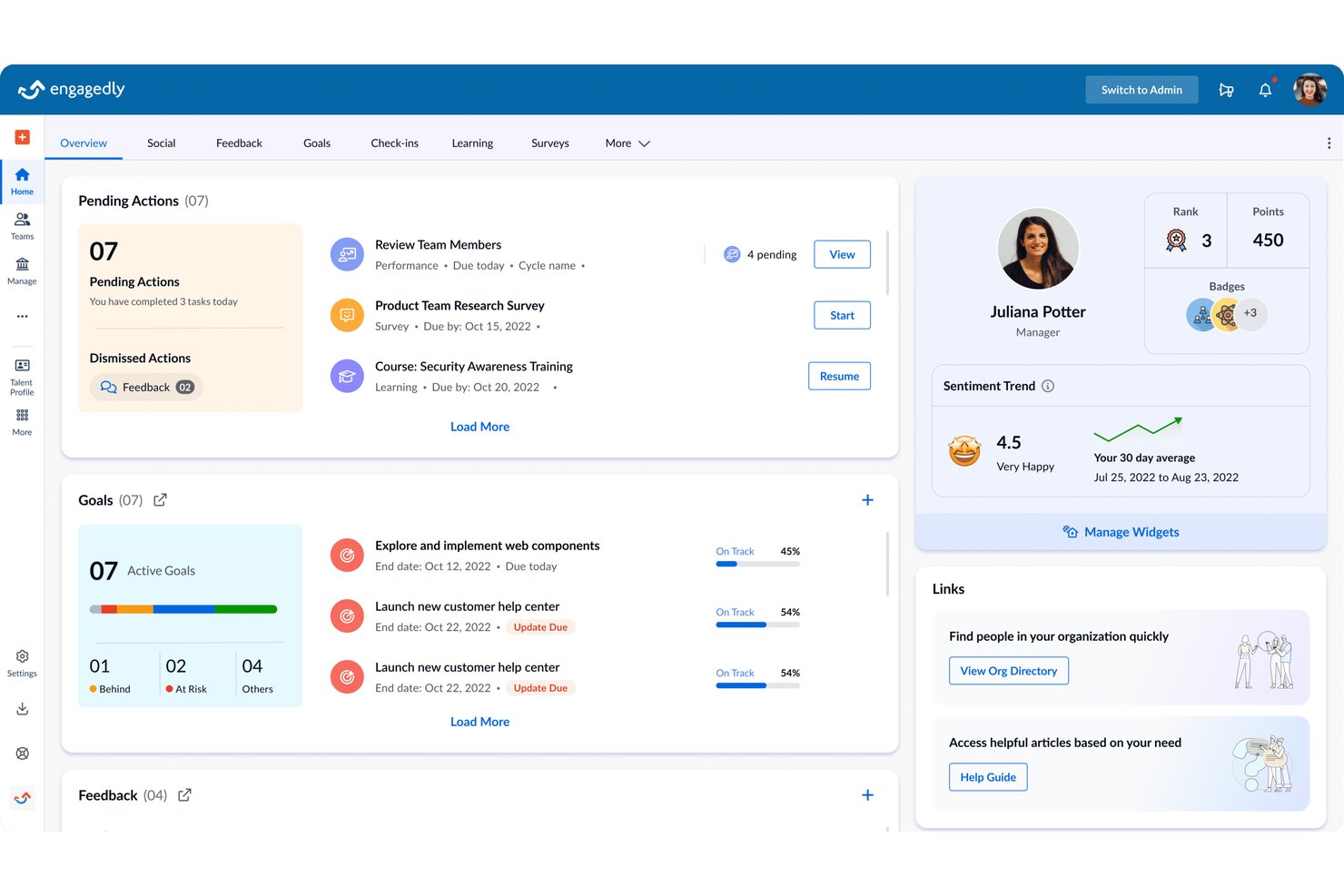
Engagedly es una plataforma de gestión del talento potenciada por IA que unifica la gestión del desempeño, el aprendizaje, el compromiso de los empleados, el reconocimiento y la movilidad profesional en una sola suite, impulsada por su capa agentica Marissa™ IA.
¿Para quién es mejor Engagedly?
Engagedly es especialmente adecuado para organizaciones medianas que desean una plataforma única que cubra desempeño, aprendizaje y compromiso sin tener que ensamblar varias herramientas.
Por qué elegí Engagedly
Engagedly se gana su lugar en mi lista porque su capa de gamificación se extiende sobre el reconocimiento, el aprendizaje y la incorporación, no solo en una parte de la plataforma. Me gusta especialmente el sistema de puntos basado en tablas de clasificación en la suite Reconocer & Recompensar, donde los empleados canjean puntos relacionados con comportamientos que realmente importan al negocio. Las rutas de aprendizaje gamificadas, combinadas con las recomendaciones personalizadas de cursos de Marissa IA, logran que el desarrollo de habilidades deje de sentirse como un simple trámite de cumplimiento.
Características clave de Engagedly
- Agente Marissa IA: Marissa IA proporciona información y recomendaciones automáticas sobre talento basadas en datos de empleados en tiempo real.
- Retroalimentación 360 grados: Recoge opiniones anónimas de colegas, gerentes y subordinados directos mediante un sistema personalizable y multievaluador.
- Ciclos de evaluación del desempeño: Configura plantillas de evaluación del desempeño periódicas y ad hoc adaptadas a cada departamento o rol.
- Herramientas de análisis de brechas de habilidades: Mapea los niveles de habilidad de los empleados e identifica brechas en los equipos para impulsar capacitaciones y planes de sucesión específicos.
Integraciones de Engagedly
Engagedly ofrece más de 30 integraciones nativas, incluyendo BambooHR, Gusto, Namely, Okta, Microsoft Teams, Microsoft Outlook, Gmail, Google Sheets, Jira y LinkedIn Learning. También dispone de una API para integraciones personalizadas.
Pros and Cons
Pros:
- IA incorporada para información continua sobre el talento
- La interfaz soporta 17 idiomas
- Ciclos de evaluación personalizables para múltiples departamentos
Cons:
- Las opciones de informes pueden resultar restrictivas
- La analítica de desempeño requiere configuración adicional
Ideal para el mapeo predictivo del potencial de liderazgo
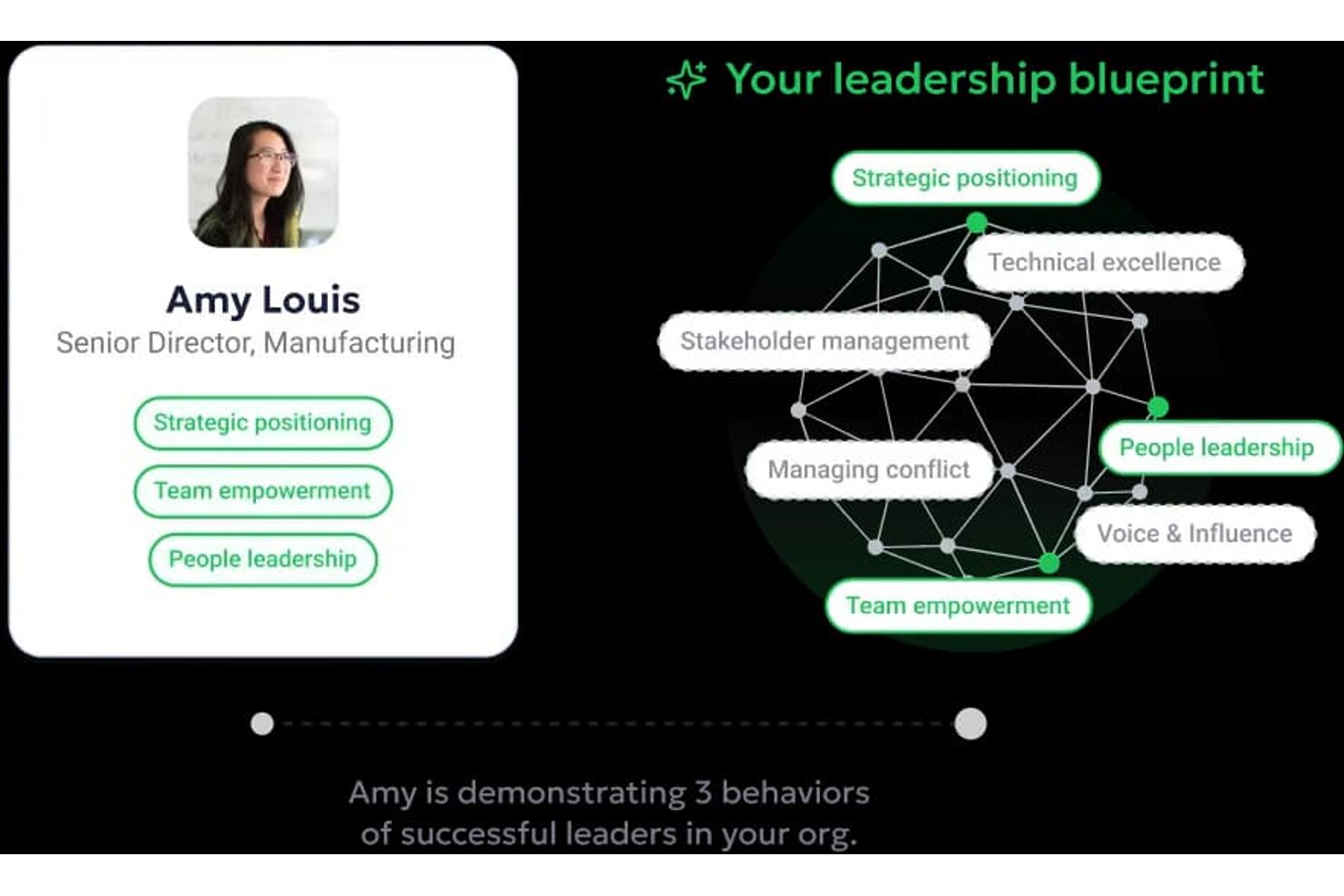
Workhuman Future Leaders es un módulo de inteligencia de liderazgo impulsado por IA que analiza los datos de reconocimiento entre pares para identificar talento emergente, mapear el potencial de liderazgo y respaldar las decisiones de sucesión y promoción.
¿Para quién es Workhuman Future Leaders?
Es una excelente opción para los equipos de RR.HH. y talento de grandes empresas que ya cuentan con un programa estructurado de reconocimiento de empleados y buscan formalizar la planificación de sucesión.
Por qué elegí Workhuman Future Leaders
Workhuman Future Leaders se gana su lugar en mi lista debido a su enfoque para predecir el liderazgo. Ascend AI crea un modelo personalizado de liderazgo basado en los datos de reconocimiento de tu propia organización, y no en modelos genéricos de competencias. Me gusta que pueda señalar a futuros líderes de nivel VP hasta con cuatro años de anticipación antes de que ocupen el puesto, proporcionando un verdadero margen para la planificación de sucesión. La IA también muestra la evidencia detrás de cada recomendación, así que no estoy confiando solamente en una 'caja negra'.
Características clave de Workhuman Future Leaders
- Modelo lingüístico Human Intelligence™: Analiza los datos de reconocimiento social para ofrecer información práctica sobre el talento y la cultura.
- Recomendaciones de IA conscientes del sesgo: Proporciona sugerencias transparentes y basadas en datos para decisiones de talento, abordando la DEI mediante su módulo de procesamiento de lenguaje natural enfocado en la diversidad, equidad e inclusión.
- Integración con Workday y Microsoft Teams: Sincroniza datos y actividad en las principales plataformas de gestión de capital humano y colaboración para ampliar la visibilidad del talento.
- API abierta para flujos de trabajo personalizables: Permite a las organizaciones conectar Workhuman Future Leaders con sistemas internos y adaptar el intercambio de datos.
Integraciones de Workhuman Future Leaders
Workhuman Future Leaders ofrece integraciones nativas con Workday, Microsoft Teams, Outlook, Slack, Yammer y más. Hay una API abierta disponible para integraciones personalizadas.
Pros and Cons
Pros:
- Predice líderes de alto potencial utilizando señales de reconocimiento
- Las recomendaciones de liderazgo basadas en evidencia son transparentes
- Rastrea la sucesión de liderazgo en tiempo real
Cons:
- No es adecuado para organizaciones sin datos de reconocimiento
- Requiere compromiso de los gerentes para generar información
iCIMS
Ideal para marketing de reclutamiento
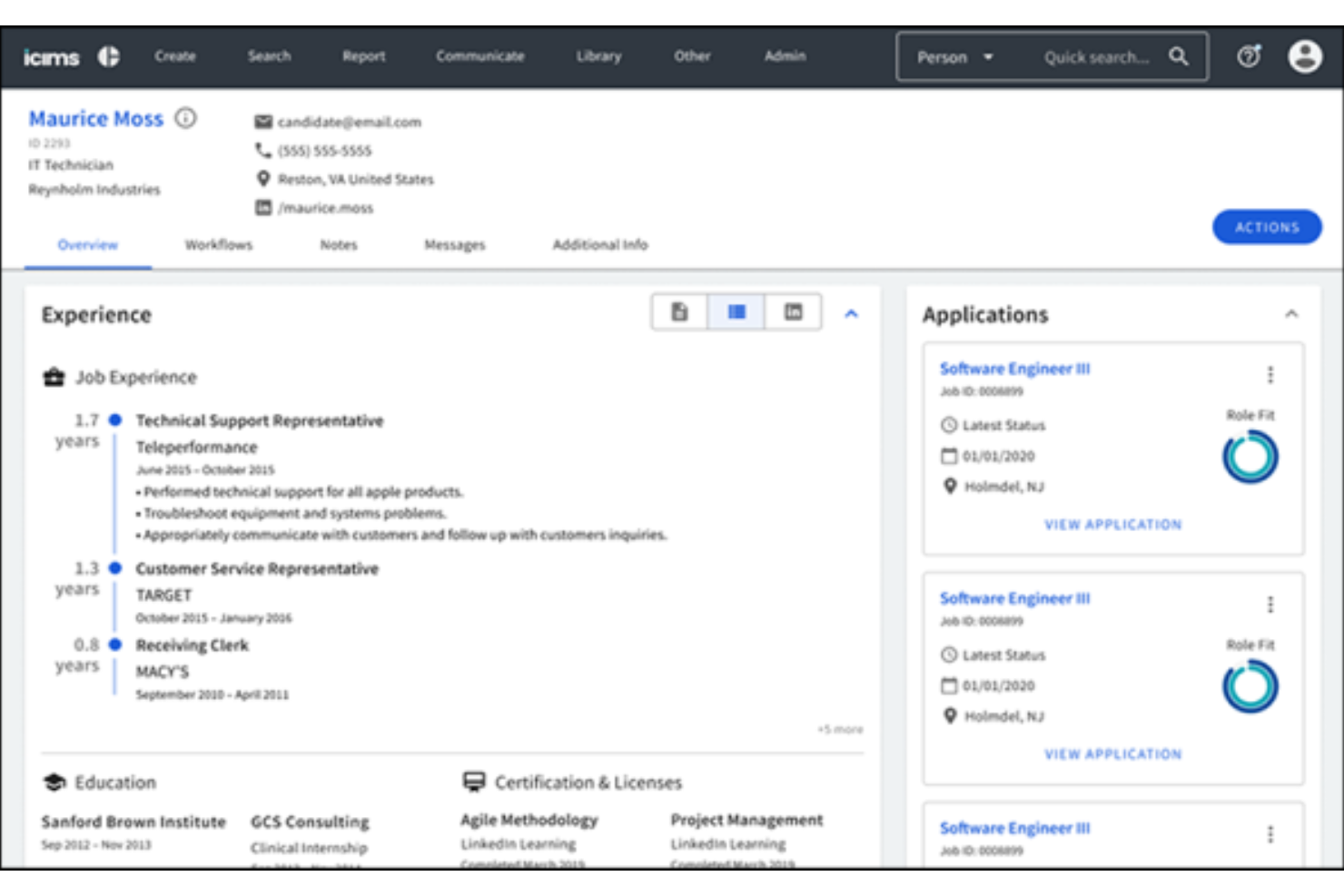
iCIMS Talent Cloud es una plataforma de reclutamiento diseñada para empresas que buscan mejorar sus estrategias de adquisición de talento. Ofrece herramientas para marketing de reclutamiento, seguimiento de candidatos y procesos de incorporación, utilizando IA para optimizar los procesos de contratación y la interacción con los candidatos.
Por qué elegí iCIMS Talent Cloud: Su fortaleza en marketing de reclutamiento la distingue para las organizaciones que desean potenciar sus esfuerzos para atraer talento. Las herramientas de compromiso con candidatos impulsadas por IA ayudan a conectar eficazmente con los posibles empleados. La analítica de la plataforma proporciona información sobre las campañas de reclutamiento, permitiendo a tu equipo perfeccionar las estrategias. El robusto sistema de seguimiento de candidatos de iCIMS respalda flujos de trabajo de contratación eficientes.
Funciones y sistemas integrados destacados
Funciones: incluye sitios de carrera personalizados, publicación automática de ofertas de empleo y gestión de relaciones con candidatos. Estas características ayudan a tu equipo a atraer y conectar con los mejores talentos, mejorando tus esfuerzos de marketing de reclutamiento.
Integraciones: incluye LinkedIn, Indeed, Glassdoor, SAP SuccessFactors, Workday, ADP, Microsoft Office 365, Slack, Google Workspace y Salesforce.
Pros and Cons
Pros:
- Potentes capacidades de marketing de reclutamiento
- Herramientas de compromiso con candidatos impulsadas por IA
- Sistema integral de seguimiento de candidatos
Cons:
- Puede requerir una formación extensa
- Personalización limitada para empresas pequeñas
Ideal para emparejamiento de talento impulsado por IA
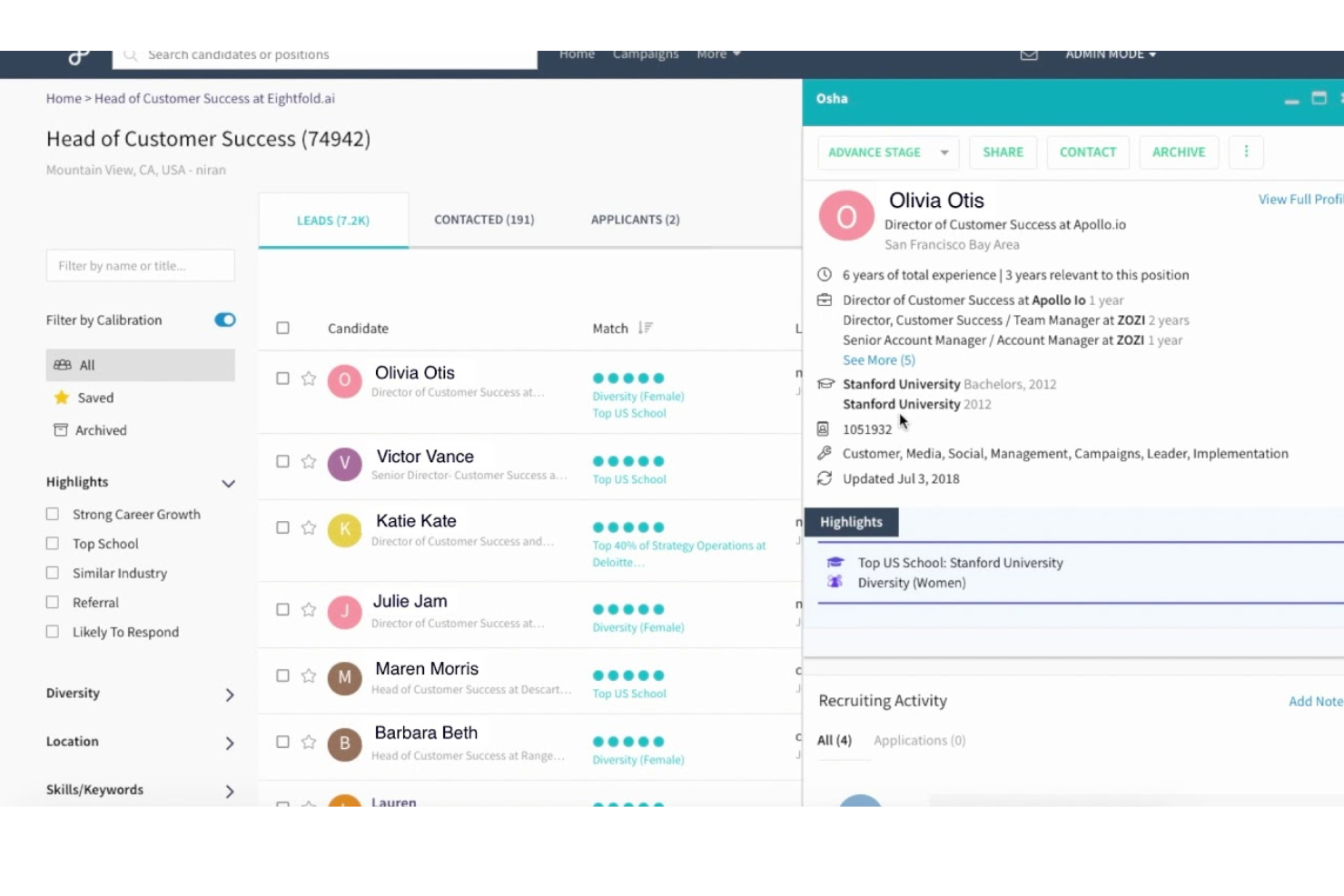
Eightfold AI es una plataforma de inteligencia de talento impulsada por IA, diseñada para empresas que buscan mejorar la gestión de su fuerza laboral. Ayuda con la adquisición de talento, la gestión y la asignación de recursos, ofreciendo conocimientos basados en IA para una mejor toma de decisiones.
Por qué elegí Eightfold AI: La plataforma destaca por sus capacidades de emparejamiento de talento impulsadas por IA. Utiliza una amplia base de datos de talento global para ofrecer soluciones precisas en adquisición de talento. Las funciones de Eightfold AI incluyen un Entrevistador IA que selecciona candidatos, permitiendo que su equipo se enfoque en las decisiones finales de contratación. Esto la hace ideal para organizaciones que buscan optimizar sus procesos de selección con tecnología de IA avanzada.
Características destacadas e integraciones
Características incluyen adquisición de talento basada en IA, rutas personalizadas de crecimiento profesional y gestión de recursos para asignación de proyectos. Estas funciones ayudan a su equipo a tomar decisiones informadas aprovechando la inteligencia basada en datos.
Integraciones incluyen SAP SuccessFactors, Workday, Oracle, LinkedIn, Indeed, Glassdoor, Monster, Greenhouse, Lever e iCIMS.
Pros and Cons
Pros:
- Emparejamiento de talento impulsado por IA para una selección precisa
- Rutas personalizadas de desarrollo profesional
- Soporta sectores diversos, incluyendo empresa y sector público
Cons:
- La complejidad puede requerir una curva de aprendizaje considerable
- Transparencia de precios limitada
Mejor para la gestión global de la fuerza laboral
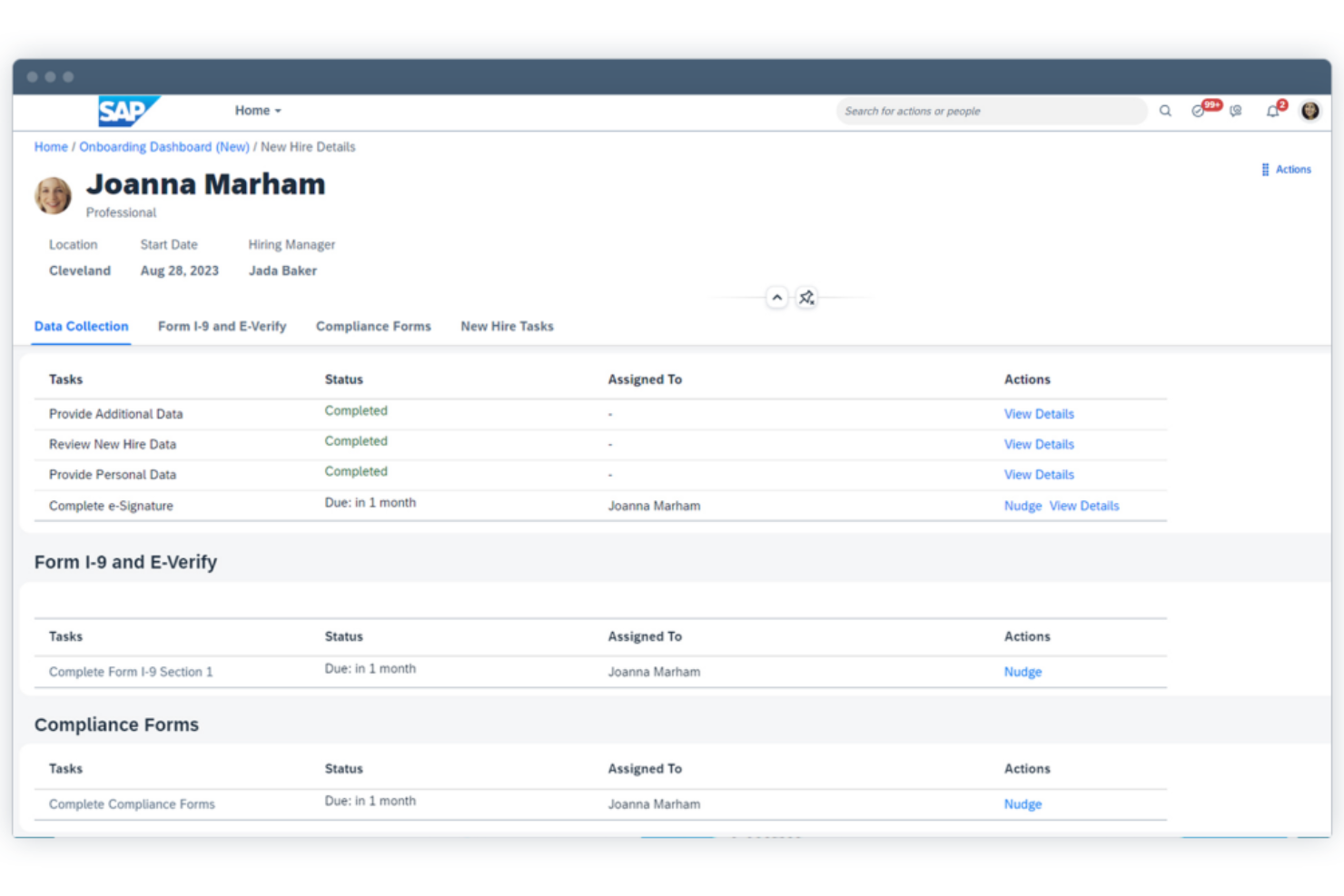
SAP SuccessFactors Talent Management es una solución versátil diseñada para empresas globales que buscan optimizar la gestión de su fuerza laboral. Proporciona herramientas para la contratación, incorporación y gestión del desempeño, potenciadas por IA para ofrecer información procesable y mejorar las estrategias de talento.
Por qué elegí SAP SuccessFactors Talent Management: Está diseñado para la gestión de fuerzas laborales globales, lo que lo hace ideal para compañías multinacionales. Los análisis impulsados por IA te ayudan a evaluar y predecir necesidades de personal, asegurando la alineación con los objetivos del negocio. Sus funciones de planificación de sucesión apoyan a tu equipo en la identificación de futuros líderes. La escalabilidad de la plataforma se adapta a organizaciones de varios tamaños y complejidades.
Funciones e integraciones destacadas
Funciones incluyen gestión de objetivos, retroalimentación continua del desempeño y gestión del aprendizaje. Estas funciones ayudan a tu equipo a desarrollar y retener talento alineando los objetivos de los empleados con los objetivos de la empresa.
Integraciones incluyen Microsoft Office 365, LinkedIn, Slack, DocuSign, ADP, Kronos, ServiceNow, SuccessFactors Employee Central, Google Workspace y Salesforce.
Pros and Cons
Pros:
- Analítica de fuerza laboral impulsada por IA
- Herramientas efectivas de planificación de sucesión
- Escalable para empresas globales
Cons:
- Configuración del sistema compleja
- Puede requerir una capacitación extensa para la configuración
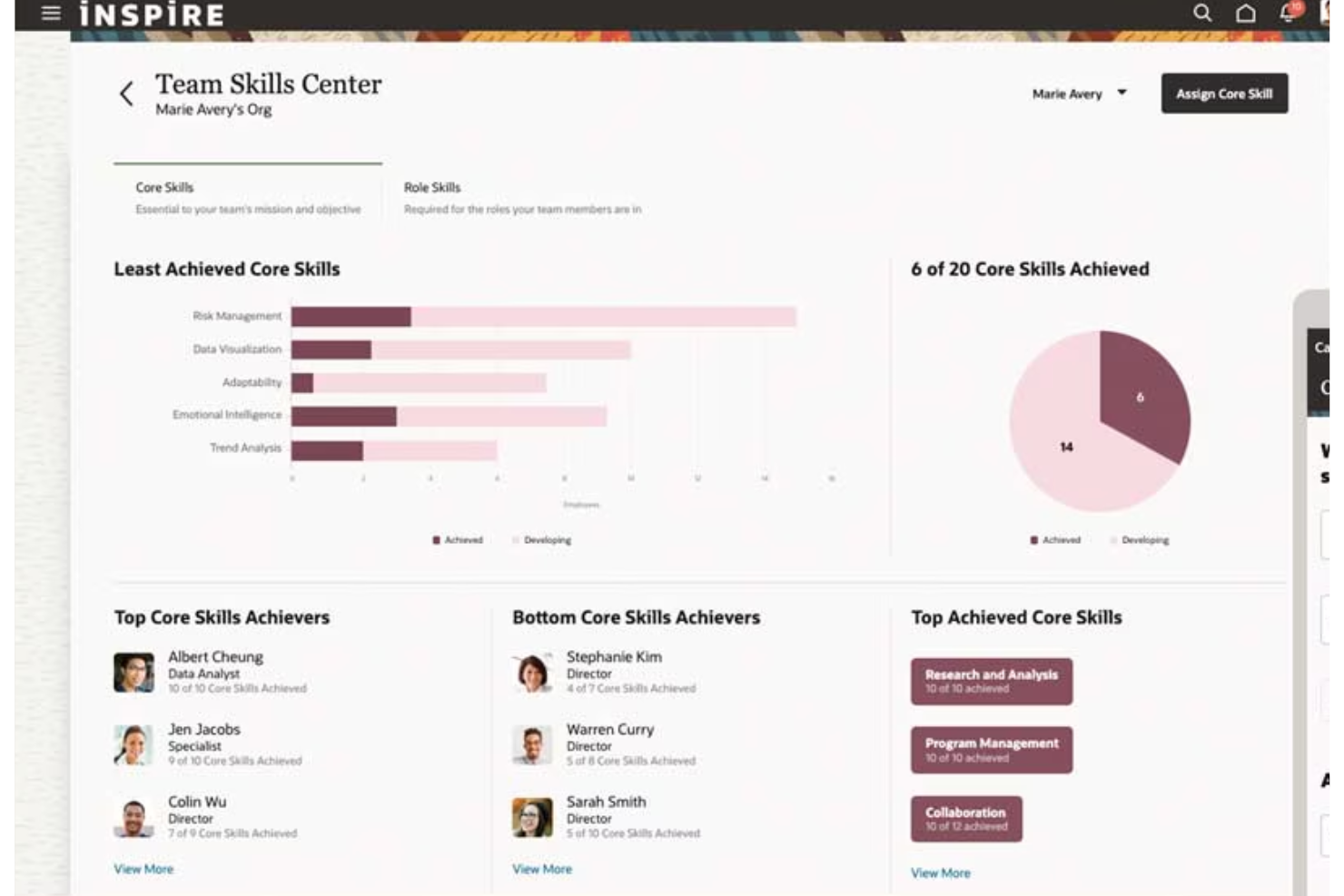
Los módulos de Gestión del Talento de Oracle Cloud HCM están diseñados para grandes empresas que buscan una solución integral de RR. HH. Ofrecen herramientas para reclutamiento, gestión del desempeño y planificación de sucesiones, con capacidades de IA para mejorar la toma de decisiones y obtener perspectivas sobre la fuerza laboral.
Por qué elegí Oracle Cloud HCM: Proporciona una suite de RR. HH. completa que se adapta a grandes empresas. Las analíticas impulsadas por IA ayudan a tu equipo a tomar decisiones informadas sobre la gestión del talento. Los módulos ofrecen perspectivas predictivas para identificar y desarrollar empleados de alto potencial. El enfoque de Oracle en la integración entre funciones de RR. HH. garantiza que tu equipo pueda gestionar eficientemente todo el ciclo de vida del empleado.
Características e integraciones destacadas
Características incluyen rutas de aprendizaje personalizadas, tableros de revisión de talento y herramientas de planificación de sucesión. Estas características ayudan a tu equipo a desarrollar y retener al mejor talento alineándose con los objetivos de la empresa.
Integraciones incluyen Microsoft Office 365, LinkedIn, SAP, Workday, ADP, Kronos, Slack, DocuSign, Salesforce y Google Workspace.
Pros and Cons
Pros:
- Suite integral de RR. HH. para grandes empresas
- Analíticas de talento impulsadas por IA
- Perspectivas predictivas para la gestión del talento
Cons:
- Configuración y puesta en marcha complejas
- Puede requerir importantes recursos de formación
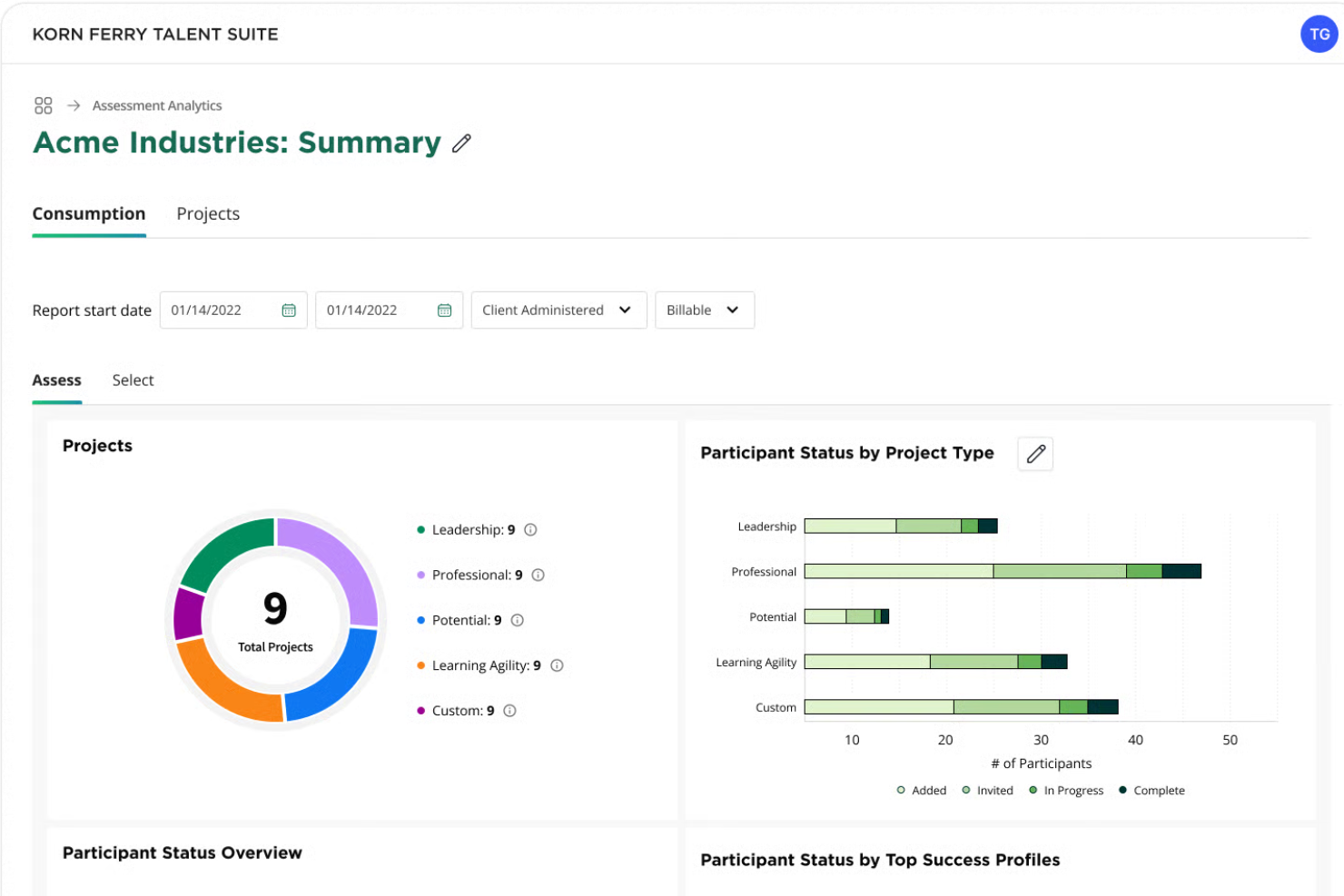
Korn Ferry Talent Suite es una plataforma impulsada por IA diseñada para organizaciones que buscan mejorar la gestión del talento y el desarrollo del liderazgo. Ofrece soluciones para adquisición de talento, planificación de sucesión y estrategia organizacional, utilizando IA para proporcionar información accionable.
Por qué elegí Korn Ferry Talent Suite: Destaca en el desarrollo de liderazgo, convirtiéndolo en una opción principal para organizaciones enfocadas en cultivar futuros líderes. Las evaluaciones impulsadas por IA te ayudan a identificar y fomentar el potencial de liderazgo dentro de tu equipo. Las herramientas de la plataforma, como Architect y Assess, apoyan la planificación estratégica del talento. Su énfasis en definir perfiles de éxito asegura la alineación con los objetivos organizacionales.
Características destacadas e integraciones
Características incluyen evaluaciones de talento basadas en datos, herramientas de diseño organizacional y recursos para el desarrollo de liderazgo. Estas funciones permiten que tu equipo tome decisiones informadas y fomente una sólida cantera de líderes.
Integraciones incluyen Salesforce, Microsoft, Workday, SAP, Oracle, ADP, LinkedIn, Google Workspace, Slack y ServiceNow.
Pros and Cons
Pros:
- Fuerte enfoque en el desarrollo del liderazgo
- Evaluaciones impulsadas por IA para la valoración de talento
- Herramientas integrales para estrategia organizacional
Cons:
- Navegación compleja de la plataforma
- Puede requerir una personalización significativa

Workday Talent Management es una solución integral diseñada para medianas y grandes empresas que buscan gestionar su fuerza laboral de manera efectiva. Facilita la adquisición de talento, la gestión del desempeño y la planificación de la sucesión, aprovechando la inteligencia artificial para proporcionar información y mejorar la toma de decisiones.
Por qué elegí Workday Talent Management: Está orientado específicamente a medianas y grandes empresas gracias a sus múltiples funciones. La analítica predictiva te ayuda a identificar empleados con alto potencial y reducir la rotación. Las herramientas de desarrollo profesional impulsadas por IA permiten crear rutas de crecimiento personalizadas para tu equipo. El enfoque de Workday en la escalabilidad garantiza que pueda crecer junto con tu organización.
Funciones e integraciones destacadas
Funciones como la gestión continua del desempeño, el establecimiento de objetivos y las herramientas de retroalimentación. Estas funciones ayudan a tu equipo a mantenerse alineado con los objetivos organizacionales y fomentan una cultura de crecimiento.
Integraciones con Salesforce, Microsoft Office 365, Slack, LinkedIn, ADP, Kronos, ServiceNow, DocuSign, Okta y Google Workspace.
Pros and Cons
Pros:
- Analítica predictiva para la planificación de la fuerza laboral
- Escalable para empresas en crecimiento
- Herramientas de desarrollo profesional impulsadas por IA
Cons:
- Proceso de implementación complejo
- Puede requerir una capacitación extensa para los usuarios
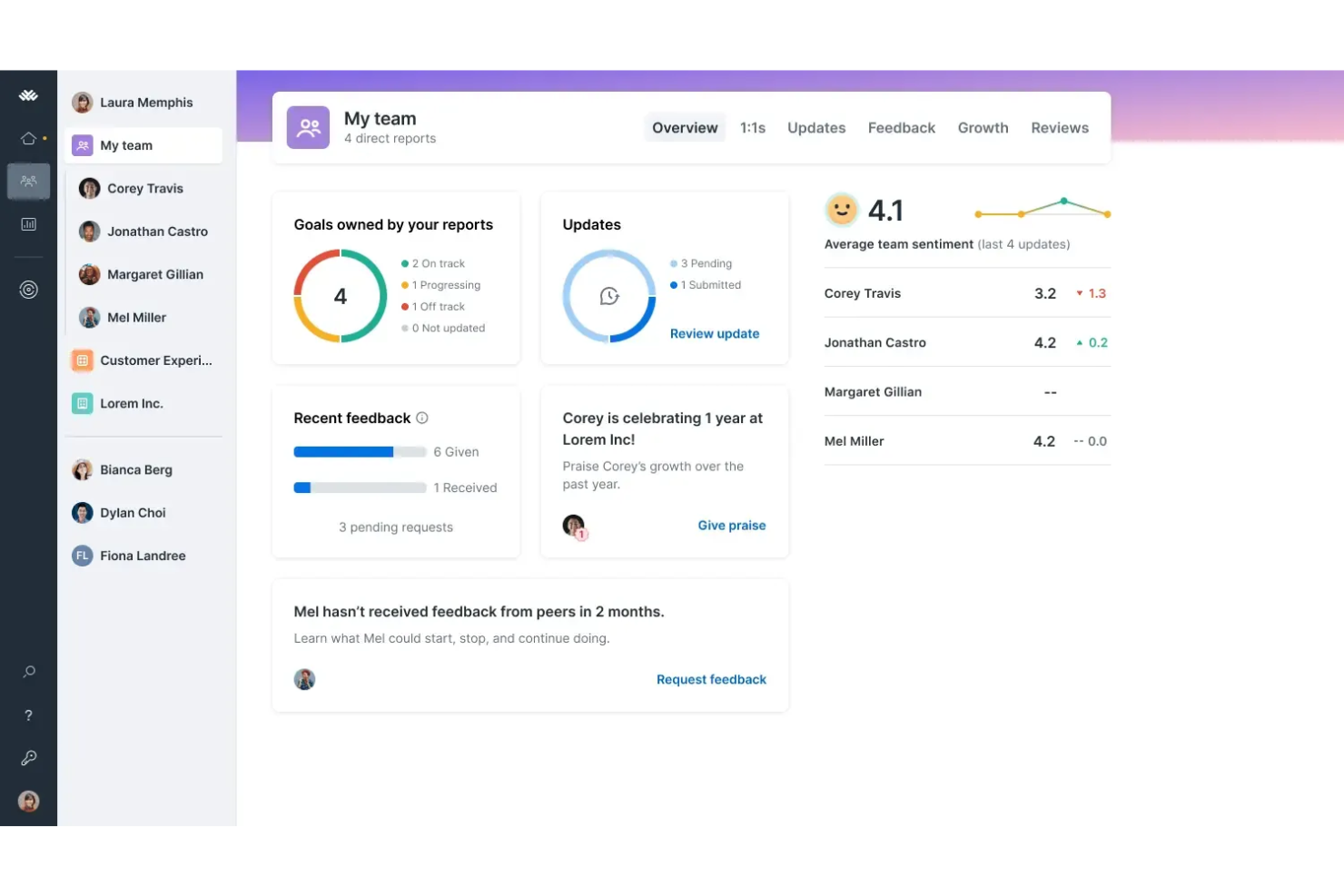
Lattice es una plataforma de gestión del rendimiento diseñada para empresas que buscan potenciar el desarrollo y la implicación de sus empleados. Ofrece herramientas para evaluaciones de desempeño, establecimiento de objetivos y retroalimentación continua, utilizando IA para proporcionar información sobre el desempeño de los empleados.
Por qué elegí Lattice: Su enfoque en las evaluaciones de desempeño la hace ideal para organizaciones que desean mejorar sus procesos de retroalimentación. Los análisis basados en IA te ayudan a identificar tendencias y áreas de mejora en el desempeño. Las funciones personalizables de establecimiento de objetivos permiten al equipo alinear los objetivos individuales con los de la empresa. La interfaz intuitiva de Lattice garantiza que tu equipo pueda interactuar fácilmente con la plataforma.
Características destacadas e integraciones
Las características incluyen retroalimentación personalizada, encuestas de compromiso laboral y gestión de reuniones uno a uno. Estas funciones ayudan a tu equipo a crear una cultura de mejora continua y comunicación abierta.
Las integraciones incluyen Slack, Microsoft Teams, Google Workspace, Okta, BambooHR, Namely, Rippling, Workday, ADP y Gusto.
Pros and Cons
Pros:
- Procesos eficaces de evaluación del desempeño
- Características personalizables para establecer objetivos
- Interfaz fácil de usar
Cons:
- Capacidades de informes avanzados limitadas
- Puede requerir tiempo de adaptación para algunos usuarios
Otros programas de gestión del talento con IA
Estas son algunas opciones adicionales de software de gestión del talento con IA que no llegaron a mi lista de opciones seleccionadas, pero que aun así merece la pena conocer:
- Alex
Ideal para la selección de currículums con IA
- PerformYard
Mejor para el seguimiento del desempeño
- ClearCo
Ideal para contratación e incorporación
- TalentGuard
Mejor para la planificación de trayectoria profesional


Cómo evalúo el software de gestión del talento con IA
Solo incluyo herramientas en las que la IA ofrece resultados reales y medibles—como descubrir candidatos internos ocultos o detectar riesgos de fuga antes de que llegue una carta de renuncia—y no plataformas que solo aplican la etiqueta de IA sobre una automatización básica. Divido mi evaluación en dos capas: la funcionalidad principal que una herramienta necesita para aparecer en esta lista y los factores diferenciadores que separan las opciones buenas de las excelentes.
Funcionalidad principal (Condiciones básicas para esta lista)
Cuando selecciono herramientas para mi lista, clasifico cada una en una escala del 0 (no ofrece la funcionalidad) al 5 (destaca en esta área) para cada funcionalidad principal que aparece a continuación. Después, calculo la puntuación total de la herramienta en porcentaje. Cada herramienta debe alcanzar una puntuación total mínima del 75% para ser considerada en la selección.
- Adquisición de talento impulsada por IA: Evalúo cómo la plataforma utiliza la IA para encontrar, analizar, filtrar y emparejar candidatos—por ejemplo, clasificando automáticamente a los aspirantes según su ajuste previsto al puesto.
- Motor de inteligencia de habilidades: La herramienta debe mapear e inferir las habilidades de los empleados usando IA, no solo almacenar etiquetas estáticas. Busco taxonomías dinámicas que evolucionen con tu fuerza laboral.
- Análisis predictivo de desempeño y retención: Compruebo si la plataforma genera predicciones accionables—como señalar equipos con alto riesgo de rotación—y no solo paneles de datos.
- Aprendizaje y desarrollo personalizado: Las buenas herramientas conectan automáticamente las brechas de habilidades con rutas de aprendizaje a medida. Busco IA que adapte las recomendaciones a medida que los empleados crecen.
- Planificación de sucesión y de la fuerza laboral: Evalúo si la IA identifica talento de alto potencial y mapea posibles sucesores, por ejemplo, mostrando candidatos "listos ahora" para canalizaciones de liderazgo.
- Gestión unificada del ciclo de vida del talento: La plataforma debe conectar reclutamiento, desempeño, aprendizaje y sucesión en un único modelo de datos compartido en vez de módulos aislados.
Una vez tengo una lista de herramientas que cumplen los criterios, considero qué distingue a cada plataforma.
Factores diferenciadores (qué distingue a los proveedores)
Así es como comparo y contrasto los diferentes proveedores:
Características destacadas
Las herramientas de detección de sesgos son muy importantes para mí—busco plataformas que auditen decisiones de contratación y promoción en busca de sesgo demográfico, proporcionando a los equipos de RR.HH. puntuaciones de equidad explicables y sobre las que puedan actuar. Un mercado interno de talento también es un diferenciador, especialmente cuando la IA empareja empleados con trabajos, proyectos o puestos vacantes en función de habilidades inferidas y no solo del historial laboral. También considero si la plataforma incluye un asistente IA generativo que pueda redactar revisiones de desempeño o planes de desarrollo, ahorrando horas de escritura manual.
Más allá de las funciones
La conformidad ética de la IA es fundamental—verifico si los proveedores ofrecen documentación de auditoría de sesgos y se alinean con las regulaciones emergentes de contratación por IA, ya que los equipos de RR.HH. asumen riesgos legales reales aquí. La profundidad de integración con HRIS también importa. Una plataforma que sincroniza bidireccionalmente con tu instancia existente de Workday o ADP permite ahorrar meses de limpieza manual de datos. También evalúo los plazos de implementación, priorizando proveedores que ofrecen bibliotecas de competencias y marcos de roles preconstruidos para evitar que tu equipo tenga que construirlo todo desde cero durante la puesta en marcha.
Cómo elegir un software de gestión del talento con IA
Es fácil perderse entre largas listas de funciones y complejas estructuras de precios. Para ayudarte a mantener la concentración mientras avanzas en tu proceso particular de selección de software, aquí tienes una lista de factores que debes tener en cuenta:
| Factor | Qué considerar |
|---|---|
| Escalabilidad | ¿El software crecerá con tu equipo? Asegúrate de que pueda gestionar un aumento de usuarios y datos a medida que tu empresa se expande. Busca soluciones con una infraestructura escalable que no se ralentice al incorporar más empleados. |
| Integraciones | ¿Funciona con tus herramientas actuales? Comprueba la compatibilidad con tus sistemas actuales de RR. HH., nóminas y comunicación. Las integraciones fluidas pueden ahorrar tiempo y reducir errores al transferir datos. |
| Personalización | ¿Puedes adaptarlo para que se ajuste a tus procesos? Busca soluciones flexibles que te permitan ajustar los flujos de trabajo, los informes y los paneles para adaptarlos a tus necesidades específicas. Evita los sistemas rígidos que te obliguen a cambiar tus procesos. |
| Facilidad de uso | ¿Es fácil de usar para tu equipo? Ten en cuenta la curva de aprendizaje y lo intuitiva que es la interfaz. Elige un software que minimice el tiempo de formación y maximice la productividad. |
| Implementación e incorporación | ¿Con qué rapidez puedes empezar? Evalúa el tiempo y los recursos necesarios para configurar el software y formar a tu equipo. Busca proveedores que ofrezcan un sólido soporte y recursos para la incorporación. |
| Coste | ¿Se ajusta a tu presupuesto? Compara los modelos de precios teniendo en cuenta tanto los costes iniciales como las tarifas recurrentes. Presta atención a los costes ocultos, como las licencias de usuario adicionales o las funciones prémium, que pueden acumularse. |
| Medidas de seguridad | ¿Están protegidos tus datos? Asegúrate de que el software cumple las normas del sector en materia de protección y privacidad de datos. Busca funciones como el cifrado, las actualizaciones de seguridad periódicas y el cumplimiento de normativas como el GDPR o la CCPA. |
| Disponibilidad del soporte | ¿Qué facilidad hay para obtener ayuda cuando la necesitas? Comprueba los canales de soporte disponibles y los tiempos de respuesta. Busca proveedores que ofrezcan soporte las 24 horas del día, los 7 días de la semana, o gestores de cuentas dedicados que ayuden con cualquier problema o duda. |
¿Qué es el software de gestión del talento con IA?
El software de gestión del talento con IA es una herramienta que utiliza la inteligencia artificial para mejorar diversas funciones de RR. HH., como la contratación, la evaluación del rendimiento y el desarrollo de los empleados. Los profesionales de RR. HH., los reclutadores y los responsables suelen utilizar estas herramientas para mejorar la eficiencia y la toma de decisiones. Funciones como la selección de candidatos basada en IA, el análisis predictivo y los itinerarios profesionales personalizados ayudan a identificar a los mejores talentos, reducir la rotación y alinear los objetivos de los empleados con los objetivos de la empresa. En general, estas herramientas proporcionan a las organizaciones información basada en datos para optimizar sus estrategias de gestión del talento.
Funciones del software de gestión del talento con IA
Al seleccionar un software de gestión del talento con IA, presta atención a las siguientes funciones clave:
- Selección de candidatos basada en IA: Asigna candidatos a puestos en función del análisis de datos, mejorando la eficiencia de la contratación.
- Análisis predictivo: Ofrece información sobre las futuras tendencias de la plantilla, lo que ayuda en la planificación y a reducir la rotación.
- Itinerarios profesionales personalizados: Proporciona planes de desarrollo adaptados a los empleados, mejorando su crecimiento y compromiso.
- Herramientas de comentarios en tiempo real: Permiten la evaluación continua del rendimiento, fomentando la comunicación abierta y la mejora.
- Paneles de revisión del talento: Representan visualmente los datos de rendimiento de los empleados para facilitar una toma de decisiones fundamentada.
- Publicación automatizada de ofertas de empleo: Simplifica el proceso de contratación distribuyendo anuncios de empleo en varias plataformas.
- Gestión de las relaciones con los candidatos: Ayuda a mantener el interés de los posibles empleados mediante una comunicación personalizada.
- Herramientas de planificación de la sucesión: Identifican y preparan a los futuros líderes, garantizando la continuidad del negocio.
- Sistemas de gestión del aprendizaje: Facilitan la formación y el desarrollo de los empleados, apoyando la mejora de sus competencias.
- Cifrado y seguridad de los datos: Protegen la información confidencial de los empleados y garantizan el cumplimiento de las normativas de privacidad de datos.
Beneficios del software de gestión del talento con IA
La implementación de un software de gestión del talento con IA proporciona varios beneficios para tu equipo y tu empresa. Estos son algunos de los que puedes esperar:
- Mayor eficiencia en la contratación: La selección de candidatos basada en IA agiliza el proceso de contratación al identificar rápidamente a los mejores candidatos.
- Mayor retención de empleados: El análisis predictivo ayuda a anticipar los riesgos de rotación, lo que permite tomar medidas proactivas para conservar el talento.
- Desarrollo personalizado: Las trayectorias profesionales adaptadas respaldan el crecimiento y la satisfacción de los empleados, aumentando su compromiso.
- Toma de decisiones fundamentada: Los comentarios en tiempo real y los paneles de revisión del talento proporcionan datos para tomar mejores decisiones de gestión.
- Incorporación eficiente: La publicación automatizada de ofertas de empleo y la gestión de las relaciones con los candidatos agilizan la experiencia de incorporación.
- Continuidad del liderazgo: Las herramientas de planificación de la sucesión garantizan que esté preparado con futuros líderes, manteniendo la estabilidad empresarial.
- Seguridad de los datos: El cifrado avanzado protege la información confidencial, cumple las normativas de privacidad y genera confianza.
Costes y precios del software de gestión del talento con IA
Para seleccionar un software de gestión del talento con IA es necesario comprender los distintos modelos de precios y planes disponibles. Los costes varían en función de las prestaciones, el tamaño del equipo, los complementos y otros factores. La siguiente tabla resume los planes habituales, sus precios medios y las prestaciones que suelen incluir las soluciones de software de gestión del talento con IA:
Tabla comparativa de planes de software de gestión del talento con IA
| Tipo de plan | Precio medio | Prestaciones habituales |
|---|---|---|
| Plan gratuito | $0 | Seguimiento básico de candidatos, análisis limitados e informes básicos. |
| Plan personal | $5-$25/usuario/mes | Selección de candidatos basada en IA, paneles personalizados e integraciones esenciales. |
| Plan empresarial | $30-$75/usuario/mes | Análisis avanzado, herramientas de gestión del rendimiento y trayectorias profesionales personalizables. |
| Plan corporativo | $80-$150/usuario/mes | Conjunto integral de RR. HH., análisis predictivo y gestión completa del cumplimiento normativo. |
Preguntas frecuentes sobre el software de gestión del talento con IA
Estas son algunas respuestas a preguntas habituales sobre el software de gestión del talento con IA:
¿Cómo mejora la IA los procesos de contratación?
La IA mejora la contratación al automatizar tareas repetitivas, como la selección de currículos y la comparación de candidatos. Analiza grandes conjuntos de datos para identificar a los mejores candidatos según sus competencias y experiencia, lo que le permite ahorrar tiempo y reducir los sesgos. Por ejemplo, una herramienta de IA puede revisar miles de currículos en cuestión de minutos y destacar las mejores coincidencias para que su equipo las revise. Esta eficiencia le permite centrarse en interactuar con los candidatos en lugar de quedar atrapado en el papeleo.
¿Puede el software de gestión del talento con IA integrarse con nuestros sistemas de RR. HH. actuales?
Sí, la mayoría de los programas de gestión del talento con IA pueden integrarse con los sistemas de RR. HH. existentes. Busque soluciones que ofrezcan API e integraciones prediseñadas con plataformas populares como Workday, SAP y ADP. Estas integraciones garantizan un flujo de datos fluido entre los sistemas, minimizan la introducción manual de datos y reducen los errores. Antes de realizar la compra, confirme que el software es compatible con las integraciones específicas que necesita para mantener unas operaciones fluidas.
¿Existen problemas de privacidad al utilizar la IA en la gestión del talento?
Sí, existen problemas de privacidad, pero pueden gestionarse tomando las precauciones adecuadas. Asegúrese de que el software cumple las normativas de protección de datos, como GDPR o CCPA. Elija proveedores que den prioridad al cifrado de datos y ofrezcan transparencia sobre el uso de los datos. Revise periódicamente sus políticas de privacidad de datos y forme a su equipo en las prácticas recomendadas para mantener el cumplimiento y proteger la información de los empleados.
¿Qué tipo de formación necesitan los miembros del equipo para utilizar el software de gestión del talento con IA?
La formación varía, pero muchos proveedores ofrecen recursos como seminarios web, tutoriales y guías. Empiece con una demostración o prueba para familiarizar a su equipo con la interfaz. Céntrese en funciones clave como la comparación de candidatos y el análisis. Asigne a un miembro del personal para supervisar la implementación y ayudar a los demás cuando sea necesario. El aprendizaje continuo es fundamental, por lo que debe animar a su equipo a aprovechar las oportunidades de formación continua que ofrece el proveedor.