

I 10 migliori concorrenti di WorkBoard per la gestione degli OKR nel 2026

Migliori alternative a Workboard


Gestire le prestazioni del team non è affatto semplice. Potresti scoprire che Workboard non soddisfa le tue esigenze, a causa della mancanza di funzionalità, della scalabilità o di qualcos'altro. Il software per la gestione delle prestazioni può aiutarti ad affrontare queste sfide offrendo strumenti che migliorano la comunicazione, la definizione degli obiettivi e il feedback.
Ho testato diverse soluzioni software e ho una conoscenza approfondita del panorama della gestione delle risorse umane. Secondo la mia esperienza, trovare lo strumento giusto può fare una grande differenza per la produttività e il morale del tuo team.
In questo articolo condividerò i miei principali consigli sulle alternative a Workboard. Avrai una panoramica delle caratteristiche uniche di ogni strumento e di come possano adattarsi alle esigenze della tua azienda. Lavoriamo insieme per trovare la soluzione più adatta al tuo team.
Che cos'è Workboard?
Workboard è un software per la gestione delle prestazioni progettato per aiutare le organizzazioni a monitorare e migliorare le prestazioni dei dipendenti. Viene comunemente utilizzato dai professionisti delle risorse umane e dai responsabili dei team che hanno bisogno di un modo affidabile per gestire obiettivi e feedback.
Funzionalità come la definizione degli obiettivi, il monitoraggio delle prestazioni e gli strumenti per il feedback supportano i tuoi sforzi per migliorare la produttività e la comunicazione del team. Nel complesso, Workboard offre valore aiutandoti ad allineare gli obiettivi del team con quelli aziendali.
Tabella comparativa delle alternative a Workboard
Questa tabella comparativa fornisce informazioni sui prezzi e sui periodi di prova gratuiti delle mie principali alternative a Workboard, per aiutarti a scegliere la soluzione giusta per il tuo budget e le esigenze della tua azienda.
| Tool | Best For | Trial Info | Price | ||
|---|---|---|---|---|---|
| 1 | Ideale per la gestione degli OKR basata sull'IA | Dimostrazione gratuita disponibile | Prezzi su richiesta | Website | |
| 2 | Ideale per la pianificazione strategica centralizzata | Prova gratuita di 14 giorni disponibile | A partire da $7/utente/mese (con fatturazione annuale) | Website | |
| 3 | Ideale per la gestione delle prestazioni delle risorse umane | Dimostrazione gratuita disponibile | A partire da $4/utente/mese (fatturato annualmente) | Website | |
| 4 | Ideale per l'integrazione della pianificazione strategica | Versione di prova gratuita e demo gratuita disponibili | Prezzi su richiesta | Website | |
| 5 | Ideale per i riscontri in tempo reale dei dipendenti | Dimostrazione gratuita disponibile | A partire da $4/utente/mese (fatturato annualmente) | Website | |
| 6 | Ideale per la collaborazione tra team numerosi | Piano gratuito disponibile | Da $10.99/utente/mese (con fatturazione annuale) | Website | |
| 7 | Ideale per i rapporti settimanali sui progressi | Prova gratuita di 14 giorni + piano gratuito disponibile | A partire da $90/mese (fatturato annualmente) | Website | |
| 8 | Ideale per l'esecuzione della strategia | Dimostrazione gratuita disponibile | Prezzi su richiesta | Website | |
| 9 | Ideale per integrare la gestione dei talenti | Demo gratuita disponibile | A partire da $2/utente/mese (fatturato annualmente) | Website | |
| 10 | Ideale per la gestione degli OKR | 14 giorni di prova gratuita + dimostrazione disponibile | A partire da $5/utente/mese | Website |
Perché fidarsi delle nostre recensioni sui software
Il nostro team testa e recensisce software dal 2012. In quanto esperti HR noi stessi, sappiamo quanto sia difficile — e importante — scegliere il software giusto.
Per questa guida, abbiamo valutato gli strumenti attraverso test pratici e ricerche indipendenti, assegnando un punteggio agli strumenti in base ai nostri criteri di selezione. Ci basiamo inoltre sulle competenze di leader di pensiero del settore e di professionisti HR attivi.
Le nostre recensioni riflettono il nostro giudizio editoriale umano, non un discorso di vendita.
Revisori esperti:
Recensioni delle migliori alternative a Workboard
Di seguito trovi i miei riepiloghi dettagliati delle migliori alternative a Workboard incluse nella mia selezione. Le mie recensioni offrono un’analisi approfondita delle funzionalità principali, dei pro e dei contro, delle integrazioni e dei casi d’uso ideali di ogni strumento, per aiutarti a trovare quello più adatto a te.
Ideale per la gestione degli OKR basata sull'IA

Profit.co è una piattaforma per la gestione degli OKR progettata per aiutare le aziende a definire, monitorare e raggiungere i propri obiettivi. Viene utilizzata principalmente dai dirigenti e dai responsabili delle squadre per garantire che le loro squadre siano allineate agli obiettivi aziendali.
Perché è una buona alternativa a Workboard: Profit.co offre una gestione degli OKR basata sull'IA con funzionalità quali la definizione degli obiettivi, il monitoraggio dei progressi e l'analisi delle prestazioni. Questi strumenti aiutano la squadra a rimanere concentrata sul raggiungimento dei propri obiettivi, sfruttando al contempo gli approfondimenti basati sull'IA per prendere decisioni migliori. L'interfaccia intuitiva della piattaforma rende semplice per tutti aggiornare e monitorare i propri obiettivi. La sua attenzione agli approfondimenti basati sui dati garantisce la possibilità di identificare le tendenze e apportare modifiche informate alle proprie strategie.
Caratteristiche distintive e integrazioni:
Le funzionalità includono pannelli di controllo personalizzabili che forniscono una panoramica chiara delle prestazioni della squadra. I promemoria automatici aiutano la squadra a mantenere il controllo sui propri obiettivi. Le analisi della piattaforma offrono approfondimenti sui progressi e sulle aree di miglioramento.
Le integrazioni includono Slack, Microsoft Teams, Jira, Salesforce, Google Workspace, Trello, Asana, monday.com, Zapier, HubSpot e altro.
Pros and Cons
Pros:
- Gestione degli OKR efficace
- Fornisce promemoria automatici
- Buon supporto per la definizione e il monitoraggio degli obiettivi
Cons:
- Per configurare le integrazioni potrebbe essere necessario il supporto tecnico
- L'eccesso di personalizzazione rende l'utilizzo difficoltoso

Mooncamp
Ideale per la pianificazione strategica centralizzata

Mooncamp è una piattaforma per la gestione delle prestazioni e degli OKR, progettata per aiutare i team ad allinearsi e a monitorare i propri obiettivi strategici. Viene utilizzata principalmente da manager e responsabili di team che devono assicurarsi che i propri team si concentrino sul raggiungimento degli obiettivi chiave.
Perché è una valida alternativa a Workboard: Mooncamp offre una pianificazione strategica centralizzata attraverso il suo software per OKR. Include funzionalità per il monitoraggio, dashboard dei progressi e impostazione personalizzabile degli obiettivi. Questi strumenti aiutano il tuo team a rimanere allineato e concentrato su ciò che conta di più. L'interfaccia intuitiva della piattaforma consente a tutti di aggiornare e monitorare facilmente i propri obiettivi. L'enfasi sull'allineamento strategico aiuta il tuo team a realizzare efficacemente i propri obiettivi.
Funzionalità e integrazioni principali:
Le funzionalità includono notifiche automatiche per ricordare al tuo team di rimanere sulla buona strada con i propri obiettivi. Le visualizzazioni dei progressi offrono una panoramica chiara della situazione, mentre i modelli personalizzabili consentono di adattare la piattaforma alle tue esigenze.
Le integrazioni includono Slack, Microsoft Teams, Jira, Asana, monday.com, Salesforce, Zapier e altro.
Pros and Cons
Pros:
- Supporta la pianificazione strategica centralizzata
- Fornisce visualizzazioni dei progressi degli obiettivi
- Offre un'impostazione personalizzabile degli obiettivi
Cons:
- Potrebbe richiedere supporto tecnico e formazione
- L'usabilità da dispositivi mobili è meno curata rispetto a quella desktop
Lattice
Ideale per la gestione delle prestazioni delle risorse umane

Lattice è una piattaforma di gestione del personale progettata per migliorare il coinvolgimento e le prestazioni dei dipendenti. Viene generalmente utilizzata dai professionisti delle risorse umane e dai manager che si concentrano sull'allineamento degli obiettivi dei dipendenti con quelli aziendali.
Perché è una valida alternativa a Workboard: la gestione delle prestazioni di Lattice per le risorse umane include valutazioni delle prestazioni, monitoraggio degli obiettivi e sondaggi sul coinvolgimento dei dipendenti. Questi strumenti aiutano ad allineare gli obiettivi della squadra con quelli aziendali, mentre gli strumenti di riscontro semplificano la comunicazione aperta tra manager e dipendenti. Le funzionalità di analisi individuano le tendenze delle prestazioni, favorendo un processo decisionale basato sui dati.
Funzionalità e integrazioni principali:
Le funzionalità includono modelli di valutazione personalizzabili, in linea con le esigenze specifiche della squadra. Le analisi forniscono informazioni dettagliate sulle prestazioni e sul coinvolgimento dei dipendenti. Gli strumenti di riscontro continuo aiutano a mantenere una cultura della comunicazione aperta.
Le integrazioni includono Slack, Microsoft Teams, Google Workspace, BambooHR, Workday, ADP, Rippling, Okta, Salesforce, Greenhouse e altro ancora.
Pros and Cons
Pros:
- Fornisce valutazioni delle prestazioni ottimizzate
- Offre analisi dettagliate delle prestazioni
- Incoraggia il riscontro continuo
Cons:
- Può essere complesso per le squadre di piccole dimensioni
- Costoso per le piccole imprese
New Product Updates from Lattice

Lattice Introduces MCP Connector for AI Chat Tools
Lattice introduced Lattice MCP, a new connector that brings talent data into Claude, ChatGPT, and other LLM tools. The connector helps teams access performance context from reviews, 1:1 notes, feedback, goals, and updates within AI chat workflows. For more information, visit Lattice’s official site.
 .
.
Cascade
Ideale per l'integrazione della pianificazione strategica

Cascade è una piattaforma per l'esecuzione della strategia progettata per aiutare le aziende ad allineare e monitorare i propri obiettivi strategici. È utilizzata principalmente dai dirigenti e dai team responsabili della strategia che devono garantire l'allineamento a livello aziendale e il monitoraggio delle prestazioni.
Perché è una buona alternativa a Workboard: Cascade eccelle nell'integrazione della pianificazione strategica con funzionalità quali la definizione degli obiettivi, i pannelli di controllo delle prestazioni e le analisi in tempo reale. Queste funzionalità consentono di allineare gli sforzi del team alle strategie aziendali più ampie. I pannelli di controllo personalizzabili del software offrono una visione chiara dei progressi e delle metriche delle prestazioni. Le analisi dei dati in tempo reale aiutano a prendere decisioni consapevoli per ottimizzare le iniziative strategiche.
Funzionalità e integrazioni principali:
Le funzionalità includono la mappatura della strategia, che aiuta a visualizzare e allineare gli obiettivi in tutta l'organizzazione. I pannelli di controllo delle prestazioni offrono una panoramica delle metriche chiave e dei progressi. Gli strumenti di pianificazione degli scenari aiutano ad anticipare i cambiamenti e ad adattare di conseguenza le strategie.
Le integrazioni includono Slack, Microsoft Teams, Jira, Salesforce, Google Workspace, Asana, Trello, monday.com, HubSpot, Azure DevOps e altro.
Pros and Cons
Pros:
- Supporta l'allineamento e la visibilità degli obiettivi strategici
- Combina gestione dei progetti, pianificazione e monitoraggio delle prestazioni in un unico strumento
- Pannelli di controllo delle prestazioni personalizzabili
Cons:
- Esperienza utente complessa per i team di piccole dimensioni
- Richiede il pieno consenso di tutti per un utilizzo efficace
15Five
Ideale per i riscontri in tempo reale dei dipendenti

15Five è una piattaforma di gestione delle prestazioni focalizzata sul miglioramento del coinvolgimento dei dipendenti attraverso riscontri e comunicazioni regolari. Viene utilizzata principalmente dai team delle risorse umane e dai responsabili per migliorare l'allineamento e le prestazioni della squadra.
Perché è una buona alternativa a Workboard: 15Five eccelle nel fornire riscontri in tempo reale ai dipendenti grazie a funzionalità come aggiornamenti settimanali, monitoraggio degli obiettivi e valutazioni delle prestazioni. Questi strumenti aiutano la squadra a rimanere connessa e allineata sulle priorità. La piattaforma promuove una cultura della comunicazione aperta, rendendo più semplice affrontare i problemi man mano che si presentano. La sua attenzione ai riscontri continui aiuta a costruire una forza lavoro più coinvolta e motivata.
Funzionalità e integrazioni distintive:
Le funzionalità includono cicli di valutazione personalizzabili che si adattano alle esigenze della squadra, mentre gli strumenti di riconoscimento consentono di celebrare i risultati, aumentando il morale. I sondaggi sul coinvolgimento forniscono una comprensione degli orientamenti della squadra, aiutandoti a prendere decisioni strategiche.
Le integrazioni includono Slack, Microsoft Teams, Google Workspace, Jira, BambooHR, Namely, ADP, Okta, Workday, Salesforce e altro ancora.
Pros and Cons
Pros:
- Promuove la comunicazione aperta
- Cicli di valutazione personalizzabili
- Funzionalità di riscontro in tempo reale
Cons:
- Opzioni di personalizzazione limitate
- L'interfaccia può sembrare complessa e potrebbe richiedere formazione

Asana
Ideale per la collaborazione tra team numerosi
Asana è uno strumento di gestione dei progetti progettato per aiutare i team a organizzare, monitorare e gestire il proprio lavoro. Viene utilizzato principalmente da responsabili di progetto, responsabili di team e organizzazioni per coordinare attività e progetti in modo efficace.
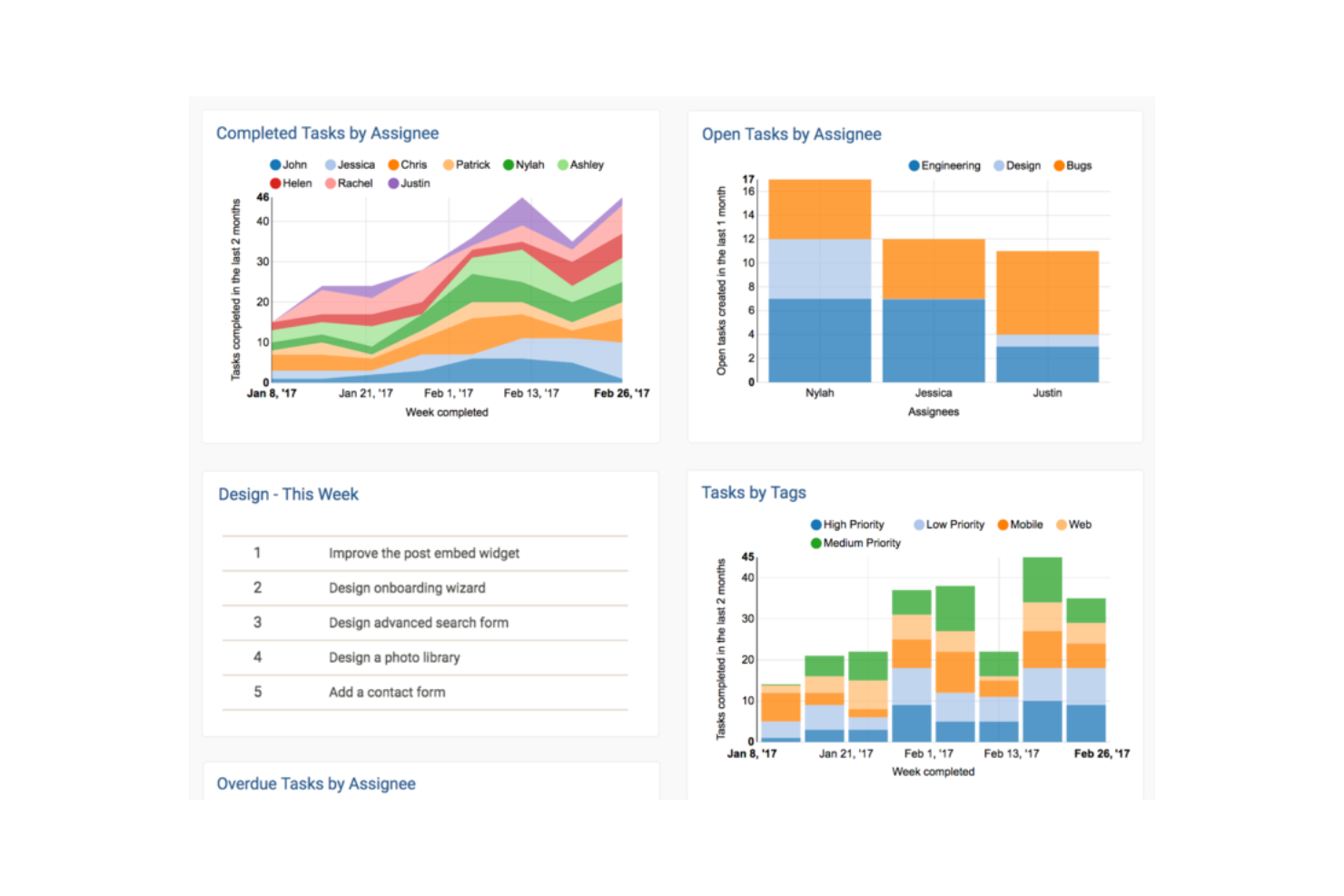
Perché è una buona alternativa a Workboard: Asana supporta la collaborazione tra team numerosi con funzionalità come l'assegnazione delle attività, il monitoraggio delle scadenze e le tempistiche dei progetti. Le sue bacheche visive dei progetti mostrano il quadro generale per aiutarti a gestire progetti complessi. La possibilità di Asana di creare flussi di lavoro personalizzati consente al tuo team di adattare lo strumento a requisiti specifici. La sua interfaccia intuitiva lo rende accessibile a team di qualsiasi dimensione, aumentando la produttività.
Funzionalità distintive e integrazioni:
Le funzionalità includono le dipendenze tra attività, che consentono di impostare attività subordinate al completamento di altre. Le tappe fondamentali aiutano il tuo team a segnare i punti significativi nella tempistica del progetto. La funzionalità del carico di lavoro offre una panoramica visiva della capacità del tuo team, assicurando che nessuno sia sovraccarico.
Le integrazioni includono Slack, Microsoft Teams, Google Drive, Dropbox, Zoom, Zapier, Jira, Salesforce, HubSpot, Adobe Creative Cloud e altro.
Pros and Cons
Pros:
- Facile da configurare e utilizzare
- Flussi di lavoro personalizzati per la gestione del portafoglio
- Adattabile a team di diverse dimensioni
Cons:
- Può risultare complesso per i team di piccole dimensioni
- Funzionalità di reportistica limitate

Weekdone
Ideale per i rapporti settimanali sui progressi

Weekdone è uno strumento di gestione delle squadre focalizzato sull'aumento della produttività attraverso rapporti settimanali. I responsabili e i dirigenti delle squadre lo utilizzano per monitorare i progressi e allineare gli sforzi della squadra agli obiettivi aziendali.
Perché è una valida alternativa a Workboard: Weekdone offre rapporti settimanali accurati sui progressi, con funzionalità come il monitoraggio degli OKR, i riepiloghi dei progressi e i riscontri della squadra. Questi strumenti mantengono la squadra allineata agli obiettivi aziendali e aiutano a identificare le aree di miglioramento. Le verifiche settimanali della piattaforma assicurano che tutti siano sulla stessa lunghezza d'onda e lavorino verso gli stessi obiettivi. La sua attenzione agli aggiornamenti regolari mantiene la squadra responsabile e informata.
Funzionalità e integrazioni principali:
Le funzionalità includono pannelli di controllo personalizzabili che offrono una panoramica dei progressi della squadra. I promemoria automatici aiutano ad assicurare che tutti inviino i propri rapporti in tempo. Le analisi forniscono una visione delle prestazioni della squadra, aiutandoti a prendere decisioni razionali.
Le integrazioni includono Slack, Microsoft Teams, Jira, Asana, Basecamp, Google Tasks, Zapier, Google Sheets e altro.
Pros and Cons
Pros:
- Fornisce riepiloghi dettagliati dei progressi
- La trasparenza favorisce l'allineamento della squadra
- Mantiene la squadra responsabile grazie ai promemoria
Cons:
- I flussi di lavoro articolati possono richiedere formazione
- La configurazione iniziale può richiedere molto tempo ed essere complessa


ClearPoint Strategy è un software per la gestione della strategia, simile a Perdoo, che aiuta le organizzazioni a eseguire e gestire i propri piani strategici. Viene utilizzato principalmente dai gruppi responsabili della strategia e dai dirigenti per monitorare le prestazioni e allineare le iniziative agli obiettivi strategici.
Perché è una valida alternativa a Workboard: ClearPoint Strategy eccelle nell'esecuzione strategica grazie a funzionalità quali pannelli di controllo delle prestazioni, schede di valutazione e strumenti personalizzati per la creazione di report. Questo aiuta il gruppo ad allineare le attività quotidiane agli obiettivi strategici generali. La capacità del software di creare e personalizzare schede di valutazione garantisce la possibilità di misurare ciò che conta di più, mentre gli strumenti di reportistica forniscono informazioni sui progressi e sulle prestazioni.
Caratteristiche e integrazioni distintive:
Le caratteristiche includono la reportistica automatizzata, che fa risparmiare tempo al gruppo e riduce gli errori manuali. Le schede di valutazione personalizzabili consentono di monitorare i KPI più importanti, mentre i pannelli di controllo delle prestazioni offrono una visione in tempo reale delle iniziative strategiche.
Le integrazioni includono Microsoft Excel, PowerPoint, SharePoint, Tableau, Salesforce, Slack, Google Sheets, Jira, Trello, Asana e altro.
Pros and Cons
Pros:
- Supporta il monitoraggio degli obiettivi strategici
- Favorisce l'allineamento organizzativo
- Offre schede di valutazione personalizzabili
Cons:
- Complesso e articolato per i piccoli gruppi
- Curva di apprendimento ripida

Ideale per integrare la gestione dei talenti

Peoplebox è una piattaforma di gestione delle prestazioni progettata per rafforzare il coinvolgimento e lo sviluppo dei dipendenti. Viene generalmente utilizzata dai professionisti delle risorse umane e dai manager che desiderano allineare le prestazioni del team agli obiettivi aziendali.
Perché è una buona alternativa a Workboard: Peoplebox integra la gestione dei talenti utilizzando strumenti come le valutazioni delle prestazioni, il monitoraggio degli obiettivi e il feedback dei dipendenti. Queste funzionalità aiutano ad allineare le prestazioni del team agli obiettivi aziendali. Gli strumenti di feedback favoriscono una cultura del miglioramento continuo e del coinvolgimento. Le sue funzionalità di monitoraggio degli obiettivi assicurano che tutti lavorino per raggiungere gli stessi traguardi, rafforzando così la produttività complessiva del team.
Funzionalità e integrazioni principali:
Le funzionalità includono cicli di valutazione personalizzabili che si adattano alle esigenze del team. I promemoria automatici assicurano che le valutazioni delle prestazioni vengano effettuate puntualmente. Le analisi forniscono informazioni sulle prestazioni e sul coinvolgimento dei dipendenti, aiutandoti a prendere decisioni ponderate.
Le integrazioni includono Slack, Microsoft Teams, Google Workspace, Jira, Asana, Salesforce, BambooHR, Zoom e altro ancora.
Pros and Cons
Pros:
- Gestione efficace degli obiettivi
- Fornisce analisi dettagliate delle prestazioni
- Migliora il coinvolgimento dei dipendenti
Cons:
- Funzionalità limitate per le grandi aziende
- Modifica incoerente dei risultati chiave

Tability
Ideale per la gestione degli OKR

Tability è un software per il monitoraggio degli obiettivi che aiuta i team a gestire i propri obiettivi e risultati chiave (OKR). Viene utilizzato principalmente da manager e responsabili di team che devono garantire l'allineamento e i progressi verso gli obiettivi.
Perché è una buona alternativa a Workboard: Tability eccelle nella gestione degli OKR grazie a funzionalità come il monitoraggio dei progressi, le verifiche settimanali e i pannelli di controllo visivi. Questi strumenti aiutano il tuo team a mantenere l'attenzione sui propri obiettivi e a misurare efficacemente i risultati. L'interfaccia semplice del software rende facile per tutti aggiornare e monitorare i propri obiettivi. La sua attenzione alle verifiche frequenti garantisce la possibilità di affrontare tempestivamente i problemi e mantenere lo slancio.
Funzionalità e integrazioni principali:
Le funzionalità includono strumenti per la definizione degli obiettivi che consentono di stabilire obiettivi chiari. Il monitoraggio dei progressi aiuta a controllare l'andamento del team rispetto ai suoi obiettivi. I pannelli di controllo visivi offrono una panoramica delle metriche chiave e degli indicatori delle prestazioni.
Le integrazioni includono Slack, Google Workspace, Microsoft Teams, Jira, Trello, Asana, monday.com, HubSpot, Salesforce, Zapier e altro.
Pros and Cons
Pros:
- Semplifica una gestione efficace degli OKR
- Interfaccia intuitiva per aggiornamenti semplici
- Le funzionalità leggere di gestione dei progetti lo rendono ideale per le startup
Cons:
- Potrebbe non offrire funzionalità avanzate per i team numerosi
- Opzioni di personalizzazione limitate
Altre alternative a Workboard
Ecco altre alternative a Workboard che non sono entrate nella mia selezione, ma che vale comunque la pena prendere in considerazione:
- Betterworks
Ideale per il monitoraggio continuo delle prestazioni
- ClickUp
Ideale per API e integrazioni tutto in uno
- Qandle
Ideale per soluzioni HR modulari


Come valuto i concorrenti di Workboard
Divido la mia valutazione in requisiti fondamentali per gli OKR e l'esecuzione della strategia, quindi considero i fattori distintivi, come i flussi di lavoro automatizzati per le revisioni e le integrazioni con i sistemi HR, che separano i migliori dagli altri.
Funzionalità fondamentali (requisiti essenziali per questo elenco)
Quando seleziono gli strumenti da inserire nel mio elenco, assegno a ciascuno un punteggio su una scala da 0 (non offre la funzionalità) a 5 (eccelle in quest'area) per ogni funzionalità fondamentale riportata di seguito. Poi converto il punteggio totale dello strumento in una percentuale. Per essere preso in considerazione, ogni strumento deve raggiungere un punteggio totale minimo del 65%.
- Gestione degli OKR e degli obiettivi: verifico se lo strumento supporta l'intero ciclo di vita degli OKR, dalla creazione degli obiettivi all'assegnazione dei risultati chiave e alla gestione dei controlli periodici, ad esempio facendo ricadere un obiettivo di fidelizzazione dal direttore delle risorse umane fino a un partner aziendale HR.
- Monitoraggio dell'esecuzione della strategia: qui sono importanti i cruscotti in tempo reale che collegano il lavoro quotidiano delle risorse umane alle priorità strategiche, quindi valuto il modo in cui ogni strumento visualizza i progressi e mette in evidenza le iniziative a rischio.
- Revisioni aziendali automatizzate: cerco flussi di lavoro strutturati per le riunioni, in grado di compilare automaticamente gli ordini del giorno e gli aggiornamenti sullo stato, sostituendo le presentazioni manuali che i team operativi HR spesso assemblano per le revisioni settimanali della dirigenza.
- Analisi delle prestazioni: ogni strumento dovrebbe offrire report sul raggiungimento degli obiettivi e sulle tendenze dei team, ad esempio il monitoraggio dei progressi trimestre su trimestre degli indicatori chiave di prestazione relativi all'acquisizione dei talenti in più unità aziendali.
- Allineamento e propagazione degli obiettivi: l'allineamento verticale e orizzontale degli obiettivi è fondamentale, quindi valuto se la piattaforma consente di mappare le dipendenze tra, ad esempio, un obiettivo di pianificazione della forza lavoro e una relativa iniziativa DEI.
- Integrazioni con i sistemi HR: strumenti come Workday, BambooHR e SAP SuccessFactors sono comuni negli ecosistemi HR, quindi cerco connettori nativi o l'accesso a API aperte che mantengano sincronizzati i dati sugli obiettivi con i sistemi centrali per la gestione del personale.
Una volta ottenuto un elenco di strumenti che soddisfano questi criteri, considero ciò che distingue ogni piattaforma.
Fattori distintivi (ciò che differenzia i fornitori)
Ecco come confronto e contrappongo i diversi fornitori:
Funzionalità di rilievo
Le informazioni basate sull'intelligenza artificiale sono un importante elemento distintivo: cerco strumenti in grado di segnalare gli obiettivi a rischio e suggerire azioni correttive senza richiedere un'analisi manuale approfondita. Anche le schede di valutazione HR personalizzate sono importanti. Una piattaforma che consente di creare cruscotti basati su metriche come il tasso di fidelizzazione o i punteggi di coinvolgimento evita al team di esportare i dati nei fogli di calcolo. La visualizzazione della strategia è un'altra area che valuto attentamente, poiché una mappa chiara dell'allineamento aiuta i responsabili HR a comunicare i progressi delle iniziative alla dirigenza aziendale molto meglio di un'e-mail di aggiornamento sullo stato.
Oltre le funzionalità
La sicurezza e la conformità sono importanti quando i team HR collegano i dati sugli obiettivi a sistemi sensibili per la gestione del personale. Verifico la certificazione SOC 2 Tipo II, i controlli degli accessi basati sui ruoli e il supporto SSO. Anche il supporto all'implementazione è un fattore che valuto: le implementazioni degli OKR spesso si bloccano senza coaching o manuali operativi, quindi i fornitori che offrono un inserimento strutturato con responsabili del successo dedicati tendono a favorire una migliore adozione. Valuto inoltre la trasparenza dei prezzi, poiché i dipartimenti HR spesso devono giustificare il budget sulla base di risultati misurabili prima che la dirigenza approvi una nuova piattaforma.
Perché cercare un'alternativa a Workboard?
Sebbene Workboard sia una buona scelta per la gestione delle prestazioni, ci sono diversi motivi per cui alcuni utenti cercano soluzioni alternative. Potresti cercare un'alternativa a Workboard perché:
- Hai bisogno di funzionalità di reporting più avanzate.
- Il tuo team necessita di migliori opzioni di personalizzazione.
- Cerchi una migliore accessibilità da dispositivi mobili.
- Hai bisogno di una soluzione con maggiori possibilità di integrazione.
- Il tuo team in crescita ha bisogno di una piattaforma più scalabile.
- Desideri un software con un'assistenza agli utenti migliore.
Se ti riconosci in una di queste situazioni, sei nel posto giusto. Il mio elenco contiene diverse opzioni software per la gestione delle prestazioni più adatte ai team che affrontano queste sfide con Workboard e cercano soluzioni alternative.
Funzionalità
Ecco alcune delle principali funzionalità di Workboard da confrontare con ciò che offrono le soluzioni alternative:
- Allineamento degli obiettivi: Aiuta il team ad allineare i propri obiettivi alla strategia aziendale per una maggiore concentrazione.
- Aggiornamenti in tempo reale: Forniscono aggiornamenti immediati sui progressi e sulle scadenze per mantenere tutti informati.
- Report sulle prestazioni: Offrono informazioni sulle prestazioni del team per aiutarti a prendere decisioni ponderate.
- Cruscotti: Mettono in evidenza le metriche chiave affinché il team possa concentrarsi su ciò che è importante.
- Gestione degli OKR: Supporta la creazione e il monitoraggio degli obiettivi e dei risultati chiave per una gestione efficace delle prestazioni.
- Strumenti per il feedback: Facilitano il dialogo continuo per migliorare la comunicazione e lo sviluppo del team.