

I 10 migliori software di analisi predittiva per le risorse umane nel 2026

Miglior software di analisi predittiva per le risorse umane: selezione


Oggi i professionisti delle risorse umane devono affrontare una pressione maggiore che mai per anticipare i cambiamenti, trattenere i migliori talenti e prendere decisioni più rapide basate sui dati, il tutto gestendo tempo e risorse limitati. Tuttavia, senza gli strumenti giusti, individuare le tendenze della forza lavoro, prevedere il turnover o pianificare le future esigenze di assunzione può sembrare un gioco di ipotesi.
È qui che entra in gioco il software di analisi predittiva. Questi strumenti aiutano a individuare schemi nascosti nei dati delle risorse umane, consentendo di prendere decisioni più intelligenti in materia di assunzioni, sviluppo e fidelizzazione prima che si verifichino dei problemi.
Negli ultimi anni ho dedicato molto tempo alla ricerca e alla valutazione di software per le risorse umane per People Managing People, aiutando migliaia di professionisti a trovare gli strumenti giusti per raggiungere i propri obiettivi. In questa guida ti presenterò le migliori soluzioni di analisi predittiva presenti sul mercato: cosa fanno, per chi sono più indicate e perché si distinguono.
Troviamo il software che ti offre la chiarezza, la sicurezza e il vantaggio strategico di cui hai bisogno.
Perché fidarsi delle nostre recensioni sui software
Il nostro team testa e recensisce software dal 2012. In quanto esperti HR noi stessi, sappiamo quanto sia difficile — e importante — scegliere il software giusto.
Per questa guida, abbiamo valutato gli strumenti attraverso test pratici e ricerche indipendenti, assegnando un punteggio agli strumenti in base ai nostri criteri di selezione. Ci basiamo inoltre sulle competenze di leader di pensiero del settore e di professionisti HR attivi.
Le nostre recensioni riflettono il nostro giudizio editoriale umano, non un discorso di vendita.
Revisori esperti:
Tabella comparativa dei software di analisi predittiva per le risorse umane
La tabella seguente confronta i prezzi, le prove gratuite e i dettagli delle demo delle mie migliori selezioni di software di analisi predittiva per le risorse umane.
| Tool | Best For | Trial Info | Price | ||
|---|---|---|---|---|---|
| 1 | Ideale per l’analisi della forza lavoro nei team globali | Demo gratuita disponibile | A partire da $5/dipendente/mese | Website | |
| 2 | Ideale per l’unione dei dati | Prova gratuita disponibile | Da $250/utente/mese (fatturato annualmente) | Website | |
| 3 | Ideale per l'analisi visiva dei dati | Piano gratuito disponibile | Da $15/utente/mese (fatturato annualmente) | Website | |
| 4 | Ideale per le piccole imprese | Demo gratuita disponibile | Prezzo su richiesta | Website | |
| 5 | Ideale per la pianificazione della forza lavoro | Prova gratuita di 30 giorni disponibile | Prezzo su richiesta | Website | |
| 6 | Ideale per l'integrazione cloud | Demo gratuita disponibile | Prezzo su richiesta | Website | |
| 7 | Ideale per la modellizzazione predittiva | Demo gratuita disponibile | Prezzo su richiesta | Website | |
| 8 | Ideale per grandi aziende | Demo gratuita disponibile | Prezzo su richiesta | Website | |
| 9 | Ideale per notifiche proattive | Demo gratuita disponibile | Prezzo su richiesta | Website | |
| 10 | Ideale per la pianificazione degli organici | Demo gratuita disponibile | Prezzo su richiesta | Website |
Recensioni dei migliori software di analisi predittiva per le risorse umane
Di seguito trovi i miei riepiloghi dettagliati dei migliori software di analisi predittiva per le risorse umane inclusi nella mia selezione. Le mie recensioni offrono una panoramica dettagliata delle funzionalità principali, dei pro e dei contro, delle integrazioni e dei casi d’uso ideali di ogni strumento, per aiutarti a trovare quello più adatto al tuo team.

Deel HR
Ideale per l’analisi della forza lavoro nei team globali
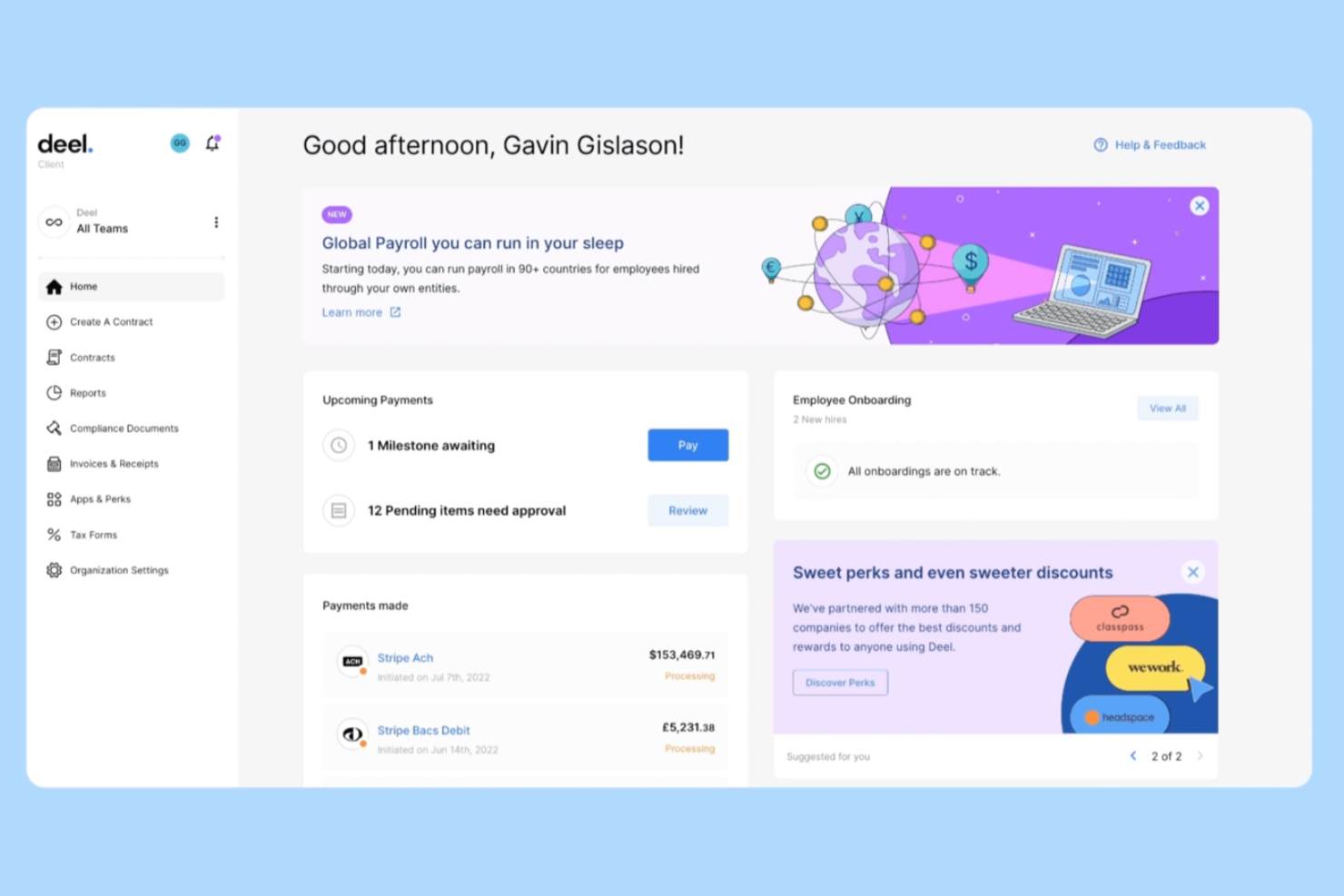
Deel è una piattaforma HR globale che combina strumenti per paghe, conformità e gestione del personale con funzionalità di analisi predittiva. La sua infrastruttura supporta l'assunzione e la gestione di dipendenti e collaboratori in oltre 150 paesi, aiutando le organizzazioni a mantenere la conformità accedendo al contempo a talenti globali.
Perché ho scelto Deel: Ho scelto Deel per le sue capacità di analisi predittiva, che possono aiutare i team HR ad anticipare le esigenze di assunzione, valutare i rischi di turnover e individuare lacune di competenze. Queste informazioni sono utili alle organizzazioni che desiderano pianificare in modo più proattivo lo sviluppo della forza lavoro o le strategie di retention. Deel include anche strumenti per il monitoraggio delle prestazioni e dei dati sul personale che contribuiscono alla pianificazione della successione e all'allocazione delle risorse.
Oltre alle analisi, l’attenzione di Deel alla conformità globale lo rende pratico per i team distribuiti. La sua infrastruttura legale integrata, la generazione di contratti e il supporto per i visti riducono il carico amministrativo e aiutano le aziende a operare in modo coerente tra diverse giurisdizioni.
Funzionalità e integrazioni di spicco di Deel:
Le funzionalità includono un HRIS centralizzato per la gestione dei dati dei dipendenti, delle assenze e delle spese; paghe automatizzate; e reportistica in tempo reale sulle prestazioni del personale. Deel consente inoltre pagamenti multipli, servizi visti interni e gestione dei collaboratori.
Le integrazioni includono Google, LinkedIn, Loom, Optimizely, StackAdapt, YouTube, HubSpot, Cloudflare, G2, Twitter, Blockchain.com e Zendesk.
Pros and Cons
Pros:
- Ampia copertura globale
- Strumenti di conformità integrati
- Funzionalità di pagamento pratiche come la Deel card
Cons:
- Focus principale sulle operazioni HR più che su analisi approfondite
- La piattaforma è complessa da navigare
New Product Updates from Deel HR

Deel Expands Stablecoin Wallet to 80+ Countries
Deel expands its Stablecoin Wallet to 80+ countries with dollar-backed balances and optional rewards. This gives eligible contractors more ways to hold and manage earnings inside Deel. For more information, visit Deel’s official site.
 .
.
Alteryx
Ideale per l’unione dei dati
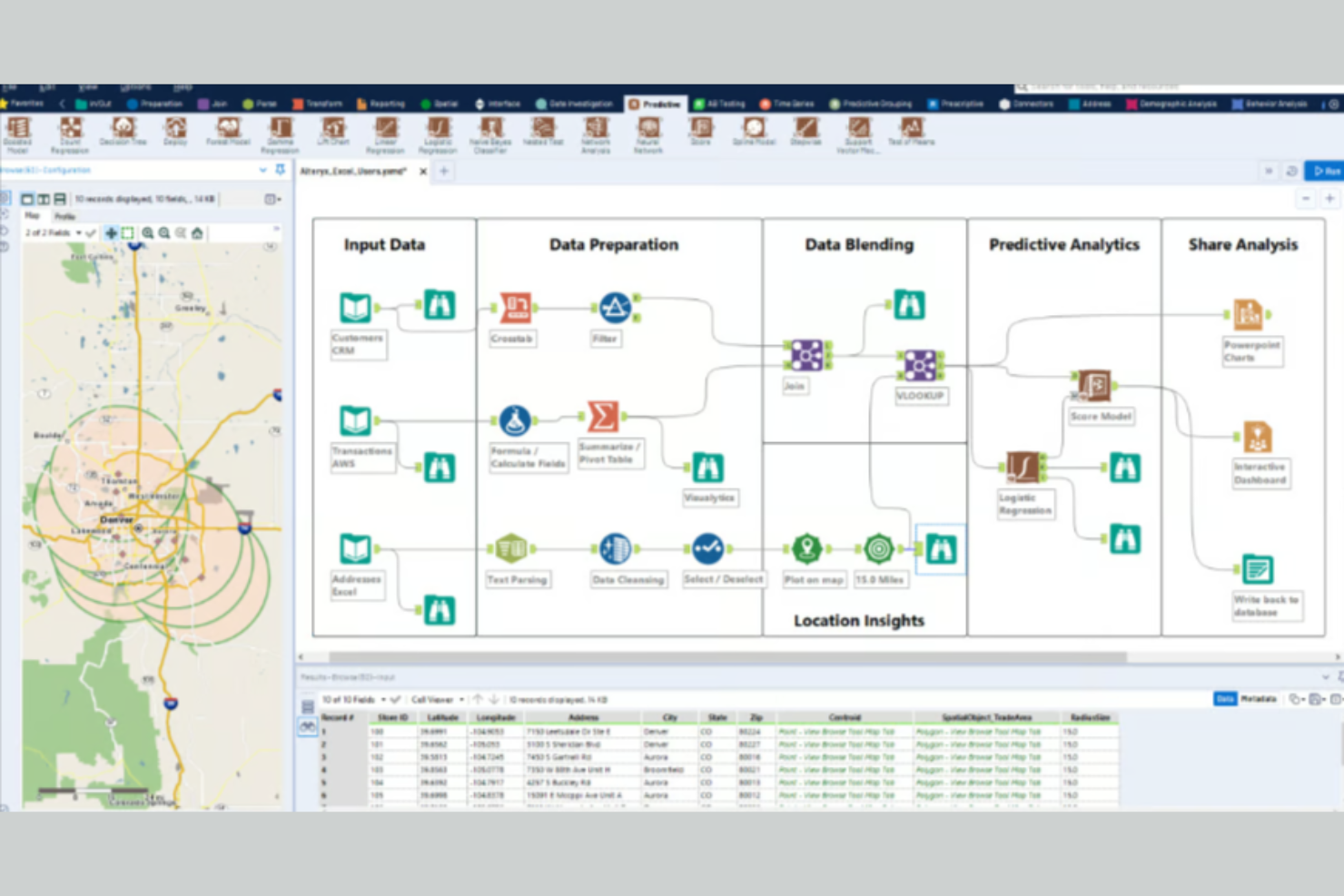
Alteryx è una piattaforma di analisi dei dati progettata per aiutare i team HR a unire e analizzare dati provenienti da più fonti. Aiuta gli utenti a ottenere insight pratici semplificando processi complessi di gestione dei dati.
Perché ho scelto Alteryx: È pensato per l’unione dei dati, permettendo al tuo team di combinare facilmente informazioni da diverse fonti.
La piattaforma offre un’interfaccia intuitiva drag-and-drop che semplifica la preparazione dei dati. Puoi automatizzare attività ripetitive, liberando tempo per attività più strategiche.
Questa attenzione all’unione dei dati garantisce al tuo team la possibilità di lavorare con insiemi di dati completi per prendere decisioni informate.
Funzionalità e integrazioni di spicco:
Le funzionalità includono l’automazione dei workflow che riduce la gestione manuale dei dati. Lo strumento offre funzionalità avanzate di analisi, permettendo un’esplorazione dettagliata dei dati. Hai anche accesso ad analisi predittive che supportano decisioni basate sui dati.
Le integrazioni includono Salesforce, Tableau, Microsoft Excel, Snowflake, AWS, Google BigQuery, Oracle, SAP, Teradata e Microsoft SQL Server.
Pros and Cons
Pros:
- Automatizza le attività ripetitive
- Opzioni di analisi avanzate
- Supporta grandi insiemi di dati
Cons:
- Curva di apprendimento iniziale ripida
- Costoso rispetto ad altre piattaforme
Tableau
Ideale per l'analisi visiva dei dati
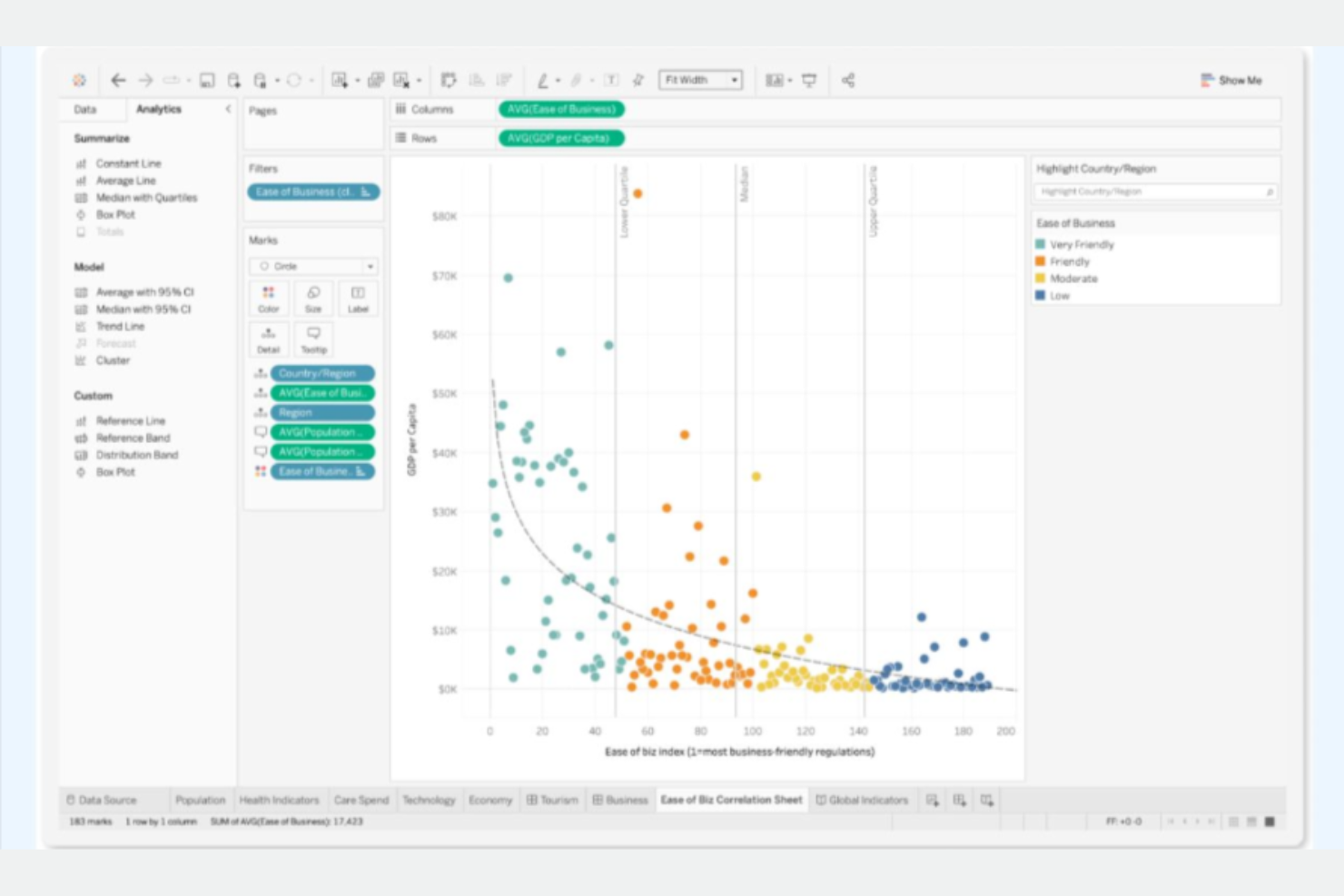
Tableau è uno strumento di visualizzazione dei dati utilizzato dai team HR per trasformare dati complessi in dashboard interattive e facili da comprendere. Aiuta gli utenti ad analizzare i dati relativi alla forza lavoro e a prendere decisioni informate rapidamente.
Perché ho scelto Tableau: È noto per le sue potenti capacità di analisi visiva, che permettono di creare dashboard interattive con facilità. L'interfaccia drag-and-drop semplifica il processo, rendendolo accessibile anche agli utenti senza competenze tecniche.
È possibile esplorare facilmente i dati attraverso visualizzazioni che aiutano a identificare tendenze e schemi. Questa attenzione all'analisi visiva lo rende una scelta eccellente per i team che desiderano comprendere i dati a colpo d'occhio.
Funzionalità principali & integrazioni:
Le funzionalità includono aggiornamenti dei dati in tempo reale che mantengono le intuizioni sempre aggiornate. La piattaforma supporta la combinazione di dati, permettendo di unire informazioni da fonti diverse. Offre inoltre funzionalità di storytelling che aiutano a presentare le narrazioni dei dati come casi di studio in modo efficace.
Le integrazioni includono Salesforce, Microsoft Excel, Google Analytics, Amazon Redshift, Google BigQuery, SAP, Oracle, SQL Server, Dropbox e Box.
Pros and Cons
Pros:
- Interfaccia intuitiva drag-and-drop
- Supporta la combinazione di dati
- Solido supporto della community
Cons:
- Richiede preparazione dei dati
- Complesso con grandi set di dati

Crunchr
Ideale per le piccole imprese
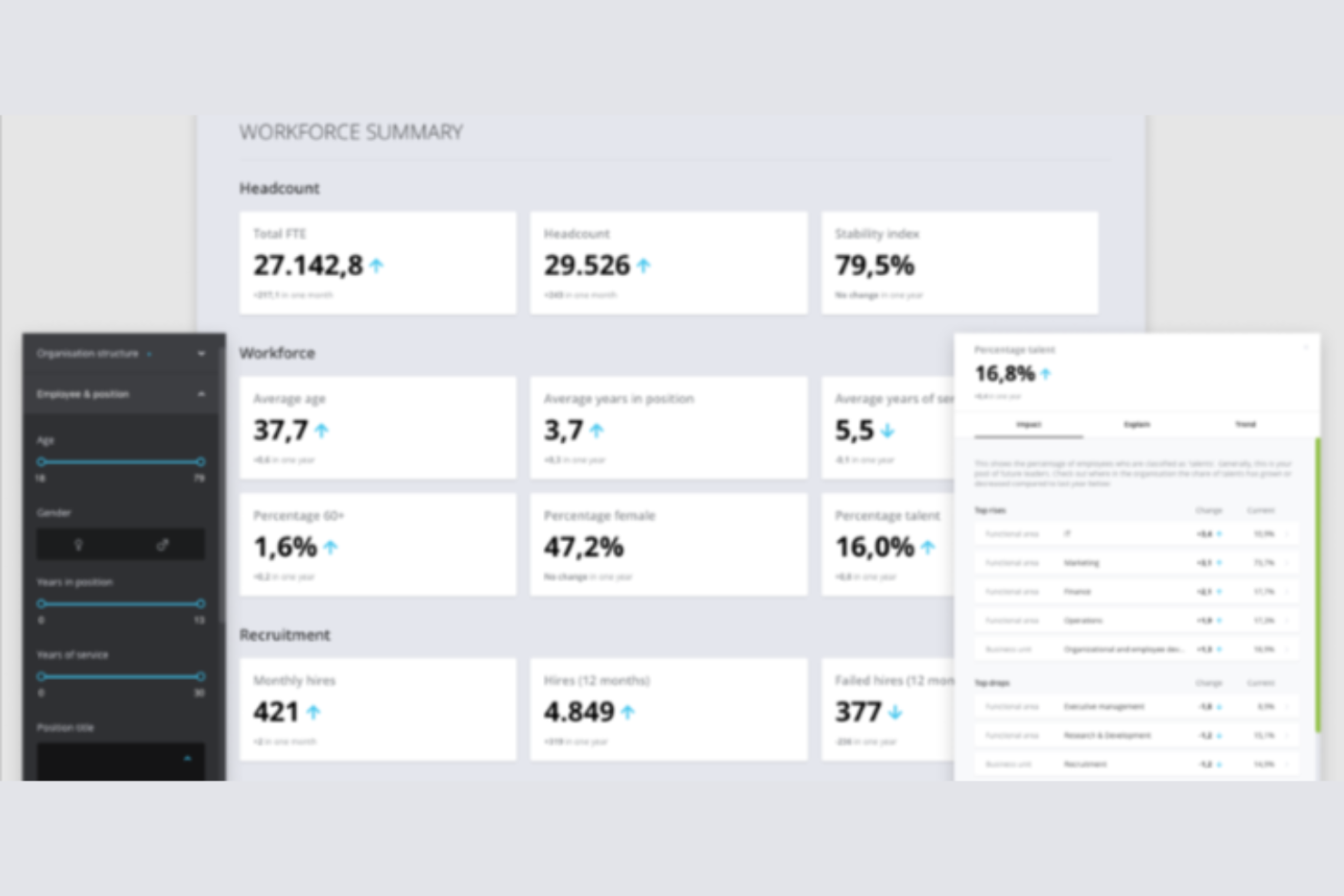
Crunchr è uno strumento di analisi HR progettato per semplificare l'analisi della forza lavoro per le piccole imprese. Aiuta i team delle risorse umane a ottenere informazioni sui dati dei dipendenti e a prendere decisioni informate.
Perché ho scelto Crunchr: È pensato su misura per le piccole imprese, offrendo analisi di facile utilizzo senza bisogno di un grande reparto IT. La piattaforma mette invece a disposizione modelli predefiniti che aiutano a generare rapidamente report.
La sua interfaccia utente intuitiva assicura inoltre che il tuo team possa navigare nello strumento senza una formazione approfondita. Queste caratteristiche lo rendono una scelta ideale per team più piccoli che cercano analisi efficaci.
Funzionalità e integrazioni principali:
Le funzionalità includono analisi in tempo reale che forniscono informazioni immediate sui dati della tua forza lavoro. Lo strumento offre dashboard personalizzabili per adattarsi alle tue esigenze specifiche. Hai anche accesso a dati di benchmarking, utili per confrontare i tuoi indicatori con gli standard del settore.
Le integrazioni includono Workday, SAP SuccessFactors, Oracle HCM, ADP, BambooHR, UKG, Ceridian, Cornerstone, Greenhouse e Lever.
Pros and Cons
Pros:
- Generazione di report facilitata
- Modelli predefiniti
- Non è richiesta una formazione approfondita
Cons:
- Opzioni di personalizzazione limitate
- Potrebbe mancare di funzionalità avanzate

Visier
Ideale per la pianificazione della forza lavoro
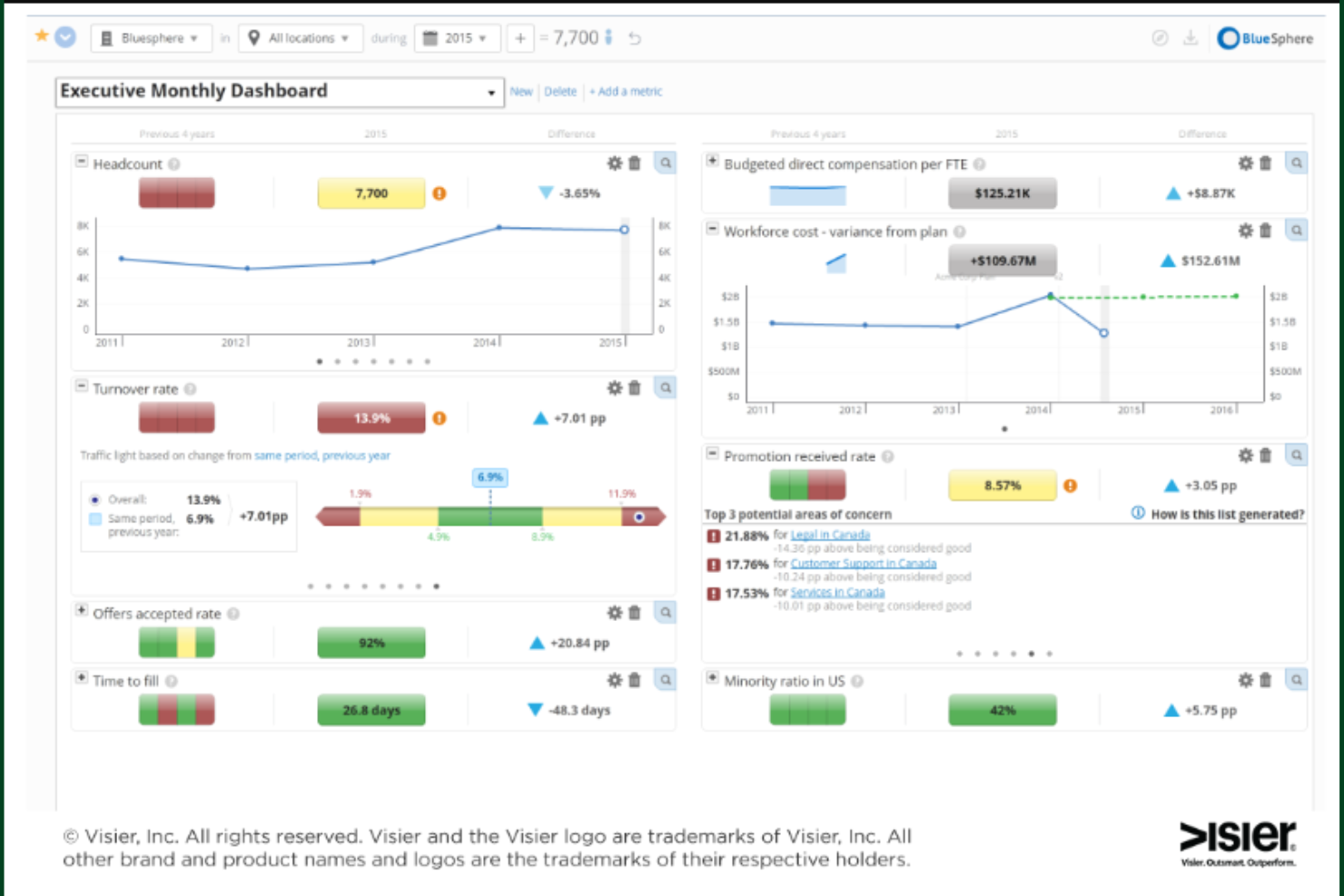
Visier è una piattaforma di analisi della forza lavoro progettata per aiutare i team HR a migliorare la pianificazione e le decisioni relative al personale. Fornisce approfondimenti sui dati dei dipendenti, aiutando le organizzazioni a ottimizzare le proprie strategie di gestione delle risorse umane.
Perché ho scelto Visier: È pensato appositamente per la pianificazione della forza lavoro, offrendo strumenti che aiutano ad analizzare e prevedere le tendenze dei dipendenti. La piattaforma offre analisi predefinite che coprono i principali indicatori HR, oppure puoi personalizzare i report per concentrarti su aree specifiche di interesse.
Questa capacità nella pianificazione della forza lavoro lo rende uno strumento prezioso per le aziende che vogliono migliorare le loro strategie HR.
Caratteristiche principali & integrazioni:
Le funzionalità includono analisi predittive che aiutano a prevedere le tendenze della forza lavoro e dashboard personalizzabili, che permettono di adattare la visualizzazione alle proprie esigenze. Si ha anche accesso a report dettagliati, che aiutano ad approfondire i dati relativi ai dipendenti.
Le integrazioni includono SAP SuccessFactors, Workday, Oracle HCM, ADP, Ceridian, UKG, Cornerstone, BambooHR, Ultimate Software e PeopleSoft.
Pros and Cons
Pros:
- Strumenti efficaci per la pianificazione della forza lavoro
- Analisi predefinite per i principali indicatori HR
- Approfondimenti dettagliati sui dati dei dipendenti
Cons:
- È necessaria una formazione per sfruttare tutte le funzionalità
- La configurazione iniziale può richiedere tempo

Ideale per l'integrazione cloud
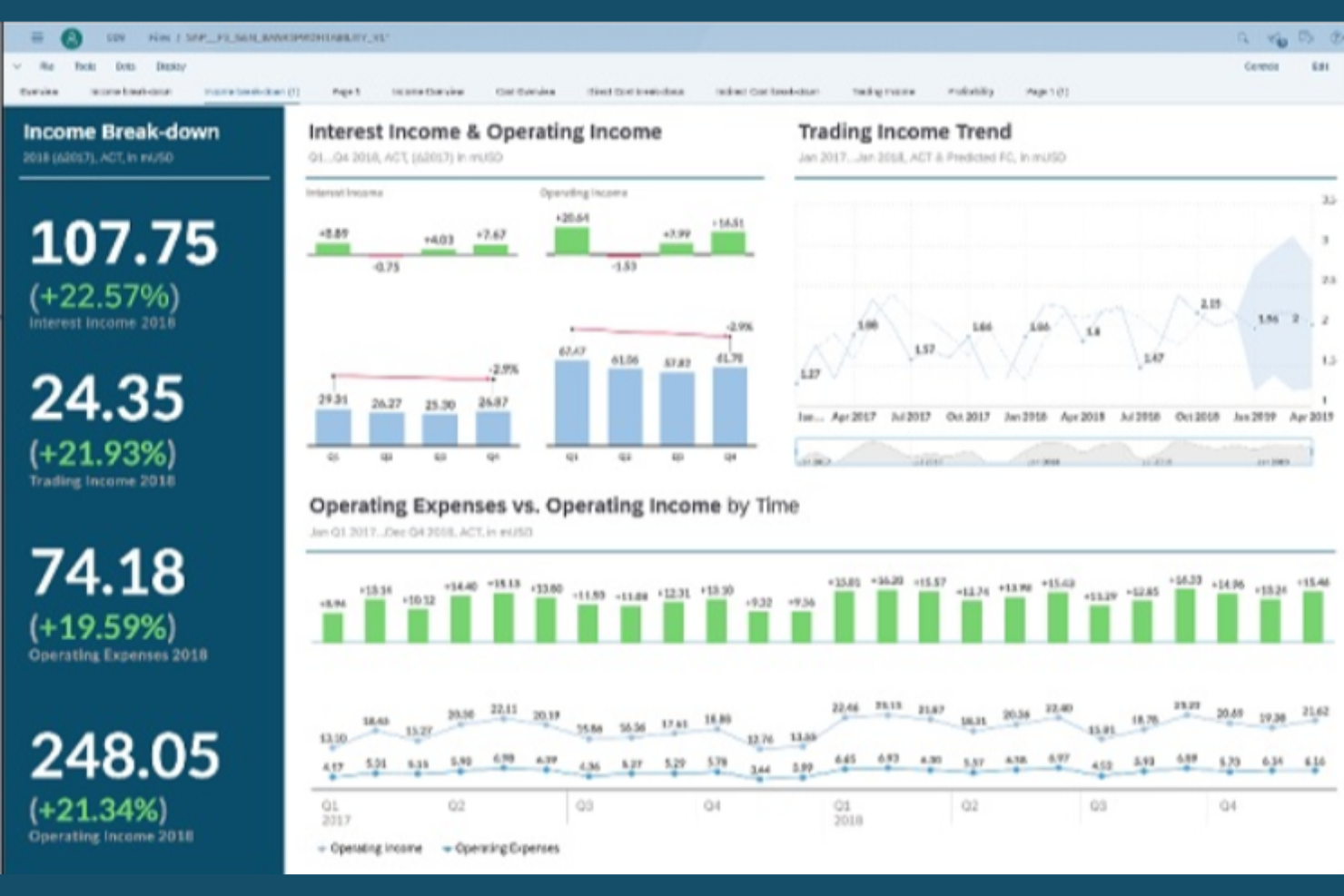
SAP Analytics Cloud è una piattaforma di analisi basata su cloud pensata per i team HR che desiderano integrare e analizzare dati in modo efficiente. Aiuta gli utenti a prendere decisioni basate sui dati grazie a informazioni e visualizzazioni in tempo reale che i responsabili delle risorse umane possono utilizzare per prevedere i risultati aziendali e guidare iniziative strategiche.
Perché ho scelto SAP Analytics Cloud: È progettato per l'integrazione cloud, consentendo di accedere ai dati da qualsiasi luogo con facilità. La piattaforma offre dashboard intuitive che aiutano il tuo team a visualizzare i dati in modo efficace.
Puoi collaborare in tempo reale, rendendo il processo decisionale più dinamico. Questo approccio cloud-based garantisce che le tue analisi siano sempre aggiornate e accessibili, aiutandoti a individuare tendenze come l'aumento del tasso di turnover prima che abbiano un impatto sulla tua forza lavoro.
Funzionalità e integrazioni principali:
Le funzionalità includono l'analisi predittiva che ti aiuta a prevedere le tendenze future. Lo strumento offre smart insights, che forniscono suggerimenti automatici basati sui tuoi dati. Puoi inoltre utilizzare strumenti di pianificazione per allineare le tue analisi agli obiettivi aziendali.
Le integrazioni includono SAP S/4HANA, SAP SuccessFactors, SAP Ariba, SAP Concur, Salesforce, Microsoft Office 365, Google Workspace, Amazon Web Services, Microsoft Azure e IBM Cloud.
Pros and Cons
Pros:
- Dashboard intuitive
- Capacità di analisi predittiva
- Funzione smart insights
Cons:
- Configurazione iniziale complessa
- Potrebbe richiedere supporto tecnico

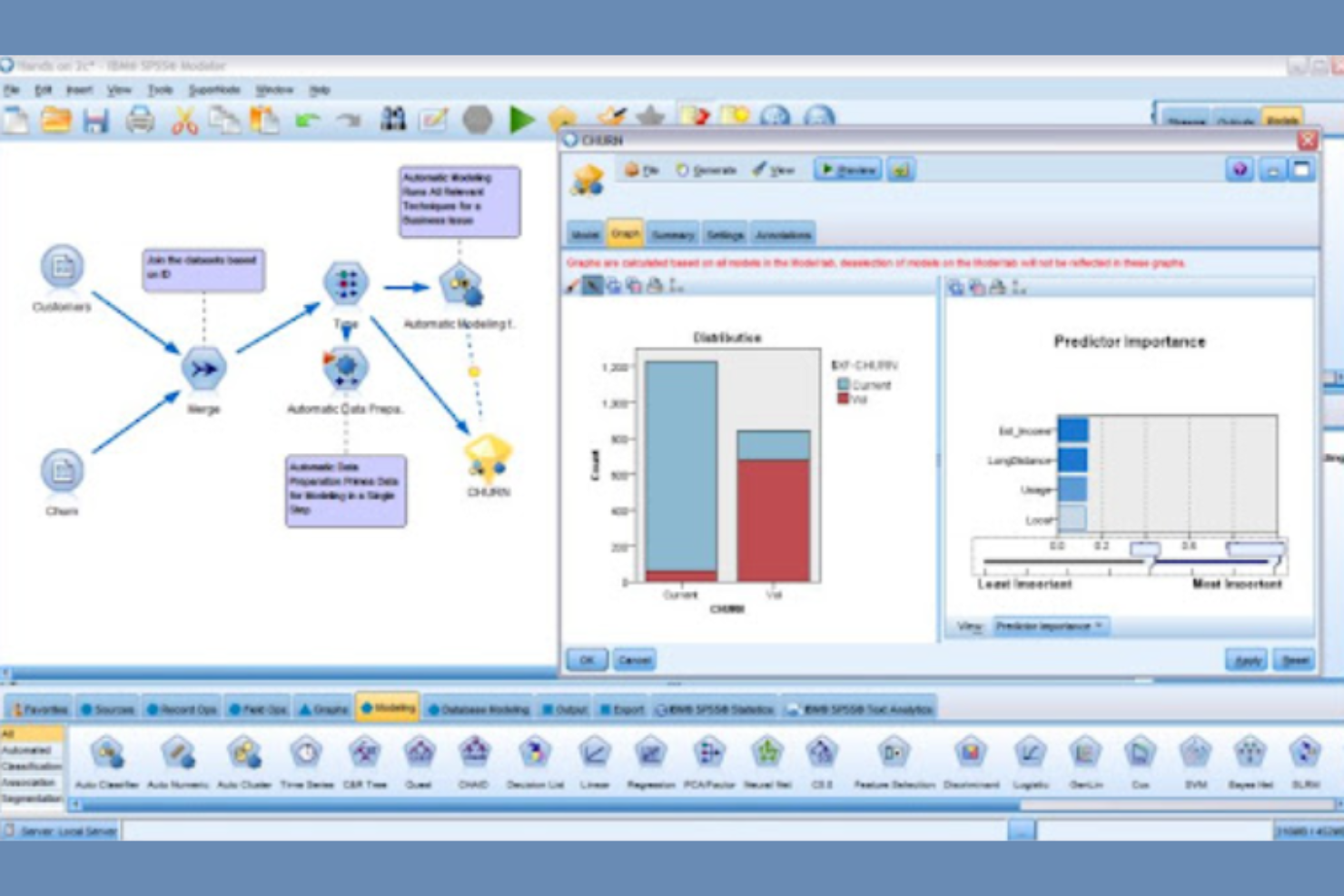
IBM SPSS Modeler è una soluzione di data mining e analisi predittiva spesso utilizzata dai team HR per creare modelli predittivi. Aiuta gli utenti a scoprire schemi e approfondimenti da grandi set di dati, supportando le decisioni strategiche.
Perché ho scelto IBM SPSS Modeler: Conosciuto per le sue capacità di modellizzazione predittiva, consente al team di costruire modelli senza conoscenze approfondite di programmazione. Il software offre un'interfaccia drag-and-drop che semplifica il processo di modellazione.
È possibile visualizzare i flussi di dati e i risultati, rendendo accessibile anche l’analisi più complessa. Questo focus sulla modellizzazione predittiva lo rende uno strumento prezioso per i reparti HR che desiderano analisi guidate dai dati.
Funzionalità e integrazioni di rilievo:
Le funzionalità includono la preparazione automatica dei dati, che aiuta a pulire e organizzare le informazioni in modo efficiente. Lo strumento offre analisi statistiche avanzate garantendo risultati precisi. Sono inoltre disponibili algoritmi di machine learning che migliorano l’accuratezza delle previsioni.
Le integrazioni comprendono IBM Watson, IBM Cloud Pak for Data, Microsoft Azure, Amazon Web Services, Google Cloud, Hadoop, Apache Spark, R, Python e SAS.
Pros and Cons
Pros:
- Potenti strumenti per la modellizzazione predittiva
- Progettazione visuale dei flussi di dati
- Supporta analisi statistiche avanzate
Cons:
- Curva di apprendimento elevata
- Configurazione iniziale complessa


Oracle Fusion HCM Analytics è una piattaforma di analisi progettata per aiutare le grandi aziende a gestire e analizzare i dati delle risorse umane. Fornisce una visione completa delle metriche della forza lavoro, aiutando le organizzazioni a prendere decisioni informate.
Perché ho scelto Oracle Fusion HCM Analytics: È costruita per le grandi imprese, offrendo ampie capacità di analisi dei dati che rispondono alle esigenze organizzative complesse.
La piattaforma fornisce analisi preconfigurate che coprono le principali metriche HR come l'abbandono e la fidelizzazione dei dipendenti, acquisizione di talenti, retribuzioni e diversità della forza lavoro. In alternativa, puoi personalizzare le dashboard per concentrarti su aree specifiche di interesse.
Questa scalabilità e profondità nell’analisi la rendono ideale per le grandi organizzazioni che cercano approfondimenti dettagliati.
Funzionalità principali & integrazioni:
Le funzionalità includono analisi in tempo reale che mantengono aggiornati i tuoi dati, oltre ad analisi self-service e una libreria preconfigurata di oltre 1000 KPI HCM.
La piattaforma offre dashboard personalizzabili, consentendo di adattare la visualizzazione alle proprie esigenze. Hai anche accesso ad analisi predittive, che aiutano a prevedere le tendenze future della forza lavoro.
Le integrazioni includono Oracle Cloud HCM, Oracle ERP Cloud, Oracle E-Business Suite, Oracle PeopleSoft, Oracle Taleo, Oracle JD Edwards, SAP, Microsoft Dynamics, Workday e Salesforce.
Pros and Cons
Pros:
- Estese capacità di analisi dei dati
- Analisi preconfigurate per le metriche HR
- Supporta le esigenze di grandi organizzazioni
Cons:
- Complesso per team più piccoli
- Tempo iniziale di configurazione lungo


Workforce Software è una soluzione basata su cloud progettata per aiutare le grandi organizzazioni a gestire le operazioni della forza lavoro su team globali. Supporta i responsabili delle risorse umane e delle operazioni con strumenti per analizzare le tendenze della forza lavoro, ottimizzare le strategie del lavoro e migliorare l’esperienza dei dipendenti.
Perché ho scelto Workforce Software: La piattaforma ti aiuta a prevenire le sfide della forza lavoro tramite avvisi e allerte tempestive che mettono in evidenza le principali tendenze prima che diventino problematiche. Offre al tuo team accesso a dashboard quasi in tempo reale e report configurabili, così non sei costretto ad aspettare i dati.
Gli avvisi basati su eventi della piattaforma ti aiutano ad agire rapidamente quando cambiano i costi del lavoro, i rischi di conformità o si delineano schemi di assenteismo. Trovi anche strumenti di automazione per la reportistica che tengono informati i decisori senza ulteriore lavoro amministrativo.
Caratteristiche distintive & integrazioni:
Le funzionalità includono dashboard configurabili che puoi personalizzare per diversi ruoli, costruttori di report drag-and-drop per semplificare la creazione di report personalizzati e report programmati che inviano automaticamente gli aggiornamenti al tuo team. Hai inoltre accesso ad analytics che offrono una panoramica sulle tendenze della forza lavoro, sulle strategie di mantenimento e sulle performance.
Puoi anche configurare il tracciamento visivo delle tendenze e condividere le informazioni sulle prestazioni tra dipartimenti. I controlli di accesso basati sui ruoli proteggono i dati sensibili della forza lavoro.
Le integrazioni includono SAP, Oracle, Workday, ADP, Kronos, Ceridian, Microsoft Dynamics, PeopleSoft, IBM e SuccessFactors.
Pros and Cons
Pros:
- Automatizza le attività di conformità
- Offre anche altre funzionalità HRIS
- Analisi approfondita della forza lavoro
Cons:
- Configurazione iniziale complessa
- Personalizzazione limitata nei report

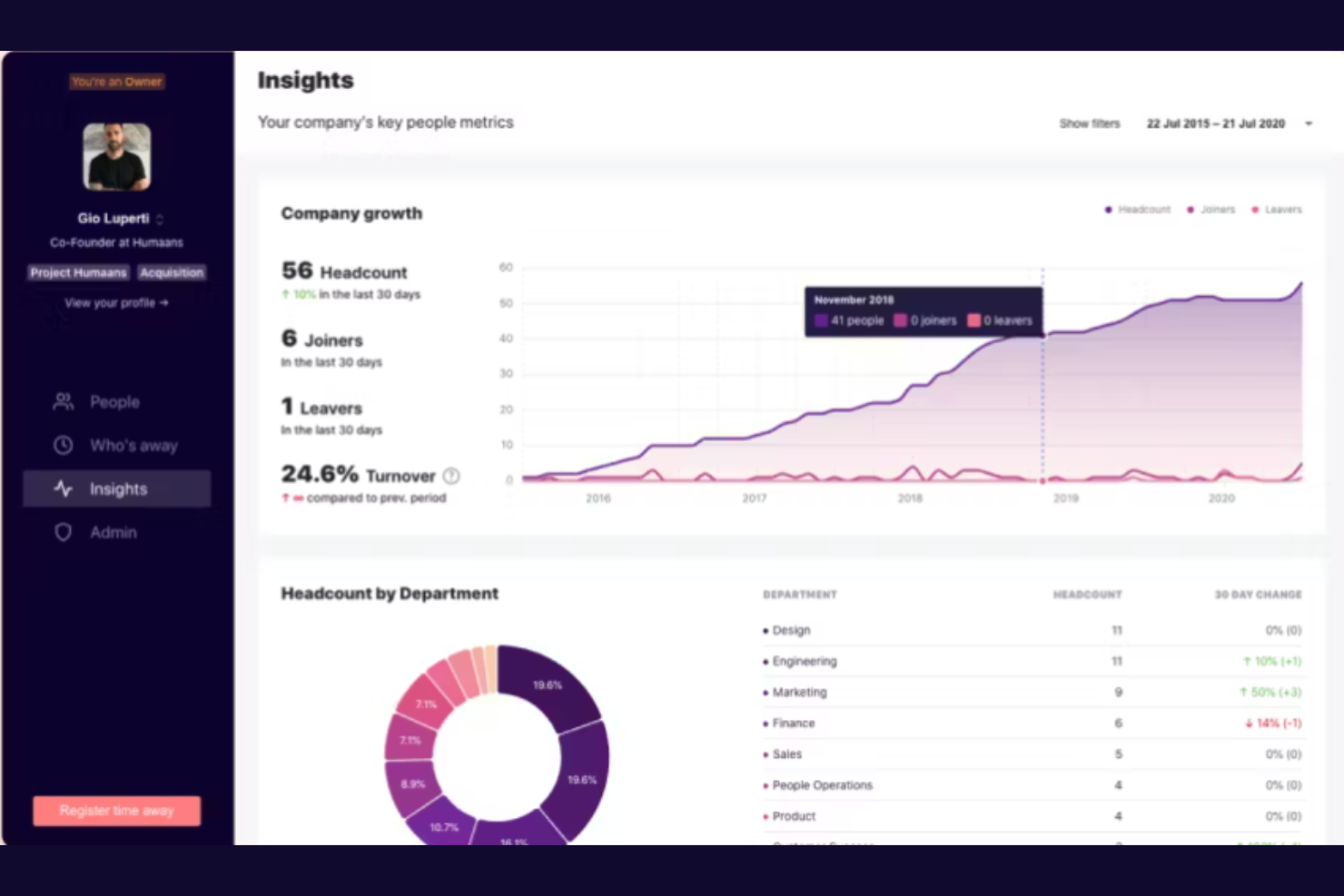
Humaans è una moderna piattaforma HR progettata per aiutare i team a gestire e pianificare efficacemente il numero di dipendenti. Supporta i professionisti delle risorse umane nel monitoraggio dei dati dei dipendenti, nell'ottimizzazione della pianificazione della forza lavoro e nella semplificazione dei processi di acquisizione dei talenti.
Perché ho scelto Humaans: È ottimizzato per la pianificazione del numero di dipendenti, offrendo strumenti che aiutano a gestire strategicamente la quantità di personale per comprendere i futuri fabbisogni di organico e consolidare i piani di assunzione.
La piattaforma offre un'interfaccia intuitiva che semplifica l'inserimento e la gestione dei dati. È possibile visualizzare rapidamente i cambiamenti nella forza lavoro, analizzare le caratteristiche demografiche e prendere decisioni informate.
Questa attenzione alla pianificazione degli organici la rende ideale per le aziende in crescita che hanno bisogno di gestire con efficienza i migliori talenti.
Funzionalità principali & integrazioni:
Le funzionalità includono strutture di tabelle flessibili e analisi dettagliate delle metriche della forza lavoro, come la spesa salariale totale, i costi previsti, i futuri aumenti di stipendio e lo stato delle assunzioni pianificate.
La piattaforma fornisce analisi in tempo reale, mantenendoti sempre aggiornato sulle metriche relative alla forza lavoro. Puoi anche configurare flussi di lavoro per automatizzare report personalizzati, consentendoti di ottenere informazioni adattate alle tue esigenze.
Le integrazioni includono Slack, Google Workspace, Microsoft 365, Greenhouse, Lever, Workable, BambooHR, Personio, HiBob e Rippling.
Pros and Cons
Pros:
- Visualizzazione rapida della forza lavoro
- Workflow HR automatizzati
- Ideale per lo sviluppo di strategie sul personale
Cons:
- Strumenti per analytics e headcount sono disponibili con un supplemento
- Il piano base ha funzionalità limitate
Altri software di analisi predittiva per i team delle risorse umane
Ecco alcuni altri fornitori di soluzioni di analisi predittiva che non sono entrati nella mia selezione, ma che vale comunque la pena prendere in considerazione:


Come Valuto i Software di Analisi Predittiva per le Risorse Umane
Valuto questi strumenti su due livelli: la base, come la modellizzazione dell'attrito e la connettività con gli HRIS, e gli elementi distintivi, come l'IA esplicabile e i dati di benchmarking, che fanno emergere i migliori.
Funzionalità Core (Requisiti Indispensabili per Questa Lista)
Quando seleziono gli strumenti per la mia lista, li valuto ciascuno su una scala da 0 (non offre la funzionalità) a 5 (eccelle in quest'area) per ogni funzionalità core elencata di seguito. Poi trasformo il punteggio totale dello strumento in percentuale. Ogni strumento deve raggiungere un punteggio totale minimo del 65% per essere considerato per l'inclusione.
- Previsione dell'Abbandono del Personale: Valuto se lo strumento va oltre i semplici report sul turnover individuando i punteggi di rischio di fuga a livello individuale e i fattori specifici che li determinano.
- Integrazione dei Dati HR: Qui contano i connettori nativi ai principali HRIS, ATS e sistemi payroll; verifico con quanta facilità uno strumento importa dati da piattaforme come Workday, BambooHR o ADP.
- Pianificazione Predittiva della Forza Lavoro: Cerco la modellizzazione di scenari che consenta di prevedere necessità di organico, gap di competenze e costi del lavoro tra dipartimenti o regioni.
- Analisi dei Talenti & delle Performance: Gli strumenti più validi in quest'area permettono di individuare i dipendenti ad alto potenziale e prevedere i gap di successione prima che si trasformino in vuoti di leadership critici.
- Dashboard HR & Visualizzazione: Valuto se i dashboard sono progettati appositamente per le metriche delle persone, come tassi di retention e trend di coinvolgimento, con viste drill-down e basate sui ruoli.
- Previsioni per l'Assunzione & il Reclutamento: I migliori strumenti qui prevedono il time-to-hire, la qualità dei candidati e la probabilità di accettazione dell'offerta utilizzando i dati storici dell'acquisizione di talenti.
Una volta ottenuta una lista di strumenti che soddisfano i criteri, considero cosa distingue ciascuna piattaforma.
Fattori Differenzianti (Cosa Distingue i Fornitori)
Ecco come confronto e metto a confronto i vari fornitori:
Funzionalità Distintive
L'IA esplicabile è un fattore determinante—quando un modello di abbandono segnala un team come ad alto rischio, chi si occupa di HR deve poter vedere quali fattori influenzano quel punteggio prima di agire. Valuto anche le query in linguaggio naturale, che permettono ai business partner HR di porre domande come "quali ruoli hanno il tasso di abbandono previsto più alto" senza scrivere codice. Le raccomandazioni prescrittive portano il tutto oltre suggerendo interventi mirati, come programmi di retention o adeguamenti salariali collegati direttamente agli esiti previsti.
Oltre le Funzionalità
La privacy dei dati conta molto qui perché i modelli predittivi elaborano dati sensibili dei dipendenti. Controllo la certificazione SOC 2 Type II, i controlli di accesso basati sui ruoli e le capacità di anonimizzazione dei dati identificativi. Anche l'implementazione e il time-to-value pesano molto: i fornitori che offrono modelli HR preconfigurati permettono ai team di partire più rapidamente rispetto a chi richiede uno sviluppo completamente personalizzato. Guardo anche alla scalabilità, soprattutto per le organizzazioni con più entità o forza lavoro globale, dove la licenza deve adattarsi alla crescita numerica senza diventare un problema di budget.
Come scegliere il software di analisi predittiva per le risorse umane
È facile perdersi in lunghi elenchi di funzionalità e strutture di prezzo complesse. Per aiutarti a rimanere concentrato mentre affronti il tuo specifico processo di selezione del software, ecco una lista di fattori da tenere presenti:
| Fattore | Cosa considerare |
| Scalabilità | Assicurati che il software cresca insieme al tuo team. Dovrebbe gestire senza difficoltà volumi di dati maggiori con l'espansione dell'azienda, senza compromettere le prestazioni. |
| Integrazioni | Cerca strumenti che si colleghino ai tuoi sistemi HR esistenti, come quelli per le buste paga o la gestione dei talenti, garantendo un flusso di dati continuo tra le piattaforme. |
| Personalizzazione | Scegli una soluzione che ti consenta di adattare funzionalità e report alle tue esigenze specifiche in ambito HR, aiutandoti a concentrarti su ciò che conta di più per la tua organizzazione. |
| Facilità d'uso | Opta per interfacce intuitive che richiedano una formazione minima. Il tuo team dovrebbe poter navigare facilmente nel software e trovare rapidamente le informazioni. |
| Budget | Considera il costo totale, comprese le tariffe iniziali e le spese ricorrenti. Assicurati che le funzionalità offerte giustifichino l'investimento e siano in linea con il tuo budget. |
| Misure di sicurezza | Verifica che il software disponga di solide misure di sicurezza per proteggere i dati sensibili dei dipendenti, inclusa la crittografia e la conformità alle normative sulla protezione dei dati. |
Consiglio dell'esperto: Dopo aver scelto il software, potresti voler collaborare con un servizio di analisi HR per ricevere assistenza nella configurazione del sistema, in modo da soddisfare tutte le tue esigenze.
Tendenze nel software di analisi predittiva per le risorse umane
Nel corso della mia ricerca, ho raccolto innumerevoli aggiornamenti dei prodotti, comunicati stampa e registri delle versioni di diversi fornitori di software di analisi predittiva. Ecco alcune delle tendenze emergenti che ho notato:
- Approfondimenti basati sull'intelligenza artificiale: un numero sempre maggiore di strumenti utilizza l'intelligenza artificiale per fornire informazioni più approfondite sulle dinamiche della forza lavoro. Ciò aiuta i team HR a prevedere il comportamento dei dipendenti e a migliorare il processo decisionale. Fornitori come IBM SPSS Modeler integrano algoritmi di apprendimento automatico per migliorare la precisione delle previsioni.
- Monitoraggio del benessere dei dipendenti: si presta sempre più attenzione al monitoraggio del benessere dei dipendenti per migliorare la fidelizzazione e la produttività. Alcuni fornitori stanno aggiungendo funzionalità per monitorare i livelli di stress e i rischi di esaurimento, facilitando il supporto ai team da parte delle risorse umane.
- Analisi del divario di competenze: gli strumenti offrono sempre più spesso analisi del divario di competenze per aiutare le aziende a individuare le esigenze formative. Questa tendenza sostiene la pianificazione strategica della forza lavoro, garantendo che i dipendenti dispongano delle competenze necessarie per i ruoli futuri.
- Diversità e inclusione Metriche: le aziende richiedono informazioni sempre più approfondite sulla diversità e l'inclusione. I software che forniscono analisi dettagliate su questi aspetti aiutano le imprese a creare ambienti di lavoro più equi e ad allinearsi agli obiettivi di responsabilità sociale.
- Reportistica in tempo reale: la domanda di informazioni immediate è in aumento e sempre più strumenti offrono funzionalità di reportistica in tempo reale. Ciò consente ai team HR di reagire rapidamente ai cambiamenti nelle metriche della forza lavoro, mantenendo le strategie agili e basate su informazioni aggiornate.
Cos'è il software di analisi predittiva per le risorse umane?
Il software di analisi predittiva è un tipo di software che aiuta le organizzazioni a prevedere le future tendenze della forza lavoro e a prendere decisioni informate sulla base dell'analisi dei dati. Sebbene molti team aziendali diversi utilizzino software di analisi predittiva, i sistemi orientati all'analisi HR sono generalmente utilizzati dai professionisti e dai responsabili delle risorse umane per migliorare la gestione dei dipendenti e la pianificazione strategica.
Il software di analisi predittiva focalizzato sulle risorse umane offre funzionalità come approfondimenti basati sull'intelligenza artificiale, analisi del divario di competenze e reportistica in tempo reale per aiutare a prevedere il comportamento dei dipendenti, individuare le esigenze formative e reagire rapidamente ai cambiamenti.
Nel complesso, questi strumenti forniscono informazioni preziose che supportano una gestione e una pianificazione efficienti della forza lavoro.
Funzionalità del software di analisi predittiva per le risorse umane
Quando scegli un software di analisi predittiva per le risorse umane, presta attenzione alle seguenti funzionalità chiave:
- Approfondimenti basati sull'IA: Fornisce un'analisi più approfondita dei dati sulla forza lavoro, contribuendo a prevedere il comportamento dei dipendenti e a migliorare il processo decisionale.
- Analisi delle lacune di competenze: Identifica le esigenze formative per garantire che i dipendenti possiedano le competenze richieste per i ruoli futuri.
- Reportistica in tempo reale: Offre informazioni immediate, aiutando i team delle risorse umane a reagire rapidamente ai cambiamenti della forza lavoro.
- Pannelli di controllo personalizzabili: Consente agli utenti di adattare la visualizzazione dei dati per concentrarsi su specifiche metriche delle risorse umane rilevanti per la propria organizzazione.
- Metriche di diversità e inclusione: Analizza la diversità sul luogo di lavoro per contribuire a creare ambienti più equi.
- Modellazione predittiva: Utilizza i dati storici per prevedere le tendenze future, contribuendo alla pianificazione strategica.
- Monitoraggio del benessere dei dipendenti: Monitora i rischi di stress e burnout, aiutando le risorse umane a sostenere la salute dei dipendenti.
- Strumenti per la pianificazione degli scenari: Aiuta a visualizzare diversi scenari relativi alla forza lavoro per prepararsi a potenziali cambiamenti.
Vantaggi del software di analisi predittiva per le risorse umane
L'implementazione di un software di analisi predittiva per le risorse umane offre diversi vantaggi al tuo team e alla tua azienda. Ecco alcuni dei vantaggi che puoi aspettarti:
- Miglioramento del processo decisionale: Gli approfondimenti basati sull'IA forniscono un'analisi dettagliata delle tendenze della forza lavoro, aiutandoti a prendere decisioni informate.
- Pianificazione ottimizzata della forza lavoro: La modellazione predittiva prevede le esigenze future, consentendoti di pianificare in modo strategico.
- Aumento della fidelizzazione dei dipendenti: L'identificazione delle lacune di competenze e delle esigenze formative contribuisce a mantenere i dipendenti coinvolti e a ridurre il ricambio del personale.
- Migliore gestione della diversità: Le analisi sulla diversità e l'inclusione favoriscono la creazione di ambienti di lavoro più equi.
- Reattività in tempo reale: La reportistica in tempo reale consente di affrontare i cambiamenti della forza lavoro in modo rapido ed efficiente.
- Gestione proattiva della salute: Il monitoraggio del benessere dei dipendenti aiuta a prevenire il burnout e a mantenere la produttività.
Costi & prezzi del software di analisi predittiva per le risorse umane
La scelta di un software di analisi predittiva per le risorse umane richiede una comprensione dei diversi modelli e piani tariffari disponibili. I costi variano in base alle funzionalità, alle dimensioni del team, ai componenti aggiuntivi e ad altro.
La tabella seguente riassume i piani più comuni, i relativi prezzi medi e le funzionalità tipicamente incluse nelle soluzioni software di analisi predittiva per i team delle risorse umane.
Tabella comparativa dei piani per il software di analisi predittiva per le risorse umane
| Tipo di piano | Prezzo medio | Funzionalità comuni |
| Piano gratuito | $0 | Analisi di base, reportistica limitata e supporto della comunità. |
| Piano personale | $5-$25/ utente/mese | Pannelli di controllo personalizzabili, integrazioni di base e analisi degli utenti. |
| Piano aziendale | $30-$60/ utente/mese | Reportistica avanzata, aggiornamenti dei dati in tempo reale e supporto prioritario. |
| Piano aziendale avanzato | $75-$150/ utente/mese | Integrazione completa dei dati, modellazione predittiva e gestione dedicata dell'account. |
Domande frequenti sul software di analisi predittiva per i team HR
Ecco alcune risposte alle domande comuni sul software di analisi predittiva e sul suo funzionamento:
Come vengono utilizzate le analisi predittive nelle risorse umane?
Quando vengono utilizzate nell’ambito delle risorse umane, le analisi predittive aiutano a prevedere le prestazioni dei dipendenti utilizzando dati storici. Ciò consente al tuo team di individuare i dipendenti con prestazioni elevate che potrebbero ricoprire ruoli fondamentali. Aiuta inoltre a identificare i motivi per cui altri dipendenti potrebbero avere prestazioni inferiori, offrendo informazioni utili per migliorare il coinvolgimento e il benessere.
In che modo le analisi delle risorse umane rendono più affidabili le decisioni HR?
Le analisi delle risorse umane aiutano i team a prendere decisioni migliori e più affidabili utilizzando i dati per individuare schemi, prevedere i risultati e guidare strategie basate su dati concreti. Ciò riduce le supposizioni e aiuta i team HR a prendere decisioni informate su assunzioni, fidelizzazione, prestazioni e coinvolgimento.
Le analisi possono inoltre aiutare a individuare le inefficienze e a creare una motivazione aziendale per gli interventi sulle risorse umane, garantendo che le decisioni siano supportate da dati concreti.
Quale modello viene utilizzato più comunemente nelle analisi HR per prevedere le prestazioni dei dipendenti?
I modelli statistici e le previsioni vengono comunemente utilizzati nelle analisi HR per prevedere eventi futuri e comportamenti dei dipendenti. Questi modelli analizzano dati attuali e storici, aiutando il tuo team a prendere decisioni basate sui dati.
Cosa devo considerare quando integro il software di analisi predittiva con i sistemi HR esistenti?
Considera la compatibilità con i sistemi attuali e la facilità del flusso di dati. Cerca un software con connettori e API predefiniti per facilitare un’integrazione senza interruzioni, garantendo che i dati provenienti da piattaforme diverse possano essere combinati e analizzati in modo efficiente.
In che modo le analisi predittive possono migliorare la fidelizzazione dei dipendenti?
Analizzando schemi e tendenze, le analisi predittive aiutano a identificare i fattori che contribuiscono al turnover dei dipendenti. Offrono informazioni sui livelli di coinvolgimento e soddisfazione, consentendo al tuo team di implementare strategie che migliorano la fidelizzazione e riducono il ricambio del personale.
Quali altri team utilizzano il software di analisi predittiva oltre alle risorse umane?
Il software di analisi predittiva viene utilizzato da numerosi team oltre a quelli delle risorse umane. Ecco alcuni dei reparti e dei casi d’uso più comuni:
\u003cul\u003e
\t\u003cli\u003e\u003cstrong\u003eI team di marketing\u003c/strong\u003e lo utilizzano per la segmentazione dei clienti, la valutazione dei potenziali clienti, la previsione dell’abbandono, l’ottimizzazione delle campagne e la previsione del valore del cliente nel tempo.\u003c/li\u003e
\t\u003cli\u003e\u003cstrong\u003eI team di vendita\u003c/strong\u003e lo utilizzano per le previsioni di vendita, la definizione delle priorità delle trattative e l’identificazione delle opportunità di vendita aggiuntiva e incrociata.\u003c/li\u003e
\t\u003cli\u003e\u003cstrong\u003eI team finanziari\u003c/strong\u003e lo utilizzano per le previsioni del flusso di cassa, la modellazione del rischio di credito, il rilevamento delle frodi e l’analisi degli investimenti.\u003c/li\u003e
\t\u003cli\u003e\u003cstrong\u003eI team operativi\u003c/strong\u003e lo utilizzano per le previsioni della domanda, la gestione dell’inventario, l’ottimizzazione della catena di approvvigionamento e il miglioramento dell’efficienza dei processi.\u003c/li\u003e
\t\u003cli\u003e\u003cstrong\u003eI team IT e di sicurezza\u003c/strong\u003e lo utilizzano per il rilevamento delle minacce e delle anomalie, la previsione dei guasti di sistema e la pianificazione della capacità.\u003c/li\u003e
\t\u003cli\u003e\u003cstrong\u003eI team di assistenza clienti\u003c/strong\u003e lo utilizzano per prevedere il volume dei ticket, la soddisfazione dei clienti e il rischio di escalation.\u003c/li\u003e
\u003c/ul\u003e
In che modo il software di analisi predittiva può supportare la pianificazione della successione?
Il software di analisi predittiva supporta la pianificazione della successione identificando i dipendenti ad alto potenziale e prevedendo le future esigenze di leadership sulla base delle tendenze delle prestazioni e dei dati sulla forza lavoro. Ciò aiuta i team HR a sviluppare in modo proattivo bacini di talenti e a ridurre i rischi derivanti da posti vacanti imprevisti.
Se cerchi supporto per la pianificazione della successione, potresti prendere in considerazione anche questi \u003ca href=\u0022https://peoplemanagingpeople.com/tools/best-succession-planning-software/\u0022\u003emigliori strumenti per la pianificazione della successione\u003c/a\u003e.