

10 migliori software per la gestione della carriera nel 2026

Elenco dei migliori software per la gestione della carriera


Il software per la gestione della carriera ti aiuta a organizzare i tuoi obiettivi professionali, monitorare i progressi e pianificare i prossimi passi della tua carriera, tutto in un unico posto. Se cerchi strumenti per supportare la crescita dei dipendenti, la pianificazione della successione o la tua ricerca di lavoro, trovare la piattaforma giusta può fare davvero la differenza.
Con così tante opzioni disponibili, è difficile capire quale software offra davvero funzionalità come il monitoraggio delle competenze, piani di sviluppo personalizzati e percorsi di carriera.
Questa guida ti aiuterà a confrontare i migliori software per la gestione della carriera, così potrai scegliere quello più adatto alle tue esigenze e sostenere la crescita continua nel 2026.
Perché fidarsi delle nostre recensioni sui software
Il nostro team testa e recensisce software dal 2012. In quanto esperti HR noi stessi, sappiamo quanto sia difficile — e importante — scegliere il software giusto.
Per questa guida, abbiamo valutato gli strumenti attraverso test pratici e ricerche indipendenti, assegnando un punteggio agli strumenti in base ai nostri criteri di selezione. Ci basiamo inoltre sulle competenze di leader di pensiero del settore e di professionisti HR attivi.
Le nostre recensioni riflettono il nostro giudizio editoriale umano, non un discorso di vendita.
Revisori esperti:
Tabella comparativa dei software per la gestione della carriera
Questa tabella comparativa riassume i dettagli sui prezzi delle mie migliori selezioni di software per la gestione della carriera:
| Tool | Best For | Trial Info | Price | ||
|---|---|---|---|---|---|
| 1 | Ideale per il monitoraggio delle performance e della crescita | Demo gratuita disponibile | Da $11/postazione/mese | Website | |
| 2 | Ideale per la gestione della carriera in ambito enterprise | Demo gratuita disponibile | Prezzo su richiesta | Website | |
| 3 | Ideale per esperienza dei talenti e mobilità supportate da IA | Demo gratuita disponibile | Prezzi su richiesta | Website | |
| 4 | Ideale per lo sviluppo dei talenti nelle aziende | Prova gratuita di 30 giorni | Prezzi su richiesta | Website | |
| 5 | Ideale per insight su engagement e carriera | Demo gratuita disponibile | Prezzo su richiesta | Website | |
| 6 | Il migliore per i mercati interni dei talenti basati sull'intelligenza artificiale | Dimostrazione gratuita disponibile | Prezzi su richiesta | Website | |
| 7 | Ideale per la pianificazione di carriera con IA e la mappatura delle competenze | Demo gratuita disponibile | Prezzo su richiesta | Website | |
| 8 | Ideale per la pianificazione di carriera basata sulle competenze | Non disponibile | Prezzi su richiesta | Website | |
| 9 | Ideale per insight su forza lavoro e carriera con AI | Demo gratuita disponibile | Prezzo su richiesta | Website | |
| 10 | Ideale per strumenti di carriera all'interno dell'HCM | Demo gratuita disponibile | Prezzo su richiesta | Website |
Recensioni dei migliori software per la gestione della carriera
Di seguito trovi i miei riepiloghi dettagliati dei migliori software per la gestione della carriera inclusi nel mio elenco. Le mie recensioni offrono una panoramica dettagliata delle funzionalità, dei migliori casi d’uso e delle integrazioni di ciascuna piattaforma, per aiutarti a trovare quella più adatta a te.
Lattice
Ideale per il monitoraggio delle performance e della crescita
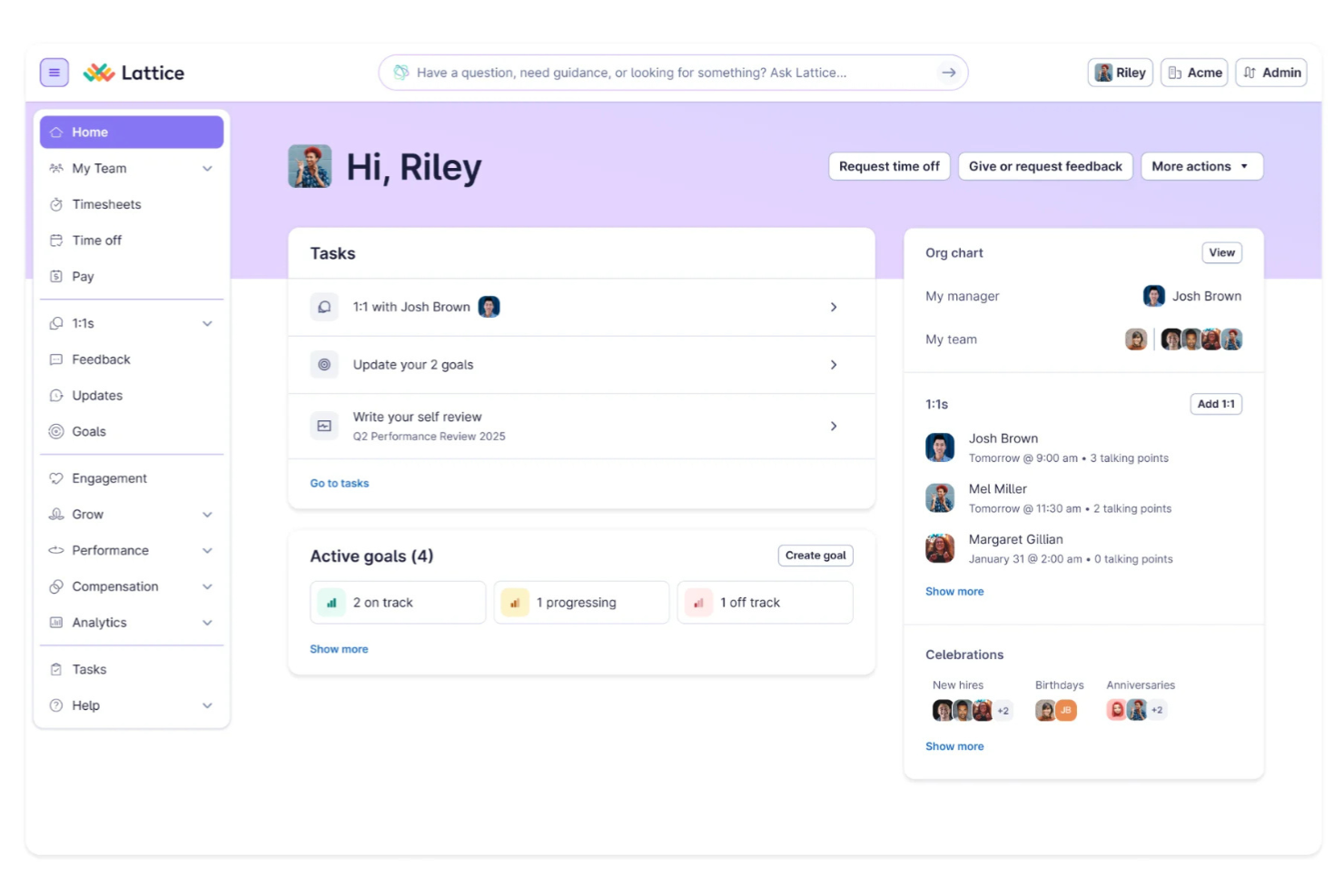
Lattice è una piattaforma di gestione delle risorse umane progettata per i team HR e i leader aziendali che desiderano collegare performance, coinvolgimento e crescita professionale in un unico luogo.
Per chi è ideale Lattice?
Team HR in aziende in crescita che vogliono collegare la gestione delle performance allo sviluppo e al coinvolgimento dei dipendenti.
Perché ho scelto Lattice
Ho scelto Lattice come uno dei migliori perché posso collegare la gestione delle performance, il coinvolgimento e la crescita professionale su un'unica piattaforma. Mi piace il fatto che i percorsi di carriera e i piani di crescita siano integrati direttamente nei cicli di valutazione e feedback. Il mio team utilizza Lattice per pianificare i percorsi di sviluppo e monitorare i progressi insieme ai check-in regolari.
Caratteristiche chiave di Lattice
- Matrici di competenze: Definisci e valuta le competenze specifiche per ogni ruolo di ciascun dipendente.
- Agenda per riunioni 1:1: Crea, condividi e traccia agende strutturate per incontri tra responsabili e dipendenti.
- Richieste di feedback: Richiedi e raccogli feedback da colleghi e manager all'interno della piattaforma.
- Dashboard di allineamento degli obiettivi: Visualizza come gli obiettivi individuali si collegano a quelli di team e aziendali.
Integrazioni di Lattice
Le integrazioni includono BambooHR, ADP, Greenhouse, Gusto, HiBob, Jira, Microsoft Teams, Okta, Slack, Workday e altro ancora.
Pros and Cons
Pros:
- Le valutazioni delle performance sono direttamente collegate agli obiettivi di sviluppo
- Matrici di competenze personalizzabili per ogni ruolo
- Promemoria automatici per check-in e feedback
Cons:
- Nessuna gestione integrata di programmi di mentoring
- I percorsi di carriera non sono visualizzati in modo interattivo
New Product Updates from Lattice

Lattice Introduces MCP Connector for AI Chat Tools
Lattice introduced Lattice MCP, a new connector that brings talent data into Claude, ChatGPT, and other LLM tools. The connector helps teams access performance context from reviews, 1:1 notes, feedback, goals, and updates within AI chat workflows. For more information, visit Lattice’s official site.
 .
.
Workday
Ideale per la gestione della carriera in ambito enterprise

Workday è una piattaforma di livello aziendale per i team di Risorse Umane e Finanza che devono gestire sviluppo dei dipendenti, mobilità interna e pianificazione della forza lavoro in un unico sistema unificato.
Per chi è ideale Workday?
Workday è adatto a grandi imprese e organizzazioni multinazionali che necessitano di una gestione unificata di HR, finanza e carriera attraverso team globali.
Perché ho scelto Workday
Ho scelto Workday come uno dei migliori perché posso gestire HR, finanza e sviluppo della carriera in un'unica piattaforma unificata. Il mio team utilizza il suo marketplace dei talenti per collegare i dipendenti a nuovi ruoli e progetti. Mi piace anche come il cloud delle competenze ci aiuti a mappare le capacità della forza lavoro e pianificare i bisogni futuri.
Funzionalità chiave di Workday
- Career hub: I dipendenti accedono a risorse e opportunità di carriera personalizzate.
- Gestione degli obiettivi: Imposta, monitora e aggiorna gli obiettivi individuali e di team.
- Valutazioni delle prestazioni: Conduci cicli di valutazione delle prestazioni strutturati e configurabili.
- Pianificazione della successione: Identifica e sviluppa i futuri leader all'interno dell'organizzazione.
Integrazioni Workday
Le integrazioni native al momento non sono elencate.
Pros and Cons
Pros:
- Marketplace dei talenti basato su AI per la mobilità interna
- Integra performance, formazione e pianificazione della carriera in un unico sistema
- Gli strumenti di pianificazione della successione identificano e tracciano i talenti ad alto potenziale
Cons:
- La configurazione dei percorsi di carriera richiede un notevole setup da parte di HR e sistema
- I flussi di lavoro di mobilità interna dipendono da dati puliti e strutturati

Phenom
Ideale per esperienza dei talenti e mobilità supportate da IA
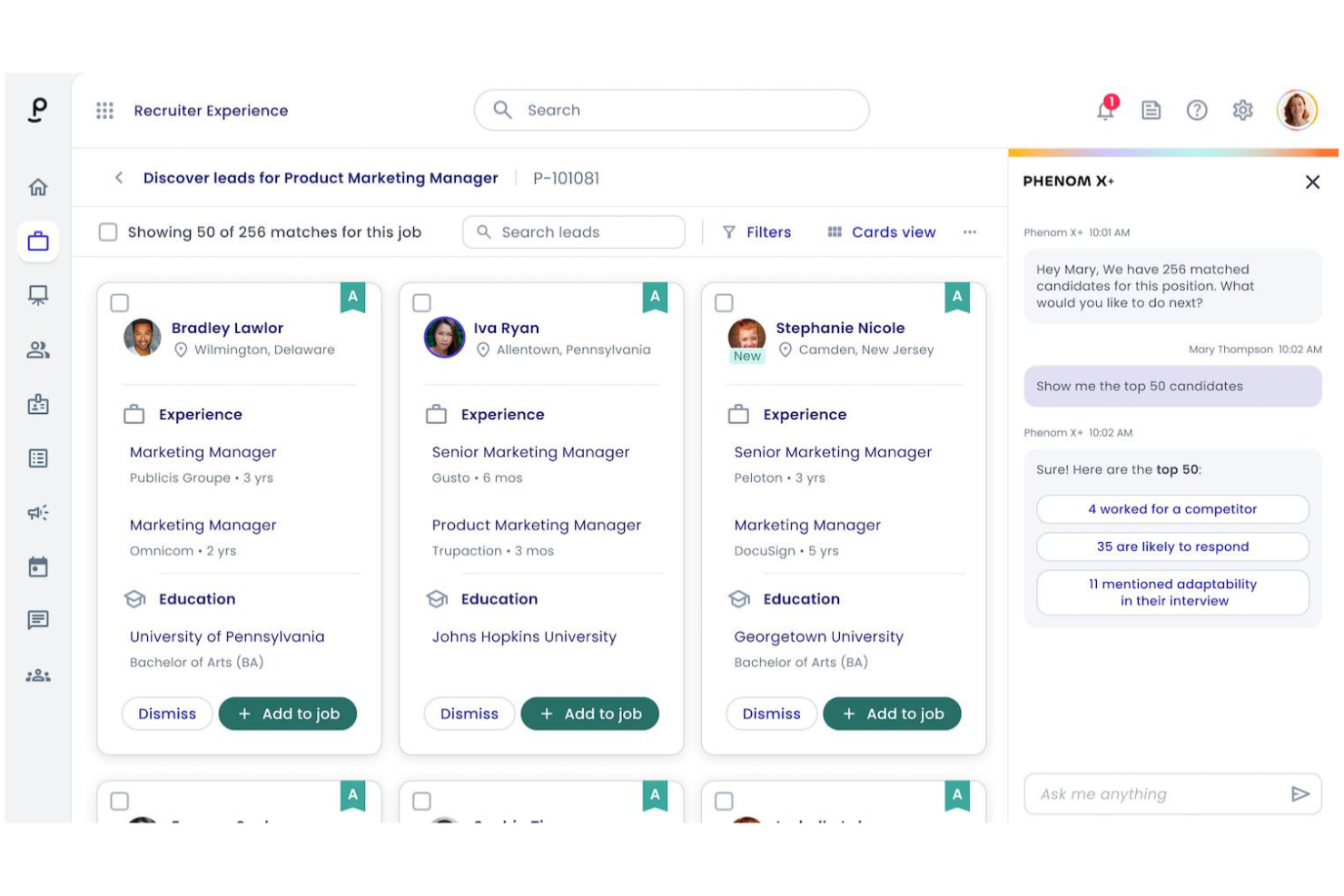
Phenom è una piattaforma di gestione delle carriere pensata per i team HR e i responsabili delle risorse che desiderano personalizzare la crescita dei dipendenti, la mobilità interna e lo sviluppo dei talenti utilizzando approfondimenti basati sull’intelligenza artificiale e l’automazione.
A chi è più adatto Phenom?
Phenom è ideale per grandi aziende e organizzazioni globali che vogliono unificare l’acquisizione di talenti, la mobilità interna e lo sviluppo dei dipendenti in un’unica piattaforma.
Perché ho scelto Phenom
Ho scelto Phenom tra i migliori perché posso utilizzare la sua piattaforma per l’esperienza dei talenti alimentata dall’IA per connettere candidati, recruiter, dipendenti e manager in un unico ecosistema. Il mio team utilizza il suo marketplace per la mobilità interna e i percorsi di carriera personalizzati per aiutare i dipendenti a scoprire nuovi ruoli. Apprezzo anche il modo in cui i suoi strumenti di automazione velocizzano l’associazione dei talenti e la pianificazione dello sviluppo.
Caratteristiche principali di Phenom
- Inventario delle competenze dei dipendenti: Cataloga e aggiorna le competenze dei dipendenti in tutta l’organizzazione.
- Gestione dei programmi di mentoring: Abbina i dipendenti a mentori in base a interessi e obiettivi.
- Motore di raccomandazione nella formazione: Suggerisce corsi e contenuti rilevanti per la crescita professionale.
- Dashboard di analisi dei talenti: Monitora in tempo reale le tendenze della forza lavoro e le transizioni di carriera.
Integrazioni di Phenom
Le integrazioni includono Workday, SAP, UKG, ADP, TalentEXP, Oracle, SuccessFactors, iCIMS, Greenhouse e altre ancora.
Pros and Cons
Pros:
- L'IA abbina i dipendenti a ruoli interni
- Le analisi monitorano le tendenze di mobilità interna
- Supporta siti di carriera globali e multilingue
Cons:
- Personalizzazione limitata dei profili dipendente
- L'esperienza mobile offre meno funzionalità
Ideale per lo sviluppo dei talenti nelle aziende
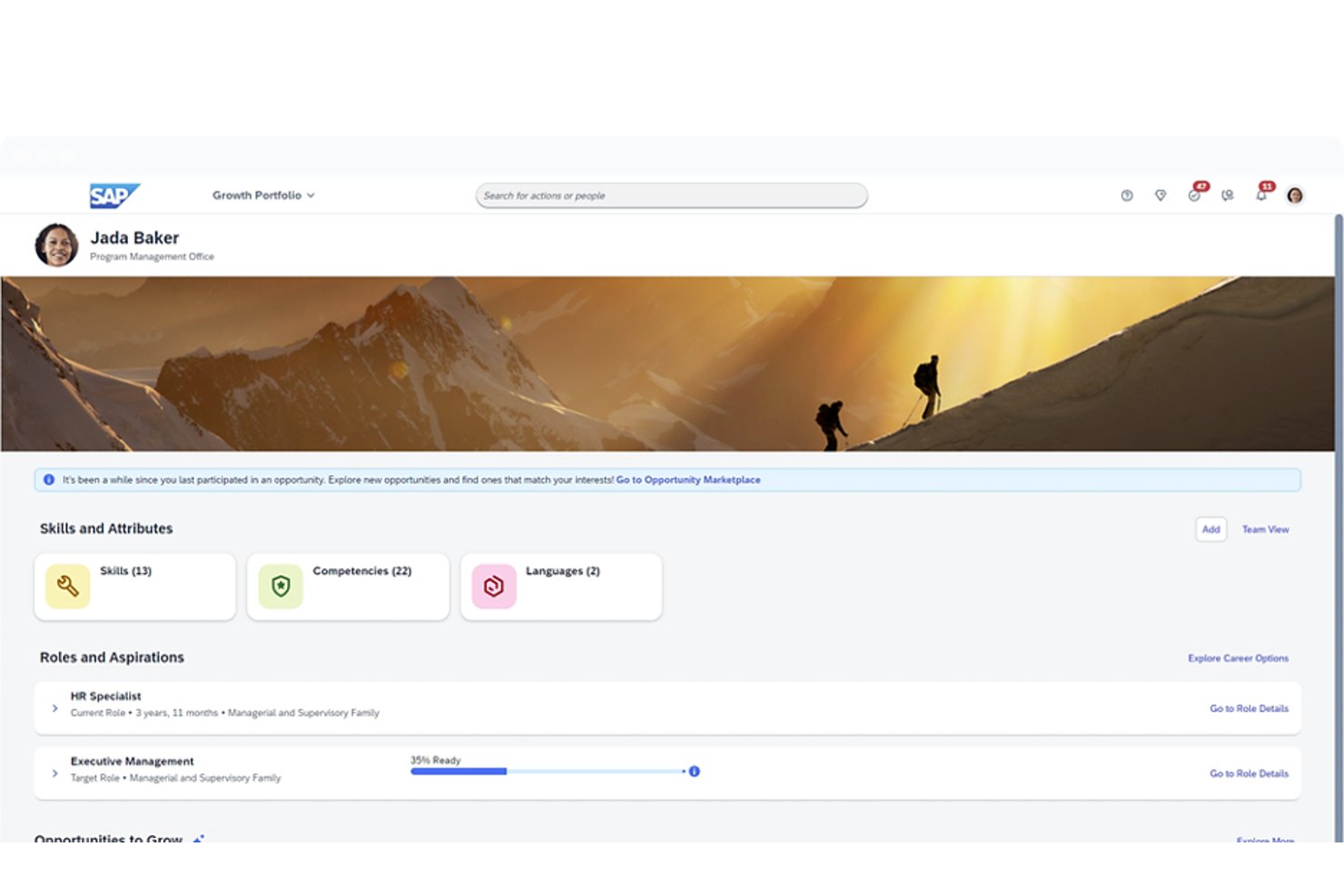
SAP SuccessFactors è una suite HCM aziendale con strumenti dedicati alla gestione della carriera, che comprendono percorsi di carriera basati sull'intelligenza artificiale, mappatura di competenze e capacità, pianificazione dello sviluppo individuale, mobilità interna e pianificazione delle successioni.
Per chi è più adatto SAP SuccessFactors?
SAP SuccessFactors è particolarmente adatto alle grandi aziende che necessitano di gestione della carriera, monitoraggio delle competenze e pianificazione delle successioni riuniti in un'unica suite HCM.
Perché ho scelto SAP SuccessFactors
SAP SuccessFactors è presente nella mia lista perché Talent Intelligence Hub offre alle grandi aziende una tassonomia unica delle competenze, applicata a ogni modulo, dal recruiting alla pianificazione delle successioni. Sono particolarmente colpito da Opportunity Marketplace, che utilizza l'intelligenza artificiale per abbinare i dipendenti a posizioni interne, incarichi temporanei e programmi di mentoring sulla base delle loro competenze effettive e delle aspirazioni professionali. I fogli di lavoro per la carriera basati sull'intelligenza artificiale, che mappano sia i passaggi verticali sia quelli laterali, sono davvero utili per le organizzazioni che gestiscono pipeline di talenti complesse e articolate su più livelli.
Funzionalità principali di SAP SuccessFactors
- Talent Intelligence Hub: Una tassonomia unificata delle competenze condivisa da tutti i moduli di SuccessFactors, dal recruiting alla pianificazione delle successioni, che offre un quadro coerente per i dati sulle competenze durante l'intero ciclo di vita del dipendente.
- Growth Portfolio: Un registro personale in cui i dipendenti documentano competenze, risultati e aspirazioni professionali, offrendo a manager e risorse umane una visione più completa dello sviluppo di ogni persona nel tempo.
- Assistente Joule per lo sviluppo della carriera: Un assistente di intelligenza artificiale integrato che genera obiettivi di sviluppo, propone ruoli e aiuta i dipendenti ad agire sui piani di carriera direttamente all'interno della piattaforma.
- Pianificazione delle successioni con pool di talenti: Uno strumento per le candidature e il raggruppamento che consente alle risorse umane e ai manager di organizzare i dipendenti ad alto potenziale in pool di talenti e monitorarne la preparazione per ruoli chiave in tutta l'organizzazione.
Integrazioni di SAP SuccessFactors
SAP SuccessFactors si integra con SAP S/4HANA, SAP Concur, SAP Fieldglass, Degreed e 365Talents. Offre inoltre API aperte tramite SAP Business Accelerator Hub per connessioni personalizzate.
Pros and Cons
Pros:
- La tassonomia unificata delle competenze si estende ai moduli HCM
- I fogli di lavoro per la carriera mappano i passaggi laterali e verticali
- Opportunity Marketplace abbina posizioni, incarichi temporanei e programmi di mentoring
Cons:
- Navigazione non uniforme tra i moduli
- L'implementazione richiede spesso consulenti SAP
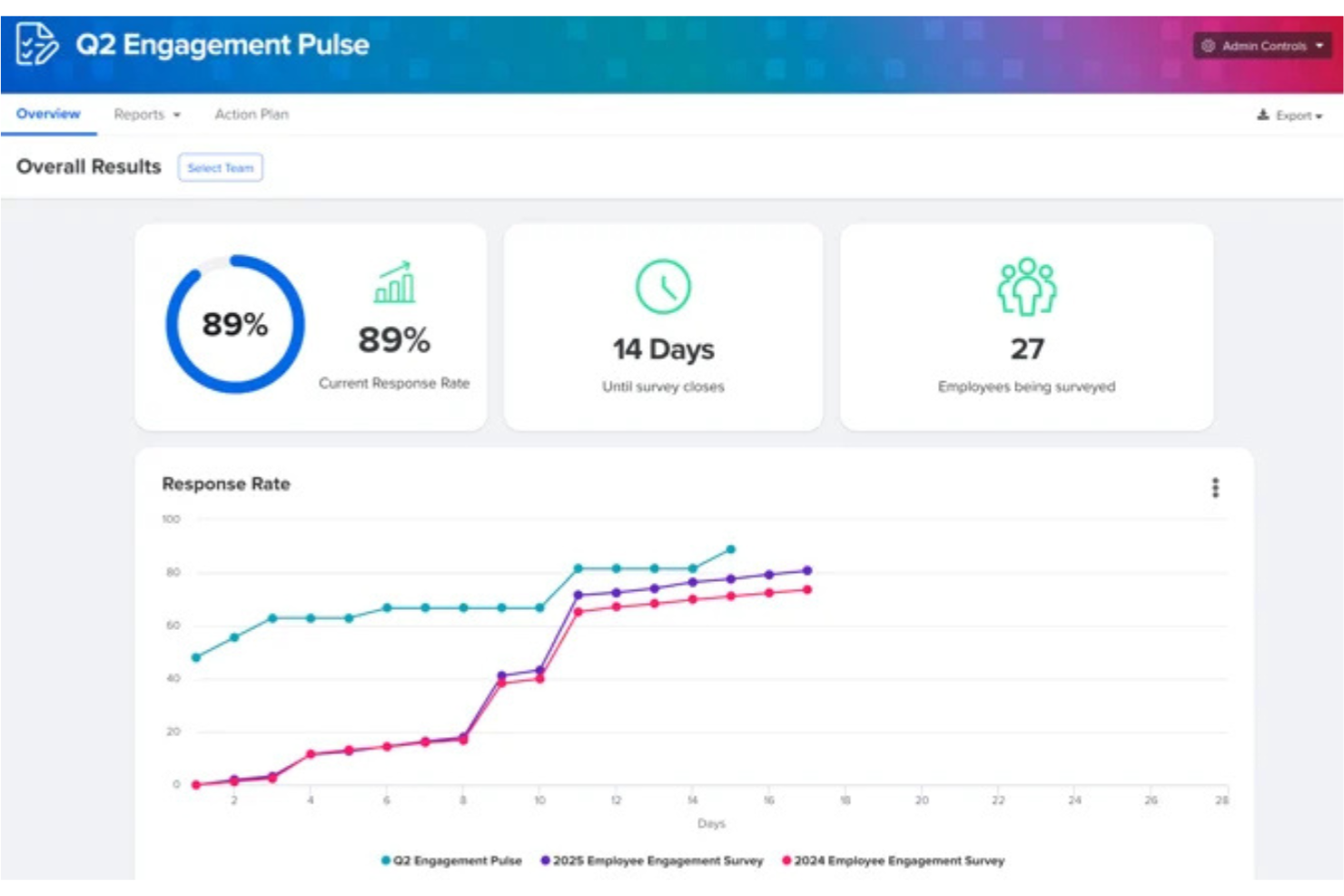
Quantum Workplace offre ai team HR e ai leader aziendali una piattaforma per misurare l'engagement, gestire le performance e stimolare la crescita dei dipendenti con feedback in tempo reale e informazioni azionabili.
Per chi è ideale Quantum Workplace?
Quantum Workplace è adatto ad organizzazioni di medie e grandi dimensioni che desiderano collegare engagement e gestione delle performance in un'unica piattaforma.
Perché ho scelto Quantum Workplace
Ho scelto Quantum Workplace come uno dei migliori perché posso gestire l'engagement dei dipendenti e le revisioni delle performance su una piattaforma unica. Il mio team utilizza le sue funzionalità di feedback in tempo reale e di definizione degli obiettivi per supportare la crescita continua. Mi piace come collega gli insight dei sondaggi direttamente alle conversazioni sulle performance.
Caratteristiche principali di Quantum Workplace
- Agende riunioni 1-a-1: Crea, condividi e monitora agende strutturate di riunione tra manager e dipendenti.
- Strumenti di riconoscimento: Invia riconoscimenti tra pari e celebra i successi all'interno della piattaforma.
- Sondaggi rapidi: Avvia sondaggi veloci e mirati per raccogliere il sentiment dei dipendenti su argomenti specifici.
- Dashboard di analisi: Visualizza i dati di engagement e performance con dashboard personalizzabili.
Integrazioni di Quantum Workplace
Le integrazioni includono ADP, Namely, UKG, Workday, BambooHR, SAP, Oracle HCM Cloud, Dayforce, Paycom, Paylocity, Paychex e Paycor.
Pros and Cons
Pros:
- I sondaggi sull'engagement si collegano direttamente ai dati sulle performance
- Gli strumenti di riconoscimento integrati favoriscono il riconoscimento tra colleghi
- Le agende delle riunioni 1-a-1 migliorano l'allineamento tra manager e dipendente
Cons:
- Nessuno strumento integrato per la visualizzazione dei percorsi di carriera
- Funzionalità di pianificazione della successione limitate per i team HR
Gloat
Il migliore per i mercati interni dei talenti basati sull'intelligenza artificiale
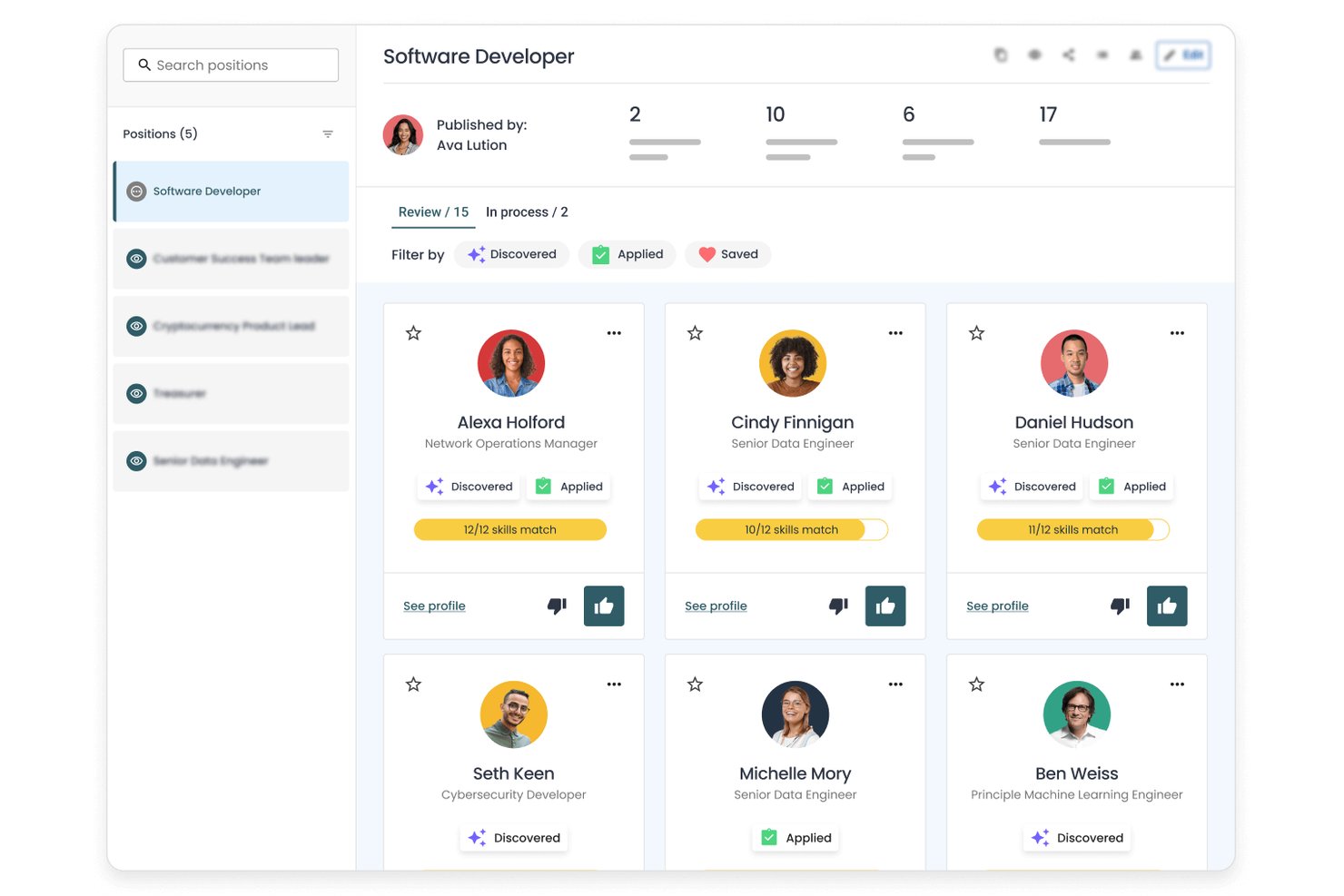
Gloat è una piattaforma di gestione della carriera basata sull'intelligenza artificiale, strutturata attorno a un mercato interno dei talenti, che combina percorsi di carriera, mappatura delle competenze, pianificazione dello sviluppo, abbinamento con mentori e gestione della successione.
Per chi è più adatto Gloat?
Gloat è particolarmente adatto alle grandi aziende che vogliono spostare i dipendenti verso ruoli interni, incarichi e progetti sfidanti, invece di ricorrere sistematicamente alle assunzioni esterne.
Perché ho scelto Gloat
Ho scelto Gloat come una delle migliori soluzioni perché il suo mercato interno dei talenti è il più maturo che abbia visto per collegare i dipendenti a opportunità reali, non solo ad annunci di lavoro. Il suo agente IA per i percorsi di carriera e la preparazione valuta i dipendenti su sei dimensioni, tra cui le competenze di leadership e la velocità di sviluppo, collegando poi direttamente questi punteggi a progetti sfidanti disponibili e abbinamenti con mentori. L'agente IA per la gestione della successione va oltre, identificando continuamente i candidati già pronti in tutte le unità aziendali invece di aspettare una revisione annuale tramite matrice a nove caselle.
Funzionalità principali di Gloat
- Agente IA per l'abbinamento con i mentori: Abbina i dipendenti ai mentori in base alla prossimità delle competenze, alla traiettoria professionale, alla disponibilità e allo stile comunicativo, segnalando e recuperando automaticamente gli abbinamenti a rischio.
- Autovalutazione del panorama delle competenze: Consente ai dipendenti di confrontare le proprie competenze attuali con i requisiti del ruolo per individuare le lacune e capire a che punto si trovano rispetto alla posizione obiettivo.
- Agente curatore dei contenuti formativi: Acquisisce le raccolte di corsi già esistenti nella tua organizzazione, collega i contenuti pertinenti al profilo delle competenze di ciascun dipendente e rimuove gradualmente il materiale obsoleto.
- Agente per gli insight sulla forza lavoro: Offre report a livello organizzativo sulla copertura delle competenze, sulle tendenze della mobilità e sui rischi relativi alla solidità della riserva di talenti, attraverso strumenti come il Monitor dei ruoli critici e il Radar delle competenze emergenti.
Integrazioni di Gloat
Gloat offre integrazioni native con Workday, SAP SuccessFactors e Oracle HCM Cloud, oltre alla distribuzione nativa su Microsoft Teams, Microsoft Copilot, Slack e Google Chat. Si collega ai sistemi LMS e ATS e supporta API per integrazioni personalizzate.
Pros and Cons
Pros:
- Abbina i dipendenti a opportunità interne concrete
- Collega i punteggi di preparazione ai piani di sviluppo
- Identifica i successori in tutte le unità aziendali
Cons:
- Le integrazioni possono richiedere un impegno considerevole in fase di implementazione
- Alcune raccomandazioni possono sembrare illogiche

Neobrain
Ideale per la pianificazione di carriera con IA e la mappatura delle competenze

Neobrain è una piattaforma di gestione delle carriere progettata per i team HR e i responsabili aziendali che desiderano identificare le competenze della forza lavoro, abbinare i talenti alle opportunità e supportare la crescita dei dipendenti con approfondimenti basati sui dati.
Per chi è più adatto Neobrain?
Grandi imprese e organizzazioni multinazionali che cercano di mappare le competenze e pianificare lo sviluppo della forza lavoro su larga scala.
Perché ho scelto Neobrain
Ho scelto Neobrain tra i migliori perché posso utilizzare la sua mappatura delle competenze basata su intelligenza artificiale per visualizzare le capacità della forza lavoro e individuare immediatamente eventuali lacune. Il mio team si affida ai suoi strumenti di pianificazione della forza lavoro per abbinare i dipendenti alle opportunità interne e prevedere le future esigenze di talento. Le analisi della piattaforma ci aiutano a prendere decisioni più intelligenti e guidate dai dati nello sviluppo delle carriere.
Funzionalità principali di Neobrain
- Portale di mobilità interna: I dipendenti possono consultare e candidarsi per ruoli aperti all'interno dell'organizzazione.
- Raccomandazioni di apprendimento personalizzate: La piattaforma suggerisce contenuti per il miglioramento delle competenze in base alle lacune individuali.
- Modulo di pianificazione della successione: I team HR possono identificare e monitorare potenziali successori per ruoli chiave.
- Dashboard della carriera dei dipendenti: Gli utenti ottengono una panoramica visiva dei propri progressi, competenze e opzioni di carriera.
Integrazioni di Neobrain
Le integrazioni includono SAP SuccessFactors, Workday, Oracle, Talentsoft, Cornerstone, Cegid, ADP, ed è disponibile un'API per integrazioni personalizzate.
Pros and Cons
Pros:
- Analisi dei gap di competenze guidata dall’IA per i team
- Suggerimenti in tempo reale per la mobilità interna dei dipendenti
- Dashboard visive per insight sulla pianificazione della forza lavoro
Cons:
- Le funzionalità di reporting sono limitate per l’analisi dei dati
- Framework settoriali non predefiniti


TalentGuard è una piattaforma cloud per team HR e responsabili delle risorse umane che desiderano automatizzare il monitoraggio delle competenze, la pianificazione delle carriere e la gestione della successione per supportare la crescita dei dipendenti e la mobilità interna.
A Chi è Rivolto TalentGuard?
TalentGuard si adatta a organizzazioni di medie e grandi dimensioni che desiderano automatizzare la mobilità dei talenti e la pianificazione delle carriere per una forza lavoro diversificata.
Perché Ho Scelto TalentGuard
Ho scelto TalentGuard come uno dei migliori perché posso utilizzare la sua pianificazione di carriera basata su AI per delineare chiare opportunità di crescita per i dipendenti. Il mio team si affida alla piattaforma di mobilità dei talenti per abbinare le persone a nuovi ruoli in base a competenze e aspirazioni. Apprezzo anche l'automazione della gestione della successione e l'analisi dei gap di competenze.
Caratteristiche Principali di TalentGuard
- Libreria di competenze: Accesso a una libreria preconfigurata di competenze lavorative per vari ruoli.
- Workflow per le valutazioni delle performance: Configura cicli di valutazione delle performance automatizzati e personalizzabili.
- Monitoraggio delle certificazioni: Monitora certificazioni dei dipendenti e date di rinnovo in un unico posto.
- Autovalutazioni dei dipendenti: Consenti ai dipendenti di completare autovalutazioni per definire i piani di sviluppo.
Integrazioni di TalentGuard
Le integrazioni includono Bamboo, SAP SuccessFactors, UKG, Workday, Bridge, Brainier, Docebo, Schoox e connettori personalizzati tramite API o SFTP.
Pros and Cons
Pros:
- Analisi per il monitoraggio delle tendenze nella progressione di carriera
- I framework di competenze supportano lo sviluppo strutturato delle abilità
- La gestione della successione identifica e monitora i talenti interni
Cons:
- L'interfaccia è funzionale ma meno moderna rispetto alle piattaforme più recenti
- Template predefiniti limitati per un'implementazione rapida
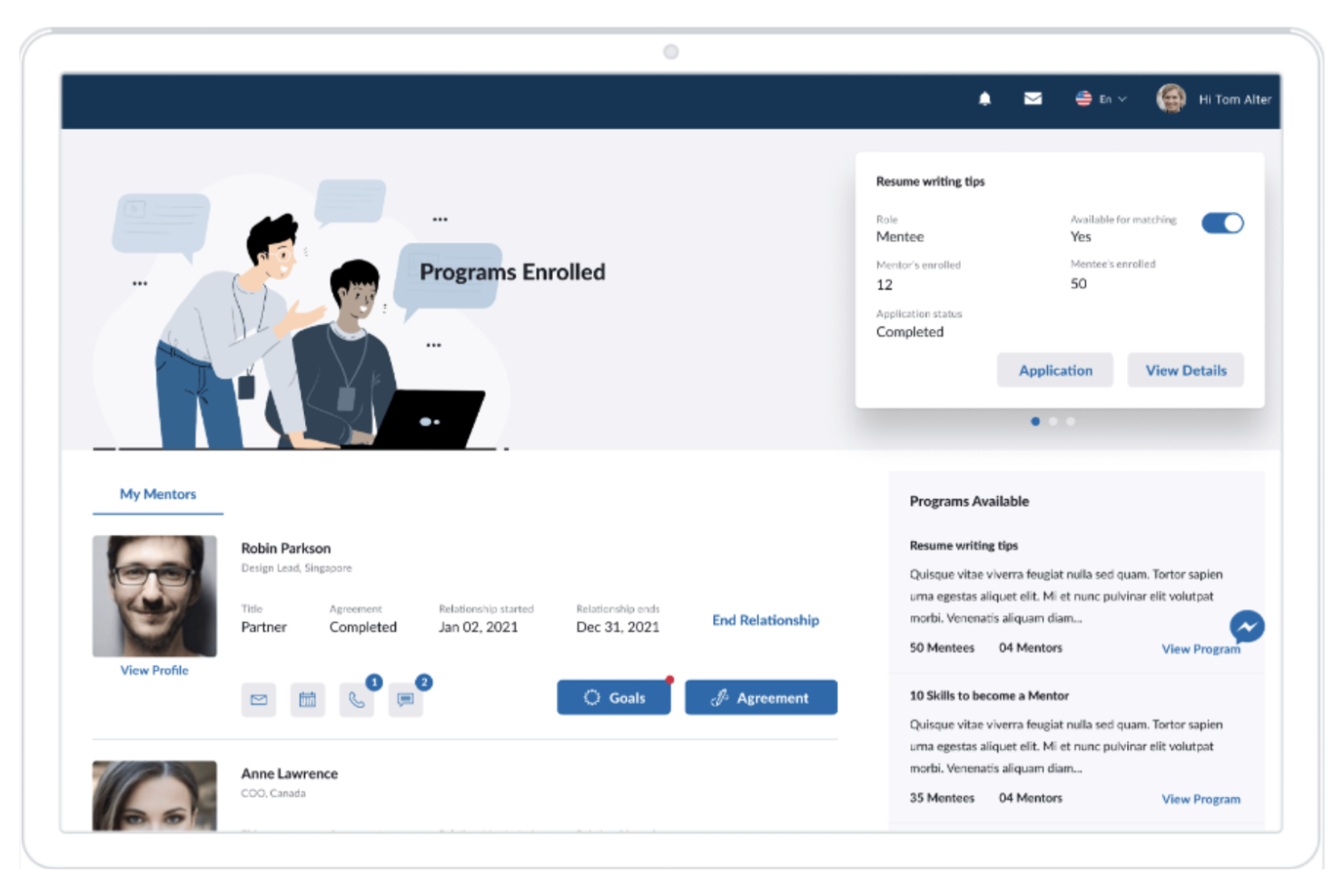
People360 è una piattaforma di gestione delle carriere progettata per team HR e responsabili delle risorse umane che desiderano abbinare i dipendenti a opportunità interne, individuare lacune di competenze e supportare la mobilità dei talenti all'interno di grandi organizzazioni.
A chi si rivolge People360?
People360 è particolarmente indicato per grandi aziende e team HR concentrati su mobilità interna e sviluppo della forza lavoro.
Perché ho scelto People360
Ho scelto People360 come uno dei migliori perché posso utilizzare il suo abbinamento basato su intelligenza artificiale per collegare i dipendenti a opportunità di lavoro interne e progetti. Il mio team si affida al suo marketplace dei talenti per mettere in evidenza competenze nascoste e promuovere la mobilità tra i reparti. Apprezzo anche come ci aiuta a individuare le lacune di competenze e raccomandare percorsi di sviluppo mirati.
Funzionalità principali di People360
- Visualizzazione dei percorsi di carriera: Gli utenti possono visualizzare i potenziali percorsi professionali all'interno dell'organizzazione.
- Valutazioni automatiche delle competenze: La piattaforma valuta le competenze dei dipendenti tramite test basati su intelligenza artificiale.
- Raccomandazioni di apprendimento personalizzate: I dipendenti ricevono contenuti formativi su misura in base ai propri obiettivi di carriera.
- Dashboard per i manager: I manager hanno accesso a insight in tempo reale sullo sviluppo del team e sulle tendenze di mobilità.
Integrazioni People360
Le integrazioni native non sono attualmente elencate.
Pros and Cons
Pros:
- Strumenti integrati per l'analisi delle lacune di competenze
- Suggerimenti personalizzati di contenuti formativi
- Il tracciamento degli obiettivi allinea la crescita dei dipendenti agli obiettivi aziendali
Cons:
- Le raccomandazioni AI dipendono fortemente dalla qualità dei dati
- La configurazione iniziale richiede la definizione preventiva di ruoli, competenze e framework

Paycor
Ideale per strumenti di carriera all'interno dell'HCM
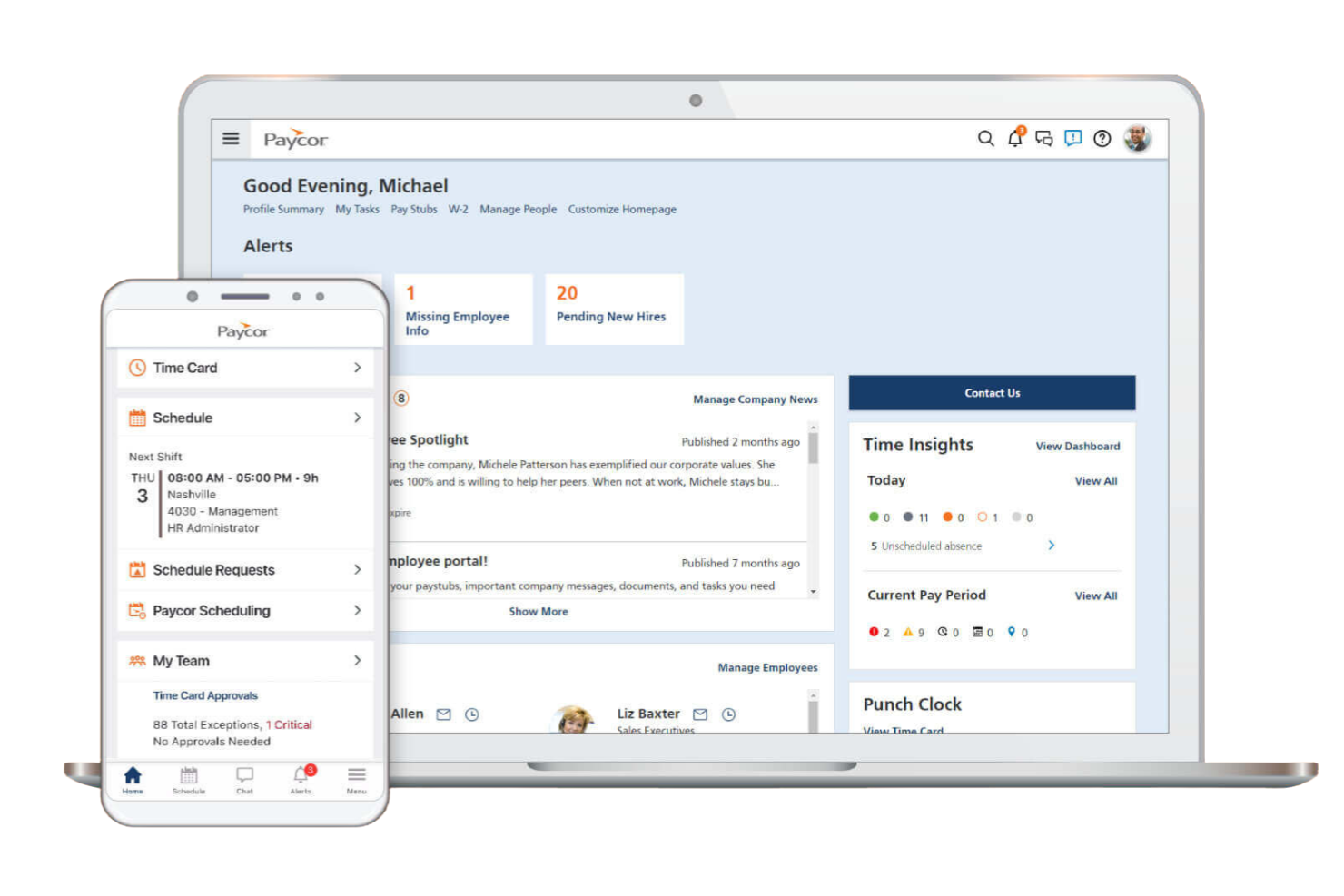
Paycor è progettato per i team HR e i leader aziendali che desiderano gestire la crescita dei dipendenti, i percorsi di carriera e la pianificazione della successione all'interno di una piattaforma HR unificata.
Per chi è ideale Paycor?
I dipartimenti HR delle aziende di medie dimensioni che cercano una gestione integrata della carriera all'interno dei propri processi HR.
Perché ho scelto Paycor
Ho scelto Paycor tra i migliori perché posso gestire sviluppo professionale, valutazioni delle prestazioni e pianificazione della successione tutto all'interno di una singola suite HCM.
Mi piace come la piattaforma collega le opportunità di apprendimento direttamente ai percorsi di carriera, rendendo più facile sostenere la crescita dei dipendenti. Il mio team può monitorare i progressi e identificare i futuri leader senza uscire dal sistema HR.
Caratteristiche principali di Paycor
- Strumenti per la definizione degli obiettivi: Definisci, assegna e monitora gli obiettivi individuali e di team all'interno della piattaforma.
- Monitoraggio delle competenze: Tieni traccia delle competenze e delle abilità dei dipendenti per informare i piani di sviluppo.
- Richieste di feedback automatiche: Pianifica e raccogli feedback da manager e colleghi in modo automatico.
- Percorsi di carriera personalizzabili: Crea e adatta i framework di progressione di carriera su misura per la tua organizzazione.
Integrazioni di Paycor
Le integrazioni includono Timeero, JobTarget, Miratech AssureHire, QuickBooks, Procurify, JazzHR, 15Five e altri.
Pros and Cons
Pros:
- Pianificazione della successione integrata per ruoli chiave
- Monitoraggio degli obiettivi e aggiornamenti sui progressi automatizzati
- Modelli di percorso di carriera personalizzabili per HR
Cons:
- Framework di carriera specifici per settore limitati
- Nessuna gestione incorporata di programmi di mentoring
Altri software per la gestione della carriera
Ecco alcune ulteriori opzioni di software per la gestione della carriera che non sono state incluse nel mio elenco, ma che vale comunque la pena valutare:
- Leapsome
Ideale per la pianificazione personalizzata dello sviluppo
- Culture Amp
Ideale per strumenti di sviluppo guidati dai dipendenti
- PageUp
Ideale per la gestione integrata di talenti e carriera
- YM Careers
Ideale per portali di carriera per associazioni
- PeopleGrove
Ideale per la crescita e il mentoring guidato dalla comunità


Come valuto il software di gestione della carriera
Sudo la mia valutazione in due livelli: gli elementi imprescindibili che ogni strumento deve offrire—come la definizione dei percorsi di carriera e l’analisi dei gap di competenze—e i fattori distintivi che differenziano una buona soluzione da una eccellente.
Funzionalità core (criteri di base per questa lista)
Queste capacità fondamentali rappresentano i criteri di accettazione per l’inclusione nella mia lista di software per la gestione della carriera:
- Visualizzazione dei percorsi di carriera: Cerco l’esplorazione interattiva dei percorsi in cui i dipendenti possano vedere spostamenti laterali e verticali, requisiti di ruolo e indicatori di prontezza—non solo un semplice organigramma statico.
- Gestione delle competenze e abilità: È essenziale una tassonomia strutturata delle competenze collegata ai ruoli. Verifico se la piattaforma mantiene una propria ontologia o si affida al tagging manuale.
- Analisi dei gap di competenze: Valuto come ogni strumento quantifica i divari tra la competenza attuale e i requisiti del ruolo target—in particolare se dà priorità ai gap da colmare prima.
- Piani di sviluppo personalizzati: Buoni IDP sono collegati direttamente ai risultati dell’analisi dei gap. Cerco piattaforme che colleghino automaticamente le tappe dello sviluppo ai contenuti formativi consigliati.
- Marketplace di opportunità interne: Oltre a una semplice bacheca di annunci, valuto se il marketplace propone incarichi, progetti sfidanti e mentoring in linea con competenze e aspirazioni dei dipendenti.
- Conversazioni di carriera e monitoraggio obiettivi: Qui sono importanti i flussi di check-in strutturati tra manager e dipendente. Cerco template guidati, dashboard di avanzamento e reminder che aiutino a mantenere la discussione sulla carriera sempre attiva.
Attribuisco a ogni fornitore un punteggio da 0 (funzionalità non offerta) a 5 (eccelle in questo ambito) per ogni criterio.
I fornitori devono ottenere un punteggio medio minimo per essere considerati nella mia lista. Da lì, considero cosa distingue ogni piattaforma.
Fattori differenzianti (cosa distingue i fornitori)
Dopo aver selezionato la mia lista, ecco come metto a confronto diversi fornitori nel settore dei software per la gestione della carriera:
Funzionalità distintive
Strumenti di coaching basati su intelligenza artificiale consentono ai dipendenti di ottenere consigli personalizzati o feedback immediato sui prossimi passi, andando ben oltre la semplice mappatura di carriera. Presto particolare attenzione se una piattaforma offre una solida pianificazione della successione con analisi automatizzate della forza di riserva, o se rileva le aspirazioni e gli interessi dei dipendenti per personalizzare le raccomandazioni. Anche le analisi sui trend di mobilità, retention e competenze sono fondamentali per le organizzazioni che vogliono misurare l’impatto dei programmi di carriera.
Oltre le caratteristiche
La profondità dell’integrazione conta molto. Valuto se una piattaforma si integra bidirezionalmente con il tuo HRIS e LMS, in modo che i piani di carriera non rimangano isolati. Anche la rapidità di implementazione è un importante elemento di distinzione: piattaforme con tassonomie di competenze e librerie di ruoli precaricate permettono ai team di essere operativi più rapidamente rispetto a quelle che richiedono una costruzione manuale da zero. Considero anche la scalabilità, soprattutto per organizzazioni multi-ente o globali che necessitano di supporto multilingue e configurazioni specifiche per regione fin da subito.
Come scegliere un software per la gestione della carriera
È facile perdersi in lunghi elenchi di funzionalità e strutture di prezzo complesse. Per aiutarti a rimanere concentrato mentre affronti il tuo specifico processo di selezione del software, ecco una lista di fattori da tenere a mente:
| Fattore | Cosa considerare |
|---|---|
| Scalabilità | Il software supporterà la tua organizzazione mentre cresce, comprese nuove sedi o unità aziendali? |
| Integrazioni | Si collega nativamente al tuo HRIS, ai sistemi per le buste paga o alle piattaforme di apprendimento, oppure dovrai ricorrere a soluzioni alternative? |
| Personalizzazione | Puoi adattare i flussi di lavoro, i percorsi di carriera e i report alla struttura e alle politiche della tua organizzazione? |
| Facilità d'uso | I dipendenti e i manager lo adotteranno rapidamente oppure dovrai investire molto nella formazione? |
| Implementazione e inserimento | Quanto tempo servirà per essere operativi e quali risorse o quale supporto fornirà il fornitore durante l'implementazione? |
| Costo | I livelli di prezzo sono chiari e in linea con il tuo budget e l'utilizzo previsto? Fai attenzione ai costi nascosti. |
| Misure di sicurezza | La piattaforma soddisfa i tuoi standard di privacy e sicurezza dei dati, soprattutto per le informazioni sensibili sui dipendenti? |
| Disponibilità del supporto | Quali canali di supporto sono disponibili e sono accessibili durante il tuo orario lavorativo o a livello globale, se necessario? |
Che cos'è il software per la gestione della carriera?
Il software per la gestione della carriera, noto anche come software per lo sviluppo della carriera o software per i percorsi di carriera, è una piattaforma digitale che aiuta le organizzazioni a supportare la crescita, la mobilità e l'avanzamento professionale dei dipendenti. Consente ai team delle risorse umane di progettare percorsi di carriera, allineare le competenze ai ruoli futuri e guidare i dipendenti attraverso programmi di sviluppo strutturati.
Questi strumenti spesso si integrano con un LMS per offrire formazione e supportare iniziative di orientamento professionale, aiutando i dipendenti a prendere decisioni consapevoli sulla propria crescita. Migliorando l'esperienza complessiva dei dipendenti, le organizzazioni possono attrarre e trattenere i migliori talenti, continuando al contempo a ottimizzare le strategie di mobilità interna con soluzioni facili da usare.
Funzionalità
Ecco le funzionalità principali che qualsiasi valido software per la gestione della carriera dovrebbe offrire:
- Mappatura dei percorsi professionali: Consente a dipendenti e manager di visualizzare i possibili percorsi di carriera all'interno dell'organizzazione, aiutando a orientare le conversazioni e la pianificazione dello sviluppo.
- Monitoraggio di competenze e capacità: Permette di registrare, aggiornare e monitorare le competenze e le capacità dei dipendenti, facilitando l'identificazione dei punti di forza e delle lacune.
- Raccomandazioni per la formazione e lo sviluppo: Suggerisce corsi, percorsi formativi o risorse pertinenti in base ai ruoli, agli interessi o alle competenze richieste ai dipendenti.
- Pubblicazione di posizioni interne: Consente ai dipendenti di visualizzare e candidarsi per le posizioni aperte all'interno dell'azienda, sostenendo la mobilità interna e la fidelizzazione.
- Integrazione con la valutazione delle prestazioni: Collega la pianificazione della carriera alla gestione delle prestazioni, in modo che feedback e obiettivi contribuiscano alla definizione dei piani di sviluppo.
- Strumenti per la pianificazione della successione: Aiuta i team delle risorse umane a identificare e preparare i dipendenti ad alto potenziale per futuri ruoli di leadership o posizioni critiche.
- Report e analisi: Fornisce pannelli di controllo e report sulle competenze della forza lavoro, sulle tendenze della mobilità e sui progressi dello sviluppo, per orientare la strategia delle risorse umane.
- Portale autonomo per i dipendenti: Offre ai dipendenti accesso diretto ai propri piani di carriera, alle risorse formative e al monitoraggio dei progressi.
- Pannello di controllo per manager: Fornisce ai manager informazioni sulle competenze del team, sulla preparazione all'avanzamento e sulle esigenze di sviluppo.
- Libreria di documenti e risorse: Centralizza l'accesso a guide, modelli e politiche per lo sviluppo professionale, rendendoli facilmente consultabili.
Funzionalità comuni dell'intelligenza artificiale nei software per la gestione della carriera
Oltre alle funzionalità standard dei software per la gestione della carriera elencate in precedenza, molte di queste soluzioni stanno integrando l'intelligenza artificiale, e i software per la gestione della carriera basati sull'intelligenza artificiale offrono funzionalità come:
- Suggerimenti basati sull'intelligenza artificiale per i percorsi professionali: Utilizza algoritmi per analizzare i profili e le competenze dei dipendenti, nonché le esigenze aziendali, e consigliare percorsi professionali personalizzati in linea sia con le aspirazioni individuali sia con gli obiettivi organizzativi.
- Analisi automatizzata delle lacune nelle competenze: Sfrutta l'intelligenza artificiale per confrontare le competenze attuali dei dipendenti con i requisiti dei ruoli, evidenziando le lacune specifiche e suggerendo azioni di sviluppo mirate.
- Modellazione predittiva della mobilità interna: Applica l'apprendimento automatico per prevedere quali dipendenti hanno maggiori probabilità di avere successo in nuovi ruoli o progetti, aiutando i team delle risorse umane a prendere decisioni sulla mobilità basate sui dati.
- Selezione personalizzata dei contenuti formativi: Utilizza l'intelligenza artificiale per abbinare i dipendenti alle risorse formative più pertinenti in base ai loro obiettivi professionali, alla cronologia formativa e alle lacune nelle competenze.
- Pianificazione intelligente della successione: Analizza i dati della forza lavoro per identificare i dipendenti ad alto potenziale e prevedere le future esigenze di leadership, sostenendo lo sviluppo proattivo del bacino di talenti.
Vantaggi
L'implementazione di un software per la gestione della carriera offre diversi vantaggi al team e all'azienda. Ecco alcuni dei benefici che puoi aspettarti:
- Migliore mobilità interna: I dipendenti possono scoprire e perseguire nuovi ruoli all'interno dell'organizzazione, grazie alle funzionalità di mappatura dei percorsi professionali e pubblicazione delle posizioni interne.
- Sviluppo mirato delle competenze: Il monitoraggio delle competenze e le raccomandazioni formative aiutano i dipendenti a concentrarsi sulle capacità più importanti per la loro crescita e per le esigenze aziendali.
- Decisioni sui talenti basate sui dati: Le analisi e gli approfondimenti basati sull'intelligenza artificiale offrono alle risorse umane e ai manager una visione più chiara dei punti di forza, delle lacune e della preparazione della forza lavoro all'avanzamento.
- Pianificazione della successione più efficace: Gli strumenti di pianificazione della successione e la modellazione predittiva aiutano a identificare e preparare i futuri leader, riducendo i rischi nei ruoli chiave.
- Maggiore coinvolgimento dei dipendenti: I portali autonomi e i piani di sviluppo personalizzati permettono ai dipendenti di gestire attivamente la propria carriera, aumentando motivazione e fidelizzazione.
- Gestione delle prestazioni semplificata: L'integrazione con le valutazioni delle prestazioni garantisce che feedback e obiettivi contribuiscano direttamente alle attività di sviluppo professionale.
- Opportunità di sviluppo coerenti ed eque: Processi standardizzati e percorsi professionali trasparenti aiutano a garantire che tutti i dipendenti abbiano pari accesso alla crescita e all'avanzamento.
Costi e prezzi
La selezione di un software per la gestione della carriera richiede la comprensione dei vari modelli di prezzo e dei piani disponibili. I costi variano in base alle funzionalità, alle dimensioni del team, ai componenti aggiuntivi e ad altro ancora. La tabella seguente riassume i piani più comuni, i relativi prezzi medi e le funzionalità tipicamente incluse nelle soluzioni software per la gestione della carriera:
Tabella comparativa dei piani per i software di gestione della carriera
| Tipo di piano | Prezzo medio | Funzionalità comuni |
|---|---|---|
| Piano gratuito | $0 | Mappatura di base dei percorsi professionali, monitoraggio limitato delle competenze e accesso per un numero ridotto di utenti. |
| Piano personale | $5-$15/utente/mese | Pianificazione individuale della carriera, monitoraggio delle competenze, suggerimenti formativi e reportistica di base. |
| Piano aziendale | $15-$40/utente/mese | Dashboard del team, pubblicazione di posizioni interne, integrazione con le valutazioni delle prestazioni, analisi e assistenza via e-mail. |
| Piano per grandi aziende | $40-$80/utente/mese | Analisi avanzate, funzionalità basate sull'intelligenza artificiale, integrazioni personalizzate, assistenza dedicata e strumenti per la conformità. |
Domande frequenti
Ecco alcune risposte alle domande comuni sui software per la gestione della carriera:
In che modo il software per la gestione della carriera favorisce la mobilità interna?
Il software per la gestione della carriera favorisce la mobilità interna mappando i percorsi professionali, mettendo in evidenza le posizioni aperte e facilitando la ricerca e la candidatura dei dipendenti a nuove opportunità all’interno dell’organizzazione. Questo aiuta a trattenere i talenti e garantisce che i dipendenti vedano un futuro nella vostra azienda.
Il software per la gestione della carriera può integrarsi con i sistemi HR esistenti?
Sì, la maggior parte dei software per la gestione della carriera può integrarsi con i sistemi informativi delle risorse umane, i sistemi paghe e i sistemi di gestione dell’apprendimento. L’integrazione garantisce che i dati fluiscano senza problemi tra le piattaforme, riducendo il lavoro manuale e mantenendo aggiornati i registri dei dipendenti.
Cosa devo cercare quando valuto un software per la gestione della carriera destinato a una forza lavoro globale?
Cercate il supporto multilingue, la conformità alle leggi internazionali sulla privacy dei dati e la possibilità di personalizzare i percorsi professionali per regioni diverse. Queste funzionalità contribuiscono a garantire che il software soddisfi le esigenze di un team diversificato e distribuito.
Quanto tempo richiede l'implementazione di un software per la gestione della carriera?
I tempi di implementazione variano, ma la maggior parte dei team può aspettarsi un processo che va da alcune settimane a diversi mesi. Tra i fattori da considerare rientrano la migrazione dei dati, le esigenze di integrazione e la complessità della struttura della vostra organizzazione.
Il software per la gestione della carriera è adatto alle piccole imprese?
Sì, molte soluzioni offrono piani ridotti o livelli gratuiti adatti alle piccole imprese. Queste opzioni forniscono funzionalità essenziali come la mappatura dei percorsi professionali e il monitoraggio delle competenze, senza la complessità o i costi delle piattaforme per grandi aziende.