

10 Best AI Employee Wellness Software in 2026

AI Employee Wellness Software Shortlist


AI employee wellness software uses artificial intelligence to personalize, automate, and enhance workplace health and wellbeing programs. If you’re searching for ways to support your team’s mental, physical, and emotional health—while saving time on manual program management—these tools can help you deliver targeted, data-driven wellness experiences at scale.
In this list, you’ll find trusted AI employee wellness platforms that address engagement, mental health, activity tracking, and more, so you can choose the right fit for your organization’s unique needs.
Why Trust Our Software Reviews
Our team has been testing and reviewing software since 2012. As HR experts ourselves, we know how difficult—and important—it is to choose the right software.
For this guide, we evaluated tools using hands-on testing and independent research, scoring tools using our selection criteria. We also draw on insights from industry thought leaders and practicing HR experts.
Our reviews reflect our human editorial judgment, not a sales pitch.
Expert reviewers:
AI Employee Wellness Software Comparison Table
This comparison table summarizes pricing details for my top AI employee wellness software selections:
| Tool | Best For | Trial Info | Price | ||
|---|---|---|---|---|---|
| 1 | Best for team-based wellness competitions | Free demo available | From $800/month | Website | |
| 2 | Best for global wellbeing program management | Free demo available | Pricing upon request | Website | |
| 3 | Best for science-backed mindfulness content | Free demo available | Pricing upon request | Website | |
| 4 | Best for clinical mental health care access | Free demo available | Pricing upon request | Website | |
| 5 | Best for real-time engagement analytics | Free trial available | Pricing upon request | Website | |
| 6 | Best for personalized health assessments | Free demo available | Pricing upon request | Website | |
| 7 | Best for conversational mental health support | Free demo available | Pricing upon request | Website | |
| 8 | Best for guided breathing session variety | Free plan available | Pricing upon request | Website | |
| 9 | Best for AI-driven wellness recommendations | Free demo available | Pricing upon request | Website | |
| 10 | Best for multilingual meditation resources | Free demo available | From $3.5/user/month | Website |
AI Employee Wellness Software Reviews
Below are my detailed summaries of the best AI employee wellness software that made it onto my shortlist. My reviews offer a detailed look at the features, best use cases, and integrations of each platform to help you find the best one for you.

YuMuuv
Best for team-based wellness competitions
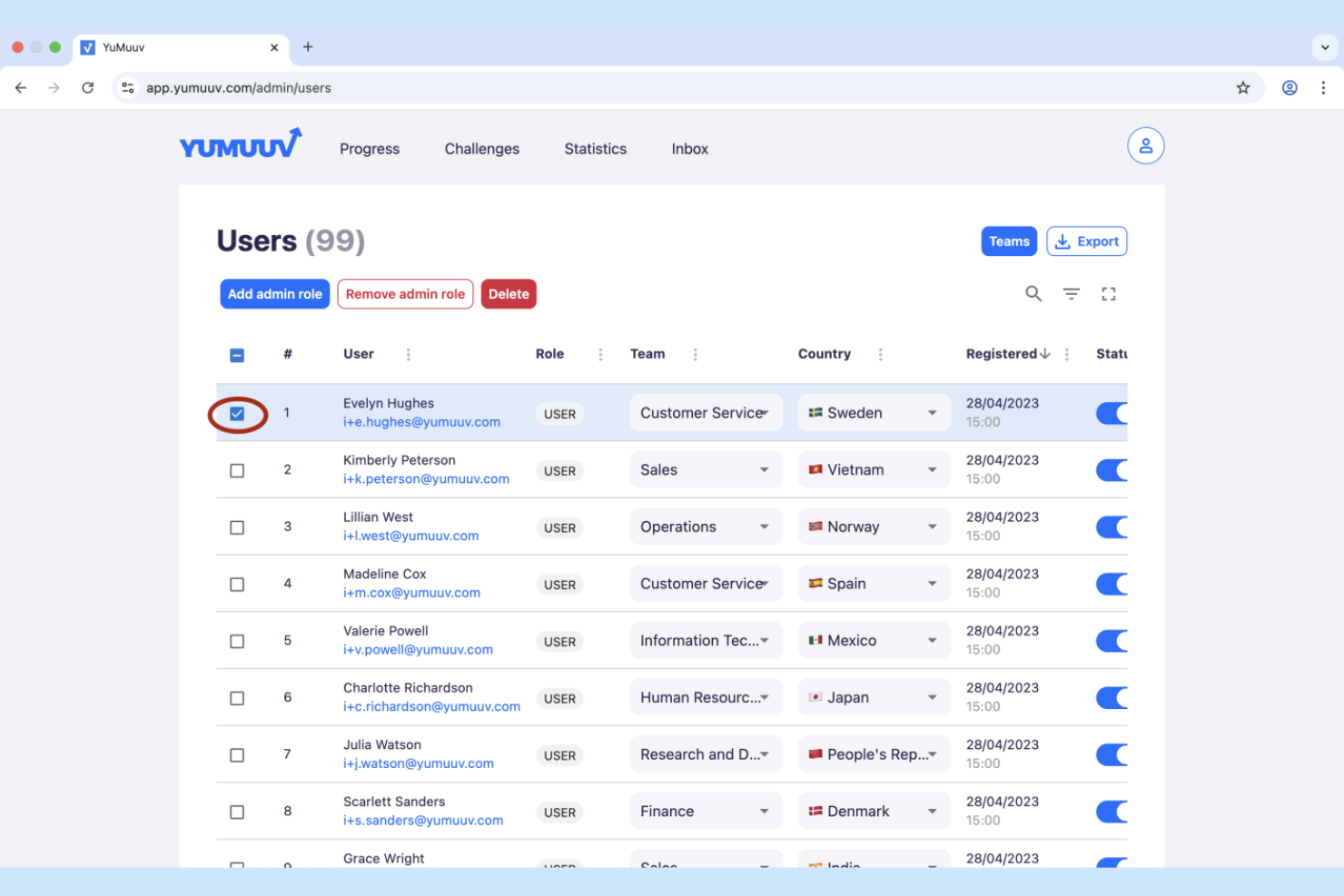
YuMuuv offers a digital wellness platform designed for organizations that want to boost employee engagement through activity-based challenges. It’s a strong fit for HR teams and business leaders looking to foster healthy competition and social connection at work. The platform helps address low participation and limited motivation in workplace wellness programs.
Who Is YuMuuv Best For?
YuMuuv suits HR teams looking to reduce absenteeism through collaborative, team-based wellness challenges.
Why I Picked YuMuuv
What stands out to me about YuMuuv is how it’s built specifically for team-based wellness competitions, making it easy to organize group challenges that drive participation. The platform lets you set up custom team goals, track collective progress, and display real-time leaderboards to keep motivation high. I also appreciate that YuMuuv supports a variety of challenge types, from step counts to mindfulness activities, so teams can compete in ways that fit their interests. This focus on group engagement helps organizations create a more social and supportive wellness culture.
YuMuuv Key Features
Some other features that make YuMuuv a versatile option for employee wellness programs include:
- Automated activity tracking: Syncs with popular fitness devices and apps to automatically log participant activity data.
- Customizable communication tools: Lets you send announcements, reminders, and motivational messages directly through the platform.
- Personal goal setting: Allows individuals to set and monitor their own wellness goals alongside team challenges.
- Data export and reporting: Provides downloadable reports on participation, activity trends, and challenge outcomes for HR analysis.
YuMuuv Integrations
Integrations include Apple Health, Google Fit, Garmin, Fitbit, Polar, Suunto, and more.
Pros and Cons
Pros:
- Integrated social chat with image sharing
- Native support for 47 languages
- Automated team-based point scoring systems
Cons:
- Manual refresh needed for data sync
- Uniform goals regardless of user BMI
Espresa
Best for global wellbeing program management
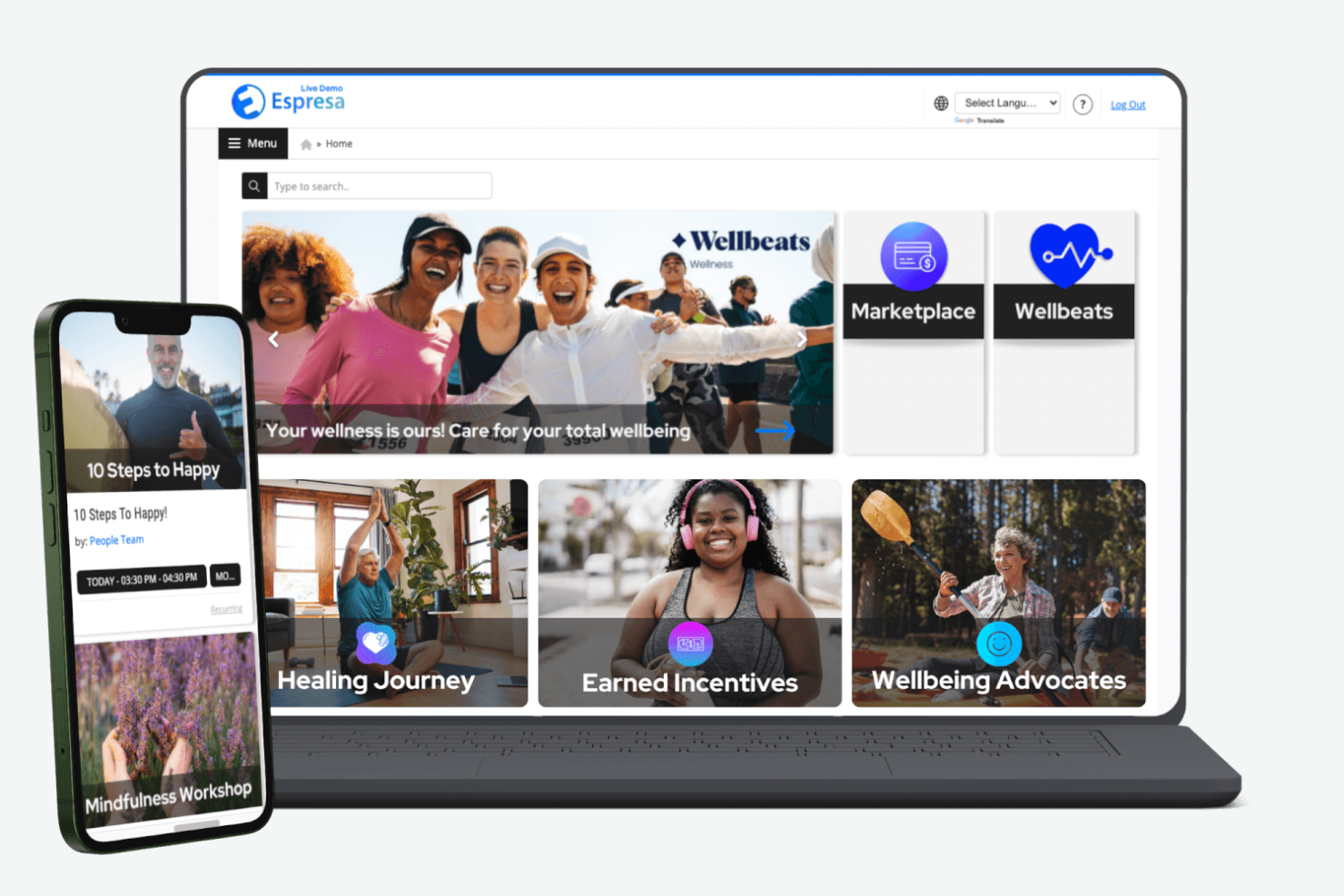
Espresa offers a platform designed to help HR teams manage and scale employee wellbeing programs across multiple locations. It’s especially useful for organizations with a global workforce that need to coordinate wellness initiatives and track participation. The tool brings together wellness challenges, rewards, and engagement tools to support diverse employee needs.
Who Is Espresa Best For?
Espresa is a good fit for multinational organizations and HR teams managing wellbeing programs across multiple countries or regions.
Why I Picked Espresa
What drew me to Espresa is its ability to centralize and manage well-being programs for organizations with a global footprint. The platform supports multi-language and multi-currency capabilities, which makes it easier for HR teams to launch and track wellness challenges across different regions. I also appreciate that Espresa offers configurable rewards and recognition features, allowing companies to tailor incentives to local cultures and preferences. These capabilities make Espresa especially useful for businesses that need to coordinate wellness initiatives at scale while respecting regional differences.
Espresa Key Features
Some other features that make Espresa appealing for HR teams and global organizations include:
- Automated wellbeing challenge creation: HR teams can quickly set up and launch new wellness challenges using pre-built templates and automation tools.
- Real-time participation analytics: The platform provides dashboards that track employee engagement and participation in wellness programs as they happen.
- Mobile-friendly employee portal: Employees can access wellbeing challenges, track progress, and redeem rewards from any device.
- Third-party vendor marketplace: Espresa connects users to a curated marketplace of wellness vendors and services for expanded program options.
Espresa Integrations
Integrations include ADP, BambooHR, Namely, Paychex, Workday, Outlook, and more.
Pros and Cons
Pros:
- Features a marketplace of third-party vendors
- Offers configurable rewards for global teams
- Integrated LSA fund distribution
Cons:
- Single-item-only reimbursement submission process
- Performance lags during high-traffic app periods
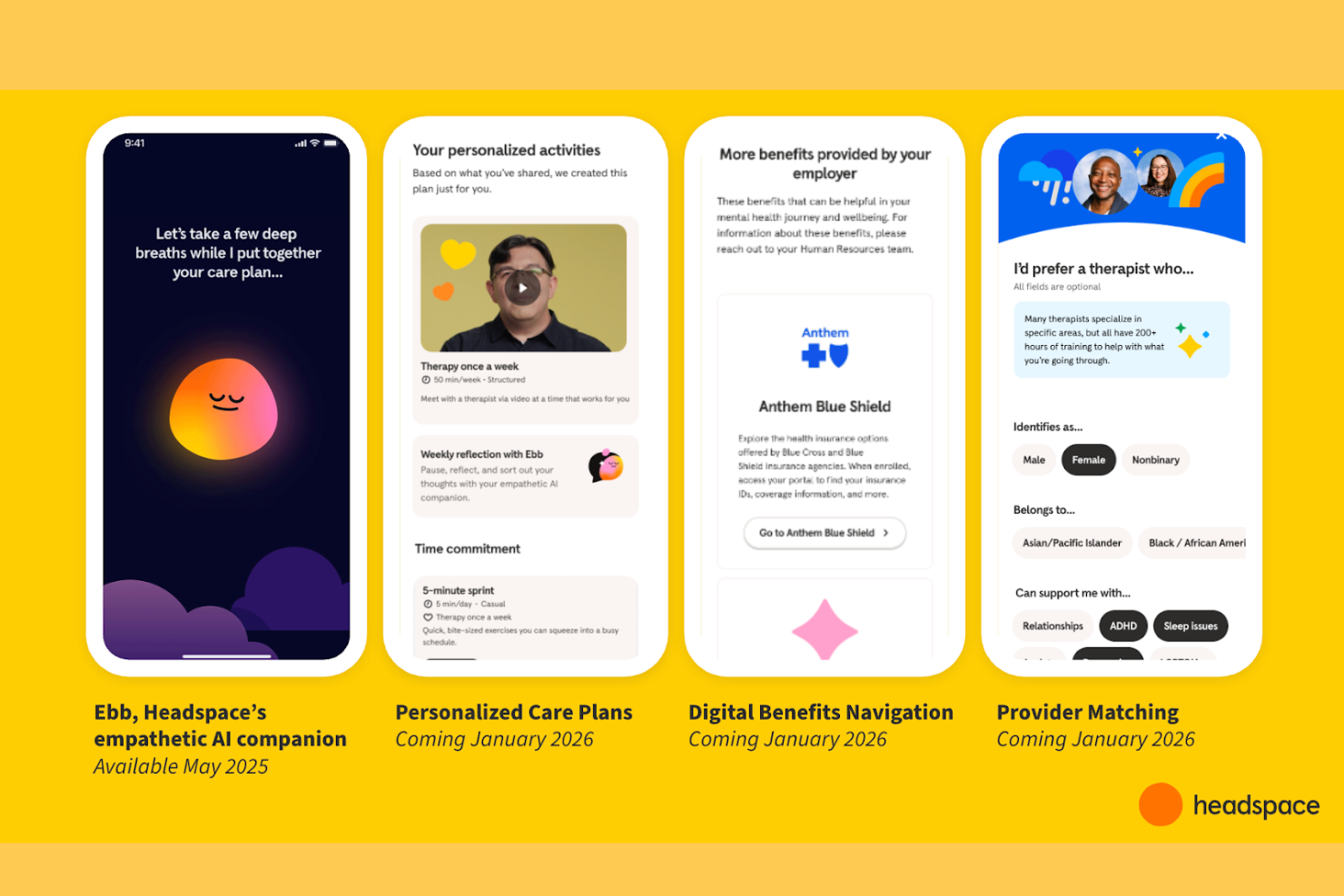
Headspace for Organizations brings meditation and mindfulness resources to the workplace through a digital platform. It’s a strong fit for HR leaders and people teams who want to address stress, burnout, and focus challenges with evidence-based mental health tools. The platform helps organizations offer accessible, science-driven support for employee well-being.
Who Is Headspace Best For?
Headspace suits HR teams and people leaders at organizations of any size that want to offer accessible, science-based mindfulness resources to support employee mental health.
Why I Picked Headspace
What drew me to Headspace is its commitment to delivering mindfulness content that’s grounded in scientific research and clinical validation. The platform offers guided meditations, sleep support, and stress management exercises that are developed with input from mental health experts. I see this as especially valuable for organizations that want to provide employees with evidence-based tools rather than generic wellness content. Headspace’s focus on science-backed practices helps HR teams feel confident they’re offering resources that can genuinely support employee mental health.
Headspace Key Features
Some other features that make Headspace a versatile option for employee wellness programs include:
- Admin analytics dashboard: Lets HR teams track employee engagement and usage trends across the organization.
- Personalized content recommendations: Uses AI to suggest meditation and mindfulness exercises tailored to individual user needs.
- Multi-language support: Offers guided content in several languages to support global teams.
- Employee resource hub: Provides a centralized library of articles, videos, and mindfulness tools for ongoing learning.
Headspace Integrations
Native integrations are not currently listed.
Pros and Cons
Pros:
- Offers clinically validated mindfulness content
- Provides analytics dashboard for HR teams
- Includes guided programs for stress and burnout
Cons:
- Does not offer physical health tracking
- No built-in employee social features
Best for clinical mental health care access
Lyra Health connects employees to evidence-based mental health care through a digital platform designed for workplace use. It’s a strong option for HR leaders and benefits managers in organizations that want to offer clinical support alongside digital wellness resources. The platform helps address complex mental health needs by making it easier to access therapy, coaching, and self-care tools in one place.
Who Is Lyra Health Best For?
Lyra Health is a good fit for mid-sized to large employers seeking to provide clinically validated mental health care to their workforce.
Why I Picked Lyra Health
What drew me to Lyra Health is its direct access to clinical mental health care, which goes far beyond the self-guided resources found in many wellness platforms. Lyra Health connects employees with licensed therapists, counselors, and coaches, making it possible to address a wide range of mental health needs through one platform. I also appreciate that the platform uses evidence-based care pathways and digital assessments to match employees with the right level of support. This focus on clinical care access makes Lyra Health especially valuable for organizations that want to offer more than just surface-level wellness tools.
Lyra Health Key Features
In addition to its clinical care access, Lyra Health offers several features that support a holistic approach to employee wellness:
- Self-guided digital wellness programs: Employees can access interactive modules on topics like stress, sleep, and resilience at their own pace.
- Manager training resources: The platform provides training materials and workshops to help managers support employee mental health.
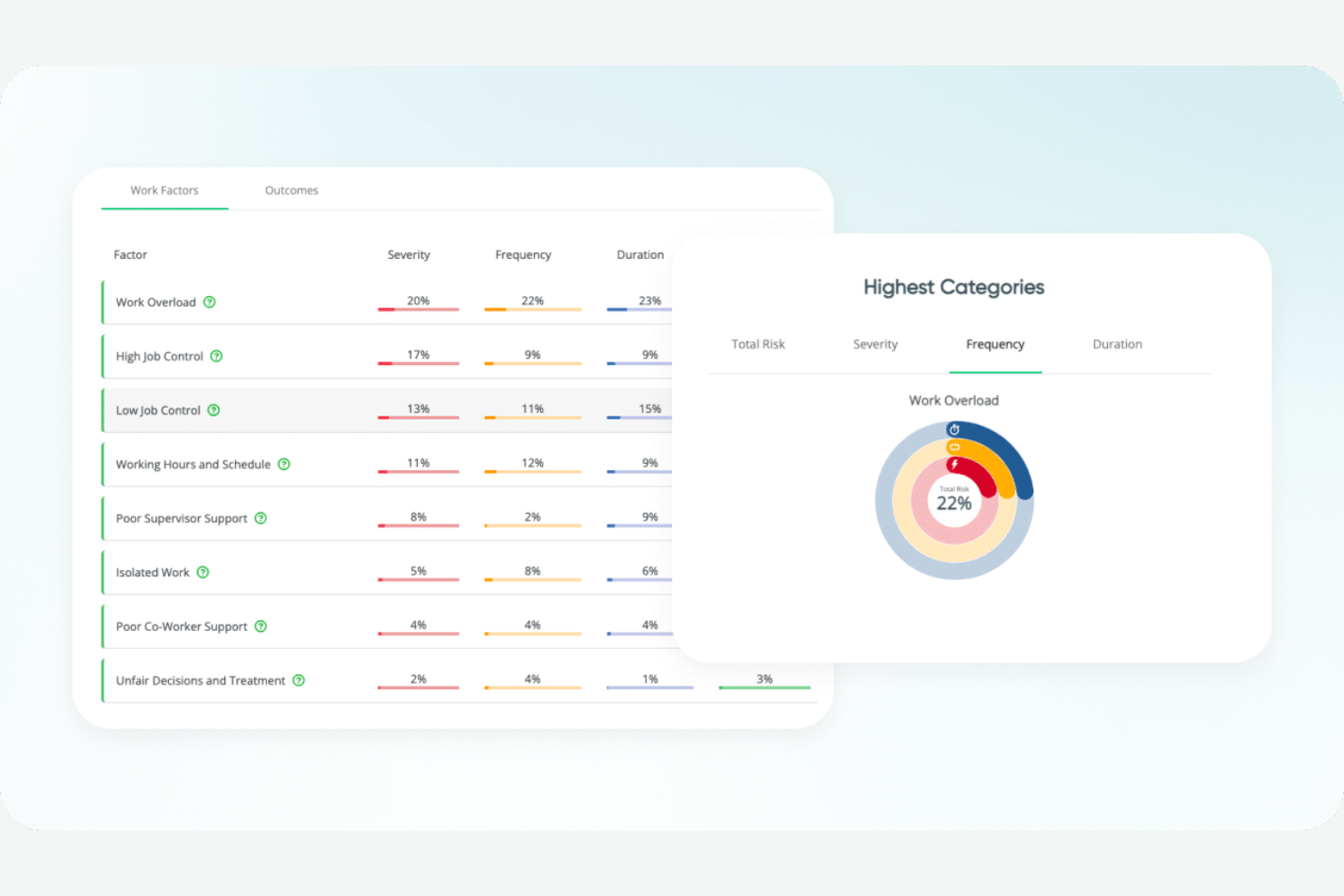
- Real-time utilization analytics: HR teams can view anonymized data on program engagement and usage trends through a dedicated dashboard.
- Global provider network: Lyra Health connects users to a wide network of mental health professionals across multiple countries.
Lyra Health Integrations
Native integrations are not currently listed.
Pros and Cons
Pros:
- Delivers real-time analytics on program usage
- Provides manager mental health training resources
- Offers access to licensed mental health providers
Cons:
- Some users report delays in provider matching
- Limited personalization in self-care tools
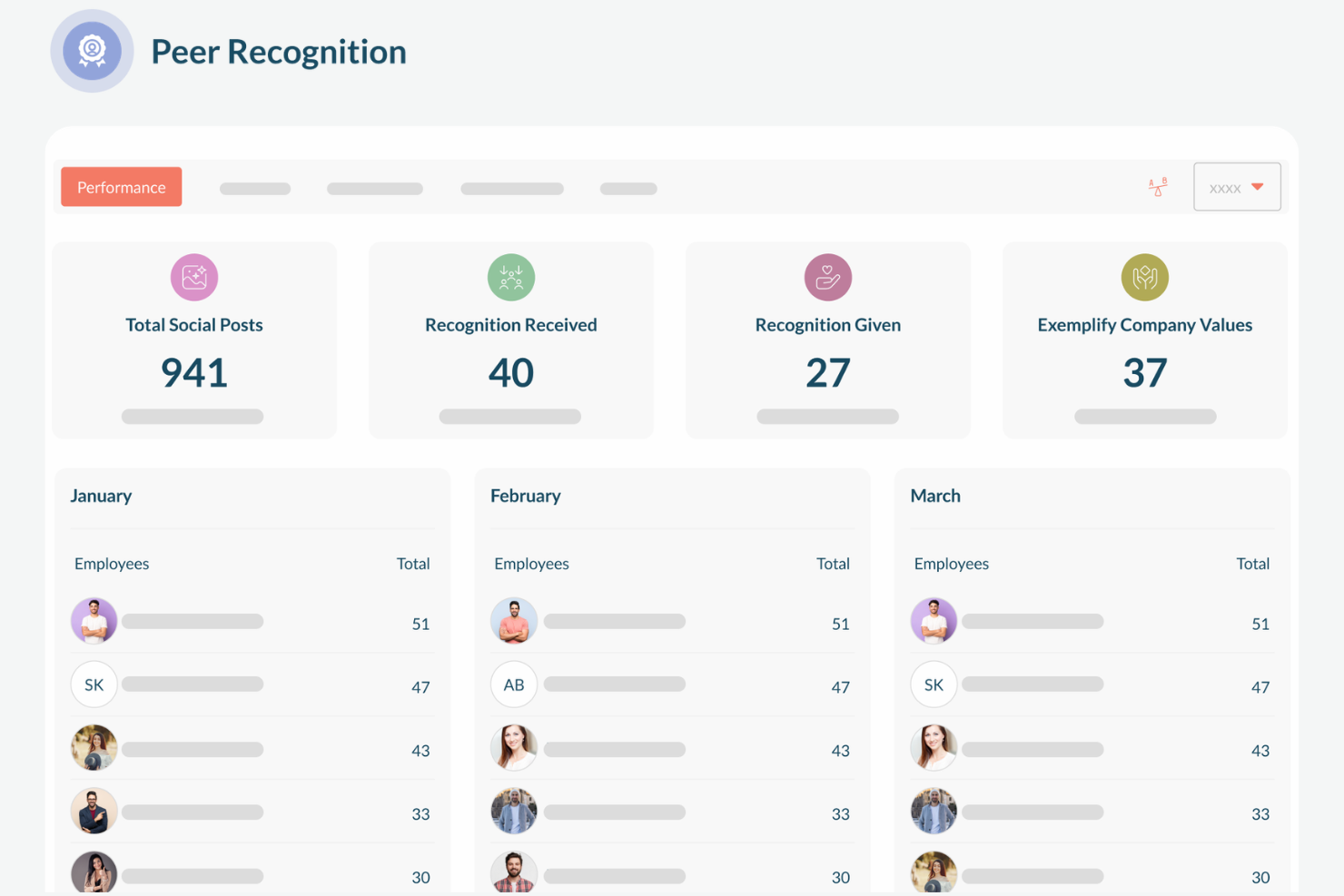
Woliba offers a digital platform designed to help HR teams and business leaders measure and improve employee wellness and engagement. The tool appeals to organizations that want to gather employee feedback and gain actionable insights into workforce wellbeing. Its focus on real-time data helps companies quickly identify and address engagement challenges.
Who Is Woliba Best For?
Woliba is a good fit for mid-sized to large organizations that want to monitor and improve employee engagement through real-time analytics.
Why I Picked Woliba
What drew me to Woliba is its focus on delivering real-time engagement analytics, which is especially valuable for HR teams aiming to make data-driven decisions about employee wellness. The platform provides live dashboards and instant reporting on participation in wellness programs, so you can quickly spot trends and address issues as they arise. I also appreciate that Woliba offers customizable surveys and pulse checks, allowing organizations to gather immediate feedback and measure the impact of their wellness initiatives. These features make it easier to adapt programs and demonstrate ROI to leadership.
Woliba Key Features
Some other features that make Woliba useful for HR teams and people leaders include:
- Recognition and rewards system: Employees can recognize peers and earn points that can be redeemed for rewards.
- Wellness challenges: The platform lets you create and manage company-wide wellness challenges to boost participation.
- Resource library: Woliba provides access to a curated library of wellness articles, videos, and tips.
- Event management tools: Organizers can schedule, promote, and track attendance for wellness-related events within the platform.
Woliba Integrations
Integrations include ADP, BambooHR, Workday, Salesforce, SAP SuccessFactors, Paylocity, Gusto, and more.
Pros and Cons
Pros:
- Customizable surveys and pulse checks
- Peer recognition and rewards functionality
- Personalized challenges based on user interests
Cons:
- Historical activity data requires manual backdating
- Single-active-challenge limit per user group
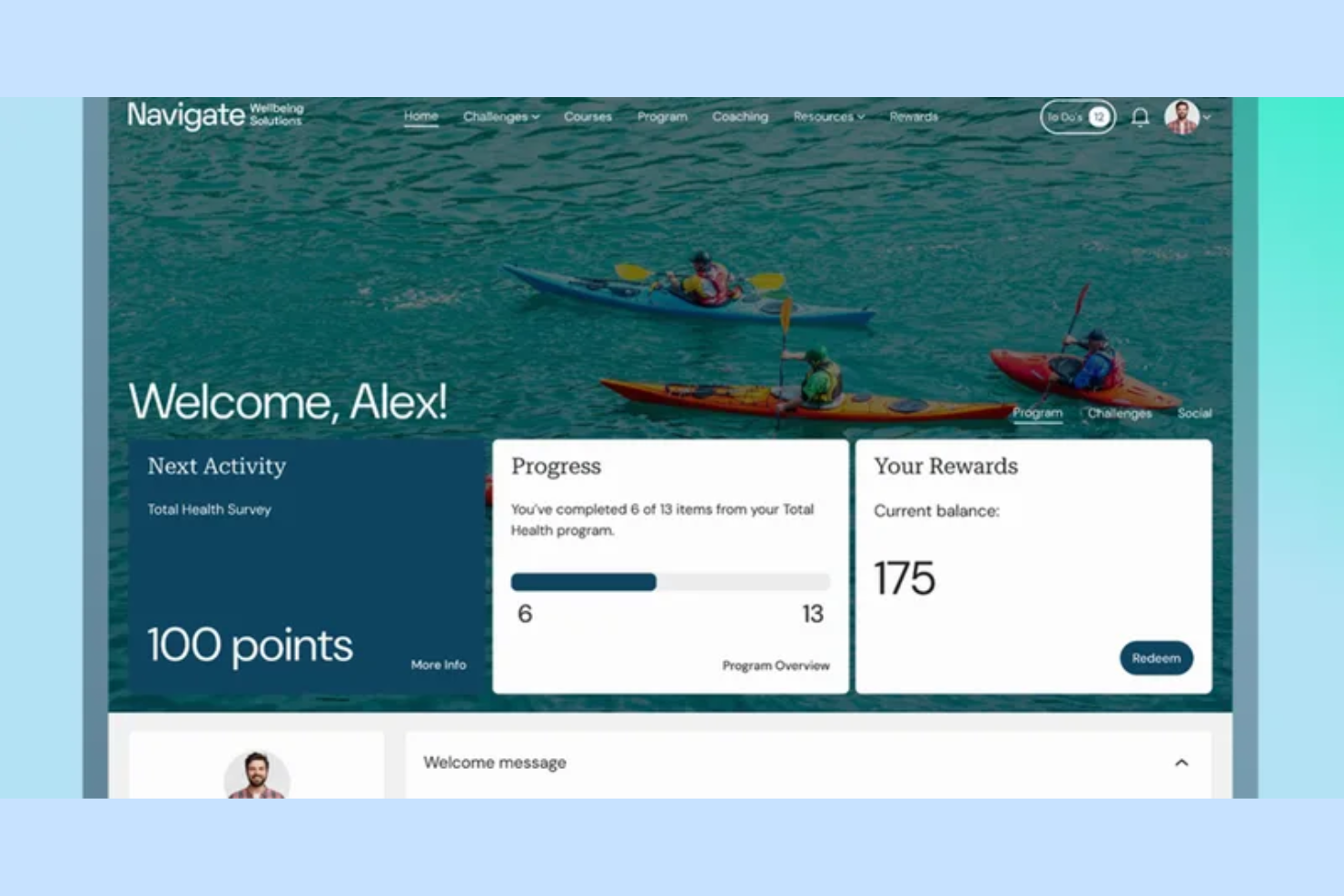
Navigate offers a digital platform designed to help organizations support employee health and well-being through data-driven insights. It’s a strong fit for HR teams and benefits leaders who want to address health risks and engagement with tailored wellness programs. The platform helps businesses identify workforce health trends and deliver targeted resources to improve overall employee wellness.
Who Is Navigate Best For?
Navigate is a good fit for HR teams seeking to maximize health benefits through tailored employee assessments and wellness programs.
Why I Picked Navigate
What stands out to me about Navigate is its focus on delivering personalized health assessments that go beyond generic wellness surveys. The platform uses data-driven tools to evaluate individual and group health risks, which helps HR teams design targeted wellness initiatives. I appreciate that Navigate offers customizable assessments and reporting, making it easier to address specific workforce needs. This approach supports organizations that want to move from one-size-fits-all programs to more tailored, impactful wellness solutions.
Navigate Key Features
In addition to its personalized health assessments, Navigate offers several other features that support employee wellness programs:
- Incentive management tools: Lets HR teams set up, track, and reward participation in wellness activities.
- Wellness challenges platform: Provides customizable team and individual challenges to encourage healthy behaviors.
- Resource library: Gives employees access to articles, videos, and tools on a range of health topics.
- Reporting dashboard: Delivers real-time analytics on program participation and engagement trends.
Navigate Integrations
Integrations include All Digital Rewards, Catapult Health, eHealthScreenings, Edamam, Fringe, Homethrive, Les Mills, movr, and more.
Pros and Cons
Pros:
- Delivers real-time analytics on engagement
- Features a library for self-guided learning
- Includes incentive management
Cons:
- Custom branding options are restricted
- No mobile app for on-the-go access

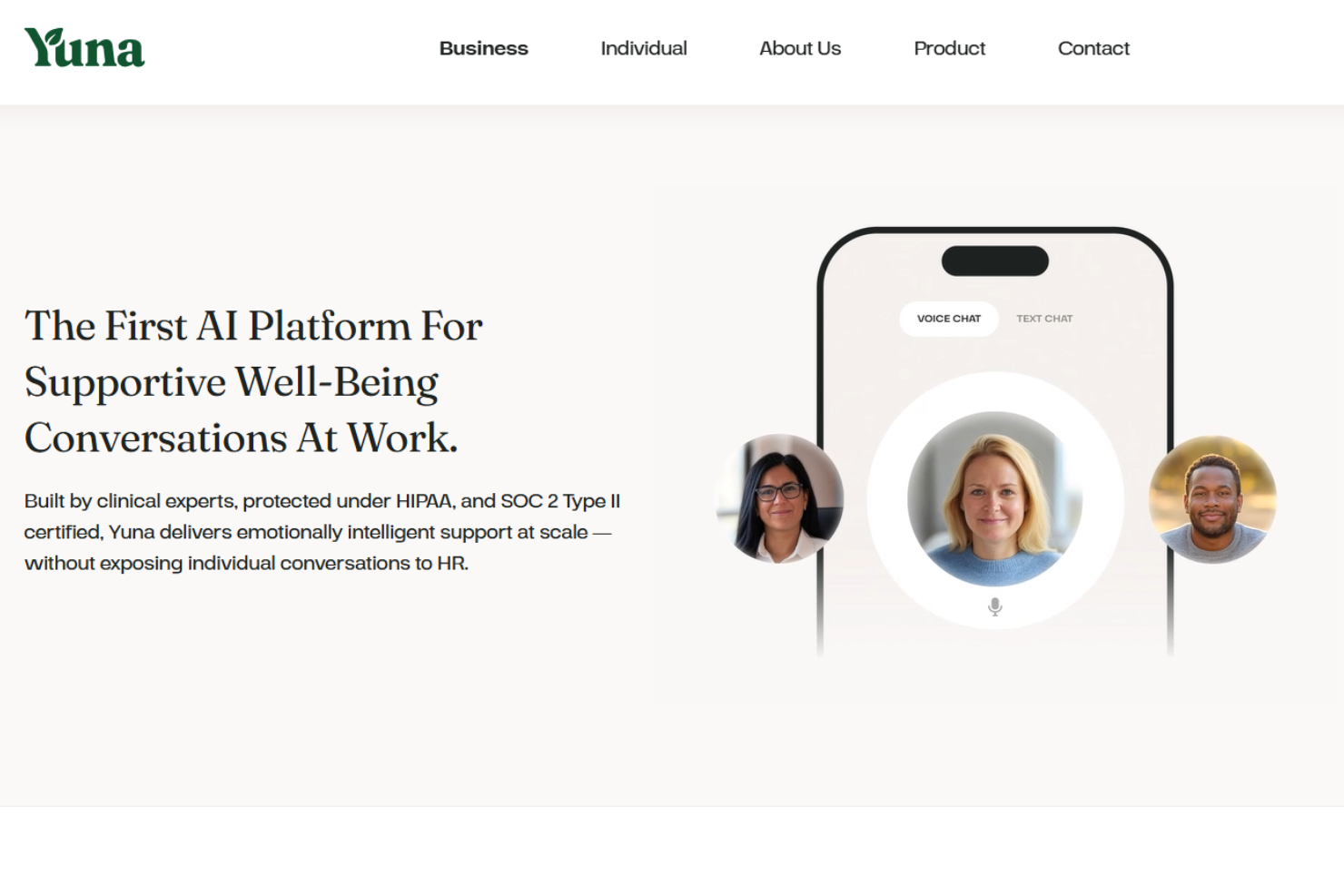
Yuna AI offers an AI-powered platform designed to support employee mental health through conversational technology. It’s a strong fit for HR teams and organizations looking to provide accessible, on-demand mental health support without relying solely on traditional counseling. The tool helps address gaps in employee well-being by making mental health resources available anytime employees need them.
Who Is Yuna AI Best For?
Yuna AI is well-suited for HR teams in mid-sized to large organizations that want to offer scalable, conversational mental health support to employees.
Why I Picked Yuna AI
What drew me to Yuna AI is its focus on conversational mental health support, which sets it apart from more traditional wellness platforms. The tool uses AI-driven chat technology to provide employees with immediate, confidential conversations about their mental well-being.
I appreciate that Yuna AI can deliver personalized guidance and resources based on each user’s needs, making support feel more approachable and less clinical. This approach is especially valuable for organizations that want to lower barriers to mental health care and offer support that’s available anytime, not just during office hours.
Yuna AI Key Features
Some other features that make Yuna AI a strong option for HR teams include:
- Multilingual support: The platform can interact with users in multiple languages to accommodate diverse workforces.
- Anonymous usage mode: Employees can access support without sharing personal details, encouraging more open conversations.
- Customizable conversation flows: HR teams can tailor the AI’s responses and topics to align with company culture and policies.
- Analytics dashboard: Provides HR with aggregated insights into usage trends and common wellbeing topics, while maintaining user privacy.
Yuna AI Integrations
Integrations include Nvidia, Hume, ElevenLabs, HCI Active, and more.
Pros and Cons
Pros:
- Real-time crisis and trauma monitoring
- Aggregate workforce burnout trend dashboards
- Voice-to-voice empathetic AI dialogue
Cons:
- Lacks live human counselor escalation
- Requires active internet for functionality

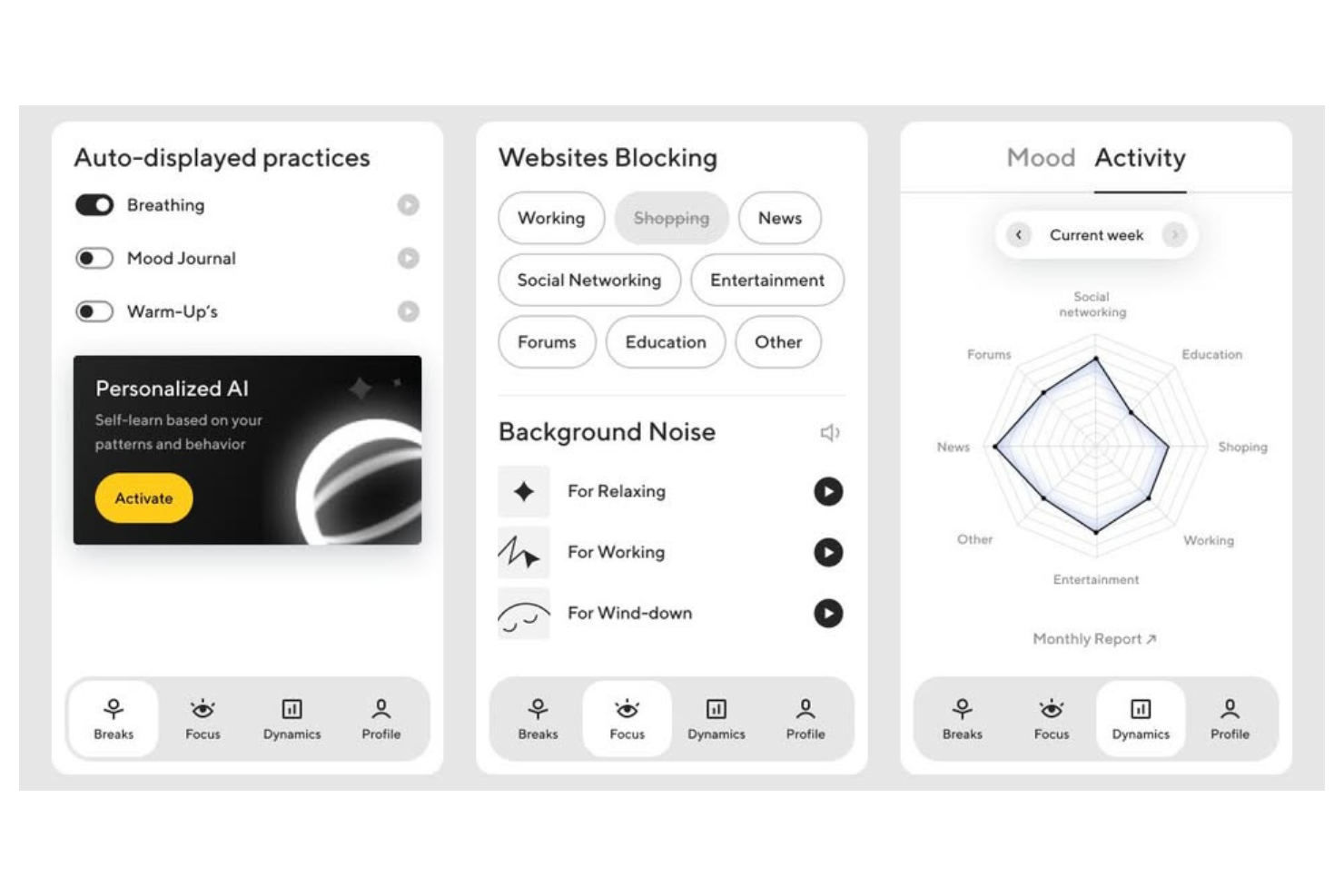
Breathhh offers a digital platform focused on guided breathing exercises designed for workplace wellness programs. It’s a strong fit for HR teams and organizations looking to support employee stress management with accessible, structured breathing sessions. The tool helps address daily workplace tension by making evidence-based breathing techniques easy to access and use.
Who Is Breathhh Best For?
Breathhh is a good fit for HR teams in mid-sized organizations that want to offer structured, accessible breathing exercises to support employee wellbeing.
Why I Picked Breathhh
What stands out to me about Breathhh is its wide range of guided breathing sessions, which go beyond the basic exercises you find in many wellness apps. I picked this tool because it offers different session types and durations, allowing HR teams to match breathing exercises to various workplace needs and stress levels. Breathhh also provides structured guidance and visual cues, making it easy for employees to follow along whether they’re at their desk or taking a break. This variety and flexibility make it a strong choice for organizations that want to offer more than just generic wellness content.
Breathhh Key Features
Some other features I noticed that help Breathhh stand out include:
- Session scheduling: HR teams can schedule breathing sessions for groups or individuals in advance.
- Progress tracking: Employees can view their session history and track their participation over time.
- Customizable reminders: The platform allows users to set up notifications for regular breathing breaks throughout the workday.
- Admin dashboard: HR administrators have access to a dashboard for monitoring overall engagement and usage trends.
Breathhh Integrations
Native integrations are not currently listed.
Pros and Cons
Pros:
- Progress tracking for employee engagement
- Visual and audio cues for session guidance
- Wide range of guided breathing session types
Cons:
- Desktop-centric with limited mobile parity
- Continuous background tracking of browser history
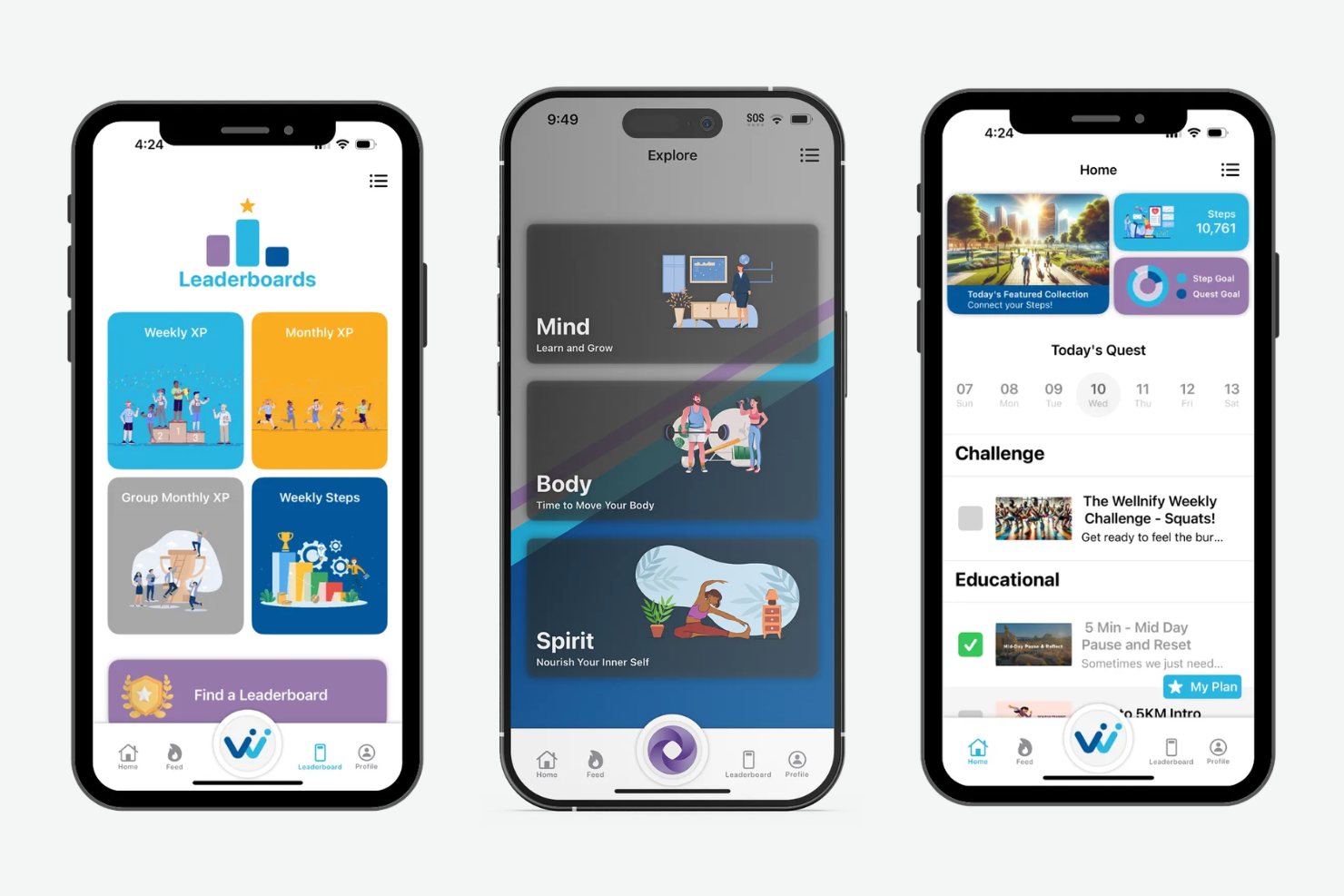
Wellnify.ai uses AI to deliver personalized wellness recommendations for employees based on their unique data and habits. This platform is designed for HR teams and business leaders who want to offer tailored wellness support at scale. It helps organizations address diverse employee needs by adapting wellness content and suggestions in real time.
Who Is Wellnify.ai Best For?
Wellnify.ai is a good fit for mid-sized to large organizations seeking AI-driven, personalized wellness programs for their employees.
Why I Picked Wellnify.ai
What stands out to me about Wellnify.ai is its focus on delivering AI-driven wellness recommendations that adapt to each employee’s needs. The platform analyzes user data and engagement patterns to suggest personalized physical activities, resources, and content. I appreciate that it uses machine learning to continuously refine these recommendations, helping HR teams offer more relevant support over time. This approach makes Wellnify.ai especially useful for organizations that want to move beyond generic wellness programs and provide targeted, data-informed guidance to their workforce.
Wellnify.ai Key Features
Some other features that make Wellnify.ai appealing for HR teams and business leaders include:
- Automated wellness check-ins: The platform sends regular, AI-powered check-ins to employees to monitor mood and stress levels.
- Customizable wellness challenges: HR teams can create and launch company-wide or team-specific wellness challenges directly from the dashboard.
- Resource library integration: Wellnify.ai connects users to a curated library of articles, videos, and expert content on health and wellness topics.
- Progress tracking dashboard: Both employees and administrators can view wellness engagement and progress through real-time visual dashboards.
Wellnify.ai Integrations
Native integrations are not currently listed.
Pros and Cons
Pros:
- Offers curated wellness materials
- Automated check-ins track trends
- AI tailors wellness content to each user
Cons:
- No direct iPhone-to-Fitbit step syncing
- High system requirements for AR features
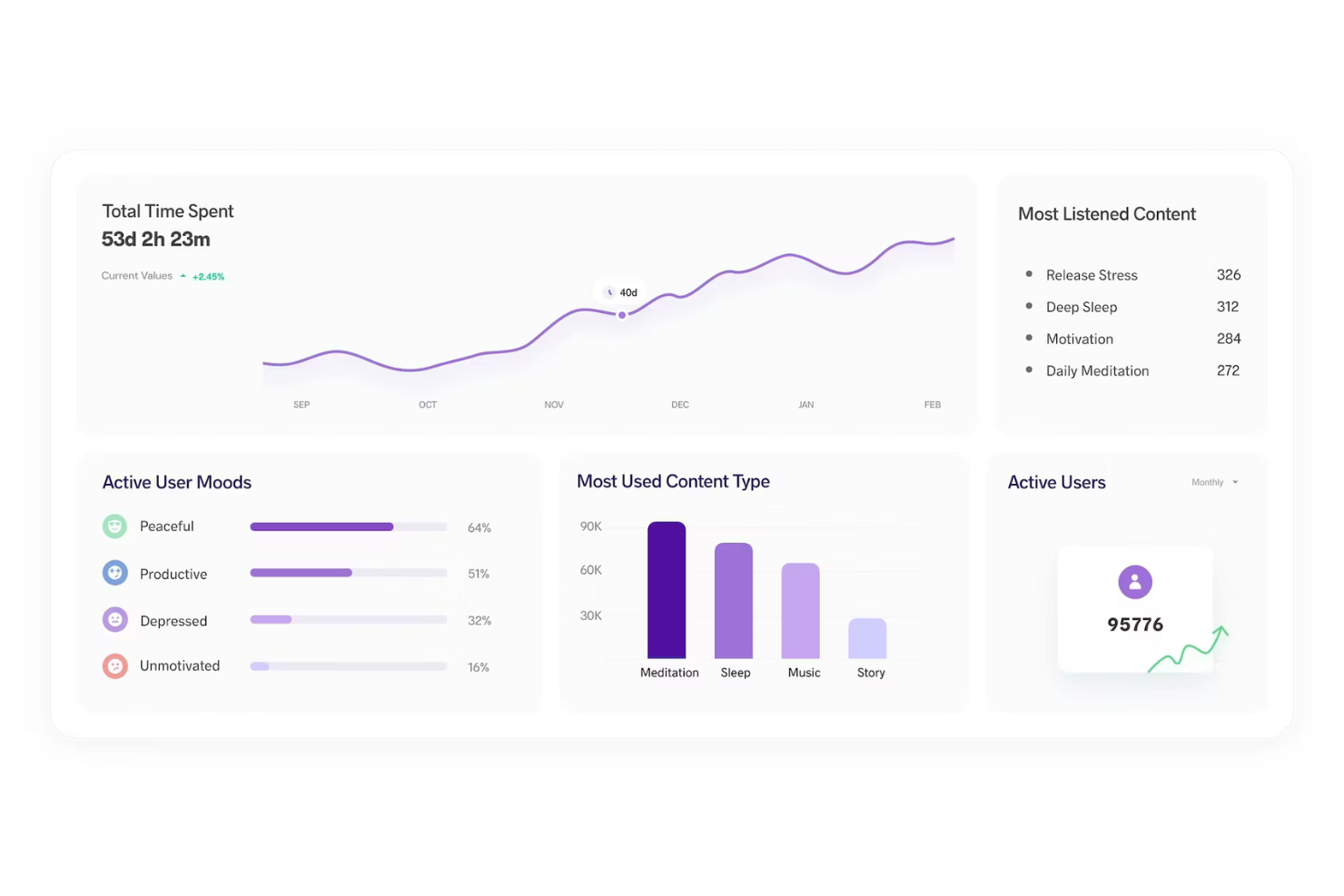
Meditopia offers a meditation and mental well-being platform designed for organizations that want to support diverse, global teams. HR professionals looking to address stress, burnout, and emotional health across different languages and cultures may find it especially relevant. The platform provides guided meditations, mindfulness exercises, and mental health resources tailored for workplace use.
Who Is Meditopia Best For?
Meditopia is a good fit for HR teams supporting multinational or multilingual workforces seeking accessible meditation and mental well-being resources.
Why I Picked Meditopia
What stands out to me about Meditopia is its commitment to making meditation and mental health resources accessible in multiple languages. This is especially important for organizations with global teams, where language barriers can limit engagement with wellness programs. Meditopia offers guided meditations, mindfulness exercises, and mental health content in over 10 languages, allowing HR teams to support employees regardless of their location or native language. I also appreciate that the platform curates culturally relevant content, which helps ensure that wellbeing resources resonate with diverse employee groups.
Meditopia Key Features
In addition to its multilingual meditation content, Meditopia offers several other features that support employee wellness initiatives:
- Personalized meditation recommendations: The platform uses user input and preferences to suggest relevant meditation and mindfulness exercises.
- Progress tracking dashboard: Employees and HR teams can monitor meditation frequency and engagement through built-in analytics.
- Corporate admin portal: HR professionals can manage employee access, view usage reports, and customize wellness programs from a centralized dashboard.
- Mobile app access: Employees can use Meditopia’s full suite of resources on both iOS and Android devices for on-the-go support.
Meditopia Integrations
Integrations include SAP, Salesforce, BambooHR, and more.
Pros and Cons
Pros:
- Features personalized meditation recommendations
- Includes guided programs for workplace stress
- Offers meditation content in 12+ languages
Cons:
- Challenges reset fully upon one missed day
- No direct Apple Health data syncing
Other AI Employee Wellness Software
Here are some additional AI employee wellness software options that didn’t make it onto my shortlist, but are still worth checking out:
- Wellable
With integrated activity tracking options
- Vantage Fit
For customizable wellness challenges
- Reward Gateway
With wellbeing rewards and recognition
- Personify Health
For a unified health and wellbeing platform
- Unmind
For proactive mental health measurement
- Alight
For benefits integration with wellness tools
- Grokker
For on-demand video wellness content
- Earkick
For instant mood tracking via chat
- Wysa
With AI-guided self-care exercises
- GoJoe
For social fitness engagement


How I Evaluate AI Employee Wellness Software
I look for platforms where AI does more than label survey responses—it should surface burnout risks, personalize interventions, and give HR leaders actionable wellbeing insights without compromising employee privacy. I split my evaluation into core functionality every tool must have to qualify and the differentiating factors that separate good options from great ones.
Core Functionality (Table Stakes For This List)
When I'm selecting tools for my list, I rank each one on a scale from 0 (does not offer the functionality) to 5 (excels in this area) for each core functionality listed below. Then, I calculate the tool's total score into a percentage. Each tool needs to achieve a minimum total score of 65% to be considered for inclusion.
- AI-Driven Wellbeing Analytics: I look for ML models that go beyond basic survey averages—platforms should surface risk scores, predict burnout trends, or flag at-risk teams based on real behavioral and engagement data.
- Sentiment & Mood Detection: NLP capabilities matter here. I evaluate whether the tool can extract emotional themes from open-text responses or pulse surveys, not just tag answers as positive or negative.
- Personalized Wellness Recommendations: The best tools tailor content to individual employees—recommending a mindfulness exercise to one person and a financial wellness resource to another based on their responses and patterns.
- Automated Check-ins & Nudges: I check whether the platform proactively reaches out to employees through chatbots, Slack or Teams messages, or app notifications rather than waiting for someone to self-report.
- Wellness Program Management: HR teams need to build, launch, and track initiatives like step challenges or mental health awareness campaigns from within the platform, with participation and completion data included.
- Privacy-Preserving Reporting: Aggregated dashboards with anonymization thresholds are what I look for, so HR leaders can spot organizational trends without exposing any individual employee's data.
Once I have a list of tools that meet the criteria, I consider what sets each platform apart.
Differentiating Factors (What Sets Vendors Apart)
Here's how I compare and contrast different vendors:
Standout Features
Predictive attrition modeling is a major differentiator—I look for platforms that connect wellbeing signals to turnover risk so HR can act before someone resigns. Crisis escalation pathways also matter. Tools that detect distress language and route employees to EAPs or licensed clinicians add a duty-of-care layer that static wellness apps can't match. I evaluate manager enablement features too, like team-level dashboards with AI-generated coaching prompts that help people leaders respond to wellbeing trends within their own teams.
Beyond Features
Data privacy and ethical AI governance are top of mind for me. I check for SOC 2 Type II, GDPR readiness, clear consent frameworks, and transparent anonymization thresholds—employee trust depends on getting this right. Clinical credibility is another factor I evaluate closely, especially whether assessments use validated instruments like PHQ-9 or WHO-5. HRIS and collaboration tool integrations round out my review. Platforms that connect with Workday, BambooHR, Slack, or Teams deliver check-ins where employees already work, which directly drives adoption.
How to Choose AI Employee Wellness Software
It’s easy to get bogged down in long feature lists and complex pricing structures. To help you stay focused as you work through your unique software selection process, here’s a checklist of factors to keep in mind:
| Factor | What to Consider |
|---|---|
| Scalability | Will the software support your current and future headcount, including remote or global teams? |
| Integrations | Does it connect natively with your HRIS, payroll, or communication tools to avoid manual work? |
| Customizability | Can you tailor wellness programs, surveys, and dashboards to fit your organization’s culture? |
| Ease of use | Will employees and admins find the interface intuitive, or will you need to invest in extra training? |
| Implementation and onboarding | How long does setup take, and what resources or support does the vendor provide during rollout? |
| Cost | Are pricing tiers clear, and do they align with your budget and expected usage? Watch for add-ons. |
| Security safeguards | Does the vendor meet your data privacy and security standards, especially for sensitive health data? |
| Support availability | What support channels are offered, and are they available during your business hours and locations? |
What Is AI Employee Wellness Software?
AI employee wellness software is a digital platform that uses artificial intelligence to monitor, support, and enhance employee well-being across physical, mental, and emotional health. These tools analyze engagement data, deliver personalized wellness recommendations, and automate routine wellness tasks.
HR teams use them to track participation, gather feedback, and adapt wellness programs in real time, helping organizations create healthier, more supportive workplaces.
Features
When selecting AI employee wellness software, keep an eye out for the following key features:
- Personalized wellness recommendations: Uses AI to suggest activities, resources, or content tailored to each employee’s health goals and engagement patterns.
- Real-time engagement analytics: Tracks participation and engagement in wellness programs, providing live dashboards and actionable insights for HR teams.
- Automated surveys and pulse checks: Sends out regular, customizable surveys to gather feedback on employee wellbeing and program effectiveness.
- Recognition and rewards system: Enables peer-to-peer recognition and allows employees to earn points or rewards for participating in wellness activities.
- Wellness challenge management: Lets you create, launch, and monitor company-wide or team-based wellness challenges to boost motivation and participation.
- Resource library access: Provides employees with a curated collection of articles, videos, and tools focused on physical, mental, and emotional health.
- Integration with HR systems: Connects directly with HRIS, payroll, and communication platforms to sync employee data and automate workflows.
- Confidentiality and data security controls: Ensures sensitive health and engagement data is protected with privacy and security measures.
- Mobile accessibility: Offers a mobile-friendly interface or dedicated app so employees can access wellness resources and participate from anywhere.b
Benefits
Implementing AI employee wellness software provides several benefits for your team and your business. Here are a few you can look forward to:
- Personalized support for every employee: AI-driven recommendations and resources help address individual wellness needs and preferences.
- Real-time insights for HR teams: Engagement analytics and automated reporting make it easier to monitor participation and adapt programs quickly.
- Higher participation in wellness initiatives: Gamified challenges, recognition, and rewards systems motivate employees to get involved and stay engaged.
- Wellness program management: Automated surveys, challenge management, and HRIS integrations reduce manual work for HR teams.
- Improved data security and confidentiality: Built-in privacy controls and secure data handling protect sensitive employee health information.
- Accessible wellness resources anywhere: Mobile-friendly platforms ensure employees can access support and participate in programs from any location.
- Better measurement of program impact: Continuous feedback and analytics help HR teams demonstrate the value and effectiveness of wellness initiatives.
Costs & Pricing
Selecting AI employee wellness software requires an understanding of the various pricing models and plans available. Costs vary based on features, team size, add-ons, and more. The table below summarizes common plans, their average prices, and typical features included in AI employee wellness software solutions:
Plan Comparison Table for AI Employee Wellness Software
| Plan Type | Average Price | Common Features |
|---|---|---|
| Free Plan | $0 | Basic wellness tracking, limited challenges, access to a small resource library, and basic reporting. |
| Personal Plan | $5-$10/user/month | Personalized recommendations, self-guided wellness activities, mobile access, and limited analytics. |
| Business Plan | $10-$25/user/month | Team challenges, engagement analytics, HRIS integrations, recognition tools, and customizable surveys. |
| Enterprise Plan | $25-$50/user/month | Advanced analytics, dedicated support, custom integrations, enhanced security, and tailored onboarding. |
AI Employee Wellness Software FAQs
Here are some answers to common questions about AI employee wellness software:
How does AI improve employee wellness programs?
AI improves employee wellness programs by analyzing engagement data, identifying trends, and delivering personalized recommendations. This helps HR teams adapt programs in real time and ensures employees receive relevant support based on their unique needs and participation patterns.
Can AI employee wellness software protect sensitive health data?
Yes, most AI employee wellness software includes strong data security and privacy controls. These platforms use encryption, access restrictions, and compliance with regulations like GDPR or HIPAA to safeguard employee health information.
What types of wellness activities can be managed with these tools?
You can manage activities such as fitness challenges, mindfulness sessions, nutrition tracking, mental health check-ins, and educational workshops. Many platforms also support custom activities tailored to your corporate wellness goals.
How long does it take to implement AI employee wellness software?
Implementation time varies, but most platforms offer onboarding support, training resources, and templates to help you get started within a few days to a few weeks. The timeline depends on your organization’s size, integration needs, and customization requirements.
Do these platforms integrate with existing HR systems?
Yes, many AI employee wellness software solutions integrate with HRIS, payroll, and communication tools. This allows for automatic syncing of employee data, easier program management, and more accurate reporting.