

10 Best Corporate Wellness Apps in 2026

Best Corporate Wellness Apps Shortlist


Corporate wellness apps are digital platforms that help your team improve health, well-being, and engagement at work. If you’re searching for the best corporate wellness apps, you’re likely looking for ways to support employee wellness, boost morale, and create a healthier workplace culture. With so many options out there, it’s tough to know which tools actually deliver results and fit your organization’s needs. This list will help you quickly compare top solutions, understand what sets each apart, and find the right fit for your team’s wellness goals.
Why Trust Our Software Reviews
Our team has been testing and reviewing software since 2012. As HR experts ourselves, we know how difficult—and important—it is to choose the right software.
For this guide, we evaluated tools using hands-on testing and independent research, scoring tools using our selection criteria. We also draw on insights from industry thought leaders and practicing HR experts.
Our reviews reflect our human editorial judgment, not a sales pitch.
Expert reviewers:
Best Corporate Wellness Apps Summary
This comparison chart summarizes pricing details for my top corporate wellness app selections to help you find the best one for your budget and business needs.
| Tool | Best For | Trial Info | Price | ||
|---|---|---|---|---|---|
| 1 | Best for simple team wellness challenges | Free demo available | From $800/month | Website | |
| 2 | Best for wellness benefits and reimbursements | Free demo available | Pricing upon request | Website | |
| 3 | Best for personalized wellness journeys | Free demo available | Pricing upon request | Website | |
| 4 | Best for workplace mindfulness and meditation | Free demo available | Pricing upon request | Website | |
| 5 | Free demo available | Free demo available | Pricing upon request | Website | |
| 6 | Best for on-demand wellness content | 14-day free trial + free demo available | Pricing upon request | Website | |
| 7 | Best for gamified wellness tracking | Free demo available | From $80/month (billed annually) | Website | |
| 8 | Best for social fitness challenges | Free demo available | From $3.29/user/month (billed annually) | Website | |
| 9 | Best for flexible wellness program design | Free demo available | From $1.75/employee/month | Website | |
| 10 | Best for evidence-based wellness programs | Free demo available | From $0.50/employee/month | Website |
Best Corporate Wellness Apps Reviews
Below are my detailed summaries of the best corporate wellness apps that made it onto my shortlist. My reviews offer a detailed look at the features, best use cases, and integrations of each platform to help you find the best one for you.

YuMuuv
Best for simple team wellness challenges
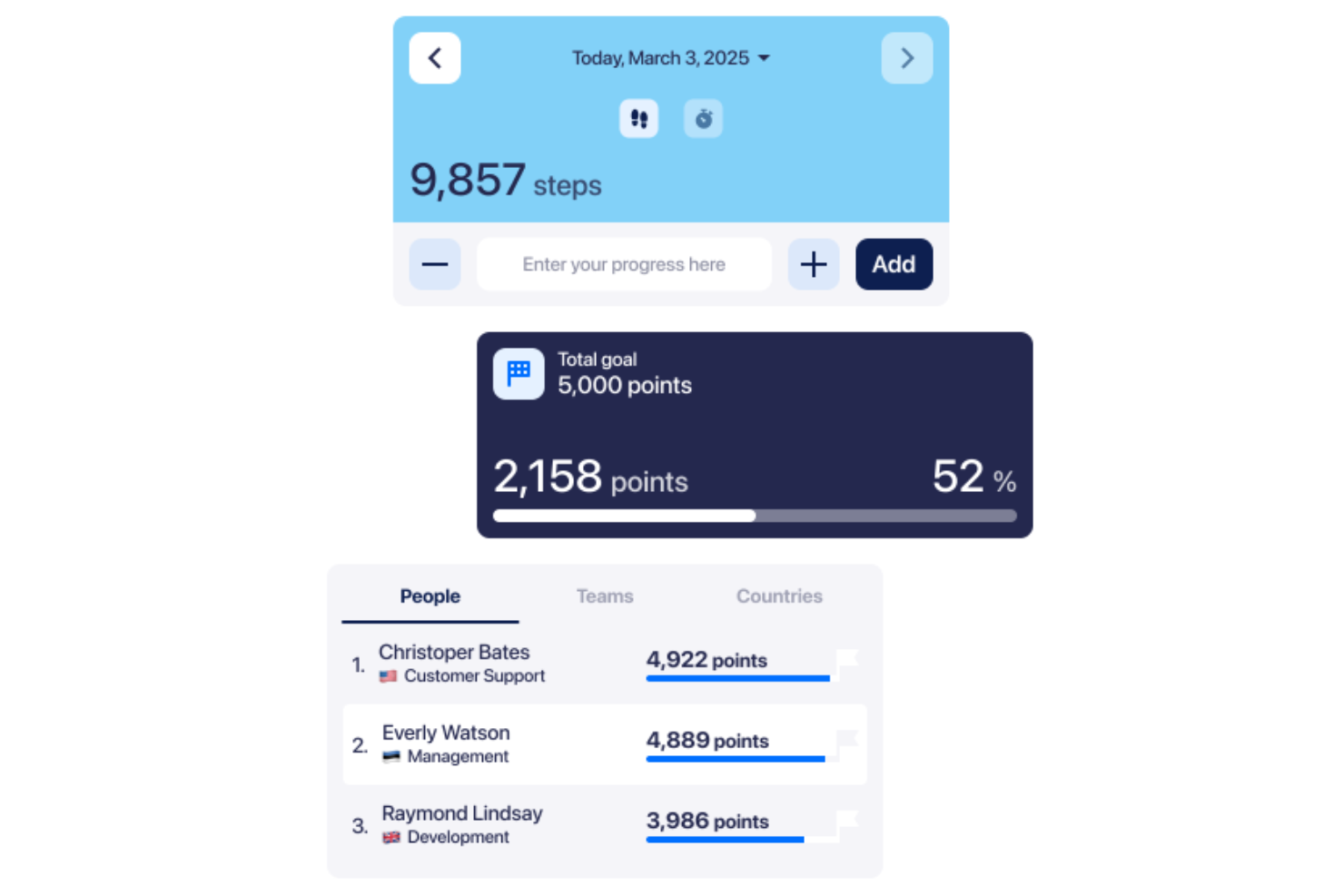
YuMuuv is a corporate wellness app designed for HR teams and organizations to create, automate, and manage team-based wellness challenges, activity tracking, and employee engagement campaigns.
Who Is YuMuuv Best For?
HR teams at mid-sized companies who want to automate and scale wellness challenges across distributed or hybrid workforces.
Why I Picked YuMuuv
I picked YuMuuv as one of the best because I can automate recurring wellness challenges for my team and set up custom activity goals with just a few clicks. I like that I can track participation in real time and use built-in templates for steps, hydration, or mindfulness. The platform’s automation lets me focus on engagement instead of manual setup.
YuMuuv Key Features
- Wearable device integration: Syncs with Fitbit, Garmin, Apple Health, and Google Fit for automatic activity tracking.
- Team leaderboard: Displays real-time rankings for individuals and teams during challenges.
- Custom survey creation: Lets you build and distribute wellness surveys to participants.
- Data export: Allows admins to export participation and activity data for reporting.
YuMuuv Integrations
YuMuuv offers native integrations with Fitbit, Garmin, Apple Health, and Google Fit, and provides an API for custom integrations.
Pros and Cons
Pros:
- Easy setup for company-wide wellness programs
- Real-time activity tracking motivates daily participation
- Gamified challenges boost team engagement
Cons:
- Reliance on incentivized reviews affects trust in feedback
- Manual step entry allows cheating or inaccurate data

Best for wellness benefits and reimbursements
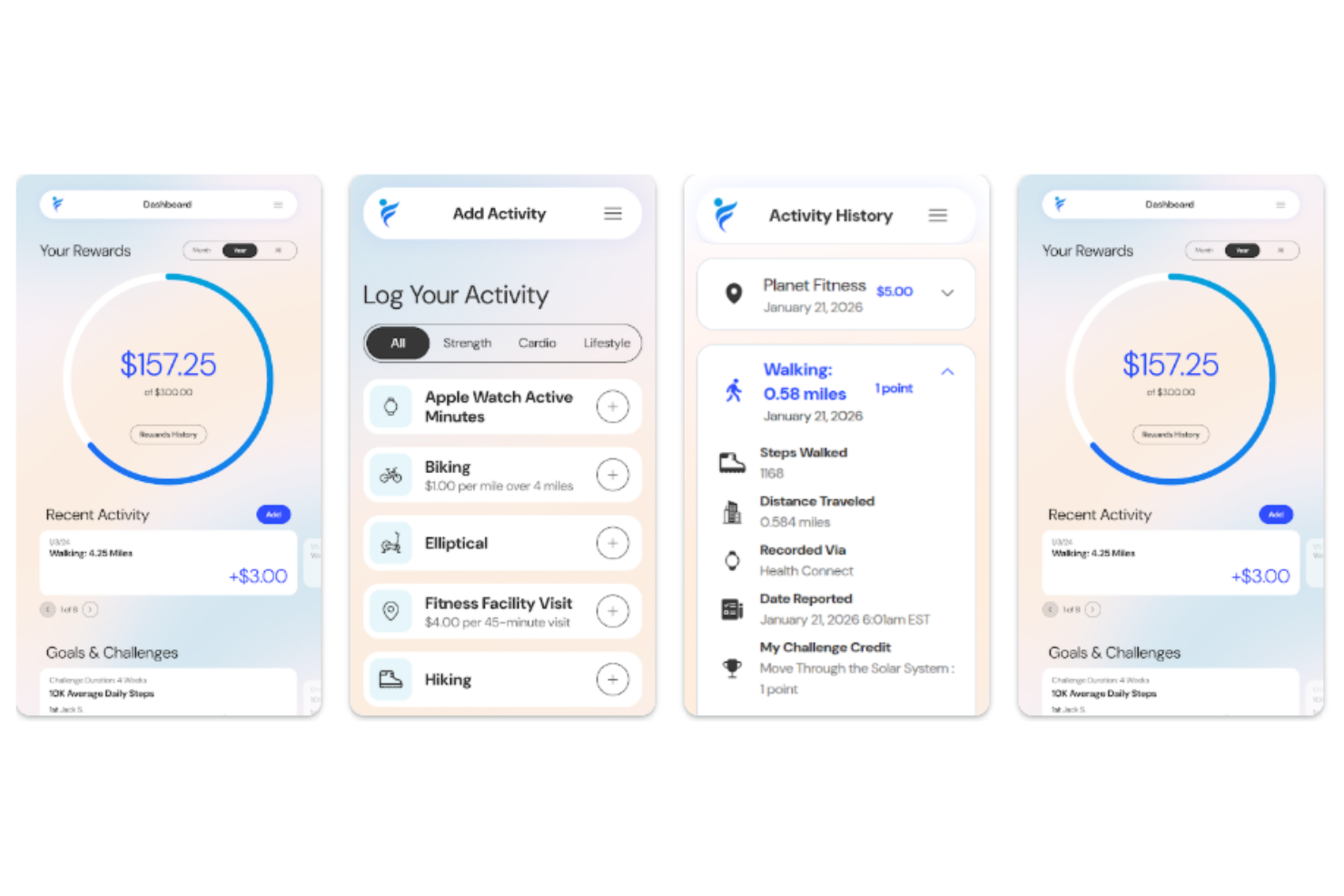
IncentFit is a corporate wellness platform that lets organizations manage activity tracking, fitness challenges, gym reimbursements, and wellness rewards in one system.
Who Is IncentFit Best For?
HR teams at US-based companies who want to offer activity reimbursement and wellness rewards through a single platform.
Why I Picked IncentFit
I picked IncentFit as one of the best because I like how it lets my team set up activity reimbursement programs and reward employees for verified wellness activities. I can configure gym membership reimbursements, fitness class rewards, and even step challenges all in one place. The platform’s focus on activity verification and flexible reward options fits what I need for a wellness benefits program.
IncentFit Key Features
- Mobile app integration: Syncs with Apple Health, Google Fit, Fitbit, and Garmin for activity tracking.
- Wellness challenges: Lets admins create and manage custom fitness and wellness competitions.
- Automated reporting: Generates downloadable reports on participation and program usage.
- HRIS integration: Connects with select HR and payroll systems for simplified eligibility management.
IncentFit Integrations
Native integrations are not currently listed.
Pros and Cons
Pros:
- Admin dashboard simplifies managing stipends
- Supports global teams with flexible currency options
- Tracks verified activity before issuing rewards, reducing fraud
Cons:
- Customization varies based on organization complexity
- Program value depends on employee participation levels

Best for personalized wellness journeys
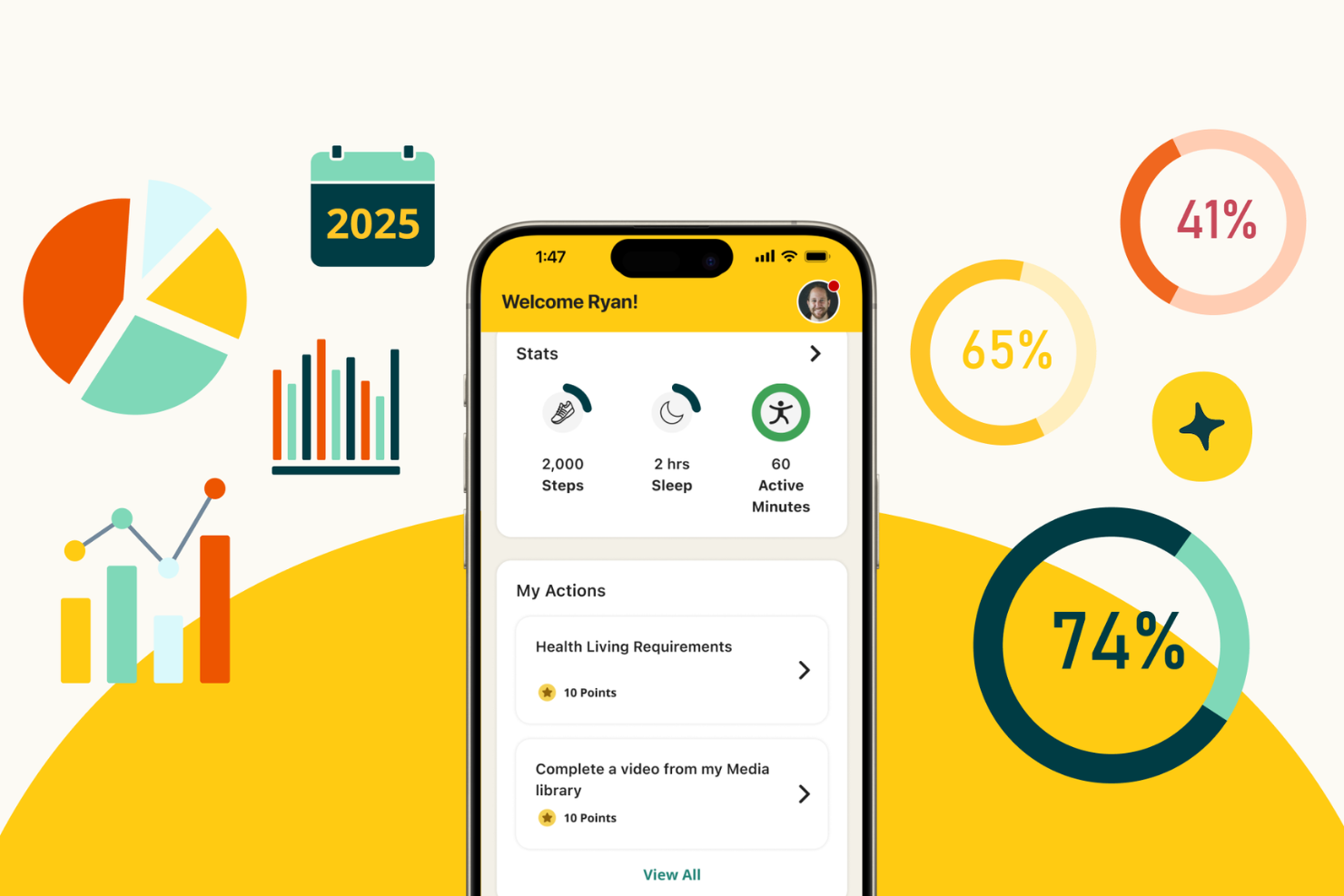
Personify Health is a corporate wellness platform that combines digital health assessments, personalized wellbeing journeys, incentive management, and integrated benefits navigation for employers.
Who Is Personify Health Best For?
Personify Health is a strong fit for large employers and enterprise HR teams seeking a unified health and well-being platform.
Why I Picked Personify Health
I picked Personify Health because I can combine digital health assessments, personalized wellbeing journeys, and benefits navigation in one platform. I like that my team can manage incentives and engagement campaigns directly from the dashboard. The integrated approach helps me tailor wellness programs to our workforce’s unique needs.
Personify Health Key Features
- Mobile app access: Employees can participate in wellness programs from their smartphones.
- Social challenges: Teams can join group wellness challenges and track progress together.
- Biometric screening integration: Syncs with biometric screening providers for health data collection.
- Resource library: Offers curated educational content on health and wellbeing topics.
Personify Health Integrations
Native integrations are not currently listed.
Pros and Cons
Pros:
- Incentive programs tied to measurable health outcomes
- Integrates claims, activity, and coaching for holistic insights
- Uses personalized health journeys based on user data
Cons:
- Reporting across programs lacks unified visibility
- Requires employer buy-in to unlock full feature value

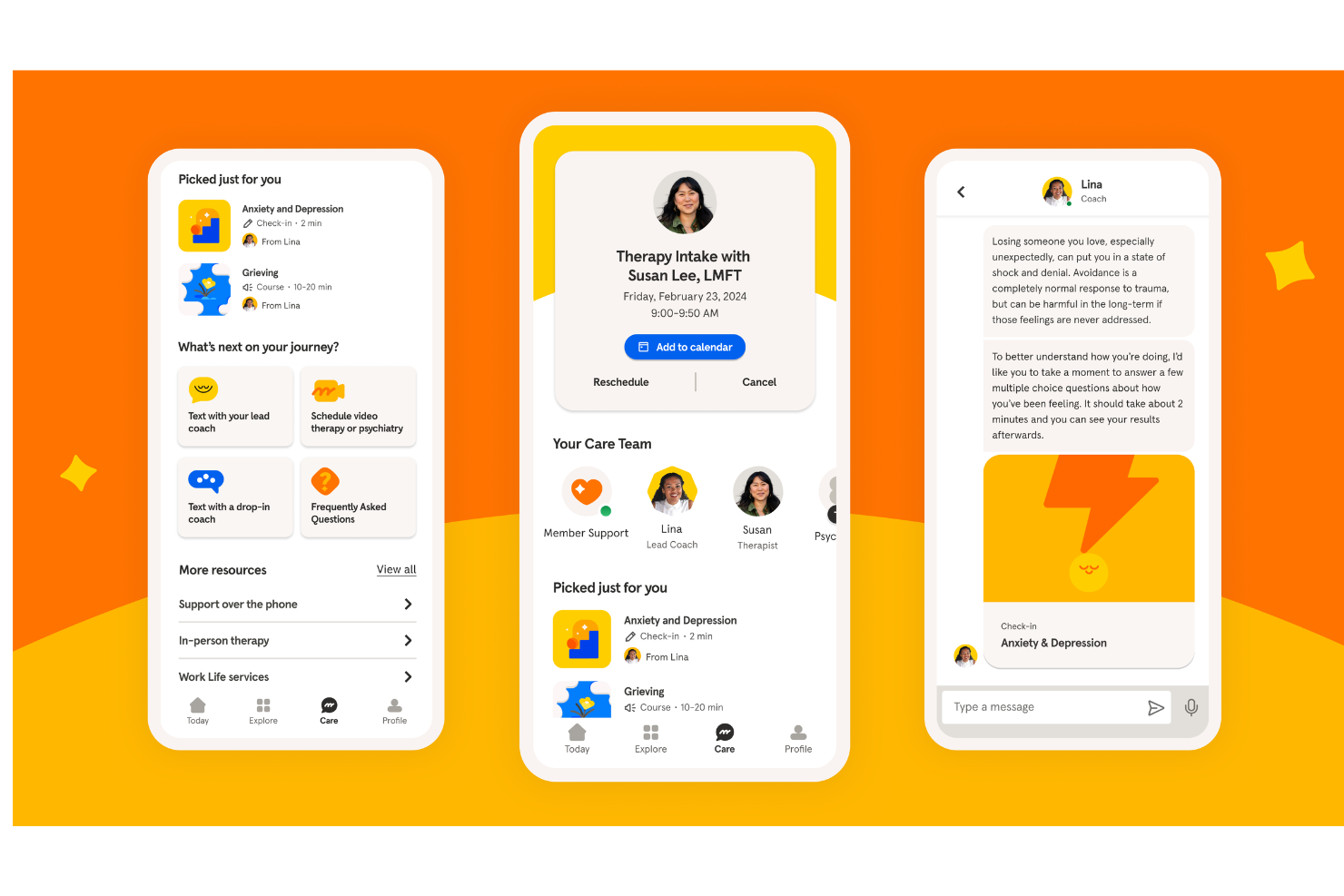
Headspace is a corporate wellness app that provides guided meditation, mindfulness exercises, sleep content, and stress management tools designed for workplace use.
Who Is Headspace Best For?
HR teams at mid-sized and large organizations seeking science-backed mindfulness and meditation resources for employees.
Why I Picked Headspace
I picked Headspace as one of the best because I like how it delivers science-backed mindfulness and meditation content tailored for workplace use. My team can access guided meditations, sleep sessions, and stress management exercises directly in the app. I also appreciate the live mindfulness sessions and expert-led workshops that help keep engagement high.
Headspace Key Features
- Admin dashboard: Lets HR teams monitor engagement and usage trends.
- Employee onboarding toolkit: Provides resources for launching Headspace to new users.
- Content library filtering: Allows users to search by topic, duration, or instructor.
- Usage reporting: Generates downloadable reports for program participation and activity.
Headspace Integrations
Native integrations are not currently listed.
Pros and Cons
Pros:
- Live group meditations and workshops
- Extensive library of guided sessions
- Science-backed meditation and mindfulness content
Cons:
- No built-in rewards or incentive programs
- Limited physical wellness or fitness features

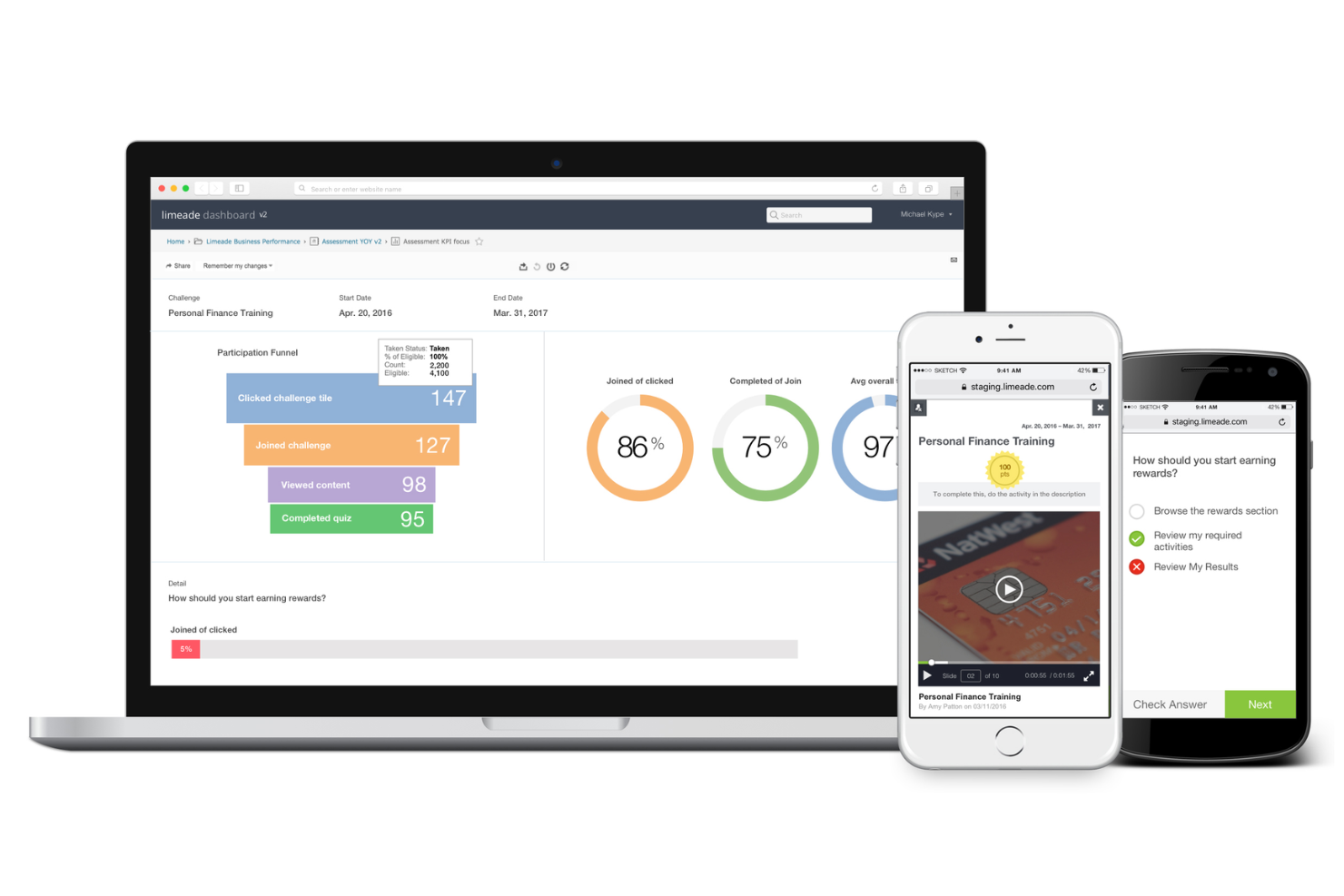
Limeade is a corporate wellness platform that brings together employee wellbeing assessments, engagement analytics, personalized activity challenges, and integrated communications for organizations.
Who Is Limeade Best For?
Limeade is a strong fit for large enterprises and HR teams seeking a science-backed approach to employee wellbeing and engagement analytics.
Why I Picked Limeade
I picked Limeade because I can measure employee wellbeing with science-backed assessments and track engagement trends in real time. I like using the analytics dashboard to spot participation gaps and tailor campaigns. The platform’s research-driven approach helps my team align wellness initiatives with organizational goals.
Limeade Key Features
- Personalized activity challenges: Employees can join custom wellness challenges tailored to their interests.
- Mobile app access: Users can participate in programs and track progress from their smartphones.
- Social recognition tools: Teams can celebrate achievements and milestones within the platform.
- Resource library: Offers curated educational content on health, wellbeing, and engagement topics.
Limeade Integrations
Native integrations are not currently listed.
Pros and Cons
Pros:
- Scales well for global, multi-language workforces
- Personalized programs adapt to individual employee needs
- Real-time surveys capture employee sentiment
Cons:
- Platform complexity increases admin overhead at scale
- Feature depth can be excessive for simple use cases

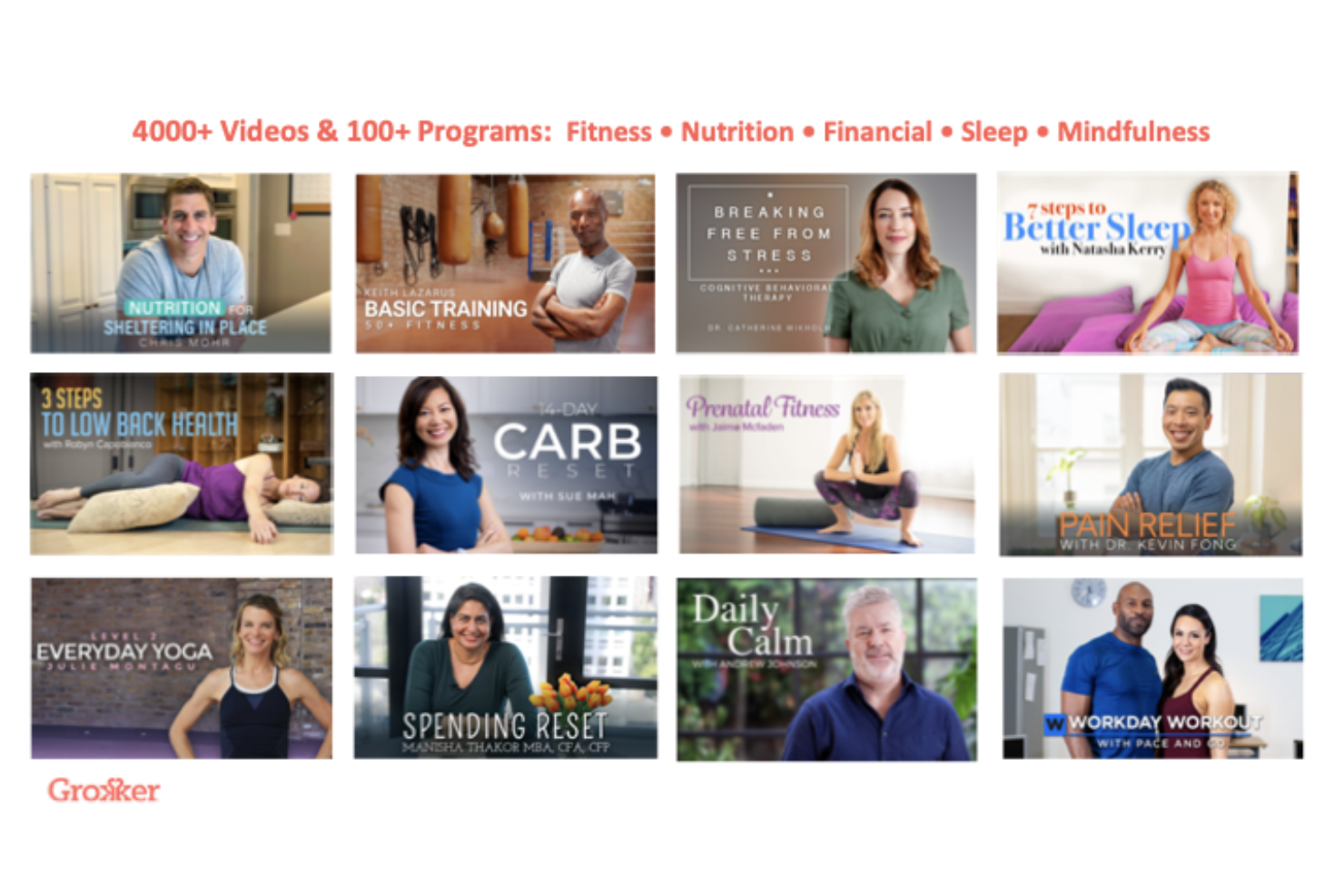
Grokker is a corporate wellness app that offers personalized video content, interactive challenges, and wellbeing tracking across fitness, nutrition, sleep, and mental health.
Who Is Grokker Best For?
HR leaders at mid-sized and large organizations seeking a holistic, video-driven wellness platform for employees.
Why I Picked Grokker
I picked Grokker as one of the best because I like how it combines holistic wellbeing with a huge library of personalized video content. My team can access expert-led sessions in fitness, nutrition, sleep, and mindfulness, all tailored to individual needs. I also appreciate the interactive challenges and tracking tools that help keep engagement high.
Grokker Key Features
- Customizable wellbeing challenges: Create and launch company-wide or team-based wellness challenges.
- Admin analytics dashboard: Track employee participation and engagement metrics in real time.
- Integrated rewards system: Set up and manage incentives for employee wellness achievements.
- Mobile app access: Employees can use Grokker’s features on iOS and Android devices.
Grokker Integrations
Grokker offers native integrations with Apple Watch, Fitbit, Garmin, and an API for custom integrations.
Pros and Cons
Pros:
- Supports company-wide wellness challenges
- Personalized content recommendations for each user
- Extensive library of on-demand wellness videos
Cons:
- Program quality can vary (some sessions lack depth)
- Content locked behind signup limits pre-purchase evaluation

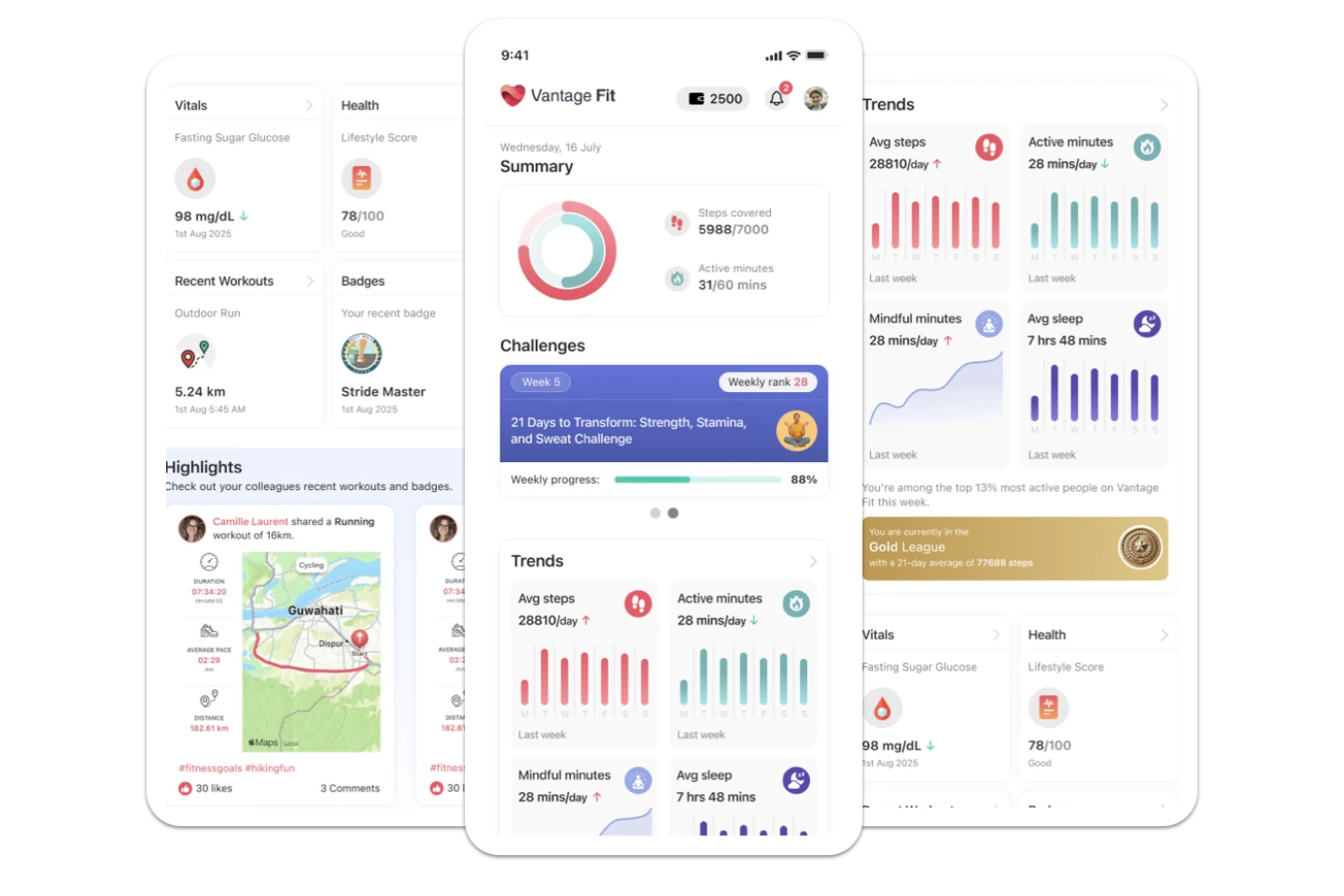
Vantage Fit is a corporate wellness app that combines AI-powered activity tracking, customizable wellness challenges, health assessments, and in-app rewards for employee engagement.
Who Is Vantage Fit Best For?
HR teams at global enterprises who want to run AI-driven wellness programs and challenges for large, distributed workforces.
Why I Picked Vantage Fit
I picked Vantage Fit as one of the best because I can use its AI-powered activity tracking to automatically log steps, calories, and workouts for my team. I like that I can launch company-wide wellness challenges and set up custom health assessments right from the dashboard. The in-app rewards system lets me recognize participation and motivate employees with points and badges.
Vantage Fit Key Features
- Mood tracking: Lets employees log and monitor their daily mood.
- Social feed: Shares wellness achievements and updates with colleagues.
- Corporate leaderboard: Ranks participants and teams in ongoing challenges.
- Integration with wearable devices: Syncs data from Apple Health, Google Fit, and Fitbit.
Vantage Fit Integrations
Vantage Fit offers native integrations with Apple Health, Google Fit, Fitbit, and Garmin, and provides an API for custom integrations.
Pros and Cons
Pros:
- Integrates with wearables for automated activity tracking
- Reward system ties activity to incentives and engagement
- Tracks fitness, nutrition, and habits in one dashboard
Cons:
- Requires manual data entry for some health metrics
- Sync issues cause delays across devices and apps

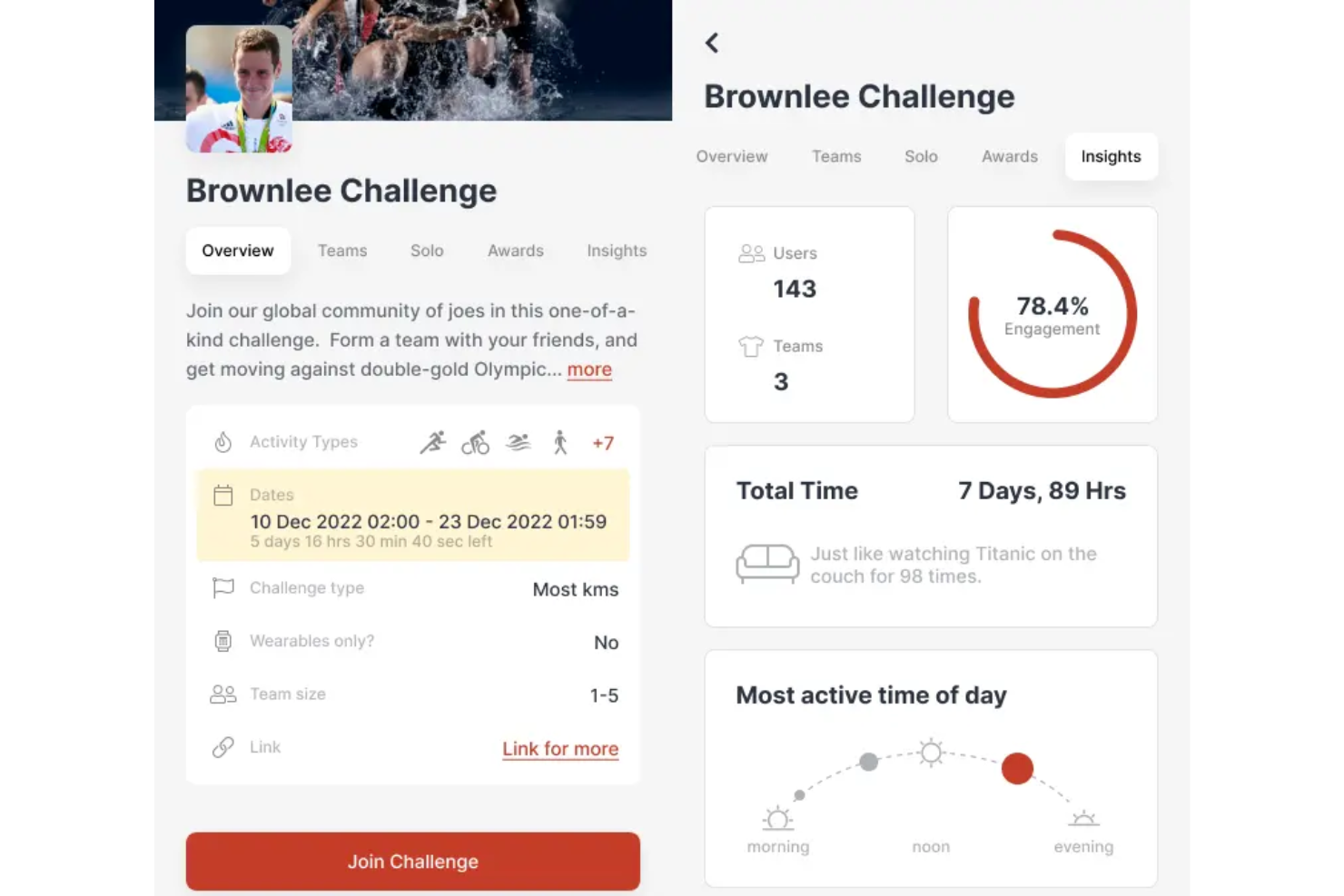
GoJoe is a corporate wellness app that brings together social fitness challenges, activity tracking, team leaderboards, and community engagement features for organizations.
Who Is GoJoe Best For?
GoJoe is a great fit for HR teams at mid-sized and large organizations looking to boost engagement through social, team-based wellness challenges.
Why I Picked GoJoe
I picked GoJoe because I like how it turns wellness into a social experience with team-based activity challenges. My team can set up custom events, track progress on live leaderboards, and use the in-app chat to keep everyone motivated. The app’s focus on group participation and friendly competition makes it stand out from other wellness platforms.
GoJoe Key Features
- Wearable device integration: Syncs with Garmin, Fitbit, Apple Health, and Google Fit.
- Admin dashboard: Lets HR teams monitor participation and engagement.
- Customizable branding: Allows organizations to add their own logos and colors.
- Automated reporting: Generates downloadable reports on activity and challenge outcomes.
GoJoe Integrations
Native integrations are not currently listed.
Pros and Cons
Pros:
- Admin dashboard tracks engagement and participation
- Real-time leaderboards for ongoing motivation
- Team-based challenges encourage social participation
Cons:
- Engagement relies heavily on active participation from teams
- Leaderboards can feel unfair due to over-logging activity

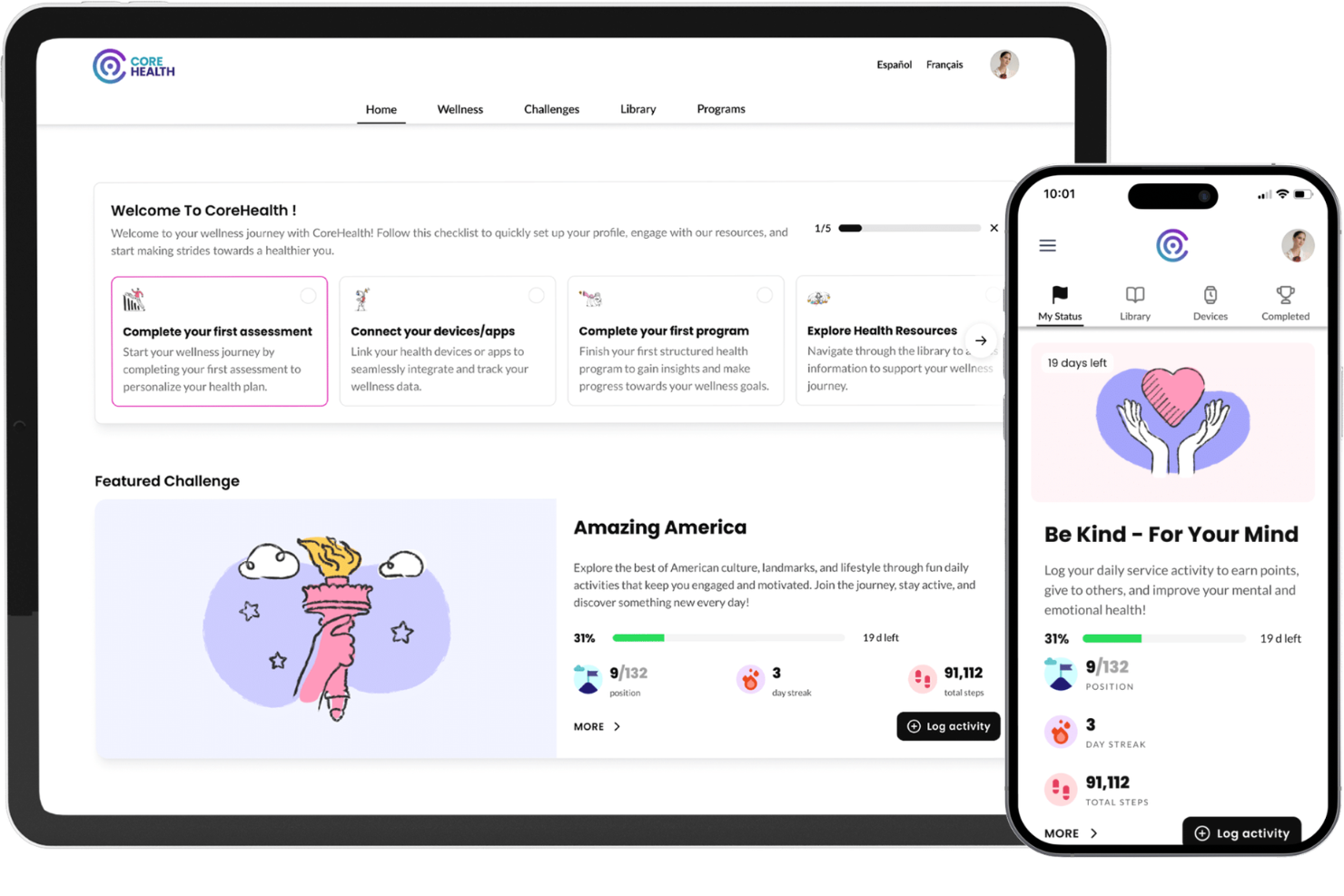
CoreHealth is a corporate wellness platform for organizations that want to design, deliver, and manage wellness programs, health assessments, and engagement activities in one place.
Who Is CoreHealth Best For?
HR teams at global enterprises who need a customizable wellness platform to support diverse employee populations.
Why I Picked CoreHealth
I picked CoreHealth as one of the best because I can tailor every aspect of the wellness platform to fit my organization’s unique needs, from branding to program modules. I like that I can build custom health assessments and challenges for different regions or business units. The platform’s flexibility lets me manage wellness initiatives for a global workforce without sacrificing local relevance.
CoreHealth Key Features
- Wellness content library: Access a wide range of articles, videos, and resources on health topics.
- Incentive management: Set up and track rewards for employee participation in wellness activities.
- Event scheduling: Organize and promote wellness events, webinars, and workshops within the platform.
- Reporting and analytics: Generate detailed reports on program engagement and outcomes for leadership review.
CoreHealth Integrations
CoreHealth offers native integrations with Fitbit, Garmin, Apple Health, Google Fit, Virgin Pulse, and has an API for custom integrations.
Pros and Cons
Pros:
- Strong support and partnership-focused onboarding
- White-label platform supports full brand customization
- Highly customizable wellness programs and workflows
Cons:
- Requires technical skills (HTML/CSS/JS) for full customization
- Reporting tools feel dated and require external tools

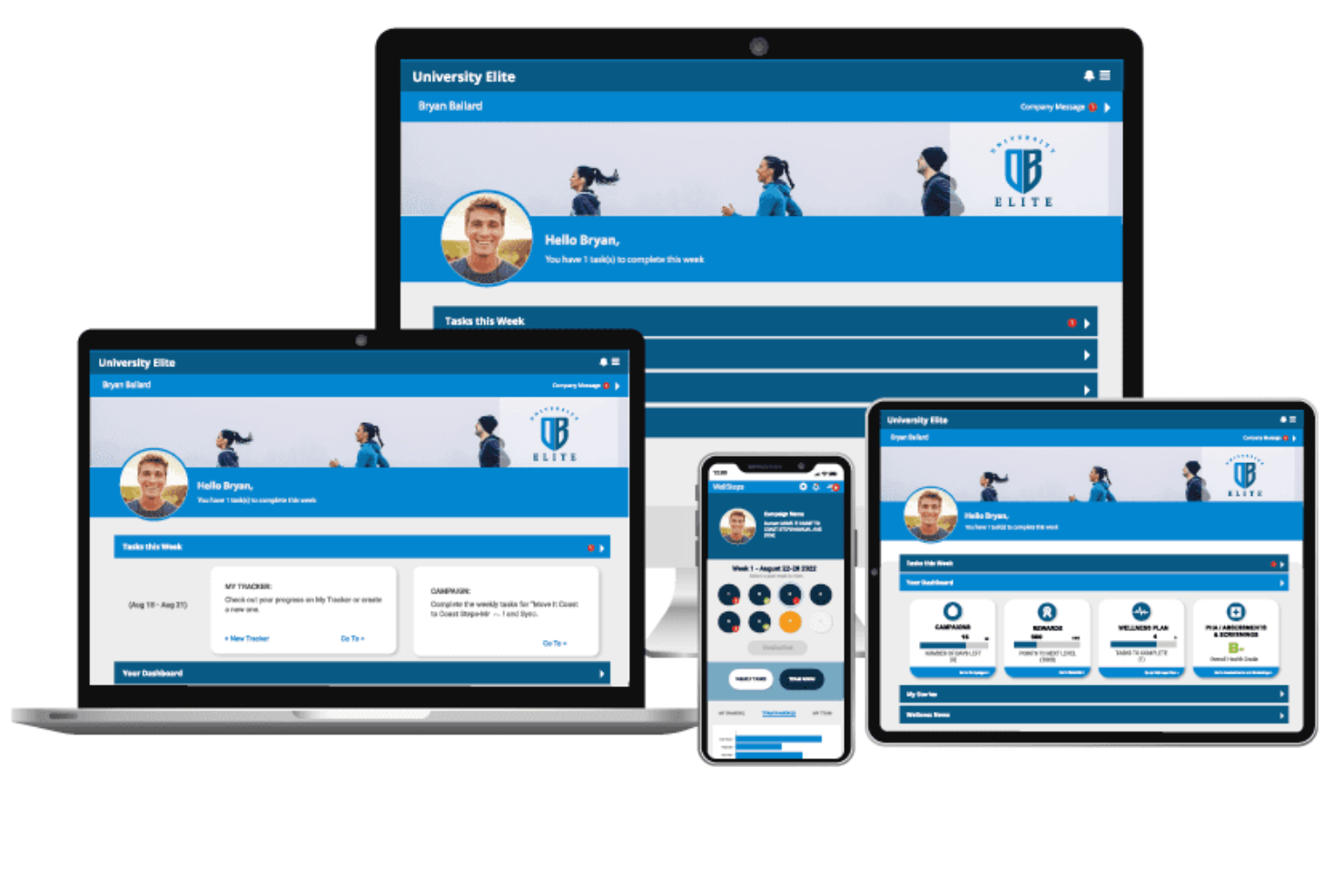
WellSteps is a corporate wellness app platform that offers evidence-based wellness programs, health risk assessments, biometric screenings, and customizable wellness challenges for organizations.
Who Is WellSteps Best For?
WellSteps is a good fit for HR teams at mid-sized organizations seeking structured, evidence-based wellness programs.
Why I Picked WellSteps
I picked WellSteps as one of the best because I can access evidence-based wellness programs that include health risk assessments and biometric screenings. I like that my team can customize wellness challenges and track participation with detailed reporting. The platform’s focus on measurable outcomes helps me demonstrate program impact to leadership.
WellSteps Key Features
- Wellness challenges: Run customizable team and individual wellness competitions.
- Incentive management: Automate rewards and track incentive fulfillment for participants.
- Mobile app access: Employees can engage with wellness programs from their smartphones.
- Resource library: Access a curated collection of health and wellness educational materials.
WellSteps Integrations
Native integrations are not currently listed.
Pros and Cons
Pros:
- White-label option enables branded wellness programs
- Biometric tracking gives measurable outcomes
- Combines challenges, coaching, and incentives in one platform
Cons:
- App performance issues (freezing/bugs) reported
- Engagement features less dynamic for remote teams
Other Corporate Wellness Apps
Here are some additional corporate wellness app options that didn’t make it onto my shortlist, but are still worth checking out:
- AdvantageClub.ai
For wellness and rewards programs
- Wellable
For customizable wellness challenges
- Reward Gateway
For wellbeing and employee engagement
- Wellness360
For customizable wellness programs
- Lyra Health
For detailed workforce mental care
- Calm Business
For workplace mindfulness and meditation
- Workplace Options
For global employee wellbeing support
- Fitbit Enterprise
For wearable-based wellness tracking
- BetterHelp Business
For online employee therapy
- Talkspace
For on-demand mental health support
- Marathon Health
For onsite and virtual care
- Optimity
For gamified wellness and rewards
- Pliability
For mobility and recovery training
- Meditiopia
For workplace mindfulness programs
- Spring Health
For personalized mental health care
- Modern Health
For employer mental health platforms


How I Evaluate Corporate Wellness Apps
I evaluate on two layers: baseline criteria—like fitness tracking, wellness challenges, and HR analytics—and differentiators like 1:1 coaching or HRIS sync.
Core Functionality (Table Stakes For This List)
When I'm selecting tools for my list, I rank each one on a scale from 0 (does not offer the functionality) to 5 (excels in this area) for each core functionality listed below. Then, I calculate the tool's total score as a percentage. Each tool needs to achieve a minimum total score of 65% to be considered for inclusion.
- Health & Fitness Tracking: I check whether the app syncs with popular wearables like Fitbit, Apple Health, and Garmin so employees can log steps, sleep, and biometrics automatically.
- Mental Wellbeing Resources: From guided meditations to stress management courses and EAP access, I evaluate the depth and variety of mental health support each platform provides.
- Wellness Challenges & Gamification: I look for configurable team and individual challenges with leaderboards and badges—things like step competitions or hydration streaks that keep participation high.
- Incentives & Rewards Management: Each platform should let admins tie rewards to specific activities, whether that's gift cards for completing an HRA or points redeemable through a built-in catalogue.
- Admin Dashboard & Analytics: I evaluate whether HR teams get aggregated reporting on participation rates, challenge completion, and engagement trends to build a clear case for program ROI.
- Multi-Dimensional Wellbeing Content: The best platforms cover more than physical fitness, so I look for content spanning financial literacy, nutrition, social connection, and emotional resilience.
Once I have a list of tools that meet the criteria, I consider what sets each platform apart.
Differentiating Factors (What Sets Vendors Apart)
Here's how I compare and contrast different vendors:
Standout Features
I pay close attention to whether a platform offers 1:1 health coaching, since access to certified coaches for nutrition, sleep, or stress gives employees personalized support that generic content can't match. AI-driven personalized health journeys also stand out—platforms that adapt recommendations based on an employee's HRA results or activity trends tend to drive stronger engagement. I also look for built-in biometric screening integration, which lets HR teams connect lab results directly to wellness incentives and track population health trends over time.
Beyond Features
HRIS integration matters a lot here—I check whether a platform connects with systems like Workday, ADP, or BambooHR so employee eligibility syncs automatically and HR teams aren't managing rosters manually. Compliance is another key factor, especially HIPAA readiness and clear data de-identification practices, since wellness programs handle sensitive health information. I also evaluate how well a vendor supports ROI measurement, like the ability to pull aggregate claims data or benchmark engagement against industry averages during quarterly business reviews.
How to Choose Corporate Wellness Apps
It’s easy to get bogged down in long feature lists and complex pricing structures. To help you stay focused as you work through your unique software selection process, here’s a checklist of factors to keep in mind:
| Factor | What to Consider |
|---|---|
| Scalability | Will the platform support your current and future workforce size, including remote and global teams? |
| Integrations | Does the app connect with your HRIS, communication tools, and other core systems you already use? |
| Customizability | Can you tailor wellness programs, branding, and communications to fit your company culture? |
| Ease of use | Will employees and admins find the interface intuitive, or will you need to invest in extra training? |
| Implementation and onboarding | How long does setup take, and what resources or support does the vendor provide during rollout? |
| Cost | Are pricing tiers clear, and do they align with your budget and expected usage? Watch for hidden fees. |
| Security safeguards | Does the vendor meet your data privacy and security standards, especially for sensitive health data? |
| Support availability | What support channels are offered, and are they available when your team needs help most? |
What Are Corporate Wellness Apps?
Corporate wellness apps are wellness software and employee wellness apps designed to help organizations improve employee wellness, mental well-being, and overall employee experience through structured workplace wellness programs. These wellness tools support a complete corporate wellness program with features like gamification, goal-setting, health goals, and health coaching to encourage healthy behaviors and better physical health. They also provide data-driven insights, notifications, and analytics to support a broader wellness strategy, reduce burnout, and improve retention. With a focus on user experience and user-friendly design, these platforms help HR teams deliver scalable, well-being programs and modern wellness solutions that improve the overall work environment.
Features
When selecting corporate wellness apps, keep an eye out for the following key features:
- Wellness challenges: Structured activities or competitions that encourage healthy habits and friendly competition among employees.
- Activity tracking: Tools that monitor steps, exercise, sleep, or other health metrics, often syncing with wearable devices.
- Personalized content: Curated articles, videos, or programs tailored to individual wellness goals and interests.
- Progress dashboards: Visual displays that show individual and team participation, achievements, and engagement trends.
- Admin analytics: Reporting tools that help HR teams measure program effectiveness and employee participation rates.
- Rewards and incentives: Built-in systems for recognizing and rewarding employees who meet wellness milestones or participate regularly.
- Mobile app access: Dedicated mobile applications that allow employees to engage with wellness programs anytime, anywhere.
- Integration capabilities: The ability to connect with HRIS, communication platforms, or wearable devices for a smooth experience.
- Mental health resources: Access to mindfulness exercises, stress management tools, or educational content supporting emotional well-being.
- Community features: Social tools like forums, group chats, or team challenges that foster connection and peer support.
Common Corporate Wellness Apps AI Features
Beyond the standard corporate wellness app features listed above, many of these solutions are incorporating AI with features like:
- Personalized wellness recommendations: AI analyzes user data and engagement patterns to suggest tailored wellness activities, content, or challenges that align with individual goals and preferences.
- Predictive engagement analytics: AI models forecast which employees may disengage or need additional support, helping HR teams proactively address participation gaps.
- Automated health risk assessments: AI evaluates self-reported data and activity trends to identify potential health risks and recommend preventive actions or resources.
- Intelligent chatbot support: AI-powered chatbots answer employee questions, guide users through wellness programs, and provide instant support around the clock.
- Dynamic content curation: AI continuously updates and surfaces the most relevant articles, videos, or resources based on evolving user interests and company-wide trends.
Benefits
Implementing corporate wellness apps provides several benefits for your team and your business. Here are a few you can look forward to:
- Higher employee engagement: Wellness challenges, personalized content, and community features motivate employees to participate and stay involved.
- Improved health outcomes: Activity tracking, mental health resources, and educational content support healthier habits and overall well-being.
- Actionable insights for HR: Admin analytics and progress dashboards give HR teams clear data to measure participation and program impact.
- Stronger company culture: Social tools and team-based activities foster connection, collaboration, and a sense of belonging.
- Flexible access for all employees: Mobile app access and integration capabilities ensure everyone can participate, whether remote or on-site.
- Proactive support for at-risk employees: AI-powered predictive analytics and automated health assessments help identify and address potential health concerns early.
- Cost savings over time: Healthier, more engaged employees can lead to reduced absenteeism and lower healthcare costs for your organization.
Costs and Pricing of Corporate Wellness Apps
Selecting corporate wellness apps requires an understanding of the various pricing models and plans available. Costs vary based on features, team size, add-ons, and more. For teams with tighter budgets, free wellness software can provide a lower-cost starting point.
The table below summarizes common plans, their average prices, and typical features included in corporate wellness app solutions:
Plan Comparison Table for Corporate Wellness Apps
| Plan Type | Average Price | Common Features |
|---|---|---|
| Free Plan | $0 | Access to basic wellness content, limited activity tracking, and simple challenges. |
| Personal Plan | $5-$15/user/month | Personalized content, basic analytics, mobile app access, and limited rewards or incentives. |
| Business Plan | $10-$25/user/month | Team challenges, admin dashboards, advanced analytics, integrations with HR systems, and reporting. |
| Enterprise Plan | $20-$40/user/month | Custom branding, dedicated support, advanced security, API access, and tailored onboarding and training. |
Corporate Wellness Apps FAQs
Here are some answers to common questions about corporate wellness apps:
How do corporate wellness apps support remote and hybrid teams?
Corporate wellness apps offer mobile and web access, making it easy for employees to join wellness programs from anywhere. Many platforms include virtual challenges, online resources, and community features that help remote and hybrid teams stay connected and engaged.
Can corporate wellness apps integrate with our existing HR systems?
Yes, most corporate wellness apps offer integrations with popular HRIS, payroll, and communication tools. This helps automate user management, reporting, and engagement tracking, reducing manual work for HR teams and ensuring a smoother experience for employees.
What data privacy considerations should we keep in mind?
You should look for apps that comply with relevant data privacy regulations and offer strong security safeguards. Make sure the vendor clearly explains how employee health data is stored, processed, and protected, and check for certifications like SOC 2 or ISO 27001.
How do these apps measure employee engagement and program success?
Most platforms provide admin dashboards and analytics that track participation rates, challenge completion, and engagement trends. These insights help HR teams understand what’s working, identify areas for improvement, and demonstrate the impact of wellness initiatives.
Are there options for customizing wellness programs to fit our company culture?
Yes, many corporate wellness apps allow you to tailor challenges, content, branding, and communications. This flexibility helps you align wellness initiatives with your organization’s values and goals, making programs more relevant and engaging for your team.