

I 10 migliori servizi EOR per startup tecnologiche nel 2026

Selezione di EOR per startup tecnologiche


Perché fidarsi delle nostre recensioni sui software
Il nostro team testa e recensisce software dal 2012. In quanto esperti HR noi stessi, sappiamo quanto sia difficile — e importante — scegliere il software giusto.
Per questa guida, abbiamo valutato gli strumenti attraverso test pratici e ricerche indipendenti, assegnando un punteggio agli strumenti in base ai nostri criteri di selezione. Ci basiamo inoltre sulle competenze di leader di pensiero del settore e di professionisti HR attivi.
Le nostre recensioni riflettono il nostro giudizio editoriale umano, non un discorso di vendita.
Revisori esperti:
Tabella comparativa degli EOR per startup tecnologiche
Questa tabella comparativa riassume i dettagli dei prezzi delle mie migliori selezioni di EOR per startup tecnologiche:
| Tool | Best For | Trial Info | Price | ||
|---|---|---|---|---|---|
| 1 | Ideale per team tech globali in crescita | Demo gratuita disponibile | A partire da $8/utente/mese + $50/mese di tariffa base | Website | |
| 2 | Ideale per assunzioni globali rapide senza entità locali | Demo gratuita disponibile | A partire da $49/contrattista/mese | Website | |
| 3 | Ideale per assumere a livello globale con supporto integrato per le partecipazioni azionarie | Demo gratuita disponibile | Prezzi su richiesta | Website | |
| 4 | La scelta migliore per una conformità globale di livello aziendale su larga scala | Prova gratuita di 14 giorni | A partire da $599/dipendente/mese | Website | |
| 5 | Ideale per automazione HR e payroll globale in un'unica piattaforma | Demo gratuita disponibile | Prezzo su richiesta | Website | |
| 6 | Ideale per assunzioni con indennizzo incluso | Demo gratuita disponibile | A partire da $19/utente/mese | Website | |
| 7 | Ideale per la gestione di equity e ESOP | Demo gratuita disponibile | Da $40/mese | Website | |
| 8 | Ideale con carte spese dedicate ai dipendenti | Demo gratuita disponibile | Da $99/dipendente/mese | Website | |
| 9 | Ideale per l'onboarding globale dei dipendenti | Demo gratuita disponibile | Da $199/utente/mese | Website | |
| 10 | Ideale per la gestione automatizzata della forza lavoro globale | Piano gratuito + demo gratuita disponibili | A partire da $29/mese | Website |


Recensioni degli EOR per startup tecnologiche
Di seguito trovi le mie analisi dettagliate degli EOR per startup tecnologiche inclusi nella mia selezione. Le mie recensioni offrono una panoramica approfondita delle funzionalità, dei casi d’uso più adatti e dei prezzi di ciascuna piattaforma, per aiutarti a trovare quella migliore per te.
Ideale per team tech globali in crescita
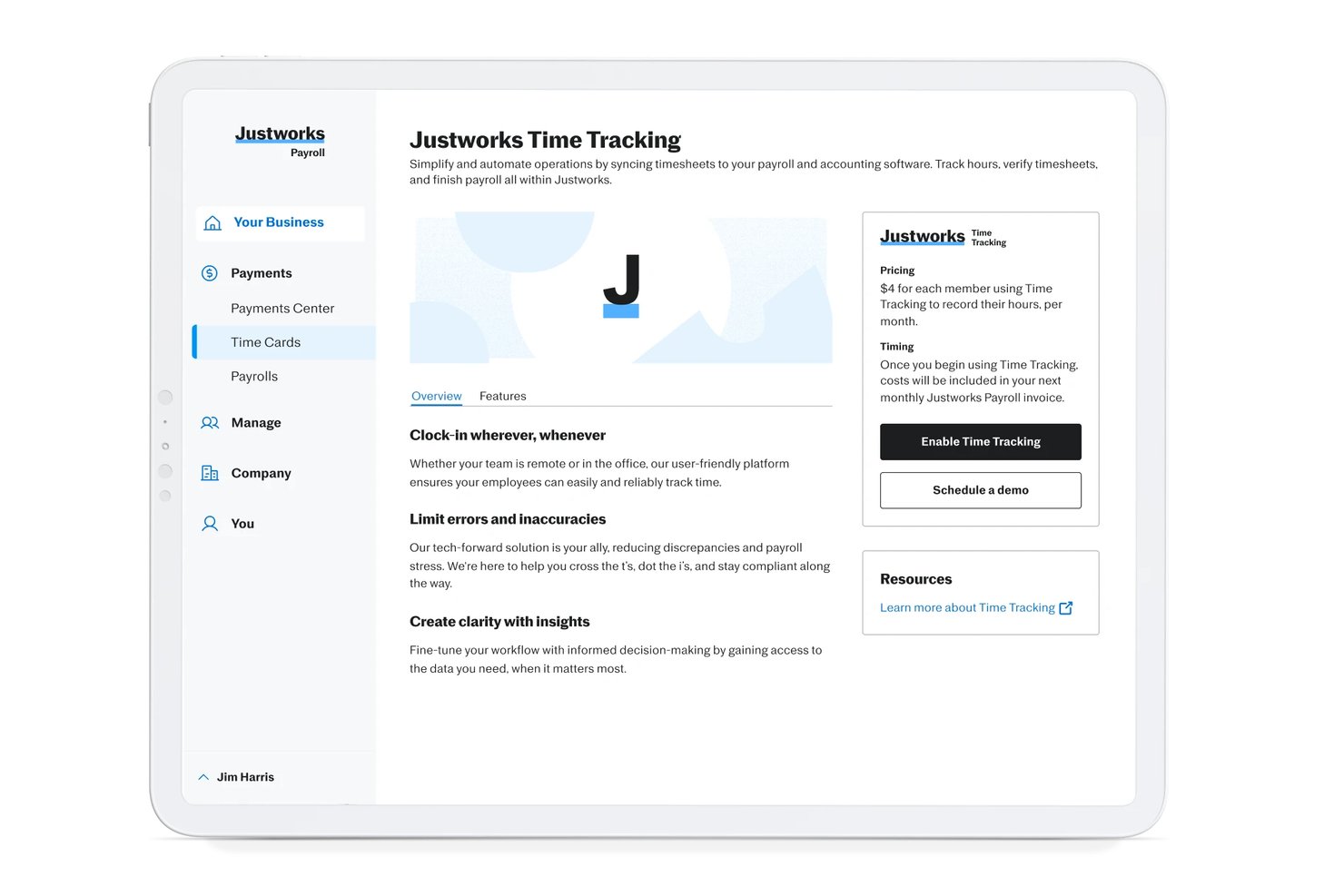
Justworks è una piattaforma employer of record (EOR) pensata per startup tecnologiche che necessitano di un pacchetto integrato per paghe, gestione HR e amministrazione dei benefit durante l'espansione globale.
Per chi è ideale Justworks?
Startup tecnologiche in crescita che vogliono gestire paghe, benefit e conformità HR mentre si espandono in diverse regioni.
Perché ho scelto Justworks
Ho scelto Justworks come una delle migliori perché unisce paghe, HR e benefit in un unico pacchetto. Posso gestire assicurazione sanitaria, elaborazione paghe e conformità tutto in un solo sistema quando assumo per startup tecnologiche.
Funzionalità chiave di Justworks
- Assunzioni internazionali tramite EOR: Ti permette di assumere e pagare dipendenti in diversi paesi usando una singola piattaforma.
- Rilevazione presenze integrata: Traccia le ore dei dipendenti e si sincronizza direttamente con la gestione paghe per pagamenti accurati.
- Supporto HR su richiesta: Fornisce accesso a esperti HR per domande su conformità e policy.
- Gestione automatica delle dichiarazioni fiscali: Calcola e invia automaticamente tasse sui salari federali, statali e locali.
Integrazioni di Justworks
Le integrazioni native non sono chiaramente documentate. La piattaforma offre un'API per integrazioni personalizzate.
Pros and Cons
Pros:
- Gestione paghe e benefit integrata
- Supporto clienti reattivo e molto apprezzato
- Supporto per la conformità nelle assunzioni multi-regione
Cons:
- Capacità limitate di analisi HR avanzate
- Poche integrazioni software native con terze parti
Ideale per assunzioni globali rapide senza entità locali
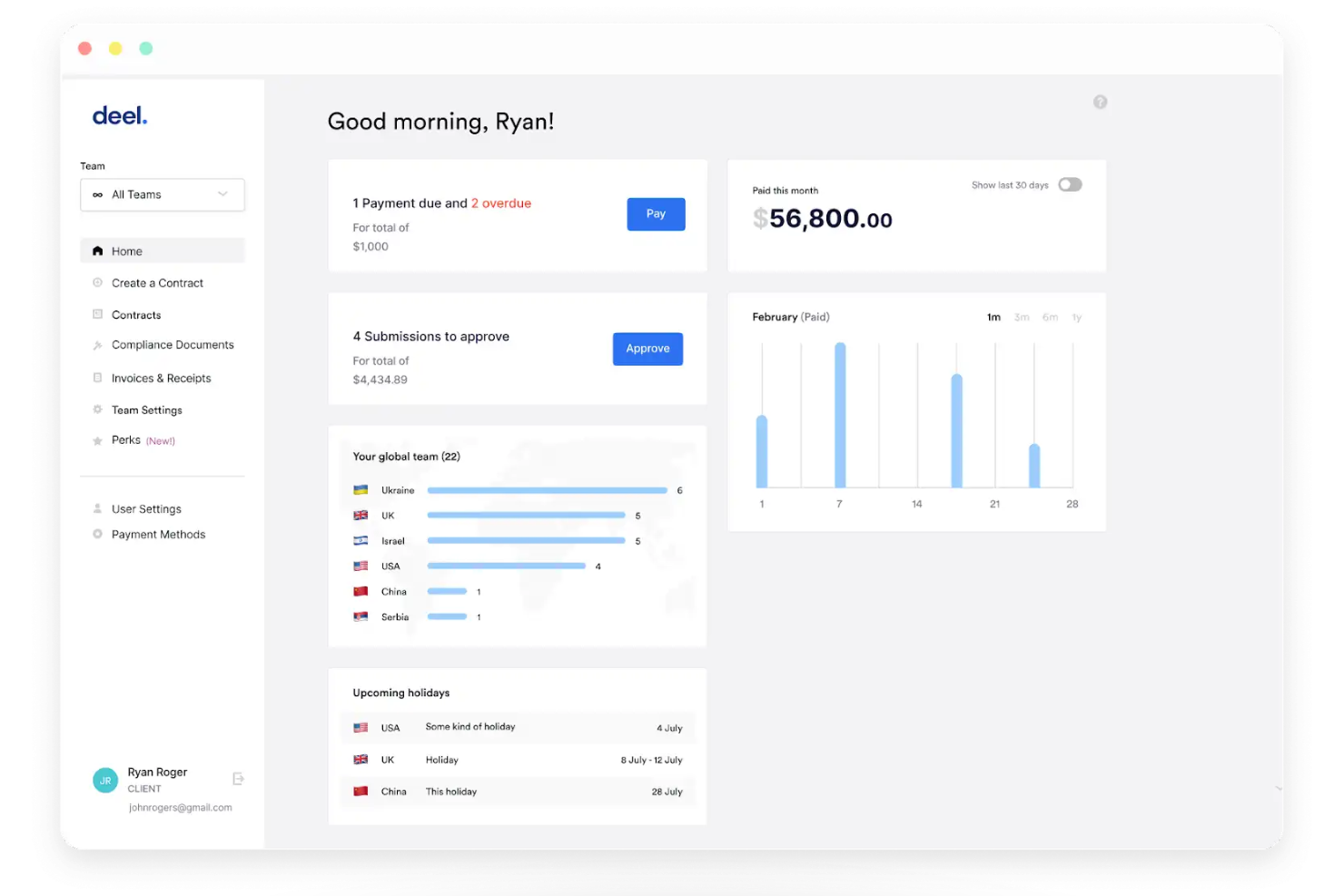
Deel è particolarmente indicato per startup tecnologiche in fase iniziale o in crescita che necessitano di assumere rapidamente dipendenti internazionali restando conformi alle normative, senza dover aprire filiali locali.
Per Chi è Meglio Deel Hire?
Deel Hire è particolarmente adatto a startup tecnologiche in fase iniziale o di crescita che devono assumere talenti internazionali senza dover creare entità legali locali.
Perché Ho Scelto Deel Hire
Ho scelto Deel per la rapidità con cui le startup possono passare dalla selezione del candidato all'onboarding conforme. Una volta inseriti i dati dell'assunto, la piattaforma genera automaticamente un contratto di lavoro localizzato e configura il payroll nello stesso flusso di lavoro. Per le startup tech che competono per talenti a livello globale, ridurre i tempi amministrativi può davvero fare la differenza nel chiudere un'offerta. Deel gestisce inoltre la conformità in oltre 150 paesi, eliminando la necessità di creare entità legali locali durante le prime fasi di espansione.
Funzionalità Chiave di Deel Hire
- Generazione di contratti localizzati: Crea accordi di lavoro conformi alle leggi sul lavoro specifiche di ciascun paese.
- Valutazione della classificazione del lavoratore: Valuta lo stato di dipendente o collaboratore per ridurre il rischio di errata classificazione.
- Payroll multi-paese: Gestisci pagamenti in valute locali tramite l'infrastruttura globale di Deel.
- Supporto alla gestione dell'equity: Gestisci temi legati all'equity globale per team distribuiti.
- Gestione dell'offboarding: Gestisci licenziamenti e liquidazioni in conformità alle normative locali.
Integrazioni di Deel Hire
Le integrazioni includono Greenhouse, BambooHR, Workday, HiBob, Ashby, Expensify, NetSuite e QuickBooks. Sono disponibili la connettività con Zapier e l'accesso API per integrazioni personalizzate.
Pros and Cons
Pros:
- Generazione veloce dei contratti e workflow di onboarding
- Vasta copertura globale per l'espansione delle startup
- Gestione integrata di payroll e conformità
Cons:
- Il prezzo può essere elevato per startup in fase iniziale
- L'esperienza del supporto clienti può variare a seconda della regione
Ideale per assumere a livello globale con supporto integrato per le partecipazioni azionarie
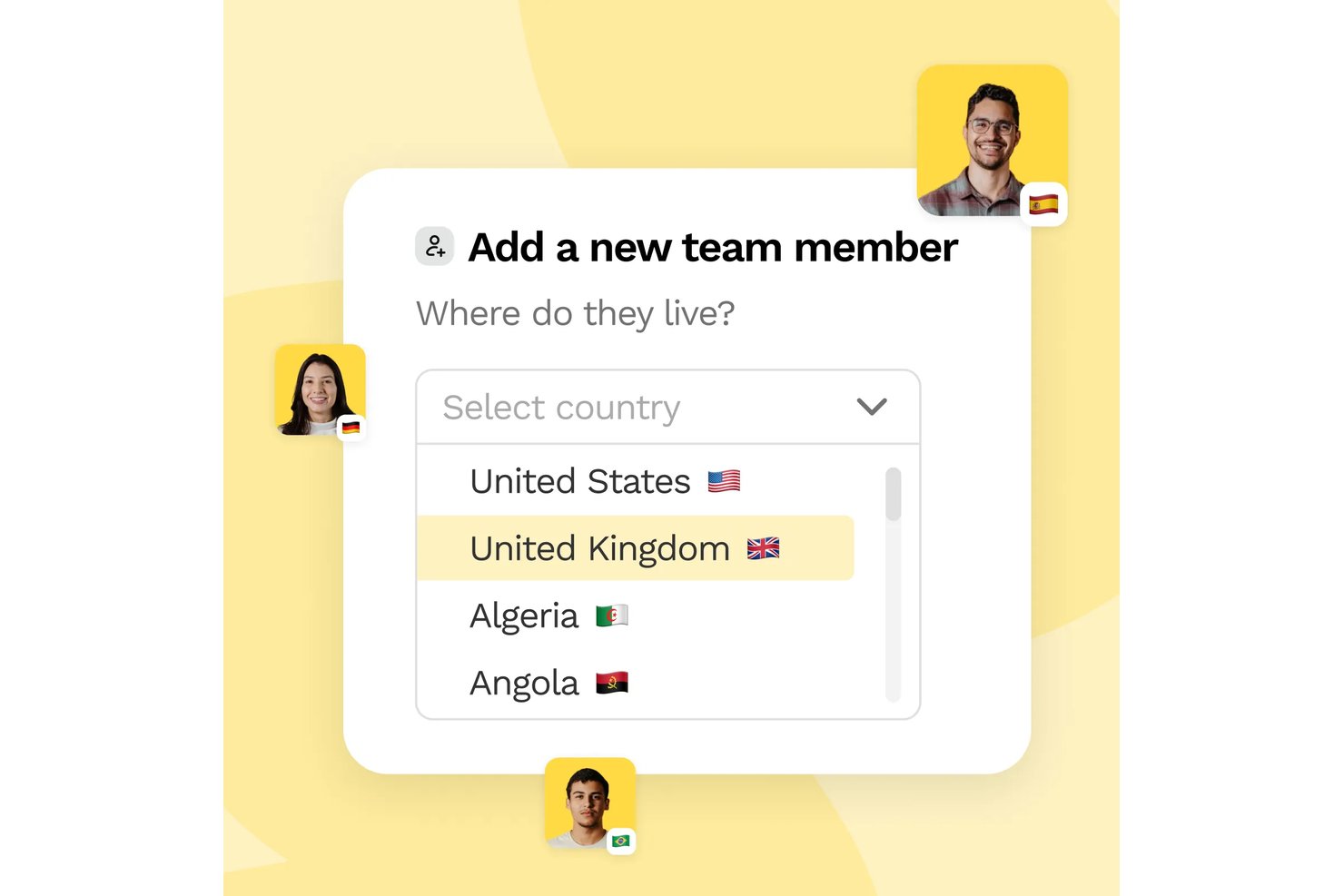
Oyster HR è una piattaforma globale per datori di lavoro registrati che gestisce assunzioni internazionali, buste paga, benefit e amministrazione delle partecipazioni in diversi Paesi.
Per chi è più adatto Oyster HR?
Oyster HR è particolarmente adatto alle startup tecnologiche che hanno bisogno di assumere rapidamente talenti internazionali gestendo al contempo l'assegnazione di partecipazioni azionarie oltre confine.
Perché ho scelto Oyster HR
Ho scelto Oyster HR come una delle migliori soluzioni perché gestisce un aspetto che la maggior parte delle piattaforme per datori di lavoro registrati ignora completamente: l'assegnazione di partecipazioni azionarie ai dipendenti internazionali. Per le startup tecnologiche che distribuiscono opzioni azionarie oltre confine, Oyster gestisce l'amministrazione delle partecipazioni insieme a contratti e buste paga in un unico luogo. Supporta inoltre assunzioni conformi alle normative in oltre 180 Paesi, così i team nelle fasi iniziali possono assumere ingegneri o talenti per il prodotto ovunque senza dover costituire prima un'entità locale.
Caratteristiche principali di Oyster HR
- Gestione localizzata dei benefit: Oyster HR consente di creare e gestire direttamente nella piattaforma pacchetti di benefit specifici per ciascun Paese destinati ai dipendenti internazionali.
- Gestione dei collaboratori a contratto: La piattaforma supporta sia i rapporti di lavoro dipendente sia quelli con collaboratori a contratto, permettendo di pagare e gestire collaboratori globali senza dover cambiare strumento.
- Accordi di cessione della proprietà intellettuale e delle invenzioni: Oyster HR include modelli integrati di accordi sulla proprietà intellettuale per proteggere i beni della startup quando assume personale oltre confine.
- Flussi di onboarding automatizzati: La piattaforma guida i nuovi assunti internazionali attraverso le fasi di onboarding conformi alle normative, raccogliendo i documenti e le firme richiesti in un flusso strutturato.
Integrazioni di Oyster HR
Oyster HR offre integrazioni native con BambooHR, HiBob, Greenhouse, Workable, TeamTailor, ADP Workforce Now, QuickBooks Online, Concur, Carta e Slack, oltre a collegarsi con Zapier. È disponibile anche un'API per le integrazioni personalizzate.
Pros and Cons
Pros:
- Gestisce l'assegnazione di partecipazioni azionarie ai dipendenti internazionali
- Copre assunzioni conformi alle normative in oltre 180 Paesi
- Include accordi integrati per la protezione della proprietà intellettuale
Cons:
- I dettagli sui prezzi non sono disponibili in modo trasparente
- Il supporto per le partecipazioni azionarie potrebbe richiedere una configurazione personalizzata

G-P
La scelta migliore per una conformità globale di livello aziendale su larga scala
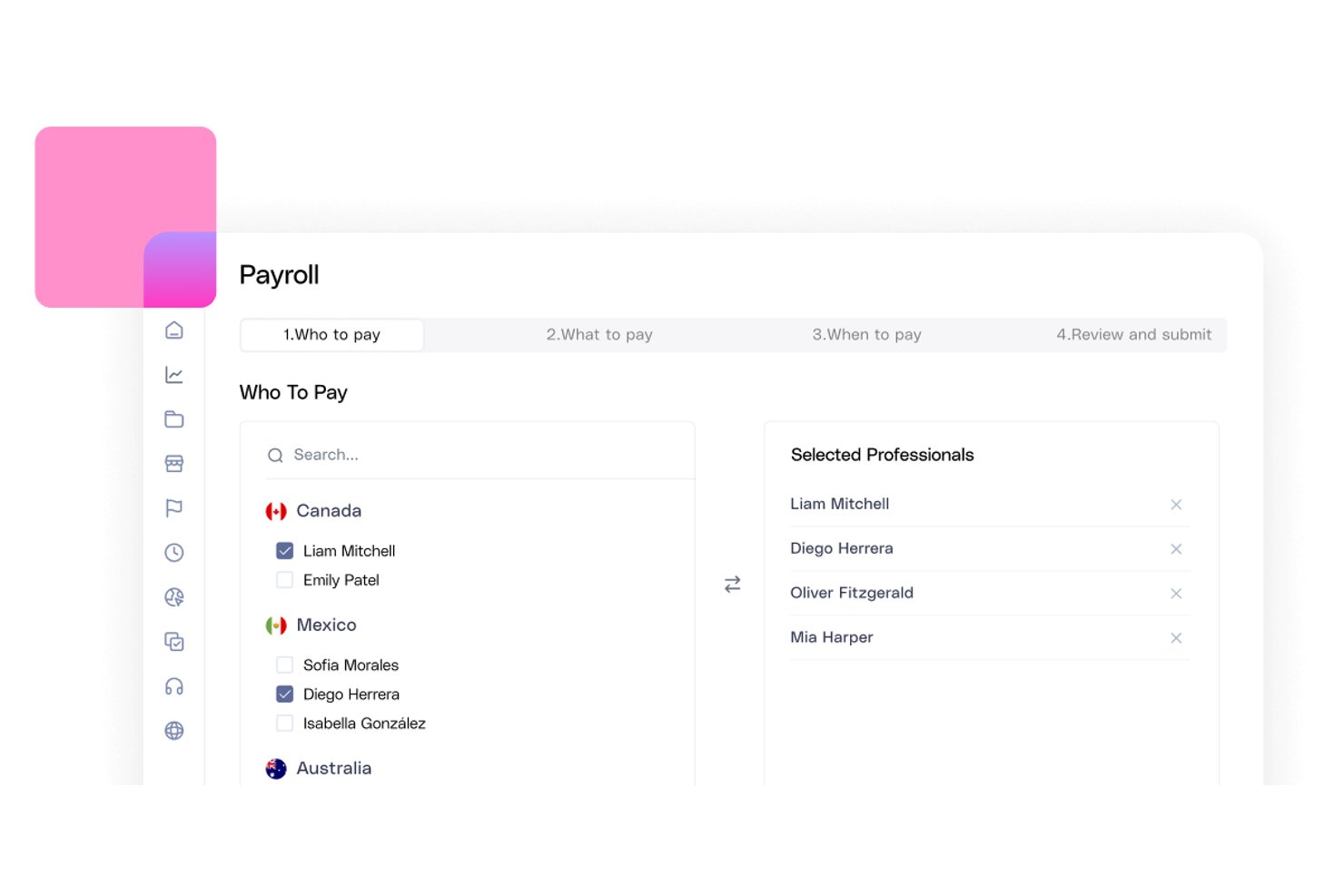
G-P è una piattaforma che opera come datore di lavoro ufficiale basata su una rete globale di oltre 100 entità legali interamente controllate, che offre assunzioni conformi, gestione automatizzata delle buste paga, amministrazione dei benefit e gestione dei collaboratori in oltre 180 paesi.
Per chi è più adatto G-P?
G-P è particolarmente adatto alle startup in fase di espansione e alle aziende tecnologiche in crescita che necessitano di una conformità impeccabile in più paesi senza dover creare entità legali locali.
Perché ho scelto G-P
G-P è entrato nella mia selezione perché è l'unico EOR basato su oltre 100 entità legali interamente controllate in più di 180 paesi; ciò significa che i contratti di lavoro, le buste paga e le cessazioni non passano mai attraverso un partner terzo. Apprezzo in particolare il Motore globale per la conformità, che genera automaticamente contratti conformi alle normative locali in circa otto minuti, e G-P Gia™, un agente di intelligenza artificiale addestrato su oltre 100.000 articoli legali verificati, che segnala le modifiche normative prima che diventino un problema. Per i gruppi tecnologici in fase di espansione che assumono contemporaneamente in Germania, Giappone e Brasile, questo livello di conformità è davvero difficile da replicare.
Funzionalità principali di G-P
- Inserimento collettivo: Inserisci contemporaneamente più dipendenti in diversi paesi, riducendo di oltre il 40% il volume delle attività HR con il 25% in meno di campi dati obbligatori.
- G-P Contractor™: Gestisci i collaboratori in oltre 190 paesi con controlli basati sull'intelligenza artificiale per individuare classificazioni errate in oltre 40 paesi e pagamenti istantanei tramite Wise in oltre 50 valute.
- Integrazioni HCM: Collega direttamente G-P a Workday, BambooHR, HiBob, Personio e SAP SuccessFactors tramite integrazioni native pronte all'uso.
- Gestione delle buste paga relative alle azioni: Gestisci le buste paga transfrontaliere per gli eventi relativi al capitale e l'amministrazione delle opzioni azionarie come componente aggiuntivo della piattaforma EOR principale.
Integrazioni di G-P
G-P offre integrazioni native con BambooHR, HiBob, Personio, Workday, Google Workspace, Microsoft Entra ID e Okta, oltre a un'API aperta per integrazioni personalizzate.
Pros and Cons
Pros:
- Copertura in oltre 180 paesi con entità di proprietà
- Contratti conformi alle normative globali generati in pochi minuti
- Assistenza clienti dedicata con una profonda esperienza in ambito HR
Cons:
- L'inserimento nel mondo reale è più lento rispetto ai concorrenti
- È necessario contattare il team commerciale per conoscere prezzi trasparenti

Rippling
Ideale per automazione HR e payroll globale in un'unica piattaforma
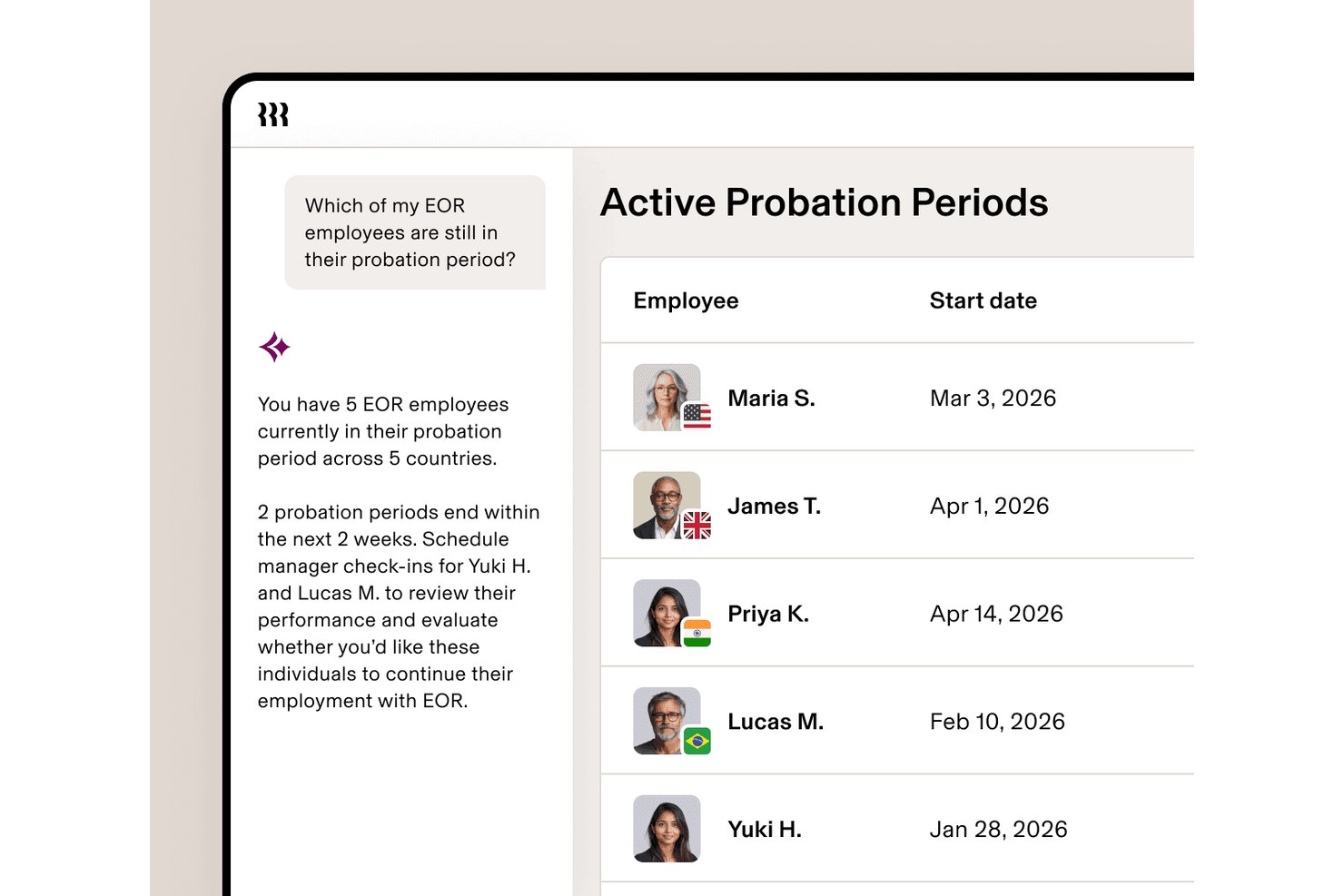
Rippling è una piattaforma di gestione della forza lavoro che combina servizi EOR, payroll globale, HRIS e provisioning IT in oltre 80 paesi in un unico sistema integrato.
Per chi è Rippling?
Rippling è ideale per startup tecnologiche in fase di crescita (circa 20–500 dipendenti) che necessitano di gestire HR, IT e payroll globale in un’unica soluzione mentre espandono la loro presenza internazionale.
Perché ho scelto Rippling
Ho scelto Rippling come uno dei migliori perché nessun'altra piattaforma EOR gestisce nativamente il provisioning IT insieme all’assunzione. Quando aggiungo un nuovo ingegnere in Brasile, Rippling spedisce e configura il laptop con enrollment MDM attraverso lo stesso flusso di lavoro di onboarding che gestisce payroll, benefit e accesso alle app. Apprezzo anche la funzionalità di conversione dell’entità: se la mia startup in seguito crea una società locale, Rippling migra i dipendenti EOR ad assunti diretti senza doverli re-inserire da zero.
Funzionalità principali di Rippling
- Generazione automatica di contratti locali: Crea istantaneamente contratti di lavoro specifici per paese e conformi alle normative, con protezioni integrate per la privacy dei dati.
- Gestione globale dei benefit: Fornisce una gestione di sanità, pensione e ferie personalizzata secondo le leggi e le prassi di ogni paese.
- Payroll integrato multi-valuta: Calcola, registra e versa tasse e stipendi in oltre 50 valute e in più di 185 paesi con un unico flusso di lavoro.
- Strumenti per la gestione dei collaboratori: Supporta pagamenti, verifiche di conformità e conversioni da collaboratore a dipendente internazionale a tempo pieno.
Integrazioni Rippling
Rippling offre integrazioni native con QuickBooks, Xero, GitHub, Slack, Google Workspace, Azure Active Directory, Okta, Jira, Salesforce e Zoom. Un'API è disponibile per integrazioni personalizzate.
Pros and Cons
Pros:
- HR, IT e payroll unificati in un'unica piattaforma
- Onboarding automatizzato rapido in diversi paesi
- MDM nativo gestisce anche la gestione globale dei dispositivi
Cons:
- La copertura EOR si basa su partner terzi
- La qualità del supporto varia da paese a paese e da regione a regione
New Product Updates from Rippling

Rippling AI Adds Plugins, Skills, and Automations
Rippling AI now supports plugins, skills, and automations so employees can connect approved third-party tools, package repeatable work into reusable AI instructions, and run recurring workflows under existing Rippling policies and permissions. For more information, visit Rippling's official site.

Ideale per assunzioni con indennizzo incluso
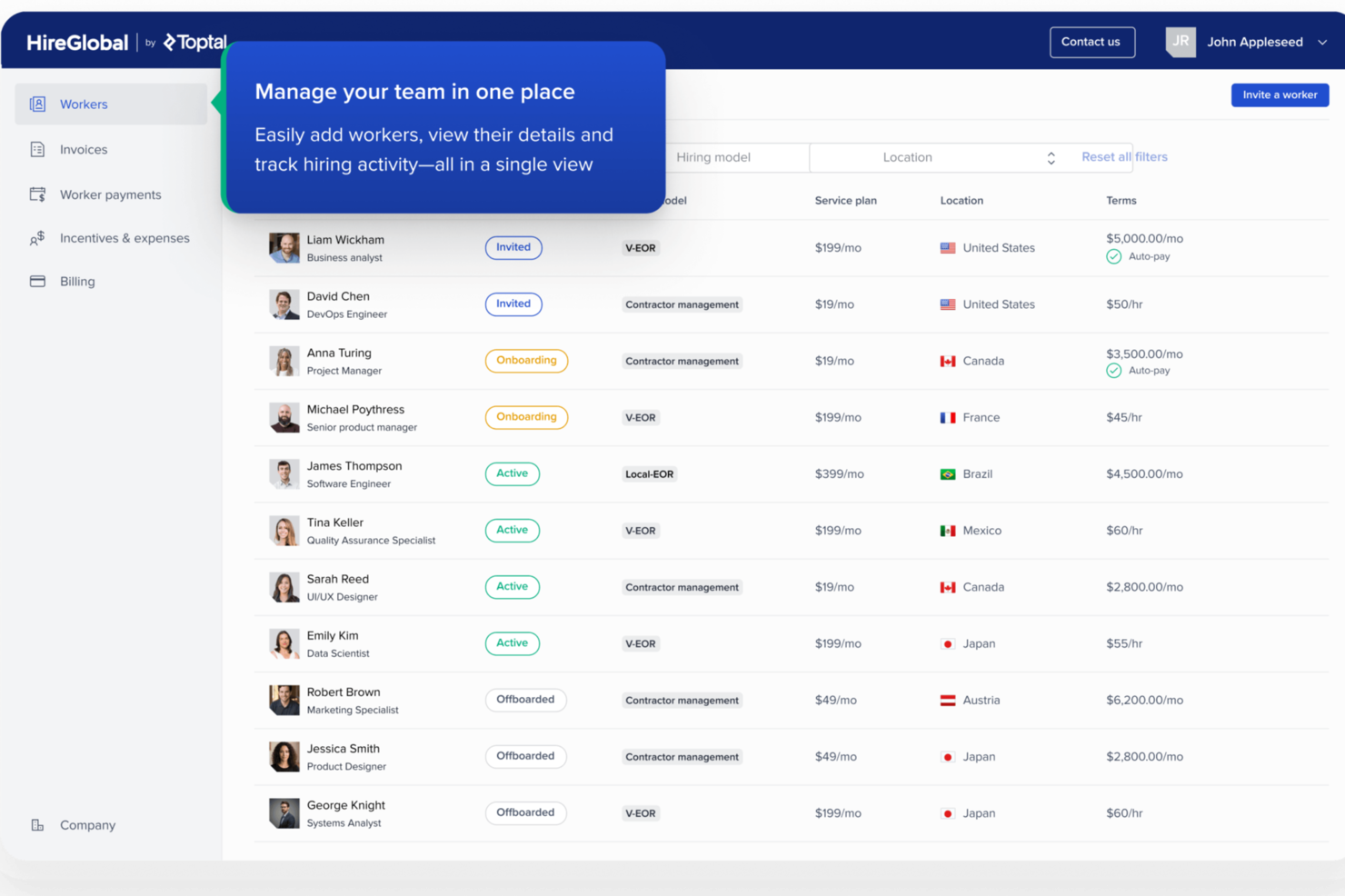
HireGlobal è la piattaforma di Toptal per il datore di lavoro registrato, destinata all'assunzione, all'inserimento e al pagamento di dipendenti e collaboratori in oltre 180 paesi, con un modello EOR virtuale, un sistema HRIS integrato e il supporto per le buste paga in più valute.
Per chi è più adatto HireGlobal?
HireGlobal è particolarmente adatto alle startup tecnologiche nelle fasi iniziali e in espansione che devono assumere rapidamente talenti internazionali senza costituire entità legali all'estero.
Perché ho scelto HireGlobal
Ho incluso HireGlobal tra le mie scelte principali perché il suo sistema HRIS integrato riunisce inserimento, contratti, buste paga e conformità in un'unica piattaforma. Questo significa che il team delle risorse umane non deve passare continuamente da uno strumento disconnesso all'altro per gestire una forza lavoro globale. Invece di affidarsi a un insieme frammentato di sistemi separati, il cruscotto centralizzato di HireGlobal consente di monitorare lo stato dei lavoratori, gestire i documenti e approvare i pagamenti in un unico luogo. Apprezzo anche il fatto che mostri la fatturazione consolidata per l'intera forza lavoro, così i reparti finanziario e delle risorse umane lavorano sempre sugli stessi dati senza dover effettuare riconciliazioni manuali.
Funzionalità principali di HireGlobal
- Modello EOR virtuale: assumi dipendenti a tempo pieno in oltre 180 paesi senza costituire un'entità legale locale, con una copertura di indennizzo di $1M per lavoratore.
- Buste paga in più valute: paga i lavoratori in oltre 50 valute da un'unica piattaforma, con pagamenti elaborati nella valuta locale.
- Gestione dei collaboratori: inserisci e paga i collaboratori secondo un modello di rappresentante del datore di lavoro, insieme ai dipendenti EOR a tempo pieno.
- Servizi di verifica dei precedenti: esegui verifiche dei precedenti pre-assunzione direttamente nella piattaforma prima di finalizzare una nuova assunzione.
Integrazioni di HireGlobal
Le integrazioni native non sono documentate chiaramente per HireGlobal. La piattaforma si integra con TopTracker, lo strumento di Toptal per il monitoraggio del tempo, per il monitoraggio completo delle ore, l'approvazione delle fatture e i pagamenti ai collaboratori. Al momento, il supporto per API e Zapier non sembra essere chiaramente disponibile.
Pros and Cons
Pros:
- Supportato dai 12+ anni di infrastruttura di Toptal
- Indennizzo di $1M per lavoratore incluso
- Prezzi EOR inferiori rispetto ai concorrenti
Cons:
- Numero limitato di integrazioni native di terze parti disponibili
- EOR più recente con meno recensioni degli utenti

Ideale per la gestione di equity e ESOP
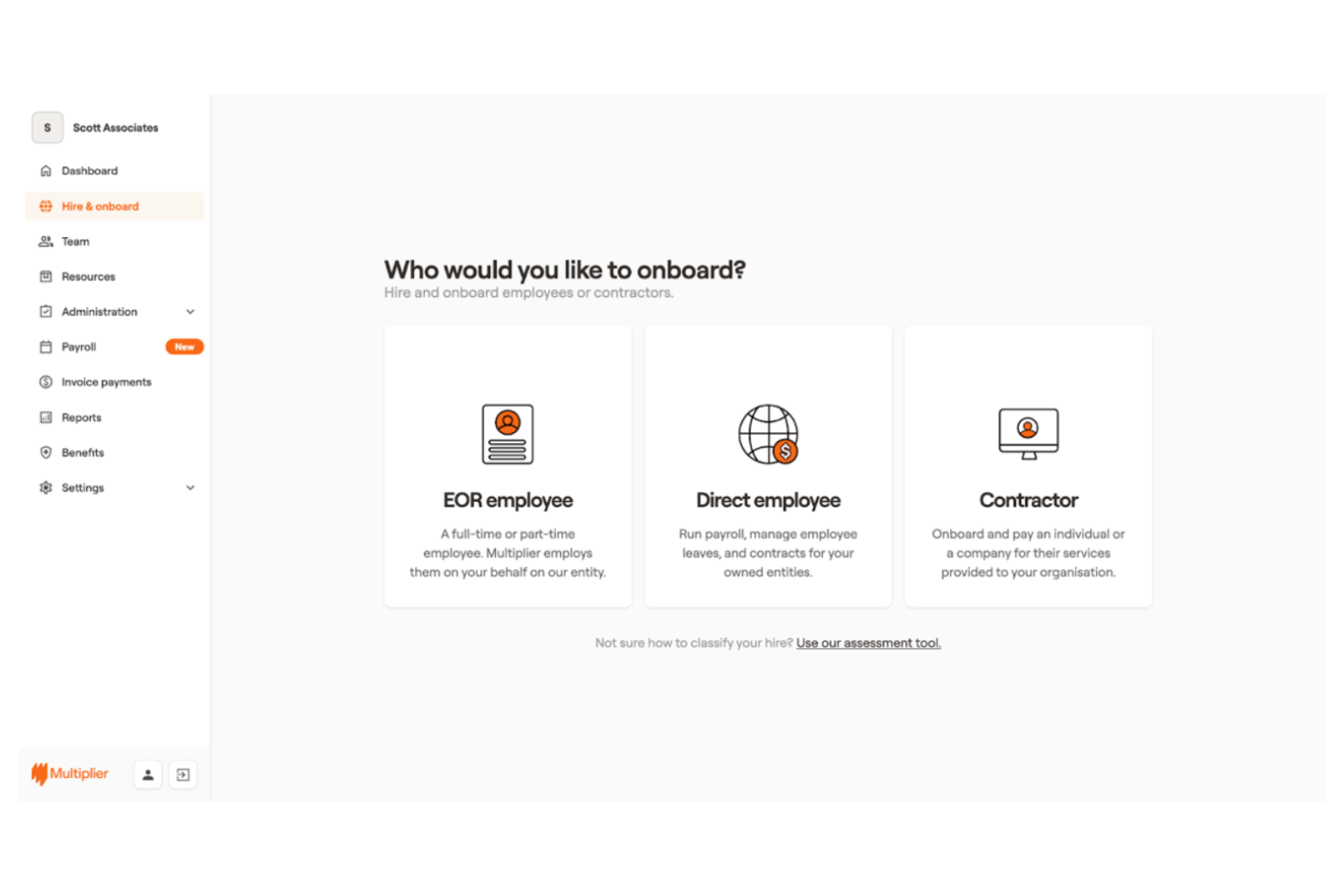
Multiplier è una piattaforma Employer of Record pensata per startup tecnologiche per gestire assunzioni globali, paghe, conformità e gestione dei collaboratori con strumenti specifici per esigenze complesse di equity e forza lavoro.
Per chi è ideale Multiplier?
Multiplier è indicato per startup e scale-up del settore tecnologico che devono gestire la partecipazione azionaria dei dipendenti e gli ESOP in diversi paesi.
Perché ho scelto Multiplier
Ho scelto Multiplier tra i migliori perché offre al mio team moduli dedicati per gestire equity e ESOP insieme ai processi tipici Employer of Record. Utilizziamo gli strumenti integrati per emettere, tracciare e amministrare le stock option per assunti internazionali senza lacune legali. Mi affido anche alla sua conformità automatizzata per la distribuzione globale dell’equity, così da evitare errori nei vari mercati.
Caratteristiche principali di Multiplier
- Paghe multi-paese: Gestisci le paghe in oltre 150 paesi tramite una dashboard unificata.
- Conformità fiscale automatizzata: Gestisce calcoli fiscali, dichiarazioni e detrazioni richieste in ciascun paese supportato.
- Contratti di lavoro localizzati: Genera accordi di lavoro conformi e specifici per ogni paese in pochi minuti.
- Gestione delle spese: Permette di approvare e gestire le spese dei membri del team in un unico luogo.
Integrazioni di Multiplier
Le integrazioni includono HiBob, BambooHR, Workday, Deel e altri.
Pros and Cons
Pros:
- Contratti localizzati per mercati tech di nicchia
- Conformità fiscale automatizzata per più paesi
- Gestione delle paghe in oltre 150 paesi
Cons:
- Nessuna reportistica pronta per i piani di equity
- Manca di analisi avanzate o dashboard
Ideale con carte spese dedicate ai dipendenti
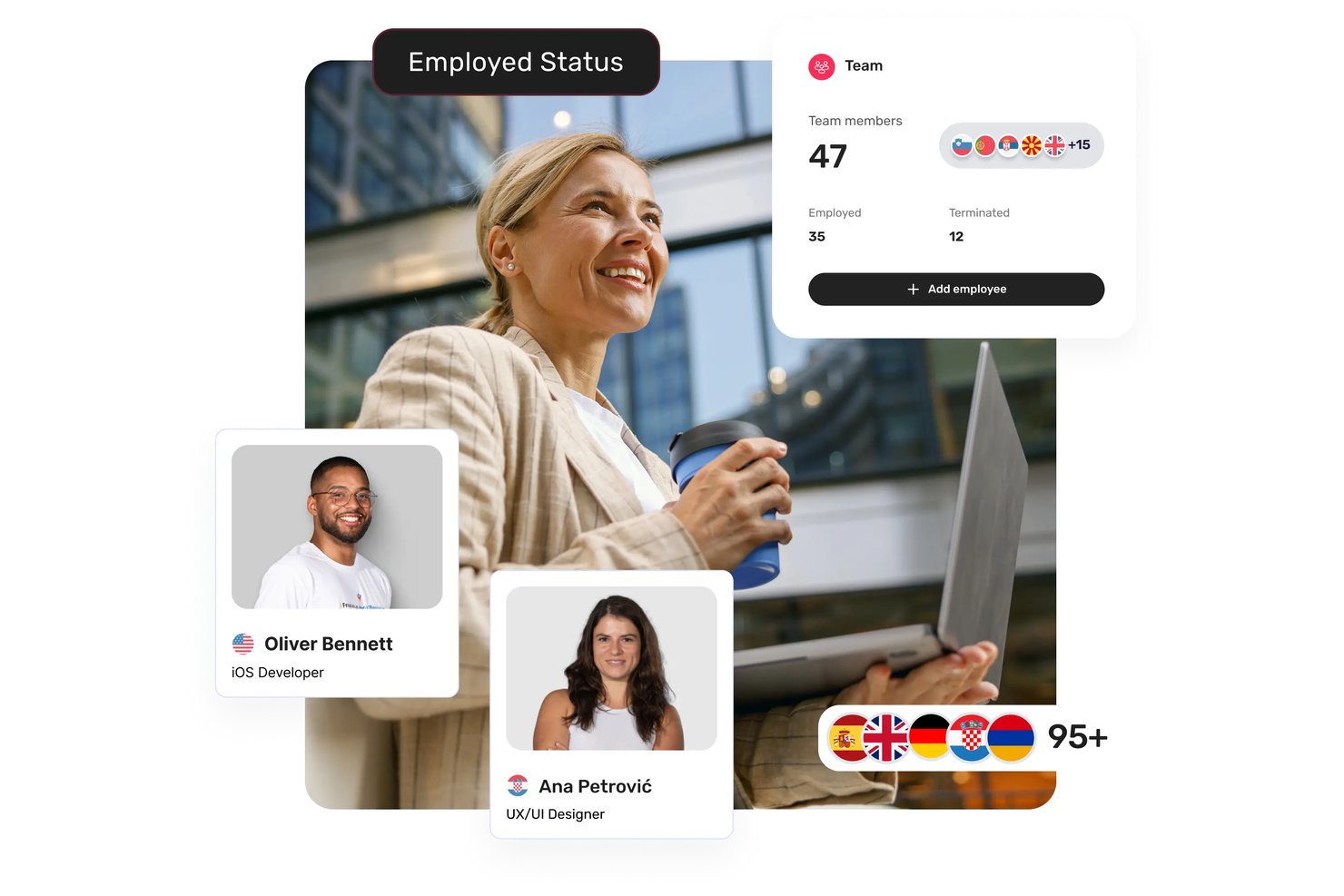
Native Teams è una piattaforma di employer of record progettata per aiutare le startup tecnologiche ad assumere, pagare e gestire team distribuiti in modo conforme in oltre 95 paesi, con gestione unificata dei salari, contratti localizzati e strumenti di amministrazione della forza lavoro globale.
Per chi è ideale Native Teams?
Startup e piccole aziende tecnologiche che vogliono assumere rapidamente talenti globali senza creare entità internazionali.
Perché ho scelto Native Teams
Ho scelto Native Teams tra i migliori perché posso emettere carte spese fisiche e virtuali per i dipendenti e gestire in un’unica soluzione payroll e conformità fiscale per assunzioni globali. Il mio team riesce a tracciare e approvare le spese su larga scala senza processi manuali di rimborso.
Caratteristiche principali di Native Teams
- Gestione globale del payroll: Elabora i salari in oltre 95 paesi con calcoli automatici delle tasse locali.
- Contratti di lavoro localizzati: Genera contratti di lavoro specifici per ogni paese che rispettano gli standard normativi.
- Amministrazione centralizzata della forza lavoro: Accedi a contratti, archivio documenti, storico payroll e dati del team da un unico pannello di controllo.
- Gestione tramite app mobile: Gestisci pagamenti, contratti, documenti e report da un'app mobile dedicata.
Integrazioni Native Teams
Le integrazioni native non sono chiaramente documentate. È disponibile un'API per integrazioni personalizzate.
Pros and Cons
Pros:
- Carte fisiche e virtuali dedicate ai dipendenti
- Opzioni flessibili di assunzione per collaboratori e dipendenti
- Payroll centralizzato per team tech distribuiti
Cons:
- Marchio meno affermato rispetto ai principali provider EOR
- Meno funzioni HR avanzate per startup mature

Ideale per l'onboarding globale dei dipendenti
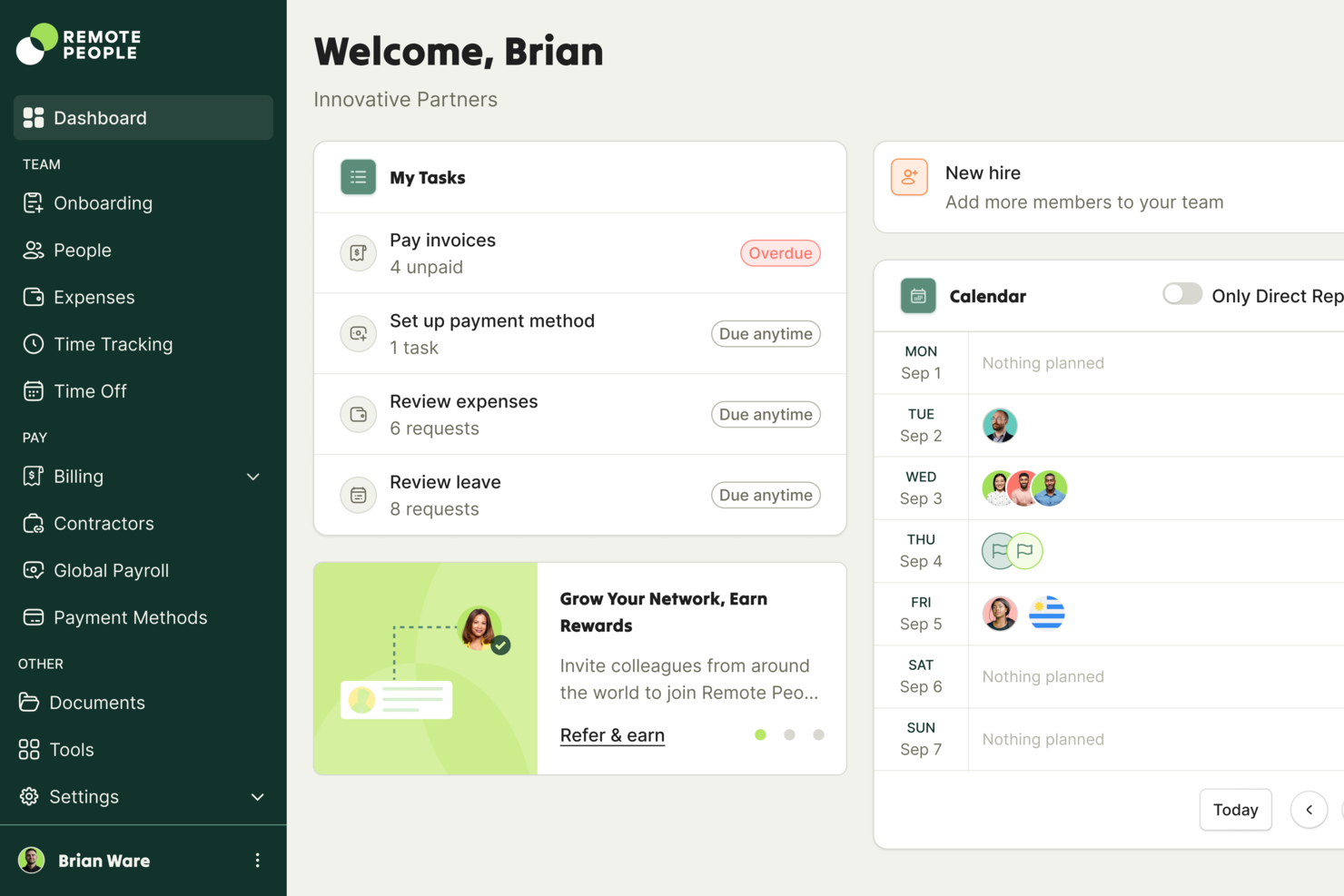
RemotePeople è una piattaforma employer of record (EOR) per startup tecnologiche che supporta l'assunzione globale, la gestione delle buste paga, l'amministrazione dei benefit e la gestione della conformità in più paesi.
Per chi è ideale RemotePeople?
RemotePeople è particolarmente adatto per startup tecnologiche nelle prime fasi o in fase di crescita che devono assumere a livello internazionale senza dover creare entità legali locali.
Perché ho scelto RemotePeople
Ho incluso RemotePeople tra le mie migliori scelte perché mantiene ciò che la maggior parte delle piattaforme EOR promette ma raramente realizza: far iniziare effettivamente i nuovi assunti entro 48 ore. Quando una startup tecnologica trova un ingegnere fondamentale in Germania o a Singapore, aspettare settimane per contratti e configurazione delle paghe non è un'opzione. RemotePeople gestisce contratti locali e l'onboarding in 24-48 ore, grazie a entità di proprietà e specialisti HR presenti sul territorio invece che partner terzi. Apprezzo anche che l'opzione 'recruit-and-hire' abbini recruiter interni allo strato EOR, consentendo di passare dalla selezione del candidato all'onboarding completo senza cambiare strumenti o fornitori.
Funzionalità principali di RemotePeople
- Gestione globale delle buste paga: Gestisce le buste paga in più paesi da un'unica dashboard, con tasse, detrazioni e dichiarazioni gestite in base alle giurisdizioni per ogni ciclo di pagamento.
- Gestione dei collaboratori: Genera contratti conformi alla normativa locale, raccoglie documenti fiscali (W-8, W-9 ed equivalenti locali) e paga collaboratori in oltre 120 valute tramite circuiti di pagamento locali.
- Supporto per visti e trasferimenti: Gestisce permessi di lavoro, domande per visti, appuntamenti in ambasciata e supporto abitativo in oltre 80 paesi, dall'inizio alla fine.
- Verifica dei precedenti: Esegue controlli dei precedenti dei dipendenti in oltre 150 paesi, direttamente integrati nel flusso di lavoro di assunzione.
Integrazioni di RemotePeople
Le integrazioni native non sono chiaramente documentate. RemotePeople offre un'API per integrazioni personalizzate.
Pros and Cons
Pros:
- Il flusso di onboarding riduce i tempi di assunzione
- Generazione automatizzata di documenti legali multilingue
- Supporta la gestione dei dati dei dipendenti conforme al GDPR
Cons:
- Meno funzioni self-service per i dipendenti
- Alcuni profili richiedono revisione manuale della conformità

Ideale per la gestione automatizzata della forza lavoro globale
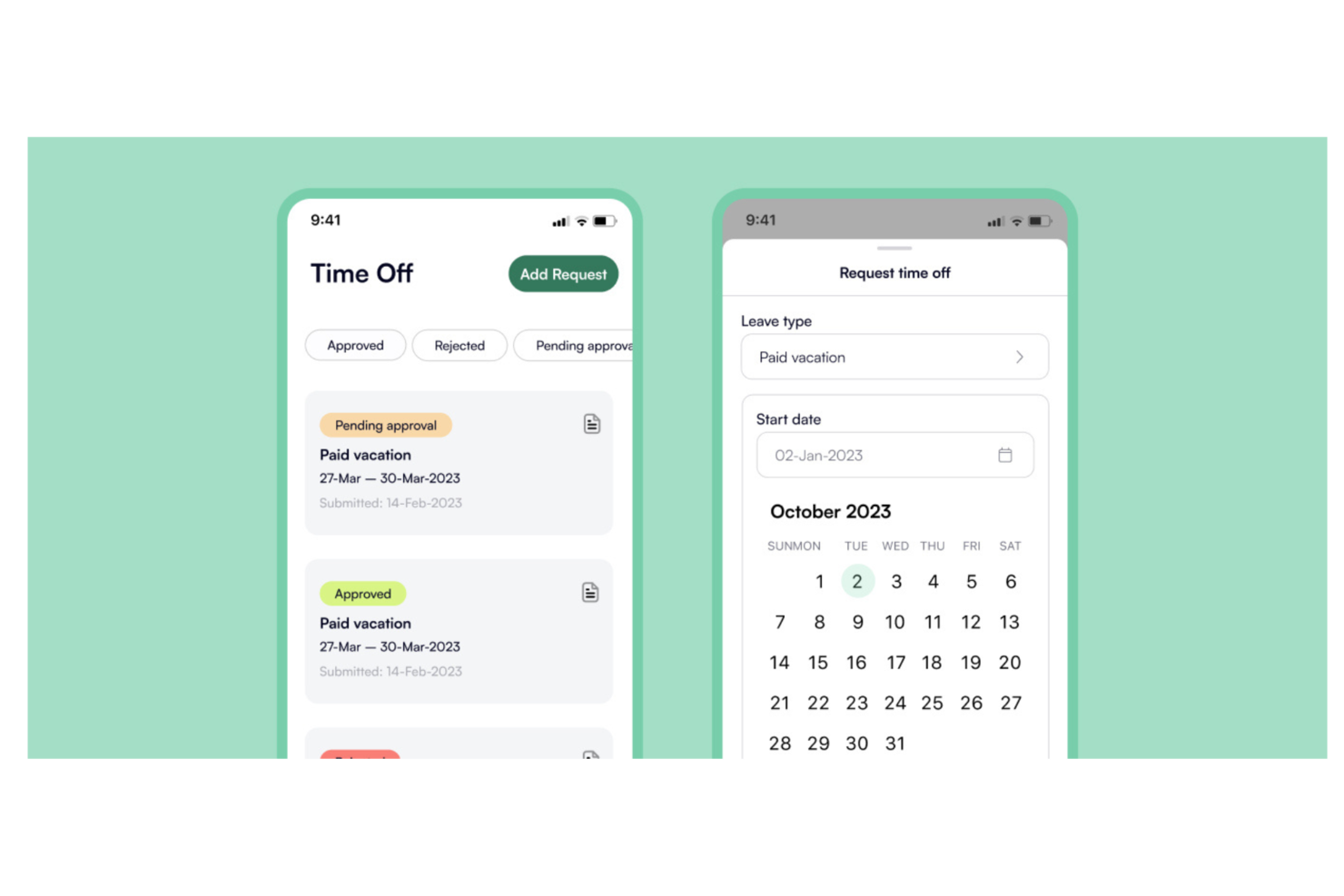
Borderless AI è una piattaforma globale per l'occupazione che integra servizi di employer of record, gestione dei collaboratori, elaborazione delle paghe e supporto HR basato su intelligenza artificiale in un unico sistema.
Per chi è Borderless AI?
Borderless AI è ideale per startup tecnologiche nelle prime fasi di crescita che vogliono assumere talenti internazionali senza dover sostenere i costi e le complessità della costituzione di una nuova entità legale.
Perché ho scelto Borderless AI
Ho incluso Borderless AI tra le mie migliori scelte perché la sua piattaforma nativa AI automatizza le attività più dispendiose in termini di tempo nella gestione della forza lavoro globale, superando molti altri strumenti EOR. L’agente HRGPT fornisce risposte immediate e precise a domande sulla normativa del lavoro specifica di ogni paese, evitando di dover consultare ogni volta un esperto in materia di conformità. Apprezzo anche che i flussi di approvazione delle paghe, i calendari di pagamento e le policy aziendali siano tutti configurabili direttamente dalla piattaforma, senza necessità di workaround manuali o sviluppo personalizzato. Grazie alla proprietà diretta dell’entità in oltre 170 paesi, si ottiene un sistema in cui i controlli di conformità e l’erogazione delle paghe avvengono senza ritardi causati da terzi.
Funzionalità principali di Borderless AI
- Gestione dei collaboratori: Assumi e paga collaboratori internazionali dalla stessa piattaforma usata anche per i dipendenti full-time.
- Gestione dei benefit specifici per paese: Configura e gestisci pacchetti di benefit conformi per i dipendenti in ogni paese in cui assumi.
- Payroll multivaluta: Gestisci le paghe in oltre 90 valute diverse con tempi standard di pagamento di cinque giorni.
- Nessun versamento cauzionale richiesto: Assumi dipendenti internazionali senza capitale iniziale.
Integrazioni di Borderless AI
Borderless AI si integra con ADP Workforce Now, sincronizzando i dati dei dipendenti ed eliminando la duplicazione delle voci. È anche disponibile su Paychex Marketplace. Tuttavia, l’ecosistema di integrazione è limitato, senza collegamenti nativi a strumenti come BambooHR, Greenhouse o QuickBooks. Un’API per integrazioni personalizzate non è chiaramente documentata.
Pros and Cons
Pros:
- Bozze di contratti generate dall’IA in pochi minuti
- Nessun deposito cauzionale, più capitale a disposizione
- Elaborazione in tempo reale dei pagamenti internazionali
Cons:
- La proprietà delle entità rimane non verificata nella maggior parte dei mercati
- Poche opzioni di integrazione con sistemi HRIS
New Product Updates from Borderless AI
Borderless AI Enhances Nium Onboarding and Payroll Workflows
Borderless AI enhances Nium onboarding, payroll adjustment requests, Cayman Islands payroll support, and actionable document workflows to simplify onboarding and payroll management. For more information, visit Borderless AI's official site.
 .
.Altri EOR per startup tecnologiche
Ecco alcune opzioni aggiuntive di EOR per startup tecnologiche che non sono entrate nella mia selezione, ma che vale comunque la pena valutare:
- Playroll
Ideale per un modello di prezzo trasparente e a tariffa fissa
- Mercans
Ideale per l'elaborazione delle buste paga in loco
- Safeguard Global
Ideale per una profonda conoscenza dei mercati locali
- Lano
Ideale per consolidare fornitori locali di payroll
- Gloroots
Ideale per flussi di onboarding personalizzati
- Rivermate
Ideale per l’assunzione di talenti IT specializzati
- Papaya
Ideale per la visualizzazione automatizzata dei dati globali
- Rise
Ideale per startup crypto-native
- Rippling
Ideale per esperti HR locali dedicati
- WorkMotion
Ideale per l'espansione nel mercato europeo
- Justworks
Ideale per piani sanitari di alta qualità per startup
- Payoneer Workforce Management
Ideale per la flessibilità nei pagamenti transfrontalieri


Come Valuto gli EOR per le Startup Tech
Quando una startup in fase seed ha bisogno di assumere un ingegnere in Portogallo senza aprire una società locale, valuto gli strumenti EOR su due livelli: i requisiti di base imprescindibili e i fattori che distinguono un fornitore dall'altro.
Funzionalità Core (Requisiti Base per Questa Lista)
Quando seleziono gli strumenti per la mia lista, assegno a ciascuno un punteggio da 0 (non offre la funzionalità) a 5 (eccelle in questo ambito) per ogni funzionalità core elencata di seguito. Poi, calcolo il punteggio totale dello strumento in percentuale. Ogni tool deve raggiungere un punteggio minimo totale del 65% per essere preso in considerazione.
- Copertura Globale delle Entità: Verifico in quanti paesi la piattaforma è presente tramite entità proprie o partner, perché delle lacune nella copertura potrebbero rendere impossibile assumere nel prossimo paese di interesse.
- Contratti di Lavoro Conformi: Ogni strumento deve generare contratti localizzati che riflettano leggi sul lavoro aggiornate, codici fiscali e tutele sulla proprietà intellettuale specifiche del paese del dipendente.
- Gestione Payroll Multi-paese: Valuto se il payroll funziona in più valute con trattenute fiscali locali automatiche, contributi sociali e deduzioni obbligatorie integrate.
- Gestione dei Benefit Globali: La piattaforma deve offrire benefit competitivi a livello locale come copertura sanitaria, pensioni e ferie in linea con quanto offre un datore di lavoro diretto nel paese.
- Onboarding Veloce per Startup: Un onboarding rapido e self-service è essenziale. Guardo quanto velocemente un team "snello" può passare da una proposta firmata a un'assunzione legalmente in regola senza eccessivo carico amministrativo.
- Supporto Equity & Contractor: Le startup vivono di equity. Cerco la gestione dei piani azionari oltreconfine e la possibilità di gestire o convertire contractor insieme ai dipendenti EOR.
Una volta ottenuta una lista di strumenti che soddisfano i criteri, considero cosa distingue ogni piattaforma.
Fattori di Differenziazione (Cosa Distingue i Vendor)
Ecco come confronto e metto a confronto i diversi fornitori:
Funzionalità Distintive
Le clausole di assegnazione di IP e invenzioni sono fondamentali quando i tuoi ingegneri distribuiti sviluppano software proprietario. Verifico se l’EOR inserisce di default tutele IP applicabili in ogni contratto. Il supporto a visti e immigrazione è un altro fattore distintivo: alcune piattaforme gestiscono la sponsorizzazione di permessi di lavoro, ampliando così il ventaglio di candidati disponibili anche per chi necessita di trasferimento. Valuto anche la trasparenza dei prezzi, dato che le startup con poco margine preferiscono tariffe fisse per dipendente senza depositi o contratti vincolanti.
Oltre le Funzionalità
La velocità di assunzione è cruciale. Guardo a quanti giorni servono per passare da offerta firmata a dipendente completamente onboardato, perché un'attesa di quattro settimane può portare a perdere un candidato. Anche la copertura normativa e dei rischi varia molto: verifico se il fornitore offre indennizzi in caso di classificazione errata o licenziamenti illegittimi. Infine, la compatibilità con lo stack tecnologico completa il quadro. Le startup che fanno girare i dati payroll su HRIS e strumenti di contabilità hanno bisogno di integrazioni native o API aperte, non di semplici esportazioni manuali in CSV.
Come scegliere un EOR per startup tecnologiche
È facile perdersi in lunghi elenchi di funzionalità e strutture tariffarie complesse. Per aiutarti a rimanere concentrato mentre affronti il tuo specifico processo di selezione del software, ecco una lista di fattori da tenere a mente:
| Fattore | Cosa considerare |
|---|---|
| Scalabilità | L'EOR supporterà i tuoi piani di crescita, da una manciata a centinaia di assunzioni globali senza forti aumenti di prezzo? |
| Integrazioni | A quali strumenti per le risorse umane, le buste paga e la contabilità si collega? Verifica la compatibilità nativa con i sistemi che già utilizzi. |
| Personalizzazione | Puoi adattare i flussi di lavoro, i processi di approvazione e la reportistica alla struttura del tuo team e alle esigenze di conformità? |
| Semplicità d'uso | L'interfaccia è chiara e accessibile alle persone senza competenze specialistiche in ambito HR o legale? |
| Implementazione e inserimento | Quanto velocemente puoi iniziare? Cerca un supporto chiaro per la migrazione, assistenza dedicata durante l'inserimento e l'assenza di passaggi nascosti. |
| Costo | Quali sono i costi mensili/annuali complessivi, inclusi configurazione, costi ricorrenti e costi aggiuntivi per dipendente? Esamina i termini per individuare eventuali addebiti variabili. |
| Misure di sicurezza | Il fornitore offre supporto per il GDPR, crittografia e verifiche di sicurezza regolari per proteggere i dati sensibili relativi a risorse umane e buste paga? |
| Requisiti di conformità | La piattaforma riuscirà a stare al passo con l'evoluzione delle normative sul lavoro nei Paesi in cui desideri assumere, soprattutto per i team da remoto o transfrontalieri? |
Cosa sono gli EOR per startup tecnologiche
Gli EOR per startup tecnologiche sono servizi che agiscono in qualità di datori di lavoro legali per il tuo team da remoto o distribuito, gestendo per tuo conto buste paga, benefit, imposte e conformità.
Queste soluzioni ti consentono di assumere rapidamente in nuove regioni senza costituire entità locali, riducendo al contempo i rischi e il carico amministrativo durante la crescita della tua startup.
Funzionalità
Quando scegli un EOR per startup tecnologiche, presta attenzione alle seguenti funzionalità chiave:
- Gestione globale delle buste paga: Gestisce tutti i processi relativi alle buste paga dei dipendenti in diversi Paesi, incluse imposte, detrazioni e conversione valutaria.
- Gestione dei benefit per i dipendenti: Gestisce l'accesso all'assicurazione sanitaria, ai piani pensionistici e ad altri vantaggi, garantendo la conformità locale e offerte competitive.
- Conformità dei contratti di lavoro: Predispone e mantiene contratti di lavoro conformi, adattati ai requisiti e agli aggiornamenti legislativi di ciascun Paese.
- Supporto all'inserimento e alla cessazione: Guida i nuovi assunti e i dipendenti in uscita attraverso tutte le procedure HR pertinenti, la documentazione e gli adempimenti previsti dalla legge.
- Gestione delle risorse umane e dei documenti: Centralizza i dati del personale, i contratti, i documenti di inserimento e la documentazione relativa alla conformità in un ambiente digitale sicuro.
- Monitoraggio delle assenze e dei congedi: Tiene traccia delle ferie, dei giorni di malattia e dei congedi previsti dalla legge in conformità ai codici del lavoro di ciascuna regione.
- Ritenute fiscali in più Paesi: Calcola e versa le imposte sulle buste paga alle autorità locali per conto dell'azienda e dei dipendenti.
- Mitigazione del rischio legale: Monitora le modifiche normative e aggiorna i processi interni per aiutare la tua startup a evitare multe o controversie legali.
- Portale ad accesso autonomo per i dipendenti: Consente ai dipendenti di accedere direttamente ai cedolini, alle informazioni sui benefit e ai documenti fiscali, nonché di gestire i propri dati personali.
- Supporto alla conversione da collaboratore a dipendente: Semplifica la transizione di freelance o collaboratori che desiderano diventare dipendenti a tempo pieno, attraverso pratiche conformi.
Vantaggi
L'implementazione dell'EOR per le startup tecnologiche offre diversi vantaggi al tuo team e alla tua azienda. Eccone alcuni di cui potrai usufruire:
- Espansione più rapida sul mercato: Inserisci dipendenti in nuovi Paesi senza i ritardi legati alla costituzione di entità locali, grazie a un'infrastruttura conforme per l'assunzione e la gestione delle buste paga.
- Riduzione dei rischi e degli oneri di conformità: Rimani aggiornato sulle leggi locali in materia di lavoro, sui requisiti fiscali e sui diritti dei dipendenti, riducendo al minimo l'esposizione legale durante la crescita.
- Operazioni relative alle risorse umane semplificate: Centralizza la gestione delle buste paga, dei benefit e dei documenti, consentendo al tuo piccolo team HR di concentrarsi sullo sviluppo dei talenti.
- Attrazione dei migliori talenti: Offri benefit competitivi e un'esperienza di assunzione gestita professionalmente, capace di attrarre candidati di alta qualità in tutto il mondo.
- Risparmi sui costi amministrativi: Riduci le spese operative affidando all'EOR la gestione di imposte, contratti e buste paga, invece di creare un dipartimento HR globale interno.
- Maggiore flessibilità nei cambiamenti della forza lavoro: Converti facilmente i collaboratori in dipendenti o assumi persone in diverse regioni man mano che cambiano le tue esigenze di assunzione.
- Esperienza coerente per i dipendenti: Offri procedure di inserimento, accesso ai benefit e gestione delle buste paga standardizzati a tutti i membri del team, indipendentemente dalla loro posizione.
Costi e prezzi
La scelta di un EOR per le startup tecnologiche richiede la comprensione dei vari modelli di prezzo e dei piani disponibili. I costi variano in base alle funzionalità, alle dimensioni del team, agli extra e ad altri fattori. La tabella seguente riassume i piani più comuni, i relativi prezzi medi e le funzionalità generalmente incluse nelle soluzioni EOR per startup tecnologiche:
Tabella comparativa dei piani per l'EOR per startup tecnologiche
| Tipo di piano | Prezzo medio | Funzionalità comuni |
|---|---|---|
| Piano gratuito | $0 | Risorse HR limitate, guide di base sulla conformità e supporto via e-mail. |
| Piano personale | $200-$400/dipendente/mese | Elaborazione delle buste paga, conformità di base dei contratti, archiviazione dei documenti e semplici opzioni di supporto. |
| Piano aziendale | $400-$600/dipendente/mese | Pacchetti di benefit regionali, servizi di inserimento, monitoraggio dei congedi, supporto fiscale locale e assistenza clienti in tempo reale. |
| Piano per grandi aziende | $600-$900/dipendente/mese | Gestione delle buste paga in più Paesi, monitoraggio avanzato della conformità, benefit personalizzati, responsabili di account dedicati e accesso API. |
Domande frequenti sull'EOR per startup tecnologiche
Ecco alcune risposte alle domande comuni sull’EOR per le startup tecnologiche:
Come gestisce un EOR il trasferimento della proprietà intellettuale al termine del rapporto di lavoro?
Un EOR gestisce il trasferimento della proprietà intellettuale per le startup tecnologiche inserendo la cessione della proprietà intellettuale nel contratto di lavoro fin dal primo giorno. Ciò garantisce che qualsiasi codice, funzionalità del prodotto o lavoro tecnico creato dal dipendente sia legalmente di proprietà della tua startup (talvolta tramite cessione da parte dell’EOR). Per questo motivo, in genere non è necessario un trasferimento separato della proprietà intellettuale al termine del rapporto di lavoro.
Quando termina il rapporto di lavoro, l’EOR può fornire supporto per la documentazione aggiuntiva, se richiesta in determinati Paesi, e garantisce che tutto il codice, le credenziali e i beni aziendali vengano restituiti. Questo è particolarmente importante per le startup, per le quali è fondamentale proteggere la tecnologia proprietaria e la proprietà intellettuale del prodotto in giurisdizioni diverse.
L'EOR può aiutare la mia startup tecnologica ad assumere dipendenti in più Paesi?
Sì, i servizi EOR consentono alla tua startup di assumere talenti internazionali nei Paesi in cui non disponi di una tua entità. L’EOR assume il ruolo di datore di lavoro legale, gestendo l’assunzione internazionale e i permessi di lavoro, così puoi concentrarti sull’espansione globale e sulla crescita della tua squadra distribuita attraverso una piattaforma EOR specializzata.
Quanto tempo occorre per inserire un nuovo dipendente tramite un EOR?
La maggior parte dei fornitori di servizi EOR può inserire rapidamente i dipendenti, spesso garantendo che siano pronti a lavorare già dal primo giorno. I tempi per accedere ai bacini di talenti dipendono dalle normative fiscali del Paese, dalla rapidità con cui vengono completati i controlli dei precedenti e dalla verifica dei documenti da parte del team legale.
Qual è la differenza tra i servizi EOR e PEO?
Una soluzione EOR funge da datore di lavoro legale per la tua forza lavoro internazionale e gestisce tutto, dai contratti alla costituzione dell’entità, mentre una PEO richiede in genere che tu disponga di un’entità legale locale. Per le startup, l’EOR giusto rappresenta una svolta perché offre una copertura globale senza la necessità di infrastrutture complesse, rendendolo un modo conveniente per gestire il lavoro da remoto.
I benefit dei dipendenti vengono gestiti tramite l'EOR o dalla mia azienda?
I benefit dei dipendenti vengono gestiti dall’EOR, che utilizza la propria competenza locale per garantire la piena conformità alle leggi regionali. L’EOR fornisce in anticipo prezzi trasparenti, senza costi nascosti, occupandosi dell’iscrizione e dell’amministrazione per tuo conto, così puoi accedere facilmente ai talenti internazionali.
Quali rischi riduce l'utilizzo di un EOR per le startup?
L’utilizzo di un EOR con una comprovata esperienza riduce notevolmente i rischi legati ai problemi di conformità, alle attività di gestione delle paghe e all’errata classificazione dei lavoratori. Gestendo le complessità dei mercati del lavoro locali, l’EOR garantisce che la tua startup eviti rischi legali mentre espande la squadra in giurisdizioni diverse.