

10 Best Career Management Software in 2026

Best Career Management Software Shortlist


Career management software helps you organize your professional goals, track progress, and plan your next career steps—all in one place. If you’re looking for tools to support employee growth, succession planning, or your own job search, finding the right platform can make a real difference.
With so many options out there, it’s tough to know which software actually delivers on features like skills tracking, personalized development plans, and career pathing.
This guide will help you compare the top career management software so you can choose the best fit for your needs and support ongoing growth in 2026.
Why Trust Our Software Recommendations
Our team has been testing and reviewing software since 2012. As HR experts ourselves, we know how difficult—and important—it is to choose the right software.
For this guide, we evaluated tools using hands-on testing and independent research, scoring tools using our selection criteria. We also draw on insights from industry thought leaders and practicing HR experts.
Our reviews reflect our human editorial judgment, not a sales pitch.
Expert reviewers:
Career Management Software Comparison Table
This comparison table summarizes pricing details for my top career management software selections:
| Tool | Best For | Trial Info | Price | ||
|---|---|---|---|---|---|
| 1 | Best for performance and growth tracking | Free demo available | From $4/user/month (billed annually) | Website | |
| 2 | Best for enterprise career management | Free demo available | Pricing upon request | Website | |
| 3 | Best for AI talent experience and mobility | Free demo available | Pricing upon request | Website | |
| 4 | Best for enterprise talent development | 30-day free trial | Pricing upon request | Website | |
| 5 | Best for engagement and career insights | Free demo available | Pricing upon request | Website | |
| 6 | Best for AI-driven internal talent marketplaces | Free demo available | Pricing upon request | Website | |
| 7 | Best for AI career pathing and skills mapping | Free demo available | Pricing upon request | Website | |
| 8 | Best for competency-based career planning | Not available | Pricing upon request | Website | |
| 9 | Best for AI workforce and career insights | Free demo available | Pricing upon request | Website | |
| 10 | Best for career tools within HCM | Free demo available | Pricing upon request | Website |
Best Career Management Software Reviews
Below are my detailed summaries of the best career management software that made it onto my shortlist. My reviews offer a detailed look at the features, best use cases, and integrations of each platform to help you find the best one for you.
Lattice
Best for performance and growth tracking
My Evaluation Score
- Career Pathing
- 4/5
- Development Planning
- 4/5
- Skills & Competency Mapping
- 3/5
- Career Conversations & Goal Setting
- 4/5
- Succession & Talent Readiness Tracking
- 4/5
- Internal Mobility & Opportunity Marketplace
- 0/5
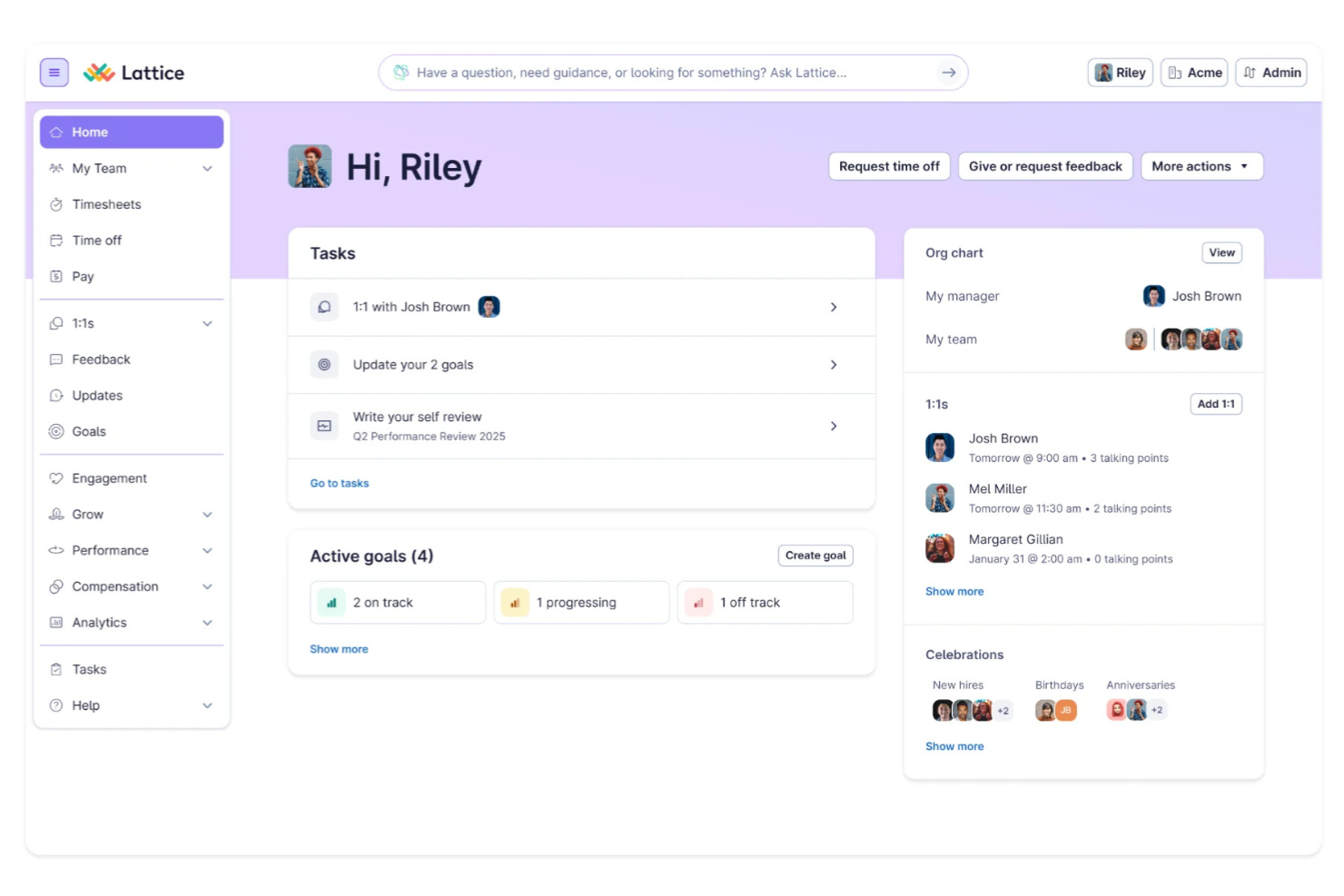
Lattice is a people management platform built for HR teams and business leaders who want to connect performance, engagement, and career growth in one place.
Who Is Lattice Best For?
HR teams at growing companies who want to connect performance management with employee development and engagement.
Why I Picked Lattice
I picked Lattice as one of the best because I can connect performance management, engagement, and career growth in a single platform. I like how the career tracks and growth plans are built right into the review and feedback cycles. My team uses Lattice to map out development paths and track progress alongside regular check-ins.
Lattice Key Features
- Competency matrices: Define and assess role-specific skills for every employee.
- 1:1 meeting agendas: Create, share, and track structured agendas for manager-employee meetings.
- Feedback requests: Request and collect feedback from peers and managers within the platform.
- Goal alignment dashboards: Visualize how individual goals connect to team and company objectives.
Lattice Integrations
Integrations include BambooHR, ADP, Greenhouse, Gusto, HiBob, Jira, Microsoft Teams, Okta, Slack, Workday, and more.
Pros and Cons
Pros:
- Automated reminders for check-ins and feedback
- Customizable competency matrices for each role
- Performance reviews link directly to development goals
Cons:
- Career path visuals are not interactive
- No built-in mentoring program management
New Product Updates from Lattice

Lattice Introduces MCP Connector for AI Chat Tools
Lattice introduced Lattice MCP, a new connector that brings talent data into Claude, ChatGPT, and other LLM tools. The connector helps teams access performance context from reviews, 1:1 notes, feedback, goals, and updates within AI chat workflows. For more information, visit Lattice’s official site.
 .
.
Workday
Best for enterprise career management
My Evaluation Score
- Career Pathing
- 5/5
- Development Planning
- 4/5
- Skills & Competency Mapping
- 5/5
- Career Conversations & Goal Setting
- 5/5
- Succession & Talent Readiness Tracking
- 4/5
- Internal Mobility & Opportunity Marketplace
- 5/5
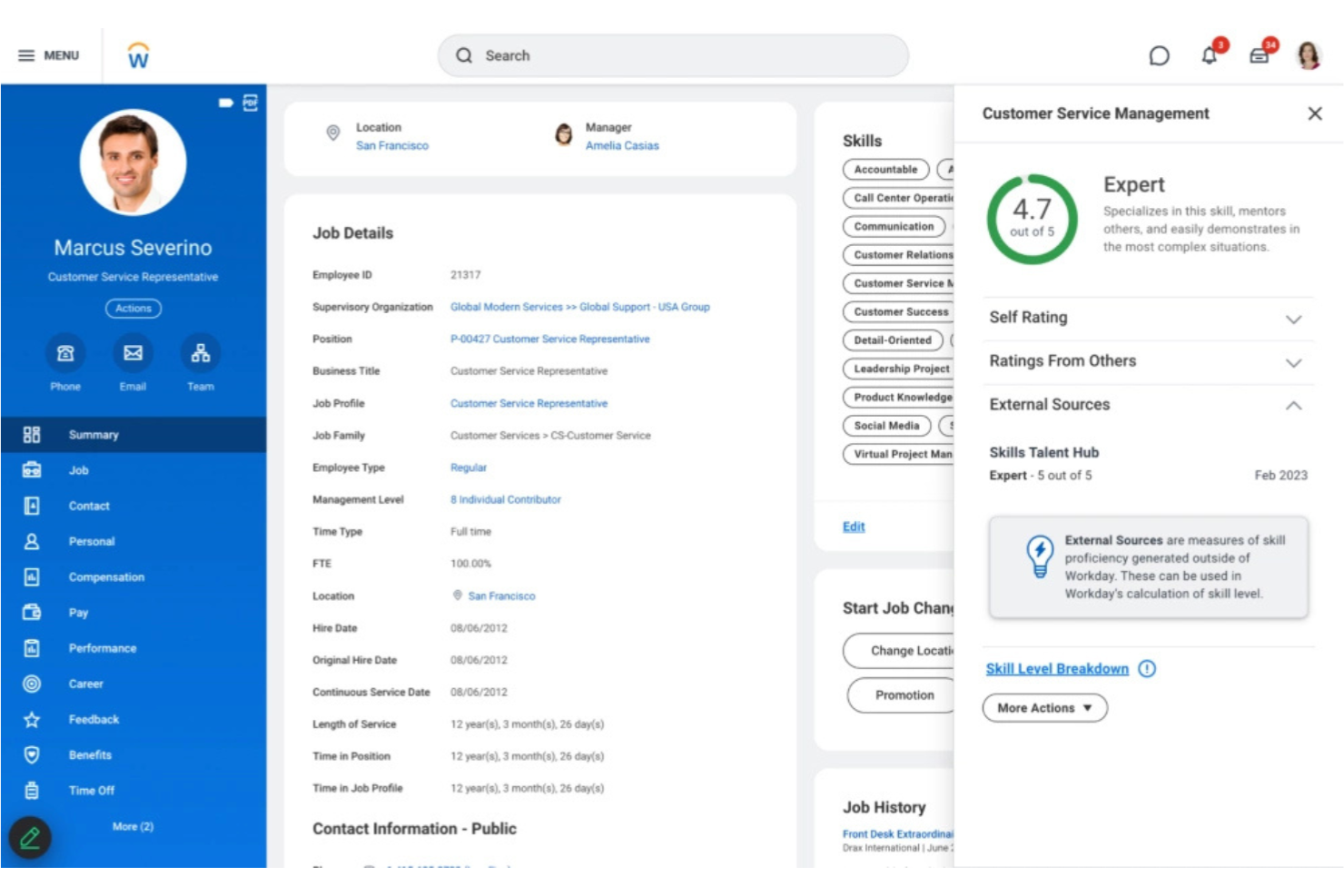
Workday is an enterprise-grade platform for HR and finance teams who need to manage employee development, internal mobility, and workforce planning in one unified system.
Who Is Workday Best For?
Workday fits large enterprises and multinational organizations that need unified HR, finance, and career management across global teams.
Why I Picked Workday
I picked Workday as one of the best because I can manage HR, finance, and career development in one unified platform. My team uses its talent marketplace to connect employees with new roles and projects. I also like how the skills cloud helps us map workforce capabilities and plan for future needs.
Workday Key Features
- Career hub: Employees access personalized career resources and opportunities.
- Goal management: Set, track, and update individual and team goals.
- Performance reviews: Run structured, configurable performance review cycles.
- Succession planning: Identify and develop future leaders within the organization.
Workday Integrations
Native integrations are not currently listed.
Pros and Cons
Pros:
- Succession planning tools identify and track high-potential talent
- Integrates performance, learning, and career planning in one system
- AI-driven talent marketplace for internal mobility
Cons:
- Internal mobility workflows depend on clean, structured data
- Career path configuration requires heavy HR and system setup

Phenom
Best for AI talent experience and mobility
My Evaluation Score
- Career Pathing
- 5/5
- Development Planning
- 4/5
- Skills & Competency Mapping
- 5/5
- Career Conversations & Goal Setting
- 5/5
- Succession & Talent Readiness Tracking
- 4/5
- Internal Mobility & Opportunity Marketplace
- 5/5
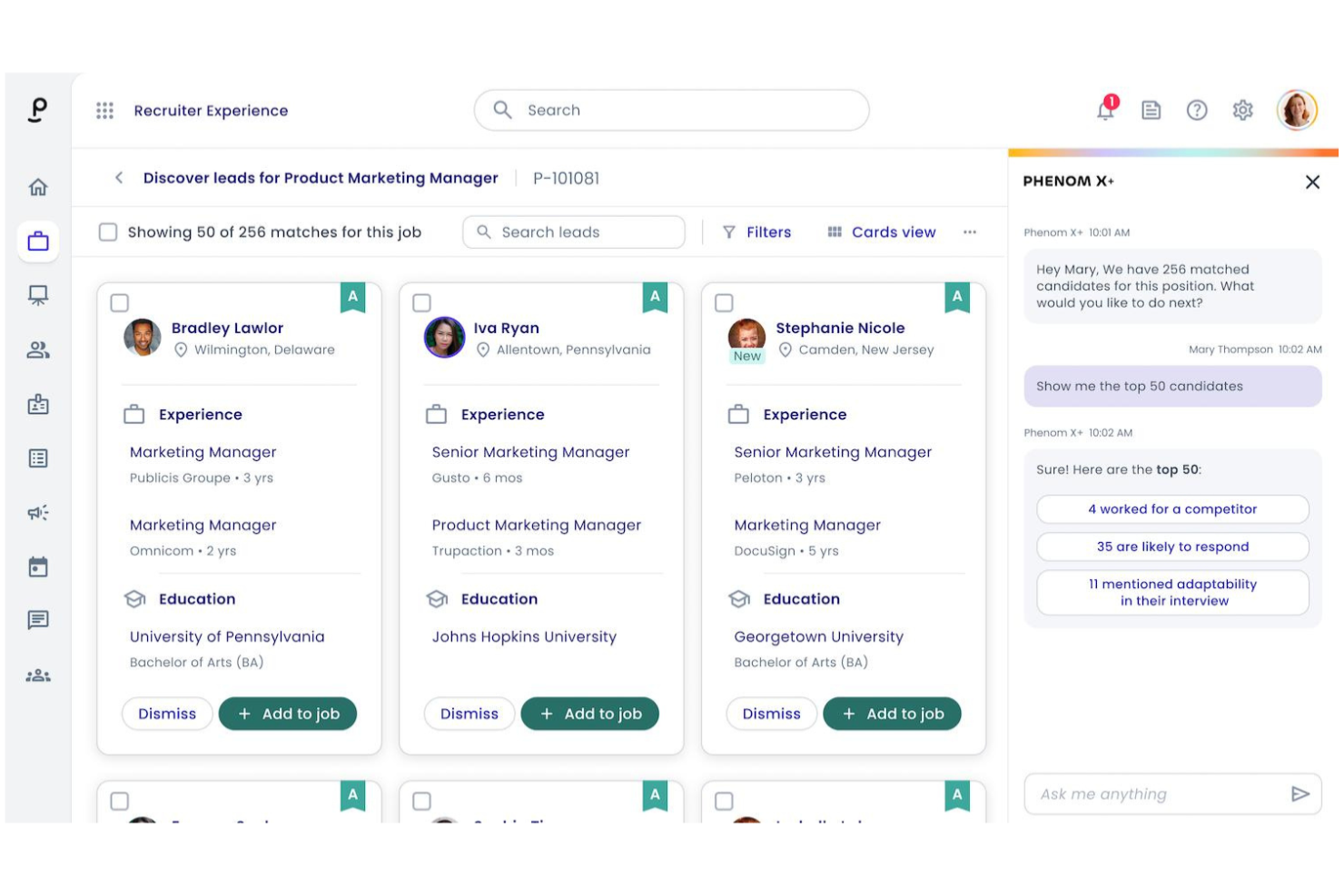
Phenom is a career management platform designed for HR teams and talent leaders who want to personalize employee growth, internal mobility, and talent development using AI-driven insights and automation.
Who Is Phenom Best For?
Phenom suits large enterprises and global organizations that want to unify talent acquisition, internal mobility, and employee development in one platform.
Why I Picked Phenom
I picked Phenom as one of the best because I can use its AI-powered talent experience platform to connect candidates, recruiters, employees, and managers in one ecosystem. My team uses its internal mobility marketplace and personalized career pathing to help employees discover new roles. I also like how its automation tools speed up talent matching and development planning.
Phenom Key Features
- Employee skills inventory: Catalog and update employee skills across the organization.
- Mentorship program management: Match employees with mentors based on interests and goals.
- Learning recommendations engine: Suggest relevant courses and content for career growth.
- Talent analytics dashboard: Track workforce trends and career movement in real time.
Phenom Integrations
Integrations include Workday, SAP, UKG, ADP, TalentEXP, Oracle, SuccessFactors, iCIMS, Greenhouse, and more.
Pros and Cons
Pros:
- Supports global, multilingual career sites
- Analytics track internal mobility trends
- AI matches employees to internal roles
Cons:
- Mobile experience is less feature-rich
- Limited customization for employee profiles
Best for enterprise talent development
My Evaluation Score
- Career Pathing
- 5/5
- Development Planning
- 4/5
- Skills & Competency Mapping
- 5/5
- Career Conversations & Goal Setting
- 4/5
- Succession & Talent Readiness Tracking
- 4/5
- Internal Mobility & Opportunity Marketplace
- 5/5
SAP SuccessFactors is an enterprise HCM suite with dedicated career management tools spanning AI-driven career pathing, skills and competency mapping, individual development planning, internal mobility, and succession planning.
Who Is SAP SuccessFactors Best For?
SAP SuccessFactors is a strong fit for large enterprises that need career management, skills tracking, and succession planning unified in one HCM suite.
Why I Picked SAP SuccessFactors
SAP SuccessFactors earns its spot on my list because the Talent Intelligence Hub gives large enterprises a single skills taxonomy that runs across every module, from recruiting to succession planning. I'm particularly impressed by the Opportunity Marketplace, which uses AI to match employees to internal jobs, gigs, and mentorships based on their actual skills and career aspirations. The AI-driven career worksheets that map both vertical and lateral moves make it genuinely useful for organizations managing complex, multi-layered talent pipelines.
SAP SuccessFactors Key Features
- Talent Intelligence Hub: A unified skills taxonomy shared across every SuccessFactors module, from recruiting to succession, giving you one consistent framework for skills data across the employee lifecycle.
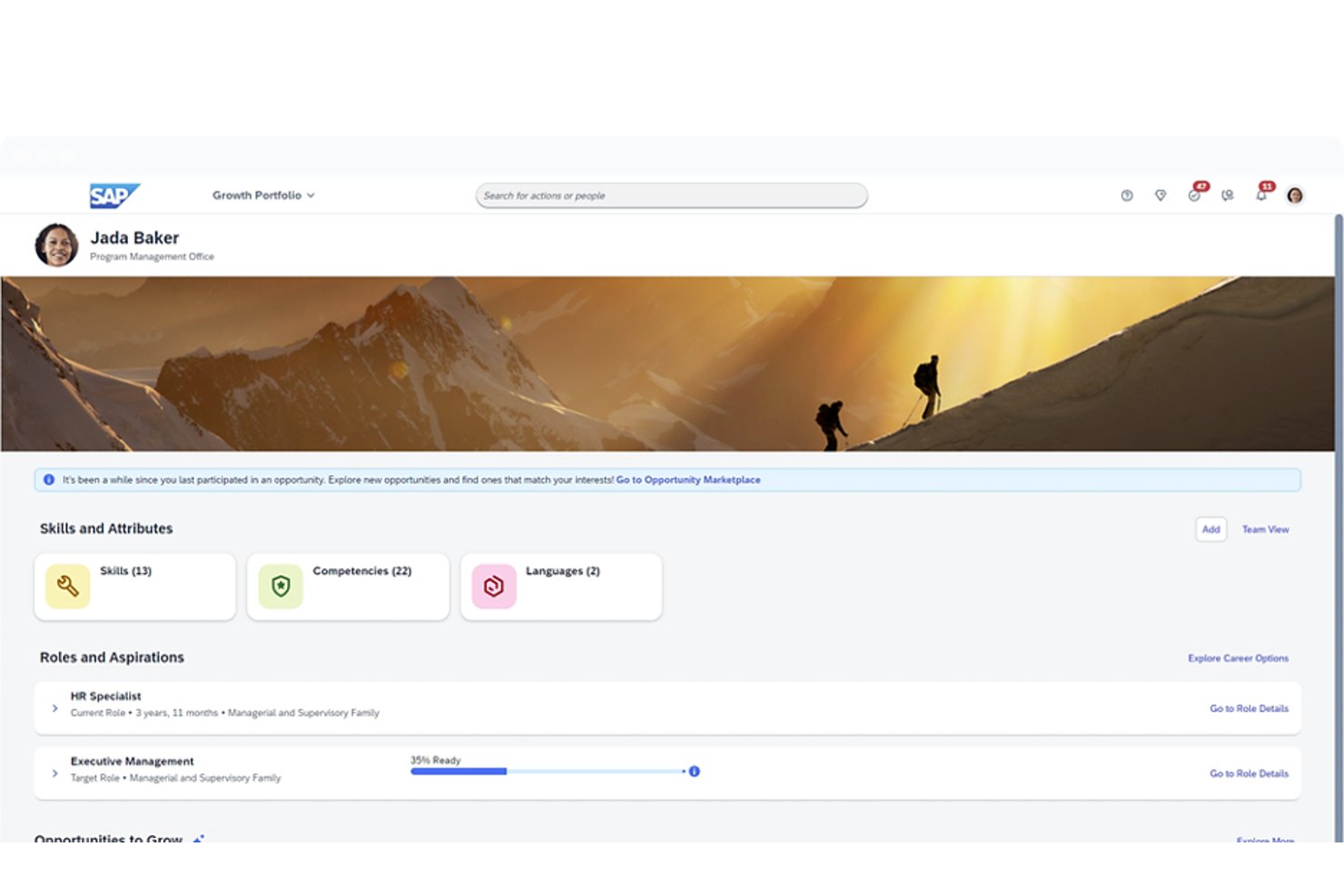
- Growth Portfolio: A personal record where employees document skills, achievements, and career aspirations, giving managers and HR a richer view of each person's development over time.
- Joule career development assistant: An embedded AI assistant that generates development goals, surfaces role recommendations, and helps employees take action on career plans directly within the platform.
- Succession Planning with Talent Pools: A nomination and grouping tool that lets HR and managers organize high-potential employees into talent pools and track their readiness for key roles across the organization.
SAP SuccessFactors Integrations
SAP SuccessFactors integrates with SAP S/4HANA, SAP Concur, SAP Fieldglass, Degreed, and 365Talents. It also offers open APIs through SAP Business Accelerator Hub for custom connections.
Pros and Cons
Pros:
- Opportunity Marketplace matches jobs, gigs, and mentorships
- Career worksheets map lateral and vertical moves
- Unified skills taxonomy spans HCM modules
Cons:
- Implementation often requires SAP consultants
- Inconsistent navigation across modules
My Evaluation Score
- Career Pathing
- 4/5
- Development Planning
- 4/5
- Skills & Competency Mapping
- 3/5
- Career Conversations & Goal Setting
- 4/5
- Succession & Talent Readiness Tracking
- 4/5
- Internal Mobility & Opportunity Marketplace
- 2/5
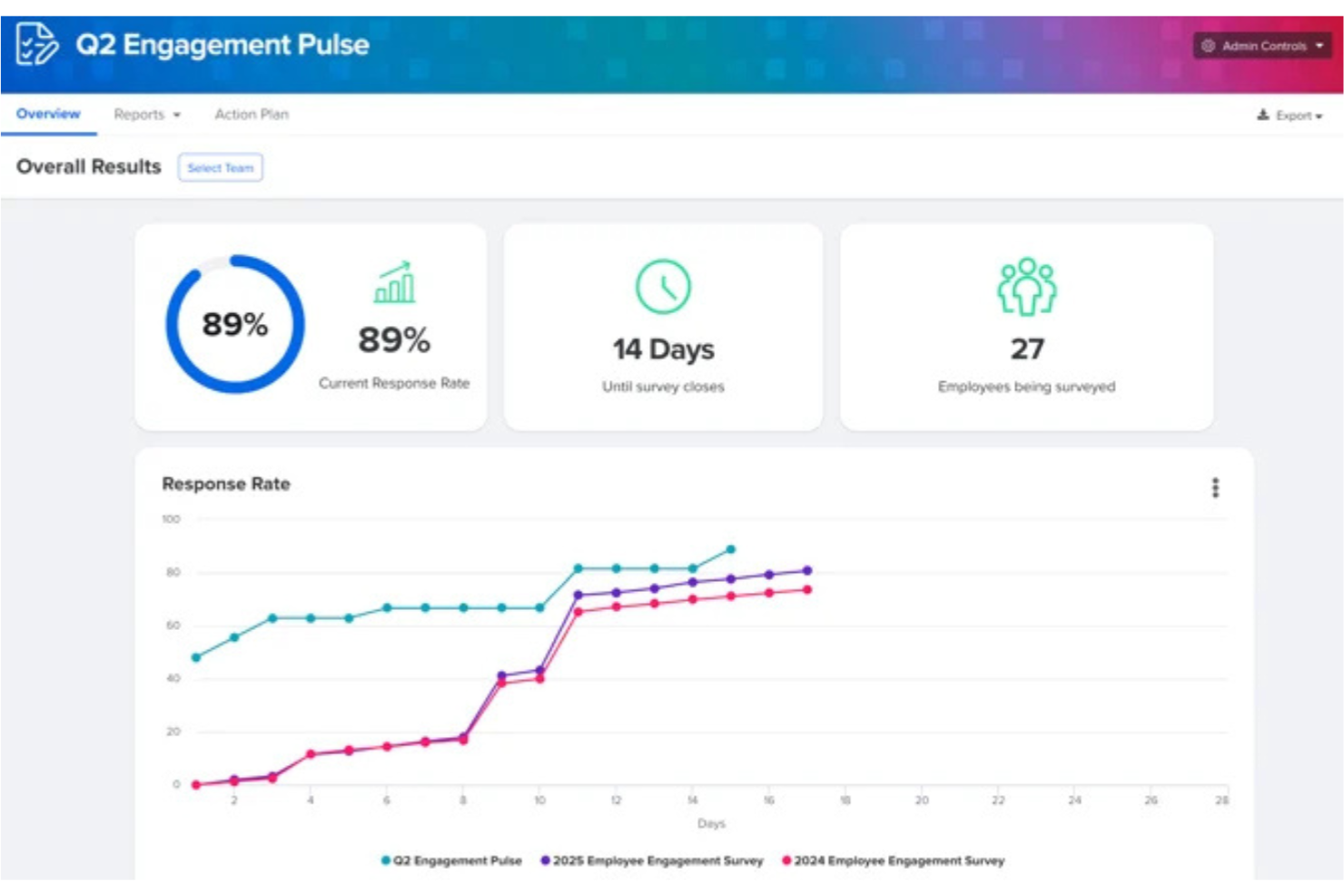
Quantum Workplace gives HR teams and business leaders a platform to measure engagement, manage performance, and drive employee growth with real-time feedback and actionable insights.
Who Is Quantum Workplace Best For?
Quantum Workplace fits mid-sized and large organizations that want to connect engagement and performance management in one platform.
Why I Picked Quantum Workplace
I picked Quantum Workplace as one of the best because I can manage employee engagement and performance reviews in a single platform. My team uses its real-time feedback and goal-setting features to support ongoing growth. I like how it connects survey insights directly to performance conversations.
Quantum Workplace Key Features
- 1-on-1 meeting agendas: Create, share, and track structured meeting agendas between managers and employees.
- Recognition tools: Send peer-to-peer recognition and celebrate achievements within the platform.
- Pulse surveys: Launch quick, targeted surveys to gather employee sentiment on specific topics.
- Analytics dashboard: Visualize engagement and performance data with customizable dashboards.
Quantum Workplace Integrations
Integrations include ADP, Namely, UKG, Workday, BambooHR, SAP, Oracle HCM Cloud, Dayforce, Paycom, Paylocity, Paychex, and Paycor.
Pros and Cons
Pros:
- 1-on-1 meeting agendas improve manager-employee alignment
- Built-in recognition tools foster peer acknowledgment
- Engagement surveys link directly to performance data
Cons:
- Limited succession planning features for HR teams
- No built-in career pathing visualization tools
My Evaluation Score
- Career Pathing
- 5/5
- Development Planning
- 5/5
- Skills & Competency Mapping
- 5/5
- Career Conversations & Goal Setting
- 4/5
- Succession & Talent Readiness Tracking
- 5/5
- Internal Mobility & Opportunity Marketplace
- 5/5
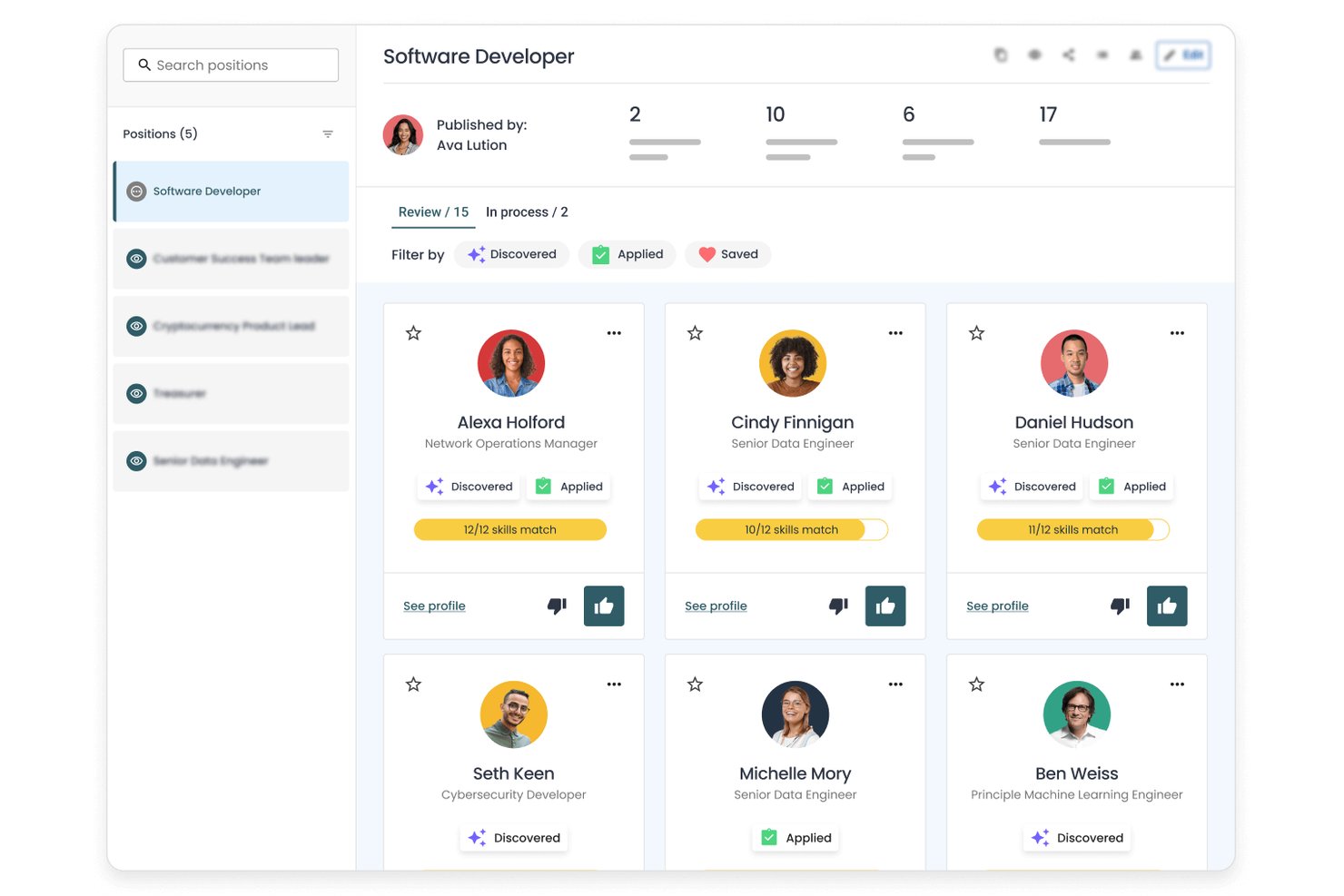
Gloat is an AI-driven career management platform built around an internal talent marketplace, combining career pathing, skills mapping, development planning, mentorship matching, and succession management.
Who Is Gloat Best For?
Gloat is a strong fit for large enterprises that want to move employees into internal roles, gigs, and stretch assignments rather than defaulting to external hiring.
Why I Picked Gloat
I picked Gloat as one of the best because its internal talent marketplace is the most mature I've seen for connecting employees to real opportunities, not just job postings. Its AI Career Pathing and Readiness Agent scores employees across six dimensions, including leadership competencies and development velocity, then ties those scores directly to live stretch assignments and mentoring matches. The AI Succession Management Agent goes further, continuously identifying ready-now candidates across business units rather than waiting for an annual nine-box review.
Gloat Key Features
- AI Mentor Matching Agent: Pairs employees with mentors based on skill adjacency, career trajectory, availability, and communication style, while automatically flagging and rescuing at-risk pairings.
- Skills Landscape self-assessment: Lets employees compare their current skills against role requirements to identify gaps and see where they stand relative to their target position.
- Learning Content Curator agent: Ingests your organization's existing course libraries, ties relevant content to each employee's skill profile, and removes outdated material over time.
- Workforce Insights agent: Surfaces org-wide reporting on skills coverage, mobility trends, and bench-strength risks through tools like the Critical Role Monitor and Emerging Skills Radar.
Gloat Integrations
Gloat offers native integrations with Workday, SAP SuccessFactors, and Oracle HCM Cloud, plus native deployment across Microsoft Teams, Microsoft Copilot, Slack, and Google Chat. It connects with LMS and ATS systems and supports APIs for custom integrations.
Pros and Cons
Pros:
- Identifies successors across business units
- Connects readiness scores to development plans
- Matches employees to real internal opportunities
Cons:
- Some recommendations may feel illogical
- Integrations can require substantial implementation effort

My Evaluation Score
- Career Pathing
- 5/5
- Development Planning
- 4/5
- Skills & Competency Mapping
- 5/5
- Career Conversations & Goal Setting
- 4/5
- Succession & Talent Readiness Tracking
- 5/5
- Internal Mobility & Opportunity Marketplace
- 5/5
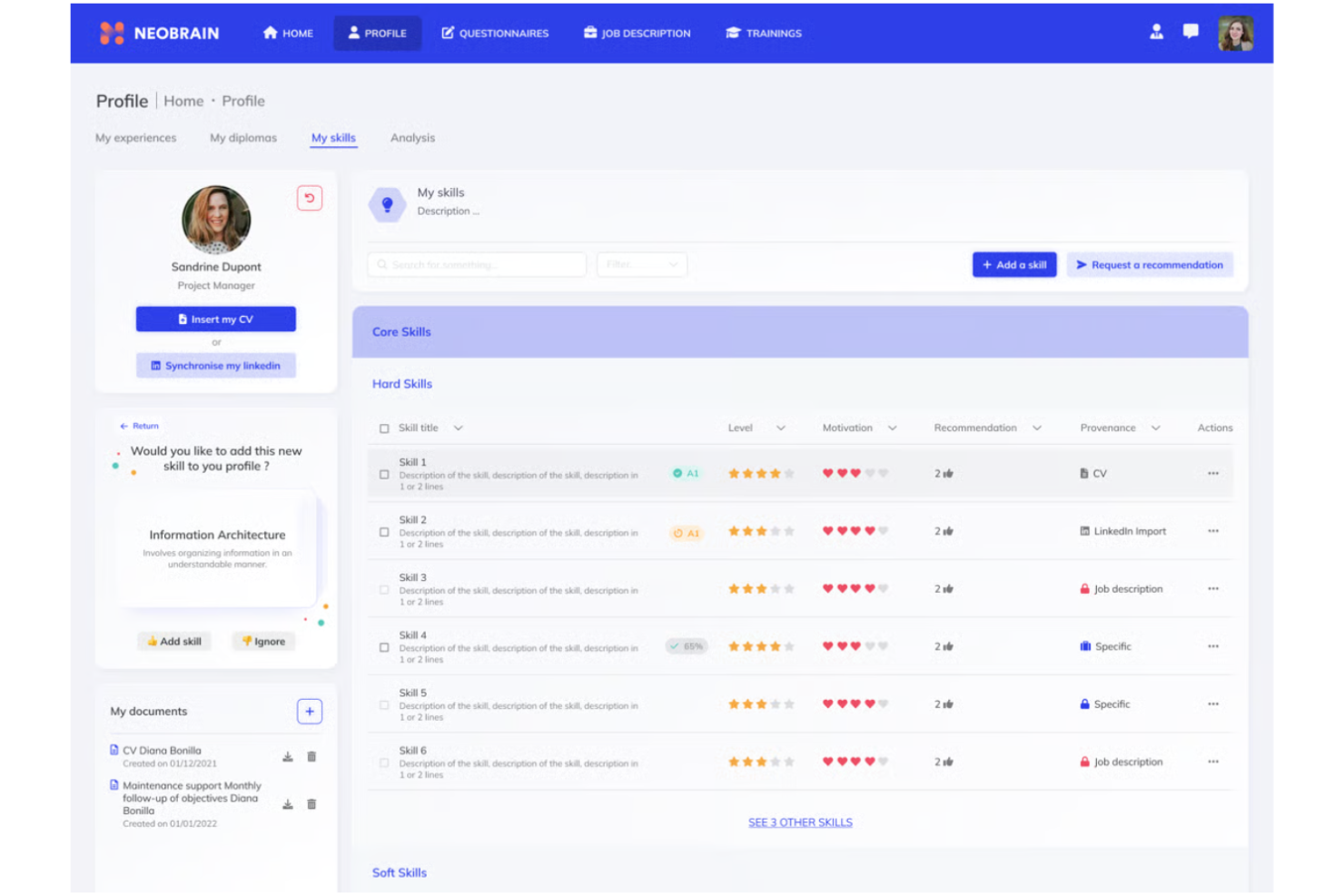
Neobrain is a career management platform designed for HR teams and business leaders who want to identify workforce skills, match talent to opportunities, and support employee growth with data-driven insights.
Who Is Neobrain Best For?
Large enterprises and multinational organizations looking to map skills and plan workforce development at scale.
Why I Picked Neobrain
I picked Neobrain as one of the best because I can use its AI-powered skills mapping to visualize workforce capabilities and spot gaps instantly. My team relies on its workforce planning tools to match employees to internal opportunities and forecast future talent needs. The platform’s analytics help us make smarter, data-driven career development decisions.
Neobrain Key Features
- Internal mobility portal: Employees can browse and apply for open roles within the organization.
- Personalized learning recommendations: The platform suggests upskilling content based on individual skill gaps.
- Succession planning module: HR teams can identify and track potential successors for key positions.
- Employee career dashboards: Users get a visual overview of their progress, skills, and career options.
Neobrain Integrations
Integrations include SAP SuccessFactors, Workday, Oracle, Talentsoft, Cornerstone, Cegid, ADP, and an API is available for custom integrations.
Pros and Cons
Pros:
- Visual dashboards for workforce planning insights
- Real-time internal mobility suggestions for employees
- AI-driven skills gap analysis for teams
Cons:
- Industry-specific frameworks are not pre-built
- Reporting features are limited for analytics

My Evaluation Score
- Career Pathing
- 4/5
- Development Planning
- 4/5
- Skills & Competency Mapping
- 4/5
- Career Conversations & Goal Setting
- 4/5
- Succession & Talent Readiness Tracking
- 5/5
- Internal Mobility & Opportunity Marketplace
- 4/5
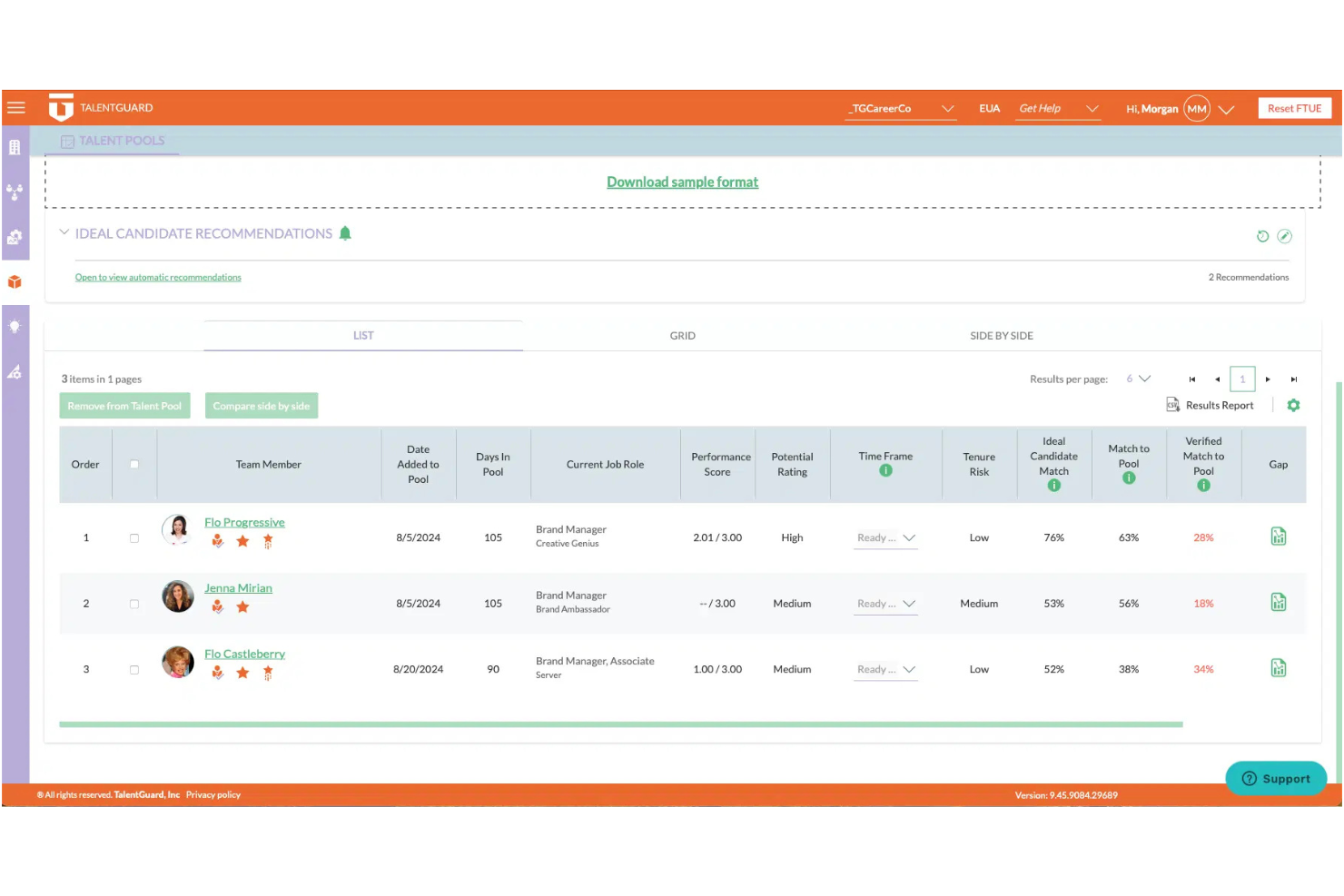
TalentGuard is a cloud-based platform for HR teams and people leaders who want to automate skills tracking, career pathing, and succession planning to support employee growth and internal mobility.
Who Is TalentGuard Best For?
TalentGuard suits mid-sized and large organizations that want to automate talent mobility and career pathing for a diverse workforce.
Why I Picked TalentGuard
I picked TalentGuard as one of the best because I can use its AI-powered career pathing to map out clear growth opportunities for employees. My team relies on its talent mobility platform to match people to new roles based on skills and aspirations. I also like how it automates succession planning and skills gap analysis.
TalentGuard Key Features
- Competency library: Access a pre-built library of job competencies for various roles.
- Performance review workflows: Set up automated, configurable performance review cycles.
- Certification tracking: Monitor employee certifications and renewal dates in one place.
- Employee self-assessments: Let employees complete self-assessments to inform development plans.
TalentGuard Integrations
Integrations include Bamboo, SAP SuccessFactors, UKG, Workday, Bridge, Brainier, Docebo, Schoox, and custom connectors via API or SFTP.
Pros and Cons
Pros:
- Succession planning identifies and tracks internal talent
- Competency frameworks support structured skill development
- Analytics for tracking career progression trends
Cons:
- Limited out-of-the-box templates for quick deployment
- UI is functional but less modern than newer platforms
My Evaluation Score
- Career Pathing
- 3/5
- Development Planning
- 4/5
- Skills & Competency Mapping
- 3/5
- Career Conversations & Goal Setting
- 3/5
- Succession & Talent Readiness Tracking
- 4/5
- Internal Mobility & Opportunity Marketplace
- 2/5
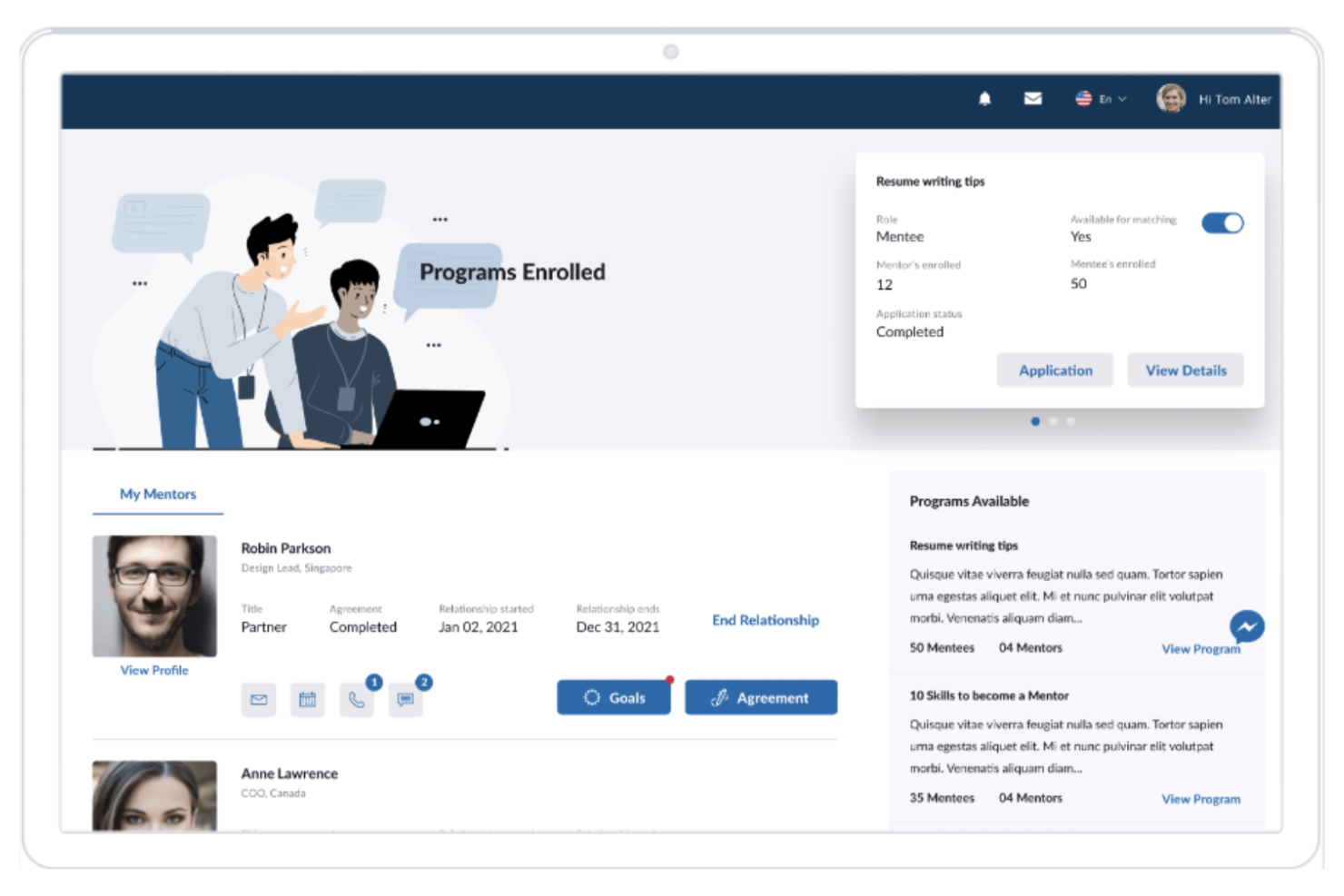
People360 is a career management platform designed for HR teams and talent leaders who want to match employees to internal opportunities, identify skill gaps, and support talent mobility across large organizations.
Who Is People360 Best For?
People360 is a strong fit for large enterprises and HR teams focused on internal mobility and workforce development.
Why I Picked People360
I picked People360 as one of the best because I can use its AI-powered matching to connect employees with internal job opportunities and projects. My team relies on its talent marketplace to surface hidden skills and promote mobility across departments. I also like how it helps us identify skill gaps and recommend targeted development paths.
People360 Key Features
- Career path visualization: Users can view potential career trajectories within the organization.
- Automated skill assessments: The platform evaluates employee skills using AI-driven assessments.
- Personalized learning recommendations: Employees receive tailored learning content based on their career goals.
- Manager dashboards: Managers access real-time insights into team development and mobility trends.
People360 Integrations
Native integrations are not currently listed.
Pros and Cons
Pros:
- Goal tracking aligns employee growth with business objectives
- Personalized learning content suggestions
- Built-in skill gap analysis tools
Cons:
- Setup requires defining roles, skills, and frameworks upfront
- AI recommendations depend heavily on data quality

Paycor
Best for career tools within HCM
My Evaluation Score
- Career Pathing
- 3/5
- Development Planning
- 3/5
- Skills & Competency Mapping
- 4/5
- Career Conversations & Goal Setting
- 4/5
- Succession & Talent Readiness Tracking
- 4/5
- Internal Mobility & Opportunity Marketplace
- 1/5
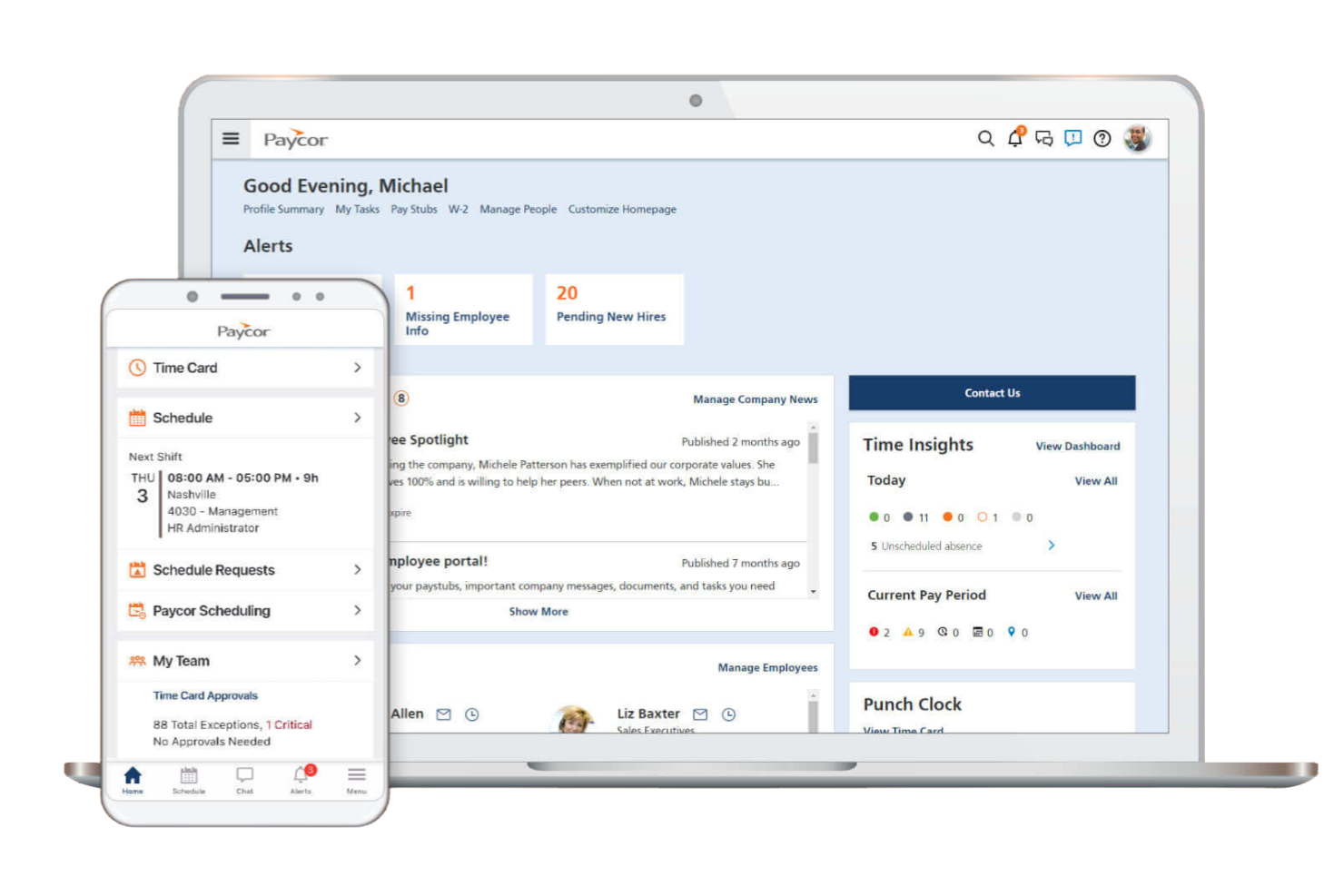
Paycor is designed for HR teams and business leaders who want to manage employee growth, career pathing, and succession planning within a unified HR platform.
Who Is Paycor Best For?
HR departments at mid-sized businesses seeking integrated career management within their broader HR processes.
Why I Picked Paycor
I picked Paycor as one of the best because I can manage career development, performance reviews, and succession planning all within a single HCM suite.
I like how the platform connects learning opportunities directly to career paths, making it easier to support employee growth. My team is able to track progress and identify future leaders without leaving the HR system.
Paycor Key Features
- Goal setting tools: Set, assign, and monitor individual and team goals within the platform.
- Competency tracking: Track employee skills and competencies to inform development plans.
- Automated feedback requests: Schedule and collect feedback from managers and peers automatically.
- Customizable career paths: Build and adjust career progression frameworks tailored to your organization.
Paycor Integrations
Integrations include Timeero, JobTarget, Miratech AssureHire, QuickBooks, Procurify, JazzHR, 15Five, and more.
Pros and Cons
Pros:
- Customizable career path templates for HR
- Automated goal tracking and progress update
- Built-in succession planning for key roles
Cons:
- No built-in mentoring program management
- Limited industry-specific career frameworks
Other Career Management Software
Here are some additional career management software options that didn’t make it onto my shortlist, but are still worth checking out:
- Leapsome
For personalized development planning
- Culture Amp
For employee-driven development tools
- MentorcliQ
For structured mentoring programs
- Dayforce
For unified talent management
- LinkedIn Learning
For on-demand professional learning
- PageUp
For integrated talent and career management
- ClayHR
For career pathing and succession planning
- YM Careers
For career portals for associations
- Deel Engage
For global employee engagement
- PeopleGrove
For community-driven mentoring and growth


How I Evaluate Career Management Software
I split my evaluation into two layers: the baseline every tool must clear—career pathing, skills mapping, IDP tracking—and the differentiators that separate the best platforms from the rest.
Core Functionality (Table Stakes For This List)
When I'm selecting tools for my list, I rank each one on a scale from 0 (does not offer the functionality) to 5 (excels in this area) for each core functionality listed below. Then, I calculate the tool's total score into a percentage. Each tool needs to achieve a minimum total score of 65% to be considered for inclusion.
- Career Pathing & Role Progression: I look for tools that let HR teams build multi-directional career paths employees can actually explore—lateral moves, not just vertical ladders.
- Skills & Competency Mapping: Each platform should connect skills to specific roles and surface clear gap analyses so managers can pinpoint what an employee needs to grow into a target position.
- Individual Development Planning: I evaluate whether IDPs are structured, trackable, and tied to career goals rather than floating as disconnected free-text notes.
- Internal Mobility & Opportunity Marketplace: Platforms should surface open roles, gigs, or mentorships matched to employee profiles so internal talent gets visibility before external candidates.
- Career Conversations & Goal Setting: I check for guided conversation frameworks that help managers run productive career check-ins tied to development plans and progress milestones.
- Succession & Talent Readiness Tracking: The tool should link readiness scoring and succession pools to career development data, giving HR leaders a real-time view of bench strength.
Once I have a list of tools that meet the criteria, I consider what sets each platform apart.
Differentiating Factors (What Sets Vendors Apart)
Here's how I compare and contrast different vendors:
Standout Features
Learning content integration matters here—development plans are far more actionable when they link directly to courses in your LMS or libraries like LinkedIn Learning. I also evaluate career analytics dashboards, since HR leaders need visibility into mobility trends and career tool engagement to spot retention risks early. Mentorship matching is another differentiator, where platforms pair employees with internal mentors based on skills and goals rather than leaving it to informal networks.
Beyond Features
Integration ecosystem is a big one—career management tools need to sync with your HRIS, LMS, and performance systems to avoid siloed employee data. I also evaluate skills taxonomy quality, since a weak or outdated library means HR teams spend months building frameworks from scratch. Implementation and change management support deserves attention too, because even the best platform falls flat without adoption playbooks and training resources that help managers and employees actually use it.
How to Choose Career Management Software
It’s easy to get bogged down in long feature lists and complex pricing structures. To help you stay focused as you work through your unique software selection process, here’s a checklist of factors to keep in mind:
| Factor | What to Consider |
|---|---|
| Scalability | Will the software support your organization as it grows, including new locations or business units? |
| Integrations | Does it connect natively with your HRIS, payroll, or learning platforms, or will you need workarounds? |
| Customizability | Can you tailor workflows, career paths, and reporting to match your organization’s structure and policies? |
| Ease of use | Will employees and managers adopt it quickly, or will you need to invest heavily in training? |
| Implementation and onboarding | How long will it take to get up and running, and what resources or support does the vendor provide during rollout? |
| Cost | Are pricing tiers clear, and do they align with your budget and expected usage? Watch for hidden fees. |
| Security safeguards | Does the platform meet your data privacy and security standards, especially for sensitive employee information? |
| Support availability | What support channels are offered, and are they available during your business hours or globally if needed? |
What Is Career Management Software?
Career management software, also known as career development software or career pathing software, is a digital platform that helps organizations support employee growth, mobility, and career advancement. It enables human resources teams to design career pathways, align skill sets with future roles, and guide employees through structured development programs.
These tools often integrate with an LMS to deliver learning and support career coaching initiatives, helping employees make informed decisions about their growth. By improving the overall employee experience, organizations can attract and retain top talent while continuing to optimize internal mobility strategies with user-friendly solutions.
Features
Here are the core features any great career management software should have:
- Career path mapping: Lets employees and managers visualize possible career trajectories within the organization, helping guide development conversations and planning.
- Skill and competency tracking: Allows you to record, update, and monitor employee skills and competencies, making it easier to identify strengths and gaps.
- Learning and development recommendations: Suggest relevant courses, training, or resources based on employee roles, interests, or required competencies.
- Internal job posting: Enables employees to view and apply for open roles within the company, supporting internal mobility and retention.
- Performance review integration: Connects career planning with performance management, so feedback and goals inform development plans.
- Succession planning tools: Helps HR teams identify and prepare high-potential employees for future leadership or critical roles.
- Reporting and analytics: Provides dashboards and reports on workforce skills, mobility trends, and development progress to inform HR strategy.
- Employee self-service portal: Gives employees direct access to their career plans, learning resources, and progress tracking.
- Manager dashboards: Equips managers with insights into team skills, readiness for advancement, and development needs.
- Document and resource library: Centralizes access to career development guides, templates, and policies for easy reference.
Common Career Management Software AI Features
Beyond the standard career management software features listed above, many of these solutions are incorporating AI, with AI career management software emphasizing features like:
- AI-driven career path suggestions: Uses algorithms to analyze employee profiles, skills, and company needs to recommend personalized career paths that align with both individual aspirations and organizational goals.
- Automated skill gap analysis: Leverages AI to compare current employee skills with role requirements, highlighting specific gaps and suggesting targeted development actions.
- Predictive internal mobility modeling: Applies machine learning to forecast which employees are most likely to succeed in new roles or projects, helping HR teams make data-informed mobility decisions.
- Personalized learning content curation: Uses AI to match employees with the most relevant learning resources based on their unique career goals, learning history, and skill gaps.
- Intelligent succession planning: Analyzes workforce data to identify high-potential employees and predict future leadership needs, supporting proactive talent pipeline development.
Benefits
Implementing career management software provides several benefits for your team and your business. Here are a few you can look forward to:
- Improved internal mobility: Employees can discover and pursue new roles within your organization, supported by career path mapping and internal job posting features.
- Targeted skill development: Skill tracking and learning recommendations help employees focus on the competencies that matter most for their growth and your business needs.
- Data-driven talent decisions: Analytics and AI-powered insights give HR and managers a clearer view of workforce strengths, gaps, and readiness for advancement.
- Stronger succession planning: Succession tools and predictive modeling help you identify and prepare future leaders, reducing risk in key roles.
- Higher employee engagement: Self-service portals and personalized development plans empower employees to take charge of their careers, boosting motivation and retention.
- Simplified performance management: Integration with performance reviews ensures that feedback and goals directly inform career development activities.
- Consistent and fair development opportunities: Standardized processes and transparent career paths help ensure all employees have equal access to growth and advancement.
Costs and Pricing
Selecting career management software requires an understanding of the various pricing models and plans available. Costs vary based on features, team size, add-ons, and more. The table below summarizes common plans, their average prices, and typical features included in career management software solutions:
Plan Comparison Table for Career Management Software
| Plan Type | Average Price | Common Features |
|---|---|---|
| Free Plan | $0 | Basic career path mapping, limited skill tracking, and access for a small number of users. |
| Personal Plan | $5-$15/user/month | Individual career planning, skill tracking, learning recommendations, and basic reporting. |
| Business Plan | $15-$40/user/month | Team dashboards, internal job posting, performance review integration, analytics, and email support. |
| Enterprise Plan | $40-$80/user/month | Advanced analytics, AI-powered features, custom integrations, dedicated support, and compliance tools. |
FAQs
Here are some answers to common questions about career management software:
How does career management software support internal mobility?
Career management software supports internal mobility by mapping career paths, highlighting open roles, and making it easy for employees to explore and apply for new opportunities within the organization. This helps retain talent and ensures employees see a future with your company.
Can career management software integrate with existing HR systems?
Yes, most career management software can integrate with HRIS, payroll, and learning management systems. Integration ensures data flows smoothly between platforms, reducing manual work and keeping employee records up to date.
What should I look for when evaluating career management software for a global workforce?
Look for multi-language support, compliance with international data privacy laws, and the ability to customize career paths for different regions. These features help ensure the software meets the needs of a diverse, distributed team.
How long does it take to implement career management software?
Implementation time varies, but most teams can expect a process ranging from a few weeks to several months. Factors include data migration, integration needs, and the complexity of your organization’s structure.
Is career management software suitable for small businesses?
Yes, many solutions offer scaled-down plans or free tiers that work well for small businesses. These options provide essential features like career path mapping and skill tracking without the complexity or cost of enterprise platforms.