

10 mejores alternativas a Factorial para equipos de RR. HH. en 2026

Lista de las mejores alternativas a Factorial


Si utilizas Factorial, pero te encuentras con limitaciones —como flujos de trabajo poco prácticos, opciones de personalización limitadas o funciones que no se adaptan al crecimiento de tu equipo—, no eres el único. Muchos profesionales de RR. HH. llegan a un punto en el que su software actual simplemente no puede seguir el ritmo.
Las plataformas de RR. HH. deberían facilitarte la vida laboral automatizando tareas como la incorporación de empleados, el seguimiento de las ausencias, las evaluaciones del desempeño y el cumplimiento normativo. Si Factorial no lo está haciendo por ti, ha llegado el momento de explorar opciones mejores.
Como experto en software de RR. HH. con experiencia en la evaluación de numerosas herramientas, he investigado decenas de plataformas para encontrar las mejores alternativas. En este artículo, compartiré mis principales recomendaciones, que destacan frente a Factorial, para que puedas encontrar una solución que se adapte realmente a tus necesidades.
¿Qué es Factorial?
Factorial es un software de gestión empresarial diseñado para simplificar la gestión de los recursos humanos. Lo utilizan habitualmente profesionales de RR. HH. y propietarios de pequeñas y medianas empresas que necesitan herramientas eficientes para gestionar los datos de los empleados y los procesos de RR. HH.
Sus funciones, como la incorporación y salida de empleados, el registro del tiempo de trabajo, la gestión de nóminas y la asistencia en las evaluaciones del desempeño, ayudan con las tareas de RR. HH. de tu equipo y hacen que sean más manejables. También incluye un módulo financiero con herramientas de gestión de proyectos y seguimiento de gastos, además de funciones de firma electrónica para aumentar la eficiencia administrativa.
En general, Factorial ofrece una plataforma fácil de usar que ayuda a los equipos a gestionar eficazmente sus necesidades de RR. HH.
Tabla comparativa de alternativas a Factorial
Esta tabla comparativa resume los precios y los detalles de las pruebas y demostraciones de mis principales alternativas a Factorial:
| Tool | Best For | Trial Info | Price | ||
|---|---|---|---|---|---|
| 1 | Ideal para la administración de beneficios | Demo gratuita disponible | Desde $8/usuario/mes + cuota base de $50/mes | Website | |
| 2 | Ideal para RRHH globales | Demo gratuita disponible | Desde $5/empleado/mes | Website | |
| 3 | Mejor opción para mejorar la implicación de los empleados y la cultura empresarial | Demo gratuita disponible | Precio bajo consulta | Website | |
| 4 | Ideal para una gestión detallada de ausencias | Prueba gratuita de 14 días | Desde $22/usuario/mes | Website | |
| 5 | Ideal para obtener información sobre la gestión del desempeño | Prueba gratuita de 14 días | Precios bajo petición | Website | |
| 6 | Ideal para servicio al cliente | Demo gratuita disponible | Desde $5/empleado/mes | Website | |
| 7 | Ideal para RR. HH. a nivel empresarial global | Demostración gratuita disponible | Precios a consultar | Website | |
| 8 | Ideal para el aprendizaje y el desarrollo de los empleados | Prueba gratuita + demo gratis disponible | Desde $5/usuario/mes | Website | |
| 9 | Ideal para la gestión de talento integrada | Demostración gratuita disponible | Precio a consultar | Website | |
| 10 | Mejor para RRHH empresariales personalizables | Demo gratuita disponible | Precio bajo solicitud | Website |

Por qué confiar en nuestras reseñas de software
Nuestro equipo lleva probando y evaluando software desde 2012. Como expertos en RR. HH., sabemos lo difícil —y lo importante— que es elegir el software adecuado.
Para esta guía, evaluamos las herramientas mediante pruebas prácticas e investigación independiente, puntuando las herramientas según nuestros criterios de selección. También nos basamos en la experiencia de líderes de opinión del sector y de profesionales de RR. HH. en activo.
Nuestras reseñas reflejan nuestro criterio editorial humano, no un discurso de ventas.
Revisores expertos:
Análisis de las mejores alternativas a Factorial
A continuación encontrarás mis resúmenes detallados de las mejores alternativas a Factorial que han entrado en mi lista. Mis análisis ofrecen una visión detallada de las principales funciones, ventajas y desventajas, integraciones y casos de uso ideales de cada herramienta para ayudarte a encontrar la mejor opción para ti.
Ideal para la administración de beneficios
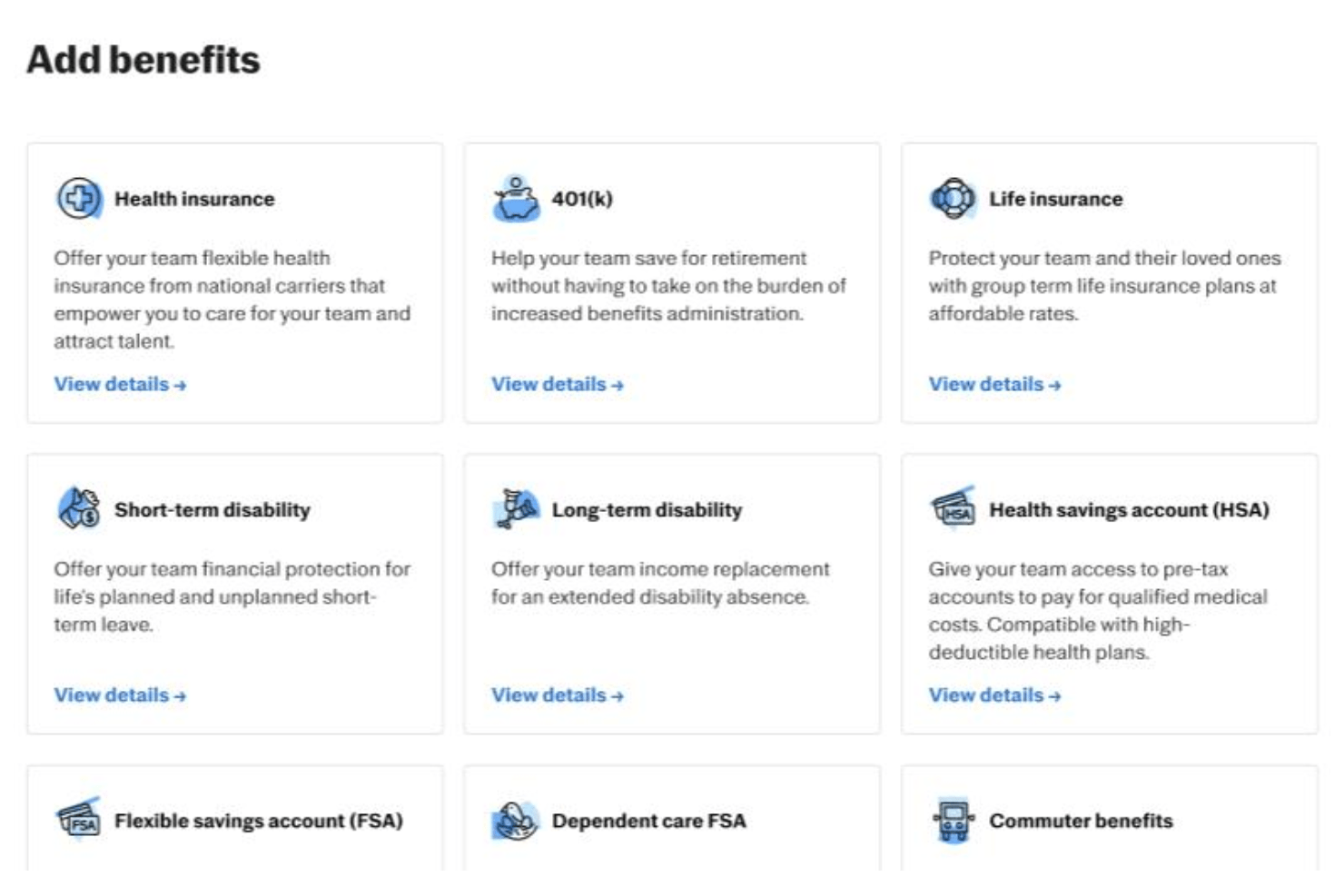
Justworks ofrece a las empresas en crecimiento y a los equipos de operaciones de personal una plataforma centralizada de RR.HH. donde pueden gestionar nóminas, beneficios, incorporación y cumplimiento, eliminando la necesidad de múltiples proveedores o herramientas administrativas complejas.
¿Para quién es ideal Justworks?
Empresas pequeñas y medianas con sede en EE. UU. que buscan una plataforma unificada de RR.HH. con nóminas, beneficios y soporte de cumplimiento integrados.
Por qué Justworks es una Buena Alternativa a Factorial
Elegí Justworks como uno de los mejores porque permite a mi equipo gestionar juntos la nómina, el cumplimiento y la administración de beneficios. Valoro mucho tener atención médica, dental, de la vista, 401(k) y FSA gestionados directamente desde una sola plataforma de RR.HH.
Características Clave de Justworks
- Flujos de trabajo de incorporación automatizados: Configure a los nuevos empleados con recopilación de documentos, firmas electrónicas y formularios requeridos en un solo lugar.
- Gestión de documentos de empleados: Suba, organice y almacene de forma segura los documentos esenciales de RR.HH. y cumplimiento para un fácil acceso.
- Políticas personalizadas de PTO: Cree y aplique sus propias reglas de acumulación de tiempo libre pagado por equipo o ubicación.
- Procesamiento nativo de nóminas: Procese nóminas, gestione depósitos directos y maneje declaraciones de impuestos desde el mismo panel.
Integraciones de Justworks
Justworks ofrece más de 20 integraciones, incluyendo QuickBooks, Xero, NetSuite, Sage Intacct, Greenhouse, JazzHR, Lever, 15Five, Leapsome, Carta, Brex y Vanta.
Pros and Cons
Pros:
- Beneficios de salud grupales disponibles para equipos pequeños
- Nómina automatizada con soporte para presentación de impuestos
- Recursos de cumplimiento integrados para empresas estadounidenses
Cons:
- Sin herramientas integradas de gestión del rendimiento
- Soporte limitado para plantillas internacionales

Deel HR
Ideal para RRHH globales
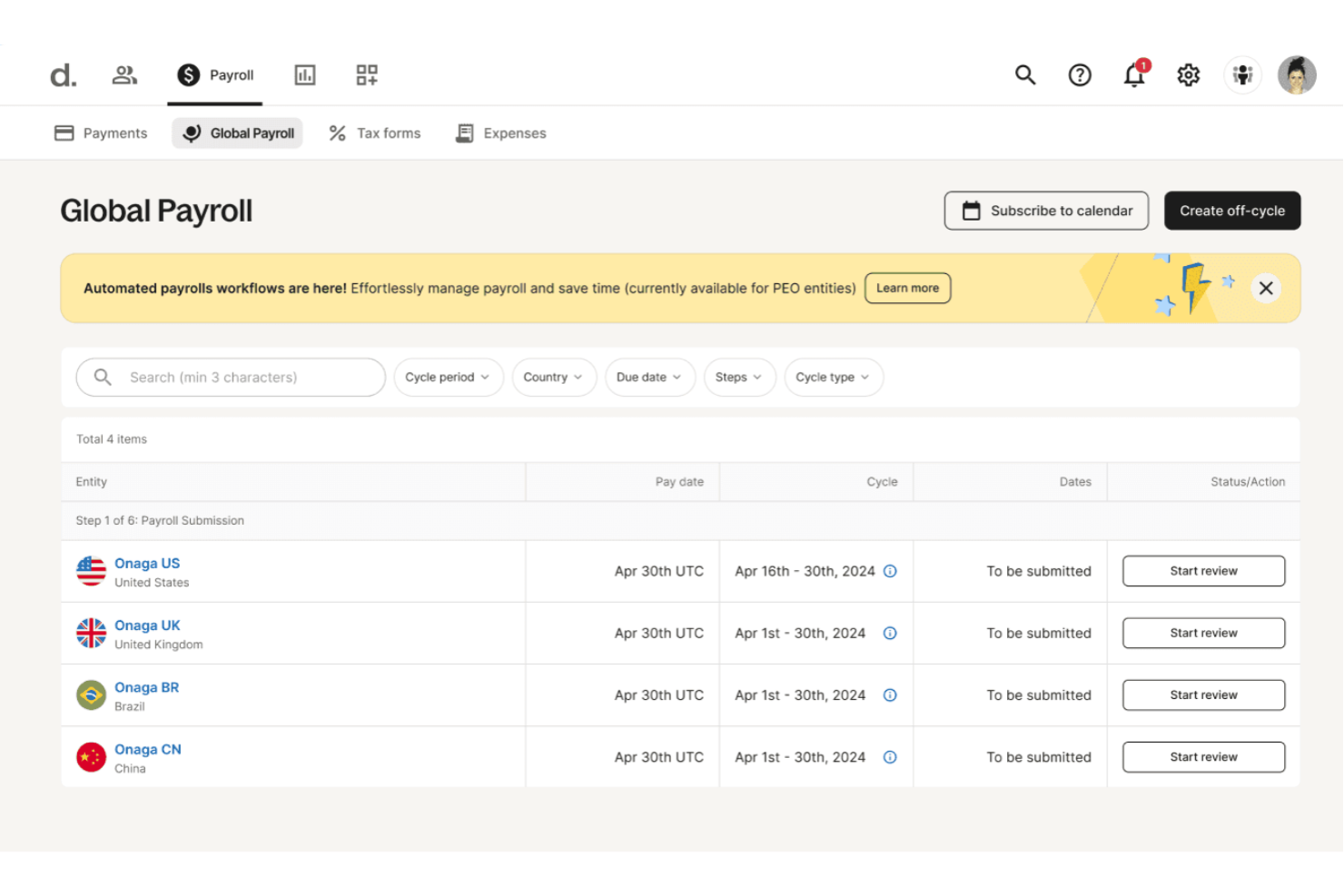
Deel es una plataforma global de RRHH diseñada para ayudar a las empresas a contratar, pagar y gestionar equipos en más de 150 países. Está pensada para compañías que gestionan operaciones y cumplimiento de RRHH transfronterizos, ofreciendo servicios como gestión de contratistas, nómina y soporte de visados desde una única interfaz.
Por qué Deel es una buena alternativa a Factorial: Elegí Deel porque ofrece un modelo de consultoría habilitado por plataforma que combina software de RRHH con asesoría legal y de cumplimiento local. En comparación con Factorial, Deel proporciona un soporte más profundo para la contratación internacional, incluida la personalización de contratos y la automatización de nóminas tanto para empleados como para contratistas.
Lo que más me llamó la atención fue la capacidad de gestionar leyes laborales y beneficios específicos de cada país a través de expertos internos y socios de Deel. Si estás creciendo a nivel internacional, Deel te da acceso a una infraestructura global sin necesidad de entidades locales.
Funciones e integraciones destacadas:
Las funciones incluyen un HRIS global (Sistema de Información de Recursos Humanos) que te ayuda a registrar ausencias, gastos y el rendimiento del equipo en un solo lugar. Su herramienta de gestión de contratistas permite incorporar y pagar freelancers en más de 150 países mediante pagos masivos y métodos flexibles.
También puedes utilizar Deel para enviar equipos a todo el mundo, ofrecer acceso a espacios de coworking a través de WeWork y automatizar la recopilación de documentación para el cumplimiento normativo.
Las integraciones incluyen QuickBooks, Xero, Lever, Workable, Slack, Google Workspace, Greenhouse, NetSuite, Expensify, HiBob, Okta, Ashby, BambooHR, Azure Active Directory, SAP, UKG y Workday.
Pros and Cons
Pros:
- Soporte para impuestos, beneficios y gestión de nóminas locales
- Fuerte énfasis en el cumplimiento localizado
- Bueno para expandirse internacionalmente
Cons:
- Supervisión limitada de activos informáticos
- Puede tener funciones innecesarias si no tienes planes de expansión internacional
New Product Updates from Deel HR

Deel Expands Stablecoin Wallet to 80+ Countries
Deel expands its Stablecoin Wallet to 80+ countries with dollar-backed balances and optional rewards. This gives eligible contractors more ways to hold and manage earnings inside Deel. For more information, visit Deel’s official site.
 .
.
HiBob
Mejor opción para mejorar la implicación de los empleados y la cultura empresarial

HiBob es una plataforma moderna de RRHH que ayuda a las medianas empresas a gestionar los datos de los empleados, el rendimiento y la cultura. Ofrece herramientas dirigidas a profesionales de recursos humanos que buscan mejorar la implicación de los empleados y optimizar los procesos de RRHH.
Por qué HiBob es una buena alternativa a Factorial: HiBob proporciona flujos de trabajo personalizables que permiten a tu equipo adaptar los procesos de RRHH a la cultura y necesidades de tu empresa. También puedes potenciar la cultura empresarial mediante funciones de conexión entre empleados, incluidos organigramas personalizables, reconocimientos y clubes para fomentar la vinculación social.
La flexibilidad de HiBob para personalizar las funciones de implicación de los empleados lo convierte en una opción atractiva para quienes buscan una alternativa a Factorial.
Funciones y conexiones destacadas:
Funciones como los flujos de incorporación aseguran que los nuevos empleados sean bien recibidos e integrados de manera fluida en tu equipo, y las herramientas de encuestas de clima permiten tomar el pulso a tu personal y monitorizar regularmente su implicación.
Otras funciones incluyen la gestión de ausencias, que simplifica el seguimiento y aprobación de solicitudes de permisos, y las herramientas de gestión del rendimiento que te ayudan a fijar objetivos y realizar evaluaciones de manera eficaz.
Por último, sus herramientas de análisis y reportes proporcionan información sobre métricas de la plantilla para apoyar la planificación estratégica.
Integraciones incluyen Slack, Microsoft Teams, Google Workspace, Zoom, LinkedIn, Workday, Xero, QuickBooks, Greenhouse y DocuSign.
Pros and Cons
Pros:
- Gestión del rendimiento eficaz
- Sólidas herramientas de compromiso de los empleados
- Proceso de incorporación sencillo
Cons:
- Personalización avanzada limitada
- Funciones básicas de seguimiento de ausencias

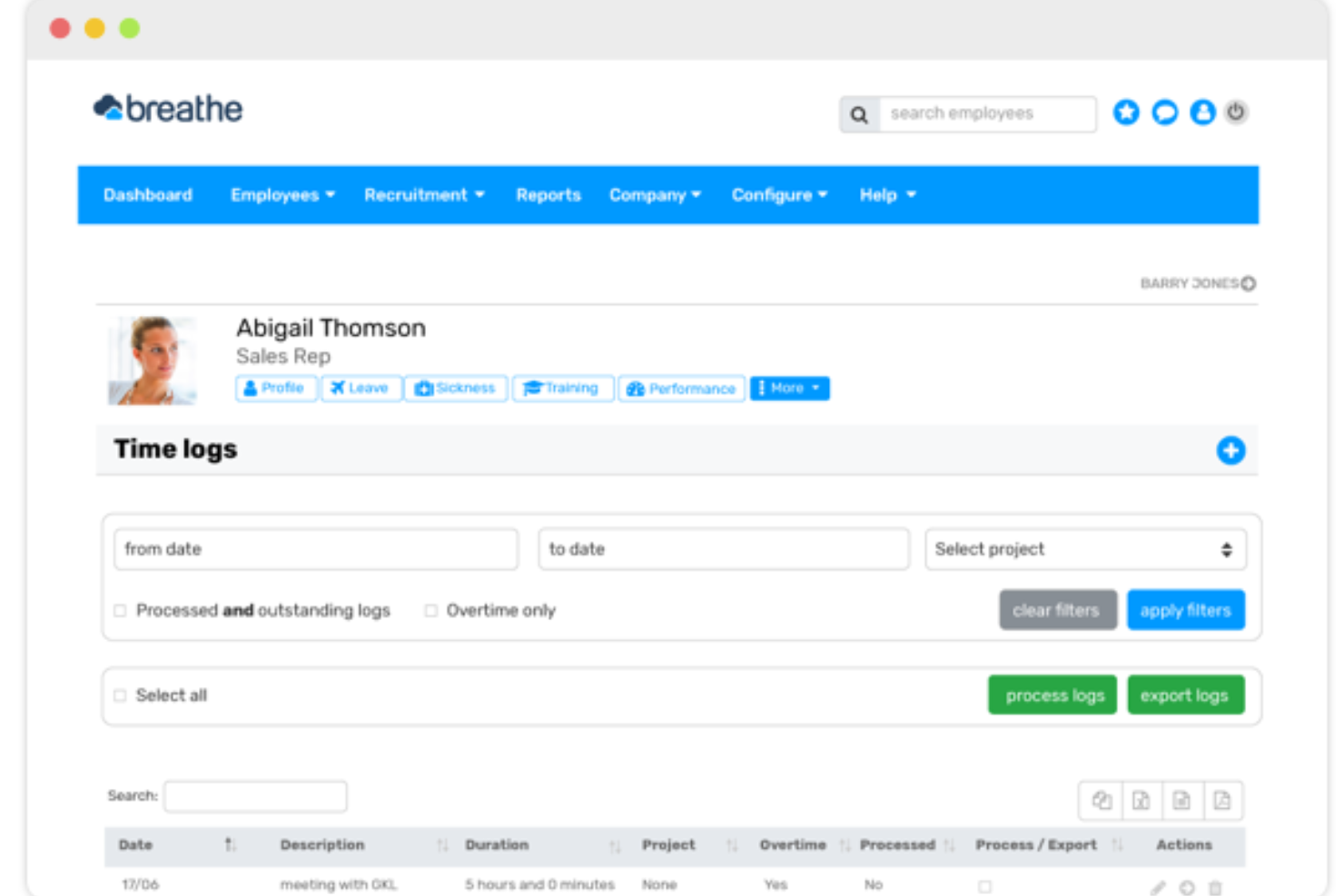
Breathe HR es una plataforma de gestión de recursos humanos basada en la nube diseñada para equipos pequeños y medianos. Te ayuda a gestionar tareas clave de RR. HH. como el seguimiento de vacaciones, bajas, formación, gastos, turnos y desempeño, todo desde un lugar centralizado.
Por qué Breathe HR es una buena alternativa a Factorial: Elegí Breathe HR porque ofrece completas funciones de seguimiento de tiempo y gestión de ausencias. Estas funcionalidades aseguran que tu equipo pueda registrar las horas de trabajo y gestionar las solicitudes de permisos, lo cual es crucial para mantener la productividad y garantizar la satisfacción de los empleados. Además, las herramientas de reclutamiento de Breathe HR te permiten crear y compartir vacantes de trabajo y monitorizar las postulaciones.
El software también destaca por sus capacidades de monitoreo de desempeño. Con estas herramientas, puedes hacer un seguimiento del progreso de los empleados y realizar evaluaciones de rendimiento, ayudando a tu equipo a identificar áreas de mejora y reconocer logros.
Funciones destacadas & integraciones:
Funciones incluyen la gestión de documentos, que permite a tu equipo almacenar y organizar de manera segura documentos importantes de RR. HH. La plataforma también proporciona una base de datos dedicada de empleados para garantizar el cumplimiento de la RGPD, protegiendo la información sensible de los empleados.
Integraciones incluyen AdviceSheet, Harriet, Hireful, LivePay, Mintago, Pleo, Posture People, WeThrive y Xero Payroll.
Pros and Cons
Pros:
- Buenas funciones para la gestión de ausencias
- Excelentes herramientas de informes y visibilidad del panel
- El portal de autoservicio fomenta la autonomía
Cons:
- El reclutamiento y el control de tiempo y asistencia son complementos pagos
- Podría ofrecer más opciones de personalización de la plataforma

Sloneek
Ideal para obtener información sobre la gestión del desempeño
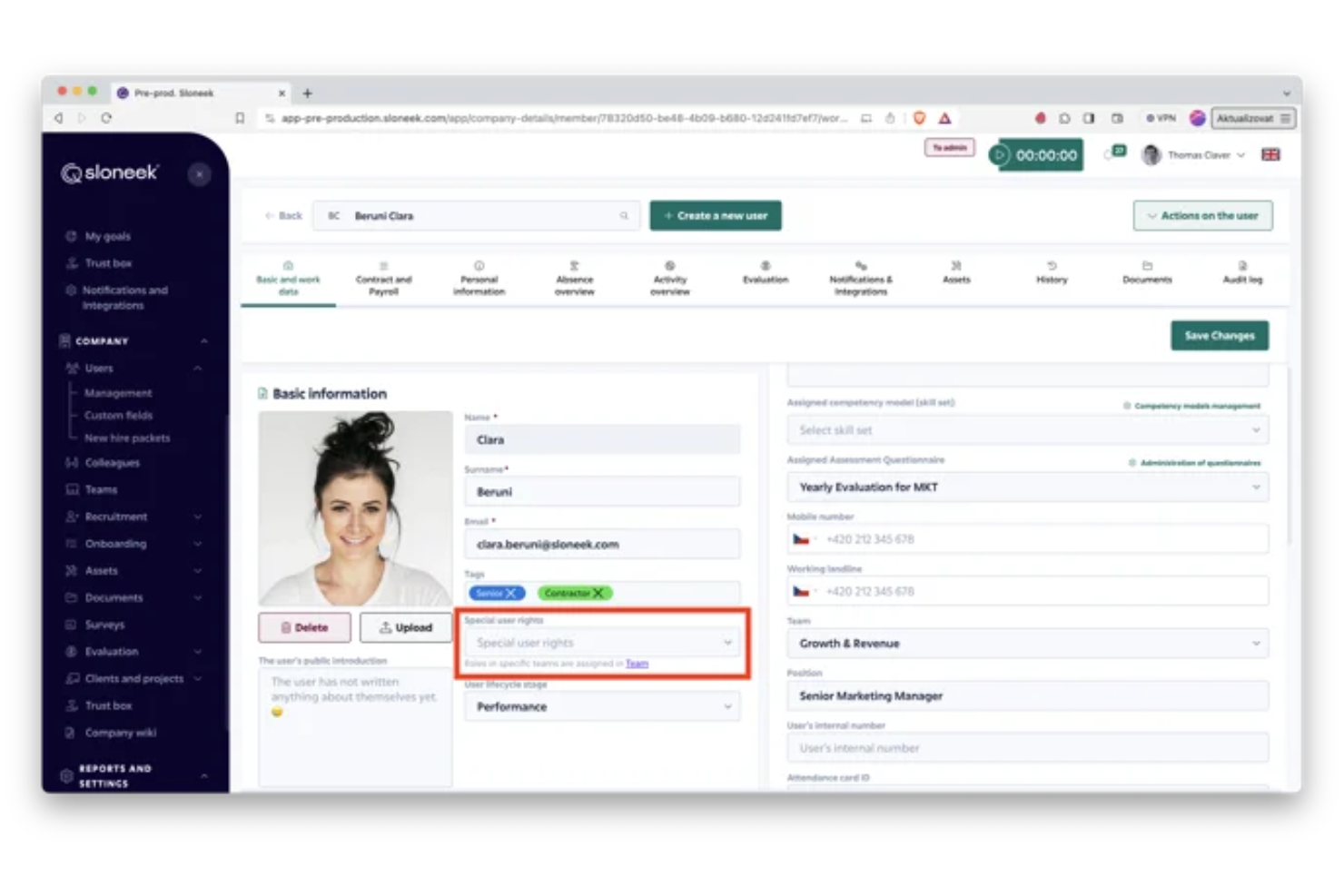
Sloneek es un sistema de gestión de recursos humanos diseñado para mejorar la gestión y el compromiso de los empleados a lo largo de todo su ciclo de vida en la empresa. Ofrece una amplia gama de funciones que abarcan desde la contratación y la incorporación, hasta la gestión del desempeño y la desvinculación.
Por qué Sloneek es una buena alternativa a Factorial: Elegí Sloneek como una excelente alternativa a Factorial por sus potentes herramientas de gestión del rendimiento. Con características como feedback 360 grados y seguimiento de indicadores clave de desempeño (KPI), puedes supervisar el desarrollo de tu equipo y asegurarte de que todos estén alineados con los objetivos organizacionales. Estas herramientas brindan información significativa sobre el rendimiento de los empleados, lo que facilita la toma de decisiones informadas.
Otra razón por la que escogí Sloneek es por sus completas capacidades de gestión del tiempo. Incluye control de horas, gestión de ausencias y sistemas de asistencia, lo que te permite gestionar eficazmente las horas de trabajo y ausencias de tu equipo. Esto garantiza que tengas una visión clara de la disponibilidad de tu equipo, algo fundamental para la planificación y la productividad.
Características destacadas e integraciones:
Las características incluyen encuestas impulsadas por IA que mejoran el compromiso al recopilar comentarios valiosos. El sistema también ofrece un mecanismo de denuncias, que proporciona una vía segura para que los empleados reporten inquietudes. Además, Sloneek respalda el trabajo remoto, ayudando a tu equipo a mantenerse conectado y productivo sin importar dónde se encuentren.
Las integraciones incluyen Google Calendar, Jira, Google Workspace y MS Active Directory.
Pros and Cons
Pros:
- Conjunto de funciones avanzadas
- Sólidas herramientas de control horario
- Soporte al cliente rápido y eficaz
Cons:
- Opciones limitadas de integración
- La configuración inicial puede ser compleja

GoCo
Ideal para servicio al cliente

GoCo es una plataforma integral de RR. HH. diseñada para pequeñas y medianas empresas. Ayuda a los equipos a gestionar tareas principales de recursos humanos como incorporación, administración de beneficios, nómina y cumplimiento en un solo lugar.
Por qué GoCo es una buena alternativa a Factorial: GoCo es una buena opción para pequeñas empresas porque ofrecen Gerentes de Éxito del Cliente dedicados para cada cliente, lo que significa que tendrás un apoyo sólido para configurar el sistema según tus necesidades.
También me gusta cómo GoCo ofrece precios modulares, lo que significa que puedes ahorrar dinero pagando solo por los módulos que realmente necesitas.
Funciones e integraciones destacadas:
Funciones incluyen módulos para reclutamiento (incluyendo un sistema de seguimiento de candidatos y cartas de oferta digitales), incorporación y control de tiempo y asistencia.
También cuenta con un módulo de gestión del talento, que incluye una herramienta de evaluación del desempeño, para ayudar a hacer seguimiento de metas y retroalimentación durante el año.
Además, el sistema ofrece herramientas de gestión de documentos digitales que te permiten enviar, firmar y almacenar documentación de RR. HH. en línea. Además, puedes crear flujos de trabajo personalizados para adaptarse realmente a la forma en que trabaja tu equipo, sin necesidad de programar.
Integraciones incluyen QuickBooks, ADP, Gusto, Slack, Google Workspace, Microsoft 365, Zoom, Paychex y Zapier.
Pros and Cons
Pros:
- Flujos de trabajo personalizables
- Almacenamiento seguro de documentos
- Seguimiento eficiente de ausencias
Cons:
- Informes avanzados limitados
- Funciones limitadas en la app móvil
Workday
Ideal para RR. HH. a nivel empresarial global
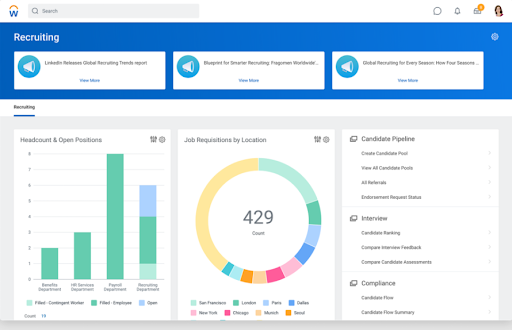
Workday es una solución de software de gestión de capital humano (HCM) basada en la nube, diseñada para empresas medianas y grandes. Ofrece herramientas para gestionar las necesidades de RR. HH., nómina y gestión del talento en una única plataforma.
Por qué Workday es una buena alternativa a Factorial: Workday proporciona integración de IA que mejora la toma de decisiones y automatiza tareas rutinarias de RR. HH. Sus análisis predictivos ofrecen información sobre tendencias de la fuerza laboral, ayudándote a tomar decisiones fundamentadas.
Con paneles integrados, puedes visualizar métricas clave de la plantilla sin necesidad de informes manuales. La plataforma también incluye análisis de sentimiento, lo que te permite medir el bienestar y la implicación de los empleados a lo largo del tiempo.
Funciones y conexiones destacadas:
Las funciones incluyen herramientas de planificación de plantilla que te ayudan a anticipar y prepararte para futuras necesidades de contratación, incluyendo escasez de talento. También incorpora análisis impulsados por IA que ayudan a detectar brechas en la fuerza laboral antes de que se conviertan en un problema.
La función de gestión de compensaciones, que incorpora datos de referencia globales, te ayuda a gestionar el pago y los beneficios de los empleados de manera eficiente en todas tus operaciones.
Por último, su sistema integrado de gestión del aprendizaje apoya el desarrollo del personal y vincula las iniciativas de formación con el desarrollo de habilidades.
Las integraciones incluyen Salesforce, Microsoft Azure, Google Cloud, ServiceNow, Slack, Okta, Box, Adobe, IBM y SAP.
Pros and Cons
Pros:
- Gestión integral del talento
- Gestión avanzada de compensaciones
- Escalable para grandes empresas
Cons:
- Configuración inicial compleja
- Curva de aprendizaje pronunciada

Workleap
Ideal para el aprendizaje y el desarrollo de los empleados

Workleap es una plataforma de software de RR. HH. diseñada para ayudar a los equipos de recursos humanos a centrarse en mejorar el compromiso y la productividad de los empleados. Ofrece herramientas para optimizar las funciones de RR. HH., lo que la hace adecuada para organizaciones que se adaptan a entornos de trabajo híbridos y remotos.
Por qué Workleap es una buena alternativa a Factorial: El enfoque de Workleap en el compromiso de los empleados y el aprendizaje y desarrollo lo diferencia de Factorial. En concreto, Workleap ofrece un sistema integrado de gestión de aprendizaje (LMS), que respalda la formación y el desarrollo de los empleados, mejorando sus habilidades y su crecimiento profesional.
También puedes crear fácilmente cursos personalizados utilizando herramientas de generación de cursos respaldadas por IA o confiar en el contenido de aprendizaje en línea ya precargado en el sistema.
Características e integraciones destacadas:
Las características incluyen encuestas de compromiso de empleados que ayudan a tu equipo a recopilar comentarios y mejorar la cultura laboral, y organigramas interactivos que brindan una visión clara de las estructuras y roles del equipo.
La incorporación automatizada de la plataforma ayuda a que las nuevas contrataciones se integren sin problemas, mientras que el seguimiento del desarrollo de habilidades respalda el crecimiento continuo del empleado.
Por último, las herramientas de gestión del desempeño de Workleap ayudan a los equipos a monitorear y mejorar el rendimiento de los empleados e incluyen flujos de trabajo personalizables.
Las integraciones incluyen Slack, Microsoft Teams, Google Workspace, Zoom, LinkedIn, Workday, BambooHR, QuickBooks, Salesforce y ADP.
Pros and Cons
Pros:
- Gestión de desempeño eficaz
- Procesos de incorporación automatizados
- Seguimiento del desarrollo de habilidades
Cons:
- Funciones de análisis básicas
- Funciones limitadas en la app móvil
UKG Pro
Ideal para la gestión de talento integrada

UKG Pro es una solución integral de recursos humanos y nóminas diseñada para ayudar a las grandes empresas a gestionar su fuerza laboral de manera efectiva. Ofrece herramientas para nóminas, gestión del talento y mejora de la experiencia del empleado.
Por qué UKG Pro es una buena alternativa a Factorial: UKG Pro ofrece gestión de talento integrada, combinando reclutamiento, incorporación y gestión del desempeño en una sola plataforma.
También cuenta con herramientas de planificación de sucesión que ayudan a tu equipo a identificar y desarrollar talento dentro de la organización, lo que lo convierte en una herramienta valiosa para empresas orientadas al talento.
En general, el enfoque de UKG Pro en brindar una experiencia de gestión del talento integral lo hace una opción atractiva frente a Factorial.
Características destacadas & integraciones:
Las características incluyen gestión de nóminas, reclutamiento e incorporación, y herramientas de gestión del desempeño que respaldan el crecimiento y desarrollo continuo de los empleados.
Sus herramientas de compromiso de empleados te ayudan a medir y mejorar la satisfacción en el lugar de trabajo, y su función de análisis de la fuerza laboral proporciona información sobre métricas de recursos humanos, ayudando en la toma de decisiones estratégicas.
Las integraciones incluyen Salesforce, Microsoft Azure, Google Workspace, SAP, Oracle, Workday, ADP, QuickBooks, Slack y LinkedIn.
Pros and Cons
Pros:
- Gestión de talento integrada
- Analítica detallada de la fuerza laboral
- Escalable para grandes empresas
Cons:
- Configuración inicial compleja
- Opciones de personalización limitadas
Dayforce
Mejor para RRHH empresariales personalizables

Dayforce es una plataforma integral de gestión de capital humano diseñada para ayudar a grandes empresas a gestionar su fuerza laboral. Ofrece soluciones de nómina, gestión de la fuerza laboral y gestión del talento, todo en un solo lugar.
Por qué Dayforce es una buena alternativa a Factorial: Dayforce ofrece una función de nómina continua que garantiza un procesamiento preciso y el cumplimiento normativo, mientras que la gestión de fuerza laboral permite optimizar la programación y los costos laborales.
Dayforce también ofrece análisis avanzados de la fuerza laboral, proporcionando a los equipos de RRHH información sobre tendencias como el ausentismo y el desempeño. Además, su herramienta de gestión de cumplimiento garantiza la adhesión a las leyes laborales y regulaciones, reduciendo el riesgo para tu equipo.
Sus funciones de gestión de la fuerza laboral, en particular, lo convierten en una sólida alternativa a Factorial.
Características y integraciones destacadas:
Las características incluyen un módulo para la administración de beneficios que te ayuda a gestionar y entregar eficazmente los beneficios de los empleados, con deducciones que se trasladan a la nómina para reducir el trabajo administrativo.
Dayforce también ofrece herramientas de gestión del talento que respaldan el reclutamiento, el aprendizaje y el desarrollo de empleados.
Las integraciones incluyen Salesforce, SAP, Oracle, Microsoft Dynamics, ADP, Kronos, QuickBooks, Workday, BambooHR y LinkedIn.
Pros and Cons
Pros:
- Capacidades analíticas avanzadas
- Gestión de cumplimiento eficaz
- Escalable para grandes empresas
Cons:
- Configuración inicial compleja
- Curva de aprendizaje más pronunciada
Otras alternativas a Factorial
Estas son algunas alternativas adicionales a Factorial que no han entrado en mi lista, pero que aún merece la pena considerar:
- Rippling
Mejor para funciones combinadas de RR. HH. y TI
- Gusto
Ideal para nóminas de pequeñas empresas de EE. UU.
- BambooHR®
Mejor en facilidad de uso
- Keka HR
Mejor para nómina y asistencia centradas en el empleado
- Paycor
Mejor para plantillas de primera línea de tamaño medio
- Employment Hero
Ideal para RRHH y nómina en Canadá
- Paycom
Ideal para el autoservicio del empleado


Cómo evalúo las alternativas a Factorial
Divido mi evaluación en dos niveles: las capacidades básicas de RRHH que una herramienta debe cubrir—como el seguimiento de ausencias y los expedientes del personal—y los diferenciadores que hacen que una plataforma sea más adecuada que otra.
Funcionalidad principal (Lo imprescindible para esta lista)
Cuando selecciono herramientas para mi lista, califico cada una en una escala de 0 (no ofrece la funcionalidad) a 5 (sobresale en este aspecto) para cada funcionalidad principal que se indica a continuación. Luego, calculo el puntaje total de la herramienta como un porcentaje. Cada herramienta necesita alcanzar una puntuación total mínima del 75% para ser considerada en la inclusión.
- Gestión centralizada de RRHH: Busco una base de datos centralizada de empleados donde puedas almacenar contratos, detalles de compensación y organigramas—no solo un directorio básico de contactos.
- Registro de tiempo y asistencia: Ya sean equipos por turnos que fichan a través del móvil o personal asalariado que registra horas en proyectos, reviso si existe una captura de tiempo flexible y flujos de aprobación eficaces.
- Gestión de ausencias y licencias: Evalúo cómo cada herramienta gestiona las solicitudes de PTO, políticas de licencia personalizadas y calendarios de ausencias de equipo que realmente ayuden a los responsables a planificar.
- Procesamiento o integración de nómina: Algunas plataformas como Gusto procesan la nómina de forma nativa, mientras que otras como BambooHR se conectan con proveedores externos; en ambos casos, busco una sincronización fiable de los datos salariales.
- Flujos de trabajo de incorporación y salida: Una buena alternativa debe permitirte crear secuencias de tareas para nuevas contrataciones—recolección de documentos, firmas electrónicas, correos de bienvenida—sin tener que hacer seguimiento manual.
- Herramientas de gestión del desempeño: Evalúo si la plataforma admite ciclos de evaluación estructurados, seguimiento de objetivos y retroalimentación continua, y no solo un campo sencillo de notas.
Una vez que tengo una lista de herramientas que cumplen estos criterios, considero qué distingue a cada plataforma.
Factores diferenciadores (Qué distingue a los proveedores)
Así es como comparo y contrasto diferentes proveedores:
Características destacadas
La autoservicio de empleados es un gran diferenciador: verifico si el personal puede actualizar sus propios datos, descargar nóminas y presentar solicitudes sin recurrir a RRHH. Los informes y la analítica también importan, especialmente cuando necesitas extraer datos de rotación o de plantilla para revisiones de liderazgo. Una app móvil nativa es imprescindible, permitiendo a los responsables aprobar ausencias o revisar hojas de tiempo desde cualquier lugar.
Más allá de las características
La transparencia en los precios es algo que siempre evalúo: algunas plataformas incluyen todo en un solo plan mientras que otras cobran por módulo, así que reviso si se pueden prever claramente los costos a medida que aumenta tu plantilla. El nivel de integración es igual de importante, especialmente cuando se trata de conectar con herramientas como QuickBooks o Xero para la conciliación de nóminas. También considero cómo se adapta una plataforma a diferentes tamaños de equipo, ya que una herramienta diseñada para empresas de 50 personas puede resultar incómoda con 300 o demasiado sencilla con 15.
¿Por qué buscar una alternativa a Factorial?
Aunque Factorial es una buena opción como sistema de RR. HH., hay varios motivos por los que algunos usuarios buscan soluciones alternativas. Puede que estés buscando una alternativa a Factorial porque…
- Necesitas funciones de generación de informes más avanzadas
- Tu equipo necesita mejores opciones de personalización
- Te estás expandiendo más allá de la cobertura geográfica de Factorial
- Quieres una mayor integración con las herramientas existentes
- Tu equipo necesita una solución más escalable
- Buscas un cumplimiento normativo de seguridad mejorado
Si te identificas con alguno de estos puntos, ¡has llegado al lugar adecuado! Mi lista incluye varios sistemas de RR. HH. más adecuados para los equipos que se enfrentan a estos desafíos con Factorial y buscan una solución mejor.
Funciones principales de Factorial
Estas son algunas de las funciones principales de Factorial, que te ayudarán a comparar las prestaciones de las soluciones alternativas:
- Gestión del tiempo: Herramientas para gestionar las solicitudes de permisos de los empleados, registrar las horas trabajadas y programar turnos.
- Gestión del talento: Funciones para el seguimiento del rendimiento de los empleados, la adquisición de talento, la incorporación, la gestión de la formación y el seguimiento de objetivos.
- Nóminas: Preparación centralizada de nóminas, firmas electrónicas de documentos e integración con proveedores de servicios de nóminas.
- Finanzas: Gestión de los gastos de los empleados y de la empresa, junto con funciones de gestión de proyectos.
- Gestión documental: Almacenamiento y gestión seguros de documentos, incluidas las firmas digitales y el control de acceso.
- Portal del empleado: Una plataforma para que los empleados gestionen su tiempo, accedan a sus documentos personales y se mantengan al día de los eventos de la empresa.
- Informes y análisis: Herramientas de generación de informes personalizables para analizar el rendimiento y la productividad de los empleados.
- Aplicación móvil: Permite a los usuarios gestionar tareas de recursos humanos desde cualquier lugar, incluido el registro de entradas y salidas y el envío de solicitudes de permisos.
- Organigrama: Organigramas actualizados automáticamente para visualizar la estructura y las funciones del equipo.