

10 migliori software per l’equità retributiva del 2026: recensiti e confrontati

10 Miglior software per l'equità retributiva


Il miglior software per l'equità retributiva aiuta i professionisti delle risorse umane ad analizzare i dati sulle retribuzioni, identificare e correggere le disparità salariali, garantire la conformità alle normative in continua evoluzione e creare fiducia nei dipendenti attraverso la trasparenza.
Questi strumenti eliminano le congetture dall'analisi delle retribuzioni automatizzando la raccolta dei dati, mettendo in evidenza gli insight e mantenendo la tua organizzazione pronta per gli audit.
Avendo lavorato a stretto contatto con professionisti delle risorse umane che affrontano queste sfide, ho testato e confrontato le principali soluzioni per l'equità retributiva presenti sul mercato. In questa guida ti presenterò le mie scelte migliori, complete di casi d'uso, funzionalità distintive, vantaggi e svantaggi.
Perché fidarsi delle nostre recensioni sui software
Il nostro team testa e recensisce software dal 2012. In quanto esperti HR noi stessi, sappiamo quanto sia difficile — e importante — scegliere il software giusto.
Per questa guida, abbiamo valutato gli strumenti attraverso test pratici e ricerche indipendenti, assegnando un punteggio agli strumenti in base ai nostri criteri di selezione. Ci basiamo inoltre sulle competenze di leader di pensiero del settore e di professionisti HR attivi.
Le nostre recensioni riflettono il nostro giudizio editoriale umano, non un discorso di vendita.
Revisori esperti:
Miglior software per l'equità retributiva: tabella comparativa
Questa tabella comparativa riassume i dettagli relativi a prezzi, periodi di prova e demo delle mie migliori selezioni di software per l’equità retributiva, per aiutarti a trovare il software più adatto a retribuire il tuo personale in modo equo e corretto.
| Tool | Best For | Trial Info | Price | ||
|---|---|---|---|---|---|
| 1 | Ideale per analizzare l'equità salariale tra diversi paesi | Prezzo su richiesta | Website | ||
| 2 | Le migliori analisi di equità salariale con report globali sulle retribuzioni | Demo gratuita disponibile | Prezzo su richiesta | Website | |
| 3 | Ideale per standardizzare i titoli di lavoro | Demo gratuita disponibile | Prezzo su richiesta | Website | |
| 4 | Ideale per la pianificazione retributiva in aziende con strutture complesse | Demo gratuita disponibile | Contattare per il prezzo | Website | |
| 5 | Ideale per strutture retributive personalizzabili | Demo gratuita disponibile | Prezzi su richiesta | Website | |
| 6 | Ideale per la gestione personalizzabile dell’equità retributiva | Demo gratuita disponibile | Prezzo su richiesta | Website | |
| 7 | Ideale per l’analisi integrata dell’equità retributiva | Demo gratuita disponibile | Prezzi su richiesta | Website | |
| 8 | Ideale per analisi su equità retributiva e DEI | Prova gratuita disponibile | Prezzo su richiesta | Website | |
| 9 | Ideale per il monitoraggio continuo dell'equità salariale | Piano gratuito + demo gratuita disponibile | Prezzo su richiesta | Website | |
| 10 | Ideale per la consulenza strategica sull'equità retributiva | Disponibile una consulenza gratuita | Prezzo su richiesta | Website |

Recensioni dei migliori software per l'equità retributiva
Di seguito troverai analisi dettagliate dei migliori software per l’equità retributiva presenti sul mercato. Ti illustrerò i punti di forza di ogni strumento, gli eventuali aspetti meno convincenti e per chi è più adatto, così potrai individuare con sicurezza la soluzione giusta per il tuo team.

Ideale per analizzare l'equità salariale tra diversi paesi
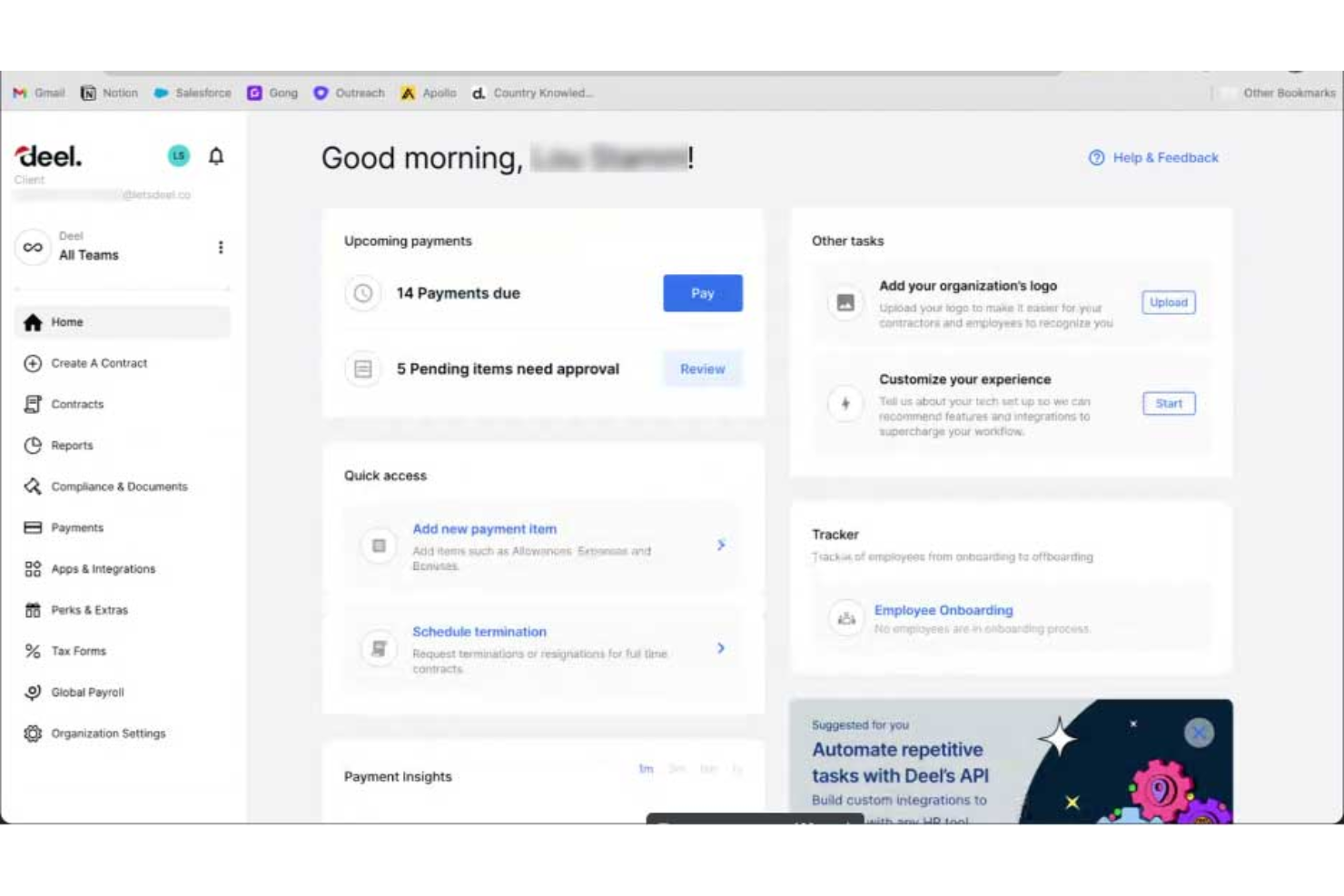
Deel Services è una piattaforma globale di gestione delle retribuzioni e della conformità per aziende che gestiscono equità salariale, benchmarking delle retribuzioni e conformità della forza lavoro internazionale all'interno di un unico sistema.
Per chi è più adatto Deel Services?
Deel Services è particolarmente indicato per i team HR e payroll di aziende di medie e grandi dimensioni che gestiscono forza lavoro distribuita o internazionale in più paesi e valute.
Perché ho scelto Deel Services
Ho scelto Deel Services tra i migliori perché gestisce la payroll globale e la conformità in modo da sostenere direttamente l'equità salariale oltre i confini. Ciò che trovo più utile è il Compliance Monitor, che monitora in tempo reale i cambiamenti normativi come le regole salariali e gli aggiornamenti fiscali, segnalando i rischi prima dell'elaborazione dei cedolini—così non ci si trova a rincorrere gli aggiornamenti dopo una modifica di legge in Germania o Brasile. Apprezzo anche che i requisiti normativi locali vengano applicati automaticamente nei flussi payroll, il che significa che le decisioni sulle retribuzioni sono sempre fondate sulle regole specifiche di ciascun paese. Per i team HR che gestiscono lavoratori in più nazioni, questo livello di conformità integrato rende molto più semplice mantenere pratiche retributive coerenti e difendibili su larga scala.
Caratteristiche principali di Deel Services
- Gestione delle fasce retributive: Crea, aggiorna e condividi le fasce salariali per ruolo e località direttamente nella piattaforma.
- Reportistica sulla trasparenza salariale: Genera report personalizzati sulla distribuzione dei compensi per genere, età e paese per soddisfare i requisiti dell'EU Pay Transparency Act e delle leggi statali USA.
- Insight sulle retribuzioni globali: Accedi a dati proprietari di benchmarking retributivo in oltre 150 paesi per validare le decisioni e calibrare le aspettative dei candidati.
- Monitoraggio del compa-ratio: Tieni traccia di come gli stipendi individuali si confrontano con le fasce retributive per ruolo, livello e area geografica tramite dashboard integrati.
Integrazioni Deel Services
Deel Services offre integrazioni native con Workday, BambooHR, Greenhouse, HiBob, QuickBooks, Xero, NetSuite, Expensify e Okta. È disponibile una API per integrazioni personalizzate.
Pros and Cons
Pros:
- Visione chiara dei costi retributivi e payroll a livello globale
- Collega le decisioni sugli stipendi direttamente all'esecuzione dei payroll in conformità
- Gestisce sia dipendenti che collaboratori all'interno di un unico framework retributivo
Cons:
- Le analisi sull'equità salariale sono meno avanzate rispetto agli strumenti specialistici
- La configurazione può essere complessa per chi affronta per la prima volta la gestione della payroll globale

Syndio
Le migliori analisi di equità salariale con report globali sulle retribuzioni

Syndio è una piattaforma software per l'equità salariale che fornisce strumenti di analisi, reportistica globale sulle retribuzioni e monitoraggio continuo per i team HR e compensazione.
Per chi è ideale Syndio?
Syndio è adatto ad organizzazioni di medie e grandi dimensioni con team di compensazione o risorse umane dedicati alla gestione dell'equità salariale in più paesi o regioni.
Perché ho scelto Syndio
Ho scelto Syndio tra i migliori per come gestisce la reportistica salariale globale su larga scala. La funzione Global Pay Reports copre 43 paesi in 35 giurisdizioni—including EU Pay Transparency Directive countries—e genera automaticamente le metriche richieste per ciascuno, con una dashboard delle scadenze che assicura al tuo team di non perdere mai una consegna. La funzione Compensation Consistency Analytics di PayEQ effettua diagnosi sulla base della propria filosofia retributiva per individuare anomalie e incoerenze che una semplice regressione di equità salariale non coglierebbe. Le analisi delle cause profonde identificano i fattori specifici dietro le disparità, rendendo la pianificazione degli interventi più mirata.
Funzionalità chiave di Syndio
- Audit retributivi legalmente difendibili: PayEQ® utilizza modelli di regressione unici per ciascun gruppo di dipendenti e applica gruppi di riferimento tra i più retribuiti per produrre analisi di equità salariale conformi alla legge.
- Analisi intersezionale e budgeting: Analizza le disparità salariali tra gruppi demografici intersecanti (ad esempio, genere e razza combinati) e alloca di conseguenza i budget di compensazione.
- Monitoraggio salariale on-demand: Effettua audit retributivi in qualsiasi momento dell'anno per individuare nuove disparità quando i dipendenti vengono assunti, promossi o trasferiti.
- Visualizzazioni e report personalizzati: Genera report scaricabili con ricche visualizzazioni di dati per condividere i risultati sull'equità salariale con gli stakeholder interni.
Integrazioni Syndio
Le integrazioni includono Workday HCM, UKG Pro e altri.
Pros and Cons
Pros:
- Identifica disparità salariali illecite
- Offre ai team di assunzione una guida retributiva coerente e conforme alle policy
- Le analisi delle cause aiutano a individuare i fattori responsabili delle disuguaglianze
Cons:
- Le informazioni sui prezzi non sono trasparenti
- Necessita di dati HR di qualità per ottenere tutte le informazioni
- I risultati statistici avanzati possono richiedere competenze di analisi HR


SalaryCube è una piattaforma software per l'equità retributiva che aiuta le organizzazioni a standardizzare i titoli di lavoro, analizzare i dati sulla retribuzione e gestire la reportistica sull'equità salariale.
Per chi è ideale SalaryCube?
SalaryCube è adatto a team HR e di compensazione che necessitano di portare coerenza nell'architettura dei ruoli prima di affrontare l'analisi dell'equità salariale.
Perché ho scelto SalaryCube
Ho scelto SalaryCube come uno dei migliori per come gestisce il caos dei titoli di lavoro che rende così difficile l'analisi dell'equità retributiva nella pratica. Prima di poter eseguire un audit retributivo significativo, ogni ruolo deve essere allineato a un benchmark coerente—ed è proprio ciò che fa DataDive Pro, organizzando oltre 17.000 titoli di lavoro per famiglia e livello così che il mio team possa associare i ruoli interni a titoli standardizzati senza doversi affidare all'intuizione. Apprezzo anche lo strumento Job Description Studio, che collega la scrittura assistita da AI delle descrizioni di lavoro direttamente ai benchmark salariali aggiornati, così quando sistemiamo titoli obsoleti o allineiamo le famiglie professionali tra dipartimenti, i dati sulle retribuzioni si aggiornano di conseguenza. Questo collegamento diretto tra standardizzazione dei titoli e dati di mercato in tempo reale è ciò che rende SalaryCube veramente utile per il lavoro sull'equità retributiva, e non solo per il benchmarking.
Funzionalità principali di SalaryCube
- FLSA Analyzer: Un questionario guidato, passo dopo passo, che verifica lo stato di esenzione per ogni ruolo e genera report PDF pronti per audit.
- Range Builder: Crea e gestisce fasce salariali collegate ai dati di mercato in tempo reale, con filtri per area geografica, settore e dimensione dell'azienda.
- Comp Planning: Gestisce i cicli di merito utilizzando worksheet precompilati per i manager, monitoraggio del budget in tempo reale per dipartimento e un motore di raccomandazioni assistito da AI con una completa tracciabilità delle revisioni.
- Job Pricer: Visualizza la distribuzione delle retribuzioni nell'organizzazione con indicatori interattivi che mostrano chi si trova sotto, in linea o sopra la fascia.
Integrazioni di SalaryCube
Le integrazioni native non sono attualmente indicate da SalaryCube.
Pros and Cons
Pros:
- Benchmarking dell'equità salariale in tempo reale
- Strumenti di analisi strutturati e orientati alla conformità
- La governance continua previene disuguaglianze future
Cons:
- Integrazioni native HRIS limitate
- Dati retributivi principalmente orientati agli Stati Uniti

Aeqium
Ideale per la pianificazione retributiva in aziende con strutture complesse
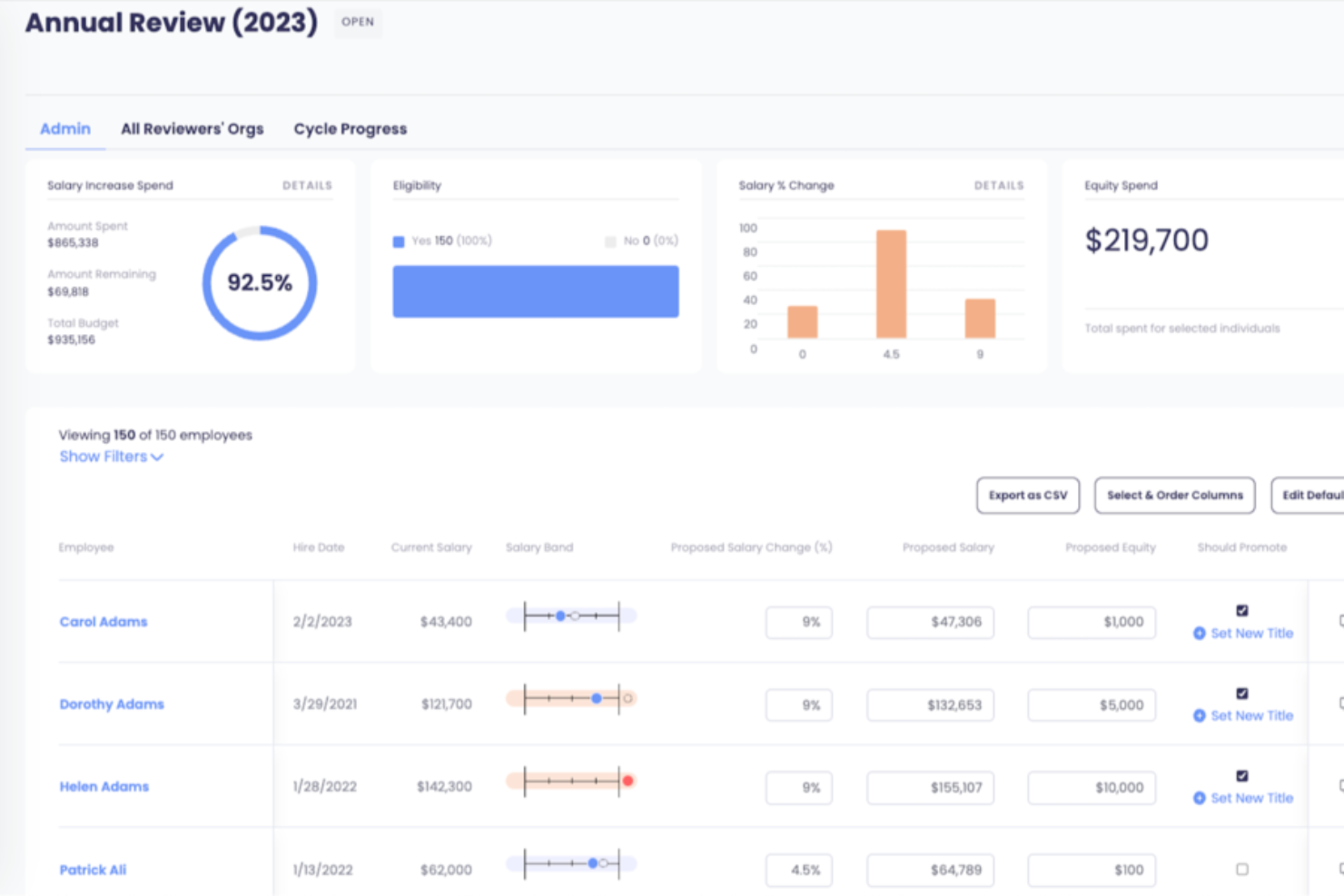
Aeqium è una piattaforma di gestione della retribuzione e dell’equità retributiva che riunisce analisi dell’equità salariale, pianificazione delle retribuzioni e reportistica in tempo reale per i team HR che gestiscono strutture organizzative complesse.
Per chi è consigliato Aeqium?
Aeqium è particolarmente adatto a team HR e compensation di medie e grandi aziende che gestiscono strutture retributive multilivello tra dipartimenti, livelli o aree geografiche diverse.
Perché ho scelto Aeqium
Ho scelto Aeqium tra i migliori perché è pensato specificamente per le organizzazioni in cui la pianificazione delle retribuzioni non si adatta facilmente a uno schema predefinito. La configurazione dei cicli senza codice permette al mio team di definire logiche personalizzate di distribuzione del budget, catene di approvazione multilivello e viste di dati specifiche per ruolo senza dover attendere supporto per l’implementazione. L’analisi sull’equità salariale di Aeqium Insights suddivide le differenze retributive per genere, ruolo, dipartimento e sede, e segnala i dipendenti sotto la fascia prima ancora dell’inizio di un nuovo ciclo. Il modulo dei livelli retributivi tiene traccia della loro storia nel tempo, così, quando devo giustificare un aggiustamento dell’intervallo alla dirigenza, ho a disposizione una traccia completa valida come audit.
Caratteristiche principali di Aeqium
- Portale dipendenti: Offre ai dipendenti accesso 24/7 all’intero dettaglio della propria retribuzione—stipendio, azioni, bonus e benefit—insieme a report personalizzati sul totale dei benefit ricevuti.
- Lettere d’offerta interattive: Consente ai team di selezione di creare lettere d’offerta dinamiche e visivamente coinvolgenti che includono un simulatore azionario, così i candidati possono stimare il valore del proprio pacchetto in scenari diversi.
- Aeqium Analyst: Un analista dati AI che risponde a domande in linguaggio naturale sui dati retributivi e genera report personalizzati su aumenti salariali, distribuzione dei pacchetti azionari e utilizzo dei budget senza esportazione in fogli di calcolo.
- Aeqium Assist: Un livello di configurazione AI che aggiorna in linguaggio naturale regole di eleggibilità, flussi di approvazione e permessi, senza ticket o supporto tecnico.
Integrazioni di Aeqium
Le integrazioni includono ADP Workforce Now, BambooHR, Justworks, Paylocity, QuickBooks e altri.
Pros and Cons
Pros:
- Flessibilità nella configurazione delle fasce salariali
- Template personalizzabili per le lettere d’offerta
- Strumenti di modellazione dell’equità salariale
Cons:
- Analisi HR limitate oltre alla componente retributiva
- Nessun ATS o collegamento diretto alla selezione integrata

Workleap
Ideale per strutture retributive personalizzabili

Workleap (Barley) è una piattaforma di gestione della retribuzione progettata per i team HR che desiderano analizzare l'equità salariale, gestire fasce retributive e semplificare le revisioni delle retribuzioni.
Per chi è più indicato Workleap?
Workleap (Barley) è adatto ai team HR e total rewards di aziende di medie dimensioni che necessitano di una gestione della retribuzione strutturata e guidata dai dati.
Perché ho scelto Workleap
Ho scelto Workleap come uno dei migliori per la flessibilità che offre nella creazione e gestione delle strutture retributive. Mi piace poter impostare zone retributive geografiche per gestire la retribuzione basata sulla posizione a prescindere dall'area geografica e dalla valuta, il che è utile nella gestione della retribuzione di team distribuiti. La funzione di confronto delle fasce retributive mi permette di confrontare le nostre fasce interne affiancate ai dati di benchmarking di Mercer, così da garantire aggiustamenti basati sul contesto di mercato. La modalità sandbox mi consente di simulare diversi scenari di revisione retributiva prima di avviare un ciclo, riducendo l'improvvisazione nella pianificazione.
Caratteristiche principali di Workleap
- Analisi della retribuzione: Monitora il rispetto delle fasce retributive, evidenzia i gap salariali e traccia la salute generale del programma retributivo in tempo reale.
- Revisioni retributive configurabili: Configura cicli di revisione con linee guida sugli aumenti, flussi di approvazione e budget centralizzati in un unico workflow.
- Generazione automatica di lettere retributive: Genera, scarica e invia automaticamente lettere retributive personalizzate per diversi motivi di variazione della retribuzione nell'organizzazione.
- Fonti di benchmarking multiple: Importa dati di benchmarking di terze parti da visualizzare insieme ai dati Mercer integrati in Workleap per una visione di mercato più completa.
Integrazioni Workleap
Workleap (Barley) offre integrazioni native con sistemi HRIS e payroll come BambooHR, ADP, Workday, UKG e HiBob. È disponibile un'API per integrazioni personalizzate.
Pros and Cons
Pros:
- Fasce e strutture retributive configurabili
- Analytics per l'equità salariale integrati
- Dati di benchmarking retributivo supportati da Mercer
Cons:
- Richiede un impegno annuale minimo di utenti
- Funzionalità payroll standalone limitata

Compport
Ideale per la gestione personalizzabile dell’equità retributiva
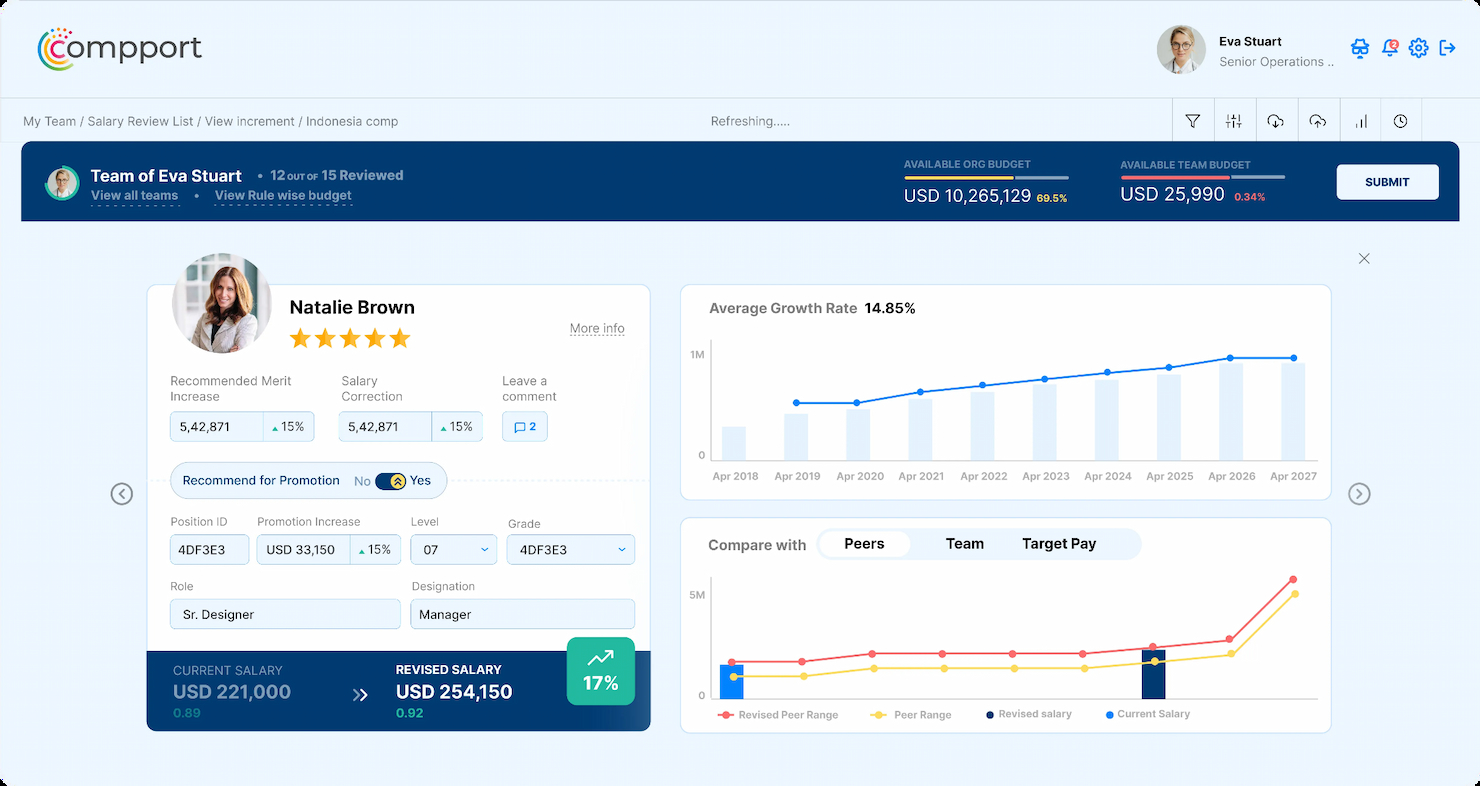
Compport è una piattaforma software per l'equità retributiva che offre ai team HR strumenti per l'analisi della retribuzione, audit sull'equità salariale, benchmarking degli stipendi e reportistica personalizzabile.
Per chi è ideale Compport?
Compport è adatto a organizzazioni di medie e grandi dimensioni con team dedicati alla gestione della retribuzione che necessitano di flussi di lavoro flessibili e configurabili per l’equità salariale.
Perché ho scelto Compport
Ho selezionato Compport tra i migliori per la sua vasta configurabilità nella gestione dell'equità retributiva. Mi piace che sia possibile creare fasce salariali su più parametri contemporaneamente—paese, funzione, unità di business, livello e grado—tutto in un unico flusso di lavoro, senza dover unire fogli di calcolo successivamente. Trovo utile anche la funzione di creazione ruolo personalizzato: quando una posizione non dispone di dati di benchmarking esterni, è possibile combinare competenze di ruoli esistenti per generare un punto di riferimento retributivo. Apprezzo inoltre i dashboard personalizzabili, che permettono di monitorare metriche specifiche come l’andamento del rapporto di comparazione e i segnali di bias nelle raccomandazioni di retribuzione.
Caratteristiche principali di Compport
- Controlli di accesso alle fasce retributive: Regola quali stakeholder possono visualizzare dati sensibili sulle fasce di retribuzione tramite permessi di accesso basati sui ruoli.
- Aggiornamento dati nel tempo: Adegua automaticamente i dati relativi alle fasce salariali nel tempo, mantenendo gli intervalli di retribuzione allineati alle tariffe di mercato attuali.
- Rilevamento delle anomalie: Valuta automaticamente i dati di benchmarking interni ed esterni per segnalare ed eliminare valori anomali prima che influenzino le decisioni retributive.
- Dati di benchmarking interni ed esterni: Integra sia dati salariali interni che dati di mercato esterni in una sola visualizzazione per facilitare la progettazione delle fasce retributive.
Integrazioni Compport
Le integrazioni native non sono chiaramente documentate. È disponibile un'API per integrazioni personalizzate.
Pros and Cons
Pros:
- Fasce retributive personalizzabili
- Accesso immediato ai dati di benchmarking
- Controlli di accesso avanzati
Cons:
- La configurazione iniziale può richiedere supporto
- Accessibilità mobile limitata

HRSoft
Ideale per l’analisi integrata dell’equità retributiva
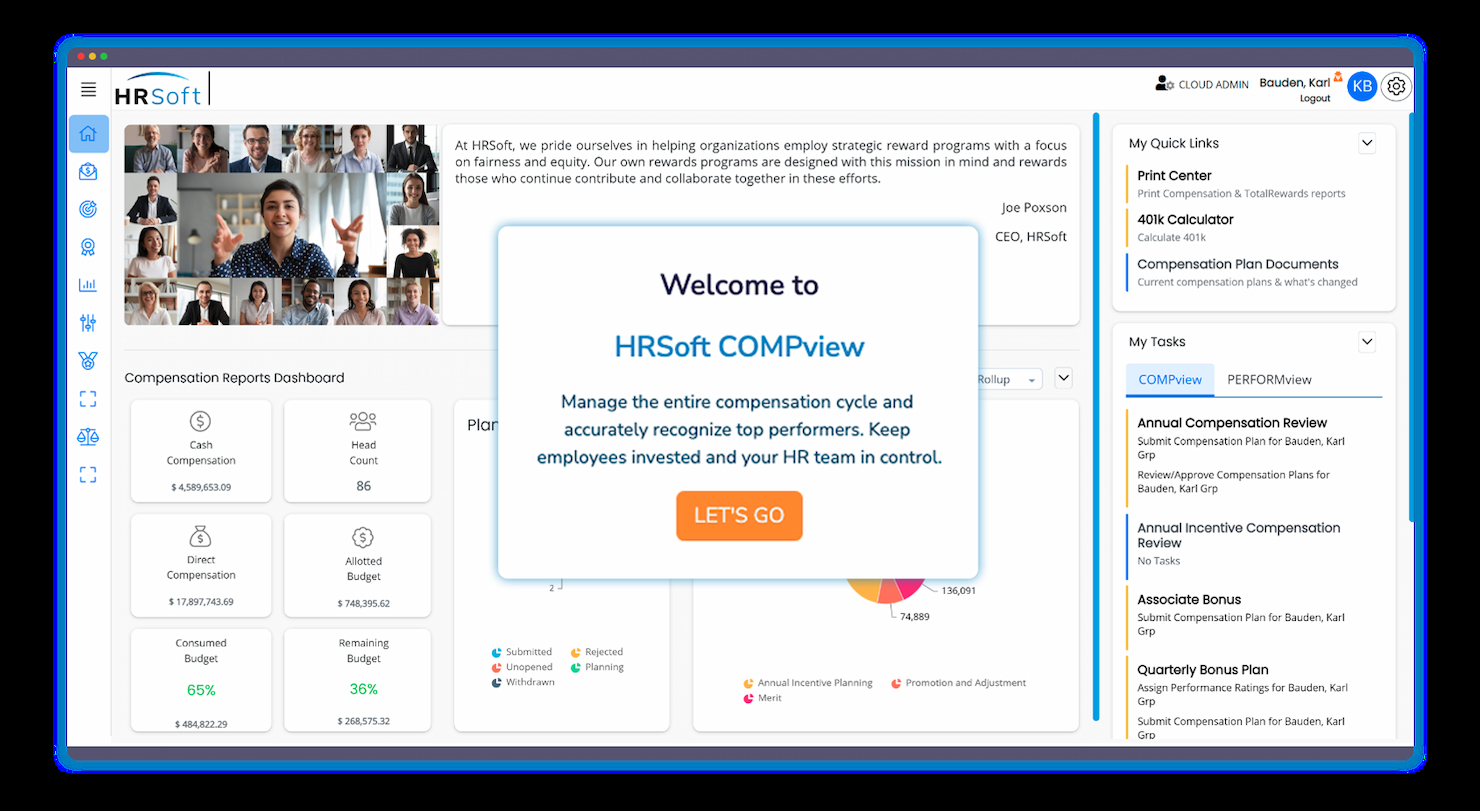
HRSoft è una piattaforma software per l’equità retributiva che fornisce strumenti di analisi, reportistica e gestione della retribuzione per le organizzazioni concentrate su conformità e analisi dell’equità salariale.
Per Chi È Ideale HRSoft?
HRSoft è adatta a medie e grandi aziende con team di compensazione dedicati che necessitano di un’analisi strutturata dell’equità retributiva da integrare nei loro flussi di lavoro retributivi più ampi.
Perché Ho Scelto HRSoft
HRSoft si guadagna il posto nella mia shortlist per il modo in cui la sua analisi sull’equità retributiva è perfettamente integrata con il resto dei processi di gestione della compensazione. Apprezzo il fatto che la piattaforma usi l’analisi di regressione per identificare non solo dove esistono i divari salariali, ma anche perché—scomponendo l’impatto di fattori retributivi come anzianità, esperienza e performance sulle disparità salariali. Il mio team può anche modellare l’impatto sul budget richiesto per colmare questi divari prima di impegnarsi concretamente, facilitando così la costruzione di un business case per la leadership. La sincronizzazione diretta tra il modulo di equità salariale di HRSoft e la soluzione di gestione delle retribuzioni significa che non sono costretto a riconciliare manualmente i dati su strumenti separati.
Funzionalità Principali di HRSoft
- Identificazione dei divari salariali per demografia: Analizza i dati retributivi della forza lavoro segmentati per genere, razza ed etnia per individuare dove esistono disparità.
- Monitoraggio retributivo in tempo reale: Tieni traccia dell’equità retributiva nella tua organizzazione in modo continuativo invece che con audit annuali isolati.
- Reportistica federale, statale e locale: Genera report pronti per la conformità che rispettano i requisiti normativi di più giurisdizioni.
- Modellazione delle politiche retributive: Crea e testa scenari sulle politiche salariali per prevenire futuri divari salariali ancora prima che si manifestino.
Integrazioni HRSoft
Le integrazioni includono ADP, UKG Pro, SAP SuccessFactors, Oracle HCM, Workday, BambooHR e altri.
Pros and Cons
Pros:
- Analisi robusta dell’equità salariale
- Monitoraggio retributivo in tempo reale
- Funzione di analisi di regressione
Cons:
- Prezzi non resi pubblici
- Alcune funzionalità amministrative possono essere complesse
- Opzioni di personalizzazione limitate

OpenComp
Ideale per analisi su equità retributiva e DEI
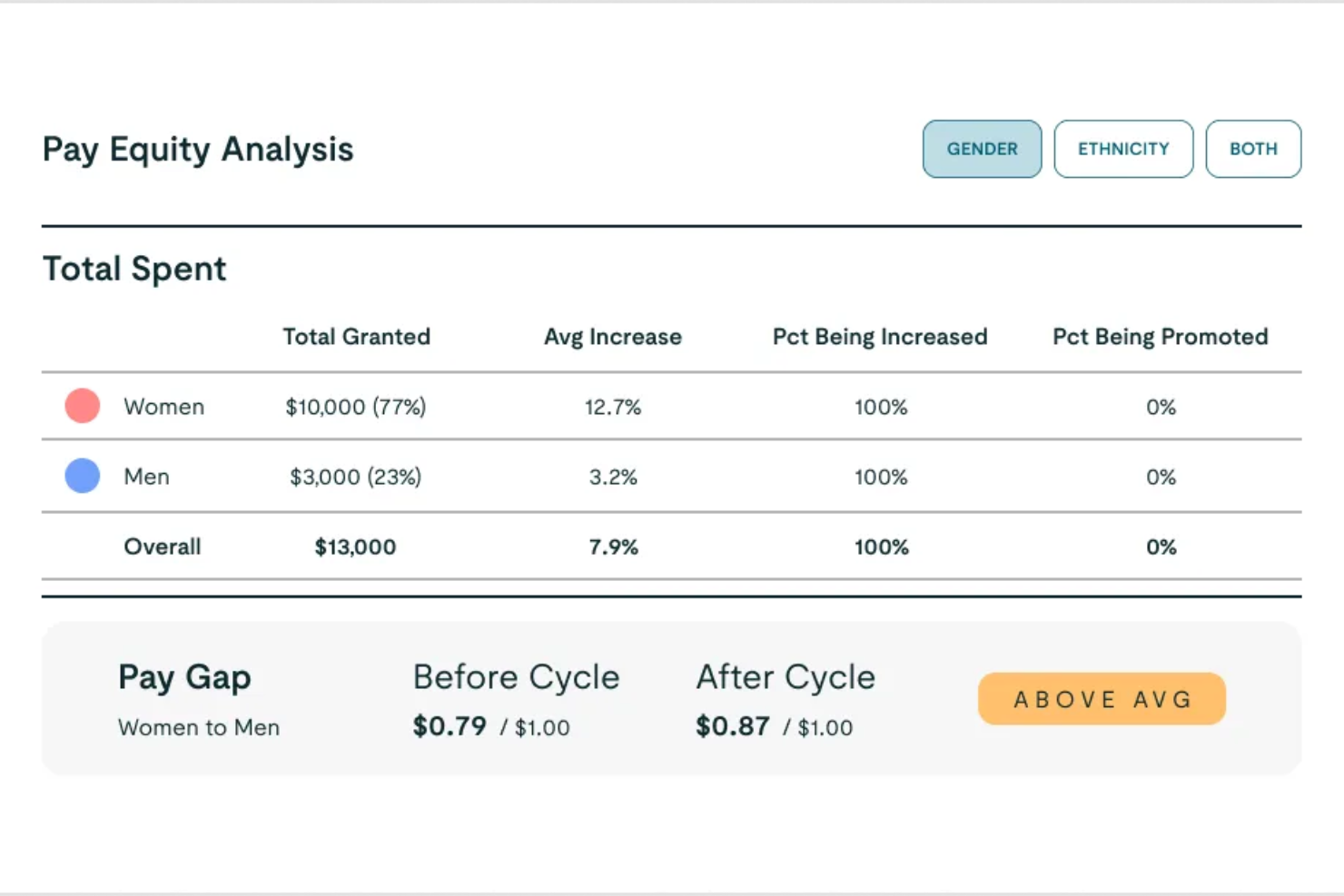
OpenComp è una piattaforma software per l'equità retributiva che offre benchmark delle retribuzioni, analisi sull'equità salariale e analisi DEI per i team HR e delle risorse umane.
Per chi è ideale OpenComp?
OpenComp è particolarmente indicato per i team HR di medie e grandi aziende e per chi si occupa di total rewards che necessitano di una pianificazione retributiva strutturata insieme a report su equità salariale e DEI.
Perché ho scelto OpenComp
Ho scelto OpenComp tra i migliori perché le sue funzioni di analisi dell'equità salariale e DEI vanno ben oltre un semplice rapporto sulle differenze retributive. Il cruscotto per l'equità retributiva suddivide i dati sulle retribuzioni per gruppo demografico—coprendo quota di azioni, livello medio di ruolo e punteggio medio di performance per genere ed etnia—così posso vedere esattamente dove esistono disparità e perché. Trovo particolarmente utile che mostri l'impatto in tempo reale di premi e cicli di meritocrazia sull'equità retributiva, il che significa che posso simulare un aggiustamento salariale e vedere immediatamente se chiude o amplia un divario prima di concretizzarlo. Puoi anche monitorare la distribuzione delle azioni per dipartimento e all'interno dei team di management, il che aiuta a evidenziare schemi di promozione e retribuzione che un numero aggregato nasconderebbe.
Caratteristiche principali di OpenComp
- Strategia retributiva e fasce salariali: Crea fasce di stipendio per ruolo e sede che includano piani azionari, politiche di retribuzione per lavoro da remoto e la filosofia retributiva aziendale.
- Documenti di total reward: Crea e invia report visivi sulla total compensation che mostrano ai dipendenti stipendio, bonus, assegnazioni azionarie e aumenti meritocratici nel tempo.
- Pianificazione organico: Simula come nuove assunzioni a diversi livelli o con diverse date di inizio incidano sulla liquidità e sulla spesa annuale su uno, tre o cinque anni.
- Offerte intelligenti: Genera lettere d'offerta interattive con accesso ai dati retributivi dei pari, offerte precedenti e fasce salariali per la posizione da ricoprire.
Integrazioni di OpenComp
Le integrazioni native non sono chiaramente documentate. OpenComp offre un'API per integrazioni personalizzate.
Pros and Cons
Pros:
- Strumenti avanzati per analisi sull'equità salariale
- Flusso dati in tempo reale da HRIS e sistemi azionari
- Possibilità di simulare più scenari retributivi contemporaneamente
Cons:
- Disponibilità di dati limitata per alcuni ruoli di nicchia
- Potrebbe offrire più integrazioni

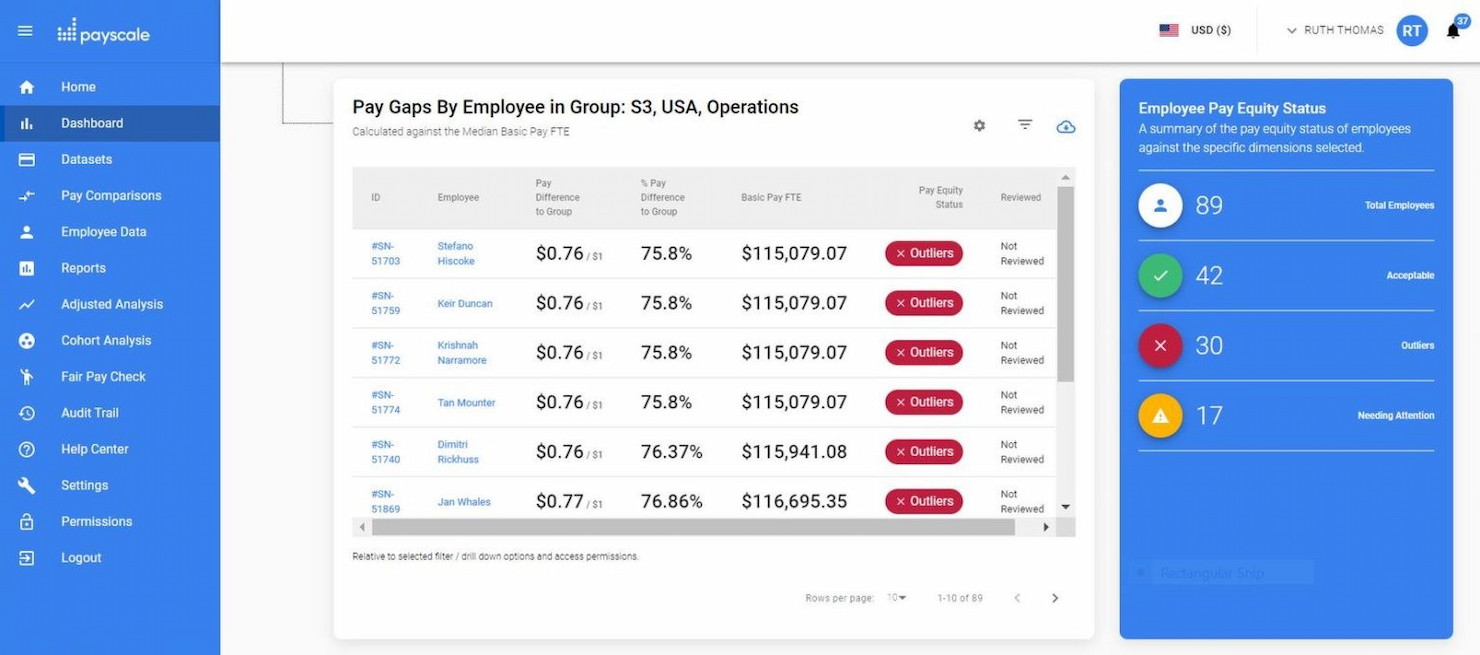
Payscale è una piattaforma software per l'equità retributiva che offre strumenti di analisi delle retribuzioni, monitoraggio dell'equità salariale, benchmarking e reportistica per le organizzazioni impegnate in pratiche di retribuzione eque.
Per chi è ideale Payscale?
Payscale è particolarmente indicato per i team HR e di compensation di aziende di medie e grandi dimensioni che necessitano di strumenti strutturati e basati sui dati per gestire e monitorare l'equità salariale.
Perché ho scelto Payscale
Ho scelto Payscale tra i migliori perché tratta l'equità salariale come un programma continuo, e non come una semplice verifica occasionale. Ciò che apprezzo di più è la capacità di monitoraggio continuo: il mio team può tenere traccia in tempo reale della differenza salariale controllata e non controllata, così non dobbiamo intervenire all'ultimo minuto dopo un ciclo di promozioni o nuove assunzioni. Trovo anche utile la funzione di modellazione degli interventi: è possibile simulare gli aumenti esatti necessari a livello di singolo dipendente e valutare come tali incrementi influenzano l'equità globale prima di attuare le modifiche nella pianificazione retributiva.
Funzionalità principali di Payscale
- Report di conformità alla trasparenza retributiva: Generazione di report conformi alle normative sulla trasparenza salariale in vigore negli stati e nelle città degli Stati Uniti, inclusi i requisiti di pubblicazione delle fasce salariali.
- Analisi del divario salariale tra gruppi: Confronto delle retribuzioni tra gruppi di dipendenti—per genere, razza o altre caratteristiche demografiche—per individuare dove esistono differenze e se sono giustificate da fattori compensabili.
- Benchmarking delle retribuzioni: Accesso a dati di mercato su oltre 15.400 titoli di lavoro per stabilire fasce di retribuzione basate su dati di mercato aggiornati in tempo reale.
- Gestione delle fasce retributive: Creazione e mantenimento di fasce retributive per lavoro o livello, in modo da mantenere strutture salariali interne coerenti e difendibili nel tempo.
Integrazioni Payscale
Payscale offre un'API per integrazioni personalizzate.
Pros and Cons
Pros:
- Monitoraggio in tempo reale dell'equità salariale
- Analisi approfondita dei divari retributivi
- Conformità alle leggi sulla trasparenza salariale
Cons:
- Nessun supporto per app mobile
- Curva di apprendimento per i nuovi utenti
- Personalizzazione limitata

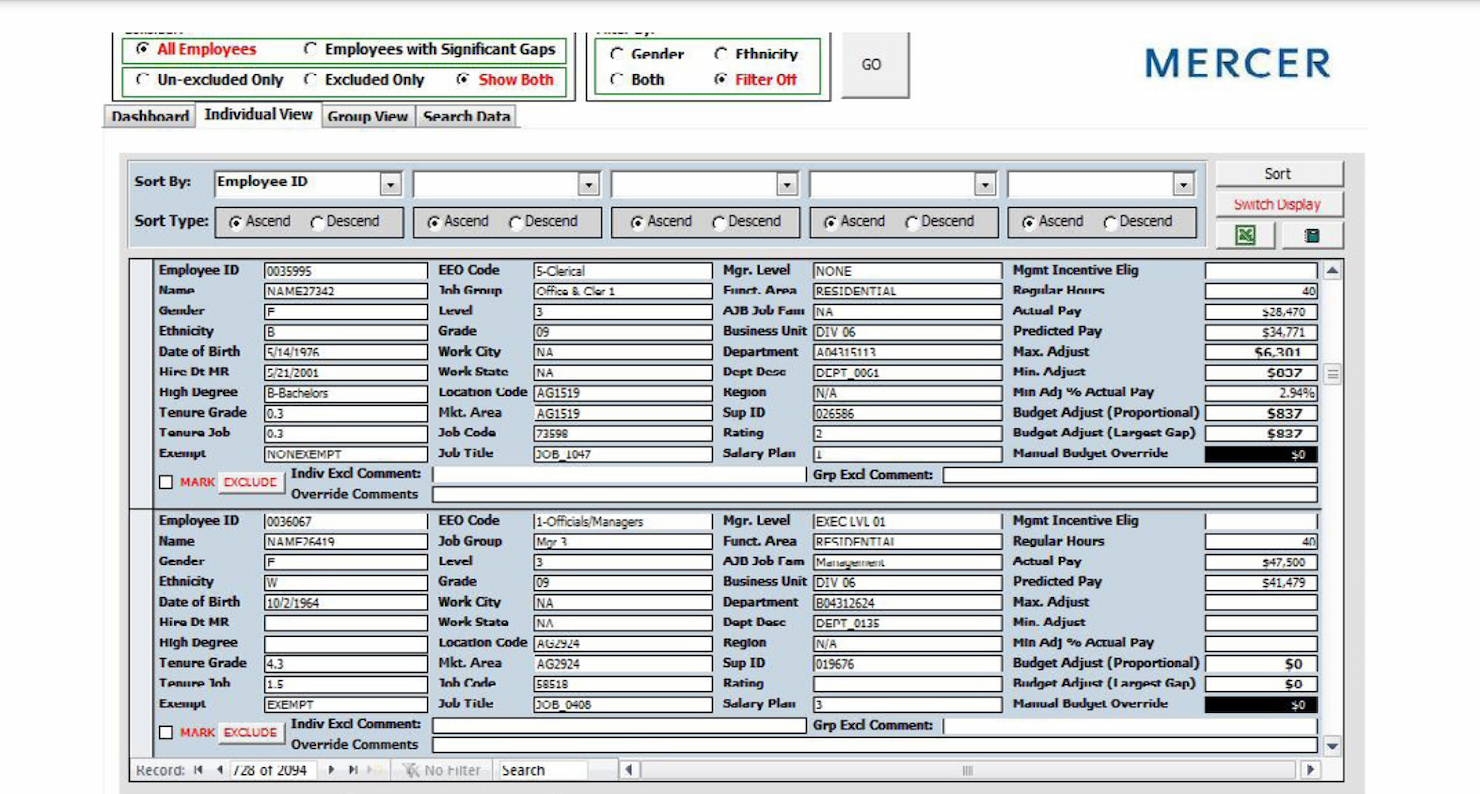
Mercer è una piattaforma software e di consulenza per l'equità retributiva che offre analisi sulle retribuzioni, analisi del divario salariale e strumenti di conformità per le organizzazioni che puntano a pratiche di retribuzione eque.
Per Chi è Ideale Mercer?
Mercer è particolarmente adatto a grandi aziende e responsabili HR che necessitano di un'analisi dell'equità retributiva guidata da esperti e supportata da dati globali sulle retribuzioni.
Perché Ho Scelto Mercer
Ho scelto Mercer tra i migliori perché la sua proposta per l'equità retributiva va ben oltre l'esecuzione di un semplice modello di regressione. Quello che trovo davvero utile è la combinazione di un'analisi statistica sull'equità retributiva e il supporto consulenziale pratico—il team di Mercer aiuta a individuare i divari salariali ingiustificati e poi lavora con te per sviluppare strategie mirate di intervento, invece di lasciarti solo nell'interpretazione dei risultati. Apprezzo anche il Calcolatore di Equità Retributiva, che permette al mio team di approfondire i divari salariali per genere e razza al fine di individuare con precisione dove esistono disparità nella struttura delle retribuzioni. Il supporto di Mercer per la conformità locale è un vero vantaggio quando si tratta di orientarsi tra le leggi sulla trasparenza salariale che variano da stato a stato e da città a città.
Caratteristiche Principali di Mercer
- Mercer Benchmark Database: Un database centralizzato di dati retributivi statunitensi che copre tutti i settori, utilizzato per confrontare livelli di stipendio e costruire strutture salariali difendibili.
- Geographic Salary Differential Tool: Identifica le differenze nei costi del lavoro in oltre 2.000 località tra città e nazioni, per supportare decisioni retributive basate sulla posizione geografica.
- Portale TAAP+: Una piattaforma di intelligence HR in abbonamento che offre accesso a dati sulle retribuzioni, aggiornamenti normativi, calcolatori e l'assistente AI di Mercer, Aida.
- Global Compensation Planning Report: Fornisce dati sui budget di aumento salariale e indicatori economici nei mercati globali, utili per i cicli annuali di pianificazione delle retribuzioni.
Integrazioni Mercer
Le integrazioni includono Ashby, Greenhouse, Freshteam, Darwinbox e altri.
Pros and Cons
Pros:
- Analisi approfondita dell’equità salariale
- Calcolatore per l'equità retributiva altamente sviluppato
- Supporto per la conformità locale
Cons:
- Ore di supporto gratuite annuali limitate
- La configurazione può richiedere assistenza
- Opzioni self-service limitate
Altri software per l'equità retributiva
Di seguito trovi un elenco di ulteriori software per l’equità retributiva che non sono entrati nella mia selezione, ma che vale comunque la pena prendere in considerazione:
- BrightMine
Ideale per analisi avanzate sull’equità retributiva
- Global Shares
Ideale per semplificare la gestione delle azioni dei dipendenti
- PayParity with R.O.S.A
Ideale per ottimizzare gli sforzi di rimediazione dell'equità retributiva
- Compease
Ideale per individuare le disparità salariali
- Affirmity
Ideale per collegare le iniziative sulla diversità ai risultati di business
- DCI Consulting
Ideale per analisi complete sull'equità retributiva
- Pihr
Ideale per la conformità globale all'equità retributiva
- CompUp
Ideale per la gestione dell'equità retributiva, la conformità e la reportistica


Recensioni correlate di software per le risorse umane
Se non hai ancora trovato quello che cerchi, dai un'occhiata a questi altri strumenti correlati che abbiamo testato e valutato:
- Software per le risorse umane
- Software per la gestione delle buste paga
- Software per il reclutamento
- Servizi di datore di lavoro registrato
- Sistemi di tracciamento dei candidati
- Software per la gestione della forza lavoro
Come valuto i software per l’equità retributiva
Divido la mia valutazione in requisiti di base—come l’analisi delle differenze salariali basata su regressione e la modellizzazione degli interventi correttivi—e i fattori differenzianti che distinguono gli strumenti per i team che devono rispettare scadenze normative reali.
Funzionalità di base (Requisiti minimi per questa lista)
Quando seleziono gli strumenti per la mia lista, valuto ciascuno su una scala da 0 (non offre la funzionalità) a 5 (eccelle in quest’area) per ogni funzionalità di base elencata qui sotto. Poi calcolo il punteggio totale dello strumento convertendolo in percentuale. Ogni strumento deve raggiungere un punteggio totale minimo del 65% per essere considerato per l’inclusione.
- Analisi delle differenze retributive: Cerco una regressione multivariata che tenga conto di fattori legittimi come anzianità e località, non solo medie grezze tra genere o etnia.
- Logica di raggruppamento dei dipendenti: Lo strumento dovrebbe permettere di definire gruppi omogenei utilizzando famiglia di mansioni, livello e area geografica invece di affidarsi solo all’abbinamento rigido del titolo di lavoro.
- Modellizzazione degli interventi correttivi: Valuto se si possono modellare più scenari di aggiustamento con stime dei costi prima di impegnare budget per colmare i gap individuati.
- Reportistica per conformità normativa: È importante la copertura dei principali framework di reportistica—come le dichiarazioni di trasparenza retributiva dell’UE, i report sulle differenze salariali di genere nel Regno Unito e i mandati a livello statale negli USA.
- Integrazione HRIS & Payroll: Connettori preconfigurati a piattaforme come Workday, SAP SuccessFactors o ADP fanno una grande differenza rispetto al dover caricare manualmente file CSV ad ogni ciclo.
- Monitoraggio continuo & dashboard: Verifico se la piattaforma supporta il tracciamento continuo con avvisi, in modo che i team possano rilevare nuove disparità già in fase di assunzione o promozione.
Una volta trovati gli strumenti che soddisfano i criteri, considero cosa rende unica ciascuna piattaforma.
Fattori differenzianti (cosa distingue i fornitori)
Ecco come confronto e differenzio i vari fornitori:
Funzionalità distintive
L’analisi delle cause radice è un fattore molto distintivo: voglio capire perché esistono i gap, se dipendono da assunzioni, promozioni o cicli meritocratici, non solo che esistono. Valuto anche l’analisi intersezionale, poiché una visione a singolo asse non mostra le disparità che emergono solo considerando insieme dimensioni come razza e genere. È importante anche l’accesso a economisti del lavoro o statistici interni, soprattutto per i team che hanno bisogno di supporto nella difesa della metodologia durante audit o revisioni legali.
Oltre le funzionalità
La sicurezza dei dati è un aspetto cruciale poiché le analisi sull’equità retributiva coinvolgono informazioni sensibili su stipendio e dati demografici: verifico la conformità SOC 2 Tipo II e la possibilità di eseguire le analisi sotto privilegio avvocato-cliente. Anche il supporto nell’implementazione varia molto: alcuni fornitori ti affiancano con economisti del lavoro per costruire la job architecture, altri lasciano completamente questo compito al tuo team. Valuto inoltre come si adatta la tariffazione: una piattaforma adatta a un’azienda da 500 persone può non essere flessibile per un’organizzazione con 50.000 dipendenti su più entità.
Come scegliere un software per l'equità retributiva
Mentre affronti il tuo specifico processo di selezione del software, tieni presenti i seguenti aspetti:
- Requisiti di conformità: Garantire che la propria organizzazione rispetti le normative locali, statali e federali è fondamentale. Il software per l'equità retributiva dovrebbe aiutarti a rispettare leggi come la Legge sulla parità retributiva e altre normative contro la discriminazione. Ad esempio, il software dovrebbe offrire funzionalità che consentano di generare report di conformità e tracce di verifica.
- Integrazione dei dati: Il software per l'equità retributiva dovrebbe integrarsi con i sistemi HR esistenti, come quelli per le buste paga, la gestione delle prestazioni e le anagrafiche dei dipendenti. Questa integrazione è essenziale per un'analisi e una reportistica accurate dei dati. Ad esempio, se il sistema delle buste paga e il software per l'equità retributiva non sono integrati, ciò potrebbe causare discrepanze nei dati salariali, rendendo difficile individuare i divari retributivi.
- Interfaccia intuitiva: Il software dovrebbe essere facile da usare per i professionisti delle risorse umane e i manager che potrebbero non avere competenze tecniche. Un'interfaccia intuitiva garantisce che gli utenti possano navigare nel sistema in modo efficiente e sfruttarne al meglio le funzionalità. Ad esempio, un pannello di controllo che fornisce rappresentazioni visive delle metriche relative all'equità retributiva può aiutare gli utenti a comprendere rapidamente i dati e ad agire di conseguenza.
- Report personalizzabili: Le diverse organizzazioni hanno esigenze di reportistica differenti. Il software per l'equità retributiva dovrebbe offrire opzioni di reportistica personalizzabili per soddisfare requisiti specifici. Questa funzionalità è particolarmente importante per le organizzazioni che devono presentare i dati a vari portatori di interesse, come dirigenti, membri del consiglio di amministrazione o autorità di regolamentazione. Ad esempio, la possibilità di creare report personalizzati può aiutarti a evidenziare specifiche aree di criticità o i progressi compiuti nell'ambito delle iniziative per l'equità retributiva.
- Scalabilità: Man mano che la tua organizzazione cresce, il software per l'equità retributiva dovrebbe essere in grado di crescere insieme a te. Ciò significa che dovrebbe gestire una quantità crescente di dati e utenti senza compromettere le prestazioni. La scalabilità è fondamentale per le organizzazioni che intendono ampliare la propria forza lavoro o entrare in nuovi mercati. Ad esempio, una soluzione scalabile può gestire l'aggiunta di nuovi dipendenti e sedi, garantendo che l'analisi dell'equità retributiva rimanga accurata e completa.
Tendenze del software per l'equità retributiva
Il software per l'equità retributiva è in rapida evoluzione. Ecco alcune tendenze chiave da tenere d'occhio in futuro.
- Analisi basate sull'IA stanno diventando sempre più diffuse nei software per l'equità retributiva. Questi strumenti possono individuare le disparità retributive con maggiore precisione. Questa tendenza è importante per garantire pratiche di remunerazione eque.
- Audit retributivi in tempo reale stanno prendendo piede. Consentono alle aziende di monitorare e adeguare continuamente le proprie pratiche retributive. Ciò contribuisce a mantenere la conformità e l'equità.
- Integrazione con i Sistemi informativi delle risorse umane (HRIS) è in aumento. Ciò consente un flusso di dati continuo tra i sistemi. Semplifica il processo di monitoraggio e gestione dell'equità retributiva.
- Funzionalità di reportistica personalizzabile stanno diventando uno standard. Consentono alle organizzazioni di generare report specifici e adattati alle proprie esigenze. Questa tendenza è fondamentale per un'analisi dell'equità retributiva dettagliata e pertinente.
- Portali autonomi per i dipendenti vengono integrati nei software per l'equità retributiva. Questi portali consentono ai dipendenti di visualizzare e comprendere i propri dati retributivi. Questa tendenza promuove la trasparenza e la fiducia all'interno dell'organizzazione.
Il software per l'equità retributiva è destinato a diventare più avanzato e intuitivo, con l'integrazione prevista di un numero sempre maggiore di queste tendenze chiave negli strumenti per l'equità retributiva.
Che cos'è il software per l'equità retributiva?
Il software per l'equità retributiva è uno strumento digitale che aiuta le organizzazioni ad analizzare la retribuzione dei dipendenti per individuare e correggere i divari retributivi. I professionisti delle risorse umane e i responsabili delle retribuzioni lo utilizzano per garantire pratiche retributive eque, mantenere la conformità alle leggi sulla parità retributiva e creare fiducia attraverso la trasparenza.
Automatizzando l'analisi delle retribuzioni, sostituisce i fogli di calcolo soggetti a errori, fa risparmiare tempo nella preparazione dei report di conformità e offre ai responsabili una visione chiara delle aree in cui esistono disparità.
La retribuzione non riguarda solo gli stipendi. Allinea le strategie retributive alle realtà del mercato, bilanciando offerte competitive per i nuovi assunti con l’equità per i dipendenti di lunga data, per evitare la compressione salariale.
Funzionalità del software per l'equità retributiva
Quando scegli un software per l'equità retributiva, presta attenzione alle seguenti funzionalità chiave:
- Strumenti di analisi della retribuzione: Analizza i tuoi dati per confrontare le retribuzioni tra gruppi diversi e individuare rapidamente le disparità. Con questi strumenti puoi suddividere le retribuzioni per qualifica professionale, reparto, genere, etnia o sede, rendendo molto più semplice individuare e affrontare le disuguaglianze.
- Funzionalità di integrazione dei dati: Importa facilmente i dati dai sistemi HR, di gestione delle paghe e di gestione dei talenti in un'unica dashboard. Risparmi tempo, eviti errori nei dati e hai sempre una visione d'insieme mentre analizzi l'equità retributiva in tutta l'organizzazione.
- Gestione della conformità normativa: Rimani aggiornato sulle leggi in evoluzione grazie a funzionalità che ti mantengono informato e pronto per gli audit. Il software segnala i rischi di non conformità, genera report per i revisori e ti aiuta a documentare le decisioni, così non ti sentirai mai impreparato.
- Reportistica automatizzata: Genera rapidamente report chiari e personalizzati per stakeholder, leadership o audit di conformità. Con pochi clic ottieni riepiloghi visivamente efficaci che rendono i tuoi risultati comprensibili e utilizzabili.
- Visualizzazione della struttura retributiva: Gli strumenti visivi mostrano i livelli retributivi, le fasce salariali e le strutture di compensazione, così puoi vedere concretamente dove si nascondono le disparità e individuare subito le opportunità per migliorare l'equità.
- Tracciamento degli audit e delle modifiche: Ogni volta che aggiorni i dati o apporti modifiche alle policy, il software le registra. Questo registro trasparente ti responsabilizza e ti aiuta a rispondere a eventuali domande difficili in un secondo momento.
- Controlli degli accessi basati sui ruoli: Assegna diversi livelli di accesso agli utenti affinché i dati sensibili sulle retribuzioni rimangano riservati. Che tu debba condividere informazioni con il personale HR, i responsabili o i dirigenti, hai sempre il controllo su chi può vedere cosa.
Funzionalità comuni dell'intelligenza artificiale nei software per l'equità retributiva
Oltre alle funzionalità standard dei software per l'equità retributiva elencate sopra, molte soluzioni ora integrano l'intelligenza artificiale; i software per l'equità retributiva basati sull'intelligenza artificiale offrono funzionalità come:
- Rilevamento dei bias nelle decisioni retributive: L'intelligenza artificiale valuta le variazioni retributive e le decisioni sulle promozioni per segnalare schemi che suggeriscono la presenza di bias, permettendoti di intervenire tempestivamente e mantenere l'equità, con conseguente aumento della soddisfazione dei dipendenti, riduzione del turnover e creazione di un ambiente di lavoro più inclusivo.
- Analisi predittiva del divario retributivo: L'intelligenza artificiale analizza i tuoi dati e prevede dove potrebbero verificarsi future disparità retributive. Ottieni un sistema di allerta precoce per affrontare i problemi retributivi prima che si aggravino.
- Rilevamento automatico delle anomalie: L'intelligenza artificiale del software individua schemi insoliti nei dati relativi alle retribuzioni che altrimenti potrebbero passare inosservati, aiutandoti a rilevare e risolvere i problemi più rapidamente.
- Reportistica in linguaggio naturale: L'intelligenza artificiale può trasformare dati complessi sull'equità in riepiloghi in un linguaggio semplice o in spiegazioni visive, rendendo più facile per tutti, comprese le persone che non lavorano con i dati, comprendere la situazione e agire.
- Raccomandazioni personalizzate per la correzione: L'intelligenza artificiale suggerisce azioni specifiche e basate sui dati per risolvere le disparità retributive, come adeguamenti salariali o modifiche alle policy, personalizzate in base alle sfide specifiche della tua organizzazione.
La trasparenza in materia di retribuzione e benefit crea fiducia. I dipendenti desiderano informazioni chiare sulla loro retribuzione complessiva, dallo stipendio ai benefit e alle partecipazioni azionarie.
Vantaggi dei software per l'equità retributiva
I software per l'equità retributiva sono strumenti potenti progettati per aiutare le organizzazioni a garantire pratiche retributive eque ed equilibrate. Sfruttando analisi avanzate e automazione, queste soluzioni offrono un approccio completo per identificare e affrontare le disparità retributive. Di seguito sono riportati cinque vantaggi principali dei software per l'equità retributiva per utenti e organizzazioni.
- Analisi più rapida: Il software per l'equità retributiva riduce significativamente il tempo necessario per completare gli audit sull'equità retributiva. Gli audit manuali tradizionali possono richiedere mesi, ma con il software le organizzazioni possono eseguire iterazioni illimitate e visualizzare istantaneamente l'impatto delle modifiche, risparmiando tempo e denaro.
- Visualizzazioni e approfondimenti continui: A differenza delle analisi statiche annuali, il software per l'equità retributiva fornisce approfondimenti continui e in tempo reale sull'equità retributiva. Ciò consente alle organizzazioni di valutare e affrontare più frequentemente le disparità retributive, garantendo che le pratiche retributive rimangano eque e aggiornate durante tutto l'anno.
- Maggiore sicurezza: Il software per l'equità retributiva offre solide funzionalità di sicurezza, come l'accesso singolo (SSO) e le autorizzazioni basate sugli utenti, garantendo la protezione dei dati retributivi sensibili. Ciò riduce il rischio di violazioni dei dati e di problemi legali associati alla gestione manuale dei dati.
- Analisi completa: Il software consente un'analisi multidimensionale, prendendo in considerazione vari fattori come genere, razza e altre caratteristiche protette. Ciò garantisce una visione più accurata e olistica dell'equità retributiva, aiutando le organizzazioni a identificare e affrontare le cause profonde delle disparità retributive.
- Maggiore conformità: Il software per l'equità retributiva aiuta le organizzazioni a rimanere conformi alla legislazione in continua evoluzione sulla trasparenza e sull'equità retributiva. Fornisce gli strumenti necessari per gestire requisiti legali complessi, riducendo il rischio di non conformità e di potenziali sanzioni legali.
Automatizzando e potenziando il processo di analisi dell'equità retributiva, queste soluzioni non solo consentono di risparmiare tempo e risorse, ma contribuiscono anche a creare fiducia e trasparenza all'interno dell'organizzazione. Soluzioni software affidabili garantiscono che le organizzazioni si adattino e prosperino in un mercato competitivo e socialmente consapevole.
Costi e prezzi del software per l'equità retributiva
Il software per l'equità retributiva è progettato per aiutare le organizzazioni a garantire pratiche retributive eque ed equilibrate, analizzando e monitorando le disparità retributive tra diversi dati demografici, come genere, razza ed etnia. Questo software è essenziale per le aziende che mirano a rispettare gli standard legali e a promuovere ambienti di lavoro equi.
Di seguito analizziamo i diversi piani tariffari e le opzioni disponibili per il software per l'equità retributiva, fornendo una panoramica dettagliata per aiutarti a prendere una decisione informata.
Tabella di confronto dei piani per il software per l'equità retributiva
| Tipo di piano | Prezzo medio | Funzionalità comuni |
| Gratuito / Prova | $0 | Analisi di base dell'equità retributiva, reportistica limitata e strumenti per la conformità. |
| Base | $3 - $40 per utente/mese (ad es., CompUp a $3/utente/mese; Parity Software a $39/mese) | Analisi automatizzata dell'equità retributiva, monitoraggio della conformità, reportistica di base e dashboard. |
| Intermedio | Preventivi personalizzati (il prezzo dipende dalle dimensioni dell'organizzazione e dalle integrazioni) | Analisi avanzate, report personalizzati, integrazione con sistemi ATS/HR e assistenza clienti. |
| Grandi aziende | Prezzi personalizzati per grandi aziende (spesso negoziati annualmente) | Audit completi dell'equità retributiva, monitoraggio in tempo reale, funzionalità avanzate per la conformità globale e assistenza e consulenza dedicate. |
Quando selezioni un piano software per l'equità retributiva, considera le dimensioni della tua organizzazione, la complessità delle tue strutture retributive e le tue specifiche esigenze di conformità. Ogni piano offre funzionalità e prezzi diversi per soddisfare varie esigenze aziendali, garantendoti la possibilità di trovare una soluzione adatta al tuo budget e ai tuoi obiettivi.
Domande frequenti sul software per l'equità retributiva
Stai ancora cercando di capire come il software per l’equità retributiva possa migliorare le pratiche retributive della tua organizzazione? Ecco alcune risposte alle domande frequenti che dovrebbero aiutarti:
Quali dati devo preparare prima di eseguire un'analisi dell'equità retributiva?
Per ottenere i risultati più accurati, raccogli dati sui dipendenti come qualifiche professionali, dettagli relativi a stipendio e bonus, valutazioni delle prestazioni, date di assunzione e informazioni demografiche (come genere, razza o etnia).
Assicurati che i tuoi dati siano aggiornati, puliti e accessibili: duplicati, campi mancanti o qualifiche professionali ambigue possono distorcere i risultati del software. Dati di input di qualità garantiscono che l’analisi fornisca informazioni utili e contribuiscono a creare fiducia quando condividi i risultati con le parti interessate.
Come funziona il software per l'equità retributiva?
Il software per l’equità retributiva analizza i dati retributivi della tua organizzazione utilizzando modelli statistici avanzati. Confronta la retribuzione dei dipendenti in base al ruolo professionale, alla sede, all’anzianità, alle prestazioni e a fattori demografici come genere o etnia. Lo strumento individua automaticamente i modelli di disparità e mette in evidenza i valori anomali o i divari retributivi. Grazie a cruscotti e report di facile lettura, riceverai indicazioni sulle azioni correttive, che ti aiuteranno a colmare i divari retributivi e a promuovere un ambiente di lavoro equo e conforme alla legge.
In che modo il software per l'equità retributiva può aiutare a garantire la conformità e la preparazione agli audit?
Il software per l’equità retributiva semplifica la conformità generando report pronti per gli audit e una documentazione completa delle tue pratiche retributive. Conserva registri dettagliati delle analisi, delle azioni intraprese e dei risultati ottenuti, rendendo più facile rispondere alle richieste di autorità di regolamentazione o auditor.
Per i team delle risorse umane, ciò contribuisce a garantire un allineamento costante alle leggi locali e internazionali sull’equità retributiva, riduce il rischio di non conformità e dimostra un chiaro impegno verso l’equità sia ai dipendenti sia alle parti interessate esterne.
Il software per l'equità retributiva può integrarsi con altri strumenti per le risorse umane?
Sì, la maggior parte delle soluzioni per l’equità retributiva si integra direttamente con i principali sistemi per le risorse umane, come Workday, SAP SuccessFactors, Oracle, ADP e altri, tramite API o caricamenti di dati. Questa connettività consente di sincronizzare automaticamente i dati relativi alla forza lavoro e alla retribuzione, riducendo il carico del lavoro manuale e garantendo analisi aggiornate. Le integrazioni supportano inoltre flussi di lavoro più fluidi tra gestione dei talenti, gestione delle paghe e analisi, semplificando la gestione di dati coerenti e affidabili da parte del tuo team.
Con quale frequenza deve essere condotta un'analisi dell'equità retributiva?
Dovresti eseguire un’analisi dell’equità retributiva almeno una volta all’anno, spesso in concomitanza con le revisioni delle prestazioni o con i cicli di pianificazione retributiva. Tuttavia, analisi più frequenti sono utili dopo fusioni, campagne di assunzione significative, cambiamenti organizzativi o aggiornamenti della struttura retributiva.
Le revisioni regolari ti aiutano a mantenere la conformità, a rispondere tempestivamente ai cambiamenti nella tua forza lavoro e a dimostrare ai dipendenti e alle autorità di regolamentazione un impegno costante verso l’equità retributiva.
Quali sono le difficoltà più comuni nell'implementazione del software per l'equità retributiva?
Le principali difficoltà sono la scarsa qualità dei dati, le difficoltà di integrazione con i sistemi per le risorse umane meno recenti e l’ottenimento del consenso di tutte le parti interessate. Potresti inoltre incontrare resistenza al cambiamento o preoccupazioni relative alla trasparenza.
Per superare queste difficoltà, comunica chiaramente i vantaggi, definisci obiettivi specifici per l’equità, investi nella pulizia dei dati e offri formazione agli utenti. Coinvolgere fin dall’inizio la dirigenza e i team delle risorse umane può rendere l’implementazione più fluida e più efficace.
Il software per l'equità retributiva supporta la conformità globale per le organizzazioni multinazionali?
Sì, le principali piattaforme per l’equità retributiva sono progettate per le aziende globali e possono adattarsi alle leggi locali e agli standard internazionali. Consentono di segmentare i dati per Paese o area geografica, gestire più valute e produrre report di conformità personalizzati in base ai diversi contesti normativi. Questo supporto globale aiuta la tua organizzazione a mantenere standard coerenti di equità retributiva e a dimostrare la conformità, indipendentemente dal luogo in cui lavorano i tuoi dipendenti.
Il software per l'equità retributiva può contribuire ad affrontare sia i divari retributivi di genere sia quelli razziali?
Sì, il software per l’equità retributiva può analizzare i divari retributivi relativi a più fattori demografici, tra cui genere, razza ed etnia. La maggior parte degli strumenti consente di analizzare i dati in base a diversi fattori, così puoi identificare le disparità, monitorare i miglioramenti e creare piani d’azione mirati a più dimensioni dell’equità contemporaneamente. In questo modo ottieni una visione olistica dell’equità retributiva e sostieni gli obiettivi di diversità, equità e inclusione in tutta la tua organizzazione.
Qual è il prossimo passo?
Per rimanere aggiornato su tutte le ultime novità nella gestione delle persone, iscriviti alla nostra newsletter per leader e manager. Riceverai direttamente nella tua casella di posta informazioni e offerte pensate per leader e professionisti delle risorse umane.