

10 Best Workday Competitors for HR & Payroll in 2026

Best Workday Alternatives Shortlist


The best Workday alternatives will help you manage HR, payroll, and people operations while offering different strengths in pricing, usability, or feature depth to better match your organizational needs.
Workday is a well-known, highly capable HCM and payroll platform, but it's not necessarily the best fit for your team. Depending on your budget, how quickly you want to implement a system, or how much flexibility and ease of use you need, another provider may offer better transparency, agility, or long-term scalability.
Drawing on my experience researching HR and payroll platforms for growing organizations, I’ve reviewed and compared the top Workday competitors hands-on. In this guide, you’ll find standout alternatives with clear pricing, essential features, and practical use cases—so you can confidently choose the right solution for your HR and payroll needs.
What is Workday?
Workday is a cloud-based software platform designed for human capital management (HCM), financial management, and enterprise resource planning (ERP). It is used by organizations of various sizes to manage employee data, payroll, benefits, and financial operations.
Common users include HR professionals, finance teams, and business leaders who need a unified system to handle workforce planning, talent management, and financial analytics. Users can earn Workday certifications and specialize in the use of Workday solutions specifically.
Why Trust Our Software Recommendations
Our team has been testing and reviewing software since 2012. As HR experts ourselves, we know how difficult—and important—it is to choose the right software.
For this guide, we evaluated tools using hands-on testing and independent research, scoring tools using our selection criteria. We also draw on insights from industry thought leaders and practicing HR experts.
Our reviews reflect our human editorial judgment, not a sales pitch.
Expert reviewers:
Workday Alternatives Comparison Table
This comparison table summarizes pricing details for my top Workday alternatives.
| Tool | Best For | Trial Info | Price | ||
|---|---|---|---|---|---|
| 1 | Best for employee self-service automation | Not available | Pricing upon request | Website | |
| 2 | Best for mid-market global HR operations | Free demo available | From $5/user/month | Website | |
| 3 | Best with integrated expense management tools | Not available | From $599/employee/month | Website | |
| 4 | Best with scenario-based workforce planning | Free demo available | Pricing upon request | Website | |
| 5 | Best for core HR with employee engagement | Free demo available | Pricing upon request | Website | |
| 6 | Best as AI for business | Free demo available | From $8/user/month | Website | |
| 7 | Best for complex business compensation planning | Free demo available | Contact for pricing | Website | |
| 8 | Best for small businesses | 3-month free trial | Pricing upon request | Website | |
| 9 | Best for flexible time tracking and payroll | 30-day free trial + free demo available | From $50/user/month | Website | |
| 10 | Best for AI-driven talent management | Free demo available | Pricing upon request | Website |


Best Workday Alternatives Reviews
Here are my detailed thoughts on each Workday alternative on this list, including what they do well and the best use cases for each.

Paycom
Best for employee self-service automation
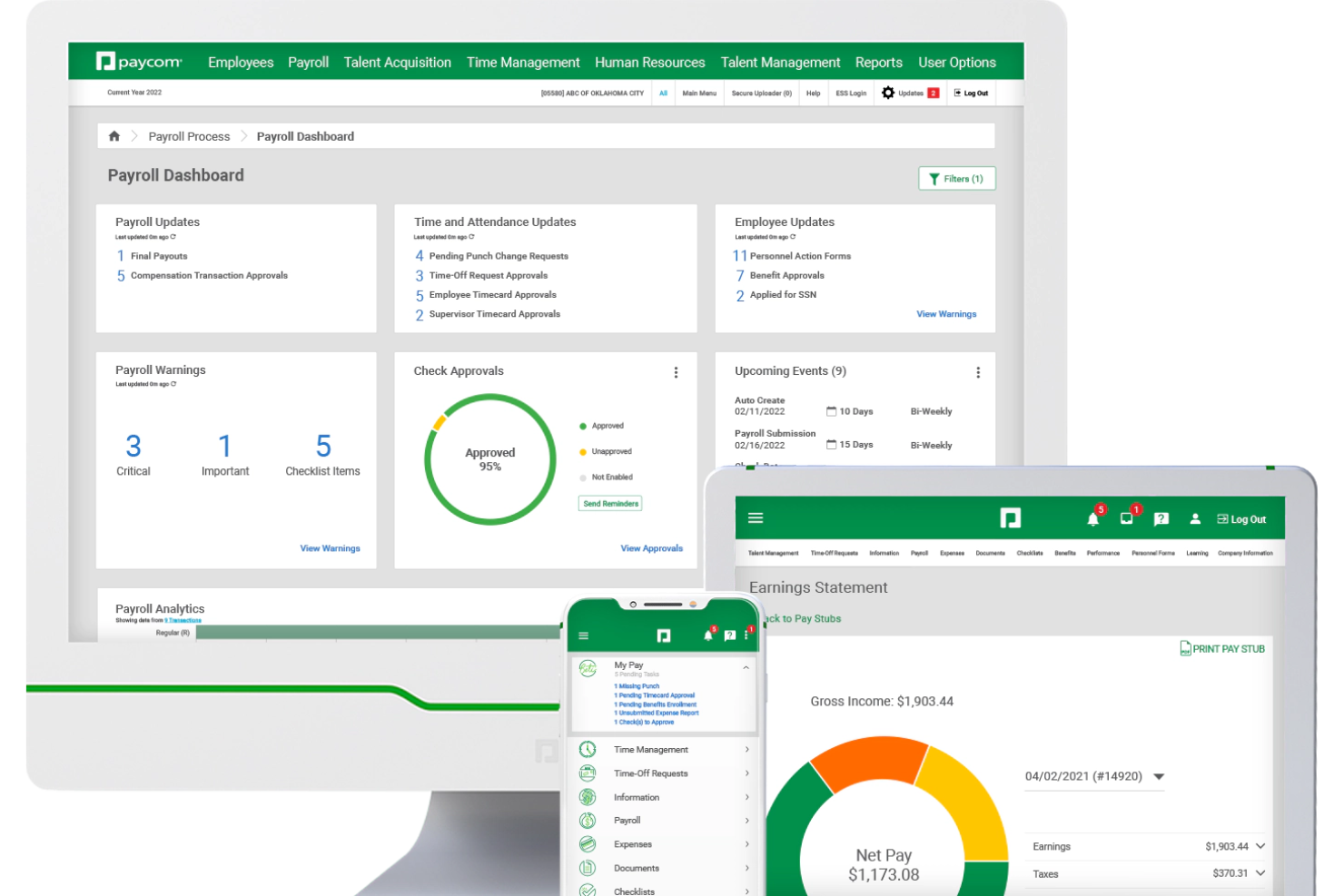
Paycom is a single-database HCM platform that covers payroll, HR management, talent acquisition, performance management, and time and labor tracking in one unified system.
Who Is Paycom Best For?
Paycom is a strong fit for mid-to-large U.S.-based organizations that want a single platform to manage their entire HR and payroll function without stitching together multiple systems.
Why I Picked Paycom
Paycom is one of my top picks because I love how far it takes employee self-service, especially with Beti, its employee-guided payroll tool. Beti self-starts each pay period, pulls live data from timecards and benefits, and then alerts employees to fix errors before payroll runs. Paired with GONE, which automates time-off request decisions entirely, Paycom hands a meaningful portion of HR administration directly to employees without requiring constant manager intervention.
Paycom Key Features
- Applicant tracking: Post jobs, manage candidates, and move applicants through a configurable hiring pipeline from a single interface.
- Benefits administration: Employees enroll in and manage their benefits directly within the platform, with eligibility rules and carrier connections built in.
- Performance management: Set goals, run review cycles, and collect multi-source feedback through structured, configurable review workflows.
- Direct Data Exchange: A reporting dashboard that tracks how actively employees and managers are using self-service features across the platform.
Paycom Integrations
The platform is built as a single-database HCM system, so it relies on its own built-in tools rather than offering a wide library of native integrations.
Pros and Cons
Pros:
- AI engine IWant surfaces data via natural language
- Employees self-manage updates, requests, and pay info
- Single database keeps all HR data unified
Cons:
- Account specialist turnover causes inconsistent support
- Custom reporting requires workarounds to configure
Deel HR
Best for mid-market global HR operations
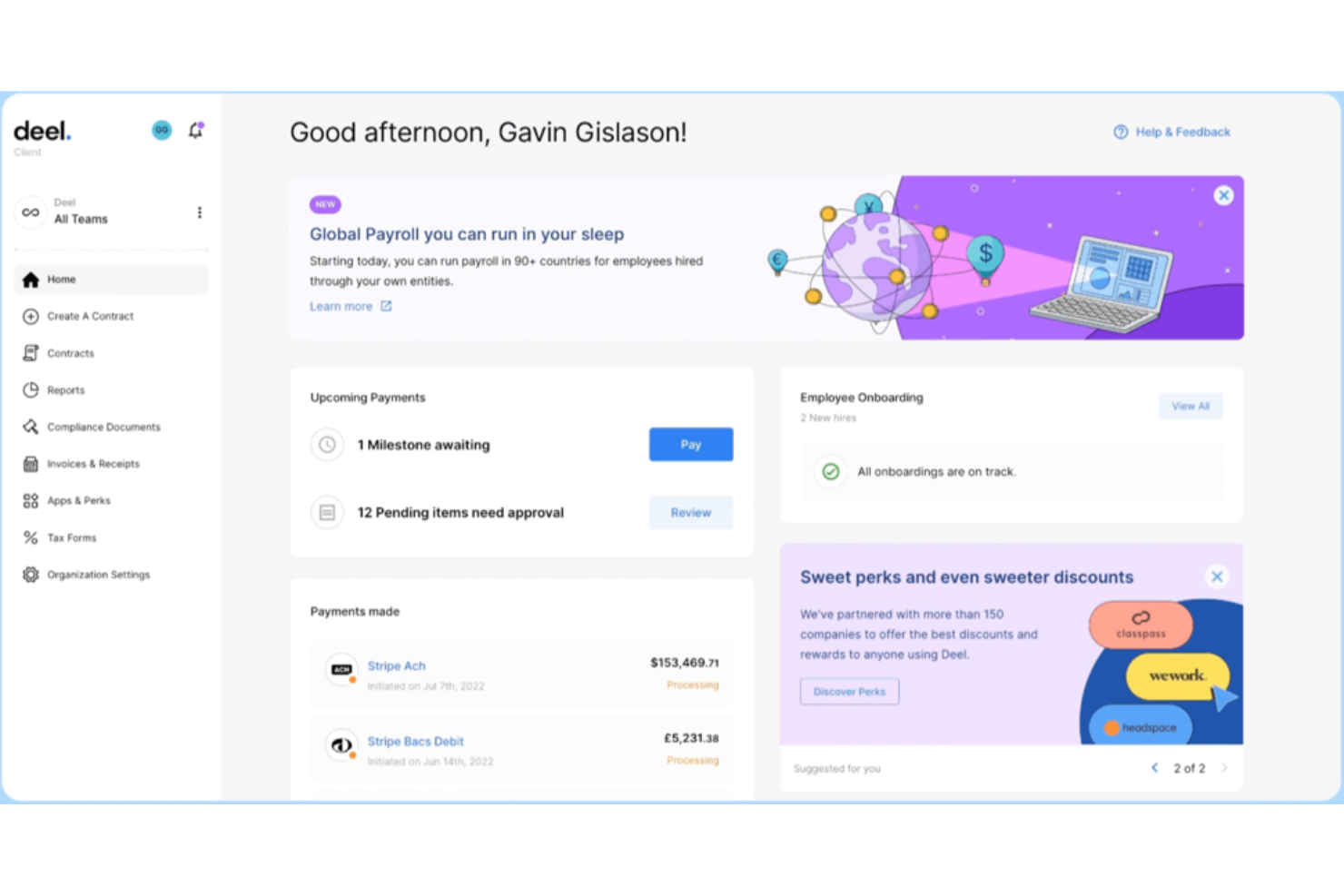
Deel is a global people platform that simplifies global payroll, compliance, and HR operations for businesses. It is best for global payroll and compliance management due to its comprehensive coverage in 150 countries and robust compliance features.
Why it's a good Workday alternative:
I chose Deel for this list because it excels in managing global payroll and compliance, areas where Workday may not be as specialized. Deel's ability to handle payroll, HR, and compliance for a global workforce makes it a strong contender for businesses with international teams.
Standout features and integrations:
Features include global payroll management, contractor management, equity management, and a comprehensive HRIS. It also provides performance tools, immigration support, and a compliance hub to keep track of global regulatory updates.
Integrations include QuickBooks, Xero, NetSuite, BambooHR, Greenhouse, Lever, Workable, Slack, Microsoft Teams, and Zapier.
Pros and Cons
Pros:
- Positive user reviews for ease of use and customer support
- Extensive global coverage with 120+ entities
- Comprehensive global payroll and compliance management
Cons:
- Limited to global payroll and compliance, may not cover all HR needs
- Higher starting price compared to some competitors
New Product Updates from Deel HR

Deel Expands Stablecoin Wallet to 80+ Countries
Deel expands its Stablecoin Wallet to 80+ countries with dollar-backed balances and optional rewards. This gives eligible contractors more ways to hold and manage earnings inside Deel. For more information, visit Deel’s official site.
 .
.
Best with integrated expense management tools
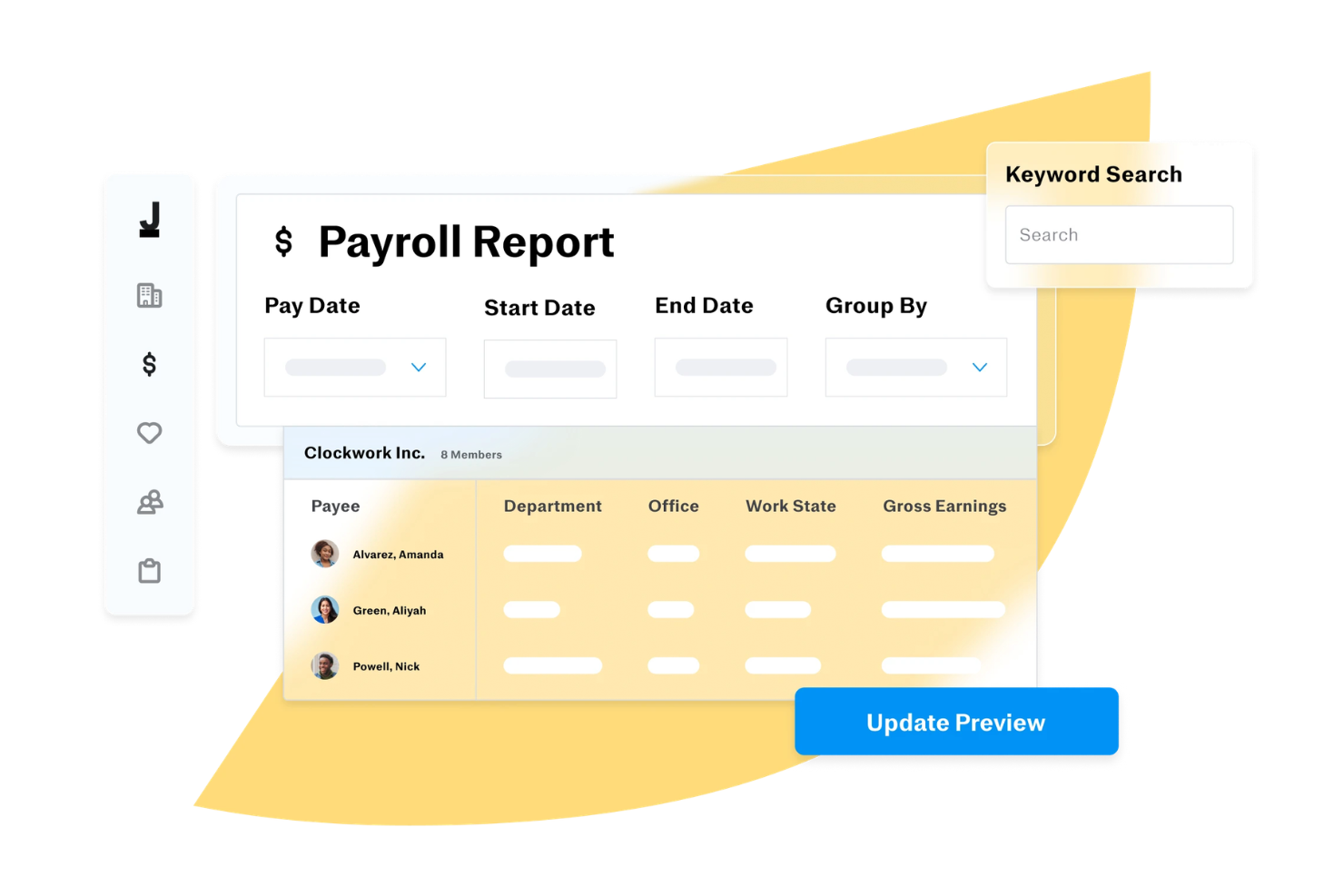
Justworks offers an all-in-one HR, payroll, and benefits platform designed for growing businesses that want to simplify people management. It’s especially useful for organizations looking to centralize payroll, compliance, and benefits administration in one place. If you need a solution that helps reduce manual HR tasks and keeps your business up to date with employment regulations, Justworks is worth considering.
Who Is Justworks Best For?
Justworks is a good fit for small to midsize businesses that want to outsource HR, payroll, and compliance management through a single platform.
Why I Picked Justworks
For businesses that want to manage expenses alongside payroll and HR, I picked Justworks because it offers integrated expense management tools. You can submit, approve, and track employee expenses directly within the platform, which helps keep all financial data in one place. I like that Justworks allows you to set custom approval workflows and attach receipts for better recordkeeping. This makes it a strong alternative to Workday for organizations that want to simplify expense tracking without relying on separate systems.
Justworks Key Services
Some other services that make Justworks a practical option for businesses seeking workday alternatives include:
- Benefits administration: Manage employee health, dental, vision, and retirement plans from a single dashboard.
- Automated payroll processing: Handle payroll runs, tax withholdings, and direct deposits for employees and contractors.
- Time off tracking: Monitor and approve PTO, sick leave, and vacation requests within the platform.
- HR document management: Store, organize, and share important HR documents securely with your team.
Justworks Target Industries
Biotech, Education, Finance, Healthcare, Hospitality, Manufacturing, Non-Profit, Professional Consulting, Professional Services, Restaurants & Food Services, Retail, Startups, Technology, and Travel & Leisure.
Justworks Specialties
Payroll Processing, Benefits Administration, HR Consulting, Compliance Support, Employee Onboarding, PEO (Professional Employer Organization), EOR (Employer of Record), Global Hiring, Risk Management, Time and Attendance Tracking, 401(k) Administration, Workers' Compensation, Tax Filings, People Analytics, andTalent Management.
Pros and Cons
Pros:
- 24/7 customer support on higher-tier plans
- Strong multi-state payroll and compliance support
- IRS-certified and ESAC-accredited for compliance
Cons:
- Integrations are limited compared to competitors
- Mobile app only available for US users
HiBob
Best with scenario-based workforce planning
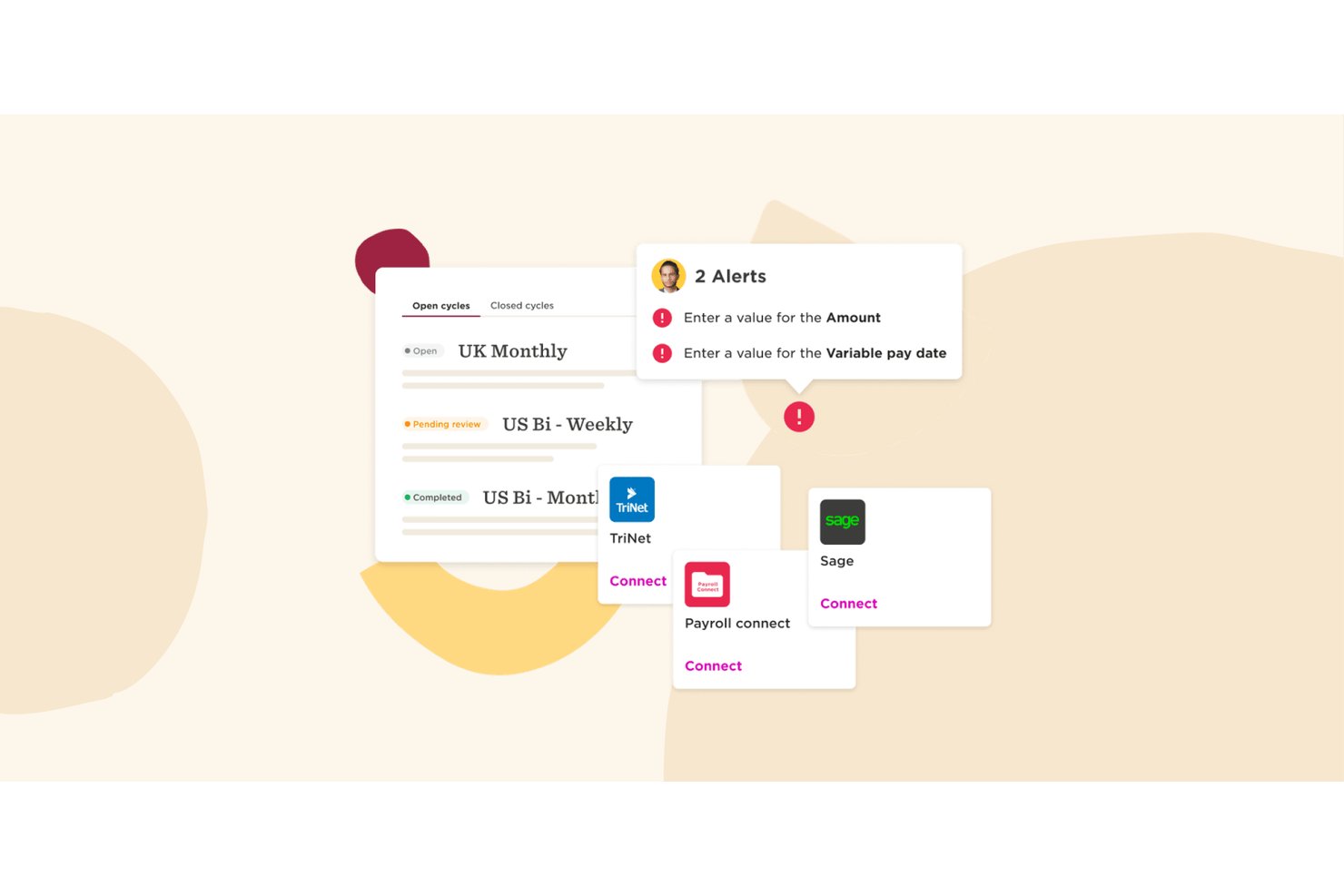
HiBob is a modern HCM platform that brings together core HR, payroll, talent management, workforce planning, and people analytics in a single system of record built for mid-market and scaling organizations.
Who Is HiBob Best For?
HiBob fits mid-market companies—typically between 100 and 5,000 employees—that are scaling fast and need an HRIS that can keep pace without a lengthy implementation.
Why I Picked HiBob
I picked HiBob as one of the best because its workforce planning module does something I haven't seen many mid-market HRISs pull off: a true sandbox for headcount scenario modeling. I can run side-by-side comparisons of org restructures, simulate attrition impact, and see real-time budget estimates before any headcount decision is finalized. The AI planning assistant layers on top, letting me query forecasts conversationally rather than building reports from scratch.
HiBob Key Features
- Configurable workflows: HR teams can tailor approval steps, onboarding, and lifecycle events using no-code tools.
- Embedded people analytics: Real-time dashboards and ad-hoc reporting are available across all modules.
- Mobile employee self-service: Employees can view payslips, request time off, and update profiles from the mobile app.
- Marketplace integrations: HiBob offers a growing library of plug-and-play integrations with ATS, payroll, and IT systems.
HiBob Integrations
HiBob offers native integrations with Slack, Microsoft 365, Google Workspace, Greenhouse, DocuSign, Okta, BambooHR, and ADP. An API is available for custom integrations.
Pros and Cons
Pros:
- Strong self-service tools for employees and managers
- Faster implementation compared to enterprise HCMs
- Scenario-based headcount planning built in natively
Cons:
- Report builder can feel restrictive for complex needs
- Native payroll limited to select countries

Best for core HR with employee engagement
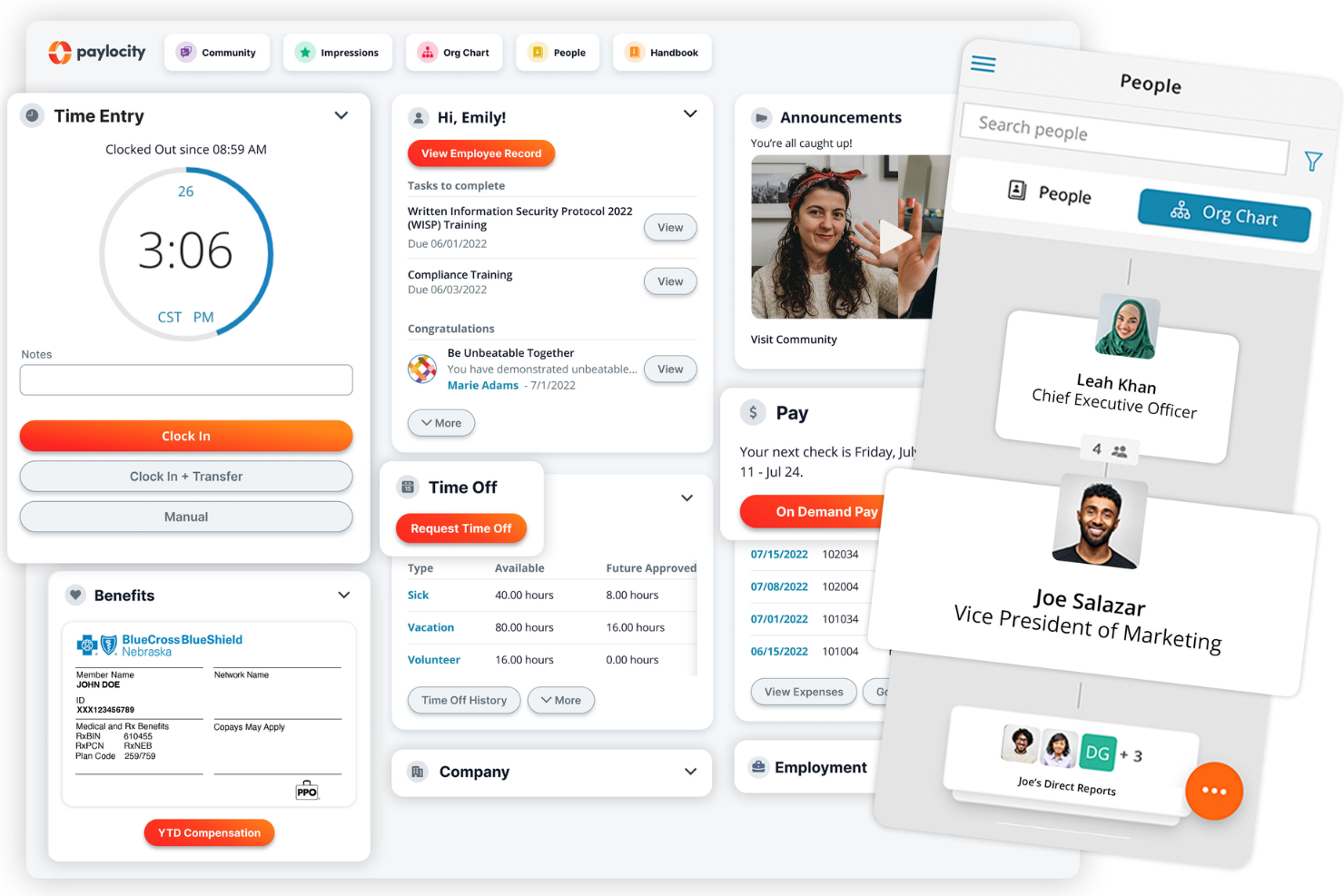
Paylocity is a cloud-based HR and payroll software that helps businesses manage their employee lifecycle. It offers a range of tools designed to simplify core HR processes, including payroll management, benefits administration, and employee self-service.
Why it's a good Workday alternative:
Paylocity stands out as a Workday alternative due to its strong focus on mid-market businesses and employee engagement. Unlike Workday, which has a heavier enterprise focus, Paylocity offers features like a community platform that encourages internal communication, collaboration, and feedback among your team. Paylocity also integrates peer-to-peer recognition and automated surveys to gauge employee sentiment.
Standout features and integrations:
Features include onboarding, workforce management, talent management, learning management, compliance, analytics, employee self-service, benefits administration, compensation management, time tracking, expense management, and performance reviews.
Integrations include QuickBooks, Xero, NetSuite, BambooHR, Greenhouse, Lever, Workable, Slack, Microsoft Teams, and Zapier.
Pros and Cons
Pros:
- Global payroll and on-demand payments
- Benefits and tax services
- Integrated talent and performance management
Cons:
- Setup can be time consuming
- Lacks support for independent contractor management
New Product Updates from Paylocity

Paylocity Expands Expense and Purchase Request Tools
Paylocity adds connected personal cards, smarter expense categorization, and a streamlined purchase request experience. This reduces manual entry and helps finance teams manage expenses and approvals more efficiently. For more information, visit Paylocity’s official site.
 .
.
Best as AI for business
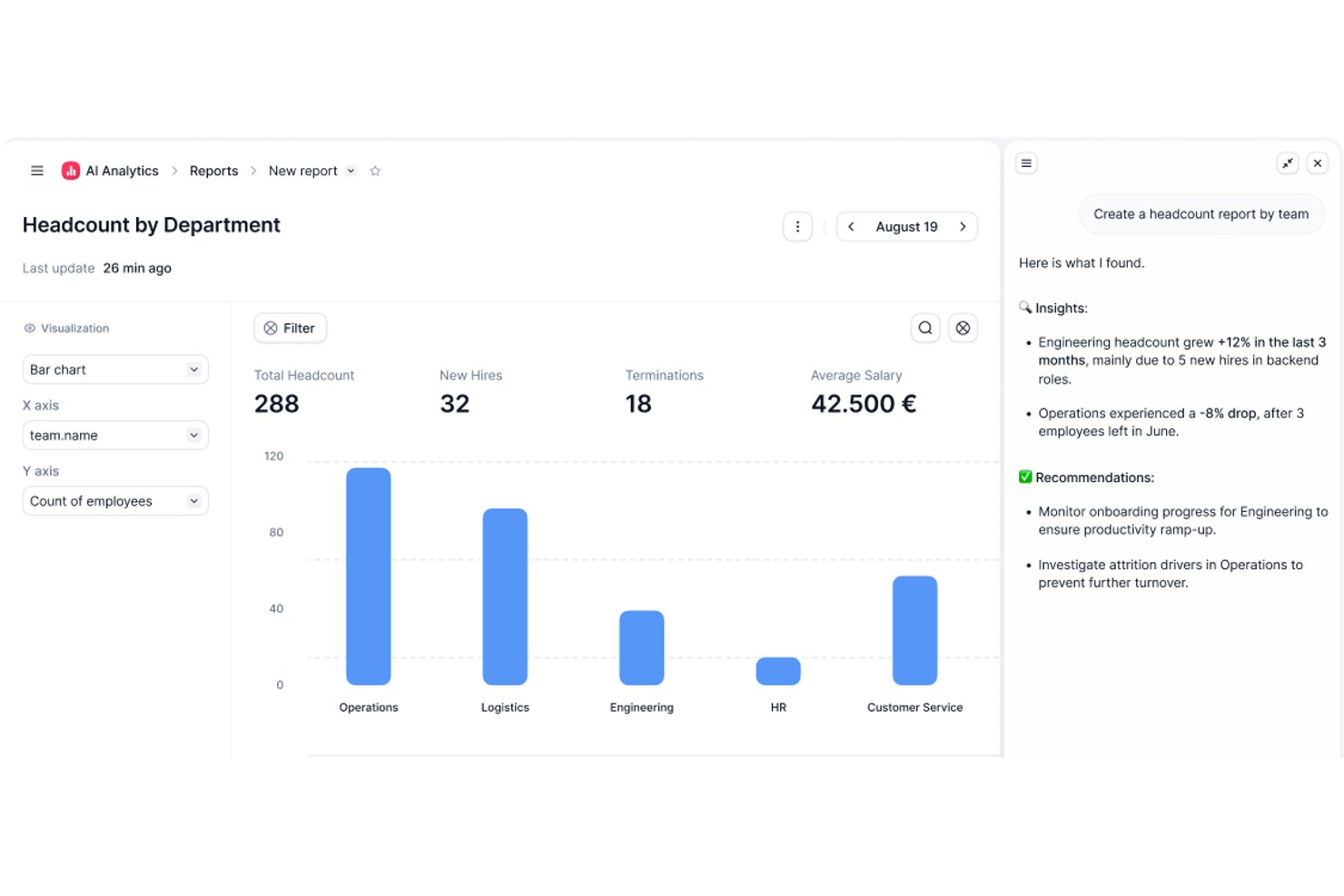
Factorial is an AI-driven HR and business operations platform that covers core HR, time tracking, recruitment, performance management, expense tracking, and workforce reporting across HR, finance, and IT functions.
Who Is Factorial Best For?
Factorial suits SMBs and mid-market teams that want a single AI-driven platform to handle HR, finance, and IT operations without the complexity or cost of an enterprise system like Workday.
Why I Picked Factorial
I picked Factorial as one of the best because its "AI for business" positioning goes well beyond HR. Where Workday requires dedicated admin teams to pull reports or answer policy questions, Factorial's AI agent handles those tasks directly—drafting timetables, generating reports from live company data, and responding to employee policy questions on the spot. I'm especially impressed by the AI payroll anomaly detection, which flags issues before a pay run rather than after.
Factorial Key Features
- 360-degree performance reviews: Run structured review cycles that capture feedback from peers, managers, and direct reports in one place.
- Multi-entity management: Create and manage multiple legal entities within a single Factorial account for centralized workforce oversight.
- Shift scheduling: Build automated, bulk, and rotating shift schedules to cover complex staffing needs across teams.
- SaaS license management: Track software access, identify unused licenses, and deprovision accounts automatically during offboarding.
Factorial Integrations
Factorial offers hundreds of marketplace integrations, including Microsoft Business Central, SAP Business One, Sage, Okta, Microsoft Power BI, and Recruitee. It also provides a public API, webhooks, SDKs, and Zapier.
Pros and Cons
Pros:
- Reviews, competencies, and engagement share one platform
- Employee self-service reduces routine HR requests
- AI drafts reports and answers policy questions
Cons:
- Custom reporting depth trails larger HCM platforms
- Complex payroll still needs external tools or checks

Aeqium
Best for complex business compensation planning
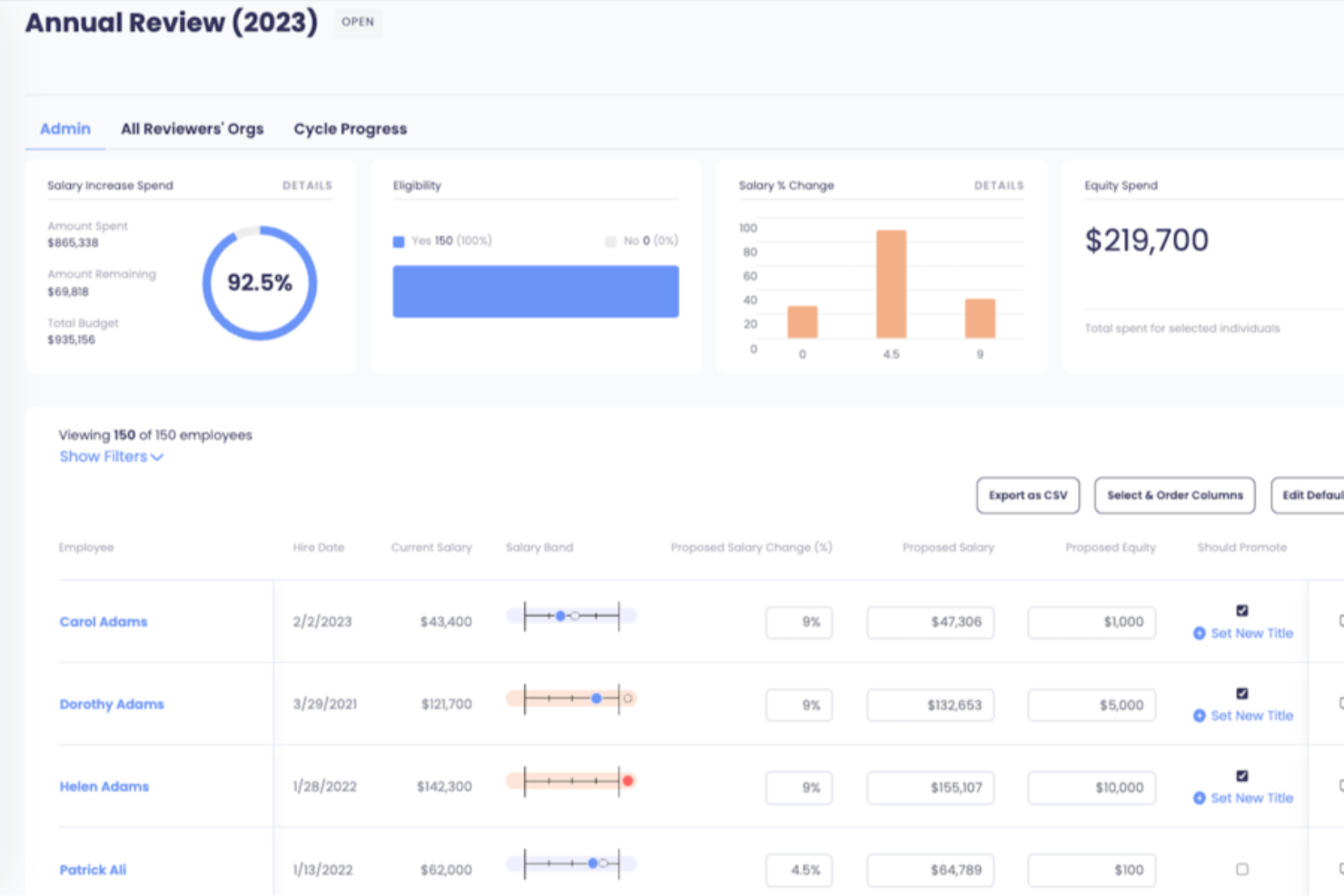
Aeqium is a compensation planning software that helps complex organizations manage and optimize their compensation strategies.
Why it's a good Workday alternative:
I picked Aeqium because it focuses specifically on compensation management with a level of customization and clarity that larger platforms often lack. While Workday offers broad HR functionality and some compensation management features, Aeqium gives your team precise control over compensation cycles, letting you manage raises, bonuses, and long-term incentives through flexible workflows and built-in rules. It also offers compensation bands to support pay transparency and equity. For companies looking to improve compensation planning without overhauling their entire HR stack, Aeqium offers targeted tools that go deeper into this core area.
Standout features and integrations:
Features include compensation history tracking, pay equity analysis, cycle progress monitoring, custom compensation reports, real-time data integration, budget management tools, performance-based pay alignment, compliance tracking, salary benchmarking, equity grant management, total rewards statements, and off-cycle pay adjustments.
Integrations include ADP Workforce Now, BambooHR, Gusto, Justworks, Paylocity, Quickbooks, Run Powered by ADP, and DocuSign.
Pros and Cons
Pros:
- Flexibility in configuring pay bands
- Customizable templates for offer letters
- Pay equity modeling tools
Cons:
- No built-in ATS or recruiting tie-ins
- Limited HR functions beyond compensation
Best for small businesses

RUN by ADP is a payroll and HR solution tailored for small businesses with fewer than 50 employees. It offers features such as payroll processing, tax filing, benefits administration, and HR support to simplify business operations.
Why it's a good Workday alternative:
RUN by ADP is a strong Workday alternative, particularly for small businesses. Unlike Workday, which offers extensive enterprise-level features that can be overwhelming for smaller operations, RUN by ADP focuses on simplicity and ease of use with its intuitive platform. It provides essential tools such as automated payroll processing, tax filing, and compliance support. Additionally, the platform offers integration with other ADP services.
Standout features and integrations
Features include direct deposit, an employee self-service portal, HR compliance support, time and attendance tracking, garnishment payment services, new hire reporting, retirement plan services, workers' compensation management, payroll and tax reports, and mobile app access.
Integrations include Quickbooks, Wave, Xero, ClockShark, Points North, TruSaic, Compy, Wex, Synerion, JazzHR, 7Shifts, Snappy Gifts, Absorb LMS, SmartRecruiters, and hundreds more.
Pros and Cons
Pros:
- Employee self-service portal
- Robust mobile app
- Customizable reporting options
Cons:
- Setup can be complex initially
- Most HR functions are only available on higher-tier plans

TimeTrex
Best for flexible time tracking and payroll

TimeTrex is a powerful workforce management software that caters to businesses of all sizes, offering a comprehensive suite of tools for time tracking, attendance, payroll, and HR management.
Why it's a good Workday alternative:
While both TimeTrex and Workday offer robust workforce management features, TimeTrex excels in providing a more tailored experience, allowing businesses to customize their time tracking and payroll processes extensively. This flexibility, coupled with features like biometric time clocks and GPS tracking, makes TimeTrex a practical choice for organizations that require specific functionalities without the complexity associated with Workday.
Standout features and integrations:
Features include automated scheduling, customizable pay rules, job costing, employee self-service portals, absence management, real-time reporting, overtime tracking, accrual management, leave management, and multi-language support.
Integrations include QuickBooks, Sage, ADP, Paychex, Xero, Microsoft Excel, Google Workspace, Dropbox, and LDAP.
Pros and Cons
Pros:
- Automated payroll and tax calculations
- Robust reporting capabilities
- Advanced time tracking and work scheduling
Cons:
- Can be difficult to find certain features within the platform
- Outdated user interface
New Product Updates from TimeTrex
TimeTrex Adds Quick Punch App With Offline and QR Support
TimeTrex adds a new Quick Punch app, offline punching, QR code scanning, punch images, configurable messages, and punch warnings or lockouts to improve employee clock-ins across browsers and local computers. For more information, visit TimeTrex’s official site.
 .
.
Best for AI-driven talent management
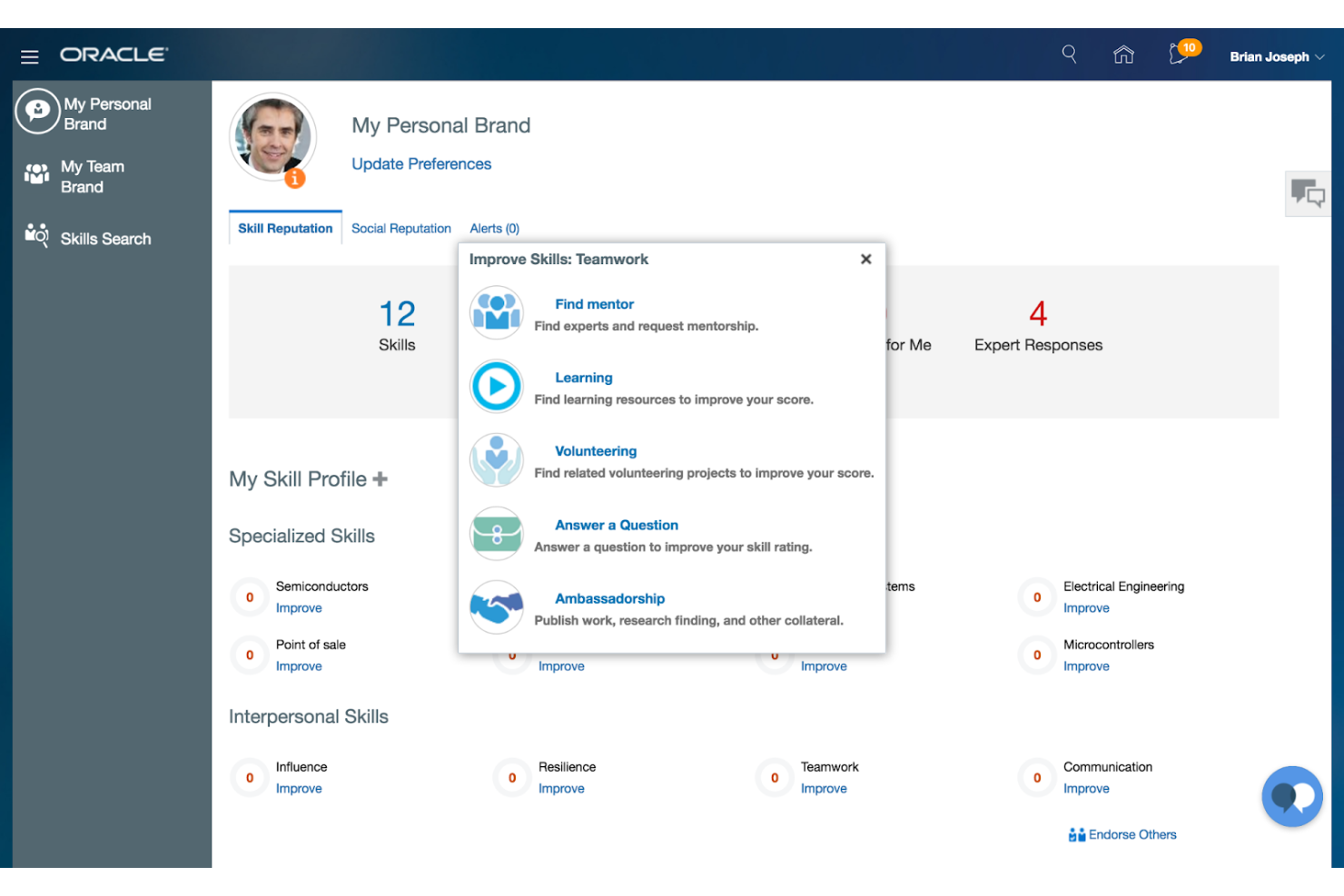
Oracle HCM is a comprehensive cloud-based human capital management solution that leverages AI to enhance HR and talent management processes. It is best for organizations looking to integrate AI-driven insights into their HR operations to improve employee experiences and workforce performance.
Why it's a good Workday alternative:
I chose Oracle HCM for this list because it offers a robust AI-embedded infrastructure that can transform HR processes. Its comprehensive suite of tools and single data model makes it a strong contender against Workday, especially for organizations seeking advanced analytics and AI capabilities to boost employee engagement.
Standout features and integrations:
Features include AI-driven talent management, comprehensive workforce management, and global payroll solutions.
Integrations include Oracle ERP, Oracle SCM, Oracle CX, Oracle Analytics Cloud, Microsoft Office 365, LinkedIn, Slack, Zoom, SAP SuccessFactors, and Workday.
Pros and Cons
Pros:
- Extensive integration options
- Strong global payroll capabilities
- Comprehensive AI-driven HR solutions
Cons:
- Complex pricing structure
- High minimum seat requirement
Other Workday Alternatives
Below is a list of additional Workday alternatives that we shortlisted, but did not make it to the top list. It’s definitely worth checking them out.
- UKG Ready
For comprehensive workforce management
- ADP
For diverse payroll and HR services
- Rippling HCM
For integrated HR management
- Oyster
For managing global teams
- Collage
For Canadian HR integration
- Rippling
For integrating HR, IT, and finance
- BambooHR®
For intuitive HR data management
- Rise
For employee-focused HR software
- Workable
For streamlined recruitment processes
- Sage HR
For small to medium-sized businesses
- Gusto
For comprehensive small business payroll
- Eddy
For small business HR needs


Related HR Software Reviews
If you still haven't found what you're looking for here, check out these other related tools that we've tested and evaluated:
- HR Software
- Payroll Software
- Recruiting Software
- Employer of Record Services
- Applicant Tracking Systems
- Workforce Management Software
How I Evaluate Workday Competitors
I evaluate Workday competitors in two layers: the baseline HCM capabilities—core HR, payroll, and talent—every platform must have, and the differentiators that separate a good fit from a great one.
Core Functionality (Table Stakes For This List)
When I'm selecting tools for my list, I rank each one on a scale from 0 (does not offer the functionality) to 5 (excels in this area) for each core functionality listed below. Then, I calculate the tool's total score into a percentage. Each tool needs to achieve a minimum total score of 75% to be considered for inclusion.
- Core HR System: I look for a true system of record—org charts, position management, and effective-dated changes that track every employee move across entities.
- Payroll Management: Multi-country payroll matters here, so I check whether a platform handles tax calculations natively or relies on third-party connectors.
- Talent Management: Recruiting, onboarding, performance, and learning should live in one suite—I evaluate how tightly these modules share data and workflows.
- Benefits Administration: Enrollment workflows, carrier feed support, and life event handling (like adding a new dependent) all factor into how I evaluate this area.
- Time & Absence Management: Scheduling, time entry, and leave policies need to work together—I check for configurable accrual rules and manager approval workflows.
- Workforce Analytics & Reporting: Beyond canned reports, I look for ad-hoc query builders, cross-module dashboards, and the ability to surface trends like turnover risk.
Once I have a list of tools that meet this criteria, I consider what sets each platform apart.
Differentiating Factors (What Sets Vendors Apart)
Here's how I compare and contrast different vendors:
Standout Features
I pay close attention to configurable workflows—HR teams that can build their own approval chains and lifecycle events without filing IT tickets move faster. A global compliance engine also matters, especially when your org operates across multiple regions and needs localized labor law libraries baked in. I also evaluate each platform's API framework and partner marketplace, since most HR teams need their HCM to connect with existing ERP, finance, or identity management systems.
Beyond Features
Implementation timelines vary widely across HCM platforms—some take months, others over a year—so I check whether a vendor offers phased rollout options and migration tooling that fit your team's capacity. Total cost of ownership is another big factor. Per-employee-per-month pricing looks simple until you add module fees and implementation costs. I also evaluate business size fit, since a platform built for 10,000-employee enterprises often isn't the right choice for a 200-person company, even if it checks every feature box.
Why Look for a Workday Alternative
You might be looking for an alternative to Workday for various reasons, including:
- Cost: Workday's pricing may be too high for your budget.
- Complexity: The system might be too complicated for your needs.
- Customization: You require more customization options than Workday offers.
- Integration: You require integrations with other software that Workday does not support.
- Support: The level of customer service and support provided by Workday is not satisfactory.
Alternatives to Workday can provide more affordable pricing, simpler interfaces, greater customization, better integration capabilities, and more responsive support to address some of the limitations you might face with Workday.
Features to Look for in a Workday Alternative
Key Services of Workday Alternatives
When selecting Workday alternatives, keep an eye out for the following key features:
- Personal information management: Alternatives to Workday should allow employees to easily update personal details such as home addresses, phone numbers, emergency contacts, and other essential profile data. This supports clean, accurate employee records across the system.
- Benefits administration: Strong platforms provide tools to manage open enrollment, modify benefit elections, and update dependents and beneficiaries. This ensures employees remain in full control of their benefits while reducing administrative overhead.
- Payslips and tax documents: Employees should be able to access current and historical payslips, withholdings, tax forms, and payment details. Reliable alternatives also allow users to update direct deposit information and view deductions transparently.
- Timesheets: Workday alternatives must support standardized timesheet entry for hourly, non-exempt, and student employees. This includes logging hours worked, tracking regular and overtime hours, and integrating time automatically into payroll.
- Expense management: Look for platforms that streamline reimbursement workflows with digital receipt uploads, approval routing, and real-time status tracking. Faster, more transparent expense processes reduce friction for both employees and finance teams.
- Interactive org charts: Workday alternatives should offer dynamic organization charts so employees can quickly understand team structures, reporting lines, and cross-department relationships.
- Time off management: Users should be able to request and manage vacation, sick leave, and personal days within the system. Automated approval workflows help managers stay organized and ensure accurate PTO tracking.
- Performance reviews: Platforms should include review cycles, feedback tools, goal-setting features, and progress tracking. These capabilities help managers evaluate performance consistently and guide employee development.
- Recruiting: A strong applicant tracking system (ATS) supports sourcing candidates, screening applications, scheduling interviews, and guiding them through the hiring funnel. This keeps hiring efficient and organized from start to finish.
- Analytics and reporting: Workday alternatives should offer dashboards and robust reporting tools that provide insights into employee performance, workforce trends, turnover, compensation, and more — helping leaders make informed decisions.
Common Workday Alternative AI Features
Many Workday competitors now incorporate AI to enhance efficiency, accuracy, and user experience, for example:
- AI-driven candidate matching: AI reviews resumes and matches applicants to job descriptions automatically, highlighting top-fit candidates to speed up the hiring process.
- Predictive performance insights: AI analyzes attendance trends, peer feedback, engagement data, and review history to predict employee performance patterns and identify at-risk individuals.
- Smart benefits recommendations: AI helps employees choose optimal benefits based on life events, cost comparisons, and usage patterns — reducing confusion during open enrollment.
- Automated expense categorization: AI reads uploaded receipts, categorizes expenses, flags mismatches, and accelerates reimbursement workflows.
- Natural language profile updates: Employees can update personal information or request HR actions through conversational AI, simplifying self-service tasks.
- AI-powered PTO forecasting: AI predicts staffing gaps, peak vacation periods, and optimal scheduling windows to help managers plan time-off approvals fairly and efficiently.
- Automated payroll and timesheet verification: AI detects anomalies such as missed punches, duplicate hours, incorrect pay codes, or suspicious overtime patterns before payroll runs.
- Sentiment analysis and engagement tracking: AI interprets survey feedback, recognition activity, and communication patterns to surface morale insights and guide culture improvements.
- Advanced workforce analytics: AI uncovers patterns in turnover, performance, hiring cycles, compensation equity, and employee development to support strategic HR decisions.