

10 Best Airtable Alternatives in 2026

Best Airtable Alternatives Shortlist


The best Airtable alternatives give your HR team flexible databases, secure workflow automation, and easy onboarding without complex IT setup. If you’re searching for Airtable alternatives, you likely need task management software that supports data privacy, unlimited team access, and customizable people operations—without forcing your process into a box.
This guide focuses on tools I’d actually use for HR projects, comparing options that fit your real needs around compliance, collaboration, custom dashboards, and scaling your team’s work. You’ll leave knowing which platforms are built for HR realities and how to pick one that meets your goals for 2026 and beyond.
What is Airtable?
Airtable is a cloud-based platform that combines spreadsheet and database features to help teams organize, track, and manage data-driven projects. It lets you create custom workflows, onboarding checklists, and HR dashboards without coding. HR professionals use Airtable to store employee data, collaborate on tasks, automate routine processes, and support people operations—all while tailoring the workspace to fit evolving HR needs.
Airtable Alternatives Comparison Table
Compare pricing and specs, side by side, for the Airtable alternatives that made it onto my shortlist.
| Tool | Best For | Trial Info | Price | ||
|---|---|---|---|---|---|
| 1 | Best for AI-built portals from a prompt | Free plan + free demo available | From $19/month (billed annually) | Website | |
| 2 | Best for HR apps with unlimited user access | 14-day free trial | From $19/month | Website | |
| 3 | Best for Airtable migration with EU data residency | Free plan available | From €7/user/month (billed annually) | Website | |
| 4 | Best for flat-rate database with unlimited users | 14-day free trial + free demo available | From $42/month (billed annually) | Website | |
| 5 | Best for HR databases bundled with suite chat | Free plan available | From $6/user/month (billed annually) | Website | |
| 6 | Best for docs-and-database builds | Free plan available | From $12/user/month (billed annually) | Website | |
| 7 | Best for open-source data with no lock-in | Free plan available | From $10/user/month (billed annually) | Website | |
| 8 | Best for docs-and-database workspaces | Free plan + free demo available | From $10/user/month (billed annually) | Website | |
| 9 | Best for app-based HR with Deluge scripting | 15-day free trial | From $8/user/month (billed annually) | Website | |
| 10 | Best for open-source data with no seat cap | Free plan available | From $12/user/month (billed annually) | Website |
Why Trust Our Software Recommendations
Our team has been testing and reviewing software since 2012. As HR experts ourselves, we know how difficult—and important—it is to choose the right software.
For this guide, we evaluated tools using hands-on testing and independent research, scoring tools using our selection criteria. We also draw on insights from industry thought leaders and practicing HR experts.
Our reviews reflect our human editorial judgment, not a sales pitch.
Expert reviewers:
Best Airtable Alternatives Reviews
Below are my detailed summaries of the best Airtable alternatives that made it onto my shortlist. My reviews offer a detailed look at the features, best use cases, and capabilities of each platform to help you find the best one for you.

Softr
Best for AI-built portals from a prompt
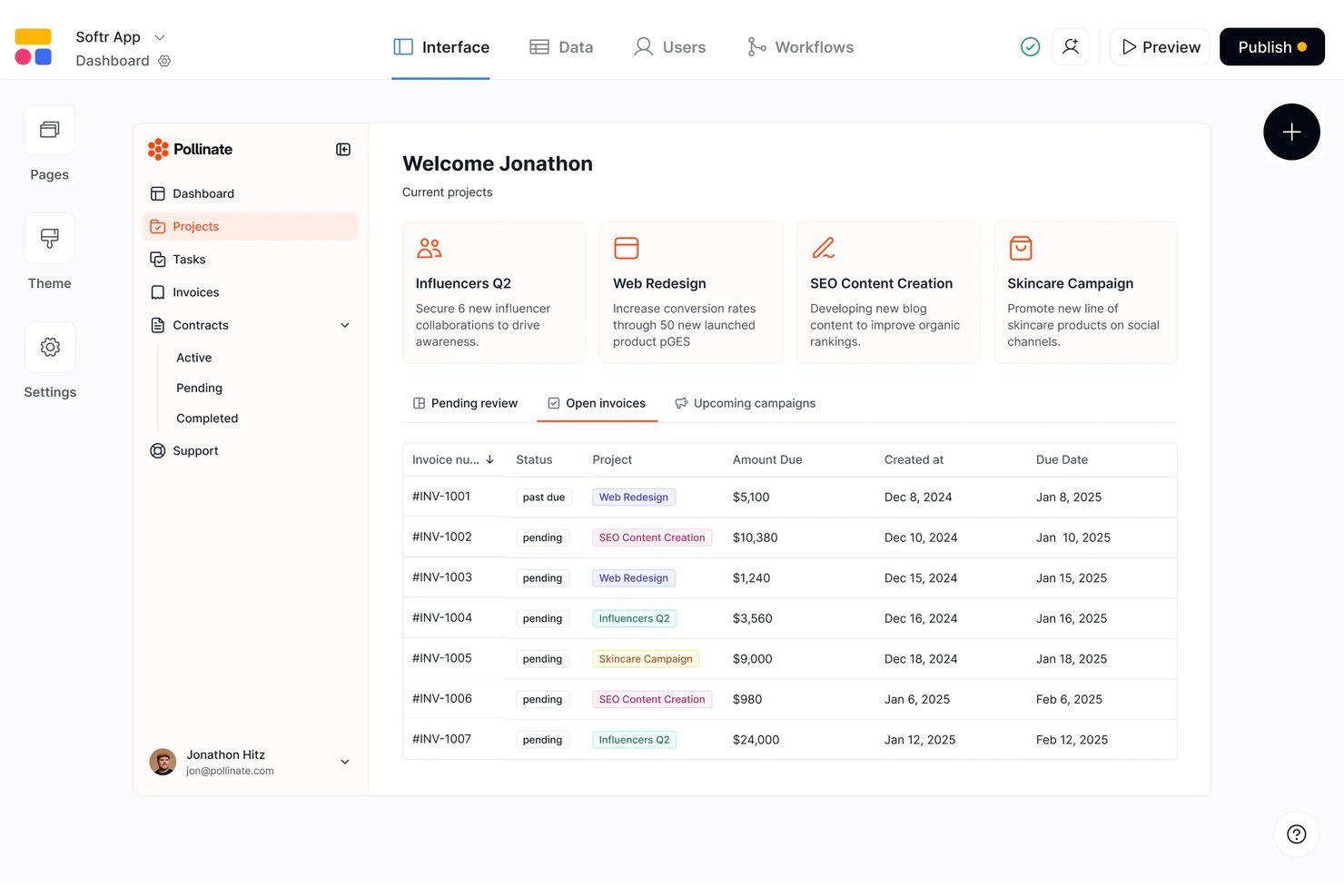
Softr gives teams in any industry a way to quickly turn data into custom portals, internal tools, or client-facing solutions without code, appealing to those who want flexibility beyond traditional task management platforms.
Who Is Softr Best For?
Softr is a fit for HR teams and business units that need to create tailored internal tools or self-serve portals without involving developers.
Why Softr Is a Good Airtable Alternative
I picked Softr as one of the best because I can use AI prompts to transform my team's data into custom portals for HR and business needs. My experience with Softr’s template library and built-in data integration features means I can quickly create internal tools or client-facing platforms without coding or IT support.
Softr Key Features
- Drag-and-drop builder: Build portals and apps visually using a no-code interface with flexible page elements.
- User access controls: Set custom permissions to manage which users or groups can view and edit data.
- Integrated database options: Connect data sources like Airtable, Google Sheets, or internal tables to power your tools.
- Pre-built templates: Start quickly with ready-made templates for common workflows and use cases.
Softr Integrations
Softr offers native integrations with Airtable, Google Sheets, HubSpot, Mailchimp, Stripe, and Google Analytics, and it connects with Zapier. An API is available for custom integrations.
Pros and Cons
Pros:
- User access controls for internal or client tools
- Drag-and-drop builder with HR-focused templates
- AI prompt can build portals from data
Cons:
- App performance can slow with large datasets
- Workflow automation less advanced than Airtable

Knack
Best for HR apps with unlimited user access
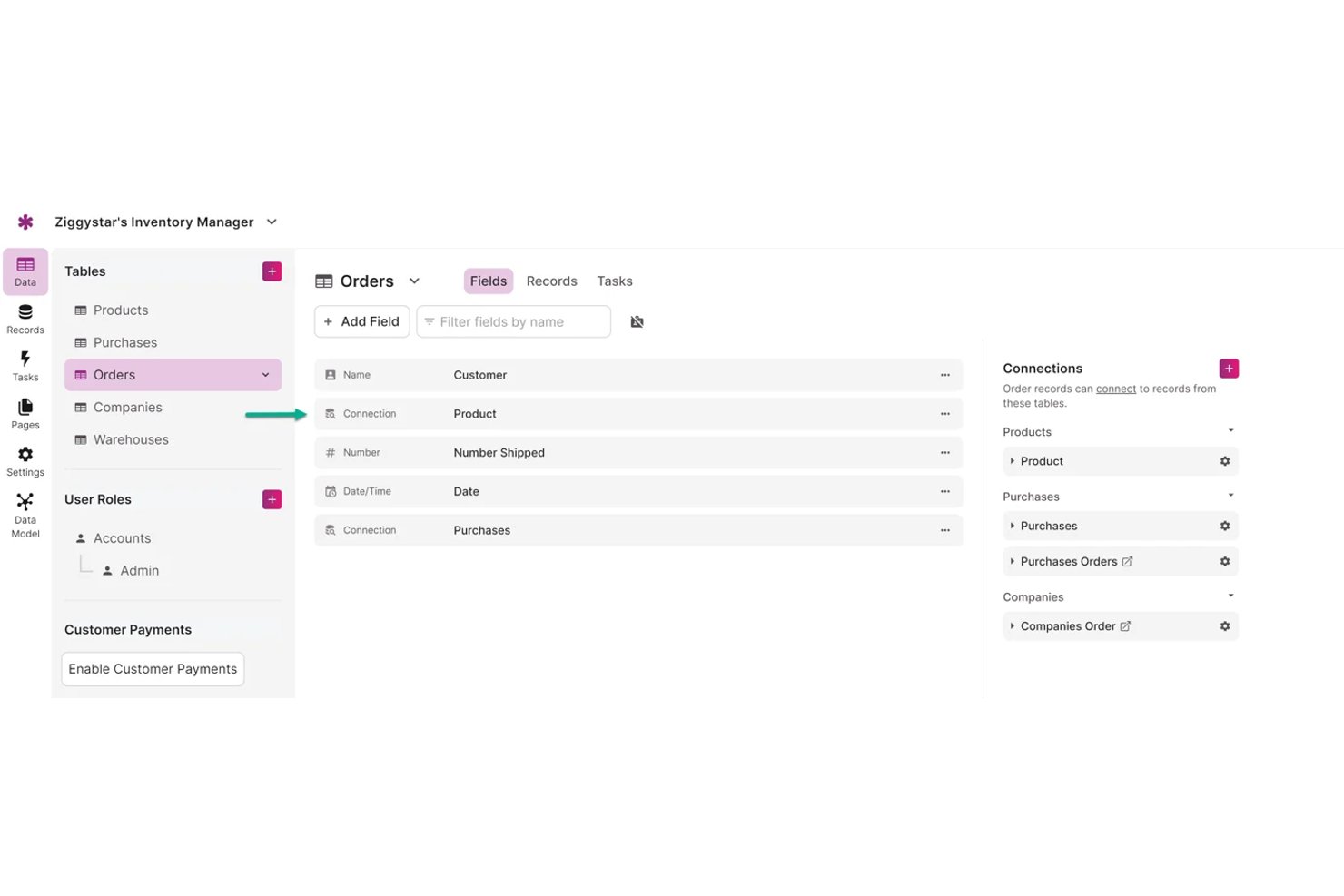
Knack is a no-code platform designed for HR teams who want to build custom apps to manage workflows, automate tasks, and handle employee data without needing developer resources.
Who Is Knack Best For?
Knack is a good fit for HR teams at growing organizations that want to build custom internal apps without coding.
Why Knack Is a Good Airtable Alternative
I picked Knack as a top Airtable alternative because my team can build unlimited custom HR apps and give access to as many users as we need. We use Knack’s visual app builder to automate HR workflows and manage employee data in a way that adapts to our processes—without limits on team size or access.
Knack Key Features
- Drag-and-drop interface: Build custom database apps by dragging and dropping elements onto your workspace.
- Custom data fields: Set up fields for dates, text, numbers, images, or files to organize employee data and processes.
- User roles and permissions: Assign different access levels to control who can view or edit specific app sections.
- Integration with third-party apps: Connect with tools like Zapier to automate HR processes and move data between systems.
Knack Integrations
Knack offers native integrations with Zapier and Make, allowing you to connect with hundreds of external apps. It also provides an API for custom integrations.
Pros and Cons
Pros:
- Visual interface for custom workflow automation
- Flexible database-style app builder for HR teams
- Unlimited users included on all plans
Cons:
- No built-in analytics or reporting dashboards
- Limited template options for common HR processes
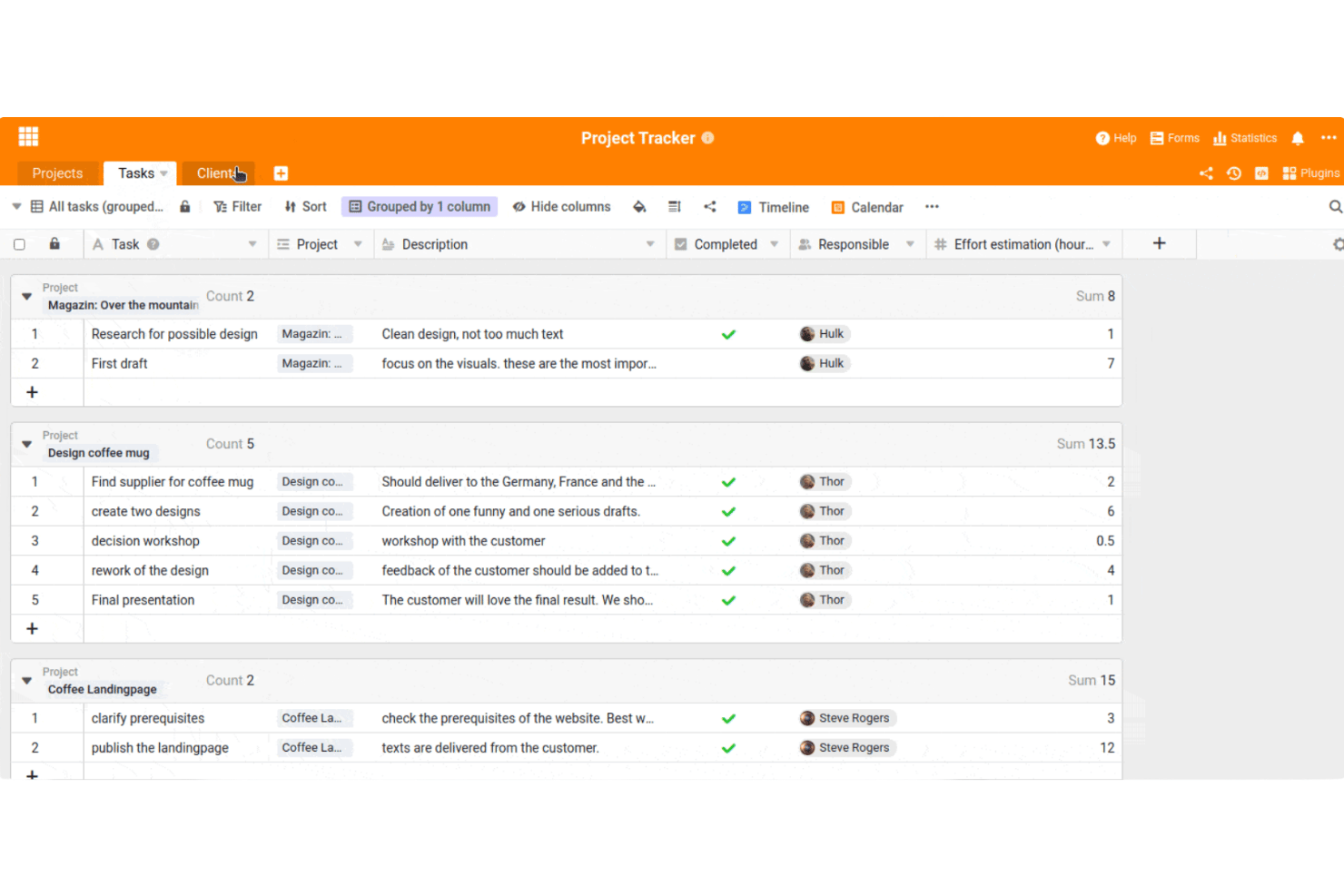
SeaTable offers a spreadsheet-style workspace designed for teams who want flexible task management, data organization, and custom workflows without coding or vendor lock-in. You’ll find it especially useful if your projects move between tables, databases, and collaborative processes.
Who Is SeaTable Best For?
SeaTable is a good fit for teams in Europe who need flexible, no-code data collaboration with strict EU data residency compliance.
Why SeaTable Is a Good Airtable Alternative
I picked SeaTable as one of the best because it lets my team move databases from Airtable quickly while meeting strict EU data residency needs. I use its flexible tables and strong access controls to manage data collaboration for projects that can't leave Europe. The no-code workflow builder saves us time as requirements change.
SeaTable Key Features
- Automation builder: Set up rule-based triggers to automate routine tasks and notifications across your tables.
- Customizable views: Switch between grid, gallery, kanban, and calendar views to organize and display your data how you want.
- Form designer: Create and share forms to collect information directly into your SeaTable base with customizable layouts and logic.
- Granular permissions: Assign detailed user roles and permissions for each table, view, or record to control access within your team.
SeaTable Integrations
SeaTable offers native integrations with Microsoft 365, Google Workspace, Slack, Jira, and Dropbox. It provides an API for custom integrations and supports integration through Zapier.
Pros and Cons
Pros:
- Flexible permission controls for complex teams
- Fast Airtable database import and migration
- EU data residency guarantees GDPR compliance
Cons:
- Limited mobile functionality compared to Airtable
- Interface translations occasionally incomplete
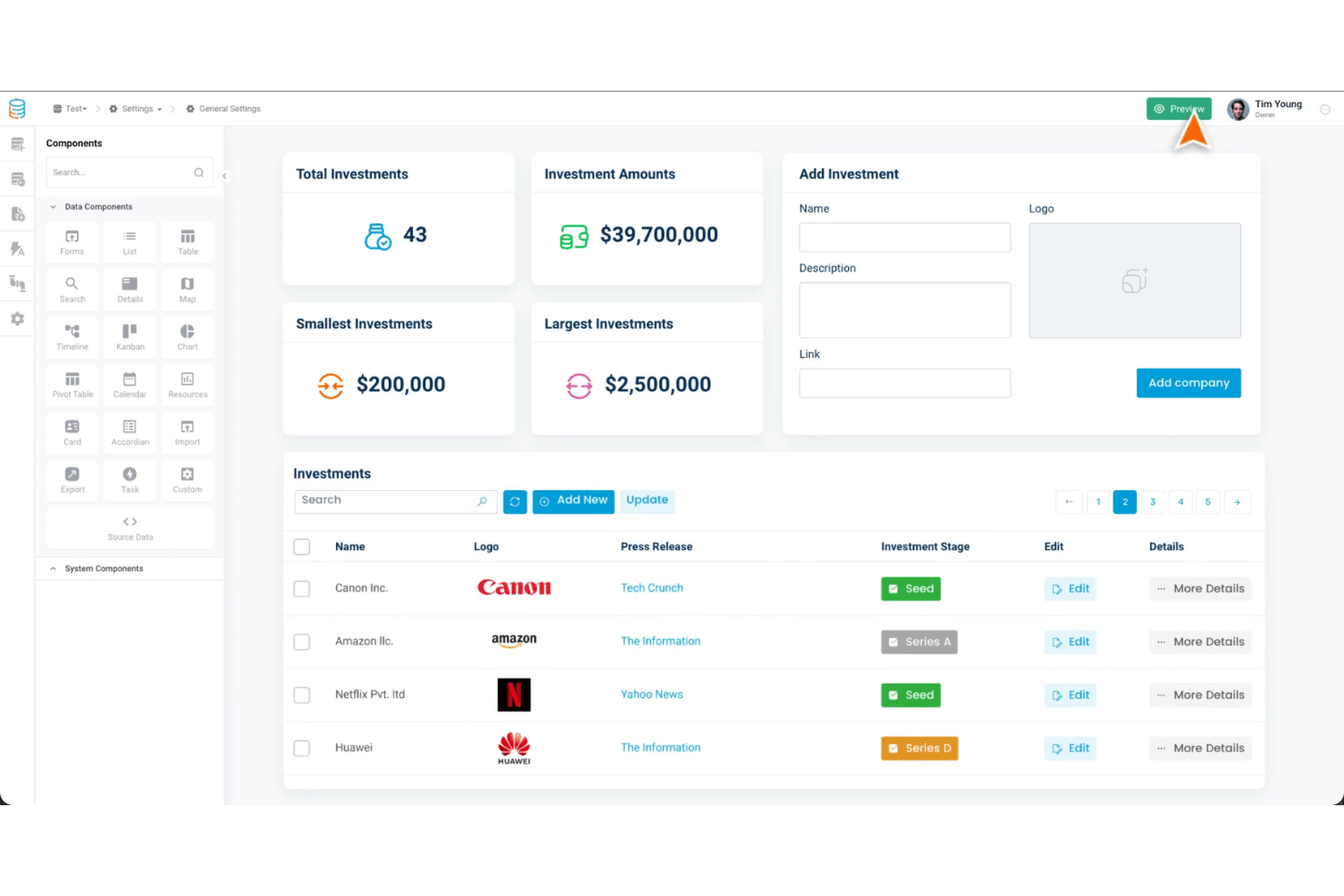
Tadabase is a no-code database platform designed for organizations that want to build custom task management tools and automate workflows without needing a developer. It’s a fit for operations teams, project leaders, and anyone looking to centralize complex processes.
Who Is Tadabase Best For?
Tadabase suits operations teams or project leads who want to build custom apps for task management and workflow automation without coding expertise.
Why Tadabase Is a Good Airtable Alternative
I picked Tadabase because I like how it delivers a flat-rate database that truly supports unlimited users, which makes budgeting simpler for growing project teams. My team is able to build custom task management apps and automate workflow steps, all without having to touch code or hit user limits.
Tadabase Key Features
- Visual app builder: Create custom task management workflows with drag-and-drop components and real-time previews.
- Custom roles and permissions: Set granular access levels for users, records, and data views to control how your team interacts with information.
- Automated process triggers: Build rules to automate task assignments, notifications, and status updates based on activity or field changes.
- Data integration connectors: Connect with external data sources and push updates to apps using built-in integrations and APIs.
Tadabase Integrations
Tadabase integrates with Twilio, Dropbox, Amazon S3, Okta, Stripe, Facebook, Make, Workato, and more. Tadabase supports integrations via Zapier and provides an API for custom integrations.
Pros and Cons
Pros:
- Granular access controls for data security
- Drag-and-drop builder for custom workflows
- Supports unlimited users without extra cost
Cons:
- Fewer visualization options than Airtable
- Complex setup for external integrations
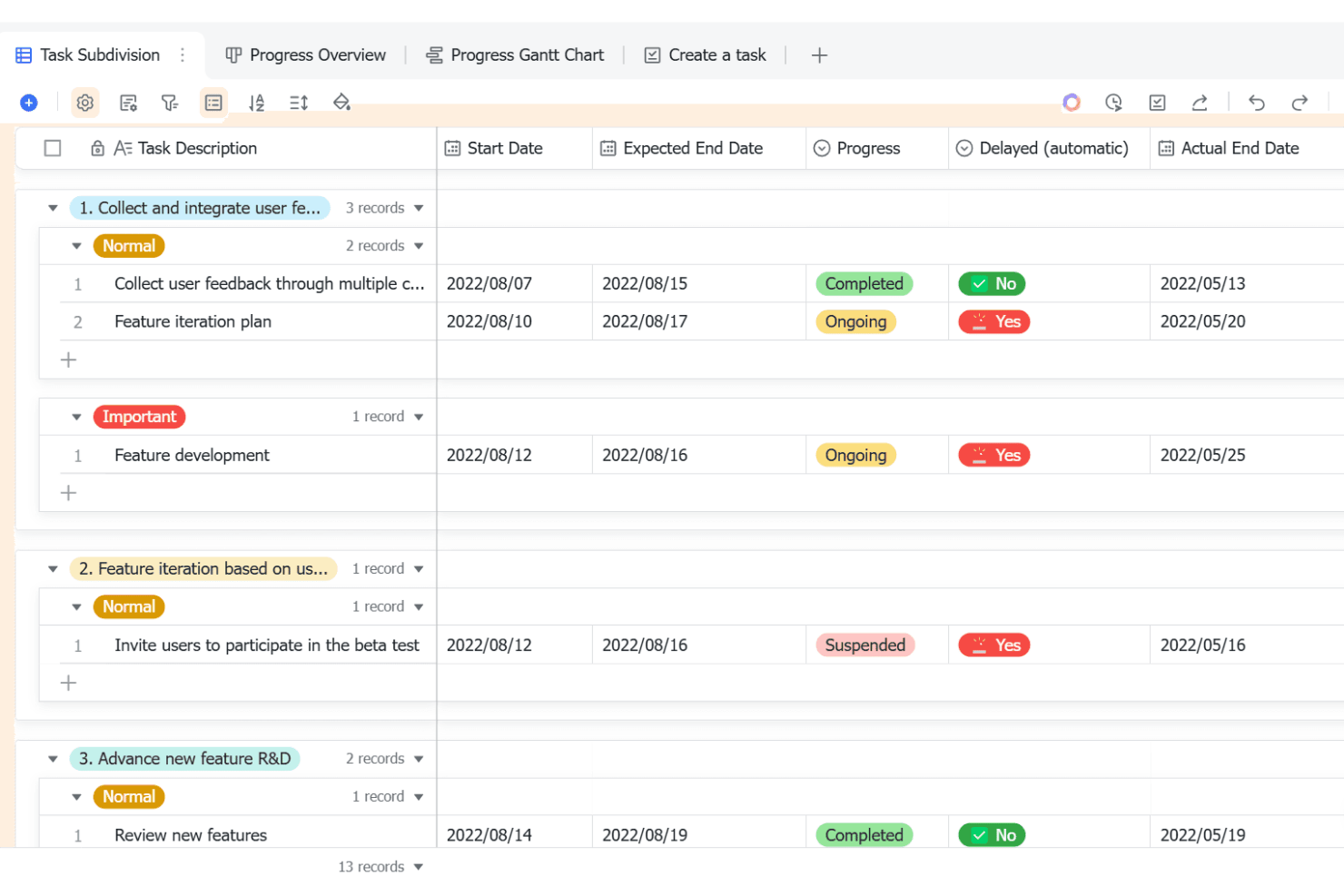
Lark Base brings together database-building, visual workflow management, and flexible data views designed for HR teams who want everything connected in one workspace with chat and collaboration.
Who Is Lark Base Best For?
HR teams in growing organizations who want an all-in-one workspace with built-in chat and customizable HR databases.
Why Lark Base Is a Good Airtable Alternative
I’ve included Lark Base in my top picks because it lets me build customizable HR databases that are integrated with chat for seamless teamwork. I use its visual workflow management to track hiring and onboarding, and the team benefits from flexible data views, which keep everything connected inside our main workspace.
Lark Base Key Features
- Custom form creator: Build and deploy tailored forms to gather structured HR data from your team.
- Automated reminders: Set up automatic notifications to prompt task completions and follow-ups within projects.
- Role-based access controls: Assign permissions to manage who can view or edit sensitive HR database information.
- Calendar view: Visualize tasks, deadlines, and project milestones in a centralized calendar for easy tracking.
Lark Base Integrations
Native integrations are not clearly documented. Lark Base provides an API for custom integrations.
Pros and Cons
Pros:
- Flexible data views inside collaborative environment
- Visual workflow management for hiring and onboarding
- All-in-one workspace with chat and HR database
Cons:
- Free plan limits row and automation capacity
- Steep learning curve for new users
Coda
Best for docs-and-database builds
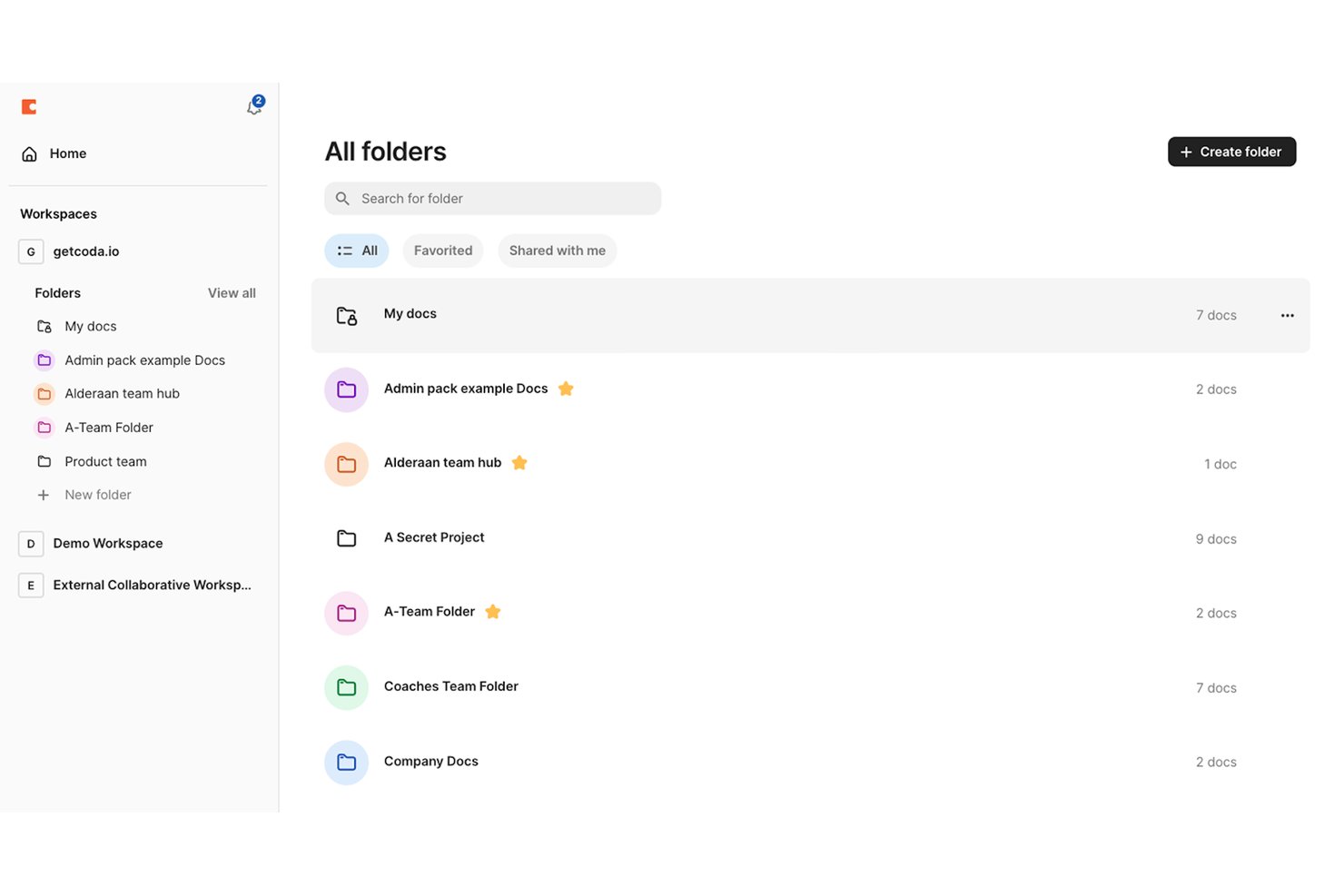
Coda brings teams a flexible platform that lets you create documents, workflows, and simple databases, offering a custom workspace for businesses that need more control over their processes than basic spreadsheets or standard task management tools.
Who Is Coda Best For?
Coda is a good fit for teams who need a flexible workspace that blends documentation, project tracking, and simple databases in one tool.
Why Coda Is a Good Airtable Alternative
I picked Coda as a top alternative because I can build documents that double as custom databases and flexible trackers in a single workspace. My team is able to create interactive pages with embedded tables and automate cross-functional processes, which is especially helpful for blending documentation with data management. This level of customization is tough to replicate with most tools.
Coda Key Features
- Automation rules: Set up recurring workflows and automate tasks inside your workspace.
- Pack integrations: Connect with apps like Slack, Google Calendar, and Jira for real-time data syncing.
- Custom views: Filter and display tables as cards, timelines, or calendars for tailored project tracking.
- Granular sharing controls: Choose viewing and editing permissions for individual sections and pages.
Coda Integrations
Coda offers native integrations with Slack, Google Calendar, Jira, GitHub, and Salesforce. It also supports integrations through Zapier and provides an API for custom integrations.
Pros and Cons
Pros:
- Automation rules for recurring team workflows
- Flexible page design with embedded interactive elements
- Blends documentation and database tables in one place
Cons:
- Complex workspaces can overwhelm new users
- Less advanced reporting compared to Airtable
Baserow
Best for open-source data with no lock-in
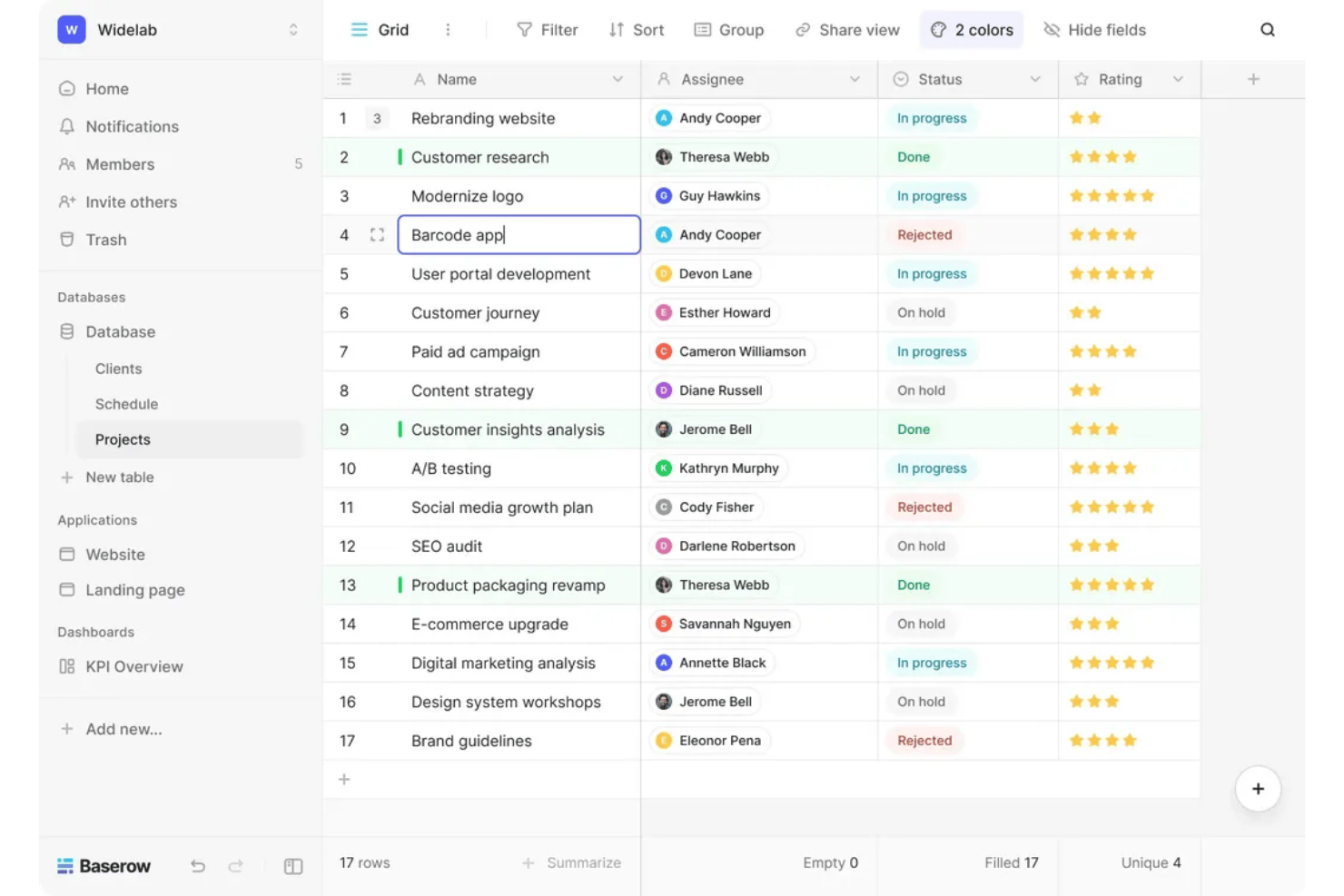
Baserow is a no-code database platform that lets teams in any industry build, organize, and share task and project data without technical barriers or proprietary limits.
Who Is Baserow Best For?
Teams that want a flexible, open-source database platform without vendor lock-in or technical limitations.
Why Baserow Is a Good Airtable Alternative
I picked Baserow because I appreciate having full access to the platform’s source code, so my team isn’t locked into proprietary limitations. We’re able to self-host or use the cloud version, build custom workflows, and keep full control over our project data with no forced upgrades or vendor restrictions.
Baserow Key Features
- Table-based interface: Organize, view, and filter project and task data in a spreadsheet-style grid.
- Real-time collaboration: Edit, comment, and update data simultaneously with teammates in shared workspaces.
- Role-based permissions: Set custom user roles to manage access and editing rights across projects.
- API access: Connect Baserow data to your other tools and systems using a built-in REST API.
Baserow Integrations
Baserow offers native integrations with Amazon S3, Anthropic, Mistral, Make, Snetry, Posthog, n8n, and more. It offers an API for custom integrations and connects with Zapier.
Pros and Cons
Pros:
- Self-hosting available for full control
- No vendor lock-in for data ownership
- Fully open-source with transparent codebase
Cons:
- Native integrations require custom setup
- Limited built-in automation options

Notion
Best for docs-and-database workspaces
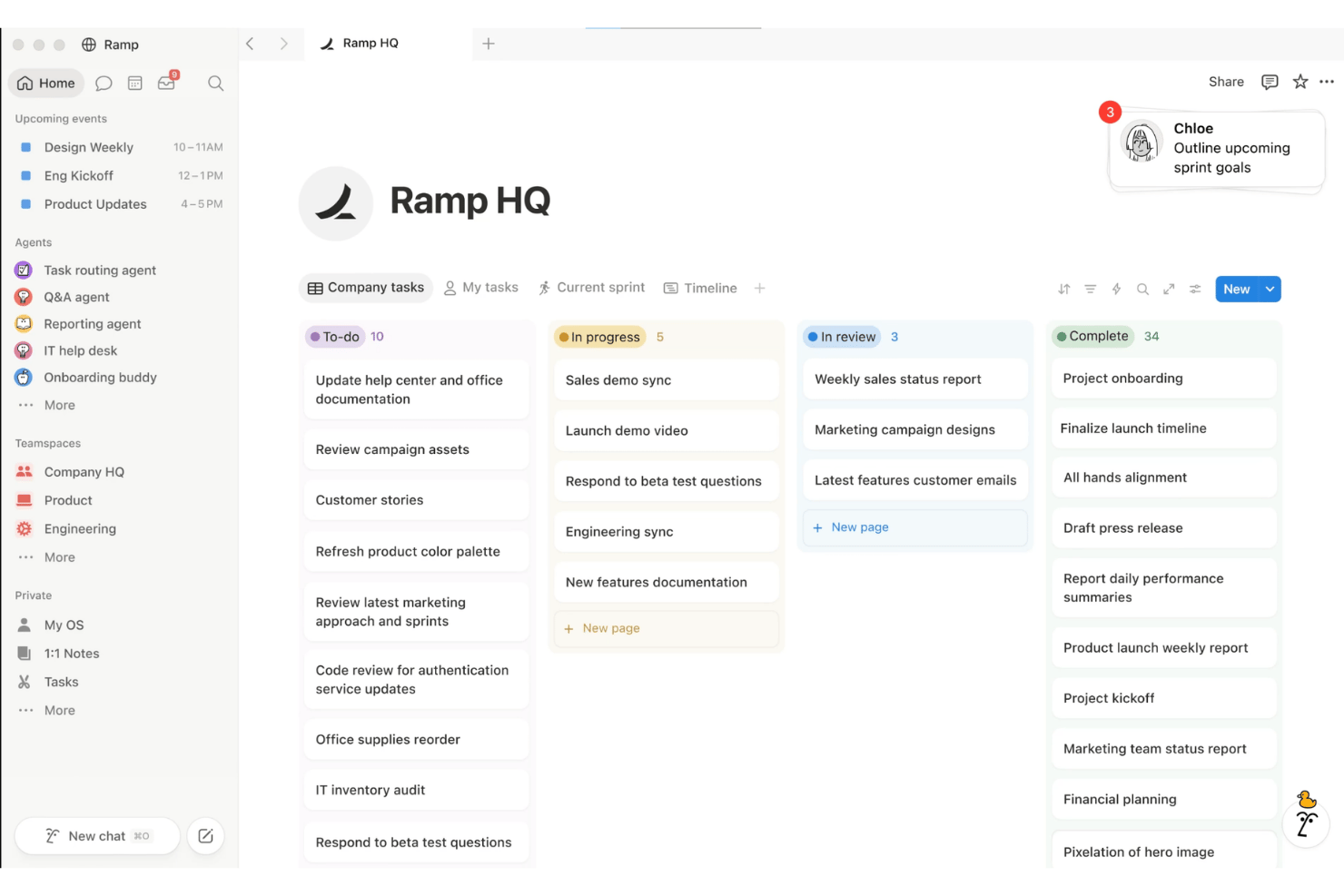
Notion is a flexible workspace platform that brings together note-taking, project management, and customizable databases, making it a strong choice for teams that want unified task tracking, documentation, and knowledge sharing in one place.
Who Is Notion Best For?
Notion is a strong fit for hybrid teams who need a flexible workspace to unify documentation, project tracking, and shared knowledge.
Why Notion Is a Good Airtable Alternative
I picked Notion as a go-to Airtable alternative because it merges documents, project boards, and powerful databases in one workspace. I use its relational databases to build dynamic knowledge hubs, connect meeting notes to projects, and customize views for everything from onboarding workflows to asset libraries.
Notion Key Features
- Calendar view: See tasks and projects on a visual calendar to manage schedules and deadlines directly in your workspace.
- Custom templates: Create and use templates for recurring tasks, meeting notes, and project plans to save set-up time.
- Commenting and mentions: Collaborate by leaving comments on any item and tagging team members for feedback or updates.
- Permission controls: Set granular access levels for pages, databases, and workspaces to manage who can view or edit information.
Notion Integrations
Notion offers native integrations with Slack, GitHub, Jira, Asana, Trello, Google Drive, Microsoft Teams, Zoom, Figma, and Zapier. An API is available for custom integrations.
Pros and Cons
Pros:
- Connects notes, docs, and tasks seamlessly
- Customizes database views for any workflow
- Combines documents and databases in one workspace
Cons:
- Performance can lag with large databases
- Advanced relational features require manual setup
Best for app-based HR with Deluge scripting
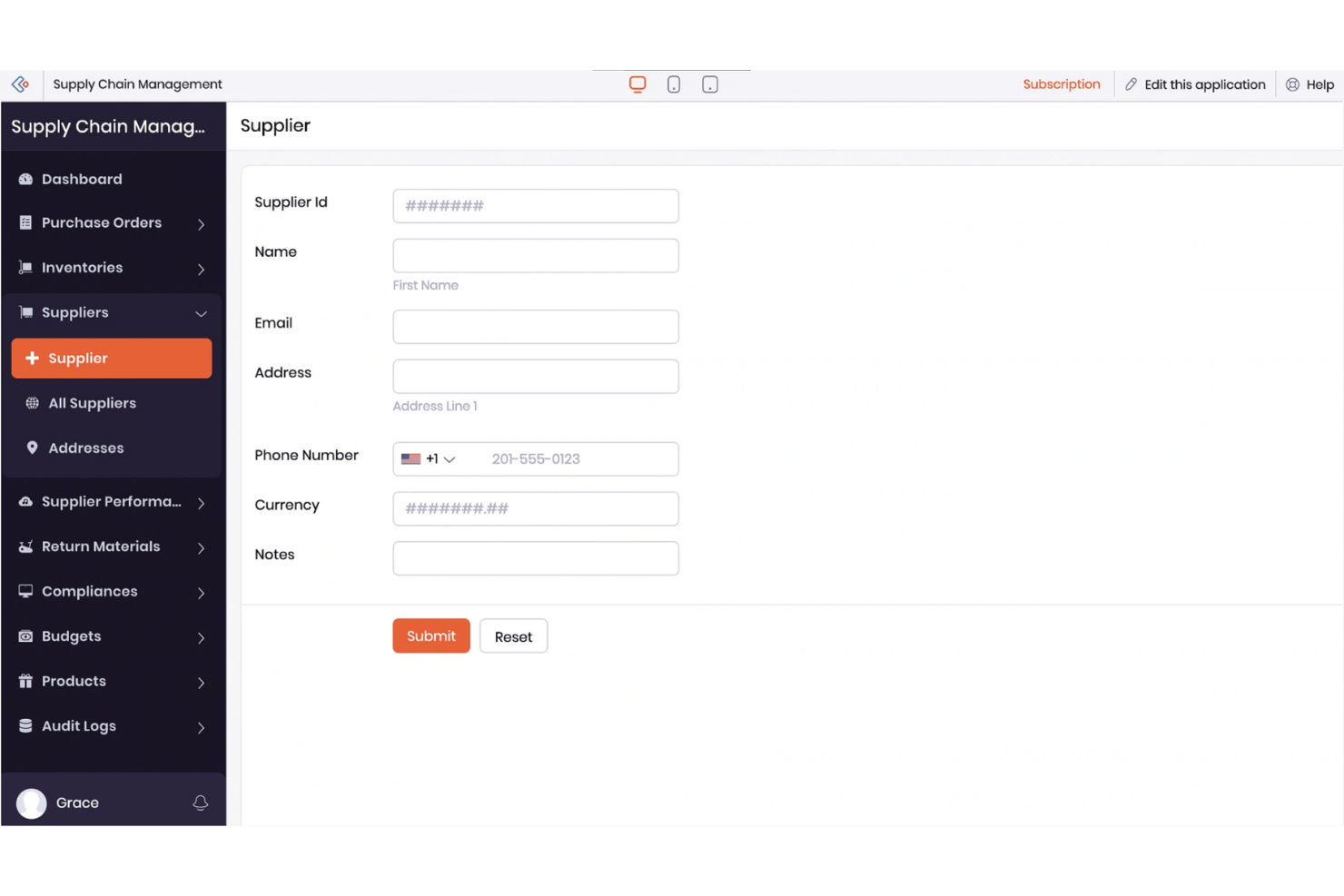
Zoho Creator gives HR teams and business leaders a no-code platform for building custom task management apps, automating processes, and tailoring workflows for unique needs across industries.
Who Is Zoho Creator Best For?
HR teams and business leaders who need a flexible, no-code platform to build and automate custom workflows across different industries.
Why Zoho Creator Is a Good Airtable Alternative
I picked Zoho Creator as one of the best because I can quickly build custom HR task management apps without writing code. The Deluge scripting lets my team automate approval flows and onboarding steps tailored to our processes. We use it to design workflows that match the exact needs of different departments and industries.
Zoho Creator Key Features
- Drag-and-drop app builder: Build custom HR applications using a visual interface without technical skills.
- Role-based access controls: Set permissions and manage data visibility for different users within your team.
- Integration with Zoho and third-party apps: Connect your HR workflows to a wide selection of tools through built-in and API integrations.
- Mobile app support: Access and manage tasks, forms, and approvals from dedicated iOS and Android apps.
Zoho Creator Integrations
Zoho Creator offers native integrations across the Zoho ecosystem, including Zoho Books, Zoho CRM, Zoho Desk, and Zoho People, as well as direct connections to Google Workspace, PayPal, QuickBooks, Salesforce, and Twilio. It also supports integration with Zapier and provides an API for custom integrations.
Pros and Cons
Pros:
- Mobile app provides consistent on-the-go access
- Drag-and-drop builder simplifies custom app creation
- Deluge scripting enables advanced workflow automation
Cons:
- Visual customization options are somewhat limited
- Navigation can overwhelm new users
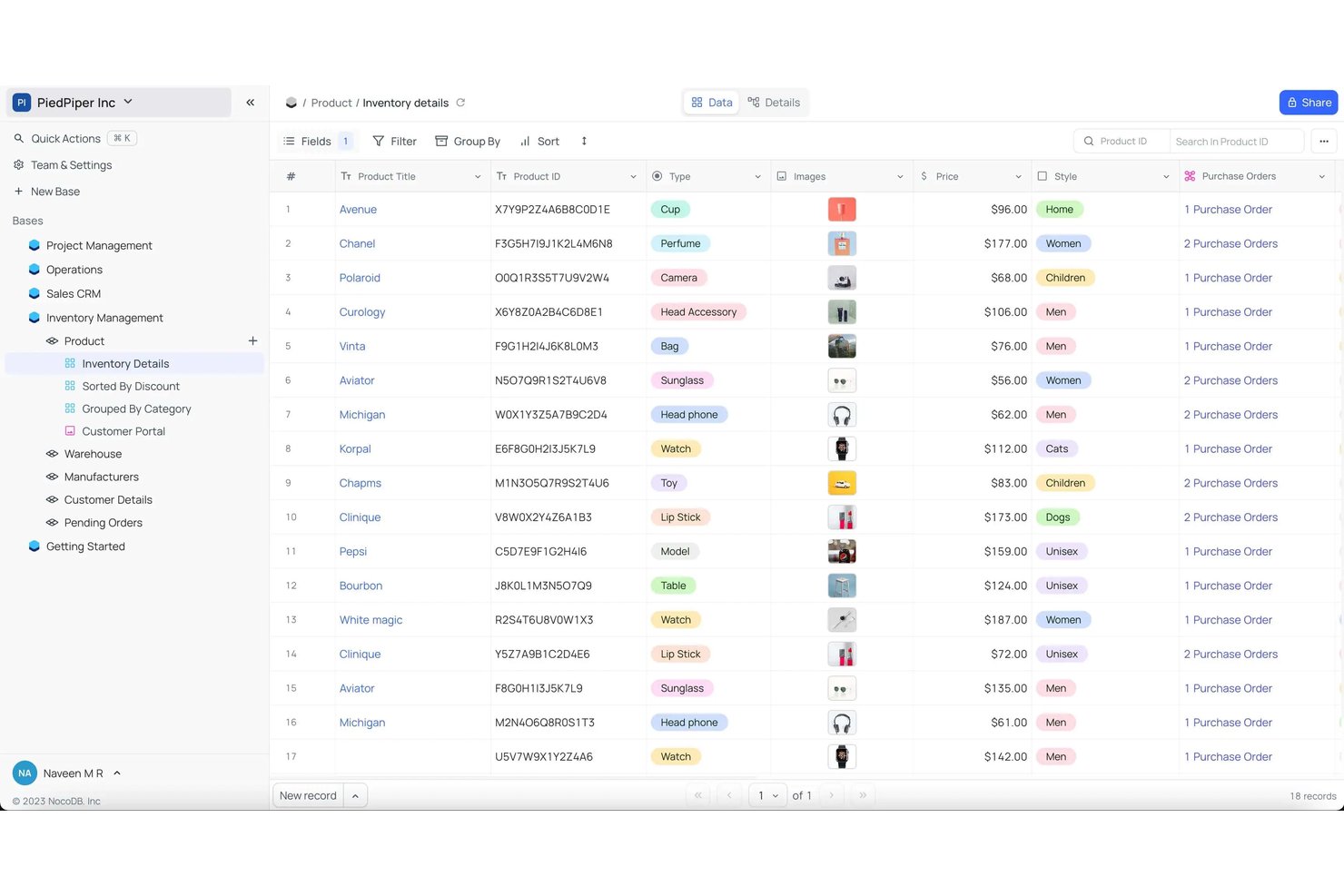
NocoDB is an open-source platform that lets teams turn databases into collaborative task management workspaces, making it ideal for IT, operations, and businesses that want flexible, code-free tools tailored to their own processes.
Who Is NocoDB Best For?
NocoDB is a solid choice for IT teams and operations professionals who need a flexible, open-source platform to manage collaborative workflows without user limits.
Why NocoDB Is a Good Airtable Alternative
I picked NocoDB because it lets my team turn existing databases into flexible, no-code workspaces with no seat cap. I like being able to create unlimited user access for large projects and manage collaborative workflows without extra costs. Having an open-source foundation also means we can customize setups for unique team needs.
NocoDB Key Features
- Spreadsheet-style interface: Work with data in a familiar grid layout that supports sorting and filtering.
- Custom role permissions: Set tailored access levels and workflow controls for each team member.
- REST API support: Connect NocoDB with other apps or services using the built-in API endpoints.
- Automation scripting: Trigger custom tasks or logic using script blocks built into your workspaces.
NocoDB Integrations
NocoDB connects to databases like MySQL, PostgreSQL, Microsoft SQL Server, SQLite, MariaDB, and Oracle. It offers an API for custom integrations. Native integrations are not publicly listed.
Pros and Cons
Pros:
- Can connect to existing SQL databases
- Open source for full self-hosting control
- Unlimited users without extra fees
Cons:
- Lacks advanced reporting and chart options
- Visual automation builder is limited
Other Airtable Alternatives
Here are some additional Airtable alternatives that didn’t make it onto my shortlist, but are still worth checking out:
- Quickbase
For compliance-heavy app builds
- monday.com
For no-code pipelines with AI agents
- Smartsheet
For spreadsheet-familiar workflow at scale
- Wrike
For enterprise workflow at scale
- Ninox
For AI-native database building
- ClickUp
For workflows with AI agents built in
- Stackby
For HR stacks with live API data in fields
- SmartSuite
For full HR lifecycle in one database
- Noloco
For client portals over HR data
- Fibery
For AI-built workspaces across linked data


How I Evaluate Airtable Alternatives
I split my evaluation into two layers: core functionality every Airtable alternative must have, and differentiating factors that separate the best from the rest. Here's how I think about both.
Core Functionality (Table Stakes for This List)
When I'm selecting tools for my list, I rank each one on a scale from 0 (does not offer the functionality) to 5 (excels in this area) for each core functionality listed below. I then calculate the tool's total score into a percentage, and use that to help me assess its overall fit for the list.
- Relational database structure: I check whether linked records work across multiple tables, like connecting employee profiles to training logs or department budgets.
- Multiple data views: Each tool needs grid, kanban, calendar, or gallery views so HR teams can track hiring pipelines and headcount plans the way they prefer.
- Workflow automation: I evaluate built-in triggers and actions for tasks like sending onboarding reminders when a new hire record is created.
- Third-party integrations: The platform should connect with tools your team already uses, such as calendar apps, communication platforms, or HRIS systems.
- Custom field types: I look for flexible columns including dropdowns, attachments, formulas, and linked records to structure data like benefits elections or offer details.
- Collaborative editing: Real-time multi-user access matters, so I check whether HR managers and recruiters can update shared records without overwriting each other's work.
Once I have a list of tools that meet the criteria, I consider what sets each platform apart.
Differentiating Factors (What Sets Vendors Apart)
Here's how I compare and contrast different vendors:
Standout Features
I look for pre-built HR templates that cover applicant tracking, onboarding, and headcount planning so teams can skip blank-canvas setup. AI-assisted data entry is another priority—tools that auto-categorize candidate records or generate formulas cut hours of manual HRIS upkeep. I also evaluate portal or client-facing views, since HR teams often need candidates or managers to interact with specific records without full platform access.
Beyond Features
Data privacy readiness is where I spend the most time. HR databases hold sensitive PII, so I check for field-level encryption, audit trails, and data residency options—especially for teams hiring across multiple regions. Pricing models matter just as much, since HR tools touch recruiters, hiring managers, and finance. A per-seat plan that looks affordable for five users can spike fast when you loop in interview panels or contractors. I also evaluate how well each platform scales as headcount grows, looking at record limits and cross-linked base performance so teams don't hit walls mid-year.
Why Look for an Airtable Alternative?
While Airtable is a good choice of task management software, there are a number of reasons why some users seek out alternative solutions. You might be looking for an Airtable alternative because…
- Needing stronger data privacy controls for sensitive HR information
- Wanting unlimited records or users without extra fees
- Outgrowing Airtable’s automation and workflow limits
- Needing compliance options for multiple regions or industries
- Wanting more HR-focused templates and onboarding features
If any of these sound like you, you’ve come to the right place. My list contains several task management software options that are better suited for teams facing these challenges with Airtable and looking for alternative solutions.
Airtable Alternatives Key Features
Here are some of the key features of Airtable alternatives to help you contrast and compare what alternative solutions offer:
- Relational database structure: Build connected tables so HR teams can link employee data, track training progress, and detail department budgets without manual duplication.
- Multiple data views: Display data as grids, kanban boards, calendars, or galleries. This flexibility lets your team work in the view that best fits each HR process, from hiring pipelines to absence planning.
- Workflow automation: Set up rules that trigger automated reminders, updates, or approval requests whenever a record is created or changed. This helps reduce manual follow-up on routine HR tasks.
- Custom field types: Add columns for dropdowns, attachments, formulas, checkboxes, and linked records to capture diverse HR data—such as contract copies, job offers, and compliance status.
- Collaborative editing: Allow multiple users to edit records in real time, reducing the risk of overwrites or missed updates in fast-moving HR projects.
- Third-party integrations: Connect the platform with tools like calendar apps, HRIS systems, or communication platforms so your team can share data and work without switching contexts.
- Pre-built HR templates: Use ready-made layouts for applicant tracking, onboarding, and employee records so you don’t start from scratch every time your process evolves.
- Role-based access controls: Assign permissions at the workspace or field level, giving managers, recruiters, and interviewers the right level of access for their responsibilities.
- Audit trails and version history: Monitor changes to HR records with detailed logs and roll back edits when needed, supporting compliance and transparency.
- Data privacy and residency options: Choose where and how your data is stored, with field-level encryption and region-specific hosting to protect sensitive information and meet compliance needs.
Costs and Pricing
Selecting Airtable alternatives requires an understanding of the various pricing models and plans available. Costs vary based on features, team size, add-ons, and more. The table below summarizes common plans, their average prices, and typical features included in Airtable alternatives solutions:
Plan Comparison Table for Airtable Alternatives
| Plan Type | Average Price | Common Features |
|---|---|---|
| Free Plan | $0/user/month | Includes basic tables and views, limited records, simple automations, and standard support. |
| Personal Plan | $5-$12/user/month | Adds increased record limits, more data views, integrations with popular apps, and basic templates. |
| Business Plan | $20-$35/user/month | Offers advanced automations, custom roles, audit logs, enhanced integrations, and advanced templates. |
| Enterprise Plan | $40-$80/user/month | Provides unlimited records, advanced security controls, dedicated support, compliance tools, and SLAs. |