

10 Best Visitor Management Software of 2026: Reviewed

10 Best Visitor Management Software Shortlist


Managing visitors can be a challenge for businesses, requiring a balance between security and compliance, while creating a positive first impression. Visitor management software (VMS) simplifies this process, ensuring smooth operations while enhancing security and efficiency.
After extensively reviewing various tools, I’ve identified the best visitor management solutions available. In this article, I’ll provide honest, unbiased insights into their strengths and weaknesses, helping you choose the right fit for your team. Let’s explore the top options that can streamline your visitor management process.
Why Trust Our Software Reviews
Our team has been testing and reviewing software since 2012. As HR experts ourselves, we know how difficult—and important—it is to choose the right software.
For this guide, we evaluated tools using hands-on testing and independent research, scoring tools using our selection criteria. We also draw on insights from industry thought leaders and practicing HR experts.
Our reviews reflect our human editorial judgment, not a sales pitch.
Expert reviewers:
Best Visitor Management Software: Comparison Chart
This comparison chart summarizes pricing, trial, and demo details for my top visitor management software selections to help you find the best one for your budget and business needs.
| Tool | Best For | Trial Info | Price | ||
|---|---|---|---|---|---|
| 1 | Best for automating visitor registration | 14-day free trial + free demo available | From $159/month | Website | |
| 2 | Best for proactive visitor coordination | Free demo available | From $3000/year | Website | |
| 3 | Best for AI-powered visitor invitations | Free demo available | Pricing upon request | Website | |
| 4 | Best for secure visitor verification | Free demo available | From $99/user/month (billed annually) | Website | |
| 5 | Best for automated access rights | Free plan + free trial + free demo available | From $4/resource/month (billed annually) | Website | |
| 6 | Best for visitor badge printing | Free plan + free demo available | From $500/month | Website | |
| 7 | Best for enterprise visitor and contractor management | Free demo available | Pricing upon request | Website | |
| 8 | Best for flexible workspace booking | Free version available | From $32.47/user/month (billed annually) | Website | |
| 9 | Best for enterprise solutions | Free demo available | Pricing upon request | Website | |
| 10 | Best for flexible workspaces | 7-day free trial + free demo available | From $1.79/user/month (billed annually) | Website |

Best Visitor Management Software Reviews
Below are my detailed summaries of the best visitor management software that made it onto my shortlist. My reviews offer a detailed look at the key features, pros & cons, integrations, and ideal use cases of each tool to help you find the best one for your needs.

Archie
Best for automating visitor registration
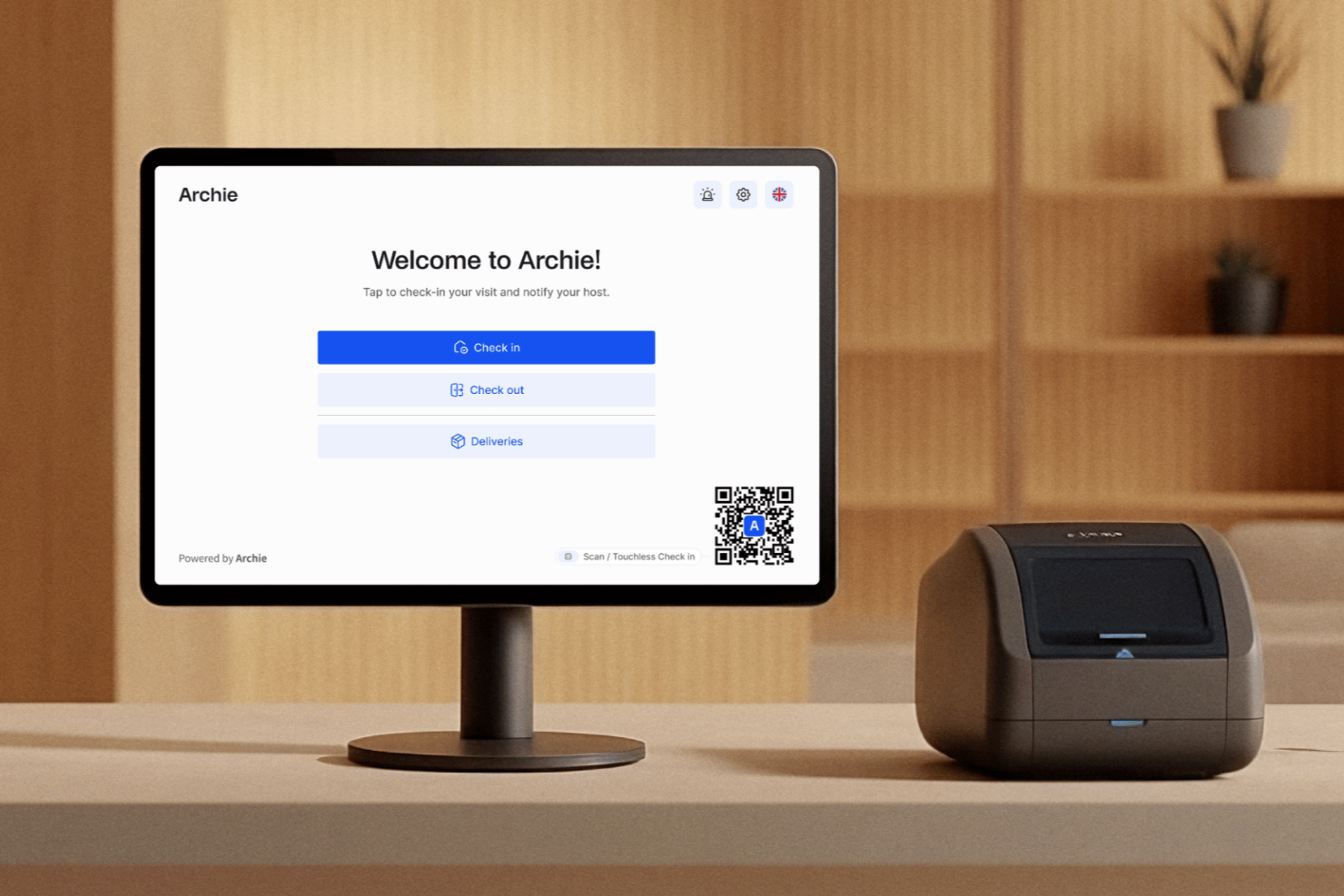
Archie is a visitor management platform designed for offices, coworking spaces, and flexible workplaces that want to simplify guest check-ins, improve security, and create a smooth experience for both visitors and staff.
Who Is Archie Best For?
Archie is a strong fit for office managers and workplace teams at small to mid-sized businesses who need a structured, professional way to handle visitor check-ins.
Why I Picked Archie
Archie earns its spot as one of the best on my shortlist because of how far it takes visitor registration automation. I love that you can build separate check-in flows for different visit types—a job interview triggers an HR form and photo capture, while a maintenance visit routes through a completely different set of steps, all without any front desk involvement. Pre-registration is another feature I find genuinely useful: hosts can schedule visits in advance, and guests receive an email with directions and any required documents to sign before they even arrive, so check-in is just a QR code scan. The automations layer on top of that lets you define check-out procedures, set time-based access restrictions, and trigger host notifications in Slack or Microsoft Teams the moment a guest walks in.
Archie Key Features
- Visitor badge printing: Automatically generate and print branded visitor badges at check-in, including the guest's name, photo, host, and visit time.
- Watchlist screening: Flag visitors against a custom watchlist during check-in and trigger an alert to security or front desk staff before granting access.
- Visitor log and reporting: Access a real-time log of all current and past visitors, with exportable records for compliance and audit purposes.
- Desk and room booking: Let visitors or employees book desks and meeting rooms directly through the platform alongside their visit registration.
Archie Integrations
Integrations include Microsoft Teams, Slack, Google Calendar, Microsoft Outlook, Zoom, Kisi, Stripe, GoCardless, QuickBooks, and Xero.
Pros and Cons
Pros:
- Easy to set up and manage
- Modern UI with custom branding
- Offers powerful automation features
Cons:
- UI available in only 6 languages
- Some reporting features could be improved
Tactic
Best for proactive visitor coordination
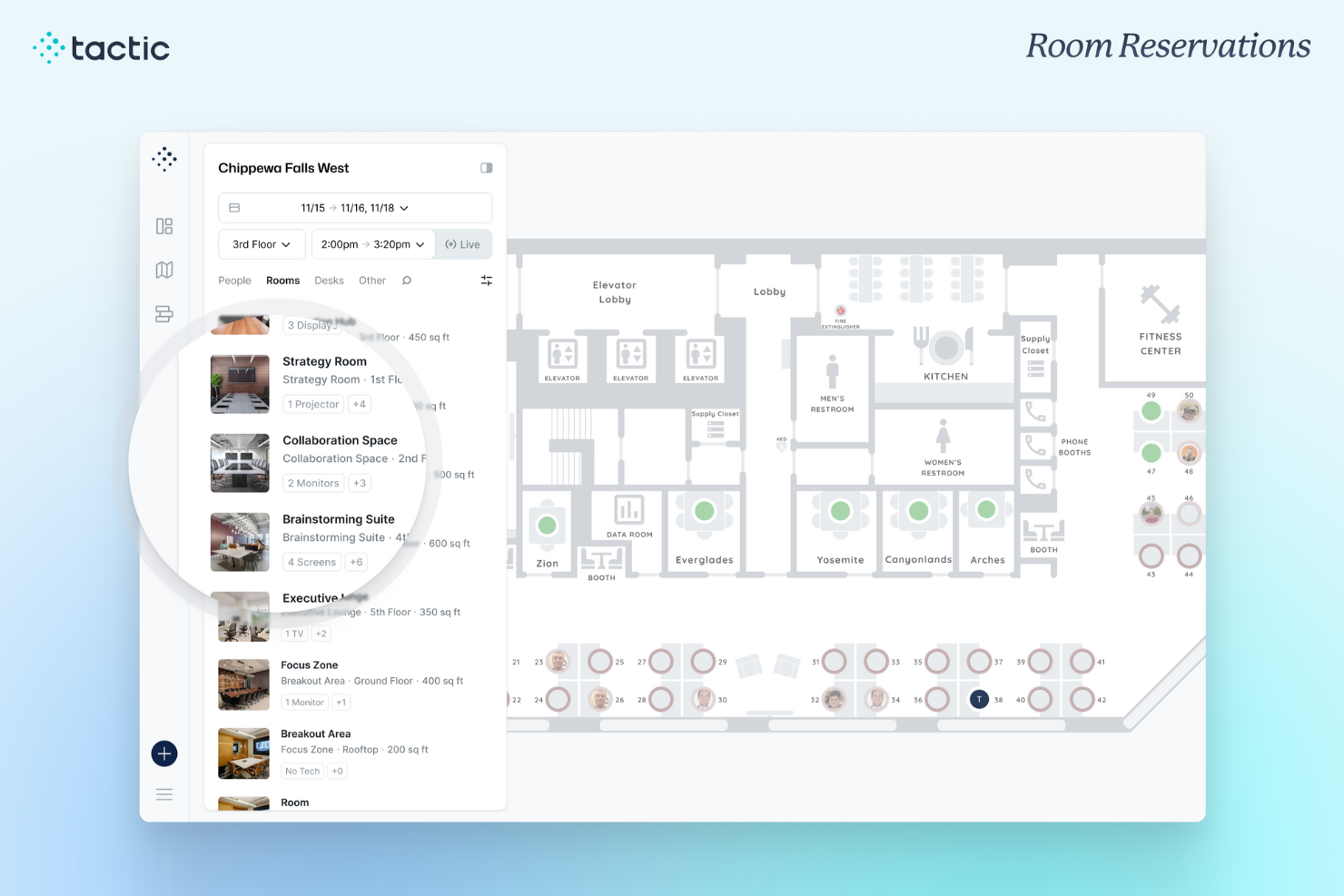
Tactic helps workplaces manage visitor flow and desk bookings, giving office managers and HR teams tools to coordinate arrivals, track occupancy, and create a smooth experience for guests and employees.
Who Is Tactic Best For?
Tactic is a good fit for mid-sized companies managing hybrid workplaces that need to coordinate visitor arrivals alongside employee desk and space bookings.
Why I Picked Tactic
Tactic earns its spot on my shortlist because I love how it connects visitor check-in directly to desk and space booking in one platform. When a host sends a pre-registration invite, it includes arrival details and parking info—so guests aren't left guessing when they show up. I also like that host alerts fire instantly through Slack or Microsoft Teams the moment a visitor checks in, which means no one is left waiting in the lobby. The ability to capture NDA signatures and custom forms right at check-in is a detail I find genuinely useful for compliance-conscious teams.
Tactic Key Features
- Visitor pre-registration and invites: Hosts send guests a pre-arrival invite that includes check-in guidance, parking info, and arrival instructions before they reach the office.
- Digital badge generation: Tactic automatically prints or displays visitor badges with the guest's name, host, and access details at the moment of check-in.
- Visit history and audit log: All visitor data is securely stored and searchable, giving compliance teams a reliable record for security audits.
- Physical access system integration: Tactic connects visitor check-in data to access control systems, so guest permissions can be managed alongside their visit record.
Tactic Integrations
Integrations include Microsoft Teams, Slack, Google Calendar, Outlook, Zoom, Microsoft Entra ID, and Avigilon.
Pros and Cons
Pros:
- Centralized visitor log
- Efficient visitor pre-registration
- Offers real-time notifications
Cons:
- Some features require additional setup
- May be too complex for small businesses
Kadence
Best for AI-powered visitor invitations
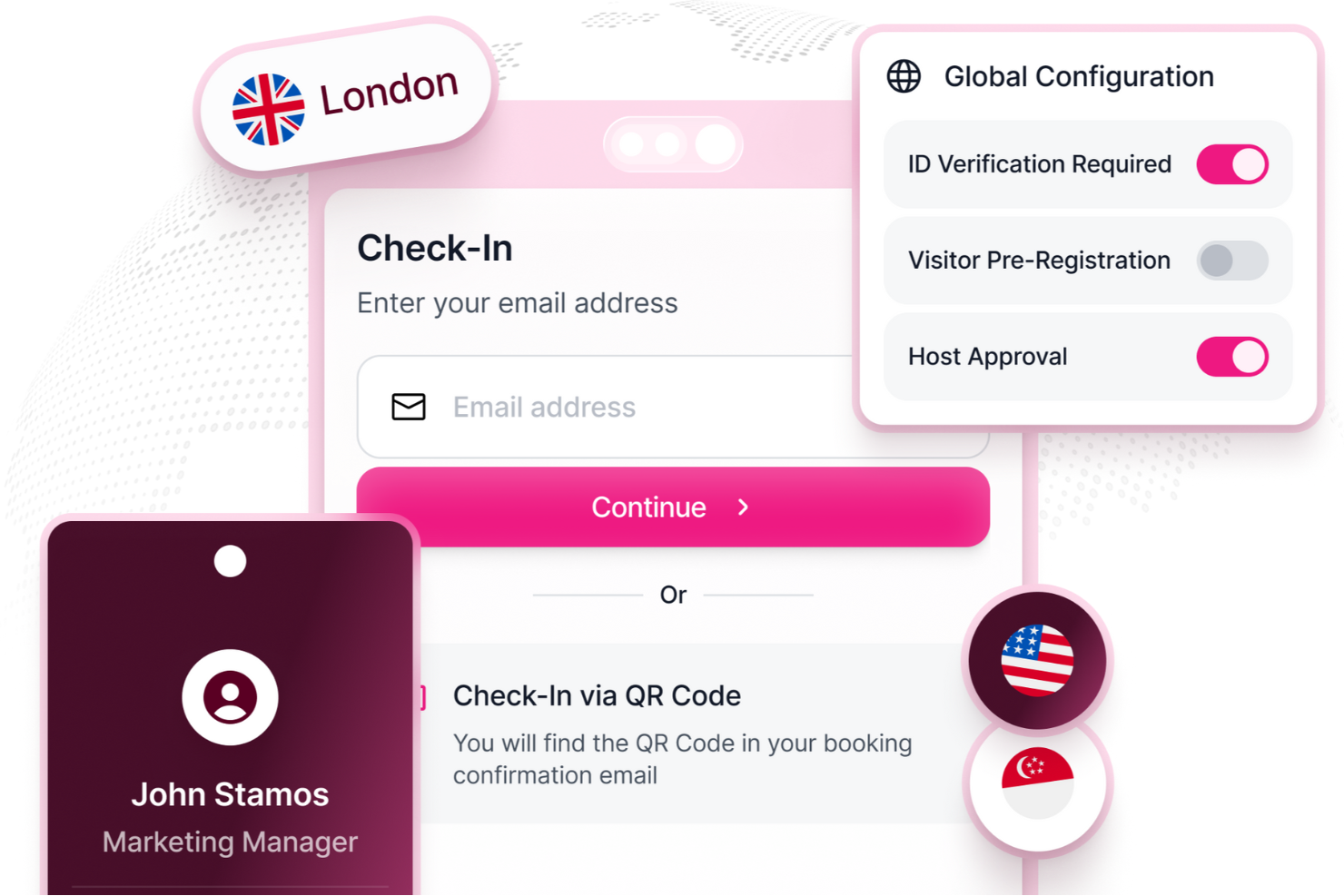
Kadence is a workplace management platform designed for organizations that want to simplify visitor scheduling, automate check-ins, and enhance security for guests and employees.
Who Is Kadence Best For?
Kadence is a good fit for hybrid-first organizations that need a centralized way to manage office attendance, desk booking, and visitor access across multiple locations.
Why I Picked Kadence
I picked Kadence as one of the best for its AI assistant, which handles visitor invitations end-to-end. Instead of manually coordinating visits, I can trigger the entire workflow—invite, NDA signing, and host notification—through a single prompt in Slack or Microsoft Teams. I also like that pre-arrival document management is built into the same flow, so guests arrive already compliant. Automated, AI-driven coordination from invite to arrival gives Kadence an edge in visitor management.
Kadence Key Features
- Interactive floor plans: View a live, color-coded map of your office to see desk availability, team locations, and space popularity in real time.
- Attendance tracking: Monitor in-office attendance by team, department, or location and compare actual presence against hybrid policy expectations.
- Smart booking suggestions: Get AI-generated desk recommendations based on when your teammates are scheduled to be in the office.
- Workplace analytics dashboard: Access occupancy trends, peak office days, and space utilization data to support real estate and policy decisions.
Kadence Integrations
Integrations include Microsoft Teams, Slack, Google Workspace, BambooHR, Gusto, Okta, Workday, Zendesk, Jira, and ServiceNow.
Pros and Cons
Pros:
- Broad integrations with workplace tools
- Real-time occupancy and safety tracking
- Strong hybrid workplace management features
Cons:
- Setup can be time intensive
- Limited offline visitor check-in support
New Product Updates from Kadence
Kadence MCP Comes to Popular AI Assistants
Kadence launches MCP support for Claude, ChatGPT, and Microsoft Copilot to manage workplace tasks and access space insights. This brings booking, scheduling, and reporting into the AI assistants teams already use. For more information, visit Kadence’s official site.
 .
.
Best for secure visitor verification
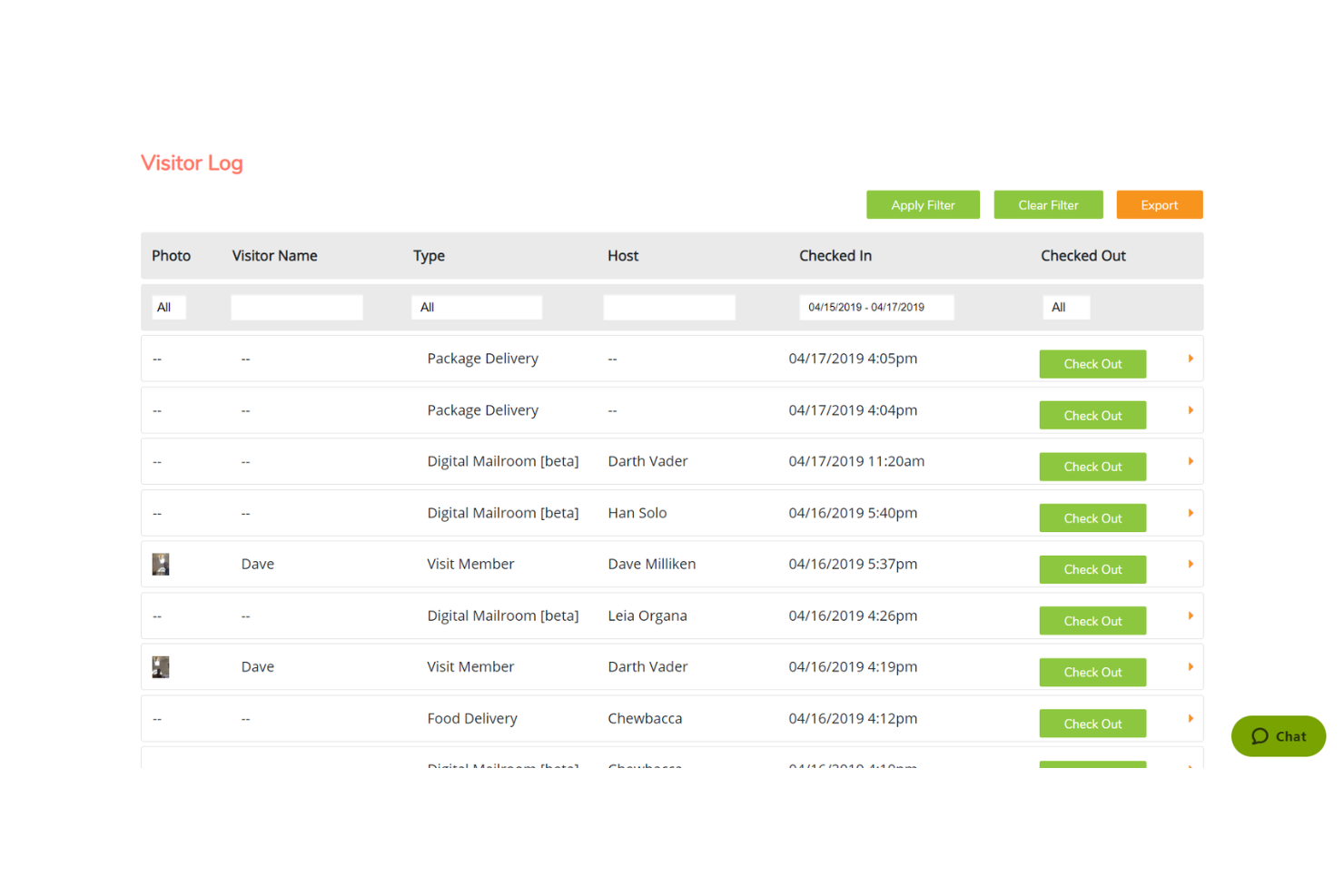
Greetly by OfficeSpace is a visitor management system designed to streamline visitor experiences, enhance workplace security, and support customizable, touchless check-ins. It helps organizations automate guest registration, maintain compliance, and create a fully branded visitor experience.
Why I Picked Greetly by OfficeSpace: I picked Greetly by OfficeSpace for its strong focus on security and convenience. Its visitor verification feature ensures every guest is properly identified before entering, boosting site safety. The platform’s touchless sign-in via smartphones supports modern hygiene standards and speeds up the check-in process. Additionally, Greetly’s customizable branding allows companies to create a polished, on-brand first impression for visitors.
Standout Features & Integrations
Features include instant employee notifications across multiple channels, visitor badge printing for clear identification, cloud-based digital visitor logbooks, eSignature and NDA capture, visitor photo capture, and thermal temperature checks. Greetly also supports flexible workflows and maintains strong security compliance, helping businesses manage visitors efficiently and professionally.
Integrations include Active Directory, Azure AD, Google Workspace, Google Chat, Microsoft Teams, Slack, Zapier, Satellite Deskworks, Rippling, and essensys Operate.
Pros and Cons
Pros:
- Supports NDA signing and eSignature capture
- Thermal temperature screening option
- Touchless smartphone check-ins
Cons:
- No built-in occupancy heatmaps
- Initial setup may be complex

anny
Best for automated access rights

anny is a visitor management solution built into a broader resource-booking platform, designed for organizations that want guest check-in, access control, and workplace booking to run in one place. It automates visitor registration, captures digital signatures, prints badges on arrival, and keeps a live record of who is in the building—from check-in to check-out.
Why I Picked anny
anny earns its spot on my shortlist because it ties visitor check-in to access control, not just the front desk. I like that a guest's access rights are issued and revoked automatically around their visit, so security teams aren't managing credentials by hand. The arrival flow is well thought out too—guests self-check-in by QR code or at a branded terminal, hosts get an instant SMS or AI call, and NDAs can be signed on the spot. For Microsoft 365 teams, visitors can even be registered straight from an Outlook meeting invite.
anny Key Features
- Flexible visitor check-in: Guests check in by QR code, email, or at a branded self-service terminal, so arrivals move quickly without tying up the front desk.
- On-arrival badge printing: Automatically print badges with the guest's name, company, host, and a check-out QR code, in a badge design you control.
- Automated access rights: Sync check-in with your access-control system and smart locks (like Salto, Nuki, or dormakaba) so visitor credentials activate on arrival and expire at check-out.
- Document capture at check-in: Have visitors sign NDAs, terms, or safety briefings on-site during check-in, with a copy emailed automatically and stored for audits.
anny Integrations
Integrations include Microsoft 365, Outlook, Google Workspace, Microsoft Teams, Zoom, Personio, SAML/SSO, and a broad range of access-control and smart-lock systems, including Salto, Nuki, dormakaba, Tapkey, iLOQ, KleverKey, Comydo, UniFi, Glutz, and more.
Pros and Cons
Pros:
- Strong compliance with ISO 27001, GDPR and EU-based hosting
- Covers the full flow from check-in to check-out
- Visitor credentials activate and expire automatically
Cons:
- Admin interface can feel complex
- No built-in watchlist or ID-document scanning
elia
Best for visitor badge printing
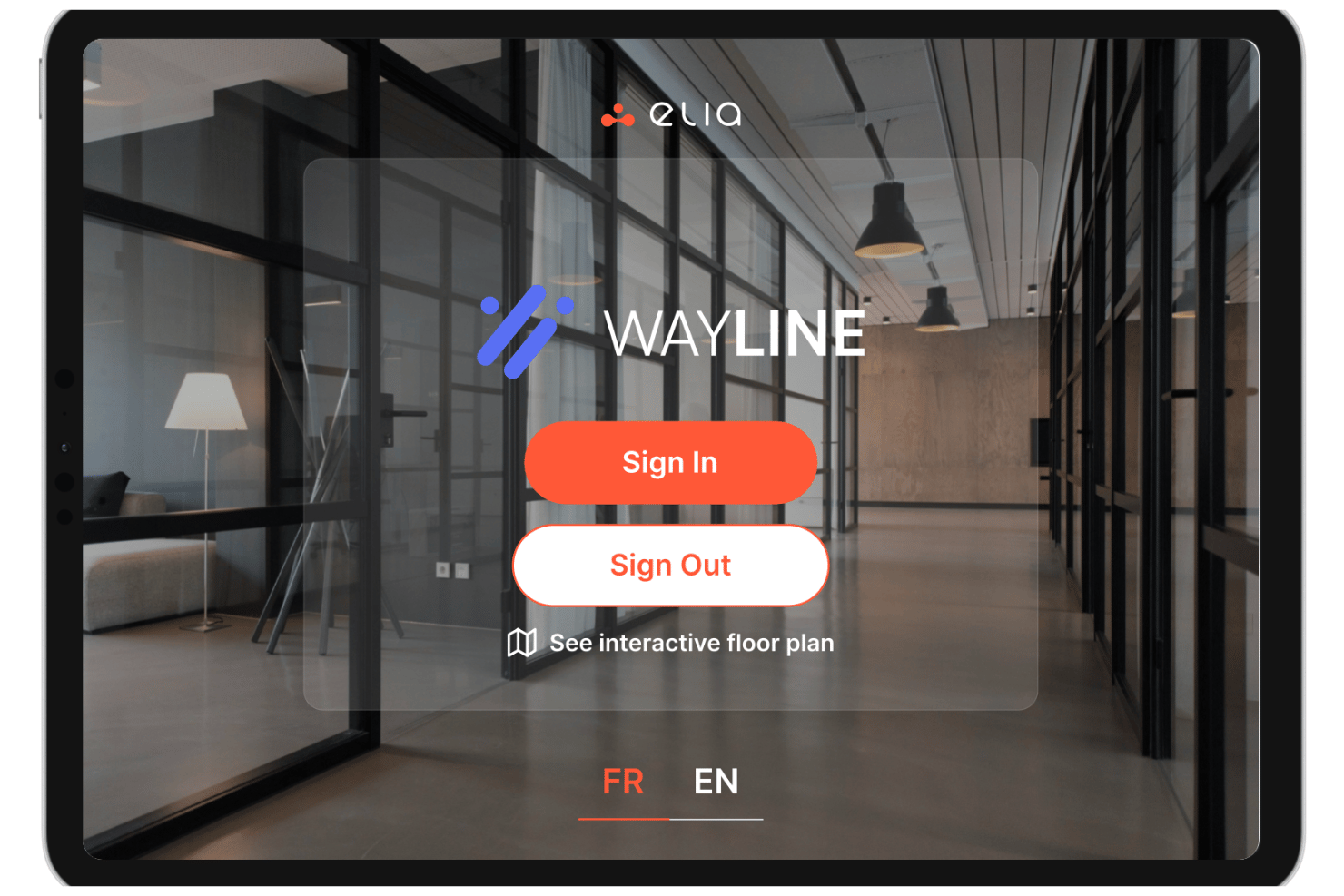
elia is a visitor management platform with a kiosk-based check-in system, badge printing, host notifications, document signing, and emergency evacuation tracking built for multi-site workplaces.
Who Is elia Best For?
elia is a strong fit for facilities and workplace teams managing visitor flow across multiple office locations or corporate campuses.
Why I Picked elia
I picked elia as one of the best because of how much control it gives you over visitor categorization and check-in workflows. You can create distinct visitor categories (think: contractors, guests, interviewees, VIPs) and tailor the data capture fields for each one. That means a contractor's badge will print with the specific details relevant to them—like host info or dynamic access details—while a guest badge keeps it simple. Combined with visitor photo capture, it turns standard badge printing into a powerful identification tool rather than just a basic label.
elia Key Features
- Pre-registration: Send visitors a registration link before their arrival so their details are captured in advance, speeding up the check-in process on the day.
- Host notifications: Alert the visiting employee via email, Slack, or Microsoft Teams the moment their guest checks in at the kiosk.
- Document signing at check-in: Collect visitor signatures on NDAs, safety waivers, or custom documents directly within the check-in flow.
- Visitor log export: Access a full, time-stamped record of all site visits and export it as a CSV for audits or security reviews.
elia Integrations
elia offers native integrations with Microsoft 365, Google Workspace, Slack, and specific tools within those ecosystems, including Google Calendar, Microsoft Teams, and Microsoft Outlook.
Pros and Cons
Pros:
- Built-in floor plan for space context
- Supports iPad kiosks
- Includes evacuation lists in standard plans
Cons:
- No ID scanning or watchlist screening
- Limited access control integrations available
Best for enterprise visitor and contractor management
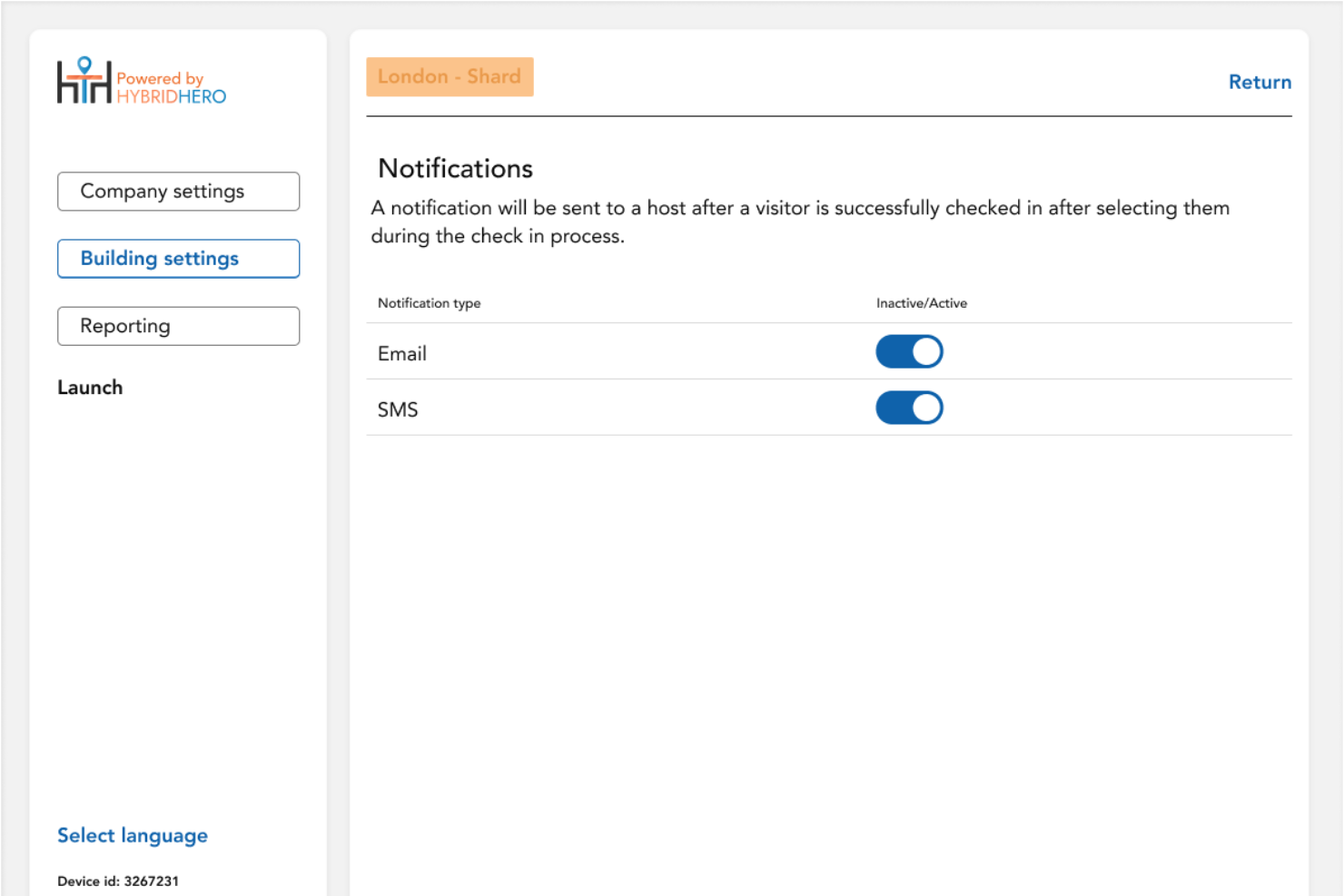
Hybrid Hero is a workplace management platform for organizations that manage visitor access, monitor occupancy, and optimize space usage across offices, coworking spaces, and hybrid work environments.
Who Is Hybrid Hero Best For?
Hybrid Hero is a good fit for facilities and workplace teams in mid-to-large organizations managing hybrid work schedules and shared office spaces.
Why I Picked Hybrid Hero
Hybrid Hero earns its spot on my shortlist because of how well it connects visitor management with real-time occupancy data. I like that it tracks space utilization alongside visitor check-ins, so my team can see exactly how meeting rooms and shared areas are being used on any given day. The occupancy analytics dashboard gives us a clear view of peak usage times, which helps with capacity planning and desk allocation. That combination of visitor data and space intelligence distinguishes it from tools that only handle front-desk check-ins.
Hybrid Hero Key Features
- Visitor pre-registration: Send visitors a pre-registration link before their arrival to capture details and speed up the check-in process.
- Digital visitor logbook: Maintain a searchable, time-stamped record of all visitor entries and exits across multiple office locations.
- Host notifications: Automatically alert the relevant employee when their visitor has checked in at reception.
- Desk booking: Let employees reserve desks in advance, with availability displayed on an interactive floor plan.
Hybrid Hero Integrations
Integrations include Microsoft 365, Outlook, Teams, Azure AD, Google Workspace, and custom workflows through an API.
Pros and Cons
Pros:
- Includes real-time headcount tracking for workplace coordination and safety monitoring
- Provides centralized visibility across multiple office locations
- Combines visitor, contractor, and workplace management in one platform
Cons:
- Best suited for mid-sized and enterprise organizations rather than smaller teams
- Mobile experience is less robust than the desktop platform
Best for flexible workspace booking

Othership is a workspace management platform designed for businesses and teams who need to coordinate hybrid work, manage guest access, and optimize office space for both employees and visitors.
Who Is Othership Best For?
Othership is a strong fit for hybrid-first companies that need to manage flexible desk booking, meeting rooms, and visitor access across shared office environments.
Why I Picked Othership
I've included Othership in my top picks because it's one of the few visitor management tools that ties guest access directly into a broader flexible workspace booking system. Where most visitor management tools treat guests as a separate workflow, Othership connects visitor scheduling to desk booking and meeting room reservations in one place. When a guest is invited to your office, the host can simultaneously book a meeting room or desk for that visit without jumping between tools. I also like that Othership's interactive floorplans let admins coordinate where visitors and employees are sitting on any given day, which is genuinely useful when your office headcount fluctuates week to week.
Othership Key Features
- Visitor invitations via multiple channels: Invite and manage guests from your phone, calendar, app, or entry tablet without a dedicated front desk device.
- Compliance data export: Export visitor logs and audit data on demand to meet compliance requirements without manual record-keeping.
- Employee feedback collection: Prompt employees to submit feedback, report broken amenities, and flag issues directly within the platform.
- Space utilization analytics: Review real-time data on office usage patterns, booking trends, and workspace preferences to inform space planning decisions.
Othership Integrations
Integrations include Microsoft 365, Google Workspace, MS Teams, Slack, Zoom, and an API is available for custom integrations.
Pros and Cons
Pros:
- Video conferencing and document management
- Self check-in with real-time updates
- Provides detailed visitor logs and analytics
Cons:
- Potential integration challenges
- Limited customization options

Best for enterprise solutions
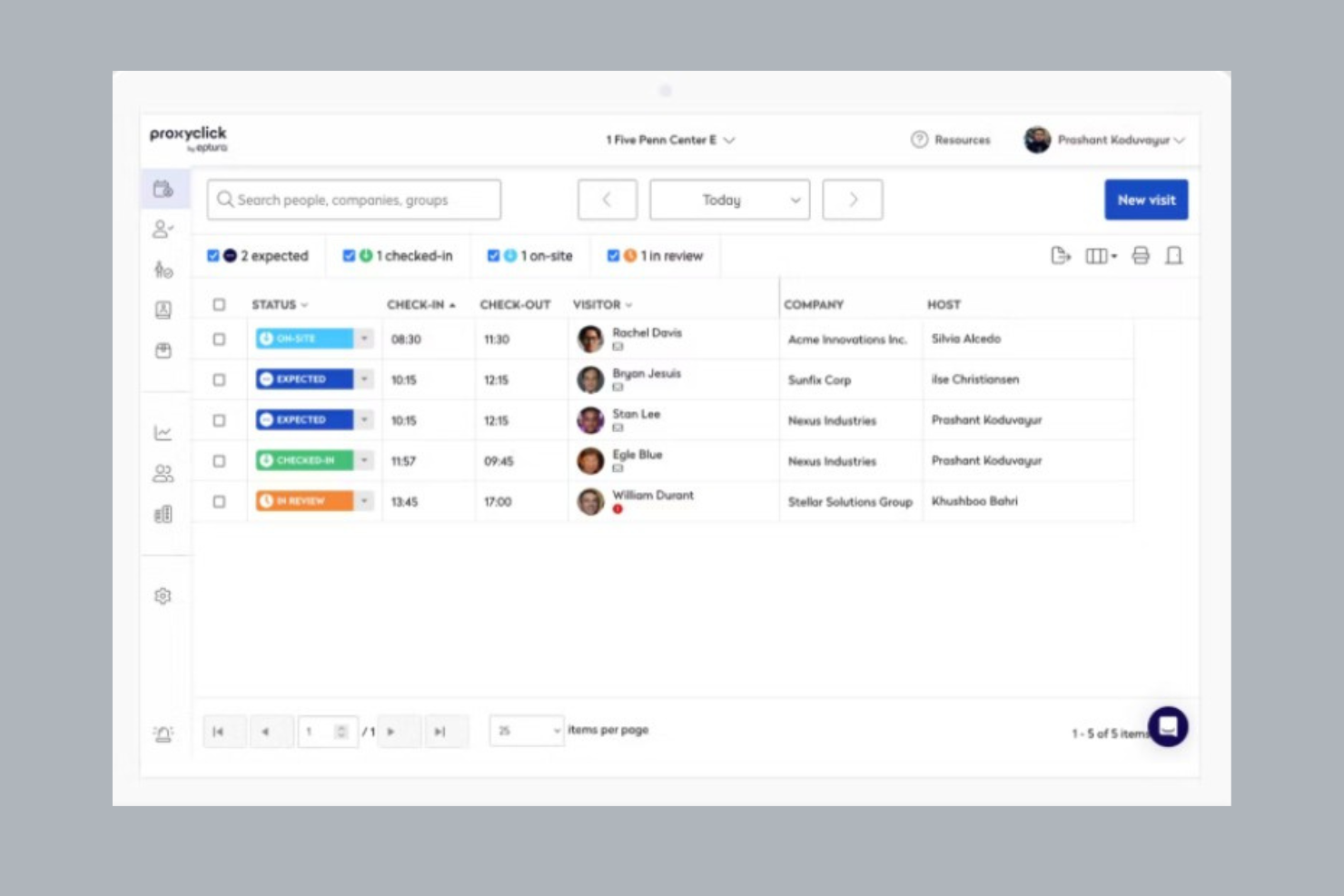
Proxyclick is a visitor management platform built for organizations that need secure, customizable check-in experiences and compliance controls, helping facilities teams and security professionals manage visitors, contractors, and deliveries across multiple locations.
Who Is Proxyclick Best For?
Proxyclick is a strong fit for large enterprises and multi-site organizations that need centralized visitor management with advanced security and compliance controls.
Why I Picked Proxyclick
Proxyclick earns its spot as one of the best on my shortlist because of how well it handles the complexity that comes with enterprise-scale visitor management. I particularly like the watchlist feature—you can create an internal watchlist and connect it to third-party screening systems, so security teams can flag or block specific visitors before they ever reach the front desk. The access control integration is also a standout for large sites: Proxyclick syncs visitor details directly with your existing access control system and can issue QR codes or RFID cards on the spot, so visitors move through the building without creating bottlenecks at reception. For organizations managing multiple locations, the ability to configure visitor workflows, entry points, and badge designs per site from a central admin panel makes it genuinely practical at scale.
Proxyclick Key Features
- Host notifications: Send automatic SMS or email alerts to hosts the moment their visitor checks in.
- Pre-registration: Add visitors in advance and share maps, entry requirements, and contact details before they arrive.
- Guest badges and Wi-Fi credentials: Issue customized printed badges and personalized Wi-Fi credentials to each visitor at check-in.
- Destination dispatch elevator integration: Automatically direct visitors to their designated floors by connecting with destination dispatch elevator systems.
Proxyclick Integrations
Integrations include Microsoft Teams, Slack, Cisco Webex, Honeywell, LenelS2, Genetec, Avigilon, Okta, Azure Active Directory, and Google Workspace.
Pros and Cons
Pros:
- Offers detailed visitor analytics
- Advanced security options
- Supports multiple locations
Cons:
- Occasional syncing issues
- Complex setup process

WorkInSync
Best for flexible workspaces
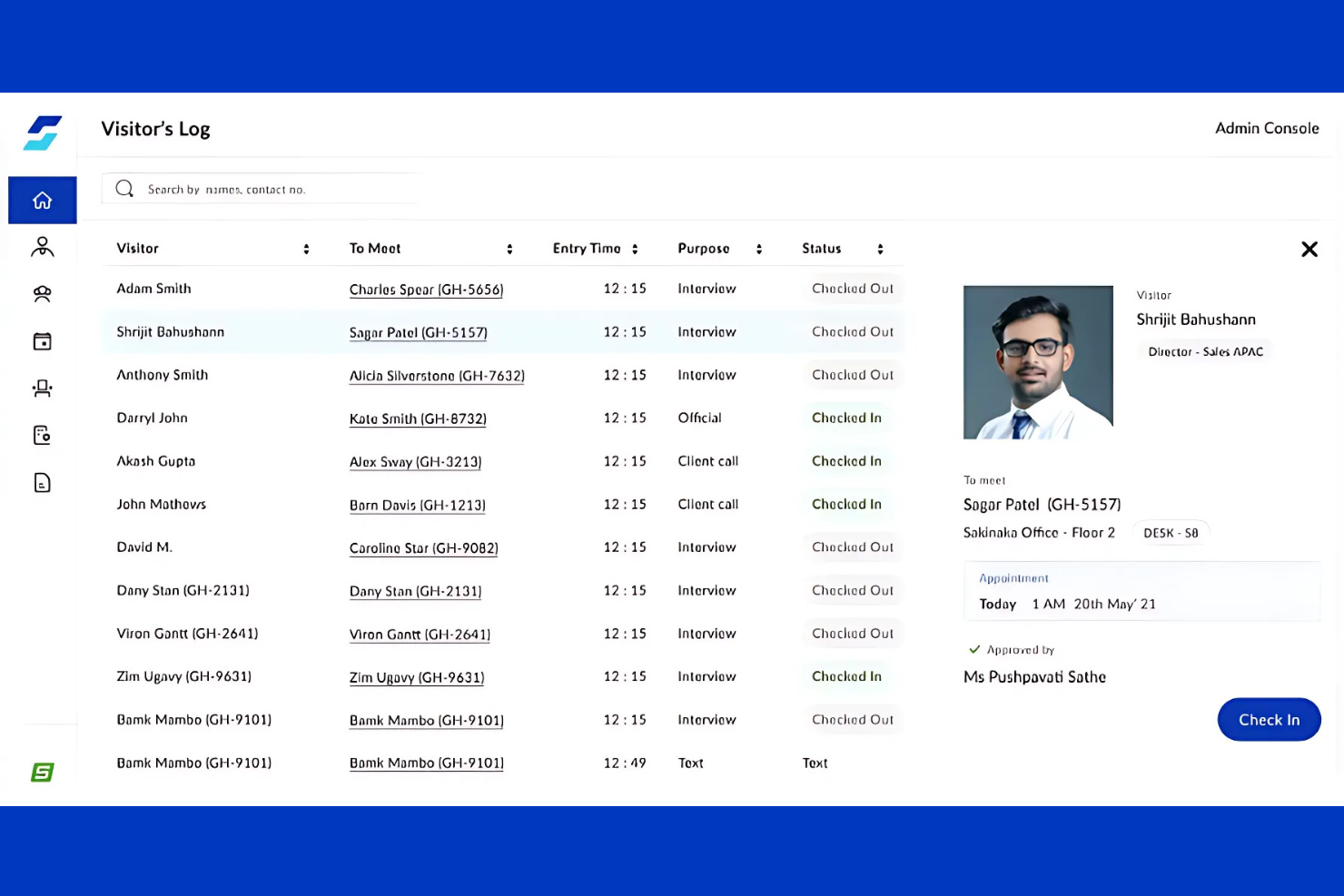
WorkInSync is a workplace management platform designed for organizations that want to simplify visitor check-ins, manage hybrid workspaces, and enhance on-site security for employees and guests.
Who Is WorkInSync Best For?
WorkInSync is a strong fit for mid-sized to large organizations managing hybrid or flexible workplaces where coordinating visitor access alongside desk and room bookings is a daily operational need.
Why I Picked WorkInSync
WorkInSync earns its spot on my shortlist because it's one of the few visitor management tools that's genuinely built around flexible workspaces rather than bolted onto one. I like that visitor check-ins connect directly with desk booking and meeting room scheduling, so when a guest arrives, the host's workspace is already accounted for. In practice, that means my team can pre-register visitors, assign QR code-based entry, and coordinate the host's desk or room booking all from the same platform. The customized workflow feature also lets you tailor notification messages and approval steps per visit type, which is useful when different teams have different access requirements on any given day.
WorkInSync Key Features
- Branded check-in screens: Customize check-in kiosks with your company's logo, colors, and messaging to create a consistent on-site experience for every visitor.
- Visitor log and reporting: Track visitor history, host details, and access patterns in a centralized log that can be exported for audits or compliance reviews.
- Host notifications via Microsoft Teams or email: Automatically alert hosts the moment their guest arrives, so there's no need to manually monitor the front desk.
- Emergency and evacuation management: Access a real-time list of all visitors on-site during an emergency to account for guests quickly and support safe evacuations.
WorkInSync Integrations
Integrations include Microsoft Teams, Google Workspace, Outlook, OneLogin, Okta, Active Directory, Slack, Zoom, Cisco Webex, and ServiceNow.
Pros and Cons
Pros:
- Enhances safety with contactless check-ins
- Detailed workspace analytics
- Efficient visitor pre-registration
Cons:
- Occasional syncing issues
- Some advanced features cost extra
Other Visitor Management Software
Here are some additional visitor management software options that didn’t make it onto my shortlist, but are still worth checking out:
- Robin
For hybrid workplaces
- YAROOMS
For meeting room booking
- Envoy Visitor
For office visitor tracking
- The Receptionist
For easy setup
- DeskFlex
For visitor access monitoring
- Skedda
For venue booking
- OfficeSpace
For touchless check-ins
- Whatspot
For approval-based visitor bookings
- Greetly
For customizable check-ins
- iLobby
For compliance needs


How I Evaluate Visitor Management Software
I evaluate every tool against baseline requirements first—like digital check-in flows and automated host alerts—then weigh differentiators like multi-location support and HRIS integrations.
Core Functionality (Table Stakes For This List)
When I'm selecting tools for my list, I rank each one on a scale from 0 (does not offer the functionality) to 5 (excels in this area) for each core functionality listed below. Then, I calculate the tool's total score into a percentage. Each tool needs to achieve a minimum total score of 65% to be considered for inclusion.
- Visitor Check-In Experience: I evaluate whether candidates and contractors can check in via tablet, kiosk, or mobile—and whether pre-registration cuts lobby wait times.
- Automated Host Notifications: Each tool should alert hosts through email, SMS, or workplace apps like Slack or Teams the moment their visitor checks in.
- Digital Visitor Log: I look for searchable, exportable records with timestamps and visit details that HR and security teams can pull quickly during audits.
- Badge Printing on Arrival: Printed badges with photos, host names, and expiration details help front-desk staff and security identify authorized visitors at a glance.
- Legal Document Capture: I check whether NDAs, health declarations, or site waivers can be signed digitally during check-in with a stored audit trail.
- Watchlist & Compliance Screening: Tools should screen arriving visitors against internal blocklists or regulatory lists and flag matches before granting entry.
Once I have a list of tools that meet the criteria, I consider what sets each platform apart.
Differentiating Factors (What Sets Vendors Apart)
Here's how I compare and contrast different vendors:
Standout Features
Multi-location management matters when your organization runs several offices. I look for a single dashboard where admins configure check-in flows and pull visitor reports per site. Emergency evacuation tools are another big differentiator; real-time on-site rosters during a fire drill or incident directly support duty-of-care responsibilities. I also evaluate access control integrations, since linking visitor check-in to turnstiles or smart locks means temporary credentials expire automatically when a visit ends.
Beyond Features
Compliance and data privacy carry real weight here. I check whether platforms offer configurable data retention policies and hold certifications like SOC 2 Type II, especially when visitor PII crosses jurisdictions. Integration fit is equally important; a tool that syncs host directories from your HRIS and creates visits from calendar invites saves HR teams hours of manual coordination. I also evaluate pricing transparency, since hidden costs for hardware or per-entry fees can quietly inflate budgets as visitor volumes grow.
How to Choose Visitor Management Software
It’s easy to get bogged down in long feature lists and complex pricing structures. To help you stay focused as you work through your unique software selection process, here’s a list of key factors to keep in mind:
| Factor | What to Consider |
| Scalability | Ensure the software can grow with your business. Consider whether it can handle an increasing number of visitors and locations without losing performance. |
| Integrations | Check if the software integrates with existing tools like your calendar, access control systems, and communication platforms to streamline operations. |
| Customizability | Look for options to tailor workflows, branding, and visitor experiences to match your specific business needs and enhance visitor satisfaction. |
| Ease of Use | Evaluate the user interface for intuitiveness. Your team should be able to navigate the system quickly without extensive training or technical knowledge. |
| Budget | Consider your budget constraints. Compare the pricing models and ensure you’re getting value for the features offered without unnecessary expenses. |
| Security Safeguards | Ensure the software has strong security measures. Look for features like visitor screening, data encryption, and compliance with industry regulations. |
| Support | Assess the availability and quality of customer support. Reliable support can help your team resolve issues quickly and maintain smooth operations. |
| User Feedback | Read user reviews to understand real-world experiences. Look for feedback on reliability, feature effectiveness, and overall satisfaction to guide your choice. |
Trends in Visitor Management Software
In my research, I sourced countless product updates, press releases, and release logs from different visitor management software vendors. Here are some of the emerging trends I’m keeping an eye on:
- Contactless Check-In: Many vendors are adding touchless options to enhance safety and convenience. This feature lets visitors check in using their smartphones, reducing physical contact. It's especially relevant in the current health-conscious climate.
- AI-Powered Insights: AI is being used to analyze visitor data and provide actionable insights. This helps businesses optimize visitor flow and improve overall security. Some vendors use AI to predict busy times and recommend staffing adjustments.
- Facial Recognition: This technology is being integrated for faster, more secure check-ins. It allows for quick identification without the need for badges or manual entry. Vendors adopting this trend are improving security and efficiency.
- Customization and Branding: More software allows businesses to customize their visitor interfaces with logos and tailored workflows. This trend helps companies present a professional image and create a consistent brand experience for visitors.
- Sustainability Features: Vendors are incorporating eco-friendly options, like digital badges and paperless check-ins. This trend supports businesses in reducing their environmental footprint while maintaining efficient operations.
What is Visitor Management Software?
Visitor management software is a system that helps organizations manage and track visitors entering their premises. These tools are typically used by office managers, receptionists, and security personnel to enhance security and improve visitor experience. Features like contactless check-in, AI-powered insights, and facial recognition help with efficient visitor processing and security.
Overall, these tools provide value by ensuring a safe and organized visitor experience for businesses.
Features of Visitor Management Software
When selecting the best visitor management system for you, keep an eye out for the following key features:
- Contactless check-in: Allows visitors to sign in using their smartphones, reducing physical contact and enhancing safety.
- Visitor pre-registration: Enables guests to register before arrival, speeding up the check-in process and reducing wait times.
- Facial recognition: Provides quick and secure identification without the need for badges or manual entry.
- Instant notifications: Alerts hosts when their visitors arrive, improving communication and coordination.
- Customizable workflows: Lets businesses tailor the check-in process to their specific needs, enhancing visitor experience.
- Real-time analytics: Offers insights into visitor patterns and trends, helping businesses optimize operations.
- Badge printing: Generates visitor badges for easy identification and enhanced security.
- Evacuation management: Ensures safety by tracking visitors during emergencies and providing evacuation instructions.
- Desk or room booking: Many VMS’s offer additional features to serve hybrid workplaces, such as internal desk reservation systems or meeting room booking tools.
- Integration capabilities: Connects with existing tools like calendars and access control systems to streamline operations.
- Security safeguards: Implements measures like data encryption and compliance management to protect sensitive information.
Benefits of Visitor Management Software
Implementing visitor management software provides several benefits for your team and your business. Here are a few you can look forward to:
- Enhanced security: Features like facial recognition and badge printing help ensure only authorized individuals enter your premises.
- Improved efficiency: Contactless check-in and pre-registration streamline the visitor process, reducing wait times and administrative tasks.
- Better communication: Instant notifications keep your team informed about visitor arrivals, improving coordination and response times.
- Data insights: Real-time analytics provide valuable information on visitor trends, helping you make informed decisions.
- Customizable experience: Tailored workflows and branding options let you create a visitor experience that aligns with your business needs.
- Compliance support: Security safeguards and data management features help you meet industry regulations and protect sensitive information.
Costs & Pricing for Visitor Management Software
Selecting visitor management software requires an understanding of the various pricing models and plans available. Costs vary based on features, team size, add-ons, and more.
The table below summarizes common plans, their average prices, and typical features included in visitor management software solutions:
Plan Comparison Table for Visitor Management Software
| Plan Type | Average Price | Common Features |
| Free Plan | $0 | This includes basic check-in, visitor logs, and limited notifications. |
| Personal Plan | $5-$25 per user/month | This includes customizable check-in, badge printing, and basic analytics. |
| Business Plan | $25-$50 per user/month | This includes contactless check-in, integration capabilities, and advanced analytics. |
| Enterprise Plan | $50+ per user/month | This includes comprehensive security features, multi-location management, and dedicated support. |
Visitor Management Software FAQs
Here are some answers to common questions about visitor management software:
How secure is visitor management software?
Visitor management software is designed with security in mind. It often includes features like visitor screening, ID verification, and data encryption to protect your premises and sensitive information. These tools help ensure that only authorized individuals gain access, enhancing overall security.
Can visitor management systems integrate with existing tools?
Yes, most visitor management systems offer integration capabilities. They can connect with tools like calendar systems, access control, and communication platforms. This integration helps streamline operations and ensures seamless communication across different platforms in your organization.
What hardware is needed for visitor management software?
The hardware requirements can vary based on the system’s capabilities. Some systems may only need a tablet or computer for check-ins, while others might require printers for badge printing or QR code scanners for contactless entry. It’s essential to choose hardware that fits your organization’s needs.
How do visitor management systems handle data privacy?
These systems typically include data protection features to comply with privacy regulations. They offer data encryption, secure storage, and options to control data access. You can manage how visitor data is collected, stored, and used, ensuring compliance with relevant laws.
Is training available for new users?
Many vendors provide training resources to help new users get started. This can include training videos, product tours, webinars, and user manuals. Access to these resources ensures your team can effectively use the software and maximize its benefits.
Can visitor management systems be customized?
Yes, customization is often a key feature. Often, you can tailor the check-in process, branding, and workflows to match your specific business needs. This flexibility helps create a personalized visitor experience and ensures the system aligns with your operational requirements.
What’s Next:
If you're in the process of researching visitor management software, connect with a SoftwareSelect advisor for free recommendations.
You fill out a form and have a quick chat where they get into the specifics of your needs. Then you'll get a shortlist of software to review. They'll even support you through the entire buying process, including price negotiations.