

10 meilleurs employeurs de référence au Sri Lanka en 2026

Sélection des meilleurs employeurs officiels au Sri Lanka


Un employeur officiel au Sri Lanka (EOR) est un prestataire tiers qui emploie légalement des travailleurs au Sri Lanka pour le compte de votre entreprise et gère la paie locale ainsi que l’administration de l’emploi. Le meilleur EOR au Sri Lanka pour votre équipe devrait également proposer des conseils clairs en matière de conformité, une intégration adaptée aux employés et une assistance compatible avec vos systèmes RH et vos projets de recrutement. Ce guide compare les services locaux des prestataires, leur assistance en matière de rupture de contrat et de visas, ainsi que l’accompagnement des comptes, afin de vous aider à choisir la solution la mieux adaptée.
Pourquoi faire confiance à nos avis sur les logiciels
Notre équipe teste et évalue des logiciels depuis 2012. En tant qu’experts RH nous-mêmes, nous savons à quel point il est difficile — et important — de choisir le bon logiciel.
Pour ce guide, nous avons évalué les outils grâce à des tests pratiques et une recherche indépendante, en notant les outils selon nos critères de sélection. Nous nous appuyons également sur les enseignements de leaders d’opinion du secteur et de professionnels des RH en activité.
Nos avis reflètent notre jugement éditorial humain, et non un argumentaire de vente.
Réviseurs experts:
Tableau comparatif : les EOR au Sri Lanka
Comparez côte à côte les tarifs et les caractéristiques des EOR au Sri Lanka retenus dans ma sélection.
| Tool | Best For | Trial Info | Price | ||
|---|---|---|---|---|---|
| 1 | Best for dedicated account support in Sri Lanka hiring | Free demo available | From $319/user/month | Website | |
| 2 | Best for Sri Lanka onboarding with self-service access | Free demo available | From $199/user/month | Website | |
| 3 | Best for AI-driven Sri Lanka payroll compliance | Free demo available | From $299/user/month | Website | |
| 4 | Best for Sri Lanka payroll with visa support | Not available | Pricing upon request | Website | |
| 5 | Best for account-managed Sri Lanka HR compliance | Not available | Pricing upon request | Website | |
| 6 | Best for TEWA-compliant Sri Lanka termination support | Free demo available | From $399/user/month | Website | |
| 7 | Best for one-platform Sri Lanka hiring at scale | Free demo available | From $599/employee/month | Website | |
| 8 | Best for owned-entity Sri Lanka hiring at flat rates | Free demo available | From $699/user/month | Website | |
| 9 | Best for onboarding Sri Lanka hires via one dashboard | Free demo available | From $459/user/month | Website | |
| 10 | Best for HRIS-integrated Sri Lanka hiring at scale | Free demo available | From $499/user/month | Website |

Avis sur les employeurs officiels au Sri Lanka
Vous trouverez ci-dessous mes synthèses détaillées des meilleurs prestataires d’emploi officiel au Sri Lanka retenus dans ma sélection. Mes avis portent sur l’assistance locale en matière de conformité, l’intégration et les services de gestion de compte, afin de vous aider à trouver le service EOR adapté à votre équipe.

Best for dedicated account support in Sri Lanka hiring
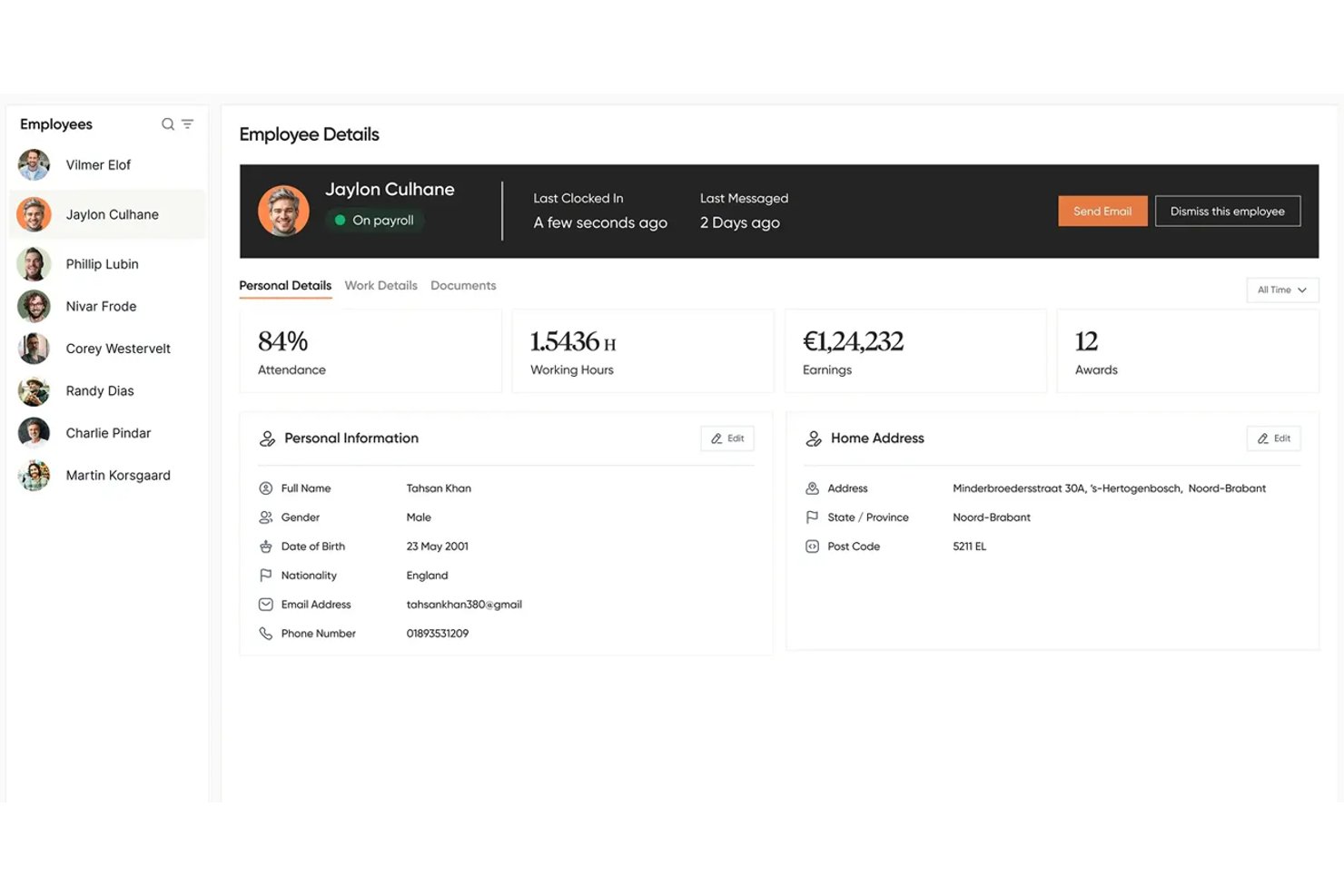
Rivermate is a global employer of record platform that handles employment contracts, payroll processing, statutory contributions, benefits administration, and termination management for companies hiring in Sri Lanka and 180+ other countries.
Who Is Rivermate Best For?
Rivermate works well for startups and small teams hiring in Sri Lanka that want dedicated account management and support with local employment requirements.
Why I Picked Rivermate
I've included Rivermate in my top picks because it assigns a dedicated account manager to each client and supports Sri Lanka hiring through local employment guidance. I particularly like that its services cover employment contracts under Sri Lankan labor requirements, EPF and ETF contributions, payroll processing, and termination procedures. Rivermate also handles employee onboarding, contract signing, and payroll administration through its platform.
Rivermate Key Features
- Multi-currency payroll processing: Rivermate processes payroll in 120+ currencies and issues invoices in USD, GBP, or EUR for international payroll administration.
- Employee self-service portal: Employees can view payslips, request time off, submit expenses, and track benefits directly inside the platform.
- Statutory contribution management: Rivermate calculates and remits EPF, ETF, and income tax deductions each payroll cycle, applying current Sri Lankan rates automatically.
- Contractor-to-employee conversion: You can convert existing Sri Lanka contractor relationships to compliant employment arrangements without switching platforms.
Rivermate Integrations
Rivermate lists HRIS, payroll, and applicant tracking system (ATS) integrations but does not publicly identify specific integration partners.
Pros and Cons
Pros:
- Sri Lanka EPF and ETF payroll administration
- Contractor-to-employee conversion services
- Multi-currency payroll across 120+ currencies
Cons:
- Limited dashboard customization options
- Advanced payroll reporting requires manual filtering

Gloroots
Best for Sri Lanka onboarding with self-service access
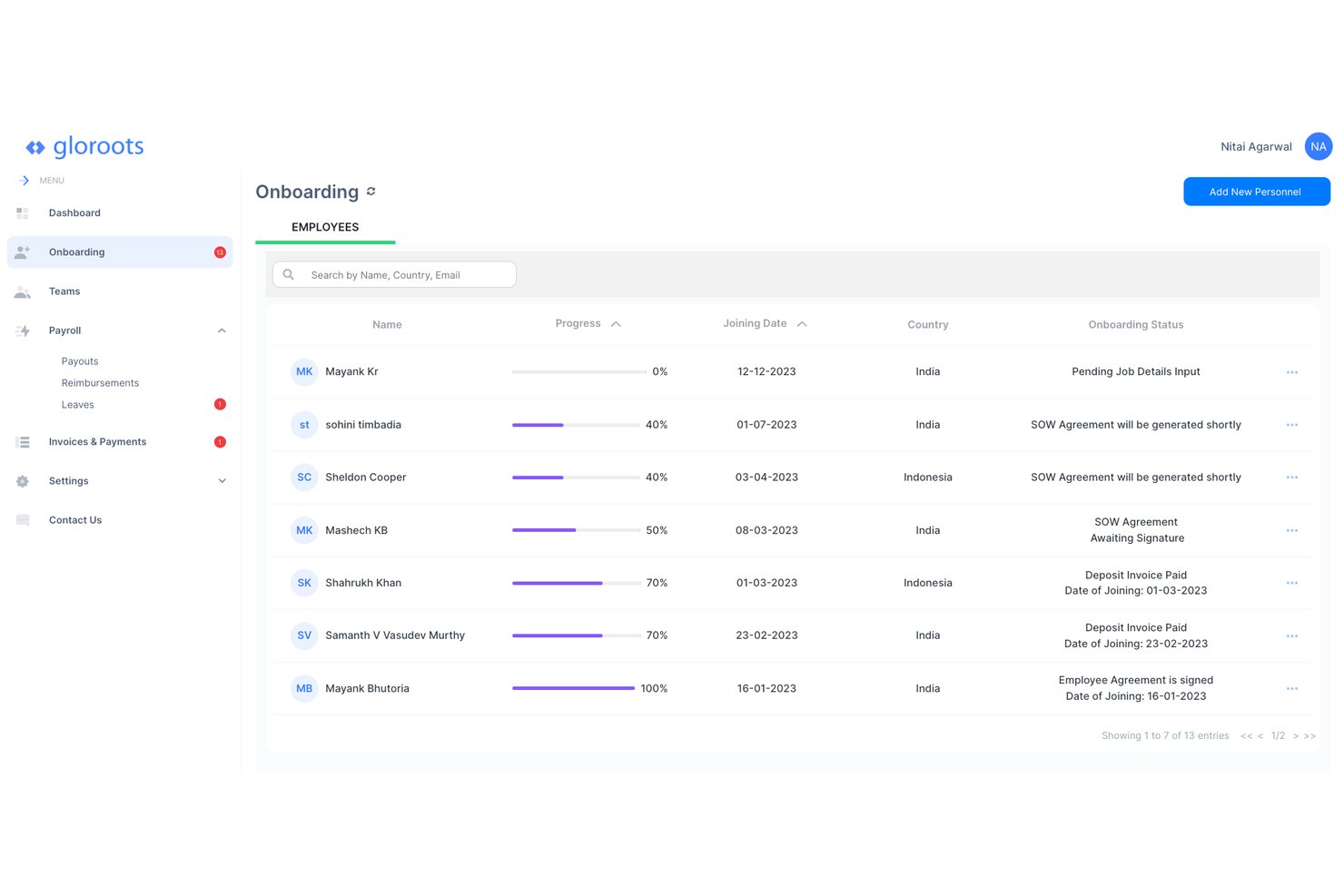
Gloroots is a global employer of record platform that handles Sri Lanka employment contracts, payroll, statutory contributions (EPF, ETF, PAYE), benefits administration, and offboarding compliance without requiring you to set up a local entity.
Who Is Gloroots Best For?
Gloroots works well for startups and small teams hiring their first Sri Lankan employees who want a self-service onboarding experience without setting up a local entity.
Why I Picked Gloroots
I picked Gloroots as one of the best because its self-service onboarding portal lets employees complete their own Sri Lanka setup, including statutory registrations and document submission. I also like that the platform handles EPF, ETF, and PAYE contributions directly, with leave dashboards that both managers and employees can access in real time.
Gloroots Key Features
- Multi-currency payroll: Run payroll in LKR with currency conversion for international payments.
- Termination and offboarding management: Gloroots handles TEWA notice periods, severance calculations, final pay, gratuity, and statutory filings through a structured offboarding process.
- Visa and work permit support: Get assistance with Sri Lankan employment and residence visas, renewals, and transfers for foreign national hires.
- Free employer cost calculators: Use built-in tools including an LKR-compatible employer cost calculator and a misclassification risk checker before committing to a hire.
Gloroots Integrations
Native integrations are not clearly documented; Gloroots lists Workday, SAP SuccessFactors, Oracle, and BambooHR as integrations. An enterprise API supports custom integrations, with SSO, SCIM provisioning, and role-based access.
Pros and Cons
Pros:
- Self-service onboarding includes employee document submission
- Sri Lanka guidance covers EPF, ETF, and TEWA
- 24/7 human support globally
Cons:
- Limited regional customization
- Initial onboarding may require extra coordination
Mercans
Best for AI-driven Sri Lanka payroll compliance
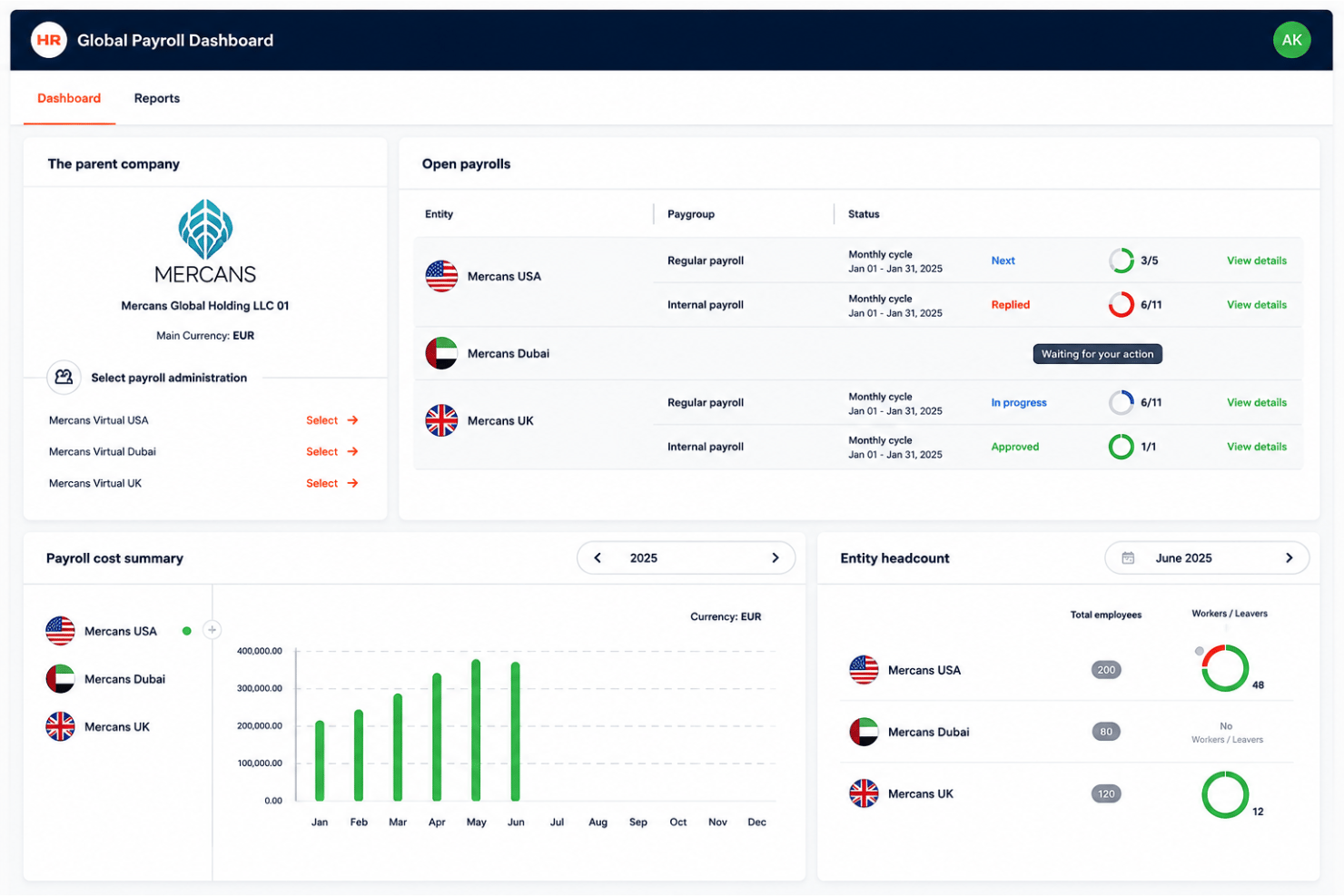
Mercans is a global employer of record platform that supports hiring in Sri Lanka without establishing a local entity. Its services cover employment contracts, payroll processing, statutory contributions, benefits administration, and local employment compliance.
Who Is Mercans Best For?
Mercans is best for payroll administrators and HR teams managing Sri Lankan employees who need global payroll processing, statutory compliance support, and automated payroll validation.
Why I Picked Mercans
I picked Mercans as one of the best because its G2N Nova payroll engine supports automated gross-to-net calculations, payroll validation, and variance reporting. I also like that Mercans incorporates statutory compliance updates into its payroll technology, helping HR teams manage payroll requirements across multiple countries. Its API-driven architecture also connects payroll data with existing HR and finance systems.
Mercans Key Features
- EPF/ETF statutory contribution processing: Mercans supports automated payroll calculations for Sri Lanka's employer 12% EPF, 3% ETF, and employee 8% EPF contributions.
- HR Blizz employee self-service portal: Employees access payslips, update personal details, manage leave requests, and submit expense claims through a mobile-accessible self-service portal.
- Multi-currency payroll disbursement: Payroll is paid out in 103 currencies, with clients retaining funds until two days before the payroll date.
- Dedicated account manager: Mercans assigns a dedicated point of contact for client queries, employment administration, and compliance support.
Mercans Integrations
Mercans has documented integrations with HiBob, Workday, SAP SuccessFactors, and Oracle HCM. Its HiBob integration supports bidirectional data synchronization, while HR Blizz uses an API-first architecture for connections with HR, finance, and ERP systems.
Pros and Cons
Pros:
- Real-time statutory compliance monitoring
- Automated payroll calculations and validation
- Strong knowledge of local labor laws
Cons:
- Certain integration setups may incur additional fees
- HR Blizz customization options may be limited

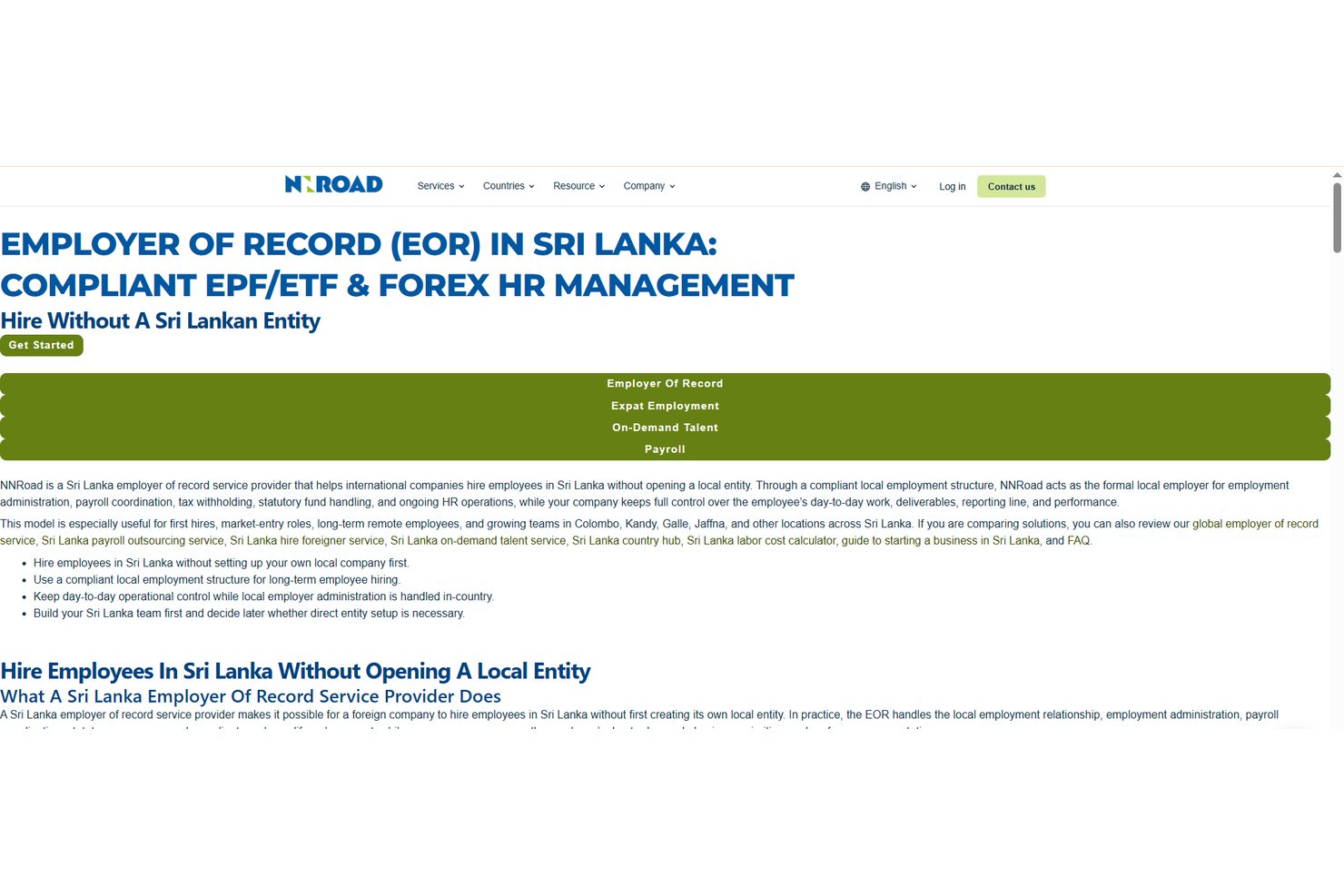
NNRoad is a Sri Lanka employer of record service that handles local employment contracts, payroll processing, EPF and ETF contributions, APIT withholding, and statutory benefits administration. It also has a separate Expat Employment service for foreign hires requiring visa support.
Who Is NNRoad Best For?
NNRoad works well for startups and small teams hiring their first Sri Lanka-based employees, particularly those needing local payroll compliance and separate visa support for foreign hires.
Why I Picked NNRoad
I picked NNRoad as one of the best because it handles Sri Lanka payroll compliance alongside immigration support through its separate Expat Employment service. I particularly like that its payroll services cover EPF contributions (8% employee and 12% employer), ETF contributions (3% employer), and APIT withholding, along with statutory remittance support and T10 certificate data preparation. NNRoad also assists with Employment Category Residence Visas, including BOI and Colombo Port City employment routes.
NNRoad Key Features
- Labor cost calculator: A free Sri Lanka-specific tool estimates gross-to-net pay and total employer cost in USD or LKR.
- Multi-currency payroll: Employees receive salaries in Sri Lankan rupees (LKR), with multi-currency payroll disbursement available for international workforces.
- Month-to-month contracts: Flexible agreements have no minimum headcount and generally require around 30 days' notice to terminate.
- Statutory benefits administration: Covers mandatory employee benefits, statutory contributions, and leave administration under Sri Lankan employment requirements.
NNRoad Integrations
NNRoad uses internally developed platforms for workflow and data management but does not publicly specify third-party HR or payroll integrations or API availability for its Sri Lanka EOR service.
Pros and Cons
Pros:
- Flexible month-to-month terms suit small teams
- Visa support covers BOI and Port City
- Publishes EPF, ETF, and APIT payroll deadlines
Cons:
- Onboarding typically takes two to four weeks
- Requires third-party oversight

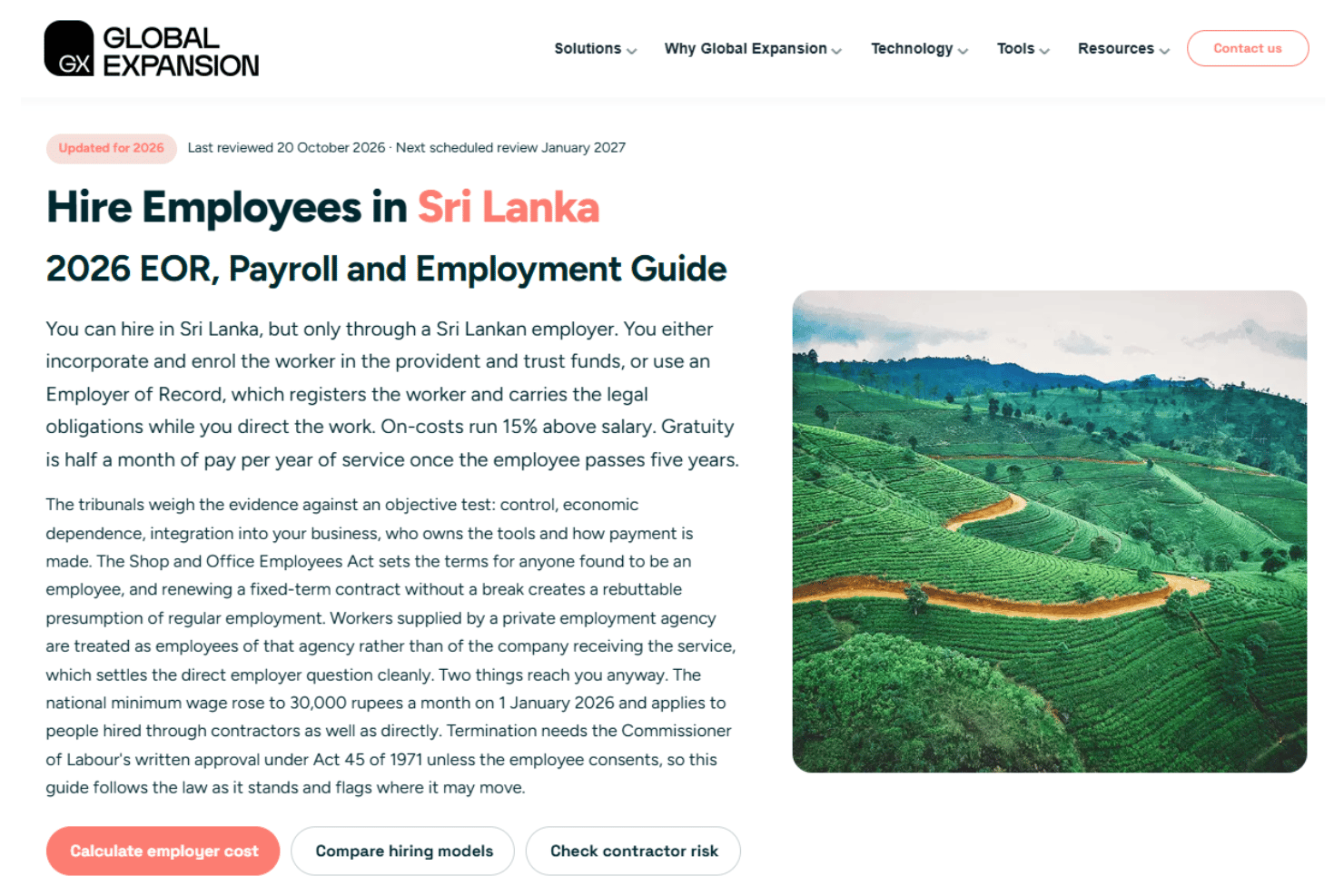
Global Expansion is an employer of record service operating across 200+ countries and territories. It handles employment contracts, payroll processing, statutory contributions, benefits administration, and immigration support for companies hiring in Sri Lanka without establishing a local entity.
Who Is Global Expansion Best For?
Global Expansion works well for companies hiring employees in Sri Lanka that want a named account manager and guidance on local employment, payroll, and tax requirements.
Why I Picked Global Expansion
I've included Global Expansion in my top picks because its advisory EOR model pairs named account managers with international payroll, employment compliance, and immigration services. I particularly like that its Client Services team coordinates onboarding and offboarding, including employment contracts, final payments, and statutory obligations. Global Expansion also supports contractor-to-employee conversions and provides access to GX One for managing employee records, expenses, and time off.
Global Expansion Key Features
- Named account manager: Clients have a named account manager for employment-related questions and coordination with Global Expansion's HR teams.
- Multi-currency payroll processing: Process employee payroll in local currencies, with foreign exchange charges applied where applicable.
- GX One platform: A device-agnostic platform covering time tracking, leave management, expense management, contract lifecycle management, and in-app messaging.
- Contractor-to-employee conversion: Transition existing contractors to local employment contracts to address potential worker misclassification risks.
Global Expansion Integrations
Global Expansion integrates with ADP Workforce Now for account linking, user assignment, and single sign-on (SSO). Its GX1 platform also supports integrations with selected HRIS/HCM, payroll, and email systems.
Pros and Cons
Pros:
- Sri Lanka guide details EPF, ETF, and income tax
- Local experts advise on regulatory changes
- Transitions contractors to employees
Cons:
- Upfront employee deposit required
- Country-specific EOR pricing requires a quote

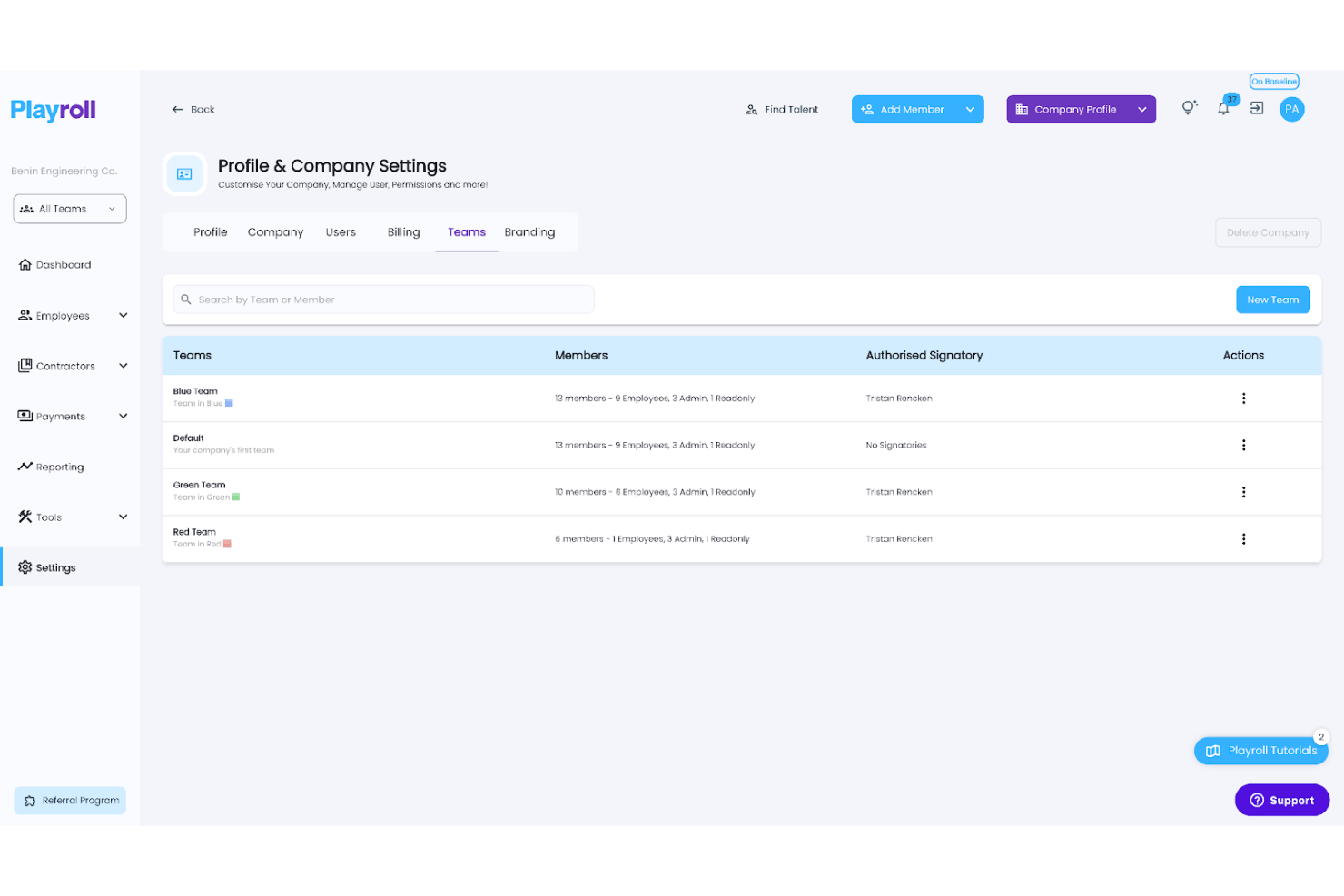
Playroll is a global employer of record platform that handles compliant employment contracts, LKR payroll processing, EPF/ETF/PAYE filings, benefits administration, and TEWA-compliant termination management for Sri Lanka hires.
Who Is Playroll Best For?
Playroll is a strong fit for startups and small businesses hiring their first Sri Lankan employee, particularly when TEWA-compliant termination management and transparent flat-rate pricing matter most.
Why I Picked Playroll
I picked Playroll because of its Sri Lanka-specific termination support, covering gratuity calculations, notice periods, and Labour Tribunal proceedings. Playroll also helps coordinate employee consent and Commissioner of Labour approvals when required under TEWA. Another reason I selected it is its monitoring of Wages Board updates, with contract and payroll adjustments to reflect applicable regulatory changes.
Playroll Key Features
- LKR payroll processing: Runs monthly payroll in Sri Lankan rupees with a 25th-of-the-month cut-off, covering EPF, ETF, and PAYE remittance and filings.
- Wages Board monitoring: Tracks Wages Board minimum wage updates and automatically revises employment contracts and payroll to reflect any changes.
- Employee self-service portal: Employees onboard themselves, request time off, submit expenses, upload documents, and view payslips through a dedicated portal.
- Global Entity Setup: Supports a transition from EOR to your own Sri Lankan private limited company without changing providers.
Playroll Integrations
Playroll offers two documented native integrations with HiBob and BambooHR, plus an Expensify partnership. It also provides an open API for custom integrations.
Pros and Cons
Pros:
- Responsive employee support
- Tracks Wages Board changes in contracts
- Detailed TEWA termination and tribunal support
Cons:
- Visa support listed as an additional service
- Limits custom benefit packages

Best for one-platform Sri Lanka hiring at scale
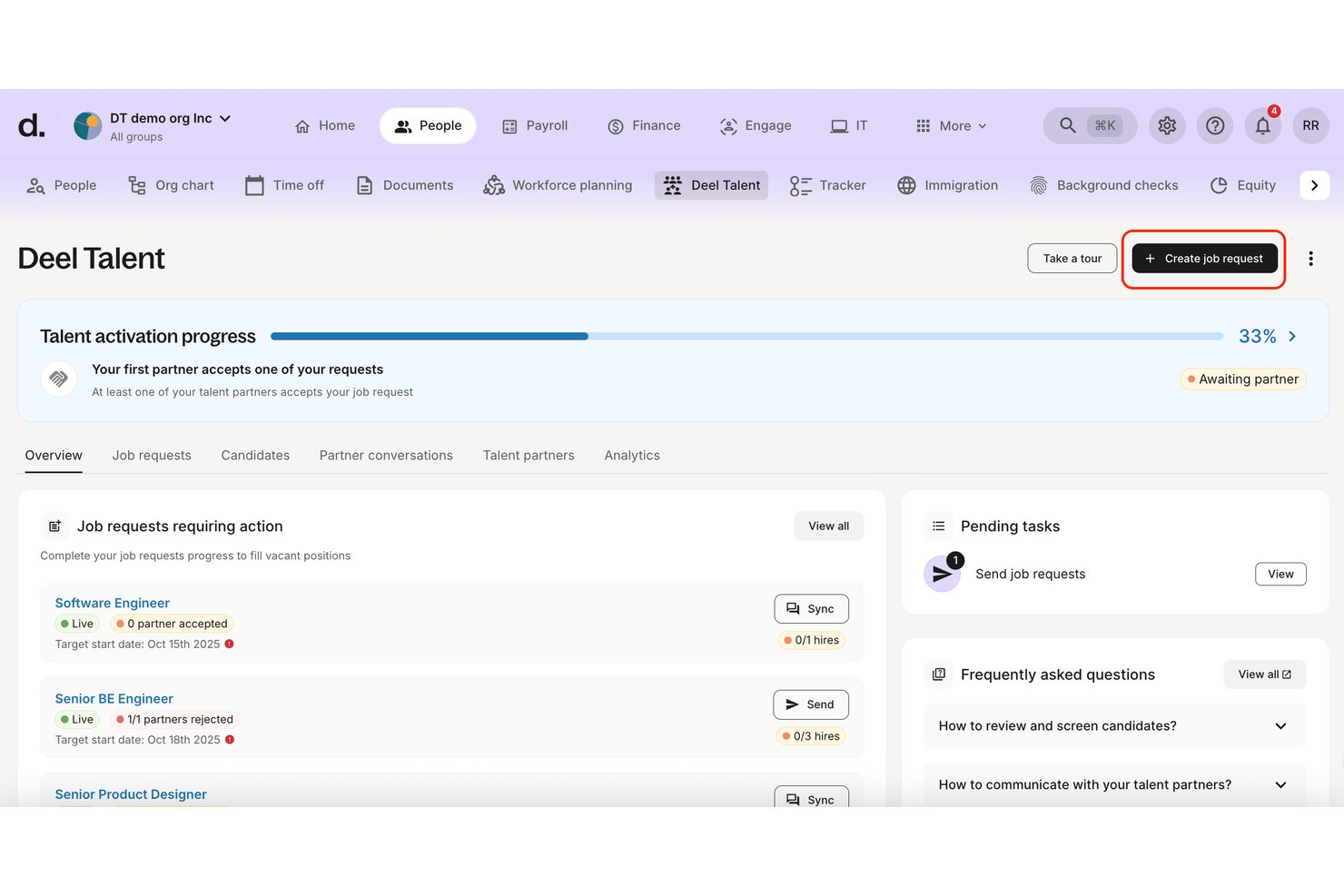
Deel is a global employer of record platform that handles Sri Lanka employment contracts, payroll, EPF/ETF contributions, and benefits administration without requiring you to set up a local entity.
Who Is Deel Hire Best For?
Deel Hire works well for scaling companies that need to hire multiple employees across Sri Lanka and other countries without managing separate tools or legal entities.
Why I Picked Deel Hire
I picked Deel Hire as one of the best because it supports Sri Lanka hiring alongside global workforce management through its employer of record platform. I particularly like that Deel handles employer EPF contributions of 12%, ETF contributions of 3%, monthly LKR payroll, and local tax administration. Deel also states that onboarding in Sri Lanka can take as little as three business days, depending on document completion. Localized benefits include statutory contributions and optional private healthcare through Unisure.
Deel Hire Key Features
- Earned wage access: EOR employees can withdraw a portion of their earned salary before the regular payday directly through the Deel platform.
- Multi-system integrations: Deel connects with HRIS tools such as BambooHR and HiBob, accounting platforms such as QuickBooks and Xero, and ATS tools such as Greenhouse and Ashby.
- Legal review on every termination: Deel's legal team reviews each termination request before proceeding, covering exits with cause, without cause, resignation, and mutual termination.
- SOC 1, SOC 2, and ISO 27001 compliance: Deel's platform meets major security certifications and uses AES-256 encryption with AWS-hosted infrastructure.
Deel Hire Integrations
Deel offers integrations with QuickBooks, Xero, NetSuite, Sage Intacct, BambooHR, HiBob, Personio, Greenhouse, Ashby, and Slack. API connectivity is also available for custom integrations.
Pros and Cons
Pros:
- Localized healthcare and statutory benefits available
- Legal review covers each termination request
- Payslip access gives employees payroll visibility
Cons:
- Statutory employer costs are separate from EOR fees
- Private healthcare requires an optional benefits plan

Remote
Best for owned-entity Sri Lanka hiring at flat rates
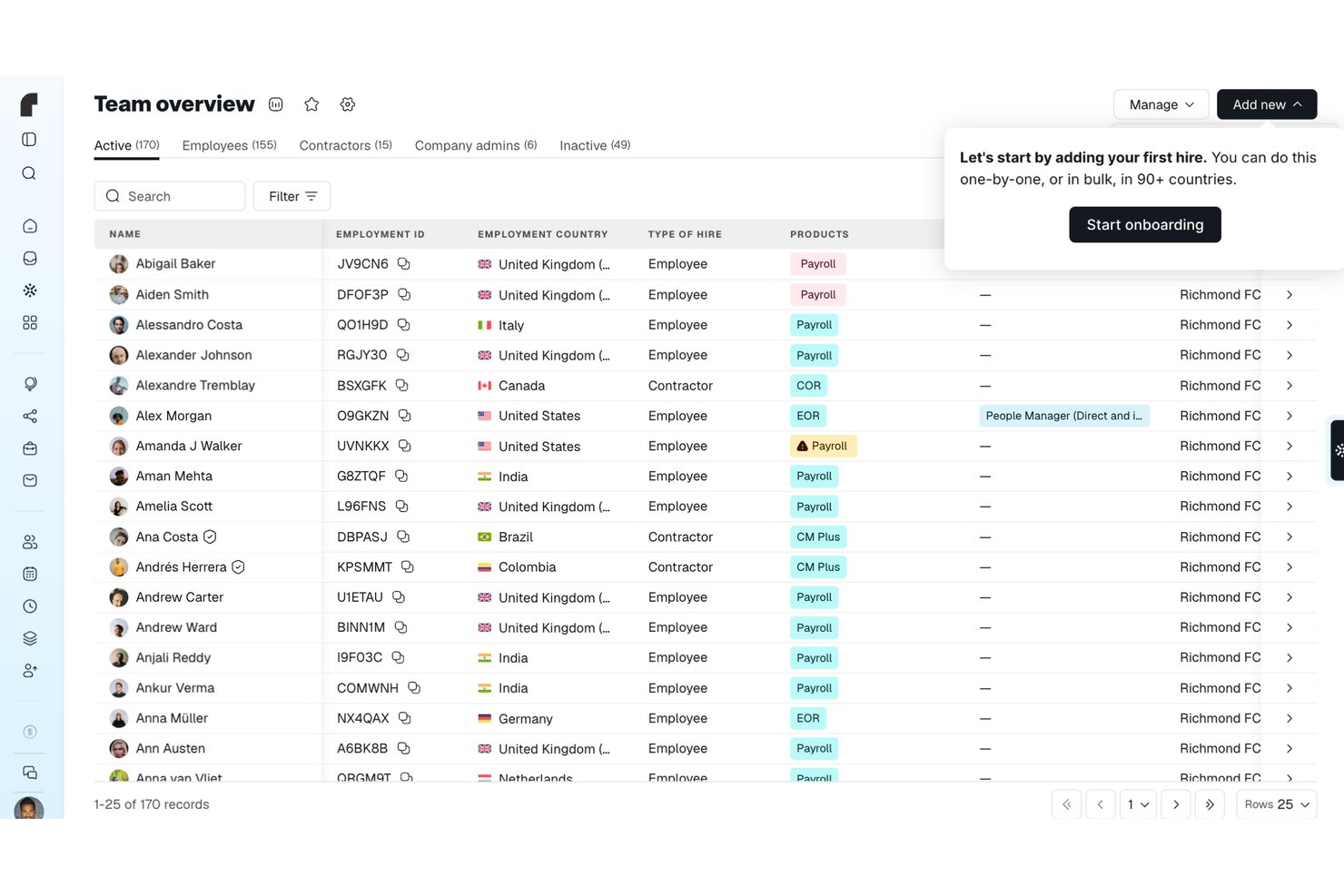
Remote is a payroll and employment provider that handles Sri Lanka EOR hiring through its own locally owned entity, covering compliant contracts, monthly LKR payroll, statutory benefits, and termination management.
Who Is Remote Best For?
Remote is a good fit for companies that want to hire in Sri Lanka without establishing a local entity, especially those that prioritize published EOR pricing and employment through a locally owned legal entity.
Why I Picked Remote
I picked Remote because it operates through its own legal entity in Sri Lanka rather than relying on a third-party employment partner. I also like its Compliance Watchtower feature, which monitors employment law changes and helps employers stay informed about regulatory updates. Remote IP Guard adds another layer of protection through intellectual property assignment clauses in employment agreements, making it relevant for companies hiring technical and product teams in Sri Lanka.
Remote Key Features
- Tiered supplementary benefits: Choose from four health insurance tiers, plus life insurance, mental health, and business travel plans for Sri Lanka employees.
- Multi-currency billing: Invoices are issued in 12 currencies, with a line-by-line breakdown of local LKR payroll and currency conversion.
- In-platform contract amendments: Generate employment letters, process contract changes, and manage resignations directly inside the Remote dashboard.
- HR system integrations: Connect Remote to Workday, BambooHR, HiBob, Personio, QuickBooks, Xero, and others via flexible field mapping.
Remote Integrations
Remote lists integrations with Workday, BambooHR, HiBob, Personio, QuickBooks, Xero, NetSuite, Okta, Greenhouse, and Slack, with flexible field mapping for HR integrations. It also supports Zapier.
Pros and Cons
Pros:
- Built-in tools track law changes and protect IP
- Dedicated specialists assist with employee onboarding
- Owns its Sri Lanka employing entity
Cons:
- Currency conversion rates may fluctuate
- Additional country-specific taxes may apply

Best for onboarding Sri Lanka hires via one dashboard
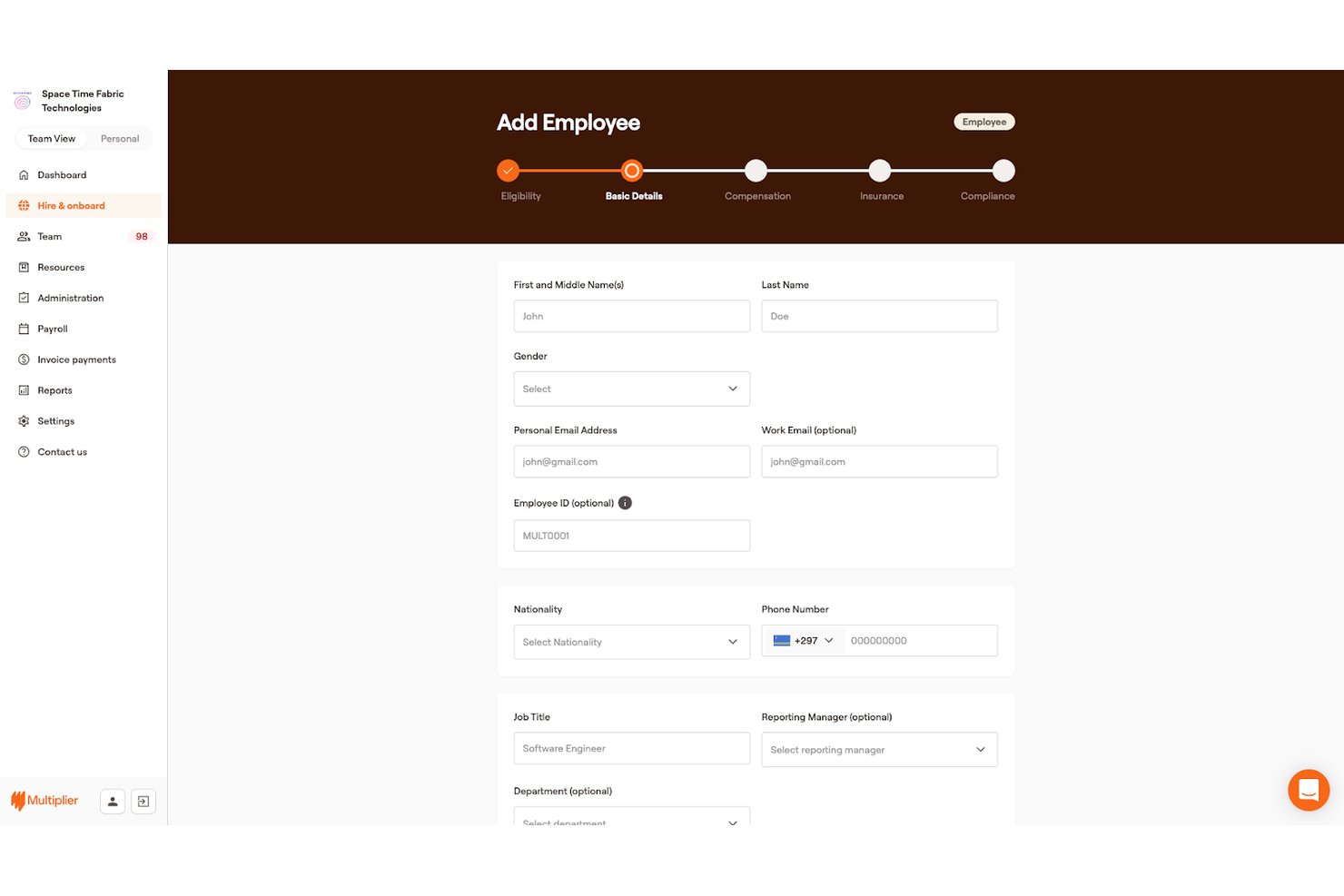
Multiplier is an employer of record platform that handles Sri Lankan employment contracts, EPF and ETF contributions, APIT withholding, benefits administration, and multi-currency payroll.
Who Is Multiplier Best For?
Multiplier suits startups and small businesses hiring in Sri Lanka for the first time, particularly those seeking published EOR pricing and statutory payroll administration without setting up a local entity.
Why I Picked Multiplier
I've included Multiplier in my top picks because it manages Sri Lankan payroll, employment contracts, and benefits through its EOR platform. I particularly like that it handles EPF and ETF contributions alongside APIT withholding and publishes worked examples of employer costs. Multiplier also supports generating employment contracts that account for Sri Lankan labor requirements, including statutory leave and termination provisions.
Multiplier Key Features
- Multi-currency payroll: Pay Sri Lanka employees in local currency while managing contracts and invoices across 120+ currencies from one dashboard.
- EOR contract generation: Create and send locally compliant employment contracts in under five minutes, with customizable compensation, benefits, leave, probation, and notice periods.
- Optional health and life insurance: Add health coverage for employees and their families from day one, with life insurance of up to $400K per person.
- Role-based access and audit logs: Control who sees what across your team with SSO, role-based permissions, and full audit trail logging.
Multiplier Integrations
Multiplier integrates with Workday, BambooHR, Personio, and HiBob for employee data synchronization and HR management. It also supports connections with existing business systems.
Pros and Cons
Pros:
- Generates localized employment agreements
- Timely payslip delivery
- Support for local employment compliance
Cons:
- HiBob integration supports one-way synchronization
- Contract modifications may incur additional fees
Best for HRIS-integrated Sri Lanka hiring at scale
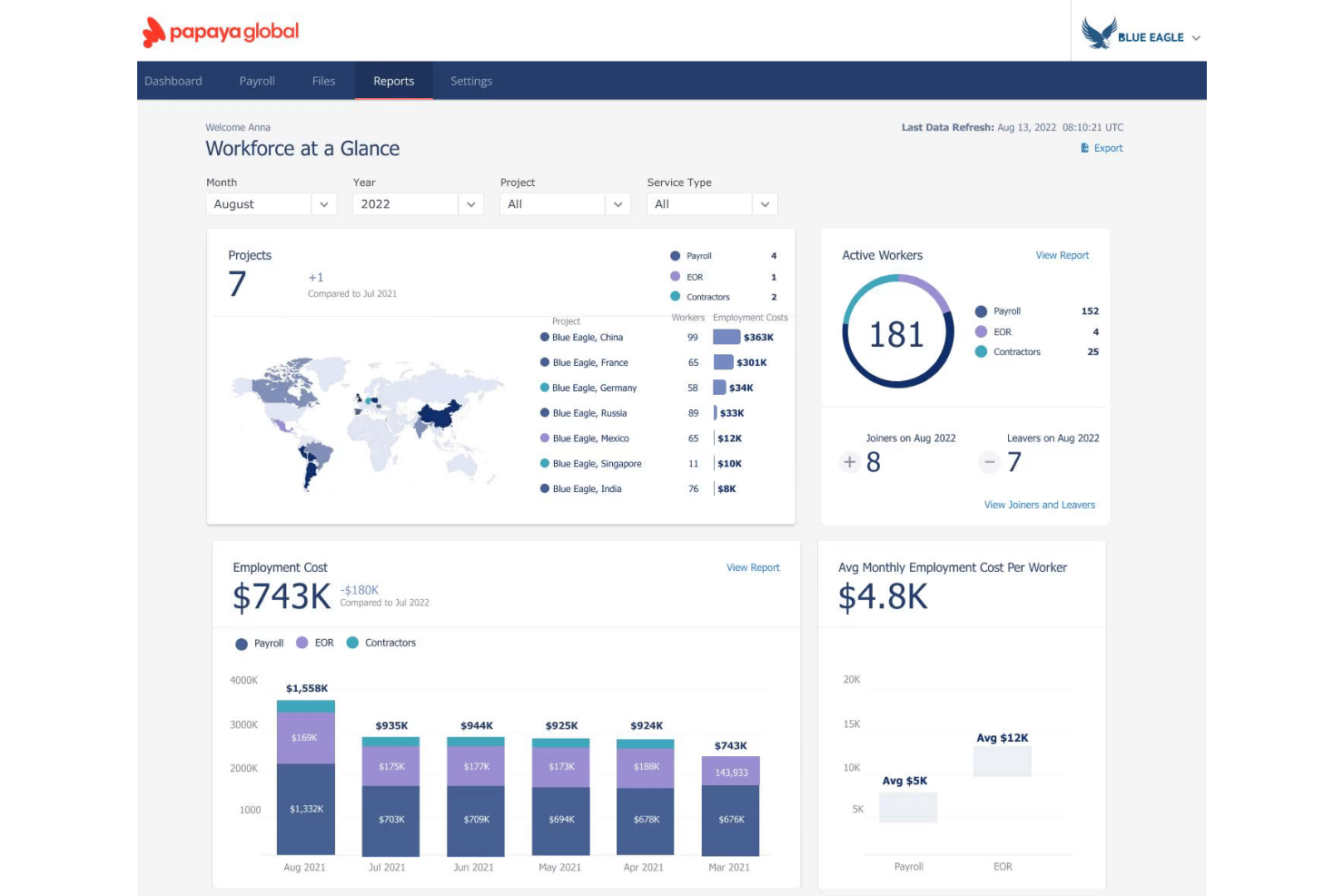
Papaya Global is a global employer of record platform that handles Sri Lanka payroll, statutory contributions, auto-generated employment contracts, benefits administration, immigration support, and termination management across a single system.
Who Is Papaya Global Best For?
Papaya Global is a strong fit for mid-size and enterprise HR teams that need to manage Sri Lanka hiring within a broader multi-country payroll and HRIS ecosystem.
Why I Picked Papaya Global
I picked Papaya Global because of its country-specific employment contracts, which undergo review by local legal experts, and its integrations with global payroll and HR systems. I also like its employment compliance and termination management services, particularly its approach to handling local labor requirements in Sri Lanka.
Papaya Global Key Features
- Multi-currency payroll payments: Papaya's OnePay product supports payroll funding in 15+ currencies across 160+ countries, with an FX Match Guarantee.
- HRIS and ERP integrations: Pre-built connectors link Papaya with Workday, SAP SuccessFactors, BambooHR, HiBob, Oracle HCM, and NetSuite, plus API access.
- Employee self-service app: Workers can access payslips, view employment documents, and report working hours through Papaya's mobile app.
- AI payroll validation: Papaya runs automated gross-to-net (G2N) checks and real-time payroll validation before each pay run to flag errors before they're processed.
Papaya Global Integrations
Papaya Global offers native, pre-built integrations with BambooHR and connectors for Expensify, along with its OneData integration technology. It also supports API access for custom connections and connectors across HRIS, ERP, finance, expenses, PTO, and vendor management systems.
Pros and Cons
Pros:
- Multi-country payroll suits expanding HR teams
- Employment contracts account for Sri Lankan labor requirements
- Delivers automated payroll validation
Cons:
- Less direct control over employment contracts and policies
- EOR services require a refundable deposit
Autres employeurs officiels au Sri Lanka
Voici quelques options supplémentaires qui n’ont pas été retenues dans ma sélection, mais qui méritent tout de même votre attention :
- Payoneer Workforce Management
For employee self-service Sri Lanka hiring
- TopSource
For HRIS-connected Sri Lanka hiring
- G-P
For large-scale global hiring teams
- Safeguard Global
For consultative global hiring at scale
- Native Teams
For budget-conscious startup Sri Lanka hiring
- Asanify
For startups hiring in Sri Lanka via flat fees
- Remote People
For switching to a new Sri Lanka EOR provider
- GoGlobal
For EPF/ETF-compliant Sri Lanka payroll
- Teamed
For transparent flat-rate Sri Lanka hiring
- Tarmack
For startups hiring in Sri Lanka on a flat fee


How I Evaluate Sri Lanka Employer of Record
I split my evaluation into three parts. First, core functionality—can the provider legally employ workers in Sri Lanka and run compliant payroll with EPF/ETF deductions? This carries the most weight. Second, I look for standout features like employee self-service portals. Third, I consider support quality and pricing transparency.
Core Functionality (Table Stakes for This List)
When I'm selecting tools for my list, I score each one on a scale from 0 (does not offer the functionality) to 5 (excels in this area) for each core functionality listed below. I then convert the total into a percentage to help assess each tool's overall fit, with extra weight on any functionalities I've deemed essential.
- Local Legal Employment (Essential): I check whether the provider operates its own entity in Sri Lanka or relies on a third-party partner, and how transparent that arrangement is.
- Compliant Payroll Processing (Essential): I evaluate how each platform handles EPF/ETF deductions, income tax calculations, and statutory filings for Sri Lankan employees.
- Statutory Benefits Administration: Providers like Remote and Papaya Global differ in how they track gratuity, leave, and provident fund obligations, so I look at accuracy and employee visibility.
- Contract Localization: I look for contracts drafted to meet Sri Lankan labor law requirements, including role-specific terms and clauses that reflect the latest regulatory updates.
- Termination and Offboarding Support: Sri Lanka's Termination of Employment of Workmen Act adds complexity to offboarding, so I evaluate how each provider handles notice periods and severance.
- Multi-Currency Payment Disbursement: I check whether the platform pays in LKR with transparent exchange rates and predictable timelines, since delays can erode employee trust quickly.
Once I have a list of tools that meet the criteria, I consider what sets each platform apart.
Differentiating Factors (What Sets Vendors Apart)
Here's how I compare and contrast different vendors:
Standout Features
I look for rapid onboarding timelines, since some providers like Gloroots and Multiplier can activate Sri Lanka hires in days rather than weeks. That speed matters when you're competing for talent. I also evaluate employee self-service portals—can employees view payslips, track leave, and access tax documents on their own? This reduces back-and-forth for HR teams managing workers across time zones. Finally, I check whether a provider offers local HR expert support, because Sri Lanka's labor regulations require someone who understands in-country norms firsthand.
Beyond Features
I check whether providers publish flat per-employee fees or use percentage-of-salary models, since hidden setup charges and FX markups can quietly inflate costs across a growing Sri Lanka team. HRIS integration depth also matters—providers like Papaya Global and Multiplier offer API connections to tools like BambooHR or Workday, which cuts down on duplicate data entry when you're managing hires across multiple countries. I also evaluate support responsiveness during Sri Lankan business hours, because a payroll error that sits in a shared queue overnight can become a compliance issue by morning.
Comment choisir un employeur officiel au Sri Lanka
Choisissez un EOR au Sri Lanka en vérifiant que ses modalités d’emploi, ses calculs de paie et son processus de départ correspondent aux postes que vous prévoyez de pourvoir.
| Si votre priorité est… | Recherchez… |
|---|---|
| Une paie exacte | Un exemple détaillé indiquant les cotisations EPF/ETF, l’impôt sur le revenu, le salaire net et les responsabilités déclaratives |
| Une responsabilité juridique claire | Une indication écrite de l’entité employeuse et de l’éventuel recours à un partenaire local |
| Une procédure de départ prévisible | Un processus permettant d’évaluer le préavis, les approbations et l’applicabilité des exigences TEWA |
| Des dossiers RH cohérents | Une approche documentée concernant les dossiers des employés, les bulletins de paie et l’échange de données avec le SIRH |
Comment évaluer votre sélection
- Testez un calcul de paie : demandez un exemple pour un salaire mensuel hypothétique de 500 000 LKR, indiquant chaque retenue, la cotisation de l’employeur, la responsabilité déclarative et le montant du paiement.
- Confirmez les modalités d’emploi : demandez un exemple de contrat de travail sri-lankais ainsi qu’une confirmation écrite de l’entité employeuse légale avant de signer.
- Testez un scénario de départ : envoyez un exemple écrit portant sur une rupture de contrat envisagée et demandez une réponse identifiant les approbations nécessaires, les obligations en matière de préavis et la manière dont l’applicabilité de TEWA est évaluée.
- Comparez les modèles opérationnels : choisissez une entité détenue en propre si la responsabilité locale directe est votre priorité ; envisagez un modèle avec partenaire déclaré si ses modalités de service répondent mieux à vos besoins, et indiquez la partie employeuse dans l’accord.
Qu’est-ce qu’un employeur officiel au Sri Lanka ?
Un employeur officiel (EOR) au Sri Lanka est une organisation tierce qui emploie légalement des travailleurs au Sri Lanka pour le compte de votre entreprise. Il gère généralement la paie locale, les cotisations obligatoires, les contrats de travail et d’autres tâches administratives liées à l’emploi. Votre entreprise dirige le travail quotidien de l’employé, tandis que l’EOR assume les responsabilités officielles de l’employeur conformément au droit sri-lankais.
Fonctionnalités
Voici les principales fonctionnalités que je recherche chez un employeur officiel au Sri Lanka :
- Emploi local : Le prestataire emploie les travailleurs par l’intermédiaire de sa propre entité sri-lankaise ou d’un partenaire local déclaré. Vérifiez quelle entité juridique figure sur le contrat de travail.
- Traitement de la paie : Le prestataire calcule le salaire brut, les retenues et le salaire net, puis paie les employés dans les délais prévus. Pour le Sri Lanka, demandez-lui comment il gère les cotisations EPF et ETF, l’impôt sur le revenu et les déclarations obligatoires.
- Contrats localisés : Le prestataire prépare des contrats de travail qui tiennent compte des exigences du droit du travail sri-lankais et des conditions propres à chaque poste. Vérifiez qui met à jour les contrats lorsque les règles applicables changent.
- Gestion des avantages obligatoires : Le prestataire suit les cotisations obligatoires, les congés et les autres droits applicables liés à l’emploi. Des registres clairs aident les employés et les RH à vérifier les soldes et les obligations.
- Gestion de l’intégration : Le prestataire recueille les informations concernant l’employé, prépare les documents et coordonne la signature du contrat ainsi que la mise en place de la paie. Un processus défini permet aux nouvelles recrues de savoir quoi remplir et à quel moment.
- Assistance en cas de rupture du contrat : Le prestataire explique les exigences en matière de préavis, les approbations nécessaires et si la loi sur la cessation d’emploi des travailleurs s’applique à une rupture de contrat envisagée. Demandez que le processus et les responsabilités soient définis par écrit.
- Dossiers des employés et libre-service : Un portail ou un système partagé peut permettre aux employés d’accéder à leurs bulletins de paie et aux documents RH pertinents. Vérifiez quels dossiers les employés peuvent consulter et comment votre équipe peut les récupérer.
- Assistance locale : Le prestataire fournit une assistance RH pour les questions relatives à la paie, aux conditions d’emploi et aux procédures locales. Confirmez les horaires d’assistance, les canaux de contact et l’identité de la personne qui traite les cas propres au Sri Lanka.
- Versement des salaires : Le prestataire verse les salaires aux employés dans la devise convenue et explique les délais de paiement ainsi que les éventuels frais de change. Vérifiez comment il communique les taux de change et règle les échecs de paiement.
Avantages
D’après mon expérience, les services d’EOR au Sri Lanka peuvent offrir plusieurs avantages pratiques, notamment :
- Emploi local : Un EOR emploie les travailleurs par l’intermédiaire de sa propre entité sri-lankaise ou d’un partenaire local, offrant ainsi à votre équipe un employeur local clairement défini pour les responsabilités officielles liées à l’emploi.
- Gestion de la paie : Les services de paie peuvent calculer les salaires, les cotisations EPF et ETF, l’impôt sur le revenu et les déclarations obligatoires pour les employés sri-lankais.
- Accompagnement local en matière d’emploi : Des contrats rédigés localement et des conseils sur les exigences en matière de préavis et l’applicabilité de la TEWA aident votre équipe à gérer les conditions d’emploi et la fin de la relation de travail.
- Intégration coordonnée : La collecte des documents, la signature du contrat et la mise en place de la paie suivent un processus défini pour les nouvelles recrues.
- Dossiers clairs pour les employés : Les bulletins de paie et les documents RH disponibles dans un portail destiné aux employés ou un système partagé donnent aux travailleurs accès aux informations pertinentes relatives à leur emploi.
- Versement des salaires : Les services de paiement des EOR peuvent verser les salaires dans la devise convenue et préciser les délais de paiement ainsi que les frais de change.
Coûts et tarifs
Les services d’EOR au Sri Lanka coûtent généralement entre $300 et $600 par employé et par mois, selon le prestataire et l’étendue des services. Ces intitulés de forfaits ne sont pas standardisés chez les prestataires d’EOR, et les coûts patronaux obligatoires ainsi que les salaires des employés sont généralement facturés en supplément.
Tableau comparatif des forfaits pour un employeur officiel au Sri Lanka
| Type de forfait | Prix moyen | Fonctionnalités courantes |
|---|---|---|
| Forfait gratuit | Généralement indisponible | L’emploi par un EOR, la gestion de la paie ou les déclarations obligatoires ne sont généralement pas inclus. |
| Forfait personnel | $300–$500 par employé et par mois | Comprend généralement l’emploi local, le traitement de la paie, la gestion des contrats et la gestion des cotisations EPF/ETF. |
| Forfait professionnel | $400–$600 par employé et par mois | Comprend généralement l’emploi local, le traitement de la paie, la gestion des avantages et l’assistance à l’intégration. |
| Forfait entreprise | Tarification personnalisée | Peut inclure l’emploi dans plusieurs pays, une assistance dédiée à la gestion du compte, des rapports personnalisés et une assistance RH étendue. |
Questions fréquentes
Voici les réponses aux questions fréquentes sur l’employeur officiel au Sri Lanka :
Un EOR peut-il embaucher des salariés au Sri Lanka sans que mon entreprise y crée une entité locale ?
Oui. Un EOR peut employer un travailleur au Sri Lanka par l’intermédiaire de sa propre entité ou d’un partenaire local déclaré. Votre entreprise n’a généralement pas besoin de créer une entité locale pour cette embauche. L’EOR apparaît comme l’employeur légal, tandis que votre équipe dirige le travail quotidien du salarié dans le cadre de votre accord de services. Avant de signer, confirmez quelle entité signe le contrat de travail et s’occupe des déclarations de paie. Demandez des informations écrites sur le dispositif local du prestataire et les responsabilités de chaque partie.
Qui prend en charge les cotisations EPF et ETF lorsque j’embauche par l’intermédiaire d’un EOR ?
L’EOR doit calculer et administrer les cotisations EPF et ETF, mais votre accord doit préciser les responsabilités de chaque partie. En pratique, l’entité employeuse prend en charge les obligations légales liées à la paie. Votre entreprise finance généralement le salaire et les coûts patronaux convenus par l’intermédiaire de l’EOR. Demandez un exemple de calcul de paie indiquant les retenues salariales, les cotisations patronales, l’impôt sur le revenu, les dates de versement et la partie responsable des déclarations. Demandez également comment le prestataire confirme que les paiements ont été effectués et corrige les erreurs. Distinguez les retenues salariales des coûts patronaux lorsque vous prévoyez le coût total de l’emploi.
Puis-je licencier un salarié sri-lankais par l’intermédiaire d’un EOR ?
Oui, mais impliquez l’EOR avant de communiquer une décision définitive ou de mettre fin à la relation de travail. La loi sur la cessation d’emploi des travailleurs, ou TEWA, peut exiger une autorisation préalable pour les licenciements concernés. Son applicabilité dépend de l’employeur, du salarié et des circonstances ; ne partez donc pas du principe qu’un simple préavis suffit. Communiquez à l’EOR les faits par écrit, notamment le motif, l’ancienneté, l’effectif et la date de fin envisagée. Demandez-lui d’identifier les autorisations applicables, le préavis, les calculs relatifs aux congés ou à l’indemnité de départ, ainsi que les documents requis avant d’agir.
Puis-je engager une personne en tant que prestataire indépendant au lieu d’utiliser un EOR ?
Un dispositif EOR est conçu pour les salariés ; l’engagement d’un prestataire indépendant constitue un service et un dispositif juridique différents. Ne choisissez pas le statut de prestataire indépendant uniquement pour éviter les coûts d’un EOR ou l’administration locale de la paie. La classification correcte dépend de la relation de travail réelle et des règles sri-lankaises applicables, et pas seulement de l’intitulé du contrat. Avant d’engager une personne en tant que prestataire indépendant, examinez les faits avec un conseil juridique local ou un conseiller qualifié. Présentez le dispositif envisagé à votre EOR et demandez-lui des indications écrites sur le fait qu’il entre ou non dans le périmètre de ses services.