

I 10 migliori software HR e di contabilità del 2026

10 Elenco dei migliori software per le risorse umane e la contabilità


Gestire le funzioni relative alle risorse umane e alla contabilità può sembrare come cercare di destreggiarsi tra troppe attività contemporaneamente. Gli errori nelle buste paga, i rischi legati alla conformità e i sistemi disgiunti creano problemi costanti, mentre i processi inefficienti fanno perdere tempo prezioso. Se hai difficoltà con l'inserimento manuale dei dati, sei frustrato da un software che non si integra bene o ti senti sopraffatto dal dover stare al passo con le normative fiscali, non sei solo: molte aziende affrontano queste stesse sfide.
Il software giusto per le risorse umane e la contabilità può trasformare il modo in cui gestisci il personale e le finanze. Questi strumenti automatizzano le buste paga, garantiscono la conformità alle normative fiscali e al diritto del lavoro, semplificano il monitoraggio delle spese e integrano i dati dei dipendenti con la rendicontazione finanziaria, riducendo il carico amministrativo e gli errori costosi.
Da anni svolgo ricerche, testo e scrivo di soluzioni software per le risorse umane e la contabilità, aiutando le aziende a trovare strumenti che funzionano davvero. In questa guida farò chiarezza tra le numerose opzioni e presenterò le migliori, così potrai prendere una decisione informata con fiducia.
Perché fidarsi delle nostre recensioni sui software
Il nostro team testa e recensisce software dal 2012. In quanto esperti HR noi stessi, sappiamo quanto sia difficile — e importante — scegliere il software giusto.
Per questa guida, abbiamo valutato gli strumenti attraverso test pratici e ricerche indipendenti, assegnando un punteggio agli strumenti in base ai nostri criteri di selezione. Ci basiamo inoltre sulle competenze di leader di pensiero del settore e di professionisti HR attivi.
Le nostre recensioni riflettono il nostro giudizio editoriale umano, non un discorso di vendita.
Revisori esperti:
Tabella comparativa dei prezzi dei software per le risorse umane e la contabilità
La tabella seguente confronta i dettagli dei prezzi delle mie migliori selezioni di software per le risorse umane e la contabilità.
| Tool | Best For | Trial Info | Price | ||
|---|---|---|---|---|---|
| 1 | Ideale per l'integrazione end-to-end di HR e payroll | Demo gratuita disponibile | Prezzo su richiesta | Website | |
| 2 | Ideale per l'automazione delle politiche di spesa collegate alle risorse umane | Demo gratuita disponibile | Prezzo su richiesta | Website | |
| 3 | Ideale per l'economicità delle piccole imprese | Prova gratuita di 30 giorni disponibile | Da $8.50/mese + $2/dipendente | Website | |
| 4 | Ideale per personalizzazione e integrazioni | Prova gratuita di 30 giorni + piano gratuito disponibile | Da $19/mese più $3/dipendente/mese | Website | |
| 5 | Ideale per la gestione aziendale completa | Demo gratuita disponibile | $9.10/mese | Website | |
| 6 | Ideale per soluzioni HR integrate | Demo gratuita disponibile | Prezzo su richiesta | Website | |
| 7 | Ideale per sistemi ERP e CRM modulari | Prova gratuita di 30 giorni disponibile | Prezzo su richiesta | Website | |
| 8 | Ideale per la scalabilità aziendale | Demo gratuita disponibile | Prezzi su richiesta | Website | |
| 9 | Ideale per l’elaborazione dei salari in tempo reale | Demo gratuita disponibile | Prezzo su richiesta | Website | |
| 10 | Ideale per servizi di gestione paghe conto terzi | Versione di prova gratuita disponibile (per le versioni Cloud e Desktop) | Prezzo su richiesta | Website |
Recensioni dei migliori software per le risorse umane e la contabilità
Scopri valutazioni dettagliate e riepiloghi dei migliori software per le risorse umane e la contabilità. Ogni recensione illustra vantaggi e svantaggi, funzionalità principali e scenari d’uso ideali.

Ideale per l'integrazione end-to-end di HR e payroll
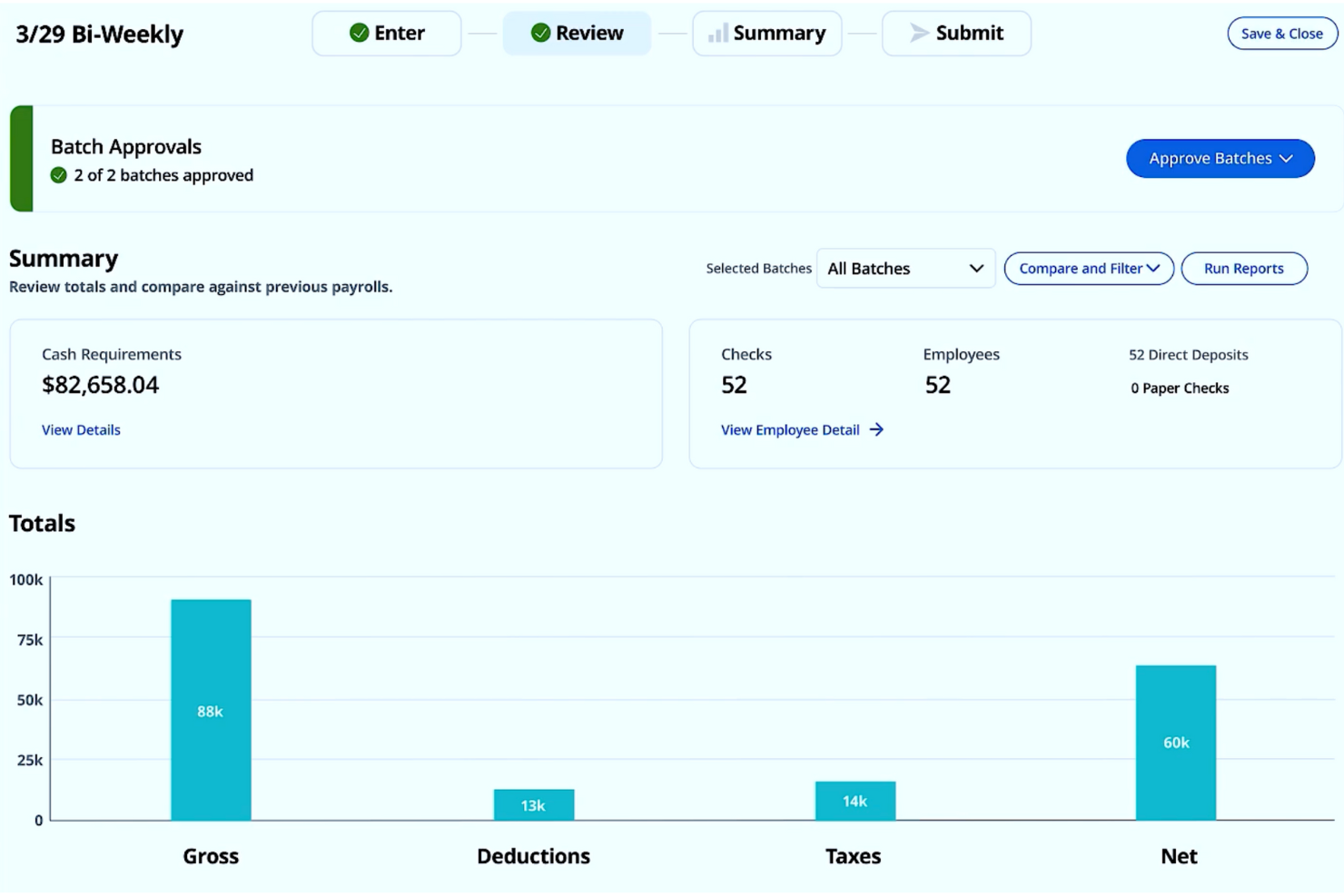
Per le aziende che cercano una soluzione versatile di software per la contabilità HR, Paylocity si distingue per la sua capacità di unificare la gestione del capitale umano, la finanza e l'IT. Si rivolge a piccole e medie imprese di vari settori, offrendo soluzioni che semplificano i processi di HR e payroll affrontando allo stesso tempo sfide come l'elaborazione complessa delle paghe e i requisiti di conformità. L'attenzione di Paylocity al miglioramento della gestione e dell'engagement dei dipendenti lo rende una scelta interessante per chi desidera ottimizzare le operazioni della propria forza lavoro.
Perché ho scelto Paylocity
Ho scelto Paylocity per il suo approccio innovativo nell'integrare HR e payroll con soluzioni di finanza e IT. Il suo sistema di gestione delle paghe, che include l'elaborazione automatizzata e i servizi fiscali, affronta direttamente le sfide legate alla gestione delle buste paga complesse. Inoltre, i portali self-service per i dipendenti consentono al tuo team di accedere in qualsiasi momento ai propri dati di payroll e HR, riducendo il carico amministrativo e migliorando l'efficienza generale.
Caratteristiche principali di Paylocity
Oltre all'integrazione end-to-end di HR e payroll, Paylocity offre:
- Gestione della conformità: Fornisce strumenti e dashboard per aiutare il tuo team a rimanere conforme alle varie normative e requisiti.
- Analisi della forza lavoro: Offre approfondimenti basati sui dati per supportare decisioni migliori e una pianificazione strategica.
- Monitoraggio di presenza e orari: Aiuta a gestire in modo efficiente le ore lavorative e le presenze dei dipendenti, garantendo un'elaborazione accurata delle paghe.
- Gestione delle spese: Semplifica il monitoraggio e la gestione delle spese aziendali, integrandosi perfettamente con i sistemi contabili.
Integrazioni Paylocity
Le integrazioni includono QuickBooks, Oracle NetSuite, Xero, Sage, Concur, Microsoft Dynamics GP, Acumatica, Intacct, SAP e Workday.
Pros and Cons
Pros:
- Si adatta bene alla crescita dei team
- Offre supporto compliance integrato per le normative sul lavoro
- Supporta la mappatura GL per la contabilità payroll
Cons:
- Alcuni utenti segnalano incoerenze nell'esperienza del servizio clienti
- La creazione di report personalizzati richiede fatica di configurazione
New Product Updates from Paylocity

Paylocity Expands Expense and Purchase Request Tools
Paylocity adds connected personal cards, smarter expense categorization, and a streamlined purchase request experience. This reduces manual entry and helps finance teams manage expenses and approvals more efficiently. For more information, visit Paylocity’s official site.
 .
.
Ideale per l'automazione delle politiche di spesa collegate alle risorse umane
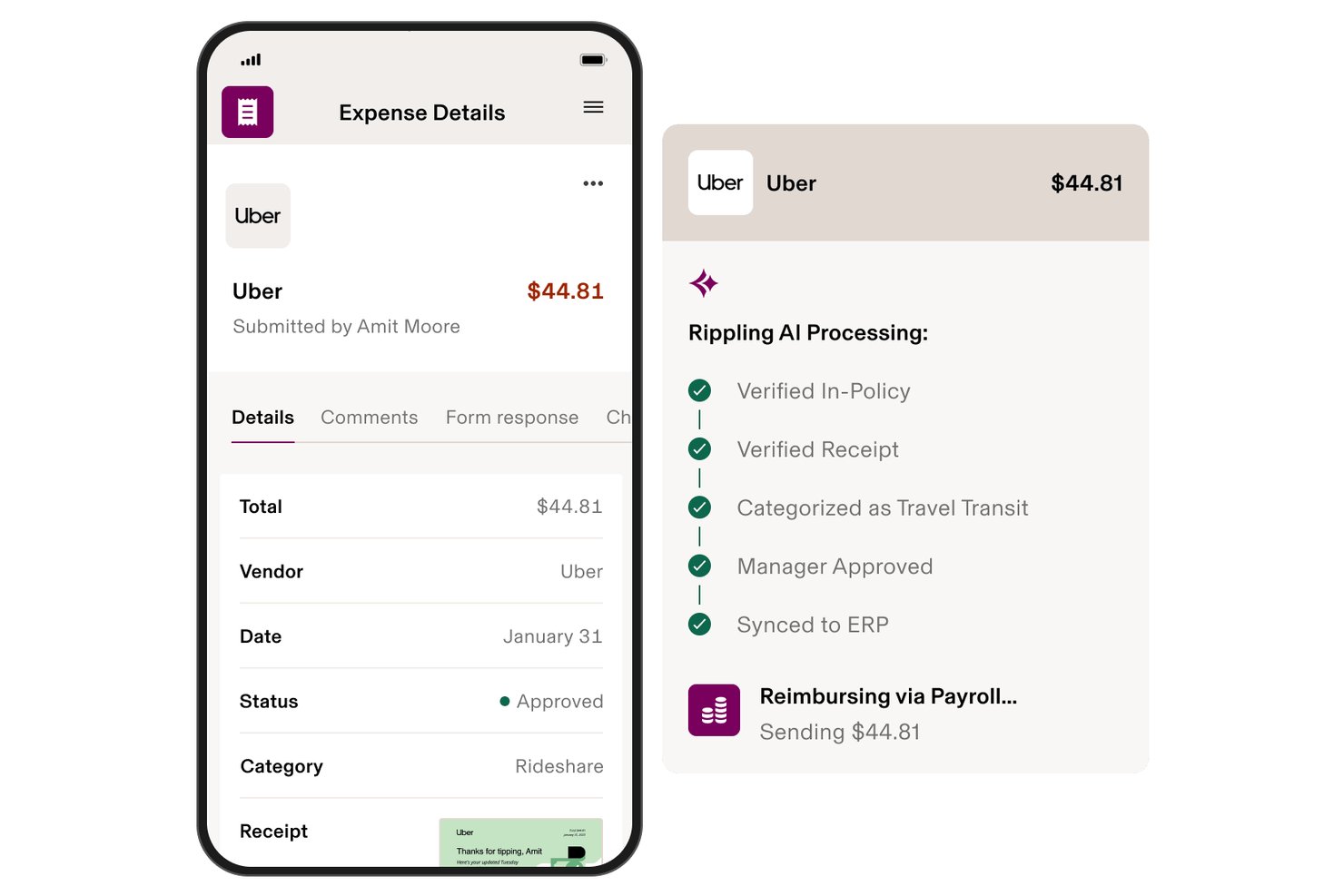
Rippling Spend è una piattaforma modulare per la gestione delle spese che collega direttamente carte aziendali, rimborsi spese e pagamento delle fatture a un modello di dati per le risorse umane e le paghe, con sincronizzazione nativa del libro mastro con QuickBooks, Xero, NetSuite e Sage Intacct.
Per chi è più indicato Rippling Spend?
Rippling Spend è particolarmente adatto alle aziende di medie dimensioni che desiderano collegare direttamente le politiche sulle spese, le carte aziendali e i rimborsi ai dati delle risorse umane.
Perché ho scelto Rippling Spend
Ho scelto Rippling Spend come una delle migliori soluzioni perché le sue politiche sulle spese si basano direttamente sui dati HR aggiornati in tempo reale, non su regole statiche. Quando una persona cambia reparto o viene promossa, i limiti della sua carta e i flussi di approvazione si aggiornano automaticamente. Apprezzo anche il fatto che le spese approvate vengano aggiunte alla successiva elaborazione delle paghe senza alcun flusso separato per i rimborsi, eliminando così un passaggio manuale davvero tedioso con cui la maggior parte dei team finanziari deve ancora fare i conti.
Funzionalità principali di Rippling Spend
- Sincronizzazione del libro mastro per più entità: Registra automaticamente gli addebiti delle carte aziendali, i rimborsi e i pagamenti delle fatture in QuickBooks, Xero, NetSuite o Sage Intacct, con una corretta mappatura dei conti tra più entità.
- Elaborazione delle ricevute basata sull'AI: Estrae dalle ricevute caricate i dati relativi a fornitore, data e importo, segnala i duplicati e abbina automaticamente le ricevute alle transazioni.
- Studio dei flussi di lavoro: Consente agli amministratori di creare flussi di approvazione attivati da eventi sulla base dei dati delle transazioni, degli attributi dei dipendenti o di entrambi, con reindirizzamento automatico quando gli approvatori non sono disponibili.
- Supporto globale ai rimborsi: Paga i dipendenti nelle valute locali in oltre 185 paesi, con traduzione automatica delle ricevute e riconciliazione tra valute integrate.
Integrazioni di Rippling Spend
Rippling Spend offre integrazioni native del libro mastro con QuickBooks Online, Xero, NetSuite e Sage Intacct, oltre a collegamenti con Workday, BambooHR e ADP. Rippling pubblicizza oltre 650 integrazioni più ampie della piattaforma e fornisce un'API aperta per le integrazioni personalizzate.
Pros and Cons
Pros:
- Dati dei dipendenti e delle spese unificati in un'unica piattaforma
- Le politiche dinamiche sulle spese si aggiornano con le modifiche HR
- Supporto globale per paghe, spese e rimborsi
Cons:
- La maggior parte delle automazioni avanzate richiede l'adozione dell'intera piattaforma
- Nessun supporto telefonico in tempo reale per i problemi urgenti

Ideale per l'economicità delle piccole imprese
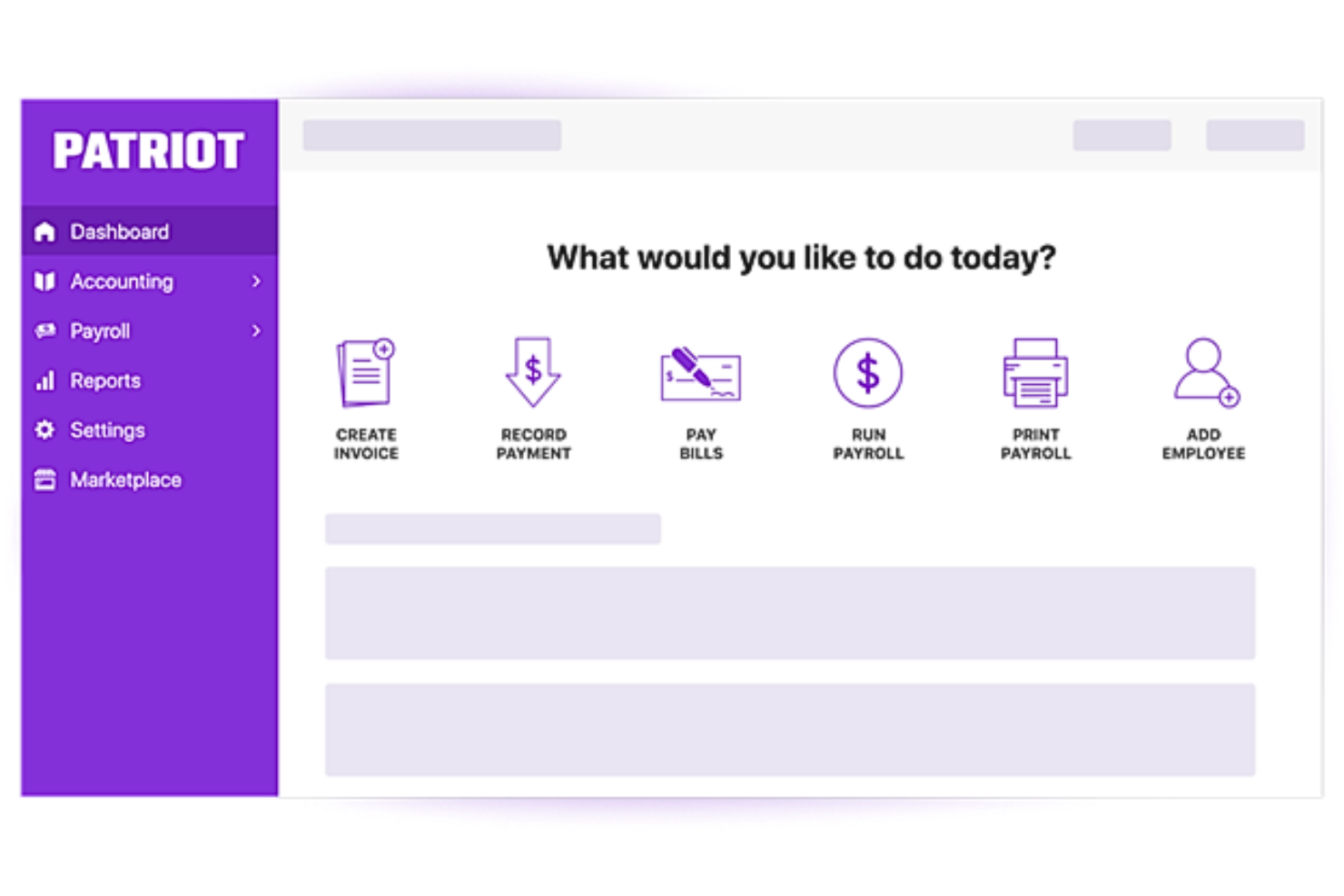
Patriot Payroll è una soluzione software per la gestione delle buste paga pensata per i titolari di piccole aziende. Semplifica l'elaborazione delle retribuzioni con un processo facile in 3 passaggi e offre assistenza con sede negli Stati Uniti.
Perché ho scelto Patriot Payroll: Ho scelto Patriot Payroll per la sua gestione delle paghe semplice ed efficiente, ideale per le piccole imprese. L'interfaccia intuitiva e le funzionalità complete lo distinguono dalle altre soluzioni software per le buste paga.
Ritengo che Patriot Payroll sia la scelta migliore per l'economicità per le piccole imprese perché ottimizza le attività di gestione delle paghe, consentendo ai titolari di concentrarsi sulla crescita aziendale senza essere ostacolati da sistemi complessi.
Funzionalità e integrazioni principali:
Le funzionalità di spicco di Patriot Payroll includono configurazione delle paghe gratuita, elaborazioni illimitate, modifica delle retribuzioni in tempo reale e portale dipendenti gratuito. Offre inoltre ore personalizzabili, tipi di denaro e detrazioni personalizzabili e bonifico diretto gratuito.
Il software si integra con l'assicurazione dei lavoratori tramite AP Intego e con i programmi 401(k) tramite Vestwell. Inoltre, supporta più tariffe e sedi, e si integra con il software di contabilità di Patriot, QuickBooks Desktop e QuickBooks Online.
Pros and Cons
Pros:
- Interfaccia facile da usare, adatta ai titolari di piccole imprese
- Configurazione delle paghe gratuita e corse illimitate delle buste paga
- Nessun contratto a lungo termine, per una maggiore flessibilità aziendale
Cons:
- Costi aggiuntivi per le dichiarazioni statali oltre la prima
- Limitato a due opzioni software per le buste paga, che potrebbero non andare bene per tutte le dimensioni aziendali
- Integrazione diretta con un numero limitato di strumenti di terze parti
Ideale per personalizzazione e integrazioni

Zoho Payroll è un sistema completo di gestione delle buste paga. È ideale per aziende di tutte le dimensioni grazie alle sue soluzioni personalizzabili che rispondono a molteplici esigenze.
Perché ho scelto Zoho Payroll: Ho scelto Zoho Payroll per questa lista perché offre un set solido di funzionalità essenziali per una gestione efficace della busta paga. La sua capacità di personalizzare le componenti delle retribuzioni lo distingue dagli altri software di payroll.
Ritengo che Zoho Payroll sia il migliore per personalizzazione e integrazioni perché consente di adattare i processi di gestione alle esigenze specifiche di qualsiasi attività, assicurando che sia le piccole che le grandi aziende possano ottimizzare le proprie operazioni.
Funzionalità principali e integrazioni:
Le funzionalità principali di Zoho Payroll includono registrazioni contabili automatiche, piano dei conti personalizzabile e gestione sistematica delle assenze. Offre inoltre soluzioni HRMS complete e sincronizzazione automatica dei dipendenti con Zoho People, semplificando il processo di gestione delle paghe.
Lo strumento si integra nativamente con Zoho Books, Zoho People, Zoho CRM, Zoho Expense, Zoho Inventory, Zoho Invoice, Zoho Commerce, Zoho Practice, Zoho Billing e Zoho Subscriptions.
Pros and Cons
Pros:
- Soluzioni di payroll personalizzabili per aziende di tutte le dimensioni
- Integrazione con Zoho Books e Zoho People
- Registrazioni contabili automatiche e gestione sistematica delle assenze
Cons:
- Integrazione limitata con software di terze parti
- Potrebbe essere necessaria una formazione aggiuntiva per i nuovi utenti
- Opzioni di personalizzazione limitate per alcune funzionalità

Odoo
Ideale per la gestione aziendale completa
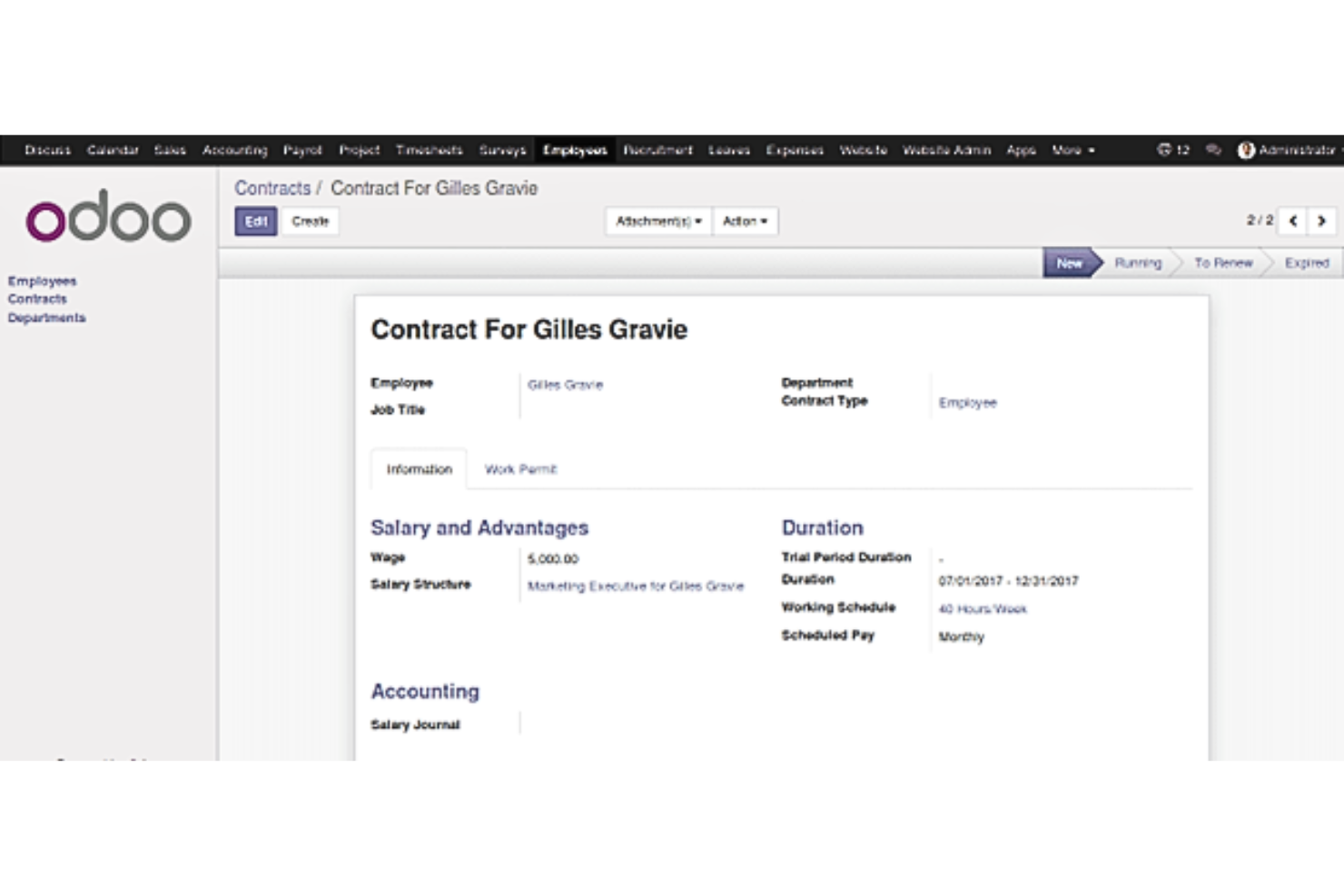
La piattaforma Odoo è ideale per le aziende che necessitano di una soluzione personalizzabile per gestire vari aspetti delle loro operazioni, dall'ERP al CRM, grazie al suo sistema modulare esteso e all'elevata adattabilità.
Perché ho scelto Odoo: Ho selezionato Odoo per la sua gamma completa di applicazioni e la flessibilità open-source, che lo distingue dalle altre piattaforme HR in questo elenco. Secondo la mia valutazione, Odoo è la soluzione migliore per una gestione aziendale completa perché offre un sistema scalabile e personalizzabile che può crescere e adeguarsi alle esigenze tecnologiche specifiche di qualsiasi azienda.
Funzionalità e integrazioni principali:
Odoo si distingue per il suo design modulare, che permette di creare stack tecnologici su misura per facilitare operazioni efficienti. L'esperienza utente è migliorata da un'interfaccia reattiva e dall'automazione intelligente. Odoo Studio permette inoltre una personalizzazione approfondita per rispondere a esigenze aziendali specifiche.
Odoo si integra nativamente con una varietà di strumenti, tra cui PayPal, eBay, Amazon, Stripe, Salesforce, QuickBooks, Shopify, Magento, WooCommerce e PrestaShop.
Pros and Cons
Pros:
- Open-source con ampia community di supporto
- Personalizzabile con Odoo Studio
- Suite completa di applicazioni aziendali
Cons:
- Potrebbe richiedere integrazioni aggiuntive
- L'implementazione può essere complessa
- La personalizzazione può richiedere competenze tecniche
ADP
Ideale per soluzioni HR integrate

ADP offre una suite completa di servizi per paghe e risorse umane pensata per soddisfare diverse esigenze aziendali. È riconosciuta per le sue soluzioni ampie e approfondite nell'ambito HR e payroll.
Perché ho scelto ADP: Ho selezionato ADP per la sua lunga esperienza e l'ampia gamma di servizi nel settore delle paghe e delle risorse umane. La sua reputazione di fornitore affidabile e completo la rende una scelta preferita per chi necessita di un vasto assortimento di strumenti HR. Considero ADP la migliore soluzione integrata per le risorse umane perché gestisce abilmente diversi aspetti HR, dalle paghe alla conformità normativa, ed è abbastanza versatile da adattarsi a imprese di diverse dimensioni e settori.
Funzionalità e integrazioni principali:
La piattaforma ADP offre funzionalità come elaborazione delle paghe, gestione delle presenze e degli orari, gestione dei talenti e servizi HR. Mette inoltre a disposizione un marketplace di app per funzionalità aggiuntive. Il software si integra con numerosi sistemi per un'integrazione impeccabile con il libro mastro generale (GLI), aiutando a risparmiare tempo e minimizzare gli errori.
Le integrazioni di ADP includono QuickBooks, Xero, Wave, FinancialForce, Workday, Sage Intacct, Oracle, SAP, Microsoft Dynamics e TSheets.
Pros and Cons
Pros:
- Ampia gamma di servizi payroll e HR
- Integrazione con diversi sistemi contabili e aziendali
- Supporto per conformità e problematiche HR
Cons:
- Personalizzazione potenzialmente necessaria per esigenze aziendali specifiche
- L'integrazione con i sistemi esistenti può presentare delle sfide
- Struttura dei prezzi complessa e variabile

Dolibarr
Ideale per sistemi ERP e CRM modulari
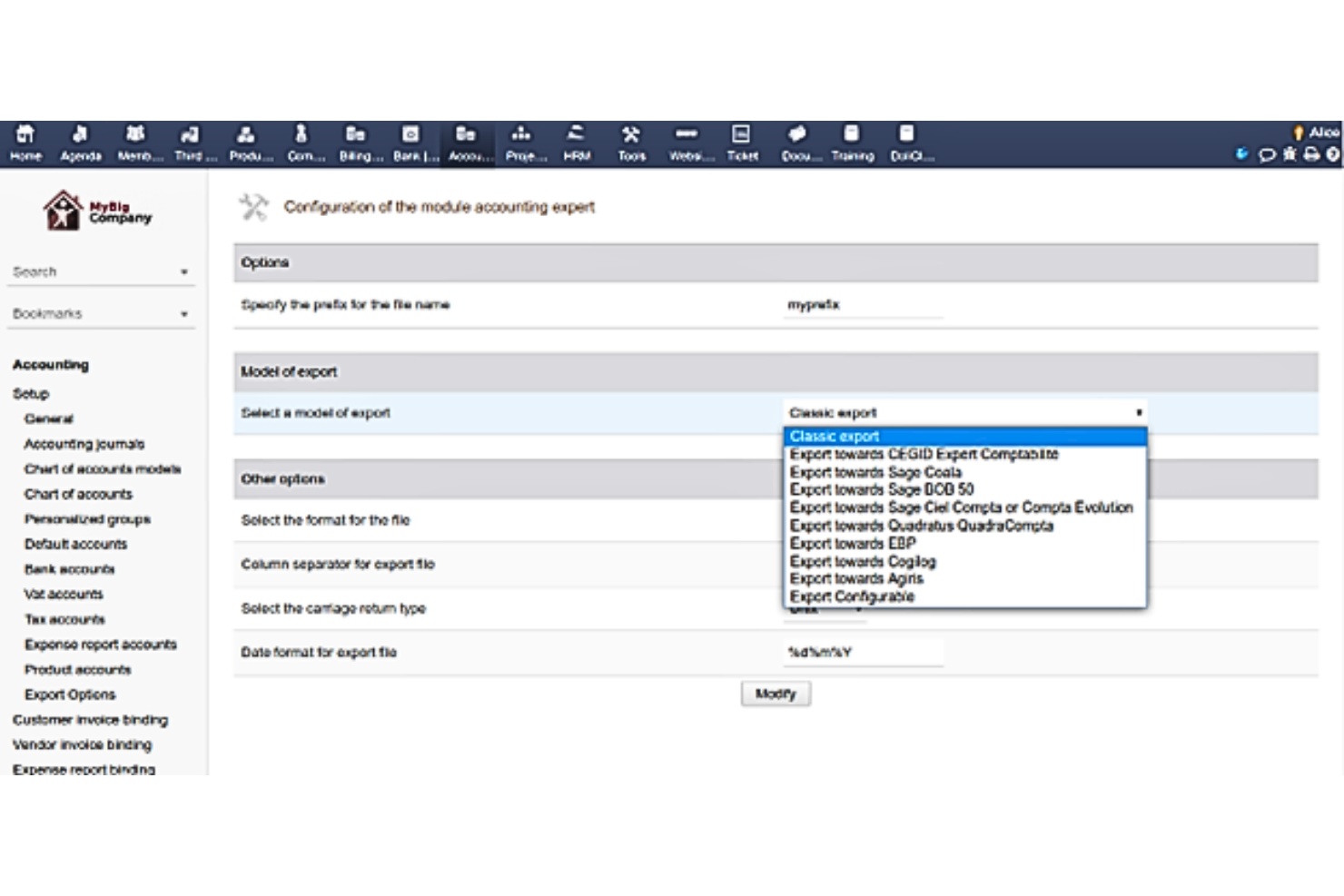
Dolibarr è una suite ERP e CRM open-source per aziende di tutte le dimensioni. È ideale per la sua flessibilità e le ampie opzioni di personalizzazione.
Perché ho scelto Dolibarr: Ho scelto Dolibarr per questa lista perché offre un'interfaccia intuitiva e un alto grado di personalizzazione, qualcosa che non è sempre presente in altri sistemi ERP e CRM. Credo che Dolibarr sia il migliore per sistemi ERP e CRM modulari perché consente di adattare il sistema alle proprie esigenze specifiche senza essere sopraffatti da funzionalità superflue.
Funzionalità e integrazioni principali:
Le funzionalità più importanti di Dolibarr includono il suo design modulare, che permette alle aziende di attivare solo i moduli desiderati, e la capacità di adattarsi a una vasta gamma di tipologie aziendali.
Dolibarr si integra nativamente con strumenti come PayPal, eBay, Amazon, Stripe, Salesforce, QuickBooks, Shopify, Magento, WooCommerce e PrestaShop.
Pros and Cons
Pros:
- Altamente personalizzabile e modulare
- Interfaccia facile da usare
- Ampia gamma di funzionalità
Cons:
- Potrebbero essere necessarie conoscenze tecniche per l'installazione
- Costi aggiuntivi per integrazioni specifiche
- Qualità variabile dei contributi della community

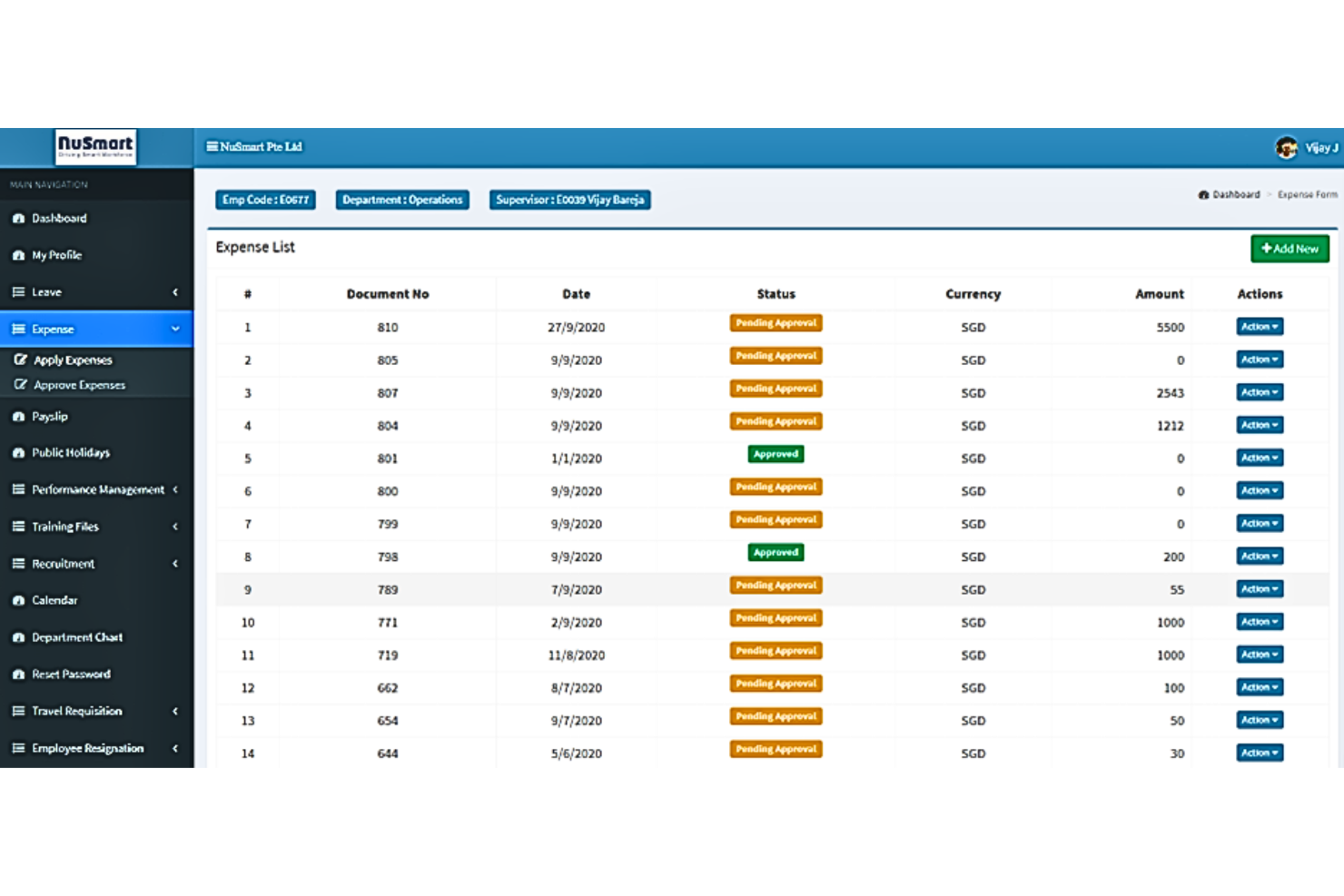
NetSuite SuitePeople HRMS è una soluzione HR unificata che semplifica i processi e migliora il processo decisionale allineando i dati delle risorse umane e quelli finanziari.
Perché ho scelto NetSuite SuitePeople HRMS: ho selezionato NetSuite SuitePeople HRMS per il suo approccio globale alla gestione delle risorse umane, che integra le funzioni HR con i dati finanziari, migliorando le capacità decisionali. Si distingue per la capacità di offrire un'unica fonte attendibile di dati sui dipendenti, fondamentale per report accurati e pianificazione strategica.
Lo ritengo ideale per la scalabilità aziendale poiché offre una suite di strumenti che lavorano meglio insieme, eliminando la necessità di sistemi multipli e garantendo che le prestazioni della forza lavoro siano strettamente legate ai risultati finanziari.
Funzionalità e integrazioni principali:
NetSuite SuitePeople HRMS offre una gamma di funzionalità che coprono vari ambiti HR, tra cui amministrazione delle risorse umane, gestione paghe, gestione delle prestazioni, workforce management e analisi.
Queste funzionalità sono progettate per automatizzare e ottimizzare i processi HR, consentire l'autonomia dei dipendenti tramite funzioni self-service e offrire ai responsabili HR approfondimenti strategici attraverso dashboard e KPI basati sui ruoli.
Il sistema si integra nativamente con gli altri moduli di NetSuite, come NetSuite Planning and Budgeting, permettendo una pianificazione efficace del personale utilizzando dati in tempo reale sulle paghe, spese e sulla forza lavoro.
Pros and Cons
Pros:
- Integra risorse umane e dati finanziari per decisioni migliori
- Offre una suite completa di funzionalità per la gestione delle risorse umane
- Fornisce dashboard e analisi basate sui ruoli per approfondimenti strategici
Cons:
- Le informazioni sui prezzi non sono facilmente reperibili sul sito web
- Può risultare complesso da configurare e utilizzare per alcuni utenti
- Informazioni limitate sulle integrazioni native con strumenti non NetSuite


Paychex Flex offre soluzioni di payroll e risorse umane su misura per i professionisti contabili. È la scelta migliore per rafforzare le relazioni con i clienti grazie al supporto dedicato e a servizi innovativi.
Perché ho scelto Paychex Flex: Ho selezionato Paychex Flex per la sua duratura partnership con AICPA/CPA.com e per la sua attenzione all’innovazione, che fornisce ai commercialisti strumenti per offrire servizi migliori ai clienti. Paychex Flex si distingue per i suoi servizi specializzati dedicati agli esperti contabili, che credo lo rendano la scelta ideale per chi desidera migliorare le relazioni con i clienti.
Offre un Team di Servizio Contabile dedicato e risorse che consentono ai commercialisti di fornire consigli informati e mantenere un vantaggio competitivo.
Caratteristiche principali & integrazioni:
Paychex è dotato di funzionalità come il Servizio ERTC, l’Assistenza HR per Contabili, AccountantHQ e webinar CPE, volti a rafforzare le competenze dei professionisti contabili. Il supporto per la conformità e le proposte formative della piattaforma sono progettate per soddisfare le differenti esigenze dei clienti.
Le integrazioni sono disponibili con una varietà di strumenti di payroll, HR, produttività e gestione finanziaria, tra cui QuickBooks Online, Xero, Sage Intacct, Clover e Kashoo, aumentando la sua utilità per la gestione e la fidelizzazione del personale.
Pros and Cons
Pros:
- Servizi completi su misura per i commercialisti
- Supporto personalizzato tramite un Team di Servizio Contabile dedicato
- Accesso a webinar CPE gratuiti e a una vasta gamma di materiali formativi
Cons:
- Accesso a webinar CPE gratuiti e a una vasta gamma di materiali formativi
- Potenziale curva di apprendimento dovuta alle numerose funzionalità della piattaforma
- La fatturazione annuale potrebbe non essere adatta a tutte le preferenze aziendali

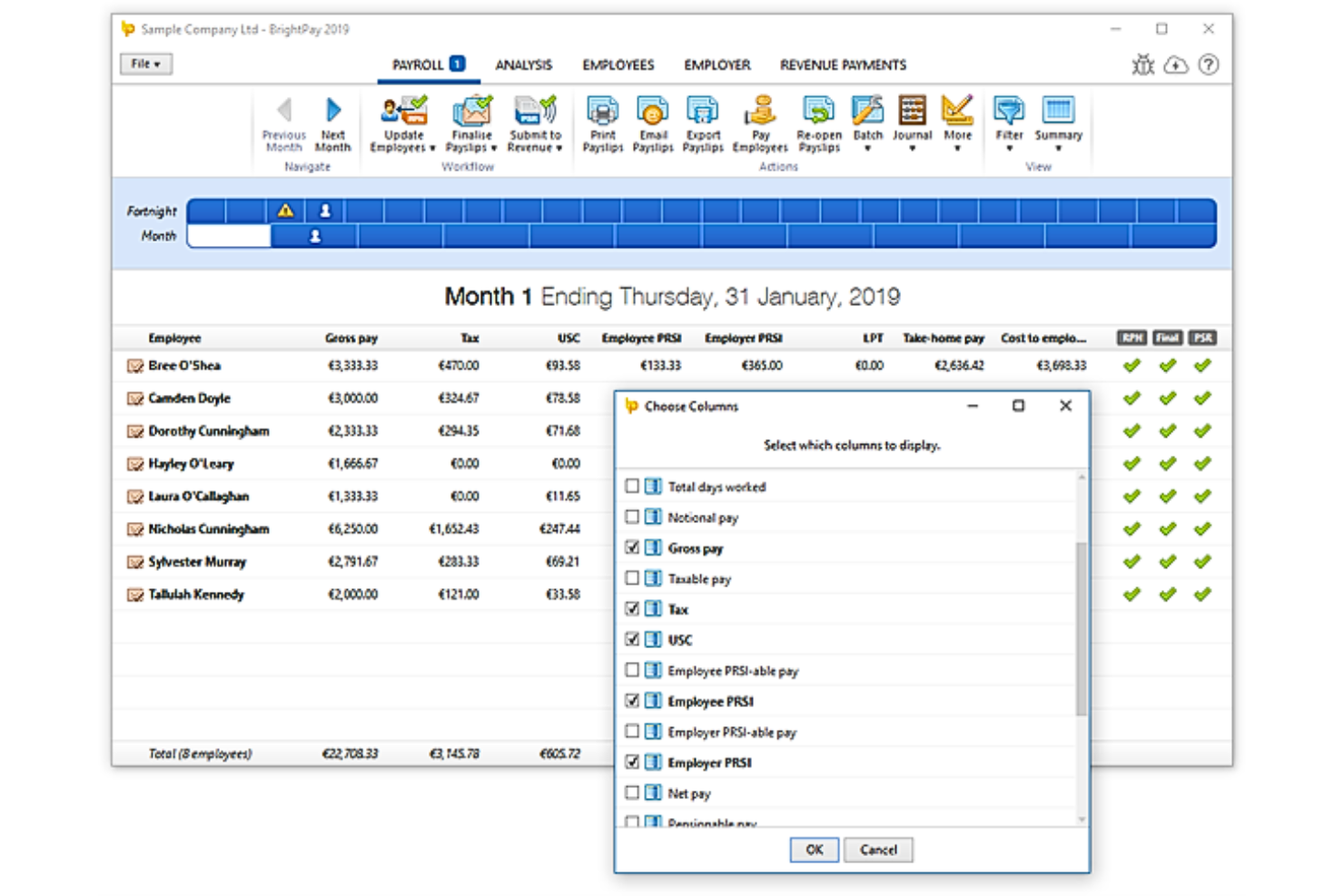
BrightPay è un software per la gestione delle paghe che semplifica il processo di elaborazione delle buste paga per studi professionali e commercialisti. Si distingue per l'efficienza nella gestione simultanea di molteplici clienti paghe.
Perché ho scelto BrightPay: Ho scelto BrightPay per le sue funzionalità complete e per la sua adattabilità, che lo distinguono dagli altri software per le paghe. Gestisce senza problemi anche le attività più complesse relative alle paghe, diventando così la scelta preferita dagli studi di gestione paghe.
Considero BrightPay il migliore per gli studi di gestione paghe grazie alle sue capacità di automazione, al supporto per un numero illimitato di dipendenti e al supporto clienti incluso, elementi fondamentali per la gestione efficiente di una clientela diversificata.
Funzionalità principali & integrazioni:
Le funzionalità più utili di BrightPay includono l'elaborazione in batch, un calcolatore per la cassa integrazione e la gestione dei subappaltatori CIS, risorse indispensabili per gli studi di gestione paghe. Può integrarsi con diversi software contabili, migliorando ulteriormente l'organizzazione finanziaria.
BrightPay si integra nativamente con strumenti come Xero, Sage One, Quickbooks Online, NEST, The People’s Pension, Smart Pension, Aviva, Dropbox, OneDrive e Google Drive.
Pros and Cons
Pros:
- Processi di gestione paghe automatizzati
- Supporto per un numero illimitato di dipendenti
- Assistenza telefonica e via e-mail inclusa
Cons:
- Principalmente un'applicazione desktop con componente cloud opzionale
- Costi aggiuntivi potenziali per servizi di archiviazione cloud
- Alcune funzionalità potrebbero essere superflue per realtà di piccole dimensioni
Altri software per le risorse umane e la contabilità da prendere in considerazione
Di seguito trovi un elenco di altri software per le risorse umane e la contabilità che ho selezionato e che non sono entrati nella lista principale, ma che vale comunque la pena valutare:
- Rippling
Ideale per l'integrazione tra IT e HR
- Striven
Ideale per centralizzare le operazioni aziendali
- QuickBooks Workforce
Ideale per il calcolo automatico delle imposte
- Sage Business Cloud
Ideale per la gestione delle risorse umane basata su cloud


Recensioni correlate sui software per le risorse umane
Se non hai ancora trovato quello che cerchi, dai un'occhiata a questi altri strumenti correlati che abbiamo testato e valutato:
- Software per le risorse umane
- Software per la gestione delle buste paga
- Software per la selezione del personale
- Servizi di datore di lavoro registrato
- Sistemi di gestione dei candidati
- Software per la gestione della forza lavoro
Come valuto i software di contabilità HR
Valuto ogni opzione su due livelli: le funzionalità di base per la gestione delle paghe e l'integrazione contabile che un software deve necessariamente possedere per qualificarsi, e i fattori differenzianti che permettono di individuare quali soluzioni rispondono realmente alle esigenze dei team HR-finanza.
Funzionalità principali (requisiti minimi per questa lista)
Quando seleziono gli strumenti per la mia lista, valuto ciascuno su una scala da 0 (non offre la funzionalità) a 5 (eccelle in quest'area) per ognuna delle funzionalità fondamentali elencate di seguito. Calcolo quindi il punteggio complessivo dello strumento in percentuale. Ogni software deve raggiungere un punteggio totale minimo del 65% per essere considerato.
- Elaborazione paghe & integrazione contabile: Verifico che il software inserisca automaticamente le scritture contabili relative all’elaborazione delle paghe, evitando al team finance l'inserimento manuale di ogni ciclo retributivo.
- Gestione dati dei dipendenti: Ogni software dovrebbe conservare in un unico luogo dati su retribuzioni, tassazione e benefit, senza dispersioni tra fogli Excel e sistemi isolati.
- Reportistica fiscale e conformità: Valuto come ogni soluzione gestisce calcoli fiscali, trattenute e reportistica di fine anno, soprattutto per quanto riguarda l’automazione nell’invio e nei versamenti.
- Gestione benefit & detrazioni: Il software deve tracciare sia trattenute fiscali che non fiscali, contributi pensionistici e pignoramenti con la corretta mappatura ai conti contabili.
- Allocazione dei costi del lavoro: Verifico se consente la suddivisione dei costi del personale tra reparti, centri di costo o progetti, risultando utile ai team che gestiscono budget multi-reparto.
- Gestione presenze & ore lavorate: Ore lavorate, ferie maturate e straordinari devono confluire in busta paga generando scritture contabili corrette, senza necessità di inserimenti manuali.
Una volta scelti gli strumenti che soddisfano questi requisiti, considero cosa distingue ogni piattaforma.
Fattori differenzianti (cosa distingue i fornitori)
Ecco come confronto le diverse soluzioni:
Funzionalità distintive
La copertura delle paghe a livello globale è essenziale se la forza lavoro copre più sedi o valute—valuto la capacità della piattaforma di consolidare i dati delle paghe delle filiali in un unico report finanziario. Analizzo anche la reportistica personalizzata, visto che i responsabili HR spesso hanno bisogno di dettagli sui costi del lavoro per reparto, sede o progetto, senza dover ricorrere ad altri strumenti di Business Intelligence. Inoltre, considero molto positivamente un portale self-service per i dipendenti, che offre accesso diretto a cedolini e documenti fiscali, evitando che l’ufficio HR debba gestire continuamente richieste ricorrenti ad ogni ciclo paga.
Oltre le funzionalità
L’ecosistema di integrazione è uno dei primi aspetti che valuto: uno strumento che si integra nativamente con il sistema contabile o gestionale (QuickBooks, Xero, NetSuite) consente di risparmiare ore di riconciliazioni manuali per ogni ciclo. Analizzo anche la trasparenza della struttura dei prezzi, soprattutto se invio pratiche di fine anno o elaborazioni fuori ciclo comportano costi nascosti che aumentano il costo totale di proprietà. Infine, il supporto durante l’implementazione è fondamentale, in particolare durante la migrazione dei dati da un sistema paghe precedente: una transizione gestita male può portare a buste paga mancanti e a problemi di conformità.
Come scegliere il software per le risorse umane e la contabilità
Mentre affronti il tuo personale e unico processo di selezione del software, tieni presenti i seguenti aspetti:
- Capacità di integrazione: Assicurati che il software possa integrarsi con i sistemi esistenti. Questa considerazione è fondamentale per mantenere la coerenza dei dati e ridurre l'inserimento manuale dei dati. Ad esempio, il software HR dovrebbe integrarsi con i sistemi paghe (i team che utilizzano QuickBooks possono trarre vantaggio dal software HR integrato con QuickBooks), mentre il software di contabilità deve funzionare con il CRM per monitorare in modo efficiente vendite e spese.
- Funzionalità di conformità: Cerca un software che ti aiuti a rispettare le normative e gli standard del settore. Il software HR dovrebbe gestire la privacy dei dati dei dipendenti in conformità con il GDPR, mentre il software di contabilità deve supportare la presentazione delle dichiarazioni fiscali e la rendicontazione finanziaria secondo le leggi pertinenti, come i GAAP o gli IFRS.
- Scalabilità: Scegli un software in grado di crescere insieme alla tua azienda. Per le startup, il software HR deve poter gestire un numero crescente di dipendenti senza cali nelle prestazioni, mentre il software di contabilità dovrebbe essere in grado di gestire volumi di transazioni più elevati con l'espansione dell'azienda.
- Interfaccia intuitiva: Seleziona un software con un'interfaccia intuitiva per ridurre i tempi di formazione e aumentare i tassi di adozione. Un sistema HR dovrebbe essere accessibile a tutti i dipendenti per consentire loro di gestire le proprie informazioni personali, mentre il software di contabilità dovrebbe semplificare i processi finanziari complessi per i non contabili.
Personalizzazione e flessibilità: Opta per un software che possa essere adattato ai processi aziendali specifici. Il software HR potrebbe dover supportare cicli di valutazione delle prestazioni personalizzati, mentre il software di contabilità dovrebbe consentire la creazione di fatture personalizzate in linea con l'immagine coordinata dell'azienda.
Tendenze dei software HR e di contabilità
Il panorama dei software HR e di contabilità è in continua evoluzione. Ecco le principali tendenze che stanno caratterizzando questi strumenti:
- Integrazione dell'IA per l'analisi predittiva: L'intelligenza artificiale è sempre più integrata nei sistemi HR e di contabilità. Analizza i modelli per prevedere i risultati futuri, contribuendo al processo decisionale strategico. Questa tendenza è fondamentale per una pianificazione aziendale proattiva.
- Crescita delle piattaforme self-service per i dipendenti: Le piattaforme self-service per i dipendenti sono sempre più diffuse. Consentono ai dipendenti di gestire le proprie informazioni personali e i benefit, riducendo il carico di lavoro amministrativo. Questo cambiamento è significativo per l'autonomia dei dipendenti e l'efficienza delle risorse umane.
- Maggiore attenzione alla sicurezza dei dati: Le misure di sicurezza dei dati si stanno intensificando nei software HR e di contabilità. La crittografia e l'autenticazione a più fattori stanno diventando standard per proteggere le informazioni sensibili. Questa tendenza è fondamentale per la conformità e la fiducia.
- Adozione di soluzioni progettate prima di tutto per i dispositivi mobili: Le soluzioni HR e di contabilità progettate prima di tutto per i dispositivi mobili sono in crescita. Offrono accesso ai sistemi da qualsiasi luogo, rispondendo alle esigenze di una forza lavoro sempre più remota. Questa tendenza è importante per la flessibilità e la connettività.
- Espansione dei software basati sul cloud: I software HR e di contabilità basati sul cloud sono in espansione. Forniscono soluzioni scalabili con costi iniziali inferiori e aggiornamenti più semplici. Questa tendenza è essenziale per operazioni aziendali convenienti e adattabili.
Che cosa sono i software HR e di contabilità?
Il software HR e di contabilità è una soluzione digitale che ottimizza i processi delle risorse umane e della gestione finanziaria per le aziende. Viene utilizzato dai professionisti delle risorse umane e dai contabili per gestire i dati dei dipendenti, le buste paga, i benefit e le transazioni finanziarie.
Il software funge da centro di gestione delle informazioni sul personale, automatizza le buste paga, monitora le iscrizioni ai benefit e supervisiona le attività contabili. Gli utenti comuni includono i reparti HR, i team finanziari e i manager che necessitano di una gestione efficiente delle finanze aziendali e dei dati dei dipendenti.
I componenti dei software HR e di contabilità includono moduli per l'elaborazione delle buste paga, il monitoraggio delle presenze e dell'orario di lavoro, la gestione dei benefit, la conformità fiscale, i debiti e i crediti commerciali, il libro mastro e la rendicontazione finanziaria. Questi elementi lavorano insieme per fornire una panoramica completa dello stato delle risorse umane e della situazione finanziaria di un'azienda.
Funzionalità dei software HR e di contabilità
Quando selezioni un software HR e di contabilità, è fondamentale considerare le funzionalità che sosterranno e miglioreranno l'efficienza delle operazioni aziendali. La giusta combinazione di funzionalità può influire significativamente sulla gestione dei dati dei dipendenti, delle transazioni finanziarie e della produttività organizzativa complessiva. Ecco alcune delle funzionalità più importanti da cercare:
- Gestione delle informazioni dei dipendenti: Avere un'unica posizione centralizzata per i dati dei dipendenti semplifica l'accesso e la gestione dei dettagli dei dipendenti, elementi essenziali per le attività delle risorse umane.
- Gestione delle buste paga: Questa funzionalità garantisce che i dipendenti siano pagati in modo accurato e puntuale, gestendo al contempo imposte e altre detrazioni, aspetto fondamentale per mantenere la fiducia e la conformità.
- Monitoraggio delle presenze e degli orari: Il monitoraggio accurato delle ore lavorate aiuta a gestire i costi del lavoro e migliora il processo di pianificazione degli orari, garantendo il corretto svolgimento delle attività aziendali.
- Amministrazione dei benefit: Semplificare l'amministrazione dei benefit per i dipendenti consente di gestire in modo efficiente le iscrizioni e le modifiche dei dipendenti, contribuendo alla loro soddisfazione.
- Gestione della contabilità e delle finanze: Le solide funzionalità contabili forniscono informazioni essenziali sulla salute finanziaria dell'azienda, consentendo di prendere decisioni informate.
- Reportistica e analisi: L'accesso a dati e analisi in tempo reale aiuta a prendere decisioni aziendali strategiche e migliora la capacità di prevedere e pianificare il futuro.
- Conformità fiscale: Questa funzionalità riduce il rischio di sanzioni tenendo il passo con le leggi fiscali, le normative e i requisiti di presentazione in continua evoluzione.
- Gestione delle spese: Una gestione efficiente delle spese previene il superamento del budget e migliora l'accuratezza della rendicontazione finanziaria.
- Definizione del budget e previsioni: Questa funzionalità aiuta a definire gli obiettivi finanziari e a prevedere gli scenari finanziari futuri, aspetto fondamentale per il successo aziendale a lungo termine.
- Sicurezza e protezione dei dati: Misure di sicurezza efficaci proteggono dalle violazioni dei dati e garantiscono la conformità alle leggi sulla protezione dei dati, elemento fondamentale per preservare l'integrità dell'azienda.
Nel loro insieme, queste funzionalità costituiscono la base di un efficace software per le risorse umane e la contabilità, fornendo gli strumenti necessari per gestire la forza lavoro e le questioni finanziarie con precisione e attenzione. Il software giusto non solo supporterà le attività attuali, ma si adatterà anche alle esigenze in continua evoluzione di un'azienda in crescita.
Vantaggi del software per le risorse umane e la contabilità
Il software per le risorse umane e la contabilità è diventato uno strumento indispensabile per le aziende moderne, poiché semplifica i processi complessi e fornisce informazioni preziose. Questi sistemi offrono una serie di vantaggi che possono migliorare significativamente l'efficienza e l'efficacia delle attività di un'organizzazione. Ecco alcuni vantaggi che utenti e organizzazioni possono aspettarsi dall'implementazione di un software per le risorse umane e la contabilità:
- Migliore gestione dei dati: Il software per le risorse umane e la contabilità consolida i dati dei dipendenti e quelli finanziari in un unico luogo, semplificando la gestione e il recupero delle informazioni quando necessario.
- Risparmio di tempo e costi: Automatizzando i processi relativi alle buste paga, al monitoraggio degli orari e alla fatturazione, il software fa risparmiare tempo ai dipendenti e riduce la probabilità di errori costosi.
- Maggiore conformità: Il software è progettato per rimanere aggiornato sulle leggi e normative fiscali più recenti, garantendo che le aziende mantengano la conformità ed evitino potenziali sanzioni.
- Processo decisionale migliore: Grazie a strumenti completi per la reportistica, il software per le risorse umane e la contabilità fornisce informazioni che aiutano manager e dirigenti a prendere decisioni strategiche basate su dati accurati.
- Maggiore autonomia dei dipendenti: I dipendenti possono accedere ai propri dati personali, richiedere permessi e gestire i propri benefit, riducendo il carico amministrativo sul personale delle risorse umane e aumentando il coinvolgimento dei dipendenti.
L'integrazione del software per le risorse umane e la contabilità nelle attività aziendali offre numerosi vantaggi che possono portare a una gestione più efficiente e a risultati economici migliori. Questi sistemi non solo fanno risparmiare tempo e riducono gli errori, ma forniscono anche informazioni strategiche in grado di favorire decisioni aziendali migliori. Mentre le organizzazioni continuano a cercare modi per migliorare le proprie attività, l'adozione di un software per le risorse umane e la contabilità rimane un investimento intelligente per chi desidera mantenere la competitività nell'attuale ambiente aziendale caratterizzato da ritmi frenetici.
Costi e prezzi del software per le risorse umane e la contabilità
Per quanto riguarda il software per le risorse umane e la contabilità, il mercato offre una varietà di piani e opzioni di prezzo pensati per soddisfare le esigenze di aziende di tutte le dimensioni. Queste soluzioni software sono progettate per semplificare le attività relative alle risorse umane e alla contabilità, rendendo più facile per le aziende gestire in modo efficiente la forza lavoro e le finanze.
Per gli acquirenti di software, comprendere le diverse opzioni di piano e i relativi prezzi può essere fondamentale per prendere una decisione informata, in linea con i requisiti aziendali e i vincoli di budget. Di seguito è riportata una tabella riepilogativa dei tipi di piano, dei prezzi medi e delle funzionalità comuni incluse nei piani dei software per le risorse umane e la contabilità.
Tabella comparativa dei piani per i software per le risorse umane e la contabilità
| Tipo di piano | Prezzo medio | Funzionalità comuni |
| Opzione gratuita | $0 (funzionalità limitate) | Funzioni HR di base, utenti limitati e reportistica di base |
| Base | $30 - $50 al mese | Elaborazione delle buste paga, self-service per i dipendenti, reportistica di base e strumenti per l'inserimento dei nuovi dipendenti |
| Standard | $5 - $10 per dipendente/mese | Strumenti per il reclutamento, rilevazione delle presenze e dell'orario di lavoro, gestione dei benefit e assistenza clienti |
| Premium | $70 - $150 al mese | Analisi avanzate, gestione delle prestazioni, flussi di lavoro basati sull'IA e assistenza 24 ore su 24, 7 giorni su 7 |
| Enterprise | Prezzi basati su preventivo | Integrazioni personalizzate, accesso completo alle funzionalità, assistenza dedicata e sessioni di formazione |
Domande frequenti sui software per le risorse umane e la contabilità
Ecco alcune delle domande frequenti che ho ricevuto riguardo ai software per le risorse umane e la contabilità:
Quali sono le funzionalità principali da cercare in un software per le risorse umane e la contabilità?
Quando si sceglie un software per le risorse umane e la contabilità, è importante considerare funzionalità come la gestione delle buste paga, il monitoraggio dell’orario di lavoro e delle presenze, la gestione dei benefit, la conformità fiscale, la contabilità e la reportistica finanziaria, i portali self-service per i dipendenti e le capacità di integrazione con altri sistemi.
I software per le risorse umane e la contabilità possono migliorare la conformità alle normative?
Sì, i software per le risorse umane e la contabilità possono aiutare le aziende a rispettare diverse normative automatizzando le attività relative alla conformità, fornendo aggiornamenti sulle modifiche normative e garantendo una conservazione dei registri e una reportistica accurate.
In che modo i software per le risorse umane e la contabilità migliorano il processo decisionale?
I software per le risorse umane e la contabilità forniscono dati e analisi in tempo reale che possono orientare le decisioni strategiche. Offrendo informazioni sulle prestazioni finanziarie e sugli indicatori della forza lavoro, questi strumenti consentono ai manager di prendere decisioni basate sui dati.
È difficile implementare un software per le risorse umane e la contabilità?
La complessità dell’implementazione di un software per le risorse umane e la contabilità dipende dalle dimensioni dell’organizzazione e dall’ambito del software. Tuttavia, molti fornitori offrono assistenza per l’implementazione, formazione e risorse per facilitare il processo.
Quali sono i vantaggi dell'integrazione dei software per le risorse umane e la contabilità?
L’integrazione dei software per le risorse umane e la contabilità può portare a una maggiore accuratezza dei dati, a una riduzione dell’inserimento manuale dei dati, a processi semplificati e a una visione unificata delle informazioni finanziarie e relative alle risorse umane dell’organizzazione. Se cerchi un software con funzioni contabili più tradizionali, il nostro elenco dei migliori software per la fatturazione e le buste paga potrebbe avere ciò che ti serve.
In che modo i software per le risorse umane e la contabilità supportano il lavoro da remoto?
I software per le risorse umane e la contabilità spesso includono opzioni basate sul cloud, accesso tramite dispositivi mobili e strumenti di collaborazione che supportano il lavoro da remoto, consentendo a dipendenti e manager di accedere alle informazioni e svolgere le attività da qualsiasi luogo.
Cosa dovrebbero considerare le piccole imprese nella scelta di un software per le risorse umane e la contabilità?
Nella scelta di un software per le risorse umane e la contabilità, le piccole imprese dovrebbero considerare il costo, la facilità d’uso, la scalabilità, l’assistenza clienti e le funzionalità specifiche che soddisfano le loro esigenze uniche.
I software per le risorse umane e la contabilità possono essere personalizzati per soddisfare esigenze specifiche del settore?
Molte soluzioni software per le risorse umane e la contabilità offrono opzioni di personalizzazione per soddisfare le esigenze specifiche di diversi settori, tra cui sanità, vendita al dettaglio, produzione e altri ancora.