

Recensione di Kyan Health: Pro, Contro, Caratteristiche e Guida ai Prezzi



Kyan Health is an enterprise-focused employee assistance program designed to help HR teams move beyond underused, reactive wellness programs. Instead of relying on disconnected hotlines or limited counseling sessions, Kyan combines AI-guided care navigation, licensed mental health support, work-life services, and organizational well-being insights in one platform. For companies managing burnout risks, global workforce complexity, and rising employee expectations, Kyan Health aims to make mental health support easier to access, more personalized, and far more engaging than traditional EAPs.
In this review, I’ll walk you through Kyan Health’s standout features, ideal use cases, strengths, limitations, pricing structure, and overall value to help you decide whether it fits your organization
Kyan Health Evaluation Summary
- Pricing upon request
- Free demo available
Perché fidarsi delle nostre recensioni sui software
Il nostro team testa e recensisce software dal 2012. In quanto esperti HR noi stessi, sappiamo quanto sia difficile — e importante — scegliere il software giusto.
Per questa guida, abbiamo valutato gli strumenti attraverso test pratici e ricerche indipendenti, assegnando un punteggio agli strumenti in base ai nostri criteri di selezione. Ci basiamo inoltre sulle competenze di leader di pensiero del settore e di professionisti HR attivi.
Le nostre recensioni riflettono il nostro giudizio editoriale umano, non un discorso di vendita.
Revisori esperti:
Kyan Health Overview
What impresses me most about Kyan Health is how effectively it combines preventative well-being tools, human care, and AI-powered guidance into one cohesive experience. Its stepped-care model helps employees move between self-guided resources, coaching, counseling, and crisis support without navigating multiple disconnected systems. I also think Kyan stands out for multinational organizations thanks to its broad language support (120+ languages), culturally localized care network, and GDPR-native privacy approach.
For US-based organizations, Kyan Health also offers strong domestic coverage with more than 11,000 providers across all 50 states and HIPAA-compliant care delivery, making it a viable option for companies balancing global scalability with US regulatory requirements.
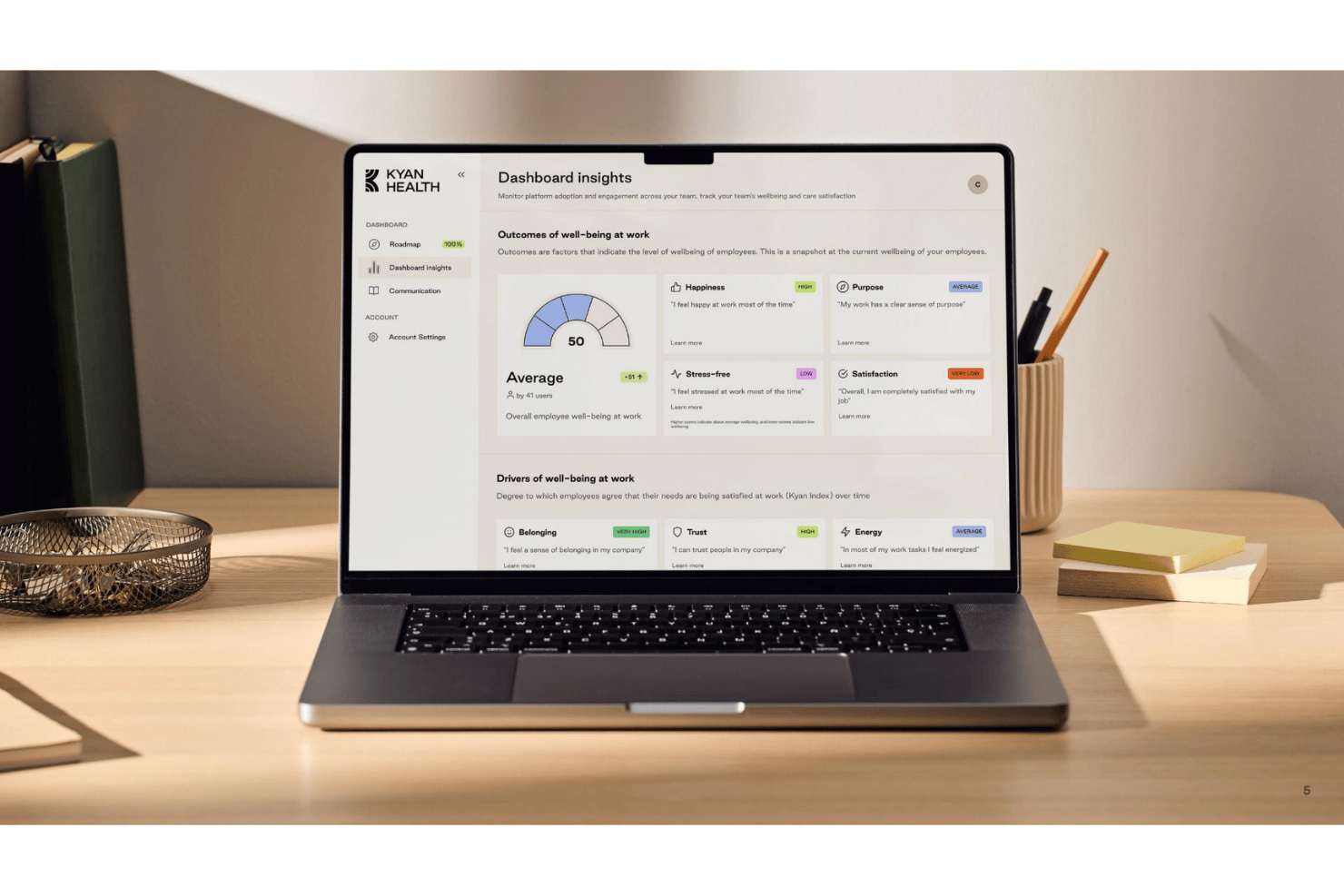
Features like KAI, the platform’s AI Care Navigator, and Kyan Engage’s aggregated well-being analytics make the platform feel more proactive and operationally useful than many traditional EAPs.
pros
-
AI-guided care pathways improve personalized employee support and accessibility.
-
Global multilingual clinician network supports culturally relevant employee care.
-
Integrated well-being analytics help HR teams track workforce well-being trends.
cons
-
The breadth of the platform can feel overwhelming at first.
-
Strong adoption depends on active HR-led rollout and employee communication.
-
Initial platform setup involves more decisions than simpler traditional EAPs.
Is Kyan Health Right For Your Needs?
Who Would be a Good Fit for Kyan Health?
Kyan Health is well-suited for enterprise organizations looking for a proactive, scalable alternative to traditional EAPs, particularly those managing distributed, multilingual workforces and aiming to consolidate wellness, counseling, and analytics needs.
-
Organizations Replacing Traditional EAPs
Companies frustrated with low-utilization EAPs and disconnected well-being vendors seeking continuous engagement and broad work-life support.
-
Multinational Enterprises
Global organizations operating across multiple regions and cultures needing a multilingual, GDPR- and HIPAA-compliant platform with localized care across 200+ countries and territories.
-
High-Stress Industries
Industries such as healthcare, manufacturing, logistics, finance, or professional services that benefit from preventative well-being tools and quick counseling access.
-
Hybrid and Remote Workforces
Distributed teams needing digital-first, virtual counseling, self-guided resources, and AI care navigation across time zones.
-
Large HR and People Operations Teams
HR leaders requiring insight into workforce well-being trends, aggregated analytics, and manager enablement tools.
-
Companies Focused on Burnout Prevention
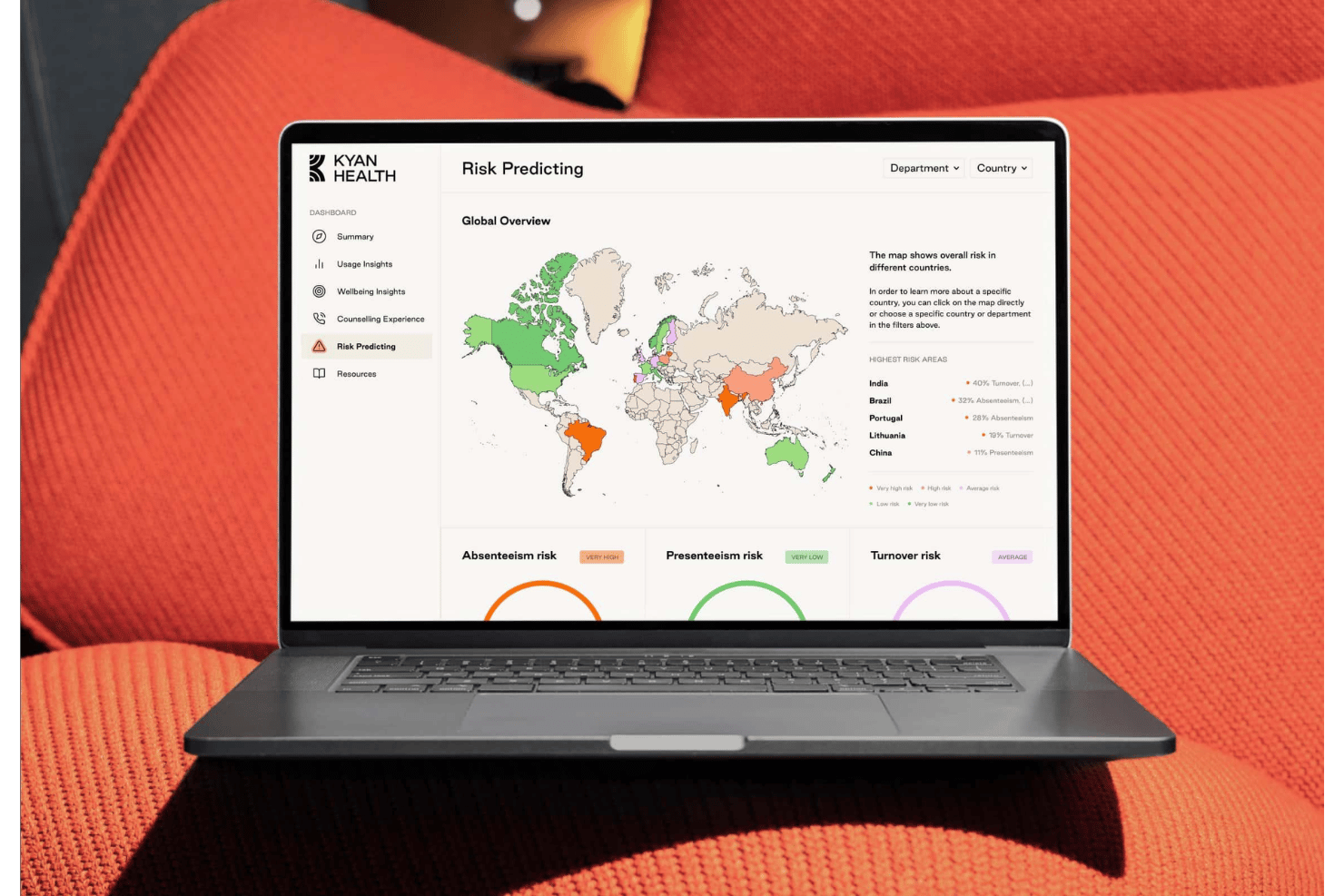
Organizations seeking to proactively address stress, absenteeism, and presenteeism with preventative care and continuous resources.
Who Would be a Bad Fit for Kyan Health?
Kyan Health is less suitable for smaller organizations needing basic well-being support, those wanting minimal involvement in rollout, predominantly in-person care, transparent pricing, highly customized integrations, or simple plug-and-play wellness apps.
-
Small and Mid-Sized Businesses
Companies with fewer than 1,000 employees or simple well-being needs.
-
Companies Wanting Minimal Rollout Involvement
Organizations expecting a hands-off EAP experience with little HR engagement.
-
Companies Seeking In-Person Care
Businesses primarily wanting face-to-face counseling or onsite wellness.
-
Budget-Constrained Organizations
Companies with limited HR budgets who find enterprise-focused pricing challenging.
-
Businesses Requiring Extensive Custom Integrations
Organizations depending on highly customized integration ecosystems.
-
Teams Wanting Simple Wellness Apps
Companies looking for lightweight or plug-and-play wellness tools without operational complexity.
Come Testiamo e Valutiamo i Nostri Strumenti
Abbiamo impiegato anni per costruire, perfezionare e migliorare il nostro sistema di test e valutazione dei software. Il modello è progettato per cogliere le sfumature della scelta del software e per evidenziare cosa rende uno strumento efficace, concentrandosi sugli aspetti più critici del processo decisionale. Di seguito puoi vedere esattamente come funziona la nostra valutazione e attribuzione dei punteggi secondo sette criteri. Questo ci consente di fornire una valutazione imparziale del software basandoci su funzionalità principali, caratteristiche distintive, facilità d’uso, onboarding, assistenza clienti, integrazioni, recensioni dei clienti e rapporto qualità/prezzo.
Funzionalità Principali (25% del punteggio finale)
Il punto di partenza della nostra valutazione sono sempre le funzionalità principali dello strumento. Possiede le funzioni di base che l’utente si aspetta? Alcune di queste funzioni sono disponibili solo in piani a prezzi più alti? In sostanza, ci aspettiamo che uno strumento rispecchi almeno le capacità base dei concorrenti.
Caratteristiche Distintive (25% del punteggio finale)
Successivamente valutiamo le funzionalità particolari che superano le funzionalità di base tipiche degli strumenti della sua categoria. Un punteggio alto riflette caratteristiche specializzate o uniche che rendono il prodotto più veloce, efficiente, o che offrono ulteriore valore all’utente. Valutiamo inoltre quanto sia semplice integrare il software con altri strumenti tradizionalmente presenti nel tech stack per espanderne funzionalità e utilizzo. Gli strumenti che offrono numerose integrazioni native, collegamenti di terze parti e accesso API per creare integrazioni personalizzate ricevono i punteggi migliori.
Facilità d’Uso (10% del punteggio finale)
Consideriamo quanto sia veloce e semplice svolgere i compiti definiti dalle funzionalità principali utilizzando lo strumento. I software con punteggi alti sono ben progettati, intuitivi, dispongono di app mobili, offrono modelli preimpostati e rendono semplici anche i compiti più complessi.
Onboarding (10% del punteggio finale)
Sappiamo quanto sia importante una rapida adozione di una nuova piattaforma all’interno di un team, quindi valutiamo quanto sia facile imparare e utilizzare uno strumento con una formazione minima. Valutiamo quanto rapidamente un membro del team possa iniziare a utilizzare lo strumento senza esperienza. Le soluzioni con punteggio alto richiedono poco o nessun supporto.
Assistenza Clienti (10% del punteggio finale)
Esaminiamo quanto sia facile e veloce ricevere supporto o trovare aiuto tramite telefono, chat dal vivo o knowledge base. Gli strumenti e le aziende che forniscono un’assistenza in tempo reale ottengono i punteggi migliori, mentre i chatbot ottengono i risultati peggiori.
Recensioni dei Clienti (10% del punteggio finale)
Oltre ai nostri test e valutazioni, consideriamo il punteggio net promoter dei clienti attuali e passati. Analizziamo la loro propensione, se potessero scegliere, a selezionare di nuovo lo strumento per le sue funzionalità principali. Un software con un punteggio alto riflette un elevato net promoter score da parte dei clienti attuali o passati.
Rapporto Qualità/Prezzo (10% del punteggio finale)
Infine, considerando tutti gli altri criteri, esaminiamo il prezzo medio dei piani base rispetto alle funzionalità principali e teniamo conto del valore degli altri criteri di valutazione. I software che offrono di più, a meno, ottengono un punteggio più alto.
Core Features
One-to-One Counseling and Coaching
Employees can book sessions directly with licensed psychologists and certified coaches through the platform. Fast appointment availability, multilingual support, and a network of 11,000+ providers across all 50 US states make this especially valuable for distributed global teams. Kyan Health is also HIPAA compliant, which adds important reassurance for organizations operating in the US healthcare and benefits landscape.
Self-Guided Well-being Resources
Kyan Health includes over 1,000 hours of evidence-based exercises, courses, and meditations employees can access anytime. These resources support prevention and ongoing mental well-being between live sessions.
Work-Life Support Services
Beyond mental health support, Kyan Health offers services for childcare, eldercare, financial guidance, legal support, and mediation. Bringing these services into one platform reduces the fragmentation common with traditional EAPs.
Well-being Analytics and Reporting
HR teams can track anonymized well-being trends, engagement levels, and care usage through Kyan Engage. The platform also surfaces tailored recommendations to help organizations improve workforce well-being proactively.
Leadership Training and Manager Enablement
Kyan Academy provides workshops, e-learning, and manager-focused training programs designed to strengthen psychological safety and workplace resilience. I find this especially useful for organizations wanting well-being support beyond individual employee care.
Crisis Support and Emergency Helpline
Kyan Health includes automated crisis detection alongside access to emergency helplines and on-call support resources. This gives employees additional protection during high-risk or urgent well-being situations.

Standout Features
KAI AI Care Navigator
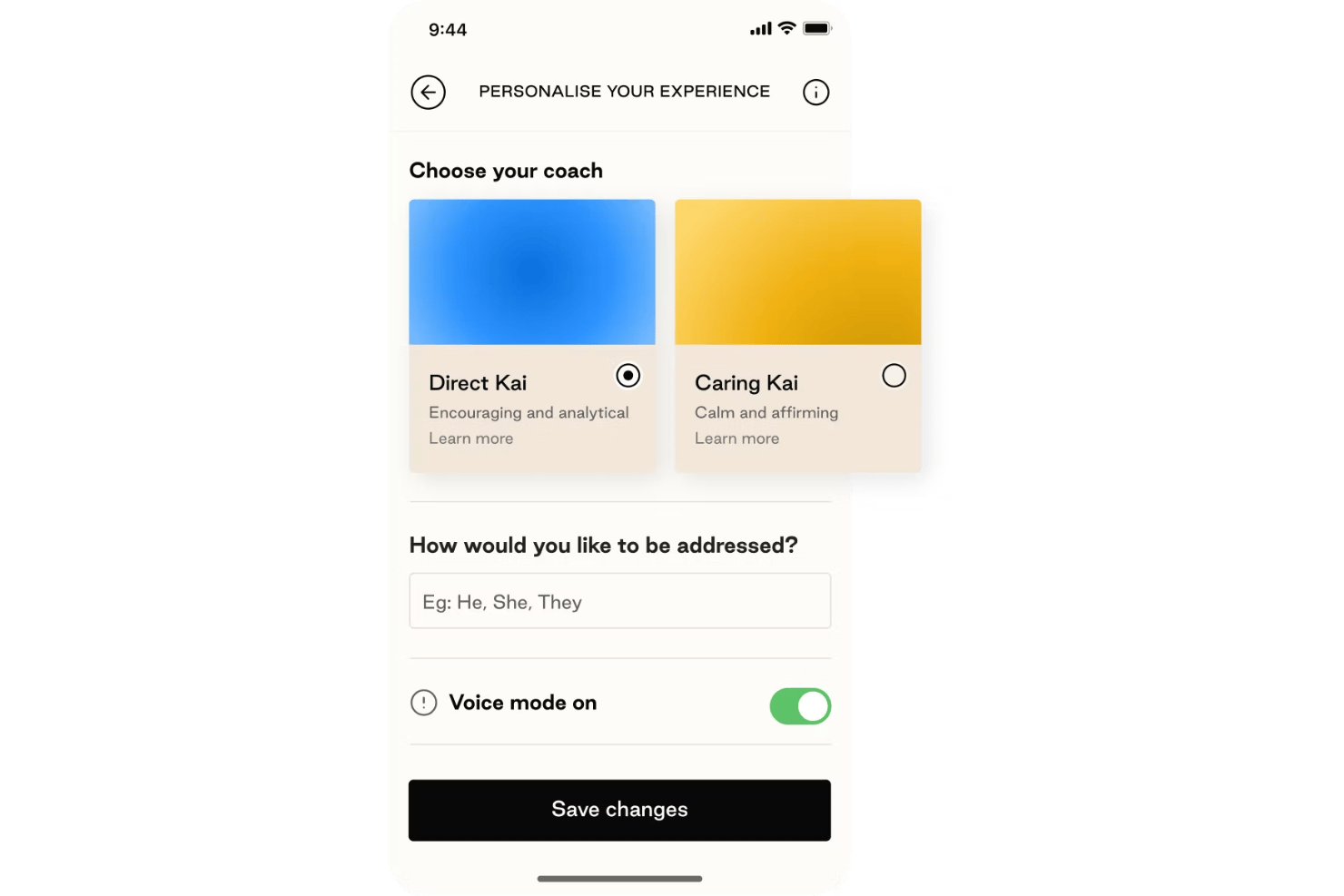
KAI acts as more than a basic chatbot or symptom checker. It continuously guides employees toward the right resources using well-being assessments, mood signals, and live conversations, while escalating users to human care when needed through clinically designed safety guardrails.
Truly Global and Localized Care Network
Kyan Health supports multinational organizations with a network of roughly 140,000 counselors, coaches, and specialists across 200+ countries and territories. Combined with extensive language coverage and culturally localized care, the platform feels far more globally scalable than many traditional EAP providers.
Ease of Use
I find Kyan Health relatively easy to use for both employees and HR teams, especially considering how much functionality the platform includes. The centralized experience makes it simple to access counseling, coaching, self-care resources, and work-life services from one place, while direct booking helps employees connect with support quickly.
That said, Kyan’s breadth can feel overwhelming at first for some program managers, particularly during initial setup (though its in-depth onboarding can help with that). The multilingual experience and guided care pathways do help reduce friction for global organizations managing diverse teams.
Onboarding
Kyan Health offers a highly guided onboarding process built for enterprise rollouts rather than lightweight self-serve setup. Each customer works with a dedicated Customer Success Manager who supports implementation, rollout planning, training, and post-launch optimization. Most standard deployments take around 4–6 weeks, though smaller pilots can launch in as little as 1–2 weeks and more complex multinational rollouts may take longer with SSO integrations or phased country launches.
I especially like that Kyan provides launch webinars, communication templates, presentation materials, and digital engagement assets through Kyan Engage, helping HR teams drive adoption without creating everything from scratch. Despite the platform’s broad functionality, the technical setup itself appears relatively low complexity since Kyan manages much of the infrastructure, compliance, and clinical network behind the scenes.
Customer Support
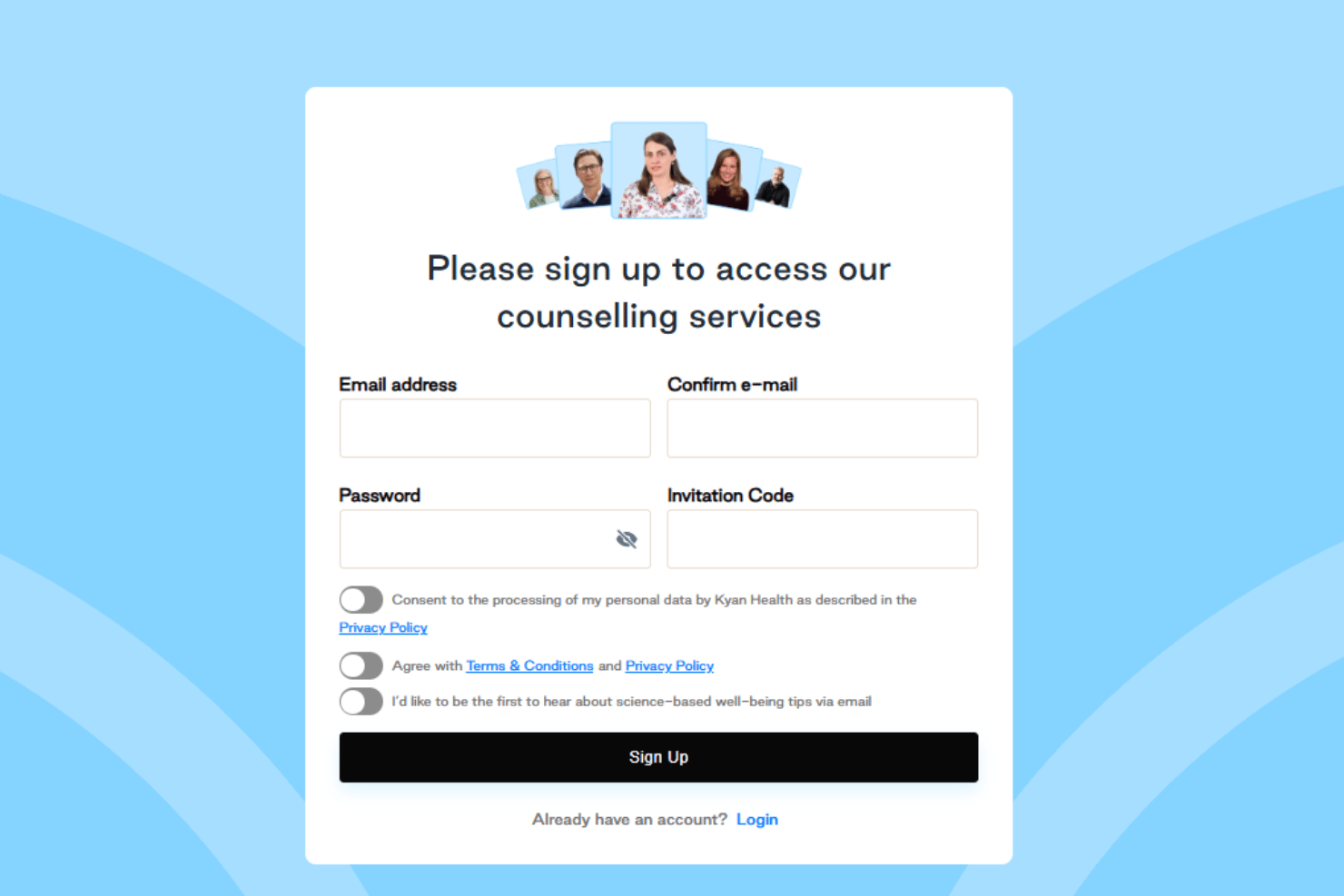
Kyan Health takes a fairly high-touch approach to customer support for HR and program managers. Enterprise customers receive ongoing guidance from dedicated Customer Success Managers who help with rollout strategy, analytics training, engagement optimization, and long-term program performance. I also like that Kyan provides structured support resources through Kyan Engage, including communication templates, launch assets, and ongoing adoption tools that help teams sustain utilization after implementation.
Integrations
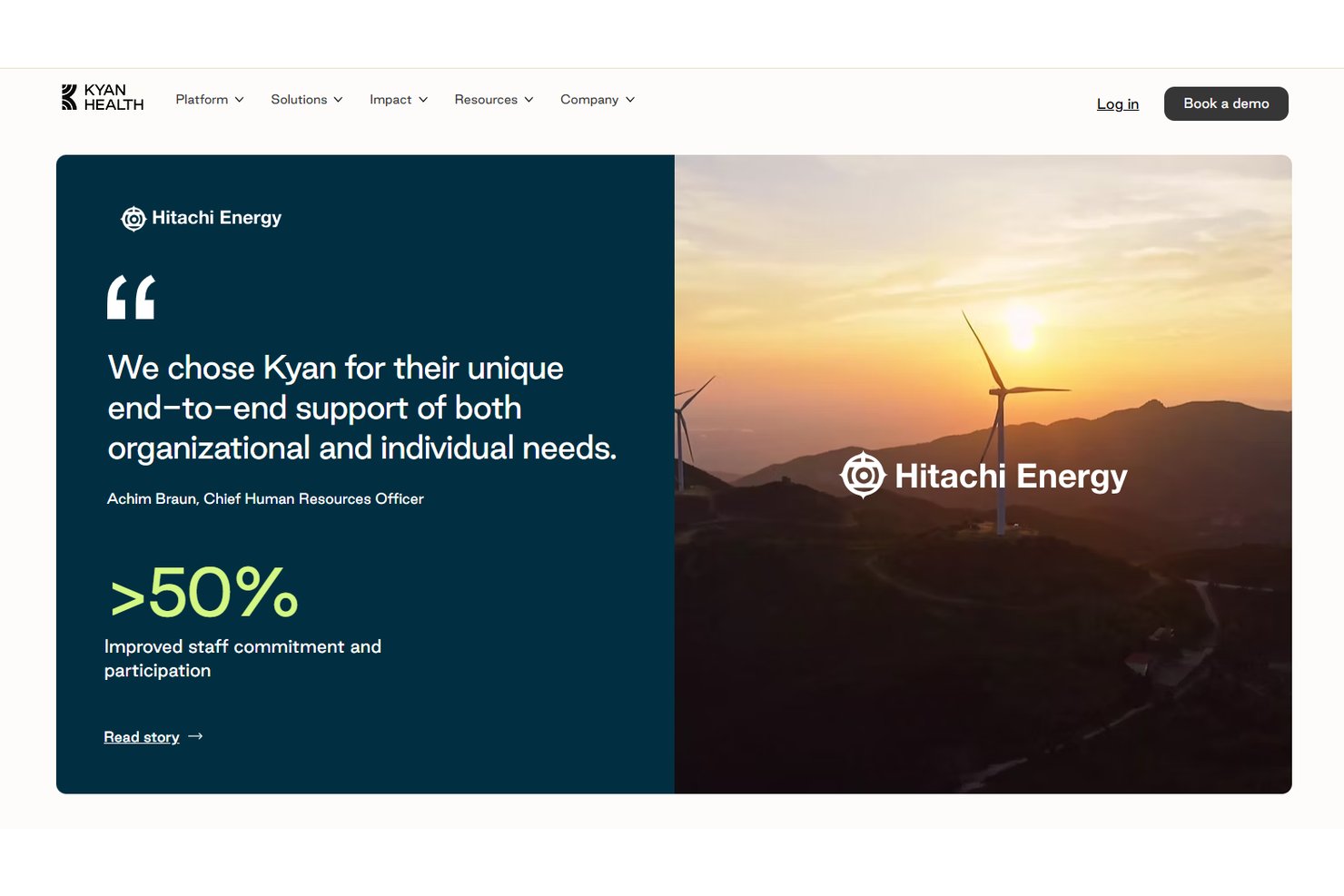
Kyan Health supports enterprise-focused integrations, including SSO, HRIS integrations, and compatibility with platforms like Slack and Microsoft Teams. The platform also connects with Microsoft Outlook and Google Workspace to help organizations manage rollout and employee access more efficiently. However, Kyan Health does not publicly provide a detailed integration marketplace or confirmed public API documentation, so companies with highly customized integration requirements may want additional clarification during evaluation.
Value for Money
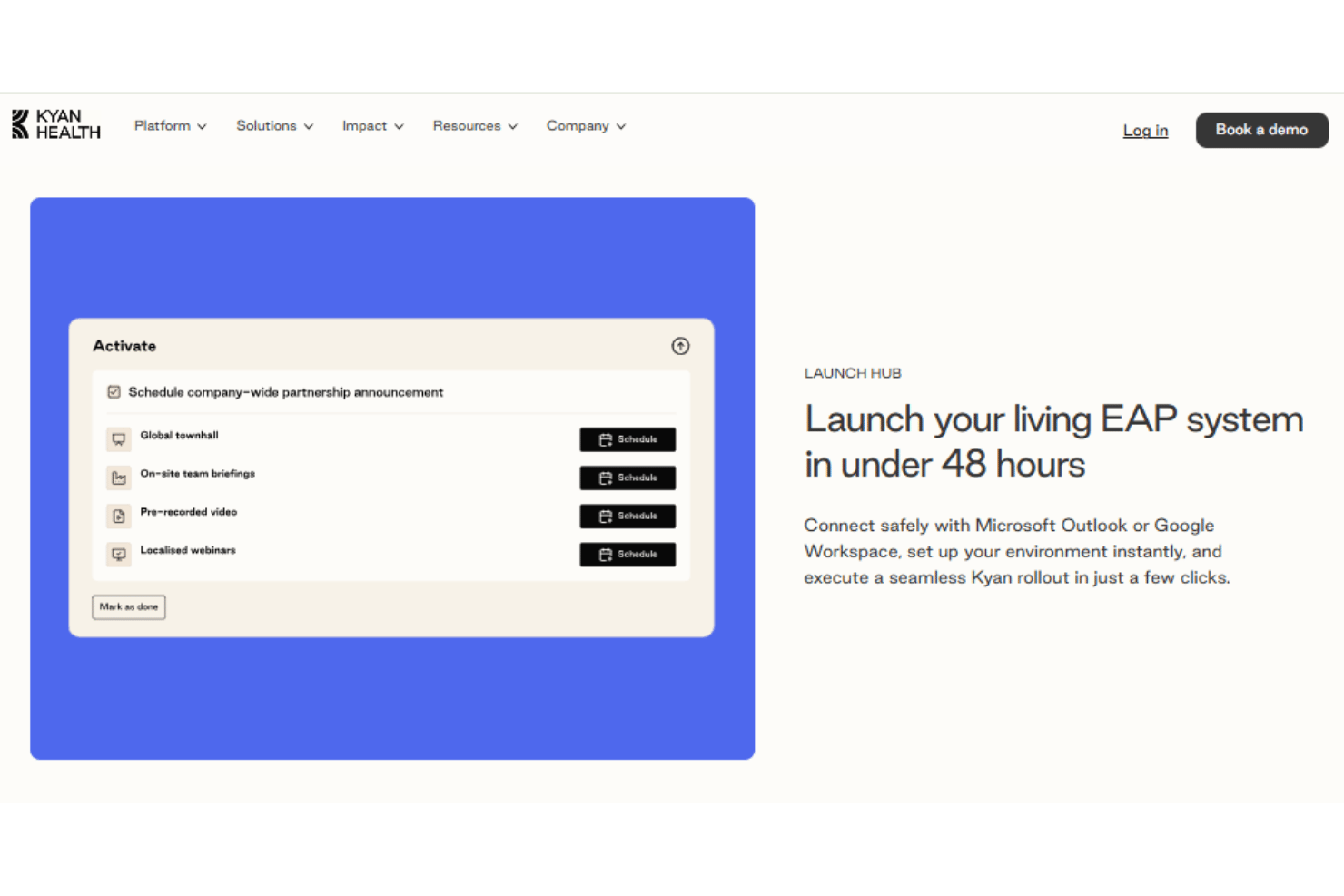
Kyan Health uses custom quote-based pricing tailored to workforce size, service scope, and organizational goals rather than transparent self-serve plans. From my point of view, the platform delivers strong value for large enterprises that want counseling, coaching, work-life services, well-being analytics, and AI-guided care consolidated into one system instead of managing multiple vendors separately.
Overall, if you’re evaluating Kyan, you should expect a sales-led buying process and may want to clarify which services, rollout support, integrations, and training modules are included in their contract.
Kyan Health Specs
- API
- Batch Permissions & Access
- Behavioral Tracking
- Budgeting
- Calendar Management
- Compliance Tracking
- Custom Data Forms
- Custom Reports
- Dashboard
- Data Export
- Data Import
- Data Visualization
- Employee Database
- Employee Engagement
- Employee Incentive Management
- Employee Training
- Expense Tracking
- External Integrations
- Feedback Management
- Health Management
- Multi-User
- Notifications
- Online Surveys
- Risk Assessment
- Safety Management
- Social-Media Integration
- Vacation & Absence Calendar
- Workflow Management
Kyan Health FAQs
How quickly can our company launch Kyan Health for employees?
Does Kyan Health support employees in multiple countries?
Can HR see individual employee mental health data?
What kind of live support is available through the platform?
What evidence-based therapies does Kyan Health offer?
How does Kyan Health help with compliance and data security?
Can we customize well-being campaigns or programs for our organization?
How is Kyan Health priced for different businesses?
Kyan Health Company Overview & History
Kyan Health is headquartered in Zürich, Switzerland, and focuses on digital mental health and well-being for the workplace. The company was founded by tech, medical, and psychology leaders and has a growing, multicultural team across Europe. Kyan Health is privately held and independent, with no widely reported affiliations or subsidiary products. The platform is currently used by organizations of many sizes across regions, but specific customer, revenue, or financial details are not publicly disclosed.
Kyan Health Major Milestones
- 2021: Company founded and established with headquarters in Zürich, Switzerland.
- 2022: Platform launched for the public and businesses across Europe.
- 2023: Received recognition as a top Swiss healthtech startup in industry press.
- 2024: Expanded clinical and well-being content, reached multilingual platform status.