

I 10 migliori software di IA per l’equità retributiva nel 2026

Elenco dei migliori software di intelligenza artificiale per l'equità retributiva


Il software di intelligenza artificiale per l'equità retributiva utilizza l'intelligenza artificiale per analizzare i dati sulle retribuzioni, individuare i divari retributivi e contribuire a colmarli, supportando al contempo decisioni salariali eque su larga scala. I team delle risorse umane alla ricerca di questi strumenti cercano modalità accurate e pratiche per garantire la conformità, affrontare la trasparenza retributiva e colmare i divari di equità in tempo reale. Con la crescente pressione da parte dei dipendenti e degli enti regolatori, scegliere la piattaforma giusta è più importante che mai.
Questa guida mette in evidenza le migliori soluzioni di intelligenza artificiale per l'equità retributiva, consentendoti di confrontare le funzionalità, capire cosa distingue ogni strumento e scegliere quello più adatto agli obiettivi di equità retributiva della tua organizzazione.
Perché fidarsi delle nostre recensioni sui software
Il nostro team testa e recensisce software dal 2012. In quanto esperti HR noi stessi, sappiamo quanto sia difficile — e importante — scegliere il software giusto.
Per questa guida, abbiamo valutato gli strumenti attraverso test pratici e ricerche indipendenti, assegnando un punteggio agli strumenti in base ai nostri criteri di selezione. Ci basiamo inoltre sulle competenze di leader di pensiero del settore e di professionisti HR attivi.
Le nostre recensioni riflettono il nostro giudizio editoriale umano, non un discorso di vendita.
Revisori esperti:
Tabella di confronto dei software di intelligenza artificiale per l'equità retributiva
Questa tabella di confronto riassume i dettagli sui prezzi delle mie migliori selezioni di software di intelligenza artificiale per l’equità retributiva:
| Tool | Best For | Trial Info | Price | ||
|---|---|---|---|---|---|
| 1 | Ideale per un'integrazione avanzata di people analytics | Prova gratuita di 30 giorni disponibile | Prezzo su richiesta | Website | |
| 2 | Ideale per retribuzione e azionariato integrati | Demo gratuita disponibile | Prezzi su richiesta | Website | |
| 3 | Ideale per studi sull'equità retributiva allineati all'EEOC | Demo gratuita disponibile | Prezzi su richiesta | Website | |
| 4 | Ideale per flussi di lavoro collaborativi sulla trasparenza salariale | Demo gratuita disponibile | Prezzo su richiesta | Website | |
| 5 | La migliore per soluzioni di equità retributiva incentrate sull'UE | Demo gratuita disponibile | Prezzo su richiesta | Website | |
| 6 | Ideale per consulenza personalizzata globale sull'equità retributiva | Demo gratuita disponibile | Prezzi su richiesta | Website | |
| 7 | Ideale per la conformità legale rapida e automatizzata | Demo gratuita disponibile | Prezzi su richiesta | Website | |
| 8 | Ideale per la modellazione dei dati salariali in più paesi | Demo gratuita disponibile | Prezzi su richiesta | Website | |
| 9 | Ideale per approfondimenti sulle retribuzioni basati su organigrammi | Demo gratuita + piano gratuito disponibile | Da $5/dipendente/mese (fatturazione annuale) | Website | |
| 10 | Ideale per la retribuzione di aziende in fase di crescita | Demo gratuita disponibile | Contattaci per il prezzo | Website |

Recensioni dei migliori software di intelligenza artificiale per l'equità retributiva
Di seguito sono riportati i miei riepiloghi dettagliati dei migliori software di intelligenza artificiale per l’equità retributiva inclusi nel mio elenco ristretto. Le mie recensioni offrono un’analisi approfondita delle funzionalità, delle capacità e dei migliori casi d’uso di ogni piattaforma, per aiutarti a trovare quella più adatta alle tue esigenze.

Visier
Ideale per un'integrazione avanzata di people analytics
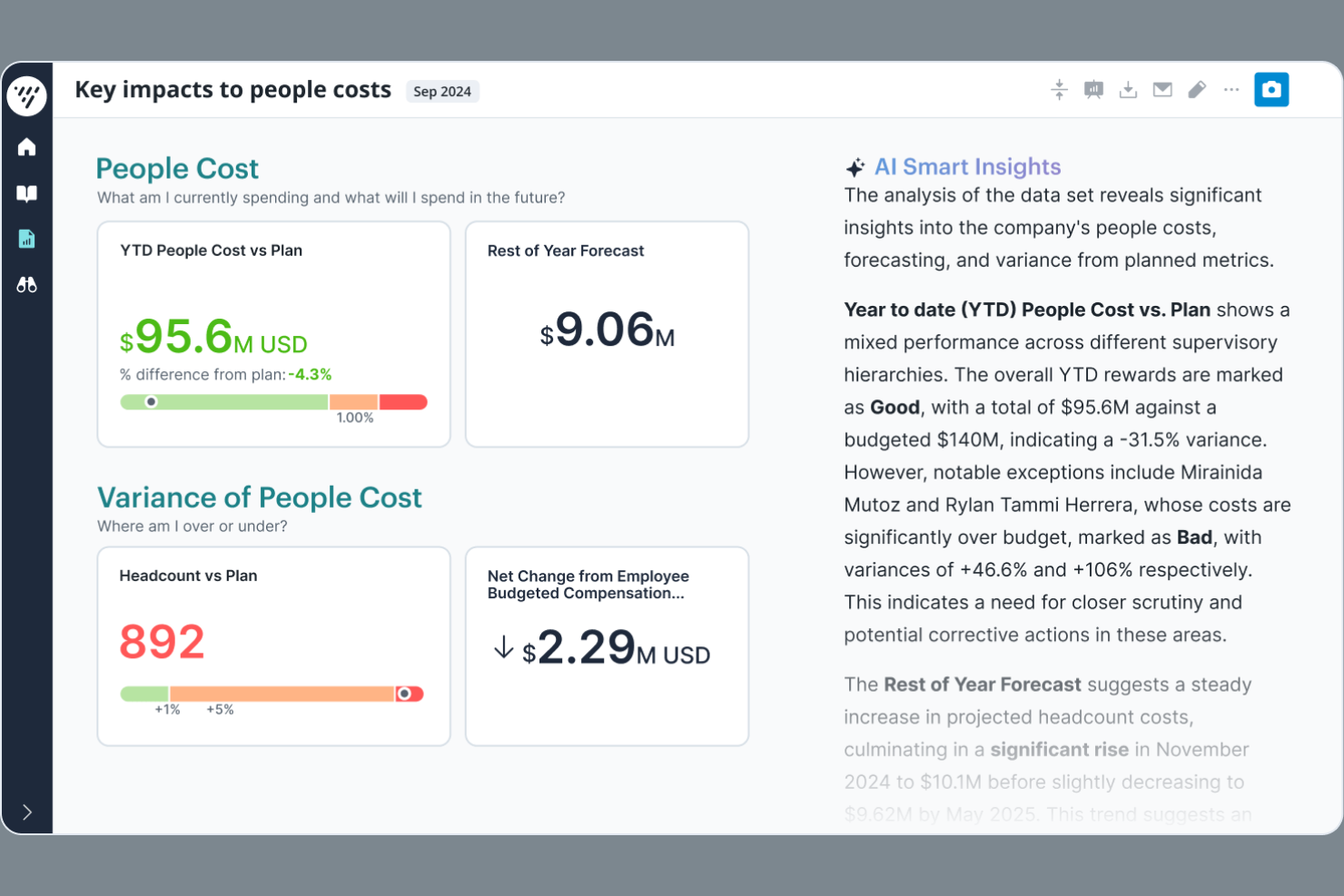
L'analisi dell'equità retributiva è al centro di Visier, una piattaforma di workforce intelligence che copre anche la pianificazione del personale, il benchmarking delle retribuzioni e l'identificazione delle differenze salariali tramite regressione tra i segmenti dei dipendenti.
Per chi è più indicato Visier?
Visier è particolarmente adatto per i team di people analytics e total rewards delle aziende che necessitano di analisi sull'equità salariale integrate nel reporting più ampio della forza lavoro.
Perché ho scelto Visier
Ho scelto Visier tra i migliori perché collegare l'analisi dell'equità retributiva ai dati della forza lavoro più ampi è proprio il suo punto di forza. Quando individuo un divario retributivo di genere nell'ingegneria, posso immediatamente consultare la cronologia delle promozioni, i dati sulla provenienza delle assunzioni e le valutazioni delle prestazioni per capire se il divario riflette decisioni di assunzione, schemi di avanzamento o pratiche retributive. Questa profondità trasversale non è disponibile nelle soluzioni verticali create solo per l'equità salariale.
Caratteristiche principali di Visier
- Analisi retributiva basata sulla regressione: Esegue modelli di regressione statistica per isolare i divari salariali inspiegati dopo aver tenuto conto di fattori legittimi come ruolo, livello e anzianità.
- Monitoraggio degli obiettivi di equità retributiva: Permette di impostare obiettivi di equità misurabili e monitorare i progressi nel tempo nei diversi segmenti di dipendenti.
- Modellizzazione degli scenari: Simula l'impatto dei costi delle decisioni di intervento prima che vengano approvate o applicate modifiche retributive.
- Assistente AI integrato (Vee): Risponde a domande in linguaggio naturale relative alla forza lavoro, comprese le richieste sull'equità retributiva, direttamente all'interno della piattaforma.
Integrazioni Visier
Visier offre connettori dati preconfigurati per soluzioni HRIS e piattaforme di talent management come BambooHR, Dayforce, Greenhouse, iCIMS, Medallia, Oracle Fusion, Qualtrics, SAP SuccessFactors e UKG, oltre a connettori per applicazioni di lavoro come Google Calendar, Jira, Salesforce e ServiceNow. Per la distribuzione degli insight, si integra con Power BI, Tableau, Slack, Microsoft Teams, Microsoft Copilot, Snowflake e Jupyter Notebooks e offre un'intera suite di API per integrazioni personalizzate.
Pros and Cons
Pros:
- Collega i divari salariali ai dati sul turnover
- Centinaia di metriche analitiche predefinite per la forza lavoro
- L'assistente AI risponde istantaneamente alle domande sulla retribuzione
Cons:
- Può risultare sovradimensionato per team di piccole dimensioni
- L'equità retributiva non è un modulo separato

beqom
Ideale per retribuzione e azionariato integrati

Attraverso la pianificazione salariale, la gestione degli incentivi e l'analisi dell'equità retributiva, beqom è una piattaforma di compensazione aziendale progettata per gestire tutta la complessità delle strutture retributive globali e multi-valuta in un unico sistema.
A Chi È Rivolto beqom?
beqom è particolarmente adatto a responsabili della retribuzione e team total rewards in grandi aziende che necessitano di un'unica piattaforma per gestire programmi retributivi complessi e multistrato tra regioni e popolazioni aziendali diverse.
Perché Ho Scelto beqom
Ho incluso beqom tra le mie migliori scelte perché integra realmente la retribuzione azionaria, incluse stock options e RSU, nello stesso ciclo di pianificazione di stipendi e bonus. Mi piace che i manager possano modellare i pacchetti di total reward in un unico posto, invece di dover prelevare i dati azionari da un sistema separato alla fine del processo. Gli strumenti di pianificazione di scenari di budget consentono anche al mio team di testare le modifiche retributive rispetto ai gap di equità retributiva prima della chiusura del ciclo, cosa che ritengo decisamente più pratica rispetto all'analisi retroattiva.
Funzionalità Chiave di beqom
- Gestione della retribuzione variabile: Progetta e gestisce piani di incentivo a breve termine e bonus insieme allo stipendio base in un unico workflow.
- Benchmarking di mercato: Confronta gli intervalli retributivi interni con i dati di mercato esterni per identificare gap strutturali di retribuzione per ruolo o livello.
- Dichiarazioni sul total reward: Genera dichiarazioni personalizzate che illustrano ogni aspetto della retribuzione di ciascun dipendente, incluso l'equity.
- Workflow di approvazione: Invio delle modifiche retributive attraverso catene di approvazione multilivello configurabili prima della finalizzazione.
Integrazioni di beqom
beqom si integra con le piattaforme HRIS più diffuse, tra cui Workday, SAP SuccessFactors, Oracle, ADP, UKG e Dayforce. Collabora inoltre con Flexspring per i connettori predefiniti verso SAP e Workday che gestiscono la sincronizzazione dei dati dei dipendenti, della compensazione e delle valutazioni delle performance. È disponibile un'API per integrazioni personalizzate.
Pros and Cons
Pros:
- Pianificazione di azionariato e stipendi in un unico ciclo
- Controlli di equità retributiva integrati durante le revisioni
- Supporta piani di compensazione differita multi-paese
Cons:
- Segnalate regressioni di sistema durante cicli attivi
- Un'eccessiva personalizzazione può generare errori utente


Affirmity è una piattaforma di analisi dell'equità retributiva basata su una metodologia statistica allineata all'EEOC, che combina analisi delle differenze retributive tramite regressione, revisione di diversi tipi di compenso e supporto di consulenza esperta.
A Chi è Rivolto Affirmity?
Affirmity è particolarmente adatto ai team di conformità HR di aziende medio-grandi con obblighi da appaltatori federali o con requisiti attivi di reportistica EEOC.
Perché Ho Scelto Affirmity
Ho scelto Affirmity tra le migliori soluzioni perché i suoi studi sull'equità retributiva sono costruiti direttamente secondo gli standard statistici dell'EEOC, fondamentali quando la tua organizzazione è soggetta a controlli da parte di appaltatori federali. Apprezzo in particolare l'analisi basata sulla regressione, che isola differenze retributive inspiegate controllando per fattori di compenso legittimi come anzianità, livello e ruolo. Calcola anche gli esatti aggiustamenti retributivi necessari per correggere le disparità identificate, aspetto che ritengo molto più utile rispetto agli strumenti che si limitano a segnalare le differenze.
Caratteristiche Principali di Affirmity
- Copertura dei tipi di compenso: Analizza stipendio, orario, straordinari, provvigioni, bonus e aumenti di merito in un unico studio.
- Visibilità retributiva mirata: Scompone l'analisi delle retribuzioni per reparto o gruppo demografico, non solo a livello di organizzazione.
- Molteplici metodi di test statistici: Esegue t-test, rank sum e analisi delle differenze retributive insieme alla regressione per validare i risultati.
- Revisione della compensazione nel ciclo di vita del talento: Individua potenziali problemi retributivi legati alle decisioni di compenso prese durante i cicli di assunzione e promozione.
Integrazioni Affirmity
PayStat si integra con i moduli CAAMS e AAPlanner di Affirmity, consentendo agli utenti di importare dati della forza lavoro esistenti su tutta la piattaforma SaaS unificata.
Pros and Cons
Pros:
- Basato sui metodi OFCCP e EEOC
- Consulenti esperti di livello PhD inclusi
- Collega gli studi retributivi ai piani di azione positiva
Cons:
- Focalizzato sulla conformità, non sulla gestione delle retribuzioni
- Nessuna integrazione con software di terze parti documentata


Sysarb è una piattaforma SaaS per l'equità retributiva che copre architettura delle posizioni, analisi del divario salariale, report di conformità e revisione delle retribuzioni—con dashboard basate sui ruoli per team HR, manager e dipendenti.
Per chi è ideale Sysarb?
Sysarb è particolarmente adatto ad aziende di medie e grandi dimensioni in Europa che vogliono affrontare la normativa sulla trasparenza retributiva, la quale richiede collaborazione tra HR e manager di diverse funzioni.
Perché ho scelto Sysarb
Ho scelto Sysarb come uno dei migliori perché il suo pacchetto 'Involve' lo distingue davvero dagli altri strumenti per l'equità salariale. La maggior parte delle piattaforme si ferma al reporting per le risorse umane, ma Sysarb estende l'accesso ai dati sulle retribuzioni anche a manager e dipendenti mediante dashboard dedicate, ognuna delle quali mostra solo ciò che è rilevante per quel ruolo specifico. Mi piace che i manager possano avere una visione completa della struttura retributiva del proprio team, mentre i dipendenti possono vedere i percorsi di crescita e le fasce salariali—tutto in un unico ambiente abilitato Single Sign-On. Questo tipo di accesso strutturato e basato sui ruoli è esattamente ciò che serve per condurre revisioni salariali conformi e trasparenti senza esporre dati sensibili alle persone sbagliate.
Caratteristiche principali di Sysarb
- Analisi del divario retributivo: Calcola i divari salariali statisticamente aggiustati e non aggiustati rispetto al genere e ad altre dimensioni.
- Costruttore di architettura delle posizioni: Consente di definire e allineare livelli, gradi e strutture retributive in tutta l'organizzazione.
- Report di conformità UE: Genera report pronti per audit conformi alla Direttiva UE sulla trasparenza retributiva.
- Lettere informative sulla retribuzione generate dall'AI: Redige in automatico lettere rivolte ai dipendenti che soddisfano gli obblighi di diritto all'informazione.
Integrazioni di Sysarb
Sysarb offre oltre 70 integrazioni con piattaforme HRIS, payroll e ATS, tra cui Workday, SAP SuccessFactors, HiBob, Personio, BambooHR, ADP Workforce Now, Oracle HCM, UKG Pro, Rippling e Deel.
Pros and Cons
Pros:
- Dashboard multistakeholder per manager e dipendenti
- Workflow integrati per i cicli di revisione salariale
- Forte allineamento alla Direttiva UE sulla trasparenza retributiva
Cons:
- Reportistica limitata al di fuori dei framework UE
- Base di clienti per le revisioni più ridotta rispetto ai concorrenti affermati


Figures è una piattaforma di benchmarking della retribuzione e dell'equità salariale creata per i team HR che gestiscono l'analisi del divario retributivo, la conformità alla trasparenza salariale dell'UE, la definizione delle fasce salariali e la reportistica sull'equità salariale assistita dall'IA.
A chi è più adatta Figures?
Figures è particolarmente adatta ai team HR e total rewards di aziende europee con 100 o più dipendenti che si stanno preparando per gli obblighi di rendicontazione previsti dalla Direttiva UE sulla trasparenza salariale a partire dal 2026.
Perché ho scelto Figures
Figures si è guadagnata il suo posto nella mia selezione delle migliori piattaforme perché è progettata in modo specifico per la conformità alla trasparenza salariale dell'UE. Apprezzo molto il fatto che generi automaticamente report sul divario retributivo in formato conforme per l'invio ai portali governativi, eliminando così gran parte del lavoro manuale in fase di rendicontazione. Il mio team può anche utilizzare lo strumento di confronto tra pari a livello individuale per individuare rischi salariali prima che emergano durante le verifiche. Il simulatore di piani di correzione allineato alla Direttiva UE sulla trasparenza salariale, che permette di modellare scenari di remediation in base al budget effettivo, è una funzionalità che non ho visto gestita così dettagliatamente in altri strumenti.
Caratteristiche principali di Figures
- Lettere automatizzate sul diritto all'informazione generate dall'IA: Figures crea lettere precompilate e personalizzabili sulle informazioni salariali per i dipendenti che esercitano richieste di diritto all'informazione secondo la normativa UE.
- Configurazione personalizzata delle classificazioni lavorative: Definisci ruoli, livelli e famiglie professionali direttamente sulla piattaforma per garantire analisi coerenti e accurate dell'equità salariale su tutta la forza lavoro.
- Rilevamento dei divari grezzi per categoria di lavoratore: Figures segnala automaticamente tutti i divari retributivi di genere superiori al 5% per categoria di lavoratore, così puoi identificare e dare priorità alle aree a maggior rischio.
- Filtri sui dati retributivi: Applica filtri avanzati su demografia e compensi (genere, anzianità, tipo di contratto, bonus) per segmentare e analizzare dettagliatamente i divari salariali.
Integrazioni di Figures
Figures offre oltre 40 integrazioni native focalizzate su sistemi HRIS e piattaforme HR, tra cui BambooHR, HiBob, Personio, Workday, SAP SuccessFactors, Oracle HCM, Rippling, Deel, Gusto e Google Workspace. Si integra inoltre con provider di identità come Okta e Microsoft Entra ID per l'accesso SSO.
Pros and Cons
Pros:
- Reportistica conforme alle direttive UE integrata nativamente
- Lettere ai dipendenti generate dall'IA per il diritto all'informazione
- Rilevamento dei confronti retributivi tra pari a livello individuale
Cons:
- I benchmark sono più rappresentativi di tech e startup
- Copertura limitata fuori dal mercato europeo

Ideale per consulenza personalizzata globale sull'equità retributiva
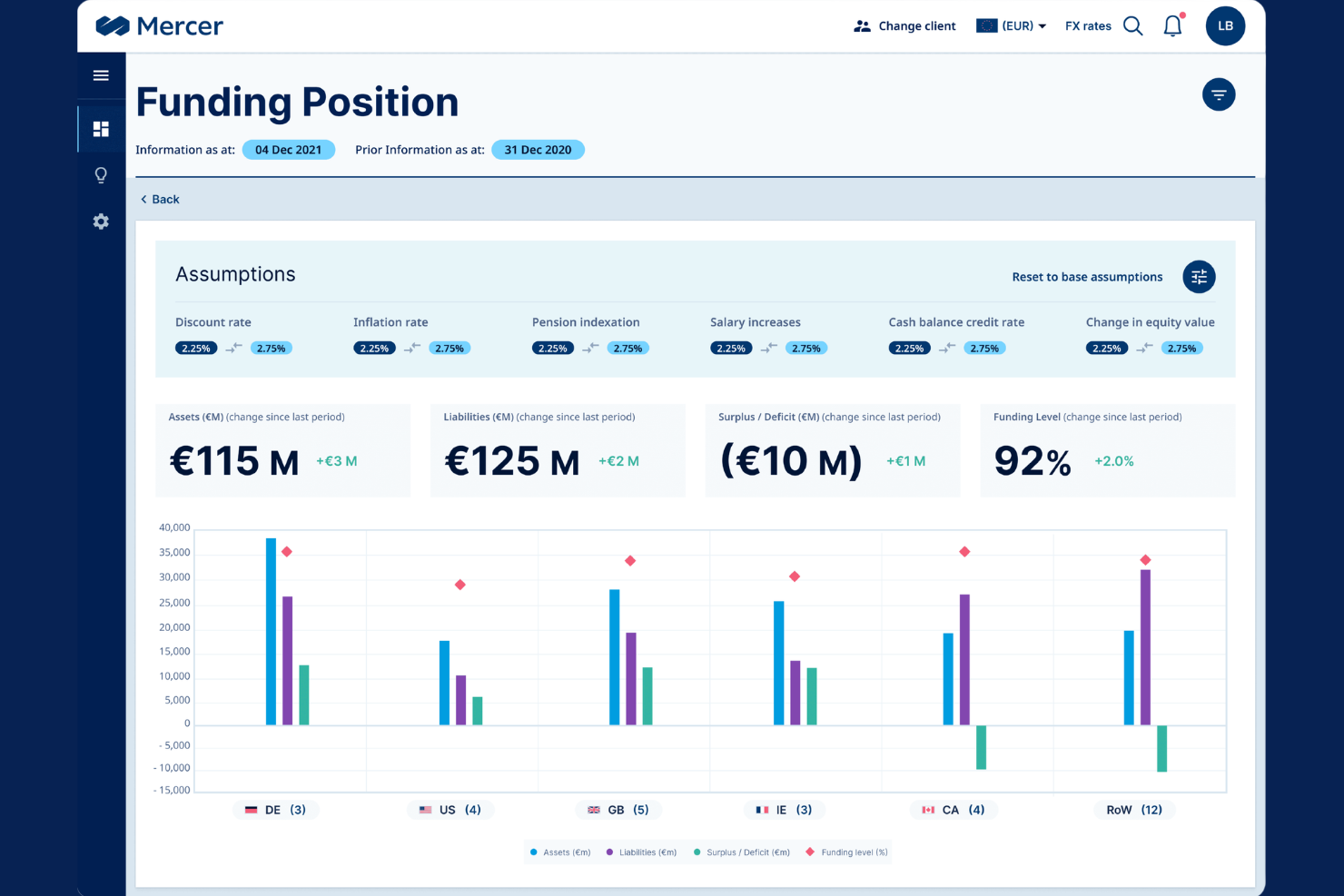
Mercer Pay Equity Analytics è una soluzione per l'equità retributiva basata sulla consulenza, che combina l'analisi di regressione statistica, l'identificazione dei divari retributivi e la modellazione di scenari di intervento correttivo per aiutare le organizzazioni a diagnosticare e affrontare le disparità retributive.
Per chi è più indicato Mercer Pay Equity Analytics?
Mercer Pay Equity Analytics è particolarmente adatto alle grandi aziende multinazionali che necessitano di un'analisi dell'equità retributiva guidata da consulenti in più giurisdizioni.
Perché ho scelto Mercer Pay Equity Analytics
Ho scelto Mercer Pay Equity Analytics perché nessun altro strumento nella mia lista combina l'analisi statistica dei divari retributivi con una competenza consulenziale concreta su scala globale. Ciò che trovo particolarmente interessante è il Calcolatore di equità retributiva, che i consulenti Mercer utilizzano per eseguire una regressione multivariata sui dati della forza lavoro e isolare i divari retributivi non spiegati per categoria protetta. Inoltre, modellano scenari di intervento correttivo integrando i vincoli di budget, quindi non ci si limita a vedere dove esistono i divari, ma anche quanto costa colmarli.
Funzionalità principali di Mercer Pay Equity Analytics
- Analisi della parità retributiva: Esamina i ruoli con ampie differenze retributive e segnala ruoli specifici per un'ulteriore revisione della retribuzione.
- Supporto alla conformità locale: Fornisce competenze normative specifiche per giurisdizione a supporto delle comunicazioni sull'equità retributiva e degli obblighi di rendicontazione previsti dalla legge.
- Dashboard per l'analisi dettagliata dei divari retributivi: Consente al team di esaminare la distribuzione delle retribuzioni nell'intera forza lavoro e di confrontare i divari con una serie di metriche della forza lavoro.
- Revisione dei valori anomali a livello individuale: Identifica e documenta le situazioni particolari a livello del singolo dipendente all'interno del Calcolatore di equità retributiva.
Integrazioni di Mercer Pay Equity Analytics
Il Calcolatore di equità retributiva è uno strumento basato sul web, fornito da un consulente, che Mercer pre-carica con i dati della tua organizzazione; pertanto, opera al di fuori di un ecosistema tradizionale di integrazioni self-service.
Pros and Cons
Pros:
- Analisi guidata da consulenti in più giurisdizioni
- Supportato dai dati globali di Mercer sulle retribuzioni
- Include strumenti per la modellazione di scenari di intervento correttivo
Cons:
- Non è una piattaforma software self-service
- Si basa su dati periodici, non in tempo reale


Pihr è una piattaforma software per l'equità retributiva che esegue analisi automatizzate del divario retributivo, genera report conformi alla legge in oltre 90 paesi e produce punteggi di valutazione delle posizioni per far emergere le disparità salariali all'interno della tua forza lavoro.
Per chi è Pihr?
Pihr è particolarmente indicato per i team HR e compensi di organizzazioni multinazionali che devono soddisfare i requisiti di trasparenza retributiva in più giurisdizioni.
Perché ho scelto Pihr
Ho scelto Pihr tra i migliori per la velocità con cui trasforma un audit retributivo da un progetto che può durare settimane a un compito che richiede solo pochi minuti. Ciò che apprezzo maggiormente è che la piattaforma genera automaticamente un report di conformità scritto non appena viene effettuata l'analisi, già formattato per soddisfare i requisiti legali locali in più di 90 paesi. Il piano d'azione integrato include raccomandazioni per adeguamenti salariali a livello individuale con i relativi calcoli dei costi, così il mio team non deve inventarsi da zero i prossimi passaggi.
Funzionalità principali di Pihr
- Report anonimi: Esegui l'audit retributivo utilizzando salari indicizzati invece dei valori reali per tutelare la privacy dei dipendenti.
- Report delle anomalie: Esporta un report filtrato che isola solo i confronti con differenze salariali inspiegabili.
- Report di conformità personalizzati: Personalizza i report generati in PowerPoint ed Excel con il logo della tua azienda e il profilo grafico.
- Caricamento multiplo di file: Carica dati da più mercati contemporaneamente per eseguire analisi transnazionali in un'unica sessione.
Integrazioni Pihr
Pihr offre un elenco crescente di integrazioni con software HR e paghe, con Sympa come uno dei connettori verificati che sincronizza direttamente i dati dei dipendenti e dei salari sulla piattaforma. La piattaforma supporta anche il caricamento manuale di file dai sistemi paghe come metodo alternativo di importazione dei dati.
Pros and Cons
Pros:
- Analizza oltre 2 milioni di salari in più di 90 paesi
- Genera automaticamente piani d'azione con stime dei costi
- Supporta audit anonimizzati tramite retribuzione indicizzata
Cons:
- Poca copertura di recensioni di terze parti online
- Manca di numerose connessioni software native

Compport
Ideale per la modellazione dei dati salariali in più paesi


ChartHop
Ideale per approfondimenti sulle retribuzioni basati su organigrammi
New Product Updates from ChartHop
ChartHop Adds Role and Filter Controls for Ask ChartHop
AI Pro customers can now set access controls for Ask ChartHop in AI settings, restricting who can use the assistant by role or filter criteria. For more information, visit ChartHop's official site.
 .
.
Aeqium
Ideale per la retribuzione di aziende in fase di crescita
Altri software di intelligenza artificiale per l'equità retributiva
Ecco alcune ulteriori opzioni di software di intelligenza artificiale per l’equità retributiva che non sono state incluse nel mio elenco ristretto, ma che vale comunque la pena valutare:
- HRSoft
Ideale per l'automazione configurabile delle politiche salariali
- OpenComp
Ideale per l'analisi dell'equity nelle startup finanziate da venture capital
- Workday HCM
Ideale per l'analisi delle retribuzioni all'interno di un HCM unificato


Come Valuto il Software di Equità Retributiva basato su AI
Ogni strumento in questo elenco deve offrire un’Intelligenza Artificiale che vada oltre dashboard superficiali—cerco modelli che sappiano realmente isolare gap retributivi inspiegabili rispetto ai fattori legittimi e segnalare rischi prima che si aggravino. Suddivido la mia valutazione in funzionalità di base che ogni prodotto deve possedere per essere idoneo e fattori differenzianti che distinguono un fornitore dall'altro.
Funzionalità di Base (Requisiti Minimi per Questo Elenco)
Quando seleziono gli strumenti per il mio elenco, valuto ciascuno su una scala da 0 (non offre la funzionalità) a 5 (eccelle in quest’area) per ogni funzionalità di base elencata qui sotto. Poi calcolo il punteggio totale dello strumento in percentuale. Ogni strumento deve raggiungere un punteggio totale minimo del 65% per essere preso in considerazione.
- Analisi della Disparità Salariale Guidata dalla AI: Verifico se lo strumento utilizza modelli di machine learning o regressione che considerano fattori come anzianità, località e livello lavorativo, e non solo le medie grezze che qualsiasi foglio di calcolo può produrre.
- Monitoraggio Continuo dell’Equità: Cerco piattaforme che segnalano l’emergere di nuovi gap man mano che la forza lavoro cambia, ad esempio dopo promozioni, e non solo audit annuali "istantanei".
- Modellazione della Rimunerazione Correttiva: Lo strumento deve generare scenari di adeguamento salariale rispettando vincoli di budget, in modo che i responsabili retributivi possano simulare i costi di chiusura dei gap prima di presentare delle opzioni alla direzione.
- Equità Retributiva nei Punti Decisionali: Valuto se i controlli d’equità sono integrati nei processi operativi come approvazione delle offerte, cicli merito e attribuzione dei bonus, dove è più probabile che si formino nuove disparità.
- Reportistica di Conformità Regolatoria: Sono rilevanti qui i report pronti per le audit e allineati ai requisiti specifici per giurisdizione (EEO-1, Direttiva UE sulla Trasparenza Salariale, divario salariale di genere UK), soprattutto con template che si aggiornano automaticamente.
- Integrazione Dati HRIS e Retribuzione: Cerco connettori nativi ad esempio per Workday, ADP o SAP SuccessFactors, che estraggano i dati demografici e retributivi automaticamente senza richiedere complessi lavori di data engineering.
Quando ho l’elenco degli strumenti che soddisfano questi criteri, valuto cosa distingue ciascuna piattaforma.
Fattori Differenzianti (Cosa Distingue i Fornitori)
Ecco come confronto i vari fornitori:
Funzionalità Distintive
I motori di raccomandazione per la rimunerazione sono dove vedo le differenze maggiori tra i fornitori. Alcuni strumenti suggeriscono rialzi percentuali uniformi, mentre altri simulano l’impatto a valle su compressione retributiva e retention prima di impegnare il budget. I controlli su offerte e promozioni sono inoltre importanti—cerco piattaforme che segnalano un’offerta iniqua prima che il recruiter la invii, non dopo l’assunzione. Per le organizzazioni multinazionali, l’automazione nella reportistica salariale globale può far risparmiare settimane generando dichiarazioni specifiche per giurisdizione da un unico dataset.
Oltre le Funzionalità
La trasparenza metodologica è un fattore di differenziazione importante. Se il tuo team legale non può spiegare come la AI è giunta alle sue conclusioni durante un audit regolatorio o una causa, l’analisi perde valore. Verifico se i fornitori documentano i loro modelli statistici e supportano flussi di lavoro sotto segreto professionale legale. Anche la sicurezza dei dati pesa molto: le informazioni retributive e demografiche sono tra le più sensibili nell’HRIS, quindi cerco conformità SOC 2 Type II e controlli d’accesso basati sul ruolo. Infine, valuto se i fornitori mettono a disposizione economisti del lavoro o psicologi del lavoro e delle organizzazioni, non solo CSM.
Come scegliere un software di intelligenza artificiale per l'equità retributiva
È facile perdersi in lunghi elenchi di funzionalità e strutture di prezzo complesse. Per aiutarti a rimanere concentrato mentre affronti il tuo processo di selezione del software, ecco una lista di controllo dei fattori da tenere a mente:
| Fattore | Cosa considerare |
|---|---|
| Scalabilità | Lo strumento supporterà la crescita del numero di dipendenti, più entità o acquisizioni senza interventi manuali sui dati? |
| Integrazioni | La piattaforma si collega facilmente al tuo HRIS, ai sistemi paghe e agli strumenti per la gestione delle retribuzioni esistenti, per un'analisi aggiornata? |
| Personalizzazione | Puoi adattare report, dashboard e modelli di equità alle tue politiche retributive e all'ambito geografico? |
| Semplicità d'uso | Gli utenti delle risorse umane e aziendali lo adotteranno rapidamente oppure lo strumento richiede una formazione approfondita o supporto tecnico? |
| Implementazione e onboarding | Quanto tempo, preparazione interna dei dati e supporto del fornitore sono necessari per entrare in funzione e condurre il primo audit? |
| Costo | Il prezzo varia in base al numero di dipendenti, all'utilizzo o alle regioni? Valuta se i prezzi del fornitore rientrano nel tuo budget a lungo termine. |
| Misure di sicurezza | Sono presenti certificazioni SOC 2, ISO e GDPR? Informati sui controlli degli accessi, sui registri di audit e sulla residenza dei dati. |
| Requisiti di conformità | Lo strumento ti aiuterà a rispettare gli obblighi attuali e futuri in materia di trasparenza retributiva e rendicontazione in tutte le regioni in cui operi? |
Che cos'è un software di intelligenza artificiale per l'equità retributiva?
Il software di intelligenza artificiale per l'equità retributiva utilizza analisi avanzate e apprendimento automatico per identificare, monitorare e affrontare le disparità retributive non spiegate tra gruppi demografici. Questi strumenti consentono ai team delle risorse umane e delle retribuzioni di individuare i divari, elaborare adeguamenti compatibili con il budget e generare report pronti per la conformità, così che le organizzazioni possano gestire in modo proattivo l'equità retributiva e rispettare diversi standard normativi.
Funzionalità dei software di intelligenza artificiale per l'equità retributiva
Quando selezioni un software di IA per l'equità retributiva, presta attenzione alle seguenti caratteristiche principali:
- Analisi del divario retributivo basata sull'IA: utilizza algoritmi avanzati per individuare disparità retributive non spiegate dopo aver tenuto conto di fattori legittimi di compenso come anzianità, ruolo e sede.
- Monitoraggio continuo dell'equità: monitora l'equità retributiva in tempo reale o quasi in tempo reale, segnalando nuovi divari quando cambiano i dati sulla forza lavoro o sulle retribuzioni.
- Modellazione degli interventi correttivi: suggerisce specifici adeguamenti salariali per colmare i divari, tenendo conto dei vincoli aziendali come budget e impatti organizzativi.
- Report sulla conformità: genera automaticamente report pronti per gli audit e specifici per giurisdizione, in conformità alle normative globali e alle leggi sulla trasparenza retributiva.
- Integrazione con l'HRIS: si collega direttamente ai sistemi HRIS e paghe per raccogliere dati accurati e aggiornati sulla forza lavoro e sulle retribuzioni.
- Salvaguardie per offerte e promozioni: integra controlli sull'equità nei momenti decisionali chiave, come assunzioni, promozioni e aumenti, per impedire la formazione di nuovi divari.
- Controllo degli accessi basato sui ruoli: protegge i dati sensibili dei dipendenti garantendo che solo gli utenti autorizzati possano accedere, analizzare o scaricare informazioni sull'equità retributiva.
- Strumenti di visualizzazione dei dati: fornisce dashboard chiare, suddivisioni visive e analisi dettagliate, così che i professionisti delle risorse umane possano interpretare e comunicare efficacemente le informazioni.
- Trasparenza metodologica: documenta e spiega i propri modelli statistici e la logica dell'IA, rendendo i risultati difendibili nelle verifiche legali, di conformità e della leadership.
- Pianificazione degli scenari: consente ai team di valutare gli impatti di diverse opzioni di intervento correttivo o di modifiche alle policy prima di prendere decisioni sulle retribuzioni.
Vantaggi del software di IA per l'equità retributiva
L'implementazione di un software di IA per l'equità retributiva offre diversi vantaggi al tuo team e alla tua azienda. Ecco alcuni dei vantaggi che puoi aspettarti:
- Individua divari retributivi nascosti: le analisi avanzate evidenziano disparità legate al genere, all'etnia o ad altri gruppi, anche quando si tiene conto dei fattori correlati al lavoro.
- Supporta la conformità alla trasparenza retributiva: i report automatizzati e specifici per giurisdizione aiutano a rispettare diverse normative sull'equità retributiva con un minore sforzo manuale.
- Guida le decisioni retributive basate sui dati: le raccomandazioni e le salvaguardie basate sull'IA orientano gli adeguamenti prima che vengano finalizzate offerte, promozioni e aumenti.
- Consente una gestione proattiva dell'equità retributiva: il monitoraggio continuo permette di anticipare i problemi emergenti, invece di limitarsi a reagire agli audit annuali.
- Fa risparmiare tempo ai team HR: le integrazioni fluide e le dashboard intuitive riducono il lavoro manuale e supportano audit retributivi più rapidi e accurati.
- Rafforza la fiducia e la reputazione del datore di lavoro: dimostrare un impegno attivo per l'equità retributiva rafforza la fiducia di dipendenti, candidati e stakeholder esterni.
- Riduce i rischi legali e finanziari: analisi difendibili e documentazione pronta per gli audit aiutano a proteggere l'organizzazione in caso di contestazioni sulle pratiche retributive.
Costi e prezzi del software di IA per l'equità retributiva
La scelta di un software di IA per l'equità retributiva richiede la comprensione dei vari modelli e piani tariffari disponibili. I costi variano in base alle funzionalità, alle dimensioni del team, agli add-on e ad altri fattori. La tabella seguente riassume i piani più comuni, i relativi prezzi medi e le funzionalità tipicamente incluse nelle soluzioni software di IA per l'equità retributiva:
Tabella comparativa dei piani per il software di IA per l'equità retributiva
| Tipo di piano | Prezzo medio | Funzionalità comuni |
|---|---|---|
| Piano gratuito | $0 | Tendenze di base dei divari retributivi, caricamenti di dati limitati, dashboard autonome e supporto della community. |
| Piano personale | $20–$100/utente/mese | Analisi automatizzata dei divari retributivi, report semplici, supporto via e-mail e opzioni di esportazione di base per la conformità. |
| Piano aziendale | $200–$800/mese | Analisi avanzate, modellazione degli interventi correttivi, report pronti per la conformità, integrazioni con i principali sistemi HRIS e SSO. |
| Piano per grandi aziende | $1,000+/mese | Monitoraggio in tempo reale, supporto per più giurisdizioni, integrazioni personalizzate, assistenza dedicata e controlli sulla privacy dei dati. |
Domande frequenti sul software basato sull'IA per l'equità retributiva
Ecco alcune risposte alle domande comuni sul software basato sull’IA per l’equità retributiva:
In che modo il software basato sull'IA per l'equità retributiva identifica i divari retributivi?
Il software basato sull’IA per l’equità retributiva applica modelli statistici, come la regressione multivariata, ai dati sulle retribuzioni. Questo approccio tiene conto di fattori come anzianità, sede e ruolo per isolare le disparità retributive che non possono essere spiegate da legittimi fattori aziendali.
Il software basato sull'IA per l'equità retributiva può aiutare a garantire la conformità internazionale?
Sì, la maggior parte dei software basati sull’IA per l’equità retributiva supporta la reportistica per più giurisdizioni. Ciò significa che puoi generare documenti pronti per la conformità per regioni come UE, Regno Unito, Stati Uniti e altre direttamente da un’unica piattaforma.
Di quali dati ho bisogno per utilizzare efficacemente il software basato sull'IA per l'equità retributiva?
Avrai bisogno di dati dettagliati sulle retribuzioni, dati demografici, livello professionale e prestazioni. Informazioni pulite e aggiornate provenienti dai sistemi HRIS e paghe rendono l’analisi molto più accurata e utile.
Con quale frequenza dovrei effettuare analisi sull'equità retributiva con questi strumenti?
Sono comuni analisi continue o almeno trimestrali. Le valutazioni in tempo reale o frequenti aiutano a individuare nuovi divari quando cambiano le decisioni relative al personale e alle retribuzioni, invece di aspettare gli audit annuali.
Le raccomandazioni degli strumenti basati sull'IA per l'equità retributiva sono personalizzabili?
Sì, la maggior parte degli strumenti consente di modificare parametri come i budget, i limiti per gli adeguamenti retributivi e i fattori inclusi nei modelli. In questo modo, le raccomandazioni sono in linea con la filosofia e i vincoli retributivi della tua organizzazione.