

I 10 migliori software per la gestione dei compensi del 2026

10 Elenco dei migliori software per la gestione delle retribuzioni


Gestire le retribuzioni dei dipendenti è complesso. Se monitori manualmente stipendi e bonus tramite fogli di calcolo, hai difficoltà con le questioni di equità retributiva o trovi complicato allineare le retribuzioni agli obiettivi aziendali, non sei il solo. Molti professionisti delle risorse umane affrontano queste sfide, rendendo difficile gestire efficacemente le retribuzioni e ancora più complicato scegliere il software giusto che possa aiutare.
È qui che entra in gioco il software per la gestione delle retribuzioni. Lo strumento giusto può aiutarti ad automatizzare gli adeguamenti salariali, garantire l'equità retributiva, gestire bonus e benefit e mantenere la conformità alle normative, risparmiando tempo e riducendo gli errori.
Grazie ad anni di esperienza nella valutazione dei software per le risorse umane, ho analizzato decine di strumenti per la gestione delle retribuzioni per individuare le migliori opzioni disponibili. In questo articolo esaminerò le mie scelte principali per aiutarti a trovare il software più adatto alle tue esigenze.
Che cos'è il software per la gestione delle retribuzioni?
Il software per la gestione delle retribuzioni è uno strumento pratico progettato per aiutare le aziende a gestire e organizzare efficacemente la retribuzione dei dipendenti. Automatizza il processo di calcolo di stipendi, bonus e altre forme di compenso, garantendo accuratezza e coerenza.
Il suo scopo è aiutare le aziende ad allineare la retribuzione alle prestazioni, rispettare i budget e mantenere strutture salariali competitive. Il suo utilizzo semplifica le attività amministrative, supporta la pianificazione finanziaria strategica e contribuisce a pratiche retributive eque e trasparenti, migliorando la soddisfazione e la fidelizzazione dei dipendenti.
Perché fidarsi delle nostre recensioni sui software
Il nostro team testa e recensisce software dal 2012. In quanto esperti HR noi stessi, sappiamo quanto sia difficile — e importante — scegliere il software giusto.
Per questa guida, abbiamo valutato gli strumenti attraverso test pratici e ricerche indipendenti, assegnando un punteggio agli strumenti in base ai nostri criteri di selezione. Ci basiamo inoltre sulle competenze di leader di pensiero del settore e di professionisti HR attivi.
Le nostre recensioni riflettono il nostro giudizio editoriale umano, non un discorso di vendita.
Revisori esperti:
I migliori software per la gestione delle retribuzioni: tabella comparativa dei prezzi
Questa tabella comparativa riassume i dettagli dei prezzi delle mie migliori selezioni di software per la gestione delle retribuzioni, per aiutarti a trovare il software più adatto al tuo budget e alle esigenze della tua azienda.
| Tool | Best For | Trial Info | Price | ||
|---|---|---|---|---|---|
| 1 | Miglior editor di piani retributivi senza codice | Demo gratuita disponibile | Prezzi su richiesta | Website | |
| 2 | Ideale per benchmarking in tempo reale in oltre 110 paesi | Demo gratuita disponibile | Prezzo fisso su richiesta | Website | |
| 3 | Ideale per equità retributiva e retention | Demo gratuita disponibile | Prezzi personalizzati su richiesta insieme a una demo gratuita | Website | |
| 4 | Ideale per la pianificazione retributiva adattiva nelle aziende enterprise | Demo gratuita disponibile | Contattare per il prezzo | Website | |
| 5 | Ideale per la modellazione delle retribuzioni guidata dall’AI | Demo gratuita disponibile | Prezzo su richiesta | Website | |
| 6 | Ideale per valutare i ruoli lavorativi | Demo gratuita disponibile | Prezzo su richiesta | Website | |
| 7 | Ideale per sostituire i fogli di calcolo | Demo gratuita disponibile | Prezzi disponibili su richiesta | Website | |
| 8 | Ideale per programmi retributivi complessi e dichiarazioni sui pacchetti retributivi complessivi (TRS) | Not available | Prezzi su richiesta | Website | |
| 9 | Ideale per collegare la retribuzione ai risultati | Demo gratuita disponibile | Da $4/utente/mese (fatturazione annuale) | Website | |
| 10 | Ideale per revisioni retributive a livello aziendale | Demo gratuita disponibile | Prezzo su richiesta | Website |

Recensioni dei migliori software per la gestione delle retribuzioni
Ecco una breve descrizione dei 10 migliori software per la gestione delle retribuzioni inclusi nella mia selezione. Continua a leggere per scoprire altre scelte aggiuntive in fondo all’elenco.

Qobra
Miglior editor di piani retributivi senza codice
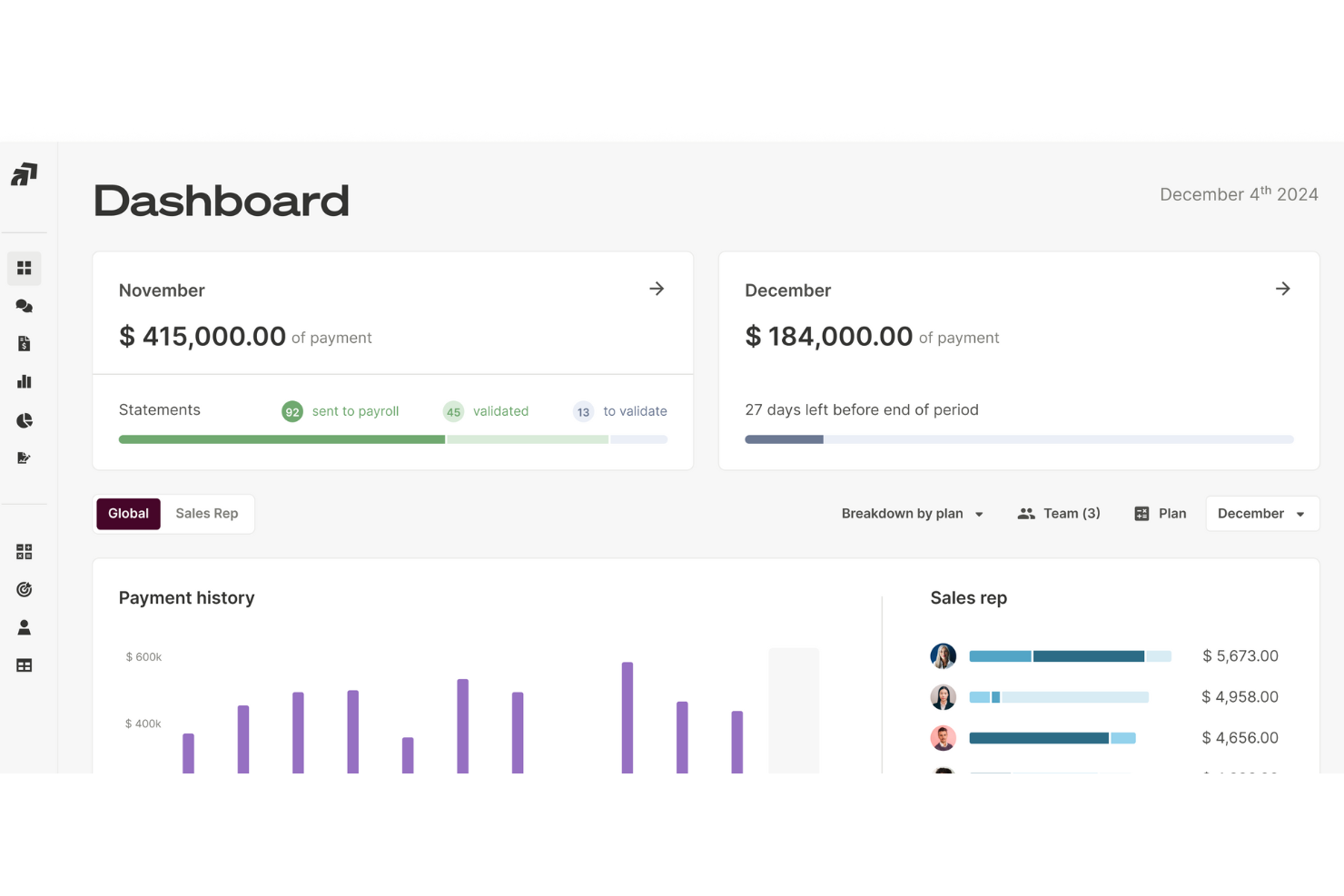
Qobra è una piattaforma di gestione delle retribuzioni progettata per i team di vendita e di gestione dei ricavi che necessitano di automatizzare il calcolo delle commissioni, semplificare la gestione dei piani e ottenere visibilità in tempo reale sulle prestazioni e sui pagamenti.
Per chi è Qobra?
Qobra è particolarmente adatto per i team di operations di vendita e finanza presso aziende di medie e grandi dimensioni che gestiscono strutture commissionali complesse e variabili all'interno di vaste organizzazioni commerciali.
Perché ho scelto Qobra
Qobra è nella mia shortlist perché il suo editor di piani senza codice gestisce la complessità delle retribuzioni senza il supporto tecnico. Permette di creare commissioni a livelli, SPIF, strutture di anticipi e logiche condizionali direttamente nell'interfaccia utilizzando un builder drag-and-drop—senza bisogno di sviluppatori o consulenti. La funzione di simulazione dei piani e sandbox è utile: posso testare le modifiche in un ambiente isolato prima di implementarle, così da non influenzare un ciclo paga in corso. Il controllo delle versioni mantiene una traccia completa di tutte le modifiche ai piani, il che aiuta finanza e RevOps a rimanere allineati.
Funzionalità principali di Qobra
- Dashboard commissioni in tempo reale: I rappresentanti di vendita e i manager possono visualizzare guadagni in tempo reale, tassi di raggiungimento degli obiettivi e previsioni di pagamento all'interno della piattaforma.
- Sincronizzazione dati CRM: Qobra importa dati di trattative e performance direttamente dal CRM per calcolare le commissioni senza inserimenti manuali.
- Supporto multi-valuta e multi-entità: Configura piani di retribuzione per diversi paesi, valute ed entità legali da un unico account.
- QobrAI Agents: Usa The Architect, The Analyst e The Sales Coach per creare piani istantaneamente, rilevare anomalie nei calcoli e fornire insight proattivi al team vendita.
Integrazioni Qobra
Le integrazioni includono Salesforce, HubSpot, Microsoft Dynamics 365, Google BigQuery, Snowflake, Workday, Slack, Google Drive, Microsoft OneDrive e un'API per integrazioni personalizzate.

Deel HR
Ideale per benchmarking in tempo reale in oltre 110 paesi

Deel HR offre ai team delle Risorse Umane e alle aziende globali un modo per gestire compensi, buste paga e conformità per dipendenti e collaboratori in più paesi, aiutandoti a gestire l'equità salariale, le normative locali e le sfide di una forza lavoro internazionale.
Per chi è più indicato Deel HR?
Deel HR è particolarmente adatto a team HR e responsabili finanziari di aziende di medie o grandi dimensioni che gestiscono una forza lavoro distribuita o internazionale in più regioni.
Perché ho scelto Deel HR
Ho scelto Deel HR tra i migliori perché adoro come la sua funzionalità Global Salary Insights consenta al mio team di accedere a dati retributivi reali provenienti da oltre 150 paesi, estratti direttamente dai lavoratori pagati tramite Deel. Quando devo impostare fasce salariali per un nuovo ruolo, ad esempio a Singapore o in Brasile, posso validare i riferimenti con dati di mercato reali invece che indovinare. Utilizzo inoltre il monitoraggio integrato del compa-ratio per individuare squilibri retributivi o anomalie per ruolo, livello e geografia prima che diventino problemi di retention. E poiché le decisioni sui compensi sono collegate direttamente alla payroll e all’HRIS di Deel, il mio team può realizzare variazioni salariali sulla stessa piattaforma che utilizziamo per le revisioni—senza esportare in fogli Excel o riconciliare dati tra più strumenti.
Caratteristiche chiave di Deel HR
- Fasce salariali: Imposta e gestisci fasce retributive per ruolo, livello e sede direttamente sulla piattaforma.
- Gestione dell’equity: Tieni traccia e gestisci le assegnazioni di azioni, i programmi di maturazione e i dettagli di proprietà dei dipendenti in un unico posto.
- Conformità automatizzata: Applica automaticamente le leggi sul lavoro locali e le normative fiscali alle decisioni sui compensi in vari paesi.
- People analytics: Genera report su organico, turnover e costi della forza lavoro per supportare le decisioni di pianificazione della retribuzione.
Integrazioni di Deel HR
Le integrazioni includono FaceUp, Snowflake, DefensX, Microsoft Finance, Kintsugi, ReFresh OS, Revo.ai, Keeper, Human Interest e Acumatica.
New Product Updates from Deel HR

Deel Expands Stablecoin Wallet to 80+ Countries
Deel expands its Stablecoin Wallet to 80+ countries with dollar-backed balances and optional rewards. This gives eligible contractors more ways to hold and manage earnings inside Deel. For more information, visit Deel’s official site.
 .
.
Xactly
Ideale per equità retributiva e retention
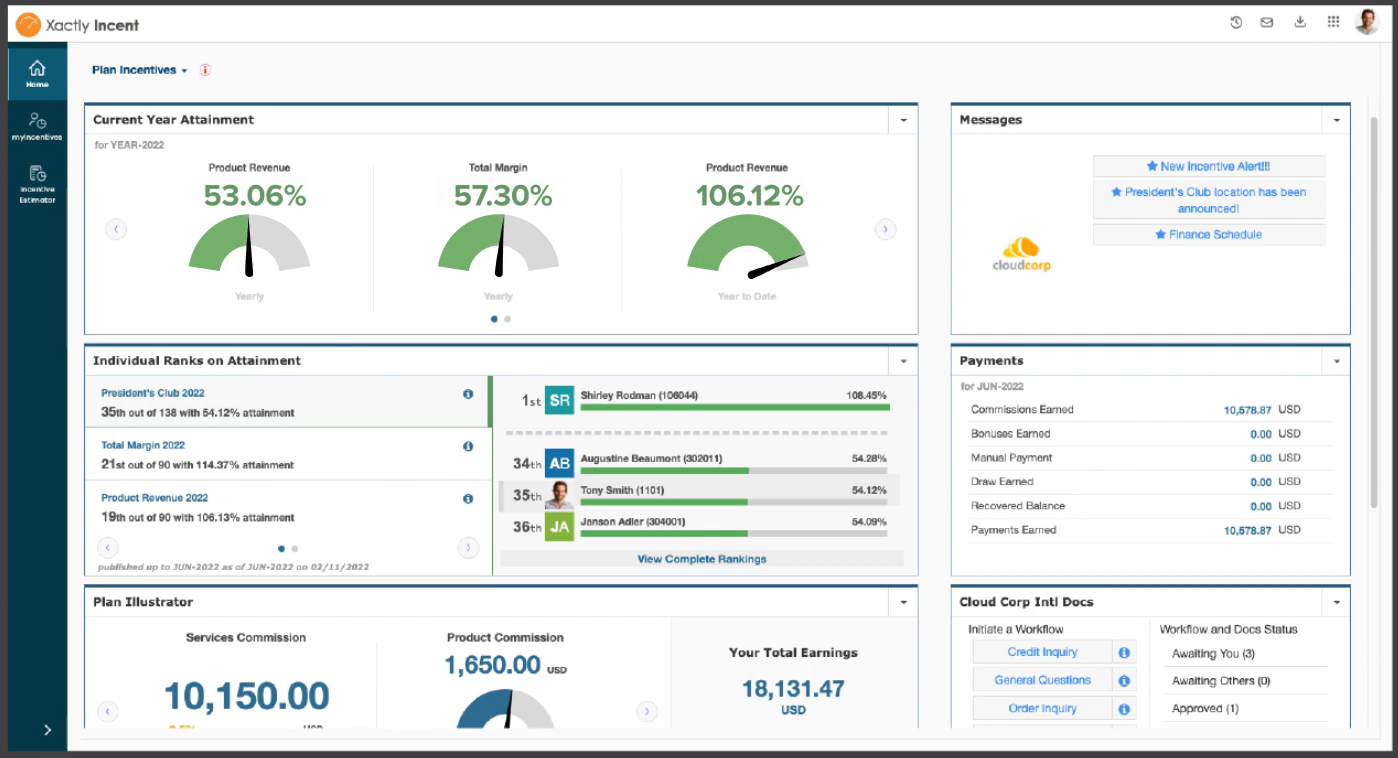
Xactly è una piattaforma di gestione della retribuzione pensata per i team HR e i leader aziendali che hanno bisogno di automatizzare i programmi di incentivi, garantire l'equità salariale e utilizzare l'analisi dei dati per prendere decisioni più intelligenti sulla retribuzione in organizzazioni di grandi dimensioni o complesse.
Per chi è ideale Xactly?
Xactly è particolarmente adatto per aziende di medie e grandi dimensioni con team dedicati alla gestione delle retribuzioni o alle operazioni di vendita che si occupano di programmi complessi di incentivi ed equità salariale.
Perché ho scelto Xactly
Ho scelto Xactly tra i migliori proprio per il modo in cui collega direttamente l'equità retributiva ai risultati in termini di retention. Lo strumento di Benchmarking Xactly fornisce al mio team l'accesso a oltre 19 anni di dati proprietari su retribuzioni e performance, così posso vedere come i nostri piani retributivi si confrontano con quelli dei pari settore in base al ruolo, all'anzianità e alla dimensione aziendale. Questa trasparenza aiuta a identificare dove stiamo sottopagando e perdendo talenti. Le dichiarazioni sugli incentivi in tempo reale di Incent offrono ai rappresentanti accesso immediato ai loro guadagni, contribuendo a costruire fiducia e ridurre il turnover tra i top performer.
Funzionalità principali di Xactly
- Flussi di lavoro per la pianificazione della retribuzione: Crea, simula e approva piani retributivi utilizzando flussi configurabili che indirizzano le modifiche ai giusti stakeholder.
- Gestione delle quote: Imposta, regola e monitora le quote di vendita a livello individuale o di team con strumenti di assegnazione basati su territorio e ruolo.
- Dashboard dei risultati: Monitora in tempo reale le performance individuali e di team rispetto agli obiettivi tramite dashboard visive e reportistica configurabile.
- Tracciamento audit e conformità: Registra ogni variazione delle retribuzioni con una registrazione datata per supportare audit interni e conformità normativa.
Integrazioni di Xactly
Le integrazioni includono Salesforce, Microsoft Dynamics 365, Oracle Sales Cloud, NetSuite, SAP, Workday, ADP, Okta, Slack e Tableau.
New Product Updates from Xactly
Xactly and ServiceNow Connect CRM Workflows to Revenue Performance
Xactly has partnered with ServiceNow to connect Xactly’s Intelligent Revenue Platform with ServiceNow CRM, embedding revenue performance intelligence into CRM workflows and surfacing commission and quota impacts in CPQ and Sales CRM. For more information, visit Xactly's official site.
 .
.
Aeqium
Ideale per la pianificazione retributiva adattiva nelle aziende enterprise
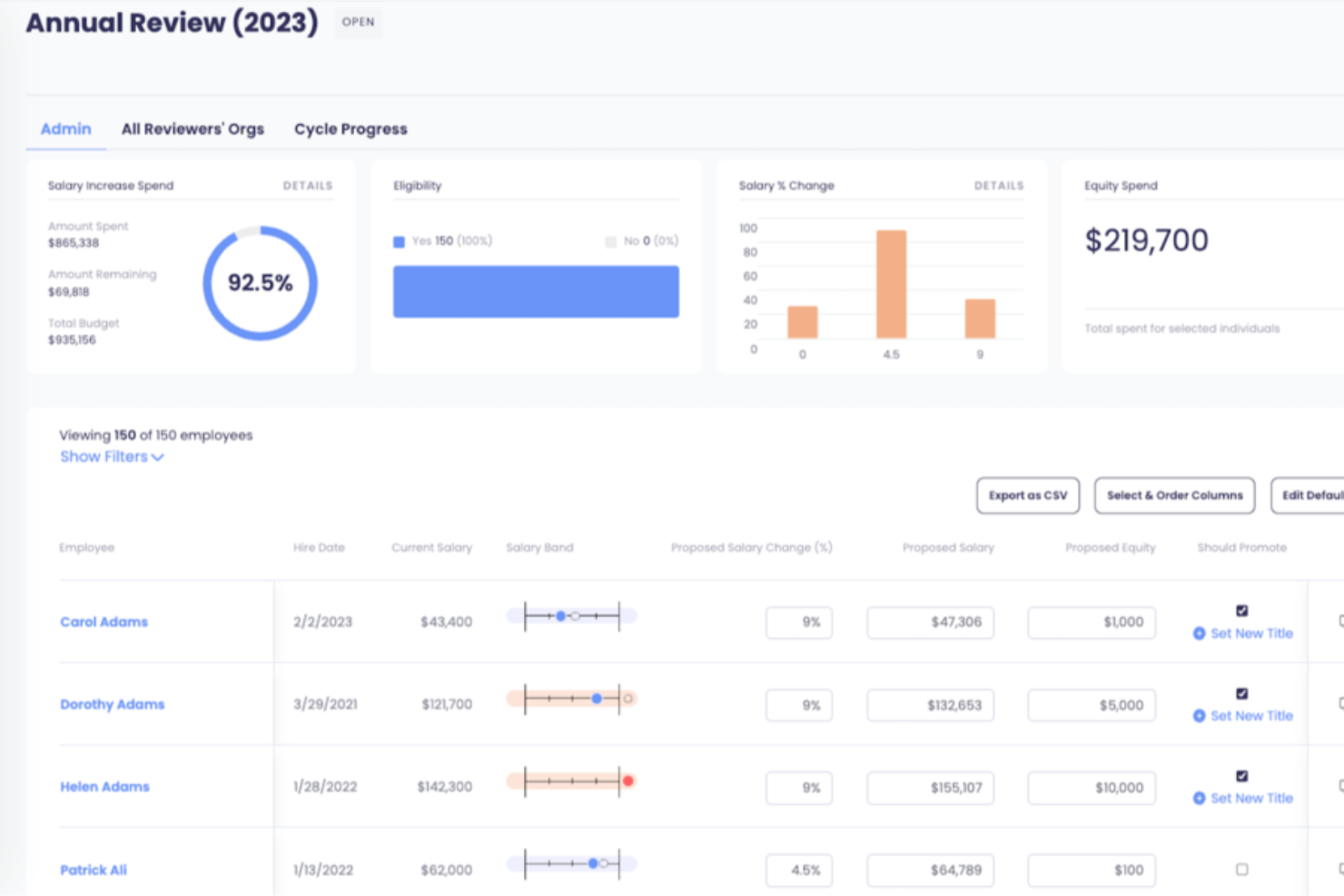
Aeqium è una piattaforma di gestione della retribuzione progettata per i team HR e i leader aziendali di imprese in crescita che hanno bisogno di gestire strutture salariali complesse, semplificare i cicli di compensazione e ottenere approfondimenti utili sull’equità salariale e i costi della forza lavoro.
Per chi è più indicato Aeqium?
Aeqium è particolarmente adatto per team HR e total rewards di medie e grandi aziende che gestiscono programmi di compensazione multilivello su forza lavoro ampia o in rapida crescita.
Perché ho scelto Aeqium
Ho scelto Aeqium perché è estremamente adattabile quando la strategia retributiva cambia durante il ciclo. Aeqium Assist consente al mio team di descrivere le modifiche in linguaggio naturale—aggiornando le regole di ammissibilità, riconfigurando le catene di approvazione, regolando le allocazioni di budget—e la piattaforma applica queste modifiche in tempo reale senza ticket o supporto tecnico. Aeqium Analyst genera report retributivi dettagliati su richiesta, quindi quando un VP chiede, in pieno ciclo, come si presenta l'utilizzo del budget nelle diverse regioni, non devo affannarmi su Excel per raccogliere questi dati.
Caratteristiche principali di Aeqium
- Gestione delle fasce retributive: Crea, personalizza e controlla gli intervalli salariali con controlli di accesso basati sui ruoli e tracciamento integrato della cronologia delle fasce di retribuzione.
- Portale totale premi per dipendenti: Offri ai dipendenti accesso 24/7 a una panoramica personalizzata di stipendio, equity, bonus e benefit, tutto in un unico luogo.
- Lettere di offerta interattive: Crea lettere di offerta dinamiche e visive che includono un simulatore di equity così i candidati possono modellare il valore della propria equity in diversi scenari.
- Reportistica su equità retributiva e calibrazione in tempo reale: Individua automaticamente i gap retributivi e le tendenze della compensazione utilizzando dati HRIS aggiornati, senza esportazioni manuali di file CSV.
Integrazioni di Aeqium
Le integrazioni includono Workday, BambooHR, Gusto, Rippling, Justworks, Namely, Greenhouse, Carta, ADP e UKG.

Visdum
Ideale per la modellazione delle retribuzioni guidata dall’AI
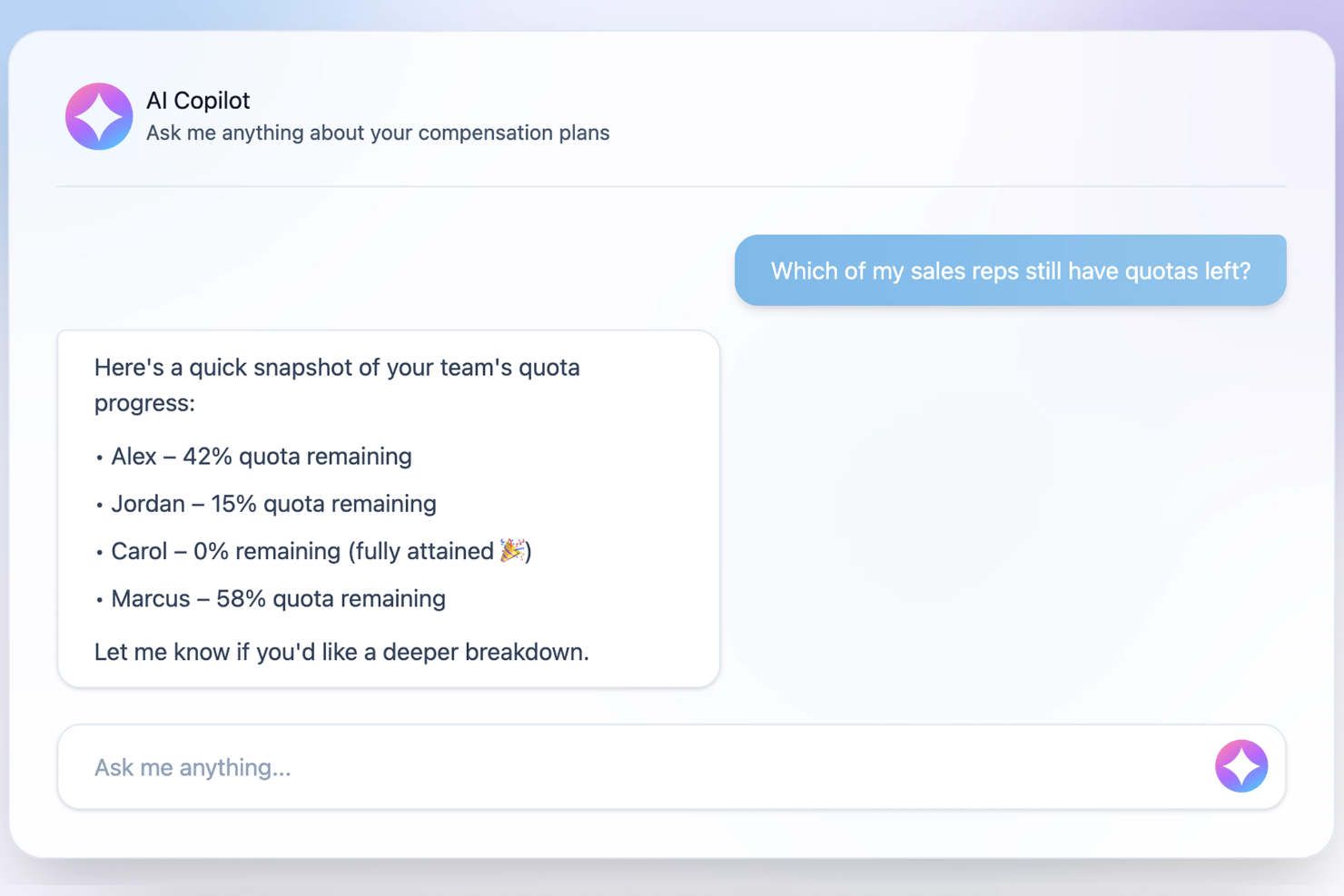
Visdum è una piattaforma di gestione delle retribuzioni per organizzazioni guidate dalle vendite che necessitano di automatizzare strutture provvigionali complesse e ottenere approfondimenti in tempo reale sui piani di incentivazione.
Per Chi è Ideale Visdum?
Visdum è indicato per team di revenue operations e vendite di aziende SaaS che gestiscono piani provvigionali complessi e variabili su larga scala.
Perché Ho Scelto Visdum
Ho incluso Visdum nella mia selezione per come il suo motore di modellazione AI-Adaptive gestisce la progettazione dei piani di compensazione. L’AI Copilot simula scenari di pagamento in tempo reale, consentendo al mio team di testare come modifiche a tariffe, ruoli o regole si riflettano prima di implementare un piano. Questa modellazione istantanea degli scenari elimina gran parte delle congetture nella pianificazione dei compensi. Anche il Plan Builder assistito dall’AI apprende la struttura del mio team e il modello di ricavi per generare piani ottimizzati, così non parto mai da zero quando viene aggiunto un nuovo ruolo o territorio.
Caratteristiche Principali di Visdum
- Gestione delle controversie sulle commissioni: Inoltra, traccia e risolvi le domande sulle commissioni tramite un sistema a thread singolo con notifiche automatiche e uno storico completo degli audit.
- SPIFF e contest: Gestisci programmi di incentivazione a breve termine e contest di vendita per motivare i rappresentanti e migliorare le performance in periodi specifici.
- Dashboard per i beneficiari: Offri ai venditori una panoramica self-service dei propri guadagni, del progresso verso la quota e delle stime delle commissioni basate sulla pipeline in tempo reale.
- Modifica dei piani senza codice: Modifica regole, tariffe e strutture delle commissioni in tempo reale senza necessità di supporto tecnico, utilizzando un’interfaccia flessibile no-code.
Integrazioni Visdum
Le integrazioni includono Salesforce, Microsoft Dynamics, HubSpot, Sage Intacct, QuickBooks, Oracle NetSuite, Workday, HiBob, ADP e DocuSign.
Pros and Cons
Pros:
- Automatizza calcoli provvigionali complessi, riducendo gli errori manuali.
- Offre aggiornamenti in tempo reale per un monitoraggio accurato dei guadagni.
- Adattabile a specifiche esigenze aziendali e piani provvigionali complessi.
Cons:
- Opzioni di personalizzazione limitate per gli strumenti di reportistica.
- La funzionalità mobile potrebbe essere migliorata per una maggiore accessibilità.


SalaryCube aiuta i team delle risorse umane e gli specialisti della retribuzione ad analizzare i ruoli lavorativi, confrontare le retribuzioni e progettare strutture salariali per supportare strategie di compensazione eque e competitive.
Per chi è più adatto SalaryCube?
SalaryCube è adatto ad analisti delle retribuzioni e professionisti HR che necessitano di strumenti strutturati per valutare e classificare i ruoli all'interno di un'organizzazione.
Perché ho scelto SalaryCube
SalaryCube merita un posto nella mia lista ristretta per l'efficacia con cui gestisce la valutazione dei ruoli, che spesso è l'anello debole nella pianificazione delle retribuzioni. Mi piace perché offre un quadro strutturato per classificare e confrontare i ruoli, così le decisioni sui salari si basano su criteri coerenti invece che sull'istinto. Il mio team usa SalaryCube per mappare i ruoli rispetto ai benchmark di mercato e identificare dove esistono gap retributivi tra i diversi livelli lavorativi. Gli strumenti di job architecture aiutano a definire le gerarchie dei ruoli e ad allineare a esse le fasce salariali.
Caratteristiche principali di SalaryCube
- Range Builder: Uno strumento di gestione delle fasce salariali che consente di impostare, regolare e visualizzare i range retributivi collegati ai dati di mercato.
- Comp Planning: Uno strumento di gestione dei cicli meritocratici con schede manager precompilate, monitoraggio dei budget per dipartimento e flussi di approvazione.
- FLSA Analyzer: Uno strumento guidato per la classificazione delle esenzioni che esamina ogni ruolo passo dopo passo e genera report PDF pronti per l'audit.
- SalaryCube+: Uno strumento per la gestione delle indagini salariali che permette di importare dati da survey di terze parti, aggiornarli e combinarli con i dati interni di SalaryCube, mantenendo il tutto riservato per l'organizzazione.
Integrazioni di SalaryCube
Le integrazioni includono ADP Workforce Now, BambooHR, Rippling, Workday, UKG, Hibob, Gusto, Paylocity, Greenhouse e Lever.
Pros and Cons
Pros:
- Dati salariali aggiornati in tempo reale
- Filtri per località e fatturato
- Report retributivi personalizzati illimitati
Cons:
- Dati su retribuzioni solo per gli Stati Uniti
- Nessuna integrazione HRIS nativa elencata

Ideale per sostituire i fogli di calcolo

Comprehensive è una piattaforma per la gestione delle retribuzioni destinata ai team delle risorse umane e ai leader aziendali che desiderano automatizzare i cicli retributivi, garantire la trasparenza salariale e accedere a dati di mercato in tempo reale per prendere decisioni retributive informate ed eque.
Per chi è più adatto Comprehensive?
Comprehensive è una soluzione particolarmente adatta ai team delle risorse umane di aziende di medie dimensioni e grandi imprese che necessitano di un'alternativa strutturata e scalabile alla gestione della pianificazione retributiva nei fogli di calcolo.
Perché ho scelto Comprehensive
Comprehensive si è guadagnato un posto nella mia rosa di soluzioni perché è stato progettato appositamente per sostituire i fogli di calcolo delle retribuzioni che rallentano i team delle risorse umane durante i cicli di revisione. Mi piace il modo in cui centralizza la pianificazione di aumenti di merito, bonus e azioni in un unico flusso di lavoro guidato, così il mio team non deve riconciliare manualmente i dati tra più file. Il monitoraggio integrato del budget si aggiorna in tempo reale mentre i responsabili prendono decisioni, il che significa che posso individuare una spesa eccessiva prima che diventi un problema. I dati di confronto salariale sono inoltre integrati direttamente nella piattaforma, quindi non devo passare da uno strumento separato a un foglio di calcolo per convalidare gli intervalli retributivi.
Funzionalità principali di Comprehensive
- Pannello di controllo delle ricompense totali: Mostra il quadro completo della retribuzione di ogni dipendente, inclusi stipendio, azioni, bonus, benefit e altre ricompense fornite dal datore di lavoro in un'unica vista.
- Rapporti sull'equità retributiva: Evidenzia i divari retributivi e segnala i valori anomali utilizzando la segmentazione demografica per genere, etnia, età e altri attributi.
- Controllo degli accessi basato sui ruoli: Consente agli amministratori di impostare autorizzazioni a livello di campo, in modo che responsabili, dipendenti e dirigenti visualizzino solo i dati retributivi pertinenti al proprio ruolo.
- Lettere di assegnazione personalizzate: Genera lettere retributive configurabili e distribuite digitalmente, con valori calcolati e download opzionali in formato PDF.
Integrazioni di Comprehensive
Le integrazioni includono Rippling, BambooHR, 15Five, Culture Amp, Carta e Shareworks.

CompUp
Ideale per programmi retributivi complessi e dichiarazioni sui pacchetti retributivi complessivi (TRS)

CompUp è una piattaforma per la gestione delle retribuzioni progettata per i team HR e i leader aziendali che devono gestire strutture retributive complesse, piani di incentivazione e pacchetti retributivi complessivi per gruppi di dipendenti diversificati.
Per chi è più indicato CompUp?
CompUp è una soluzione adatta ai team HR di medie e grandi aziende che gestiscono strutture retributive multilivello distribuite tra diversi ruoli, livelli o aree geografiche.
Perché ho scelto CompUp
Ho scelto CompUp perché è progettato specificamente per gestire programmi retributivi che la maggior parte delle piattaforme fatica a configurare. Mentre altri strumenti ti costringono a semplificare la logica retributiva per adattarla alla loro struttura, CompUp ti consente di mappare direttamente nel sistema le regole effettive degli aumenti, i modelli di erogazione variabile e i flussi di lavoro multivaluta. Mi piace la funzione per le erogazioni variabili: puoi configurare bonus, commissioni e strutture di incentivazione con logiche di calcolo complesse, mentre la piattaforma genera automaticamente le lettere corrispondenti. Le dichiarazioni sui pacchetti retributivi complessivi sono ben realizzate e offrono ai dipendenti una panoramica personalizzata del loro pacchetto retributivo completo, inclusi stipendio, partecipazioni azionarie, bonus e benefit, presentati in modo chiaro per area geografica e valuta.
Funzionalità principali di CompUp
- Fasce retributive: Crea e visualizza gli intervalli retributivi per ruoli, livelli e aree geografiche in una vista centralizzata, per supportare decisioni di pianificazione coerenti.
- Analisi dell'equità retributiva: Individua le disparità retributive tra i gruppi di dipendenti utilizzando gli strumenti integrati di rilevamento dei bias e di analisi dell'equità.
- Previsione del budget: Modella gli impegni finanziari nei diversi cicli retributivi prima di finalizzare le decisioni.
- Controllo degli accessi multilivello: Assegna accessi basati sui ruoli a manager, responsabili HR e capi reparto, in modo che ogni stakeholder visualizzi solo le informazioni pertinenti alla propria parte del processo.
Integrazioni di CompUp
Le integrazioni includono SAP SuccessFactors, Workday, Oracle HCM, Darwinbox, ADP, UKG, BambooHR, Zoho People, GreytHR e PeopleStrong.

Lattice
Ideale per collegare la retribuzione ai risultati
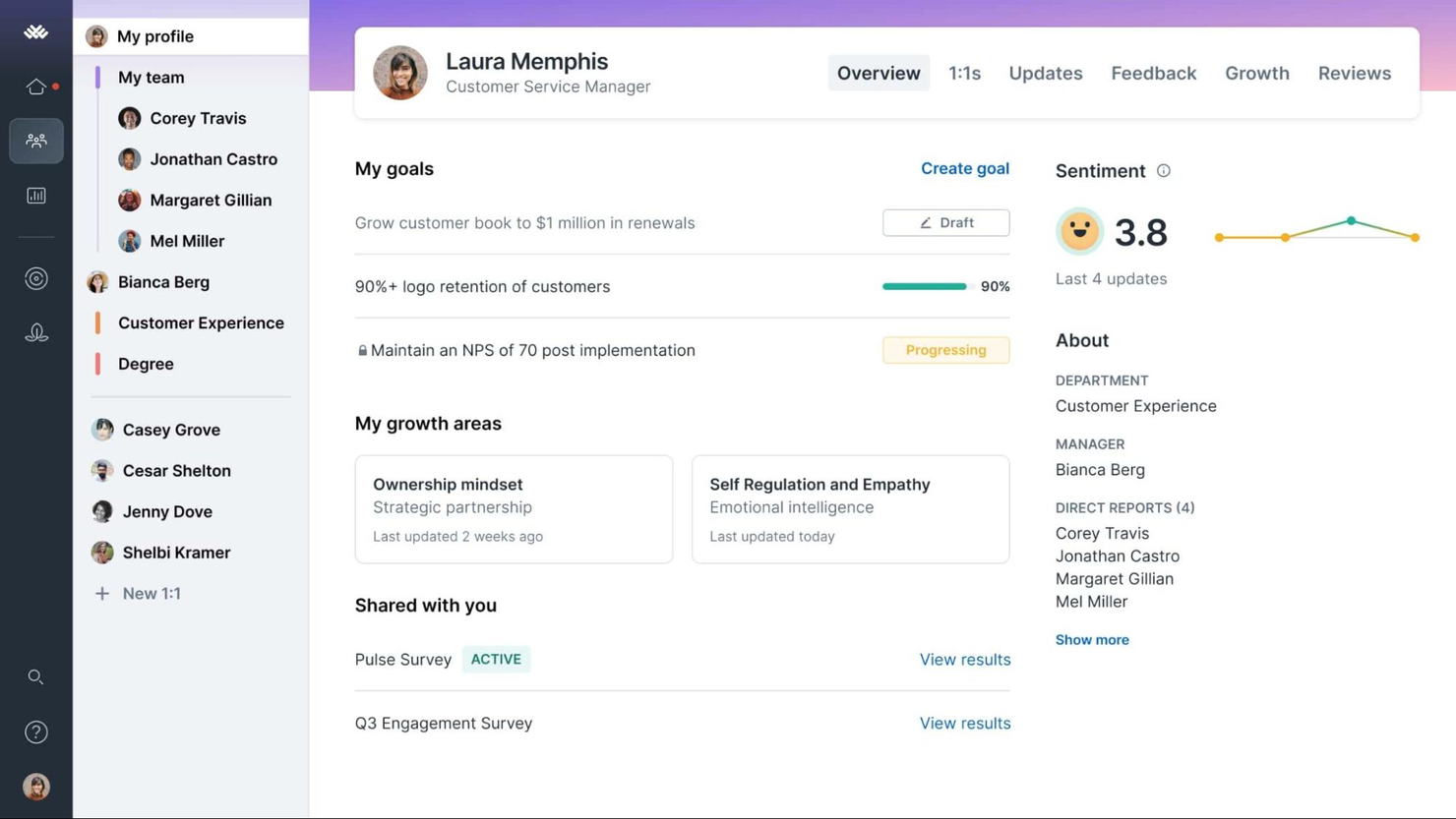
Lattice offre una suite completa di prodotti per aiutarti a gestire la retribuzione, la performance e il coinvolgimento dei dipendenti. Combina vari strumenti HR in un’unica interfaccia facile da usare, aiutandoti a semplificare i tuoi processi HR.
Perché ho scelto Lattice: Essendo un'integrazione alla piattaforma per performance, OKR e obiettivi, questo software di gestione della retribuzione aiuta a garantire che la paga sia direttamente collegata alla performance dei dipendenti. Gli utenti possono creare e gestire flussi di lavoro per la definizione e l’adeguamento delle retribuzioni, mantenendo i processi coerenti e trasparenti sia per i manager che per i dipendenti. Sono incluse le informazioni di benchmarking per aiutarti a prendere decisioni informate sulle retribuzioni.
La tenuta dei registri è semplificata, poiché la piattaforma memorizza lo storico delle retribuzioni dei dipendenti e consente di impostare delle fasce salariali. Puoi vedere come la tua strategia retributiva si allinea agli obiettivi aziendali e ai budget. Il software ti aiuta inoltre a redigere comunicazioni centrate sul dipendente per spiegare chiaramente come viene determinata la paga.
Caratteristiche principali e integrazioni di Lattice
Le funzionalità includono dati di benchmarking, gestione dei bonus e delle azioni, linee guida per gli aumenti, flussi di approvazione multilivello, modelli personalizzabili per le revisioni delle performance, tracciamento di OKR e obiettivi, e feedback a 360 gradi.
Le integrazioni includono ADP, BambooHR, Google Workspace, Humaans, Jira, Microsoft Suite, Okta, Rippling, Salesforce, Slack, UKG, Workday e Zenefits, tra le altre.
New Product Updates from Lattice

Lattice Introduces MCP Connector for AI Chat Tools
Lattice introduced Lattice MCP, a new connector that brings talent data into Claude, ChatGPT, and other LLM tools. The connector helps teams access performance context from reviews, 1:1 notes, feedback, goals, and updates within AI chat workflows. For more information, visit Lattice’s official site.
 .
.
Workleap
Ideale per revisioni retributive a livello aziendale
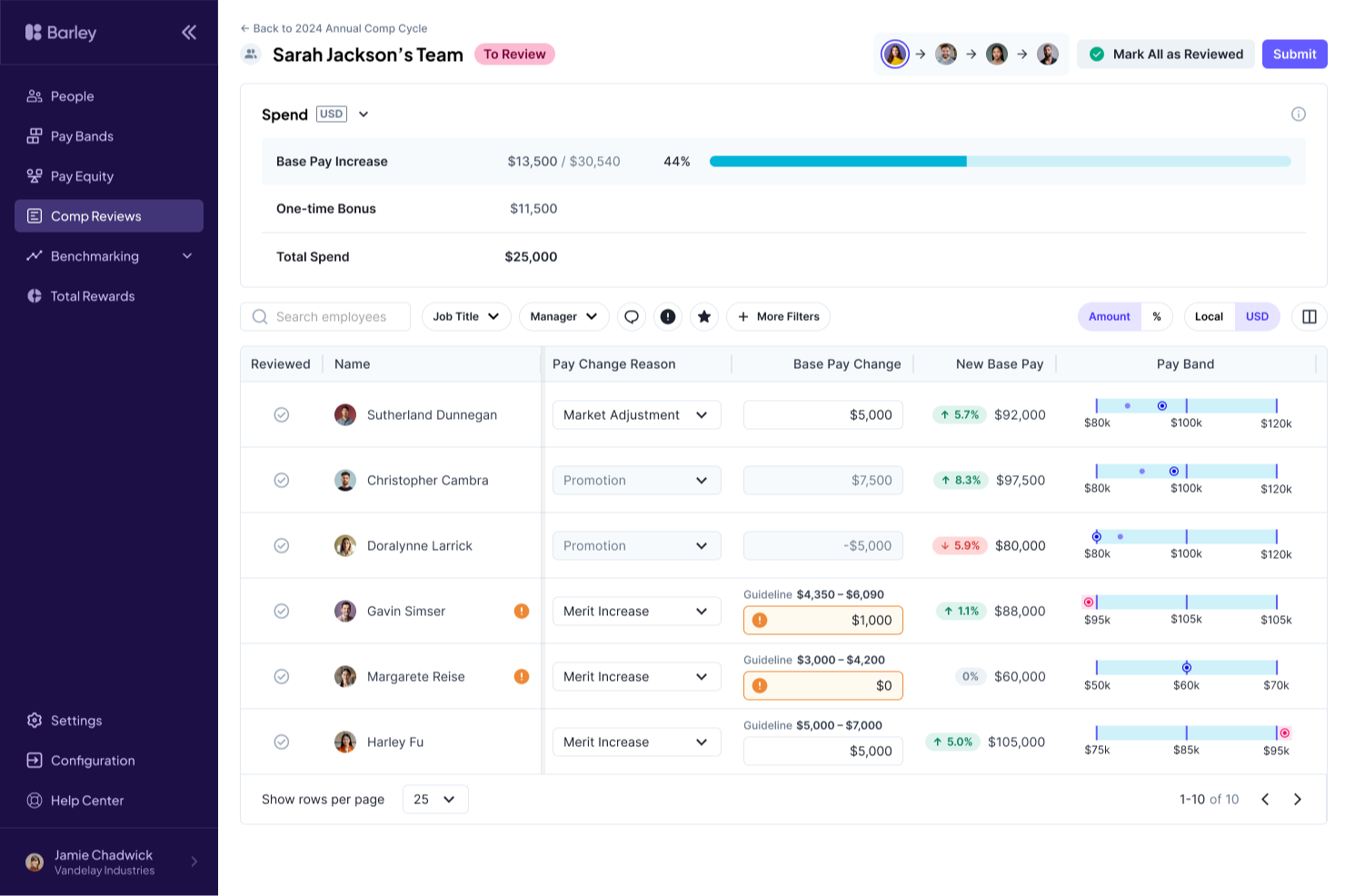
Workleap è una piattaforma di gestione della retribuzione progettata per team HR e leader aziendali che devono gestire le strutture retributive, garantire l'equità retributiva e semplificare i processi di compensazione a livello aziendale.
Per chi è ideale Workleap?
Workleap è particolarmente adatto per team HR di medie e grandi aziende che necessitano di un approccio strutturato e scalabile alla gestione delle retribuzioni nell'intera organizzazione.
Perché ho scelto Workleap
Workleap si è guadagnato un posto nella mia shortlist perché gestisce le revisioni retributive aziendali end-to-end. Apprezzo il fatto che sia possibile configurare un intero ciclo di compensazione in pochi minuti—impostare i budget, creare linee guida per gli aumenti di merito e gestire catene di approvazione multi-livello nello stesso posto invece di dover usare fogli di calcolo. Trovo davvero utile la modalità sandbox: permette di simulare più scenari di revisione prima di avviare il ciclo e di testare le decisioni di spesa con Finance e direzione in anticipo. La generazione automatica delle lettere di compensazione è un'altra funzionalità su cui conto: crea lettere personalizzate per ruolo e in linea con il brand in tutta l'organizzazione senza formattazione manuale.
Funzionalità chiave di Workleap
- Gestione delle fasce retributive: Crea e mantieni gli intervalli salariali per ruolo, livello e funzione, con possibilità di condivisione sicura con i manager.
- Supporto retributivo globale: Configura zone salariali geografiche e gestisci la retribuzione basata sulla posizione in diverse valute e regioni.
- Analisi della compensazione: Monitora il rispetto delle fasce retributive, individua i gap salariali e monitora in tempo reale la salute generale del programma di compensazione.
- Dati di benchmarking di mercato: Accedi ai benchmark salariali integrati forniti da Mercer o importa i tuoi dati di terze parti per confrontarli con le tue fasce retributive.
Integrazioni di Workleap
Le integrazioni includono Bamboo HR, ADP Workforce Now, Dayforce, HiBob, UKG Pro, Namely, Paylocity, Paycor e Workday.
Altri strumenti per la gestione delle retribuzioni
Ecco alcune altre opzioni che non sono state incluse nell’elenco dei migliori software per la gestione delle retribuzioni. Non ho avuto spazio per una recensione completa di ciascuna di queste, ma meritano comunque di essere prese in considerazione:
- ChartHop
Ideale per automatizzare le regole di idoneità
- Omnipresent
Ideale per la conformità retributiva globale
- OpenComp
Ideale per il benchmarking basato su dati di mercato accurati
- Trinet
Ideale per il benchmarking salariale competitivo
- Assemble
Ideale per la massima trasparenza sulla retribuzione totale
- Leaptree
Ideale per team focalizzati sulle vendite
- MarketPay by Payscale
Ideale per monitorare la volatilità delle retribuzioni a livello globale
- CaptivateIQ
Ideale per team a contatto con i clienti
- Varicent ICM
Ideale per organizzazioni enterprise
- Spiff
Ideale per team di vendita basati su commissioni


Recensioni correlate di software per le risorse umane
Se non hai ancora trovato ciò che cerchi, dai un'occhiata a questi altri strumenti correlati che abbiamo testato e valutato:
- Software per le risorse umane
- Software per la gestione delle paghe
- Software per il reclutamento
- Servizi di datore di lavoro registrato
- Sistemi di gestione dei candidati
- Software per la gestione della forza lavoro
Come valuto i software di gestione della retribuzione
Divido la mia valutazione in due livelli: funzionalità essenziali come la pianificazione dei cicli di merito e l'analisi dell'equità salariale, e i fattori di differenziazione che distinguono i migliori strumenti per i team total rewards.
Funzionalità principali (requisiti minimi per questa lista)
Quando seleziono gli strumenti per la mia lista, valuto ciascuno su una scala da 0 (non offre la funzionalità) a 5 (eccelle in quest'area) per ogni funzionalità principale elencata di seguito. Poi calcolo il punteggio totale dello strumento in percentuale. Ogni strumento deve raggiungere un punteggio minimo totale del 65% per essere preso in considerazione.
- Gestione della struttura salariale: Verifico se lo strumento supporta fasce salariali configurabili, livelli e intervalli — come l'impostazione di differenziali geografici o la mappatura dei ruoli su una job architecture.
- Pianificazione dei cicli di merito e bonus: Ogni strumento dovrebbe permettere di gestire cicli di retribuzione end-to-end con workflow per i manager, limiti di budget e supporto per allocazioni di merito, bonus e promozioni.
- Integrazione con benchmark di mercato: Cerco collegamenti nativi con i principali provider di survey come Radford, Mercer o WTW, oltre alla possibilità di associare lavori e combinare fonti di dati.
- Analisi dell'equità retributiva: La piattaforma dovrebbe evidenziare i divari retributivi su più dimensioni — genere, etnia, livello di ruolo — e offrire approfondimenti o modelli di intervento correttivo.
- Budgeting e modellizzazione della retribuzione: Strumenti avanzati consentono di costruire scenari what-if, suddividere i budget dall'alto verso il basso e viceversa, e prevedere la spesa totale sui premi per reparto.
- Workflow di approvazione e dichiarazioni: Valuto se il routing delle approvazioni è multilivello e basato sui ruoli e se lo strumento genera dichiarazioni di retribuzione totale brandizzate per i dipendenti.
Una volta che dispongo di una lista di strumenti che soddisfano i criteri, considero cosa distingue ciascuna piattaforma.
Fattori di differenziazione (cosa distingue i fornitori)
Ecco come confronto e metto a confronto i diversi fornitori:
Funzionalità distintive
Le raccomandazioni basate sull'intelligenza artificiale possono fare la differenza durante i cicli di merito — gli strumenti che suggeriscono allocazioni sulla base delle prestazioni, dei dati di mercato e dell'equità interna fanno risparmiare ore di calibrazione manuale. Per le organizzazioni con una forza lavoro globale, valuto anche il supporto multicurrency, incluse regole di pagamento localizzate e differenziali geografici. Anche un portale self-service ben progettato per i manager è importante. Quando i manager hanno visibilità in tempo reale sui budget e sui limiti durante le allocazioni, i team comp trascorrono meno tempo a rispondere a domande o correggere errori.
Oltre le funzionalità
La profondità dell'integrazione è fondamentale. Verifico se una piattaforma si sincronizza in modalità bidirezionale con i principali sistemi HRIS e payroll, dato che le decisioni retributive devono fluire a valle senza passaggi manuali. Controllo anche attentamente la compliance — controlli di accesso basati sui ruoli e mascheramento dei dati a livello di campo sono essenziali quando si gestiscono informazioni salariali sensibili. Inoltre considero i tempi di implementazione, soprattutto se un fornitore può rendere operativa la tua squadra prima che inizi il prossimo ciclo retributivo annuale. Perdere la finestra significa spesso un altro anno su fogli di calcolo.
Come scegliere il software per la gestione delle retribuzioni
Inizia associando il software ai processi retributivi che il tuo team deve effettivamente gestire, che si tratti di revisioni salariali, bonus, equità retributiva, benchmarking o piani di incentivazione complessi. Da lì, confronta fattori come integrazioni, supporto alla conformità, reportistica, scalabilità e facilità d'uso.
Prova il nostro strumento qui sotto per restringere le opzioni in base alle tue esigenze specifiche.
Per una panoramica più dettagliata, consulta la nostra guida su come scegliere il software per la gestione delle retribuzioni.
Funzionalità del software per la gestione delle retribuzioni
La gestione delle retribuzioni dei dipendenti coinvolge numerosi elementi: stipendi, commissioni, bonus e adeguamenti retributivi, che possono diventare rapidamente difficili da gestire senza gli strumenti giusti. Il software per la gestione delle retribuzioni può semplificare questi processi e contribuire a garantire che i dipendenti siano pagati in modo equo, puntuale e in linea con le politiche aziendali.
Ecco una panoramica delle funzionalità più importanti da considerare nella scelta di una soluzione:
- Piani retributivi personalizzabili che consentono di creare strutture retributive su misura per diversi ruoli, facilitando la gestione di piani unici per commissioni e bonus
- Strumenti dinamici per le politiche retributive che suddividono i dipendenti per tipologia tra dipartimenti, team, competenze, aree geografiche e qualsiasi altra variabile rilevante (ad esempio, fasce retributive)
- Dati di benchmarking salariale raccolti a livello globale, per garantire che i tuoi livelli retributivi rimangano sempre competitivi nonostante la volatilità degli stipendi a livello mondiale
- Gestione della retribuzione complessiva e strumenti di presentazione (ad esempio, lettere di offerta illustrative o visive per i nuovi assunti)
- Analisi dei dati che monitorano l'equità retributiva tra i diversi gruppi demografici della forza lavoro (ad esempio, il monitoraggio delle metriche DEI)
- Funzionalità di incentivazione che collegano le decisioni retributive alla gestione delle prestazioni, alla produttività o ai dati basati sugli obiettivi
- Automazioni per l'approvazione dei flussi di lavoro che semplificano il processo di approvazione delle modifiche salariali o dei bonus, riducendo i ritardi e garantendo un'adeguata supervisione
- Funzionalità self-service che consentono ai dipendenti di accedere alle proprie informazioni retributive, ai documenti fiscali e ai dettagli della retribuzione, migliorando la trasparenza e riducendo le richieste amministrative
- Integrazione con i sistemi HR, paghe e contabilità per garantire un flusso fluido dei dati nell'intero stack tecnologico HR, riducendo le ridondanze e gli errori
Scegliere il software giusto per la gestione delle retribuzioni significa trovare una soluzione che semplifichi i processi, garantisca l'accuratezza e contribuisca ad allineare la retribuzione alle prestazioni. Grazie a queste funzionalità, puoi ottimizzare la gestione di stipendi, commissioni e bonus, concentrandoti su ciò che conta di più: il tuo team.
Domande frequenti sul software di gestione delle retribuzioni
Stai ancora cercando di capire il software di gestione delle retribuzioni e come funziona? Ecco alcune risposte alle domande frequenti che dovrebbero aiutarti a chiarire meglio le idee:
Che cos'è il software di gestione delle retribuzioni?
Il software di gestione delle retribuzioni è un tipo di software per le risorse umane che semplifica il processo di sviluppo e mantenimento dei pacchetti retributivi per i dipendenti. Questi sistemi rientrano generalmente in due sottocategorie: i prodotti autonomi incentrati sulla gestione delle retribuzioni e i moduli integrati all’interno di altri sistemi.
La maggior parte dei fornitori di software presenti in questo elenco rientra nella prima categoria, quella delle soluzioni HR autonome con strumenti completi per gestire gli stipendi dei dipendenti durante l’intero ciclo di vita professionale. Questi sistemi SaaS offrono in genere un insieme di funzionalità più ampio rispetto a quelle disponibili all’interno di un sistema di gestione delle risorse umane. Offrono inoltre numerose integrazioni per aiutarti a gestire in modo efficiente i dati dei dipendenti.
Al contrario, molti sistemi di gestione delle risorse umane (inclusi i fornitori di HRIS, HCM o HRMS) dispongono anch’essi di moduli per la pianificazione delle retribuzioni, talvolta a un costo aggiuntivo. Questi moduli funzionano insieme agli altri moduli HR principali per la gestione dei talenti, il coinvolgimento dei dipendenti e le paghe, centralizzando tutti i dati relativi alle retribuzioni in un unico luogo.
Come funziona il software di gestione delle retribuzioni?
Il software di gestione delle retribuzioni funge da luogo centrale in cui vengono archiviati i piani retributivi, le politiche, le strategie, i dati e i report, rendendoli disponibili a tutte le persone autorizzate ad accedervi.
I programmi di gestione delle retribuzioni si basano su database contenenti dati retributivi di riferimento. Ciò consente ai programmi di determinare l’intervallo salariale corretto per qualsiasi posizione sulla base di parametri chiave come il titolo professionale, la posizione geografica, gli anni di esperienza, le qualifiche richieste e così via.
I dati alla base di questi programmi vengono raccolti a livello globale da fornitori affidabili di indagini salariali, che richiedono informazioni aggiornate sugli stipendi sia ai datori di lavoro sia ai dipendenti. I dati vengono quindi aggregati e anonimizzati in un ampio insieme di dati salariali, che costituisce la base di questi strumenti di gestione delle retribuzioni.
Il software inoltre ottimizza i processi HR comuni attraverso l’automazione e riduce la necessità per il personale HR di svolgere attività ripetitive e a basso valore.
Che cos'è il benchmarking salariale?
Il benchmarking salariale è il processo di confronto delle retribuzioni della tua azienda con gli standard del settore per assicurarti che siano competitive e in linea con le tendenze del mercato. Questo processo prevede la raccolta di dati da indagini salariali, report di settore o database retributivi per analizzare il modo in cui i tuoi livelli retributivi si confrontano con quelli di ruoli simili nella tua regione o nel tuo settore.
Utilizzando il benchmarking salariale, le organizzazioni possono attrarre e trattenere i migliori talenti, mantenere l’equità interna e garantire la correttezza delle proprie strategie retributive. Aiuta inoltre i professionisti HR a prendere decisioni informate sugli adeguamenti salariali e a identificare eventuali lacune che potrebbero influire sulla soddisfazione dei dipendenti o sulla competitività nel mercato del lavoro.
Se sei pronto a iniziare questo processo, leggi il prossimo articolo, che illustra alcuni consigli per svolgere al meglio il benchmarking salariale.
Come si dovrebbero stabilire gli intervalli salariali?
Per stabilire gli intervalli salariali, inizia analizzando i dati di mercato attraverso il benchmarking salariale, così da comprendere la retribuzione tipica per ruoli simili nel tuo settore e nella tua area geografica. Definisci quindi una strategia retributiva in linea con la filosofia retributiva della tua azienda, stabilendo ad esempio se intendi pagare in linea con, al di sopra o al di sotto della mediana di mercato.
Una volta raccolti questi dati, crea un intervallo per ogni posizione con uno stipendio minimo, mediano e massimo. L’intervallo dovrebbe tenere conto di fattori come esperienza, istruzione e prestazioni. Esamina e adegua regolarmente questi intervalli per riflettere i cambiamenti del mercato, degli obiettivi organizzativi o delle condizioni economiche. In questo modo garantirai che i tuoi intervalli salariali rimangano competitivi ed equi.
Quali sono i diversi tipi di retribuzione?
Il miglior software per la pianificazione delle retribuzioni dei dipendenti offre ai team HR un modo per illustrare ai dipendenti i loro pacchetti retributivi complessivi. Il termine “retribuzione complessiva” si riferisce ai vantaggi finanziari, ai benefit e agli incentivi, oltre allo stipendio base del dipendente.
I tipi più comuni di retribuzione aggiuntiva (oltre allo stipendio) includono:
- bonus (solitamente basati sulle prestazioni o sul merito),
- commissioni o incentivi legati agli obiettivi di vendita (consulta i sistemi di incentivazione dei dipendenti per alcuni esempi),
- incentivi legati all’anzianità e a lungo termine (ad esempio, un premio o bonus per gli anni di servizio)
- programmi di partecipazione agli utili,
- partecipazione azionaria nell’azienda,
- opzioni azionarie,
- benefit sanitari,
- contributi ai fondi pensione e
- elementi non monetari come regali e altri benefit materiali.
Per maggiori dettagli su come creare un programma retributivo efficace, leggi il nostro articolo sulla creazione di una filosofia retributiva efficace.
In che modo il software di gestione delle retribuzioni aiuta i datori di lavoro?
Il modo in cui un’organizzazione retribuisce i propri dipendenti influisce direttamente sui livelli di soddisfazione del personale. Quando un’azienda non riesce a gestire correttamente la pianificazione retributiva di base, rischia di perdere talenti e di scoraggiare i potenziali candidati. Fino al 52% dei candidati afferma che una retribuzione competitiva è l’elemento più attraente di un’offerta di lavoro.
Il software di gestione delle retribuzioni aiuta le organizzazioni a strutturare e standardizzare il modo in cui pagano i dipendenti nei diversi team e reparti. Garantisce che nessuno sia sottopagato o sovrapagato e crea un ambiente equo in cui le persone si sentono riconosciute per i propri sforzi. Questo, a sua volta, aiuta le organizzazioni a trattenere i talenti esistenti e ad attrarre nuove risorse in un mercato del lavoro competitivo.
Gli strumenti di gestione delle retribuzioni possono inoltre ridurre i costi associati alla gestione delle retribuzioni dei dipendenti, poiché il personale HR può dedicare il proprio tempo ad attività ad alto valore mentre il software si occupa delle attività ripetitive.
Gli strumenti che garantiscono equità e correttezza riducono i rischi associati alla mancata conformità alle leggi sul lavoro, contribuendo al contempo a instaurare un rapporto favorevole con i sindacati e i gruppi di rappresentanza dei dipendenti. Inoltre, quando i dipendenti ritengono di essere retribuiti equamente e l’azienda è in grado di fornire una motivazione per la propria struttura retributiva, è più probabile che si sentano motivati a dare il meglio sul lavoro, aumentando la produttività e i profitti.
Quali consigli possono aiutare i team a padroneggiare il processo di revisione delle retribuzioni?
Ecco alcuni consigli per aiutarti a padroneggiare il processo di revisione delle retribuzioni:
- Inizia definendo obiettivi chiari e una tempistica, per assicurarti che tutte le parti interessate siano allineate.
- Utilizza il software di gestione delle retribuzioni per centralizzare i dati, ottimizzare i flussi di lavoro e automatizzare i calcoli, riducendo il rischio di errori.
- Utilizza il benchmarking salariale per assicurarti che le decisioni retributive siano in linea con gli standard di mercato e con la strategia retributiva della tua organizzazione.
- Coinvolgi i manager nel processo, fornendo loro una formazione su come valutare le prestazioni e applicare gli adeguamenti retributivi in modo equo.
- Comunica in modo trasparente ai dipendenti i criteri utilizzati per le revisioni, così da costruire fiducia e garantire l’allineamento
Per ulteriori consigli, consulta la nostra guida dettagliata sulla gestione del processo di revisione delle retribuzioni.
Che cos'è una strategia di ricompensa complessiva?
Una strategia di ricompensa complessiva è un approccio olistico alla retribuzione dei dipendenti che va oltre lo stipendio base e include tutte le forme di benefit finanziari e non finanziari. Comprende sia la retribuzione diretta (come stipendi, bonus e incentivi) sia la retribuzione indiretta (come benefit, piani pensionistici, programmi di benessere e opportunità di sviluppo professionale). L’obiettivo è attrarre, trattenere e motivare i dipendenti offrendo un pacchetto completo in linea con gli obiettivi aziendali e le esigenze del personale.
Una solida strategia di ricompensa complessiva tiene conto di fattori come la competitività sul mercato, l’equità retributiva interna, le preferenze dei dipendenti e la cultura aziendale. Integrando le strutture salariali con benefit, programmi di riconoscimento e opportunità di crescita, le organizzazioni possono migliorare il coinvolgimento dei dipendenti, ridurre il turnover e promuovere una forza lavoro più produttiva.
Come puoi utilizzare il software per garantire l'equità retributiva all'interno della tua organizzazione?
Il software di gestione delle retribuzioni aiuta i team a gestire l’equità retributiva fornendo dati e analisi sulle strutture salariali, identificando le discrepanze e standardizzando le pratiche retributive. Molti strumenti includono il benchmarking retributivo, che confronta gli stipendi con gli standard del settore, e gli audit retributivi interni, che analizzano la retribuzione in base ai ruoli professionali, ai livelli di esperienza e ai dati demografici per rilevare potenziali pregiudizi.
I flussi di lavoro automatizzati garantiscono inoltre che le decisioni salariali seguano linee guida predefinite sull’equità, riducendo il rischio di incoerenze. Inoltre, i report in tempo reale e il monitoraggio della conformità aiutano i team HR a rispettare le normative sulla parità retributiva, come l’Equal Pay Act (USA), il Pay Equity Act (Canada) o altri requisiti di rendicontazione sul divario retributivo di genere.
Centralizzando i dati retributivi e applicando strutture salariali organizzate, il software consente alle organizzazioni di affrontare in modo proattivo le disparità retributive e promuovere la trasparenza, favorendo in definitiva un ambiente di lavoro più equo.
Risorse aggiuntive
nCerchi altri modi per attrarre e trattenere talenti di alta qualità? Ecco una raccolta delle nostre migliori risorse per aiutarti a sviluppare pratiche di retribuzione e coinvolgimento di alto livello nella tua organizzazione:
- I migliori programmi di benefit per dipendenti per automatizzare le ricompense
- I migliori sistemi di gestione dei talenti
- 10 idee originali per programmi di benessere dei dipendenti per attrarre e trattenere i migliori talenti
- I migliori software per il coinvolgimento dei dipendenti
- Attenzione al divario retributivo, un podcast con Robin Turnill di Pivot HR Services
- I migliori strumenti per la gestione delle prestazioni che ogni professionista delle risorse umane dovrebbe conoscere
- 20 tipi di benefit per dipendenti che dovresti conoscere
- Il costo dei benefit per dipendenti
Cosa succede ora:
Se stai cercando un software per la gestione delle retribuzioni, contatta gratuitamente un consulente di SoftwareSelect per ricevere consigli.
Compili un modulo e fai una breve conversazione durante la quale il consulente approfondirà le tue esigenze specifiche. Riceverai quindi una selezione di software da valutare. Ti supporterà anche durante l'intero processo di acquisto, comprese le trattative sui prezzi.