

10 Best Pay Equity Software of 2026: Reviewed & Compared

10 Best Pay Equity Software Shortlist


The best pay equity software helps HR professionals analyze compensation data, identify and correct pay gaps, ensure compliance with evolving regulations, and build employee trust through transparency.
These tools take the guesswork out of pay analysis by automating data collection, surfacing insights, and keeping your organization audit-ready.
As someone who has worked closely with HR professionals navigating these challenges, I’ve tested and compared the leading pay equity solutions on the market. In this guide, I’ll walk you through my top picks, complete with use cases, standout features, and pros and cons.
Why Trust Our Software Recommendations
Our team has been testing and reviewing software since 2012. As HR experts ourselves, we know how difficult—and important—it is to choose the right software.
For this guide, we evaluated tools using hands-on testing and independent research, scoring tools using our selection criteria. We also draw on insights from industry thought leaders and practicing HR experts.
Our reviews reflect our human editorial judgment, not a sales pitch.
Expert reviewers:
Pay Equity Software Comparison Table
This comparison table summarizes pricing details for my top pay equity software selections:
| Tool | Best For | Trial Info | Price | ||
|---|---|---|---|---|---|
| 1 | Best for analyzing pay equity across countries | Free demo available | From $49/contractor/month | Website | |
| 2 | Best pay equity analytics with global pay reports | Free demo available | Pricing upon request | Website | |
| 3 | Best for standardizing job titles | Free demo available | Pricing upon request | Website | |
| 4 | Best for complex business compensation planning | Free demo available | Contact for pricing | Website | |
| 5 | Best for customizable pay structures | Free demo available | Pricing upon request | Website | |
| 6 | Best for customizable pay equity management | Free demo available | Pricing upon request | Website | |
| 7 | Best for integrated pay equity analysis | Free demo available | Pricing upon request | Website | |
| 8 | Best for pay equity and DEI analyses | Free trial available | Pricing upon request | Website | |
| 9 | Best for continuous pay equity monitoring | Free plan + free demo available | Pricing upon request | Website | |
| 10 | Best for strategic pay equity consulting | Free consultation available | Pricing upon request | Website |

Best Pay Equity Software Reviews
Below, you’ll find detailed breakdowns of the top pay equity software on the market. I’ll walk you through what each tool does best, where it may fall short, and who it’s ideally suited for, so you can confidently zero in on the right fit for your team.

Best for analyzing pay equity across countries

Deel Services is a global payroll and compliance platform for businesses that manage pay equity, compensation benchmarking, and international workforce compliance in a single system.
Who Is Deel Services Best For?
Deel Services is a strong fit for HR and payroll teams at mid-size to enterprise companies managing distributed or international workforces across multiple countries and currencies.
Why I Picked Deel Services
I picked Deel Services as one of the best because it handles global payroll and compliance in a way that directly supports pay equity across borders. What I find most useful is the Compliance Monitor, which tracks regulatory changes like wage rules and tax updates in real time and flags risks before payroll runs—so you're not scrambling to catch up after a law changes in Germany or Brazil. I also like that local statutory requirements are applied automatically inside payroll workflows, which means compensation decisions are always grounded in country-specific rules. For HR teams managing workers across multiple countries, that built-in compliance layer makes it much easier to maintain consistent, defensible pay practices at scale.
Deel Services Key Features
- Compensation band management: Build, update, and share salary bands by role and location directly within the platform.
- Pay transparency reporting: Generate custom reports on pay distribution by gender, age, and country to meet EU Pay Transparency Act and US state law requirements.
- Global Salary Insights: Access proprietary compensation benchmarking data across 150+ countries to validate pay decisions and calibrate candidate expectations.
- Compa-ratio tracking: Monitor how individual salaries compare to your compensation bands by role, level, and geography using built-in dashboards.
Deel Services Integrations
Deel Services offers native integrations with Workday, BambooHR, Greenhouse, HiBob, QuickBooks, Xero, NetSuite, Expensify, and Okta. An API is available for custom integrations.
Pros and Cons
Pros:
- Handles employees and contractors within one compensation framework
- Ties pay decisions directly to compliant payroll execution
- Clear visibility into global compensation and payroll costs
Cons:
- Setup can be complex for first-time global payroll users
- Pay equity analytics are less advanced than specialist tools

Syndio
Best pay equity analytics with global pay reports
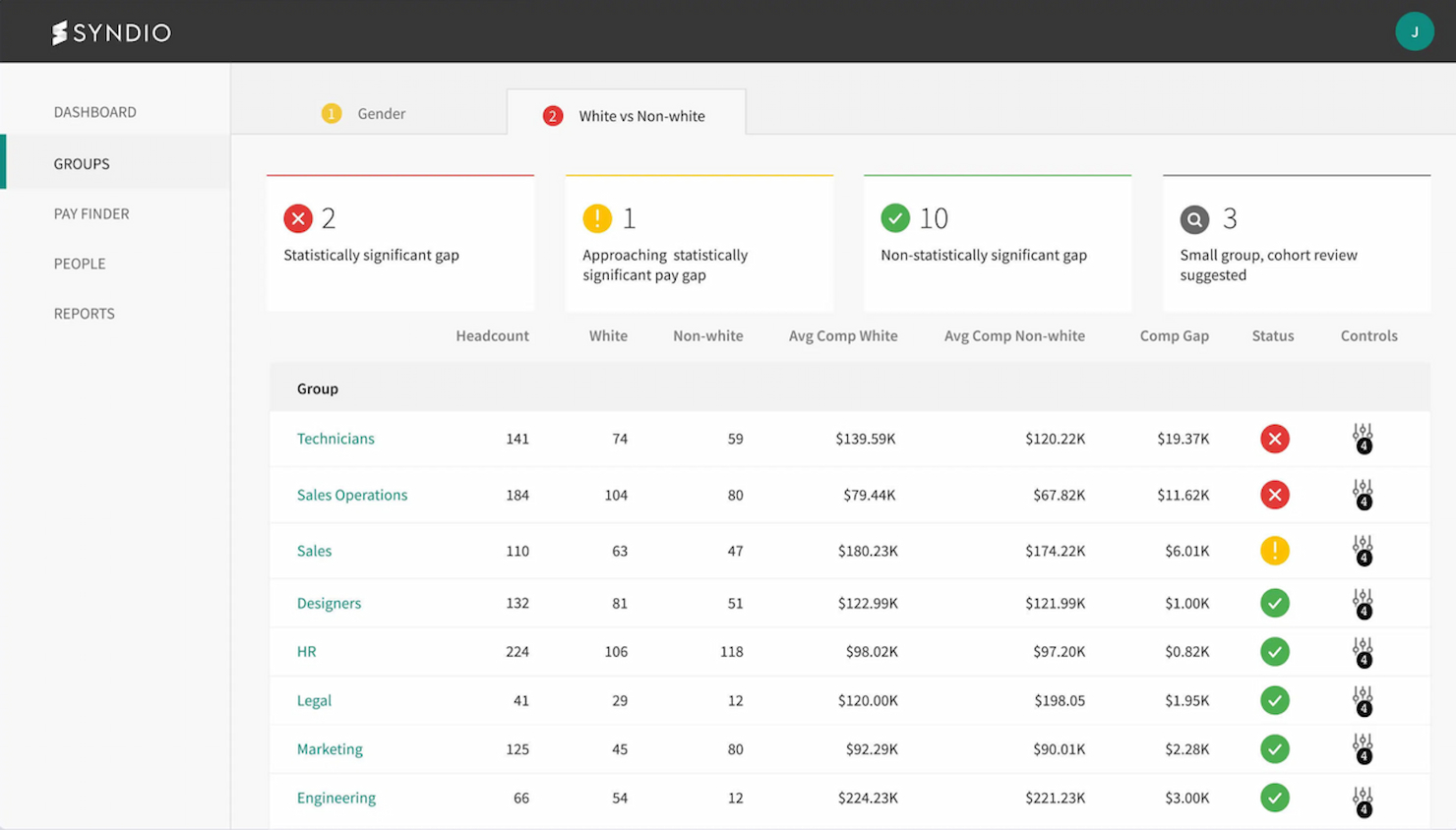
Syndio is a pay equity software platform that provides analytics, global pay reporting, and ongoing monitoring tools for HR and compensation teams.
Who Is Syndio Best For?
Syndio is a good fit for mid-size to enterprise organizations with dedicated compensation or HR teams managing pay equity across multiple countries or regions.
Why I Picked Syndio
I picked Syndio as one of the best because of how it handles global pay reporting at scale. The Global Pay Reports feature covers 43 countries across 35 jurisdictions—including EU Pay Transparency Directive countries—and auto-generates the required metrics for each, with a deadline dashboard so your team never misses a submission. The Compensation Consistency Analytics feature in PayEQ runs diagnostics against your own pay philosophy to surface outliers and inconsistencies that a standard pay equity regression wouldn't catch. The root cause analytics identify the specific drivers behind disparities, making remediation planning more targeted.
Syndio Key Features
- Legally defensible pay audits: PayEQ® uses unique regression models for every employee group and applies highest-paid reference groups to produce legally sound pay equity analyses.
- Intersectional analysis and budgeting: Analyze pay disparities across intersecting demographic groups (e.g., gender and race combined) and allocate remediation budgets accordingly.
- On-demand pay monitoring: Run pay audits at any time throughout the year to catch new disparities as employees are hired, promoted, or transferred.
- Visualizations and custom reporting: Generate downloadable reports with rich data visualizations to share pay equity results with internal stakeholders.
Syndio Integrations
Integrations include Workday HCM, UKG Pro, and more.
Pros and Cons
Pros:
- Root cause analytics help pinpoint drivers behind inequities
- Gives hiring teams consistent, policy-aligned compensation guidance
- Identifies unlawful pay disparities
Cons:
- Advanced statistical outputs may need HR analytics expertise
- Requires quality HR data to unlock full insights
- Pricing information is not transparent
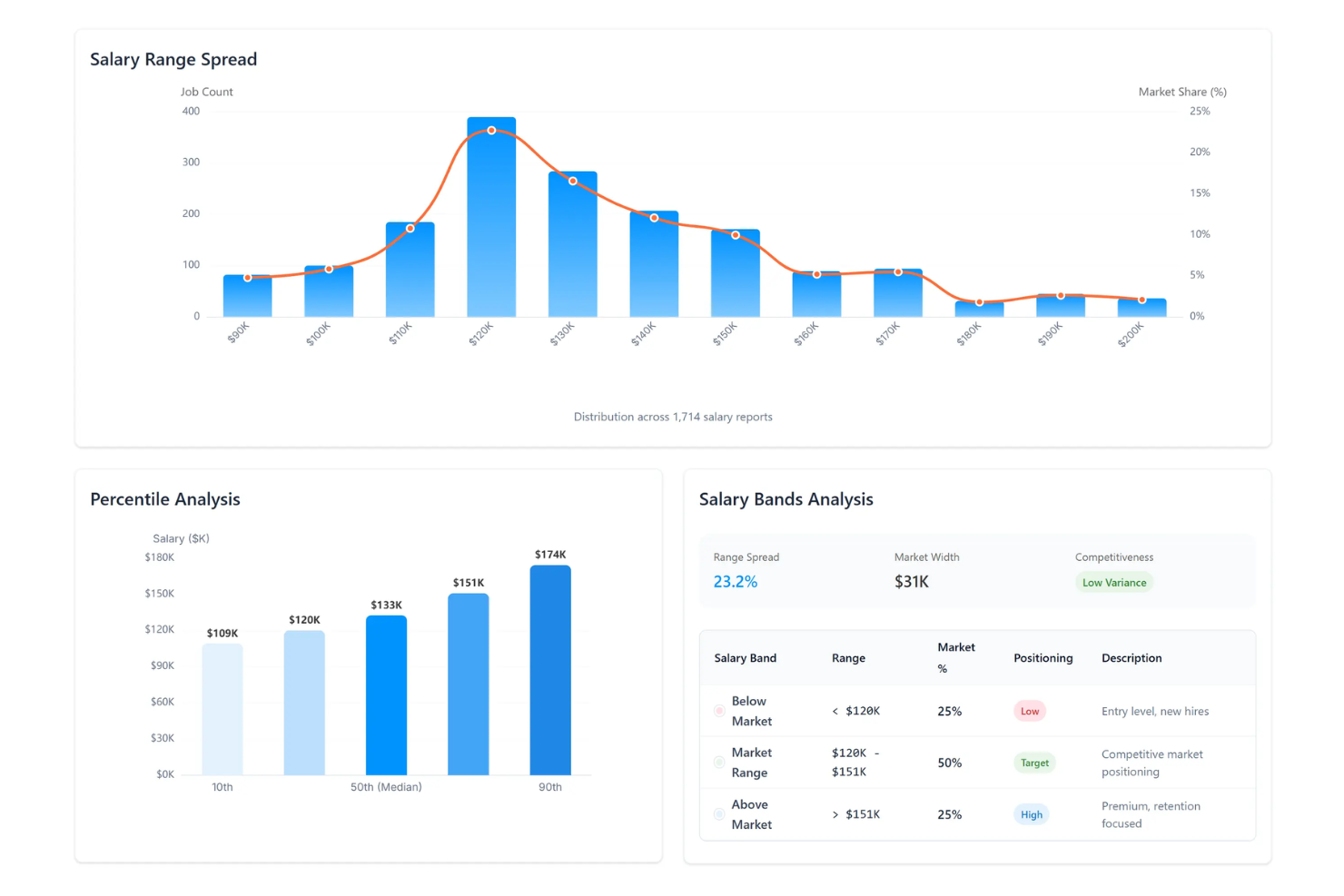
SalaryCube is a pay equity software platform that helps organizations standardize job titles, analyze compensation data, and manage pay equity reporting.
Who Is SalaryCube Best For?
SalaryCube is a good fit for HR and compensation teams that need to bring consistency to job architecture before tackling pay equity analysis.
Why I Picked SalaryCube
I picked SalaryCube as one of the best because of how it handles the job title chaos that makes pay equity analysis so difficult in practice. Before you can run a meaningful equity audit, every role needs to map to a consistent benchmark—and that's exactly what DataDive Pro does, organizing 17,000+ job titles by job family and level so my team can match internal roles to standardized titles without manual guesswork. I also like the Job Description Studio, which connects AI-assisted job description writing directly to live salary benchmarks, so when we clean up legacy titles or align job families across departments, the compensation data updates in step. That tight link between title standardization and real-time market data is what makes SalaryCube genuinely useful for pay equity work, not just benchmarking.
SalaryCube Key Features
- FLSA Analyzer: A guided, step-by-step questionnaire that checks exemption status for each role and generates audit-ready PDF reports.
- Range Builder: Creates and manages pay ranges tied to real-time market data, with filtering by geography, industry, and company size.
- Comp Planning: Runs merit cycles using pre-populated manager worksheets, real-time budget tracking by department, and an AI-assisted recommendations engine with a full audit trail.
- Job Pricer: Visualizes pay distribution across your organization with interactive gauges showing who sits below, at, or above range.
SalaryCube Integrations
Native integrations are not currently listed by SalaryCube.
Pros and Cons
Pros:
- Ongoing governance prevents future inequities
- Structured, compliance-focused analysis tools
- Real-time pay equity benchmarking
Cons:
- Primarily US-focused compensation data
- Limited native HRIS integrations

Aeqium
Best for complex business compensation planning

Aeqium is a pay equity and compensation management platform that brings together pay equity analysis, compensation planning, and real-time reporting for HR teams managing complex organizational structures.
Who Is Aeqium Best For?
Aeqium is a strong fit for mid-size to enterprise HR and compensation teams managing multi-layered pay structures across departments, levels, or geographies.
Why I Picked Aeqium
I picked Aeqium as one of the best because it's built specifically for organizations where compensation planning doesn't fit neatly into a template. Its no-code cycle configuration lets my team define custom budget distribution logic, multi-level approval chains, and role-specific data views without waiting on implementation support. The pay equity analysis in Aeqium Insights breaks down pay differentials by gender, role, department, and location, and flags employees who are below band before a cycle even begins. The compensation bands module tracks pay band history over time, so when I'm justifying a range adjustment to leadership, I have a full audit trail to back it up.
Aeqium Key Features
- Employee portal: Gives employees 24/7 access to their full compensation breakdown—salary, equity, bonus, and benefits—alongside personalized total rewards statements.
- Interactive offer letters: Lets recruiting teams build dynamic, visual offer letters that include an equity simulator so candidates can model the value of their grant under different scenarios.
- Aeqium Analyst: An AI data analyst that answers plain-English questions about compensation data and generates custom reports on raises, equity distribution, and budget utilization without exporting to spreadsheets.
- Aeqium Assist: An AI configuration layer that updates eligibility rules, approval workflows, and permissions in plain English, without tickets or technical support.
Aeqium Integrations
Integrations include ADP Workforce Now, BambooHR, Justworks, Paylocity, QuickBooks, and more.
Pros and Cons
Pros:
- Pay equity modeling tools
- Customizable templates for offer letters
- Flexibility in configuring pay bands
Cons:
- No built-in ATS or recruiting tie-ins
- Limited HR analytics beyond compensation

Workleap
Best for customizable pay structures
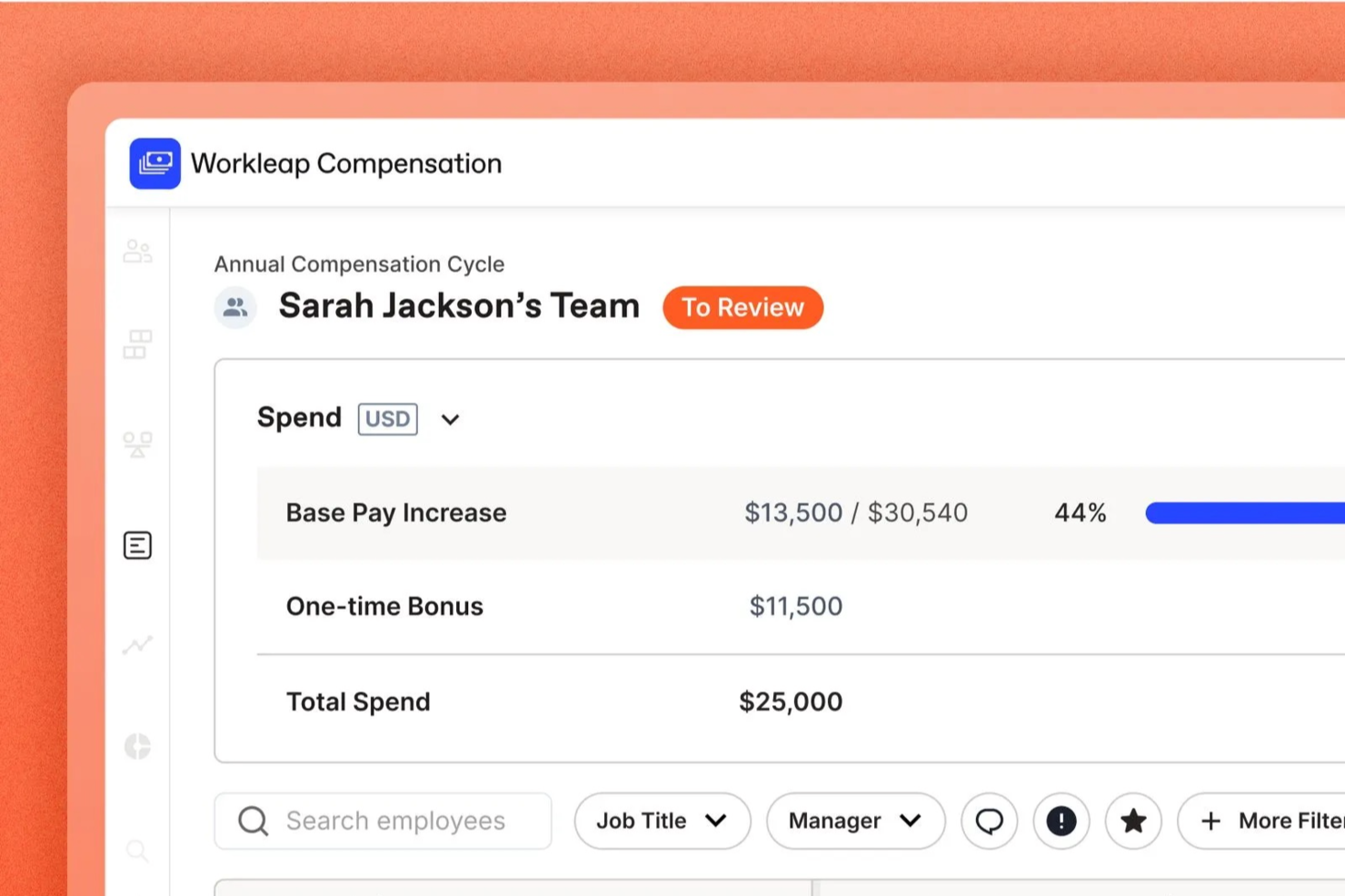
Workleap (Barley) is a compensation management platform designed for HR teams to analyze pay equity, manage salary bands, and streamline compensation reviews.
Who Is Workleap Best For?
Workleap (Barley) is a good fit for HR and total rewards teams at mid-sized companies that need structured, data-driven compensation management.
Why I Picked Workleap
I picked Workleap as one of the best because of the flexibility it gives you when building and managing pay structures. I like that you can set up geographic pay zones to handle location-based pay across any geography and currency, which is useful when managing compensation across distributed teams. The pay band comparison feature lets me compare our internal bands side by side with Mercer benchmarking data, so adjustments are grounded in market context. The sandbox mode lets me run multiple compensation review scenarios before launching a cycle, reducing guesswork in planning.
Workleap Key Features
- Compensation analytics: Monitor pay band adherence, surface pay gaps, and track the overall health of your compensation program in real time.
- Configurable compensation reviews: Set up compensation cycles with merit increase guidelines, approval chains, and budget pools in a single centralized workflow.
- Automated comp letter generation: Automatically generate, download, and send branded compensation letters for different pay change reasons across your organization.
- Multiple benchmark sources: Import third-party benchmarking data to view alongside Workleap's embedded Mercer data for a fuller market picture.
Workleap Integrations
Workleap (Barley) offers native integrations with HRIS and payroll systems including BambooHR, ADP, Workday, UKG, and HiBob. An API is available for custom integrations.
Pros and Cons
Pros:
- Mercer-backed compensation benchmarking data
- Built-in pay equity analytics
- Configurable pay bands and structures
Cons:
- Limited standalone payroll functionality
- Requires minimum annual user commitment

Compport
Best for customizable pay equity management

Compport is a pay equity software platform that provides HR teams with tools for compensation analysis, pay equity audits, salary benchmarking, and customizable reporting.
Who Is Compport Best For?
Compport is a good fit for mid-to-large organizations with dedicated compensation teams that need flexible, configurable pay equity workflows.
Why I Picked Compport
I picked Compport as one of the best for its extensive configurability in pay equity management. I like that you can build compensation bands across multiple parameters simultaneously—country, function, business unit, grade, and level—all within a single workflow, rather than stitching together spreadsheets after the fact. The custom job feature is something I find useful: when a role has no external benchmarking data, you can blend skills from existing jobs to generate a pay reference point. I also appreciate the customizable dashboards, where you can track specific metrics like compa ratio trends and bias flags in pay recommendations.
Compport Key Features
- Pay band access controls: Regulate which stakeholders can view sensitive compensation range data using role-based access permissions.
- Data aging: Automatically adjust pay band data over time to keep compensation ranges aligned with current market rates.
- Anomaly detection: Automatically evaluates internal and external benchmarking data to flag and eliminate outliers before they influence pay decisions.
- Internal and external benchmarking data: Pull both internal salary data and external market data into a single view to inform compensation band design.
Compport Integrations
Native integrations are not clearly documented. An API is available for custom integrations.
Pros and Cons
Pros:
- Advanced access controls
- Instant benchmarking data access
- Customizable pay bands
Cons:
- Limited mobile accessibility
- Initial configuration may require support
HRSoft
Best for integrated pay equity analysis

HRSoft is a pay equity software platform that provides analytics, reporting, and compensation management tools for organizations focused on pay equity compliance and analysis.
Who Is HRSoft Best For?
HRSoft is a good fit for mid-to-large enterprises with dedicated compensation teams that need structured pay equity analysis built into their broader compensation workflows.
Why I Picked HRSoft
HRSoft earns its spot on my shortlist because of how tightly its pay equity analysis connects to the rest of the compensation management workflow. I like that the platform uses regression analysis to identify not just where pay gaps exist, but why—breaking down the impact of compensable factors like tenure, experience, and performance on pay disparities. My team is also able to model the budget impact of closing those gaps before committing to any changes, which makes it much easier to build a business case for leadership. The direct sync between HRSoft's pay equity module and its compensation management solution means I'm not manually reconciling data across disconnected tools.
HRSoft Key Features
- Pay gap identification by demographic: Analyze workforce compensation data segmented by gender, race, and ethnicity to pinpoint where disparities exist.
- Real-time compensation monitoring: Track pay equity across your organization on an ongoing basis rather than through one-off annual audits.
- Federal, state, and local reporting: Generate compliance-ready reports that meet reporting requirements across multiple jurisdictions.
- Pay policy modeling: Build and test pay policy scenarios to help prevent future pay disparities before they occur.
HRSoft Integrations
Integrations include ADP, UKG Pro, SAP SuccessFactors, Oracle HCM, Workday, BambooHR, and more.
Pros and Cons
Pros:
- Regression analysis function
- Real-time compensation monitoring
- Robust pay equity analysis
Cons:
- Limited customization options
- Some administrative features can be complex
- Pricing not disclosed publicly

OpenComp
Best for pay equity and DEI analyses

OpenComp is a pay equity software platform that provides compensation benchmarking, pay equity analysis, and DEI analytics for HR and people teams.
Who Is OpenComp Best For?
OpenComp is a good fit for mid-size to enterprise HR and total rewards teams that need structured compensation planning alongside pay equity and DEI reporting.
Why I Picked OpenComp
I picked OpenComp as one of the best because its pay equity and DEI analysis features go well beyond a basic gap report. The pay equity dashboard breaks down comp metrics by demographic group—covering share of equity, average job level, and average performance score by gender and ethnicity—so I can see exactly where disparities exist and why. What I find especially useful is that it shows the real-time impact of merit and bonus cycles on pay equity, meaning I can model a comp adjustment and immediately see whether it closes or widens a gap before anything is finalized. You can also track equity by department and within management teams, which helps reveal promotion and pay patterns that a top-line number would otherwise hide.
OpenComp Key Features
- Pay strategy and ranges: Build salary ranges by role and location that incorporate equity, remote pay policies, and your company's compensation philosophy.
- Total rewards statements: Create and send visual total compensation statements that show employees their salary, bonuses, equity grants, and merit increases over time.
- Headcount planning: Model how new hires at different levels or start dates affect cash burn and expenses over one, three, or five years.
- Intelligent offers: Generate interactive offer letters with access to peer pay data, past offers, and salary ranges for the role you're hiring.
OpenComp Integrations
Native integrations are not clearly documented. OpenComp offers an API for custom integrations.
Pros and Cons
Pros:
- Ability to run multiple compensation scenarios simultaneously
- Real-time data flow from HRIS and equity systems
- Comprehensive pay equity analysis tools
Cons:
- Could offer more integrations
- Limited data availability for certain niche roles

Payscale is a pay equity software platform that provides compensation analysis, pay equity monitoring, benchmarking, and reporting tools for organizations focused on fair pay practices.
Who Is Payscale Best For?
Payscale is a good fit for HR and compensation teams at mid-size to large organizations that need structured, data-driven tools to manage and report on pay equity.
Why I Picked Payscale
I picked Payscale as one of the best because of how it treats pay equity as an ongoing program rather than a one-time audit. What I like most is the continuous monitoring capability—my team can track controlled and uncontrolled pay gaps in real time, so we're not scrambling to catch issues after a promotion cycle or a wave of new hires. I also find the remediation modeling genuinely useful: you can model the exact pay increases needed at the individual employee level, then assess how those raises affect overall pay equity before committing to them in a compensation planning cycle.
Payscale Key Features
- Pay transparency compliance reporting: Generate reports aligned with pay transparency legislation across U.S. states and cities, including salary range disclosure requirements.
- Cohort pay gap analysis: Compare pay across employee groups—by gender, race, or other demographics—to identify where gaps exist and whether they're explained by compensable factors.
- Compensation benchmarking: Access market pricing data across 15,400+ job titles to set pay ranges grounded in real-time external market data.
- Pay range management: Build and maintain job- and grade-based pay ranges to keep internal pay structures consistent and defensible over time.
Payscale Integrations
Payscale offers an API for custom integrations.
Pros and Cons
Pros:
- Compliance with pay transparency laws
- Detailed gap analysis
- Real-time pay equity monitoring
Cons:
- Limited customization
- Slight learning curve for new users
- No mobile app support

Mercer is a pay equity software and consulting platform that provides compensation analytics, pay gap analysis, and compliance tools for organizations focused on fair pay practices.
Who Is Mercer Best For?
Mercer is a strong fit for large enterprises and HR leaders who need expert-guided pay equity analysis backed by global compensation data.
Why I Picked Mercer
I picked Mercer as one of the best because its pay equity offering goes well beyond running a regression model and calling it done. What I find genuinely useful is the combination of statistical pay equity analysis and hands-on consulting support—Mercer's team helps identify unexplained pay gaps, then works with you to develop targeted remediation strategies rather than leaving you to interpret results on your own. I also like the Pay Equity Calculator, which lets my team drill down into pay gaps by gender and race to pinpoint where disparities actually live in the compensation structure. Mercer's local compliance support is a real asset when navigating pay transparency laws that vary by state and city.
Mercer Key Features
- Mercer Benchmark Database: A centralized database of US compensation data across industries, used to benchmark pay levels and build defensible salary structures.
- Geographic Salary Differential Tool: Identifies cost-of-labor differences across more than 2,000 city and national locations to support location-based pay decisions.
- TAAP+ portal: A subscription-based HR intelligence platform that gives teams access to compensation data, legislative updates, calculators, and Mercer's AI assistant, Aida.
- Global Compensation Planning Report: Provides salary increase budget data and economic indicators across global markets to inform annual compensation planning cycles.
Mercer Integrations
Integrations include Ashby, Greenhouse, Freshteam, Darwinbox, and more.
Pros and Cons
Pros:
- Local compliance support
- Robust pay equity calculator
- Detailed pay equity analysis
Cons:
- Limited self-service options
- Setup may require assistance
- Annual free support hours are limited
Other Pay Equity Software
Below is a list of additional pay equity software that didn’t make it into my shortlist but are still worth considering:
- BrightMine
For advanced pay equity analytics
- Global Shares
For simplifying employee share ownership
- PayParity with R.O.S.A
For optimizing pay equity remediation efforts
- Compease
For identifying pay disparities
- Affirmity
For connecting diversity initiatives to business outcomes
- DCI Consulting
For comprehensive pay equity analyses
- Pihr
For global pay equity compliance
- CompUp
For pay equity management, compliance, and reporting
- BambooHR®
For small to medium-sized businesses
- Workday
For integrated finance and HR management
- PeopleFluent
For enterprise-level solutions
- Assemble
For collaborative compensation planning
- Pave
For real-time compensation insights
- PayAnalytics
For detailed pay gap analysis
- Sysarb
User-friendly interface and experience


Related HR Software Reviews
If you still haven't found what you're looking for here, check out these other related tools that we've tested and evaluated:
- HR Software
- Payroll Software
- Recruiting Software
- Employer of Record Services
- Applicant Tracking Systems
- Workforce Management Software
How I Evaluate Pay Equity Software
I split my evaluation into baseline requirements—like regression-based gap analysis and remediation modeling—and the differentiators that set tools apart for teams navigating real compliance deadlines.
Core Functionality (Table Stakes For This List)
When I'm selecting tools for my list, I rank each one on a scale from 0 (does not offer the functionality) to 5 (excels in this area) for each core functionality listed below. Then, I calculate the tool's total score into a percentage. Each tool needs to achieve a minimum total score of 65% to be considered for inclusion.
- Pay Gap Analysis: I look for multivariate regression that controls for legitimate factors like tenure and location, not just raw averages across gender or ethnicity.
- Employee Grouping Logic: The tool should let you define similarly-situated groups using job family, level, and geography rather than relying on rigid title-only matching.
- Remediation Modeling: I evaluate whether you can model multiple adjustment scenarios with cost estimates before committing budget to closing identified gaps.
- Regulatory Compliance Reporting: Coverage for major reporting frameworks matters—things like EU pay transparency disclosures, UK gender pay gap filings, and U.S. state-level mandates.
- HRIS & Payroll Integration: Pre-built connectors to platforms like Workday, SAP SuccessFactors, or ADP make a big difference over relying on manual CSV uploads every cycle.
- Ongoing Monitoring & Dashboards: I check whether the platform supports continuous tracking with alerts, so teams catch new disparities at the point of hire or promotion.
Once I have a list of tools that meet the criteria, I consider what sets each platform apart.
Differentiating Factors (What Sets Vendors Apart)
Here's how I compare and contrast different vendors:
Standout Features
Root cause analytics are a big differentiator—I want to see why gaps exist, whether they trace back to hiring, promotions, or merit cycles, not just that they exist. I also evaluate intersectional analysis, since single-axis views miss disparities that only surface when you combine dimensions like race and gender. Access to in-house labor economists or statisticians matters too, especially for teams that need help defending their methodology during an audit or legal review.
Beyond Features
Data security is a major consideration since pay equity analyses involve sensitive compensation and demographic data—I check for SOC 2 Type II compliance and whether analyses can run under attorney-client privilege. Implementation support also varies widely; some vendors pair you with labor economists to build your job architecture, while others leave that work entirely to your team. I also evaluate how pricing scales, since a platform suited for a 500-person company may not flex well for an organization with 50,000 employees across multiple entities.
How To Choose Pay Equity Software
As you work through your own unique software selection process, keep the following points in mind:
- Compliance Requirements: Ensuring your organization adheres to local, state, and federal regulations is crucial. Pay equity software should help you stay compliant with laws such as the Equal Pay Act and other anti-discrimination regulations. For example, the software should offer features that allow you to generate compliance reports and audit trails.
- Data Integration: Your pay equity software should integrate with your existing HR systems, such as payroll, performance management, and employee records. This integration is essential for accurate data analysis and reporting. For instance, if your payroll system and pay equity software are not integrated, it could lead to discrepancies in salary data, making it difficult to identify pay gaps.
- User-Friendly Interface: The software should be easy to use for HR professionals and managers who may not have a technical background. A user-friendly interface ensures users can navigate the system efficiently and make the most of its features. For example, a dashboard that provides visual representations of pay equity metrics can help users quickly understand and act on the data.
- Customizable Reporting: Different organizations have different reporting needs. Your pay equity software should offer customizable reporting options to meet your specific requirements. This feature is particularly important for organizations that need to present data to various stakeholders, such as executives, board members, or regulatory bodies. For instance, the ability to create tailored reports can help you highlight specific areas of concern or progress in your pay equity efforts.
- Scalability: As your organization grows, your pay equity software should be able to scale with you. This means it should handle an increasing amount of data and users without compromising performance. Scalability is crucial for organizations planning to expand their workforce or enter new markets. For example, a scalable solution can accommodate the addition of new employees and locations, ensuring that your pay equity analysis remains accurate and comprehensive.
Trends for Pay Equity Software
Pay equity software is evolving rapidly. Here are some key trends to watch in the coming future.
- AI-Driven Analytics are becoming more prevalent in pay equity software. These tools can identify pay disparities with greater accuracy. This trend is important for ensuring fair compensation practices.
- Real-Time Pay Audits are gaining traction. They allow companies to monitor and adjust pay practices continuously. This helps in maintaining compliance and fairness.
- Integration with Human Resource Information Systems (HRIS) is on the rise. This allows for seamless data flow between systems. It simplifies the process of tracking and managing pay equity.
- Customizable Reporting features are becoming standard. They enable organizations to generate specific reports tailored to their needs. This trend is crucial for detailed and relevant pay equity analysis.
- Employee Self-Service Portals are being incorporated into pay equity software. These portals allow employees to view and understand their compensation data. This trend promotes transparency and trust within the organization.
Pay equity software is set to become more advanced and user-friendly with more of these key trends expected to be featured among pay equity software tools.
What Is Pay Equity Software?
Pay equity software is a digital tool that helps organizations analyze employee compensation to identify and correct pay gaps. HR professionals and compensation managers use it to ensure fair pay practices, maintain compliance with equal pay laws, and build trust through transparency.
By automating pay analysis, it replaces error-prone spreadsheets, saves time on compliance reporting, and gives leaders clear visibility into where disparities exist.
Compensation isn’t just about salaries. Align pay strategies with market realities, balancing competitive offers for new hires with equity for long-standing employees to avoid wage compression.
Features
Here are the core features any great pay equity software should have:
- Compensation analysis tools: Dig into your data to compare pay across different groups and spot disparities fast. With these tools, you can break down pay by job title, department, gender, race, or location, making it way easier to pinpoint and address inequity.
- Data integration capabilities: Easily pull data from your HR, payroll, and talent management systems into one unified dashboard. You save time, avoid data errors, and always see the big picture as you analyze pay equity across your entire organization.
- Regulatory compliance management: Stay on top of changing laws with features that keep you informed and audit-ready. The software flags compliance red flags, generates reports for auditors, and helps you document decisions, so you never feel unprepared.
- Automated reporting: Quickly generate clear, customized reports for stakeholders, leadership, or compliance audits. With just a few clicks, you get visually appealing summaries that make your findings understandable and actionable.
- Pay structure visualization: Visual tools lay out pay grades, pay bands, and compensation structures, so you can actually see where gaps are hiding and opportunities to improve fairness jump out at you.
- Audit trail and change tracking: Every time you update data or make policy changes, the software records it. This transparent record keeps you accountable and helps you answer any tough questions later on.
- Role-based access controls: Assign different access levels to users so sensitive pay data stays private. Whether you need to share insights with HR, managers, or executives, you’re always in control of who sees what.
Common Pay Equity Software AI Features
Beyond the standard pay equity software features listed above, many solutions now incorporate AI, with AI pay equity software emphasizing features like:
- Bias detection in compensation decisions: AI evaluates pay changes and promotion decisions to flag patterns that suggest bias, letting you step in promptly and keep things fair. to increased employee satisfaction, reduced turnover, and a more inclusive workplace.
- Predictive pay gap analysis: AI scans your data and predicts where future pay disparities are likely to arise. You get an early warning system to address pay issues before they snowball.
- Automated anomaly detection: The software’s AI notices unusual patterns in your compensation data that might go unnoticed otherwise, helping you catch and fix problems faster.
- Natural language reporting: AI can turn complex equity data into plain English summaries or visual explanations, making it easier for everyone—including non-data folks—to understand and take action.
- Personalized remediation recommendations: AI suggests specific, data-driven actions for resolving pay disparities—like salary adjustments or policy tweaks—customized for your organization’s unique challenges.
Transparency in pay and benefits builds trust. Employees want clear insights into their full compensation, from salary to benefits and equity.
Benefits
Pay equity software is a powerful tool designed to help organizations ensure fair and equitable pay practices. By leveraging advanced analytics and automation, these solutions provide a comprehensive approach to identifying and addressing pay disparities. Below are five main benefits of pay equity software for users and organizations.
- Faster Analysis: Pay equity software significantly reduces the time required to complete pay equity audits. Traditional manual audits can take months, but with software, organizations can perform unlimited iterations and see the impact of changes instantaneously, saving both time and money.
- Ongoing Views and Insights: Unlike static, annual analyses, pay equity software provides continuous, real-time insights into pay equity. This allows organizations to assess and address pay disparities more frequently, ensuring that compensation practices remain fair and up-to-date throughout the year.
- Enhanced Security: Pay equity software offers robust security features such as single sign-on (SSO) and user-based permissions, ensuring that sensitive compensation data is protected. This reduces the risk of data breaches and legal issues associated with manual data handling.
- Comprehensive Analysis: The software allows for multidimensional analysis, considering various factors such as gender, race, and other protected characteristics. This ensures a more accurate and holistic view of pay equity, helping organizations identify and address the root causes of pay disparities.
- Improved Compliance: Pay equity software helps organizations stay compliant with evolving pay transparency and equity legislation. It provides the tools needed to navigate complex legal requirements, reducing the risk of non-compliance and potential legal penalties.
By automating and enhancing the pay equity analysis process, these solutions not only save time and resources but also help build trust and transparency within the organization. Reliable software solutions ensure that organizations adapt and thrive in a competitive and socially conscious market.
Costs and Pricing
Pay equity software is designed to help organizations ensure fair and equitable compensation practices by analyzing and monitoring pay disparities across various demographics such as gender, race, and ethnicity. This software is essential for companies aiming to comply with legal standards and promote equitable workplaces.
Below, we explore different pricing plans and options available for pay equity software, providing a detailed overview to help you make an informed decision.
Plan Comparison Table for Pay Equity Software
| Plan Type | Average Price | Common Features |
| Free / Trial | $0 | Basic pay equity analysis, limited reporting, and compliance tools. |
| Entry-Level | $3 - $40 per user/month (e.g., CompUp at $3/user/mo; Parity Software at $39/mo) | Automated pay equity analysis, compliance tracking, basic reporting, and dashboards. |
| Mid-Tier | Custom quotes (pricing depends on organization size and integrations) | Advanced analytics, custom reporting, integration with ATS/HR systems, and customer support. |
| Enterprise | Custom enterprise pricing (often negotiated annually) | Comprehensive pay equity audits, real-time monitoring, advanced global compliance features, and dedicated support and consulting. |
When selecting a pay equity software plan, consider the size of your organization, the complexity of your pay structures, and your specific compliance needs. Each plan offers different features and pricing to accommodate various business requirements, ensuring you can find a solution that fits your budget and goals.
FAQs
Still trying to understand how pay equity software can enhance your organization’s compensation practices? Here are some answers to frequently asked questions that should help:
What data do I need to prepare before running a pay equity analysis?
To get the most accurate results, gather employee data like job titles, salary and bonus details, performance ratings, employment dates, and demographic information (such as gender, race, or ethnicity).
Make sure your data is current, clean, and accessible—duplicates, missing fields, or ambiguous job titles can skew the software’s findings. Quality input data ensures the analysis will provide actionable insights and helps you build trust when sharing results with stakeholders.
How does pay equity software work?
Pay equity software analyzes your organization’s compensation data using advanced statistical models. It compares pay among employees by job role, location, tenure, performance, and demographics like gender or ethnicity. The tool automatically spots patterns of inequity and highlights outliers or pay gaps. With dashboards and easy-to-read reports, you’ll get guidance on corrective actions, helping you close compensation gaps and foster a fair, legally compliant workplace.
How can pay equity software help with compliance and audit readiness?
Pay equity software simplifies compliance by generating audit-ready reports and comprehensive documentation of your pay practices. It keeps detailed records of analysis, actions taken, and outcomes, making it easy to respond to regulators or auditors.
For HR teams, this helps ensure ongoing alignment with local and international pay equity laws, reduces risk of non-compliance, and demonstrates a clear commitment to fairness to both employees and external stakeholders.
Can pay equity software integrate with other HR tools?
Yes, most pay equity solutions integrate directly with major HR systems such as Workday, SAP SuccessFactors, Oracle, ADP, and others via API or data uploads. This connectivity lets you sync workforce and compensation data automatically, reducing the burden of manual work and ensuring up-to-date analysis. Integrations also support smoother workflows across talent management, payroll, and analytics, making it easier for your team to maintain consistent, reliable data.
How often should pay equity analysis be conducted?
You should run pay equity analysis at least annually, often alongside performance reviews or compensation planning cycles. However, more frequent analysis is helpful after mergers, big hiring rounds, organizational changes, or pay structure updates.
Regular reviews help you stay compliant, respond promptly to shifts in your workforce, and demonstrate ongoing commitment to pay equity to employees and regulators.
What are common challenges when implementing pay equity software?
The main challenges are poor data quality, difficulties integrating with older HR systems, and securing buy-in from all stakeholders. You might also encounter resistance to change or concerns about transparency.
To overcome these, communicate benefits clearly, set specific goals for equity, invest in data cleanup, and offer training for users. Aligning leadership and HR teams early can make implementation smoother and more successful.
Does pay equity software support global compliance for multinational organizations?
Yes, leading pay equity platforms are designed for global businesses and can adapt to local laws and international standards. They allow you to segment data by country or region, manage multiple currencies, and produce compliance reports tailored to different regulatory environments. This global support helps your organization maintain consistent pay equity standards and demonstrate compliance, no matter where your employees work.
Can pay equity software help address both gender and racial pay gaps?
Yes, pay equity software can analyze compensation gaps for multiple demographics, including gender, race, and ethnicity. Most tools let you break down data by various factors so you can identify disparities, track improvements, and create action plans that target several equity dimensions at once. This gives you a holistic view of pay equity and supports diversity, equity, and inclusion goals across your organization.