

10 migliori concorrenti di Workday per HR & paghe nel 2026

Selezione delle migliori alternative a Workday


Le migliori alternative a Workday ti aiuteranno a gestire le risorse umane, le buste paga e le attività legate al personale, offrendo al contempo vantaggi diversi in termini di prezzo, facilità d'uso o ampiezza delle funzionalità, per adattarsi meglio alle esigenze della tua organizzazione.
Workday è una piattaforma HCM e per la gestione delle buste paga conosciuta e molto completa, ma non è necessariamente la soluzione più adatta al tuo team. A seconda del tuo budget, della rapidità con cui desideri implementare un sistema o del livello di flessibilità e facilità d'uso di cui hai bisogno, un altro fornitore potrebbe offrire maggiore trasparenza, agilità o scalabilità a lungo termine.
Basandomi sulla mia esperienza nella ricerca di piattaforme per la gestione delle risorse umane e delle buste paga per organizzazioni in crescita, ho esaminato e confrontato direttamente i principali concorrenti di Workday. In questa guida troverai alternative di rilievo con prezzi chiari, funzionalità essenziali e casi d'uso pratici, così potrai scegliere con sicurezza la soluzione giusta per le tue esigenze di gestione delle risorse umane e delle buste paga.
Che cos'è Workday?
Workday è una piattaforma software basata sul cloud progettata per la gestione del capitale umano (HCM), la gestione finanziaria e la pianificazione delle risorse aziendali (ERP). Viene utilizzata da organizzazioni di diverse dimensioni per gestire i dati dei dipendenti, le buste paga, i benefit e le operazioni finanziarie.
Tra gli utenti più comuni ci sono i professionisti delle risorse umane, i team finanziari e i responsabili aziendali che hanno bisogno di un sistema unificato per gestire la pianificazione della forza lavoro, la gestione dei talenti e l'analisi finanziaria. Gli utenti possono ottenere certificazioni Workday e specializzarsi specificamente nell'uso delle soluzioni Workday.
Perché fidarsi delle nostre recensioni sui software
Il nostro team testa e recensisce software dal 2012. In quanto esperti HR noi stessi, sappiamo quanto sia difficile — e importante — scegliere il software giusto.
Per questa guida, abbiamo valutato gli strumenti attraverso test pratici e ricerche indipendenti, assegnando un punteggio agli strumenti in base ai nostri criteri di selezione. Ci basiamo inoltre sulle competenze di leader di pensiero del settore e di professionisti HR attivi.
Le nostre recensioni riflettono il nostro giudizio editoriale umano, non un discorso di vendita.
Revisori esperti:
Tabella comparativa delle alternative a Workday
Questa tabella comparativa riassume i dettagli dei prezzi delle mie migliori alternative a Workday.
| Tool | Best For | Trial Info | Price | ||
|---|---|---|---|---|---|
| 1 | Ideale per l'automazione self-service dei dipendenti | Prezzo su richiesta | Website | ||
| 2 | Ideale per operazioni HR globali di aziende di medie dimensioni | Demo gratuita disponibile | A partire da $5/dipendente/mese | Website | |
| 3 | Ideale con strumenti integrati di gestione delle spese | Demo gratuita disponibile | Da $8/dipendente/mese + quota base di $50/mese | Website | |
| 4 | Ideale per la pianificazione della forza lavoro basata su scenari | Demo gratuita disponibile | Prezzi su richiesta | Website | |
| 5 | Ideale per HR di base e coinvolgimento dei dipendenti | Demo gratuita disponibile | Prezzo su richiesta | Website | |
| 6 | Ideale come IA per le aziende | Versione dimostrativa gratuita disponibile | A partire da $8/utente/mese | Website | |
| 7 | Ideale per la pianificazione delle retribuzioni in aziende complesse | Demo gratuita disponibile | Contattare per il prezzo | Website | |
| 8 | Ideale per le piccole imprese | Demo gratuita disponibile | Prezzi su richiesta | Website | |
| 9 | Ideale per una gestione flessibile di presenze e paghe | Prova gratuita di 30 giorni + demo gratuita disponibile | Da $50/mese | Website | |
| 10 | Ideale per la gestione dei talenti basata su IA | Demo gratuita disponibile | Prezzo su richiesta | Website |


Recensioni delle migliori alternative a Workday
Ecco le mie opinioni dettagliate su ciascuna alternativa a Workday presente in questo elenco, compresi i suoi punti di forza e i migliori casi d’uso.

Paycom
Ideale per l'automazione self-service dei dipendenti
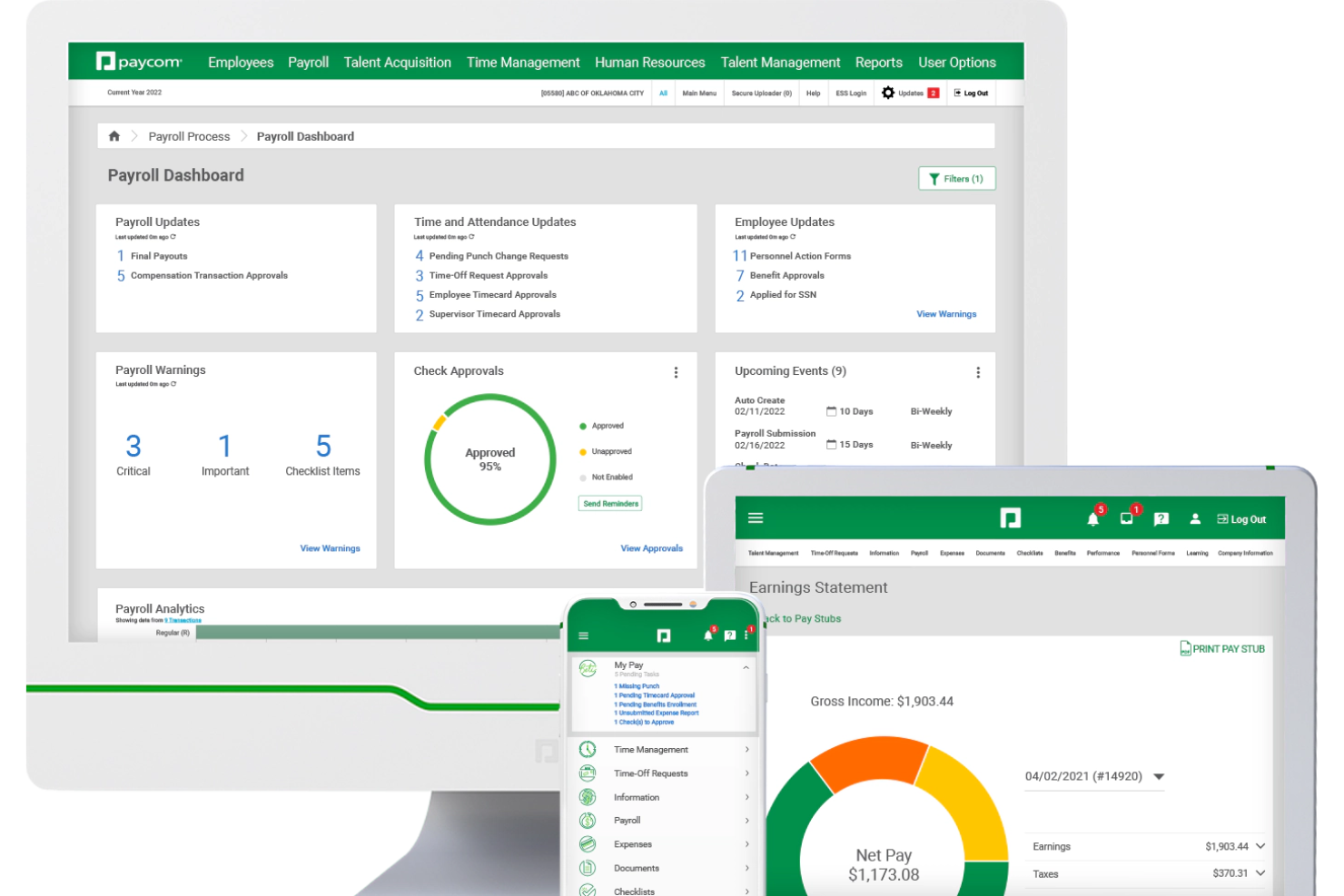
Paycom è una piattaforma HCM a database unico che comprende gestione paghe, amministrazione HR, acquisizione dei talenti, gestione delle performance e rilevazione delle presenze e delle ore lavorate in un unico sistema integrato.
Per chi è ideale Paycom?
Paycom è particolarmente adatto per organizzazioni statunitensi di medie e grandi dimensioni che desiderano una piattaforma unica per gestire l’intera funzione HR e payroll senza dover collegare più sistemi diversi.
Perché ho scelto Paycom
Paycom rientra tra le mie scelte principali perché apprezzo quanto spinge in avanti l’autonomia dei dipendenti, soprattutto con Beti, il suo strumento di gestione paghe guidato dai dipendenti. Beti avvia in automatico ogni periodo di paga, preleva dati aggiornati da cartellini e benefici, e notifica i dipendenti per correggere eventuali errori prima dell’elaborazione delle paghe. In combinazione con GONE, che automatizza completamente le decisioni sulle richieste di permesso, Paycom trasferisce una parte rilevante dell’amministrazione HR direttamente ai dipendenti senza necessità di intervento manageriale costante.
Caratteristiche principali di Paycom
- Gestione candidati: Pubblica annunci di lavoro, gestisci i candidati e segui i candidati lungo un processo di assunzione configurabile da un'unica interfaccia.
- Gestione dei benefici: I dipendenti si iscrivono e gestiscono direttamente i propri benefici sulla piattaforma, con regole di idoneità e collegamenti ai provider integrati.
- Gestione delle performance: Imposta obiettivi, gestisci cicli di valutazione e raccogli feedback da più fonti attraverso workflow di valutazione strutturati e personalizzabili.
- Direct Data Exchange: Un cruscotto di reportistica che monitora quanto attivamente dipendenti e manager utilizzino le funzionalità self-service su tutta la piattaforma.
Integrazioni Paycom
La piattaforma è sviluppata come un unico sistema HCM a database unico e si affida ai propri strumenti integrati invece di offrire una vasta libreria di integrazioni native.
Pros and Cons
Pros:
- Il database unico mantiene tutti i dati HR unificati
- I dipendenti gestiscono autonomamente aggiornamenti, richieste e informazioni salariali
- Il motore AI IWant presenta i dati tramite linguaggio naturale
Cons:
- La reportistica personalizzata richiede soluzioni alternative per la configurazione
- La rotazione degli specialisti account causa supporto incoerente

Deel HR
Ideale per operazioni HR globali di aziende di medie dimensioni
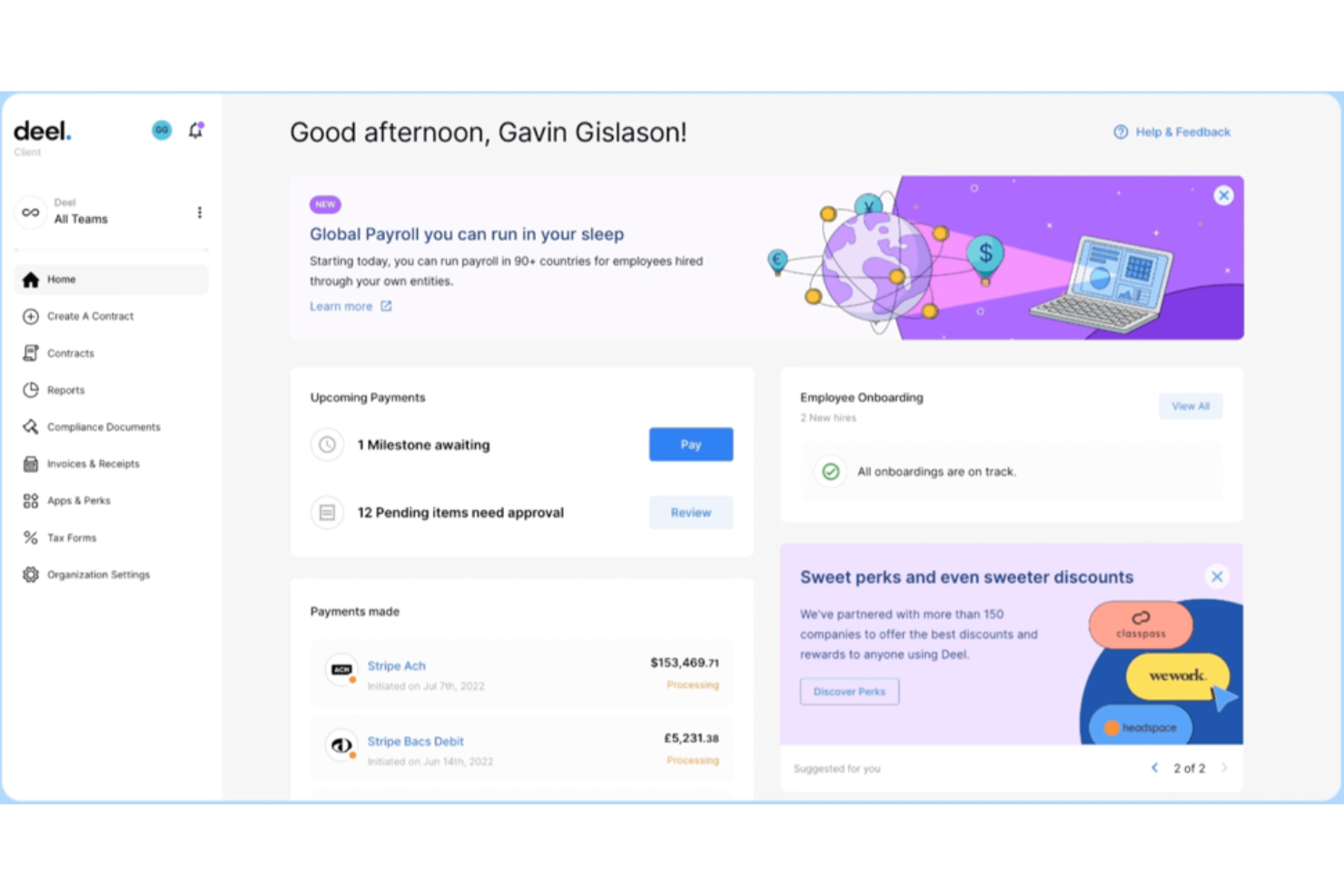
Deel è una piattaforma globale per la gestione delle risorse umane che semplifica la gestione delle buste paga a livello globale, la conformità e le operazioni HR per le aziende. È ideale per la gestione della retribuzione e della conformità a livello internazionale grazie alla sua copertura in 150 paesi e alle solide funzionalità in materia di conformità.
Perché è una valida alternativa a Workday:
Ho scelto Deel per questa lista perché eccelle nella gestione delle buste paga e della conformità a livello globale, settori in cui Workday potrebbe non essere così specializzato. La capacità di Deel di gestire le buste paga, le risorse umane e la conformità per una forza lavoro distribuita nel mondo lo rende una soluzione molto interessante per aziende con team internazionali.
Caratteristiche e integrazioni principali:
Le funzionalità includono la gestione delle buste paga internazionali, la gestione dei collaboratori, la gestione delle azioni societarie e un HRIS completo. Offre anche strumenti per la valutazione delle prestazioni, supporto all'immigrazione e un hub di conformità per monitorare gli aggiornamenti normativi a livello globale.
Le integrazioni comprendono QuickBooks, Xero, NetSuite, BambooHR, Greenhouse, Lever, Workable, Slack, Microsoft Teams e Zapier.
Pros and Cons
Pros:
- Gestione completa di paghe e conformità a livello internazionale
- Estesa copertura globale con oltre 120 entità
- Recensioni positive degli utenti per facilità d'uso e supporto clienti
Cons:
- Prezzo iniziale più alto rispetto ad alcuni concorrenti
- Limitato a paghe e conformità globale, potrebbe non coprire tutte le esigenze HR
New Product Updates from Deel HR

Deel Expands Stablecoin Wallet to 80+ Countries
Deel expands its Stablecoin Wallet to 80+ countries with dollar-backed balances and optional rewards. This gives eligible contractors more ways to hold and manage earnings inside Deel. For more information, visit Deel’s official site.
 .
.
Ideale con strumenti integrati di gestione delle spese
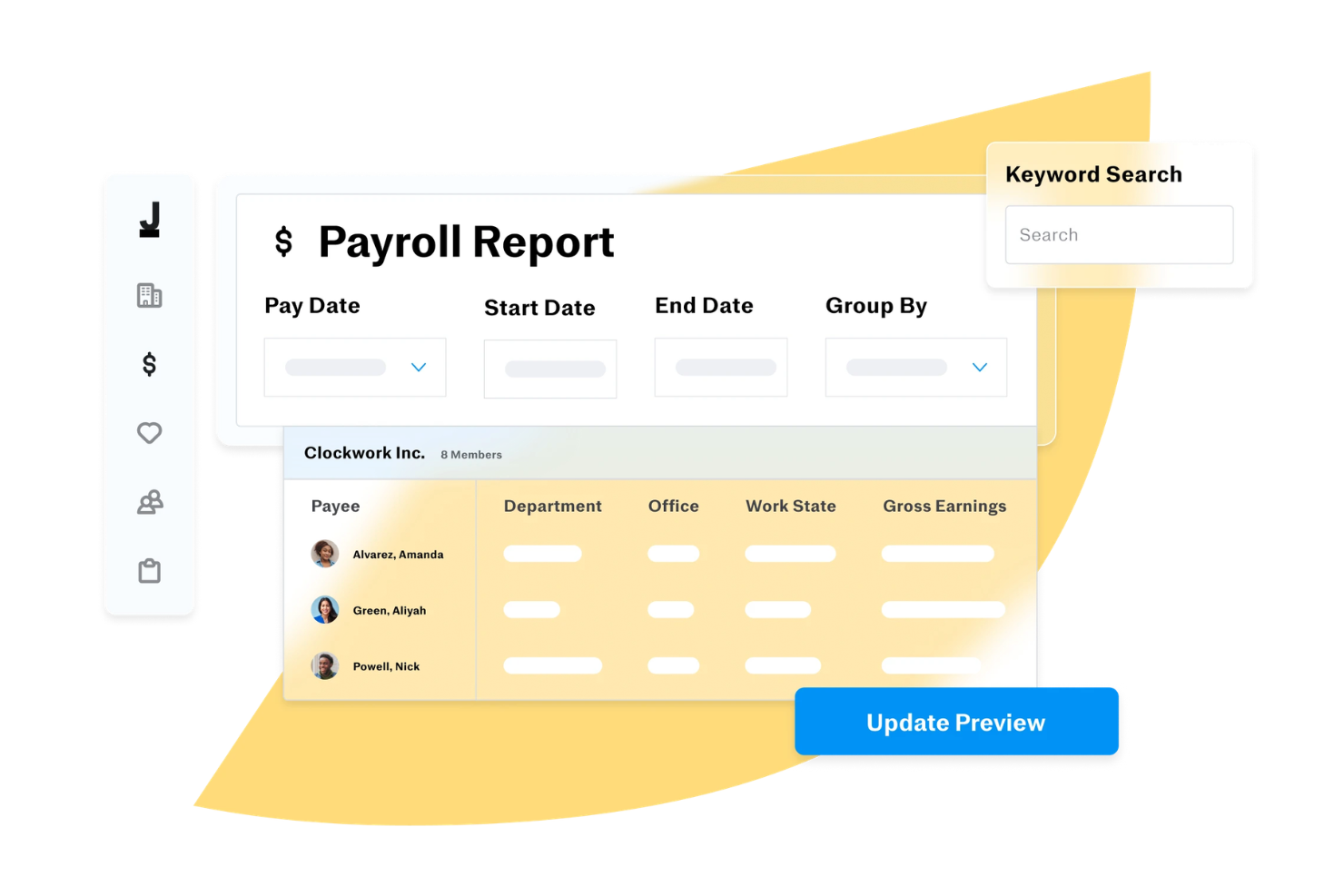
Justworks offre una piattaforma completa per la gestione delle risorse umane, delle buste paga e dei benefit, pensata per le aziende in crescita che desiderano semplificare la gestione del personale. È particolarmente utile per le organizzazioni che vogliono centralizzare i processi di payroll, conformità e amministrazione dei benefit in un unico luogo. Se hai bisogno di una soluzione che aiuti a ridurre le attività HR manuali e a mantenere la tua azienda aggiornata sulle normative sul lavoro, Justworks vale la pena di essere considerata.
Per Chi è Justworks?
Justworks è indicata per piccole e medie imprese che vogliono esternalizzare la gestione di risorse umane, payroll e conformità attraverso un'unica piattaforma.
Perché Ho Scelto Justworks
Per le aziende che desiderano gestire le spese insieme a payroll e HR, ho scelto Justworks perché offre strumenti di gestione delle spese integrati. Puoi presentare, approvare e monitorare le spese dei dipendenti direttamente all'interno della piattaforma, mantenendo così tutti i dati finanziari in un unico posto. Mi piace che Justworks permetta di impostare flussi di approvazione personalizzati e di allegare ricevute per una migliore tenuta dei registri. Questo la rende un’ottima alternativa a Workday per le organizzazioni che vogliono semplificare il monitoraggio delle spese senza dover ricorrere a sistemi separati.
Servizi Principali di Justworks
Altri servizi che rendono Justworks un'opzione pratica per le aziende alla ricerca di alternative a Workday includono:
- Gestione dei benefit: Gestisci piani sanitari, dentistici, oculistici e pensionistici dei dipendenti da un'unica dashboard.
- Elaborazione automatizzata delle buste paga: Gestisci i cicli di payroll, le trattenute fiscali e i bonifici diretti per dipendenti e collaboratori.
- Monitoraggio delle assenze: Controlla e approva richieste di ferie, permessi per malattia e vacanze direttamente dalla piattaforma.
- Gestione dei documenti HR: Archivia, organizza e condividi in modo sicuro i documenti HR importanti con il tuo team.
Settori di Destinazione di Justworks
Biotecnologie, Istruzione, Finanza, Sanità, Ospitalità, Produzione, No Profit, Consulenza Professionale, Servizi Professionali, Ristoranti e Servizi Alimentari, Commercio al dettaglio, Startup, Tecnologia e Viaggi & Tempo Libero.
Specialità di Justworks
Gestione Buste Paga, Amministrazione dei Benefit, Consulenza HR, Supporto per la Conformità, Onboarding dei Dipendenti, PEO (Professional Employer Organization), EOR (Employer of Record), Assunzione Globale, Gestione dei Rischi, Monitoraggio di Orari e Presenze, Amministrazione 401(k), Assicurazione Infortuni sul Lavoro, Dichiarazioni Fiscali, People Analytics e Gestione dei Talenti.
Pros and Cons
Pros:
- Certificazione IRS e accreditamento ESAC per la conformità
- Ottimo supporto payroll e conformità multi-stato
- Assistenza clienti 24/7 sui piani di fascia alta
Cons:
- App mobile disponibile solo per utenti negli Stati Uniti
- Le integrazioni sono limitate rispetto ai concorrenti
HiBob
Ideale per la pianificazione della forza lavoro basata su scenari
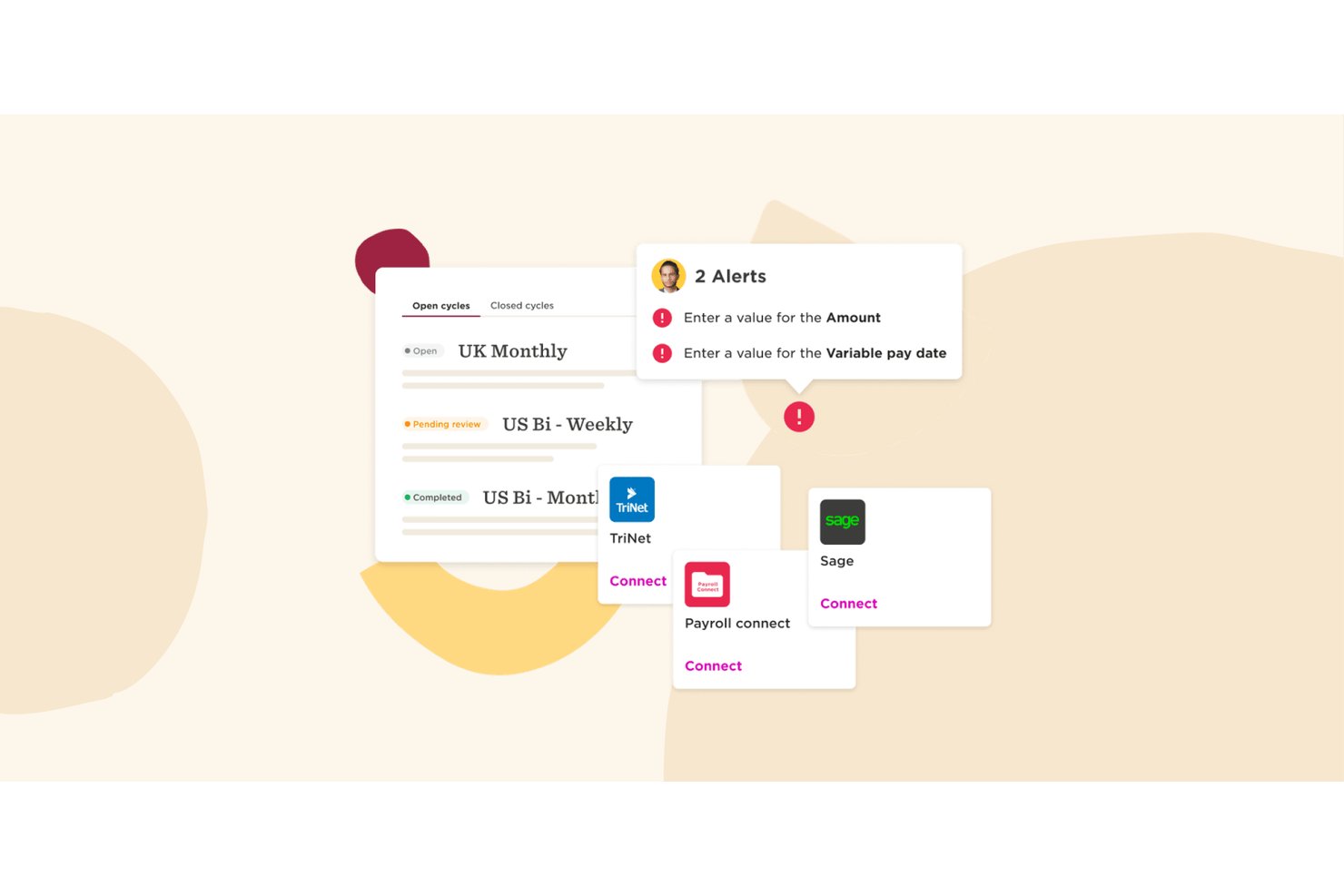
HiBob è una moderna piattaforma HCM che riunisce le funzioni HR principali, la gestione delle paghe, la gestione dei talenti, la pianificazione della forza lavoro e l’analisi del personale in un unico sistema di riferimento, progettato per le organizzazioni del mercato medio e in crescita.
Per chi è più adatto HiBob?
HiBob è adatto alle aziende del mercato medio, in genere con un numero di dipendenti compreso tra 100 e 5.000, che stanno crescendo rapidamente e hanno bisogno di un sistema informativo per le risorse umane in grado di tenere il passo senza una lunga fase di implementazione.
Perché ho scelto HiBob
Ho scelto HiBob come una delle soluzioni migliori perché il suo modulo di pianificazione della forza lavoro fa qualcosa che non ho visto realizzare a molti sistemi informativi per le risorse umane del mercato medio: un vero ambiente isolato per la modellazione di scenari relativi all’organico. Posso eseguire confronti affiancati di ristrutturazioni organizzative, simulare l’impatto del ricambio del personale e visualizzare stime di bilancio in tempo reale prima di finalizzare qualsiasi decisione sull’organico. L’assistente di pianificazione basato sull’intelligenza artificiale si aggiunge a queste funzionalità, consentendomi di interrogare le previsioni in modo conversazionale invece di creare rapporti da zero.
Funzionalità principali di HiBob
- Flussi di lavoro configurabili: i team HR possono personalizzare le fasi di approvazione, l’inserimento dei nuovi dipendenti e gli eventi del ciclo di vita utilizzando strumenti senza codice.
- Analisi del personale integrata: pannelli in tempo reale e reportistica ad hoc sono disponibili in tutti i moduli.
- Servizi mobili autonomi per i dipendenti: i dipendenti possono visualizzare i cedolini, richiedere permessi e aggiornare i profili dall’app mobile.
- Integrazioni dal catalogo: HiBob offre una libreria in crescita di integrazioni pronte all’uso con sistemi ATS, per la gestione delle paghe e informatici.
Integrazioni di HiBob
HiBob offre integrazioni native con Slack, Microsoft 365, Google Workspace, Greenhouse, DocuSign, Okta, BambooHR e ADP. È disponibile un’API per le integrazioni personalizzate.
Pros and Cons
Pros:
- Pianificazione dell’organico basata su scenari integrata nativamente
- Implementazione più rapida rispetto ai sistemi HCM aziendali
- Strumenti self-service efficaci per dipendenti e responsabili
Cons:
- La gestione nativa delle paghe è limitata ad alcuni Paesi
- Il generatore di report può risultare limitante per esigenze complesse

Ideale per HR di base e coinvolgimento dei dipendenti
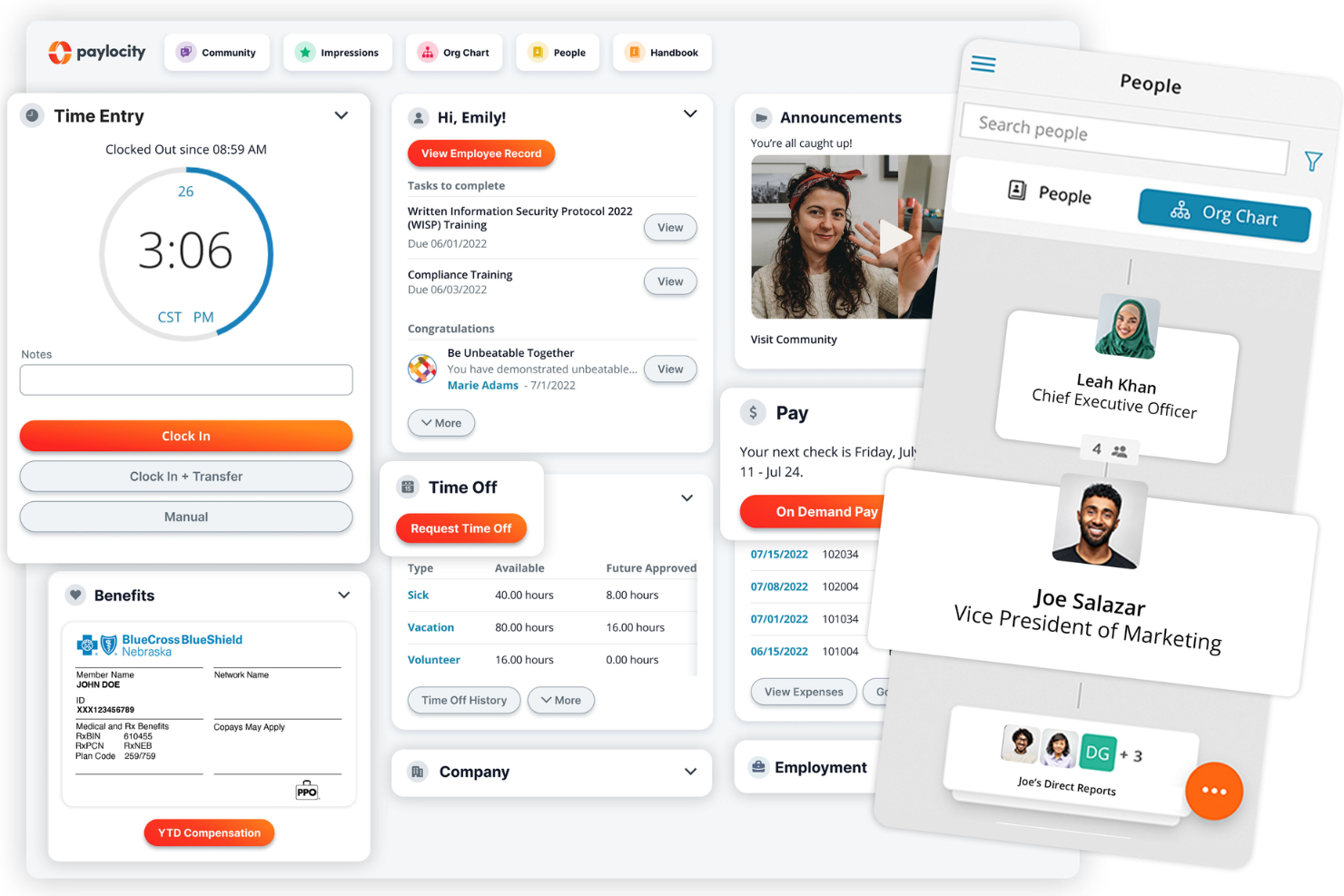
Paylocity è un software cloud per la gestione delle risorse umane e delle paghe che aiuta le aziende a gestire il ciclo di vita dei dipendenti. Offre una gamma di strumenti progettati per semplificare i processi HR principali, tra cui la gestione delle paghe, l'amministrazione dei benefit e il self-service dei dipendenti.
Perché è una valida alternativa a Workday:
Paylocity si distingue come alternativa a Workday grazie al suo forte orientamento verso le aziende di medie dimensioni e al coinvolgimento dei dipendenti. A differenza di Workday, che si concentra maggiormente sulle grandi imprese, Paylocity offre funzionalità come una piattaforma comunitaria che favorisce la comunicazione interna, la collaborazione e il feedback all'interno del team. Paylocity integra inoltre il riconoscimento tra pari e sondaggi automatizzati per valutare il sentiment dei dipendenti.
Funzionalità e integrazioni principali:
Le funzionalità includono onboarding, gestione della forza lavoro, gestione dei talenti, formazione, conformità, analisi, self-service dei dipendenti, amministrazione dei benefit, gestione delle retribuzioni, rilevazione delle presenze, gestione delle spese e valutazioni delle performance.
Le integrazioni includono QuickBooks, Xero, NetSuite, BambooHR, Greenhouse, Lever, Workable, Slack, Microsoft Teams e Zapier.
Pros and Cons
Pros:
- Gestione integrata di talenti e performance
- Servizi per benefit e tasse
- Paghe globali e pagamenti su richiesta
Cons:
- Non supporta la gestione dei collaboratori indipendenti
- La configurazione può richiedere tempo
New Product Updates from Paylocity

Paylocity Expands Expense and Purchase Request Tools
Paylocity adds connected personal cards, smarter expense categorization, and a streamlined purchase request experience. This reduces manual entry and helps finance teams manage expenses and approvals more efficiently. For more information, visit Paylocity’s official site.
 .
.
Ideale come IA per le aziende
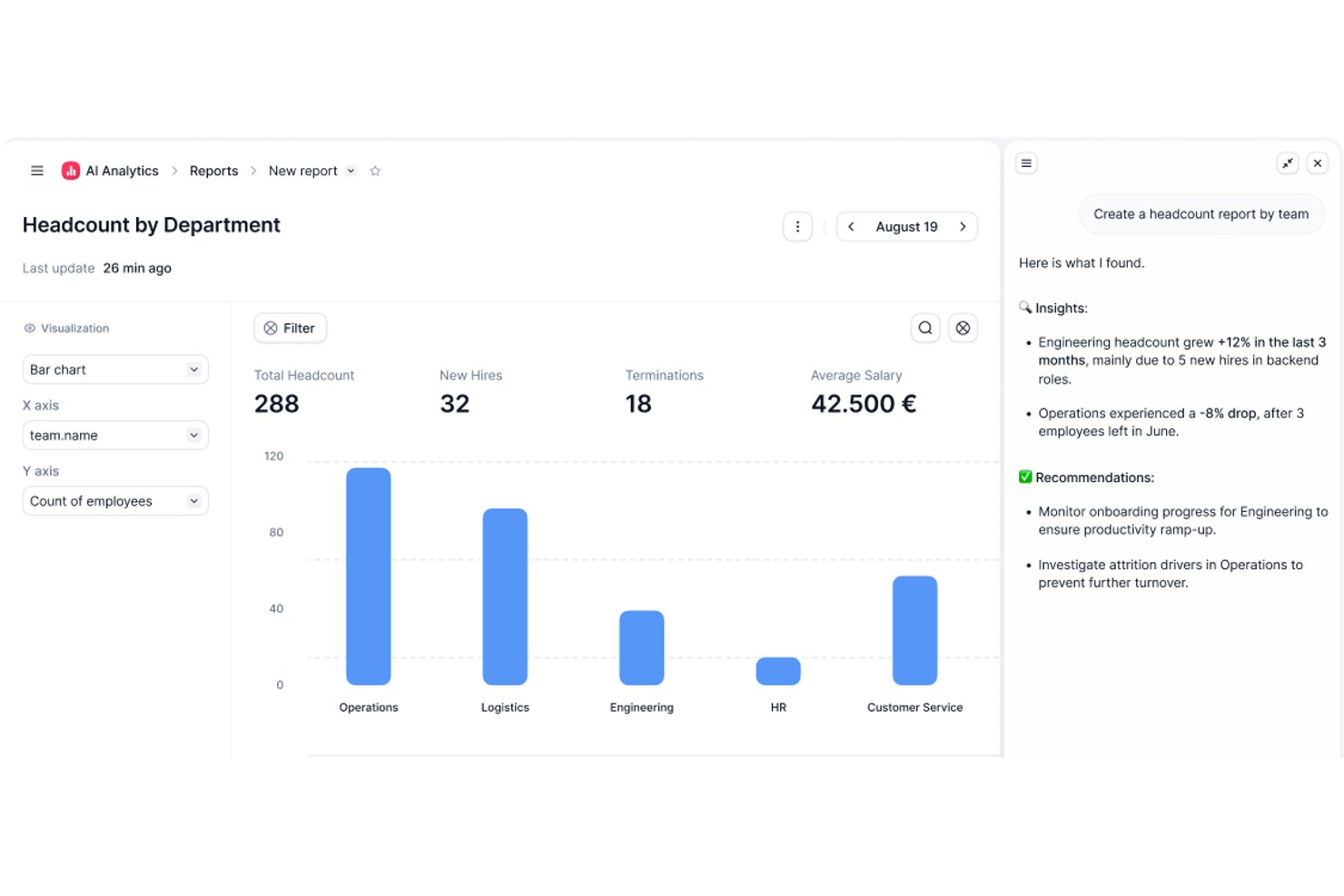
Factorial è una piattaforma per le risorse umane e le operazioni aziendali basata sull'IA, che copre la gestione HR di base, il monitoraggio delle ore, il recruiting, la gestione delle prestazioni, il monitoraggio delle spese e la reportistica sulla forza lavoro per le funzioni HR, finanziarie e IT.
Per chi è più adatto Factorial?
Factorial è adatto alle PMI e ai team del mercato intermedio che desiderano un'unica piattaforma basata sull'IA per gestire le operazioni HR, finanziarie e IT senza la complessità o i costi di un sistema aziendale come Workday.
Perché ho scelto Factorial
Ho scelto Factorial come una delle soluzioni migliori perché il suo posizionamento come 'IA per le aziende' va ben oltre le risorse umane. Mentre Workday richiede team amministrativi dedicati per estrarre rapporti o rispondere alle domande sulle normative aziendali, l'agente IA di Factorial gestisce direttamente queste attività: redige turni, genera rapporti a partire dai dati aziendali in tempo reale e risponde immediatamente alle domande dei dipendenti sulle normative aziendali. Sono particolarmente colpito dal rilevamento delle anomalie di pagamento basato sull'IA, che segnala i problemi prima dell'elaborazione delle paghe anziché dopo.
Funzionalità principali di Factorial
- Valutazioni delle prestazioni a 360 gradi: Conduci cicli di valutazione strutturati che raccolgono in un unico luogo i feedback di colleghi, responsabili e collaboratori diretti.
- Gestione di più entità: Crea e gestisci più entità legali all'interno di un singolo account Factorial per una supervisione centralizzata della forza lavoro.
- Pianificazione dei turni: Crea pianificazioni dei turni automatizzate, in blocco e a rotazione per coprire le esigenze di personale più complesse dei diversi team.
- Gestione delle licenze SaaS: Monitora gli accessi al software, individua le licenze inutilizzate e disattiva automaticamente gli account durante il processo di uscita.
Integrazioni di Factorial
Factorial offre centinaia di integrazioni nel negozio, tra cui Microsoft Business Central, SAP Business One, Sage, Okta, Microsoft Power BI e Recruitee. Fornisce inoltre un'API pubblica, webhook, SDK e Zapier.
Pros and Cons
Pros:
- L'IA redige rapporti e risponde alle domande sulle normative aziendali
- I servizi autonomi per i dipendenti riducono le richieste HR di routine
- Valutazioni, competenze e coinvolgimento condividono un'unica piattaforma
Cons:
- Le paghe complesse richiedono ancora strumenti o verifiche esterne
- La profondità della reportistica personalizzata è inferiore a quella delle piattaforme HCM più grandi

Aeqium
Ideale per la pianificazione delle retribuzioni in aziende complesse
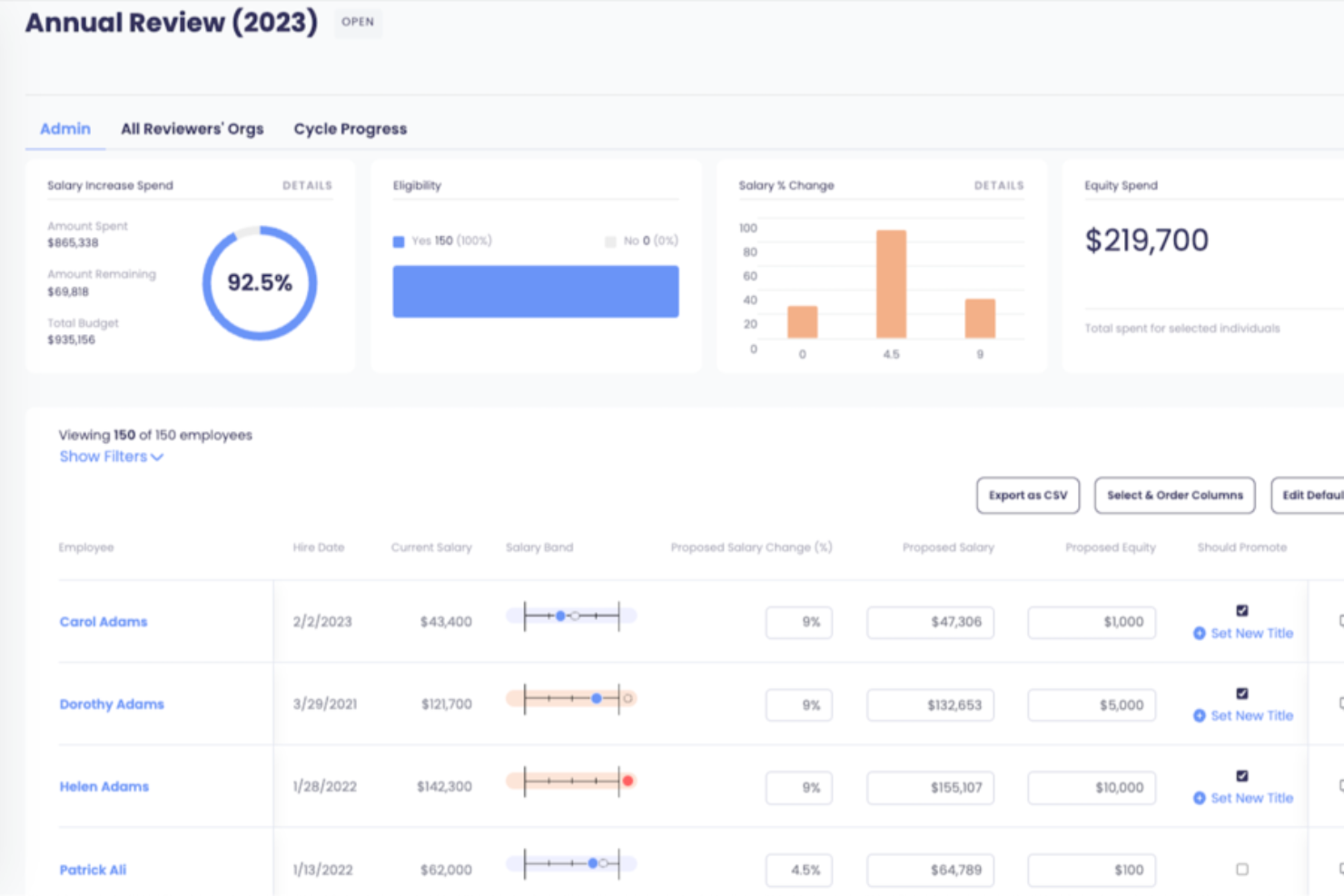
Aeqium è un software per la pianificazione della retribuzione che aiuta le organizzazioni complesse a gestire e ottimizzare le proprie strategie retributive.
Perché è una valida alternativa a Workday:
Ho scelto Aeqium perché si concentra specificamente sulla gestione della retribuzione offrendo un livello di personalizzazione e chiarezza che spesso manca nelle piattaforme più grandi. Sebbene Workday offra funzionalità HR ampie e alcune funzionalità di gestione della retribuzione, Aeqium fornisce al tuo team un controllo preciso sui cicli retributivi, consentendo di gestire aumenti, bonus e incentivi a lungo termine attraverso flussi di lavoro flessibili e regole integrate. Offre anche fasce retributive per supportare la trasparenza salariale e l'equità. Per le aziende che desiderano migliorare la pianificazione retributiva senza rivoluzionare l'intero sistema HR, Aeqium propone strumenti mirati che approfondiscono davvero questa area fondamentale.
Funzionalità principali e integrazioni:
Funzionalità includono il monitoraggio della storia della retribuzione, l’analisi dell’equità retributiva, il monitoraggio dei progressi dei cicli, report personalizzati sulla retribuzione, integrazione dati in tempo reale, strumenti per la gestione del budget, allineamento degli stipendi in base alla performance, monitoraggio della conformità, benchmarking salariale, gestione delle assegnazioni azionarie, dichiarazioni dei premi complessivi e adeguamenti salariali fuori ciclo.
Integrazioni includono ADP Workforce Now, BambooHR, Gusto, Justworks, Paylocity, Quickbooks, Run Powered by ADP e DocuSign.
Pros and Cons
Pros:
- Strumenti di analisi per la parità salariale
- Modelli personalizzabili per lettere d’offerta
- Flessibilità nella configurazione delle fasce retributive
Cons:
- Funzionalità HR limitate oltre la gestione retributiva
- Nessun ATS integrato o collegamento al recruiting
Ideale per le piccole imprese
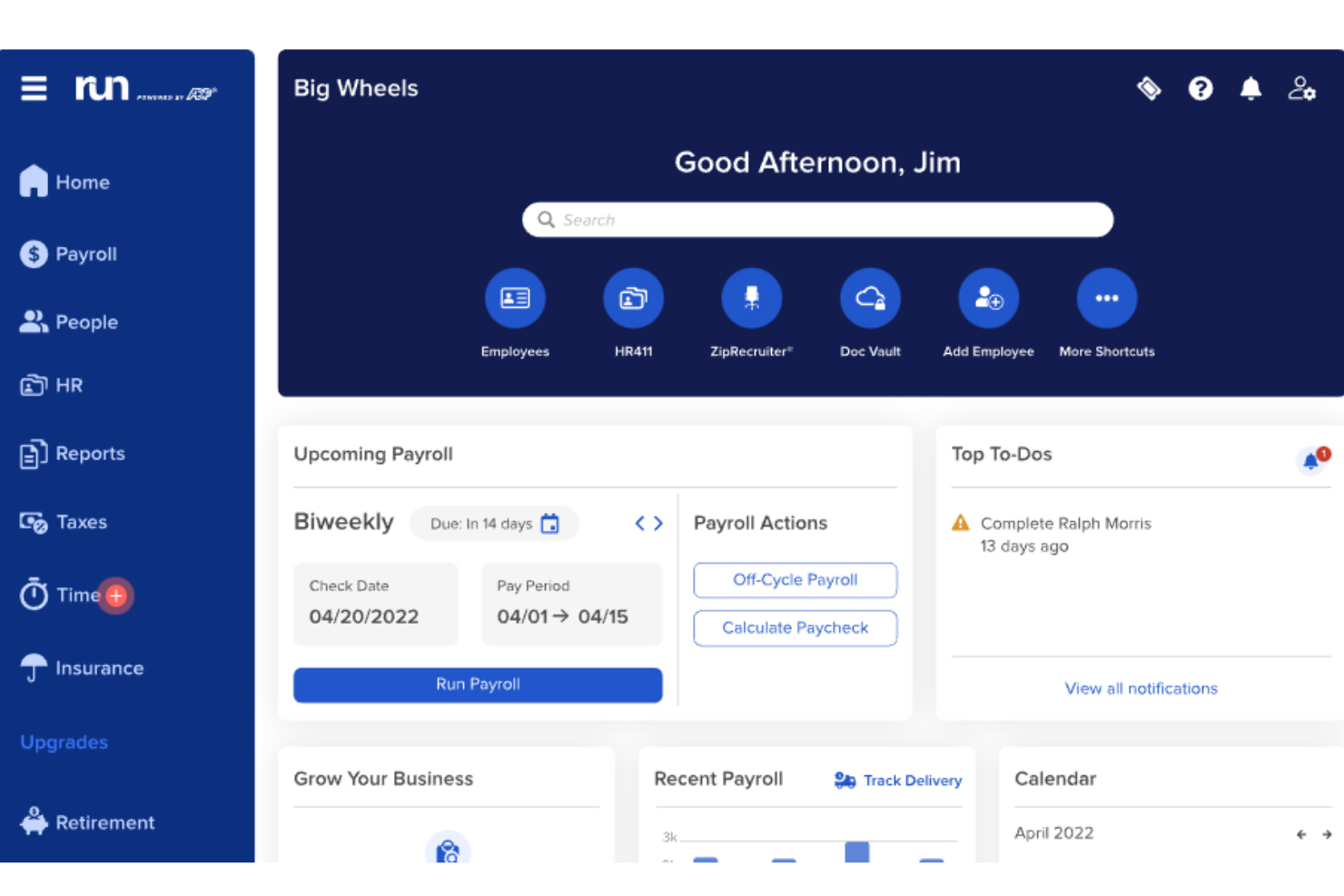
RUN by ADP è una soluzione per la gestione delle paghe e delle risorse umane progettata per le piccole imprese con meno di 50 dipendenti. Offre funzionalità come l'elaborazione delle paghe, la presentazione delle tasse, l'amministrazione dei benefit e il supporto HR per semplificare le operazioni aziendali.
Perché è una valida alternativa a Workday:
RUN by ADP rappresenta un'ottima alternativa a Workday, soprattutto per le piccole imprese. A differenza di Workday, che offre funzionalità estese a livello aziendale che possono risultare eccessive per realtà più contenute, RUN by ADP si concentra sulla semplicità e sulla facilità d'uso grazie alla sua piattaforma intuitiva. Fornisce strumenti essenziali come l'automazione dell'elaborazione delle paghe, la presentazione delle tasse e il supporto per la conformità normativa. Inoltre, la piattaforma offre l'integrazione con altri servizi ADP.
Funzionalità e integrazioni principali
Le funzionalità includono bonifico diretto, portale self-service per i dipendenti, supporto alla conformità HR, monitoraggio di presenze e orari, servizi di pagamento per pignoramenti, segnalazione di nuove assunzioni, servizi di piani pensionistici, gestione dell'assicurazione contro gli infortuni sul lavoro, report sulle paghe e sulle tasse, e accesso tramite app mobile.
Le integrazioni includono Quickbooks, Wave, Xero, ClockShark, Points North, TruSaic, Compy, Wex, Synerion, JazzHR, 7Shifts, Snappy Gifts, Absorb LMS, SmartRecruiters e centinaia di altri.
Pros and Cons
Pros:
- Opzioni di report personalizzabili
- Robusta app mobile
- Portale self-service per i dipendenti
Cons:
- La maggior parte delle funzionalità HR è disponibile solo nei piani di livello superiore
- La configurazione iniziale può essere complessa

TimeTrex
Ideale per una gestione flessibile di presenze e paghe
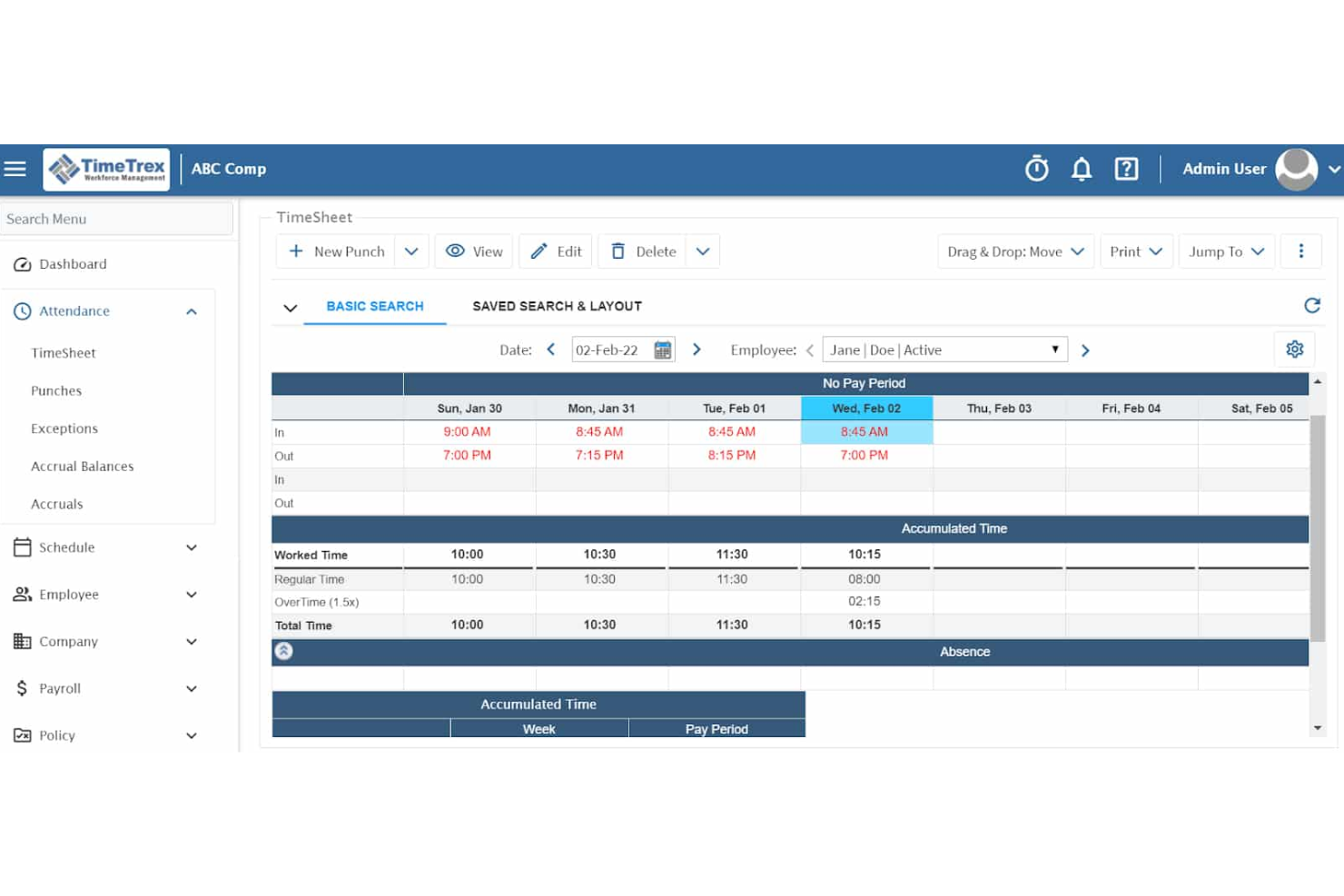
TimeTrex è un potente software di gestione della forza lavoro che si rivolge a aziende di tutte le dimensioni, offrendo una suite completa di strumenti per la rilevazione delle presenze, la gestione delle paghe e delle risorse umane.
Perché è una buona alternativa a Workday:
Anche se sia TimeTrex che Workday offrono potenti funzionalità per la gestione della forza lavoro, TimeTrex si distingue per offrire un'esperienza più personalizzata, permettendo alle aziende di personalizzare approfonditamente i propri processi di rilevazione presenze e gestione delle paghe. Questa flessibilità, unita a funzionalità come i terminali biometrici e il tracciamento GPS, rende TimeTrex una scelta pratica per le organizzazioni che necessitano di funzioni specifiche senza la complessità tipica di Workday.
Funzionalità e integrazioni principali:
Le funzionalità includono pianificazione automatizzata, regole di paga personalizzabili, calcolo dei costi di lavoro, portali self-service per i dipendenti, gestione delle assenze, reportistica in tempo reale, monitoraggio degli straordinari, gestione delle maturazioni, gestione dei permessi e supporto multilingue.
Le integrazioni includono QuickBooks, Sage, ADP, Paychex, Xero, Microsoft Excel, Google Workspace, Dropbox e LDAP.
Pros and Cons
Pros:
- Rilevazione presenze avanzata e programmazione del lavoro
- Capacità di reportistica avanzate
- Gestione automatizzata delle paghe e dei calcoli fiscali
Cons:
- Interfaccia utente datata
- Può essere difficile trovare alcune funzionalità all'interno della piattaforma
New Product Updates from TimeTrex
TimeTrex Adds Quick Punch App With Offline and QR Support
TimeTrex adds a new Quick Punch app, offline punching, QR code scanning, punch images, configurable messages, and punch warnings or lockouts to improve employee clock-ins across browsers and local computers. For more information, visit TimeTrex’s official site.
 .
.
Ideale per la gestione dei talenti basata su IA
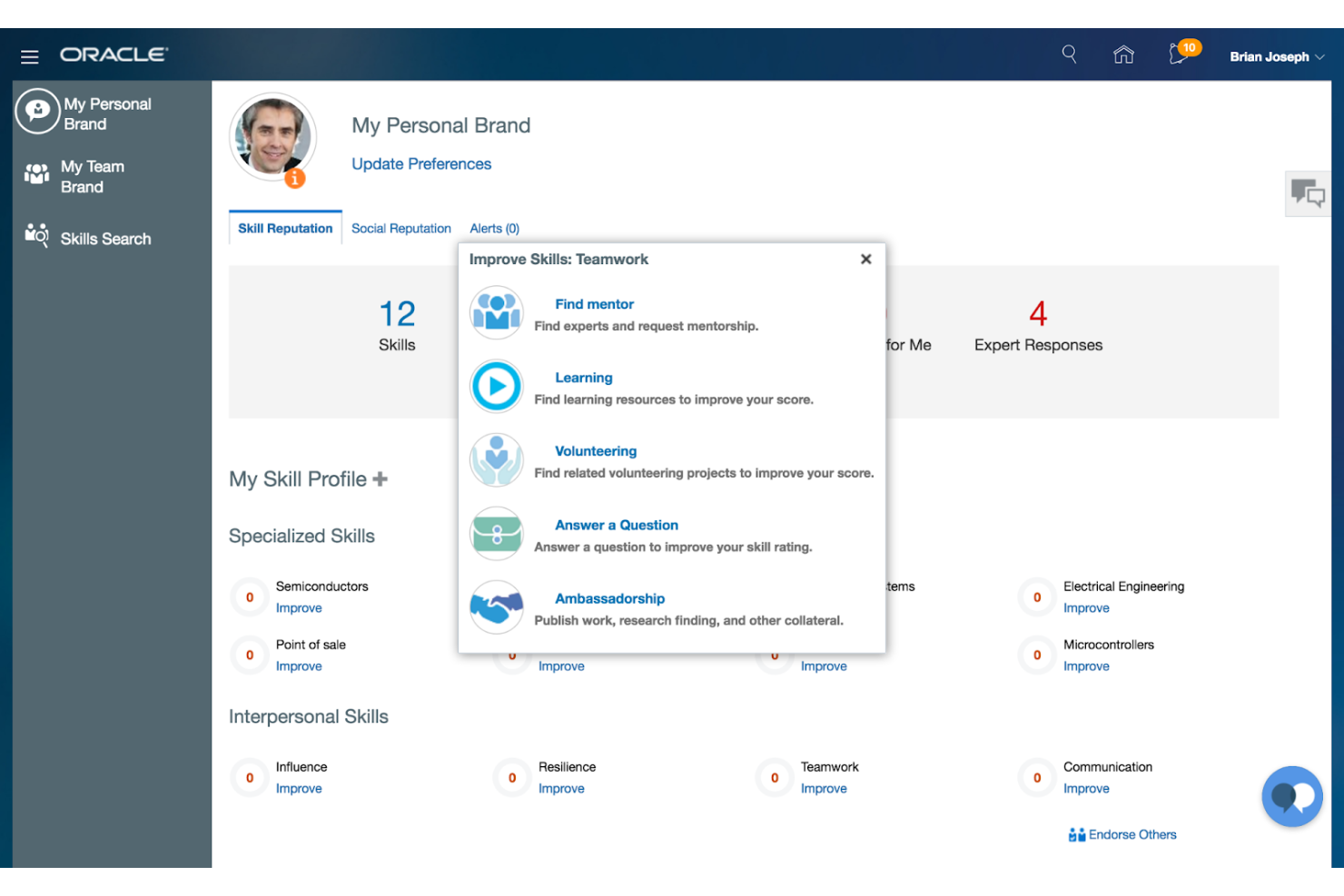
Oracle HCM è una soluzione completa di gestione del capitale umano basata su cloud che sfrutta l'IA per migliorare i processi HR e la gestione dei talenti. È ideale per le organizzazioni che desiderano integrare approfondimenti basati sull'IA nelle loro operazioni HR per migliorare l'esperienza dei dipendenti e le prestazioni della forza lavoro.
Perché è una buona alternativa a Workday:
Ho scelto Oracle HCM per questo elenco perché offre un'infrastruttura robusta e integrata con l'IA in grado di trasformare i processi HR. La sua suite completa di strumenti e il modello di dati unificato lo rendono un forte concorrente di Workday, soprattutto per le organizzazioni che cercano capacità avanzate di analisi e intelligenza artificiale per aumentare il coinvolgimento dei dipendenti.
Caratteristiche principali e integrazioni:
Funzionalità includono gestione dei talenti basata su IA, gestione completa della forza lavoro e soluzioni globali per le paghe.
Integrazioni includono Oracle ERP, Oracle SCM, Oracle CX, Oracle Analytics Cloud, Microsoft Office 365, LinkedIn, Slack, Zoom, SAP SuccessFactors e Workday.
Pros and Cons
Pros:
- Soluzioni HR complete e guidate dall'IA
- Solide capacità di gestione globale delle paghe
- Ampie opzioni di integrazione
Cons:
- Alto numero minimo di utenti richiesto
- Struttura dei prezzi complessa
Altre alternative a Workday
Di seguito è riportato un elenco di ulteriori alternative a Workday che abbiamo selezionato, ma che non sono entrate nell’elenco principale. Vale sicuramente la pena dare un’occhiata anche a queste.
- UKG Ready
Ideale per la gestione completa della forza lavoro
- ADP
Ideale per servizi paghe e HR diversificati
- Rippling HCM
Ideale per la gestione HR integrata
- Oyster
Ideale per la gestione di team globali
- Collage
Ideale per l'integrazione HR canadese
- Rippling
Ideale per integrare HR, IT e finanza
- BambooHR®
Ideale per la gestione intuitiva dei dati HR
- Rise
Ideale per software HR orientato ai dipendenti


Recensioni correlate di software per le risorse umane
Se non hai ancora trovato quello che cerchi, dai un'occhiata a questi altri strumenti correlati che abbiamo testato e valutato:
- Software per le risorse umane
- Software per la gestione delle buste paga
- Software per il recruiting
- Servizi di datore di lavoro ufficiale
- Sistemi di tracciamento dei candidati
- Software per la gestione della forza lavoro
Come Valuto i Competitor di Workday
Valuto i competitor di Workday su due livelli: le capacità HCM di base—core HR, payroll e talent—che ogni piattaforma deve possedere, e i fattori differenzianti che distinguono una buona soluzione da un’ottima.
Funzionalità Core (Requisiti Fondamentali per Questa Lista)
Quando seleziono gli strumenti per la mia lista, valuto ciascuno su una scala da 0 (non offre la funzionalità) a 5 (eccelle in quest’area) per ognuna delle funzionalità fondamentali elencate qui sotto. Poi, calcolo il punteggio totale dello strumento trasformandolo in percentuale. Ogni strumento deve raggiungere un punteggio totale minimo del 75% per essere preso in considerazione.
- Sistema HR Core: Cerco un vero sistema di registrazione—organigrammi, gestione delle posizioni e variazioni datate che tracciano ogni movimento dei dipendenti tra le entità.
- Gestione Payroll: La gestione del payroll in più paesi è importante, quindi verifico se una piattaforma gestisce i calcoli fiscali nativamente o se si affida a connettori di terze parti.
- Gestione del Talento: Recruiting, onboarding, performance e formazione devono convivere in un’unica suite—valuto quanto strettamente questi moduli condividano dati e flussi di lavoro.
- Amministrazione dei Benefit: I flussi di iscrizione, il supporto per il collegamento con i carrier e la gestione degli eventi di vita (come l’aggiunta di un nuovo familiare a carico) sono tutti elementi che considero nella valutazione di quest’area.
- Gestione di Orario & Assenze: Pianificazione, inserimento delle ore e politiche di congedo devono funzionare in sinergia—verifico la presenza di regole di maturazione configurabili e dei flussi di approvazione dei responsabili.
- Analisi e Reportistica della Forza Lavoro: Oltre ai report preconfezionati, cerco generatori di query ad hoc, dashboard cross-modulo e la capacità di individuare trend come il rischio di turnover.
Dopo aver selezionato gli strumenti che soddisfano questi criteri, considero cosa distingue ciascuna piattaforma.
Fattori Differenzianti (Cosa Distingue i Fornitori)
Ecco come confronto e metto a confronto i diversi fornitori:
Caratteristiche Distintive
Pongo molta attenzione ai flussi di lavoro configurabili—i team HR che possono costruire autonomamente le proprie catene di approvazione ed eventi del ciclo di vita senza dover aprire ticket IT si muovono più velocemente. Anche un motore di compliance globale è essenziale, soprattutto quando la tua organizzazione opera in più regioni e ha bisogno di una libreria integrata con le normative locali sul lavoro. Valuto inoltre il framework API di ciascuna piattaforma e il marketplace di partner, dato che la maggior parte dei team HR ha bisogno che il proprio HCM si colleghi ai sistemi ERP, finanziari o di gestione delle identità già esistenti.
Oltre le Caratteristiche
I tempi di implementazione variano molto tra le piattaforme HCM—alcune richiedono mesi, altre oltre un anno—quindi verifico se un fornitore offre opzioni di rollout graduale e strumenti per la migrazione in linea con la capacità del tuo team. Il costo totale di proprietà è un altro elemento importante. Il prezzo per dipendente al mese sembra semplice finché non si sommano i costi dei moduli e dell’implementazione. Valuto anche l’idoneità rispetto alla dimensione dell’azienda, perché una piattaforma pensata per grandi imprese da 10.000 dipendenti spesso non è la scelta giusta per un’azienda di 200 persone, anche se soddisfa tutte le funzionalità richieste.
Perché cercare un'alternativa a Workday
Potresti cercare un'alternativa a Workday per diversi motivi, tra cui:
- Costo: i prezzi di Workday potrebbero essere troppo elevati per il tuo budget.
- Complessità: il sistema potrebbe essere troppo complesso per le tue esigenze.
- Personalizzazione: hai bisogno di più opzioni di personalizzazione rispetto a quelle offerte da Workday.
- Integrazione: hai bisogno di integrazioni con altri software che Workday non supporta.
- Assistenza: il livello di servizio clienti e assistenza fornito da Workday non è soddisfacente.
Le alternative a Workday possono offrire prezzi più accessibili, interfacce più semplici, maggiore personalizzazione, migliori capacità di integrazione e un'assistenza più reattiva per risolvere alcune delle limitazioni che potresti riscontrare con Workday.
Funzionalità da cercare in un'alternativa a Workday
Servizi principali delle alternative a Workday
Quando scegli un'alternativa a Workday, presta attenzione alle seguenti funzionalità principali:
- Gestione delle informazioni personali: le alternative a Workday dovrebbero consentire ai dipendenti di aggiornare facilmente dati personali come indirizzo di residenza, numeri di telefono, contatti di emergenza e altri dati essenziali del profilo. Questo contribuisce a mantenere dati dei dipendenti completi e accurati in tutto il sistema.
- Amministrazione dei benefit: le piattaforme più efficaci forniscono strumenti per gestire le iscrizioni aperte, modificare le selezioni dei benefit e aggiornare persone a carico e beneficiari. Questo garantisce che i dipendenti mantengano il pieno controllo dei propri benefit, riducendo al contempo il carico amministrativo.
- Buste paga e documenti fiscali: i dipendenti dovrebbero poter accedere alle buste paga attuali e storiche, alle ritenute, ai moduli fiscali e ai dettagli dei pagamenti. Le alternative affidabili consentono inoltre agli utenti di aggiornare le informazioni sull'accredito diretto e visualizzare le detrazioni in modo trasparente.
- Fogli presenze: le alternative a Workday devono supportare l'inserimento standardizzato delle ore per i dipendenti retribuiti a ore, non esenti e studenti. Ciò include la registrazione delle ore lavorate, il monitoraggio delle ore ordinarie e straordinarie e l'integrazione automatica delle ore nel sistema paghe.
- Gestione delle spese: cerca piattaforme che semplifichino i processi di rimborso con caricamento digitale delle ricevute, instradamento delle approvazioni e monitoraggio dello stato in tempo reale. Processi di gestione delle spese più rapidi e trasparenti riducono le difficoltà sia per i dipendenti sia per i team finanziari.
- Organigrammi interattivi: le alternative a Workday dovrebbero offrire organigrammi dinamici, così che i dipendenti possano comprendere rapidamente la struttura dei team, le linee gerarchiche e le relazioni tra i diversi reparti.
- Gestione delle assenze: gli utenti dovrebbero poter richiedere e gestire ferie, congedi per malattia e giorni personali all'interno del sistema. I flussi di approvazione automatizzati aiutano i manager a mantenere l'organizzazione e garantiscono un monitoraggio accurato del PTO.
- Valutazioni delle prestazioni: le piattaforme dovrebbero includere cicli di valutazione, strumenti per i feedback, funzionalità per la definizione degli obiettivi e monitoraggio dei progressi. Queste funzionalità aiutano i manager a valutare le prestazioni in modo coerente e a guidare lo sviluppo dei dipendenti.
- Selezione del personale: un efficace sistema di tracciamento dei candidati (ATS) supporta la ricerca dei candidati, la preselezione delle candidature, la programmazione dei colloqui e la gestione del percorso di selezione. Questo mantiene il processo di assunzione efficiente e organizzato dall'inizio alla fine.
- Analisi e report: le alternative a Workday dovrebbero offrire dashboard e solidi strumenti di reporting che forniscano informazioni sulle prestazioni dei dipendenti, sulle tendenze della forza lavoro, sul turnover, sulle retribuzioni e altro ancora, aiutando i leader a prendere decisioni informate.
Funzionalità comuni di IA nelle alternative a Workday
Molti concorrenti di Workday integrano ora l'IA per migliorare efficienza, accuratezza ed esperienza utente, ad esempio:
- Abbinamento dei candidati basato sull'IA: l'IA esamina i curriculum e abbina automaticamente i candidati alle descrizioni delle posizioni, mettendo in evidenza quelli più adatti per accelerare il processo di selezione.
- Informazioni predittive sulle prestazioni: l'IA analizza le tendenze relative alle presenze, i riscontri dei colleghi, i dati sul coinvolgimento e lo storico delle valutazioni per prevedere i modelli di rendimento dei dipendenti e individuare quelli a rischio.
- Raccomandazioni intelligenti sulle prestazioni accessorie: l'IA aiuta i dipendenti a scegliere le prestazioni accessorie più adeguate in base agli eventi della vita, al confronto dei costi e ai modelli di utilizzo, riducendo la confusione durante il periodo di adesione aperta.
- Categorizzazione automatizzata delle spese: l'IA legge le ricevute caricate, categorizza le spese, segnala le incongruenze e accelera i flussi di lavoro per i rimborsi.
- Aggiornamenti del profilo in linguaggio naturale: i dipendenti possono aggiornare le informazioni personali o richiedere interventi alle risorse umane tramite l'IA conversazionale, semplificando le attività autonome.
- Previsione delle ferie e dei permessi basata sull'IA: l'IA prevede le carenze di personale, i periodi di ferie di punta e le finestre di programmazione ottimali per aiutare i responsabili a pianificare le approvazioni delle assenze in modo equo ed efficiente.
- Verifica automatizzata delle buste paga e dei fogli ore: l'IA rileva anomalie come timbrature mancanti, ore duplicate, codici retributivi errati o modelli sospetti di lavoro straordinario prima dell'elaborazione delle paghe.
- Analisi del tono emotivo e monitoraggio del coinvolgimento: l'IA interpreta i riscontri dei sondaggi, le attività di riconoscimento e i modelli di comunicazione per far emergere informazioni sul morale e orientare i miglioramenti della cultura aziendale.
- Analisi avanzata della forza lavoro: l'IA individua modelli nel ricambio del personale, nelle prestazioni, nei cicli di assunzione, nell'equità retributiva e nello sviluppo dei dipendenti per supportare le decisioni strategiche delle risorse umane.