

10 migliori alternative a SAP per le risorse umane & le buste paga nel 2026

10 Elenco dei migliori concorrenti di SAP


I migliori concorrenti di SAP offrono potenti funzionalità per le risorse umane e la pianificazione delle risorse aziendali senza la complessità, i costi o l'elevato impegno di implementazione che spesso caratterizzano le piattaforme destinate esclusivamente alle grandi aziende.
SAP HCM e SAP SuccessFactors sono soluzioni robuste, ma non sempre sono adatte, soprattutto per le piccole e medie imprese o per le aziende in rapida crescita che necessitano di flessibilità. I costi elevati di implementazione, le curve di apprendimento ripide e l'eccesso di funzionalità possono far sembrare SAP una soluzione sproporzionata se servono solo funzionalità HR essenziali come l'inserimento dei dipendenti, la gestione delle paghe, delle ferie e delle prestazioni.
Per aiutarti a trovare una soluzione potenzialmente più adatta, ho esaminato e confrontato le principali alternative a SAP in termini di prezzi, funzionalità e casi d'uso, così potrai scegliere una soluzione che cresca insieme alla tua azienda e rientri nel tuo budget.
Perché fidarsi delle nostre recensioni dei software
Testiamo e recensiamo software per le risorse umane dal 2019. Essendo professionisti HR, sappiamo quanto sia importante e difficile prendere la decisione giusta nella scelta di un software.
Investiamo in ricerche approfondite per aiutare il nostro pubblico a prendere decisioni migliori nell'acquisto di software. Abbiamo testato più di 2.000 strumenti per diversi casi d'uso HR e scritto oltre 1.000 recensioni complete di software. Scopri come manteniamo la trasparenza & la nostra metodologia di recensione dei software.
Tabella di confronto dei concorrenti di SAP
Questa tabella di confronto riassume i dettagli dei prezzi delle mie principali selezioni di concorrenti di SAP:
| Tool | Best For | Trial Info | Price | ||
|---|---|---|---|---|---|
| 1 | Ideale per HR globale e compliance | Demo gratuita disponibile | Da $5/dipendente/mese | Website | |
| 2 | Ideale per produttori di piccole e medie dimensioni | Prova gratuita disponibile | A partire da $49/utente/mese (fino a 10 utenti) | Website | |
| 3 | Ideale per soluzioni aziendali integrate | Prova gratuita di 30 giorni disponibile | Da $65/utente/mese (fatturato annualmente) | Website | |
| 4 | Ideale per soluzioni ERP basate su cloud | Demo gratuita disponibile | Prezzo su richiesta | Website | |
| 5 | Ideale per una gestione completa delle risorse umane e della forza lavoro | Demo gratuita disponibile | Prezzo su richiesta | Website | |
| 6 | Ideale per il self-service dei dipendenti e l'accesso a insight | Demo gratuita disponibile | Prezzi su richiesta | Website | |
| 7 | Ideale per processi HR guidati dall'IA | Demo gratuita disponibile | Da $7/utente/mese (minimo 5 licenze, fatturazione annuale) | Website | |
| 8 | Ideale per la gestione completa delle risorse umane | Demo gratuita disponibile | Prezzo su richiesta | Website | |
| 9 | Ideale per la gestione dei talenti alimentata dall'IA | Demo gratuita disponibile | Prezzo su richiesta | Website | |
| 10 | Ideale per la gestione unificata di HR e IT | Demo gratuita disponibile | Prezzo su richiesta | Website |

Recensioni dei migliori concorrenti di SAP
In questa analisi, esaminerò in dettaglio ciascuno dei 10 principali concorrenti di SAP. Analizzerò i pro e i contro di ogni strumento, le sue funzionalità e i migliori casi d’uso.
Deel HR
Ideale per HR globale e compliance
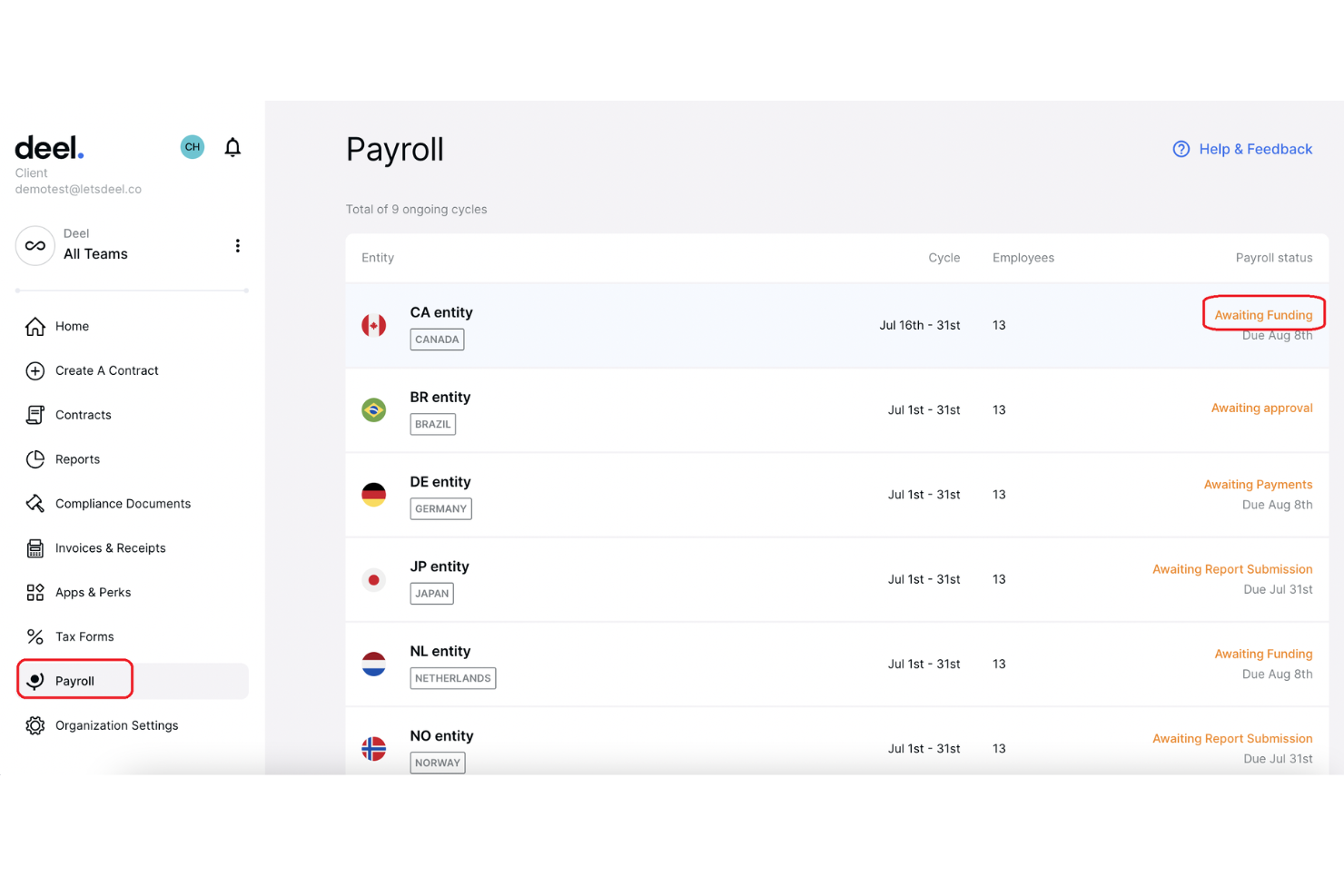
Deel aiuta i team HR ad assumere, pagare e gestire dipendenti e collaboratori in oltre 150 paesi senza dover creare entità locali, rendendolo ideale per le aziende che vogliono espandersi a livello internazionale.
Perché è un buon concorrente di SAP
Ho scelto Deel perché permette al tuo team di inserire in organico e pagare lavoratori globali senza dover creare entità legali straniere, risparmiando settimane di configurazione ed evitando la complessità dell’occupazione locale.
Il suo motore di paghe globali gestisce pagamenti in multi-valuta e applica automaticamente le regole fiscali e di lavoro locali, così resti conforme in ogni mercato in cui operi. Deel inoltre genera contratti localizzati sia per dipendenti full-time che per collaboratori indipendenti, garantendo accuratezza legale oltre confine.
Apprezzo la possibilità di gestire dati HR, benefit, documentazione di conformità e pagamenti da un’unica dashboard, riducendo lavoro amministrativo e processi manuali soggetti a errori. Infine, l’attenzione di Deel alla compliance—con aggiornamenti automatici di contratti e requisiti fiscali in base ai cambiamenti normativi—dà sicurezza mentre il tuo team internazionale cresce.
Funzionalità Chiave di Deel
Ecco alcune funzionalità chiave da evidenziare:
- Payroll Globale: Gestione delle paghe in oltre 150 paesi con aderenza alle normative fiscali e lavorative locali.
- Employer of Record (EOR): Assumi dipendenti full-time all’estero tramite Deel che agisce come datore di lavoro legale.
- Gestione dei Collaboratori: Genera contratti conformi e paga collaboratori indipendenti in valuta locale.
- Motore di Compliance: Monitoraggio automatico delle norme locali su lavoro e tasse per mantenere le tue operazioni legali sempre aggiornate.
Integrazioni di Deel
Le integrazioni includono Expensify, NetSuite, BambooHR, Workday, Xero, QuickBooks, Zapier, Jira, Okta e Time Doctor.
Pros and Cons
Pros:
- Payroll globale e compliance
- Supporta sia dipendenti che collaboratori a livello globale
- Automatizza la creazione dei contratti secondo la normativa locale
Cons:
- Non ottimizzato come piattaforma mobile-first
- Personalizzazione limitata per strutture organizzative complesse
New Product Updates from Deel HR

Deel Expands Stablecoin Wallet to 80+ Countries
Deel expands its Stablecoin Wallet to 80+ countries with dollar-backed balances and optional rewards. This gives eligible contractors more ways to hold and manage earnings inside Deel. For more information, visit Deel’s official site.
 .
.
MRPeasy
Ideale per produttori di piccole e medie dimensioni
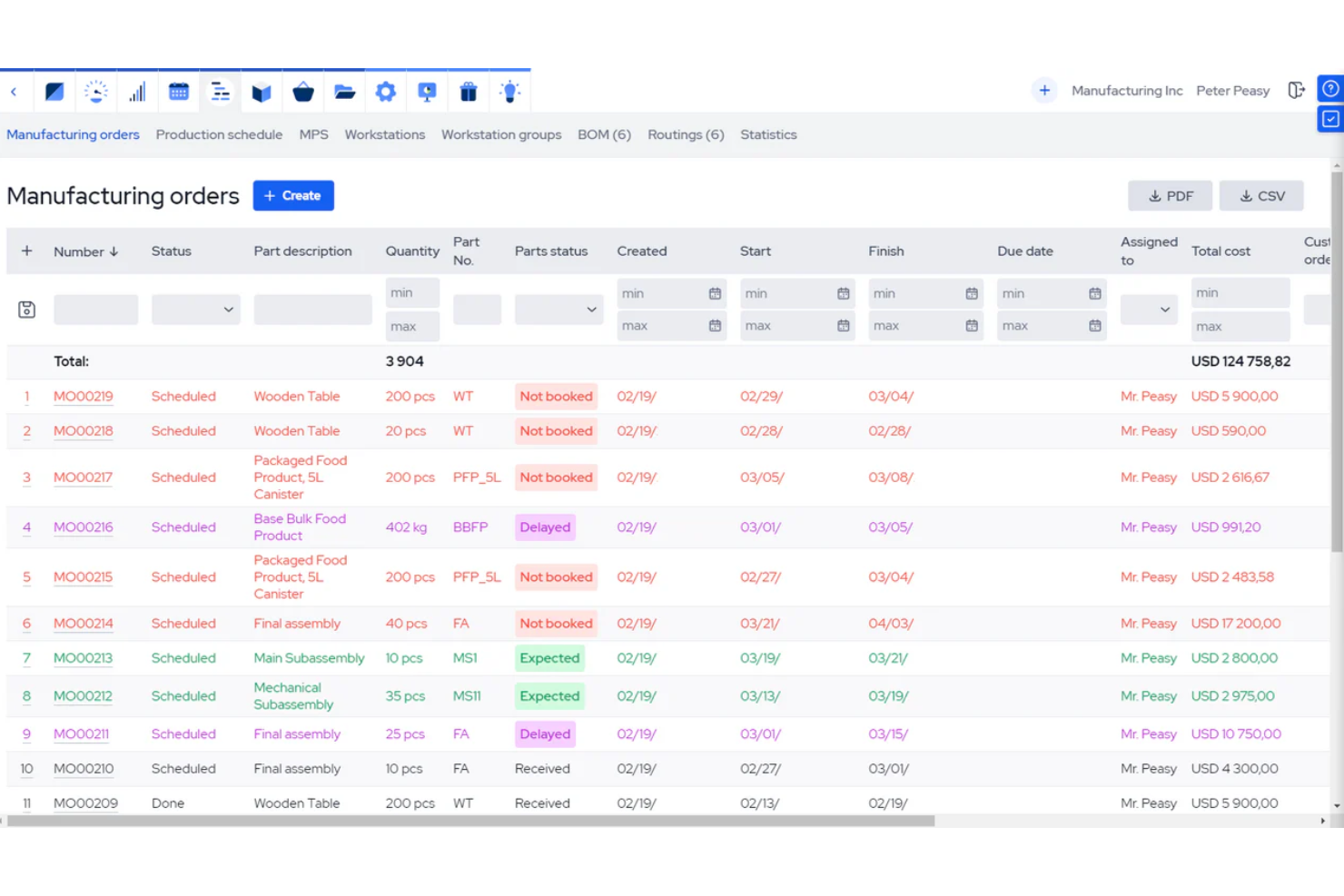
MRPeasy è un sistema di pianificazione delle risorse produttive (MRP) basato su cloud, progettato per le piccole e medie aziende manifatturiere che necessitano di una pianificazione produttiva efficace senza la complessità di un sistema enterprise.
Perché è un valido concorrente di SAP
Ho scelto MRPeasy perché offre ai produttori in crescita le funzionalità essenziali di pianificazione della produzione e controllo dell'inventario che usano realmente, invece di sommergerli con strumenti pensati solo per le grandi aziende.
Puoi pianificare e riprogrammare la produzione con diagrammi di Gantt drag-and-drop che considerano automaticamente i vincoli di materiali e capacità, aiutandoti a garantire tempi di consegna precisi. MRPeasy traccia anche l'inventario per lotti, numeri di serie e scansione di codici a barre, così sai esattamente cosa hai a magazzino e cosa devi riordinare.
Il modulo di approvvigionamento prevede le esigenze di materiali e compila automaticamente gli ordini d'acquisto in base alla domanda e alle carenze. Infine, gli strumenti integrati di vendita e preventivazione ti permettono di trasformare gli ordini confermati in ordini di produzione senza duplicare l'inserimento dati.
Funzionalità principali di MRPeasy
Ecco alcune funzionalità chiave da evidenziare:
- Pianificazione e programmazione della produzione: Crea e modifica i piani di produzione tenendo conto delle esigenze sui materiali e della capacità, grazie agli strumenti di pianificazione intuitivi.
- Gestione inventario e tracciabilità: Monitora lo stock in tempo reale con supporto per lotti/numero di serie e scansione di codici a barre, per ridurre carenze ed eccedenze.
- Previsione degli approvvigionamenti: Suggerisce e genera automaticamente ordini d'acquisto in base ai livelli critici di stock e agli ordini di produzione aperti.
- Da ordine di vendita a produzione: Trasforma gli ordini di vendita confermati direttamente in ordini di produzione, includendo stime di costi e tempi di consegna.
Integrazioni MRPeasy
Le integrazioni includono QuickBooks Online, Xero, Shopify, Magento, WooCommerce, BigCommerce, Pipedrive, ShipStation e Zapier per collegarsi ad altri sistemi aziendali.
Pros and Cons
Pros:
- Permette di ottimizzare l'approvvigionamento con la generazione automatica degli ordini d'acquisto
- Offre una chiara panoramica della pipeline di vendita per il monitoraggio degli ordini
- Aiuta a stimare rapidamente i costi e i tempi di produzione
Cons:
- La funzionalità dell'app mobile è meno avanzata rispetto alla versione desktop
- La configurazione iniziale può richiedere tempo per essere completata correttamente
New Product Updates from MRPeasy
MRPeasy Expands REST API v2 With New Data Endpoints
MRPeasy expands REST API v2 with new endpoints for reports, dashboard data, production resources, stock, and settings. This gives users broader programmatic access to operational data. For more information, visit MRPeasy’s official site.
 .
.
Ideale per soluzioni aziendali integrate
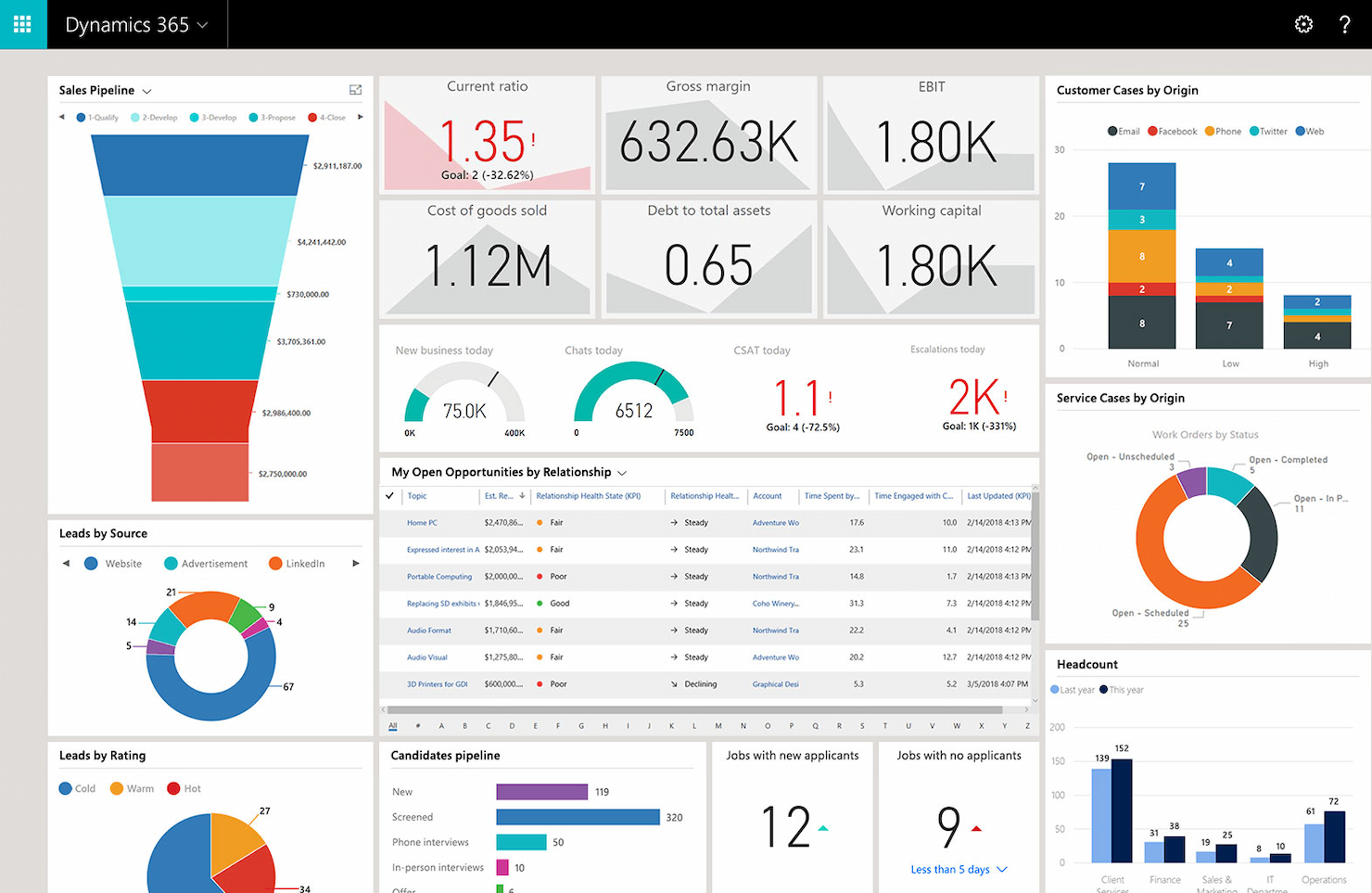
Microsoft Dynamics 365 è una suite di applicazioni aziendali basata sul cloud che unisce le funzionalità di ERP (enterprise resource planning) e CRM (customer relationship management) in un'unica piattaforma, aiutando le aziende in crescita e di medie dimensioni a gestire vendite, finanza, operazioni e relazioni con i clienti tramite dati e flussi di lavoro condivisi.
Perché è un valido concorrente di SAP
Ho scelto Microsoft Dynamics 365 perché combina le funzioni aziendali principali—come CRM ed ERP—in un'unica piattaforma, così i team di vendite, finanza e operazioni lavorano sugli stessi dati, riducendo gli sforzi duplicati e le incomprensioni.
Il suo design modulare ti permette di iniziare con le app di cui hai bisogno (ad esempio, Vendite o Finanza) ed espanderti in altre (per esempio, Supply Chain o Servizio Clienti) man mano che la tua azienda cresce.
Puoi tracciare un lead nel CRM e collegarlo fino all'evasione dell'ordine e alla contabilità senza dover cambiare sistema, aiutando i team a rimanere allineati; inoltre, le analisi e i report integrati con Power BI offrono al tuo team una visibilità basata sui dati sulle tendenze di performance, non soltanto report statici.
Caratteristiche principali di Microsoft Dynamics 365
Ecco alcune caratteristiche chiave da evidenziare:
- App ERP & CRM modulari: Scegli e combina funzionalità come Vendite, Finanza, Field Service e Supply Chain in base alle esigenze aziendali.
- Approfondimenti guidati dall’IA: Analitiche integrate e modelli di punteggio aiutano a prioritizzare i lead e a prevedere l'andamento del pipeline.
- Accesso cloud: Lavora ovunque grazie a una piattaforma ospitata nel cloud che supporta i team remoti e riduce i costi delle infrastrutture IT.
- Estensione Power Platform: Usa Power BI, Power Apps e Power Automate per creare dashboard personalizzati e automazioni dei flussi di lavoro.
Integrazioni di Microsoft Dynamics 365
Le integrazioni includono Microsoft 365 (app Office), Outlook, Teams, Power BI, SharePoint, Azure, OneNote, LinkedIn Sales Navigator e gli strumenti Microsoft Power Platform (Power Apps, Power Automate).
Pros and Cons
Pros:
- Soluzione aziendale completa
- Integrazione perfetta con altri prodotti Microsoft
- Scalabile per aziende di varie dimensioni
Cons:
- Costi di implementazione elevati
- Richiede aggiornamenti e manutenzione continui
Ideale per soluzioni ERP basate su cloud
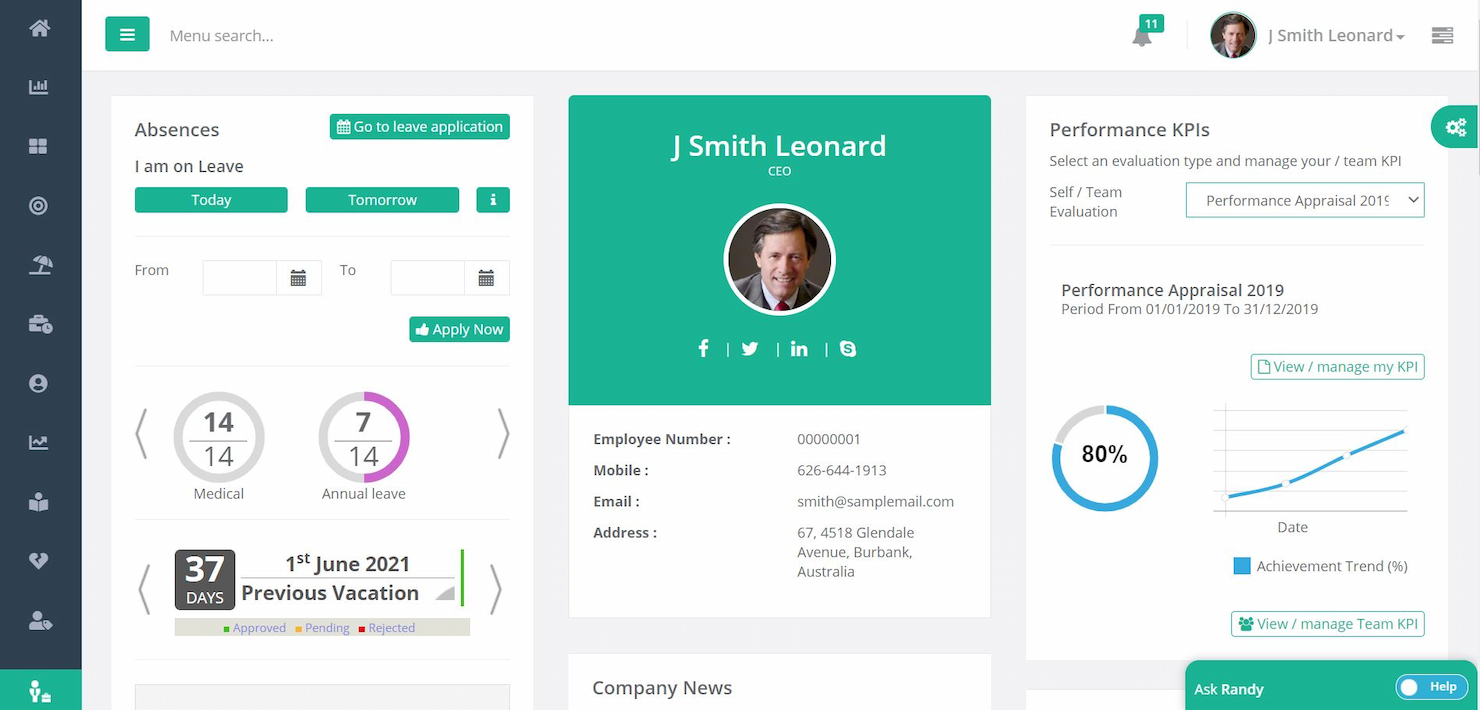
Acumatica è una soluzione ERP basata su cloud progettata per aiutare le aziende a gestire in modo efficiente le proprie operazioni e finanze. È la migliore per le soluzioni ERP basate su cloud perché offre una funzionalità completa con la flessibilità e l'accessibilità di una piattaforma cloud.
Perché è un buon concorrente di SAP: Ho scelto Acumatica per questa lista perché fornisce una solida soluzione ERP in cloud che è sia flessibile che scalabile. La sua capacità di offrire una suite completa di strumenti ERP su una piattaforma cloud la rende un'opzione eccezionale. L'attenzione di Acumatica alla flessibilità e all'accessibilità aiuta le aziende a gestire le proprie operazioni senza intoppi da qualsiasi luogo.
Caratteristiche distintive e integrazioni:
Caratteristiche includono gestione finanziaria, contabilità di progetto, CRM, gestione dell'inventario e reportistica.
Integrazioni includono Salesforce, Microsoft 365, Adobe, Avalara, Shopify, Magento, HubSpot, BigCommerce, Smartsheet e DocuSign.
Pros and Cons
Pros:
- Piattaforma cloud flessibile
- Funzionalità ERP completa
- Scalabile per aziende in crescita
Cons:
- Informazioni sui prezzi non prontamente disponibili
- Implementazione può risultare complessa
UKG Pro
Ideale per una gestione completa delle risorse umane e della forza lavoro

UKG Pro è uno strumento per la gestione delle risorse umane e della forza lavoro progettato per semplificare i processi HR e migliorare l'efficienza della forza lavoro. È ideale per una gestione completa delle risorse umane e della forza lavoro perché offre una suite completa di soluzioni per HR, gestione delle paghe e gestione dei talenti che rispondono alle esigenze di workforce più complesse.
Perché è un valido concorrente di SAP: Ho scelto UKG Pro per questa lista perché eccelle nell'offrire una soluzione HR completa che copre ogni aspetto della gestione della forza lavoro. La sua integrazione di funzionalità per HR, paghe e gestione dei talenti in un'unica piattaforma lo rende una scelta convincente. La capacità di gestire processi HR complessi in modo efficiente distingue UKG Pro dagli altri strumenti.
Funzionalità e integrazioni principali:
Le funzionalità includono elaborazione delle paghe, acquisizione di talenti, coinvolgimento dei dipendenti, amministrazione dei benefit e analisi della forza lavoro.
Le integrazioni includono Microsoft 365, Salesforce, SAP, Oracle, QuickBooks, NetSuite, Adobe, Docusign, Google Workspace e Slack.
Pros and Cons
Pros:
- Funzionalità complete di HR e gestione della forza lavoro
- Gestione integrata di paghe e talenti
- Potenti capacità di analisi della forza lavoro
Cons:
- Processo di implementazione complesso
- Richiede una formazione approfondita per i nuovi utenti
Dayforce
Ideale per il self-service dei dipendenti e l'accesso a insight
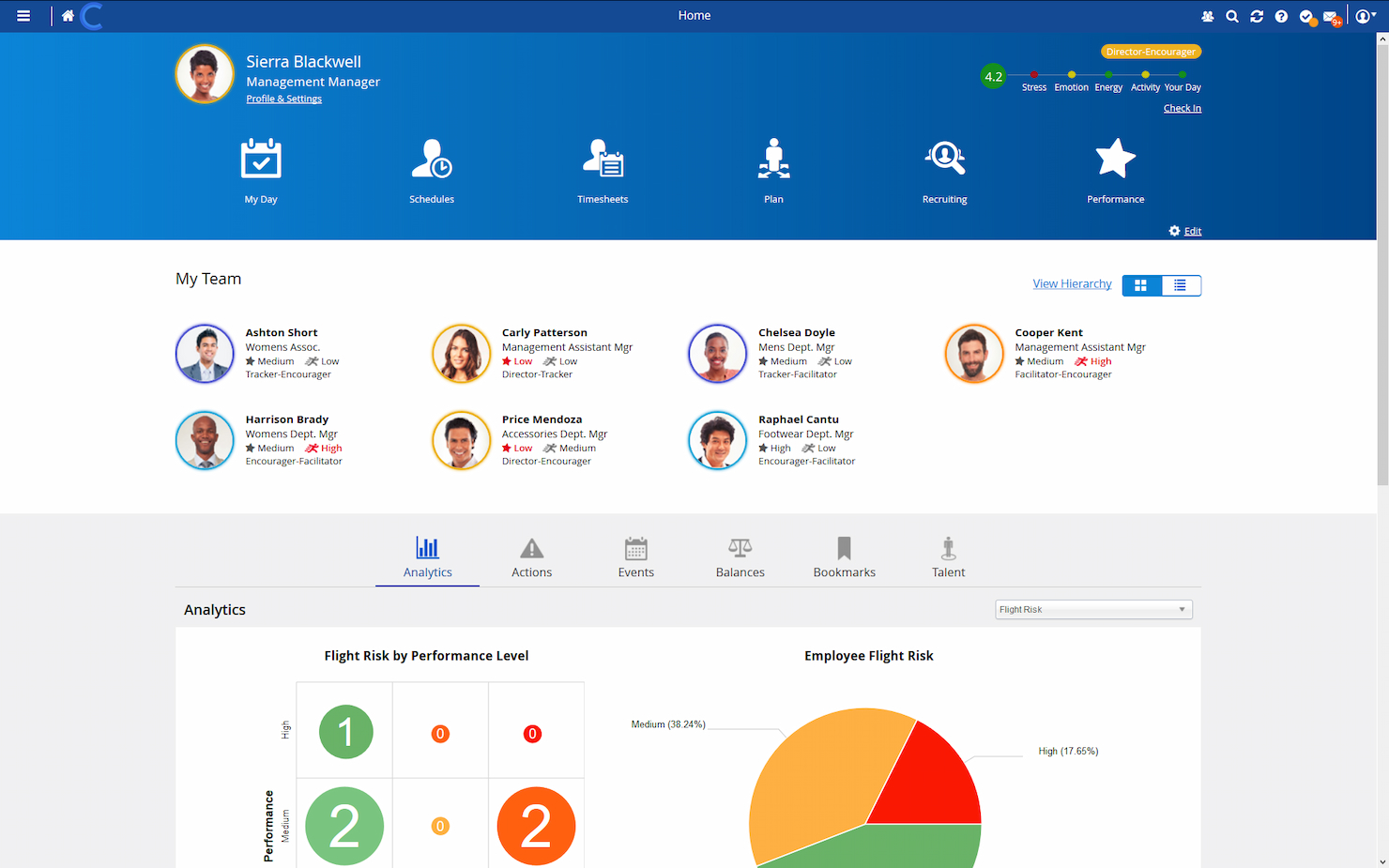
Dayforce è una piattaforma HCM completa che semplifica i processi HR e offre ai dipendenti funzionalità di self-service. È ideale per il self-service dei dipendenti e l'accesso a insight, perché mette a disposizione strumenti che aumentano il coinvolgimento della forza lavoro e forniscono analisi HR utili e approfondite.
Perché è un valido concorrente di SAP: Ho scelto Dayforce per questa lista perché eccelle nelle funzionalità di self-service per i dipendenti e nelle analisi approfondite. La sua capacità di dare autonomia ai dipendenti tramite opzioni self-service e di offrire visualizzazione dei dati in tempo reale per le decisioni HR lo distingue dagli altri. Rispetto ad altri strumenti, Dayforce si fa notare per l'attenzione al coinvolgimento dei dipendenti e per offrire insight completi.
Funzionalità e integrazioni di rilievo:
Le funzionalità includono la gestione delle paghe, la gestione della forza lavoro, l'acquisizione di talenti e l'amministrazione dei benefit.
Le integrazioni includono Microsoft 365, SAP SuccessFactors, Workday, ADP, Oracle HCM, Salesforce, ServiceNow, QuickBooks, LinkedIn e Google Workspace.
Pros and Cons
Pros:
- Estese funzionalità di self-service per i dipendenti
- Analisi HR approfondite
- Processi HR semplificati
Cons:
- Il processo di configurazione è un po' complesso
- Richiede formazione per un utilizzo ottimale

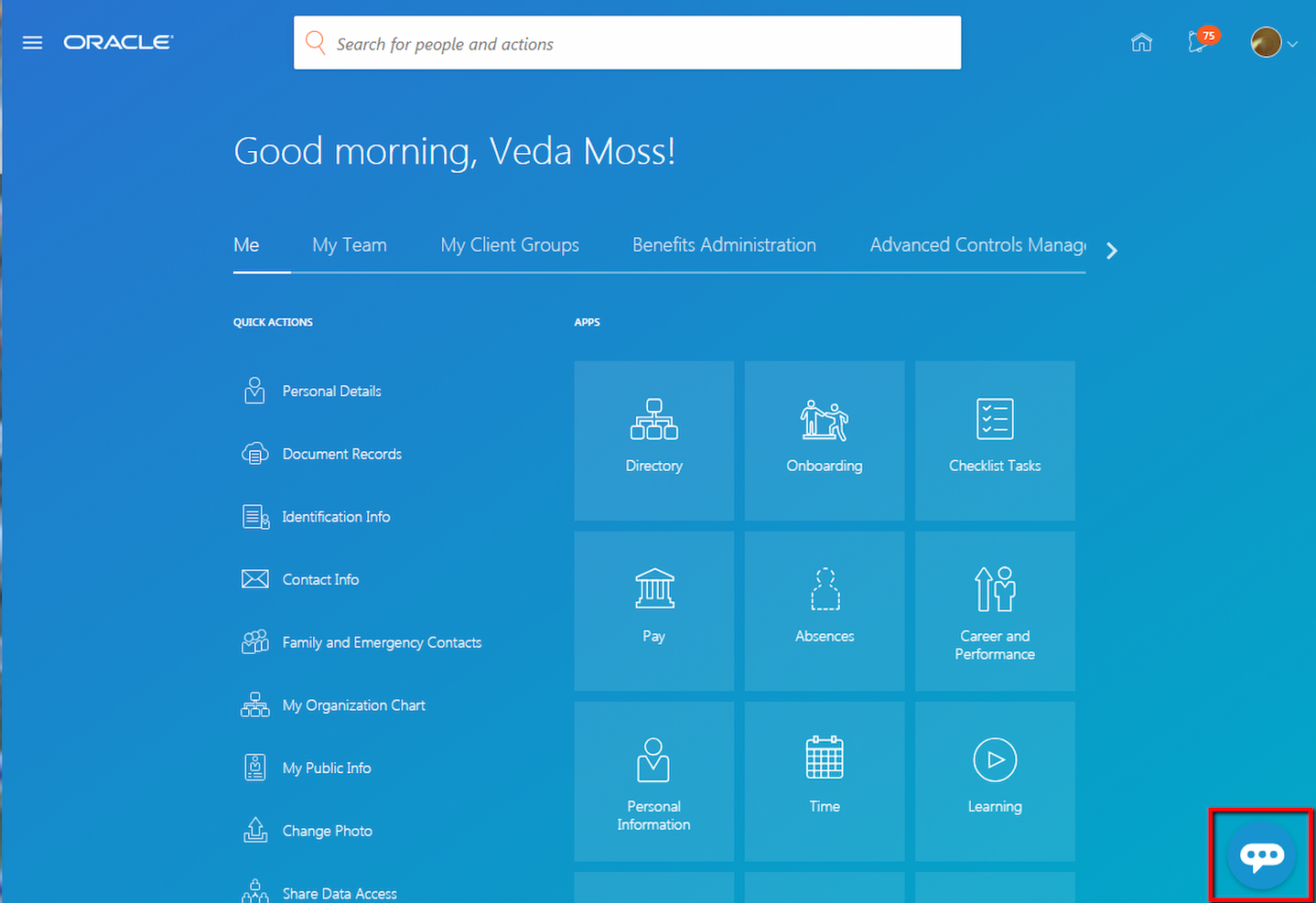
Oracle Fusion Cloud HCM è uno strumento di gestione del capitale umano basato sull'intelligenza artificiale, progettato per semplificare i processi HR e migliorare il processo decisionale. È ideale per processi HR guidati dall'IA perché sfrutta l'intelligenza artificiale avanzata e il machine learning per automatizzare le attività e fornire approfondimenti predittivi.
Perché è un valido concorrente di SAP: Ho scelto Oracle Fusion Cloud HCM per questa lista perché eccelle nell'utilizzo dell'IA per migliorare le funzioni HR. Le sue capacità avanzate di intelligenza artificiale lo distinguono dagli altri strumenti, rendendolo una soluzione potente per le organizzazioni che cercano una gestione HR intelligente. La capacità dello strumento di fornire analisi predittive e automatizzare le attività di routine lo rende una scelta eccellente.
Funzionalità e integrazioni di rilievo:
Funzionalità includono reclutamento guidato dall'IA, modellazione della forza lavoro, gestione dei talenti e strumenti di analisi avanzata.
Integrazioni includono Salesforce, Microsoft 365, Google Workspace, Slack, SAP, LinkedIn, Zoom, Workday, ServiceNow e Docusign.
Pros and Cons
Pros:
- Capacità avanzate di intelligenza artificiale
- Funzionalità HR complete
- Analisi predittive
Cons:
- Alti costi di implementazione
- Curva di apprendimento ripida

Workday HCM è un software di gestione del capitale umano basato su cloud progettato per semplificare i processi HR. È ideale per una gestione completa delle risorse umane grazie alla sua vasta suite di strumenti HR che coprono tutto, dal reclutamento alla gestione delle buste paga.
Perché è un buon concorrente di SAP: Workday HCM è uno strumento completo di gestione delle risorse umane che centralizza e semplifica tutti gli aspetti della gestione del capitale umano. È la soluzione migliore per una gestione HR completa perché integra buste paga, gestione dei talenti e pianificazione della forza lavoro in un sistema unificato.
Funzionalità e integrazioni principali:
Funzionalità comprendono pianificazione della forza lavoro, reclutamento, buste paga, gestione dei talenti e analisi dei dati. Queste funzioni consentono alle organizzazioni di gestire in modo efficiente l'intero ciclo di vita della forza lavoro.
Integrazioni includono Salesforce, Microsoft Azure, ServiceNow, Google Cloud, Adobe, IBM, Okta, Slack, Coupa e SAP.
Pros and Cons
Pros:
- Funzionalità HR complete
- Interfaccia utente intuitiva
- Capacità analitiche avanzate
Cons:
- Complessità nell'implementazione
- Costoso per le organizzazioni più piccole

Eightfold è una piattaforma di gestione dei talenti basata sull'IA progettata per aiutare le aziende a individuare, assumere e trattenere i migliori talenti. È la migliore per la gestione dei talenti alimentata dall'IA perché sfrutta algoritmi avanzati di apprendimento automatico per migliorare i processi di reclutamento e ottimizzare la pianificazione della forza lavoro.
Perché è un valido concorrente di SAP: Ho scelto Eightfold per questa lista perché si distingue nel campo della gestione dei talenti grazie all'uso innovativo dell'IA. La sua capacità di fornire approfondimenti in materia di acquisizione e fidelizzazione dei talenti lo rende una scelta interessante. Rispetto ad altri strumenti, l'approccio unico di Eightfold nello sfruttare l'IA per analisi predittive e l'abbinamento delle competenze lo contraddistingue.
Caratteristiche e integrazioni principali:
Funzionalità includono acquisizione dei talenti basata sull'IA, gestione dei talenti e pianificazione della forza lavoro.
Integrazioni includono Workday, SAP SuccessFactors, Greenhouse, Lever, iCIMS, LinkedIn, Oracle HCM, ADP, SmartRecruiters e Taleo.
Pros and Cons
Pros:
- Capacità IA avanzate per la gestione dei talenti
- Funzionalità complete per acquisizione e fidelizzazione dei talenti
- Integrazione con le principali piattaforme HR
Cons:
- Informazioni sui prezzi non facilmente reperibili
- Costo elevato per le piccole imprese

Rippling
Ideale per la gestione unificata di HR e IT

Rippling è una piattaforma che unifica la gestione delle risorse umane (HR) e dell'IT automatizzando l'onboarding dei dipendenti, la gestione delle buste paga e la gestione dei dispositivi. È ideale per la gestione unificata di HR e IT perché integra perfettamente le funzioni HR con le attività IT, semplificando i flussi di lavoro e riducendo gli oneri amministrativi.
Perché è un valido concorrente di SAP: Ho scelto Rippling per questa lista perché combina in modo unico la gestione di HR e IT in un'unica piattaforma. La sua capacità di automatizzare processi complessi e offrire un approccio unificato alla gestione dei dipendenti e dei loro dispositivi la distingue dalle altre. Rippling si fa notare per la semplicità e l'efficienza nel gestire in modo fluido sia i compiti HR che quelli IT.
Funzionalità e integrazioni principali:
Funzionalità includono onboarding automatizzato, gestione delle buste paga, amministrazione dei benefit e gestione dei dispositivi.
Integrazioni includono Slack, Google Workspace, Microsoft 365, Zoom, Slack, QuickBooks, Xero, Netsuite, Salesforce e Dropbox.
Pros and Cons
Pros:
- Gestione unificata di HR e IT
- Onboarding e gestione delle buste paga automatizzati
- Gestione completa dei dispositivi
Cons:
- Più costoso per la sola gestione delle buste paga di base
- Richiede formazione per un utilizzo ottimale
New Product Updates from Rippling

Rippling AI Adds Plugins, Skills, and Automations
Rippling AI now supports plugins, skills, and automations so employees can connect approved third-party tools, package repeatable work into reusable AI instructions, and run recurring workflows under existing Rippling policies and permissions. For more information, visit Rippling's official site.
Altri concorrenti di SAP
Di seguito è riportato un elenco di altri concorrenti di SAP che abbiamo selezionato, ma che non sono entrati nella lista principale. Vale sicuramente la pena consultarli.
- Leapsome
Ideale per la gestione delle prestazioni e del coinvolgimento
- BambooHR®
Ideale per software HR intuitivo
- Paylocity
Ideale per processi HR automatizzati
- TimeTrex
Ideale per la gestione complessa dei costi del lavoro
- Paycom
Ideale per la gestione HR con un solo software
- ADP Workforce Now
Ideale per soluzioni HR e payroll scalabili


Recensioni correlate dei software HR
Se non hai ancora trovato quello che cerchi, dai un'occhiata a questi altri strumenti correlati che abbiamo testato e valutato:
- Software per le risorse umane
- Software per la gestione delle paghe
- Software per il reclutamento
- Servizi di datore di lavoro ufficiale
- Sistemi di monitoraggio dei candidati
- Software per la gestione della forza lavoro
Come Valuto i Competitor di SAP
Divido la mia valutazione in due livelli: le capacità fondamentali—come la gestione globale del payroll e dei talenti—che una piattaforma deve avere, e i fattori differenzianti che separano le migliori alternative a SAP.
Funzionalità di Base (Requisiti Fondamentali per Questa Lista)
Quando seleziono gli strumenti per la mia lista, valuto ciascuno su una scala da 0 (non offre la funzionalità) a 5 (eccelle in quest'area) per ogni funzionalità principale elencata sotto. Successivamente, calcolo il punteggio totale dello strumento in percentuale. Ogni strumento deve raggiungere un punteggio minimo totale del 75% per essere considerato per l'inclusione.
- Gestione HR di Base e Anagrafica Dipendenti: Valuto come ogni piattaforma gestisce i dati dei dipendenti, le strutture organizzative e la storia lavorativa—come la gestione della forza lavoro su più entità o il monitoraggio dei cambi di posizione nel tempo.
- Gestione Payroll e Amministrazione Benefici: Il payroll multi-paese è un punto in cui molte alternative a SAP divergono, quindi verifico se una piattaforma gestisce il payroll internamente o si affida a partner, e come gestisce i cicli di iscrizione ai benefici.
- Suite di Gestione del Talento: Dai flussi di lavoro per la richiesta e l'assunzione fino alle valutazioni delle performance e alla pianificazione delle successioni, cerco piattaforme che colleghino queste fasi invece di isolarle in moduli separati.
- Formazione & Sviluppo: Un solido LMS è importante qui—valuto se le piattaforme supportano percorsi di apprendimento strutturati, tracciamento delle certificazioni e integrazione di contenuti oltre alla semplice ospitalità di file caricati.
- Analytics e Reportistica sulla Forza Lavoro: Esamino se una piattaforma offre dashboard configurabili e strumenti di reportistica personalizzabili, specialmente per casi come previsioni di turnover o pianificazione degli organici per dipartimento.
- Gestione di Presenze, Orari & Assenze: La programmazione, le policy di permesso e il rilevamento delle presenze devono essere collegati direttamente al payroll, perciò verifico quanto questi moduli siano integrati piuttosto che semplicemente aggiunti.
Una volta ottenuta una lista di strumenti che soddisfano questi criteri, considero cosa rende ogni piattaforma unica.
Fattori Differenzianti (Cosa Distingue i Fornitori)
Ecco come confronto e metto a confronto i diversi fornitori:
Funzionalità Distintive
L'intelligenza delle competenze guidata dall'IA è un grande elemento distintivo—cerco piattaforme che deducano le competenze dalla storia professionale e suggeriscano opportunità di mobilità interna. Anche la gestione delle retribuzioni è importante, in particolare l'automazione dei cicli di merito e l'analisi dell'equità retributiva collegata direttamente ai dati di performance. Verifico se una piattaforma offre estensibilità tramite API aperte o builder di workflow senza codice, poiché i team HR hanno spesso bisogno di processi personalizzati che vanno oltre i moduli standard.
Oltre le Funzionalità
I tempi di implementazione variano molto—alcune piattaforme sono operative in poche settimane con template preconfigurati, mentre altre richiedono mesi di personalizzazione e il supporto di partner certificati. Valuto anche la profondità dell'ecosistema, soprattutto i connettori preconfigurati con sistemi ERP e finanziari, poiché molte migrazioni da SAP implicano una riorganizzazione dei flussi di dati nell'intero stack tecnologico. Il costo totale di proprietà è un altro fattore chiave; considero come i fornitori raggruppano i moduli e se i costi ricorrenti per integrazioni o aggiornamenti generano spese nascoste.
Funzionalità dei concorrenti di SAP
Ecco alcune funzionalità chiave di SAP che il software della concorrenza dovrebbe essere in grado di replicare o migliorare per risultare adatto.
- Interfaccia intuitiva: Semplifica la navigazione e riduce i tempi di formazione.
- Scalabilità: Supporta la crescita aziendale senza problemi di prestazioni.
- Personalizzazione: Consente di adattare la soluzione a esigenze aziendali specifiche.
- Capacità di integrazione: Si collega facilmente ad altri software e sistemi aziendali.
- Analisi in tempo reale: Fornisce informazioni aggiornate per il processo decisionale.
- Accesso mobile: Consente l'utilizzo su smartphone e tablet.
- Sicurezza: Garantisce la protezione dei dati e la conformità alle normative.
- Assistenza clienti: Offre servizi di assistenza affidabili e accessibili.
- Convenienza economica: Offre un buon rapporto qualità-prezzo rispetto all'investimento.
- Automazione: Riduce le attività manuali e aumenta l'efficienza.