

I 10 migliori software ATS con IA del 2026: recensiti e confrontati

Miglior software ATS basato sull'IA: selezione


I migliori sistemi di tracciamento dei candidati basati sull'IA (ATS) aiutano a semplificare le assunzioni, automatizzare le attività ripetitive e identificare più rapidamente i candidati migliori, così puoi concentrarti sulle decisioni strategiche invece di perderti nelle attività amministrative.
La soluzione basata sull'IA più adatta migliora la ricerca, aumenta la precisione degli abbinamenti e automatizza i flussi di lavoro lungo l'intero ciclo di vita della selezione.
In qualità di ex selezionatore, ho esaminato e testato le principali soluzioni ATS basate sull'IA per aiutare i team a superare queste difficoltà. In questa guida troverai le migliori piattaforme per migliorare l'efficienza delle assunzioni, valorizzare l'esperienza dei candidati e supportare processi di selezione più intelligenti e scalabili per le aziende in crescita.
Perché Fidarti delle Nostre Recensioni Software
Testiamo e recensiamo sistemi software HR dal 2019. In quanto esperti HR, sappiamo quanto sia fondamentale e allo stesso tempo difficile prendere la decisione giusta nella scelta di un software. Investiamo molto nella ricerca approfondita per aiutare il nostro pubblico a prendere decisioni d’acquisto migliori. Abbiamo testato più di 2.000 strumenti per diversi casi d’uso nell’ambito HR e scritto oltre 1.000 recensioni approfondite. Scopri come rimaniamo trasparenti & la nostra metodologia di valutazione software.
Miglior software ATS basato sull'IA: tabella comparativa dei prezzi
Questa tabella comparativa riassume i dettagli dei prezzi delle mie migliori selezioni di software ATS basati sull’IA, per aiutarti a trovare l’opzione più adatta al tuo budget e alle esigenze della tua azienda.
| Tool | Best For | Trial Info | Price | ||
|---|---|---|---|---|---|
| 1 | Ideale per strumenti HR e di reclutamento integrati | Demo gratuita + prova gratuita disponibile | Da $8/utente/mese | Website | |
| 2 | Ideale per automazioni HR contestuali alimentate dall’IA | Prova gratuita + demo gratuita disponibili | Prezzo su richiesta | Website | |
| 3 | Ideale per lo screening dei CV tramite IA | Prova gratuita di 15 giorni + demo gratuita disponibile | Da $299/mese (fatturati annualmente) | Website | |
| 4 | Ideale per la valutazione personalizzata dei candidati | Demo gratuita disponibile | Prezzo su richiesta | Website | |
| 5 | Ideale per la conformità dei payroll a livello globale | Demo gratuita disponibile | A partire da $599/dipendente/mese | Website | |
| 6 | Ideale per pratiche di assunzione tramite IA verificabili | Demo gratuita disponibile | Prezzi su richiesta | Website | |
| 7 | Ideale per un'esperienza candidati personalizzata e brandizzata | Prova gratuita di 14 giorni + demo gratuita + piano gratuito disponibile | Da $59/mese | Website | |
| 8 | Miglior ATS nativo IA con automazione intelligente | Prova gratuita di 14 giorni | Da $15/utente/mese | Website | |
| 9 | Ideale per generare domande di selezione mirate | Dimostrazione gratuita disponibile | A partire da $79/utente/mese | Website | |
| 10 | Miglior ATS + CRM per agenzie di recruiting | Prova gratuita illimitata | Da $49/utente/mese (fatturazione annuale) | Website |


-

Justworks
Visit WebsiteThis rating combines scores from multiple user review sites to reflect overall customer sentiment about the product.4.6 -
HiBob
Visit WebsiteThis rating combines scores from multiple user review sites to reflect overall customer sentiment about the product.4.5 -
Homebase
Visit WebsiteThis rating combines scores from multiple user review sites to reflect overall customer sentiment about the product.4.2



Recensioni dei migliori software ATS basati sull'IA
Di seguito trovi le mie sintesi dettagliate dei migliori strumenti ATS basati sull’IA inclusi nella mia lista dei 10 migliori, con note sul motivo per cui li ho scelti. Ogni recensione offre una panoramica dettagliata delle funzionalità principali, dei pro e dei contro, delle integrations e dei casi d’uso ideali di ogni sistema, per aiutarti a trovare l’opzione migliore per te.
Ideale per strumenti HR e di reclutamento integrati

Factorial è una piattaforma HR tutto-in-uno con un ATS integrato potenziato dall’IA che copre pubblicazione delle offerte di lavoro, valutazione dei candidati tramite IA, sintesi dei curriculum e gestione della pipeline di assunzione, oltre a strumenti HR più ampi come gestione delle buste paga, onboarding e gestione documentale.
Per Chi è Meglio Factorial?
Factorial è ideale per piccole e medie imprese che desiderano gestire il reclutamento e le principali operazioni HR su un’unica piattaforma, senza dover passare da uno strumento all’altro.
Perché Ho Scelto Factorial
Ho scelto Factorial tra le mie soluzioni preferite perché apprezzo come l’ATS sia integrato nella stessa piattaforma che gestisce buste paga, tracciamento delle presenze, valutazioni delle performance e onboarding. Quando porto un candidato dall’accettazione dell’offerta al suo primo giorno, tutto resta nello stesso posto. Il generatore di descrizioni delle posizioni tramite IA e la sintesi dei curriculum riducono notevolmente il tempo necessario per lo screening, e la possibilità di collegare direttamente le posizioni aperte all’organigramma mi permette di assumere sempre avendo ben chiara la struttura del team.
Funzionalità Chiave di Factorial
- Valutazione dei candidati con IA: Factorial valuta e classifica i candidati secondo criteri di corrispondenza configurabili, così puoi individuare più rapidamente i profili migliori.
- Pipeline di assunzione personalizzabile: Crea e adatta le fasi del reclutamento in base al tuo reale processo di selezione, dalla ricerca all’offerta.
- Costruttore di pagine carriera: Crea e pubblica una pagina carriere personalizzata e brandizzata direttamente in Factorial per attrarre candidati senza strumenti esterni.
- Modelli di risposta automatizzati: Imposta messaggi predefiniti per aggiornare i candidati a ogni fase del processo di selezione.
Integrazioni Factorial
Factorial offre oltre 90 integrazioni tramite il suo marketplace, inclusi Slack, Google Workspace, LinkedIn, Okta, Teamtailor, Workable, Jira, monday.com, SAP Business One e integrazioni native con l’ecosistema Microsoft, tra cui Microsoft Azure, Microsoft Dynamics 365, Outlook e Microsoft Power BI. Si collega a Zapier e dispone di una API per integrazioni personalizzate.
Pros and Cons
Pros:
- ATS e moduli HR condividono un unico database
- Pipeline di selezione visiva con fasi drag-and-drop
- Firme digitali integrate per lettere di offerta
Cons:
- L’ATS è un modulo aggiuntivo a pagamento
- Le opzioni di reportistica non permettono una personalizzazione avanzata
Keka HR
Ideale per automazioni HR contestuali alimentate dall’IA
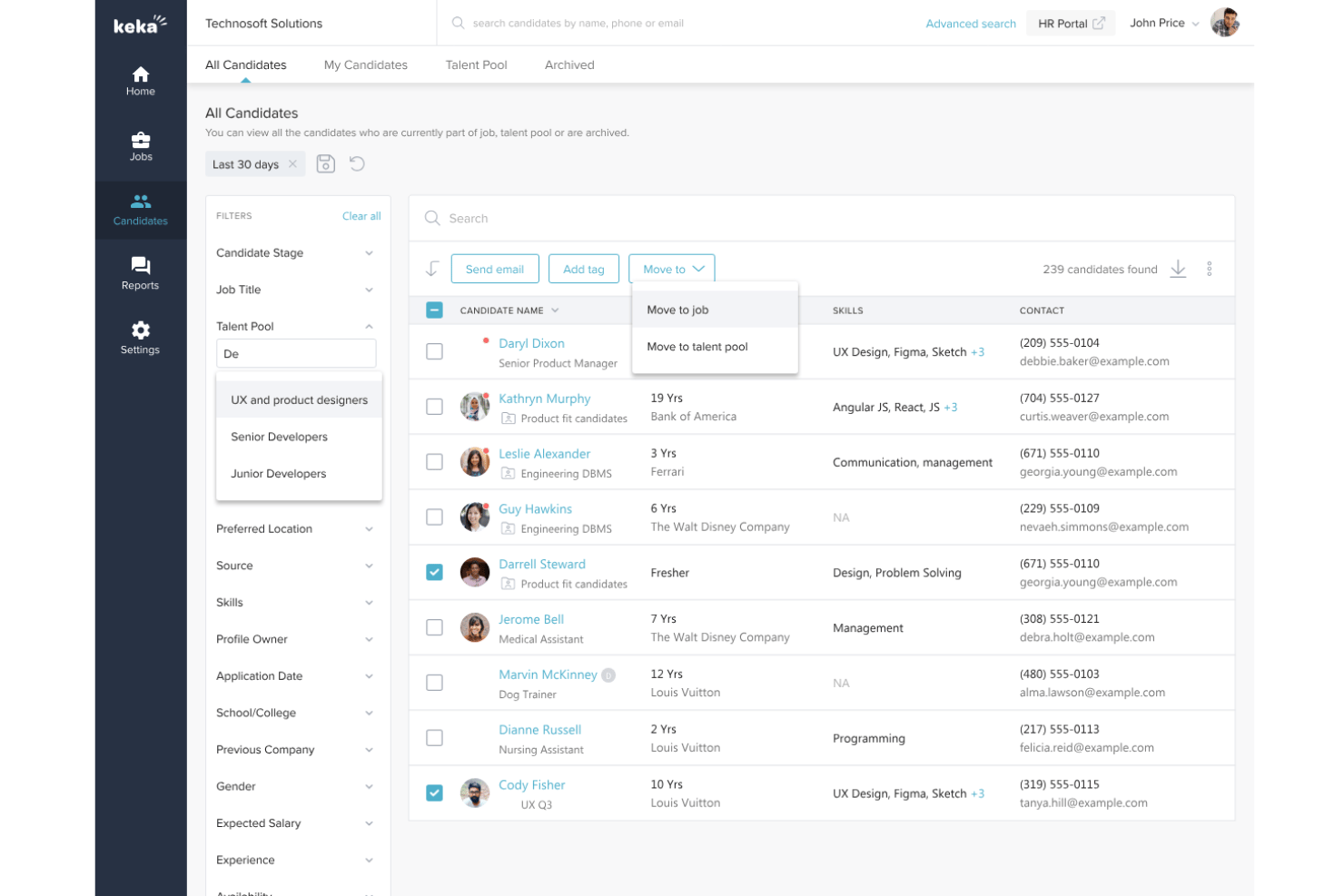
Keka HR è una piattaforma di People Operations che combina un applicant tracking system (ATS) alimentato dall’IA con funzioni principali di gestione delle risorse umane, paghe e performance management, offrendo analisi dei curriculum, abbinamento dei candidati, colloqui di screening automatizzati e analisi delle assunzioni in un unico sistema integrato.
Per chi è ideale Keka HR?
Keka HR è particolarmente adatto ad aziende di medie dimensioni con team HR e selezione del personale interni che desiderano avere in un’unica piattaforma la gestione delle assunzioni, del payroll e delle performance.
Perché ho scelto Keka HR
Ho incluso Keka HR nella mia shortlist per la reale contestualità delle sue automazioni IA. Quando uso l’IA di Keka per generare una job description, il sistema attinge dall’architettura delle posizioni già presente e dalla struttura organizzativa dell’azienda invece che da template generici. Trovo inoltre davvero utili i colloqui di screening guidati dall’IA: i candidati completano una fase di screening strutturato e ricevo trascrizioni e punteggi prima che venga speso tempo umano.
Caratteristiche principali di Keka HR
- Pipeline di selezione personalizzabili: Configura flussi di lavoro per fasi in base al processo produttivo del tuo team e alle relative catene di approvazione.
- Motore di mobilità interna: Individua candidati interni per ruoli aperti utilizzando dati sulle competenze e sulle performance dei dipendenti.
- Integrazioni native con job board: Pubblica annunci di lavoro su LinkedIn, Naukri e altre principali job board direttamente dalla piattaforma.
- Analytics automatizzate sul pipeline: Monitora in tempo reale le prestazioni del funnel di selezione, l’invecchiamento dei candidati e i colli di bottiglia per ottimizzare la strategia di reclutamento.
Integrazioni Keka HR
Keka HR offre integrazioni native con QuickBooks, LinkedIn, Microsoft Teams, Google Calendar, Google Meet e altro ancora. È disponibile un’API per integrazioni personalizzate.
Pros and Cons
Pros:
- Colloqui di screening IA con trascrizioni autovalutate
- I dati delle assunzioni si sincronizzano automaticamente con il payroll
- Le job description si basano sulla struttura organizzativa esistente
Cons:
- Nessuna video intervista nativa
- Le dashboard di reportistica offrono opzioni di personalizzazione limitate

Workable
Ideale per lo screening dei CV tramite IA
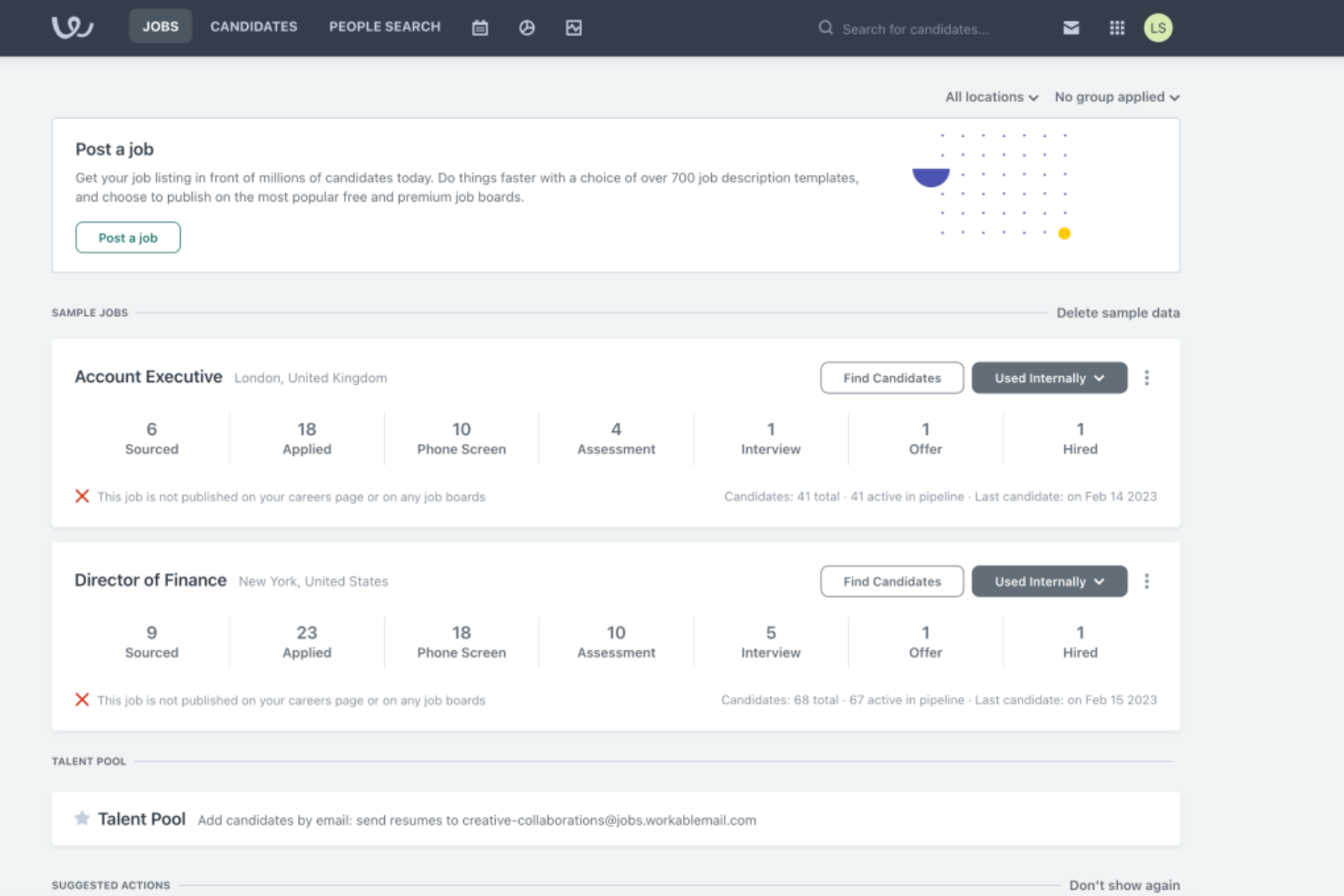
Workable è un sistema di tracciamento dei candidati pensato per i team di assunzione che desiderano uno screening dei CV potenziato dall'IA, sourcing automatico dei candidati e gestione collaborativa dei flussi di lavoro in un'unica piattaforma.
Per chi è ideale Workable?
Workable è adatto a team HR di medie e grandi aziende che gestiscono assunzioni su larga scala in molteplici ruoli e dipartimenti.
Perché ho scelto Workable
Workable si guadagna un posto nella mia shortlist grazie all'efficacia con cui lo screening dei candidati assistito dall'IA gestisce pipeline di alto volume. Utilizza l'analisi semantica per confrontare i candidati con i requisiti delle posizioni, evidenziando a colpo d'occhio lacune nelle competenze e nell'esperienza senza dover leggere ogni CV manualmente. Apprezzo anche la funzione intelligente di estrazione dei dati dai CV, che automaticamente estrae e anonimizza i dettagli chiave per compilare i profili dei candidati—così il mio team può fare screening senza rischi di bias inconsci nella fase iniziale. Inoltre, l'IA di Workable riesamina candidati qualificati già presenti nel tuo database ogni volta che si apre una nuova posizione, evitando così di dover ripartire sempre da zero.
Funzionalità principali di Workable
- Colloqui video unidirezionali: Registra e rivedi le risposte video dei candidati in modo asincrono per selezionare i candidati su larga scala senza dover programmare chiamate dal vivo.
- Auto-prenotazione dei colloqui da parte del candidato: Consenti ai candidati di prenotare autonomamente il proprio slot d’intervista, con sincronizzazione automatica del calendario e rilevamento del fuso orario per ridurre le comunicazioni.
- Test scientifici e certificati: Somministra test cognitivi e di personalità ai candidati direttamente in Workable come parte del processo di valutazione.
- Pipeline di selezione personalizzate: Crea flussi di lavoro specifici per ogni ruolo con trigger automatici delle attività, modelli email e azioni specifiche per ogni fase, per mantenere ogni processo sotto controllo.
Integrazioni di Workable
Workable offre integrazioni native con Gmail, Microsoft 365, BambooHR, Certn, Chekr e LinkedIn, oltre a più di 200 job board per la pubblicazione immediata degli annunci. Le integrazioni native, oltre a quelle con i job board, non sono ampiamente documentate su questa pagina.
Pros and Cons
Pros:
- Strumenti di sourcing basati sull'IA aiutano a identificare candidati qualificati
- Interviste auto-prenotate riducono il tempo di coordinamento
- Integrabilità estesa con job board per ampliare la ricerca dei candidati
Cons:
- Alcuni limiti nella personalizzazione
- La configurazione iniziale può essere complessa, soprattutto con la migrazione dei dati
New Product Updates from Workable

Workable Adds Editable Candidate Profiles and Pipeline Re-Evaluation
Workable adds editable Ideal Candidate Profiles, candidate re-evaluation, and refreshed auto-advance and auto-disqualify decisions. These updates help hiring teams keep candidate screening aligned with changing job requirements without recreating roles. For more information, visit Workable’s official site.
Pinpoint
Ideale per la valutazione personalizzata dei candidati

Pinpoint è un sistema di tracciamento dei candidati basato sull'intelligenza artificiale che offre screening automatico dei candidati, flussi di lavoro di assunzione personalizzabili e analisi avanzate per gestire i processi di reclutamento.
Per Chi è Ideale Pinpoint?
Pinpoint è particolarmente adatto a team di selezione interni in aziende di medie dimensioni che necessitano di processi di assunzione strutturati e ripetibili su più ruoli.
Perché Ho Scelto Pinpoint
Ho scelto Pinpoint tra i migliori per il controllo che offre sui criteri di valutazione dei candidati. I Filtri AI per i Candidati consentono di scrivere propri prompt per definire esattamente ciò che l'AI deve cercare—competenze specifiche, segnali di esperienza o indicatori di idoneità al ruolo—e restituiscono risultati sotto forma di punteggi, riepiloghi o risposte sì/no che possono essere ordinati e filtrati direttamente nella piattaforma. Mi piace anche il fatto che le schede di valutazione dei candidati siano completamente personalizzabili per ciascun ruolo, così i responsabili delle assunzioni valutano i candidati in base a criteri coerenti con le reali esigenze del lavoro. Insieme, queste due funzionalità significano che il mio team non si affida a un algoritmo 'scatola nera' per selezionare i candidati da inserire nella short list.
Funzionalità Principali di Pinpoint
- Pianificazione automatica dei colloqui: I candidati fissano autonomamente i colloqui tramite un link di prenotazione che si sincronizza con i calendari degli intervistatori in diversi fusi orari, con regole di margine incorporate e promemoria automatici.
- Automazione dei flussi di lavoro di assunzione: Crea flussi di lavoro di automazione multi-step e ramificati che si attivano su eventi di candidatura, cambi di stato dei ruoli o creazione di offerte, e applicali su ruoli e regioni differenti.
- Dashboard di reportistica e analisi: Monitora metriche come tempo di copertura, fonte di assunzione e tasso di passaggio utilizzando dashboard integrate, oppure crea report personalizzati con strumenti drag-and-drop ed esportali tramite file flat o API.
- Reclutamento anonimo: Anonimizza le domande dei candidati per ridurre i pregiudizi nelle fasi di screening e di selezione.
Integrazioni di Pinpoint
Pinpoint offre integrazioni native con LinkedIn, Indeed, Glassdoor, Google Calendar, Outlook, Slack, DocuSign e Checkr. È disponibile una API per integrazioni personalizzate.
Pros and Cons
Pros:
- L'abbinamento intelligente accelera l'assunzione con il matching AI dei candidati
- La reportistica dettagliata fornisce dati per decisioni informate
- Consente di monitorare più linee di assunzione dalla richiesta all'onboarding
Cons:
- Nessuna prova gratuita; solo demo
- Alcuni flussi di lavoro aziendali avanzati richiedono configurazioni manuali o personalizzate
New Product Updates from Pinpoint

Pinpoint Expands AI Copilot Across the Hiring Workflow
Pinpoint adds AI Hiring Copilot, AI Candidate Companion, and access to data behind Insights Hub widgets. These updates extend AI support across the hiring workflow while giving teams more access to recruitment data. For more information, visit Pinpoint’s official site.
Ideale per la conformità dei payroll a livello globale

Deel Hire è un sistema di tracciamento dei candidati potenziato dall'IA progettato per i team che devono gestire assunzioni globali, onboarding e conformità alle normative salariali su un'unica piattaforma.
Per Chi è Più Indicato Deel Hire?
Deel Hire è particolarmente adatto ai team HR e ai professionisti dell'acquisizione di talenti presso aziende che assumono in più paesi o regioni.
Perché Ho Scelto Deel Hire
Ho scelto Deel Hire tra i migliori perché è uno dei pochi strumenti ATS dotati di IA che collega il reclutamento direttamente a payroll e conformità globali in una sola piattaforma. Quando il mio team assume qualcuno in un nuovo paese, gli strumenti di screening e matching dei candidati alimentati dall'IA di Deel Hire gestiscono la selezione iniziale, mentre la piattaforma applica automaticamente le corrette regole di conformità nella regione specifica. Apprezzo anche che il fabbisogno di personale approvato nella pianificazione della forza lavoro venga trasferito direttamente nell’ATS come richiesta di assunzione, eliminando i reinserimenti manuali tra pianificazione HR e reclutamento. Una volta che un candidato accetta un’offerta, i suoi dati passano direttamente in onboarding e payroll senza alcuna interruzione del processo.
Caratteristiche Principali di Deel Hire
- Matching candidati con IA: L'IA confronta le candidature con i criteri richiesti per evidenziare i profili più rilevanti per ogni posizione.
- Pianificazione dei colloqui con Google Workspace e Microsoft Teams: Programma i colloqui direttamente dalla dashboard ATS, con sintesi automatiche delle trascrizioni generate dall'IA dopo ogni sessione.
- Analisi delle assunzioni configurabili: Monitora le fonti di reclutamento, i rapporti candidato/offerta e la salute del funnel attraverso grafici personalizzabili integrati nella piattaforma.
- Permessi basati sul ruolo e controlli per la conservazione dei dati: Imposta livelli di accesso personalizzati, flussi di approvazione e politiche di conservazione dei dati dei candidati per soddisfare esigenze interne e requisiti normativi.
Integrazioni di Deel Hire
Deel Hire offre integrazioni native con Greenhouse, Lever, Workable, Ashby, Google Workspace e Microsoft Teams. È disponibile un'API per integrazioni personalizzate.
Pros and Cons
Pros:
- Valutazione integrata con IA del rischio di errata classificazione
- Strumenti automatizzati per la conformità fiscale e dei payroll
- Supporto per più metodi e valute di pagamento
Cons:
- Alcune funzionalità di conformità variano a seconda del paese
- Possibilità di personalizzazione limitata dei flussi di onboarding

Ideale per pratiche di assunzione tramite IA verificabili
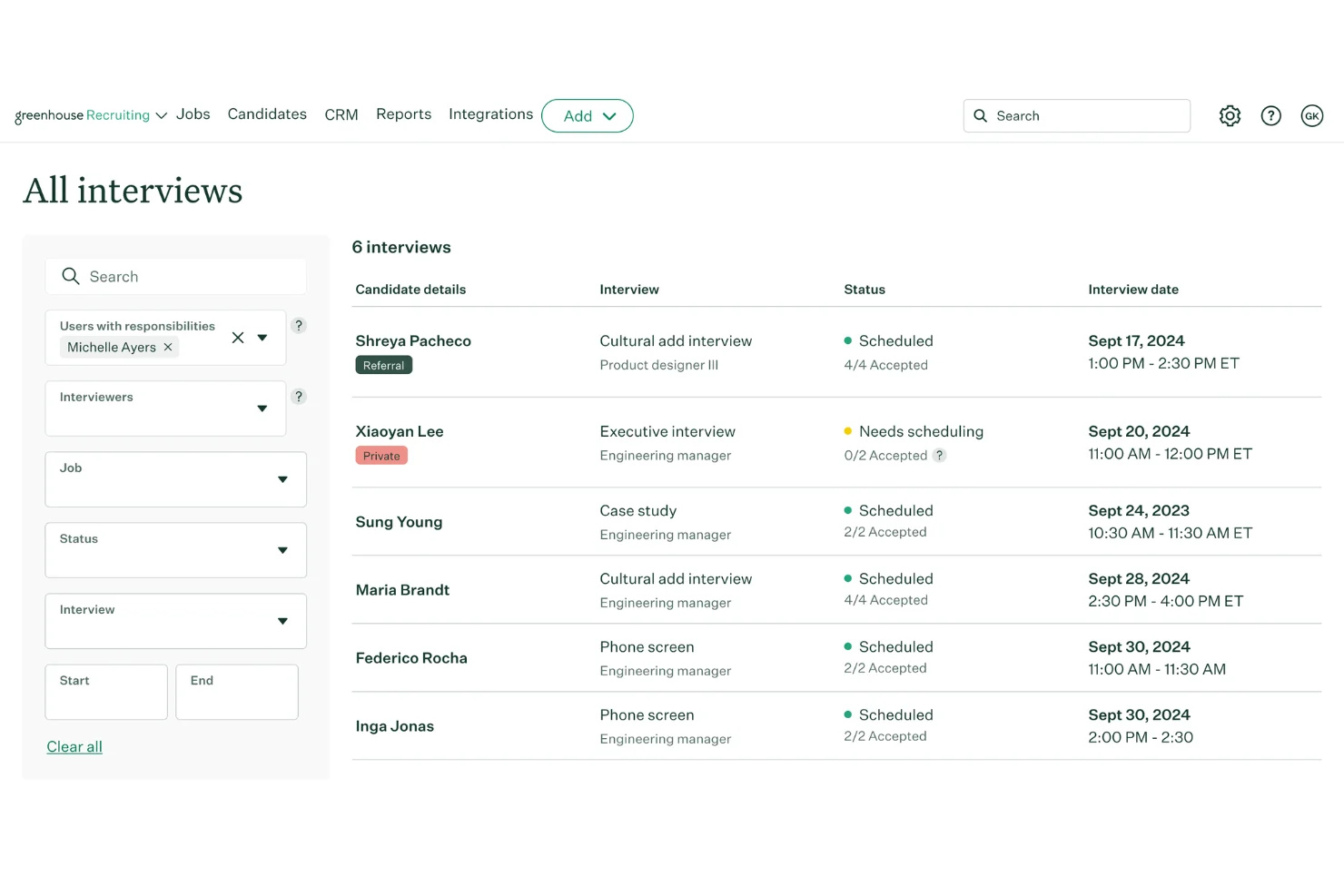
Greenhouse è un sistema di tracciamento dei candidati basato sull'intelligenza artificiale che combina flussi di assunzione strutturati, abbinamento dei candidati tramite IA, monitoraggio della DEI, pianificazione automatizzata e strumenti di governance pronti per gli audit lungo l'intero ciclo di selezione.
Per chi è più adatto Greenhouse?
Greenhouse è ideale per aziende del mercato medio e imprese che dispongono di team dedicati all'acquisizione dei talenti e necessitano di processi di assunzione strutturati, scalabili e pronti per la governance.
Perché ho scelto Greenhouse
Greenhouse è entrato nella mia selezione ristretta perché prende molto sul serio la responsabilità dell'IA nel processo di assunzione. Apprezzo il fatto che le schede di valutazione siano obbligatorie prima che qualsiasi candidato possa avanzare, creando automaticamente una documentazione delle assunzioni difendibile. Il registro di audit del piano Pro e la verifica Real Talent CLEAR ID aggiungono un livello di tracciabilità che la maggior parte delle piattaforme ATS non offre nativamente, e ritengo che questo sia importante quando l'IA influenza chi viene inserito nella rosa dei candidati.
Funzionalità principali di Greenhouse
- Kit per colloqui strutturati e schede di valutazione: Fornisce modelli standardizzati per raccogliere feedback e valutazioni coerenti da parte degli intervistatori.
- Abbinamento dei talenti tramite IA Real Talent™: Individua i candidati migliori utilizzando l'IA in base a competenze, esperienza e modelli di assunzione.
- Portale candidati MyGreenhouse: Consente ai candidati di visualizzare lo stato della candidatura e gestire la logistica dei colloqui in un unico luogo.
- Strumenti di automazione della ricerca: Include un'estensione per Chrome, bacini di potenziali candidati e il recupero automatizzato dei talenti per una ricerca proattiva.
Integrazioni di Greenhouse
Greenhouse offre oltre 500 integrazioni native, tra cui Workday, BambooHR, ADP, LinkedIn Recruiter, Docusign, Slack, Calendly, Zoom, Indeed e Google Workspace. È disponibile un'API per le integrazioni personalizzate.
Pros and Cons
Pros:
- Le schede di valutazione obbligatorie creano una documentazione delle assunzioni difendibile
- Le analisi della DEI monitorano l'equità demografica nelle diverse fasi
- I registri di audit supportano la governance e la conformità dell'IA
Cons:
- L'implementazione richiede molto tempo
- L'abbinamento tramite IA è meno maturo rispetto a quello dei concorrenti più recenti
New Product Updates from Greenhouse

Greenhouse's tofu Integration Moves to Harvest v3 OAuth
Greenhouse’s tofu integration now uses Greenhouse V3 OAuth to auto-sync jobs and applications into tofu, and write screening notes, tags, and advance/reject actions back to Greenhouse. For more information, visit Greenhouse's official site.
 .
.
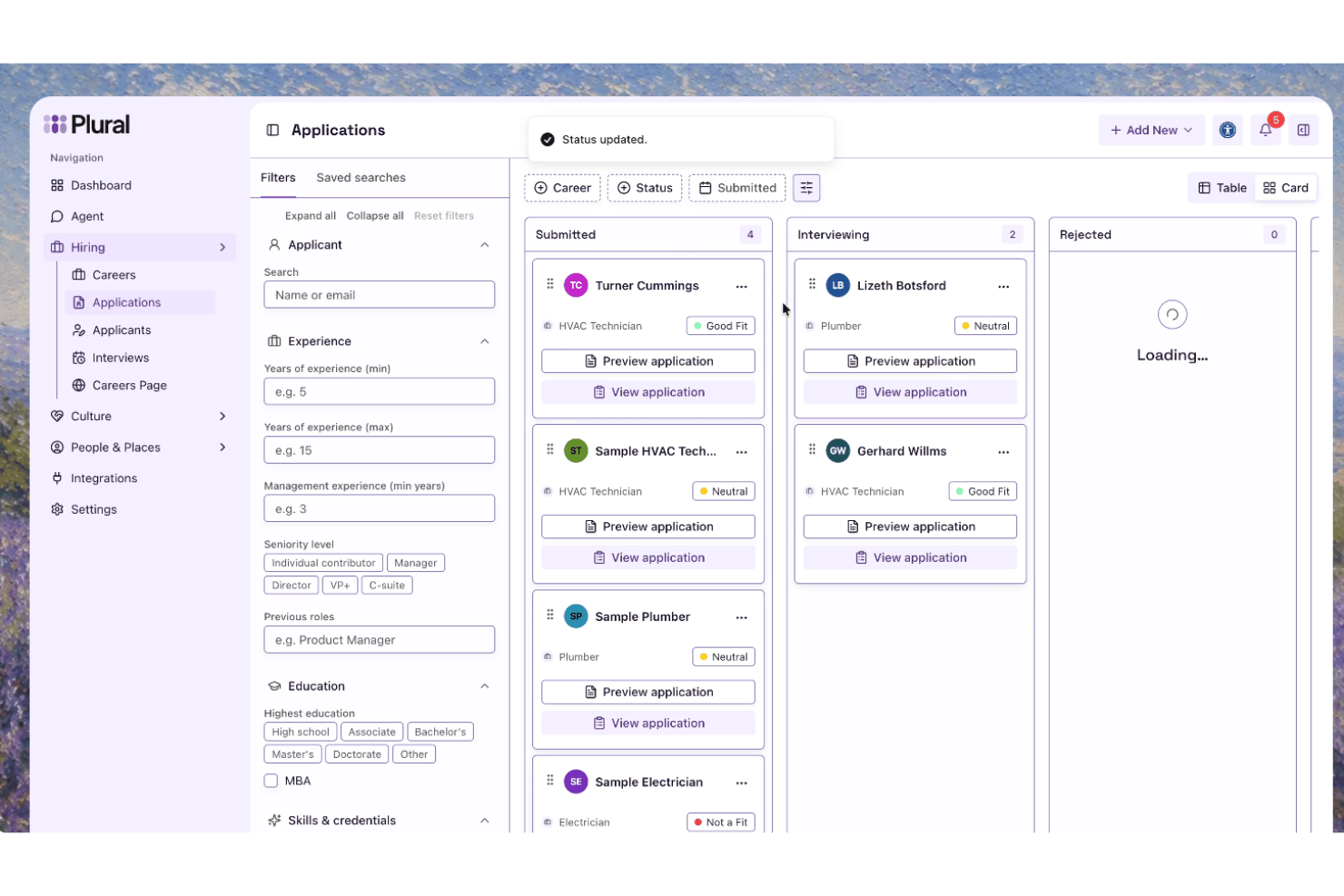
Plural Careers è un sistema di gestione delle candidature potenziato dall'IA, progettato per offrire a team pagine carriere personalizzate con il brand, screening automatico dei curriculum, pianificazione dei colloqui e strumenti integrati di coinvolgimento dei dipendenti, il tutto in un'unica piattaforma.
Per chi è Plural Careers?
Plural Careers è perfetto per team piccoli e medi che desiderano attrarre talenti offrendo un'esperienza di assunzione curata e brandizzata.
Perché ho scelto Plural Careers
Ho scelto Plural Careers tra i migliori perché permette di creare pagine carriere personalizzate, automatizzare lo screening dei curriculum con l'IA e gestire l'intero percorso del candidato da un'unica piattaforma moderna. La pagina pubblica e la pipeline dei candidati sono progettate su misura per valorizzare il brand del datore di lavoro.
Caratteristiche principali di Plural Careers
- Strumenti di coinvolgimento dei dipendenti: Svolgi sondaggi di coinvolgimento, programma controlli ricorrenti e documenta incontri individuali.
- Integrazione con assistente AI: Utilizza ChatGPT o Claude per interrogare i dati dei candidati e riassumere le pipeline dei candidati.
- Sincronizzazione pianificazione colloqui: Coordina automaticamente i colloqui con Google Calendar, Outlook o Calendly.
- Collaborazione in Slack o Teams: Ricevi aggiornamenti sullo stato dei candidati e notifiche direttamente in Slack, Microsoft Teams o Google Chat.
Integrazioni Plural Careers
Plural Careers offre integrazioni native con Slack, Google Calendar, Microsoft Outlook, Google Chat, Microsoft Teams, ChatGPT e Claude. Le integrazioni con HubSpot e LinkedIn sono indicate come in arrivo.
Pros and Cons
Pros:
- Pagine carriere brandizzate completamente personalizzabili
- Punteggio AI dei curriculum per prioritizzare i candidati migliori
- Strumenti integrati di coinvolgimento e gestione delle performance
Cons:
- Poche recensioni di terze parti disponibili online
- Meno funzionalità di analisi avanzata rispetto alle soluzioni enterprise

Manatal
Miglior ATS nativo IA con automazione intelligente

Manatal è ideale per i team di selezione che desiderano shortlist di candidati migliori senza aggiungere ulteriore lavoro manuale di screening. Utilizza l'IA per consigliare i candidati in base ai requisiti del lavoro e al comportamento di assunzione passato, aiutando i recruiter a concentrarsi più velocemente sui profili più rilevanti. È una soluzione adatta per PMI e team in crescita che assumono per diversi ruoli o sedi.
Perché ho scelto Manatal
Ho scelto Manatal perché il suo ATS nativo IA ti permette di identificare più velocemente candidati di alta qualità grazie a raccomandazioni guidate dall’IA che si basano direttamente sui criteri della posizione lavorativa e sui dati storici di assunzione.
L’automazione intelligente della piattaforma classifica e suggerisce i candidati analizzando il contenuto dei CV, le descrizioni dei lavori e l’attività dei recruiter, riducendo il tempo dedicato alla revisione di profili non qualificati. Inoltre, mi piace che Manatal arricchisca i profili dei candidati con dati raccolti da oltre 20 piattaforme social, offrendo così più contesto senza dover effettuare ricerche manuali.
I suoi pipeline personalizzabili permettono al tuo team di adattare il processo di selezione a diversi ruoli mantenendo coerenza nelle raccomandazioni. Per i team che assumono su larga scala, questa combinazione di matching con IA e flessibilità del workflow è un punto di forza.
Funzionalità chiave di Manatal
Ecco alcune funzionalità principali da evidenziare:
- Pipeline di selezione personalizzabili: Crea fasi di assunzione specifiche per ciascun ruolo in base ai diversi processi di selezione.
- Reportistica avanzata e Analytics: Monitora la velocità di assunzione, la performance delle fonti e l’attività dei recruiter.
- Pagine carriera con marchio aziendale: Crea pagine lavoro personalizzate per attrarre e convertire candidati.
- Controlli di conformità: Supporta i requisiti GDPR e CCPA per la gestione dei dati dei candidati.
Integrazioni di Manatal
Le integrazioni includono LinkedIn, Indeed, Glassdoor, Monster, Google for Jobs, Facebook Jobs, Slack, Microsoft Outlook, Google Calendar e Zapier.
Pros and Cons
Pros:
- Raccomandazioni guidate dall'IA
- Arricchimento tramite social media
- Pipeline personalizzabili
Cons:
- Interfaccia utente complessa
- Supporto clienti lento
New Product Updates from Manatal

Manatal Adds Candidate Login and Employee Portal to Career Pages
Manatal has added Candidate Login, Internal Employee Portal, and internal job visibility controls for Career Pages. These features help teams simplify applications, support employee mobility, and manage internal hiring workflows. For more information, visit Manatal’s official site.
 .
.
Tracker
Ideale per generare domande di selezione mirate
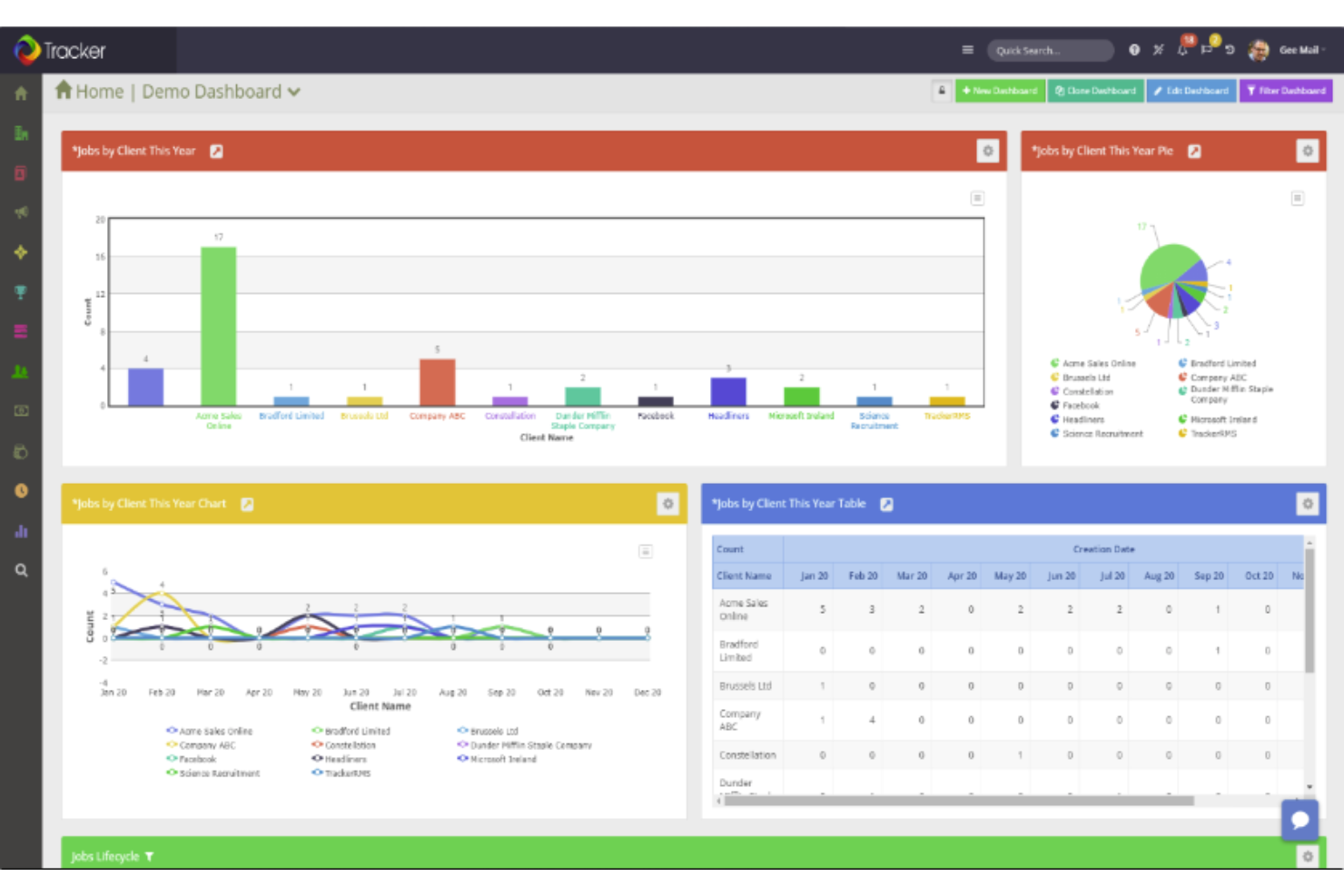
Tracker è un sistema di selezione e tracciamento dei candidati basato sull'intelligenza artificiale, progettato per recruiter e team delle risorse umane, che offre la selezione preliminare automatizzata dei candidati, l'automazione dei flussi di lavoro e strumenti di selezione personalizzabili.
Per chi è più adatto Tracker?
Tracker è particolarmente adatto alle agenzie per il lavoro e alle società di selezione che gestiscono elevati volumi di candidati per più clienti.
Perché ho scelto Tracker
Tracker si è guadagnato un posto nella mia lista ristretta grazie al modo in cui la sua intelligenza artificiale gestisce la selezione preliminare dei candidati. La funzionalità 'crea domande di selezione mirate', basata sull'agente EVA AI, genera domande specifiche per il ruolo e per il candidato su richiesta: invece di sottoporre ogni candidato alla stessa checklist generica, posso concentrarmi su ciò che conta davvero per un determinato ruolo o cliente. Apprezzo anche lo strumento di preparazione ai colloqui basato sull'intelligenza artificiale, che confronta il curriculum, la lettera di presentazione e la descrizione del lavoro del candidato per evidenziare punti di forza e lacune prima ancora che inizi il colloquio. Questa combinazione permette al mio team di dedicare meno tempo a fare supposizioni e più tempo ad avere le conversazioni giuste.
Funzionalità principali di Tracker
- Classificazione dei candidati tramite IA: EVA classifica i candidati utilizzando competenze, esperienza e dati storici sulle assunzioni per individuare le persone più adatte a un determinato ruolo.
- Descrizioni delle posizioni generate dall'IA: Genera e ottimizza gli annunci di lavoro utilizzando strumenti basati su ChatGPT, con opzioni per modificare il tono, ridurre i pregiudizi e migliorare la SEO sui portali di lavoro.
- Email e messaggi automatizzati per la selezione del personale: Redigi e invia comunicazioni personalizzate, messaggi di promemoria e comunicazioni di rifiuto utilizzando la generazione tramite IA con un clic o sequenze in più fasi.
- Riformattazione dei curriculum: Converti qualsiasi curriculum di un candidato in un documento personalizzato con il marchio utilizzando un comando vocale o testuale, quindi invialo direttamente ai clienti.
Integrazioni di Tracker
Tracker offre integrazioni native con LinkedIn, Microsoft Outlook, Microsoft Teams, Broadbean, LogicMelon e DocuSign. È disponibile un'API per le integrazioni personalizzate.
Pros and Cons
Pros:
- Progettato specificamente per le agenzie per il lavoro
- Soluzione completa (ATS e CRM in uno)
- Facile da usare e da imparare
Cons:
- Potrebbe non essere adatto ai team interni di selezione del personale
- I prezzi non sono trasparenti

Recruit CRM
Miglior ATS + CRM per agenzie di recruiting
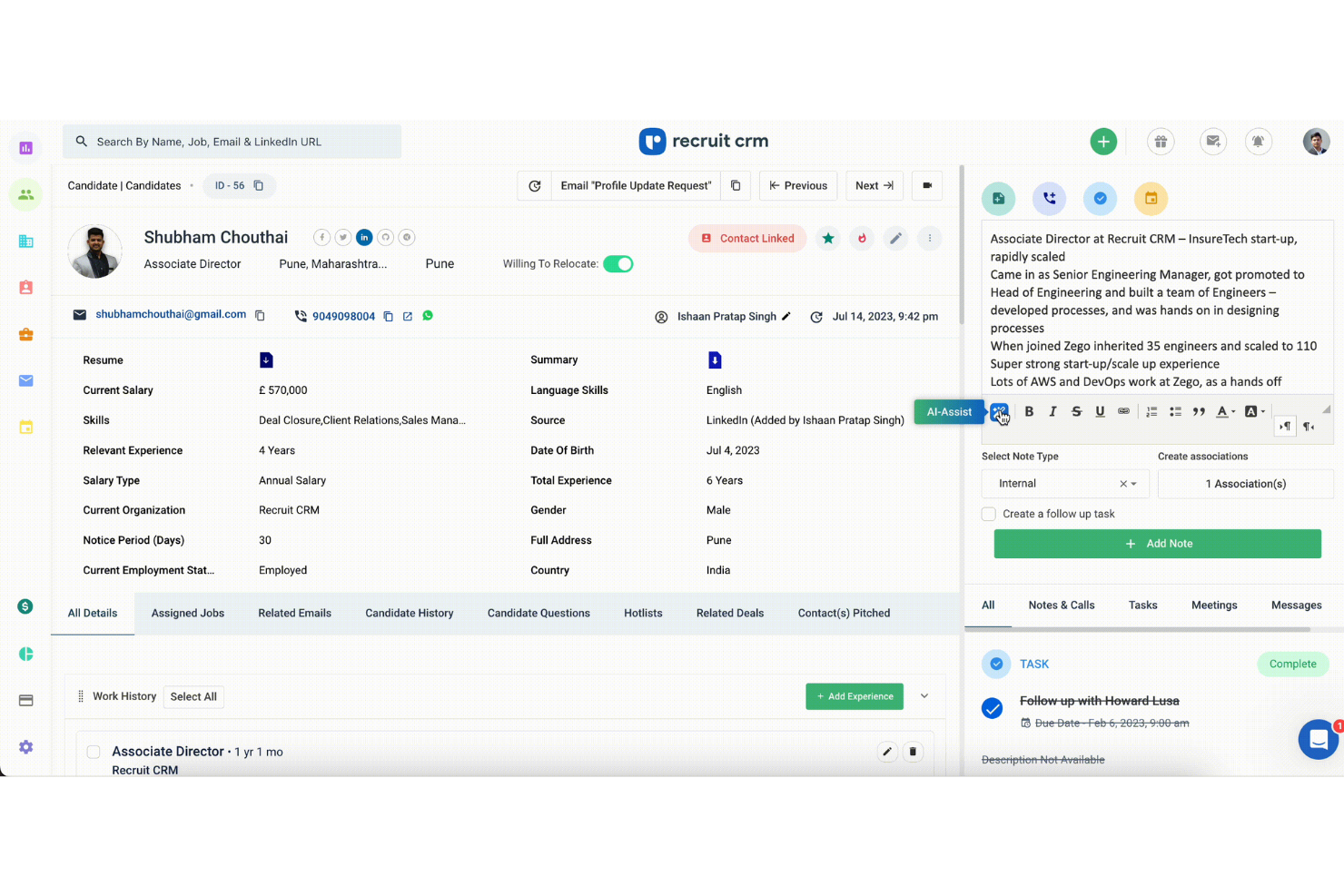
Recruit CRM è una piattaforma ATS e CRM alimentata dall'intelligenza artificiale, progettata per agenzie di selezione del personale, che offre parsing dei CV, sourcing dei candidati, automazione dei flussi di lavoro e gestione integrata dei clienti.
Per chi è ideale Recruit CRM?
Recruit CRM è particolarmente adatto per agenzie di selezione e recruiting che hanno la necessità di gestire sia i flussi di candidati che i rapporti con i clienti all'interno di un'unica piattaforma.
Perché ho scelto Recruit CRM
Recruit CRM è una delle mie scelte preferite perché adoro il fatto che sia costruito specificamente per le agenzie di recruiting che devono gestire entrambi i lati del business—candidati e clienti—senza dover utilizzare strumenti separati. Il sourcing dei candidati alimentato dall'AI permette di descrivere il candidato ideale in linguaggio naturale e recuperare profili LinkedIn arricchiti senza ricerche Boolean. Uso anche la funzione di invio dei candidati per presentare i profili selezionati ai clienti tramite un portale brandizzato e raccogliere feedback sì/no in tempo reale, mantenendo i responsabili delle assunzioni sempre allineati senza lunghi scambi di email. La pipeline delle trattative collega tutte le attività legate alle opportunità di ricavo direttamente a posizioni, contatti e candidati in un'unica vista.
Funzionalità chiave di Recruit CRM
- Parsing automatico dei CV: Converte CV in PDF e Word in profili candidati strutturati, inclusi quelli ricevuti come allegati email.
- Sequenze automatizzate: Esegue automaticamente sequenze personalizzate di email, LinkedIn e SMS per mantenere un seguito costante con candidati e contatti.
- Hotlist: Raggruppa i candidati per competenze o località per creare pool di talenti mirati e monitorarne l'avanzamento all'interno di posizioni specifiche.
- Fatturazione: Genera e invia fatture ai clienti, supporta modelli personalizzati e monitora lo stato dei pagamenti e dei solleciti direttamente in piattaforma.
Integrazioni Recruit CRM
Recruit CRM offre integrazioni native con LinkedIn, Gmail, Outlook, Mailchimp e Slack e si collega a Zapier. Per integrazioni personalizzate è disponibile un'API.
Pros and Cons
Pros:
- Il punteggio AI dei candidati velocizza la preselezione
- Il parser dei CV mantiene i dati dei candidati strutturati e facilmente ricercabili
- L'automazione riduce la gestione manuale delle attività nei processi di recruiting
Cons:
- Alcune funzionalità chiave, come l'automazione dei flussi di lavoro, sono componenti aggiuntivi a pagamento
- L'applicazione mobile non ha tutte le funzionalità disponibili nella versione desktop
New Product Updates from Recruit CRM

Recruit CRM Adds AI Candidate Matching and Resume Parsing
Recruit CRM Recruit CRM introduces AI candidate matching and enhanced resume parsing. These updates help recruiters identify candidates faster and improve screening accuracy. For more information, visit Recruit CRM's official site.
 .
.Altri software ATS basati sull'IA
Ecco alcuni strumenti ATS aggiuntivi basati sull’IA che non sono entrati nella mia lista dei 10 migliori, ma che vale comunque la pena esaminare più attentamente:
- TalentHR
Ideale per un facile onboarding assistito dall'AI
- SparkHire
Ideale per la revisione dei candidati assistita dall'IA
- AvaHR
Ideale per coinvolgere i candidati
- Ceipal
Ideale per la gestione della forza lavoro guidata dall'IA
- Breezy HR
Ideale per l'automazione della pubblicazione degli annunci di lavoro
- Recruitee
Ideale per la collaborazione tra team
- Lever
Ideale per la gestione delle relazioni con i candidati
- Loxo
Ideale per talent intelligence potenziata dall’IA
- JazzHR
Ideale per il reclutamento di piccole imprese
- SmartRecruiters
Ideale per il reclutamento aziendale di livello enterprise
- HireVue
Ideale per i colloqui video
- iCIMS
Ideale per soluzioni di reclutamento scalabili
- Transformify
Ideale per analytics predittive durante la selezione del personale
- Avionté
Ideale per soluzioni di staffing end-to-end
- Vincere
Ideale per agenzie di collocamento
- Alex
Ideale per colloqui automatizzati di primo livello
- Kula AI
Ideale per automatizzare la ricerca dei candidati
- Recruiterflow
Ideale per l'automazione del reclutamento
- ClearCo
Ideale per la prioritizzazione dei candidati
- Zoho Recruit
Ideale per flussi di lavoro di reclutamento personalizzabili


Recensioni correlate di software per le risorse umane
Se non hai ancora trovato quello che cerchi, dai un'occhiata a questi altri strumenti correlati che abbiamo testato e valutato.
- Software per le risorse umane
- Software per la gestione delle paghe
- Software per la selezione del personale
- Servizi di datore di lavoro registrato
- Sistemi di tracciamento dei candidati
- Software per la gestione della forza lavoro
Come Valuto le Soluzioni AI ATS
Ogni strumento in questo elenco deve fare più che etichettarsi come AI applicando semplici filtri: deve ridurre concretamente il time-to-hire, far emergere i candidati migliori, o liberare i recruiter dal lavoro ripetitivo di preselezione. Suddivido la mia valutazione in due livelli: le funzionalità di base che uno strumento deve possedere per essere qualificato e i fattori differenzianti che separano le opzioni buone da quelle eccellenti.
Funzionalità di Base (Requisiti Fondamentali per Questo Elenco)
Quando seleziono gli strumenti per il mio elenco, valuto ciascuno su una scala da 0 (funzionalità assente) a 5 (eccellenza in quest'area) per ogni funzionalità chiave elencata qui sotto. Poi, calcolo il punteggio totale dello strumento in percentuale. Ogni strumento deve raggiungere un punteggio minimo complessivo del 65% per essere incluso.
- Parsing e Screening CV AI: Verifico se lo strumento può estrarre e strutturare i dati dei CV in profili ricercabili, specialmente su formati vari come PDF, import da LinkedIn e portafogli caricati.
- Matching e Ranking Candidati con AI: Gli strumenti migliori vanno oltre la semplice corrispondenza per parole chiave. Cerco un punteggio AI che valuti competenze, esperienza e adattamento al ruolo per presentare i candidati migliori per ogni posizione.
- Pipeline di Tracciamento dei Candidati: Il sistema dovrebbe permettere ai team di personalizzare le fasi, muovere i candidati nei workflow e adattarsi a diversi processi di selezione tra reparti o sedi.
- Sourcing AI e Talent Discovery: Valuto se la piattaforma può consigliare ex candidati o profili passivi dal suo database talenti—strumenti come Manatal e Greenhouse si avvicinano a questo con modalità diverse, ma entrambi portano valore in quest’area.
- Coinvolgimento Automatico dei Candidati: Questo include chatbot AI, sequenze automatiche e pianificazione autonoma dei colloqui. Cerco strumenti che mantengano aggiornati i candidati senza caricare di lavoro manuale i recruiter.
- Analytics Predittivi per il Recruiting: Le dashboard dovrebbero andare oltre i conteggi base. Voglio vedere approfondimenti generati dall’AI come previsioni del time-to-fill, allerte sui colli di bottiglia nel funnel e report di trend sulla qualità dell’assunzione.
Una volta individuati gli strumenti che soddisfano i requisiti, considero ciò che li distingue.
Fattori Differenzianti (Cosa Distingue i Fornitori)
Ecco come paragono e confronto i diversi fornitori:
Caratteristiche Distintive
Strumenti di rilevamento pregiudizi e auditing DEI aggiungono valore concreto ai team che assumono su larga scala—cerco piattaforme che identifichino linguaggio di parte negli annunci e monitorino l’equilibrio demografico nei vari stadi della pipeline. Gli assistenti generativi AI sono un altro elemento di distinzione, soprattutto quando generano bozze di descrizioni di lavoro o messaggi di contatto che i recruiter possono perfezionare invece di scriverli da zero. Valuto anche l’intelligenza basata sulle competenze, dove l’AI può dedurre competenze adiacenti dai curriculum per supportare l’assunzione basata sulle abilità invece che solo sulla corrispondenza del titolo.
Oltre le Caratteristiche
Conformità e governance AI sono aspetti ancora più critici qui che in molte altre categorie software. Verifico che i fornitori pubblichino i risultati degli audit di bias e che supportino normative in evoluzione sulle decisioni di assunzione automatizzate. La profondità delle integrazioni è altrettanto importante—un AI ATS che si collega direttamente con HRIS, job board e piattaforme di assessment elimina ore di trasferimento manuale dei dati tra sistemi. Valuto anche la scalabilità, in particolare se una piattaforma si adatta sia a un team di 20 persone che assume localmente sia a un’azienda globale che recluta in più regioni e società contemporaneamente.
Come scegliere un software ATS basato sull'IA
Nel corso del tuo processo di selezione del software, specifico per le tue esigenze, tieni presenti i seguenti punti.
- Autentiche capacità di IA: assicurati che le piattaforme ATS che stai prendendo in considerazione dispongano di autentiche capacità di IA. Alcune piattaforme potrebbero dichiarare di essere basate sull'IA, ma offrire funzionalità limitate. Cerca caratteristiche come l'analisi dei curriculum, la selezione automatizzata dei candidati e l'abbinamento intelligente dei candidati. Ad esempio, un ATS basato sull'IA può aiutare a escludere automaticamente i candidati non qualificati se la tua organizzazione riceve molte candidature.
- Esperienza utente: il software dovrebbe essere facile da usare e migliorare l'efficienza. Un sistema complesso può portare a una minore soddisfazione e produttività del personale delle risorse umane. Ad esempio, un'interfaccia intuitiva che consenta di navigare facilmente e accedere rapidamente alle informazioni sui candidati può migliorare significativamente il processo di selezione.
- Integrazione con i sistemi esistenti: verifica se l'ATS si integra correttamente con i sistemi HR esistenti. L'integrazione garantisce che i dati fluiscano senza problemi tra piattaforme diverse, riducendo la necessità di inserire manualmente i dati e minimizzando gli errori. Ad esempio, se la tua organizzazione utilizza uno specifico sistema di gestione delle risorse umane, l'ATS dovrebbe essere in grado di sincronizzarsi con esso per semplificare il processo di assunzione.
- Personalizzazione e scalabilità: la possibilità di personalizzare impostazioni e funzionalità è essenziale per adattare il software ai tuoi specifici processi di selezione. Inoltre, l'ATS dovrebbe essere scalabile per crescere insieme alle esigenze della tua organizzazione. Ad esempio, un ATS personalizzabile può adattarsi a diversi flussi di lavoro per le assunzioni, mentre un sistema scalabile può gestire un numero crescente di offerte di lavoro e candidature man mano che la tua azienda si espande.
- Sicurezza dei dati e conformità: dai priorità ai fornitori che seguono pratiche di sicurezza conformi agli standard del settore e rispettano le normative sulla protezione dei dati. Questo è importante per proteggere le informazioni sensibili dei candidati e garantire la conformità legale.
Tendenze nei software ATS basati sull'IA
I software ATS basati sull'IA stanno cambiando rapidamente, trasformando il modo in cui le aziende gestiscono il processo di selezione. Con l'avanzare della tecnologia, è essenziale rimanere informati sugli ultimi sviluppi. Ecco alcune tendenze chiave da tenere sotto stretta osservazione, poiché potrebbero avere un impatto sulla tua organizzazione.
- Analisi predittiva: l'analisi predittiva sta guadagnando terreno negli ATS basati sull'IA. Aiuta a prevedere il successo e la permanenza dei candidati. Questa tendenza è importante per prendere decisioni di assunzione basate sui dati.
- Elaborazione del linguaggio naturale (NLP): l'NLP migliora l'analisi dei curriculum e l'abbinamento dei candidati. Consente di comprendere meglio i profili dei candidati, portando a processi di assunzione più accurati ed efficienti.
- Mitigazione dei pregiudizi: i sistemi ATS basati sull'IA si stanno concentrando sulla riduzione dei pregiudizi nelle assunzioni. Gli algoritmi vengono progettati per promuovere la diversità. Questa tendenza è essenziale per creare pratiche di assunzione più eque.
- Analisi dei colloqui video: l'IA analizza ora i colloqui video alla ricerca di segnali non verbali, linguaggio del corpo ed espressioni facciali, fornendo informazioni più approfondite sull'idoneità dei candidati.
- Integrazione con gli strumenti HR: gli ATS basati sull'IA si integrano sempre più con altri strumenti HR. Ciò crea una piattaforma unificata per la gestione del processo di assunzione, semplifica i flussi di lavoro e migliora l'efficienza.
Queste tendenze evidenziano la natura dinamica della tecnologia ATS basata sull'IA.
Che cos'è un software ATS basato sull'IA?
Un ATS basato sull'IA è un sistema di tracciamento dei candidati basato sull'intelligenza artificiale, progettato per automatizzare e migliorare il processo di selezione. Viene utilizzato da professionisti delle risorse umane, selezionatori e responsabili delle assunzioni per gestire in modo efficiente le candidature, selezionare i candidati e semplificare il flusso di lavoro delle assunzioni.
Un ATS basato sull'IA include in genere l'analisi dei curriculum, la classificazione dei candidati e strumenti di comunicazione automatizzata. Queste funzionalità aiutano gli utenti a identificare rapidamente i candidati migliori, ridurre le attività manuali e migliorare l'efficienza complessiva del processo di selezione.
Funzionalità dei software ATS basati sull'IA
Quando scegli un software ATS basato sull'IA, è importante riconoscere le funzionalità chiave che ti consentiranno di gestire le attività di selezione in modo più efficiente. Ecco le funzionalità più importanti da ricercare:
- Pubblicazione automatizzata delle offerte di lavoro: l'IA distribuisce le offerte di lavoro sui principali portali di lavoro, sui siti specializzati nella ricerca di talenti e sui canali dei social media. Ciò aiuta a massimizzare la visibilità e ad attirare candidati qualificati senza ulteriore lavoro manuale.
- Analisi dei curriculum e selezione intelligente: l'IA estrae le informazioni principali dai curriculum e seleziona immediatamente i candidati in base a competenze, esperienza lavorativa, certificazioni ed esperienza professionale. Ciò elimina l'inserimento manuale dei dati e accelera il filtraggio iniziale.
- Classificazione e valutazione dei candidati: l'IA valuta i candidati utilizzando criteri predefiniti e modelli storici di assunzione, producendo elenchi ristretti ordinati che rendono più facile identificare rapidamente i candidati migliori.
- Flussi di lavoro per la comunicazione automatizzata: l'automazione integrata di e-mail e SMS mantiene i candidati coinvolti durante tutto il processo di assunzione, inviando aggiornamenti, promemoria e indicazioni sui passaggi successivi senza richiedere l'intervento del selezionatore.
- Automazione della programmazione dei colloqui: l'IA coordina la disponibilità dei candidati e degli intervistatori per programmare le riunioni in modo efficiente, riducendo il tempo dedicato alla gestione dei calendari.
- Gestione del percorso dei talenti: gli strumenti ATS basati sull'intelligenza artificiale organizzano i candidati in bacini di talenti per ruoli attuali o futuri, aiutandoti a costruire una strategia di reclutamento a lungo termine e a ridurre il tempo di assunzione.
- Miglioramento dell'esperienza dei candidati: i chatbot basati sull'intelligenza artificiale rispondono alle domande dei candidati, aiutano a completare le fasi della candidatura e raccolgono informazioni per la preselezione — offrendo assistenza in tempo reale 24 ore su 24, 7 giorni su 7.
- Algoritmi di riduzione dei pregiudizi: molte piattaforme ATS basate sull'intelligenza artificiale utilizzano l'anonimizzazione o sistemi di valutazione standardizzati per contribuire a ridurre i pregiudizi inconsci e promuovere decisioni di assunzione più eque.
- Analisi e report: i pannelli di controllo in tempo reale monitorano il tempo di assunzione, lo stato del percorso, la qualità dei candidati, i tassi di conversione e gli indicatori di diversità, aiutando i team a prendere decisioni di assunzione basate sui dati.
- Informazioni predittive sulle assunzioni: l'intelligenza artificiale prevede il successo dei candidati, la compatibilità con la cultura aziendale o il potenziale di permanenza sulla base dei risultati storici, dei segnali comportamentali e delle competenze specifiche del ruolo.
- Gestione della conformità: i flussi di lavoro intelligenti aiutano a mantenere la conformità al GDPR, alle linee guida EEOC, agli obblighi di conservazione dei documenti e ad altri obblighi legali automatizzando le attività di documentazione.
- Ottimizzazione della pagina dedicata alle opportunità di lavoro: l'intelligenza artificiale aiuta a migliorare il linguaggio delle descrizioni delle posizioni, la SEO e l'impaginazione per aumentare il coinvolgimento dei candidati e il tasso di candidatura.
Scegliere un ATS basato sull'intelligenza artificiale con queste funzionalità può migliorare notevolmente il processo di reclutamento, rendendolo più efficiente ed efficace.
Vantaggi del software ATS basato sull'intelligenza artificiale
Sfruttando un software ATS basato sull'intelligenza artificiale, le aziende possono affidare all'esterno attività complesse delle risorse umane, concentrandosi sulle attività principali del proprio business. Di seguito sono riportati cinque vantaggi del software ATS basato sull'intelligenza artificiale per utenti e organizzazioni.
- Maggiore efficienza: l'ATS basato sull'intelligenza artificiale automatizza attività ripetitive come la selezione preliminare dei curricula e la programmazione dei colloqui, consentendo ai professionisti delle risorse umane di concentrarsi su attività più strategiche.
- Migliore corrispondenza con i candidati: sfruttando algoritmi di apprendimento automatico, l'ATS basato sull'intelligenza artificiale può associare i candidati alle posizioni aperte con maggiore precisione, garantendo l'identificazione rapida dei candidati più adatti.
- Riduzione dei pregiudizi: l'ATS basato sull'intelligenza artificiale può contribuire a minimizzare i pregiudizi inconsci nelle assunzioni valutando i candidati sulla base di criteri oggettivi, favorendo una forza lavoro più diversificata e inclusiva.
- Informazioni basate sui dati: questi sistemi offrono preziose funzionalità di analisi e report che aiutano le organizzazioni a prendere decisioni informate sulla base dei dati, migliorando le strategie di reclutamento complessive.
- Risparmio sui costi: semplificando il processo di assunzione e riducendo il tempo di assunzione, l'ATS basato sull'intelligenza artificiale può generare risparmi significativi per le organizzazioni, rendendo il processo di reclutamento più economico.
Adottando questi strumenti avanzati, le aziende possono migliorare i risultati delle assunzioni e ottenere un vantaggio competitivo nell'attrarre i migliori talenti.
Costi & prezzi del software ATS basato sull'intelligenza artificiale
Questa sezione fornisce una stima dei piani e dei costi medi degli ATS basati sull'intelligenza artificiale. I prezzi variano in base al tipo di piano e alle funzionalità offerte. Per una panoramica più ampia delle opzioni senza costi, confronta i migliori strumenti ATS gratuiti.
Tabella comparativa dei piani per il software ATS basato sull'intelligenza artificiale
| Tipo di piano | Prezzo medio | Funzionalità comuni |
| Piano gratuito | $0 | Pubblicazione di base degli annunci di lavoro, gestione limitata dei candidati, report di base |
| Piano personale | $30 - $100 al mese | Pubblicazione avanzata degli annunci di lavoro, analisi dei curricula, integrazioni di base, assistenza limitata |
| Piano aziendale | $150 - $400 al mese | Pubblicazione avanzata degli annunci di lavoro, ricerca dei candidati, programmazione dei colloqui, analisi |
| Piano aziendale avanzato | $600 - $1,200+ al mese | Flussi di lavoro personalizzabili, integrazioni avanzate, assistenza dedicata, analisi complete |
Domande frequenti sul software ATS basato sull'IA
Ecco alcune domande frequenti sulla tecnologia ATS basata sull’IA.
In che modo gli strumenti ATS basati sull'IA possono migliorare il processo di selezione dei candidati?
I sistemi di tracciamento dei candidati basati sull’IA migliorano il processo di selezione automatizzando la revisione iniziale dei curriculum e delle candidature. Questi sistemi utilizzano l’elaborazione del linguaggio naturale (NLP) e algoritmi di apprendimento automatico per analizzare i curriculum alla ricerca di parole chiave, competenze ed esperienze pertinenti in linea con la descrizione del lavoro.
Questa automazione riduce il tempo che i recruiter dedicano alla selezione manuale e garantisce una valutazione più obiettiva dei candidati. Inoltre, un ATS basato sull’IA può classificare i candidati in base alle loro qualifiche, rendendo più semplice per i recruiter individuare rapidamente i migliori talenti.
Quali sono i potenziali pregiudizi presenti nei software ATS basati sull'IA e come possono essere mitigati?
Un ATS basato sull’IA può perpetuare involontariamente i pregiudizi presenti nei dati di addestramento utilizzati per sviluppare i suoi algoritmi. Ad esempio, se i dati storici sulle assunzioni riflettono pregiudizi di genere o razziali, il sistema di IA potrebbe favorire candidati con profili simili. Per mitigare questi pregiudizi, è importante utilizzare dati di addestramento diversificati e rappresentativi, sottoporre regolarmente i modelli di IA a verifiche per individuare risultati distorti e implementare vincoli di equità negli algoritmi.
Inoltre, la supervisione umana è essenziale per rivedere e modificare le decisioni dell’IA, così da garantire pratiche di assunzione eque.
Come si integrano gli ATS basati sull'IA con altri strumenti e sistemi per le risorse umane?
Un ATS basato sull’IA offre generalmente funzionalità di integrazione con vari strumenti e sistemi per le risorse umane, come i sistemi informativi delle risorse umane (HRIS), i software per le paghe e i portali di offerte di lavoro. Queste integrazioni consentono il flusso di dati tra piattaforme diverse, riducendo l’inserimento manuale dei dati e migliorando l’efficienza complessiva.
Ad esempio, un ATS basato sull’IA può aggiornare automaticamente le informazioni sui candidati nell’HRIS una volta presa una decisione di assunzione oppure pubblicare contemporaneamente le offerte di lavoro su più portali. L’integrazione con strumenti di comunicazione come i sistemi di posta elettronica e i calendari semplifica inoltre la programmazione dei colloqui e la comunicazione con i candidati.
In che modo gli ATS basati sull'IA possono favorire la diversità e l'inclusione nelle assunzioni?
Gli ATS basati sull’IA possono favorire la diversità e l’inclusione riducendo i pregiudizi inconsci nel processo di assunzione. Questi sistemi possono rendere anonime le informazioni sui candidati, come nomi e fotografie, per concentrarsi esclusivamente su qualifiche e competenze. Inoltre, gli algoritmi di IA possono essere progettati per dare priorità a gruppi di candidati diversificati e garantire una rappresentanza equa.
Utilizzando informazioni basate sui dati, gli ATS basati sull’IA possono aiutare le organizzazioni a individuare e colmare le lacune nelle proprie pratiche di assunzione orientate alla diversità, promuovendo in definitiva un ambiente di lavoro più inclusivo.
Quali sono le difficoltà nell'implementazione di un ATS basato sull'IA e come possono essere affrontate?
L’implementazione di un ATS basato sull’IA può presentare difficoltà come problemi di privacy dei dati, complessità di integrazione e adozione da parte degli utenti. Per affrontare i problemi di privacy dei dati, è necessario assicurarsi che l’ATS sia conforme alle normative pertinenti, come il GDPR o il CCPA, e implementare misure di sicurezza per proteggere i dati dei candidati. Le complessità di integrazione possono essere mitigate scegliendo un ATS con API flessibili e un solido supporto per le integrazioni di terze parti.
Per incoraggiare l’adozione da parte degli utenti, è necessario fornire formazione e supporto completi ai recruiter e ai responsabili delle assunzioni, evidenziando i vantaggi e la facilità d’uso del sistema.
Come gestisce un ATS basato sull'IA grandi volumi di candidature?
Un ATS basato sull’IA è progettato per gestire in modo efficiente grandi volumi di candidature automatizzando il processo di selezione iniziale. Questi sistemi possono analizzare rapidamente migliaia di curriculum, individuando i candidati più qualificati sulla base di criteri predefiniti.
Utilizzando algoritmi di apprendimento automatico, gli ATS basati sull’IA possono migliorare continuamente la propria accuratezza e la propria efficienza nella gestione di grandi volumi di candidature. Questa capacità consente ai recruiter di concentrarsi sul coinvolgimento dei candidati migliori e sull’adozione di decisioni di assunzione informate.
E adesso?
Per rimanere aggiornato sulle ultime novità nella gestione delle persone, iscriviti alla nostra newsletter dedicata a leader e manager.
Riceverai nella tua casella di posta informazioni e offerte pensate per leader e professionisti delle risorse umane.