

10 Best Payroll Management Software for Retailers in 2026

Best Payroll Management Software for Retailers Shortlist


Why Trust Our Software Reviews
Our team has been testing and reviewing software since 2012. As HR experts ourselves, we know how difficult—and important—it is to choose the right software.
For this guide, we evaluated tools using hands-on testing and independent research, scoring tools using our selection criteria. We also draw on insights from industry thought leaders and practicing HR experts.
Our reviews reflect our human editorial judgment, not a sales pitch.
Expert reviewers:
Best Payroll Management Software for Retailers Summary
This comparison chart summarizes pricing details for my top payroll management software for retailers selections to help you find the best one for your budget and business needs.
| Tool | Best For | Trial Info | Price | ||
|---|---|---|---|---|---|
| 1 | Best for payroll automation and integrations | Free demo available | Pricing upon request | Website | |
| 2 | Best for hourly payroll with native time tracking | 30-day free trial | From $50/month | Website | |
| 3 | Best for hourly teams with integrated scheduling | 14-day free trial + free plan available | From $30/location/month | Website | |
| 4 | Best for automated tax filings and hourly payroll | Free demo available | From $49/month + $6/month/user | Website | |
| 5 | Best for customizable workforce payroll workflows | Free demo available | Pricing upon request | Website | |
| 6 | Best for one-click timesheet-to-payroll syncing | 14-day free trial + free demo available | From $5/user/month | Website | |
| 7 | Best for complex shift and pay rate structures | Free demo available | Pricing upon request | Website | |
| 8 | Best for retail tip and commission integration | Not available | From $35/month + $6/person/month | Website | |
| 9 | Best for unified payroll and workforce management | Free demo available | Pricing upon request | Website | |
| 10 | Best for real-time payroll and compliance updates | Free demo available | Pricing upon request | Website |


Payroll Management Software for Retailers Reviews
Below are my detailed summaries of the best payroll management systems for retailers that made it onto my shortlist. My reviews offer a detailed look at the features, integrations, and use cases of each system to help you find the best one for you.

Rippling
Best for payroll automation and integrations
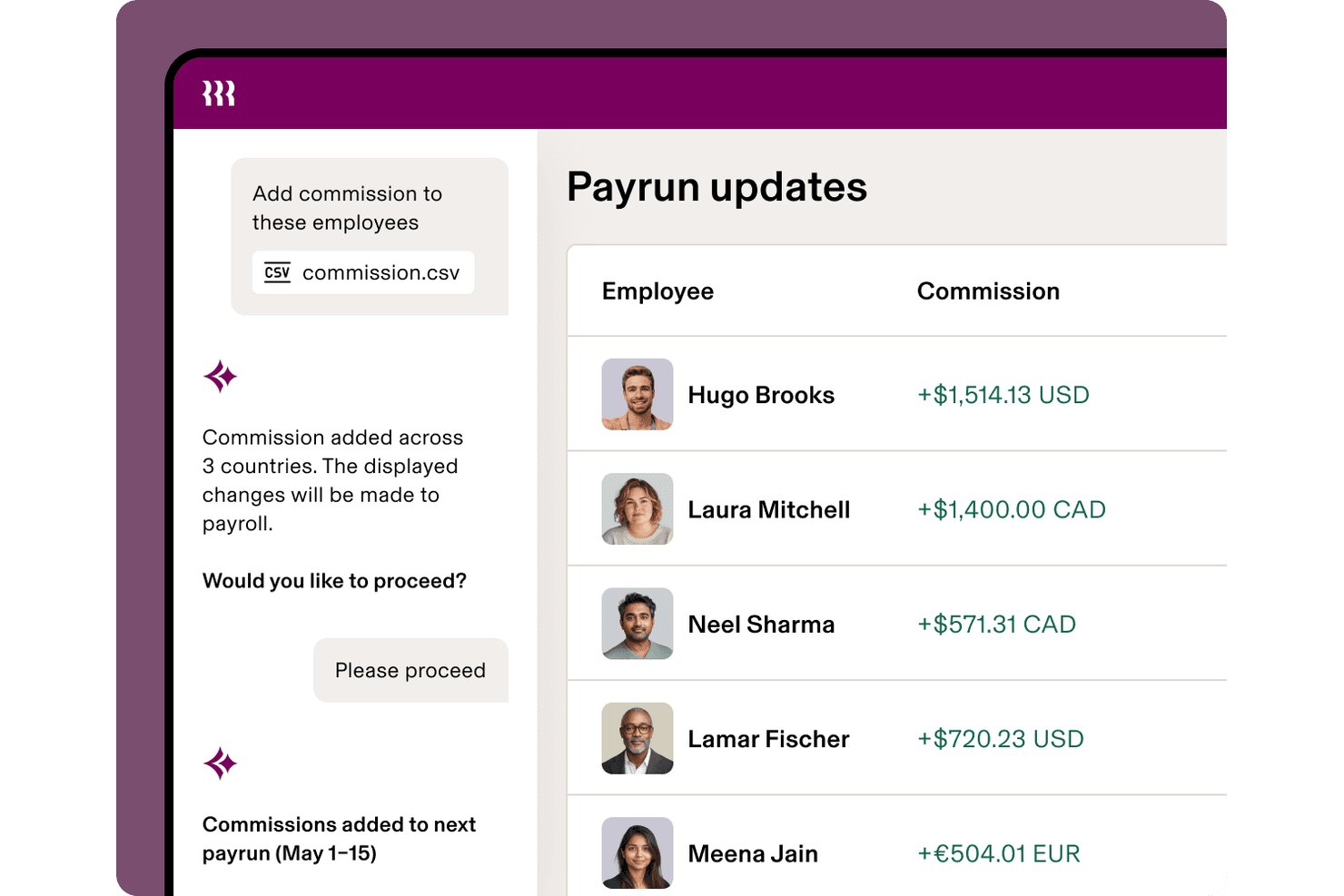
Rippling is a workforce management platform that combines payroll, time and attendance, scheduling, and HR into a single system, with automated tax filing across all 50 U.S. states and payroll processing for hourly, salaried, and multi-location retail teams.
Who is Rippling Best For?
Rippling is a strong fit for mid-sized retailers managing payroll across multiple store locations who need HR, scheduling, and time tracking unified in one platform.
Why I Picked Rippling
I picked Rippling as one of the best because its payroll automation goes deeper than most platforms in this space. Every HR data change, from a new hire to a pay rate update, syncs automatically into the next pay run without manual re-entry. I also use the pay-run comparison tool to spot discrepancies in gross pay and deductions before payroll closes, and with 500+ integrations connecting time clocks, scheduling tools, and accounting systems, hourly clock data feeds directly into payroll runs.
Rippling Key Features
- Unified employee record: Manage employee data, roles, and pay rates across all store locations from a single profile.
- Automated tax calculation and filing: Handles federal, state, and local payroll tax submissions and year-end form generation.
- Mobile clock-in and scheduling: Includes built-in time tracking with mobile and kiosk options for hourly retail teams.
- Location-based payroll reporting: Generate payroll reports by store location, department, or role using customizable templates.
Rippling Integrations
Rippling offers over 600 native integrations, including QuickBooks, NetSuite, Slack, Google Workspace, Xero, Deputy, ADP, Okta, and Microsoft 365. An API is available for custom integrations.
Pros and Cons
Pros:
- Bulk onboarding built for seasonal hiring
- Supports shift differential pay rates natively
- Automated pay runs sync with HR changes
Cons:
- Support response times can be inconsistent
- Initial platform setup requires significant time
New Product Updates from Rippling

Rippling AI Adds Plugins, Skills, and Automations
Rippling AI now supports plugins, skills, and automations so employees can connect approved third-party tools, package repeatable work into reusable AI instructions, and run recurring workflows under existing Rippling policies and permissions. For more information, visit Rippling's official site.

TimeTrex
Best for hourly payroll with native time tracking
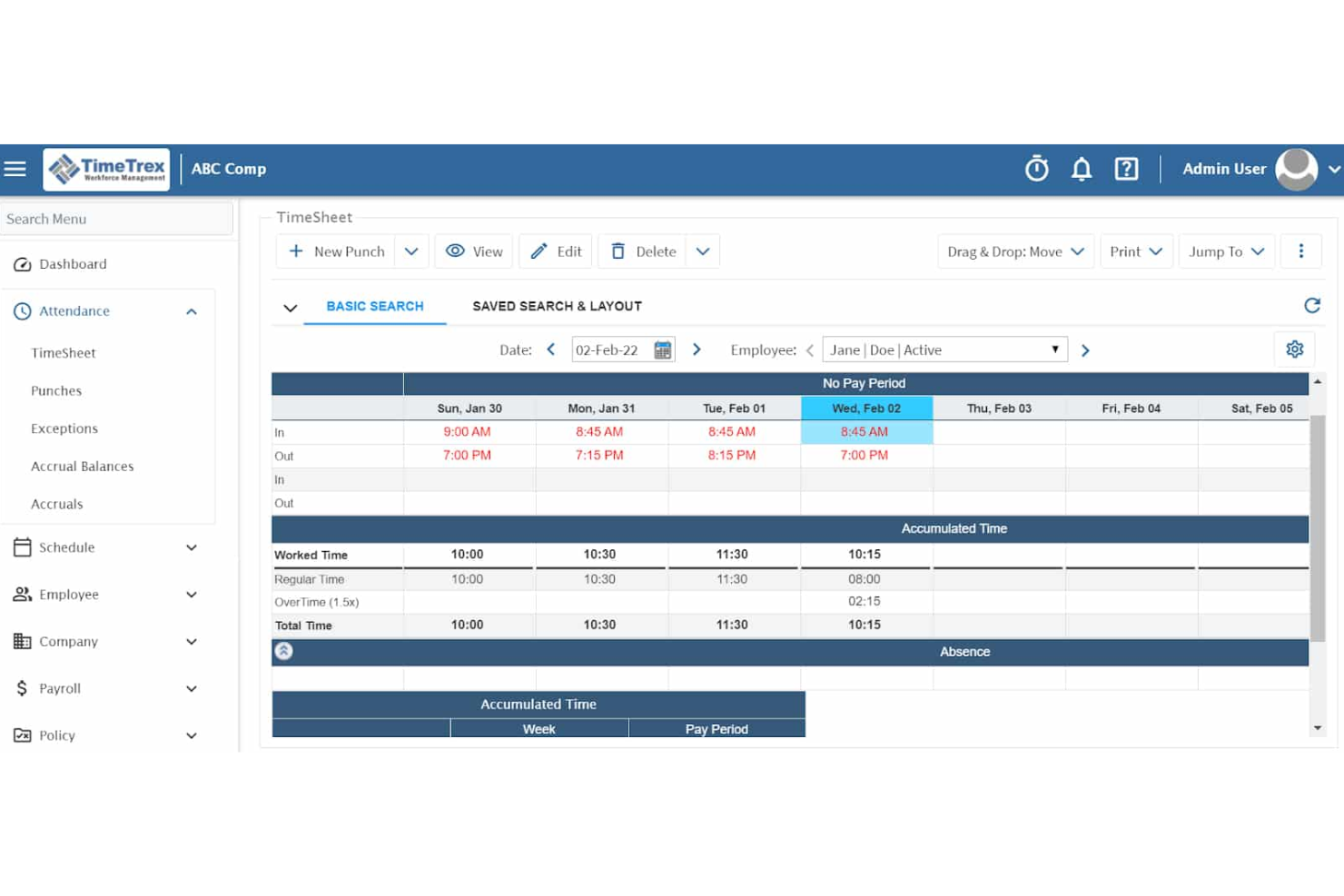
TimeTrex is an open-source payroll platform that combines hourly payroll processing, time and attendance tracking, scheduling, and HR management in a single system.
Who is TimeTrex Best For?
TimeTrex is a strong fit for retail businesses that need hourly payroll tightly integrated with time and attendance tracking, especially those open to deploying an open-source solution.
Why I Picked TimeTrex
I picked TimeTrex as one of the best because its open-source architecture lets retail businesses run hourly payroll without depending on a third-party vendor's pricing or roadmap. What I really like is how time and attendance data flows directly into payroll, so clock-in records from a retail floor automatically calculate wages, overtime, and shift differentials. The built-in scheduling module ties into that same data, keeping labor costs visible before payroll even runs.
TimeTrex Key Features
- Employee self-service portal: Employees can view pay stubs, update personal details, and submit time-off requests directly through the platform.
- Accrual tracking: The system automatically tracks vacation, sick leave, and other accrued time off based on your configured policies.
- Multi-location support: TimeTrex lets you manage payroll and HR data across multiple store locations from a single account.
- Built-in reporting: Generate payroll summaries, labor cost breakdowns, and compliance reports without exporting data to a separate tool.
TimeTrex Integrations
TimeTrex offers native integrations with payroll, HR, and accounting platforms, including ADP, Intuit QuickBooks, Sage, Paychex, Ceridian, Surepay, CompuPay, Tyler Technologies, Vensure Employer Services, and Accero. It also provides an API for custom integrations and connects with the IRS and US state tax authorities for automated tax compliance.
Pros and Cons
Pros:
- Scheduling links directly to labor cost data
- Native time tracking syncs with payroll
- Open-source approach reduces vendor lock-in
Cons:
- Initial open-source setup may require IT help
- Interface looks dated compared to competitors
New Product Updates from TimeTrex
TimeTrex Adds Quick Punch App With Offline and QR Support
TimeTrex adds a new Quick Punch app, offline punching, QR code scanning, punch images, configurable messages, and punch warnings or lockouts to improve employee clock-ins across browsers and local computers. For more information, visit TimeTrex’s official site.
 .
.
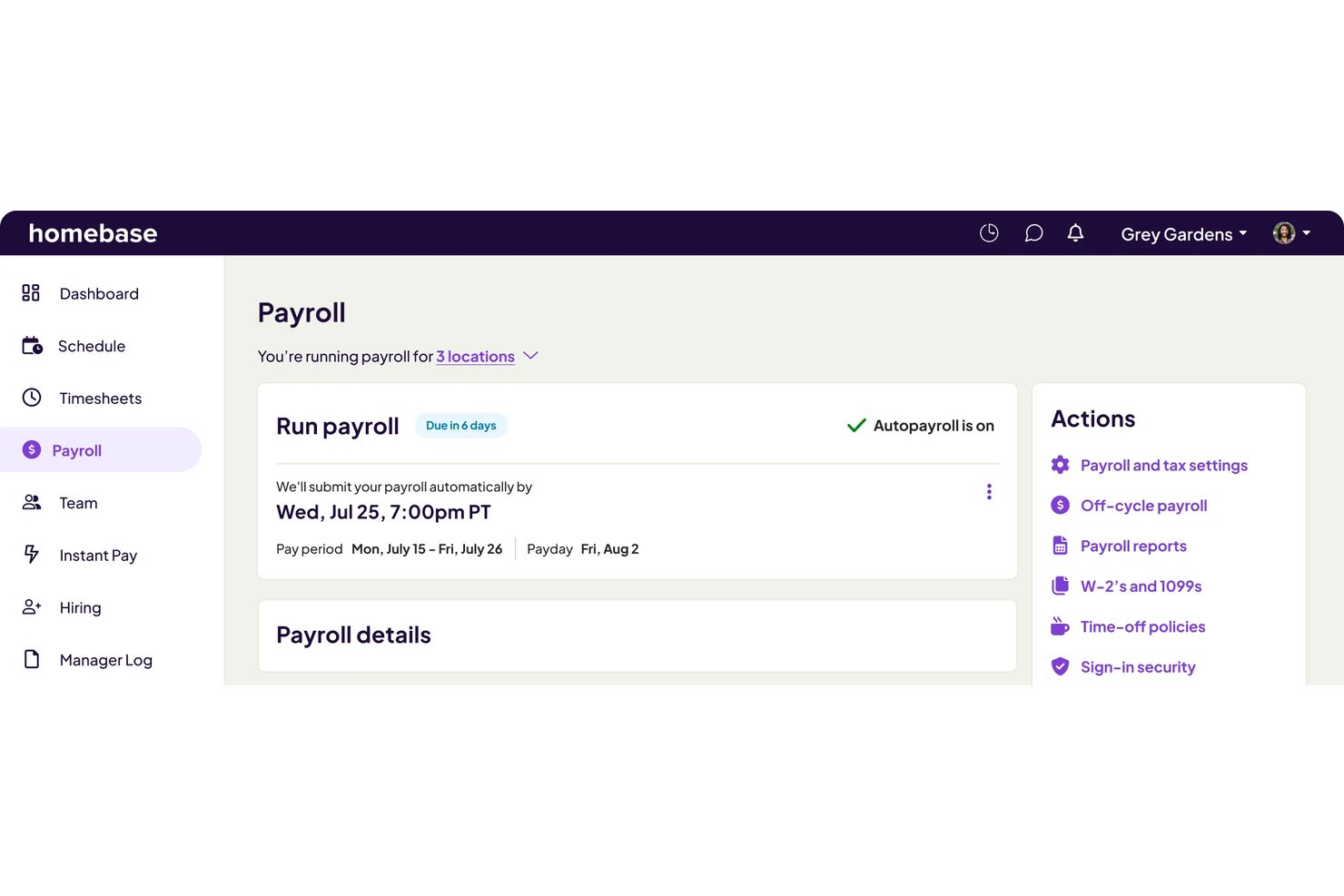
Homebase is a payroll and workforce management platform built for hourly teams, combining time tracking, scheduling, and full-service payroll processing with automated tax filing and tip management.
Who is Homebase Payroll Best For?
Homebase Payroll is a natural fit for small retail businesses that run on hourly, shift-based schedules and need payroll tied directly to their time tracking.
Why I Picked Homebase Payroll
Homebase earns its spot on my shortlist because scheduling, time tracking, and payroll all live in one place. When a shift changes, the updated hours flow directly into the next payroll run without manual entry. I particularly like the AI Payroll Assistant, which flags timecard issues like missed punches before they hit the paycheck. The built-in Tip Manager handles tip pooling and distribution directly within the payroll run.
Homebase Payroll Key Features
- Multi-location payroll processing: Run payroll for multiple store locations across different states in a single system.
- W-2 and 1099 generation: Automatically generate and distribute year-end tax forms for both employees and contractors.
- Employee self-onboarding: Allow new hires to complete onboarding documents, including W-4s and I-9s, directly from their own device.
- Mobile payroll access: Run payroll and approve timesheets from any device with the Homebase mobile app.
Homebase Payroll Integrations
Homebase Payroll offers native integrations with Square, Clover, Toast, QuickBooks, Gusto, and Shopify. An API is available for custom integrations.
Pros and Cons
Pros:
- Built-in time clock reduces manual hour entry
- Tip pooling calculated within the payroll workflow
- Scheduling syncs directly into each payroll run
Cons:
- Not well-suited for large enterprise retailers
- Reporting tools lack depth for multi-location retailers

Gusto
Best for automated tax filings and hourly payroll
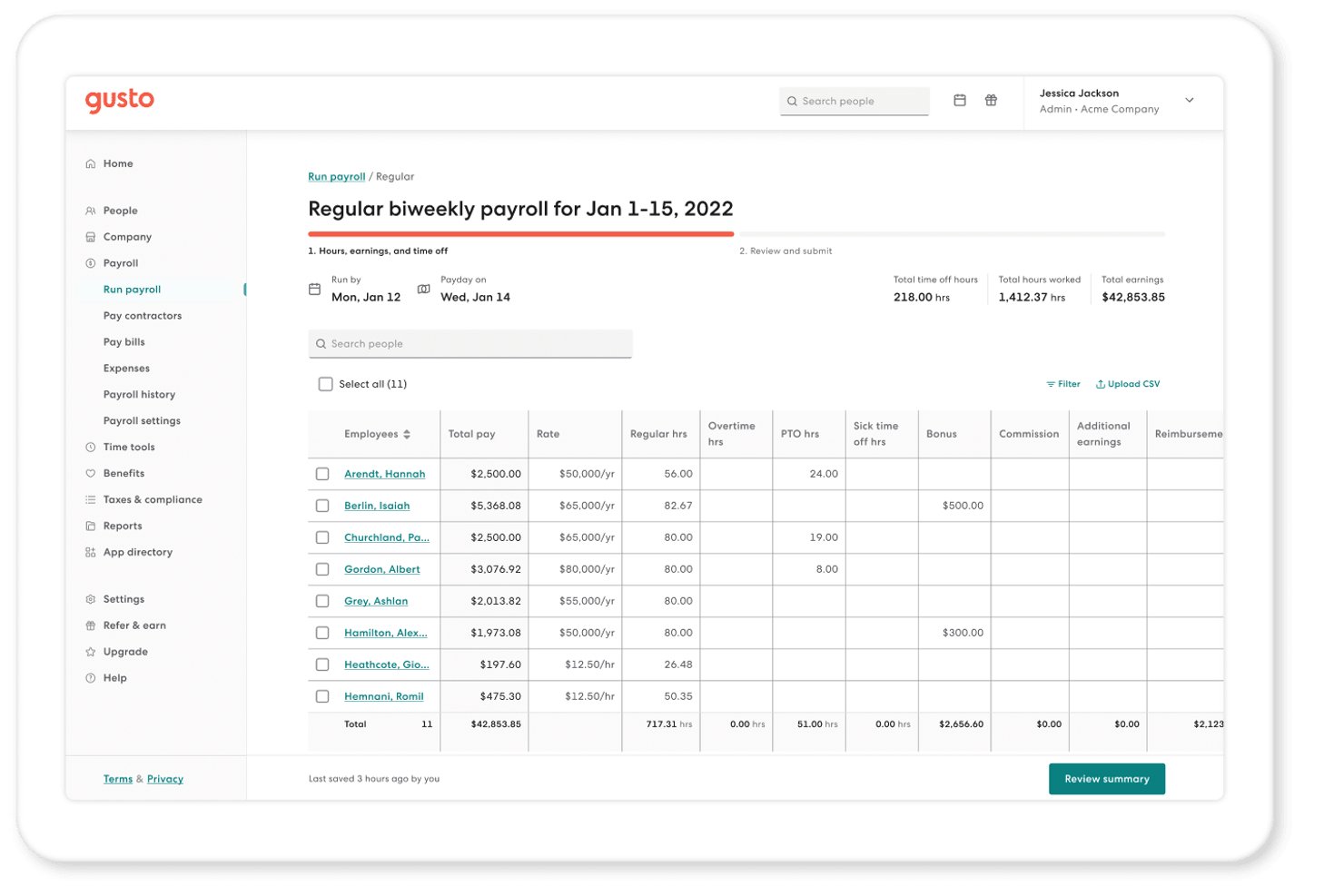
Gusto is a payroll platform built for small and mid-size businesses that handles hourly and salaried payroll runs, automated tax filings, time tracking, benefits administration, and contractor payments across all 50 US states.
Who is Gusto Best For?
Gusto is a strong fit for US-based retail shop owners and payroll administrators managing hourly workforces across one or a handful of store locations.
Why I Picked Gusto
Gusto earns its spot on my shortlist because of how it handles tax filings for hourly retail teams. Every time I run payroll, Gusto calculates and files federal, state, and local taxes with the right agencies automatically, and that's included on every plan, not sold as a separate add-on. I also like the geolocation-enabled time tracking, which lets hourly store staff clock in and out with location verification built in. AutoPilot lets me schedule payroll to run on a fixed cycle without requiring manual initiation each period.
Gusto Key Features
- POS system integrations: Connects with popular retail POS platforms like Clover for syncing sales and labor data.
- Multi-state payroll support: Processes payroll and calculates taxes for employees working across different states and locations.
- Bulk employee onboarding: Lets you onboard seasonal and part-time staff quickly with digital offer letters and automated W-4/I-9 collection.
- Workers’ comp pay-as-you-go: Enables retailers to manage workers' compensation policies with automated, per-pay-cycle premium calculations.
Gusto Integrations
Gusto offers over 150 native integrations, including Clover, 7shifts, Homebase, QuickBooks, Xero, Hubstaff, Deputy, and When I Work. An API is available for custom integrations.
Pros and Cons
Pros:
- Fast bulk onboarding for seasonal hires
- AutoPilot runs payroll on a fixed schedule
- Automated federal, state, and local tax filing
Cons:
- Multi-location cost center reporting is basic
- Limited retail-specific labor compliance alerting
New Product Updates from Gusto
Gusto Adds Solo Advisory Tools and Mobile Money Features
Gusto adds Solo S-Corp Advisory Tools and Gusto Money on Mobile for tax guidance, invoicing, and bill payments. These updates help accountants advise solopreneurs and let users manage business finances from their phones. For more information, visit Gusto’s official site.

Best for customizable workforce payroll workflows
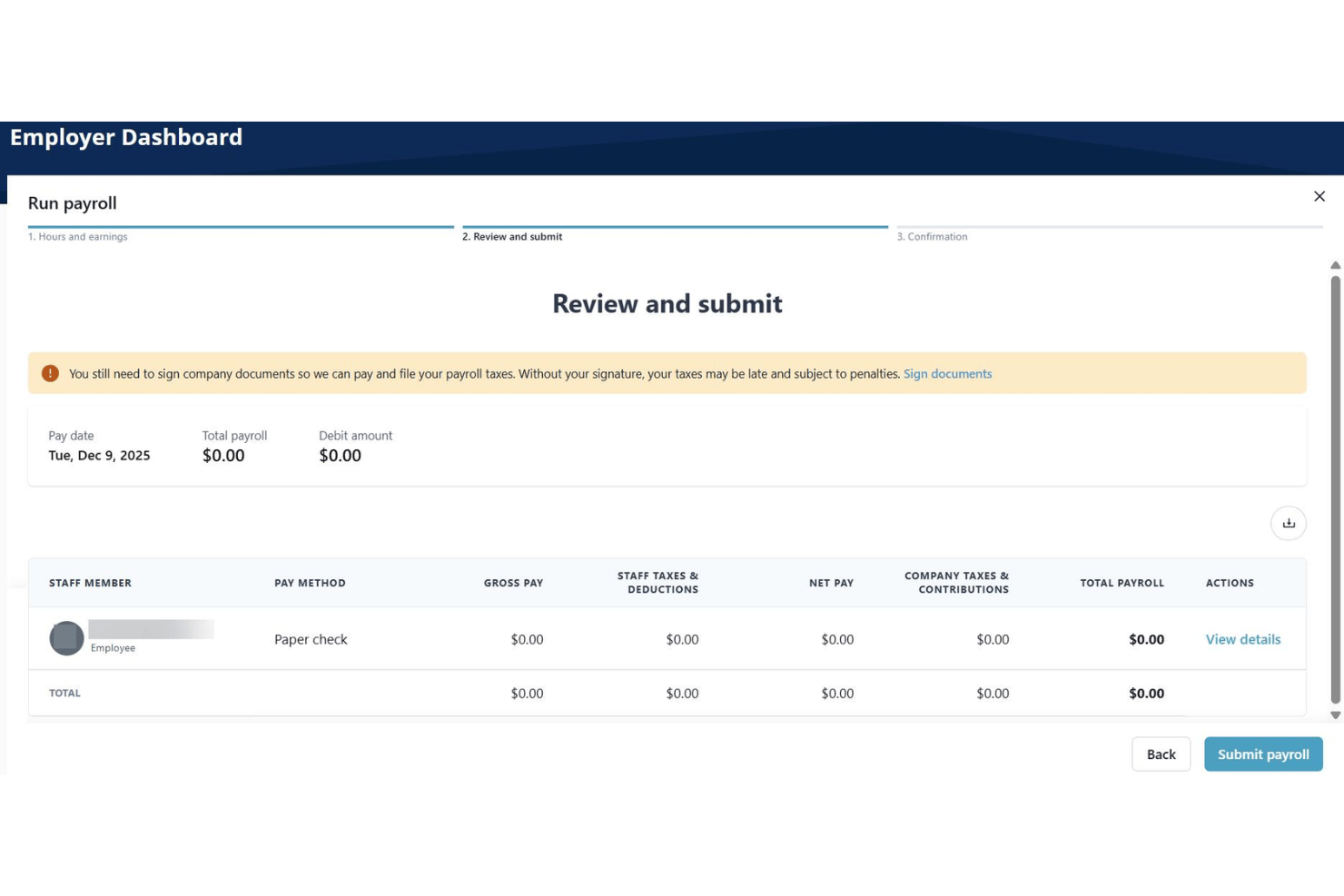
Paylocity is a unified HCM and payroll platform that handles hourly and shift-based pay, multi-location tax filing, time and labor integration, and highly configurable pay workflows for retail and variable-schedule workforces.
Who is Paylocity Best For?
Paylocity is a strong fit for mid-market retailers operating across multiple store locations who need a single platform to unify payroll, HR, and workforce management.
Why I Picked Paylocity
I picked Paylocity as one of the best because the depth of its payroll workflow configuration is genuinely rare in the retail space. I can define custom check types, build pay rules for shift differentials, and configure PTO accruals down to granular edge cases. The Payroll Readiness Dashboard then runs 40+ automated audits before each submission, flagging anomalies like unexpected pay spikes across store locations before they become costly errors.
Paylocity Key Features
- Multi-location tax geolocation: Automatically applies the correct tax setup for each employee based on their work location.
- Square POS integration: Syncs workforce and payroll data directly with Square to pull hours and sales.
- Payroll readiness dashboard: Flags anomalies and runs 40+ payroll audits before processing.
- Employee mobile self-service: Lets hourly employees clock in, request time off, and access pay information from their phones.
Paylocity Integrations
Paylocity offers native integrations with Square, 7shifts, QuickBooks, Kronos, ADP, NetSuite, and Microsoft 365. An open API is available for custom integrations.
Pros and Cons
Pros:
- Supports multi-state tax across store locations
- Built-in payroll audit flags before submission
- Highly configurable pay rules for shift workers
Cons:
- Mobile app has limited manager functionality
- Reporting customization requires extra configuration effort
New Product Updates from Paylocity

Paylocity Expands Expense and Purchase Request Tools
Paylocity adds connected personal cards, smarter expense categorization, and a streamlined purchase request experience. This reduces manual entry and helps finance teams manage expenses and approvals more efficiently. For more information, visit Paylocity’s official site.
 .
.
Deputy
Best for one-click timesheet-to-payroll syncing
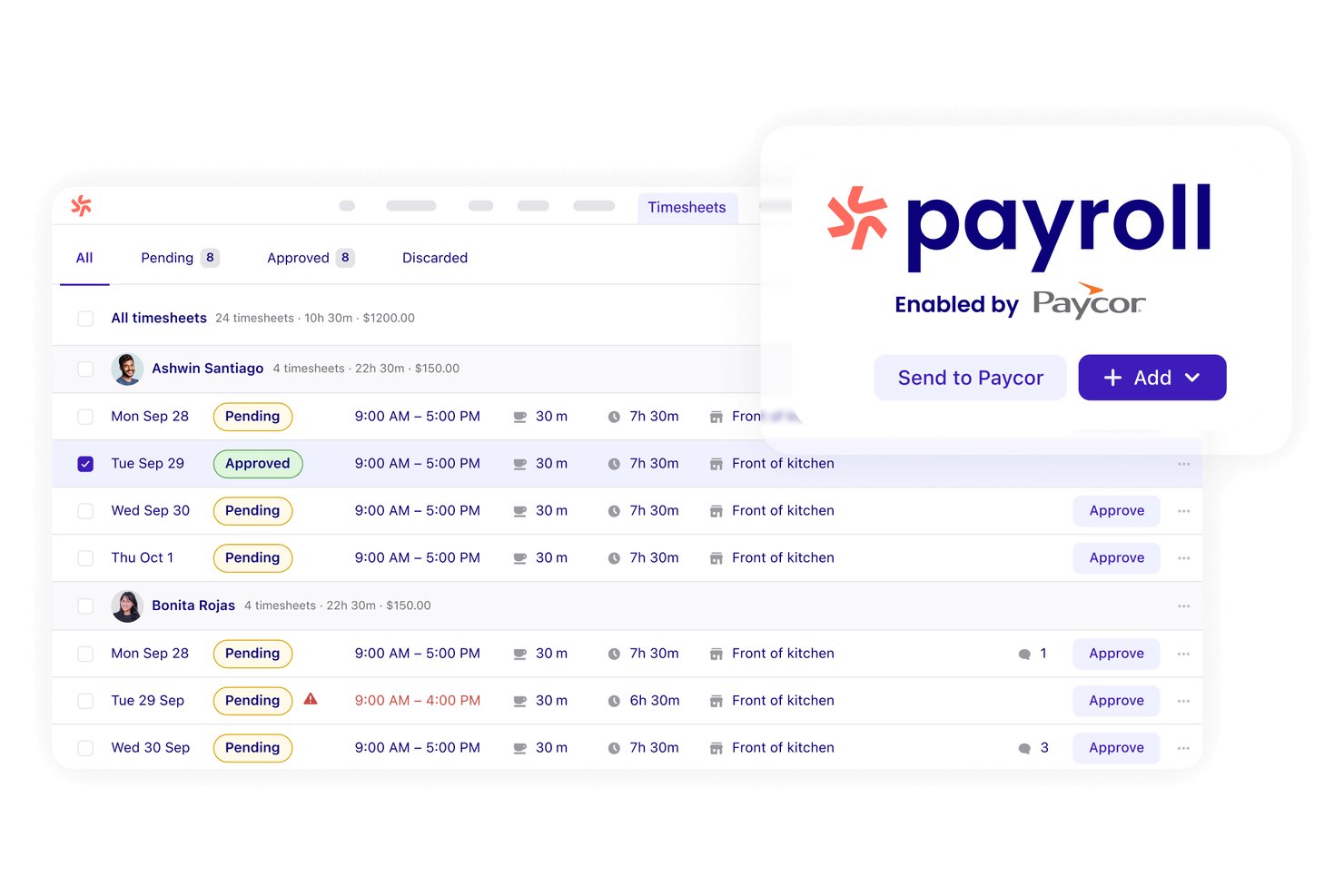
Deputy is a workforce management platform for shift-based businesses that combines employee scheduling, time tracking, and timesheet approvals with direct integrations into 300+ payroll systems.
Who is Deputy Best For?
Deputy is a strong fit for multi-location retailers managing large hourly workforces who need scheduling, time tracking, and payroll sync handled in one platform.
Why I Picked Deputy
Deputy earns its spot on my shortlist because the one-click timesheet-to-payroll sync with Paycor is the real deal. Once I approve timesheets in Deputy, pay rates, shift data, and leave records push directly to Paycor in a single action. I also like that pay rates are built into every shift from the start, so overtime and penalty rates surface automatically before a payroll run, not after.
Deputy Key Features
- Advanced scheduling automation: Automatically builds optimized shift schedules based on sales forecasts and labor budgets.
- Labor law compliance alerts: Flags scheduling conflicts related to breaks, overtime, and retail-specific labor regulations.
- Mobile shift management: Lets managers and staff swap shifts, request time off, and view schedules from any mobile device.
- Multi-location support: Organizes teams, pay centers, and reporting for multiple stores with configurable location hierarchies.
Deputy Integrations
Deputy offers native integrations with Paycor, Gusto, QuickBooks, Xero, ADP, Shopify, Square, Lightspeed, Oracle, and more, with an open API available for custom integrations.
Pros and Cons
Pros:
- Predictive scheduling compliance built into platform
- Penalty rates auto-apply to retail shifts
- One-click timesheet approval syncs shift data
Cons:
- Mobile clock-in can misread employee location
- Payroll features depend on third-party processors

Netchex
Best for complex shift and pay rate structures
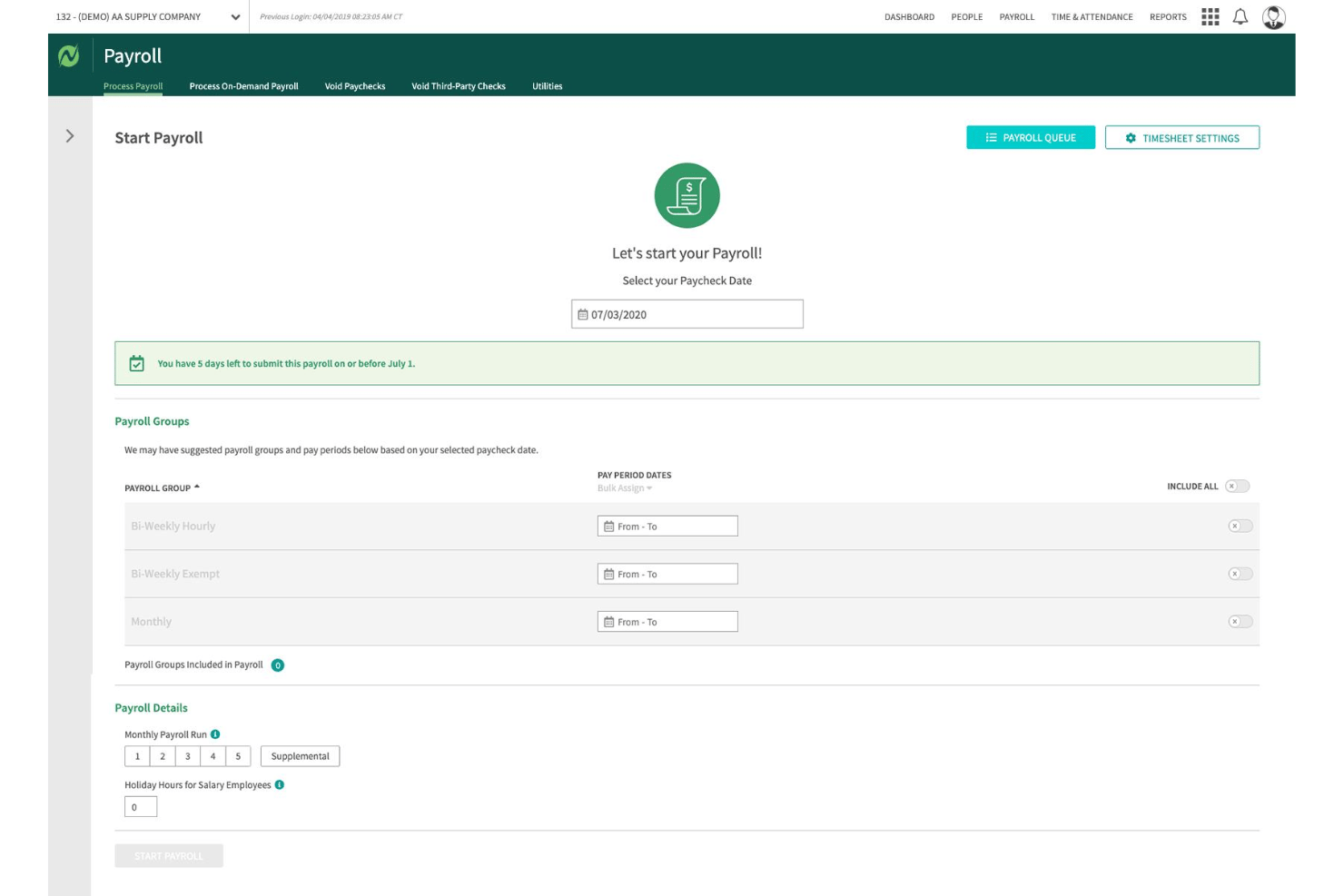
Netchex is a payroll and HR platform built for hourly-heavy workforces, handling shift-based pay, multi-location tax filing, time and attendance, benefits, and onboarding in one system.
Who is Netchex Best For?
Netchex fits mid-sized retail and restaurant businesses with 50–1,000 employees running multiple locations, variable schedules, and hourly-dominant workforces.
Why I Picked Netchex
I picked Netchex as one of the best because it handles the kind of pay complexity that trips up most payroll tools. When employees work multiple job codes at different pay rates in the same week, Netchex's shift differential engine keeps calculations accurate without manual correction. I also like its ACT tool, which automatically adjusts tax withholding based on each employee's work location, which matters when staff rotate across store locations.
Netchex Key Features
- POS integration suite: Connects with 14+ retail and restaurant POS systems to sync time, tip, and sales data directly into payroll.
- Earned wage access: Lets employees access a portion of earned pay between pay cycles through direct integration.
- Custom reporting builder: Offers custom payroll and compliance reports exportable to PDF, Excel, and CSV for stores and regions.
- Mobile self-service clock-in: Allows employees to clock in and out from any location using mobile devices with geofencing controls.
Netchex Integrations
Netchex offers native integrations with POS systems like PAR Brink, NCR, Oracle MICROS, Toast, Revel, Clover, Aloha, and Restaurant365, plus QuickBooks for accounting. An API is available for custom integrations.
Pros and Cons
Pros:
- Automated tax handling across multiple store locations
- Built-in shift differential pay calculations
- Supports multiple pay rates per single employee
Cons:
- Onboarding takes longer than competing platforms
- Report customization requires significant setup time
Best for retail tip and commission integration
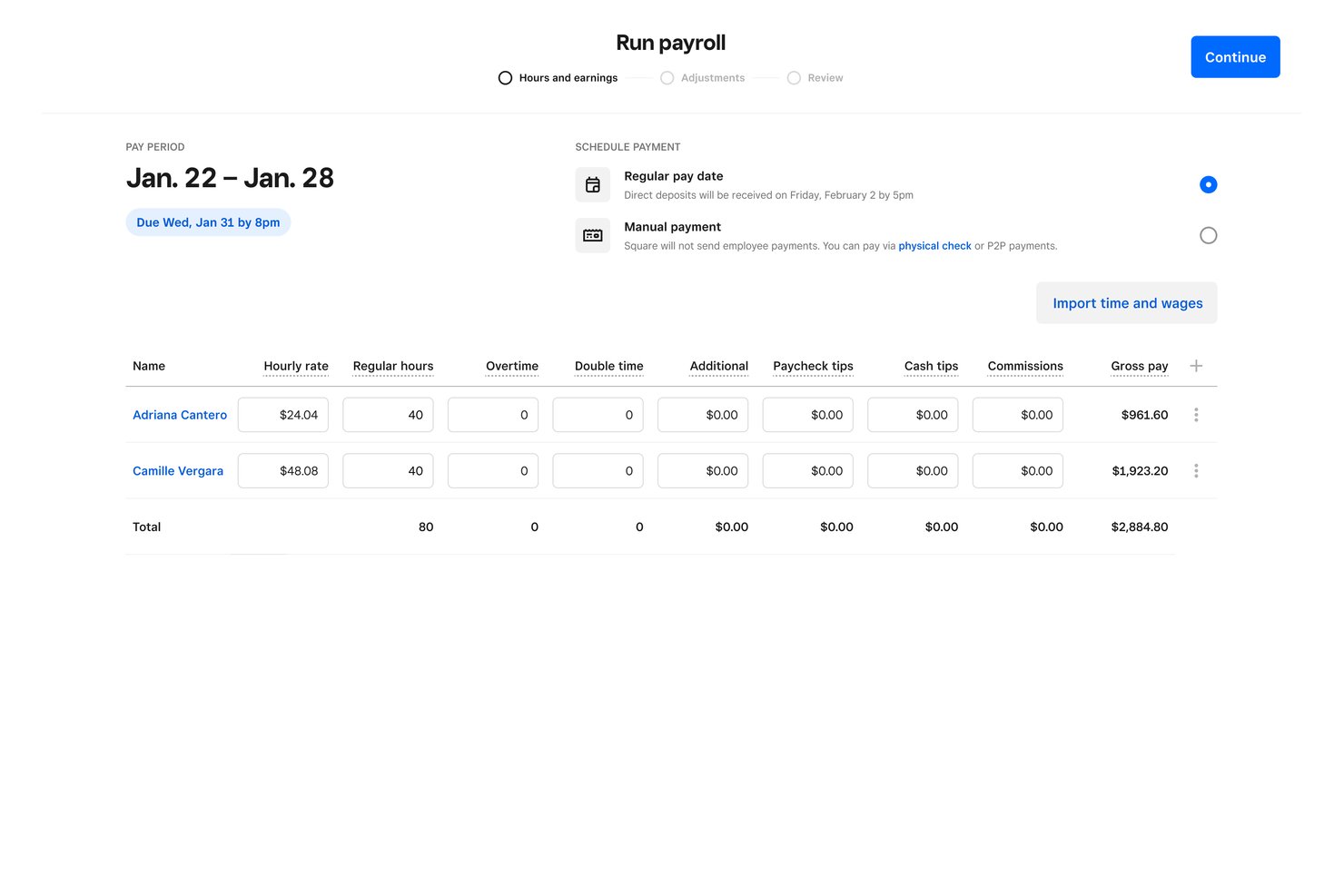
Square Payroll is a payroll management solution built around the Square ecosystem, with native POS-connected timecard imports, tip pooling, commission tracking, and multi-jurisdiction tax filing for hourly and shift-based retail teams.
Who is Square Payroll Best For?
Square Payroll is a natural fit for small and mid-sized retail businesses already running their operations on Square POS.
Why I Picked Square Payroll
I picked Square Payroll because the tip and commission handling is genuinely native to the retail workflow. Tip eligibility is configured per job title, and tips pool per shift directly from Square POS data, eliminating end-of-day manual reconciliation. Commission rates, flat or tiered, are set once and automatically calculated per transaction, then pulled into payroll without any extra steps.
Square Payroll Key Features
- Multi-jurisdiction tax calculation: Automatically applies the correct tax rates when staff work across different store locations.
- Digital pay stubs and split deposits: Allows employees to access digital pay stubs and divide deposits across multiple bank accounts.
- Automated federal and state tax filing: Submits payroll taxes and year-end forms without manual entry or extra fees.
- Square Team App integration: Lets staff clock in, view schedules, and manage personal details from their own devices.
Square Payroll Integrations
Square Payroll offers native integrations with Square POS, Square Team App, QuickBooks Online, and connects with Zapier. An API is available for custom integrations.
Pros and Cons
Pros:
- Multiple pay rates per employee supported
- Same-day direct deposit for hourly staff
- Tip pooling and commissions calculated automatically
Cons:
- Payroll reporting options are fairly limited
- Customer support response times are often slow
UKG Pro
Best for unified payroll and workforce management
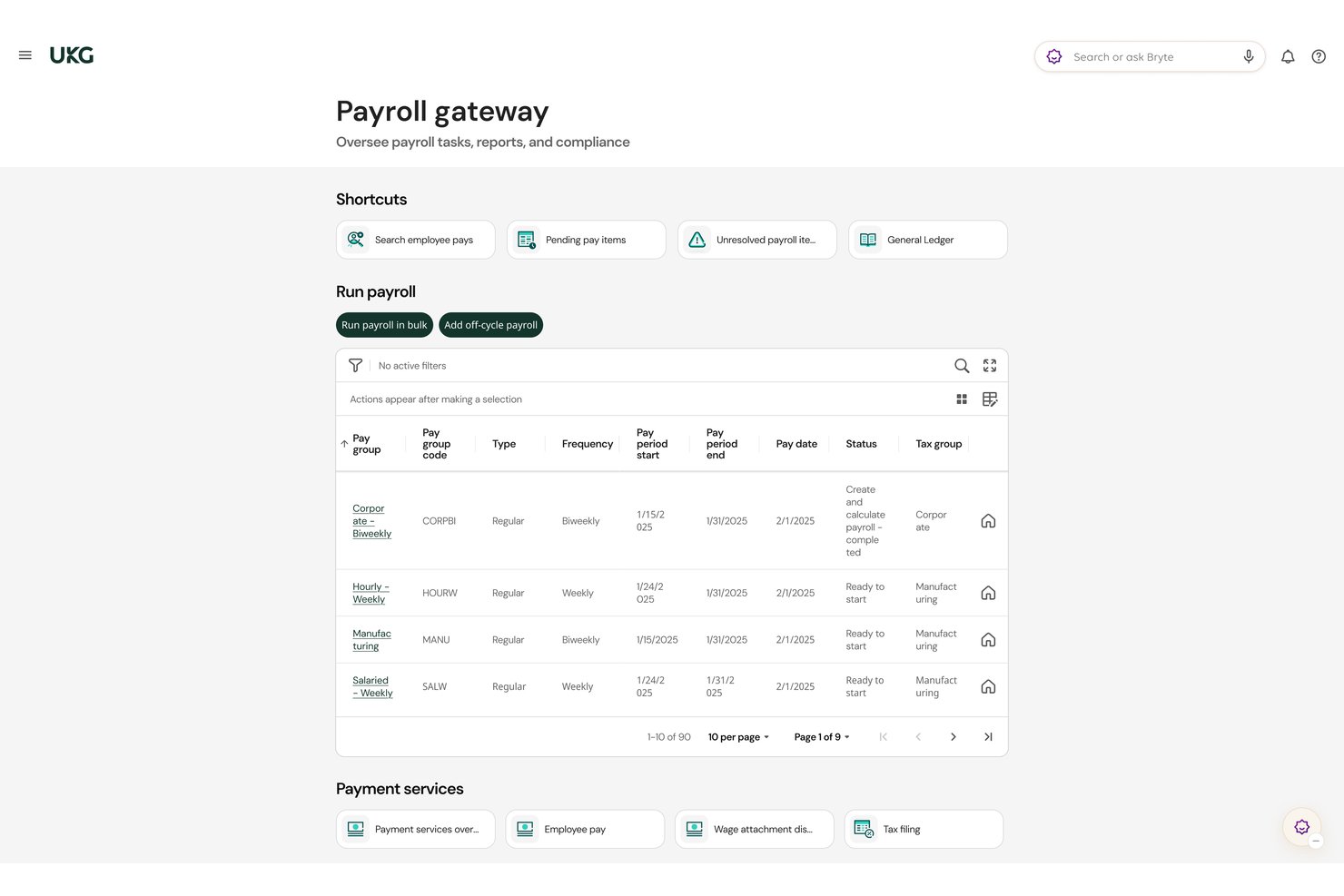
UKG Pro is an HCM platform that combines payroll processing, time and attendance, workforce scheduling, and labor compliance tools built for large, shift-based retail workforces operating across multiple locations.
Who is UKG Pro Best For?
UKG Pro is a strong fit for mid-market to enterprise retailers managing large hourly workforces across multiple store locations.
Why I Picked UKG Pro
UKG Pro earns its spot on my shortlist because payroll and workforce management live in one native suite, not bolted together via integration. I particularly like that preconfigured pay rules enforce predictive scheduling laws and meal/break penalties automatically across every store location. Continuous payroll processing with Bryte AI also flags missing hours or tax setup issues before a run closes, which matters a lot when you're paying hundreds of hourly workers across many locations.
UKG Pro Key Features
- Automated tip and commission calculations: Supports calculation, tax withholding, and payroll entry for tips, commissions, and retail incentive pay.
- Shift differential pay management: Automatically applies premium pay rates for nights, weekends, and holidays based on pre-set scheduling rules.
- Multi-location tax and cost center tracking: Assigns correct state and local tax rates and GL codes for employees working across different store locations.
- Bulk onboarding for seasonal hires: Optimizes holiday or event-driven hiring with quick onboarding tools and mass employee data import.
UKG Pro Integrations
UKG Pro offers native integrations with iCIMS, Beekeeper, Procore (via Flexspring), Jobvite, and Cornerstone OnDemand. An open API and UKG Marketplace are available for custom integrations and additional connections.
Pros and Cons
Pros:
- Scales well across high-turnover retail workforces
- Handles shift differential pay automatically
- Native predictive scheduling compliance built in
Cons:
- Reporting customization requires IT or admin support
- Long implementation timeline for large retail operations
Dayforce
Best for real-time payroll and compliance updates
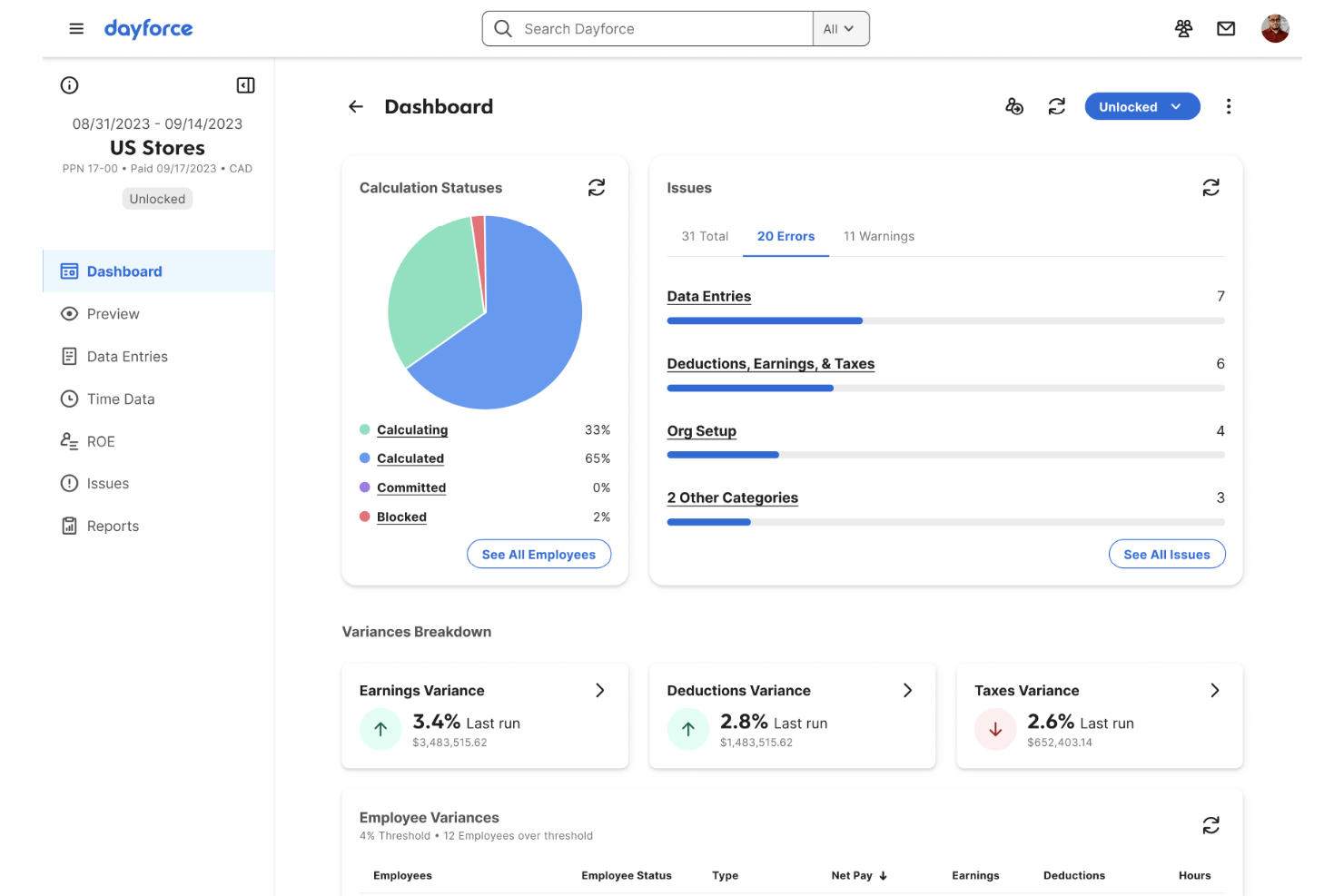
Dayforce is a unified HCM and payroll platform that combines continuous real-time payroll processing, workforce management, scheduling, time tracking, and multi-jurisdiction tax compliance in a single system built for enterprise and mid-market retailers.
Who is Dayforce Best For?
Dayforce is a strong fit for mid-market and enterprise retailers with 1,000+ employees managing multi-location payroll, frontline shift workers, and complex multi-jurisdiction compliance.
Why I Picked Dayforce
Dayforce earns its spot on my shortlist because of its continuous payroll calculation engine, which recalculates pay as shift hours are captured rather than at the end of a pay cycle. I love that compliance rule updates are monitored by Dayforce's own team and pushed into the platform automatically, keeping multi-state retailers current on minimum wage and predictive scheduling law changes. Dayforce Wallet also lets frontline workers access earned wages after each shift.
Dayforce Key Features
- Shift differential pay: Configure premium pay rates for night, weekend, or holiday shifts to meet retail wage policies.
- Automated multi-state tax management: Instantly applies accurate federal, state, and local tax rates for each store location worked.
- Built-in workforce scheduling: Create, manage, and edit employee schedules alongside payroll in one platform.
- Bulk seasonal onboarding: Quickly onboard and rehire large groups of hourly or seasonal staff with e-verification and rehire workflows.
Dayforce Integrations
Dayforce offers native integrations with platforms like Workday, Oracle, SAP SuccessFactors, ADP, and UKG, and provides an API for custom integrations.
Pros and Cons
Pros:
- Dayforce Wallet enables same-day earned wage access
- Built-in predictive scheduling law compliance tracking
- Real-time payroll recalculates with each shift
Cons:
- Custom reporting often requires IT involvement
- Complex implementation for smaller retail operations
Other Payroll Management Software for Retailers
Here are some additional payroll management software for retailers that didn’t make it onto my shortlist, but are still worth checking out:
- Paychex Flex
For multi-state tax compliance
- Paycor
For mobile payroll and on-demand pay
- ADP Workforce Now
For integrated time and payroll analytics
- QuickBooks Payroll
For integrated payroll with accounting sync
- OnPay
For managing multi-location staff payroll
- Justworks Payroll
For compliance support in retail employment
- Patriot Payroll
For simple hourly payroll processing
- Workstream
For high-volume seasonal workforce onboarding


How I Evaluate Payroll Management Software for Retailers
I evaluate payroll tools for retailers in two layers: the baseline must-haves like shift differentials and tax filing, and the differentiators like tip handling and POS sync.
Core Functionality (Table Stakes For This List)
When I'm selecting tools for my list, I rank each one on a scale from 0 (does not offer the functionality) to 5 (excels in this area) for each core functionality listed below. I then calculate the tool's total score into a percentage, using 65% as a benchmark to help assess its overall fit for the list.
- Hourly & Shift Payroll: I check whether a platform handles split shifts, multiple pay rates per employee, and variable schedules—like a cashier who also picks up weekend stock shifts at a different rate.
- Time & Attendance Integration: Native connections to time clocks, POS systems, and scheduling tools matter here, so worked hours flow into payroll runs without manual re-entry.
- Multi-Location Payroll: I evaluate how each tool handles jurisdiction-specific tax rules and wage calculations when employees work across different store locations or transfer between them.
- Overtime & Tip Handling: Retail teams deal with tip pooling, commission splits, and blended overtime rates. I look for automated calculations that account for these layered pay structures.
- Tax Filing & Compliance: Each tool should automate federal, state, and local filings and generate year-end forms. I look at how far automation extends beyond basic tax calculations.
- Retail Labor Law Compliance: I look for built-in support for predictive scheduling rules, meal and break penalties, and minor labor restrictions that retail employers commonly encounter.
Once I have a list of tools that meet the criteria, I consider what sets each platform apart.
Differentiating Factors (What Sets Vendors Apart)
Here's how I compare and contrast different vendors:
Standout Features
Tip and commission handling is a key differentiator. I look for automated tip pooling, commission splits, and tax withholding that don't require manual calculations after each shift. Shift differential pay also matters for retailers running overnight restocks or holiday sales events where premium rates apply. I evaluate seasonal workforce scaling too, checking for bulk onboarding and rehire workflows that keep payroll moving during hiring surges without creating bottlenecks.
Beyond Features
Integration with the retail tech stack is a big one. I check whether payroll connects directly to POS platforms like Shopify or Square and syncs with scheduling tools so hours and sales data feed in automatically. Scalability matters just as much—retail headcount swings during peak seasons, so I evaluate whether pricing adapts to fluctuating employee counts without penalties. I also look at total cost of ownership, including whether year-end filings and multi-location support come bundled or cost extra.
How to Choose a Payroll Management Software for Retailers
Wondering which payroll management software will hold up through retail’s peak seasons, shift changes, and evolving compliance rules? Here’s how to focus your search:
| If your priority is... | Prioritize... |
|---|---|
| Smooth payroll for hourly teams | Native shift differentials and tip handling |
| Multi-store or franchise operations | Automated multi-location tax and wage rule support |
| Fast holiday or seasonal hiring cycles | Bulk onboarding and quick rehire workflows |
| Fewer errors from data handoffs | Direct integrations with POS and scheduling platforms |
| Staying audit-ready and compliant | Built-in retail labor compliance with form generation |
How to Vet Your Shortlist
- Test shift pay scenarios: Run a live pay calculation with multiple rates and roles for a sample week.
- Request POS integration evidence: Ask for a list of active retail register and scheduling tool integrations, not just a generic integrations page.
- Demand jurisdiction clarity: Request sample payroll reports showing taxes calculated for staff working in multiple locations or states.
- Validate onboarding workflows: Launch a timed test adding five seasonal employees, asking for reports on how paperwork is tracked.
- Decide on flexibility vs. depth: Choose between all-in-one payroll tools with deep POS sync and modular systems better suited to complex compliance across many stores.
What are Payroll Management Software for Retailers?
Payroll management software for retailers are specialized software solutions that automate wage calculations, tax filings, and compliance for hourly and shift-based retail teams. These systems handle complex scheduling, overtime, tip distributions, and multi-location jurisdiction requirements, making payroll more accurate and less time-consuming. Retail payroll platforms also support quick onboarding for seasonal employees and integrate with point-of-sale and scheduling tools to optimize payroll data collection.
Features
When selecting payroll management software for retailers, keep an eye out for the following key features:
- Hourly and shift payroll: Accurately calculates wages for hourly, part-time, or shift-based roles, including split shifts and varying pay rates for different roles or times.
- Time and attendance integration: Smoothly imports clock-in and clock-out data from connected time-tracking, point-of-sale, or scheduling platforms directly into payroll.
- Multi-location support: Handles payroll across multiple stores or regions, applying local wage rules, taxes, and reporting automatically for each location.
- Overtime and tip handling: Automates overtime, tip pooling, tip credits, and commission processing—reducing errors and meeting complex compensation requirements common in retail.
- Automated tax filing: Calculates and submits local, state, and federal payroll taxes, generating required filings and alerts for tax deadlines or errors.
- Retail labor compliance: Enforces jurisdiction-specific retail labor laws, including predictive scheduling, break and meal penalties, and minor employee work restrictions.
- Bulk onboarding and rehiring: Supports rapid hiring and document verification for seasonal or high-turnover staff, making it easy to add or rehire dozens of employees at once.
- Employee self-service portal: Lets retail staff access pay stubs, update personal details, and manage tax forms securely online or through a mobile app.
- POS and schedule syncing: Syncs with point-of-sale and workforce scheduling systems to capture sales data and scheduled hours for a full picture of labor costs.
- Custom reporting: Offers tailored reports by store, role, or team, helping managers analyze labor costs, overtime trends, and compliance across the business.
Benefits
Implementing payroll management software for retailers provides several benefits for your team and your business. Here are a few you can look forward to:
- Accurate wage calculations: Automated payroll engines reduce errors and ensure hourly, overtime, and tip payments are calculated according to each role and shift.
- Optimized compliance: Built-in labor law, tax, and scheduling compliance features help retailers meet jurisdiction-specific requirements without constant manual oversight.
- Faster onboarding and rehiring: Bulk hiring tools and document verification workflows make bringing on seasonal or high-turnover staff quick and painless.
- Time-saving integrations: Direct connections with POS, scheduling, and time-tracking systems eliminate duplicate data entry and keep payroll information up to date.
- Flexible multi-location management: Centralized payroll management supports multiple stores or regions, handling taxes, wage rules, and reporting for each location.
- Empowered employees: Self-service portals let staff securely access pay stubs, update personal info, and manage their tax documents from anywhere.
- Better labor insights: Custom reporting gives managers visibility into workforce costs, overtime, and scheduling trends for informed decision-making.
Costs and Pricing
Selecting payroll management software for retailers requires an understanding of the various pricing models and plans available. Costs vary based on features, team size, add-ons, and more. The table below summarizes common plans, their average prices, and typical features included in payroll management software for retailers:
Plan Comparison Table for Payroll Management Software for Retailers
| Plan Type | Average Price | Common Features |
|---|---|---|
| Free Plan | $0 | Basic payroll calculations, employee self-service, and limited reporting. |
| Personal Plan | $5–$15/user/month | Hourly and shift payroll, basic tax calculations, time tracking integrations, and simple onboarding tools. |
| Business Plan | $20–$40/user/month | Multi-location support, automated compliance, tip handling, advanced integrations, and bulk onboarding. |
| Enterprise Plan | $50+/user/month | Advanced labor law compliance, custom reporting, POS integrations, dedicated support, and API access. |
Payroll Management Software for Retailers FAQs
Here are some answers to common questions about payroll management systems for retailers:
How do payroll management software for retailers handle tip and commission payments?
Most retail payroll systems automatically calculate, allocate, and tax tips and commissions based on POS data and role. This eliminates manual spreadsheets and helps businesses stay compliant with wage laws.
Can these systems manage payroll across multiple store locations?
Yes, many payroll management systems for retailers support multi-location operations, applying the correct wage rates and taxes for each store or jurisdiction automatically.
What kind of integrations should retailers expect with payroll software?
Look for native integrations with POS systems, scheduling tools, and accounting platforms, so your hours, sales, and payroll data flow smoothly without manual uploads.
Do payroll management software for retailers help with seasonal hiring and terminations?
Yes, the best platforms offer bulk onboarding and fast rehiring features, ensuring that seasonal team members are set up or removed from payroll with minimal hassle.
How do these systems help maintain compliance with labor laws?
Retail-specific payroll software typically includes rules engines for overtime, breaks, minor labor restrictions, and predictive scheduling to help maintain compliance with evolving regulations.