

10 Best Compensation Benchmarking Companies for 2026

10 Best Compensation Benchmarking Companies Shortlist


The best compensation benchmarking companies help you align your pay strategy with real-world market data so you can attract top talent, retain key employees, and stay competitive in a shifting job market.
When compensation decisions are based on guesswork or outdated data, it can lead to pay inequity, turnover, or compliance risks. Benchmarking providers take the guesswork out by offering access to verified salary data, industry trends, and custom insights tailored to your roles, regions, and growth stage.
From base pay and bonuses to equity, benefits, and job leveling, these services give you the tools to build a transparent, equitable compensation framework. After reviewing a wide range of providers—from data-driven platforms to full-service consultants—I’ve curated the top options to help you design smarter, fairer compensation strategies that evolve with your team.
In this article, you'll find unbiased insights into top picks that can help alleviate your compensation challenges. Let's dive in and find the right fit for your team.
Why Trust Our Software Reviews
Our team has been testing and reviewing software since 2012. As HR experts ourselves, we know how difficult—and important—it is to choose the right software.
For this guide, we evaluated tools using hands-on testing and independent research, scoring tools using our selection criteria. We also draw on insights from industry thought leaders and practicing HR experts.
Our reviews reflect our human editorial judgment, not a sales pitch.
Expert reviewers:
Best Compensation Benchmarking Companies Summary
This comparison chart summarizes pricing details for my top compensation benchmarking companies selections to help you find the best one for your budget and business needs.
| Service | Best For | Trial Info | Price | ||
|---|---|---|---|---|---|
| 1 | Best for managing global compensation structures | Free demo available | From $5/employee/month | Website | |
| 2 | Best for defensible market pricing | Free demo available | Pricing upon request | Website | |
| 3 | Best for startups | Not available | Pricing upon request | Website | |
| 4 | Best for mid-sized teams | Free demo available | From $4/user/month (billed annually) | Website | |
| 5 | Best for configurable compensation cycles | Free demo available | Pricing upon request | Website | |
| 6 | Best for enterprise solutions | Free demo available | Pricing upon request | Website | |
| 7 | Best for real-time data | Free plan + free demo available | Pricing upon request | Website | |
| 8 | Best for industry surveys | Not available | Pricing upon request | Website | |
| 9 | Best for leadership roles | Trial options not specified | Pricing upon request | Website | |
| 10 | Best for tech sector data | Contact for a discovery call | Pricing upon request | Website |
Best Compensation Benchmarking Companies Reviews
Below are my detailed summaries of the best compensation benchmarking companies that made it onto my shortlist. My reviews offer a look at each provider’s key services, unique specialties, and pros & cons to help you find the best one for your needs.

Deel offers an all-in-one global HR and compensation management platform designed to help companies benchmark, manage, and pay international teams with ease. Its compensation management suite includes salary benchmarking, total rewards portals, compensation bands, and pay transparency tools—making it a strong choice for organizations aiming to maintain competitive and compliant pay practices across borders.
Why I picked Deel: I picked Deel because it helps you manage global compensation structures while staying compliant with local regulations. The platform’s salary benchmarking tools make it easy to compare pay ranges by role, region, and industry, so you can align compensation decisions with real market data. I also value Deel’s focus on compliance—it’s ideal if you need to manage international payroll and benefits without legal complexity.
Standout Services: Deel’s compensation management tool combines benchmarking, merit cycles, and pay transparency features with its Global Salary Insights dashboard, which delivers real-time market pay data across more than 150 countries. It also integrates with popular HR systems like BambooHR, Personio, and SAP SuccessFactors to streamline workforce planning, payroll, and compliance management. Additionally, Deel’s automated invoicing and contractor payment capabilities simplify operations for businesses managing distributed global teams.
Target industries: Technology, finance, professional services, global startups, and distributed enterprises.
Specialties: Compensation benchmarking, global payroll, compliance management, contractor management, and HR integrations.
Pros and Cons
Pros:
- Compliance across 150+ countries
- Integrates with major HR systems
- Global compensation benchmarking coverage
Cons:
- Advanced tools cost extra
- Limited customization for pay bands
New Product Updates from Deel HR

Deel Expands Stablecoin Wallet to 80+ Countries
Deel expands its Stablecoin Wallet to 80+ countries with dollar-backed balances and optional rewards. This gives eligible contractors more ways to hold and manage earnings inside Deel. For more information, visit Deel’s official site.
 .
.
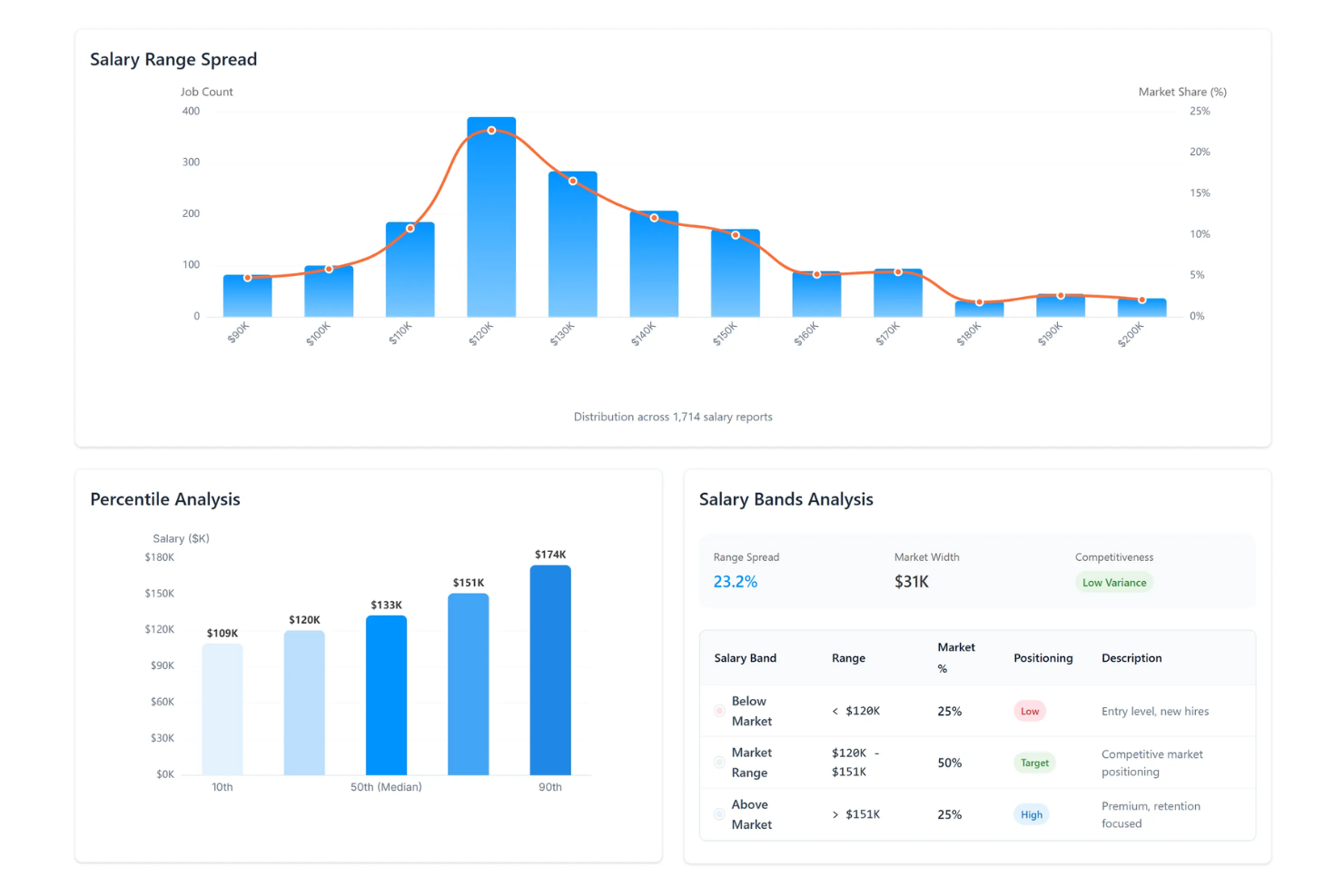
In the competitive landscape of salary benchmarking, SalaryCube differentiates itself with a defensible, real-time approach to market pricing. Built for HR and compensation professionals, the platform helps organizations establish pay ranges that reflect current market realities rather than relying on static or aging survey data. By grounding compensation decisions in continuously refreshed market inputs, SalaryCube supports more accurate, transparent, and audit-ready pay practices.
Why I Picked SalaryCube
I picked SalaryCube because its real-time benchmarking model helps you build compensation ranges that are both current and defensible. Instead of relying on traditional survey snapshots, the platform uses continuously updated market data to reflect how roles are actually priced today. I also liked its structured approach to job matching, which makes it easier for you to explain and justify pay decisions internally and externally, especially in pay transparency conversations.
SalaryCube Key Features
In addition to its unique data capabilities, SalaryCube offers several other noteworthy features:
- Job Matching Methodology: Matches internal roles to market benchmarks based on job duties and scope, rather than just job titles, for accurate compensation comparisons.
- Integration with HR Workflows: Connects benchmarking data to broader HR processes, supporting compliance with pay transparency laws and informing compensation planning.
- Unlimited Custom Reporting: Generate detailed reports filtered by geography, industry sector, and company revenue, with full data transparency and audit trails.
- FLSA Audit Tool: A resource for ensuring compliance with Fair Labour Standards Act regulations, helping organizations avoid legal pitfalls.
SalaryCube Integrations
Native integrations are not currently listed by SalaryCube.
Pros and Cons
Pros:
- Unlimited custom compensation reports
- Filters by location and revenue
- Real-time salary data updates
Cons:
- No native HRIS integrations listed
- U.S.-only compensation data


Pave provides a compensation management software platform focused on enhancing pay decision-making with real-time data and AI-driven insights. They serve key business functions, including compensation benchmarking, market pricing, and total rewards management, targeting startups and high-growth companies.
Why I picked Pave: Their platform is tailored for startups, offering real-time data and AI-driven insights that aid in precise compensation planning. The Market Data Launch feature is particularly useful for startups, providing them with access to essential market pricing data without requiring extensive resources. The Pave Data Lab offers valuable insights, making it easier for your team to stay informed.
Standout Services: Pave’s total rewards portal helps your team manage merit cycles efficiently, boosting employee engagement. Moreover, their market pricing offers crucial insights into competitive pay rates, helping you make informed compensation decisions.
Target industries: Technology, finance, healthcare, retail, and education.
Specialties: Compensation benchmarking, market pricing, compensation planning, total rewards management, and AI-driven insights.
Pros and Cons
Pros:
- Market Data Launch feature
- AI-driven insights
- Real-time data access
Cons:
- Requires tech-savvy users
- Pricing not transparent
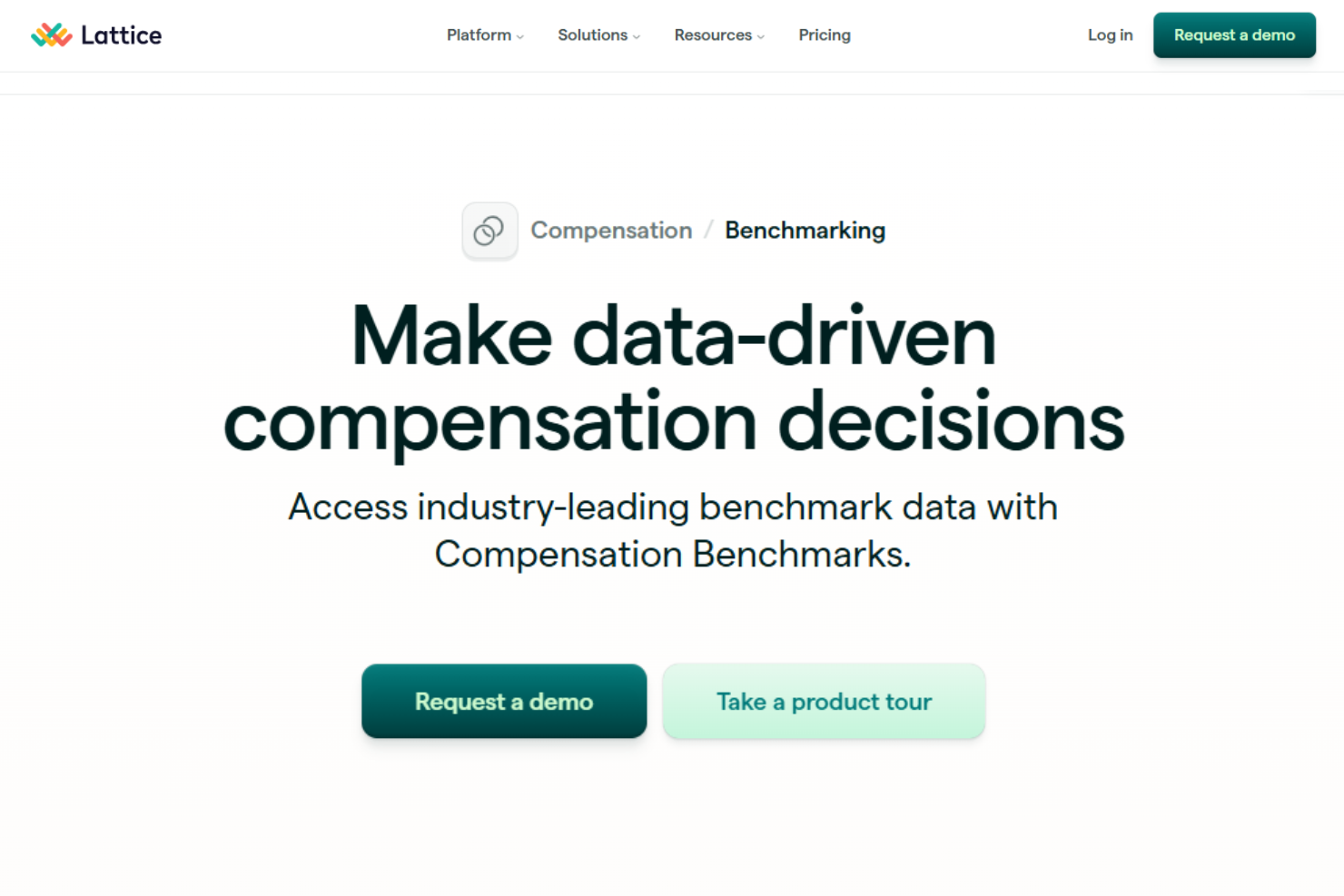
Lattice provides compensation benchmarking services designed to help organizations develop effective pay strategies that retain top talent. They serve key business functions like performance management and analytics, catering primarily to mid-sized teams across various industries.
Why I picked Lattice: Lattice focuses on mid-sized teams and is supported by data-driven insights that enhance people management. The platform offers customizable benchmarking, allowing your team to tailor pay strategies to specific roles and locations. With annual updates to ensure relevance, your organization can address internal pay disparities and make informed budget decisions.
Standout Services: Lattice offers performance management tools that help you enhance employee engagement by aligning individual goals with company objectives. They also provide analytics tools that gives your team data-driven insights to make informed decisions regarding compensation and workforce management.
Target industries: Fintech, insurance, life sciences, healthcare, and technology.
Specialties: Compensation benchmarking, performance management, data-driven insights, employee engagement, and customizable benchmarking.
Pros and Cons
Pros:
- Enhances employee engagement
- Annual updates for relevance
- Customizable benchmarking options
Cons:
- Primarily focused on mid-sized teams
- Requires data integration expertise
New Product Updates from Lattice

Lattice Introduces MCP Connector for AI Chat Tools
Lattice introduced Lattice MCP, a new connector that brings talent data into Claude, ChatGPT, and other LLM tools. The connector helps teams access performance context from reviews, 1:1 notes, feedback, goals, and updates within AI chat workflows. For more information, visit Lattice’s official site.
 .
.
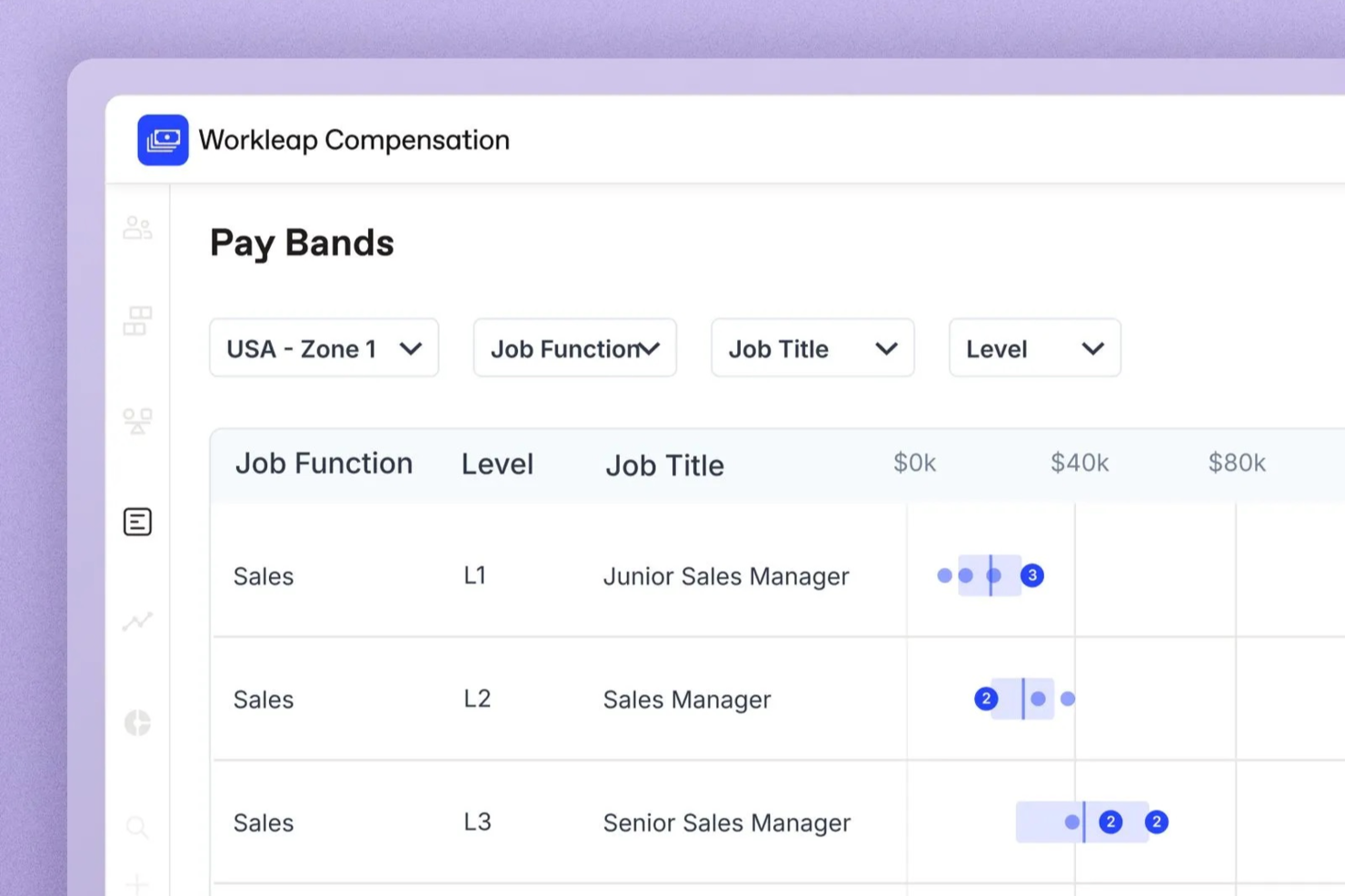
Workleap's compensation management system is designed for HR, Total Rewards, and Finance teams seeking to streamline compensation processes and make informed pay decisions. This platform appeals to organizations looking to enhance efficiency by moving away from traditional spreadsheets and integrating performance insights with industry benchmarking data. By offering customizable pay structures and real-time analytics, Workleap addresses the need for competitive and equitable compensation management.
Why I Picked Workleap
I picked Workleap because it offers a unique integration of performance insights with industry benchmarking data, which is crucial for making informed pay decisions. The platform's ability to customize pay structures and provide global pay support directly addresses the challenges faced by HR teams in managing diverse compensation needs. Additionally, Workleap's real-time compensation analytics empower users to monitor and address pay gaps effectively, aligning compensation strategies with organizational goals.
Workleap Key Features
In addition to its core functionalities, Workleap offers several features that enhance its value as a compensation benchmarking tool.
- Configurable Compensation Cycles: Allows you to tailor compensation reviews to fit your organization's specific needs and timelines.
- Controlled Spending Tools: Provides budget management features to ensure compensation spending aligns with financial constraints.
- Automated Compensation Letter Generation: Simplifies the process of creating personalized compensation letters for employees, saving time and reducing errors.
- Seamless Integration with HRIS Platforms: Connects effortlessly with major HR systems like Bamboo HR and Workday, facilitating quick and accurate compensation reviews.
Workleap Integrations
Integrations include Bamboo HR, Workday, and Mercer.
Pros and Cons
Pros:
- Real-time pay gap analytics
- Configurable global compensation structures
- Integrated benchmarking and performance data
Cons:
- Limited standalone benchmarking depth
- Pricing scales with user minimums


Lightcast offers compensation benchmarking services that enable companies to align their salary offerings with market standards, thereby attracting and retaining top talent. The company focuses on key business functions, including salary benchmarking and workforce consulting, serving large enterprises and organizations across various industries.
Why I picked Lightcast: Their solutions are tailored for enterprise needs, offering current salary data integration into your hiring systems via API. This access to actionable wage data enables you to support your talent acquisition strategies effectively. With continuous monitoring of wage trends, your team can make informed compensation decisions to stay competitive.
Standout Services: Lightcast supports API integration, enabling you to seamlessly integrate compensation data into your existing systems and enhance your recruitment processes. They also provide workforce consulting that gives personalized analysis and recommendations to optimize compensation strategies for better talent retention.
Target industries: Technology, healthcare, finance, manufacturing, and retail.
Specialties: Salary benchmarking, workforce consulting, API integration, wage trend analysis, and talent acquisition strategies.
Pros and Cons
Pros:
- Supports global salary data
- Real-time wage trend monitoring
- Tailored for enterprise needs
Cons:
- Primarily data-driven services
- May require integration expertise
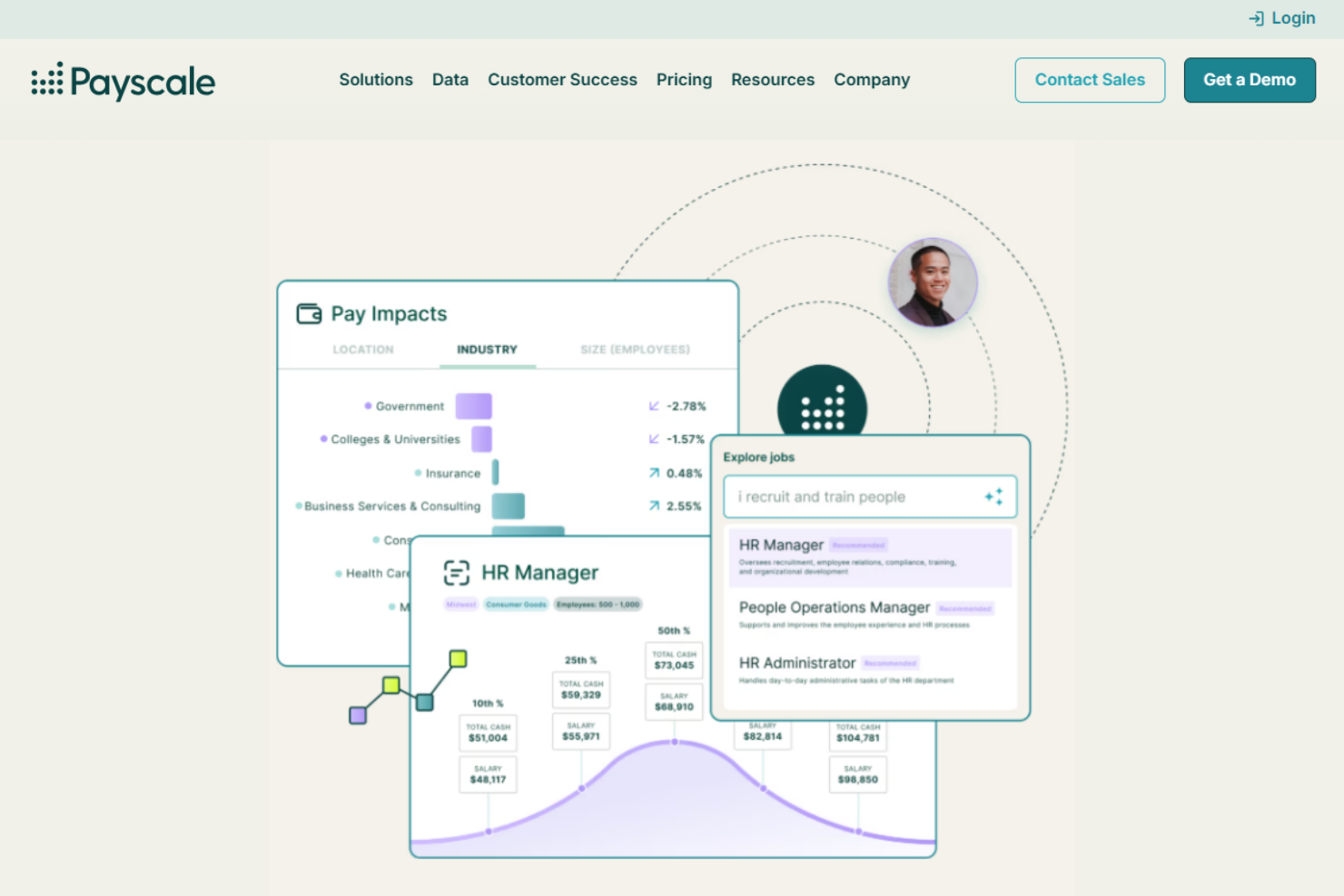
Payscale provides compensation benchmarking services, powered by extensive data and AI technology, to support HR leaders and compensation teams in enhancing recruitment and retention strategies.
They offer products like Payfactors for real-time compensation data, Marketpay for large global companies, and Paycycle for managing pay raises, catering to a diverse range of industries.
Why I picked Payscale: Their focus on real-time data is supported by the Payfactors platform, which delivers up-to-date compensation insights to help your team make informed pay decisions. Marketpay offers advanced analytics for global compensation professionals, ensuring your compensation strategies are aligned with market standards. Paycycle helps you manage regular pay raises effectively, enhancing your overall compensation management.
Standout Services: Payscale’s analytical dashboards in Payfactors streamline data access and reporting, saving your team time in data preparation. Additionally, their Marketpay offers advanced analytics tools, enabling you to align compensation strategies with global market standards.
Target industries: Technology, healthcare, finance, retail, and manufacturing.
Specialties: Real-time data, AI-driven insights, compensation management, pay cycle management, and global analytics.
Pros and Cons
Pros:
- Trusted by Fortune 500 companies
- Supports pay cycle management
- Real-time compensation data
Cons:
- May need additional training for setup
- Limited focus on small businesses


Willis Towers Watson offers comprehensive salary surveys that enable businesses to optimize their compensation structures, attracting and retaining top talent. They serve functions like compensation benchmarking and workforce analytics, catering to a diverse range of industries and large organizations.
Why I picked Willis Towers Watson: Their expertise in conducting detailed industry surveys makes them a leader in compensation benchmarking. They offer a wide array of survey data, ensuring your team can access relevant market insights to inform pay strategies. The integration of workforce analytics allows your organization to make data-driven decisions that align with industry standards.
Standout Services: WTW’s workforce analytics provides you with the tools to analyze employee data, improving your talent management strategies. Their custom survey solutions also allow your team to tailor surveys to specific needs, ensuring you gather the most relevant compensation data.
Target industries: Financial services, technology, healthcare, manufacturing, and consumer goods.
Specialties: Salary surveys, compensation benchmarking, workforce analytics, custom survey solutions, and market insights.
Pros and Cons
Pros:
- Detailed workforce analytics
- Tailored survey solutions
- Extensive industry survey data
Cons:
- Complex setup for new users
- Primarily for large enterprises


Korn Ferry Pay provides data-driven compensation analysis services to help organizations optimize their compensation strategies. The company serves various business functions, including compensation benchmarking and talent recruitment, targeting industries such as healthcare, consumer markets, and technology.
Why I picked Korn Ferry Pay: Korn Ferry Pay focuses on leadership roles and is supported by comprehensive data from over 32,000 companies worldwide, making it easier for you to align compensation strategies with market standards. Their self-service solution provides insights into compensation benchmarking and custom job grading, ensuring your team can implement fair compensation practices. Access to global data allows for informed decision-making, enhancing your ability to attract and retain top talent.
Standout Services: Korn Ferry Pay offers data visualization tools that enable you to interpret compensation data, enhancing your strategic planning process easily. Their market-leading insights also provide you reliable compensation benchmarks, supporting effective pay strategies and improving employee engagement.
Target industries: Healthcare, consumer markets, technology, financial services, and industrial.
Specialties: Compensation benchmarking, pay transparency, talent recruitment, workforce management, and EVP activation.
Pros and Cons
Pros:
- Data visualization tools
- Self-service solution
- Global data access
Cons:
- Primarily large organizations
- May require tech-savvy users


Radford McLagan Compensation Database specializes in providing compensation data and analytics tailored for the technology sector. They support business functions like salary benchmarking and workforce analytics, primarily serving technology companies and high-growth industries.
Why I picked Radford McLagan Compensation Database: Their focus on the tech sector allows your team to access specialized compensation data that aligns with industry standards. The database provides detailed analytics, helping you make informed decisions on salary structures. With a comprehensive view of market trends, your organization can effectively manage compensation strategies to attract top tech talent.
Standout Services: Radford McLagan Compensation Database offers custom data reports that give you insights specific to your organization's needs, enhancing decision-making processes. They also provide global market trend analysis to help your team stay competitive by understanding shifts in compensation practices across different regions.
Target industries: Technology, telecommunications, biotechnology, pharmaceuticals, and financial services.
Specialties: Salary benchmarking, workforce analytics, custom data reports, market trend analysis, and tech sector insights.
Pros and Cons
Pros:
- Custom data reports
- Detailed analytics available
- Focus on tech sector data
Cons:
- Complex setup for new users
- Primarily tech-focused
Other Compensation Benchmarking Companies
Here are some additional compensation benchmarking companies that didn’t make it onto my shortlist, but are still worth checking out:
- Mercer
For global reach
- Equilar
For executive insights
- Compease
For interactive compensation planning
- Robert Walters Benchmarking
For tailored salary benchmarking
- Culpepper
For consulting services
- Empsight
For compliance standards
- SalaryCube
For advanced analytics
- Pearl Meyer
For executive pay surveys
- Sequoia
For benefits consulting
- OpenCamp
For tech startups


What Are Compensation Benchmarking Companies?
Compensation benchmarking companies are organizations that provide data and analysis to help businesses evaluate and set competitive pay rates. They might offer things like:
- Salary surveys and reports
- Market pay analysis
- Job evaluation and grading
- Compensation strategy consulting
- Pay equity analysis.
HR professionals, compensation managers, and business leaders typically seek out compensation benchmarking companies to ensure their pay structures are competitive and equitable. These services address challenges like attracting talent, retaining employees, and maintaining fair compensation practices.
Compensation Benchmarking Companies Selection Criteria
When selecting the best compensation benchmarking companies to include in this list, I considered common business needs and pain points that these providers address. This included things like ensuring competitive salary structures and maintaining pay equity. I also used the following framework to keep my evaluation structured and fair:
Core Services (25% of total score): To be considered for inclusion in this list, each provider had to offer these basic services:
- Salary benchmarking
- Market pay analysis
- Job evaluation
- Compensation strategy
- Pay equity analysis
Additional Standout Services (25% of total score): To help further narrow down the competition, I also looked for unique or especially valuable services, such as:
- Custom data reports
- Global market insights
- Industry-specific surveys
- Real-time data access
- AI-driven analytics
Industry Experience (10% of total score): To get a sense of the industry experience of each provider, I considered the following:
- Years in business
- Number of industries served
- Range of client sizes
- Expertise in specific sectors
- Thought leadership presence
Onboarding (10% of total score): To evaluate the onboarding experience for each provider, I considered the following:
- Ease of setup
- Availability of training materials
- Support during implementation
- Customization options
- Time to full deployment
Customer Support (10% of total score): To assess the level of customer support each provider offers, I considered the following:
- Availability of support channels
- Response time
- Quality of assistance
- Proactive communication
- Availability of dedicated account managers
Value For Price (10% of total score): To evaluate the pricing and potential ROI of working with each provider, I considered the following:
- Transparency of pricing
- Range of pricing options
- Competitive pricing
- Return on investment potential
- Inclusion of additional features
Customer Reviews (10% of total score): To get a sense of the overall satisfaction of existing customers, I considered the following when reading customer reviews:
- Overall satisfaction ratings
- Feedback on service reliability
- Comments on support quality
- Experiences with onboarding
- Value for money feedback
How to Choose a Compensation Benchmarking Company
It’s easy to get bogged down in long lists of services and complex pricing structures. To help you prioritize the things that matter most for your business, keep the following factors in mind:
| Factor | What to Consider |
| Business Objectives | Ensure the provider aligns with your strategic goals. For instance, if attracting top tech talent is a priority, look for tech industry expertise. |
| Service Scope and SLAs | Verify the range of services meets your needs and that service level agreements guarantee timely and accurate data delivery. |
| Support Availability | Consider providers offering 24/7 support and dedicated account managers to assist your team whenever needed. |
| Costs and Pricing Structure | Look for transparent pricing and flexible plans that fit your budget. Be wary of hidden fees that might affect the total cost of ownership. |
| Communication and Reporting | Evaluate how frequently and effectively they report on compensation trends and market changes, ensuring your team stays informed and competitive. |
| Data Accuracy | Check if they offer reliable and current data, crucial for making informed compensation decisions. |
| Customization Options | Assess whether they allow for tailored reports and analyses to suit your specific business needs. |
| Reputation and Reviews | Research client feedback and industry reputation to gauge overall satisfaction and reliability. |
Key Compensation Benchmarking Company Services
When selecting a compensation benchmarking company, keep an eye out for the following key services:
- Salary benchmarking: Provides comparative data to help your team establish competitive compensation structures.
- Market pay analysis: Offers insights into current market trends, ensuring your compensation packages remain attractive.
- Job evaluation: Assesses roles within your organization to determine fair pay scales based on responsibilities and skills.
- Compensation strategy consulting: Guides your team in developing effective pay strategies aligned with business goals.
- Pay equity analysis: Identifies and addresses disparities in pay to promote fairness and compliance.
- Custom data reports: Delivers tailored insights specific to your organization's compensation needs.
- Global market insights: Provides data and trends from international markets to support global compensation strategies.
- Performance management tools: Helps align individual goals with compensation to improve employee engagement.
- Governance analysis: Assists in aligning executive compensation with corporate governance standards.
- Compliance standards: Ensures your compensation practices meet industry regulations and standards.
Benefits of Compensation Benchmarking Companies
Partnering with a compensation benchmarking company offers several benefits for your team and your business. Here are a few you can look forward to:
- Competitive pay structures: Access to salary benchmarking helps your team set pay rates that attract top talent.
- Informed decision-making: Market pay analysis and global insights provide the data needed for strategic compensation planning.
- Fairness and compliance: Pay equity analysis ensures your compensation practices are fair and meet industry standards.
- Tailored insights: Custom data reports offer specific information that aligns with your organization's needs.
- Enhanced employee engagement: Performance management tools help connect compensation with employee goals, boosting morale.
- Strategic alignment: Compensation strategy consulting guides your team in aligning pay practices with business objectives.
- Risk management: Governance analysis and compliance standards help mitigate risks related to regulatory requirements.
Costs and Pricing Structures of Compensation Benchmarking Companies
Compensation benchmarking companies typically come at a custom price to accommodate various business needs, sizes, and circumstances. Providers generally work within one of the following pricing structures:
- Subscription-based: Charges a recurring fee for ongoing access to services and data.
- Project-based: Fees are determined by the scope and duration of specific projects.
- Scope of work (SOW): Costs are based on the defined deliverables and tasks outlined in a contract.
- User-based: Pricing varies according to the number of users accessing the platform.
- Tiered pricing: Offers different pricing levels based on the range of services selected.
Key Factors That Influence Compensation Benchmarking Companies Pricing
Beyond the specific pricing model, here are some additional factors that can influence the cost of compensation benchmarking companies:
- Customization level: The more customization needed, the higher the cost due to tailored solutions.
- Industry regulations: Compliance with specific industry standards can add to the overall price.
- Number of employees: Larger organizations may incur higher costs due to the scale of data analysis.
- Data access frequency: More frequent access to updated data can increase expenses.
- Geographic reach: Global data and insights may come with additional charges.
Being aware of these factors before you start seeking out custom quotes from providers helps you get a sense of what to expect, and compare and contrast quotes more effectively.
Compensation Benchmarking Companies: FAQs
Here are some answers to common questions about compensation benchmarking companies:
How do compensation benchmarking companies gather data?
Compensation benchmarking companies collect data from various sources, including salary surveys, industry reports, and proprietary databases. They often collaborate with businesses to gather detailed compensation information, ensuring that the data is current and relevant. This data is then analyzed to provide insights into market trends and salary benchmarks.
Can compensation benchmarking companies help with pay equity?
Yes, many compensation benchmarking companies offer services to help you assess and address pay equity issues within your organization. They provide detailed analyses that compare salaries across different demographics, roles, and locations. This information can help your team identify disparities and develop strategies to ensure fair and equitable pay practices.
How often should a company conduct compensation benchmarking?
The frequency of compensation benchmarking depends on your industry and business needs. However, it’s generally recommended to conduct benchmarking annually to keep up with market trends and adjust compensation strategies accordingly. Regular benchmarking helps your team stay competitive and attract top talent.
What should I look for in a compensation benchmarking company?
When choosing a compensation benchmarking company, consider factors such as data accuracy, industry expertise, and customization options. Check if they offer services that align with your business objectives and provide comprehensive reporting. It’s also important to evaluate their reputation and customer support offerings.
How do compensation benchmarking companies support strategic decision-making?
These companies provide data-driven insights that help your team make informed decisions about salary structures and compensation strategies. By understanding market trends and benchmarks, you can align your pay practices with industry standards and support your organization’s strategic goals. This can lead to improved talent acquisition and retention.
Are services from compensation benchmarking companies customizable?
Many compensation benchmarking companies offer customizable services to meet the unique needs of your business. They can tailor reports and analyses based on specific roles, industries, or geographic locations. Customization ensures that the insights you receive are relevant and actionable for your organization.
What’s Next:
If you're in the process of researching compensation benchmarking companies, connect with a SoftwareSelect advisor for free recommendations.
You fill out a form and have a quick chat where they get into the specifics of your needs. Then you'll get a shortlist of software to review. They'll even support you through the entire buying process, including price negotiations.

