

10 migliori EOR per le piccole imprese nel 2026

10 Selezione di EOR per piccole imprese


Un datore di lavoro registrato (EOR) è un servizio che assume legalmente il tuo team all'estero, gestendo buste paga, conformità e pratiche burocratiche relative alle risorse umane, così puoi assumere ovunque senza dover creare una tua entità legale internazionale.
Se stai crescendo oltre i confini nazionali, cerchi modi per semplificare l'assunzione di talenti a livello globale o fai fatica a tenerti al passo con le leggi sul lavoro in continua evoluzione, trovare l'EOR giusto ti offre chiarezza e controllo. Questa guida analizza i principali fornitori di EOR per piccole imprese per aiutarti a decidere quale si adatta meglio alle tue esigenze di assunzione, al tuo budget e alle tue ambizioni internazionali.
Perché fidarsi delle nostre recensioni sui software
Il nostro team testa e recensisce software dal 2012. In quanto esperti HR noi stessi, sappiamo quanto sia difficile — e importante — scegliere il software giusto.
Per questa guida, abbiamo valutato gli strumenti attraverso test pratici e ricerche indipendenti, assegnando un punteggio agli strumenti in base ai nostri criteri di selezione. Ci basiamo inoltre sulle competenze di leader di pensiero del settore e di professionisti HR attivi.
Le nostre recensioni riflettono il nostro giudizio editoriale umano, non un discorso di vendita.
Revisori esperti:
Tabella comparativa degli EOR per piccole imprese
La tabella seguente confronta i dettagli sui prezzi delle mie principali selezioni di EOR per piccole imprese.
| Tool | Best For | Trial Info | Price | ||
|---|---|---|---|---|---|
| 1 | Ideale per una tariffa fissa in tutti i Paesi | Demo gratuita disponibile | A partire da $399/utente/mese | Website | |
| 2 | Supporto gestito da persone anziché dall'automazione | Demo gratuita disponibile | A partire da $319/utente/mese | Website | |
| 3 | Het meest geschikt voor EOR met directe entiteiten in meer dan 160 landen | Gratis demo beschikbaar | Vanaf $599/gebruiker/maand | Website | |
| 4 | Ideale per inserimenti rapidi con flussi di lavoro integrati per i contratti | Demo gratuita disponibile | A partire da $199/utente/mese | Website | |
| 5 | Ideale per le assunzioni con supporto al reclutamento integrato | Dimostrazione gratuita disponibile | A partire da $199/utente/mese | Website | |
| 6 | Ideale per l'indennità illimitata sulle assunzioni internazionali | Demo gratuita disponibile | A partire da $599/utente/mese | Website | |
| 7 | Ideale per modellare i costi occupazionali prima dell'assunzione | Demo gratuita disponibile | A partire da $399/dipendente/mese | Website | |
| 8 | Ideale per una copertura globale della conformità riconosciuta dagli analisti | Demo gratuita disponibile | A partire da $599/dipendente/mese | Website | |
| 9 | Ideale per la copertura della responsabilità contrattuale in caso di cessazione | Demo gratuita disponibile | A partire da $499/utente/mese | Website | |
| 10 | Ideale per un'ampia copertura dei Paesi | Demo gratuita disponibile | A partire da $699/utente/mese | Website |


Recensioni degli EOR per piccole imprese
Di seguito trovi i miei riepiloghi dettagliati degli EOR per piccole imprese inclusi nella mia selezione. Le mie recensioni offrono uno sguardo approfondito sulle funzionalità, sui casi d’uso ideali e sui prezzi di ciascuna piattaforma, per aiutarti a trovare quella più adatta a te.

Playroll
Ideale per una tariffa fissa in tutti i Paesi
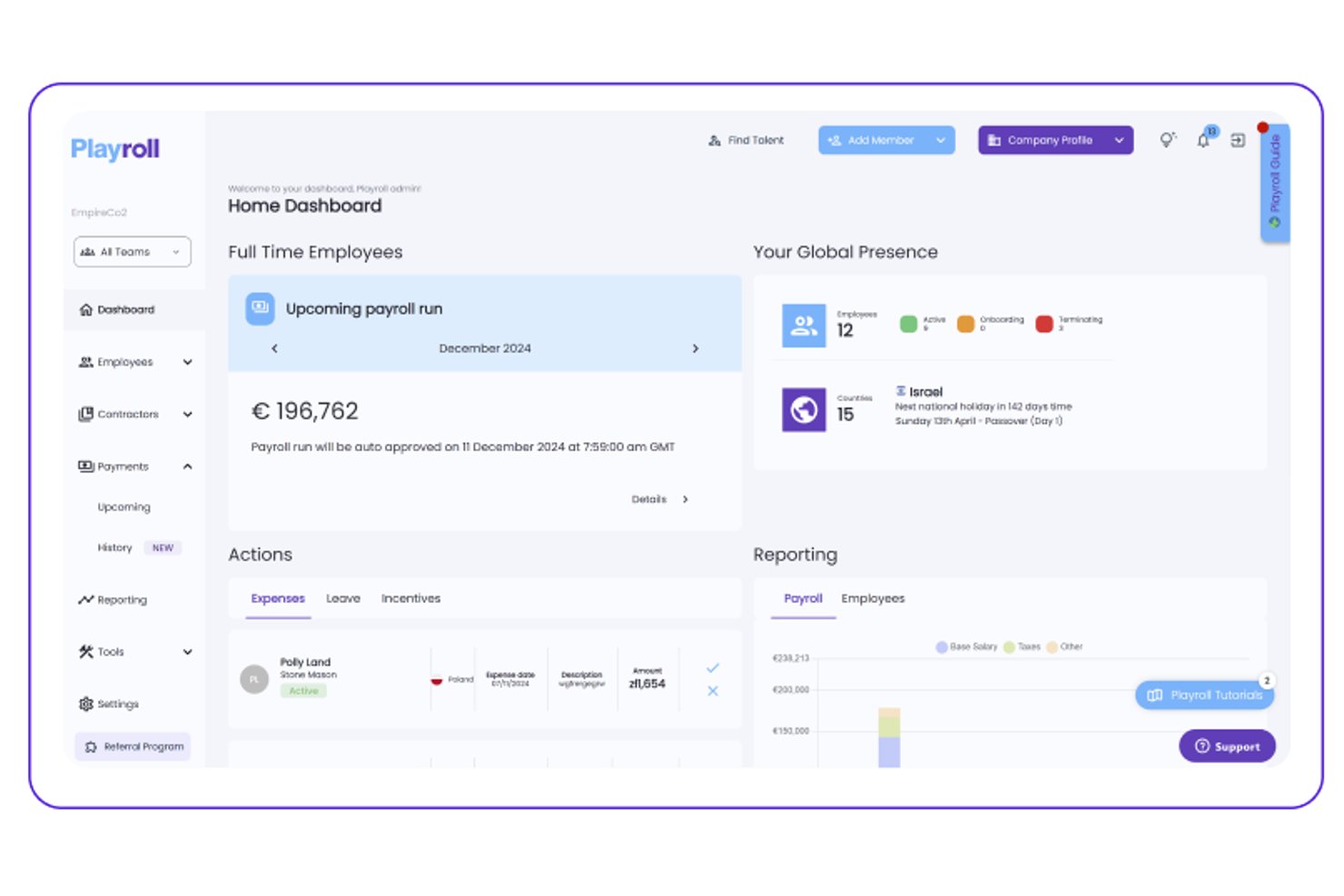
Playroll è una piattaforma per datori di lavoro registrati che gestisce assunzioni internazionali, buste paga, amministrazione dei benefit e conformità normativa in più Paesi da un unico cruscotto.
Per chi è più adatto Playroll?
Playroll è particolarmente adatto alle piccole aziende che assumono in più Paesi e desiderano costi prevedibili e a tariffa fissa, senza commissioni impreviste.
Perché ho scelto Playroll
Playroll è entrato nella mia lista ristretta perché il suo modello di prezzi a tariffa fissa elimina uno dei principali grattacapi delle assunzioni internazionali: i costi imprevedibili. Mi piace il fatto che si paghi la stessa tariffa indipendentemente dal Paese in cui si assume, così espandersi da un Paese a cinque non fa lievitare inaspettatamente il budget. Playroll inoltre riunisce buste paga, benefit e conformità normativa in un unico cruscotto, esattamente ciò di cui ha bisogno un team HR snello quando gestisce dipendenti oltre confine.
Funzionalità principali di Playroll
- Gestione delle buste paga in più valute: Elabora le buste paga nelle valute locali per i dipendenti di diversi Paesi da un unico cruscotto.
- Contratti di lavoro conformi alle normative locali: Playroll genera contratti che rispettano i requisiti legali del Paese, inclusi i periodi di preavviso e i benefit obbligatori.
- Portale self-service per i dipendenti: I dipendenti possono accedere ai cedolini, richiedere permessi e aggiornare i propri dati personali senza passare dall'HR.
- Gestione integrata delle spese: I team possono inviare e approvare le richieste di rimborso direttamente sulla piattaforma, mantenendo i rimborsi collegati ai cicli delle buste paga.
Integrazioni di Playroll
Playroll documenta integrazioni HRIS native con piattaforme tra cui BambooHR e HiBob, oltre a un'API aperta per connessioni personalizzate.
Pros and Cons
Pros:
- Contratti di lavoro conformi alle normative locali
- Il self-service per i dipendenti riduce le richieste amministrative
- Il supporto per le richieste di rimborso integra i flussi di lavoro delle buste paga
Cons:
- Poche informazioni pubbliche sulla copertura dei Paesi
- L'amministrazione dei benefit varia in base alla località

Supporto gestito da persone anziché dall'automazione
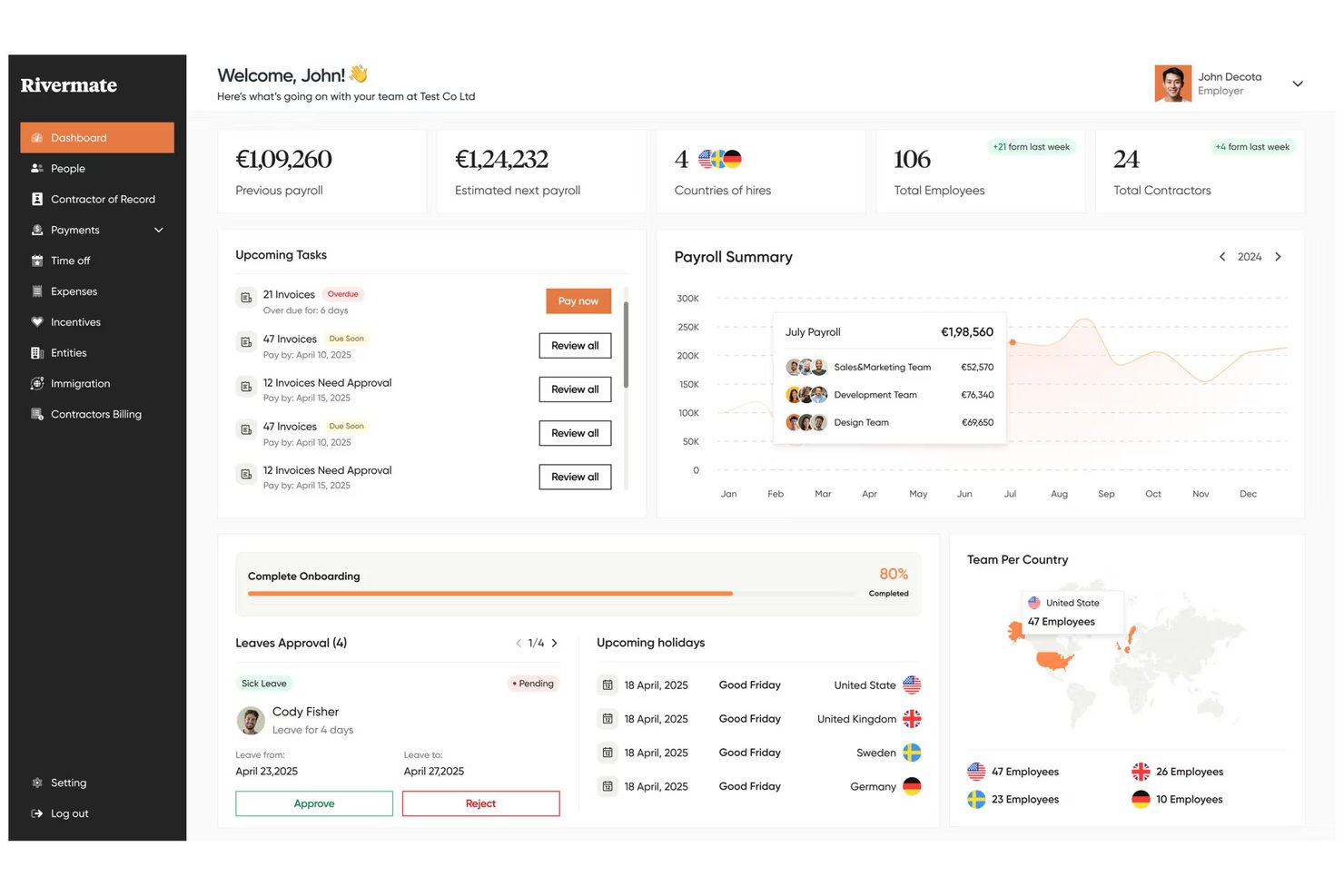
Rivermate è un servizio di datore di lavoro ufficiale che gestisce assunzioni internazionali, buste paga, conformità e amministrazione dei benefit in diversi Paesi attraverso un team di esperti locali di risorse umane e legali.
Per chi è più indicato Rivermate?
Rivermate è particolarmente adatto alle piccole imprese che desiderano una persona reale che gestisca le proprie domande sulle risorse umane internazionali, non un assistente automatico conversazionale o un flusso di lavoro automatizzato.
Perché ho scelto Rivermate
Ho incluso Rivermate tra le mie scelte principali perché sostituisce l'esperienza basata innanzitutto sull'assistente automatico conversazionale, tipica della maggior parte delle piattaforme EOR, con esperti umani reali. Quando assumi il tuo primo dipendente, ad esempio, in Brasile o nelle Filippine, hai a disposizione un responsabile dedicato che conosce la legislazione del lavoro locale, non un articolo della base di conoscenza. Apprezzo particolarmente il fatto che i suoi specialisti legali e delle risorse umane interni gestiscano direttamente la redazione dei contratti e i controlli di conformità, così nulla va perso in un flusso di lavoro automatizzato.
Caratteristiche principali di Rivermate
- Elaborazione delle buste paga in più Paesi: Rivermate gestisce le buste paga nelle valute locali in oltre 150 Paesi, occupandosi dei calcoli, della presentazione delle dichiarazioni fiscali e dei pagamenti a ogni ciclo di paga.
- Contratti di lavoro conformi alle normative locali: Rivermate genera contratti di lavoro che riflettono i requisiti legali del singolo Paese, inclusi periodi di preavviso, condizioni di licenziamento e clausole obbligatorie.
- Amministrazione dei benefit: Rivermate gestisce i benefit obbligatori e aggiuntivi dei dipendenti in base al Paese, tra cui copertura sanitaria, contributi pensionistici e diritti alle ferie retribuite.
- Gestione della proprietà intellettuale e delle attrezzature: Rivermate supporta gli accordi di cessione della proprietà intellettuale e coordina la fornitura delle attrezzature per i nuovi assunti internazionali.
Integrazioni di Rivermate
Al momento non sono elencate integrazioni native.
Pros and Cons
Pros:
- Supporto gestito da persone per domande complesse sulle risorse umane
- Esperti legali locali esaminano i contratti di lavoro
- Gestisce buste paga e benefit in diversi Paesi
Cons:
- Meno automazione rispetto alle piattaforme EOR basate innanzitutto sugli assistenti automatici conversazionali
- La disponibilità dei benefit varia in base al Paese di destinazione

Het meest geschikt voor EOR met directe entiteiten in meer dan 160 landen
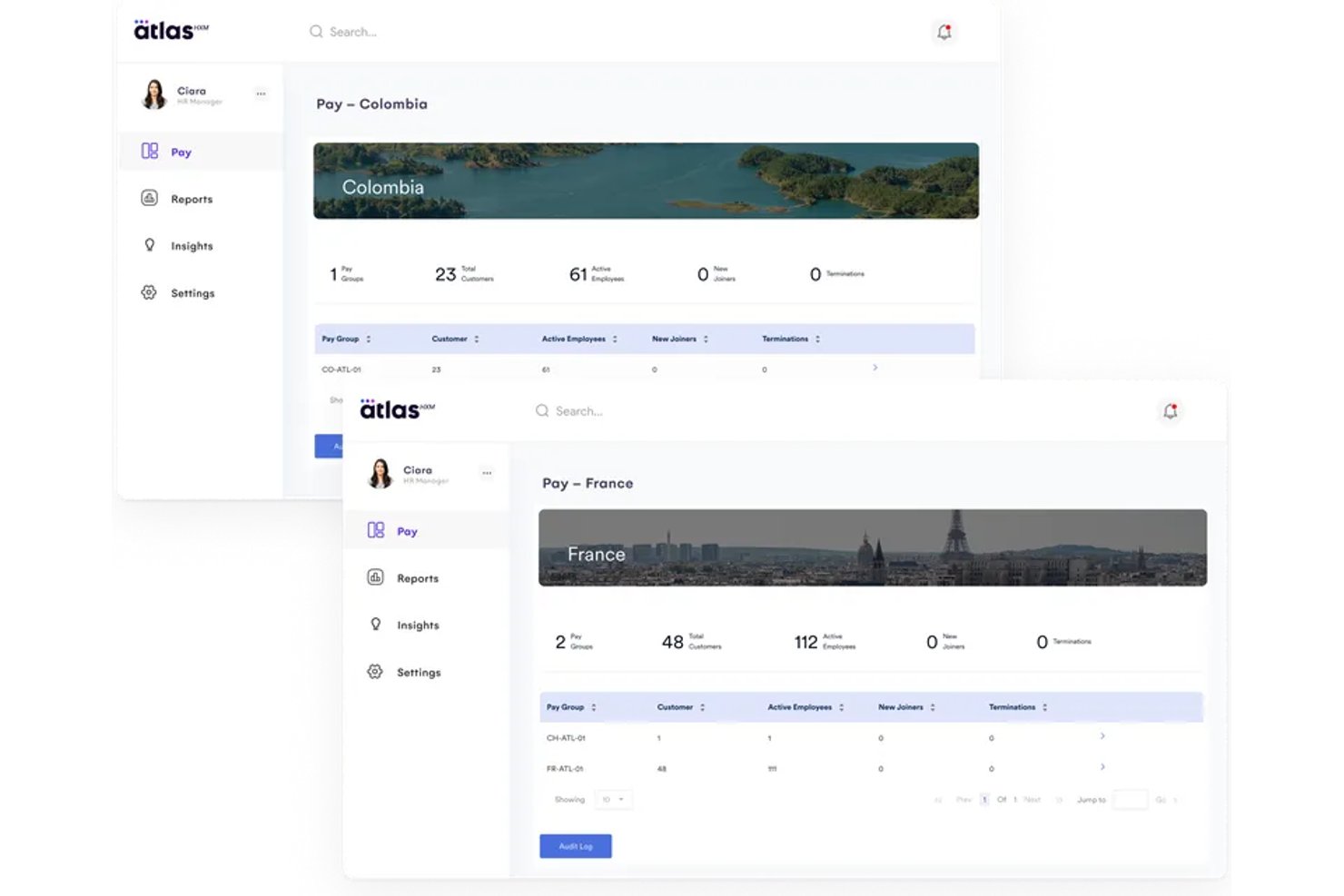
Atlas HXM is een platform voor formeel werkgeverschap dat internationale werving, salarisadministratie, voordelenbeheer en naleving beheert via zijn eigen juridische entiteiten in meer dan 160 landen.
Voor wie is Atlas HXM het meest geschikt?
Atlas HXM is zeer geschikt voor bedrijven die in meerdere landen personeel werven en een echte EOR met directe entiteiten nodig hebben in plaats van een netwerk dat afhankelijk is van partners.
Waarom ik voor Atlas HXM heb gekozen
Atlas HXM staat op mijn shortlist omdat het via eigen juridische entiteiten in meer dan 160 landen opereert. Dat betekent dat er geen netwerk van externe partners is dat je medewerkers afhandelt. Ik vind het sterk dat dit model met directe entiteiten kleine bedrijven echte verantwoordelijkheid biedt: één contract, één aanspreekpunt en geen verschil tussen wat wordt beloofd en wat wordt geleverd. De interne infrastructuur voor naleving omvat bovendien automatisch updates van lokale arbeidswetgeving. Dat is belangrijk wanneer je personeel werft in onbekende markten zonder een speciaal juridisch team.
Belangrijkste functies van Atlas HXM
- Geautomatiseerde inwerkprocessen: Atlas HXM begeleidt nieuwe internationale medewerkers via landspecifieke inwerkstappen, het verzamelen van documenten en het ondertekenen van contracten binnen één platform.
- Beheer van arbeidsvoorwaarden: Je kunt lokaal concurrerende arbeidsvoorwaardenpakketten beheren voor medewerkers in elk land, waaronder zorgverzekeringen, pensioenregelingen en wettelijke aanspraken.
- Geïntegreerde wereldwijde salarisadministratie: Het platform verwerkt salarisbetalingen in meerdere valuta in alle ondersteunde landen en handelt inhoudingen, belastingen en uitbetalingen in één verwerkingsronde af.
- Ondersteuning bij immigratie en visa: Atlas HXM biedt interne ondersteuning voor werkvergunningen en visumaanvragen, zodat je talent over de grens kunt verplaatsen of aannemen zonder een afzonderlijke immigratiedienstverlener.
Integraties van Atlas HXM
Atlas HXM ondersteunt rechtstreekse integraties met Workday, BambooHR en Sage, evenals een open API via Atlas Connect.
Pros and Cons
Pros:
- Directe entiteiten in meer dan 160 landen
- Interne ondersteuning bij immigratie en visa
- Geïntegreerde wereldwijde salarisadministratie in meerdere valuta
Cons:
- Visumsponsoring brengt extra kosten met zich mee
- Het meest geschikt voor internationale wervingsbehoeften

Gloroots
Ideale per inserimenti rapidi con flussi di lavoro integrati per i contratti
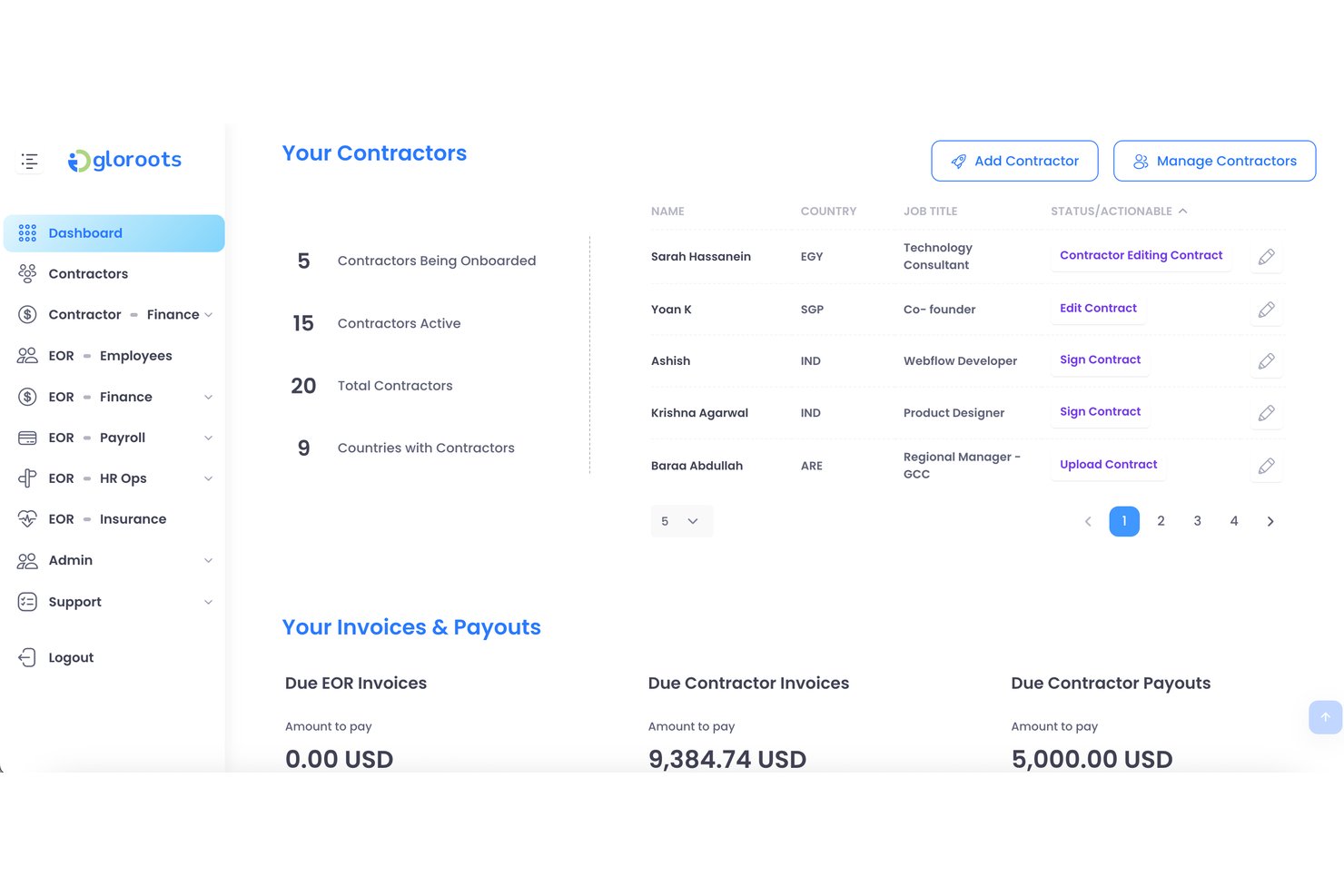
Gloroots è una piattaforma che opera come datore di lavoro ufficiale e si occupa di assunzioni internazionali, contratti di lavoro localizzati, elaborazione delle buste paga e gestione della conformità normativa in diversi Paesi.
Per chi è più adatto Gloroots?
Gloroots è particolarmente adatto alle piccole imprese che devono assumere rapidamente dipendenti internazionali senza perdersi nella redazione dei contratti o nella ricerca sulla conformità normativa locale.
Perché ho scelto Gloroots
Ho scelto Gloroots come una delle soluzioni migliori perché consente alle piccole imprese di passare da 'ci serve qualcuno in Brasile' a un contratto firmato e conforme alle normative locali nel giro di pochi giorni. Mi piace il fatto che generi automaticamente contratti di lavoro localizzati e adattati alle leggi sul lavoro di ciascun Paese, evitando di dover consultare freneticamente documenti legali o assumere consulenti locali solo per iniziare. I controlli di conformità integrati segnalano i requisiti specifici della giurisdizione prima dell'assunzione, offrendo esattamente il tipo di rete di sicurezza di cui ha bisogno un team HR snello.
Funzionalità principali di Gloroots
- Elaborazione delle buste paga in più Paesi: Elabora le buste paga in diversi Paesi da un unico pannello di controllo, con conversione automatica delle valute e distribuzione dei pagamenti locali.
- Gestione dei benefit per i dipendenti: Gestisci direttamente sulla piattaforma i benefit obbligatori e aggiuntivi specifici di ciascun Paese per le assunzioni internazionali.
- Gestione delle spese: I dipendenti possono inviare le spese tramite la piattaforma, mentre i responsabili possono esaminare e approvare i rimborsi nelle valute locali.
- Gestione dei collaboratori: Inserisci, paga e gestisci i collaboratori internazionali insieme ai dipendenti a tempo pieno in un unico sistema.
Integrazioni di Gloroots
Le integrazioni native non sono documentate in modo chiaro.
Pros and Cons
Pros:
- I contratti localizzati accelerano le assunzioni internazionali
- Le buste paga supportano più valute
- Collaboratori e dipendenti condividono un'unica piattaforma
Cons:
- Il prezzo potrebbe essere impegnativo per i gruppi molto piccoli
- La copertura specifica per Paese richiede un'attenta verifica

Ideale per le assunzioni con supporto al reclutamento integrato
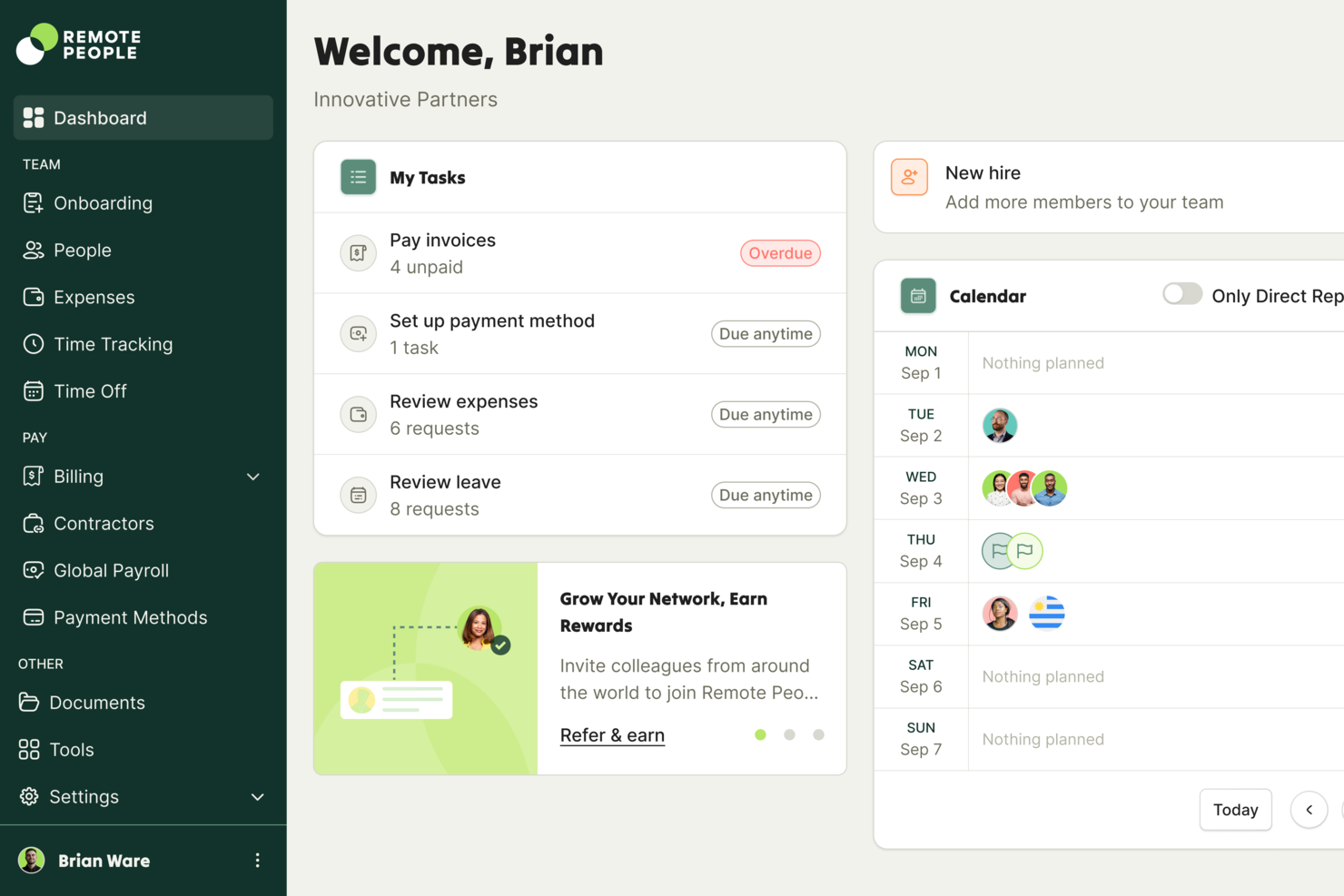
RemotePeople è una piattaforma per datori di lavoro registrati che abbina un'infrastruttura per le assunzioni globali a servizi di reclutamento interni, occupandosi di buste paga internazionali, conformità, gestione dei collaboratori e ricerca di talenti.
Per chi è più adatto RemotePeople?
RemotePeople è una soluzione particolarmente adatta alle piccole imprese che hanno bisogno di aiuto per trovare e assumere talenti internazionali, non solo per gestirli una volta assunti.
Perché ho scelto RemotePeople
Ho incluso RemotePeople tra le mie scelte principali perché è una delle poche piattaforme per datori di lavoro registrati che combina la ricerca di talenti con un'infrastruttura per datori di lavoro registrati, quindi non ci si limita a gestire le assunzioni, ma le si realizza concretamente. Apprezzo molto il fatto che la loro squadra interna di reclutamento possa identificare e valutare candidati internazionali per conto dell'azienda, un vantaggio concreto quando una piccola impresa non dispone di un addetto al reclutamento dedicato. Gli strumenti per la gestione dei collaboratori e delle buste paga globali subentrano poi una volta completato l'inserimento, mantenendo la conformità oltre i confini nazionali.
Caratteristiche principali di RemotePeople
- Elaborazione delle buste paga in più valute: Dipendenti e collaboratori vengono pagati nelle rispettive valute locali, con conversione automatica della valuta gestita dalla piattaforma.
- Gestione delle prestazioni: RemotePeople gestisce pacchetti di prestazioni conformi alle normative locali per i dipendenti internazionali, inclusa la copertura sanitaria e le prestazioni previste dalla legge.
- Inserimento guidato dei dipendenti: I nuovi assunti seguono un flusso di inserimento strutturato che raccoglie la documentazione e conferma i requisiti di conformità per ciascun Paese.
- Gestione dedicata dell'account: A ogni cliente viene assegnato un responsabile dell'account dedicato che fornisce supporto diretto per le domande relative alle risorse umane e alle decisioni sulle assunzioni oltre i confini nazionali.
Integrazioni di RemotePeople
RemotePeople supporta integrazioni native con Workday, SAP SuccessFactors, BambooHR, HiBob, NetSuite, QuickBooks, Paylocity, Factorial, Lattice, JumpCloud, TriNet e UKG Pro. Fornisce inoltre API per sviluppatori con autenticazione OAuth 2.0 per integrazioni personalizzate.
Pros and Cons
Pros:
- Il reclutamento interno supporta la ricerca di talenti internazionali
- I responsabili degli account dedicati guidano le assunzioni oltre i confini nazionali
- Supporto per le prestazioni locali e la conformità dei dipendenti internazionali
Cons:
- Il supporto al reclutamento potrebbe non essere adatto ai team che preferiscono gestire autonomamente il processo
- La copertura dei servizi specifica per Paese richiede una verifica

Remote
Ideale per l'indennità illimitata sulle assunzioni internazionali
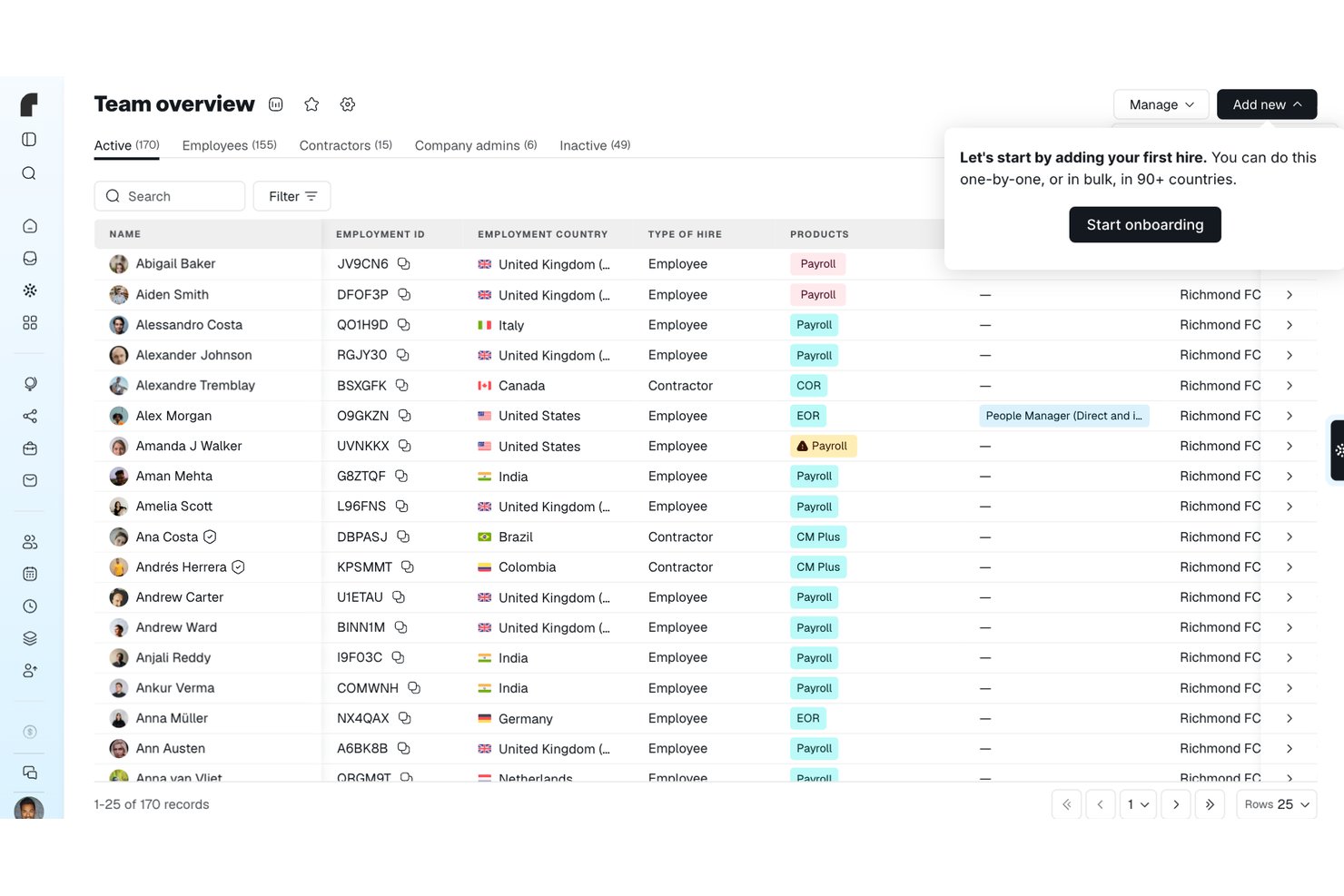
Remote è un datore di lavoro ufficiale e un fornitore di servizi paghe che consente alle aziende di assumere, pagare e gestire dipendenti in oltre 90 Paesi, occupandosi di contratti locali, paghe, benefit obbligatori e conformità tramite proprie entità nel Paese.
Per chi è più adatto Remote?
Remote è una soluzione particolarmente adatta a piccole imprese e startup che assumono oltre confine e hanno bisogno di un unico partner responsabile per le paghe e l'occupazione, senza dover costituire entità locali.
Perché ho scelto Remote
Remote rientra nella mia selezione ristretta perché offre un'indennità illimitata per le assunzioni internazionali, che considero un vero elemento distintivo quando una piccola impresa si assume rischi legati all'occupazione in mercati poco conosciuti. In pratica, se emerge un problema di conformità in un Paese in cui hai assunto tramite Remote, non sei tu a dover sostenere i costi. Apprezzo inoltre il fatto che Remote supporti questo servizio con proprie entità in oltre 90 Paesi e con una Torre di controllo della conformità che segnala le prossime modifiche alla legislazione del lavoro prima che abbiano effetto sul tuo team.
Caratteristiche principali di Remote
- Torre di controllo della conformità: Monitora le prossime modifiche alla legislazione del lavoro in base al Paese e mostra direttamente sulla piattaforma la data di entrata in vigore, le aree interessate e i passaggi successivi suggeriti.
- Protezione della proprietà intellettuale: Trasferisce i diritti di proprietà intellettuale dal dipendente assunto all'entità locale di Remote e poi alla tua azienda, con supervisione legale nel Paese e indennizzo in caso di mancato trasferimento.
- App mobile per dipendenti: Consente ai dipendenti EOR di visualizzare i cedolini e i documenti di lavoro, richiedere permessi e inviare note spese da dispositivi iOS o Android.
- Calcolatore dei costi: Stima i costi totali del lavoro per Paese utilizzando lo stipendio, i contributi obbligatori e il compenso di gestione di Remote, con report relativi a più dipendenti esportabili in formato CSV o PDF.
Integrazioni di Remote
Remote offre integrazioni native con BambooHR, Greenhouse, HiBob, Workday, Personio, QuickBooks e Xero. Supporta inoltre Zapier, API, webhook, SDK, CLI e MCP per connettività personalizzata.
Pros and Cons
Pros:
- L'indennità illimitata protegge le assunzioni internazionali
- I recensori apprezzano la gestione centralizzata delle paghe internazionali
- I dipendenti accedono ai cedolini e richiedono permessi
Cons:
- I costi EOR ricorrenti gravano sui piccoli team
- L'assistenza specifica per Paese può richiedere un'escalation

Pebl
Ideale per modellare i costi occupazionali prima dell'assunzione
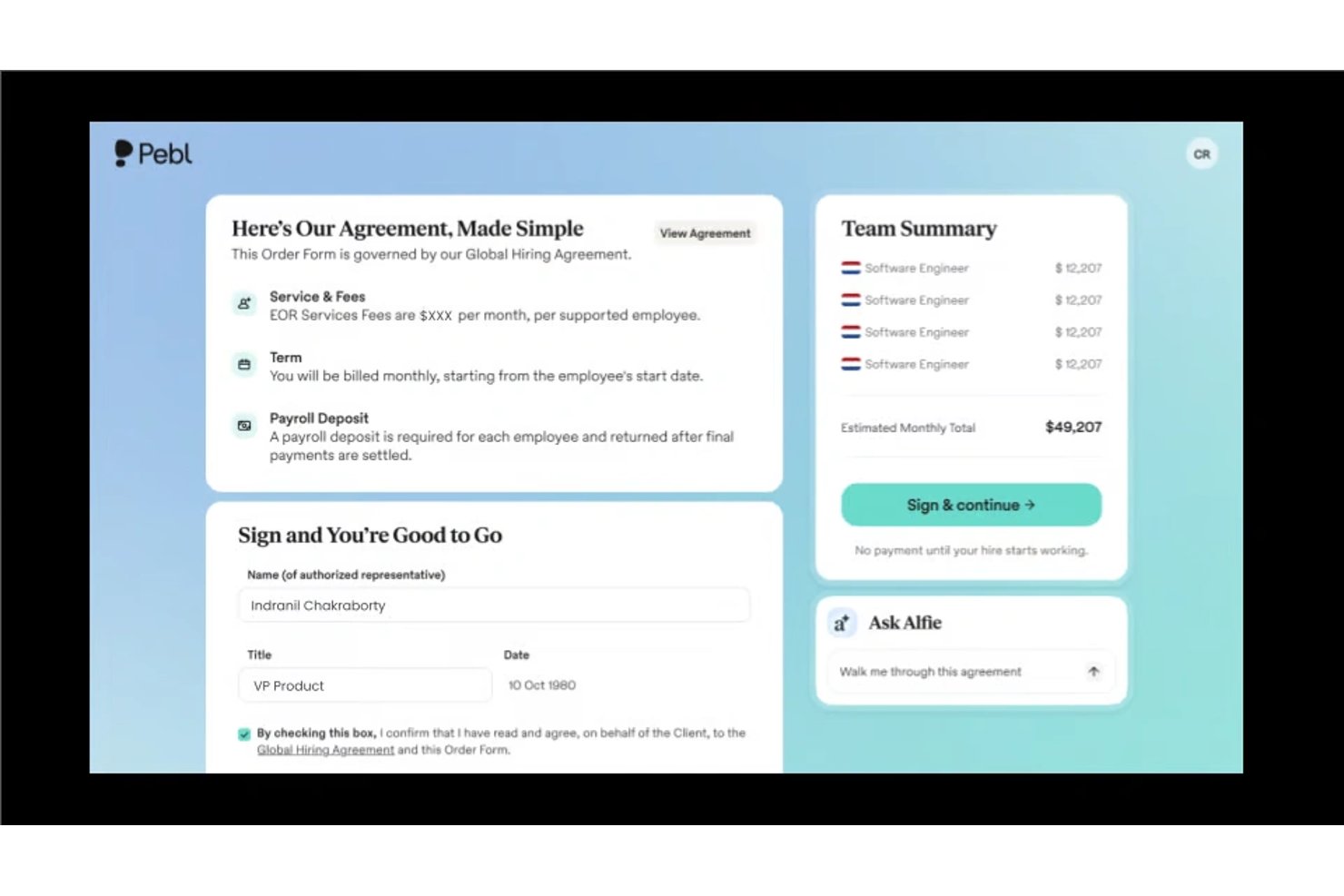
Pebl è una piattaforma per datori di lavoro registrati che combina assunzioni internazionali, elaborazione delle buste paga e modellazione dei costi occupazionali prima dell'assunzione per aiutare le piccole imprese a coinvolgere legalmente lavoratori oltre confine.
Per chi è più adatto Pebl?
Pebl è particolarmente adatto ai titolari di piccole imprese che vogliono modellare il costo totale di un'assunzione internazionale prima di prendere un impegno.
Perché ho scelto Pebl
Pebl si è guadagnato un posto nella mia lista ristretta grazie alla modellazione dei costi prima dell'assunzione, che consente di visualizzare il costo occupazionale totale di una persona prima di prendere un impegno. Apprezzo molto il fatto che suddivida le imposte a carico del datore di lavoro, i benefit e i costi di conformità locali per Paese, così non ci sono sorprese dopo l'inserimento. Per le piccole imprese che assumono a livello internazionale con margini ridotti, questo tipo di visibilità anticipata è davvero utile.
Funzionalità principali di Pebl
- Assistente IA (Alfie): Uno strumento di IA integrato che risponde direttamente nella piattaforma alle domande su retribuzione, inserimento, conformità e informazioni sulla forza lavoro.
- Generazione di contratti conformi alle normative locali: Crea automaticamente contratti di lavoro in oltre 25 lingue che soddisfano i requisiti legali locali, così puoi inserire i nuovi assunti in pochi giorni.
- Gestione dei benefit globali: Offre benefit per i dipendenti specifici per ogni Paese tramite entità di proprietà di Pebl, gestendo per tuo conto la conformità e l'amministrazione.
- Integrazioni con strumenti HR e per le buste paga: Si connette agli strumenti di recruiting, HR e gestione delle buste paga che già utilizzi, così puoi gestire la tua forza lavoro globale senza passare da un sistema all'altro.
Integrazioni di Pebl
Pebl offre integrazioni native con Ashby, ADP Workforce Now, Oracle, Namely, Gusto e altri.
Pros and Cons
Pros:
- La modellazione prima dell'assunzione chiarisce i costi occupazionali totali
- I contratti conformi alle normative locali favoriscono un inserimento più rapido
- La gestione dei benefit specifici per Paese riduce il carico di lavoro legato alla conformità
Cons:
- La disponibilità dei benefit varia in base alla sede dei dipendenti
- Le indicazioni dell'IA richiedono comunque una revisione da parte delle risorse umane

G-P
Ideale per una copertura globale della conformità riconosciuta dagli analisti
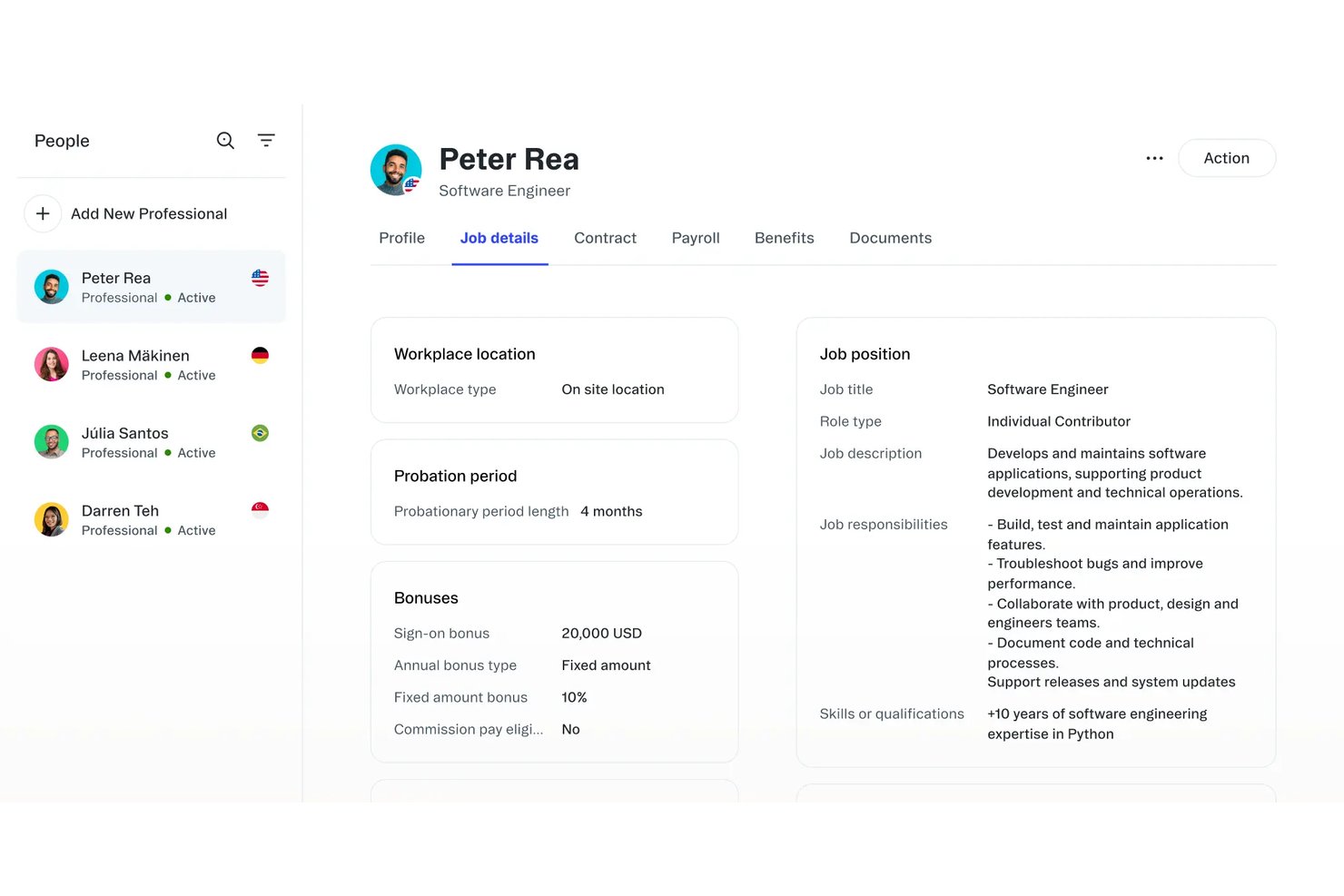
G-P è una piattaforma che agisce da datore di lavoro ufficiale e gestisce assunzioni internazionali, buste paga, amministrazione dei benefit e conformità in oltre 180 Paesi.
Per chi è più adatto G-P?
G-P è particolarmente adatto alle piccole imprese che devono assumere a livello internazionale e desiderano la sicurezza di una piattaforma convalidata indipendentemente per il rigore della conformità nei mercati globali.
Perché ho scelto G-P
G-P è entrato nella mia selezione perché la sua infrastruttura di conformità è stata convalidata indipendentemente da analisti, un aspetto importante quando una piccola impresa assume oltre i confini senza un team legale dedicato. Apprezzo in particolare il suo strumento Approfondimenti sui Paesi, che mostra le leggi locali sul lavoro, i benefit obbligatori e le regole di cessazione per ciascun mercato prima di procedere con un'assunzione. G-P mantiene inoltre proprie entità costituite localmente in oltre 180 Paesi, evitando così che le assunzioni siano gestite tramite partner terzi, dove tendono a emergere lacune nella conformità.
Funzionalità principali di G-P
- Inserimento guidato dei dipendenti: Un flusso di inserimento integrato guida l'utente nella raccolta dei documenti dei dipendenti, nella firma dei contratti e nella configurazione delle buste paga in un unico processo.
- Amministrazione globale dei benefit: G-P gestisce pacchetti di benefit conformi alle normative locali, tra cui assicurazione sanitaria e contributi obbligatori, per i dipendenti nei mercati coperti.
- Elaborazione integrata delle buste paga: La piattaforma gestisce le buste paga nel Paese di riferimento, si occupa della conversione valutaria e fornisce i cedolini direttamente ai dipendenti senza richiedere uno strumento separato per le buste paga.
- Integrazioni con i sistemi HR: G-P si collega ai sistemi HR più comuni, mantenendo sincronizzati i dati dei dipendenti, quelli organizzativi e il numero di dipendenti nell'intero stack tecnologico esistente.
Integrazioni di G-P
G-P elenca integrazioni con ADP Workforce Now, Paylocity, BambooHR, HiBob, Personio, SAP SuccessFactors, UKG Pro, UKG Ready, Workday e Microsoft Entra ID. La sua API supporta integrazioni personalizzate.
Pros and Cons
Pros:
- Copertura globale della conformità riconosciuta dagli analisti
- Entità costituite localmente in oltre 180 Paesi
- Approfondimenti sui Paesi chiarisce i requisiti locali per le assunzioni
Cons:
- Soluzione di fascia alta più adatta a budget di assunzione elevati
- La portata globale può superare le esigenze di assunzione più semplici

Ideale per la copertura della responsabilità contrattuale in caso di cessazione
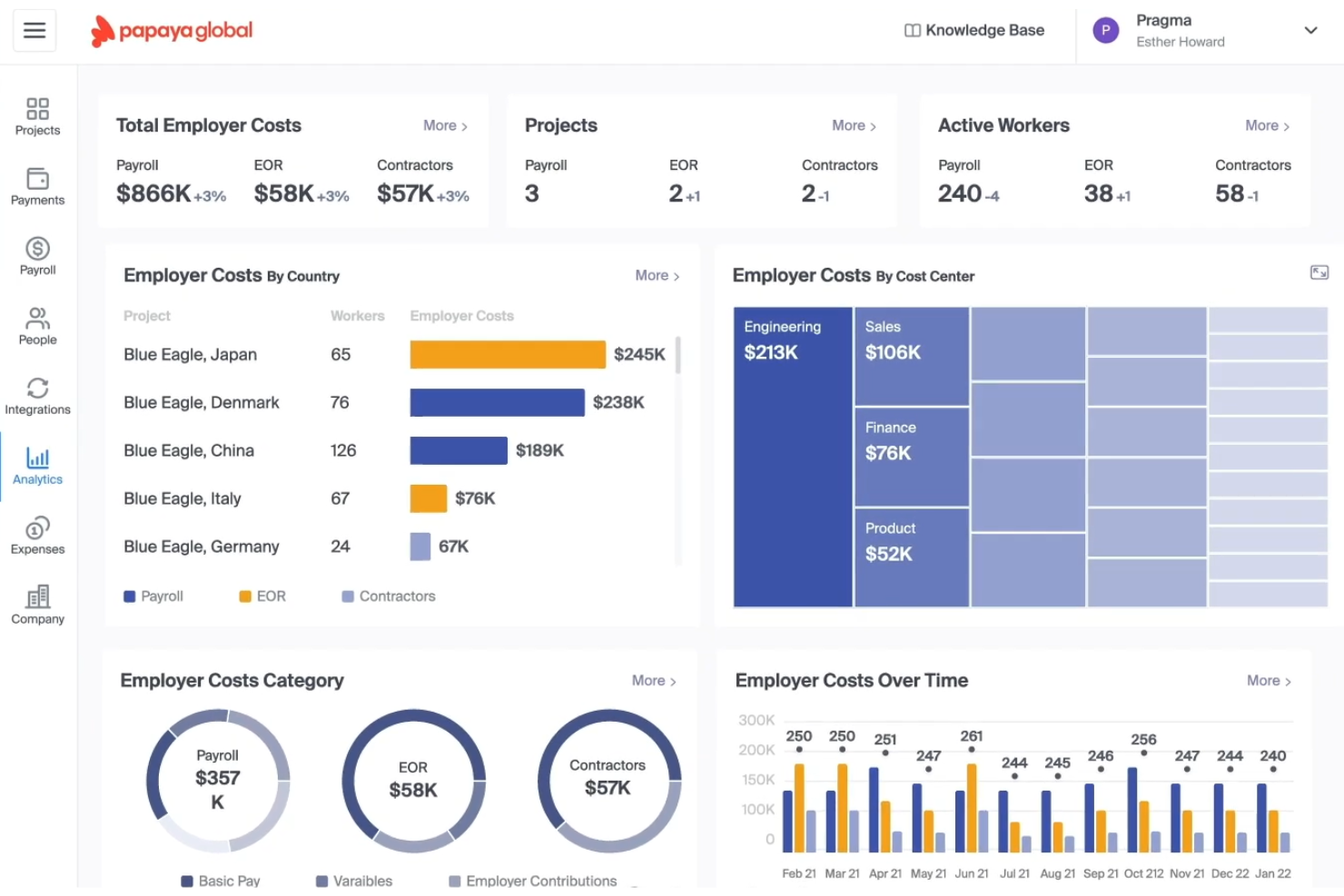
Papaya Global è un datore di lavoro ufficiale e una piattaforma globale per la gestione delle buste paga che gestisce assunzioni internazionali, gestione dei collaboratori e pagamenti alla forza lavoro in diversi Paesi.
Per chi è più indicata Papaya Global?
Papaya Global è particolarmente adatta alle piccole imprese che assumono a livello internazionale e necessitano di una tutela chiara al termine dei rapporti con collaboratori o dipendenti.
Perché ho scelto Papaya Global
Papaya Global si è guadagnata un posto nella mia lista ristretta per la serietà con cui gestisce la responsabilità contrattuale in caso di cessazione, uno degli aspetti più complessi dell'impiego internazionale per le piccole imprese. Apprezzo in particolare la sua assicurazione integrata per la conformità della forza lavoro, che copre i costi legali e le responsabilità derivanti dalla cessazione dei rapporti con i lavoratori in giurisdizioni complesse. I suoi flussi di lavoro automatizzati per la gestione delle uscite generano inoltre documentazione specifica per ciascun Paese, così da mantenere le cessazioni conformi alla legge fin dal primo giorno.
Funzionalità principali di Papaya Global
- Elaborazione delle buste paga in più valute: Gestisci le buste paga nelle valute locali di oltre 160 Paesi da un'unica dashboard.
- Strumento per la classificazione dei lavoratori: Identifica se un lavoratore debba essere classificato come dipendente o collaboratore in base alle leggi locali sul lavoro.
- Fatturazione consolidata: Riunisce tutti i costi globali della forza lavoro in un'unica fattura mensile per semplificare il monitoraggio finanziario.
- Amministrazione dei benefit: Gestisce pacchetti di benefit conformi alle normative locali, comprese le opzioni obbligatorie e integrative, per i dipendenti di ciascun Paese.
Integrazioni di Papaya Global
Le integrazioni documentate includono BambooHR, SAP SuccessFactors, Namely, Eqip e OneData. Papaya Global supporta inoltre l'importazione di file tramite SFTP e lo sviluppo di API personalizzate per collegare altri sistemi HR.
Pros and Cons
Pros:
- Copertura della responsabilità contrattuale in caso di cessazione
- I documenti per la gestione delle uscite specifici per ciascun Paese supportano cessazioni conformi alla legge
- L'elaborazione delle buste paga in più valute supporta le assunzioni internazionali
Cons:
- I team più piccoli potrebbero aver bisogno di supporto per l'implementazione
- La conformità globale richiede comunque una verifica locale

Oyster HR
Ideale per un'ampia copertura dei Paesi
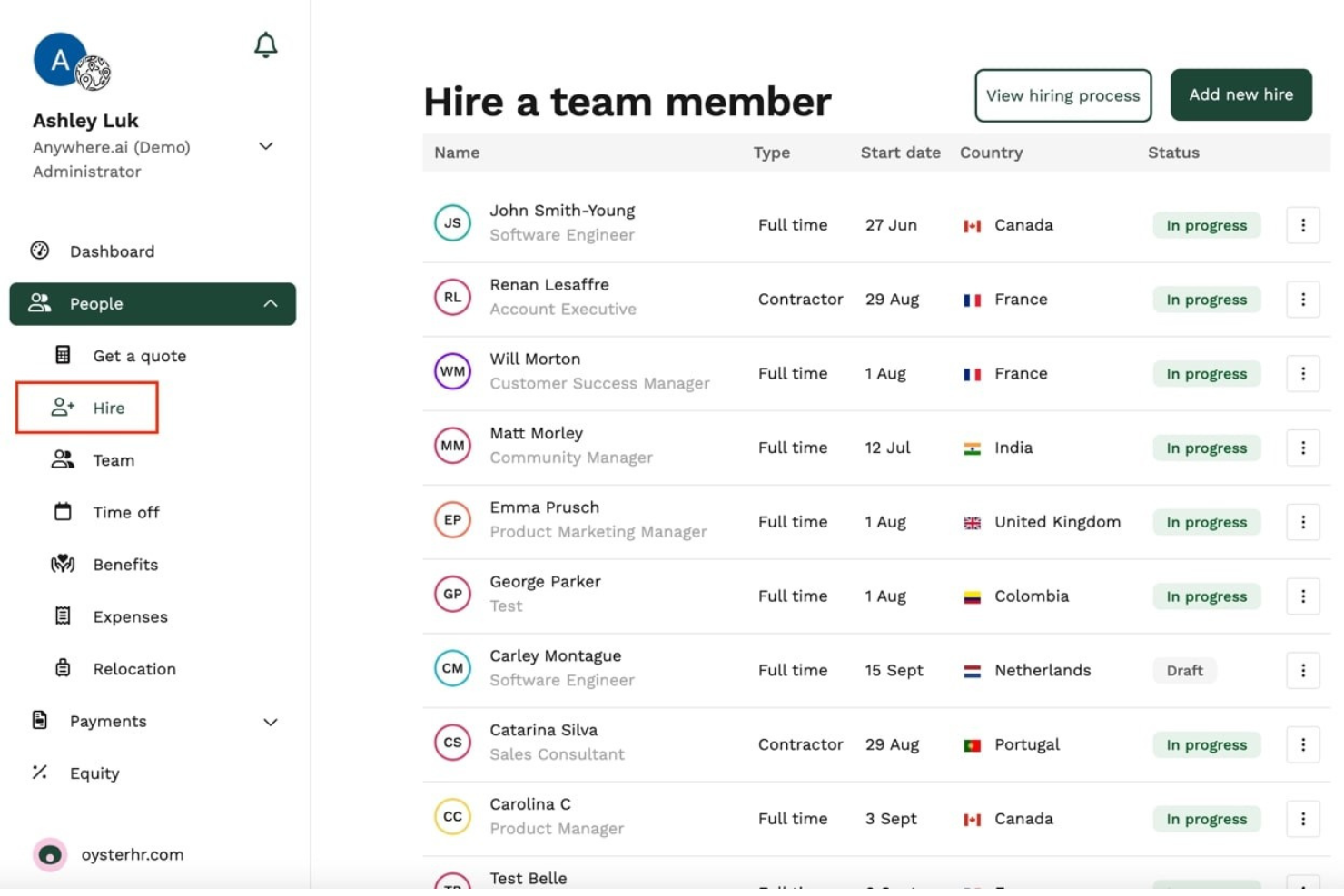
Oyster HR è una piattaforma per datori di lavoro registrati che gestisce le assunzioni globali, le buste paga, l'amministrazione dei benefit e le conversioni da collaboratore a dipendente in diversi Paesi.
Per chi è più indicato Oyster HR?
Oyster HR è particolarmente adatto alle piccole imprese che collaborano regolarmente con professionisti autonomi e desiderano un percorso chiaro per convertirli in dipendenti a tempo pieno.
Perché ho scelto Oyster HR
Oyster HR si è guadagnato un posto nella mia selezione perché gestisce molto bene il processo di conversione da collaboratore a dipendente, che rappresenta un vero ostacolo per le piccole imprese che fanno ampio affidamento su professionisti freelance o a contratto. Mi piace il fatto che includa controlli di conformità integrati e la generazione di contratti di lavoro locali, così, quando sei pronto ad assumere a tempo pieno un collaboratore in un altro Paese, non devi cercare freneticamente di capire la legislazione locale sul lavoro. Anche il flusso di onboarding guidato rende la transizione strutturata anziché caotica.
Caratteristiche principali di Oyster HR
- Elaborazione globale delle buste paga: Elabora le buste paga in diversi Paesi nelle valute locali, con calcoli automatici delle imposte e delle detrazioni previste dalla legge gestiti per ogni area geografica.
- Amministrazione dei benefit: Accedi e gestisci pacchetti di benefit conformi alle normative locali per i dipendenti a tempo pieno in ogni Paese in cui assumi.
- Generazione dei contratti di lavoro: Genera contratti di lavoro conformi alle normative locali in base al Paese e al ruolo, utilizzando i modelli legali integrati di Oyster HR.
- Gestione dei collaboratori: Invita, gestisci e paga i collaboratori attraverso la stessa piattaforma che utilizzi per i dipendenti a tempo pieno, mantenendo l'intera forza lavoro in un unico luogo.
Integrazioni di Oyster HR
Oyster HR offre integrazioni con TeamTailor, Workable, Factorial, Lucca, Humaans, ADP Workforce Now, Concur, Carta e Slack, oltre a un'API per flussi di lavoro personalizzati. Si connette a oltre 5.000 app tramite Zapier.
Pros and Cons
Pros:
- Semplifica le conversioni da collaboratore a dipendente
- Genera contratti di lavoro conformi alle normative locali
- Supporta buste paga e benefit in diversi Paesi
Cons:
- Accesso limitato alla versione di prova per la valutazione
- Potrebbe risultare eccessivo per assunzioni occasionali
Altri strumenti EOR per piccole imprese
Ecco alcuni strumenti EOR aggiuntivi per piccole imprese che non sono stati inclusi nella mia selezione, ma che vale comunque la pena prendere in considerazione:
- RemoFirst
Ideale per fondatori senza un reparto HR che assumono all'estero con un budget limitato
- Payoneer Workforce Management
Ideale per trasformare i collaboratori in dipendenti su larga scala
- Rippling
Ideale per la gestione completa delle risorse umane e la crescita delle assunzioni a livello globale
- Multiplier
Ideale per assumere a livello globale con un HRIS integrato
- Justworks
Ideale per le squadre statunitensi con esigenze limitate di assunzione internazionale
- Tarmack
Ideale per le assunzioni nelle startup senza costituire un'entità locale


Come valuto un EOR per le piccole imprese
Divido la mia valutazione in tre parti. Innanzitutto, attribuisco il peso maggiore all'impiego dei lavoratori in conformità alla normativa e alla gestione delle buste paga, delle imposte e dei contratti locali. Poi cerco procedure rapide di inserimento e conversione da collaboratore a dipendente, prima di considerare prezzi trasparenti, assistenza reattiva e configurazione semplice.
Funzionalità principali (Requisiti fondamentali per questo elenco)
Quando seleziono gli strumenti per il mio elenco, assegno a ciascuno un punteggio su una scala da 0 (non offre la funzionalità) a 5 (eccelle in quest'area) per ogni funzionalità principale indicata di seguito. Converto quindi il totale in una percentuale per contribuire a valutare l'idoneità complessiva di ciascuno strumento, attribuendo un peso aggiuntivo alle funzionalità che ho ritenuto essenziali.
- Conformità normativa per l'impiego globale (Essenziale): cerco un impiego legale tramite il fornitore, aggiornamenti sulle leggi locali e una chiara attribuzione delle responsabilità quando si assume senza un'entità locale.
- Amministrazione delle buste paga e delle imposte (Essenziale): valuto la gestione delle buste paga locali, le ritenute previste dalla legge, gli adempimenti, le valute e i registri pronti per la revisione contabile nei vari Paesi utilizzati.
- Amministrazione dei benefit: verifico la copertura prevista dalla legge e i benefit opzionali, con scelte specifiche per ciascun Paese a cui i dipendenti possono accedere durante l'inserimento.
- Prezzi trasparenti: confronto i prezzi pubblicati per dipendente, i minimi, gli extra e la chiarezza della fatturazione per una piccola squadra internazionale.
- Contratti e documenti: cerco contratti e documenti di inserimento localizzati che riflettano il ruolo, la retribuzione, i congedi e le norme locali sul lavoro.
- Copertura di più Paesi: valuto se il servizio supporta i Paesi di interesse con una copertura coerente per impiego, buste paga e assistenza.
Una volta ottenuto un elenco di strumenti che soddisfano i criteri, considero ciò che distingue ciascuna piattaforma.
Fattori distintivi (Ciò che distingue i fornitori)
Ecco come confronto i diversi fornitori:
Funzionalità di rilievo
Cerco strumenti per la conversione da collaboratore a dipendente perché le piccole imprese spesso iniziano con lavoratori autonomi e hanno bisogno di un percorso conforme alla normativa verso l'assunzione a tutti gli effetti man mano che questi rapporti si consolidano. Un fornitore che gestisce la riclassificazione senza dover ripartire da zero con i contratti fa risparmiare tempo prezioso. Valuto anche la velocità dell'inserimento: alcuni fornitori garantiscono l'assunzione entro 24–48 ore, un aspetto importante quando si compete per attrarre talenti. Gli avvisi di conformità integrati completano il quadro, segnalando le modifiche alla legislazione del lavoro affinché le squadre ridotte non trascurino aggiornamenti che potrebbero rivelarsi costosi.
Oltre le funzionalità
Verifico se i prezzi rimangono prevedibili con la crescita della squadra, poiché alcuni fornitori aggiungono costi per l'amministrazione dei benefit o la conversione valutaria che non sono evidenti al momento della registrazione. L'assistenza nelle cessazioni è altrettanto importante: le norme locali in materia di indennità e preavviso variano notevolmente, e un fornitore che guida l'utente nel processo di uscita conforme alla normativa può prevenire costose conseguenze legali. Valuto inoltre quanto bene ciascuna piattaforma si integri con strumenti come QuickBooks o il sistema HRIS già in uso, perché l'inserimento duplicato dei dati pesa sulle piccole squadre più che sulla maggior parte degli altri.
Come scegliere un EOR per una piccola impresa
È facile perdersi in lunghi elenchi di funzionalità e strutture tariffarie complesse. Per aiutarti a rimanere concentrato mentre affronti il tuo processo di selezione del software, ecco un elenco di fattori da tenere a mente:
| Fattore | Cosa considerare |
| Scalabilità | La piattaforma è in grado di gestire la crescita in diversi Paesi e con team di dimensioni diverse? Chiedi informazioni sul supporto all'espansione in più regioni e all'aggiunta di dipendenti durante la crescita. |
| Integrazioni | L'EOR si collegherà ai tuoi sistemi paghe, HRIS o contabili? Valuta la facilità di sincronizzazione dei dati tra i sistemi esistenti e lo strumento EOR. |
| Personalizzazione | Il sistema consente di adattare i flussi di lavoro alle tue politiche e alle tue sedi specifiche? Verifica se puoi creare flussi di approvazione personalizzati o modificare i contratti. |
| Facilità d'uso | I tuoi team delle risorse umane e operativi possono imparare rapidamente a usare l'interfaccia? Cerca pannelli di controllo intuitivi e ruoli utente chiari per ridurre al minimo le esigenze di formazione. |
| Implementazione e inserimento | Cosa è necessario per configurare il servizio nei Paesi di tuo interesse? Chiedi quale supporto per l'inserimento è incluso, qual è il tempo tipico per effettuare la prima assunzione e quali sono le fasi della migrazione dei dati. |
| Costo | Come funzionano i prezzi in base ai tuoi piani di assunzione previsti? Fai attenzione a costi aggiuntivi, minimi o differenze di prezzo basate sul Paese che potrebbero incidere sul budget. |
| Misure di sicurezza | Quali protezioni sono previste per i dati sensibili dei tuoi dipendenti? Verifica la conformità agli standard sulla privacy dei dati, come il GDPR, e la preparazione agli audit. |
| Disponibilità dell'assistenza | Il fornitore offre assistenza globale e copertura nelle tue regioni? Considera i tempi di risposta, le lingue supportate e l'accesso a competenze locali in materia di risorse umane e diritto del lavoro. |
Cosa sono i servizi di datore di lavoro registrato?
I servizi di datore di lavoro registrato sono fornitori di servizi terzi che assumono legalmente i lavoratori per conto della tua impresa, gestendo le responsabilità relative a buste paga, risorse umane e amministrazione del personale in diversi Paesi.
Un partner EOR aiuta le piccole imprese ad accedere ai talenti globali e a creare una forza lavoro internazionale senza costituire entità interne, riducendo le responsabilità legate alle leggi locali sul lavoro. Questo approccio supporta la gestione della forza lavoro nelle regioni dell'UE e in altri mercati internazionali, contribuendo al contempo a evitare i rischi di errata classificazione quando si assumono collaboratori indipendenti o dipendenti a tempo pieno.
Funzionalità degli strumenti EOR per le piccole imprese
Quando scegli un EOR per una piccola impresa, presta attenzione alle seguenti funzionalità principali:
- Elaborazione globale delle buste paga: automatizza i calcoli delle buste paga, distribuisce i pagamenti nelle valute locali e detrae le imposte e i contributi sociali in base alla regione.
- Gestione della conformità locale: monitora e applica le leggi sul lavoro specifiche di ciascun Paese, i requisiti fiscali e la documentazione necessaria per ridurre i rischi per le piccole imprese che assumono all'estero.
- Generazione dei contratti di lavoro: crea contratti di lavoro conformi che riflettono gli standard legali locali, le lingue e le informazioni obbligatorie previste dalla legge.
- Amministrazione dei benefit: offre e gestisce i benefit richiesti a livello locale, come assistenza sanitaria, pensioni e ferie, in linea con gli standard di ciascun Paese.
- Flussi di lavoro per l'inserimento: digitalizza e semplifica la raccolta dei documenti, l'orientamento dei dipendenti e la formazione dei nuovi assunti in più giurisdizioni.
- Monitoraggio delle ferie e dei permessi: monitora le festività previste dalla legge, i giorni di ferie e i diversi tipi di permesso secondo quanto richiesto dalle leggi locali, con calcoli automatici della maturazione.
- Gestione delle spese e dei rimborsi: consente ai dipendenti di inviare le richieste di rimborso delle spese e ai manager di approvarle o rifiutarle, con pagamenti elaborati tramite le buste paga.
- Protezione della sicurezza e della privacy dei dati: protegge i dati sensibili dei dipendenti e delle buste paga utilizzando protocolli di sicurezza e rispetta normative come il GDPR.
- Integrazione con i sistemi HR e finanziari: si collega direttamente ai sistemi HRIS, contabili e agli strumenti per i flussi di lavoro, garantendo un trasferimento fluido dei dati e riducendo l'inserimento manuale.
- Dashboard di supporto per più Paesi: offre una dashboard unica per monitorare dipendenti, buste paga, conformità e documenti in tutti i Paesi in cui assumi.
Vantaggi degli EOR per le piccole imprese
L'implementazione di un EOR per una piccola impresa offre diversi vantaggi al tuo team e alla tua impresa. Ecco alcuni dei vantaggi che puoi aspettarti:
- Assunzioni internazionali semplificate: puoi assumere rapidamente dipendenti in nuovi Paesi senza costituire entità legali, grazie a funzionalità conformi per la gestione delle buste paga, dei contratti e delle attività amministrative HR.
- Riduzione dei rischi di non conformità: il supporto integrato per la conformità legale e fiscale ti aiuta a evitare sanzioni e multe legate alle normative sul lavoro internazionale.
- Inserimento più rapido dei dipendenti: i flussi di lavoro semplificati per l'inserimento e i modelli pronti all'uso velocizzano il processo di avvio dei nuovi assunti in più regioni.
- Amministrazione HR centralizzata: gestisci buste paga, benefit, permessi e dati lavorativi dei team internazionali in un'unica dashboard.
- Buste paga accurate e puntuali: l'elaborazione automatizzata delle buste paga garantisce che i dipendenti vengano pagati correttamente e puntualmente nelle rispettive valute locali.
- Efficienza dei costi: le piattaforme EOR riducono il carico amministrativo e i costi dell'espansione internazionale consolidando gli strumenti HR e di conformità in un'unica piattaforma.
- Accesso ai benefit locali: i tuoi dipendenti hanno accesso a benefit competitivi e conformi alle normative del Paese, gestiti e amministrati dal fornitore EOR.
Costi e prezzi degli EOR per le piccole imprese
La scelta di un EOR per una piccola impresa richiede la comprensione dei diversi modelli e piani tariffari disponibili. I costi variano in base alle funzionalità, alle dimensioni del team, ai componenti aggiuntivi e ad altri fattori. La tabella seguente riassume i piani più comuni, i relativi prezzi medi e le funzionalità tipicamente incluse nelle soluzioni EOR per piccole imprese:
Tabella comparativa dei piani degli EOR per le piccole imprese
| Tipo di piano | Prezzo medio | Caratteristiche comuni |
| Piano gratuito | $0 | Indicazioni di base sulla conformità, supporto limitato per le buste paga, risorse per l'inserimento autonomo e assistenza clienti esclusivamente via e-mail. |
| Piano personale | $150–$250/dipendente/mese | Elaborazione delle buste paga, generazione dei contratti, flussi di lavoro per l'inserimento, integrazioni limitate e gestione di base della conformità. |
| Piano aziendale | $250–$400/dipendente/mese | Servizi completi per le buste paga, benefit localizzati, conformità alle policy, integrazioni, pannello di amministrazione e supporto per più Paesi. |
| Piano per grandi imprese | $400+/dipendente/mese | Account manager dedicato, analisi avanzate delle risorse umane, integrazioni personalizzate, amministrazione globale dei benefit e assistenza 24 ore su 24, 7 giorni su 7. |
Domande frequenti sugli EOR per le piccole imprese
Ecco alcune risposte alle domande comuni sugli EOR per le piccole imprese:
In che modo un EOR aiuta le piccole imprese a espandersi a livello internazionale?
Un u003ca href=u0022https://peoplemanagingpeople.com/global-hr/what-is-an-employer-of-record/u0022u003eEOR agisceu003c/au003e in qualità di datore di lavoro legale in ogni Paese in cui desideri assumere, occupandosi delle buste paga, della conformità e delle pratiche relative alle risorse umane. Questo consente alla tua piccola impresa di inserire talenti in nuove sedi molto più rapidamente e senza costituire un’entità legale locale.
Posso utilizzare un EOR per assumere sia dipendenti a tempo pieno sia collaboratori?
Sì, la maggior parte dei fornitori di servizi supporta sia i dipendenti a tempo pieno sia i collaboratori. Forniscono gestione della forza lavoro per quanto riguarda contratti, buste paga e ritenute fiscali, oltre a garantire la conformità locale per qualsiasi tipo di rapporto richiesto dalla tua azienda.
Qual è la durata tipica dei contratti con i fornitori EOR?
La maggior parte degli accordi EOR funziona su base mensile, con la flessibilità di aggiungere o rimuovere dipendenti secondo necessità. Verifica sempre i termini di cancellazione del fornitore, poiché alcuni potrebbero prevedere requisiti minimi o periodi di preavviso.
Quali sono le principali problematiche di conformità quando si assume a livello globale con un EOR?
Quando si assume a livello internazionale, è necessario rispettare le leggi locali sul lavoro, gli obblighi fiscali e gli standard relativi ai benefit. Un EOR gestisce questi aspetti della conformità, consentendoti di evitare multe onerose, ma dovresti comunque esaminare i requisiti fondamentali di ogni mercato di destinazione.
Con quale rapidità posso inserire un nuovo dipendente utilizzando un EOR?
Di solito puoi completare l’inserimento di un nuovo dipendente entro pochi giorni, a seconda del Paese e della documentazione necessaria. La rapidità è un vantaggio fondamentale, ma alcune regioni potrebbero richiedere comunque tempi di elaborazione aggiuntivi: chiedi al tuo fornitore quali sono le tempistiche locali per l’inserimento.
Ci sono costi nascosti o spese aggiuntive di cui tenere conto?
Sì, alcuni servizi di datore di lavoro registrato u003ca href=u0022https://peoplemanagingpeople.com/global-hr/eor-hidden-costs/u0022u003epotrebbero addebitare costi aggiuntiviu003c/au003e per servizi come modifiche ai contratti, procedure di uscita o report aggiuntivi. Esamina sempre i documenti relativi ai prezzi e chiedi al tuo responsabile dell’account EOR un elenco dei costi standard e opzionali.
In che modo un EOR gestisce il trasferimento della proprietà intellettuale al termine del rapporto di lavoro?
Per le piccole imprese, un datore di lavoro registrato (EOR) stabilisce in genere la titolarità della proprietà intellettuale (IP) all’inizio del rapporto di lavoro per prevenire problemi successivi. I contratti di lavoro stabiliscono chiaramente che qualsiasi lavoro creato nell’ambito del ruolo del dipendente è di proprietà dell’azienda o viene a essa ceduto. Al termine del rapporto, l’EOR aiuta a formalizzare e rafforzare tali diritti, occupandosi anche della documentazione necessaria e assicurandosi che tutti i materiali relativi al lavoro vengano restituiti.