

Community Is the New Buzzword—But We’re Doing It Wrong
Most companies say they’re building community. What they often mean is: they launched a Slack channel no one reads, hosted an event with a neon sign and a DJ, watched people post about it on Instagram, and called the whole thing a success. Meanwhile, the people in the room never actually connected.
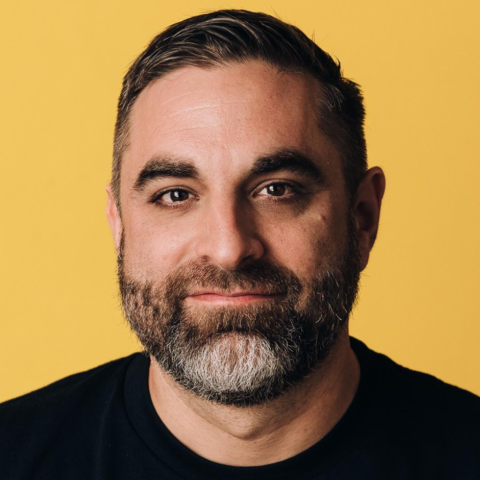
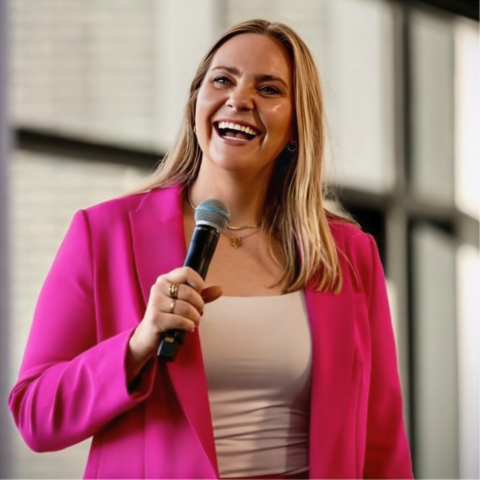
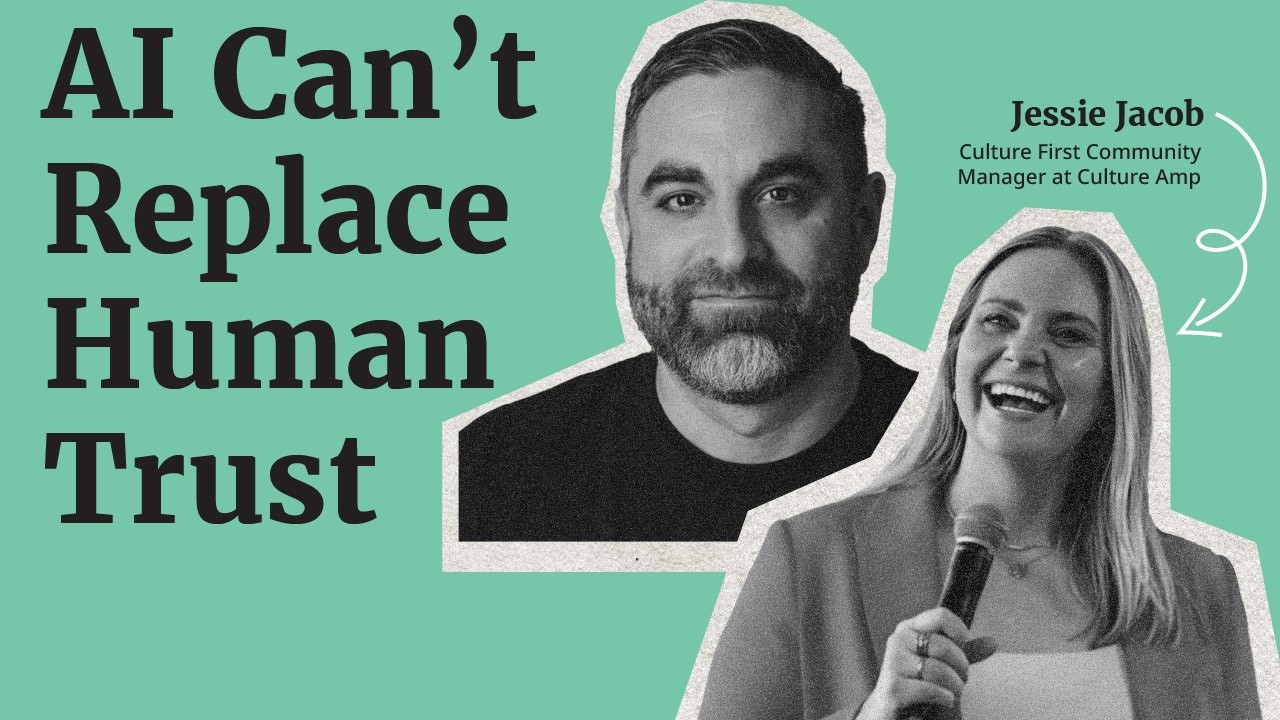
In this episode, David sits down with Jessie Jacob, Culture First Community Manager at Culture Amp, to unpack why relational atrophy is becoming one of the defining workplace problems of the AI era. Jessie manages a global community of more than 100,000 people, and her argument is simple: if people don’t feel safe, welcomed, or genuinely connected, no amount of “community strategy” will save you. In a world increasingly optimized for efficiency, automation, and performative engagement, human connection is quickly becoming the real competitive advantage.
What You’ll Learn
- Why social media followers and event attendance are terrible proxies for real community
- What “relational atrophy” means — and why it’s accelerating at work
- How organizations confuse activity with connection
- Why psychological safety requires intentional gathering design, not just good intentions
- The mindset shift leaders need to make to create welcoming cultures
- How AI is increasing the value of trust, intimacy, and real human relationships
- Why thoughtful community-building is becoming a long-term business advantage
Key Takeaways
- Community is not the same as visibility. A busy Slack channel, packed event, or large follower count doesn’t mean people feel connected — the real measure is whether people return and build relationships over time.
- “Relational atrophy” is growing in modern work. As technology makes isolation easier, organizations have to become more intentional about helping people practice human connection and collaboration.
- Psychological safety requires thoughtful design. Inclusion isn’t automatic just because people are gathered together — factors like environment, accessibility, comfort, and participation all matter.
- Building belonging is everyone’s responsibility. Jessie argues that employees and leaders alike need to act as the “welcoming committee” instead of waiting for someone else to create connection.
- AI enablement needs experimentation, not performative collaboration. Teams need time to tinker, test, and learn together rather than simply sharing prompts or trends in channels nobody engages with.
- Companies rushing AI adoption without thoughtful governance risk creating more fear and confusion than progress. Long-term success will likely come from organizations balancing experimentation with intentional culture-building.
- In a world flooded with AI-generated content, authentic human trust becomes more valuable. Real relationships, lived experiences, and credible judgment may become the strongest competitive advantage organizations have.
Chapters
- 00:00 — Fake Community
- 02:30 — Inside Culture First
- 04:20 — Relational Atrophy
- 05:40 — Psychological Safety
- 07:00 — The Welcoming Committee
- 09:30 — AI Anxiety at Work
- 11:20 — Time to Tinker
- 12:20 — Slack Isn’t Community
- 14:20 — Connection Before Sales
- 16:40 — Too Many Tools
- 17:40 — Bad In-Person Experiences
- 18:40 — Measuring Real Community
- 20:20 — Trust as Advantage
Meet Our Guest

Jessie Jacob is the Culture First Community Manager at Culture Amp, where she helps foster one of the world’s leading communities dedicated to building people-first workplaces and stronger organizational cultures. With a background in community building, employee experience, and people operations, Jessie works closely with HR leaders, managers, and culture champions to create meaningful conversations around engagement, leadership, and the future of work. She is passionate about connecting people through shared learning and helping organizations cultivate inclusive, high-performing cultures where employees can thrive.
Related Links:
- Join the People Managing People Community
- Subscribe to the newsletter to get our latest articles and podcasts
- Connect with Jessie on LinkedIn
- Visit Culture Amp
Related articles and podcasts:
David Rice: You've got a Slack channel where everyone shares what they're doing with AI. Nobody reads it, but you call it a community. You hosted an event. 200 people registered and 200 people showed up. They posted about it on Instagram. You tracked the social media metrics and now you're calling it a success. But are they coming back?
Today's show is a conversation I had at Transform in Las Vegas with Jessie Jacob, Culture First Community Manager at Culture Amp, about why our social media followers are not a community and why in the age of AI when everyone suddenly wants to create in-person experiences, most people are executing it terribly.
Jessie manages a 100,000-person global community. Culture Amp's principle is simple: connection inside, business outside. When you create genuine value, people come back. What we see happening in the world right now is an example of relational atrophy. Esther Perel, Culture Amp's external advisor, uses this term.
When our muscles atrophy, we're not using them. Same with our relational skills. Technology makes it easier to isolate. We're associating less and less, so everyone's pivoting to community this and community that. But often they're designing for short-term growth, optimizing for the coffee shop DJ party that gets 200 registrations, measuring followers and posts instead of asking whether people genuinely get to know each other.
And that apathy that we're seeing, well, sometimes it's not, "I don't care." Sometimes it looks like, "I'm not comfortable" or, "I don't feel safe to be myself." So today on the show, we're going to cover why relational atrophy is happening while everyone talks about psychological safety; how to measure what actually matters, are they coming back?; the shift everyone needs to make to being the welcoming committee themselves; how to design gatherings that create genuine connection, not just content; and why this will be your competitive advantage when people can't tell what's real from what's AI.
I'm David Rice. This is People Managing People. And if you've been confusing vanity metrics with community building, this conversation shows you what you're missing. Over to me and Jessie.
I'm here with Jessie Jacobs. She is the Culture First Community Manager at Culture Amp and a comedian from what I understand.
Jessie Jacob: I don't know about that. Well, I did- Aspiring ...
David Rice: I should have asked. So-
Jessie Jacob: Wanna be ...
David Rice: I should have asked. You did a six-minute set. How did it go? Was it- It was great. You get a lot of laughs?
Jessie Jacob: I got a lot of laughs. I had some jokes about folks that are unemployed, but none of them worked.
David Rice: That's great dad joke material. I got to use those.
Jessie Jacob: Yeah, right? Solid.
David Rice: So yeah. Well, how's your Transform going and what have you been learning?
Jessie Jacob: I love Transform. This is my third year. It feels like summer camp. I'm like, "Oh, I haven't seen you in a whole year." But I am enjoying it and I've been to a handful of sessions.
Loving it, but I'm here for the people.
David Rice: Yeah. You know? A community manager here for people, you don't say.
Jessie Jacob: I know. Yeah, you know.
David Rice: Kind of take me through that role though. Okay. 'Cause, like, I am curious about, like, I mean, I, in 2025, I kind of had this thought of, like, we're really gonna have to build community.
Yeah. That's how we're all gonna get through all this. Yes. Like, if you see all the challenges, it's moving so fast. There's no way to do this without community. Yes. So yeah, take me through, like, what the goals have been and how it's been playing out in the last couple years.
Jessie Jacob: Community is quite the buzzword.
So hot right now. It is. Okay, so I work at Culture Amp. The founders, when they started the company, were like, "We want to amplify the experience and impact of 100 million people at work, but we're never gonna do that with software and technology alone." So they were like, "How do we get people together to share ideas and best practices so we can deliver on this mission?"
And now we're about to celebrate our 10-year anniversary next month, which is bananas. We now have the largest people in Culture community. It's like 100,000 people globally. And part of my role is helping our members, not just our customers, but like anyone aligned with our mission to create a better world of work, convene in person and digitally to share these ideas, best practices, and all the things.
So we've been at it for a while, and we're pretty good at it. And now it's so fun that everyone else is like, "Wait, we should do this, too."
David Rice: How do you even begin to make sense of 100,000 people?
Jessie Jacob: We ... You don't. That's ... You don't.
David Rice: You let them make sense of it, right?
Jessie Jacob: Yes.
David Rice: Get out of the way.
Jessie Jacob: Talk amongst yourselves. No.
Well, I love a winner in the Richmond Records. Once it scale- like, once it scales, there are organically community will go into some groups. Yeah. Yeah. And that's the reality of what's happened.
David Rice: So I'm curious, you know, 'cause, like, we are obviously in this era where technology's making it easier for us to isolate.
It's- Yeah ... we're associating less and less.
Jessie Jacob: Yes.
David Rice: Are you seeing a lot of teams, like your client teams, wanting to do kind of what you do but internally?
Jessie Jacob: Oh, for sure. I think we were talking about this earlier, which is that, so Esther Perel, she's like a New York Times best-selling author, relationship therapist.
She's actually an advisor at Culture Amp- Oh ... like an external advisor. And she talks a lot about relational intelligence and she uses this term relational atrophy, and that when our muscles atrophy if we're not using them, same with our relational skills. And so how do we help our teams and the way that we gather to build that relational skill?
And so, like, such a buzzword to be like, "We want our teams to feel psychologically safe. We want everyone to feel comfortable sharing their ideas and voicing their concerns." It's one thing to say that. It's another thing to actually, like, do the thing.
David Rice: Yeah.
Jessie Jacob: And we're learning in real time how to gather well and gather better 'cause we can't just be like, "Let's have a meeting."
It's like, what is the purpose of the meeting, and- Yeah ... who is it for and who is it not for? What are we actually trying to achieve? What are the questions we need to answer? How do we want people to feel? Like, kind of going back through the basics of, like, the what, why are we convening? Why are we gathering?
David Rice: Do you ever feel that, like, in additional to the relational atrophy piece- Yeah ... is there a sense of, like, relational apathy, where, like, people just "I don't care," you know? Like, "I don't want to do this. I don't care."
Jessie Jacob: Yes, and if we're not thoughtfully designing our gatherings to be inclusive- especially as we're talking about, like, neurodiversity, we can't just, like, host a gathering and be like, "Everyone's gonna, like, get along." And sometimes that apathy may not be just like, "Ugh, I don't want to do this," but it may actually look more so like, "I'm not comfortable," or, "I don't feel- Yeah ... safe to be myself," or, "I don't feel like I belong."
Yeah. And safety can look like a lot of things. It can be, like, emotionally. It could be physically in the way that the room's set up. Like, how do we get out of here, you know? Like, it could look like, "Am I allowed to voice my ideas and worries and concerns here?" It could look like, "Do I need just, like, five minutes to go and sit in a quiet room, and is that space even available," you know?
David Rice: It almost feels like as much of an operational question when you think about designing something like that as it is, like, a CHRO would normally have land on their plate. But I think that what we're hearing here is that a lot of CHROs are being tasked with, like, well, you've got to help them connect.
You've got to help them figure this out, stand up peer learning and things like that. Is that something that you hear from your community a lot?
Jessie Jacob: Like, the, it's the leaders being tasked with it? Yeah. Yeah, absolutely. I think... But that also goes back to culture too. And, like, it starts with us also being the change we need to see in the world too.
So, like, I don't think we need to put everything on the chief people officer. Right. 'Cause also, like, if we're being honest, we're putting the whole AI enablement thing on the chief people officer- Yeah ... too. So it's like, okay, like, in our culture, what have we said is important? I went to a Culture Amp event in the office.
David Rice: Right.
Jessie Jacob: And I've worked there for over four years now, and I caught myself being, like, going into the office being like, "Oh..." 'Cause it was in the New York City office, and I don't go into that office, you know? Yeah. And I was like, "Oh, what if no one says hi, or no one, what if no one welcomes me," you know?
You catch your, like, inner dialogue, your BS, of just like, "Oh my God." And right before I walked in, I was like, "What? I may not come into this office every day, but I've worked here for four years. I'm the welcoming committee." You know what I mean? Yeah. Like, you're the community manager. And so it's like, I think there's a shift that we all have to take when we're going into stuff like this, which is just, like, say hi to people.
What's your name? Hey, how's it going? Like- Yeah ... we have to be the change we want to see in the world. We need to welcome people. We need to just, like, see people and presence, and I think that is, needs to be communicated within our organizations, you know? Yeah. It's just like, but we're getting caught up into, like, efficiency, and solving problems, and power dynamics at work, and it makes it so much more complicated, but...
David Rice: It's funny, when I took the job as People Managing People's editor, right? Our parent company had a big summit down in Mexico. I met this guy who I didn't know what he did or what anything, but he just came up to me and he goes He was German, and he goes, "Who are you? And why would we hire you?" And I couldn't help but laugh.
He was so direct. And I was like- Oh my God ... so I started explaining it. He goes, "I like that answer. That's a good answer." Oh my- Like, just- I just loved- Hey, justify your job to me ... I just loved his, like, directness and ability- yeah ... to be like, "I don't know you. I need to change that. Tell me about yourself."
Jessie Jacob: Justify your existence. I literally right before this said to you, "What is it you say you do here?" Yeah.
David Rice: So we're standing here waiting- I was- ... for the setup, and then she's like, "So what, who are you? What is this?" Yeah. Well, I'm curious. You know, you mentioned the AI piece. Yes. And obviously it's a challenge that we're all having.
How has the conversation around it sort of shifted for your community members in the last year or so?
Jessie Jacob: Yeah. What... Elaborate more.
David Rice: Well, like, I mean, how are they talking about how they're gonna talk to their people about it, it would be kind of like- ... my big question.
Jessie Jacob: In terms of, like, how enablement or in terms of, like, how we're going to use AI?
Is that what you mean- Yeah ... specifically? Sorry. I'm cracking up because I'm already seeing, like, HR professionals' titles changing to be like- Wow ... people in AI enablement or whatever. Yeah. And I'm like, "Oh, man," 'cause you're an expert now, and now we've added the title to prove it. Well, no, obviously, like, people and culture folks, they're determining how we work, culture, how we work.
So it makes sense that the people function is taking that on, taking on enablement, actually helping people up-skill and develop. But yeah, people are freaking scared. People are worried. People are, how do we think about governance? What's going to happen? How do we put... What's the pre-mortem on this of, like-
how will we know this has failed, and when will we know, and when should we pivot? And, like, I think people are trying to be a little more thoughtful about not just, like, let's blindly roll out, but, like, how do we do this thoughtfully. Yeah. And I think the organizations that maybe are trying to be a little more thoughtful about it will be more successful in the long run, even though in the short term you may feel a lot of FOMO because there's just, like, this, like-
David Rice: Constant buzz.
Jessie Jacob: Yeah. And- So
David Rice: it's like somebody I was listening to yesterday said, like, "Get off LinkedIn 'cause it's not... Like, everybody's saying what they're doing with it, but so much of it is, like, it never materializes, or it didn't actually work that way or, you know like-
Jessie Jacob: Yeah, or we're prematurely laying people off because of AI. Yeah. And you're like, "You haven't even done the enablement, and we're just laying people off?" Okay, like, great.
David Rice: Yeah, no, it was... Well, it's interesting times 'cause, like, Brian stood up on stage yesterday, and he was like, "If anybody tells you that they know what they're doing or that they have the answers, they're BS'ing you."
100%. It feels that way. It's like when we all talk about it in this way that's like, "I don't know, I, but I think this might work."
Jessie Jacob: Even me in my own personal, like, up-skilling, we need time to tinker. Oh, yeah. And we need time to play, and when you're so stuck on an organization wanting growth and hit your numbers, hit your metrics, it's like, when did you want me to tinker?
When do I- Yeah ... get time to play?
David Rice: I mean, should I ask it? 'Cause you don't seem to have an answer.
Jessie Jacob: I do think a lot about how do we give people time in their day to do that. I mean, like, we used to give people... I know organizations used to give time to, like, if you have a side thing that you think would benefit the organization, spend however many hours working on that thing.
It's like, how do we do that? Yeah. How do we make time for that? I don't know. We did some AI enablement recently, and it's like the experiential learning has to happen. But my beef is, like, if we're gonna make the time for it, make it a quality gathering. What do they actually need to get out of it? And, like, rather than just get people together and talk about AI.
Yeah. It's like, we need to do the thing- And then- ... figure it out together.
David Rice: When we talk about it internally, like, let's make sure that this meeting has, like, a direction and a shared experience, right? 'Cause I think that's... It's like we may come on and go, "Well, I've been doing this with it." And then everybody's like, "Cool, I did this with it."
But that's not inherently valuable. I've had a lot of CEOs say, like, "Well, we have a Slack channel, and everybody shares what they're doing with it." I'm like, "Does anybody read it, though?" Check. Check. Done. We're a community.
Jessie Jacob: Yeah. We're a community. We're learning. We're sharing best practices.
David Rice: Well, it's funny 'cause I've had Justin your colleague, on the show.
We were talking about some of the ways that you all have approached this internally. I'm curious, have you had the challenge of organizing sort of community around, like, here's how you use these tools. Here's what we want you to do with it. Maybe even down to, like, a philosophical level, like, don't use it for that.
That's a not a good use of it.
Jessie Jacob: I mean, we're very clear about, like, what tools can, you can, and cannot use. I mean, we're really big on being customer zero for our own stuff. Right. You know? And, like, we obviously have an AI component and AI coach within our own tool, and so we are even, like, in real time learning, okay, wait, how should we be using our tool with our own culture?
David Rice: Right.
Jessie Jacob: Otherwise, how are we supposed to help our customers do that, too? Yeah. You know? So, like, there's a lot of not just AI enablement in general, but, like, AI enablement around our specific product- Yeah ... as well, and that we're figuring that out in real... I mean, you know the whole, like, eat your own dog food thing.
It's like drink... We're like, we talk a lot about, like, drink your own champagne. We do. It's like, do we gotta do the thing- Yeah ... that we want our customers to do? So we gotta-
David Rice: How are we gonna advise them on it?
Jessie Jacob: Yeah. And so, like, at a lot of our gatherings internally, we're sharing, like, a lot of internal customer zero stories about, like, here's how we're using the products and measuring that.
David Rice: It sounds like there's a decent level of self-awareness. I like that you started all this by saying, "We're not just gonna be able to do this with technology and software." Like, I was already like, that's actually a level of self-awareness- ... that a lot of companies don't have.
Jessie Jacob: Our founders were super smart about that, and they genuinely believed in the mission.
And they, we talk... It's like Patagonia donates their profits to global climate change research. Toms donates- Yeah ... the one-for-one model. Like, Culture Amp knew that investing in this community, they were like, we- This is a long-term play. This is top of funnel brand awareness thought leadership for us. Yeah.
And we will see the benefits of it for us, but it's also helping us deliver on the mission. So yeah, we're gonna invest in it, but we also know that it's gonna serve us- Yeah ... and our pipeline too, you know? Exactly. Like, but how do we do that in an authentic way that's not so icky and gross and making people feel like, oh, we're selling to them and-
David Rice: Yeah.
Jessie Jacob: I think that's where a, one of the many reasons that we've been successful is because that's part of the secret sauce, is that at every one of our community gatherings, we state these core principles, and one of them is around connection inside business outside. So we say in the context of a community gathering, we're here to genuinely connect and learn and grow from one another.
If that leads to us doing business later, that's cool. But like hardcore sales and networking's not the purpose of this.
David Rice: Yeah.
Jessie Jacob: And we hold people to that. That goes for Culture... I mean, people aren't idiots. Yeah. They know that the CultureFirst community is sponsored by CultureAmp. Yeah. But we don't need to like spoon-feed it and be like, "Sign up for a demo after," you know?
Yeah. Like, we had a massive conference online, and we did some like in-person viewing parties, and one of our community members came up and they were like, "This is like the best professional development day I've had in years. I'm just waiting for CultureAmp to pitch me." And I was like, "Okay, that's so sweet.
Thank you for being here. Do you, are you aware that like this whole day was sponsored by CultureAmp?" And they're like, "Well, yeah." And I was like, "Cool. Thank you so much. Have a great rest of your day." Like, literally, like we... If you wanted to learn more about it, you'll reach out. Yeah. You know? You've got Google.
Like, pretty easy to like fill out a form and sign up for a demo. Yeah. Or reach out to me and we'll connect you with someone. You know, it's like it's not that-
David Rice: Well, and if there's one thing I've definitely heard the last two days, it's that I, they don't need another tool most of the time. So if they do, they're gonna let you know.
But for the most part- Oh my gosh ... I was making a, kind of a joke yesterday. I was like, in one room you have a bunch of vendors like, "Hey, check out my tool." Yeah. And then in the- across the hall there's a session going on about you don't need another tool.
Jessie Jacob: Oh my gosh. One of my jokes yesterday was panels are the only format where the introductions take longer than the content itself.
And by the time the con- they're done finishing explaining why they're credible to be up there, you only remember the company sponsoring. Literally like, what are we doing here? What are we doing?
David Rice: I know. It's like- Well, it's funny 'cause like we went to a workshop the first day, it was called Keeping HR Human.
And it was run by a company that stands up HR AI agents. And I was like, is this supposed to be ironic or... What's going on? What are we doing?
Jessie Jacob: What's happening?
David Rice: I'm not sure I understand how this is keeping it human.
Jessie Jacob: Are we dead? Which one- Which one? Are you real?
David Rice: Oh my gosh. I was like I don't really get it, but- Cool
but cool s- yeah, cool title. What do you wanna take away before you leave? Like, what is the one thing that you haven't really done, aside from being on a podcast, obviously? You know, you've checked that box now.
Jessie Jacob: Checked. I think the thing that I'm so geeked about right now is, like, we were talking about how, like, in the age of AI, everyone and their mom wants to, like, host in-person experiences.
Yeah. And community this, community that. Yeah, that I gosh. Yeah. You know? And I think it's like, I just wanna keep having conversations about, like, how do we do that thoughtfully? How do we gather well? I went to one of those coffee shop DJ parties. Have you seen these?
David Rice: Yeah.
Jessie Jacob: And I was like, "I'm the target demographic for that." And I'm that, like, obnoxious wellness millennial.
And I was like, "Oh, it was so poorly executed, though." And I bet you the organizers were like, "We got 200 people to register. 200 people showed up. This x amount of people f- like, followed us on social or posted about it." And I was like, "Ugh, why are we designing for these Instagrammable moments and not, like, genuine community and getting people to come back?
And, like, how do we measure success of this?" And I think I wanna help other people realize, like, when we're building community, design for connection.
David Rice: Yeah.
Jessie Jacob: Measure what matters, which is, like, are people actually coming back to your gathering? Like, that quality over quantity is, like, what's gonna be more important over the long term, and so many brands are stuck on, like, the short-term growth, efficiency.
And I understand that, like, capitalism's gonna do what capitalism does, but, like, take a beat and, like, zoom out and understand the long game. If you wanna actually genuinely invest in community- Yeah ... do it the right way.
David Rice: Well, like you were saying to me before, one, understand that your social media followers are not a community.
Jessie Jacob: They are not. Ugh.
David Rice: But also, like, leave the Instagrammable moment. Whatever city you're in, I promise it's got, like, an ivy wall with, like, a pink letter sign, you know- Pink letter sign ... that the people... Yeah, or yeah, or the wings that everybody's gotta stand between or something. And just leave it to that.
You don't have to, like, create that moment for people, right And it's not gonna help drive the community goal overall.
Jessie Jacob: And, like, we are so craving intimacy and connection and seeing people.
David Rice: Yeah.
Jessie Jacob: And there are ways to do that. It's a whole other skill set to be like, venue, free bar, booze. Yeah. But it's a whole other thing to be like, what is the point here?
Yeah. And, like, how do we help these people genuinely get to know each other and stay connected, and, like, share ideas and best practices, and keep coming back together? Whole other thing, and I'm like, I wanna talk more about that. Yeah. Can we do more of that?
David Rice: Oh, I mean, like, it's the time to do it, right?
'Cause, like, you're gonna have to fight with their AI girlfriends pretty soon, right?
Jessie Jacob: 100%. I mean, we are-
David Rice: 'Cause you gotta get them away from the ease of everything.
Jessie Jacob: Even thinking about, like- Every decision that we're making, I know we love to say that, like, it's a data-informed decision. But ultimately, when you think about behavioral economics, we make decisions based on how we feel, and th- the anticipatory affect of that decision.
And oftentimes it's, like, a gut instinct or a feeling. And we are using these tools for AI, and I love it- Yeah ... to help us be more efficient. And also we're gonna have a hard time understanding what's real from what's not. Yeah. And we're ultimately gonna go back to, "Okay, we've met. I trust your judgment.
Who should I hire?" And, "Okay, now which vendor should I be working with?" Like, it's gonna come from this. Yeah. Not from, like, all the other stuff. Yeah. And so that's where the, like, community piece of all of that is, like, if you're gonna do that well, that will be the competitive advantage in the long run for you.
David Rice: This is no time for relational atrophy, okay? Yes. Well, Jessie, it's been great having you on. Right. So good. I really appreciate you stopping by.
Jessie Jacob: Thank you so much. So fun. Thanks for letting me nerd out with you.
David Rice: Absolutely, yeah. Well, listeners more to come. But, you know, in the meantime, make sure you're signed up for the newsletter, and see you next time.
Jessie Jacob: Love it. Ciao.

