

What AI Will — and Won’t — Replace in People Analytics
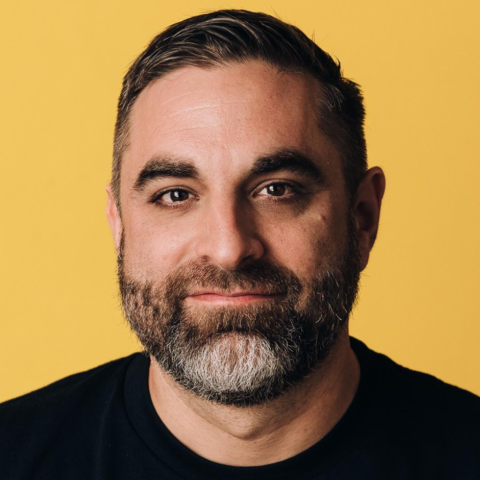



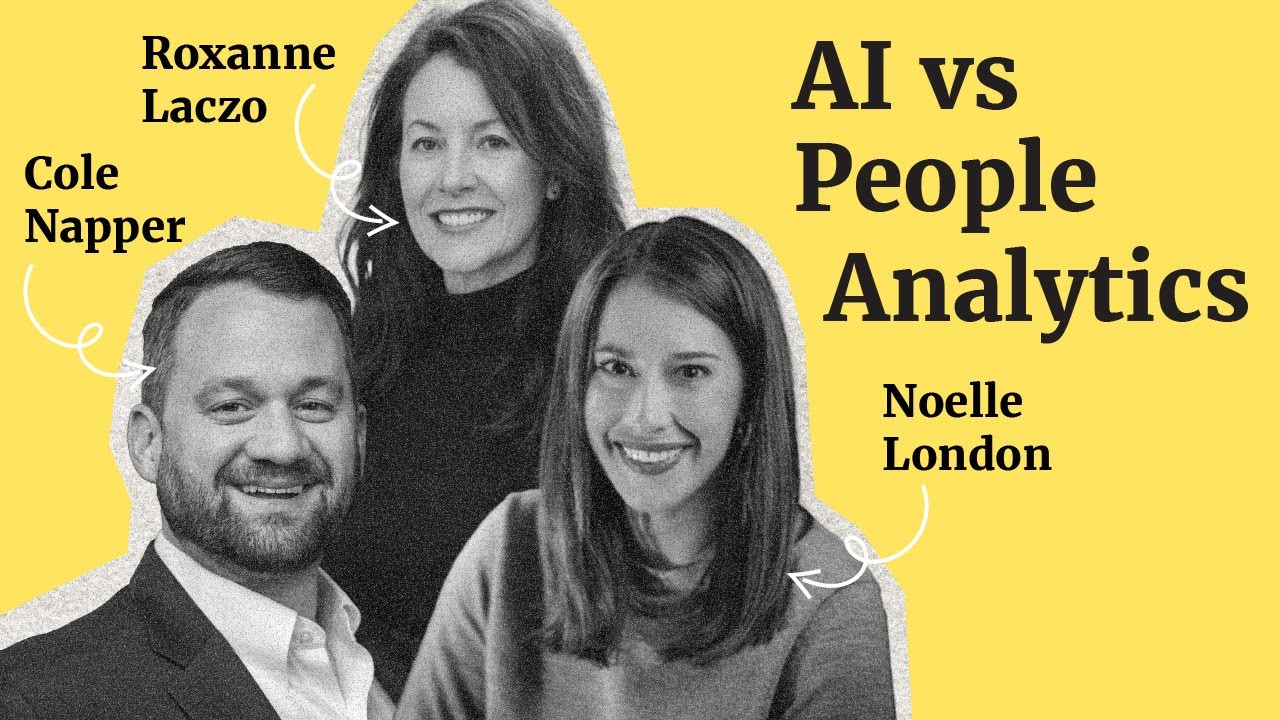
AI won’t replace 90% of what a strong people analytics team delivers. But what exactly is in that 90%—and how long will it stay out of reach? Roxanne Laczo (Head of People Analytics at Cloudflare), Cole Napper (VP of Research, Innovation & Talent Insights at Lightcast), and Noelle London (Founder and CEO of Illoominus) join David for a grounded roundtable on what AI can and can’t do in HR today.
This isn’t a breathless tour of shiny tools. It’s a candid look at the real dynamics reshaping the people analytics function: the transactional work being automated, the strategic work that still demands human context, and the business acumen gap that could soon define who stays relevant—and who doesn’t.
What You’ll Learn
- Why 90 % of what a strong people analytics team provides won’t be replaced — because it’s built on business context, stakeholder relationships and storytelling.
- How AI is most likely to disrupt the transactional parts of people analytics, and what that means for teams that never evolved beyond reporting.
- Why embedding people analytics in the business (not just HR) and developing strong business acumen is becoming non‑optional.
- The risk of a two‑tier system: organizations that treat AI as a panacea versus those that embed it thoughtfully with the human layer intact.
- Which skills to prioritise over the next 12–18 months — and which to stop investing in because automation is coming.
Key Takeaways
- Build your business fluency now: If you can’t speak the language of your business—revenue models, cost drivers, competitive context—then you’re at risk of being marginalized when AI dashboards start being delivered. Think of business acumen as your “seat‑at‑the‑table” credential.
- Shift from reporting to consulting: The routine parts of data cleaning, dashboard building, and standard metrics? They’re under threat. Instead, spend your time asking the right questions, interpreting results, influencing action. Be the consultant, not the checkbox fulfiller.
- Use AI as a co‑pilot, not a substitute: Encourage your team to adopt tools that speed up mundane tasks—but don’t fool yourself into thinking that AI alone will bring strategic insight. The human context still matters. The analogy: using a high‐end power drill is helpful—but it doesn’t determine the layout of the building.
- Standardise the foundation before chasing the glitzy tools: Many orgs rush into “let’s implement AI!” without data, integration or change capability. Invest first in clean data, connected systems, defined metrics and your people’s ability to interpret them. Think of it like building a house: you need a level foundation before you fancy‑up the facade.
- Stop investing in low‑value tasks: Manual repetitive work—like ad hoc reporting, endless cleaning, static dashboards—is ripe for automation. As one guest put it: “If you’re still spending hours coding and building the same dashboards, you’re on the wrong side of change.”
- Guard against a two‑tier world: Recognise the risk that some organisations will have the luxury of strategic people analytics while others settle for “good enough” dashboards and AI plug‑ins. If you’re in the latter group, the challenge is: don’t accept “good enough”—raise the bar.
Chapters
- 00:00 – What AI can’t replace in people analytics
- 00:04 – Strategic vs. transactional work
- 00:06 – AI as co-pilot, not replacement
- 00:08 – Are we building a two-tier system?
- 00:11 – HR readiness, enablement, and capability gaps
- 00:14 – Business acumen as the real unlock
- 00:17 – Bridging C-suite AI expectations
- 00:21 – Micro vs. macro AI in HR
- 00:24 – Could people analytics lead HR transformation?
- 00:26 – Key skills to build (and drop) in the next 18 months
- 00:31 – Final thoughts and takeaways
Meet Our Guest
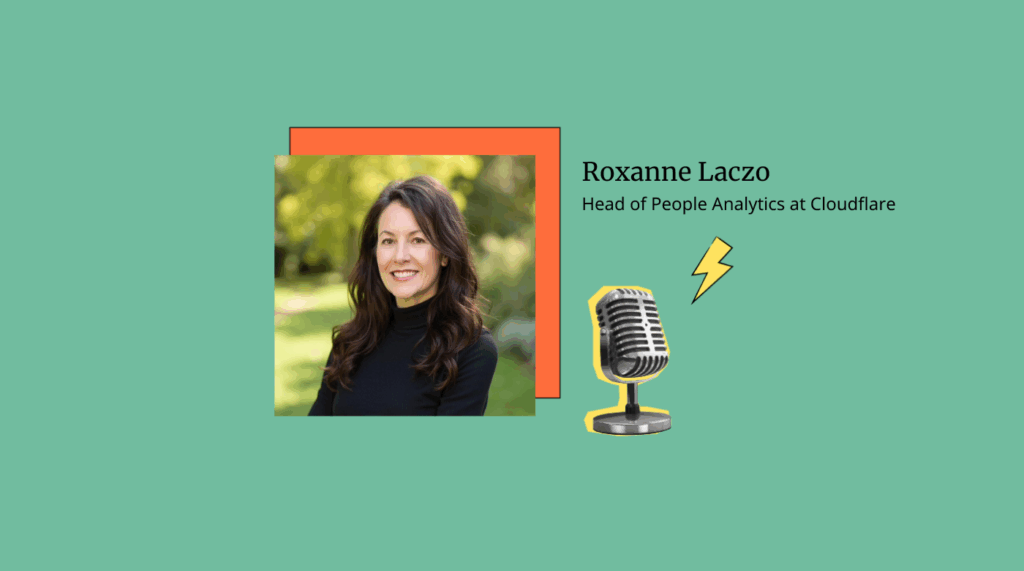
Roxanne Laczo, PhD, serves as Head of People Analytics at Cloudflare, Inc., bringing over two decades of expertise in talent strategy, data-driven decision-making and analytics leadership across global, high-growth organisations. With an academic foundation in Industrial/Organizational Psychology and a history of building People Analytics Centres of Excellence and working closely with executive leadership, she is recognised for forging insight-rich, research-based approaches that bridge workforce data and business outcomes.
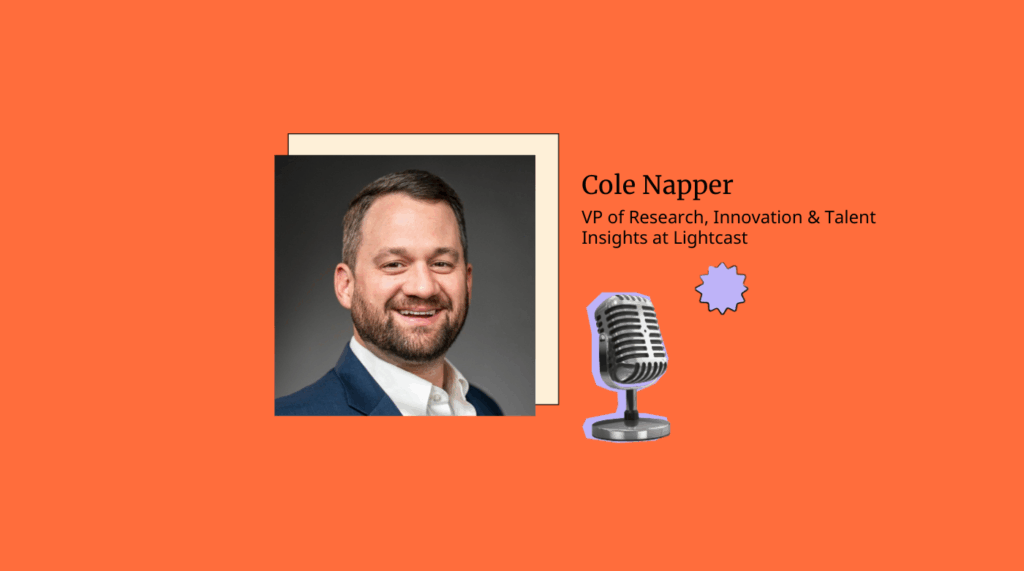
Cole Napper serves as the Vice President of Research, Innovation & Talent Insights at Lightcast, where he leverages cutting-edge labour market data, AI-powered skills taxonomies and workforce intelligence to help organizations transform people analytics into strategic business outcomes. With a rich background spanning global enterprises and high-growth startups and a focus on linking HR data to real-world profit impact, Cole is also the author of People Analytics: Using Data-Driven HR and Gen AI as a Business Asset.

Noelle London is the Founder and CEO of Illoominus, a people-insights platform dedicated to helping organizations integrate fragmented HR data, track equity and progress across the employee lifecycle, and build truly people-first workplaces. Drawing on a strong background in economics, innovation within large enterprise environments (such as her leadership at Accenture Ventures) and her entrepreneurial roots (including a Peace Corps stint and early startup experience), she launched Illoominus to empower HR leaders with clarity and strategic insight.
Related Links:
- Join the People Managing People Community
- Subscribe to Our AI Signal Newsletter
- Connect with Noelle, Cole, and Roxanne on LinkedIn
- Check out Illoominus, Lightcast, and Cloudflare, Inc.
Related articles and podcasts:
David Rice: AI won't replace 90% of what a strong people analytics team provides. What's in that 90% that's uniquely human?
Roxanne Laczo: What's in there is what's inside our head, our brain. There's stakeholder influence in storytelling. I think maybe at some point that 90% might change, but AI will not be able to ever replace fully and completely.
David Rice: Are we at risk of creating sort of like a two-tiered system where AI becomes the good enough solution for most organizations?
Noelle London: Traditionally, people analytics is a resource that enterprise companies get. It's not a resource that people have the budgets to necessarily do. What we're seeing is organizations hire for these types of capabilities earlier than even we saw two, two and a half years ago. That makes it really exciting.
David Rice: Is people analytics position to become the sort of power center of HR and therefore AI transformation?
Cole Napper: I'm gonna say no. And the reason why is not an issue of skill. It's an issue of will.
David Rice: Looking ahead 12 to 18 months, what specific skills should they be developing to stay relevant? And conversely, what skills should you stop investing time in because you think AI will eventually handle that?
Welcome to The People Managing People Podcast — the show where we help leaders keep work human in the era of AI. I'm David Rice, I'm your host. On today's episode, I'm delighted to be joined by three brilliant minds who work in the people analytics space for a bit of a round table discussion.
First up, we have Roxanne Laczo. She is the Head of People Analytics at Cloudflare. Welcome, Roxanne!
Roxanne Laczo: Hello, good to be here!
David Rice: And we also have Cole Napper, who you might remember from his previous appearance on the podcast. He is the VP of Research, Innovation & Talent Insights at Lightcast. Welcome, Cole!
Cole Napper: Thanks for having me, David.
David Rice: And finally, we have Noelle London. She is the Founder and CEO of Illoominus. Welcome, Noelle!
Noelle London: Thanks for having me. Excited to be here.
David Rice: Awesome. All right, today we're gonna be chatting a bit about the current state of people analytics, where we see it going in the future and how we redefine the function, what it means for HR.
So I wanna start with this. When we were talking before this, we discussed that AI won't replace 90% of what a strong people analytics team provides, and Roxanne gave us this sort of hot take. So I wanna start there. Roxanne, what's in that 90% that's uniquely human? And do you think that percentage will hold as AI capabilities advance?
Roxanne Laczo: Yeah, absolutely. So I think what's in there is what's inside our head, our brain. There's strategic context of organization and the business that AI can't necessarily pick up on. There's institutional knowledge and relationships that you have in organization. Where you're gonna get access to information, data highlights that you're not gonna get necessarily.
AI tool cannot necessarily scrape. There's stakeholder influence in storytelling, which is something that's really hard to recreate in any AI tool unless you have that really strong context that I refer to above. So I think the last thing is also being able to ask the right questions given the relationships you have, what you know about the organization, what you know about the business problems.
I think maybe at some point that 90% might change, but I think in the short term, really what's gonna change is that it's the value of what we provide as individuals with our relationship building and our context, that AI will not be able to ever replace fully and completely at the level at which I think everybody on this call would like it to operate.
David Rice: That's interesting. Cole, I'm interested to get your opinion on this because you're very in the weeds on skills. You're seeing a lot of what's happening around transformation and automation. What do you think will sort of stick around for the people analytics function?
Cole Napper: Going back to your question from earlier, you said 90% of a strong people analytics team won't go away.
I think if you're not a strong team, I think 90% of it might go away. I kind of put this into two categories of are you doing transactional work or are you doing strategic or transformational work? 90% of their strategic transformational work will not go away. Everything what Roxanne said is true. I think 90% of the transactional work will go away.
We recently did some research at Lightcast that I shared with you guys before we did this podcast. It plotted all of the HR technology or all HR skills on how valuable they were, how much they've grown, but also how much AI is going to disrupt them. And people Analytics was simultaneously the most valuable skill in hr, but also one of the top ones that it was most likely to be disrupted by AI.
And so I found that to be kind of a fascinating paradox of what's been going on is a lot of the transactional components of people analytics, I think will go over the next few years.
David Rice: Noelle, from your perspective, you know, 'cause you're always thinking about how people put together their text tax, right?
And how AI plugs into all that. What do you see as sort of where it's kind of like pushing, I don't wanna say pushing humans out of the process, right? But a little bit like where does it have a big impact on sort of like how people interact with the technology that they currently have?
Noelle London: Yeah. Well, I mean, I'll preface it with saying, and I think we'll talk about this a little bit later in the conversation, is that when we say people analytics, it means really different things at different sized companies and different levels of maturity within companies.
So when we're saying people analytics, it's not exactly the same thing in the exact same need at different organizations. When we are thinking about people analytics and we're thinking about organizations that likely may not have a Roxanne. I think that Roxanne is an incredibly valuable resource to her organization, and I think, you know, maybe 90% is a little bit high on saying you can't replace 90%.
I also don't even think about it as necessarily replacing, I think the word replace is more like this is about a co-pilot and a co-pilot that can help you on a lot of those things that. It's frankly work that's wearing people down. And so some of that work where, you know, when we talk to organizations that are potentially a little bit earlier in their journey or smaller around headcount, there's things that they're doing like maintaining integrations, like going through data health and cleanup, that those are things that are kind of keeping them in this reactive place.
Where they're doing regular reporting, but maybe it's backward looking. That stuff can be really time intensive if you don't have a fully built out team to do it. And so those are some opportunities to take that work off the plate, have a co-pilot to help you out so that you can spend more time, like Roxanne said, with that context that's in your head.
I do think there's still some things, you know, we're still AI obviously it's changing for us like every single week at this moment, but some of those things are still really hard to manage, which I'm not gonna lie about. Cole and I actually had a conversation about this earlier this week where, think about those edge cases.
So many edge cases are coming. Some of the things that we see is, think about something like transfers in internal mobility. We're seeing that organizations are managing that differently within their systems. And so those are the kinds of things where, yeah, edge cases, we've still really gotta be paying attention to those.
And I think that context in that organizational insight of how do we take all of this? The AI's helping us with as our co-pilot in people analytics so that we can spend more time thinking about what to go and do about it and less time on that work. That again, we say wears you down.
David Rice: Well that's interesting 'cause like talking about, you know, a lot of companies don't have the Roxanne, right.
I'm curious, are we at risk of creating sort of like a two-tiered system where like AI becomes good enough, the good enough solution for most organizations? Like really only well-resourced companies get that true strategic insight, that have that context.
Noelle London: Yeah, I mean, this is the one that I think I get really excited about just because I think that traditionally what we've seen is that people analytics is a resource that enterprise companies get.
It's not a resource that people don't have the budgets to necessarily do this at organizations that let's say are 12,000 or less employees. I know you know Roxanne, that may be an exception with where you are right now, but I think that's what we're seeing is that we're seeing organizations higher for these types of capabilities and roles earlier than even we saw two, two and a half years ago.
And so more organizations are asking, Hey, my organization's changing. I need to be able to think about the future of my workforce. I need that data to help me to make those kinds of decisions. So we're seeing it come earlier within organizations and to me that makes it really exciting. Yes, there's the larger organizations that have 30 people on a people analytics team.
You know, that's a very different people analytics means something very different there than it does at a smaller, more nimble HR organization. To me, it's not necessarily creating a two tier system. I actually think what's really exciting about it and the opportunity that we can unlock is when we can bring that data together to share insights across companies.
That's the really big opportunity is. The benchmarking, the learning from peers on what's working within their organizations. 'cause we don't necessarily have playbooks for some of these big changes that are happening in hr. I think that's a really big opportunity, is the network effect of learning across organizations that are mid-market.
And to me that's an opportunity to almost leapfrog these organizations that are getting up to speed quickly in people analytics to take them to the next level.
Roxanne Laczo: Getting back to what Noelle said earlier around is like, how are we defining people analytics here? And like we could have a whole other podcast on what people analytics means.
I have a real strong point of view on that, but I guarantee you most of the companies saying they're doing it aren't doing how I would define it. Right. And then I would also say, on the other hand, many companies who don't have a people analytics team have people, what I doing, what I would define as people analytics, do you have talent, do you have assessment?
And you can't do any of those things without analytics. So I think it's like. It's organizational readiness, it's context dependent, it's side the organization, it's savviness of the business. I think to say that there's a risk with a two tier is maybe not quite right, but the risk we have is not about being able to do things and delivering insights.
It's really around the capability of your business partners to be able to use AI to make decisions, right? That doesn't have to be driven by people. Analytics, like 0% has to be driven by people analytics. Do you have the capability and investment within your entire people or HR team that you're enabling people, training people on how to use different types of tools, systems that have AI embedded in them to start to gather all these insights and decisions and are we like putting people analytics out of a job?
Not necessarily, but it's really around, this is a capability problem. It's not an investment problem, in my opinion.
Cole Napper: Going back to the two tier question. I actually think the history of people analytics is more two-tiered than the future. I mean, you go back, I talk about this in my book, people Analytics that should be out by the time this is released, but there were companies that had a hundred, 200, 300 person people analytics teams not that long ago.
And largely they're being dismantled. I just don't see a future where you need a 50 person plus people analytics team, and I think that's actually the most egalitarian version of the future of people analytics. And what AI is doing is decreasing the barriers to entry. So the moving from having zero people or zero technology focused on doing this to one is so much easier than it was perhaps five years ago, even a year ago.
And I think that's better for the future of hr and that's better for the future of people analytics.
David Rice: Yeah, I mean it's interesting like with this particular function, 'cause I look at like sort of the trends around a lot of other roles within the organization and there is from leadership, I think on a lot of other roles, a tendency to lean into like good enough, right?
You think about, I don't know, marketing or something. Right? You know, there is sort of that brazenness to be like, oh, this is good enough. I don't know if it'll follow suit with something like this just because, I mean, correct me if I'm wrong, but it feels like a lot of people within the org kind of don't understand it to begin with.
So when you go to then apply that even using AI, I'm not sure how easy it is to. Understand or trust what you get back maybe, am I wrong about that? Do you still need somebody in between you and the AI? I guess if you're a leader?
Cole Napper: This is an area where I have very strong opinions. I think that it's been a travesty for how long HR has had leaders that weren't data native or didn't understand how to use data to make decisions, and I think AI is actually gonna force that issue.
And so I think it's no longer. You could say acceptable, but I would say it is going to be existential for the HR functions themselves. I mean, you've already seen the Moderna example of them merging HR and it essentially to say, I, it is taking over HR because it can use data to make decisions and HR can't.
That's kind of the subtext of what I saw in that announcement, and I think, I hope that's not a trend that continues and it won't continue. If HR steps up to the plate, if HR can be the leaders that they think they can be. I just think it's no longer acceptable to be a non-data literate HR leader, and I think that's one of the reasons why it's actually exciting to be a people analytics leader at this moment because I think it's one of the functions in HR that's going to prepare you to be the chief people officer of the CHRO of the future.
Roxanne Laczo: I'm gonna tag onto that and I'm gonna say that we're gonna pick on HR teams here for a few minutes. The problem is not how do we AI something? It's like, do you understand the business? Are you actually also a business leader versus just kind of what we would put into a box of our traditional HR leader.
And this is like the strategic HR business partner problem that I've literally been listening to for 20 years now. Like if you actually can't speak the language of the business, that's problem number one. And that's kind of what I think Cole is alluding to in another way. So it's like we need to stop thinking about AI as being the how.
We can't do anything with AI until we know really like what is the problem that we're trying to solve? Then we're just, we're throwing like crap at crap. Right? And what's the outcome? Like more crap. So it's like it's a no win situation.
Noelle London: I'm gonna jump in and maybe defend HR a little bit just because I think that, you know, in my day to day I to work with HR leaders that I think really want to have the data, so I'm gonna give them the benefit of the doubt.
I think that typically what I've been seeing is that these are HR leaders where they're part of the organization has been chronically underinvested in. When you think about every company's got a customer data platform, if you don't have a customer data platform in 2025, like what are you operating off of?
That type of investment always went to sales and marketing because we were thinking about revenue and sure, sales and marketing can have what they want, but hr, I'm going through hrs budget and I'm gonna start cutting things and you're not gonna get the employee data platform. Well, also, we haven't really had that as much until now.
I think that there's some pieces of, there's a lot of catch up that HR has to do in terms of systems and data foundation to be able to fully take advantage of AI, in my opinion. Like, yeah it's really exciting right now because you think about, you know, every HR tech tool has something in AI. Think about like in even last year, we had customers that used three people in three weeks to go through their employee engagement survey and they were spending for a couple hundred people, they're spending like 30k on an employee engagement tool.
You don't need to do that anymore. In the past, we would've thought about my critical HR tech stack. If I'm the CFO and I'm having that conversation with hr, you get an HRIS system, you get a talent acquisition system, you get engagement, and if you're lucky, you get a performance system. Now, what we can say, and I'm bullish on is that now I think that the people analytics of how do we actually connect those different systems?
I think that has to become critical tech stack and I think that we're starting to see the realization of now that I can AI apply some parts of the other work, does that leave room for us to start thinking strategically of how to piece the puzzle together?
David Rice: This is interesting. Now I kind of wanna pivot a little bit 'cause I think there's like, I think there's a gap between like what boards expect from AI and hr and then like what is actually possible right now. So I'm curious, like in you all's opinion, how do you bridge that disconnect between executive pressure to, you know, sort of do AI? I mean you've got all these CEOs out there, like we're an AI driven organization, right?
And they wanted an hr, but the reality of, to your point Noelle, what HR systems and teams at present have the pieces in place to deliver may not actually live up to that.
Noelle London: I mean, I think it's a lot of what I was just mentioning, but I think that it's, there's a lot of things you can talk about, use cases within your existing HR tech stack that you've started to take advantage of some of those tools.
I think while you're being asked right now, how are you including AI and hr? Now's your time to make the business case for people analytics. Now's the time to say, you know, we can do the like onesie, twosies on, and I think Cole had a term for this earlier this week, but we can do the small scale stuff if you really want us to be strategic to the business.
If we're all focused on profitability this year. My number one cost as an organization is my people. Well then we really wanna be understanding what's working within the organization and what's not. So to me it's, we can do the onesie twosie. Sure. You want AI and hr, you're pressuring us like make that business case. Now's the time to make that ask.
Roxanne Laczo: Well, I also just think there's a lot of enablement that has to happen. So you can't just say, Hey, do AI. 'cause guess what, like AI typically costs money. It takes time to learn it. So I've seen in different organizations or conversations I have is like there's this big expectation, but a lot of people, especially people who aren't used to that, they don't even know where to start.
So you can't tell a bunch of like recruiting coordinators to go start to use AI when maybe they never even been exposed to it. So there's really an enablement piece that I think we're missing here. From organizations where it's like, number one, you actually have to invest in enabling people. You actually have to invest in tools, right?
So you can't say at HR, we're cutting your budget, but go get a bunch of AI tools to do all this work. So I think again, it kind of gets back to the conversation around we want HR to be more strategic business focused partners. What are the things that are gonna enable us to do that investment in AI, investment in technology, investment in people analytics, investment in upskilling?
Cole Napper: Yeah. I'll add onto a few things that both Noelle and Roxanne said, and from the board perspective, and again, this is different for different companies, but I think a general theme you're seeing across the economy is boards are saying to CEOs, we want you to A, make AI investments, which cost money like Roxanne said. B, we want you to keep opex flat.
So what happens is, C, you cut headcount spin, and then because the math should add up that you add AI that should increase productivity. So you should still see productivity growth as an organization. But what's ending up happening is because I think we've all seen these statistics, like 95% of AI pilots are failing right now.
That you're actually, what you're doing is you're squeezing your current employees. Even more to see those productivity games. So people are working longer hours, you're seeing more disengagement. A lot of the things that I think Roxanne was pointing out about capability gaps as well, and I think that manifests itself in this really kind of weird squeeze that we're seeing as a society where the productivity numbers actually are going up, but it's not because of AI, it's because more juice is being squeezed outta the lemon at the moment.
David Rice: I would agree with that. I've heard a few different sessions recently, like I, I think there's also some education that needs to happen with like all leadership teams, quite frankly, where we talk about like the difference between AI, machine learning automation. Like these aren't necessarily, they may be similar, but they're not exactly the same thing all the time.
Right. I know like when we were talking before this call, you distinguish between like micro AI solutions, so using something like a GPT for a daily task and then a macro solution where vendors embed into AI workflows. So like where for an HR leader listening to this, right, where should they sort of be placed in their bets and like learning the most?
Cole Napper: I've kind of got a few thoughts on this. So going back to that kind of board or C-suite perspective versus like what HR is telling their HR employees and the board in the C-suite is saying, we wanna see. Productivity gains and kind of a fundamental transformation of hr, and that's that macro AI adoption.
So we want entire workflows, entire processes to be AI native or AI embedded. So that you see, again, just a fundamental shift in the way that work is done. HR is telling HR employees, go try out ChatGPT or Gemini or whatever and see if you can write a job description better. Or you know, some of the HR technologies might have an AI chat bot within them.
Try to see if you can pilot that chat bot to do something. And there's a fundamental disconnect between those two things because the expectation and the reality. There's too big of a divergence there if you're looking at a, from a micro lens or a macro lens. The last thing I would say though is I think that's V one of AI adoption in HR and what V two looks like is very different.
So right now I'd say 95% of the spend on AI adoption from V one has been on. Let's get a new AI wrapper. Let's put some AI on top of our existing infrastructure, maybe a little bit around the edges about capability, ability, or data. I think, and everybody I think is seeing that's not working at scale the way we hoped it would.
And so I think V two is gonna look vastly different. I always say if you had a hundred incremental dollars to spend on AI, I'd spend 95% of it on better data and better infrastructure, and 5% on a better wrapper. And I think that's where the direction is going to go. That's why, I mean, I get really excited working at a company like Livecast because we have this type of data and that's what's exciting for me in terms of like the research I mentioned earlier about like people analytics and its value with our research call Beyond the Buzz, which again, I guess you can put in the show notes, but I just think it's, we're in a transformational phase and we haven't figured it out yet.
Noelle London: I really like that Cole. You know, I think right now to me of thinking about the journey and the maturity of how we get more AI and HR to. Take away some of that work that is wearing people down is, I think right now, like quick wins with some of those AI tools and like the AI pieces that are within your systems.
Get some of those quick wins that are available, but that's not adoption, that's not where it stops. It's all about. Get some of those quick wins, but be investing in exactly what you're saying of get your data foundation in order. Get your data foundation clean and trustworthy. Start connecting it because that's where we're really gonna unlock is when we can start.
Mapping out the entire employee journey, pooling those systems together to help us with some of those things like internal mobility, workforce planning, which right now can feel really difficult to do with current state.
Roxanne Laczo: I'm just gonna add in that I get the concept of like encouraging people to use ChatGPT or Gemini to make tasks quicker.
But I wanna get people away from thinking that they're doing some amazing thing with AI by doing that. That is not a strong use case for AI in my opinion. I'm like, that is you learning how to be a little bit more productive using a tool that's available to you. So we, I have a colleague friend of mine, we talked a lot about AI slop.
Like we're not gonna count the AI slop when we think about value add activities. That's like, great that you're doing that. But the and value add activities are the bigger picture things that we can measure more simply. Things that we know at scale are really gonna make a lot of sense. So I'm not saying stop doing those things 'cause those things are really important, but that by the way, should just be what you're doing in your normal job.
That's not like I used AI to solve a huge problem. That's like a productivity gain that everybody should be thinking about doing in some way.
David Rice: Yeah. I think in a lot of ways it's a speed gain, right? Like it allows you to do that faster so that you can then actually have a little bit of time left over to try to do this other thing.
And it's like, yeah, every role, I don't even care what industry you're in. This is part of it now. And it's just like, that's. The term that is just so hot right now is table stakes. You know, nobody said that like two years ago. It was very rare that you to hear that as a term. And now every, I feel like it's in every LinkedIn post.
I wanna go back a sec, because we had talked about how like Cole, you had mentioned. People, analytics leader, sort of being in a good position to become the CHRO of the future. We're kind of suggesting that a proactive people analytics leader here could take on that role of leading AI transformation.
I've just recently done a piece on, you know, hiring your chief first chief AI officer in IRU. Essentially that as you look for a chief AI officer, you should look at maybe HR people instead of somebody in a technical role, because people tend to be sort of the big bottleneck a lot of times around these transformations.
So I'm curious, you know, like is people analytics positioned to become the sort of power center of HR and therefore AI transformation?
Cole Napper: I'm gonna take the other side of my own argument and say no. And the reason why is not an issue of skill. It's issue of will. Almost every people analytics leader I talk to doesn't want it, aren't interested in it, and frankly, I think there are some parts of the chief people officer job that people analytics is probably not that well equipped for.
Things like more on the employee relations, dealing with organizational politics. The organizational therapy you have to do at the C-suite to be a good chief people officer. It's not a fun job in a lot of ways. Let's say I flew too close to the sun at a prior organization, so I have a little bit of experience there.
The thing is, I think the chief people officer job would have to change for that to be the case. And I don't think that's not possible. I've actually been sitting on an idea of writing about like a future operating model for HR for a few years now. I just haven't had the, frankly, the will either to publish it.
'cause I feel like I'm get a lot of friendly fire from it. I think there is a future where it is possible, and I just don't think it is the current state.
Roxanne Laczo: I just think there's so many past becoming a chief people officer that it's a yes and there's 50 other ways to get there. Right. So might, you know, being an AI powerhouse enable you to get there?
Yeah. But I'm gonna go back to what I said earlier. It's like, do you understand the business? 'cause if you're a people analytics leader and you have no connection to the business and you don't understand the business, you shouldn't be a chief people officer. So I think that's something also you see really good.
A lot of companies bring in people from outside of hr, heads of engineering, different backgrounds and do really amazing things with people teams. So I think like that's one pathway to get there. But I agree with Cole. There's some people out there I know in kind of our type of roles who aspire to do that, but for the most case.
I don't see that as something people saying like, my next job's gonna be the CHRO.
Noelle London: Just to take that a little bit differently. I mean, I think one thing that I've been thinking a lot about lately is people analytics is like the perfect AI and HR are, if you will, of, it's not necessarily somebody that comes from people analytics.
Both understands the data, but then is really strong in the interpretation of the data. And so having somebody stand into that role. Within our HR department, this is how our strategy fits together. This is how we go and interpret the outputs that are coming from AI. I think in many ways this person is really well positioned to help the HR organization around, you know, what's our strategy?
How do the pieces fit together? The other thing, I mean, not necessarily advocating either way, but a couple of things that I think this person is really well positioned to do for the HR organization is, pardon my French, but it's like HR teams have really been siloed for so long. When you think about an HR team, you've got a recruiter that's running to meet quota and bring down time to hire.
You've got somebody in employee relations who has a very different persona. You've got somebody in employee experience who has a very different persona that it kind of can feel like you've got this team where you've got people running in different directions. With the people analytics person that's able to bring together the data to show this is the employee journey.
This is, we are all, you know, responsible for KPIs within that employee journey, but this is how the function works together. I think that's potentially an interesting strength that this person can bring to the role. And then the other thing is. Somebody that's within people analytics, knows their numbers in and out, and so you look at those numbers, you're able to look at, you know, make data-driven decisions, help to build business cases for why it is strategic to the business to make some of these decisions and investments that we're making.
So not necessarily saying if somebody doesn't have the will, like no, they shouldn't be in that role. There are a couple of things that historically maybe have been stumbling blocks for the department that this person would bring really great value to.
David Rice: And he said, pardon my French there. I thought I was gonna get to use my bleep button.
Noelle London: Siloed.
David Rice: Well, we're kind of coming up on time here, but I wanted to leave us with this, you know, because I think one thing that comes outta this conversation for me is that a lot of companies should be rethinking the HR and people analytics, you know, what they actually are and do within the business today.
And I'm curious then in you all's opinion as they do that, looking ahead 12 to 18 months, for folks that are in the people analytics space, what specific skill should they be developing to stay relevant 18 months from now?
And conversely, what skills should you stop investing time in because you think AI will eventually handle that?
Roxanne Laczo: I'm gonna get on my soapbox. I think it's the third time and say business acumen, right? If you can't speak the language of the business. It's a problem. So it's something I think probably, I mean, myself I'm still doing that as well, right?
So it's not easy to do, but you really need to learn how to partner and partner with leaders in a way that allow you to be more embedded with what's going on in the business. It's really hard for you to do your job without doing that. So I think that's one thing. And I do think just general literacy around AI ethics.
Governance, rules, laws, committees, all that stuff that's coming out is gonna be really important as we continue to move down that path. And then I also think there's still a piece in a lot of people, analytics teams and these are the teams that I wouldn't even call people analytics. These are the basic reporting teams.
You have to be able to build towards storytelling and influence. So there's a really strong consulting component and bigger companies have teams, have people, analytics consultants more or less tied to different businesses. I think that's a really good model. It's something we're working towards as we continue to grow and evolve on my team.
But I think those are three really things that are important and I think like things that you should no longer think about investing in is. Manual transactional, repetitive data cleaning activities that belongs to the people that own the source data systems. That doesn't belong to people analytics teams.
And one thing that AI can enable you is creating dashboards, writing code, producing products, having deliverables. You don't have to spend hours and hours of time coding and producing those where you have tools probably already available to you in your organization that can enable you to get those out the door real quickly.
Noelle London: I couldn't agree more. Roxanne, I think embedding yourself in the business, creating really strong stakeholder relationships so that you are invaluable so that you're coming in Roxanne, you can't see it, but you are pointing at your head in question one of like it's all up there and you've got a lot of it.
And so as much as you can build your knowledge of the business, you can build a lot of that knowledge in your head that makes you more invaluable. Don't sleep on what's happening in terms of AI. Stay up to speed, educate yourself, stay smart on those things. To me, that's what's most critical.
Cole Napper: I just violently agree with what Roxanne and Noelle has said.
I feel like I can only kind of echo it in the sense that Roxanne's point of all business acumen is just. It's so important. I talk and write about this stuff all the time, and I think a lot of people come to it and they're expecting me to be talking about like Excel formulas or like how to write code or something.
And it's almost always about like how to create differential value for your business through humans, not because humans are the problem or something like that. And this is why people analytics is interesting. It's why it's fun, it's why it's exciting. And I think. Again, spending your incremental time, that's where I would be spending it.
If you're just trying to create, you know, the best new widget, go and buy something. Go and use AI, go do something. Because again, the transactional space is getting completely disrupted. Understand your data. That's key. Investing in the right data infrastructure key, but being the person who runs a report, I think the half-life on that is short.
David Rice: Absolutely. Well, this has been a fascinating conversation. I love talking with all of you. Thanks for joining us today. I really appreciate y'all coming on the show.
Cole Napper: Thanks for having me.
Roxanne Laczo: Thank you, David.
Noelle London: Thank you.
David Rice: Alright. Well listeners, until next time, work on that business acumen. Sign up for the People Managing People newsletter, as always.

