


Paycom vs. Paylocity: Comparison and Expert Reviews for 2026


Choosing HR and payroll software can quickly become overwhelming. You’re trying to balance payroll accuracy, compliance, employee experience, and integrations—while also making sure your HR team isn’t stuck managing a clunky system. Paycom and Paylocity are two of the most popular platforms for handling payroll, benefits, time tracking, and HR operations, but they take different approaches to solving the same problems. Understanding those differences can help you decide which platform actually fits the way your business runs.
In this head-to-head, you’ll get a clear look at how Paycom and Paylocity compare on features, pricing, support, and real-world user experience—so you can confidently choose the right fit for your organization.
Paycom vs. Paylocity: An Overview
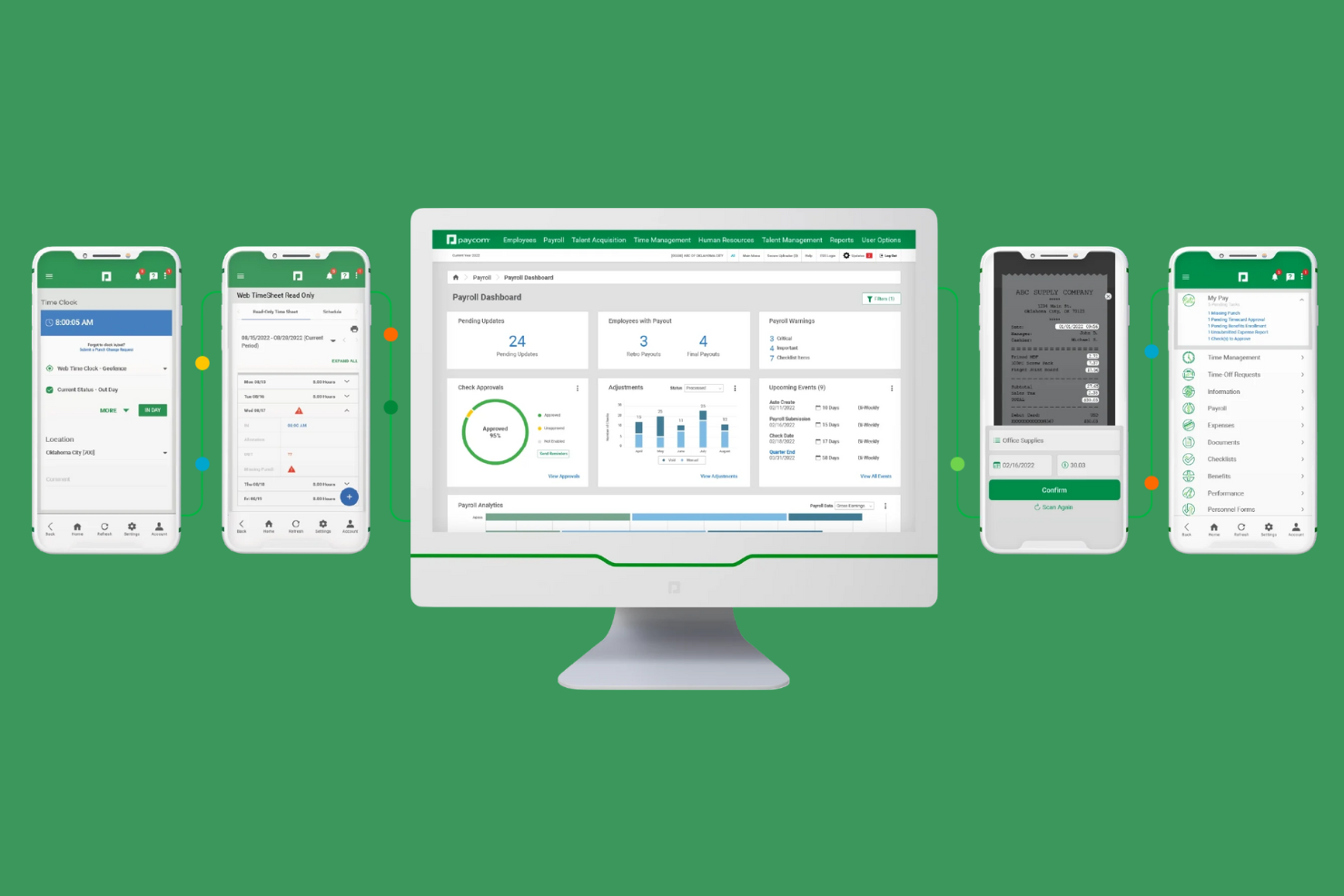
Paycom
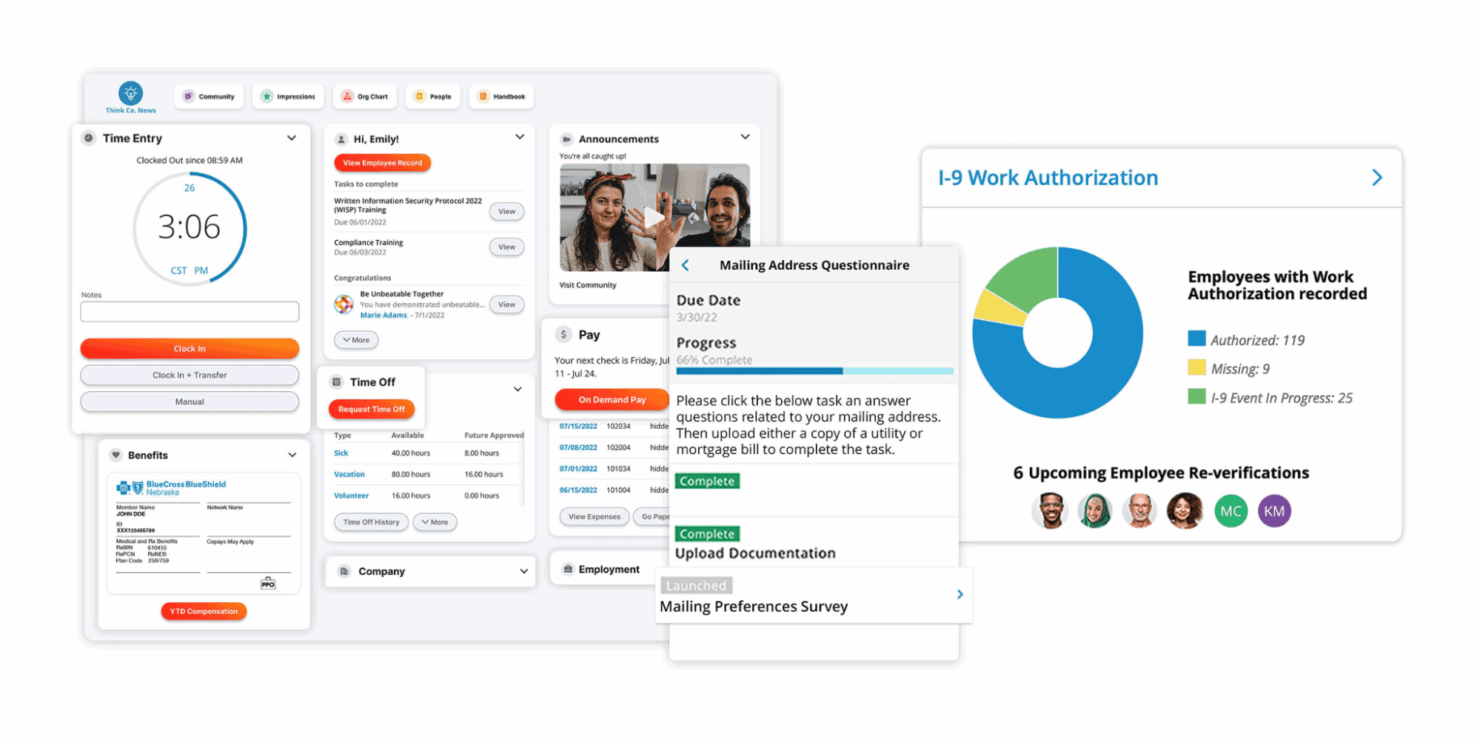
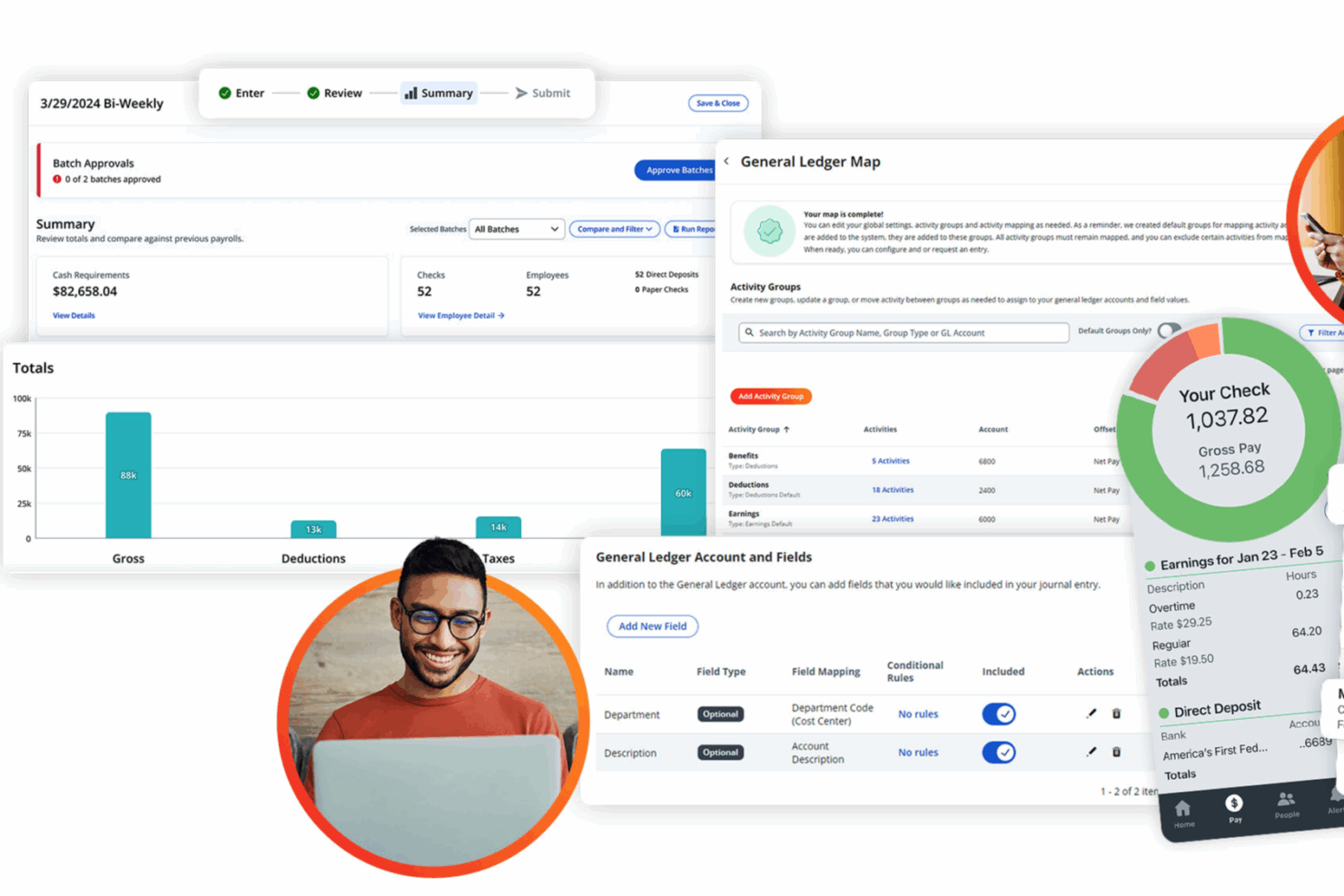
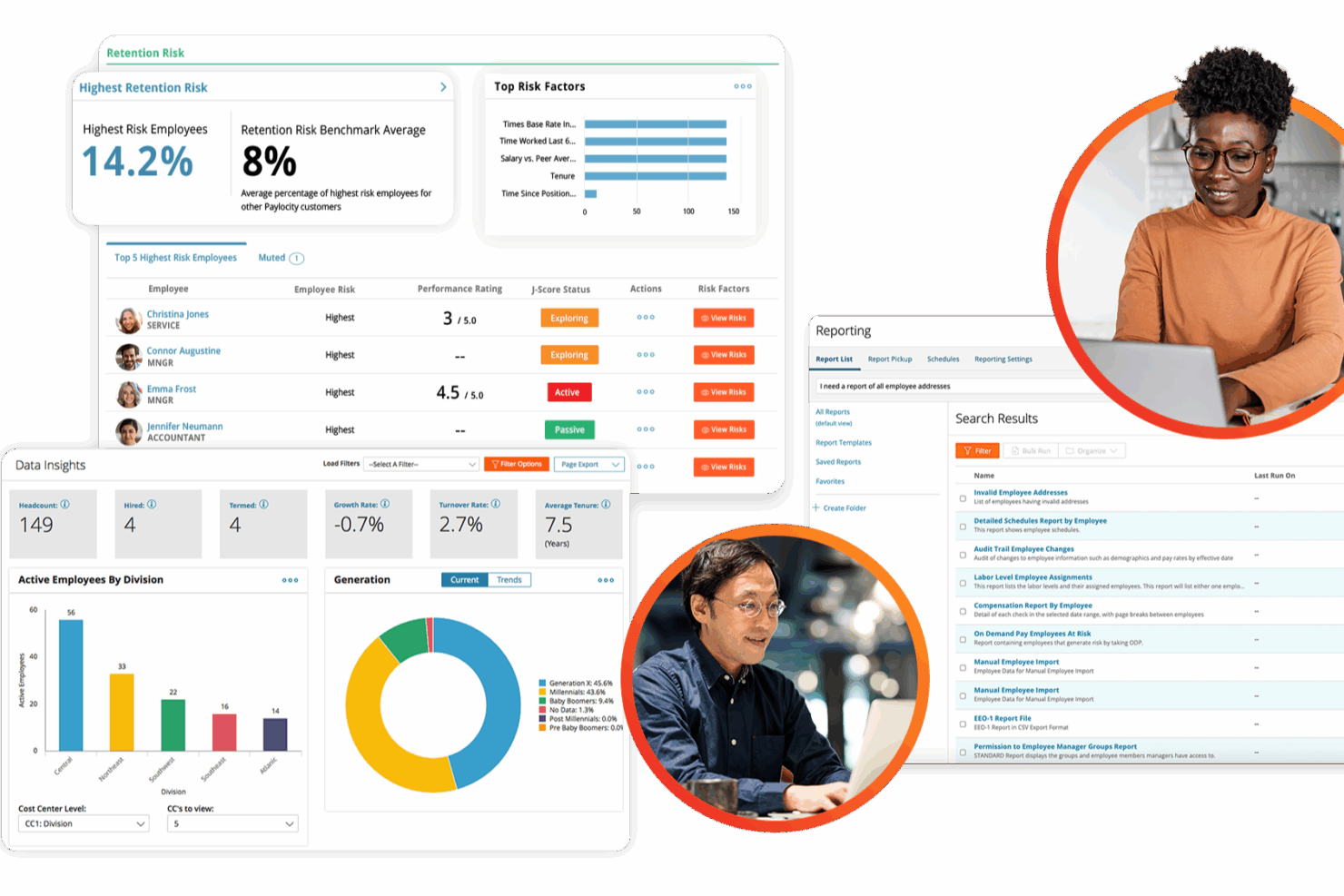
Paylocity
Why Trust Our Software Reviews
We’ve been testing and reviewing HR software systems since 2019. As HR experts ourselves, we know how critical and difficult it is to make the right decision when selecting software.
We invest in deep research to help our audience make better software purchasing decisions. We’ve tested more than 2,000 tools for different HR management use cases and written over 1,000 comprehensive software reviews. Learn how we stay transparent & our software review methodology.
Paycom vs. Paylocity Pricing Comparison
| Paycom | Paylocity | |
|---|---|---|
| Free Trial | Free demo available | Free demo available |
| Pricing | Pricing upon request | Pricing upon request |
Paycom vs. Paylocity Pricing & Hidden Costs
Paycom and Paylocity both use custom pricing models based on your company’s size, needs, and required functionality. With Paycom, you typically pay a base fee plus a per-employee, per-month charge, and you may see extra costs for implementation, training, or advanced modules. Paylocity also offers modular pricing, letting you choose core payroll and HR features with optional add-ons, but setup, integrations, and certain support services can add to your total cost. Neither vendor publishes standard rates, so you’ll need to request a quote tailored to your organization.
To find the right fit, look beyond the initial quote. Ask the providers for a detailed breakdown of all potential fees, including onboarding, integrations, and ongoing support. Consider how each platform’s pricing structure aligns with your growth plans and the specific features you’ll actually use.
Paycom vs. Paylocity Feature Comparison
Both Paycom and Paylocity are “all-in-one” human capital management (HCM) platforms designed to help you manage payroll and HR tasks in one place. With either system, you can run payroll, track employee time and attendance, manage benefits administration, and handle onboarding and talent management from a centralized platform. You also get robust employee self-service tools.
Where the platforms start to differ is in how they approach automation and employee experience. With Paycom, you get unique tools like Beti, which lets employees review and fix payroll issues before payroll runs—helping you reduce errors in workflows and lighten the load for HR teams. Paycom also emphasizes a single-database architecture, meaning all HR and payroll data live in one system for real-time reporting and fewer data inconsistencies.
Paylocity, stands out for its extensive integration ecosystem and employee engagement tools, including social collaboration features, recognition programs, and feedback tools designed to help you build a more connected workplace culture.
| Paycom | Paylocity | |
|---|---|---|
| API | ||
| Application Tracking | ||
| Attendance Tracking | ||
| Compliance Tracking | ||
| Dashboard | ||
| Data Export | ||
| Data Import | ||
| Data Visualization | ||
| Employee Database | ||
| Employee Incentive Management | ||
| Employee Onboarding | ||
| Expense Tracking | ||
| External Integrations | ||
| Feedback Management | ||
| Multi-User | ||
| Notifications | ||
| Payroll | ||
| Scheduling | ||
| Time Management | ||
| Timesheets | ||
| Travel Management | ||
| Vacation & Absence Calendar |
Paycom vs. Paylocity Integrations
| Integration | Paycom | Paylocity |
| QuickBooks | ❌ | ✅ |
| ADP | ❌ | ❌ |
| Microsoft Teams | ❌ | ✅ |
| Slack | ❌ | ✅ |
| Paycor | ❌ | ❌ |
| Rippling | ❌ | ❌ |
| UKG | ❌ | ❌ |
| Indeed | ❌ | ✅ |
| API | ✅ | ✅ |
| Zapier | ❌ | ❌ |
Paylocity offers a broader range of direct integrations, especially with popular communication and accounting tools, while Paycom focuses on core HR and payroll connections. Both provide API access, which gives users more flexibility to connect with niche or custom apps.
Paycom vs. Paylocity Security, Compliance & Reliability
| Factor | Paycom | Paylocity |
| Data Encryption | Uses strong encryption protocols (including 256-bit encryption) to protect data in transit and at rest. | Uses encryption and secure infrastructure to protect sensitive payroll and HR data in transit and at rest. |
| Regulatory Compliance | Maintains multiple certifications and audits including ISO 27001, SOC 1, and SOC 2, supporting regulatory and financial reporting compliance. | Maintains ISO 27001 certification and undergoes SOC 1 and SOC 2 audits, aligning with industry security frameworks. |
| Access Controls | Role-based permissions, multi-factor authentication, SSO, and strict access policies help control who can view or modify data. | Role-based permissions, identity management controls, and multi-factor authentication help secure system access. |
| Infrastructure & Reliability | Operates proprietary data centers with Tier IV certification and business continuity planning for high availability. | Uses secure cloud infrastructure with disaster-recovery planning and ongoing monitoring to maintain service availability. |
| Audit Trails | Provides unchangeable audit trails that record user actions, timestamps, and IP addresses for system activity. | Maintains detailed activity logs and monitoring tools to track system usage and security events. |
Both Paycom and Paylocity offer strong security frameworks to protect sensitive employee data, payroll records, and HR information. Each platform encrypts data in transit and at rest, supports role-based access controls with multi-factor authentication, and maintains industry security certifications and audits such as ISO 27001 and SOC reporting. They also provide detailed activity logs to track system access and changes.
The main difference is infrastructure: Paycom operates proprietary Tier IV–certified data centers, while Paylocity relies on secure cloud infrastructure with disaster-recovery and continuous monitoring.
Paycom vs. Paylocity Ease of Use
| Factor | Paycom | Paylocity |
| User Interface | Clean dashboard with all payroll tasks in one place, but can feel dense for new users. | Modern, intuitive interface with clear navigation and customizable widgets. |
| Onboarding | Guided onboarding with step-by-step checklists, though setup can be time-consuming. | Streamlined onboarding process with helpful prompts and quick-start guides. |
| Mobile Experience | Robust mobile app for employees and managers, but some admin features are limited. | Full-featured mobile app with payroll, time tracking, and approvals on the go. |
| Customer Support | Dedicated support rep for each account, but response times can vary. | Extended support options include live chat, phone, and a comprehensive help center. |
| Training Resources | Offers in-depth training modules and webinars for admins and employees. | Provides video tutorials, live webinars, and an extensive knowledge base. |
Paylocity is generally easier for new users to pick up, thanks to its intuitive interface and accessible support, while Paycom’s detailed training and guided onboarding help users master more complex workflows. Paycom shines for organizations that want hands-on training and a dedicated support contact, while Paylocity stands out for its user-friendly design and responsive help options.
Paycom vs Paylocity: Pros & Cons
Paycom
- It offers a user-friendly interface that enhances productivity.
- Your team benefits from comprehensive HR management features.
- It simplifies complex payroll processing with intuitive tools, such as Beti.
- Initial setup can be time-consuming for your team.
- You might find some features less customizable compared to other tools.
- Customer support could be more responsive to your needs.
Paylocity
- In addition to software, the company has a team of dedicated reps to support your payroll, tax, and garnishment processes.
- Employees can access their payroll and benefits information, update personal details, and request time off in an employee self-service portal.
- Paylocity automates payroll processes to save time and reduce manual work for HR and payroll teams.
- The platform offers many features that can take time to learn and adopt fully.
- A few customers have experienced slower response times or difficulty reaching support when needed.
- Some end users report that implementation can take longer than expected and require significant time and resources.
Best Use Cases for Paycom and Paylocity
Paycom
- Retail Industry Paycom is ideal for managing large staff rosters with its efficient payroll processing and scheduling features.
- Healthcare Facilities It supports complex payroll needs and compliance requirements often found in healthcare settings.
- HR Departments Your HR team will appreciate the centralized all-in-one platform for managing employee data and payroll tasks.
- Mid-Sized Companies Companies with growing teams benefit from Paycom's scalability and comprehensive HR tools.
- Hospitality Sector Paycom handles variable pay rates and shift scheduling effectively, which are crucial for hospitality businesses.
- Manufacturing Firms It simplifies payroll data for diverse workforces, including hourly and salaried employees in manufacturing.
Paylocity
- Small businesses Paylocity offers an affordable and scalable solution for companies with around 50 employees and requires standard payroll needs.
- Retail The software’s scheduling and time-tracking features are ideal for shift-based workforces in retail stores or restaurants.
- Nonprofits Paylocity best suits nonprofits by providing tools to streamline HR tasks and improve employee engagement.
- Healthcare Paylocity supports healthcare organizations with compliance and workforce management solutions.
- Real Estate Paylocity aids real estate businesses with scalable payroll and HR processes.
- Full HR Suite Paylocity’s integrated modules for payroll, benefits, timecards, and more benefit companies needing an all-in-one HR solution.
Who Should Use Paycom, And Who Should Use Paylocity?
Paycom is often a better fit if you want a highly automated, all-in-one HR platform with strong control over payroll processes and workforce data. The platform is built on a single database architecture and includes features like employee-driven payroll verification (Beti), which allows employees to review and fix paycheck errors before payroll runs. This approach can help reduce manual work for HR teams and improve the accuracy of employee data across payroll, benefits, and reporting. Because of its automation and scalability, Paycom is often used by mid-sized to large organizations.
Paylocity may be a better choice if you want flexibility and stronger employee engagement tools alongside payroll and HR management. The platform is known for its broad integration ecosystem and features like social collaboration, recognition programs, and employee feedback tools that help build workplace culture. It also integrates with hundreds of third-party apps and supports organizations with complex workflows or existing software stacks. As a result, Paylocity is often favored by small to mid-sized businesses, though it is also scalable for larger organizations.
Differences Between Paycom and Paylocity
| Paycom | Paylocity | |
|---|---|---|
| Automation | Heavy emphasis on automation and centralized data workflows. | Focuses on flexible workflows and integrations with other business tools. |
| Data Organization | Uses a single, unified database for all human resources and payroll data. | Modular HR suite with flexible integrations. |
| Global Payroll | Primarily focused on U.S. payroll and compliance tools. | Supports global payroll capabilities, often through integrations and partners. |
| Integrations | More limited third-party integrations, focusing on built-in functionality within its ecosystem. | Large integration marketplace with hundreds of integrations and open APIs. |
| Payroll | Offers Beti, which lets employees review and correct payroll errors before payroll runs. | Offers on-demand pay so employees can access earned wages before payday. |
| Read Paycom ReviewOpens new window | Read Paylocity ReviewOpens new window |
Similarities Between Paycom and Paylocity
| Benefits Administration | Each system supports benefits enrollment, benefits management, and integration with payroll deductions. |
|---|---|
| Compliance Support | Each platform offers built-in tools for ACA, FLSA, and tax compliance, with regular updates to meet regulations. |
| Mobile Accessibility | Both provide mobile apps for employees and managers to access pay stubs, request time off, and approve tasks. |
| Reporting & Analytics | Each offers customizable reports and dashboards for payroll, HR, and compliance data, supporting data-driven decisions. |
| Time Tracking | Both platforms include tools for tracking employee hours, scheduling shifts, and monitoring labor costs. |
| Read Paycom ReviewOpens new window Read Paylocity ReviewOpens new window | |