

I 10 migliori software HR con IA del 2026

Elenco dei migliori software HR basati sull'IA


I migliori software HR basati sull'IA aiutano ad automatizzare le attività di routine, a ottenere informazioni utili sulla forza lavoro e a gestire le operazioni relative al personale in modo più efficiente, così puoi dedicare meno tempo alle attività amministrative e più tempo al supporto del tuo team.
Dalla selezione del personale e dal coinvolgimento dei dipendenti alla conformità e alla gestione delle prestazioni, ci si aspetta che i team HR facciano di più con meno risorse. Le piattaforme basate sull'IA semplificano queste responsabilità automatizzando i flussi di lavoro, analizzando le tendenze e fornendo informazioni in tempo reale che favoriscono decisioni migliori.
Basandomi su anni di esperienza pratica nella valutazione delle tecnologie HR, ho selezionato un elenco delle migliori soluzioni software HR basate sull'IA oggi disponibili. In questa guida troverai recensioni imparziali di strumenti progettati per team e settori di diverse dimensioni, che ti aiuteranno a scegliere una piattaforma in grado di rendere la gestione delle risorse umane più intelligente, rapida ed efficace.
Perché fidarsi delle nostre recensioni sui software
Il nostro team testa e recensisce software dal 2012. In quanto esperti HR noi stessi, sappiamo quanto sia difficile — e importante — scegliere il software giusto.
Per questa guida, abbiamo valutato gli strumenti attraverso test pratici e ricerche indipendenti, assegnando un punteggio agli strumenti in base ai nostri criteri di selezione. Ci basiamo inoltre sulle competenze di leader di pensiero del settore e di professionisti HR attivi.
Le nostre recensioni riflettono il nostro giudizio editoriale umano, non un discorso di vendita.
Revisori esperti:
Tabella comparativa dei software HR basati sull'IA
Questa tabella comparativa riassume i dettagli sui prezzi delle mie migliori selezioni di software HR basati sull’IA:
| Tool | Best For | Trial Info | Price | ||
|---|---|---|---|---|---|
| 1 | Ideale per HR guidato dall'IA in più paesi | Demo gratuita disponibile | Da $5/dipendente/mese | Website | |
| 2 | La soluzione migliore per lo screening integrato dei colloqui vocali tramite IA | Demo gratuita disponibile | Prezzo su richiesta | Website | |
| 3 | Ideale per la gestione centralizzata dei documenti | Demo gratuita disponibile | A partire da $8/utente/mese | Website | |
| 4 | Ideale per analisi avanzate dei dati della forza lavoro | Demo gratuita disponibile | Prezzo su richiesta | Website | |
| 5 | Ideale per l'analisi predittiva delle risorse umane | Demo gratuita disponibile | Prezzo su richiesta | Website | |
| 6 | Ideale per feedback a 360 gradi | Demo gratuita disponibile | Prezzo su richiesta | Website | |
| 7 | Ideale per people analytics guidate dall'AI | Dimostrazione gratuita disponibile | Pricing su richiesta | Website | |
| 8 | Ideale per automazione HR basata su IA | Demo gratuita disponibile | Prezzi su richiesta | Website | |
| 9 | Ideale per la rilevazione delle presenze integrata | Demo gratuita disponibile | Da $8/dipendente/mese + $50/mese di quota base | Website | |
| 10 | Ideale per la pianificazione della retribuzione in aziende con strutture complesse | Demo gratuita disponibile | Contattare per informazioni sui prezzi | Website |


Recensioni dei migliori software HR basati sull'IA
Di seguito sono riportati i miei riepiloghi dettagliati dei migliori software HR basati sull’IA inclusi nel mio elenco. Le mie recensioni offrono uno sguardo approfondito alle funzionalità principali, ai pro e contro, alle integrazioni e ai casi d’uso ideali di ogni strumento, per aiutarti a trovare quello più adatto a te.
Deel HR
Ideale per HR guidato dall'IA in più paesi

Deel HR è una piattaforma HR alimentata dall'IA progettata per team globali, che offre funzionalità automatizzate di onboarding, gestione documentale, conformità e payroll in diversi paesi.
Per chi è ideale Deel HR?
Deel HR è una soluzione efficace per i team HR che gestiscono dipendenti e collaboratori in più paesi e che necessitano di una piattaforma unica per occuparsi di conformità, payroll e gestione delle persone.
Perché ho scelto Deel HR
Deel HR si guadagna un posto nella mia lista grazie all'integrazione profonda dell'IA nei flussi di lavoro HR a livello globale. Apprezzo in particolare Deel AI, addestrata da esperti di risorse umane e compliance di oltre 150 paesi, e che attinge direttamente dai dati del personale per rispondere in tempo reale a domande su normative locali, buste paga e analisi di team. Il mio team può ottenere risposte immediate e specifiche per paese sulla conformità, senza dover aprire un ticket di supporto o attendere uno specialista. Trovo davvero utile anche l'ATS alimentato dall'IA: seleziona automaticamente i candidati e li accompagna attraverso i colloqui, le offerte e l'onboarding, tutto all'interno dello stesso sistema.
Caratteristiche principali di Deel HR
- Pianificazione della forza lavoro: Prevedi il numero di collaboratori, modella scenari e monitora i costi di assunzione utilizzando dati in tempo reale invece di fogli di calcolo.
- Gestione delle performance: Avvia cicli di valutazione, stabilisci obiettivi e crea percorsi di apprendimento e sviluppo all'interno dello stesso sistema HR.
- Segnalazione anonima: Strumenti integrati di whistleblowing permettono ai dipendenti di segnalare problemi in modo sicuro, supportando pratiche HR conformi e trasparenti.
- Gestione della retribuzione: Avvia cicli di compensazione e prendi decisioni sugli stipendi basandoti su ruolo, performance e dati sulla località.
Integrazioni di Deel HR
Deel HR offre integrazioni native con Workday, BambooHR, Greenhouse, HiBob, Lever, Okta, QuickBooks, Xero, NetSuite, Slack e Google Workspace. È disponibile un'API per integrazioni personalizzate.
Pros and Cons
Pros:
- Semplifica payroll internazionale e conformità
- La funzione Deel AI fornisce risposte rapide agli utenti
- Fatturazione e pagamenti automatizzati
Cons:
- Opzioni di personalizzazione limitate
- L'app mobile non include tutte le funzioni amministrative
New Product Updates from Deel HR

Deel Expands Stablecoin Wallet to 80+ Countries
Deel expands its Stablecoin Wallet to 80+ countries with dollar-backed balances and optional rewards. This gives eligible contractors more ways to hold and manage earnings inside Deel. For more information, visit Deel’s official site.
 .
.
La soluzione migliore per lo screening integrato dei colloqui vocali tramite IA
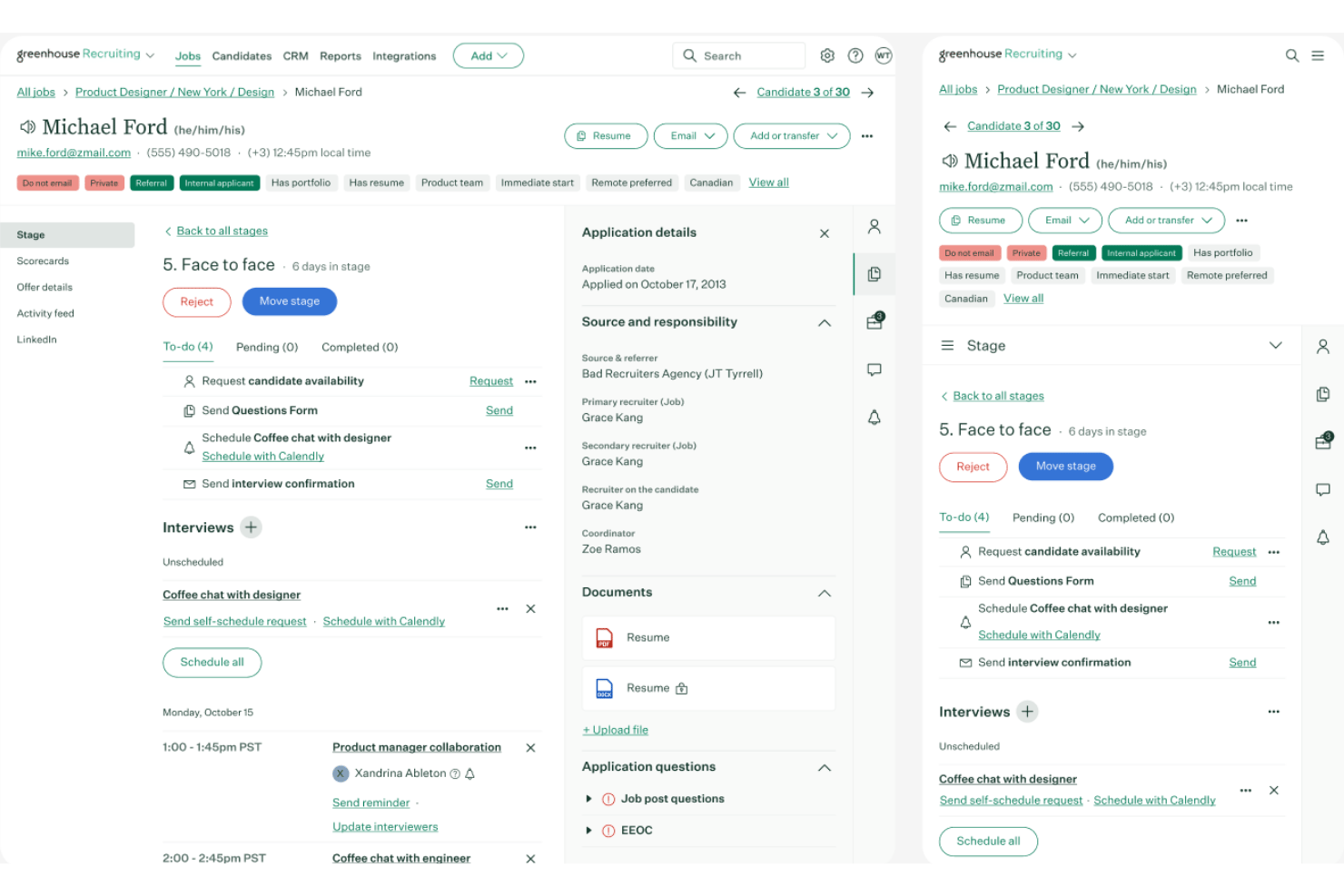
Greenhouse è una piattaforma di reclutamento basata sull'IA che combina flussi di lavoro strutturati per le assunzioni, ricerca di candidati, screening dei colloqui tramite IA, analisi dei curriculum e riscoperta dei talenti durante l'intero ciclo di reclutamento.
Per chi è più adatto Greenhouse?
Greenhouse è particolarmente adatto ai team di acquisizione dei talenti di aziende di medie e grandi dimensioni che gestiscono assunzioni strutturate e ad alto volume per più ruoli o sedi.
Perché ho scelto Greenhouse
Ho scelto Greenhouse come una delle migliori soluzioni perché la sua IA vocale conduce una vera conversazione bidirezionale con i candidati, anziché limitarsi a proporre una registrazione unidirezionale. Pone domande di approfondimento dinamiche in tempo reale, con una latenza di risposta di 2 secondi, mantenendo così alto il coinvolgimento dei candidati e facendo emergere informazioni più utili rispetto ai moduli di screening statici. Apprezzo inoltre il fatto che l'Assistente IA per gli appunti colleghi automaticamente le trascrizioni direttamente alle domande delle schede di valutazione, consentendo agli intervistatori di arrivare alle riunioni di valutazione strutturate con dati già organizzati e utilizzabili.
Caratteristiche principali di Greenhouse
- Automazione della ricerca: Gli strumenti di IA aiutano a individuare e importare i candidati direttamente nei flussi di lavoro delle posizioni a partire da database esterni.
- Anonimizzazione dei curriculum: Le informazioni sensibili, come nomi e foto, vengono automaticamente sfocate per garantire una valutazione equa.
- Riscoperta dei talenti: Il sistema abbina tramite IA i candidati precedenti presenti nel database alle nuove posizioni aperte.
- Connettore per la business intelligence: Consente analisi e report approfonditi sincronizzando i dati di reclutamento con strumenti esterni di business intelligence.
Integrazioni di Greenhouse
Greenhouse offre integrazioni native con Workday, BambooHR, Paylocity, Docusign, Slack, LinkedIn, Zoom e Checkr, oltre a fornire un'API per integrazioni personalizzate.
Pros and Cons
Pros:
- Lo screening vocale tramite IA pone domande di approfondimento dinamiche
- Le schede di valutazione strutturate riducono i pregiudizi nelle decisioni di assunzione
- La riscoperta dei talenti fa riemergere candidati qualificati del passato
Cons:
- Funzionalità HRIS limitate oltre ai flussi di lavoro di reclutamento
- La personalizzazione dei report richiede una configurazione tecnica
New Product Updates from Greenhouse

Greenhouse Opens Candidate Insights and Talent Matching Assistants to Beta
Greenhouse opens Candidate Insights and Talent Matching assistants to beta for candidate questions and natural-language search. This helps recruiters review candidates and build searches faster. For more information, visit Greenhouse’s official site.
 .
.
Ideale per la gestione centralizzata dei documenti
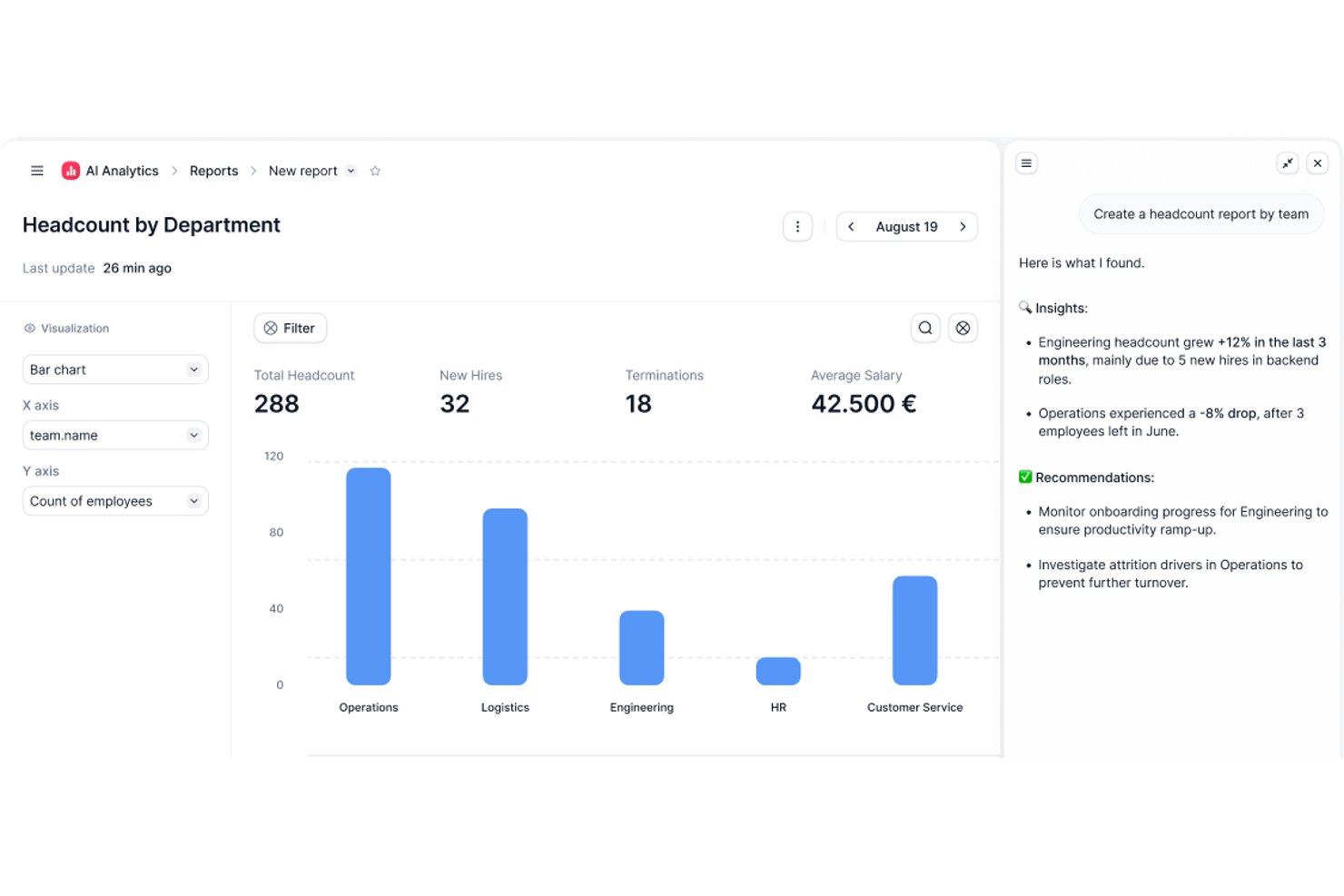
Factorial è una piattaforma di gestione delle risorse umane e aziendale basata sull'intelligenza artificiale che riunisce buste paga, monitoraggio delle ore, gestione dei documenti, selezione del personale e strumenti per la valutazione delle prestazioni in un'unica soluzione.
Per chi è più adatto Factorial?
Factorial è una soluzione ideale per le piccole e medie imprese che necessitano di un'unica piattaforma per gestire le risorse umane, le buste paga e le attività relative al personale senza disporre di un team dedicato alla tecnologia HR.
Perché ho scelto Factorial
Ho incluso Factorial tra le mie scelte principali perché il suo sistema di gestione dei documenti va oltre la semplice archiviazione dei file. È possibile creare flussi di approvazione personalizzati, assegnare revisori specifici e monitorare in tempo reale lo stato di qualsiasi documento in attesa o non firmato. Apprezzo anche il fatto che la distribuzione dei cedolini sia automatizzata: carica un gruppo di cedolini e Factorial abbina ciascuno al dipendente corretto in base al nome e all'ID. Aggiungendo le firme elettroniche conformi al regolamento eIDAS per contratti e fogli delle presenze, si ottiene un centro documentale davvero completo integrato nella piattaforma HR.
Funzionalità principali di Factorial
- Agente IA Factorial One: poni domande sulle risorse umane in linguaggio naturale e ricevi risposte in tempo reale ricavate direttamente dai dati del personale.
- Analisi dei CV basata sull'IA: carica i curriculum dei candidati e Factorial estrae automaticamente i dettagli principali e classifica i candidati in base ai requisiti della posizione.
- Strumento per la creazione dei flussi di inserimento: crea elenchi di attività, assegna i responsabili e imposta le scadenze per ogni fase del processo di inserimento dei nuovi dipendenti.
- Valutazioni delle prestazioni a 360 gradi: configura cicli di feedback da più fonti con autovalutazioni, valutazioni tra colleghi e valutazioni dei responsabili in un unico ambiente.
Integrazioni di Factorial
Factorial offre oltre 90 integrazioni tramite il suo mercato delle app, tra cui Slack, Google Workspace, Microsoft Power BI, Microsoft Dynamics 365, Microsoft Azure, Okta, LinkedIn, Workable, Teamtailor e DATEV LODAS. Si connette inoltre a Zapier e mette a disposizione un'API pubblica per le integrazioni personalizzate.
Pros and Cons
Pros:
- Firme elettroniche integrate per i documenti HR
- Monitoraggio automatizzato dei saldi e delle maturazioni dei permessi
- Classificazione dei candidati assistita dall'IA nella selezione del personale
Cons:
- I rapporti e le analisi non sono sufficientemente approfonditi
- Errori frequenti nell'app interrompono i flussi di lavoro quotidiani

UKG
Ideale per analisi avanzate dei dati della forza lavoro

UKG è progettato per i team che vogliono trasformare i dati della forza lavoro in decisioni più chiare grazie all'IA integrata. È particolarmente adatto a organizzazioni di medie e grandi dimensioni che gestiscono orari complessi, team distribuiti o operazioni su più sedi e hanno bisogno di informazioni su HR, paghe e lavoro in un unico posto.
Perché ho scelto UKG
Ho scelto UKG perché la sua IA ti aiuta attivamente a individuare i problemi, non solo a segnalarli. Ad esempio, UKG Bryte AI analizza dati su retribuzione, lavoro e pianificazione per evidenziare rischi come l'aumento dello straordinario, potenziali problemi di conformità o cali di coinvolgimento, fornendo al tuo team indicazioni chiare sui prossimi passi da compiere.
La sua piattaforma unificata collega i dati di HR, paghe, rilevazione presenze e performance, così gli approfondimenti AI partono sempre da una visione completa della tua forza lavoro. Mi piace anche che includa strumenti di pianificazione specifici per settore per i team di prima linea, aiutandoti ad abbinare le esigenze di personale alla domanda. E con il supporto integrato per paghe e conformità a livello globale, puoi mantenere precisione e visibilità anche mentre l'organizzazione cresce.
Funzionalità principali di UKG
Ecco alcune funzionalità di spicco da sottolineare:
- Approfondimenti guidati dall’IA: Identifica rischi legati al lavoro, anomalie nelle retribuzioni e problemi di presenza, suggerendo azioni da intraprendere.
- Avvisi di pianificazione predittiva: Utilizza modelli storici per raccomandare cambi turno prima che si verifichino carenze.
- Segnali di sentiment & coinvolgimento: Analizza i dati sui dipendenti per evidenziare tempestivamente cali di morale o segnali di burnout.
- Monitoraggio automatico della conformità: Segnala in tempo reale potenziali violazioni di pausa, regole di retribuzione o pianificazione.
Integrazioni UKG
Le integrazioni includono Greenhouse, Lever, iCIMS, SmartRecruiters, Jobvite, Oracle Recruiting, Taleo, Active Directory, NetSuite, BCBS e Delta Dental.
Pros and Cons
Pros:
- L’IA segnala automaticamente i rischi su lavoro, retribuzione e pianificazione
- Approfondimenti predittivi aiutano a ridurre straordinari e carenze di personale
- La sincronizzazione paghe in tempo reale migliora precisione e trasparenza
Cons:
- Nessun rilevamento presenze live tramite GPS
- La configurazione delle paghe può essere complessa con più gruppi di pagamento
Paycor
Ideale per l'analisi predittiva delle risorse umane
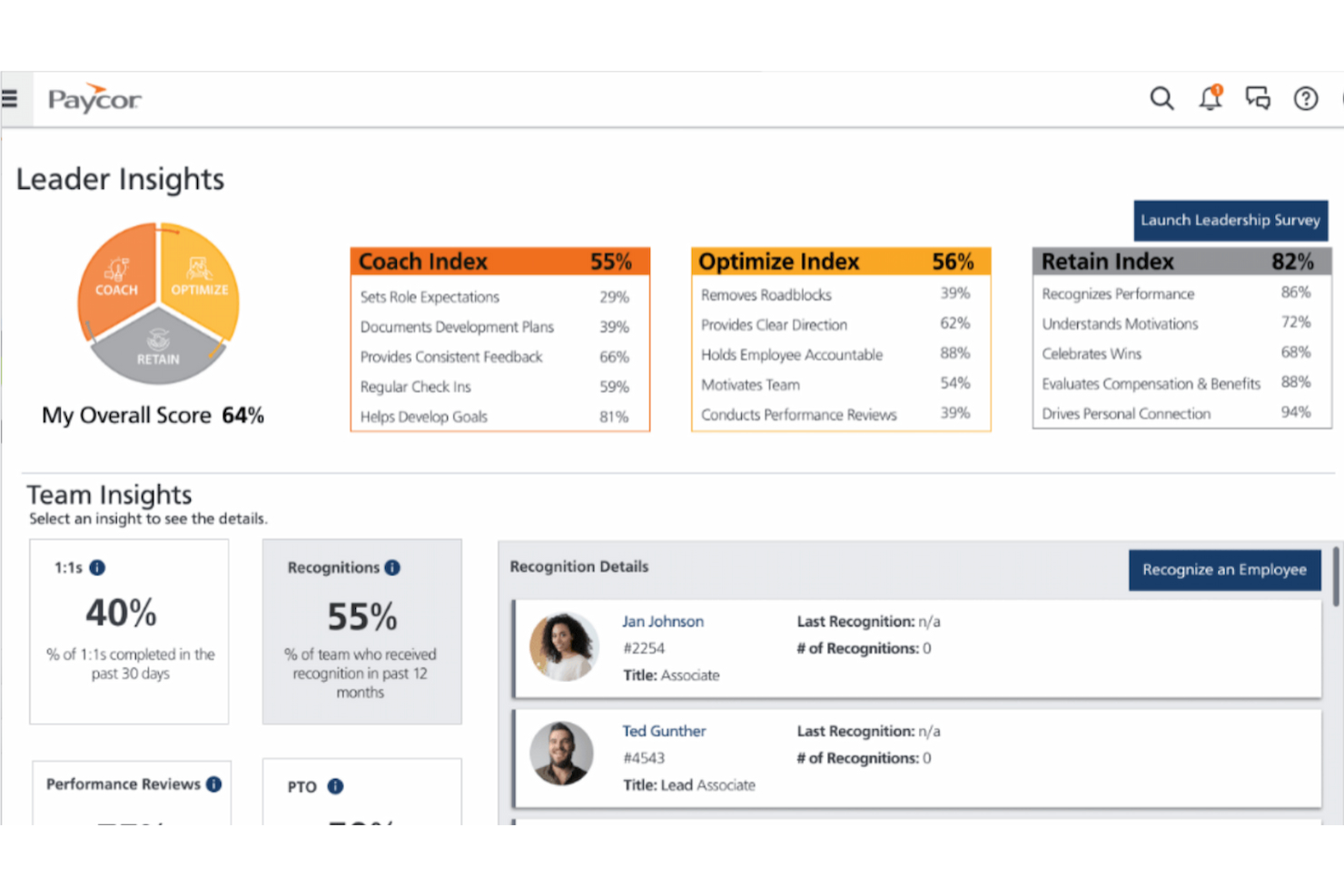
Paycor è una piattaforma software HR alimentata dall'intelligenza artificiale che combina analisi predittiva, gestione dei talenti, automazione delle buste paga e strumenti di coinvolgimento dei dipendenti per team HR che cercano soluzioni basate sui dati.
A Chi Si Rivolge Paycor?
Paycor è particolarmente adatto per organizzazioni di medie e grandi dimensioni con team HR dedicati che necessitano di analisi sulla forza lavoro e strumenti data-driven per guidare la strategia delle risorse umane.
Perché Ho Scelto Paycor
Paycor si guadagna un posto fra i migliori nella mia lista grazie alle sue capacità di analisi predittiva che vanno ben oltre la normale reportistica HR. Apprezzo particolarmente la funzione di previsione dimissioni che sfrutta l'IA per identificare i dipendenti a rischio, evidenziare i fattori che incidono sul rischio di dimissioni e prevedere il turnover atteso tra reparti e sedi nei prossimi 12 mesi. Questo tipo di visibilità prospettica è davvero utile quando si cerca di prevenire il fenomeno delle dimissioni piuttosto che reagire a esso. Utilizzo regolarmente anche l'Assistente Analitico IA: puoi porre domande sulla forza lavoro in linguaggio naturale e ricevere risposte immediate senza dover creare un report da zero.
Funzionalità Principali di Paycor
- Recruiting automatizzato dei talenti: Paycor utilizza l'IA per trovare e selezionare candidati, proponendo candidature qualificate senza ricerche manuali.
- Sondaggi pulse: Invia brevi sondaggi di feedback ai dipendenti, personalizzabili, e visualizza i risultati come insight in tempo reale sulla dashboard analitica.
- Gestione delle retribuzioni: Pianifica, modella ed esegui aumenti salariali tra i reparti con una suddivisione dettagliata della spesa totale rispetto agli importi preventivati.
- Valutazioni delle prestazioni con analisi del sentiment: L'IA monitora il tono dei feedback scritti dei manager durante le valutazioni, segnalando un sentiment positivo, neutro o negativo.
Integrazioni di Paycor
Paycor offre integrazioni native con ADP, QuickBooks, Indeed, ZipRecruiter e Microsoft 365. È disponibile un'API per integrazioni personalizzate.
Pros and Cons
Pros:
- Soluzioni HR e payroll specifiche per settore
- Monitoraggio avanzato delle prestazioni dei dipendenti
- Ampia gamma di integrazioni con strumenti popolari
Cons:
- L'esperienza utente può risultare un po' macchinosa a volte
- Può richiedere supporto aggiuntivo per la piena personalizzazione
Leapsome
Ideale per feedback a 360 gradi
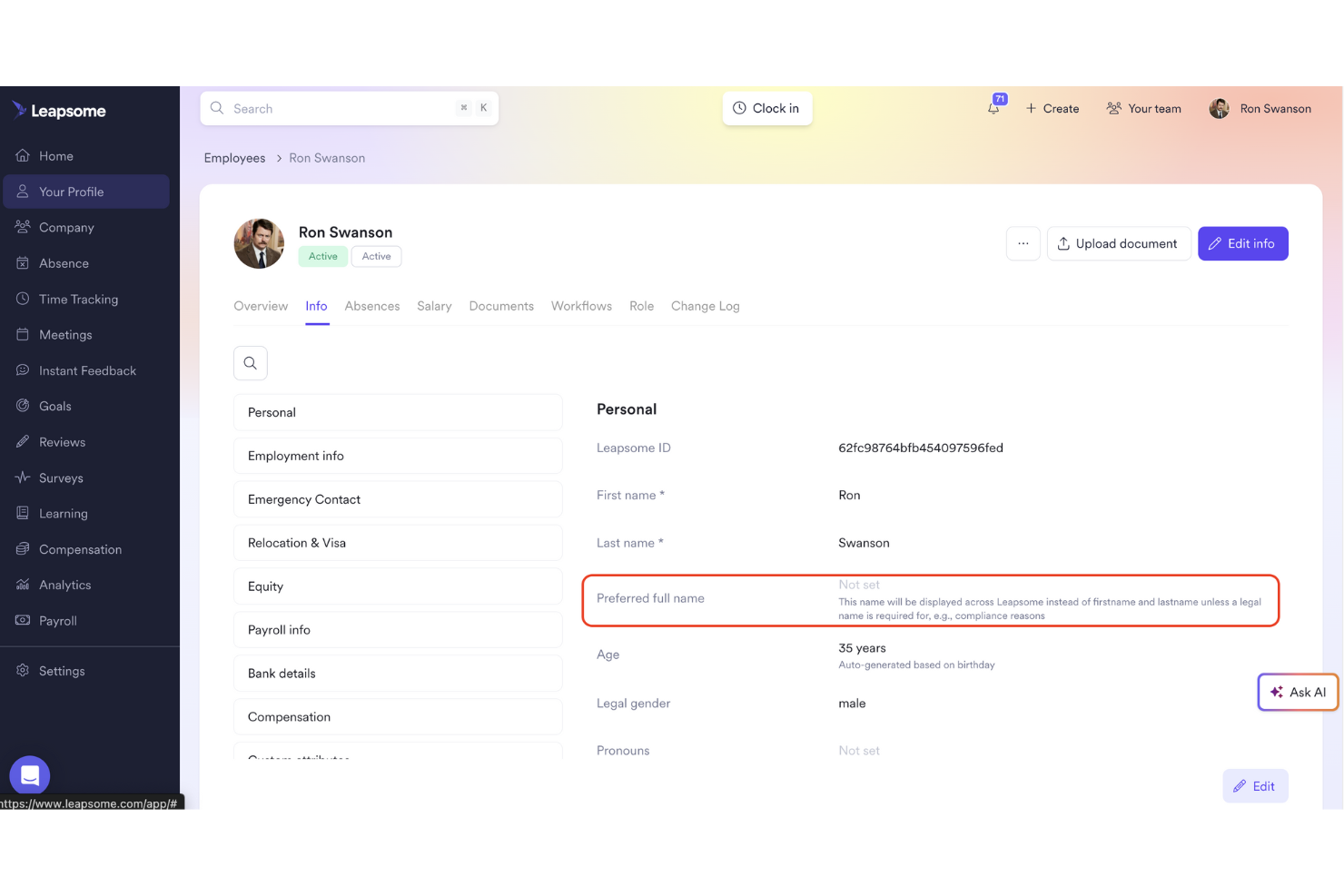
Leapsome è una piattaforma HR potenziata dall’IA per gestire valutazioni delle prestazioni, feedback a 360 gradi, survey sul coinvolgimento dei dipendenti, monitoraggio degli obiettivi e programmi di apprendimento in un unico sistema.
Per chi è ideale Leapsome?
Leapsome è particolarmente adatto ai team HR di medie e grandi aziende che cercano una piattaforma unificata per gestire prestazioni, coinvolgimento e sviluppo dei dipendenti.
Perché ho scelto Leapsome
Leapsome si guadagna il suo posto nella mia shortlist grazie all’efficacia con cui il suo sistema di feedback a 360 gradi gestisce l’intero ciclo di feedback in un unico luogo. Apprezzo la possibilità di eseguire valutazioni a 360°, autovalutazioni, feedback tra pari e valutazioni dei manager—tutto dallo stesso generatore di template configurabile, con impostazioni di anonimato personalizzabili per ogni ciclo. L’Assistente alla Revisione IA si distingue: i manager possono parlare o scrivere direttamente e ottenere bozze di feedback basate su evidenze, utilizzando i dati sulle prestazioni passate, i feedback dei colleghi e il progresso sugli obiettivi. Questo significa che il mio team non deve partire da una pagina bianca durante il periodo delle revisioni. Gli strumenti di calibrazione aiutano anche l’HR a rilevare incoerenze tra i revisori prima della finalizzazione delle valutazioni, aspetto che trovo realmente utile nella gestione delle revisioni su larga scala.
Funzionalità principali di Leapsome
- Template per survey di coinvolgimento: Somministra survey di coinvolgimento, pulse, onboarding e di progetto utilizzando template controllati da esperti e basati sulla ricerca, con impostazioni di anonimato personalizzabili.
- Analisi AI delle survey: Riassumi automaticamente le risposte ai questionari, identifica i principali temi ed esegui l’analisi del sentiment sui dati del personale.
- Percorsi di apprendimento: Crea e assegna percorsi di apprendimento specifici per ruolo, onboarding, compliance e sviluppo della leadership, con trigger di iscrizione automatici basati sul ruolo o sulla data di inizio.
- Dashboard di people analytics: Visualizza trend sulle prestazioni, tassi di partecipazione e dati di coinvolgimento sui vari cicli tramite heatmap e dashboard aggiornate in tempo reale.
Integrazioni di Leapsome
Leapsome offre integrazioni native con Slack, Microsoft Teams, BambooHR, Personio, HiBob, Workday, Google Workspace, Okta e Azure Active Directory. È disponibile un’API per integrazioni personalizzate.
Pros and Cons
Pros:
- Le analisi AI migliorano le decisioni HR
- Struttura completa di valutazione delle prestazioni
- Il monitoraggio degli obiettivi migliora l’allineamento dei dipendenti
Cons:
- Personalizzazione limitata per gli OKR
- Sfide occasionali nell’impostazione delle integrazioni
HiBob
Ideale per people analytics guidate dall'AI

HiBob è una piattaforma HR alimentata dall'AI che unisce l'analisi delle persone, la gestione HR centrale, il monitoraggio delle prestazioni e l'automazione dei flussi di lavoro per team HR moderni.
Per chi è ideale HiBob?
HiBob è particolarmente adatto per aziende di medie dimensioni e in fase di crescita che necessitano di una piattaforma HR centralizzata con analisi integrate sulle persone e strumenti per decisioni guidate dai dati.
Perché ho scelto HiBob
HiBob merita un posto nella mia selezione perché le sue analisi delle persone potenziate dall'AI fanno emergere intuizioni che altrimenti passerebbero inosservate. Apprezzo in particolare gli indicatori di rischio di abbandono, che valutano i dipendenti come 'Rischio basso', 'Qualche rischio' o 'A rischio' in base a fattori come anzianità, dimensione del team e sviluppo di carriera—così il mio team può agire prima delle dimissioni. Il Bob AI Companion permette anche di consultare i dati HR in modo conversazionale invece di costruire report manuali. Il motore di insights proattivo individua automaticamente trend e schemi, facendo emergere problemi che altrimenti non noterei.
Funzionalità principali di HiBob
- Valutazioni delle prestazioni a 360°: Consenti cicli strutturati di valutazione che includono autovalutazione, valutazione fra pari, da parte dei manager e dal basso verso l'alto in un unico flusso.
- Gestione della retribuzione: Gestisci revisioni salariali, bonus e assegnazione di stock option ai team globali all'interno di un unico ciclo retributivo.
- Flussi di onboarding automatizzati: Crea infiniti flussi di onboarding specifici per ruolo, con task assegnati automaticamente a HR, IT, manager e colleghi per ogni nuovo assunto.
- Analisi dei sondaggi tramite AI: Realizza sondaggi di coinvolgimento e ciclo di vita dei dipendenti con analisi integrate di temi e sentiment, per evidenziare schemi nei feedback.
Integrazioni HiBob
HiBob offre integrazioni native con Slack, Microsoft Teams, Workday, Greenhouse, DocuSign, Okta, Google Workspace, Lever e Zapier. È disponibile un'API per integrazioni personalizzate.
Pros and Cons
Pros:
- Funzionalità HR complete che soddisfano le principali necessità di gestione del personale
- Design pulito che migliora l'usabilità e l'esperienza di self-service per i dipendenti
- Analisi approfondita che offre insight utili sui dati della forza lavoro
Cons:
- Alcuni limiti di configurabilità riducono la flessibilità
- Le opzioni di configurazione di report e ferie non sono molto personalizzabili
Ideale per automazione HR basata su IA
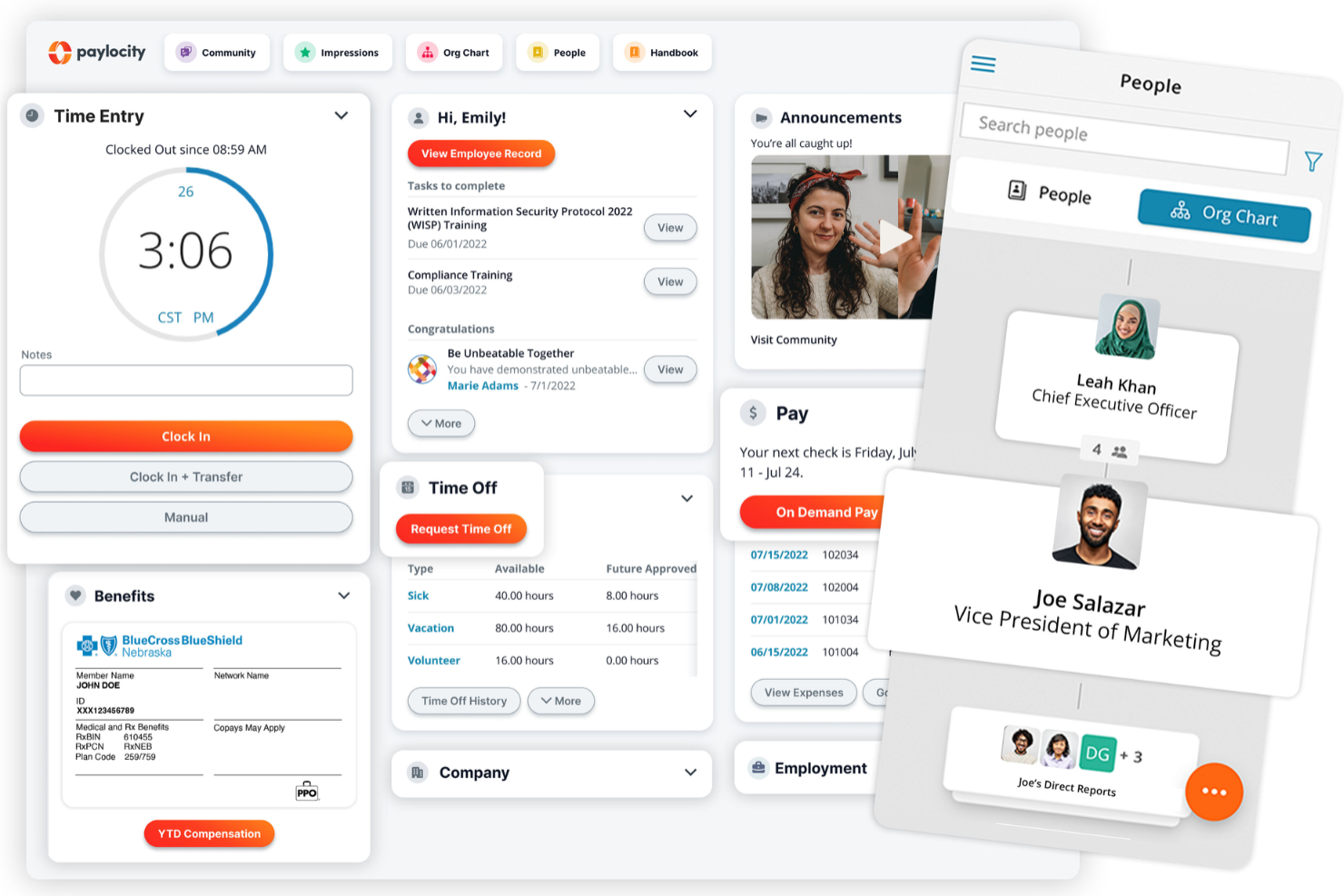
Paylocity è una piattaforma software per la gestione delle risorse umane basata sull'intelligenza artificiale che integra buste paga, gestione dei talenti, amministrazione dei benefit, analisi della forza lavoro e strumenti per il coinvolgimento dei dipendenti in un unico sistema.
Per chi è ideale Paylocity?
Paylocity è particolarmente consigliata per organizzazioni di medie e grandi dimensioni che desiderano una piattaforma HR unificata con automazione intelligente integrata nei processi di gestione paghe, talenti e forza lavoro.
Perché ho scelto Paylocity
Ho inserito Paylocity tra le mie soluzioni preferite perché l'intelligenza artificiale è integrata in modo profondo nel flusso di lavoro HR quotidiano, piuttosto che essere aggiunta come modulo separato. Trovo particolarmente interessante la funzionalità per il rischio di abbandono: identifica i dipendenti a rischio, segnala i principali fattori che contribuiscono e suggerisce piani d'azione basati su ricerche applicabili dal team. Apprezzo anche la pianificazione supportata dall'IA, che utilizza dati storici e obiettivi di vendita per prevedere il fabbisogno di personale e proporre orari da sottoporre ai responsabili. L'Assistente IA offre assistenza self-service contestuale a dipendenti e manager, evitando che l'HR debba rispondere manualmente a ogni richiesta.
Funzionalità principali di Paylocity
- Portale self-service per i dipendenti: I dipendenti hanno accesso 24/7 a cedolini, documenti fiscali, richieste di ferie e aggiornamenti delle informazioni personali sia da desktop che da app mobile Paylocity.
- Supporto alle decisioni sui benefit: Grazie a Reclaim, questo strumento consente ai dipendenti di ricevere raccomandazioni personalizzate sui piani in base alle proprie preferenze e situazioni durante la scelta dei benefit.
- Cruscotto di analisi della forza lavoro: Report in tempo reale e dashboard personalizzati consentono di monitorare i principali indicatori HR, individuare tendenze nella forza lavoro e tenere traccia dell'organico per ruolo e sede.
- Motore di automazione dei workflow: Consente di costruire routine automatizzate per i compiti più ricorrenti sulla piattaforma, utilizzando modelli per casi d'uso comuni come l'uscita di un dipendente o creando workflow personalizzati da zero.
Integrazioni di Paylocity
Paylocity offre integrazioni native con ADP, QuickBooks, NetSuite, SAP, Oracle e con l'ecosistema Microsoft, compresi Microsoft 365 e Azure. È disponibile un'API per integrazioni personalizzate.
Pros and Cons
Pros:
- Le analisi predittive evidenziano i rischi di turnover
- L'assistente IA riduce le richieste HR di routine
- Descrizioni delle mansioni generate automaticamente velocizzano la selezione
Cons:
- La configurazione può richiedere tempo
- Opzioni di personalizzazione limitate in alcuni moduli
New Product Updates from Paylocity

Paylocity Expands Expense and Purchase Request Tools
Paylocity adds connected personal cards, smarter expense categorization, and a streamlined purchase request experience. This reduces manual entry and helps finance teams manage expenses and approvals more efficiently. For more information, visit Paylocity’s official site.
 .
.
Ideale per la rilevazione delle presenze integrata

Justworks è una piattaforma software HR con intelligenza artificiale che combina gestione delle buste paga, amministrazione dei benefit, gestione della conformità, rilevazione delle presenze e strumenti HR in un unico sistema.
Per chi è più indicato Justworks?
Justworks è adatto a piccole e medie imprese che desiderano una piattaforma unificata per gestire HR, buste paga e conformità.
Perché ho scelto Justworks
Ho scelto Justworks tra i migliori perché il suo sistema di rilevazione delle presenze integrato consente al mio team di gestire ore di lavoro, presenze e permessi direttamente all'interno della piattaforma HR. Mi piace poter esaminare i fogli presenze, approvare richieste e sincronizzare i dati con le buste paga senza cambiare strumento. Questo sistema mi aiuta a mantenere tutto organizzato e preciso sia per la conformità che per l'elaborazione delle buste paga.
Servizi chiave di Justworks
- Elaborazione automatizzata delle buste paga: Gestisci le buste paga per dipendenti e collaboratori con calcoli fiscali e invii automatici.
- Amministrazione dei benefit: Gestisci assicurazione sanitaria, 401(k) e altri benefit per i dipendenti da un'unica dashboard.
- Archiviazione documenti HR: Archivia e organizza online in modo sicuro documenti HR, policy e file dei dipendenti.
- Strumenti di supporto alla conformità: Accedi a risorse integrate e avvisi per restare aggiornato su leggi e normative sul lavoro.
Integrazioni di Justworks
Justworks offre integrazioni native con Greenhouse, Lever, JazzHR, QuickBooks, Xero, 15Five, Brex, Carta, Checkr e Culture Amp.
Pros and Cons
Pros:
- Rilevazione presenze integrata e sincronizzazione con le buste paga
- Elaborazione automatica dei moduli fiscali W-2 e 1099
- Integrazioni native con i principali strumenti HR e finanziari
Cons:
- Nessun modulo integrato per la gestione delle prestazioni
- Mancano funzionalità HR avanzate guidate dall'IA

Aeqium
Ideale per la pianificazione della retribuzione in aziende con strutture complesse

Aeqium è una piattaforma software HR basata sull'intelligenza artificiale progettata per gestire la pianificazione delle retribuzioni, l'analisi degli stipendi e l'automazione dei flussi di lavoro per i team HR che affrontano strutture salariali complesse.
Per chi è ideale Aeqium?
Aeqium è particolarmente adatto a team HR e di compensazione di medie e grandi aziende che gestiscono strutture retributive multilivello, cicli di merito e programmi azionari per ampie popolazioni di dipendenti.
Perché ho scelto Aeqium
Aeqium merita un posto nella mia shortlist perché è costruito specificamente per gestire la complessità della compensazione che mette in crisi la maggior parte degli strumenti. Mi piace il fatto che la logica no-code consente al mio team di configurare regole di idoneità personalizzate, catene di approvazione multilivello e metodi di distribuzione del budget senza attendere il supporto di ingegneri o consulenti esterni. Aeqium Analyst è un agente AI che si collega ai dati retributivi aggiornati e produce report di analisi narrativa, non solo grafici. Ad esempio, posso chiedere 'mostrami la distribuzione azionaria per anzianità nei diversi reparti' e ricevere un report scritto con contesto e anomalie segnalate, pronto da condividere con la direzione.
Funzionalità principali di Aeqium
- Gestione dei range retributivi: Crea, personalizza e verifica le fasce salariali con controlli di accesso basati sui ruoli e condividi le informazioni sulle fasce salariali direttamente coi dipendenti tramite il portale dedicato.
- Tracciamento della cronologia delle fasce retributive: Registra e controlla ogni modifica delle fasce retributive nel tempo, offrendo al tuo team uno storico completo delle variazioni salariali in relazione all’andamento del mercato.
- Portale ricompense totali per i dipendenti: Fornisce ai dipendenti accesso 24/7 a una panoramica personalizzata del proprio stipendio, equity, bonus e benefit, con impostazioni di visibilità configurabili da te.
- Lettere di offerta interattive: Crea lettere di offerta dinamiche e visive con un simulatore di equity integrato che consente ai candidati di modellare il valore delle proprie quote in diversi scenari.
Integrazioni Aeqium
Aeqium offre integrazioni native con la maggior parte dei sistemi HRIS, ATS e di gestione azionaria, e supporta anche il caricamento di dati da fonti personalizzate tramite CSV. È disponibile un’API per integrazioni personalizzate.
Pros and Cons
Pros:
- Strumenti di simulazione dell’equità salariale
- Modelli personalizzabili per lettere di offerta
- Flessibilità nella configurazione delle fasce retributive
Cons:
- Nessuna integrazione ATS o di recruiting integrata
- Analisi HR limitate oltre la compensazione
Altri software HR basati sull'IA
Di seguito è riportato un elenco di altri software HR basati sull’IA che non sono rientrati nella mia lista dei 15 migliori, ma che vale comunque la pena prendere in considerazione:
- WEX Benefits
Ideale per la gestione dei benefit guidata dall'IA
- PerformYard
Ideale per valutazioni dei dipendenti guidate dall’IA
- Homebase
La migliore con assistente di pianificazione turni alimentato dall'AI
- HR Acuity
Ideale per la gestione delle relazioni con i dipendenti
- TriNet
Ideale per la guida dei flussi di lavoro HR
- Sloneek
Ideale per automatizzare le attività HR
- Mitratech Perform
Ideale per collegare assunzioni e performance
- Syndio
Ideale per approfondimenti retributivi in tempo reale
- Lattice
Ideale per AI su prestazioni e coinvolgimento dei dipendenti
- Guidde
Ideale per video formativi basati sull'intelligenza artificiale
- Workleap
Ideale per approfondimenti sul coinvolgimento alimentati dall’IA
- ChartHop
Ideale per insight e workflow potenziati dall’AI
- Boon
Ideale per l'assunzione guidata dalla comunità
- Zimyo HRMS
Ideale per flussi di lavoro HR personalizzabili
- Eightfold
Migliore piattaforma AI per gestire la diversità dei talenti


Recensioni correlate sui software HR
Se non hai ancora trovato quello che cerchi, dai un'occhiata a questi altri strumenti correlati che abbiamo testato e valutato:
- Software HR
- Software per le buste paga
- Software per il reclutamento
- Servizi di datore di lavoro registrato
- Sistemi di tracciamento dei candidati
- Software per la gestione della forza lavoro
Come Valuto i Software HR con Intelligenza Artificiale
Ogni strumento in questa lista deve andare oltre l'applicazione dell'etichetta 'AI' su semplici automazioni: cerco piattaforme in cui l’intelligenza artificiale cambia realmente il modo in cui i team reclutano, gestiscono e trattengono le persone. Suddivido la mia valutazione nelle funzionalità di base che ogni strumento deve offrire per qualificarsi e nei fattori distintivi che separano le opzioni buone da quelle eccellenti.
Funzionalità di Base (Requisiti Fondamentali per Questa Lista)
Quando seleziono gli strumenti per la mia lista, do un punteggio a ciascuno su una scala da 0 (non offre la funzionalità) a 5 (eccelle in quest’area) per ogni funzionalità fondamentale elencata di seguito. Poi, calcolo il punteggio totale dello strumento in percentuale. Ogni strumento deve raggiungere un punteggio minimo totale del 75% per essere considerato per l'inclusione.
- Talent Acquisition potenziata dall’AI: Valuto come la piattaforma gestisce la ricerca, la selezione e l’abbinamento, ad esempio se l’AI è in grado di classificare i candidati secondo criteri specifici del ruolo o individuare talenti passivi.
- Assistente HR Generativo: Lo strumento dovrebbe offrire un assistente GenAI che redige reali contenuti HR, come descrizioni del lavoro, documenti di policy o risposte personalizzate ai dipendenti.
- People Analytics Predittivo: Cerco modelli che vadano oltre le dashboard per prevedere risultati come il rischio di abbandono o le lacune nella pianificazione della forza lavoro, offrendo raccomandazioni attuabili.
- Capacità HRIS di Base: Ogni strumento deve garantire una solida gestione dei dati dei dipendenti, la mappatura della struttura organizzativa e il monitoraggio del ciclo di vita dalla selezione all’uscita.
- Automazione dei Flussi di Lavoro HR: Verifico se le sequenze di onboarding, le approvazioni e l’instradamento dei documenti utilizzano trigger alimentati dall’AI invece di affidarsi solo a modelli statici basati su regole.
- Compliance & Sicurezza dei Dati: Certificazioni come SOC 2 e la conformità al GDPR sono importanti, ma valuto anche la governance specifica dell’AI, come il monitoraggio dei bias e le tracce di controllo delle decisioni.
Una volta che ho una lista di strumenti che soddisfano i criteri, considero ciò che rende unica ogni piattaforma.
Fattori Distintivi (Cosa Distingue i Fornitori)
Ecco come confronto e metto a confronto i diversi fornitori:
Funzionalità Distintive
Un motore di skills intelligence aggiunge profondità reale: valuto se la piattaforma è in grado di mappare le competenze dei dipendenti e raccomandare percorsi di mobilità interna o opportunità di apprendimento in base alle carenze di skill. L’individuazione dei bias è un altro elemento differenziante, in particolare strumenti che segnalano linguaggio discriminatorio negli annunci di lavoro o rivelano pattern demografici nelle fasi di selezione. L’analisi del sentiment tramite NLP spicca anche quando consente di identificare rischi di burnout o cali di engagement dai sondaggi periodici, prima che si trasformino in problemi di retention.
Oltre le Funzionalità
La governance dell’AI è molto importante in questo ambito: verifico se i fornitori offrono spiegazioni per le decisioni guidate dall’intelligenza artificiale e controlli human-in-the-loop per attività sensibili come selezione o valutazione delle performance. Anche la profondità dell’integrazione è indicativa; una piattaforma che si collega nativamente con ATS, paghe e strumenti di collaborazione come Slack o Teams fa risparmiare mesi di lavoro su personalizzazioni. Valuto inoltre la velocità di implementazione, incluso se modelli AI pre-addestrati riducono l’onboarding dei dati che spesso ritarda il time-to-value per i team HR.
Come scegliere un software HR basato sull'IA
Inizia abbinando il software ai processi HR in cui l'IA può davvero fare la differenza, che si tratti di selezione del personale, supporto ai dipendenti, pianificazione della forza lavoro, gestione delle prestazioni, analisi o attività amministrative. Da lì, confronta gli elementi fondamentali del software HR, tra cui integrazioni, reportistica, conformità, scalabilità, facilità d'uso e adeguatezza delle funzionalità di IA ai flussi di lavoro esistenti.
Prova il nostro strumento qui sotto per restringere le opzioni in base alle tue esigenze specifiche.
Per una panoramica più ampia dei concetti fondamentali, consulta la nostra guida su come scegliere un software HR.
Tendenze nei software HR basati sull'IA
Come tutti sanno, l'integrazione di funzionalità basate sull'IA in tutti i tipi di software continua a evolversi rapidamente per soddisfare le esigenze degli utenti e incorporare i progressi della tecnologia IA stessa. Ecco diverse tendenze che stanno attualmente plasmando lo sviluppo degli strumenti di IA per le risorse umane:
- Analisi predittiva nell'acquisizione dei talenti: l'analisi predittiva basata sull'IA supporta i team di acquisizione dei talenti prevedendo il successo dei candidati e riducendo i rischi nelle assunzioni. Questa tendenza è fondamentale per la pianificazione strategica della forza lavoro.
- Piattaforme avanzate per l'esperienza dei dipendenti: molte piattaforme utilizzano ora l'IA per migliorare l'esperienza dei dipendenti anticipandone le esigenze e automatizzando le risposte alle richieste di routine. Nel complesso, questi miglioramenti contribuiscono ad aumentare la soddisfazione e la fidelizzazione dei dipendenti.
- Riduzione dei pregiudizi nei processi HR: gli strumenti di monitoraggio dei candidati basati sull'IA aiutano a ridurre al minimo i pregiudizi nelle decisioni HR analizzando gli schemi e promuovendo la diversità nel processo di selezione, favorendo culture lavorative trasparenti, eque e inclusive.
- Gestione delle prestazioni basata sull'IA: la gestione delle prestazioni beneficia dell'IA nell'ambito del feedback in tempo reale e dei piani di sviluppo personalizzati, contribuendo a promuovere la crescita e la produttività continue.
- Elaborazione avanzata del linguaggio naturale (NLP): l'NLP sta migliorando le interfacce di comunicazione HR. L'IA è ora in grado di comprendere e rispondere a richieste complesse dei dipendenti in modo conversazionale, un aspetto fondamentale per fornire servizi HR efficienti.
Come si può vedere, queste tendenze del software HR basato sull'IA stanno plasmando un panorama più orientato ai dati, equo e reattivo in un'ampia gamma di applicazioni per le risorse umane.
Che cos'è il software HR basato sull'IA?
Il software HR basato sull'IA è uno strumento che automatizza e migliora diverse attività delle risorse umane utilizzando l'intelligenza artificiale. I professionisti HR, i responsabili delle selezioni e i manager utilizzano generalmente questi strumenti per migliorare l'efficienza nel reclutamento, nella gestione dei dipendenti e nell'analisi dei dati. Funzionalità come l'automazione dei processi di selezione, la gestione dei dati dei dipendenti e il monitoraggio delle prestazioni aiutano a semplificare i flussi di lavoro e a ridurre le attività manuali. Nel complesso, questi strumenti fanno risparmiare tempo e migliorano il processo decisionale nelle funzioni HR.
Funzionalità principali
Quando si sceglie un software HR basato sull'IA, è opportuno prestare attenzione alle seguenti funzionalità principali:
- Selezione automatizzata: gli strumenti di reclutamento basati sull'IA esaminano i curriculum, classificano i candidati e selezionano i migliori talenti in base ai requisiti del ruolo e ai dati storici sulle assunzioni. Ciò riduce significativamente il tempo dedicato alla selezione manuale e accelera il processo di assunzione.
- Gestione dei dati dei dipendenti: il software HR basato sull'IA centralizza i dati dei dipendenti in un unico sistema intelligente. La convalida automatizzata dei dati contribuisce a mantenere le informazioni accurate, aggiornate e facilmente accessibili ai team HR.
- Monitoraggio delle prestazioni: l'IA monitora continuamente le tendenze delle prestazioni, i progressi verso gli obiettivi, il feedback e gli indicatori di produttività. Queste informazioni favoriscono valutazioni, colloqui di coaching e pianificazioni dello sviluppo più consapevoli.
- Capacità di integrazione: le integrazioni fluide con le piattaforme per buste paga, rilevazione delle presenze, contabilità, comunicazione e formazione garantiscono un flusso regolare dei dati tra i sistemi ed eliminano l'inserimento duplicato dei dati.
- Flussi di lavoro personalizzabili: l'automazione dei flussi di lavoro basata sull'IA consente ai team HR di adattare approvazioni, report, fasi di inserimento e notifiche ai processi organizzativi, migliorando efficienza e adattabilità.
- Analisi predittiva: l'IA analizza i dati della forza lavoro per prevedere tendenze come il rischio di turnover, la domanda di assunzioni, le lacune nelle competenze e i livelli di coinvolgimento, supportando un processo decisionale proattivo e la pianificazione della forza lavoro.
- Gestione della conformità: l'IA aiuta a monitorare le modifiche alla legislazione del lavoro, i requisiti documentali e il rispetto delle policy. Avvisi e controlli automatizzati riducono i rischi di non conformità e il carico amministrativo.
- Accessibilità da dispositivi mobili: le piattaforme ottimizzate per i dispositivi mobili consentono a dipendenti e manager di accedere agli strumenti HR, alle approvazioni e alle informazioni da qualsiasi luogo, supportando i team da remoto, ibridi e operativi sul campo.
- Misure di sicurezza: il software HR basato sull'IA include solide funzionalità di sicurezza, come la crittografia, i controlli degli accessi basati sui ruoli, i registri di controllo e la conformità alle normative sulla protezione dei dati, per mantenere al sicuro le informazioni sensibili dei dipendenti.
Vantaggi
L'implementazione di un software HR basato sull'IA offre diversi vantaggi al team e all'azienda. Ecco alcuni dei benefici che si possono ottenere:
- Risparmio di tempo: L'automazione del reclutamento e della gestione dei dati riduce le attività manuali, liberando tempo per le iniziative strategiche.
- Migliore processo decisionale: L'analisi predittiva offre informazioni su tendenze come il turnover, aiutandoti a prendere decisioni informate in ambito HR.
- Maggiore conformità: La gestione automatizzata della conformità garantisce il rispetto delle leggi sul lavoro, riducendo il rischio di sanzioni.
- Maggiore accessibilità: Le funzionalità mobile consentono di accedere alle funzioni HR da qualsiasi luogo, mantenendo il team connesso anche in movimento.
- Maggiore sicurezza dei dati: Le misure di sicurezza proteggono le informazioni sensibili, garantendo che i dati rimangano riservati e conformi alle normative.
- Processi HR personalizzati: I flussi di lavoro personalizzabili consentono di adattare i processi alle esigenze specifiche della tua organizzazione, aumentando l'efficienza.
- Maggiore coinvolgimento dei dipendenti: Il monitoraggio delle prestazioni fornisce informazioni utili per riconoscere e premiare il contributo dei dipendenti, promuovendo una forza lavoro più coinvolta.
Costi e prezzi
La scelta di un software HR basato sull'intelligenza artificiale richiede la comprensione dei vari modelli di prezzo e dei piani disponibili. I costi variano in base alle funzionalità, alle dimensioni del team, ai componenti aggiuntivi e ad altri fattori. La tabella seguente riassume i piani più comuni, i relativi prezzi medi e le funzionalità generalmente incluse nelle soluzioni software HR basate sull'intelligenza artificiale:
Tabella comparativa dei piani per software HR basato sull'intelligenza artificiale
| Tipo di piano | Prezzo medio | Funzionalità comuni |
|---|---|---|
| Piano gratuito | $0 | Gestione di base dei dati dei dipendenti, strumenti di reclutamento limitati e reportistica di base. |
| Piano personale | $5-$25/utente/mese | Gestione avanzata dei dati, monitoraggio delle prestazioni e accesso da dispositivi mobili. |
| Piano aziendale | $30-$60/utente/mese | Automazione completa del reclutamento, funzionalità di integrazione e strumenti per la conformità. |
| Piano per grandi aziende | $70-$150/utente/mese | Flussi di lavoro personalizzabili, analisi predittiva e assistenza dedicata. |
Domande frequenti sul software HR basato sull'IA
Ecco alcune risposte alle domande frequenti che potresti avere sul software HR basato sull’IA e sul suo funzionamento:
In che modo l'IA nel software HR migliora il processo di selezione?
L’IA può migliorare significativamente il processo di selezione automatizzando attività ripetitive come lo screening dei curriculum e la ricerca dei candidati. Può inoltre utilizzare l’analisi predittiva per individuare i candidati migliori confrontando le loro competenze e la loro esperienza con i requisiti della posizione. Inoltre, i chatbot basati sull’IA possono interagire con i candidati, programmare colloqui e fornire aggiornamenti tempestivi, migliorando l’esperienza dei candidati.
Per il software HR pensato per migliorare il processo di selezione, ti consiglio di consultare successivamente il mio elenco dei migliori software di selezione basati sull’IA.
Il software HR basato sull'IA può contribuire a migliorare la fidelizzazione dei dipendenti?
Sì, il software HR basato sull’IA può contribuire a migliorare la fidelizzazione dei dipendenti individuando schemi e fattori predittivi del turnover. Può analizzare fattori come la soddisfazione lavorativa, il livello di coinvolgimento e i dati sulle prestazioni per prevedere potenziali problemi di fidelizzazione. Ciò consente ai team HR di affrontare proattivamente le problematiche e attuare strategie per migliorare la fidelizzazione dei dipendenti.
Il software HR basato sull'IA è in grado di eliminare i pregiudizi nelle assunzioni?
Il software HR basato sull’IA può contribuire a ridurre i pregiudizi nelle assunzioni utilizzando algoritmi che si concentrano sulle competenze e sulle qualifiche anziché sui dati demografici. Tuttavia, è importante notare che i sistemi di IA sono imparziali solo quanto lo sono i dati con cui vengono addestrati. Sono necessari audit e aggiornamenti regolari per garantire che l’IA rimanga equa e obiettiva.
In che modo l'IA migliora il coinvolgimento e la soddisfazione dei dipendenti?
L’IA può migliorare il coinvolgimento dei dipendenti offrendo esperienze e consigli personalizzati per lo sviluppo professionale. Può analizzare le interazioni e i feedback dei dipendenti per individuare i fattori che favoriscono il coinvolgimento e le aree di miglioramento. Anche gli strumenti di sondaggio e di analisi del sentiment basati sull’IA possono fornire informazioni sulla soddisfazione dei dipendenti, offrendo ai team HR gli elementi necessari per intraprendere azioni mirate.
Quali sono i problemi di sicurezza legati al software HR basato sull'IA?
I problemi di sicurezza legati al software HR basato sull’IA includono la protezione dei dati sensibili dei dipendenti e la garanzia della conformità alle normative sulla protezione dei dati. I sistemi HR basati sull’IA devono disporre di solide misure di sicurezza, come crittografia, controlli degli accessi e audit di sicurezza regolari. Inoltre, la trasparenza sul modo in cui gli algoritmi di IA elaborano i dati è importante per mantenere la fiducia e la conformità.
Come scelgo il miglior software HR basato sull'IA per la mia organizzazione?
La scelta del miglior software HR basato sull’IA per la tua organizzazione richiede una valutazione delle tue specifiche esigenze e problematiche in ambito HR. Considera fattori come le dimensioni della tua organizzazione, la complessità dei tuoi processi HR e il livello di integrazione dell’IA di cui hai bisogno.
È inoltre importante valutare la scalabilità del software, la facilità d’uso, l’assistenza clienti e le funzionalità di integrazione con i sistemi HR esistenti. Anche un confronto approfondito delle funzionalità e la richiesta di dimostrazioni o versioni di prova possono aiutarti a prendere una decisione consapevole.